Montmartre Art Style
Explore Montmartre Art Style: Belle Époque poster composition, cabaret glow, bold outlines, smoky streets, and expressive Parisian nightlife.
Instantly rendered in Montmartre — or transform a photo
Montmartre Gallery
Tap any artwork to explore it
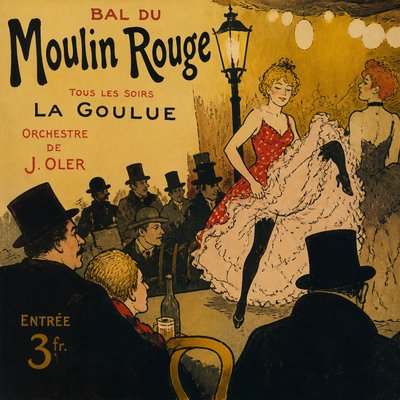
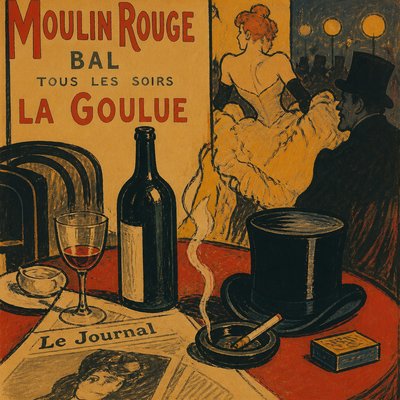
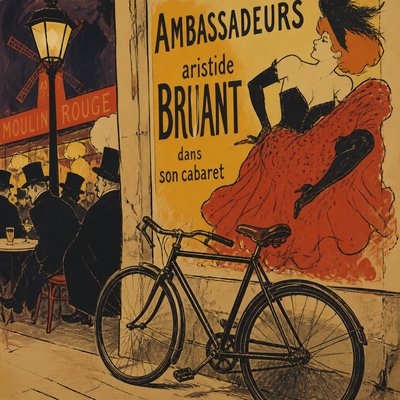
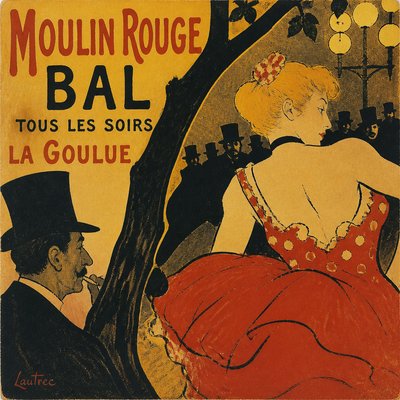
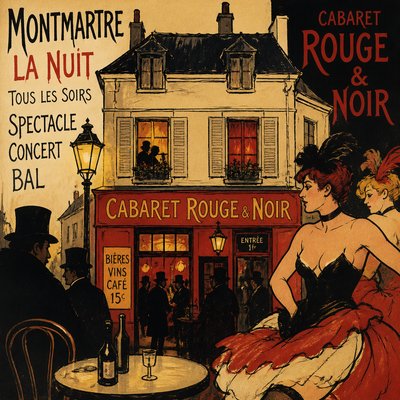
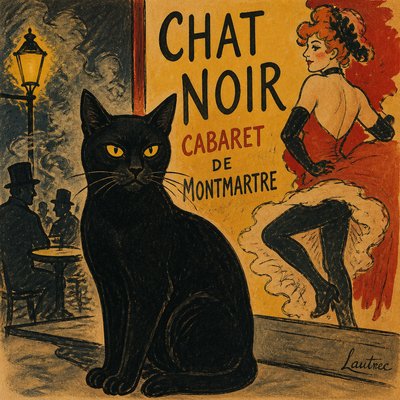
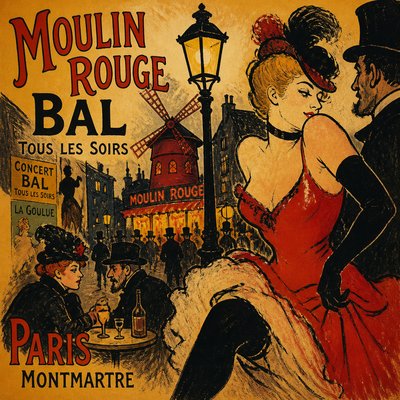
What is Montmartre Art Style?
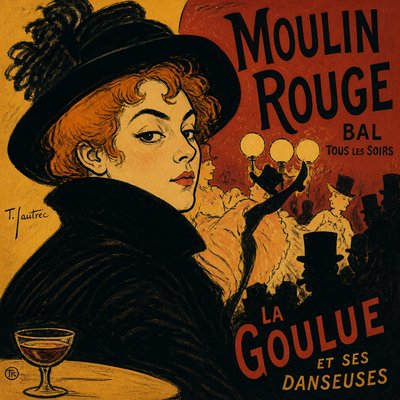
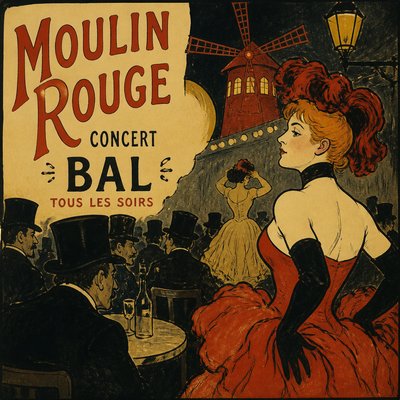
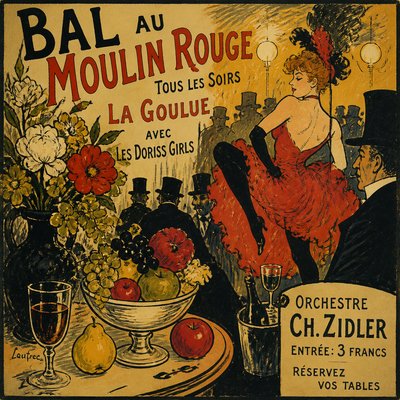
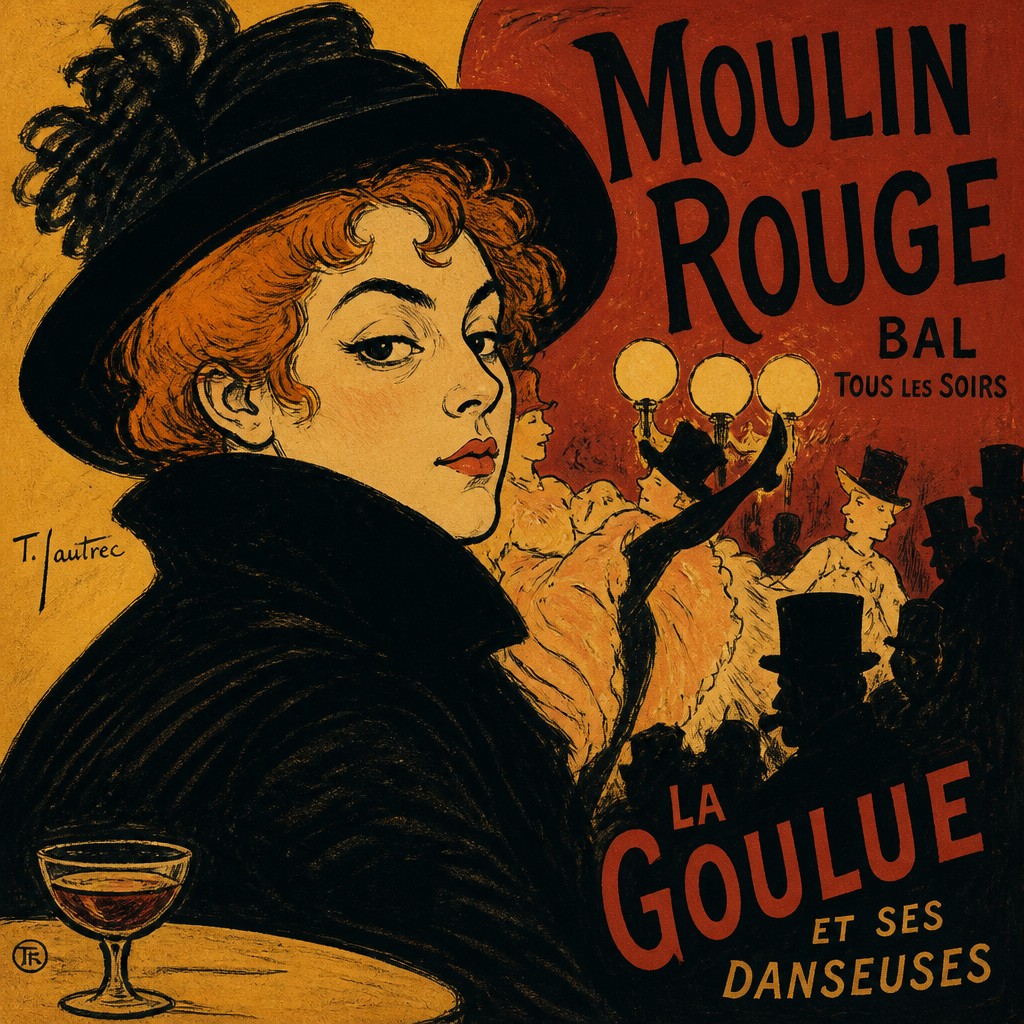
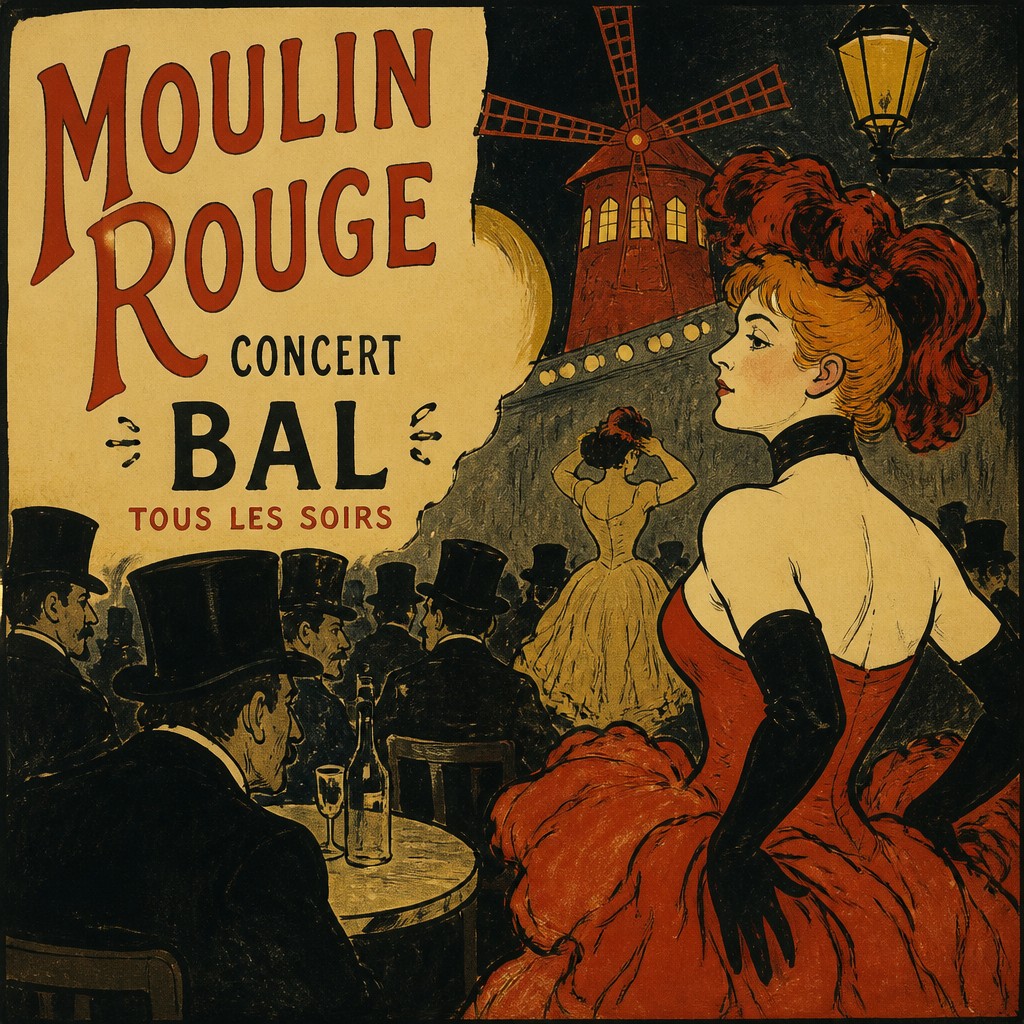
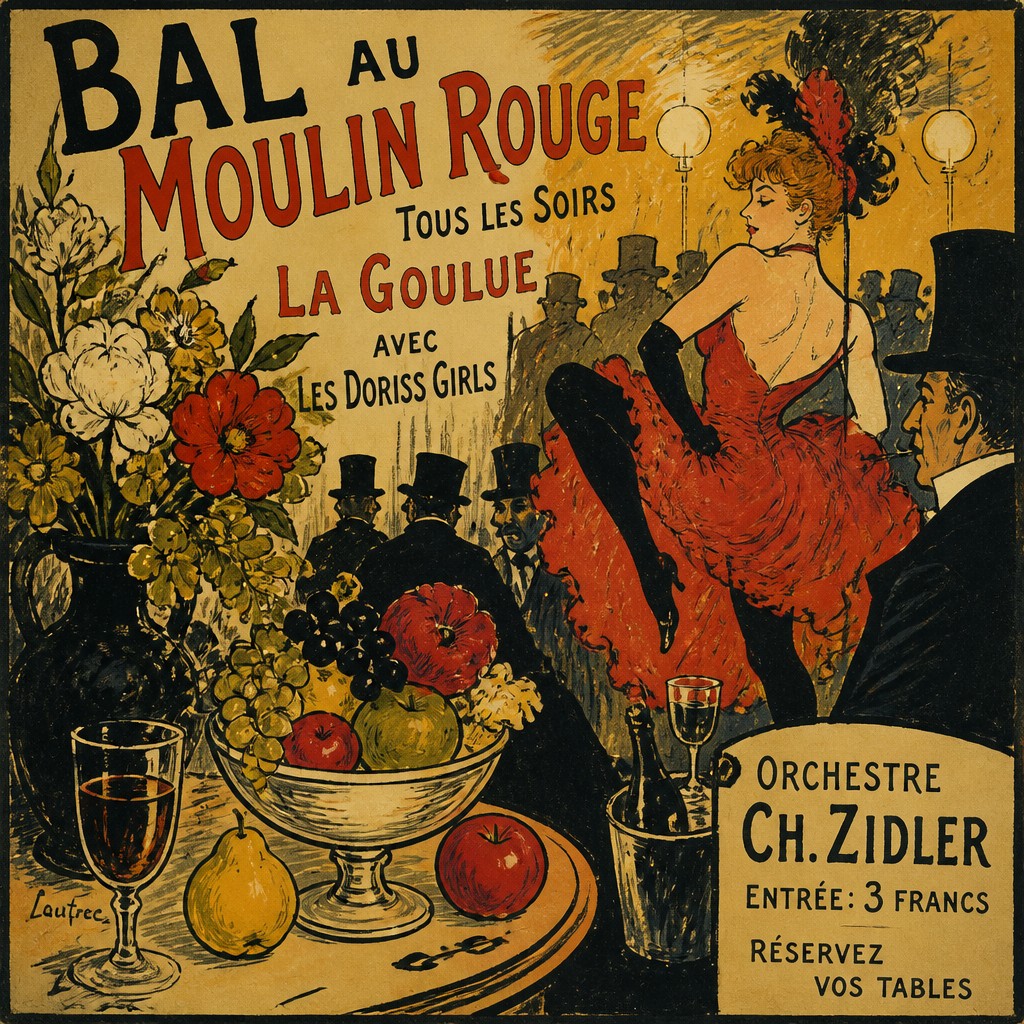
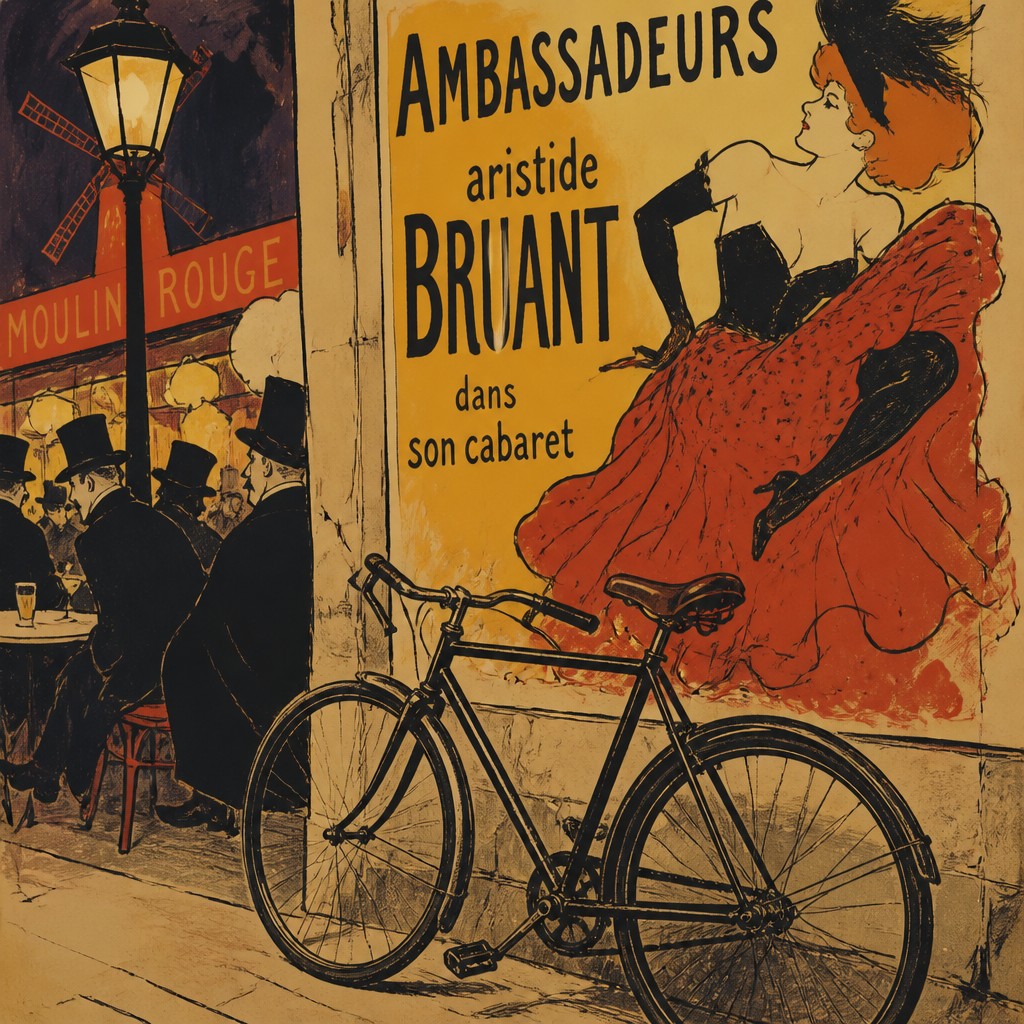
Montmartre Art Style is a contemporary aesthetic built from the visual language of Belle Époque Parisian posters, cabaret graphics, café sketches, and theatrical street scenes. It emphasizes flat lithographic shapes, forceful black contours, cropped compositions, decorative lettering, and a limited palette of mustard, ochre, crimson, cream, and deep ink-black.
The style looks lively and atmospheric rather than naturalistic. Gaslight is translated into warm blocks of color, smoke becomes negative space or loose contour marks, and moving performers are captured through angular poses and energetic lines. Its combination of graphic simplification and nocturnal glamour makes it effective for posters, editorial illustrations, album covers, invitations, travel art, and stylized portraits.
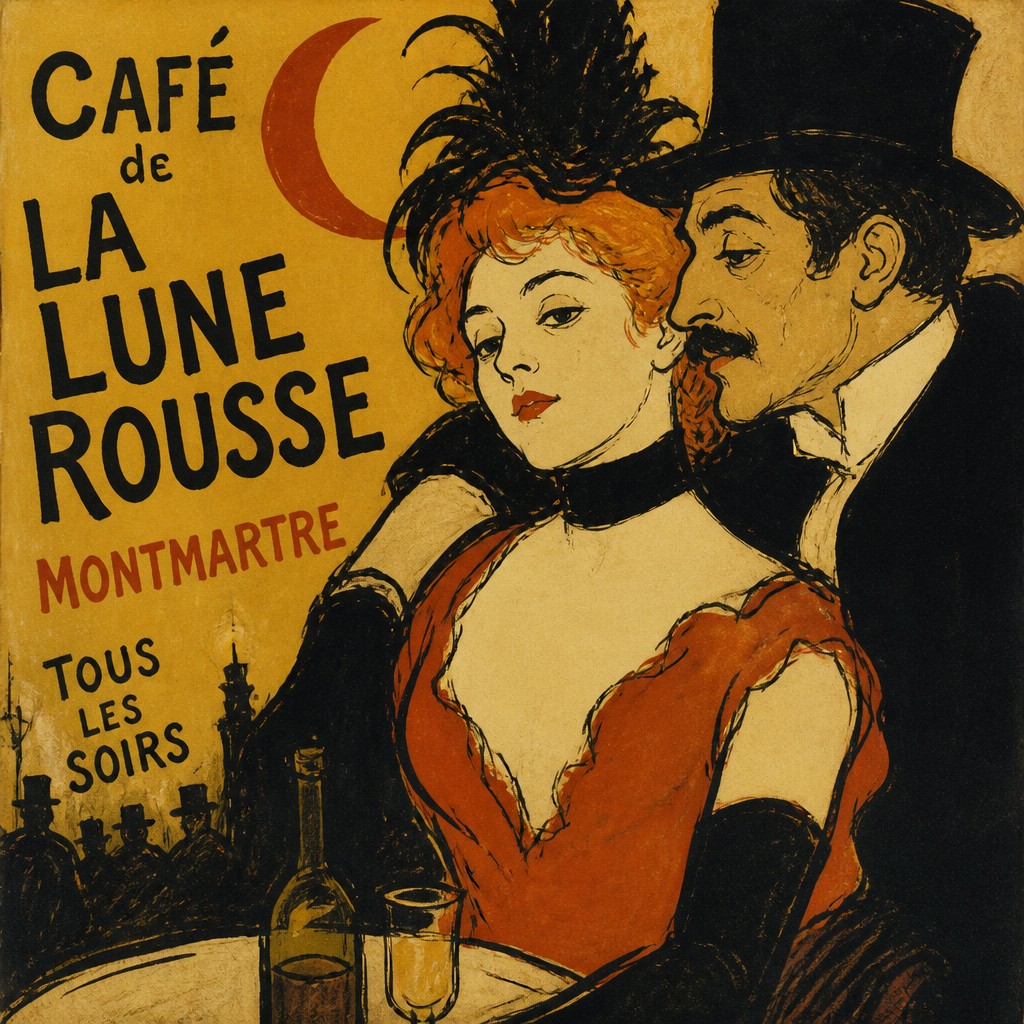
Try It On Your Photos
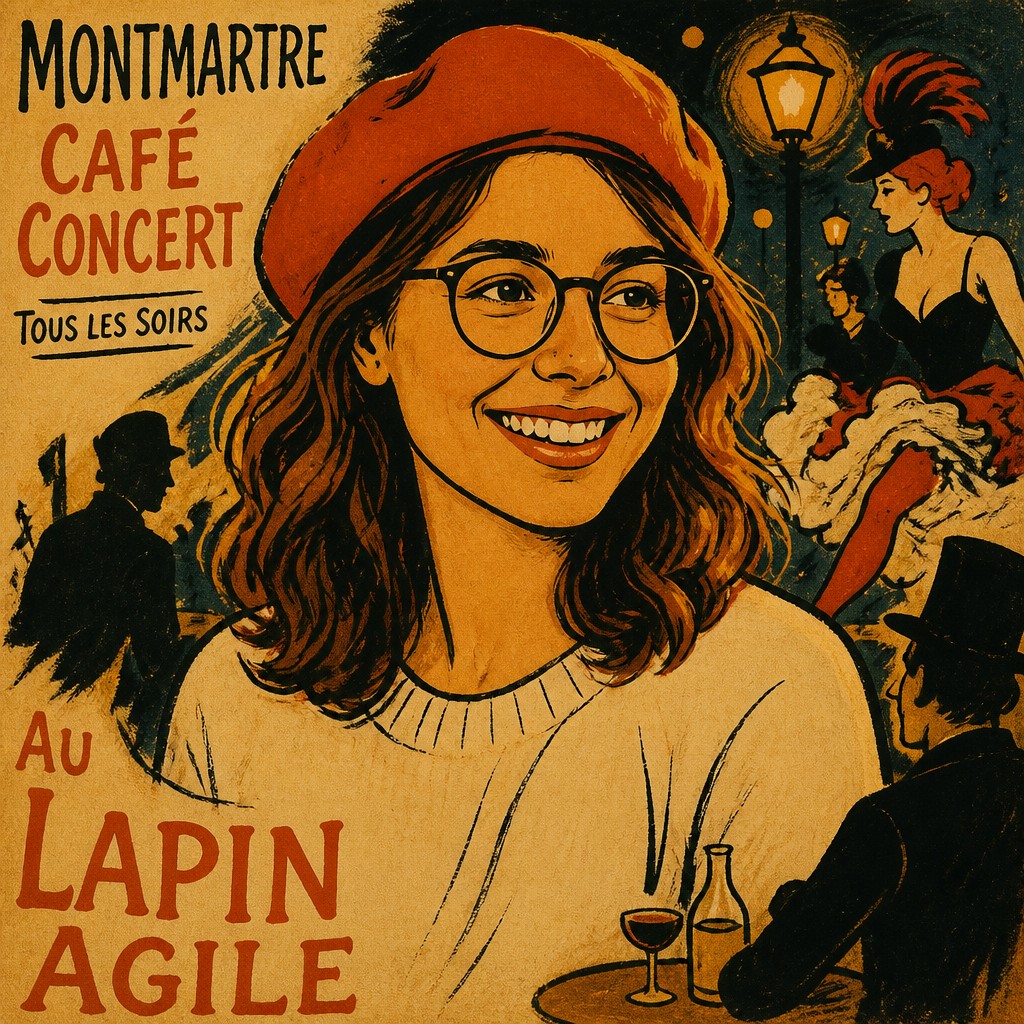
Upload any photo and convert it into Montmartre Art Style — drag the sliders to compare before and after.


What Defines Montmartre Art Style
The signature details, up close
Flat lithographic forms
Subjects are reduced to broad, nearly unshaded shapes that resemble layered color plates in a poster print. Form is communicated through silhouette, overlap, and selective internal marks.
Bold contour drawing
Inky outlines frame figures, architecture, signage, and props. The lines may remain slightly uneven or sketchy, preserving the immediacy of a hand-drawn nightlife study.
Warm nocturnal palette
Mustard yellow, ochre, faded cream, brick crimson, burgundy, and black suggest gaslight and aged paper. Small areas of brighter color can direct attention to faces, costumes, or lettering.
Theatrical cropping
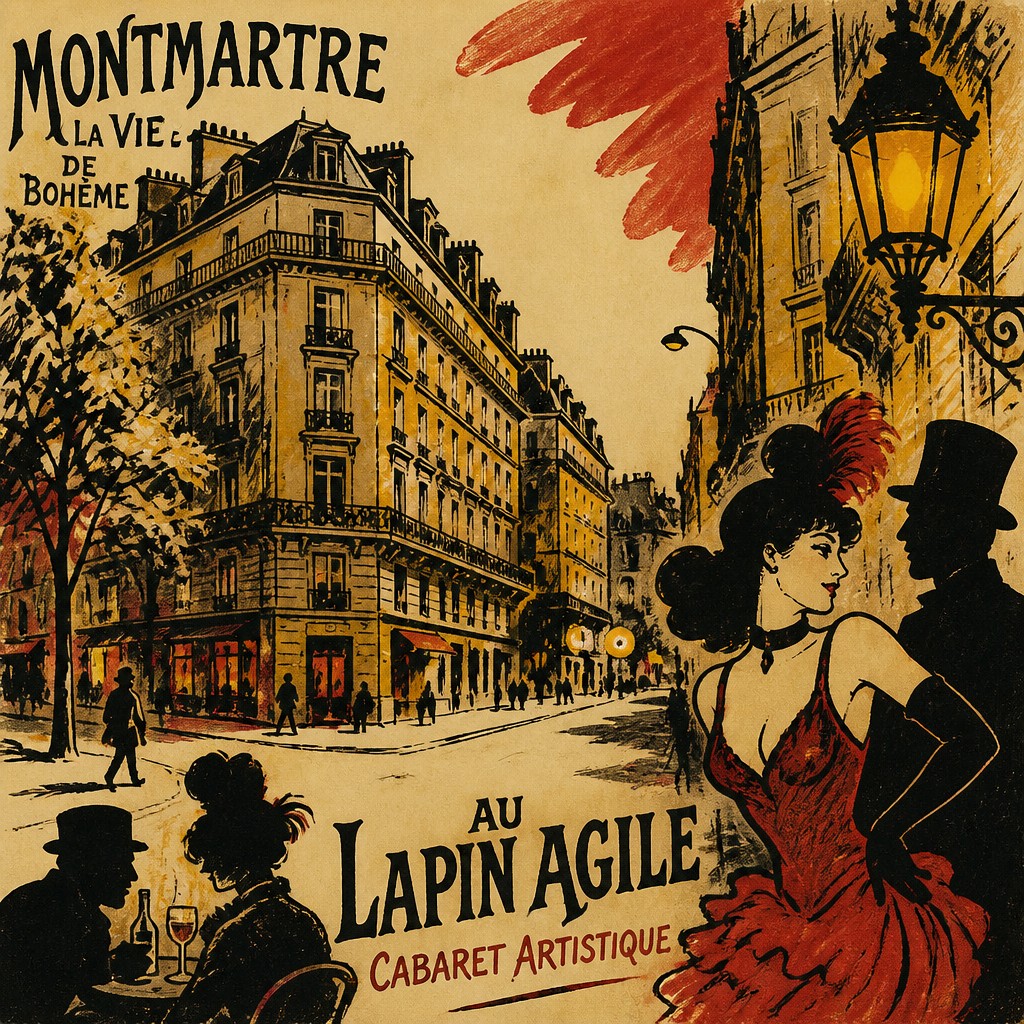
Figures and buildings often extend beyond the frame, as if viewed from a crowded pavement or a cabaret entrance. Tilted perspectives and close cropping create movement and visual urgency.
Cabaret and café atmosphere
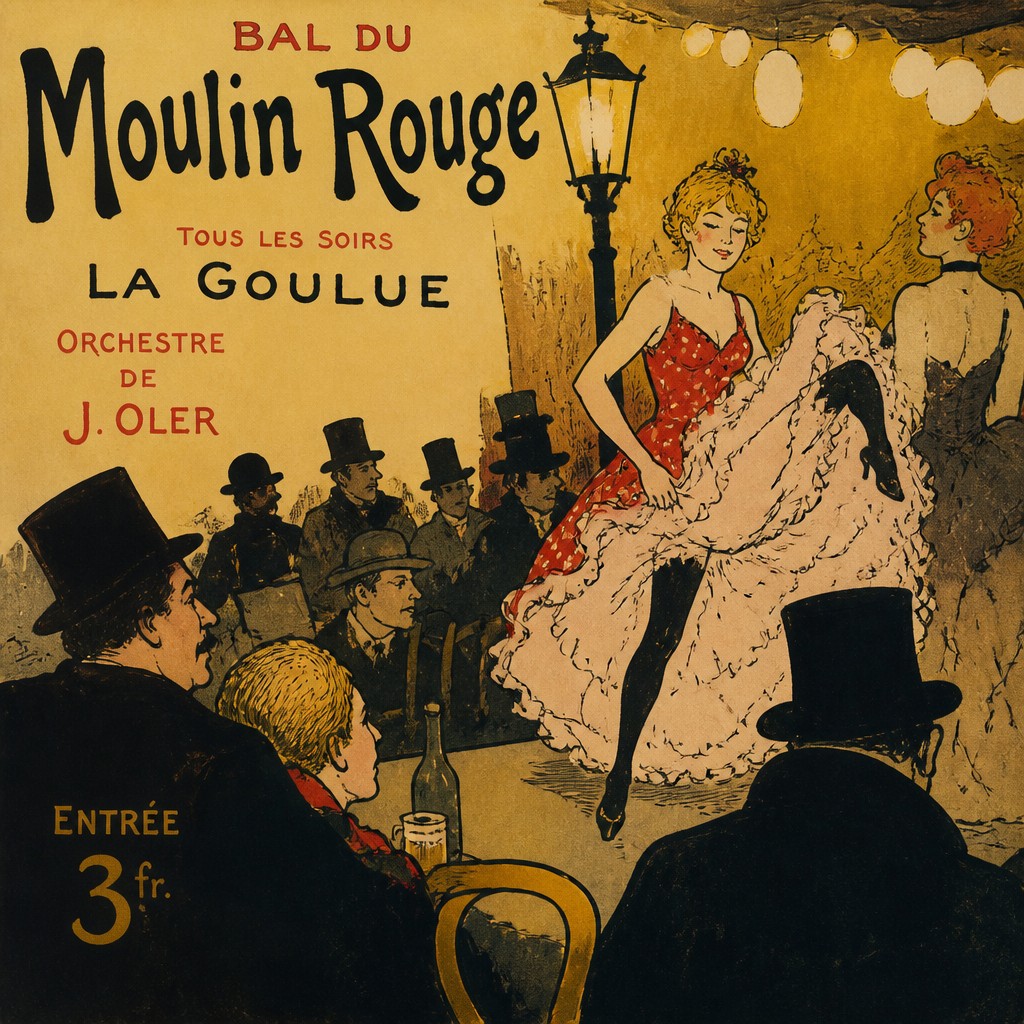
Performers, musicians, dancers, patrons, gas lamps, awnings, and smoky interiors are recurring subjects. The mood is lively and observant, balancing glamour with the density of urban night life.
Decorative negative space
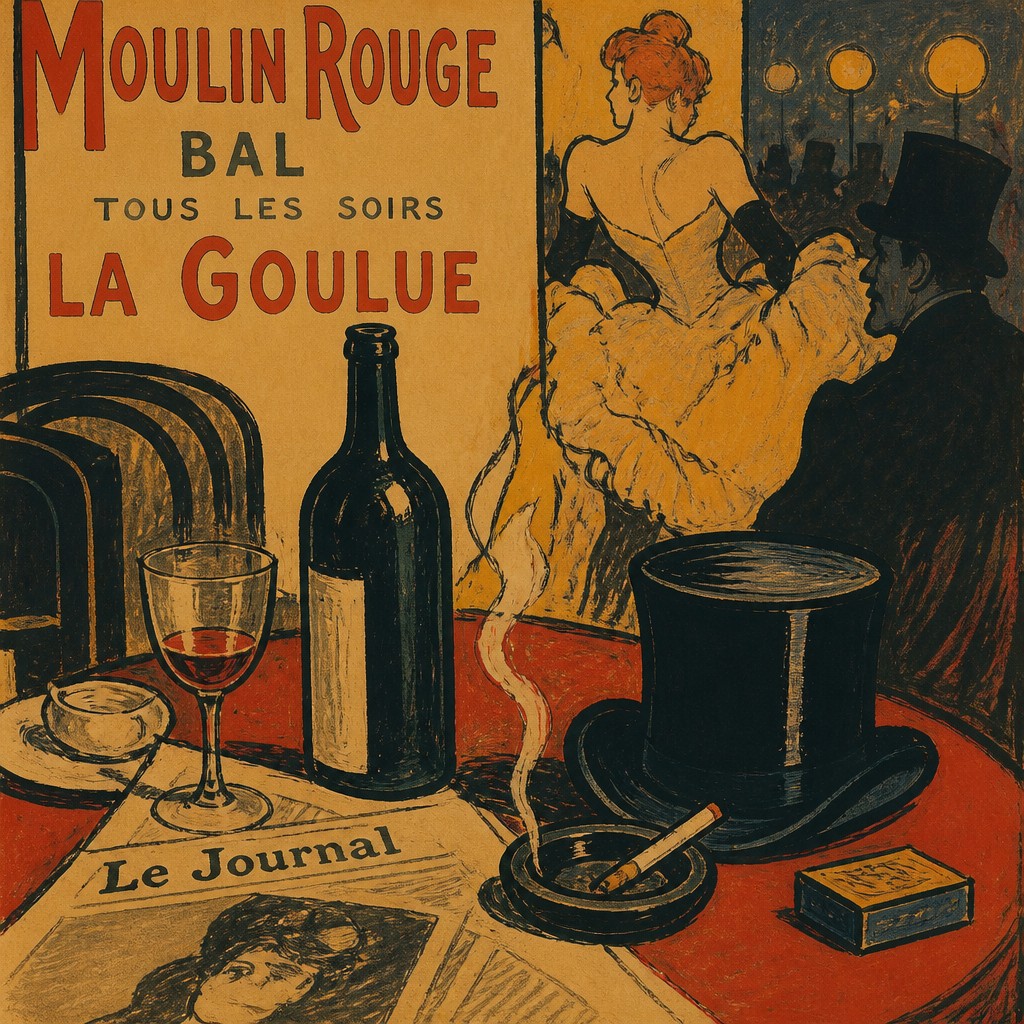
Open areas are deliberately reserved for poster text, emblems, or visual breathing room. Empty cream or dark fields help the main silhouette and typography read at a distance.
Aged print surface
Subtle paper grain, imperfect registration, ink variation, and restrained distressing evoke historical print production. Texture should support the design rather than overwhelm its clean graphic structure.
Montmartre Prompt Ideas
Start from an idea — each one opens the generator with the style ready to go. See all 40 Montmartre prompts →
How to Create Montmartre Art
Master the craft step by step — or skip straight to creating. Read the full guide →
- 1
Build a limited palette
Start with warm cream, mustard, crimson, brown-black, and one optional accent. Reserve the lightest tone for gaslight, paper, or lettering so the image retains clear poster-like hierarchy.
- 2
Simplify before detailing
Reduce the subject to three or four large value masses, then add only the contour marks that clarify pose, costume, architecture, and direction of movement. Avoid smooth tonal modeling and excessive realism.
- 3
Use a poster composition
Place the focal figure off-center, crop secondary forms at the edges, and leave intentional negative space for a headline or emblem. A slight diagonal or upward perspective can make a static scene feel theatrical.
- 4
Imitate print processes
Traditionally, work with opaque inks, cut-paper shapes, or layered screen-print and relief-print methods. Digitally, separate color plates into layers, add restrained paper grain, and introduce small registration shifts rather than generic noise.
- 5
Direct the atmosphere
Describe gaslight, smoky café air, wet pavement, theatrical motion, and a Belle Époque urban setting while specifying flat shapes, bold outlines, and a restricted poster palette. For image-to-image work, preserve the source subject's pose while simplifying its values and edges.
- 6
Control typography
Use short, bold display lettering with generous spacing and place it in the reserved negative space. Keep text legible and structurally integrated instead of allowing decorative type to compete with the main figure.
The Story
History & Origins of Montmartre
Montmartre Art Style is best understood as an invented or contemporary label rather than a formally recognized historical movement. Its lineage comes from late-19th- and early-20th-century poster lithography in France, the entertainment districts of Belle Époque Paris, cabaret advertising, illustrated newspapers, and rapid urban sketching.
The aesthetic also draws on the period's interest in simplified silhouettes, expressive typography, decorative borders, and mass-produced color printing. Contemporary digital artists and image-makers recombine these sources with cinematic cropping, distressed textures, and controlled color grading, producing a nostalgic language that references historical Paris without reproducing one exact period technique.
Influences: The style relates to French Belle Époque poster lithography, Art Nouveau graphic design, cabaret and café illustration, editorial caricature, urban sketching, screen printing, and vintage travel posters. It also shares with expressionist illustration an interest in distortion, strong silhouettes, and emotional color, while its flat color separation and emphasis on lettering connect it to modern graphic design and commercial print traditions.
Frequently Asked Questions
What defines the Montmartre Art Style?
It is defined by Belle Époque poster references, cabaret and café subjects, bold black outlines, flat lithographic color, warm gaslight hues, and cropped theatrical compositions. Decorative negative space and expressive contour lines are equally important.
Is Montmartre Art Style a historical art movement?
No. The term is best treated as a contemporary descriptive label rather than the name of a documented historical movement. It combines several real traditions associated with Belle Époque Paris, especially poster printing, nightlife illustration, and decorative graphic design.
How is it different from Art Nouveau?
Art Nouveau is a broad historical movement known for organic ornament, flowing lines, and integrated decorative design across many media. This style borrows some of its poster heritage but places greater emphasis on cabaret atmosphere, hard-edged silhouettes, limited colors, sketchy motion, and theatrical cropping.
Can portraits be made in this style?
Yes. Portraits work especially well when the face, costume, and gesture are treated as large graphic shapes rather than fully modeled realism. Add a gaslit background, period-inspired clothing, and open space for lettering to reinforce the poster language.
What colors work best for this aesthetic?
A compact palette of cream, mustard, ochre, crimson, burgundy, brown, and ink-black is characteristic. A restrained teal or muted green can be used as an accent, but too many saturated colors will weaken the aged lithographic effect.
Where is this style commonly used?
It suits event posters, theater and cabaret announcements, album artwork, editorial illustration, café branding, invitations, travel graphics, packaging, and decorative portraits. Its strong silhouettes and limited palette also translate well to screen printing and social-media graphics.
Create your first Montmartre artwork
Describe anything — or upload a photo — and see it in Montmartre Art Style in seconds.
Related Styles
Discover similar art styles