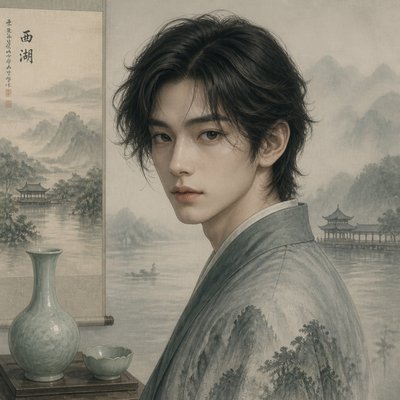
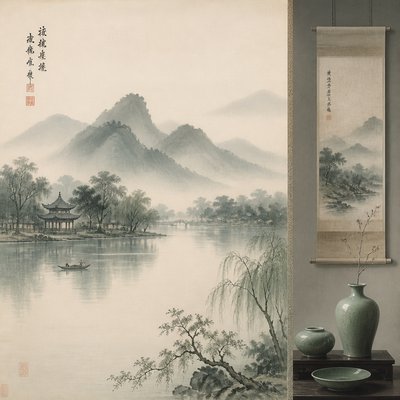
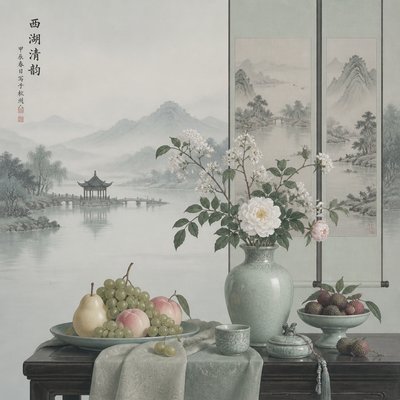
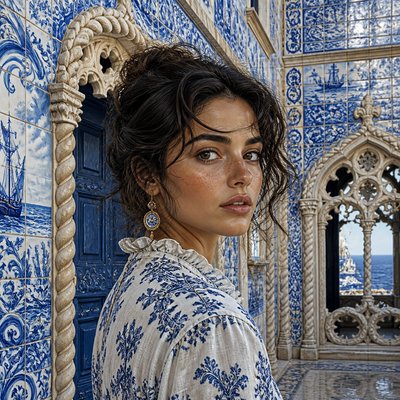
Mongolian Art Style
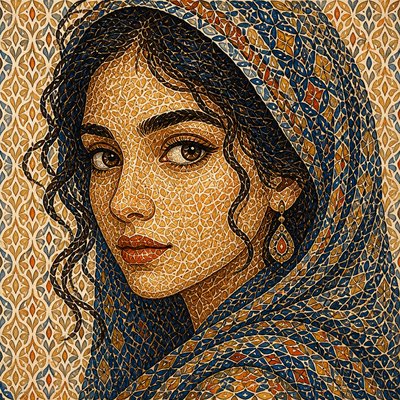
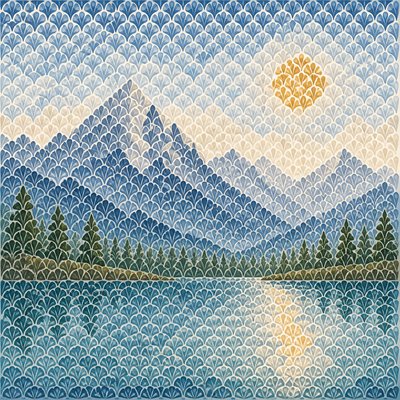
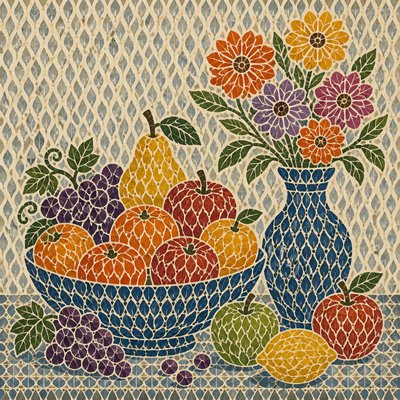
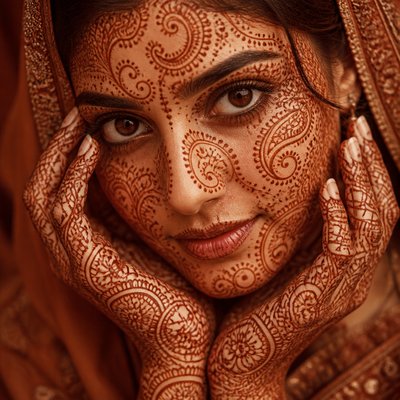
Explore Mongolian art style: Mongol zurag storytelling, nomadic landscapes, Buddhist ornament, mineral color, flowing line, and gilt-bronze radiance.
Instantly rendered in Mongolian — or transform a photo
Mongolian Gallery
Tap any artwork to explore it
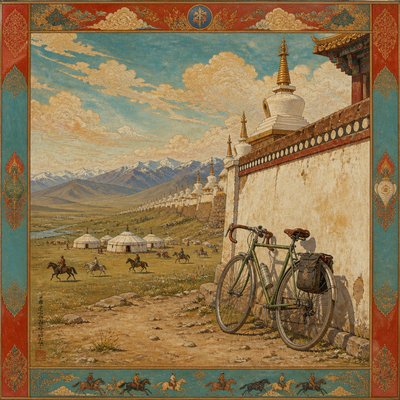
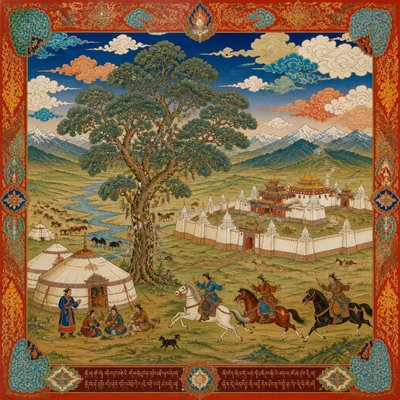
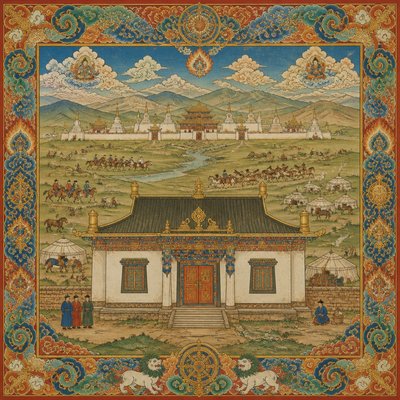
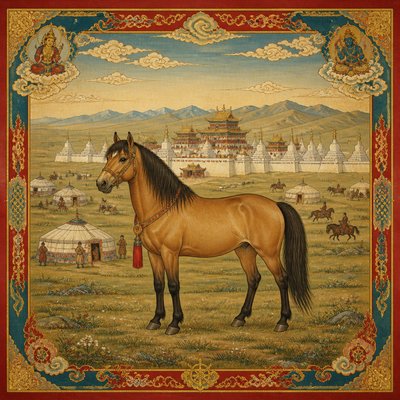
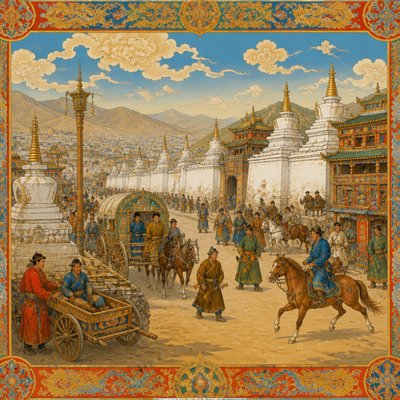
What is Mongolian Art Style?
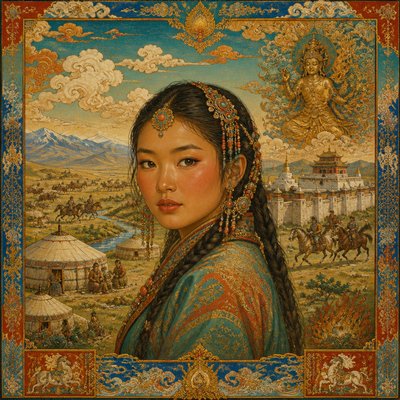
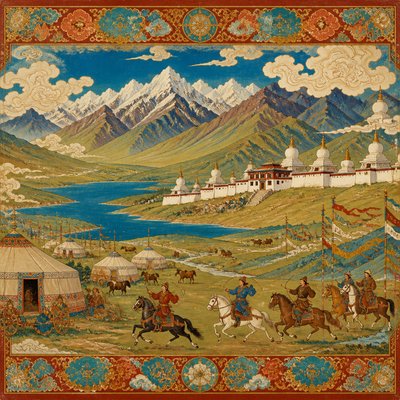
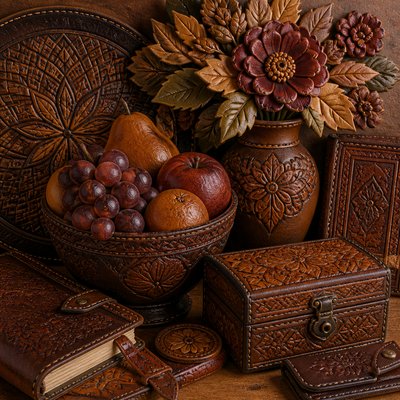
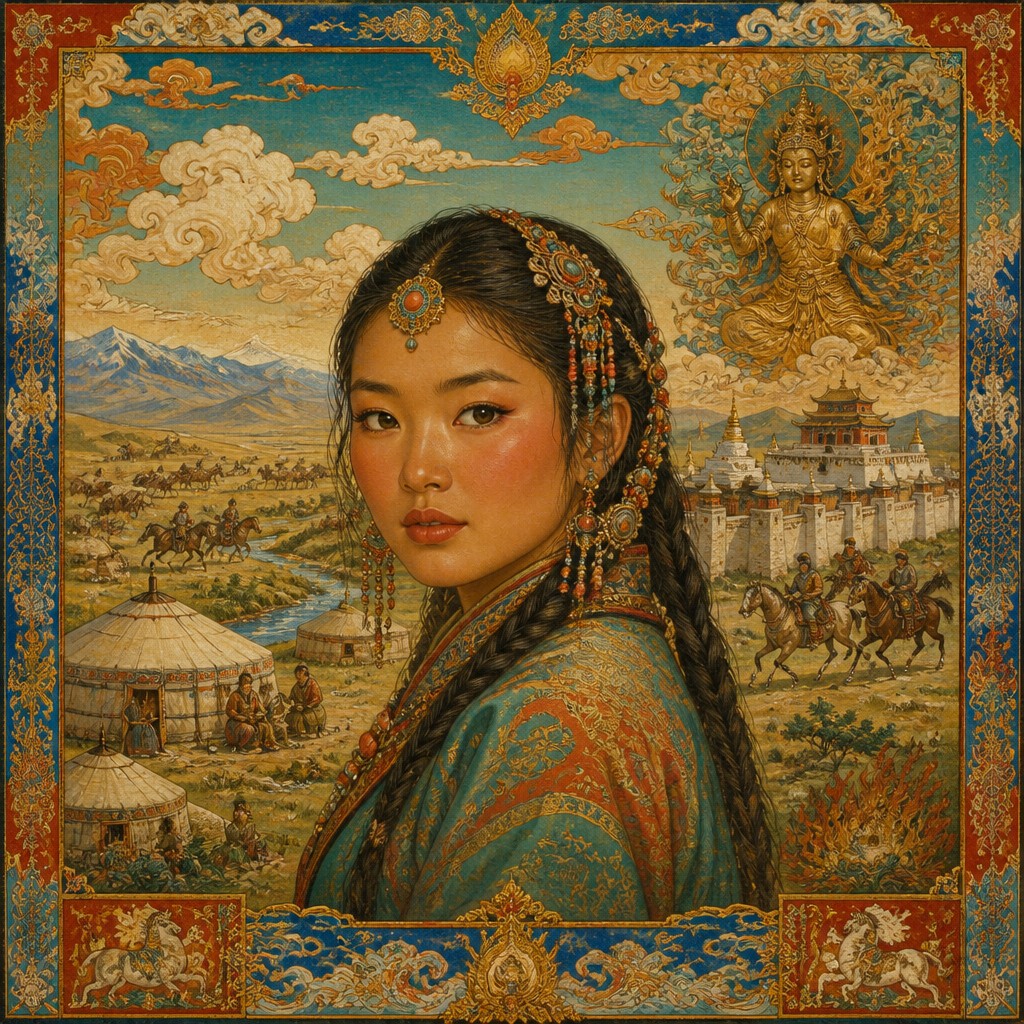
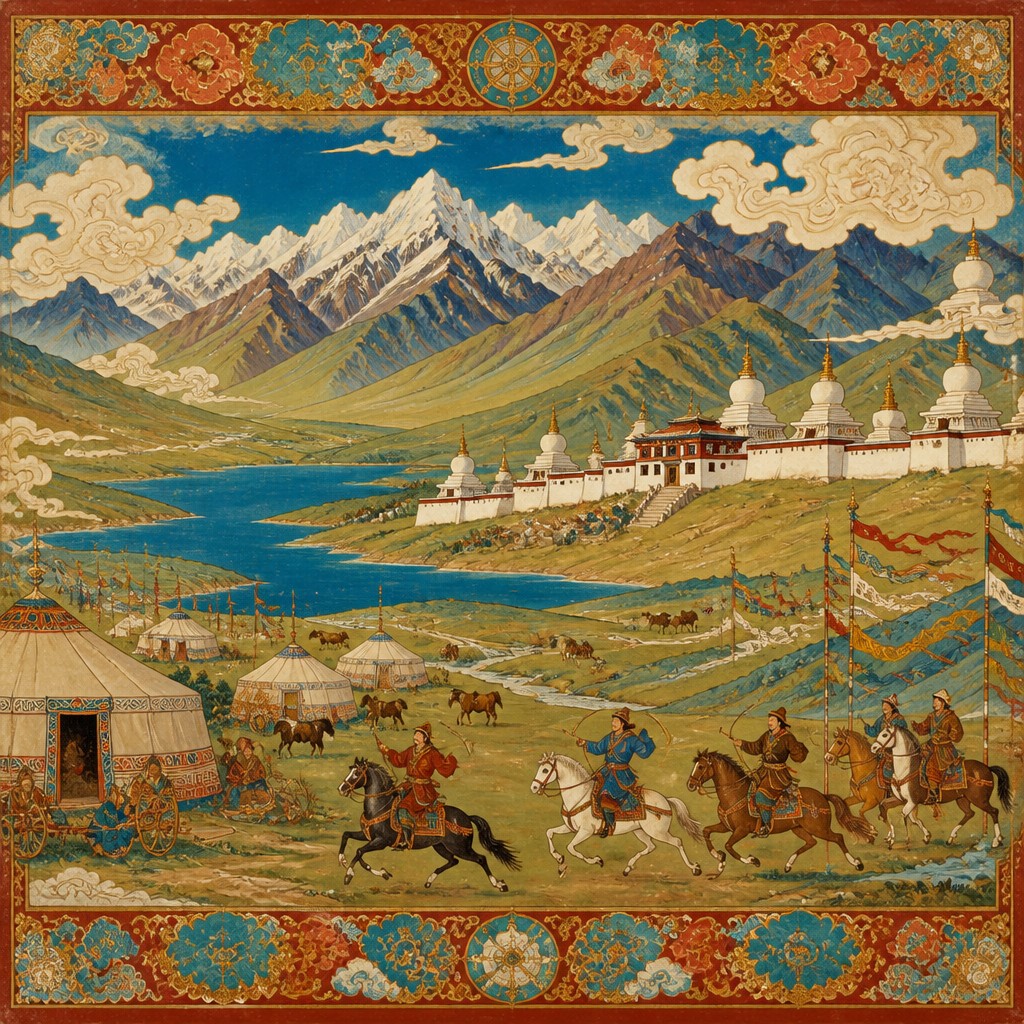
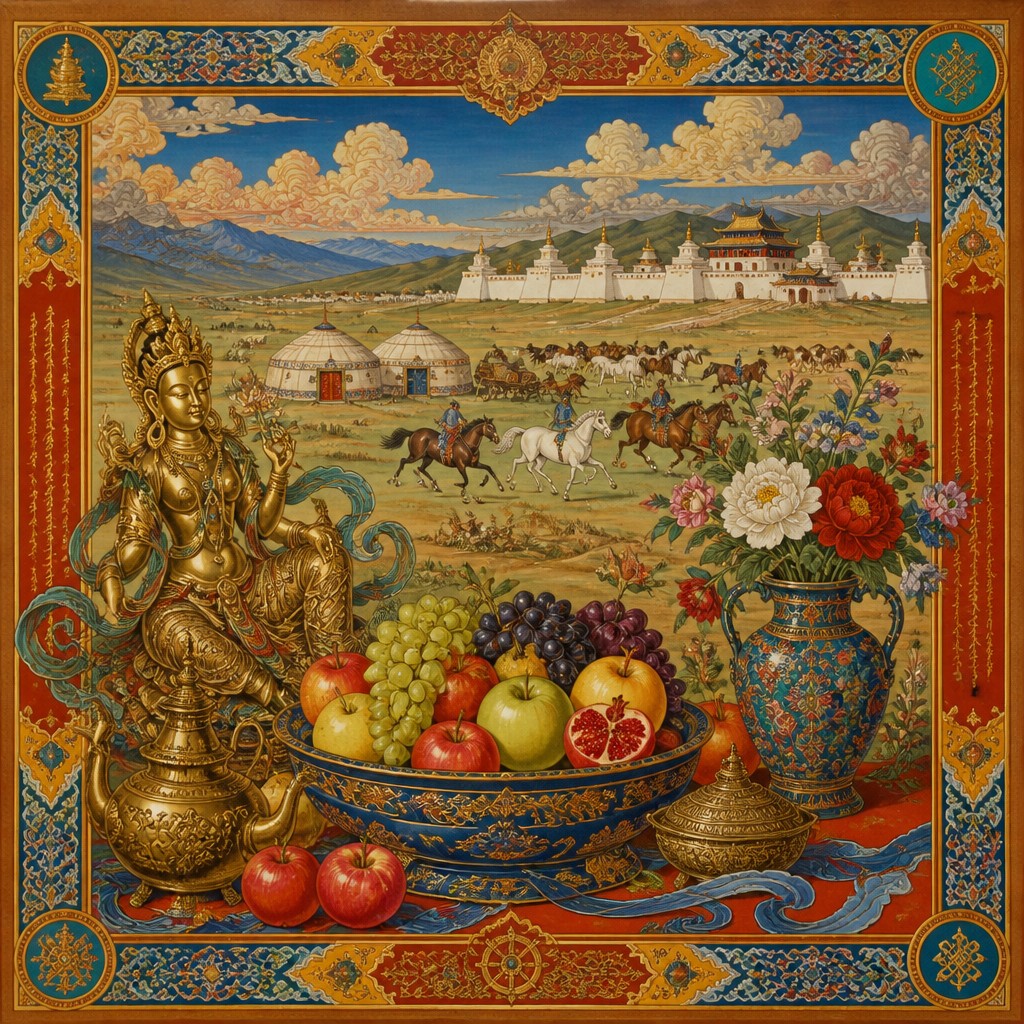
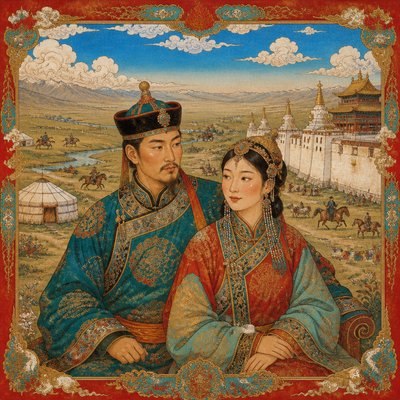
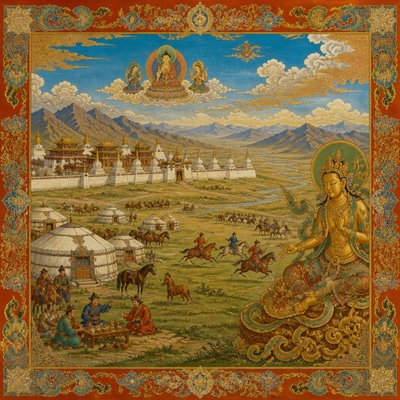
Mongolian art style is a broad visual tradition shaped by nomadic life, Buddhist imagery, steppe landscapes, and the decorative arts of felt, leather, wood, metal, and painted cloth. In contemporary style references, it often centers on Mongol zurag: expansive narrative painting populated by riders, herds, gers, monasteries, wildlife, and sweeping grasslands. Its visual language favors clear silhouettes, rhythmic contour, ornamental borders, and carefully organized scenes rather than strict Western linear perspective.
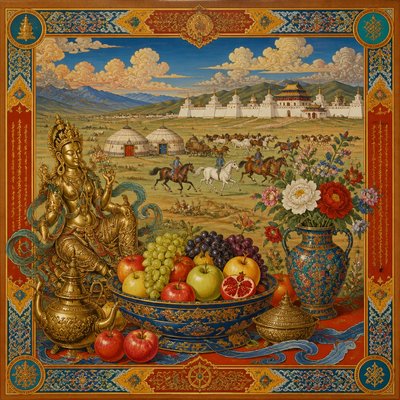
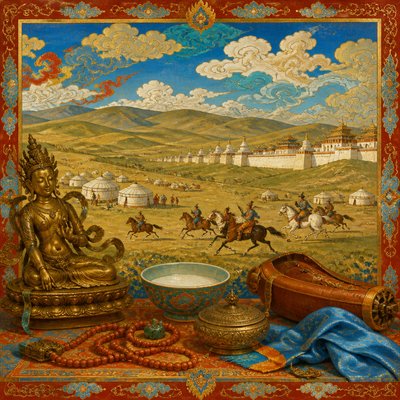
The style is recognized for mineral-like vermilion, turquoise, lapis, white, black, and ochre, often heightened with gold. Cloud scrolls, flame motifs, lotus forms, stylized mountains, horse tack, and Buddhist architectural details create a richly patterned surface. The combination of open sky, radiant highland light, elegant drapery, and sculptural-looking line can make a flat image feel both monumental and tactile.
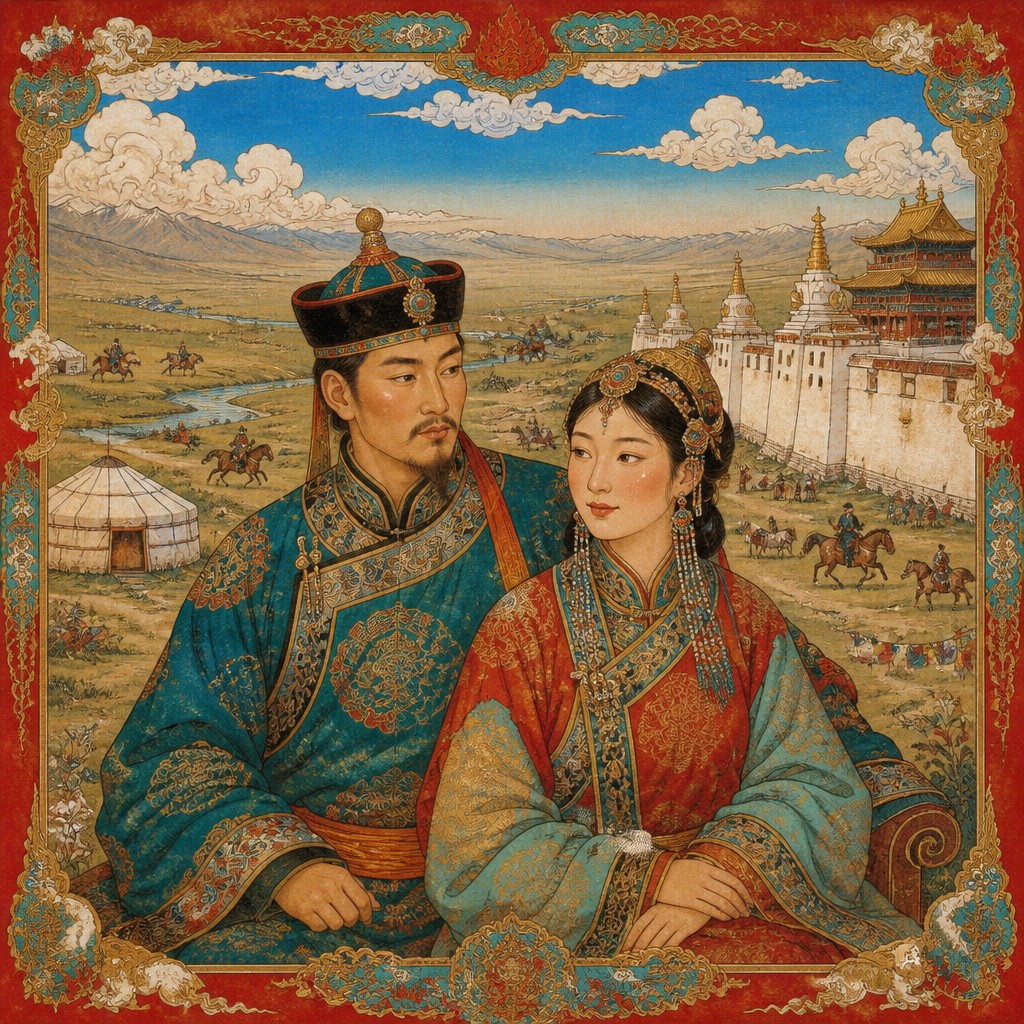
Try It On Your Photos
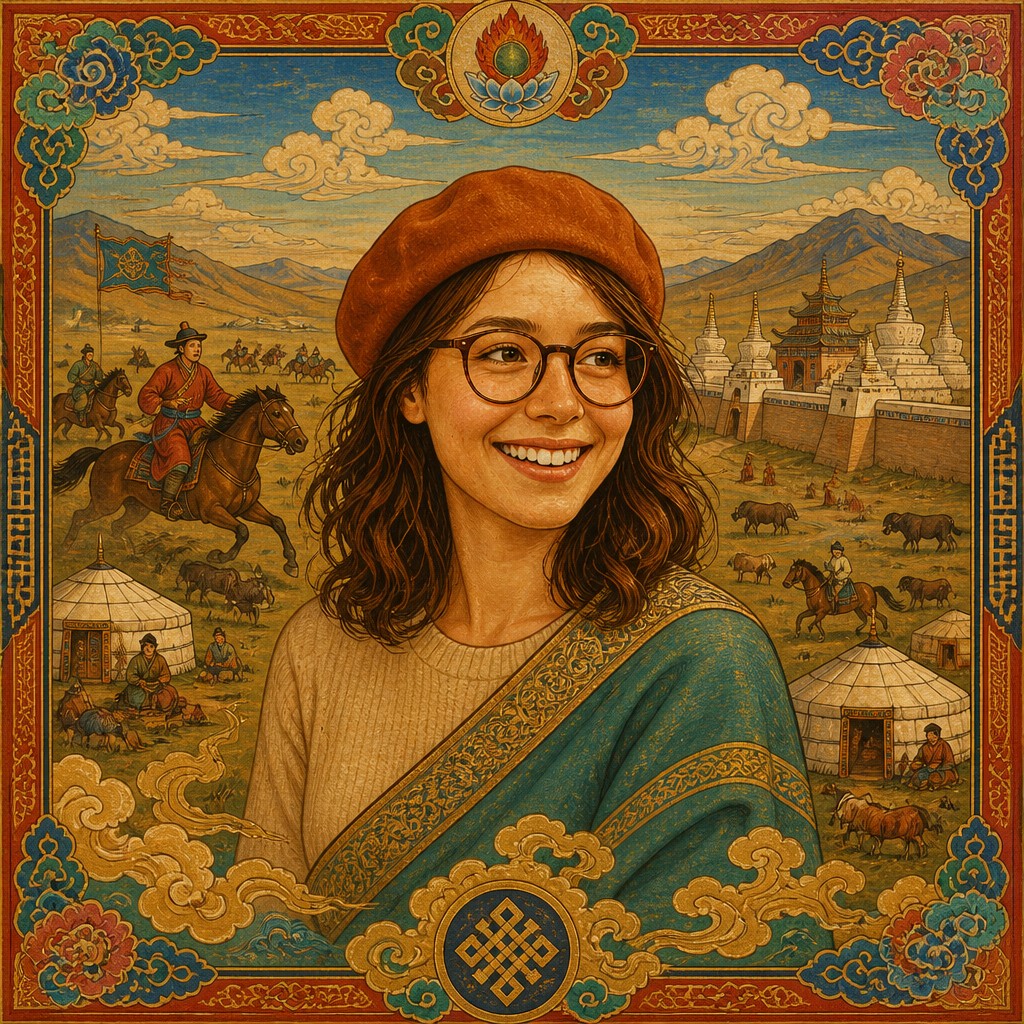
Upload any photo and convert it into Mongolian Art Style — drag the sliders to compare before and after.

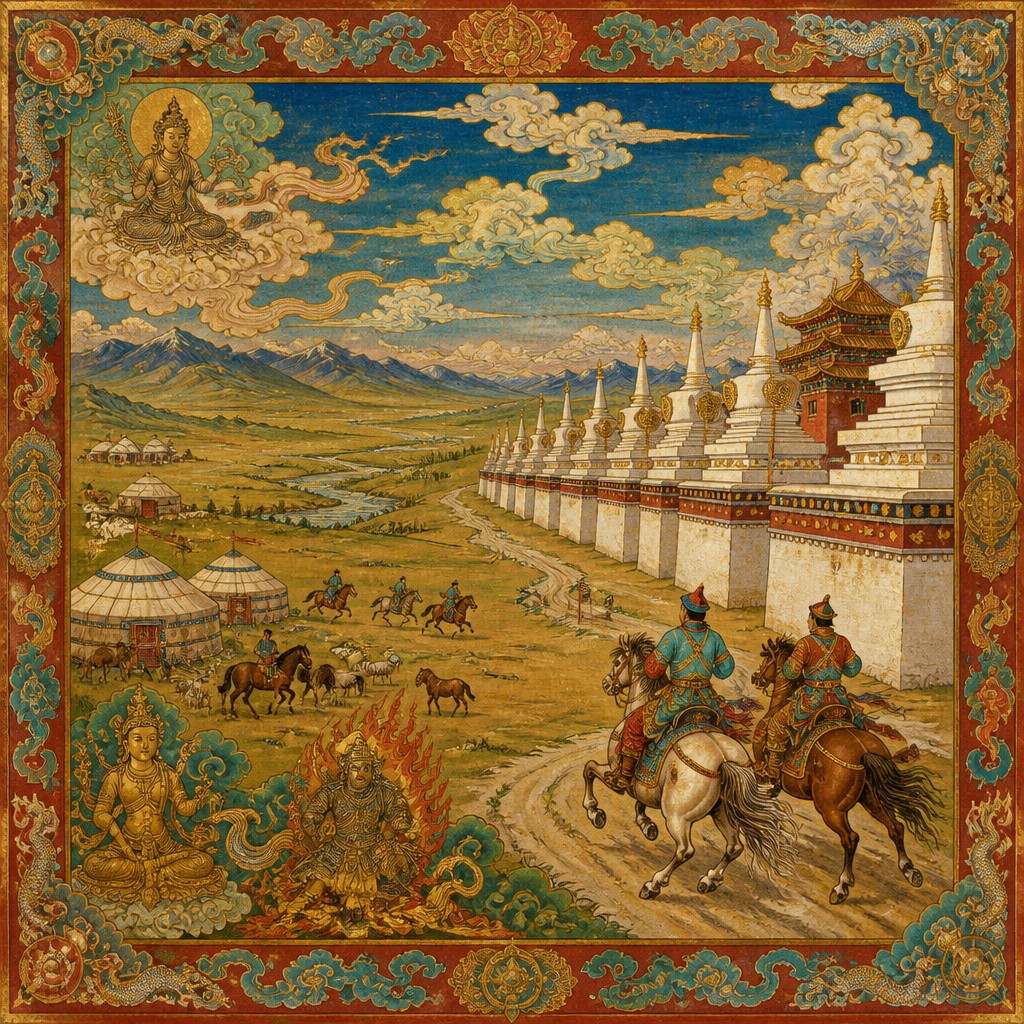

What Defines Mongolian Art Style
The signature details, up close
Narrative steppe composition
Large scenes unfold across the picture plane with riders, horses, herders, gers, wildlife, and distant settlements arranged as a continuous visual story. Multiple episodes or layers may coexist without conventional single-point perspective.
Nomadic subject matter
Pastoral movement, horse culture, migration, archery, festivals, hunting, and daily life in the grasslands provide recurring themes. The emphasis is often on relationships between people, animals, weather, and land.
Mineral color and gilded accents
Vermilion, turquoise, blue, white, black, green, and ochre create a jewel-like palette associated with painted religious and decorative arts. Gold leaf, metallic paint, or warm highlights add ritual radiance and visual hierarchy.
Flowing contour and drapery
Elegant outlines define figures, horses, garments, clouds, and banners with an almost calligraphic rhythm. Drapery and mane shapes often curve in repeated waves, giving movement to otherwise controlled compositions.
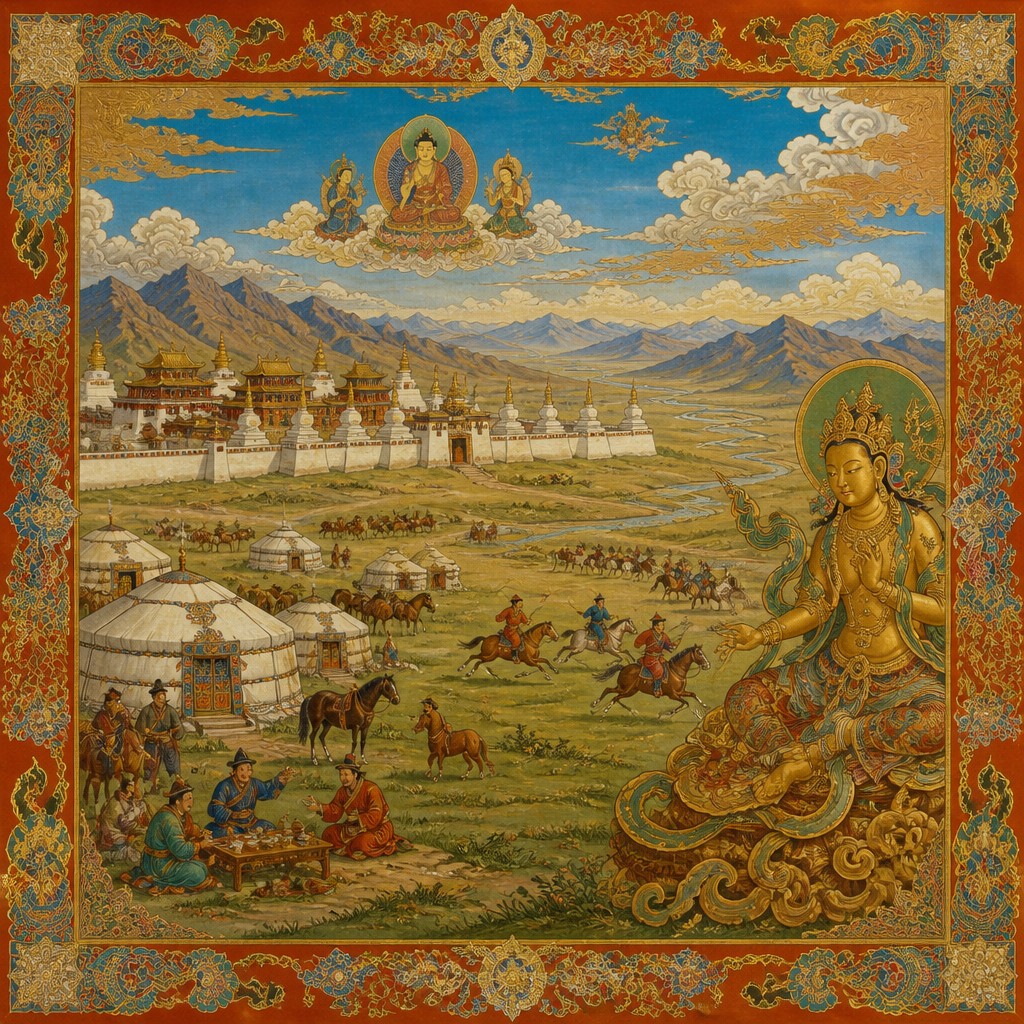
Buddhist and steppe ornament
Lotus petals, flame halos, cloud scrolls, stupas, monastery walls, auspicious emblems, and geometric borders may appear alongside animal and saddle motifs. These elements connect the image to Tibetan Buddhist and Inner Asian decorative vocabularies.
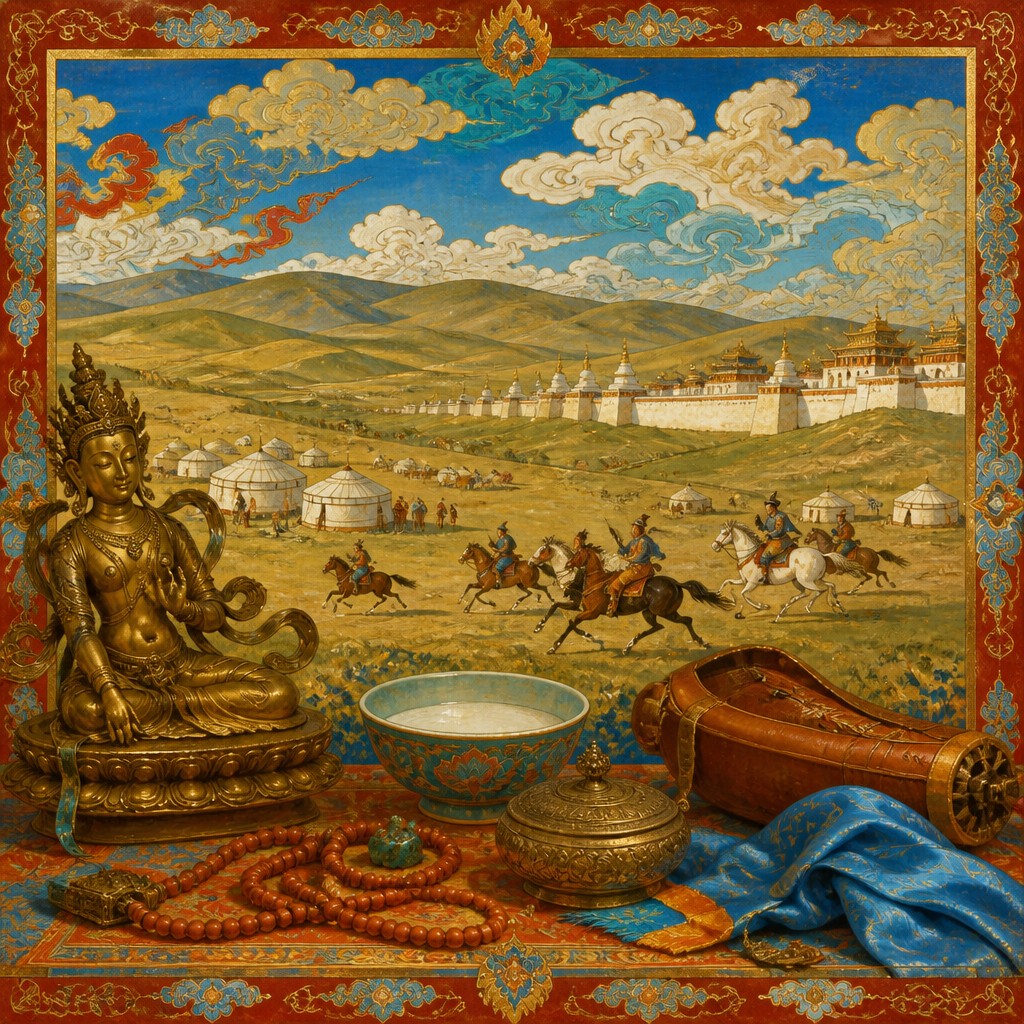
Open-sky light and spaciousness
Broad horizons, luminous blue skies, and pale grassland tones convey the scale of the plateau. Even highly ornamented scenes usually preserve a strong sense of wind, distance, and uncluttered space.
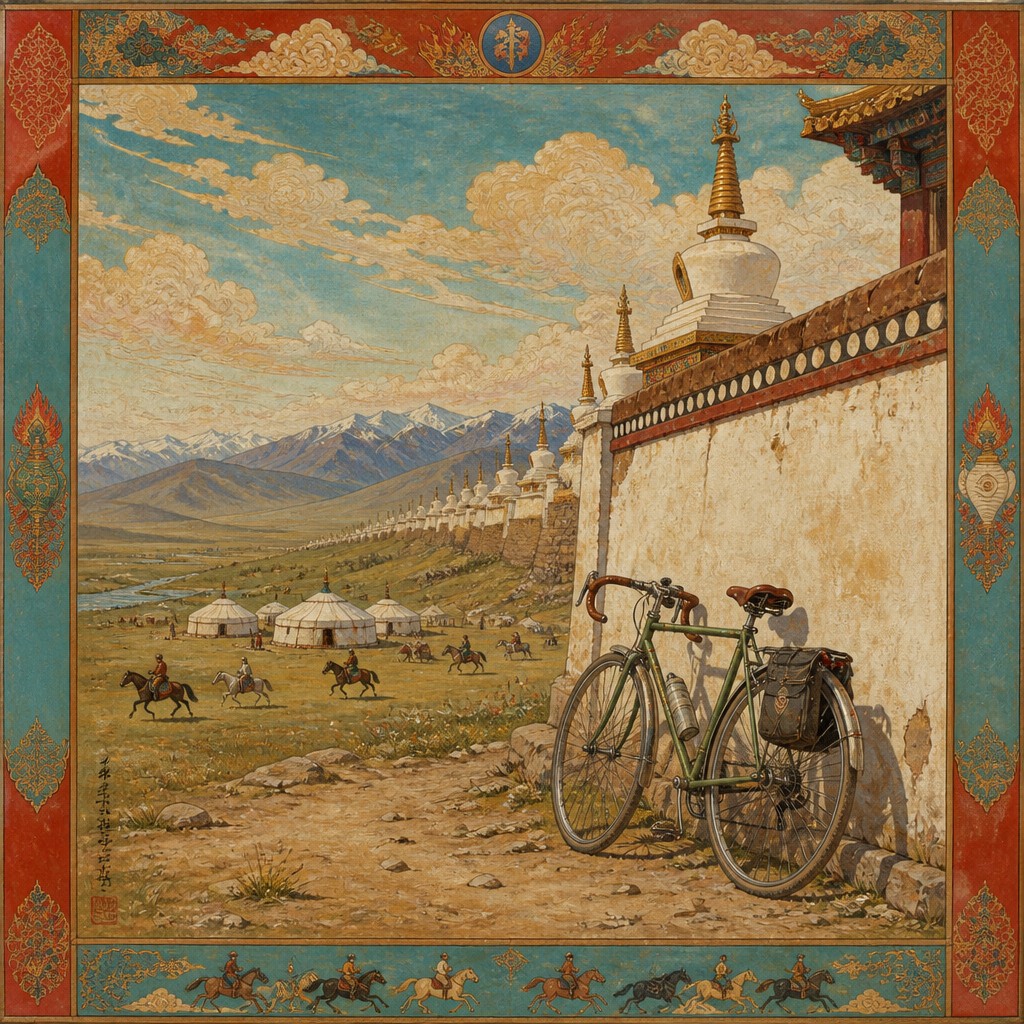
Decorative surface organization
Borders, repeated patterns, flattened planes, and balanced color blocks create a scroll-like or mural-like effect. Detail is distributed across the entire image instead of concentrated only at a naturalistic focal point.
Mongolian Prompt Ideas
Start from an idea — each one opens the generator with the style ready to go. See all 40 Mongolian prompts →
How to Create Mongolian Art
Master the craft step by step — or skip straight to creating. Read the full guide →
- 1
Plan a panoramic narrative
Begin with a wide horizontal composition and place a clear sequence of figures, animals, architecture, and landscape elements across it. Use overlapping bands and repeated motifs to suggest time, distance, and movement without relying entirely on realistic perspective.
- 2
Build a mineral palette
Work with vermilion, turquoise, deep blue, cream, charcoal, ochre, and restrained green, then reserve gold for halos, tack, borders, sunlight, or architectural accents. In digital work, use textured brushes or subtle grain so flat color retains the character of pigment.
- 3
Use deliberate contour
Draw horses, riders, clouds, garments, and grasses with confident flowing lines before adding modeled color. Vary line weight around silhouettes and ornament, but keep the overall image more decorative and controlled than photorealistic.
- 4
Add culturally grounded details
Include recognizable forms such as felt gers, traditional tack, monastery architecture, stupas, banners, lotus ornament, and steppe animals only when they support the subject. Research costume, architecture, and Buddhist symbols so decorative choices do not become generic fantasy.
- 5
Layer traditional or digital surfaces
For physical work, consider opaque tempera or gouache, mineral-like pigments, ink outlines, metallic leaf, and a bordered paper or textile ground. Digitally, separate sky, terrain, figures, ornament, and gold accents into layers and use masks to preserve crisp silhouettes.
- 6
Write structured generation prompts
Specify the subject first, then the panoramic Mongol zurag narrative arrangement, palette, contour quality, Buddhist or steppe ornament, materials, lighting, and border treatment. For image-to-image work, preserve the source pose or architecture while requesting flatter planes, mineral color, flowing line, and selective gilding.
The Story
History & Origins of Mongolian
Mongolian visual culture developed through the material traditions of Inner Asian nomadic societies and through centuries of exchange across the Silk Roads. Buddhist art became especially influential from the late medieval period onward, bringing Tibetan and broader Himalayan conventions into monastery murals, thangka painting, ritual objects, cast sculpture, and illustrated religious texts. Earlier steppe traditions contributed animal-centered ornament, dynamic riders, heraldic pattern, and an emphasis on portable objects.
Mongol zurag, meaning roughly “Mongolian painting,” developed as a modern Mongolian painting tradition during the twentieth century. It adapted inherited Buddhist and folk techniques to secular subjects such as pastoral work, history, festivals, and national life. The contemporary label “Mongolian art style” is therefore best understood as a flexible synthesis rather than one fixed historical movement: it may combine Mongol zurag composition with Buddhist ornament, gilt-bronze sculpture, monastery architecture, and romantic depictions of the steppe.
Influences: The style draws on Mongol zurag, Tibetan Buddhist thangka painting, Himalayan and Inner Asian bronze sculpture, Silk Road ornament, steppe animal art, nomadic textile and felt traditions, and the decorative vocabulary of monastery murals and ritual objects. It also shares compositional strategies with Chinese narrative painting, including flattened spatial bands and detailed continuous storytelling, while contemporary versions may incorporate modern illustration, fantasy art, and digital surface design.
Frequently Asked Questions
What defines Mongolian art style?
It is defined by the meeting of nomadic steppe subject matter, Mongol zurag narrative composition, Buddhist ornament, strong contour, and mineral-like color. Horses, gers, open horizons, monastery forms, cloud motifs, and selective gold are common, although no single checklist applies to every Mongolian artwork.
Is Mongolian art style the same as Mongol zurag?
No. Mongol zurag is a specific modern Mongolian painting tradition, while “Mongolian art style” is a broader label that may include Buddhist painting, sculpture, folk crafts, architecture, and contemporary interpretations. Many stylized images use Mongol zurag as their central compositional influence.
How does it differ from Tibetan thangka painting?
Both traditions can share Buddhist iconography, mineral pigments, gold, halos, lotus forms, and strict ornamental structure. Mongol zurag more often emphasizes secular narrative scenes, pastoral life, national history, broad landscapes, and mobile steppe culture, whereas thangka painting is primarily a religious image tradition with established iconometric conventions.
What materials are traditionally associated with this style?
Depending on the object, artists may use mineral and earth pigments, opaque tempera, ink, cloth, paper, wood, leather, felt, metal, and gold leaf. Buddhist painting and sculpture may use highly controlled layering and gilding, while modern Mongol zurag can employ painting media suited to large narrative compositions.
How can I make a convincing image in this style?
Start with a recognizable steppe subject and a wide, story-bearing composition. Combine clean flowing outlines, flattened or layered space, turquoise and vermilion color, selective gold, cloud and flame ornament, and accurate details of gers, tack, clothing, or monastery architecture.
Where is this visual style used today?
It appears in gallery painting, cultural illustration, book and poster design, murals, animation, ceremonial objects, textile patterns, sculpture, and contemporary digital art. Modern creators may blend its traditional motifs with historical scenes, fantasy environments, portraits, and landscape imagery.
Create your first Mongolian artwork
Describe anything — or upload a photo — and see it in Mongolian Art Style in seconds.
Related Styles
Discover similar art styles