Monaco Art Style
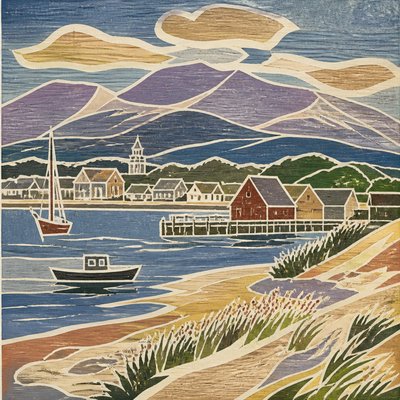
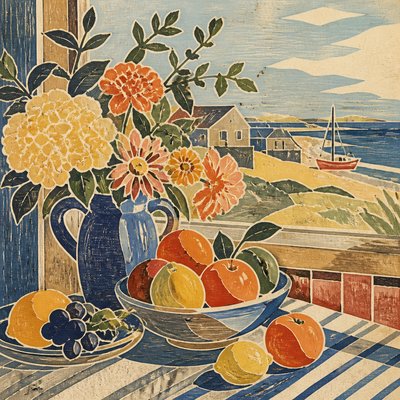
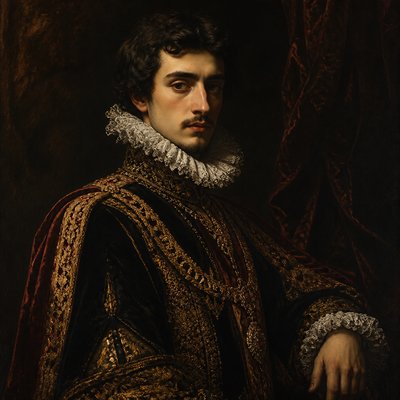
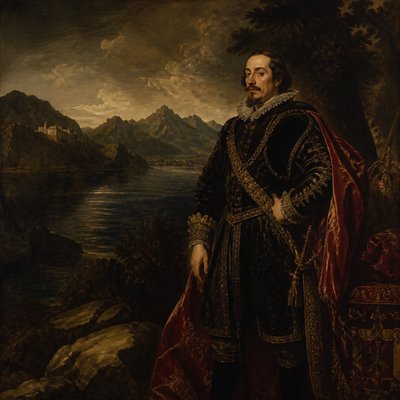
Discover Monaco Art Style: Belle Époque architecture, Renaissance gold grounds, jewel tones, marble terraces, and luminous Mediterranean glamour.
Instantly rendered in Monaco — or transform a photo
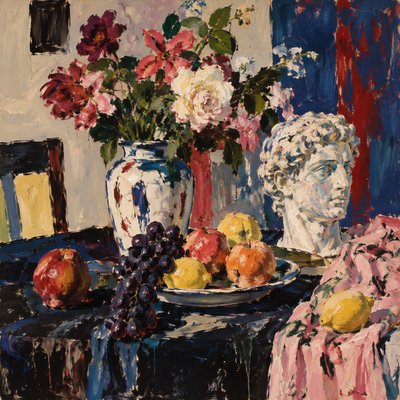
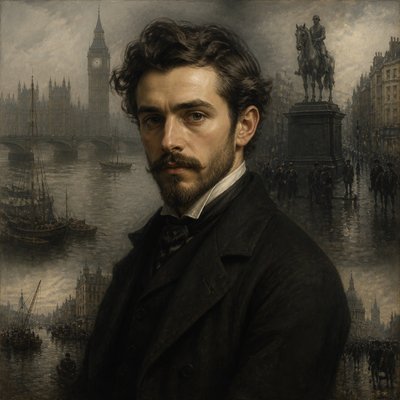
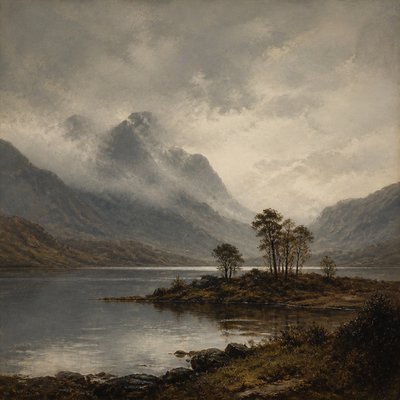
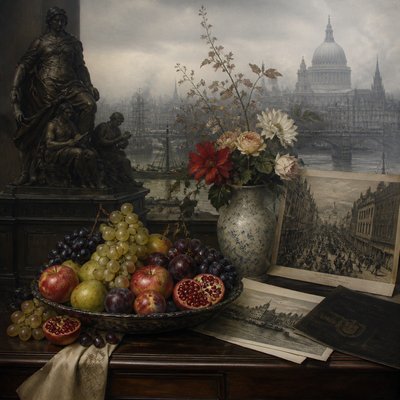
Monaco Gallery
Tap any artwork to explore it
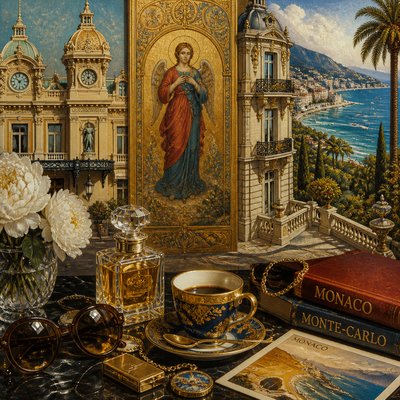
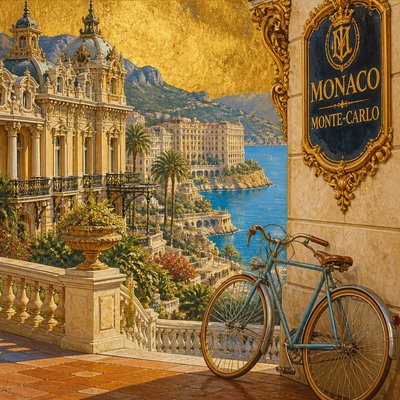
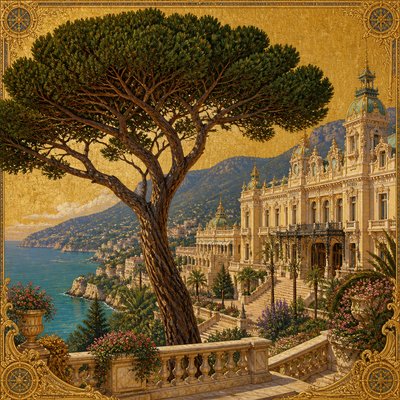
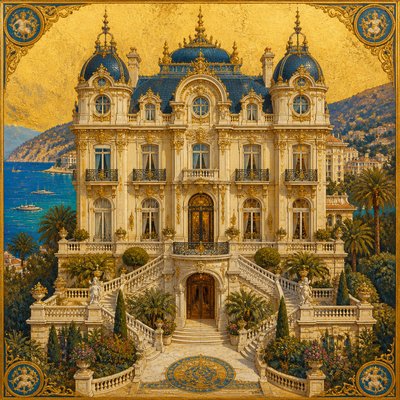
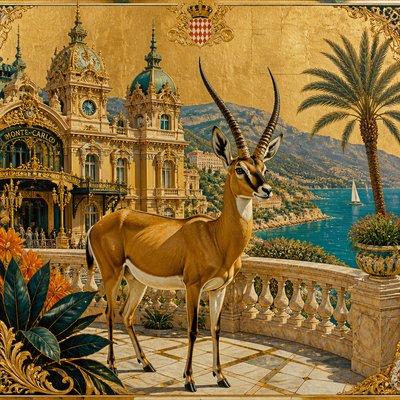
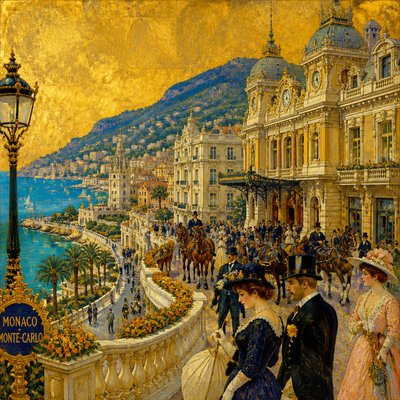
What is Monaco Art Style?
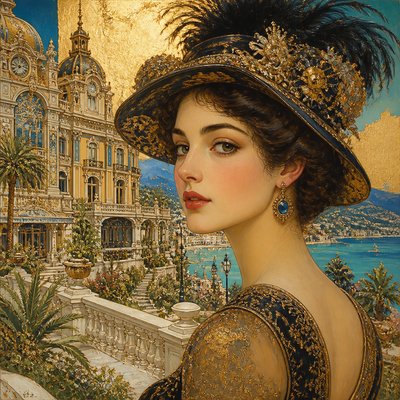
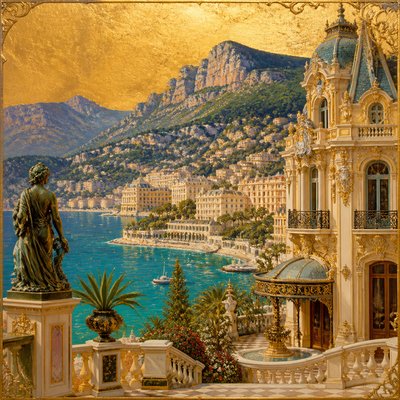
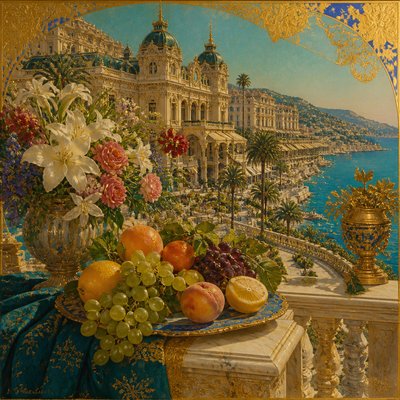
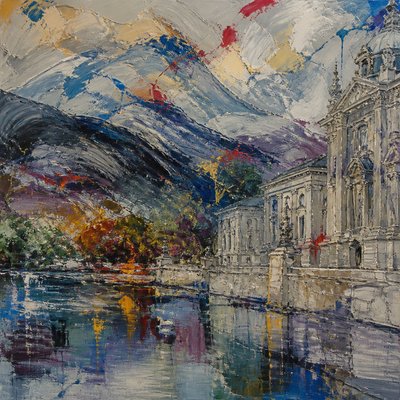
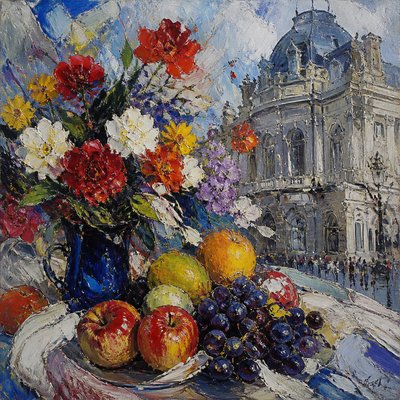
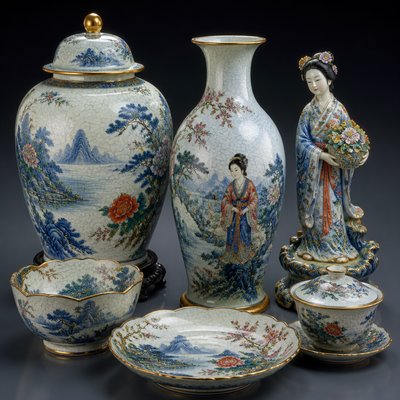
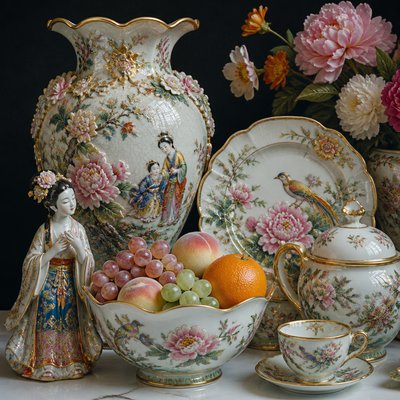
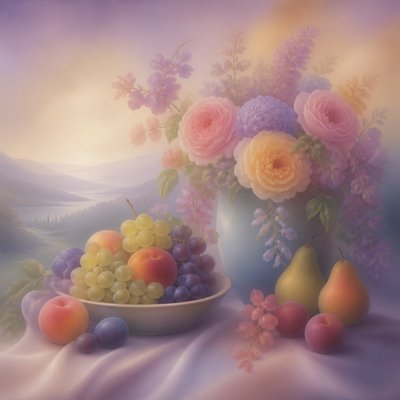
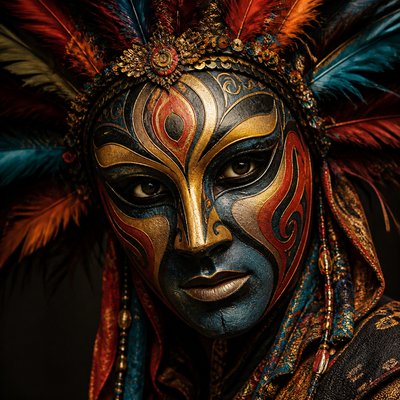
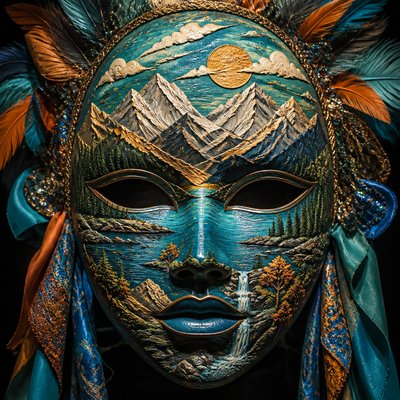
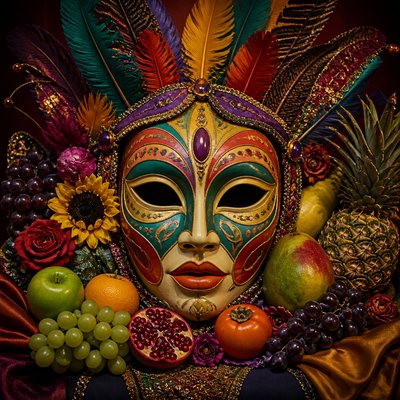
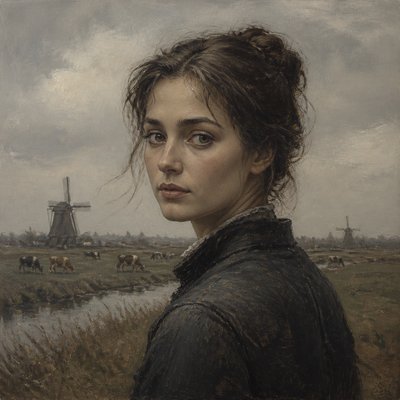
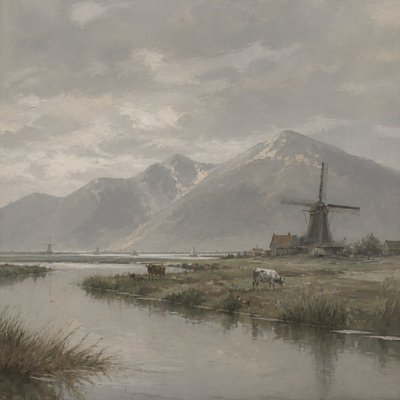
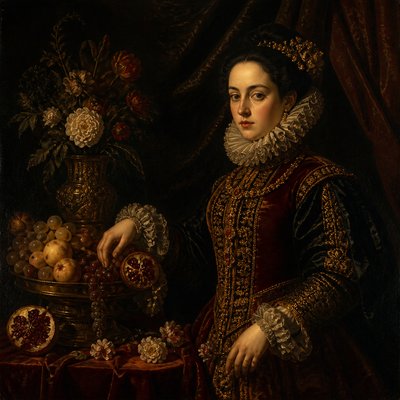
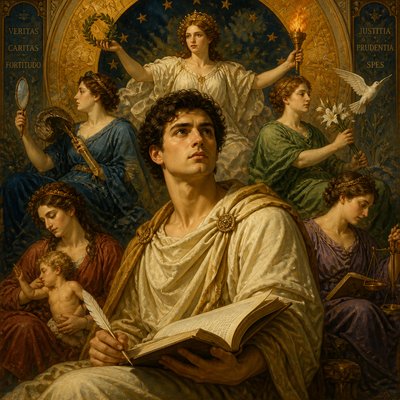
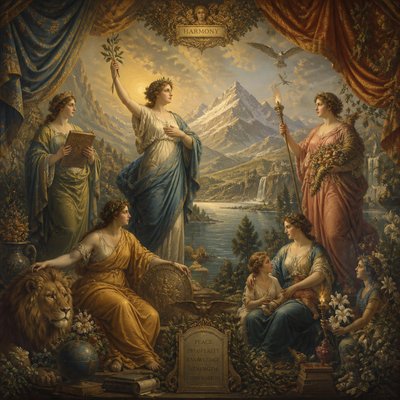
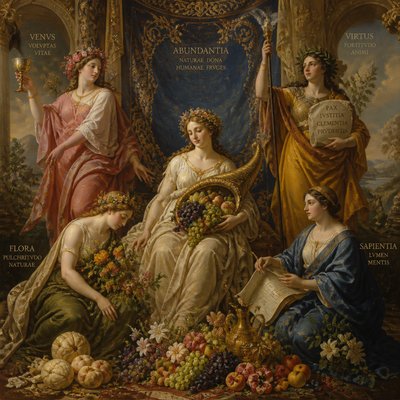
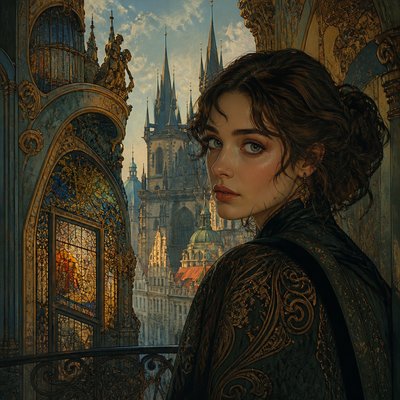
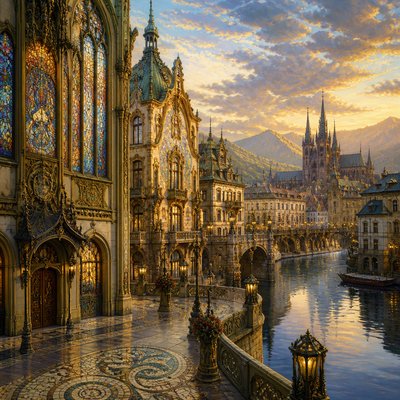
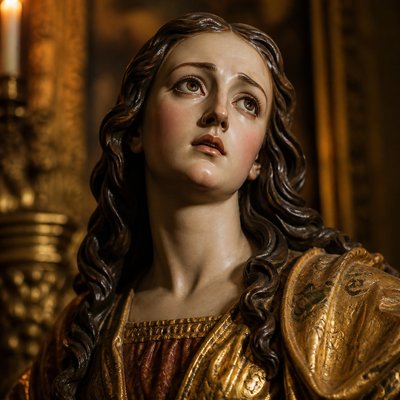
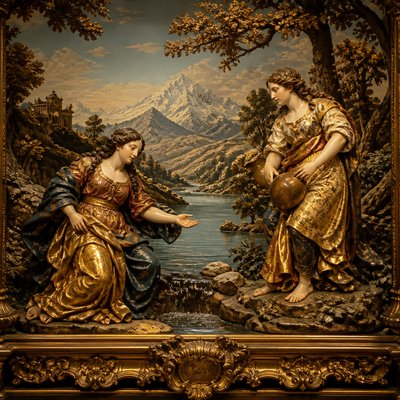
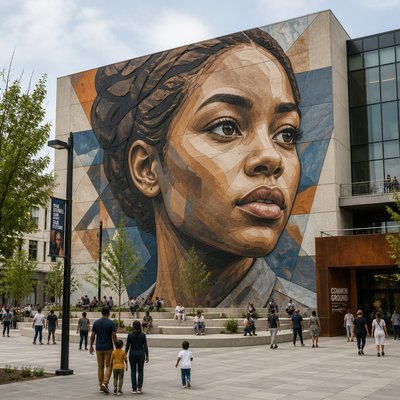
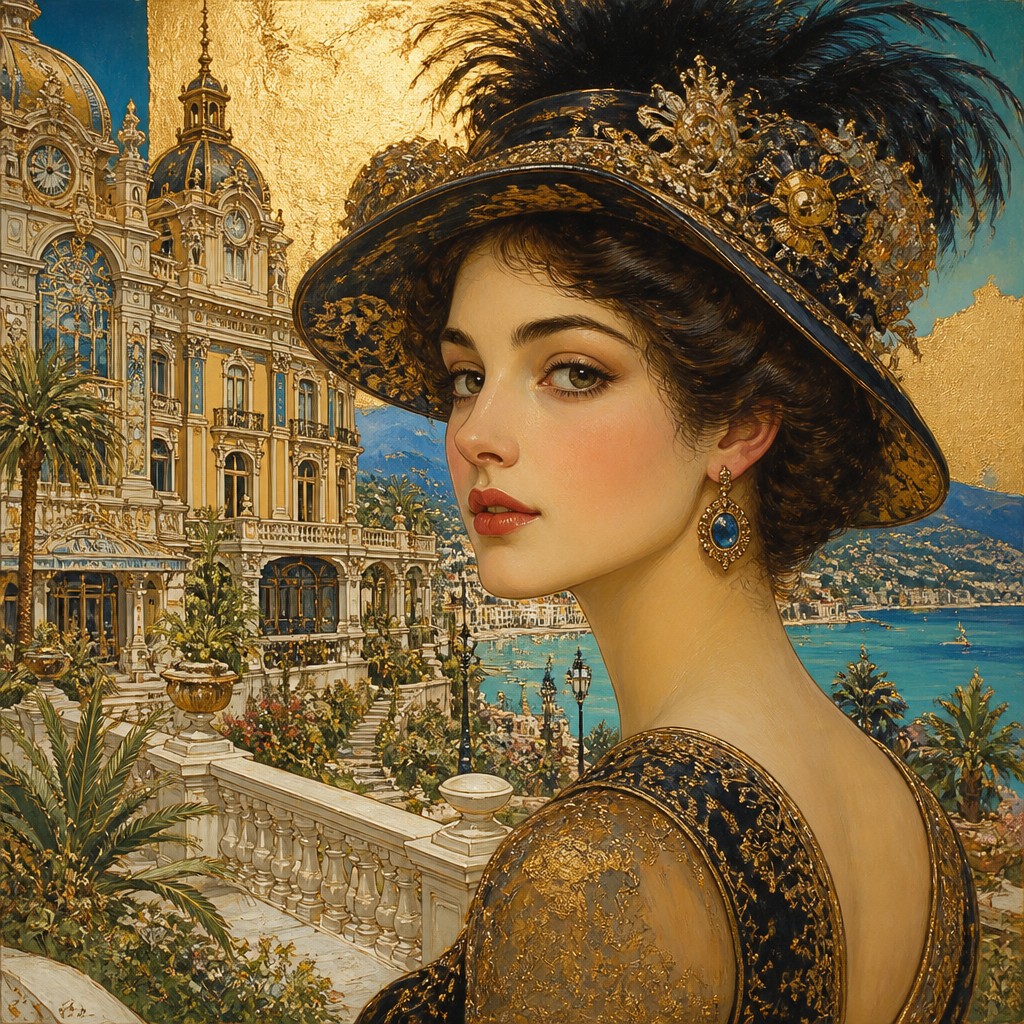
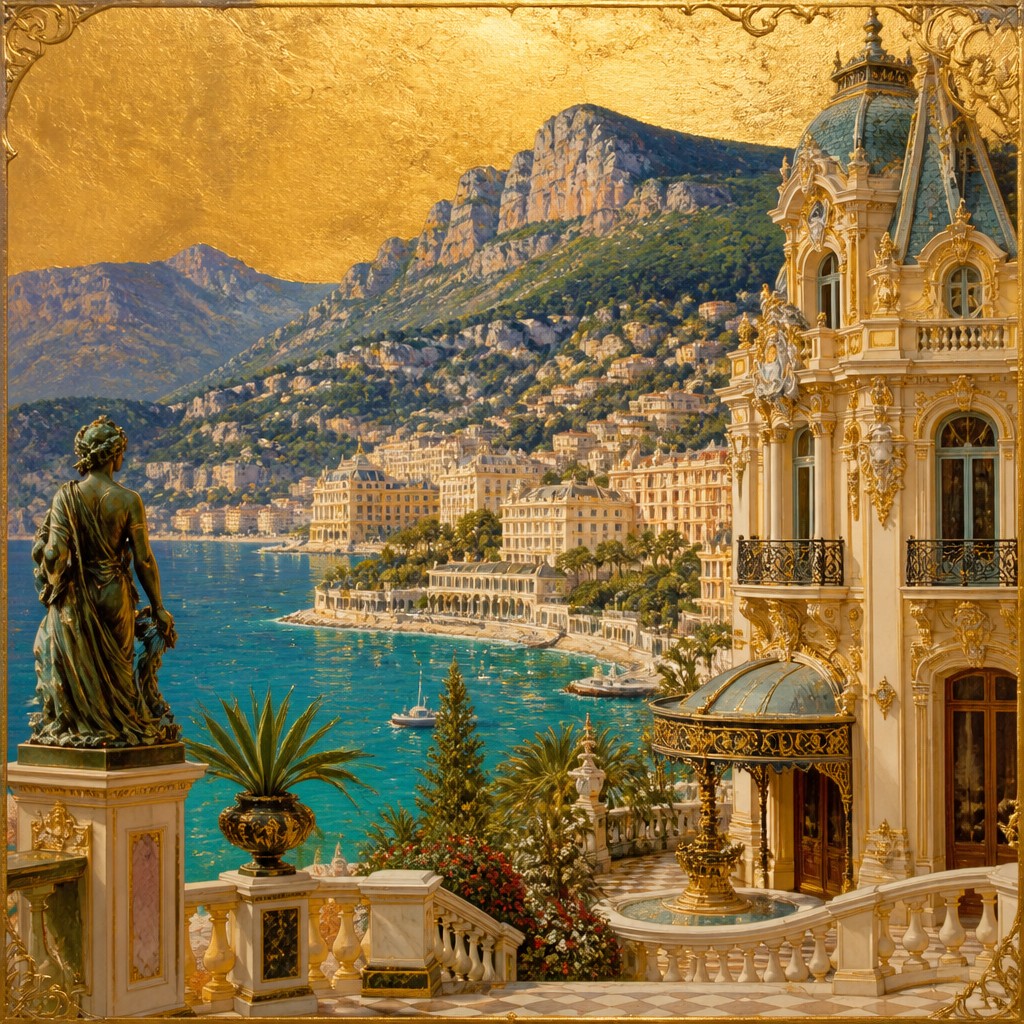
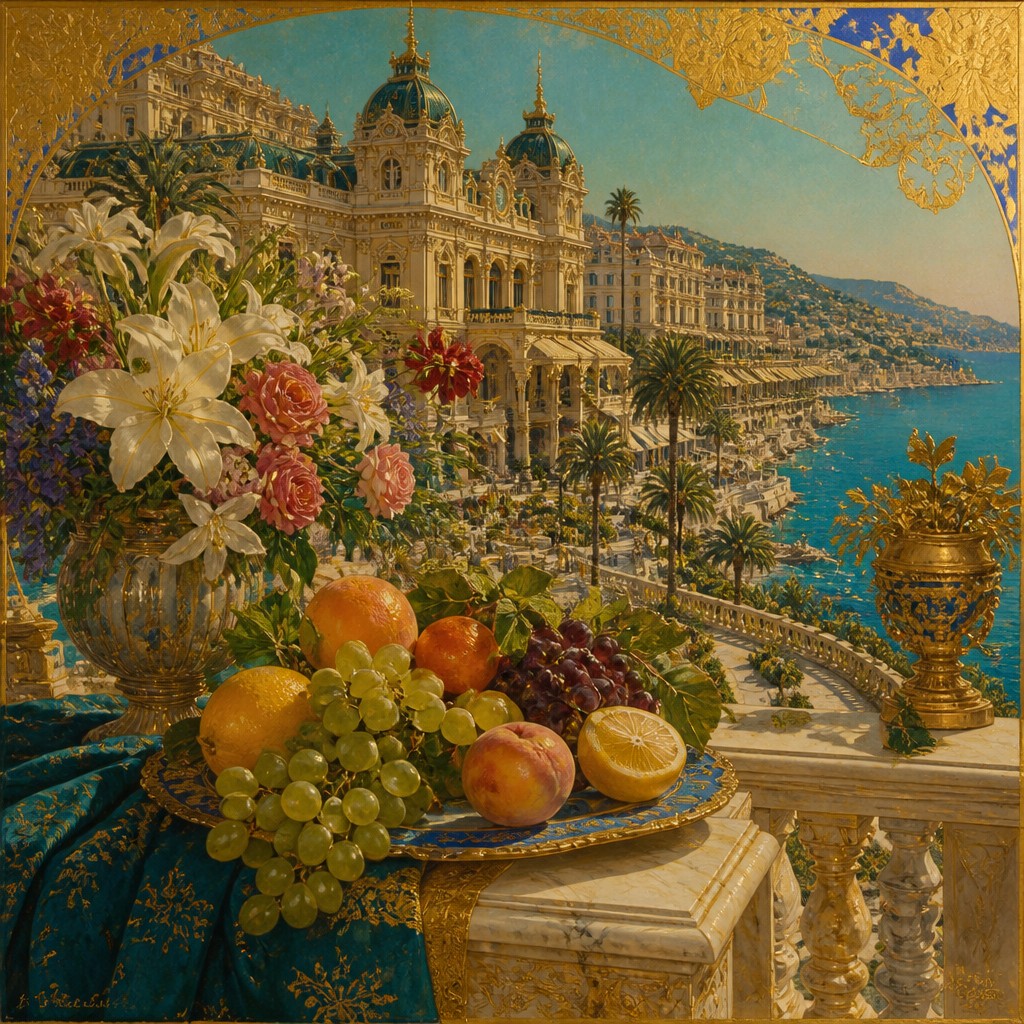
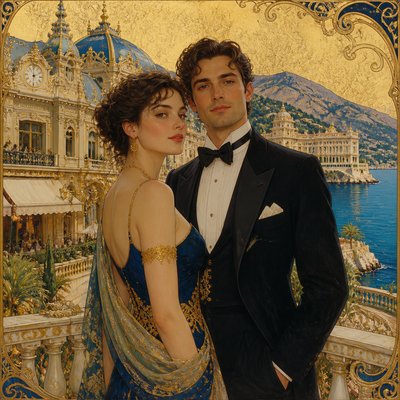
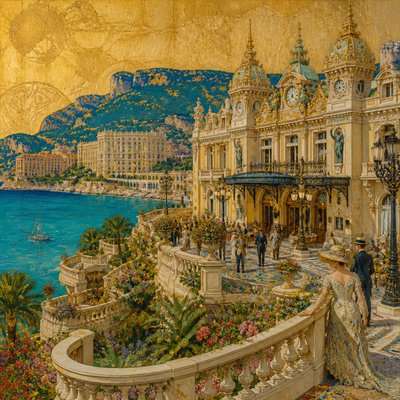
Monaco Art Style is a contemporary, hybrid aesthetic built around the visual fantasy of the Belle Époque Riviera. It combines ornate casino and palace architecture, gilded stucco, wrought-iron balconies, marble balustrades, terraced gardens, and a sunlit Mediterranean coast with the flattened radiance of Renaissance gold-ground painting. The result is decorative, theatrical, and unmistakably luxurious without depending on realistic architectural documentation.
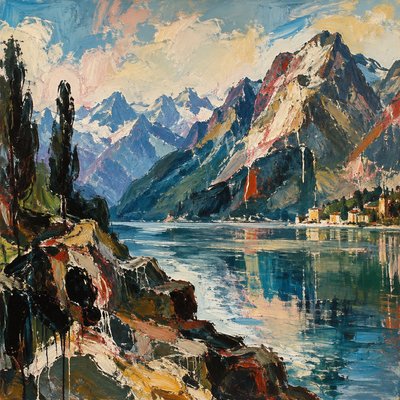
Its visual identity comes from the contrast between opulent built surfaces and brilliant natural light. Gold ornament and jewel-toned pigments create a ceremonial, almost icon-like richness, while turquoise water, pale stone, flowering terraces, and clear skies introduce the open brightness associated with the French and Italian Riviera. The style is especially effective for scenes of arrival, leisure, elegant interiors, coastal views, and imagined palace life.
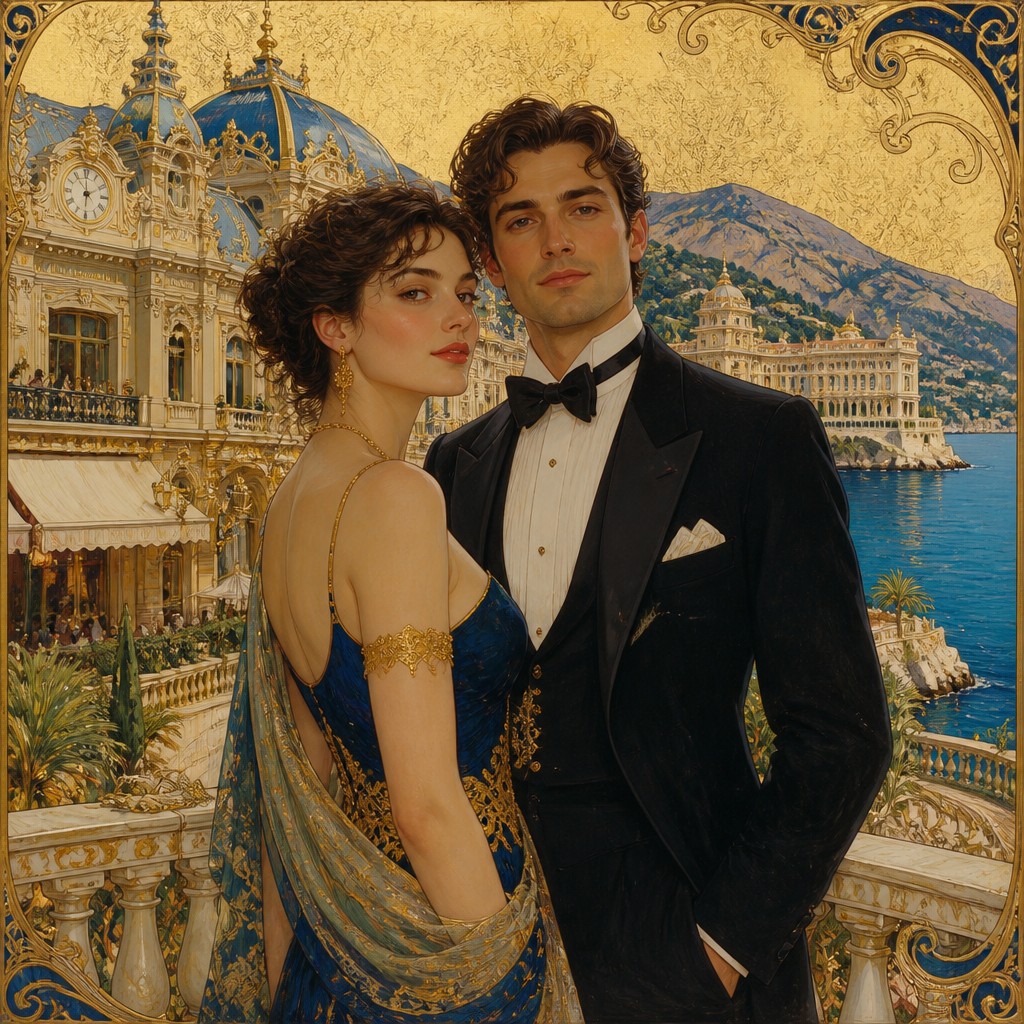
Try It On Your Photos
Upload any photo and convert it into Monaco Art Style — drag the sliders to compare before and after.
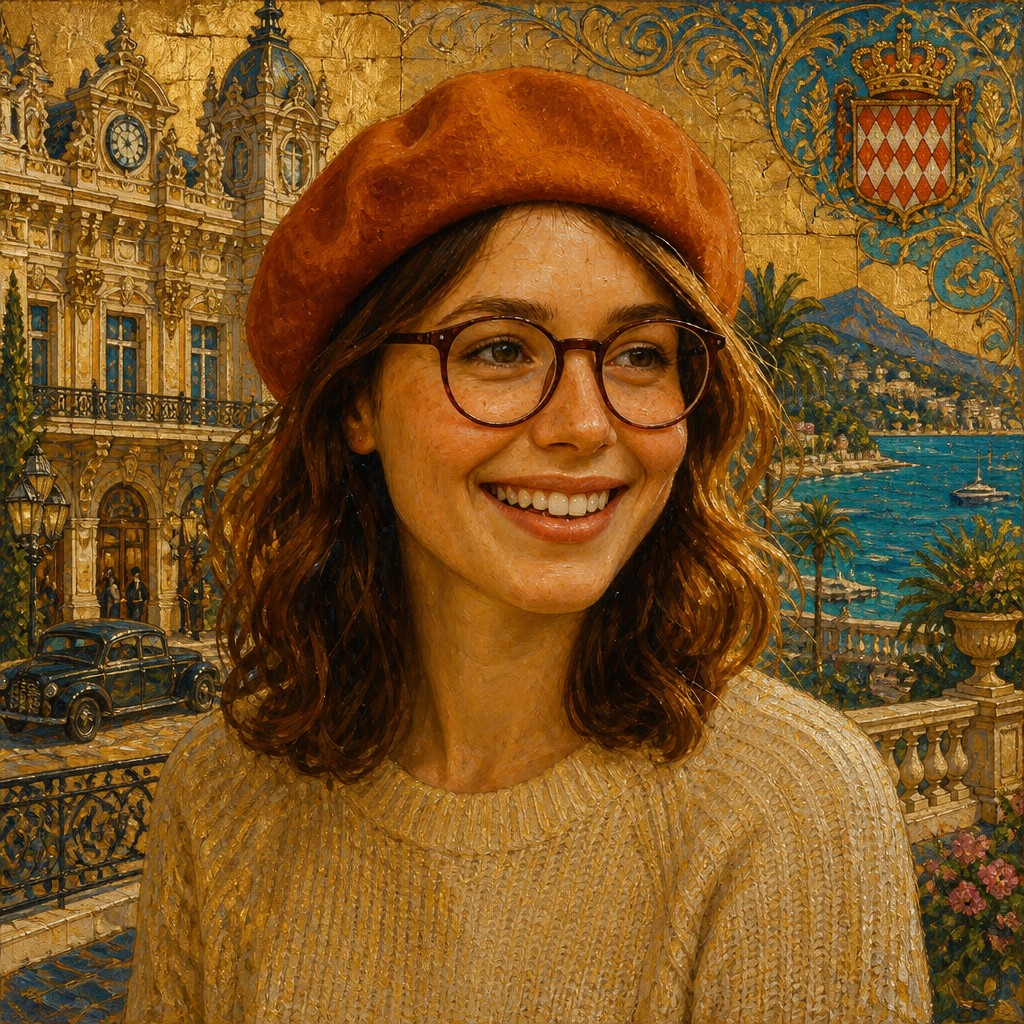

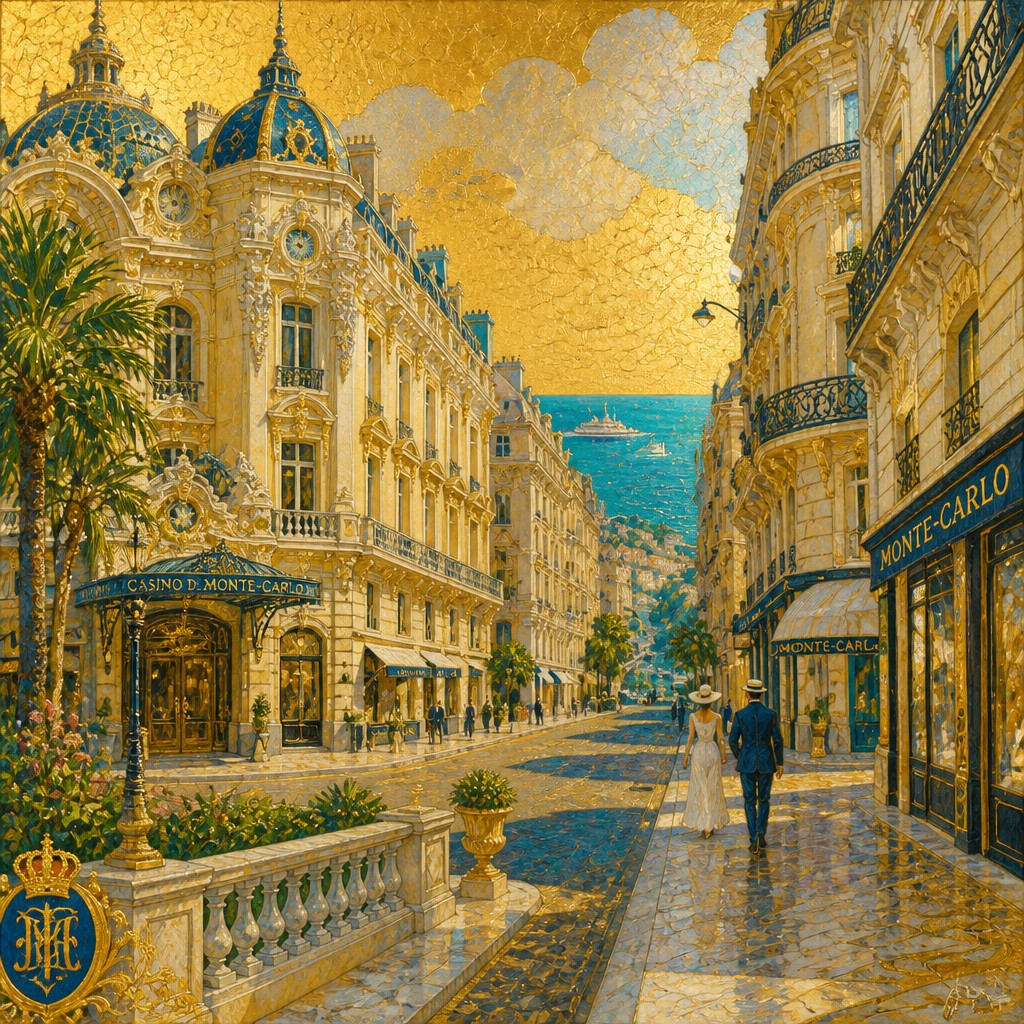

What Defines Monaco Art Style
The signature details, up close
Belle Époque architectural ornament
Facades feature elaborate stucco scrolls, sculptural moldings, arched windows, domes, cornices, and decorative ironwork. Buildings should feel ceremonial and theatrical rather than austere or purely functional.
Gilded surfaces and gold grounds
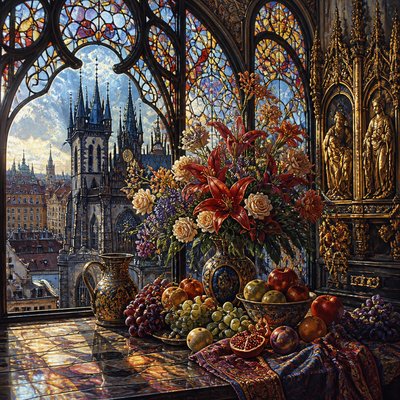
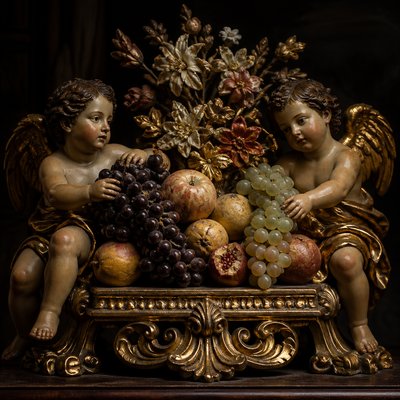
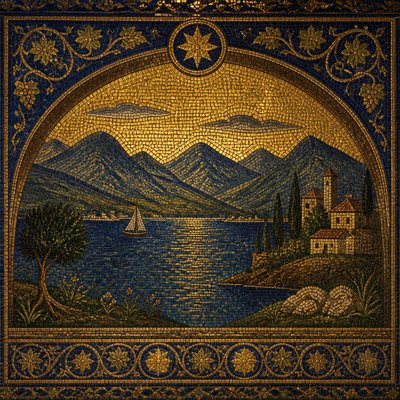
Metallic gold appears in frames, capitals, railings, moldings, and sometimes the entire background, recalling the luminous grounds of medieval and Renaissance panel painting. Gold is used as a structural color as well as a sign of wealth.
Jewel-toned color
Sapphire, turquoise, emerald, ruby, amethyst, and deep cobalt provide concentrated accents against warm ivory stone and polished gold. These saturated hues give the imagery a decorative, almost enameled intensity.
Mediterranean luminosity
Hard, sun-bright illumination defines pale masonry, sparkling water, and crisp architectural edges. Clear turquoise seas, cloudless skies, and warm reflected light establish the Riviera setting.
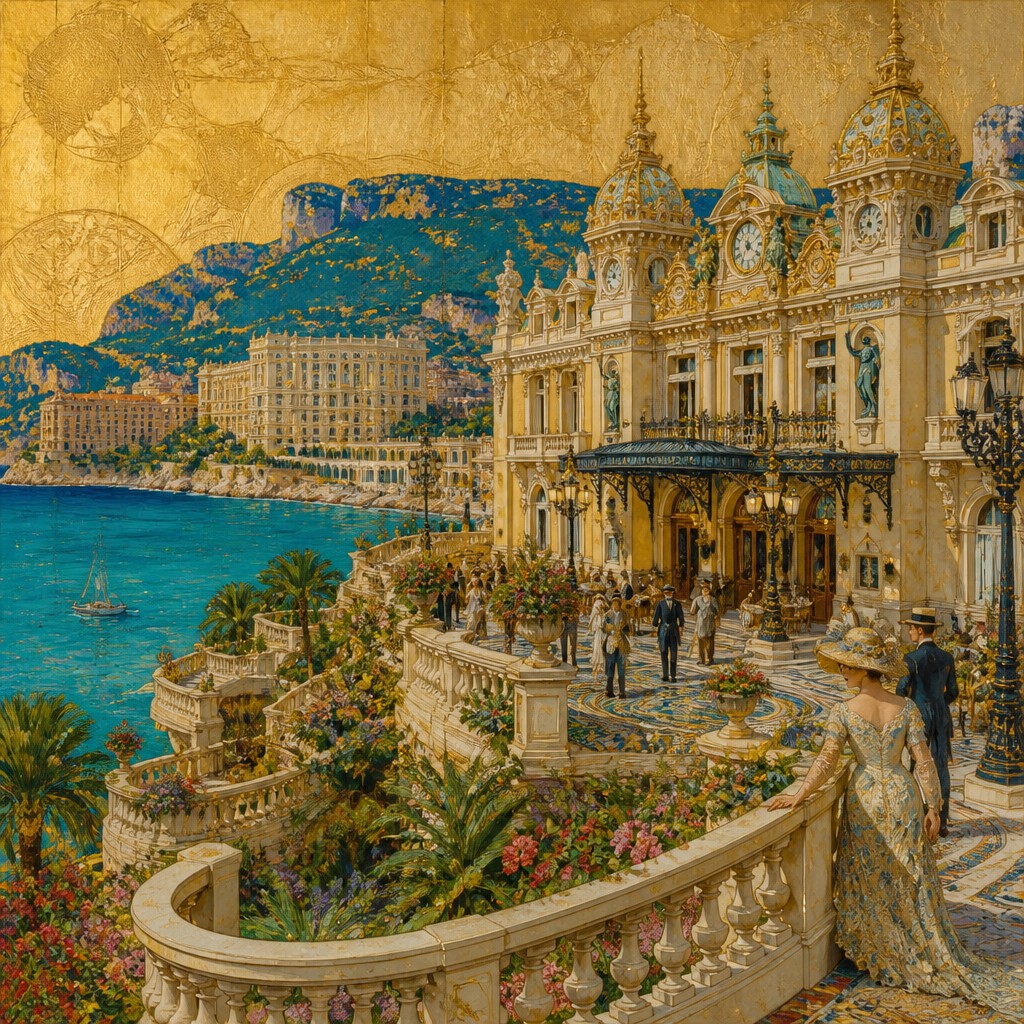
Terraced gardens and marble geometry
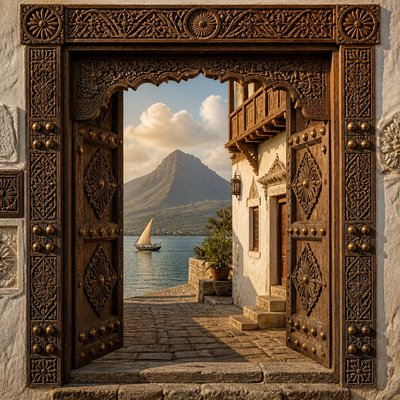
Formal planting, clipped greenery, palms, fountains, stairways, and marble balustrades organize the scene into layered viewpoints. Repeated curves and horizontal terraces create an elegant sense of procession.
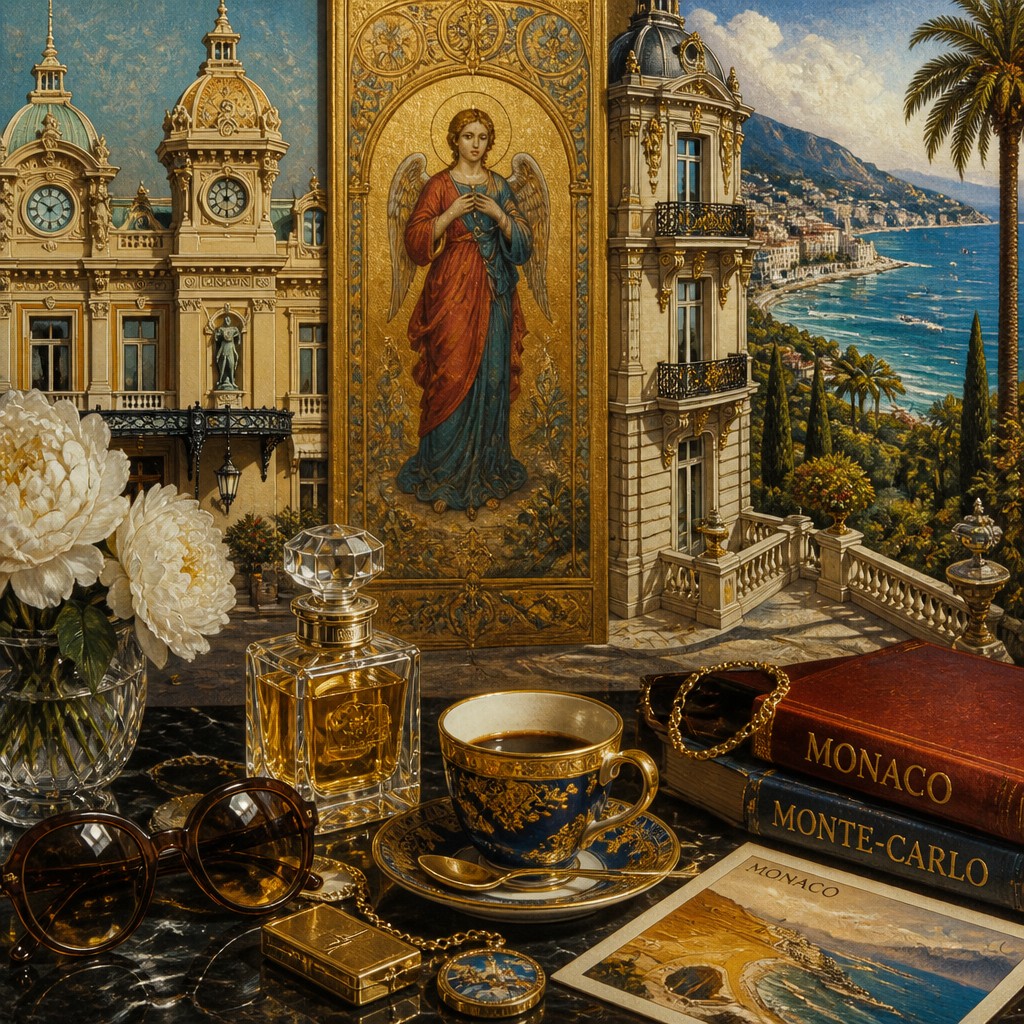
Opulent theatrical composition
The style favors frontal facades, grand entrances, symmetrical views, elevated terraces, and carefully staged vistas. Decorative detail may be denser than strict realism would allow, emphasizing spectacle and atmosphere.
Monaco Prompt Ideas
Start from an idea — each one opens the generator with the style ready to go. See all 40 Monaco prompts →
How to Create Monaco Art
Master the craft step by step — or skip straight to creating. Read the full guide →
- 1
Build a strong architectural silhouette
Begin with a palace, casino, hotel, pavilion, or grand terrace and establish its arches, balconies, domes, and central axis before adding ornament. Use symmetry or a deliberate ceremonial perspective to make the setting feel monumental.
- 2
Layer materials deliberately
Combine warm limestone or stucco with polished marble, dark wrought iron, painted plaster, and gold leaf effects. In traditional media, metallic watercolor, gouache, imitation gold leaf, and fine-line drawing can suggest the varied surfaces.
- 3
Control the palette and light
Reserve the brightest golds and jewel colors for focal details, then balance them with ivory stone, sea blue, and Mediterranean greens. Strong directional sunlight, crisp shadows, and reflected turquoise light help prevent the scene from becoming visually muddy.
- 4
Use layered, decorative depth
Arrange foreground balustrades, middle-ground gardens or figures, and a distant sea or facade to create a sequence of elegant planes. Flattened gold areas can coexist with atmospheric distance, producing the intended blend of icon painting and Riviera panorama.
- 5
Write precise generation prompts
Specify the subject, architectural period, materials, palette, lighting, viewpoint, and degree of ornament rather than relying on a style label alone. Useful terms include Belle Époque facade, gold-ground panel, jewel-toned pigment, marble terrace, wrought iron, turquoise sea, and sunlit Mediterranean.
- 6
Refine digital results selectively
In digital painting or image-to-image work, correct distorted balconies, repetitive railings, unreadable signage, and inconsistent perspective before enhancing gold and color. Preserve recognizable silhouettes and realistic light so ornament supports the scene instead of overwhelming it.
The Story
History & Origins of Monaco
Monaco Art Style is not a documented historical movement or a traditional school originating in Monaco. It is an invented contemporary aesthetic that draws selectively from several established visual traditions: Belle Époque architecture and decorative arts, Renaissance gold-ground panel painting, Mediterranean landscape painting, luxury hotel and casino interiors, and the Riviera's late nineteenth- and early twentieth-century image as a destination of spectacle and leisure.
Its development reflects the way historic references are recombined in contemporary illustration and digital image-making. Rather than reproducing one period faithfully, it heightens recognizable features—gilding, marble, formal gardens, architectural ornament, and coastal light—into a coherent fantasy of Monaco as an eternal palace-city beside an intensely blue sea.
Influences: The style draws from Belle Époque architecture and decorative arts, especially the grand hotels, casinos, theaters, and seaside villas associated with European resort culture. Its pictorial treatment also references medieval and Renaissance gold-ground panel painting, ornamental art nouveau linework, Mediterranean landscape traditions, luxury interior design, vintage travel posters, and the color drama of jewel-toned illustration. These sources are blended rather than copied as a historically faithful period style.
Frequently Asked Questions
What defines Monaco Art Style?
It is defined by the combination of Belle Époque palace and casino architecture, gilded ornament, Renaissance-like gold grounds, jewel-toned color, marble terraces, and intense Mediterranean light. The mood is elegant, ceremonial, and theatrical, with Monaco imagined as a glamorous coastal palace setting.
Is Monaco Art Style a historical art movement?
No. It is a contemporary, invented aesthetic rather than a recognized historical movement. Its visual language is assembled from established traditions associated with Belle Époque architecture, Renaissance panel painting, Riviera culture, decorative arts, and luxury environments.
How does it differ from Art Nouveau?
Both may use ornamental curves, botanical motifs, and decorative metalwork, but Monaco Art Style places greater emphasis on palaces, casinos, marble, gold, formal symmetry, and coastal grandeur. Art Nouveau is a broader historical movement with a more systematic interest in organic line, integrated design, and natural forms.
How can I make an image in this style?
Describe a specific subject first, then add the architectural setting, materials, palette, and lighting: for example, a palace terrace with gilded stucco, marble balustrades, jewel colors, and turquoise sea under hard sunlight. For hand-made work, combine precise architectural drawing with opaque color, metallic accents, and layered decorative detail.
What subjects work best with this aesthetic?
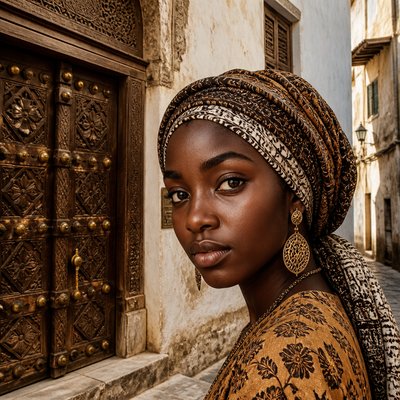
Palaces, casinos, grand hotels, coastal promenades, formal gardens, salons, ceremonial staircases, fashion portraits, and travel-poster compositions are especially suitable. Ordinary subjects can also work when placed in a richly staged Riviera environment.
Where is Monaco Art Style used?
It is well suited to editorial illustration, fantasy architecture, travel imagery, posters, book covers, hospitality concepts, interior mood boards, game environments, and decorative portrait backgrounds. Its strong sense of place also makes it useful for visualizing luxurious or nostalgic coastal narratives.
Create your first Monaco artwork
Describe anything — or upload a photo — and see it in Monaco Art Style in seconds.
Related Styles
Discover similar art styles