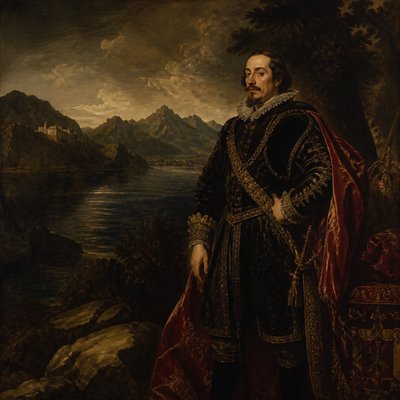
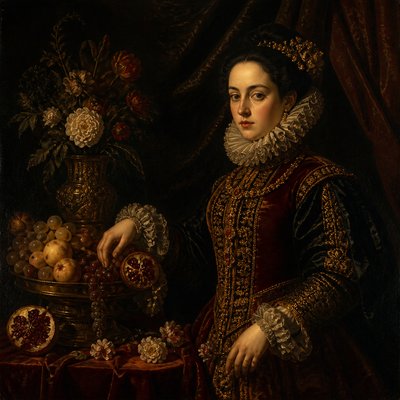
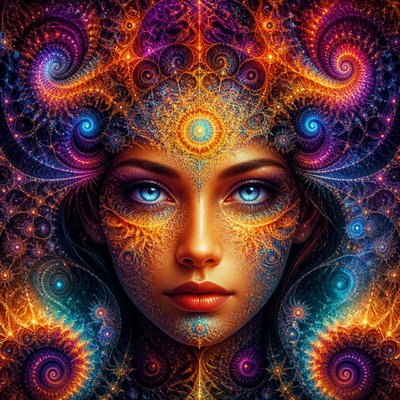
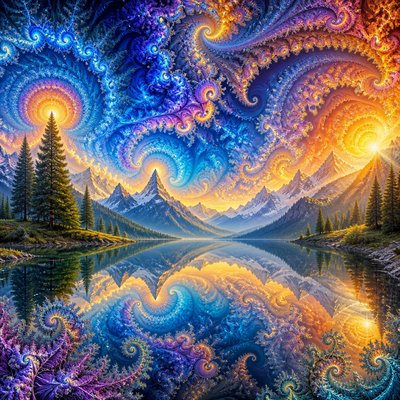
Marshallese Art Style
Explore Marshallese visual traditions through stick-chart navigation, woven jaki mats, outrigger canoes, and a lagoon-blue island palette.
Instantly rendered in Marshallese — or transform a photo
Marshallese Gallery
Tap any artwork to explore it
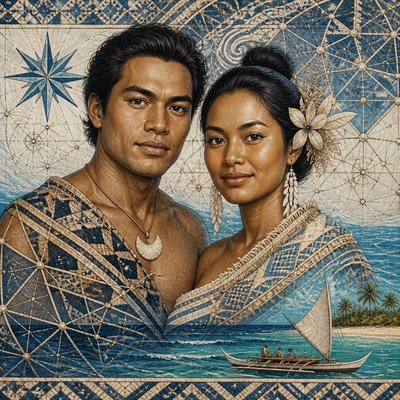
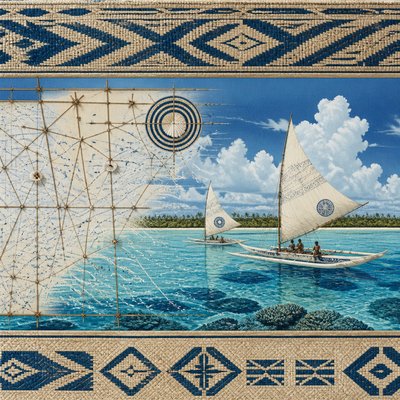
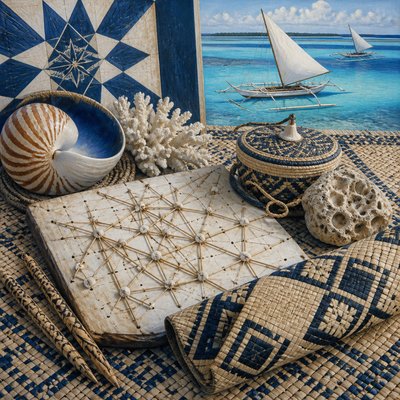
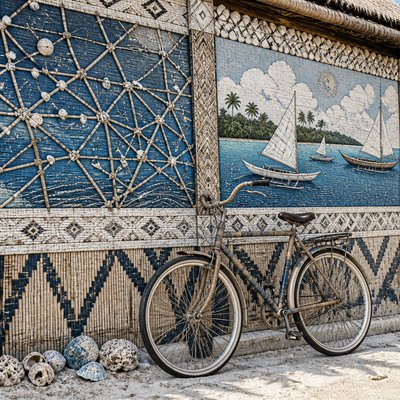
What is Marshallese Art Style?
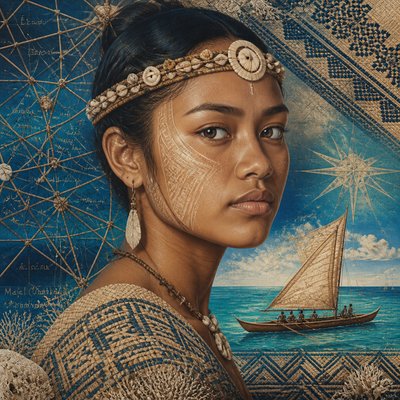
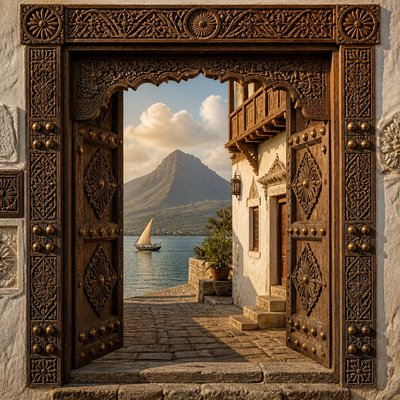
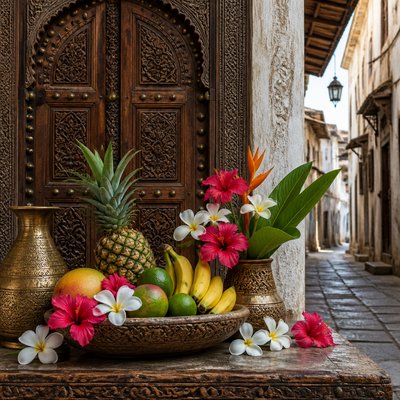
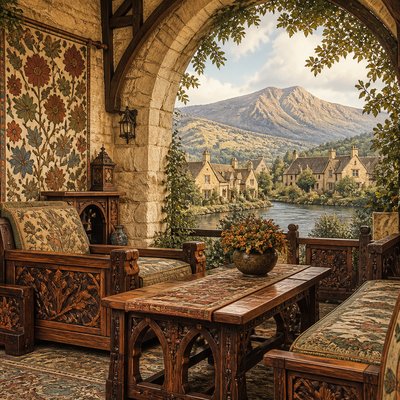
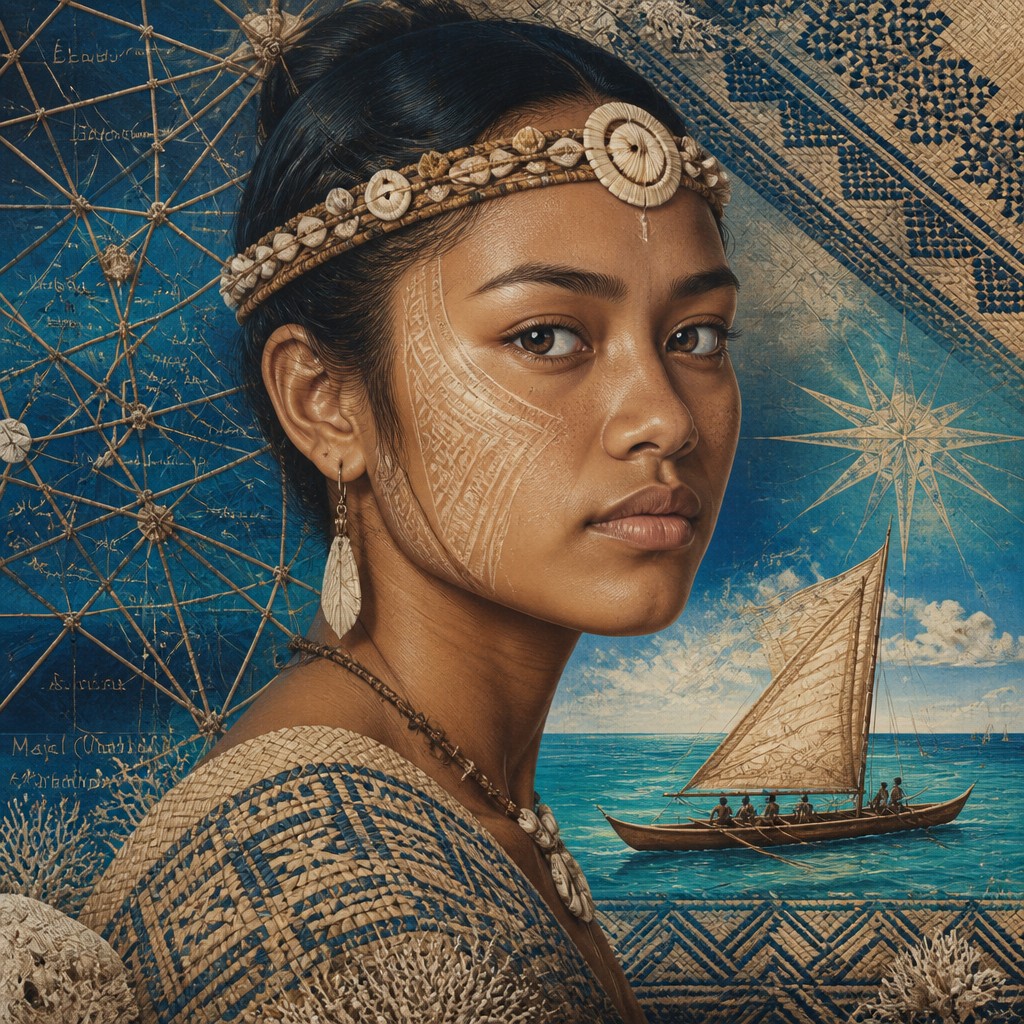
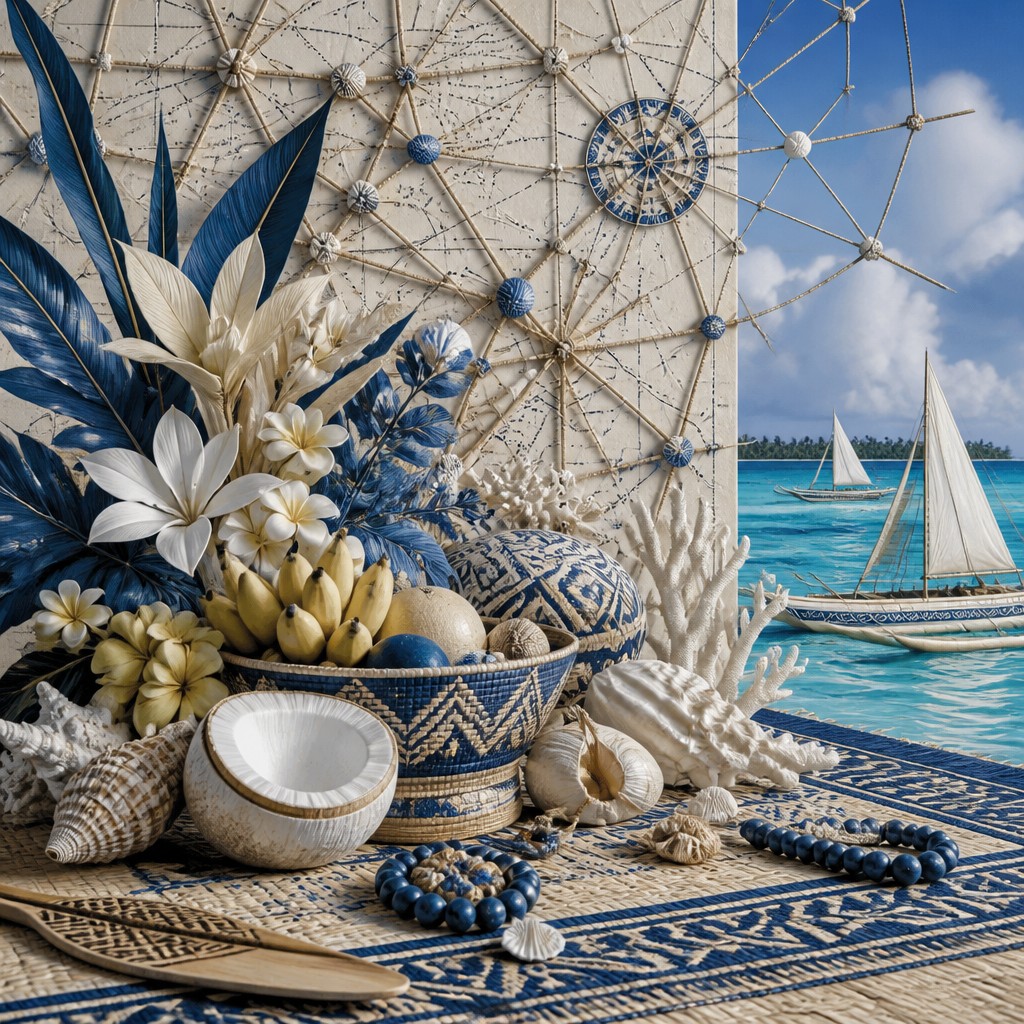
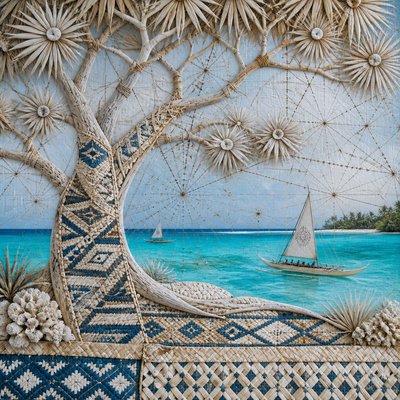
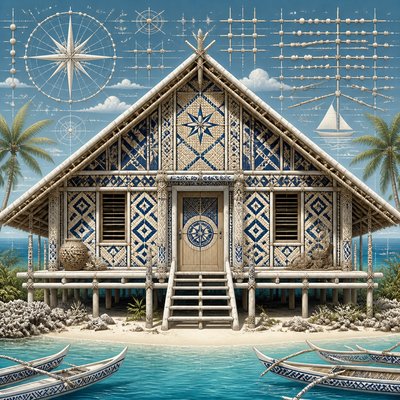
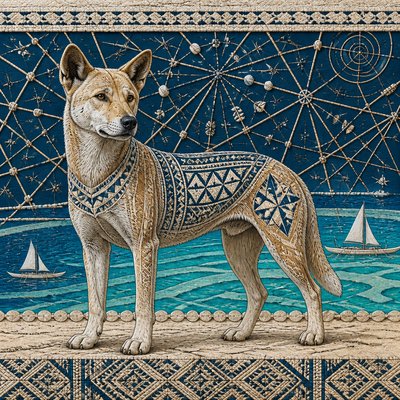
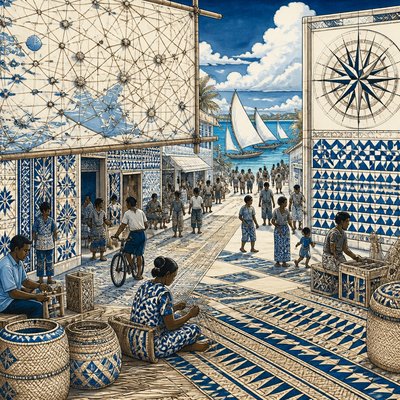
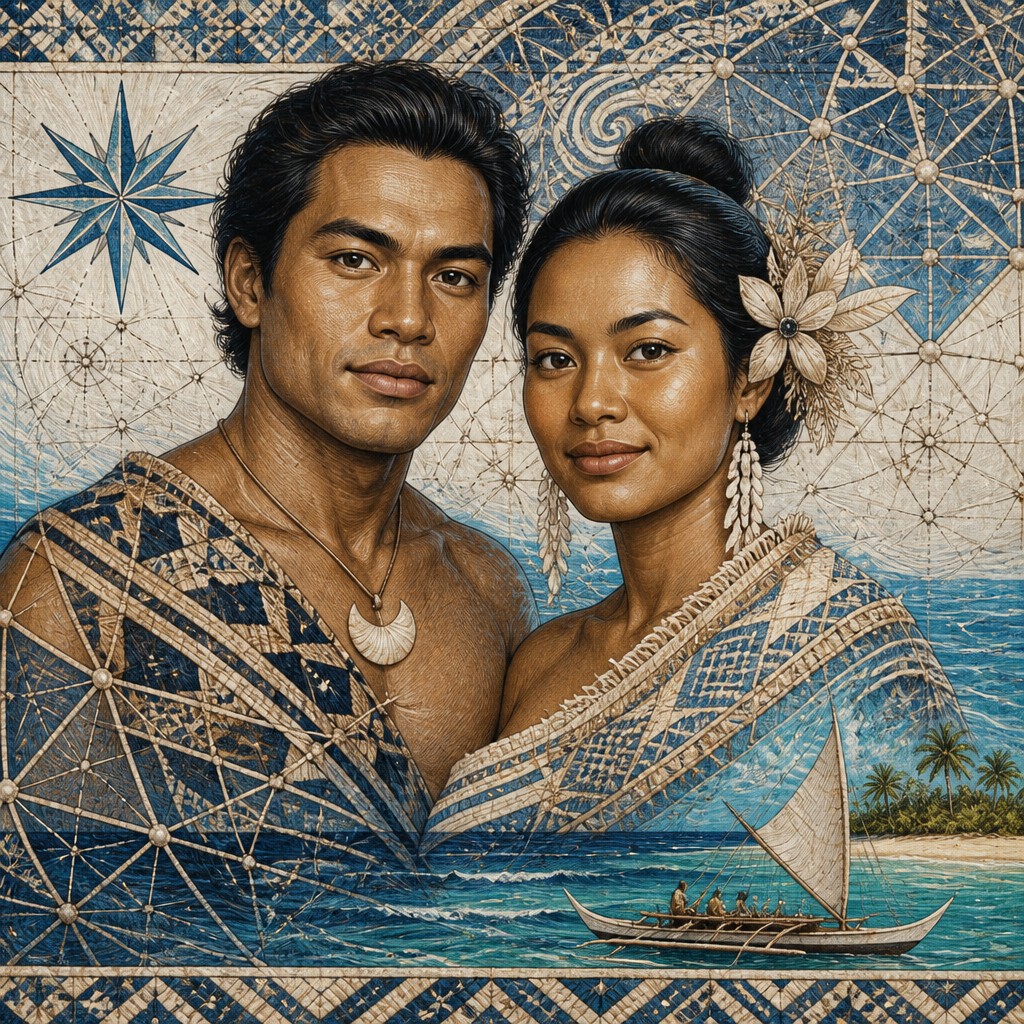
Marshallese art style is a contemporary descriptive approach inspired by the material culture and ocean knowledge of the Marshall Islands. Its visual vocabulary brings together navigational stick charts, finely woven jaki pandanus mats, sleek outrigger canoes, reef environments, and the strong contrast of coral white, natural wood, turquoise lagoon, and deep ocean blue. It is not a single historically codified art movement, but a respectful visual synthesis based on recognizable Marshallese traditions.
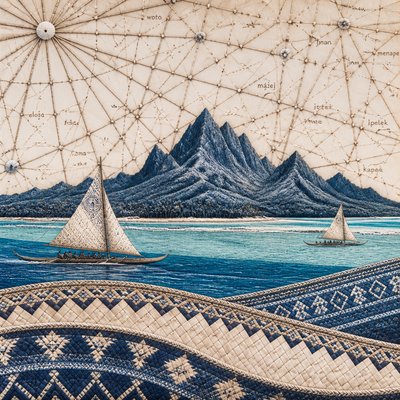
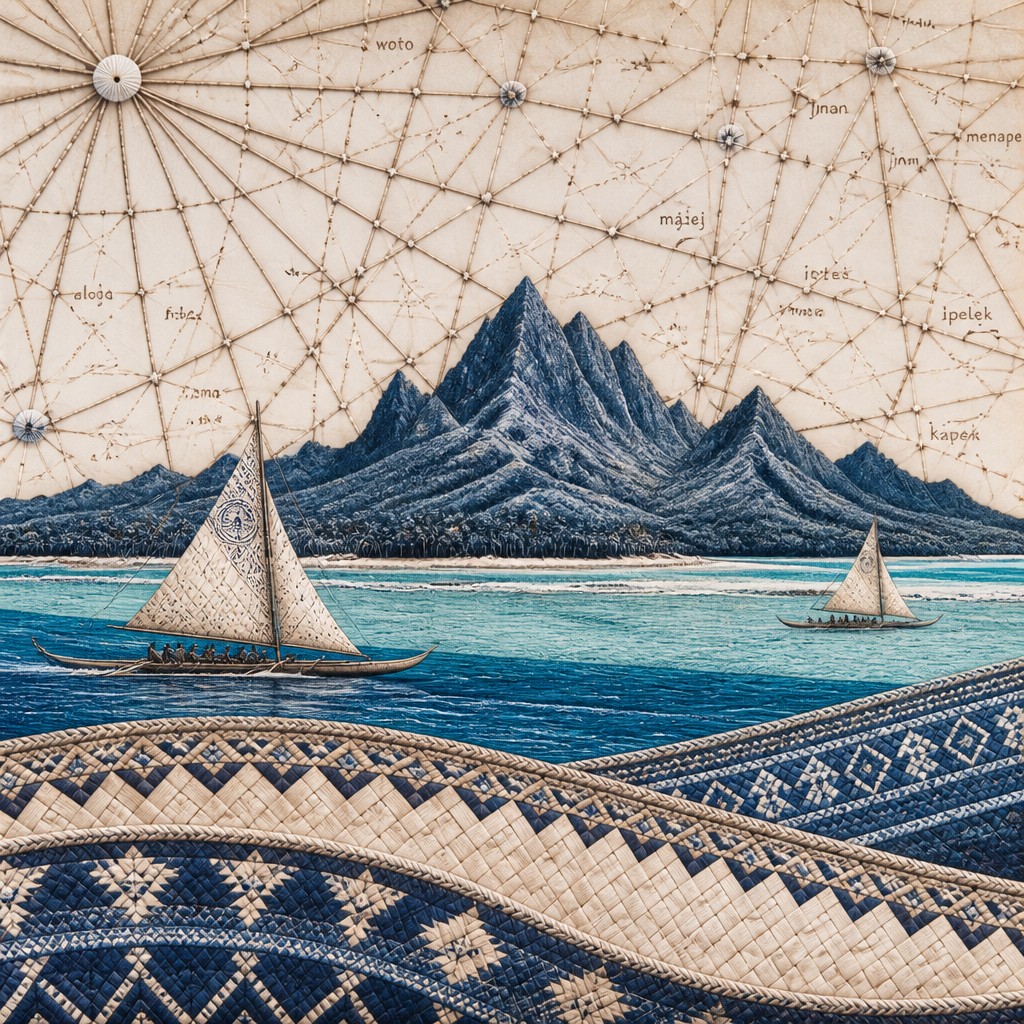
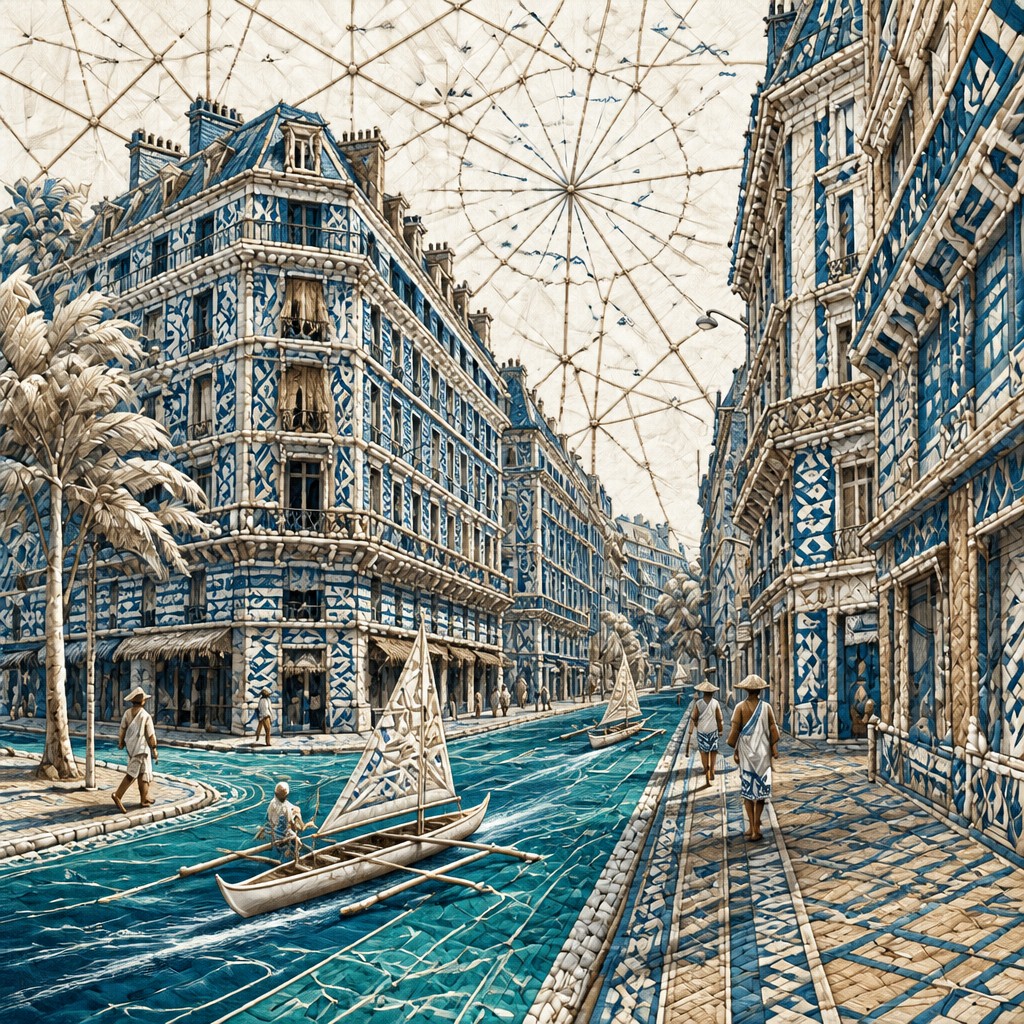
The style looks precise and structured because both wayfinding and weaving depend on pattern, proportion, memory, and skilled repetition. Linear chart frameworks can suggest swell patterns and routes across the ocean, while geometric mat bands provide rhythm and order. Canoes, sails, reef flats, and open horizons introduce movement, creating images that balance diagrammatic clarity with the expansive atmosphere of an island seascape.
Try It On Your Photos
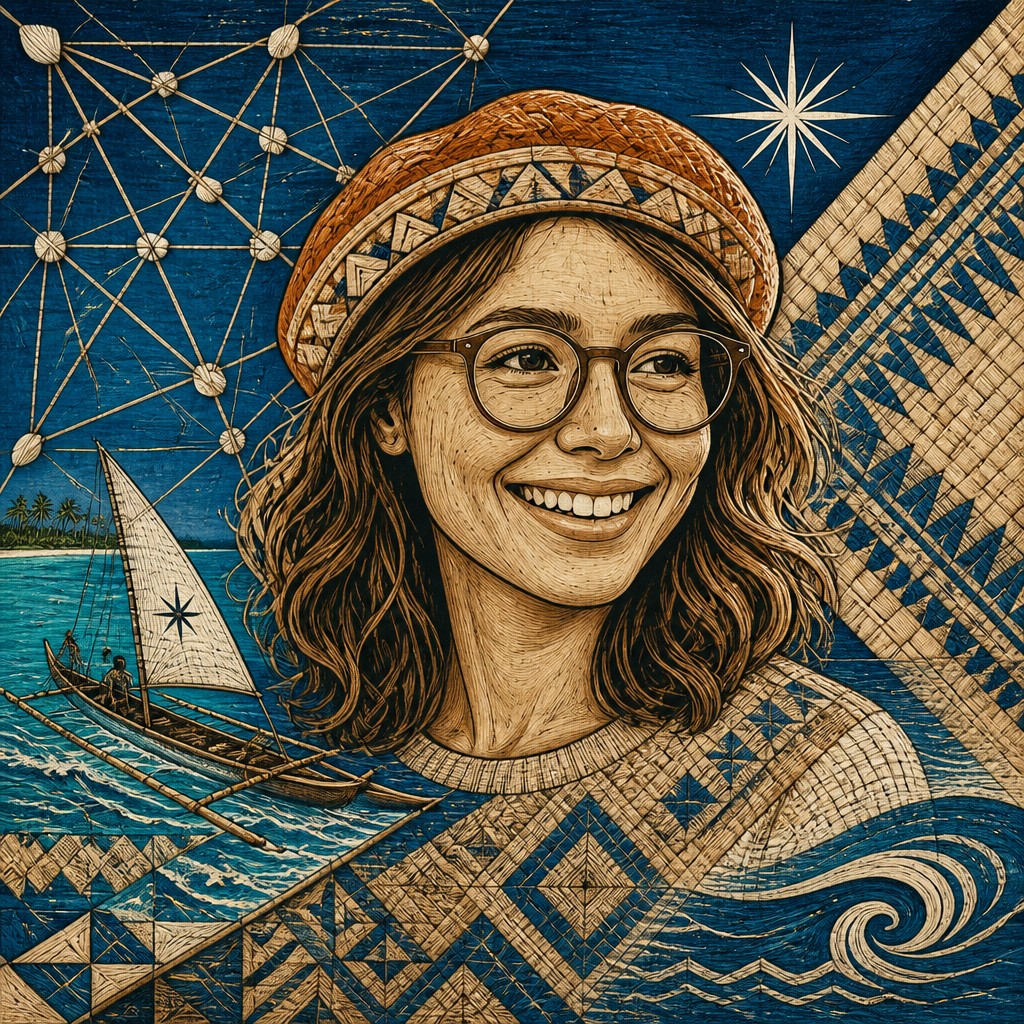
Upload any photo and convert it into Marshallese Art Style — drag the sliders to compare before and after.


What Defines Marshallese Art Style
The signature details, up close
Navigational stick-chart geometry
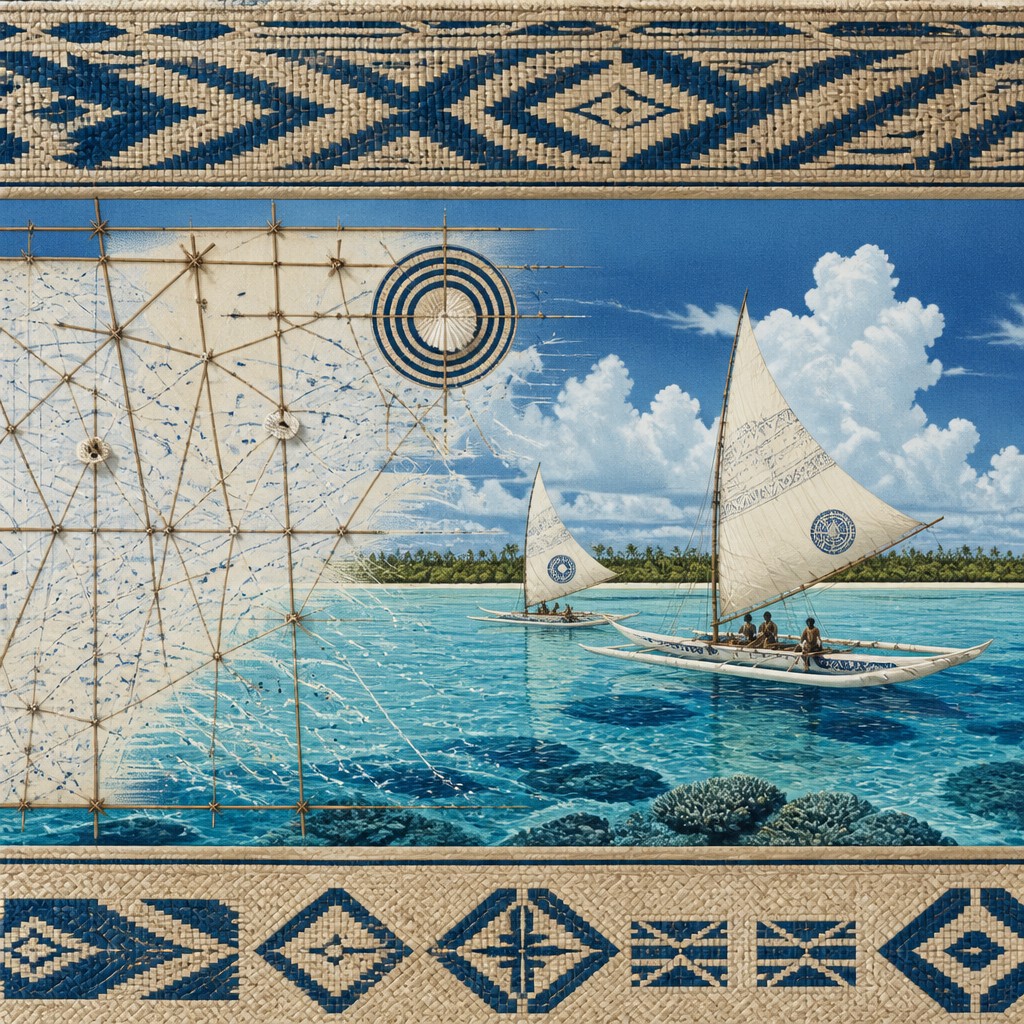
Intersecting sticks, curved ribs, and shell or island markers form structured diagrams suggestive of ocean swells, routes, and atoll relationships. Their irregular handmade construction should remain visible rather than becoming sterile technical drafting.
Woven jaki mat patterns
Pandanus strips appear as tightly interlaced fields, often arranged in bands, checks, diamonds, zigzags, and stepped geometric borders. Subtle variation in fiber tone gives the pattern a tactile, handwoven character.
Outrigger canoe silhouettes
Long, narrow canoe hulls, lateral outriggers, spars, and triangular sails provide a distinctive maritime profile. Canoes are often shown gliding across the frame or set against a broad, uncluttered horizon.
Lagoon and coral palette
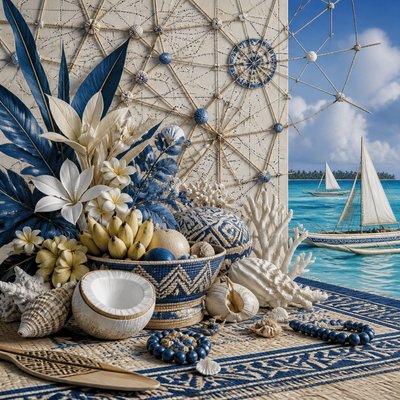
Turquoise, cyan, and deep marine blue are balanced with coral limestone white, sand, weathered wood, pandanus tan, and muted shell colors. Small accents of sail cloth or woven pigment can add warmth without overpowering the oceanic field.
Precise linear craft
Clean contours, measured spacing, and repeated marks evoke skilled navigation, carving, lashing, and weaving. Fine lines can be combined with flat color areas to create an image that feels both diagrammatic and handmade.
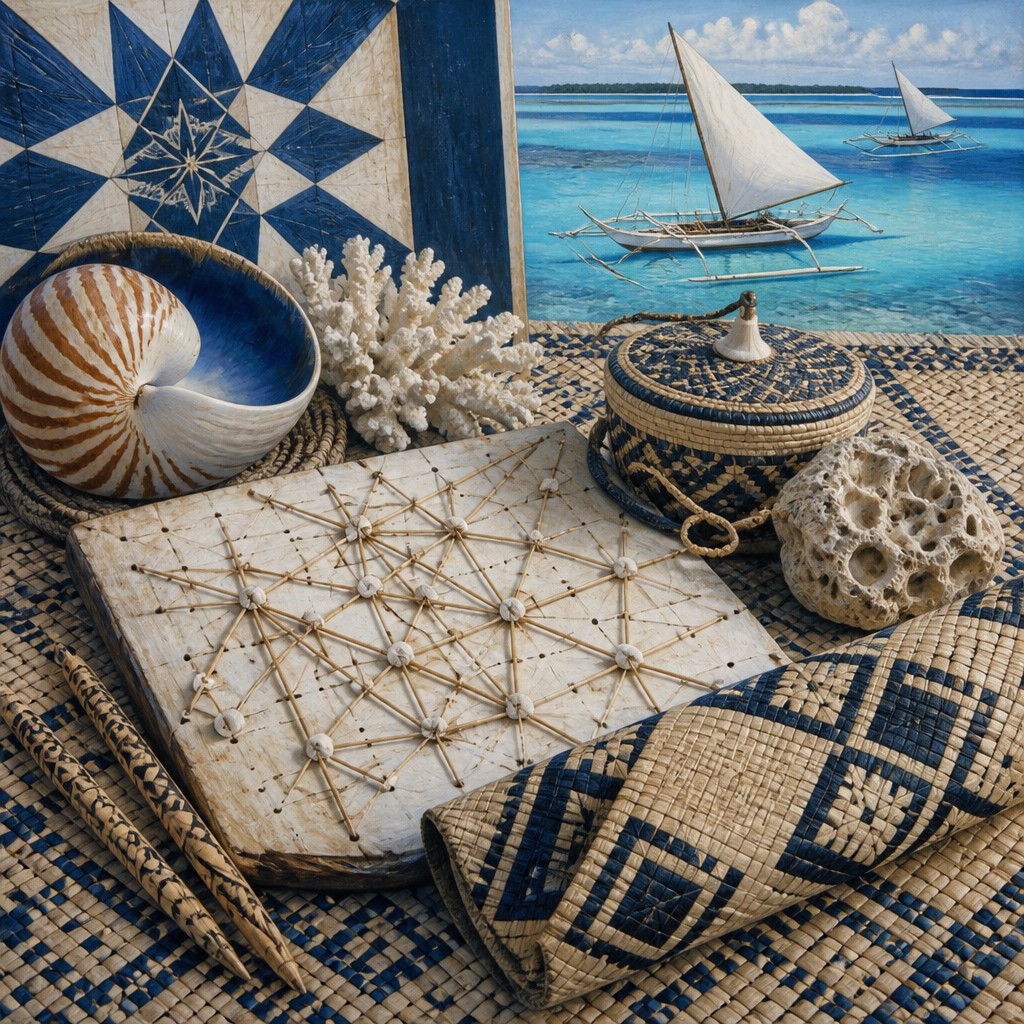
Atoll ecology and open space
Reef rings, shallow-water gradients, palms, seabirds, clouds, and distant islets establish the environment. Generous negative space suggests the scale of the ocean and keeps the composition legible.
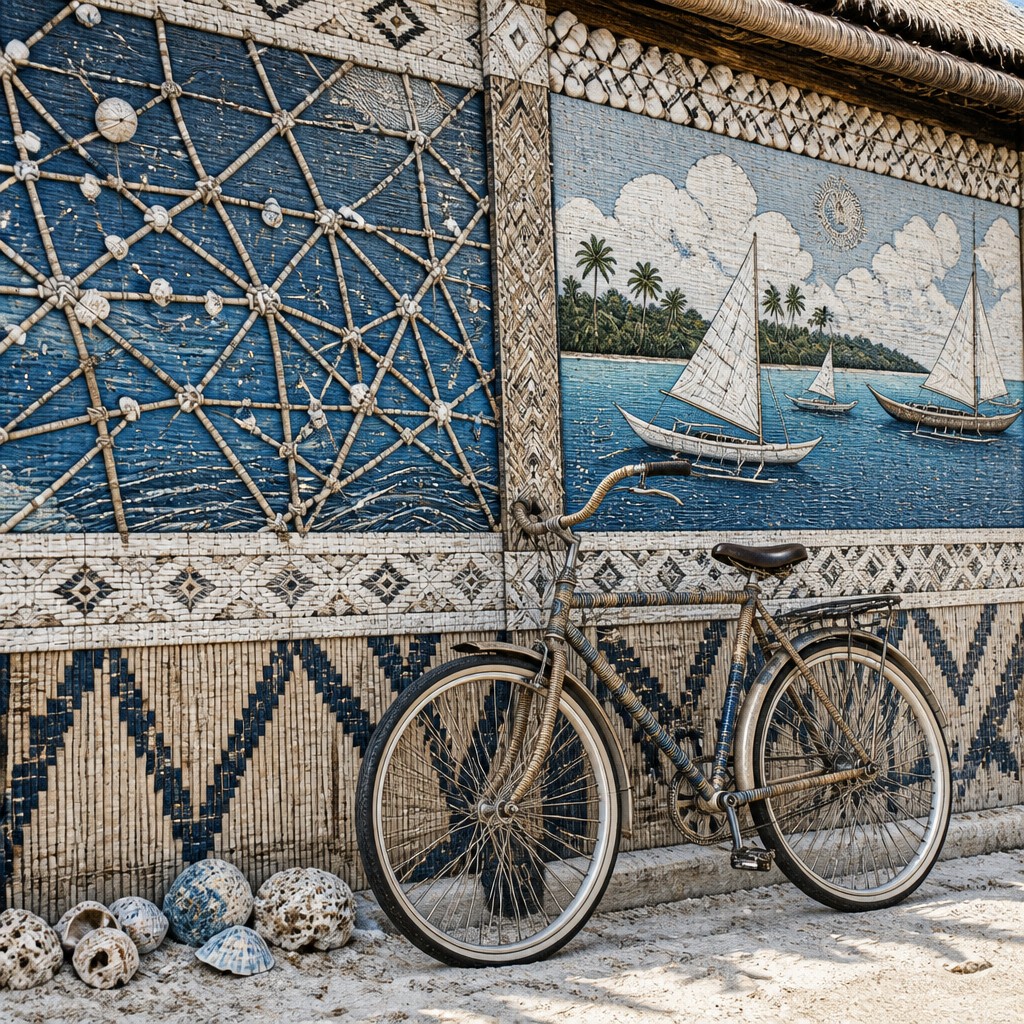
Material texture
Coconut fiber, shell, pandanus, salt-worn timber, woven strands, and sun-bleached surfaces add physical specificity. Texture works best as restrained detail supporting the major forms and patterns.
Marshallese Prompt Ideas
Start from an idea — each one opens the generator with the style ready to go. See all 40 Marshallese prompts →
How to Create Marshallese Art
Master the craft step by step — or skip straight to creating. Read the full guide →
- 1
Build a layered composition
Start with a lagoon or ocean field, then place the canoe, chart-like linear structure, and woven border or foreground mat as separate layers. Keep each element readable so the image does not become an undifferentiated pattern.
- 2
Use authentic material cues
For traditional or physical work, study the behavior of pandanus fibers, coconut midrib sticks, shell markers, lashings, and weathered wood rather than applying generic tribal motifs. In digital work, use restrained grain, fiber variation, and uneven edges to suggest those materials.
- 3
Control the palette
Limit the foundation to lagoon turquoise, deep blue, coral white, sand, and natural wood tones. Reserve saturated warm colors for small accents such as a sail, woven stripe, or sunset reflection.
- 4
Balance diagram and landscape
Combine measured chart lines and geometric weaving with atmospheric water, sky, and reef forms. This contrast preserves the style’s distinctive relationship between practical knowledge and the lived ocean environment.
- 5
Work with pattern deliberately
Repeat bands, chevrons, crossings, and stepped forms at different scales, but allow some irregularity to retain a hand-crafted quality. Avoid filling every surface with decoration; open water and clear silhouettes are essential.
- 6
Write precise generation prompts
Specify the subject, materials, composition, palette, and level of detail, such as a lashed wood navigation chart beside a sailing canoe on turquoise water. Add terms like handwoven pandanus texture, coral-white highlights, clean linear geometry, and respectful documentary detail, while avoiding vague claims of ceremonial authenticity.
The Story
History & Origins of Marshallese
This style draws from the long-established maritime and craft traditions of the Marshall Islands, an atoll nation in Micronesia. Traditional stick charts, including forms associated with different navigational purposes, were used to teach and represent relationships among islands, wave refraction, currents, and ocean swells; they were knowledge tools rather than paintings in the Western art-historical sense. Marshallese outrigger canoe building, sailmaking, and pandanus-mat weaving likewise developed as practical arts closely connected to travel, dwelling, ceremony, and community life.
The contemporary style is best understood as an aesthetic lineage rather than a named historical movement. It adapts these traditions into illustration, pattern design, editorial imagery, educational graphics, and digital compositions, while combining them with modern color control and stylization. Responsible use should distinguish symbolic visual inspiration from the specific cultural meanings and navigational knowledge held by Marshallese communities.
Influences: The style relates to Micronesian maritime traditions, Marshallese pandanus weaving, outrigger canoe design, vernacular material culture, and diagrammatic forms of indigenous environmental knowledge. It also intersects with cartographic illustration, geometric textile design, Pacific modernism, flat-color editorial art, and contemporary craft-based digital illustration. These connections should support cultural specificity rather than flattening distinct Pacific communities into one generalized visual category.
Frequently Asked Questions
Is Marshallese art style a formally recognized historical art movement?
No. The term is most accurately used for a contemporary descriptive or digital aesthetic inspired by Marshallese material and maritime traditions. It should not be presented as a single traditional movement with a fixed period, manifesto, or uniform visual code.
What objects most clearly define the style?
The strongest identifying elements are navigational stick charts, woven jaki pandanus mats, Marshallese outrigger canoes, reef and lagoon landscapes, and a palette of turquoise, deep blue, coral white, sand, and natural wood. Linear precision and visible handmade texture help connect these objects visually.
How are stick charts different from ordinary maps?
Marshallese stick charts are specialized navigational knowledge objects that can represent relationships among islands, ocean swells, currents, and wave refraction. They are not simply scaled geographic maps, and their meanings can depend on the navigator, context, and type of chart.
How can I create this style without making it look generic?
Research specific Marshallese forms and materials, then focus on accurate canoe structures, pandanus weaving, chart construction, and atoll ecology. Avoid combining unrelated Pacific symbols or inventing ceremonial meanings, and use texture, proportion, and composition rather than decorative stereotypes to establish the look.
Can this style be used for portraits or non-maritime subjects?
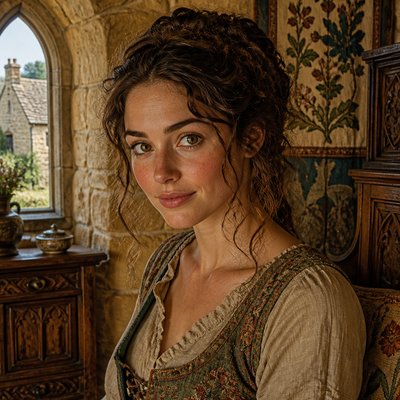
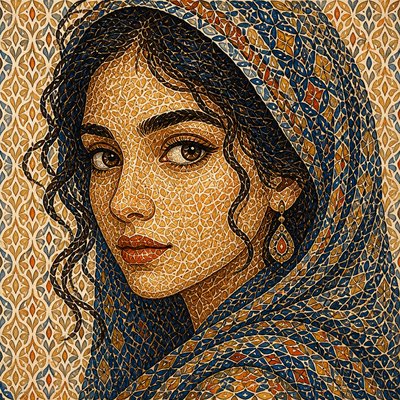
Yes, but the cultural visual language should remain grounded in material and environmental references rather than being applied as a superficial filter. A portrait might use a woven mat backdrop, lagoon light, canoe-building tools, or carefully designed geometric borders while preserving the subject’s identity.
What techniques work well for digital or generated images?
Layered vector shapes, ink-like contour lines, fiber textures, and limited color grading work well for digital illustration. Prompts should name concrete materials, objects, lighting, and composition, and should request handcrafted irregularity alongside clear geometry.
Create your first Marshallese artwork
Describe anything — or upload a photo — and see it in Marshallese Art Style in seconds.
Related Styles
Discover similar art styles