Malian Art Style
Explore Malian art style: bogolanfini geometry, Dogon-inspired carving, chiwara silhouettes, and Djenné adobe architecture in earthy Sahelian tones.
Instantly rendered in Malian — or transform a photo
Malian Gallery
Tap any artwork to explore it
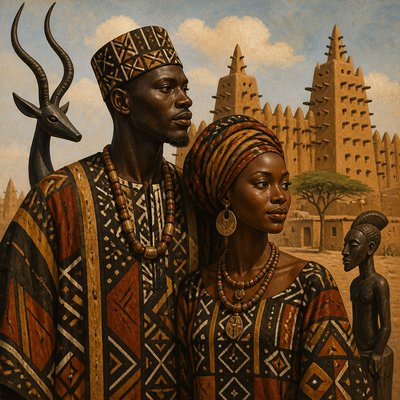
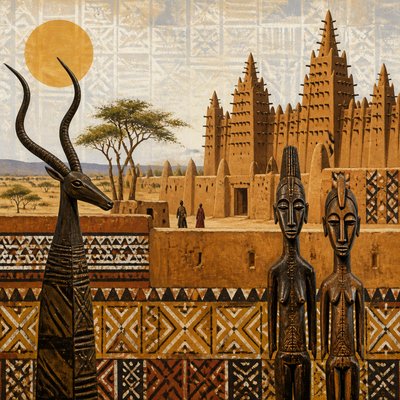
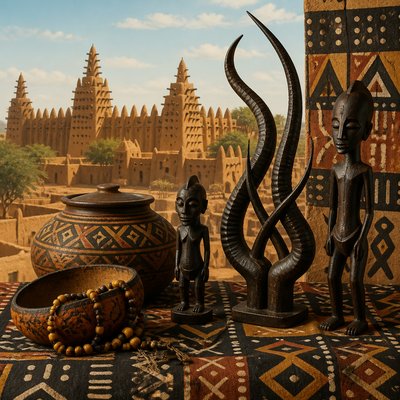
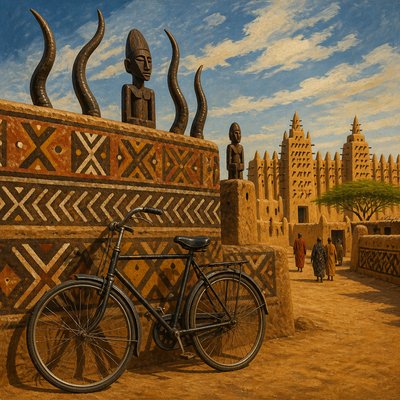
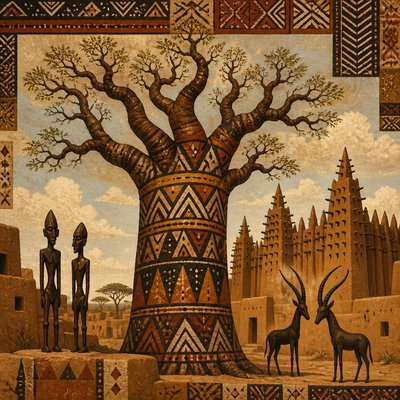
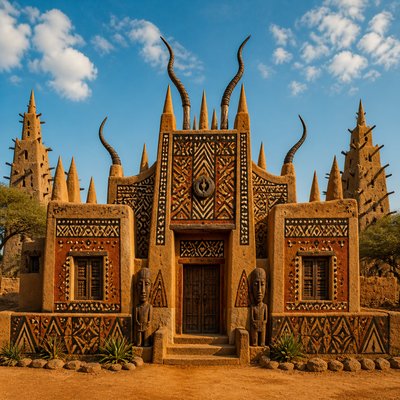
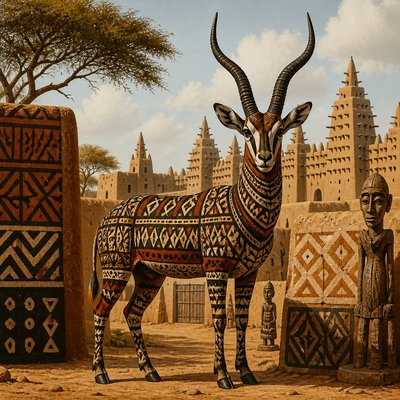
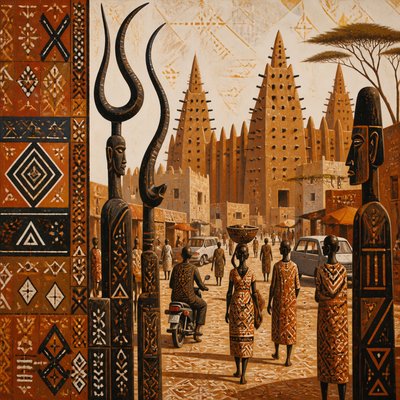
What is Malian Art Style?
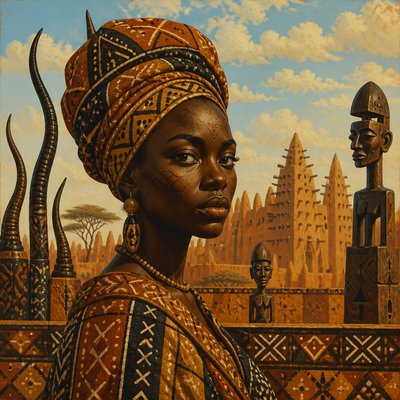
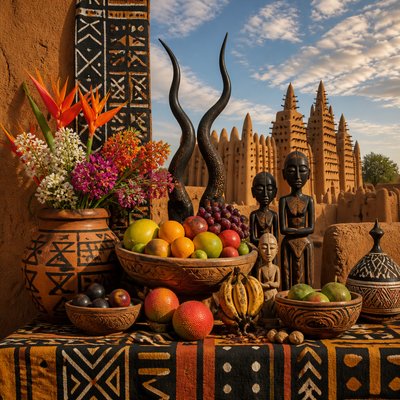
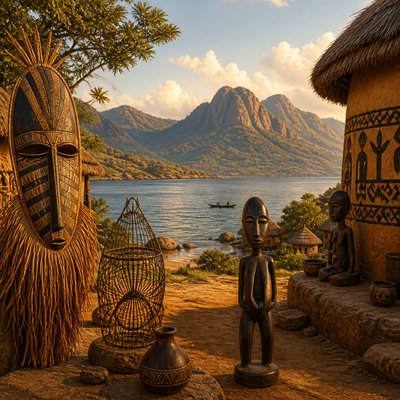
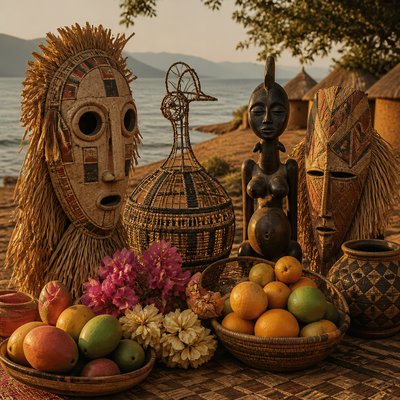
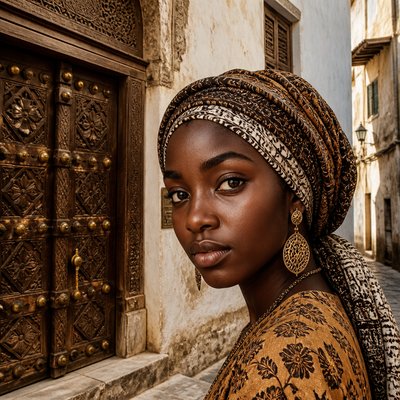
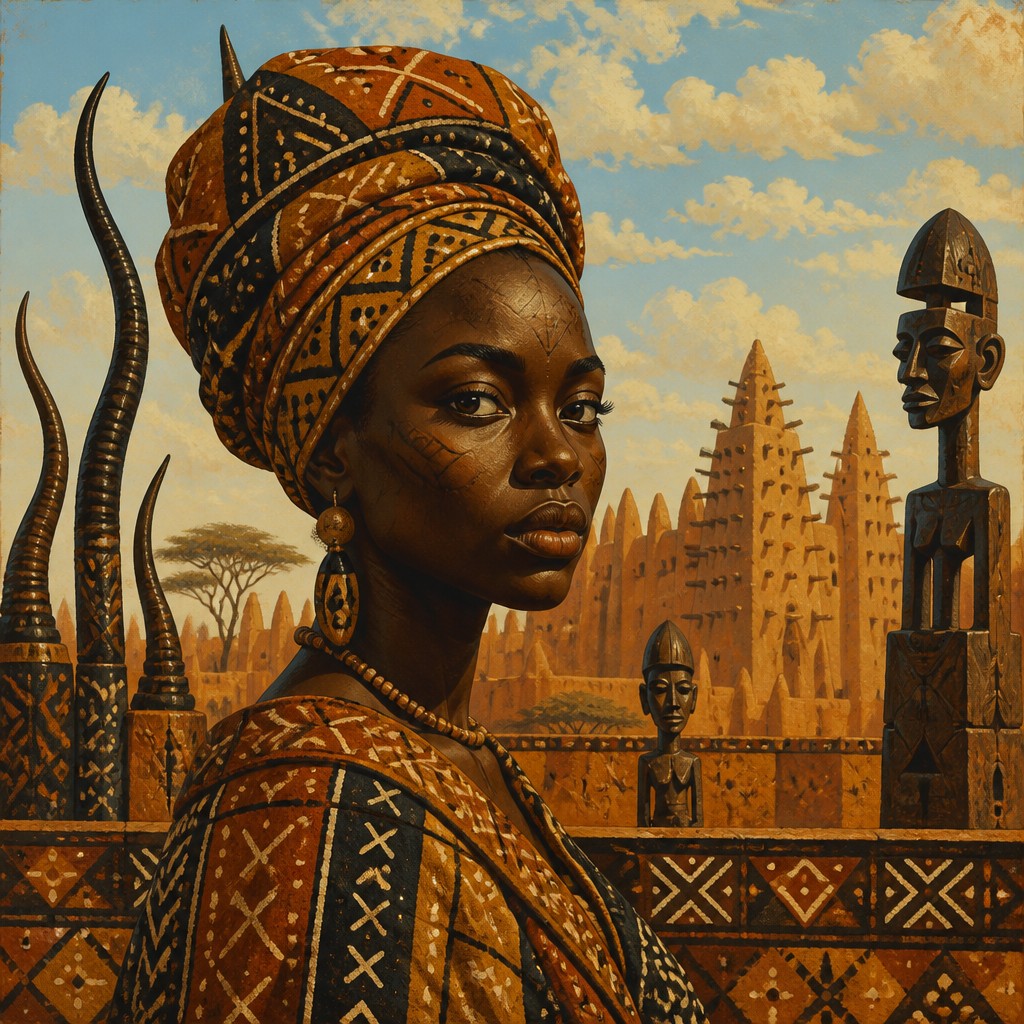
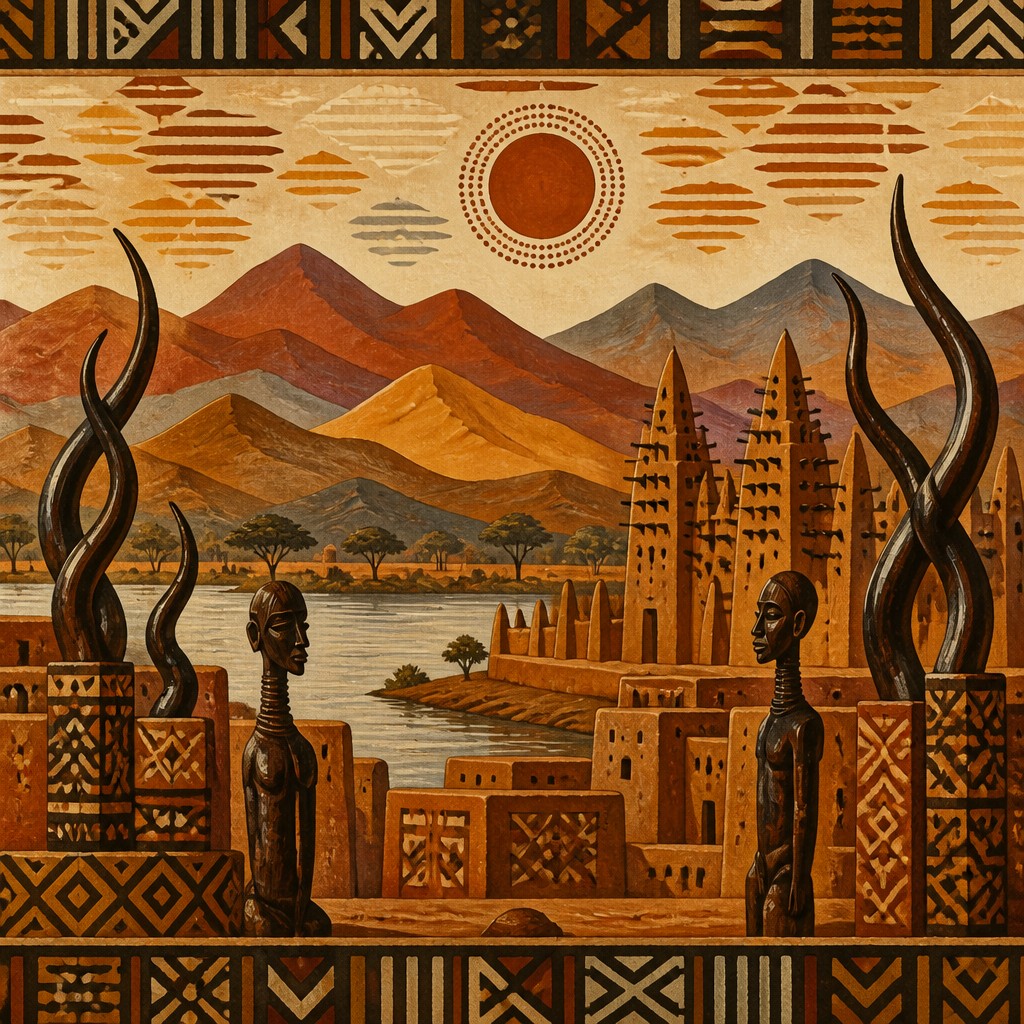
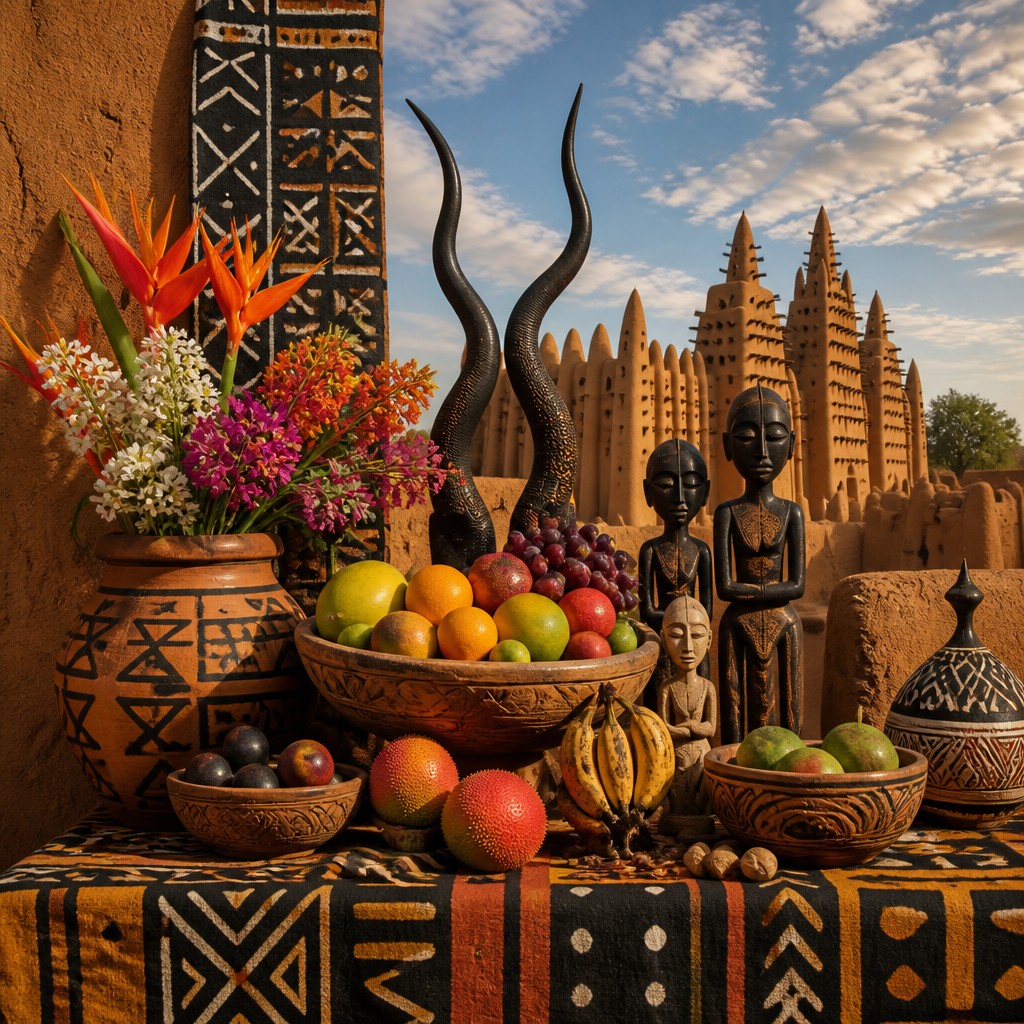
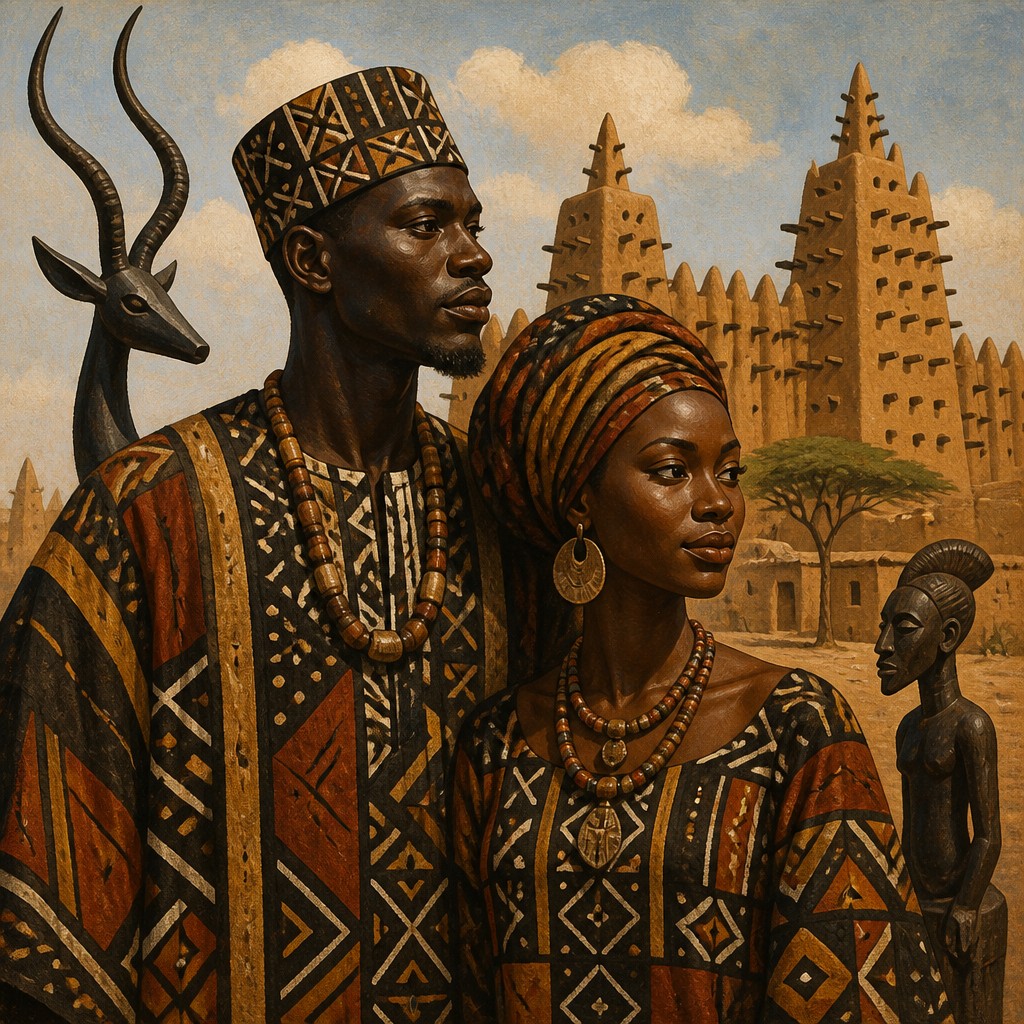
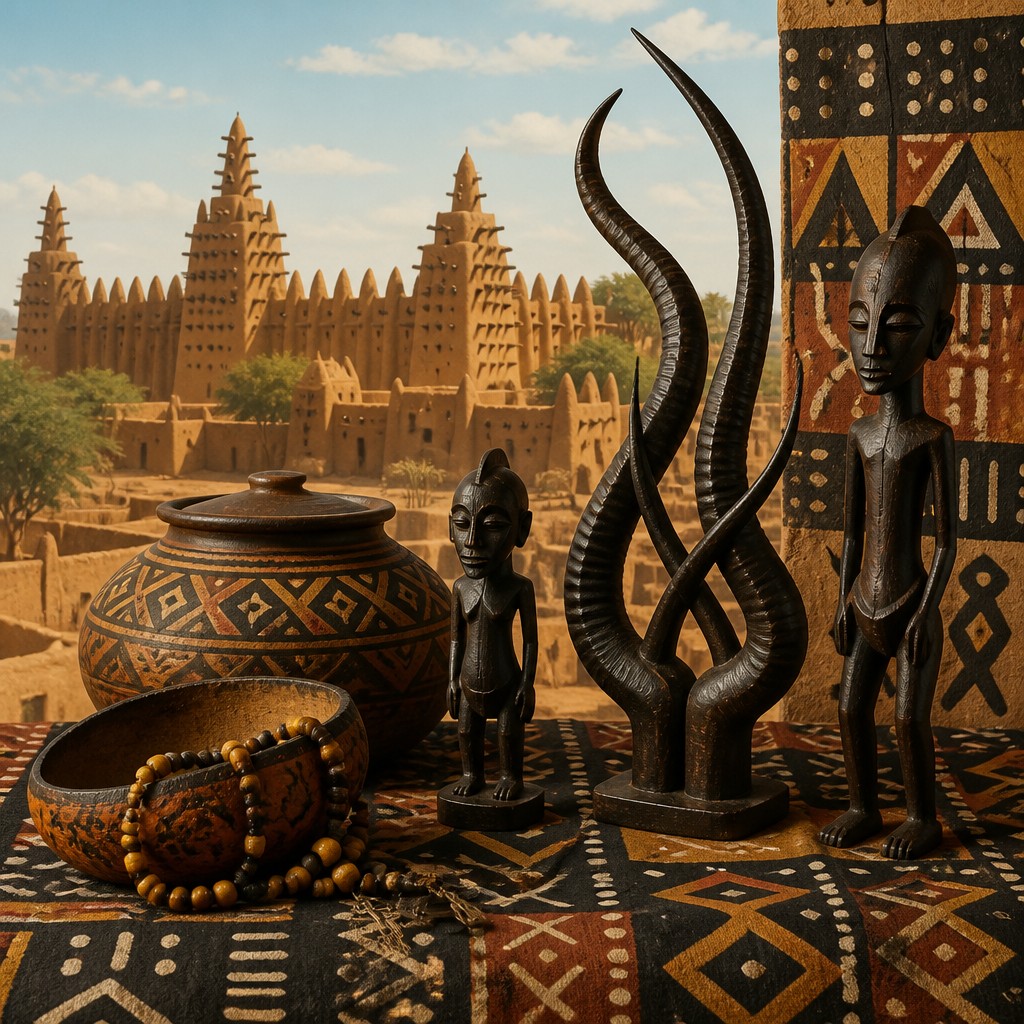
Malian Art Style is a contemporary umbrella aesthetic built from several distinct visual traditions of Mali and the wider Sahel. Its signature vocabulary combines the earthy geometry of bogolanfini mudcloth, the rhythmic silhouettes of Bamana chiwara headdresses, angular carved figures associated with Dogon sculpture, and the monumental earthen architecture of Djenné and other Sahelian settlements.
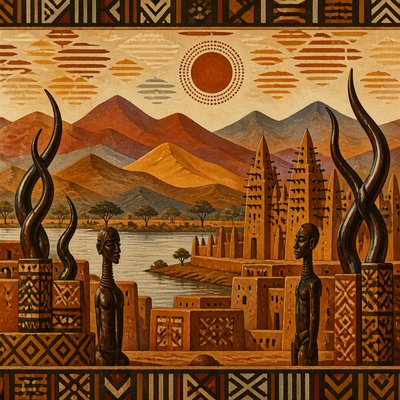
The style is defined by sun-baked surfaces, restrained natural color, strong contour, and repeated geometric structure. Rust, ochre, clay red, sand, cream, and charcoal suggest mineral pigments, mud plaster, and dyed cotton, while spires, horns, zigzags, stepped forms, and vertical bands create a sense of ceremonial movement and architectural solidity.
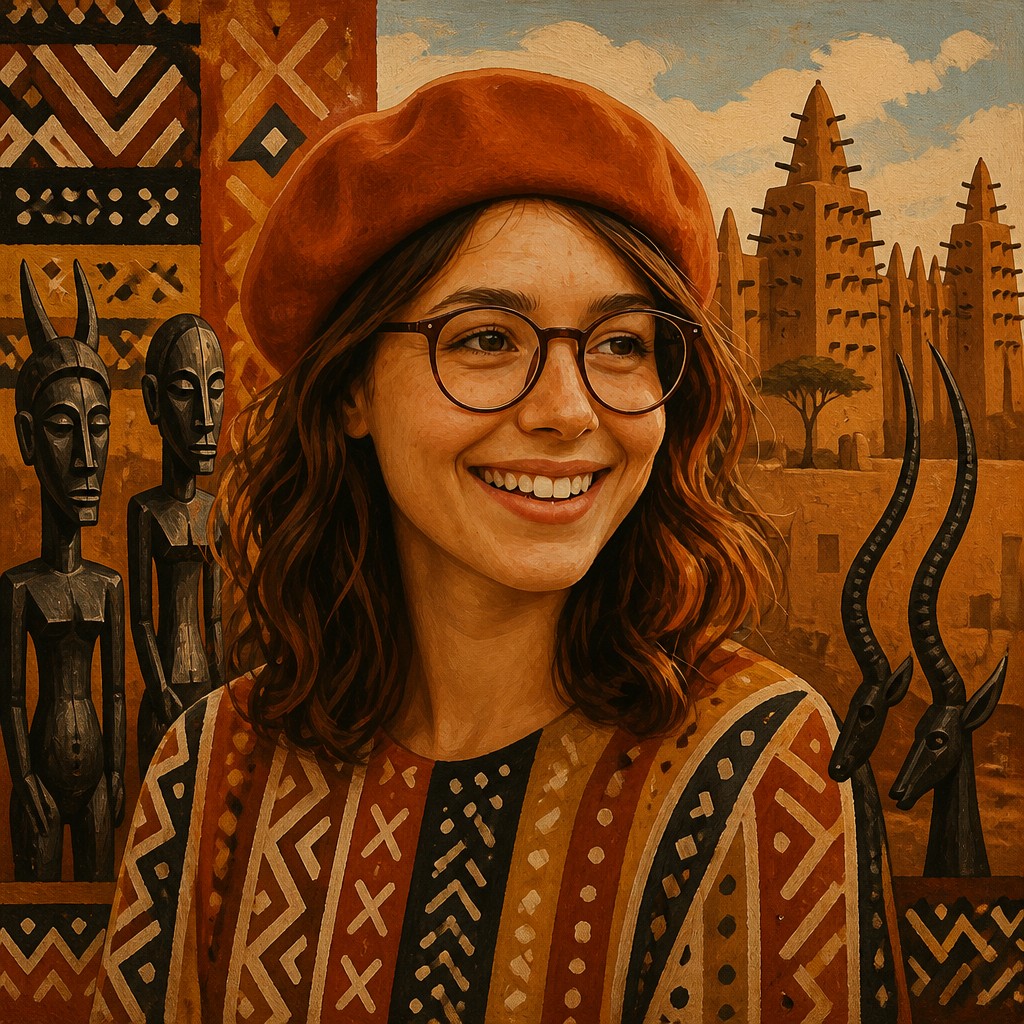
Try It On Your Photos
Upload any photo and convert it into Malian Art Style — drag the sliders to compare before and after.


What Defines Malian Art Style
The signature details, up close
Bogolanfini geometry
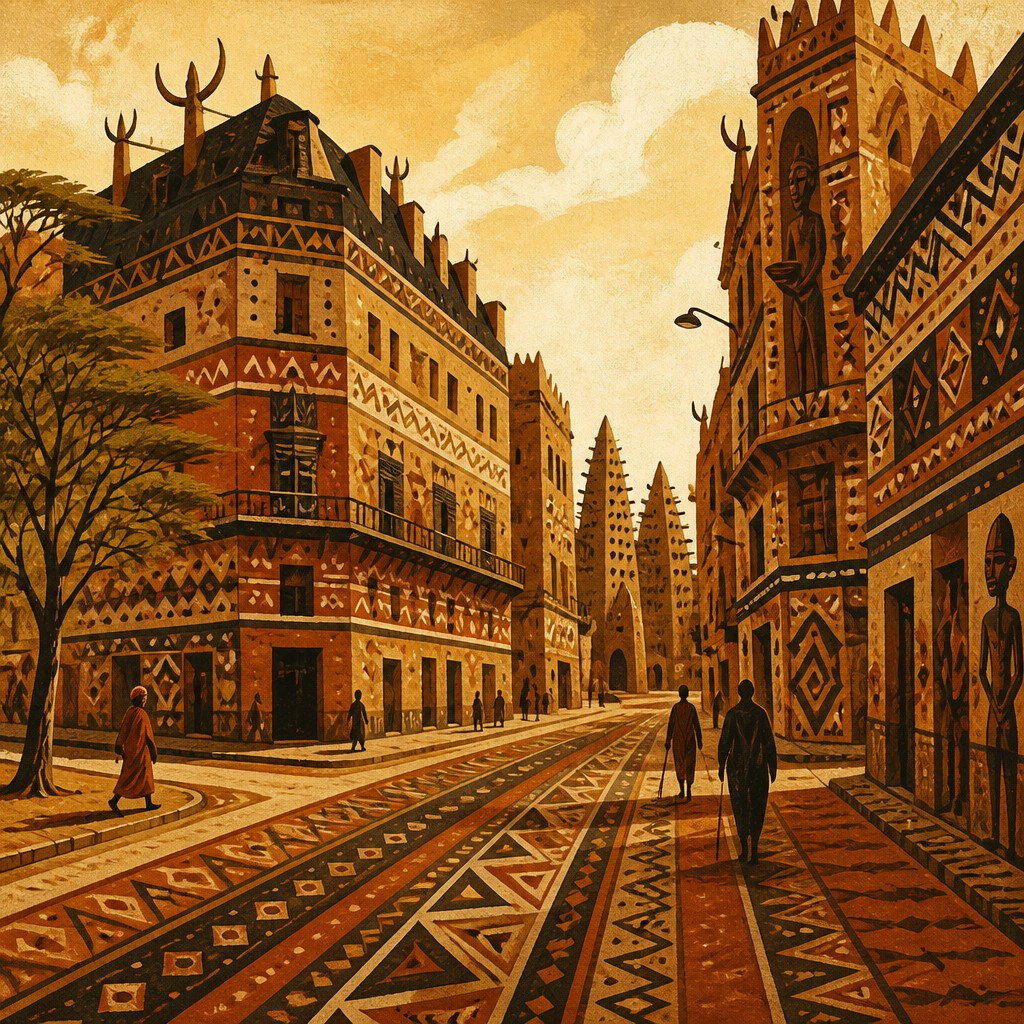
Repeating bands, chevrons, crosshatches, dots, and stepped marks recall the graphic structure of Malian mudcloth. Patterns usually appear as deliberate, high-contrast blocks rather than delicate ornamental detail.
Earth-based palette
Rust, ochre, umber, charcoal, clay red, sand, and muted cream dominate the color range. The limited palette evokes mineral earth, plant dyes, smoke, and sun-weathered plaster.
Chiwara silhouettes
Elongated antelope horns and rising animal forms introduce graceful vertical movement. These references derive from Bamana ceremonial headdresses and should be used with awareness of their ritual and cultural context.
Angular carved figures
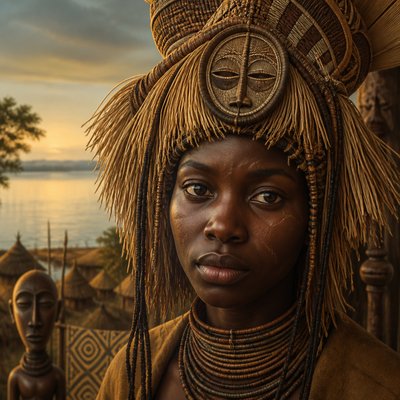
Human and animal forms are simplified into faceted planes, strong profiles, and emphatic limbs. The effect suggests carved wood and sculptural presence rather than anatomical naturalism.
Adobe architecture
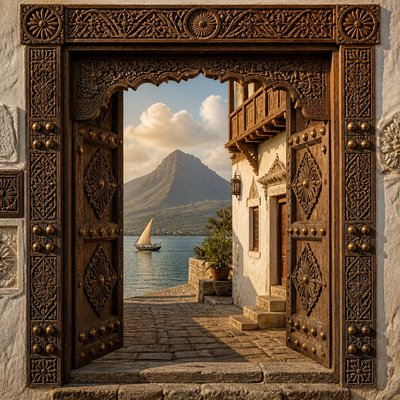
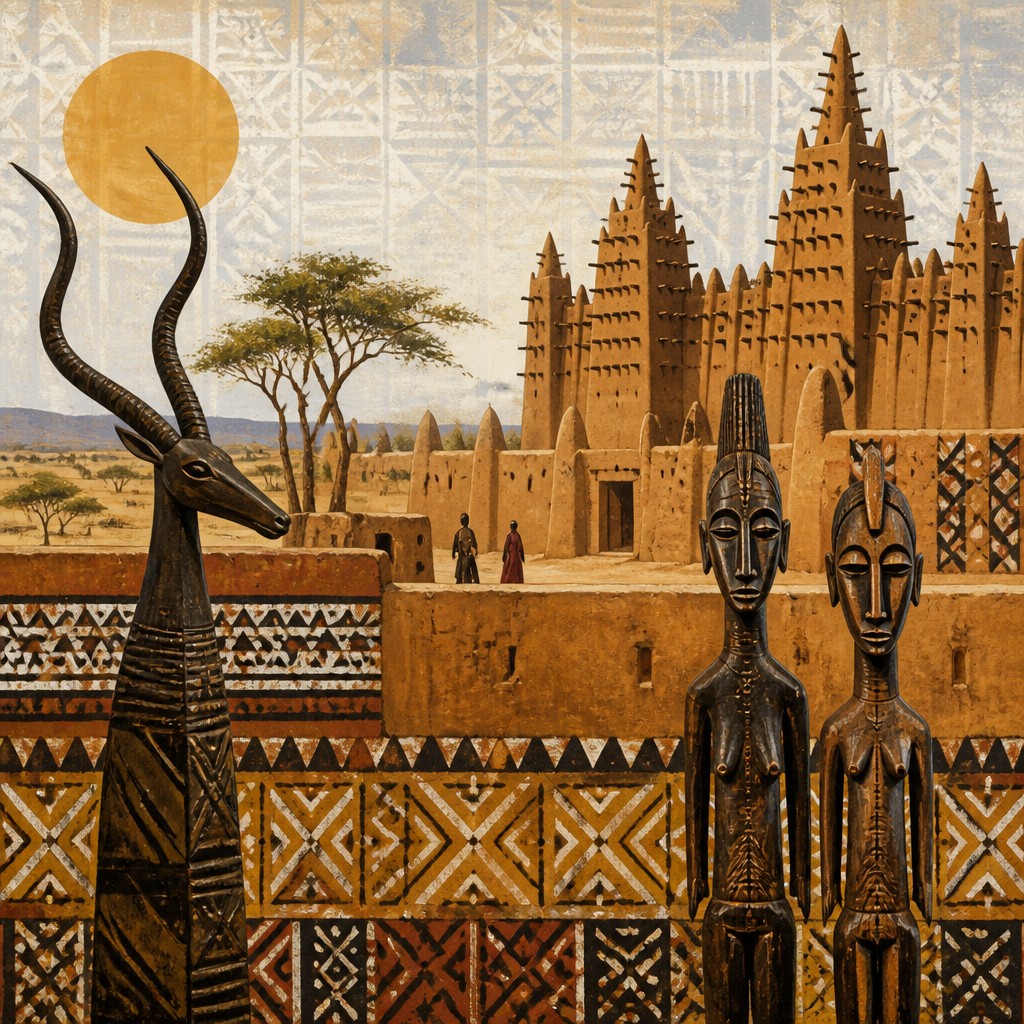
Mudbrick walls, buttresses, crenellations, wooden projecting beams, and tapering towers create a monumental Sahelian setting. Forms associated with Djenné and other regional architectural traditions are especially recognizable.
Rhythmic surface pattern
Textures are organized through repetition: vertical grooves, woven marks, plaster ridges, incised lines, and stacked architectural layers. This rhythm links textile, sculpture, and building surfaces.
Malian Prompt Ideas
Start from an idea — each one opens the generator with the style ready to go. See all 40 Malian prompts →
How to Create Malian Art
Master the craft step by step — or skip straight to creating. Read the full guide →
- 1
Build a restricted palette
Start with clay red, ochre, charcoal, sand, and warm cream, then add only one restrained accent if needed. Avoid glossy synthetic color unless you intentionally want a contemporary digital interpretation.
- 2
Construct patterns in bands
Divide the image into horizontal or vertical zones and place chevrons, zigzags, crosses, dots, and stepped motifs within them. Vary scale slightly so the pattern feels hand-applied rather than mechanically tiled.
- 3
Use carved, earthen forms
Model figures with faceted planes and clear silhouettes, as if carved from wood or pressed from clay. Add rough plaster, woven cotton, or dried-mud texture without making every surface equally busy.
- 4
Compose with architectural mass
Frame the subject against adobe walls, projecting beams, courtyard shadows, or tapering towers. Strong verticals and broad areas of negative sky help balance the dense textile patterning.
- 5
Prompt with specific visual ingredients
For digital or AI-assisted creation, name the palette, materials, pattern types, lighting, and subject separately. Specify respectful inspiration from Malian textile, sculptural, and architectural traditions rather than asking for a vague generic African style.
The Story
History & Origins of Malian
This is not a single historical movement or unified traditional style. It is an interpretive synthesis of established Malian traditions, including bogolanfini textile practice, Bamana ceremonial forms, Dogon carved objects, and the adobe architecture of the Inland Niger Delta and Dogon regions.
Bogolanfini developed as a hand-worked cotton textile tradition in Mali, using fermented mud and plant-based dyes to build dark geometric motifs. Monumental earthen mosques and compounds developed through long Sahelian building traditions, with Djenné recognized for its fired-earth and mud-plaster architecture. Contemporary visual culture often recombines these sources into a stylized language for illustration, design, sculpture, and digital image-making, but the traditions should not be treated as interchangeable.
Influences: The aesthetic draws from bogolanfini and other West African textile traditions, Bamana ceremonial sculpture, Dogon carved forms, Sahelian adobe architecture, and the geometric language of African modernist and contemporary design. It also relates to earth-art palettes, primitive-modernist abstraction, graphic pattern design, and stylized architectural illustration, while remaining distinct from any one of these sources.
Frequently Asked Questions
What defines Malian Art Style?
It is defined by an earthy palette, bold geometric patterning, carved or faceted figures, antelope-horn silhouettes, and mudbrick architectural forms. The style is best understood as a contemporary synthesis of several Malian traditions, not as one historical school.
Is Malian Art Style a historical art movement?
No. The label describes a modern visual combination rather than a documented movement with a fixed period or manifesto. Its ingredients come from distinct textile, ceremonial, sculptural, and architectural traditions with their own histories.
What is bogolanfini?
Bogolanfini is a Malian hand-decorated cotton textile tradition often translated as mudcloth. Cloth is built up with plant-based dyes and mud to produce dark graphic motifs, bands, and symbolic pattern structures.
How is this different from generic African-inspired art?
This style focuses on specific Malian and Sahelian references, especially mudcloth geometry, Bamana chiwara forms, Dogon-associated carving, and adobe architecture. Naming those sources produces a more precise result and avoids flattening the many distinct cultures and art traditions across Africa.
Can I create this style from a photograph?
Yes. Preserve the main subject and composition while translating surfaces into matte earth colors, patterned textile bands, carved planes, or adobe surroundings. For cultural objects and ceremonial forms, use contextual and respectful framing rather than treating sacred or communal symbols as generic decoration.
Where is this aesthetic commonly used?
Its visual language can suit editorial illustration, poster design, textile-inspired graphics, architectural visualization, cultural education, sculpture concepts, and atmospheric portraiture. It works especially well when pattern, material texture, and strong silhouette are central to the composition.
Create your first Malian artwork
Describe anything — or upload a photo — and see it in Malian Art Style in seconds.
Related Styles
Discover similar art styles