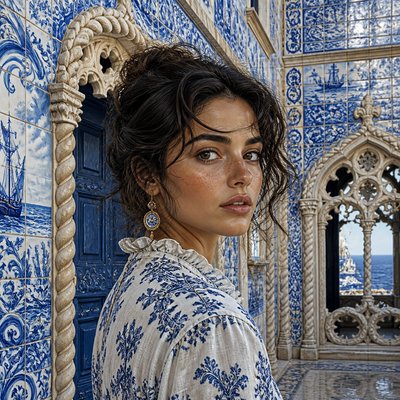
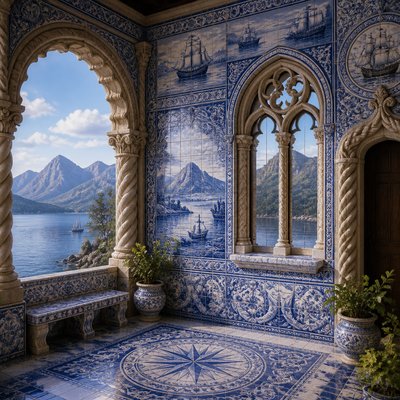
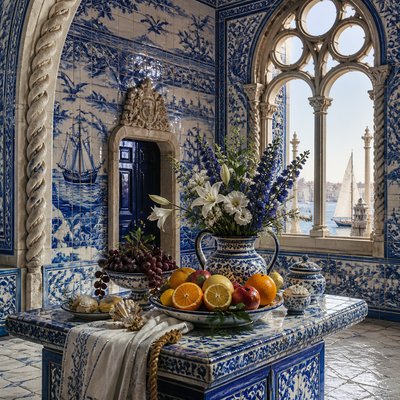
Malaysian Art Style
Explore Malaysian art style through songket gold, Peranakan tile, Kelantan carving, keris filigree, and vivid tropical jewel tones.
Instantly rendered in Malaysian — or transform a photo
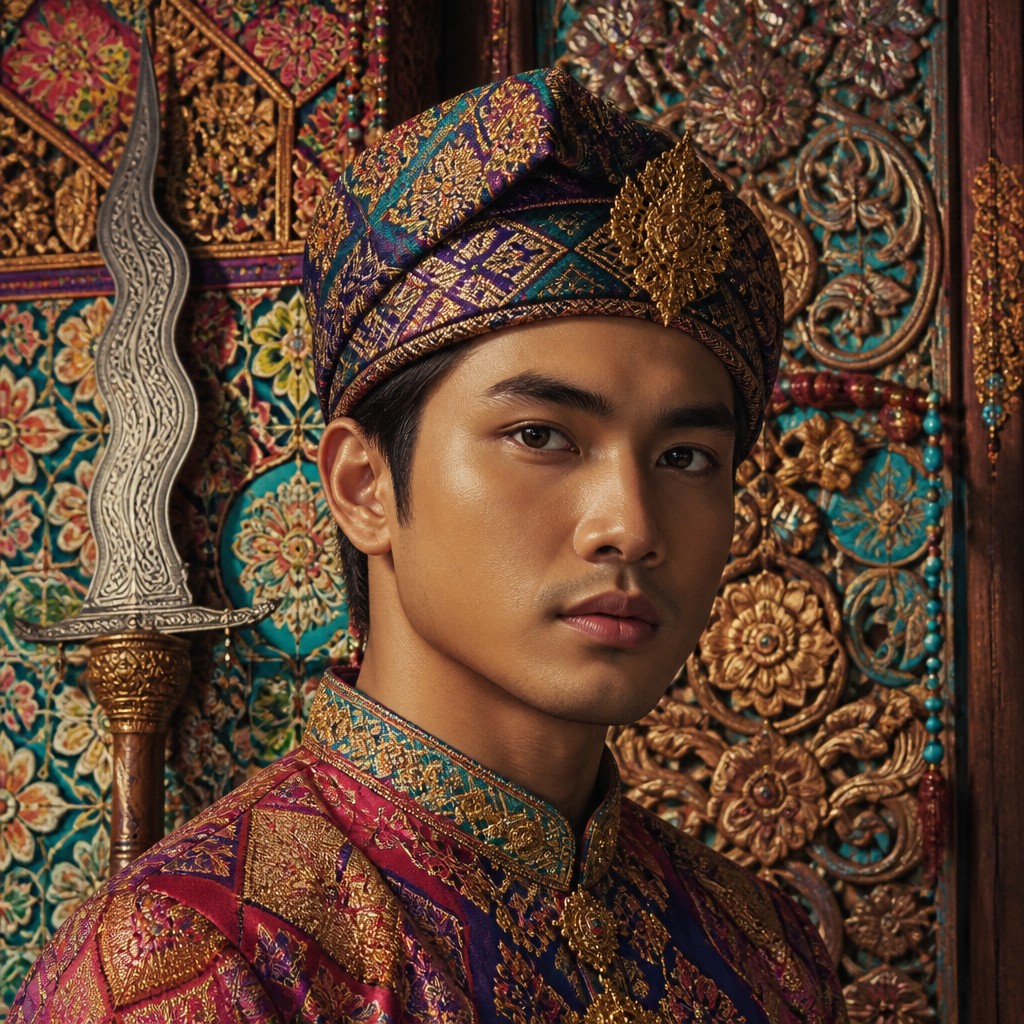
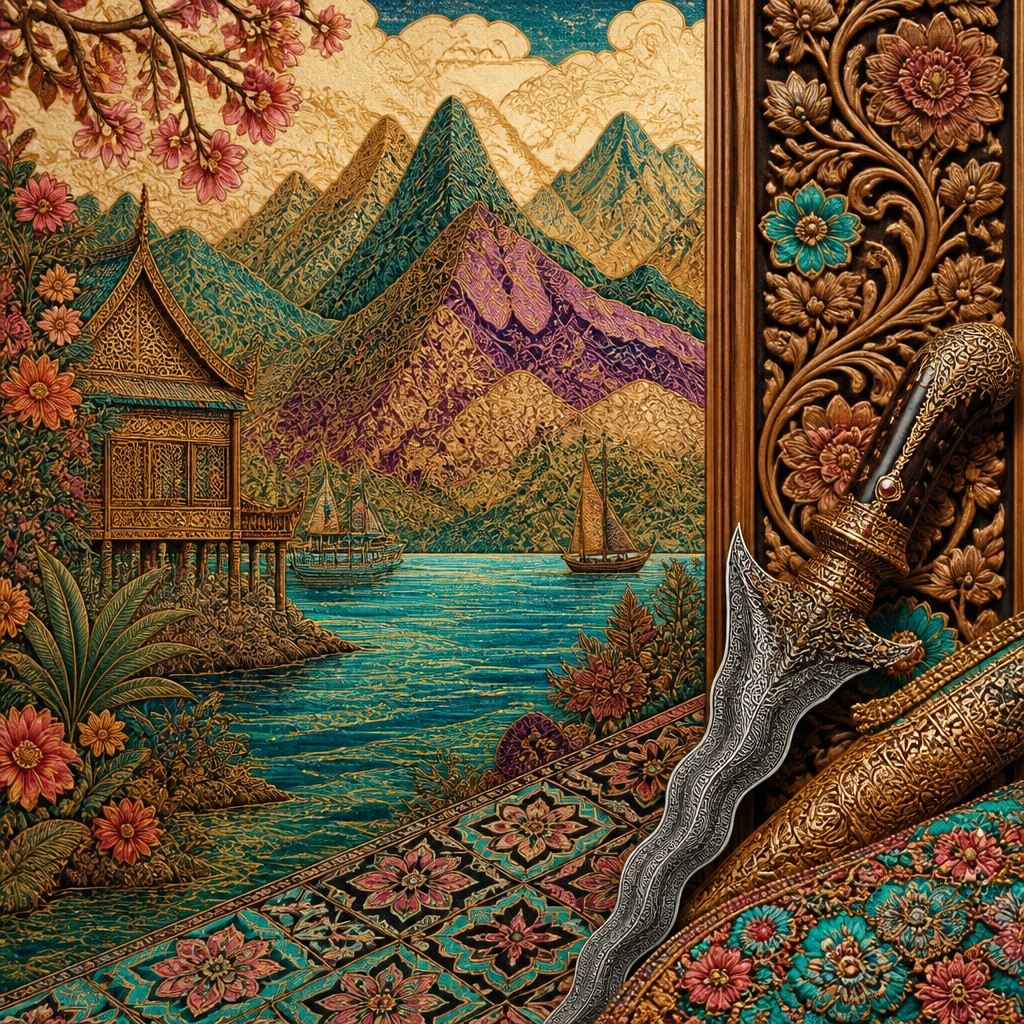
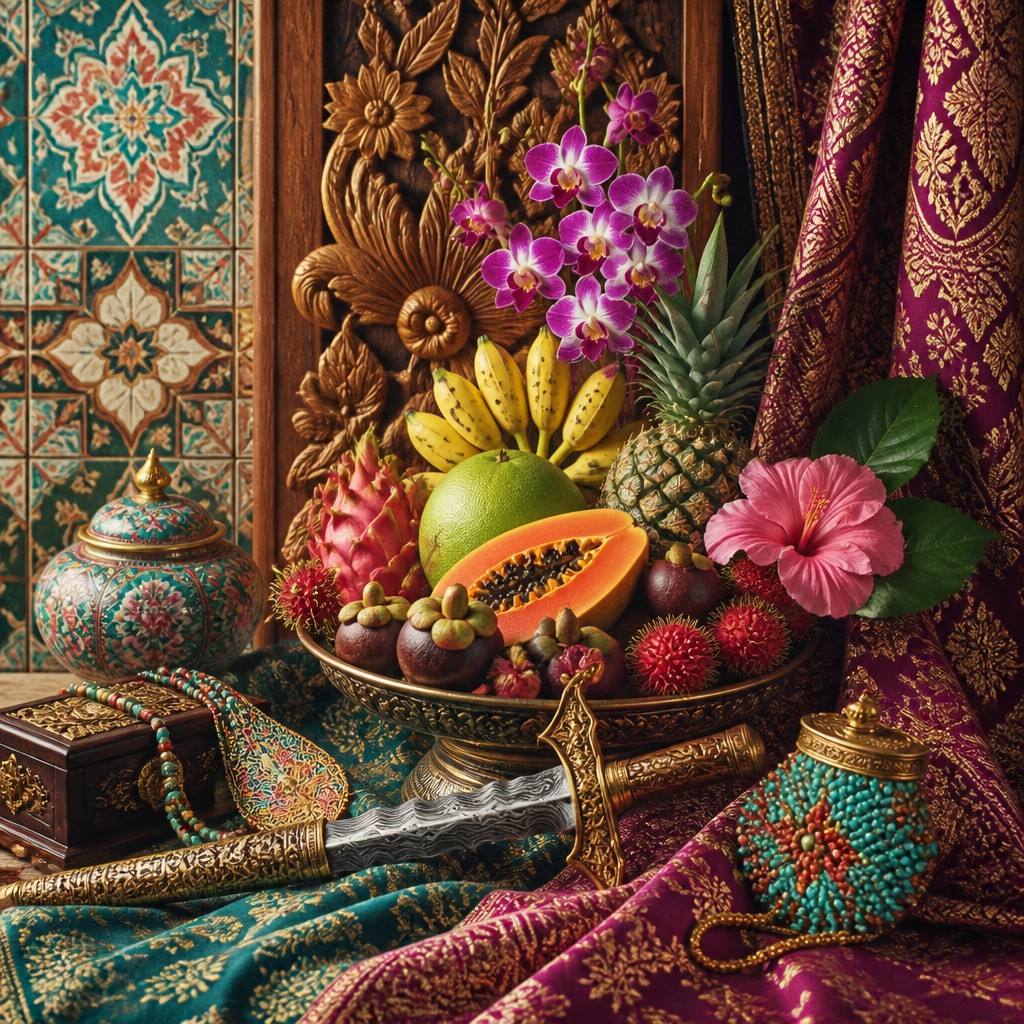
Malaysian Gallery
Tap any artwork to explore it
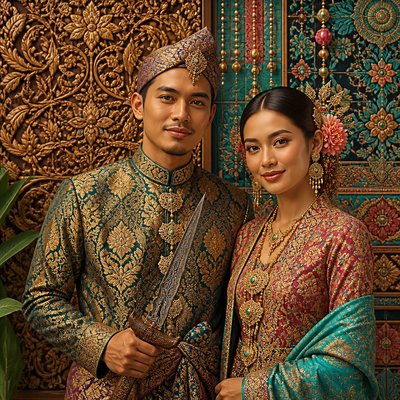
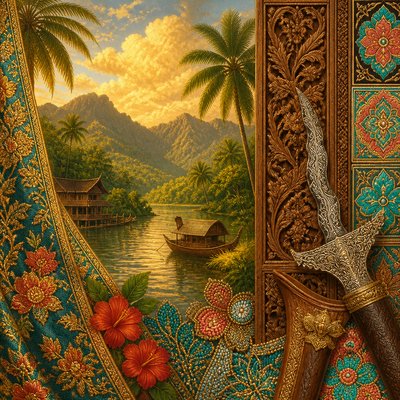
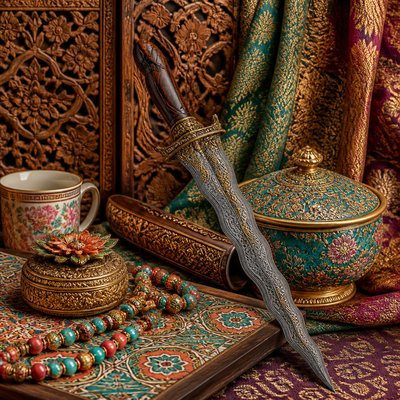
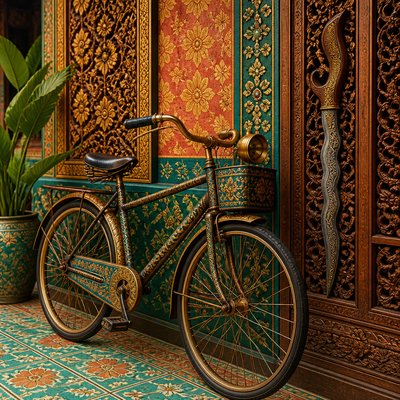
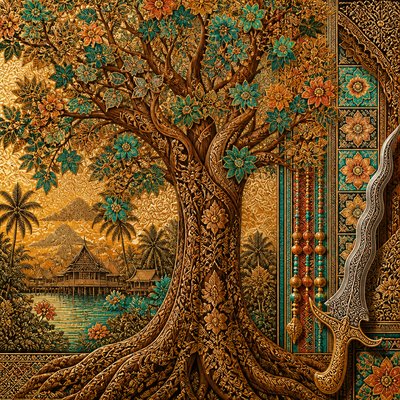
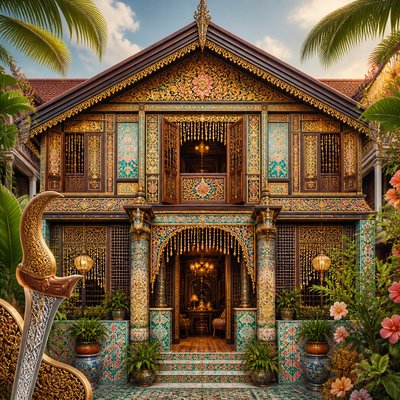
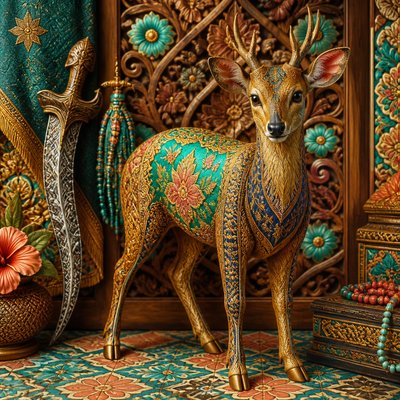
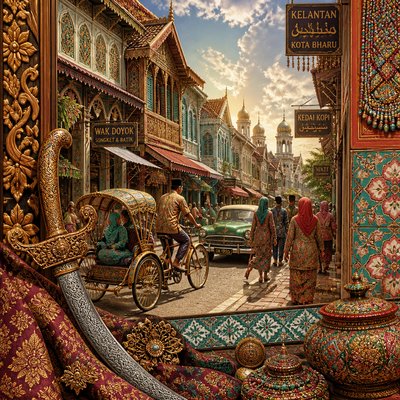
What is Malaysian Art Style?
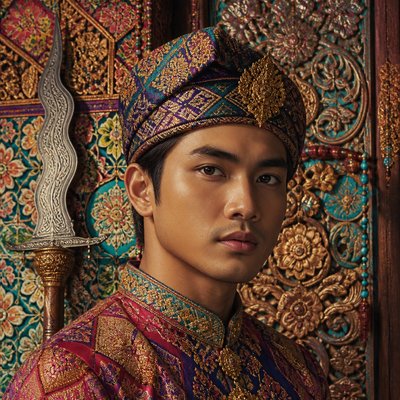
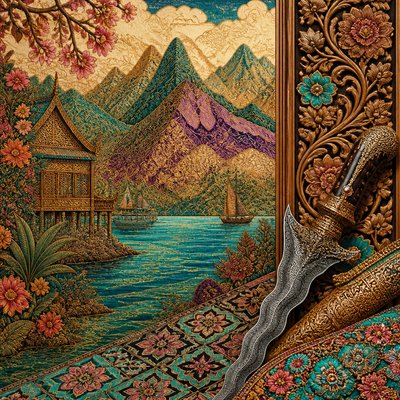
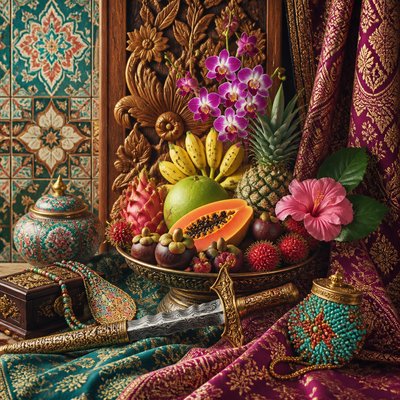
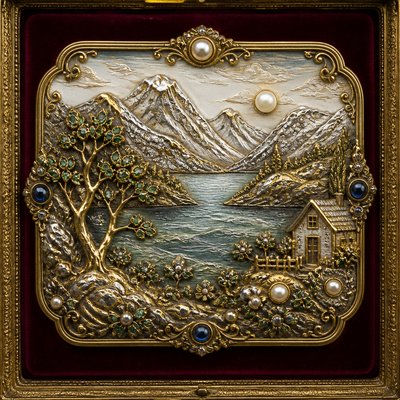
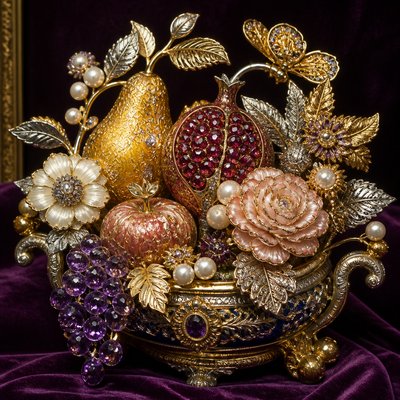
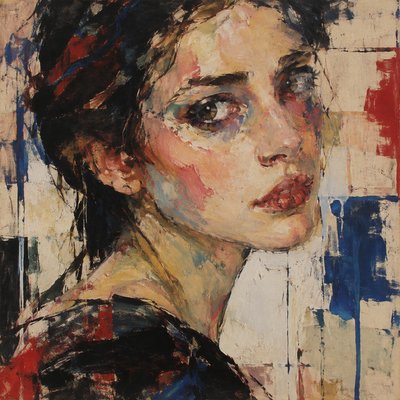
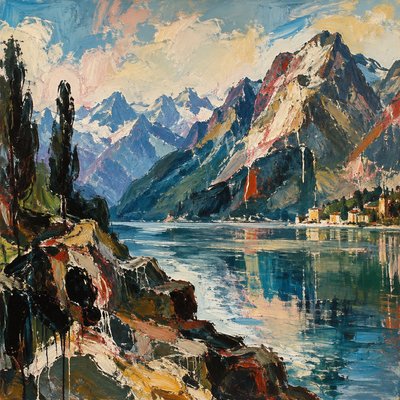
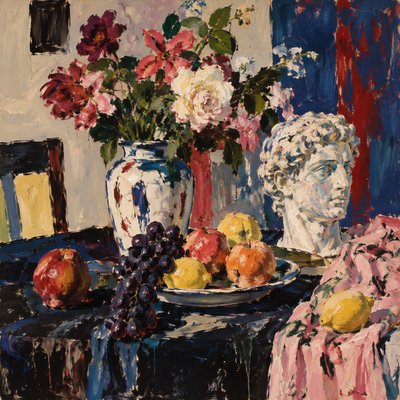
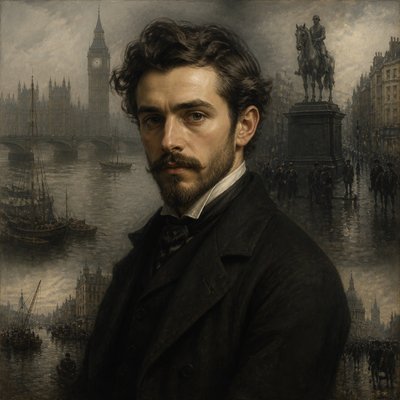
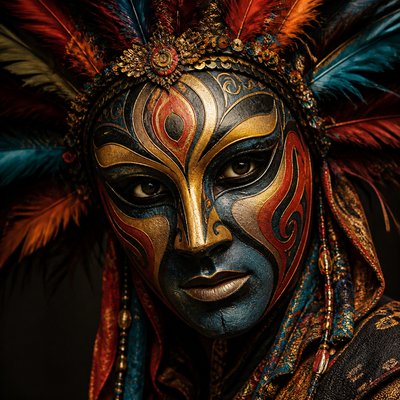
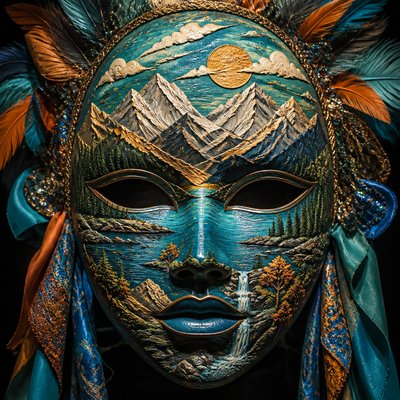
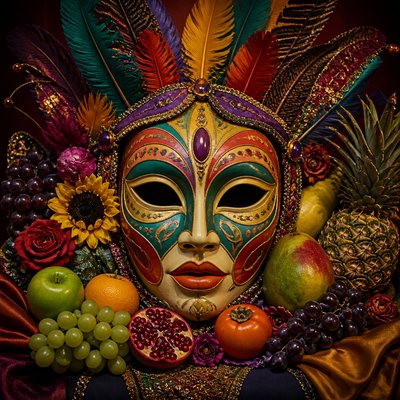
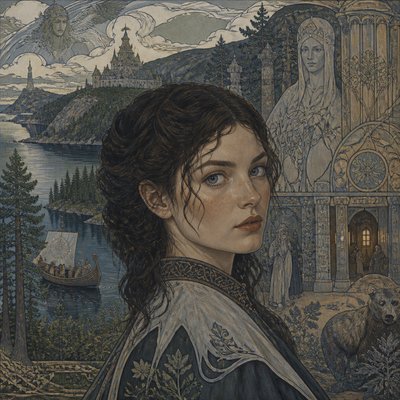
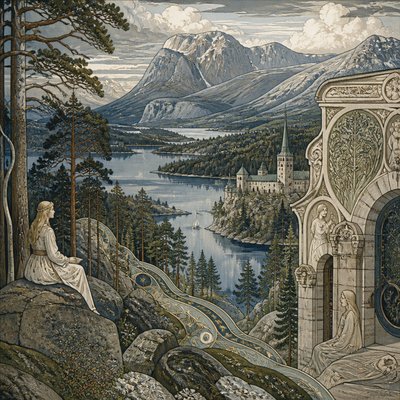
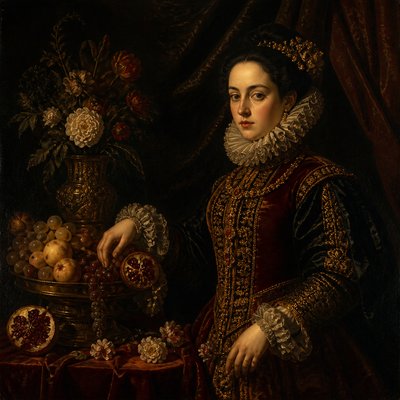
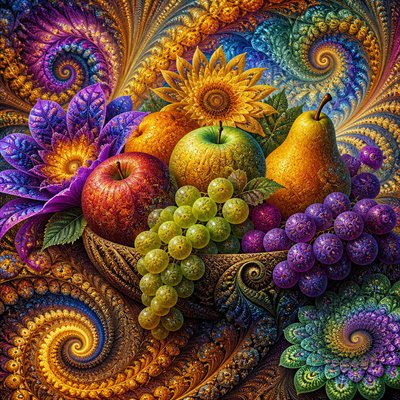
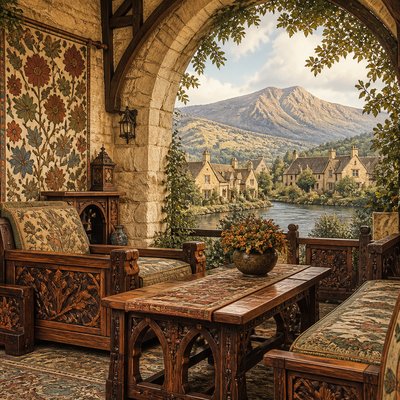
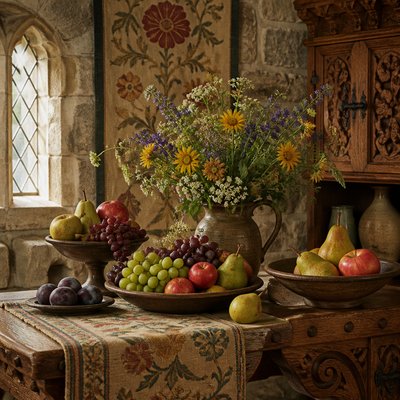
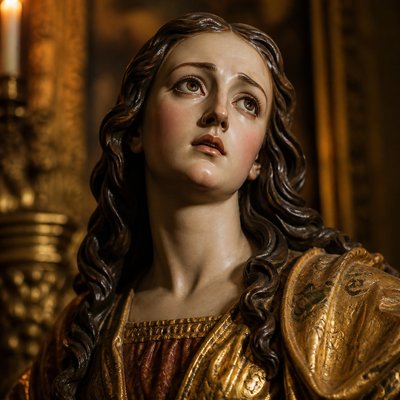
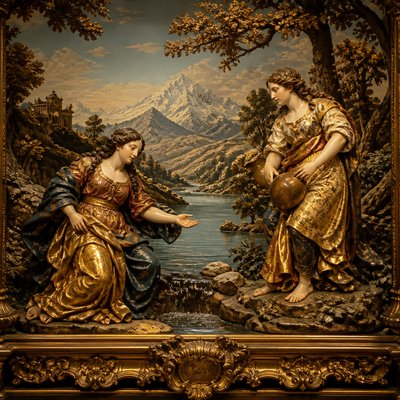
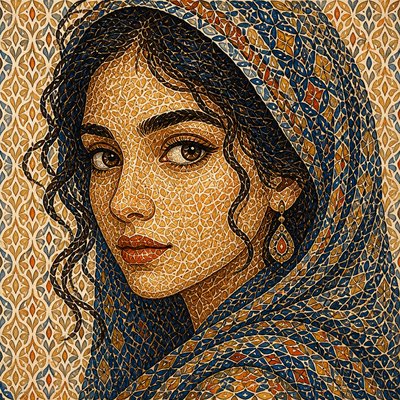
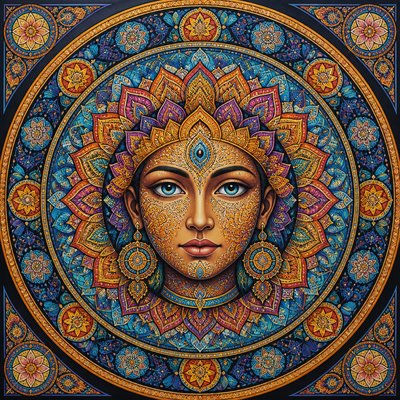
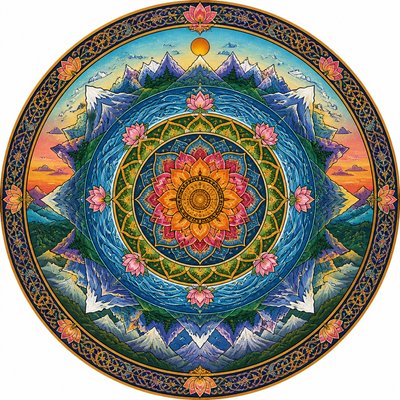
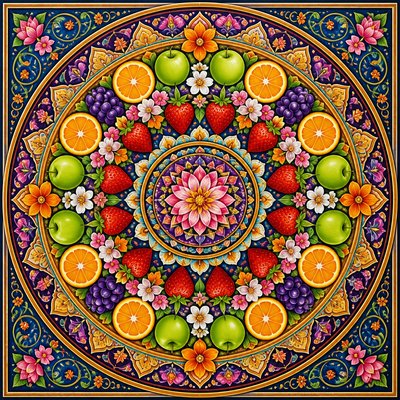
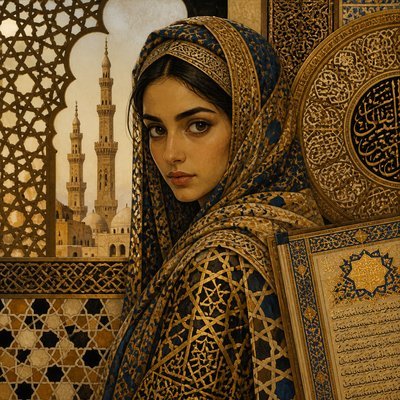
Malaysian Art Style is a contemporary descriptive label for a richly layered decorative aesthetic inspired by Malaysia’s diverse craft traditions. Its visual vocabulary combines the glinting geometry of songket brocade, the floral relief of carved Kelantan wood, the intricate metalwork associated with keris, and the turquoise, coral, and gold palette of Peranakan tile and beadwork. Rather than representing a single historical movement, it brings several regional traditions into a unified image language of pattern, texture, and ornament.
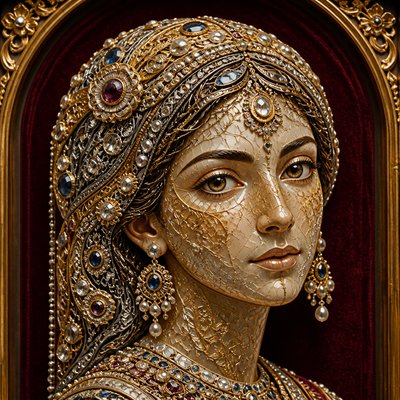
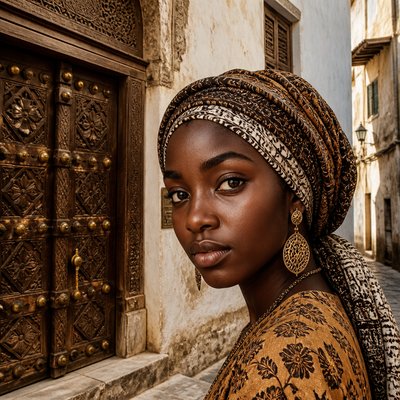
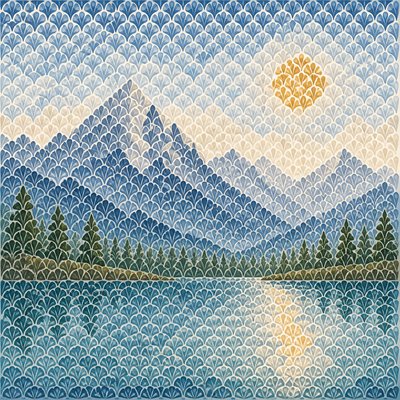
The style is defined by concentrated surface detail and a sense of crafted luxury. Jewel-toned color, warm humid light, repeating motifs, metallic highlights, and tactile materials create an atmosphere that feels both ceremonial and domestic. In contemporary illustration and digital image-making, these references may be arranged around portraits, architecture, landscapes, objects, or fantasy scenes while retaining the visual logic of Malaysian textile, carving, jewelry, and ceramic arts.
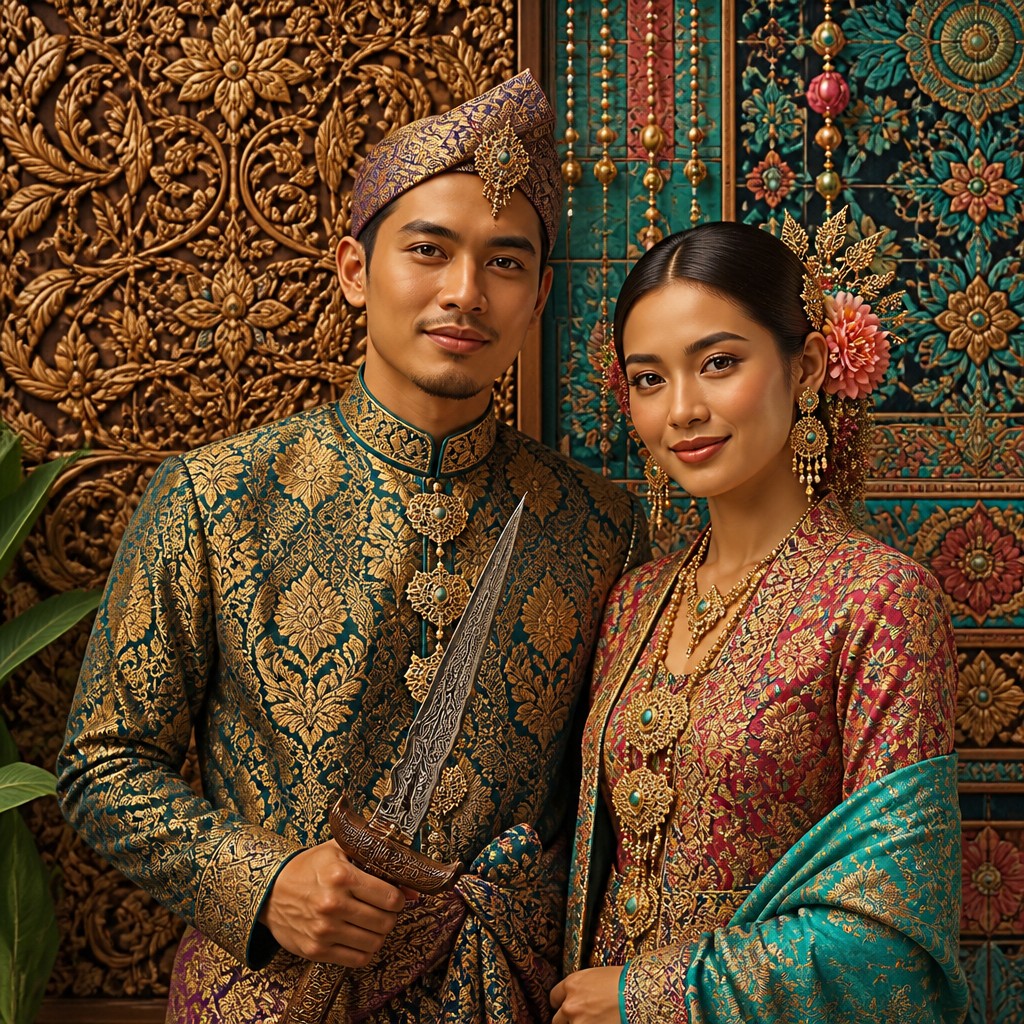
Try It On Your Photos
Upload any photo and convert it into Malaysian Art Style — drag the sliders to compare before and after.
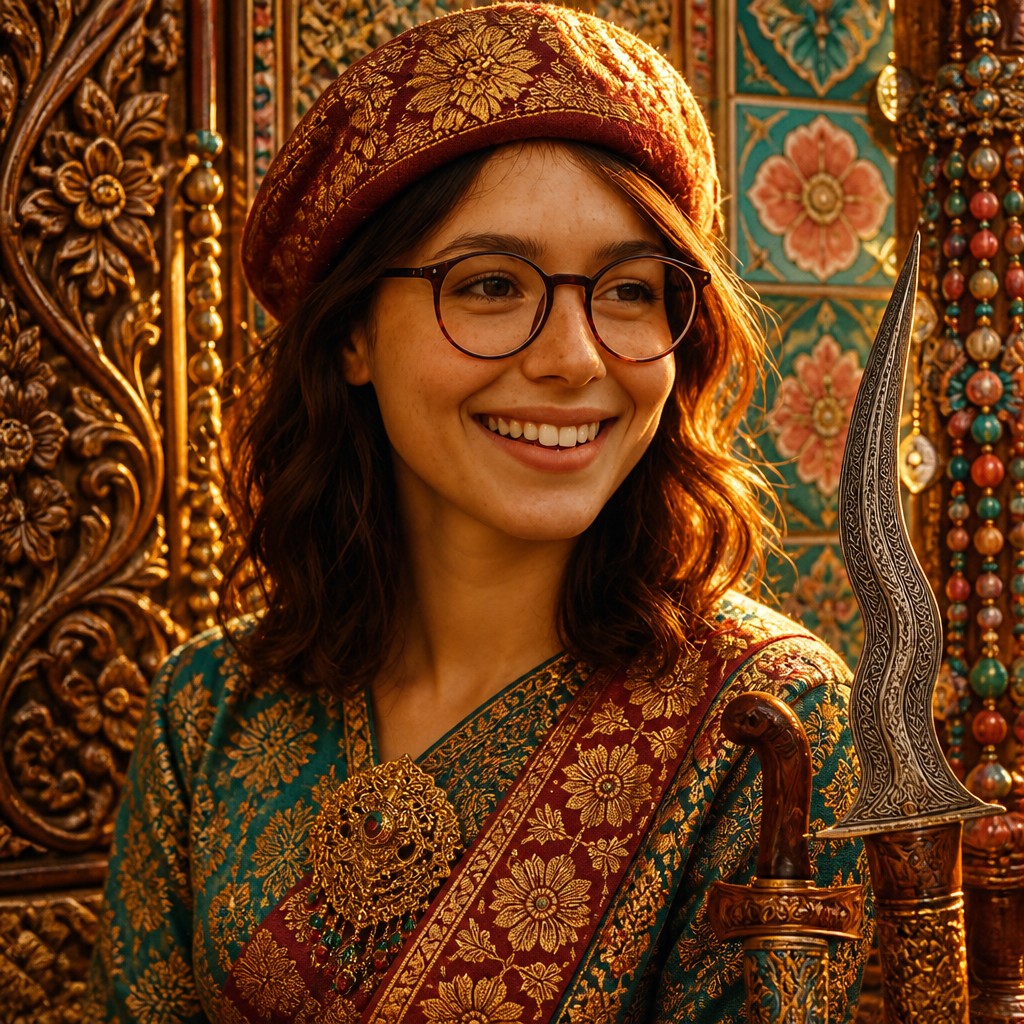

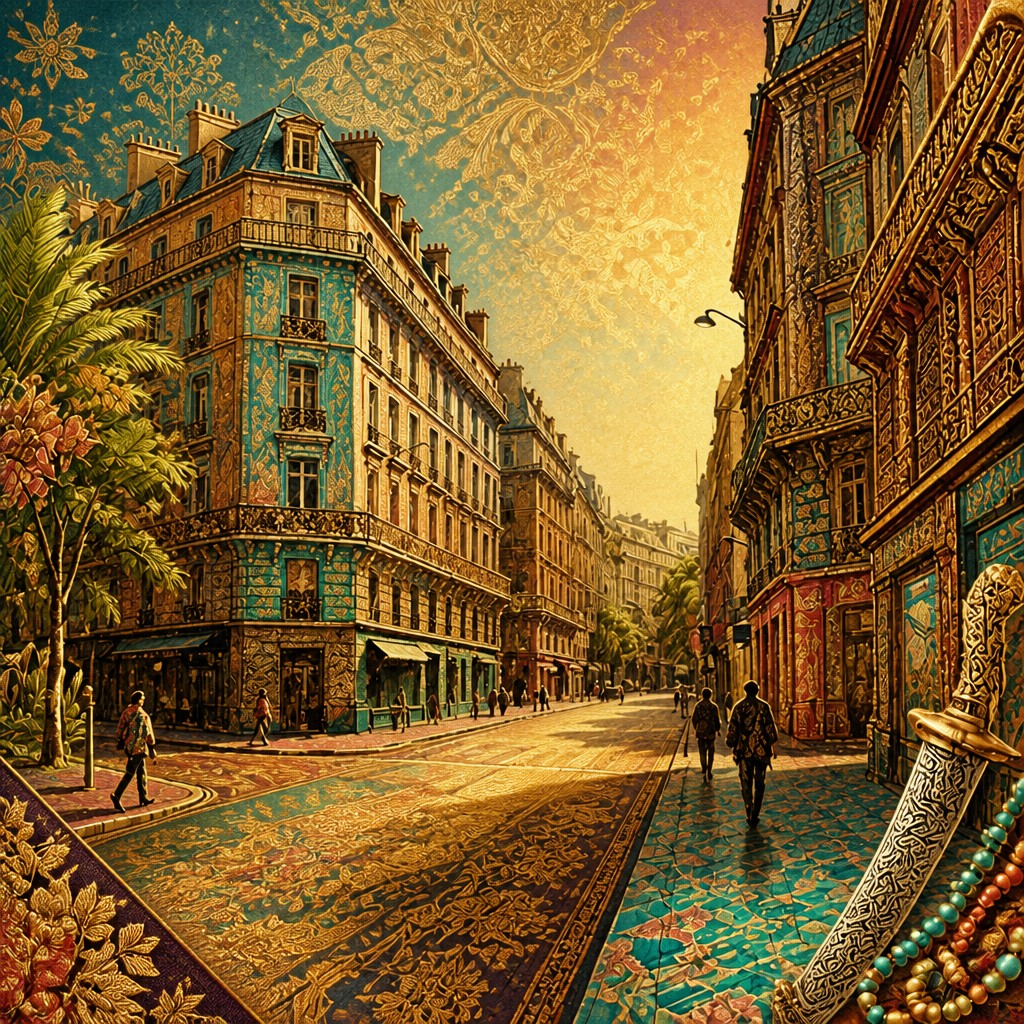

What Defines Malaysian Art Style
The signature details, up close
Songket-inspired metallic pattern
Gold or bronze thread effects appear as woven-looking borders, diamonds, stars, vines, and floral repeats. Metallic accents should sit within a structured pattern rather than function as random glitter.
Jewel-toned color
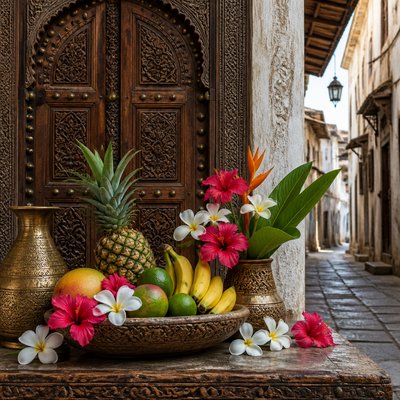
Turquoise, emerald, sapphire, ruby, coral, magenta, and deep indigo are commonly paired with antique gold. Dark grounds help the saturated colors and metallic details appear luminous.
Carved vegetal relief
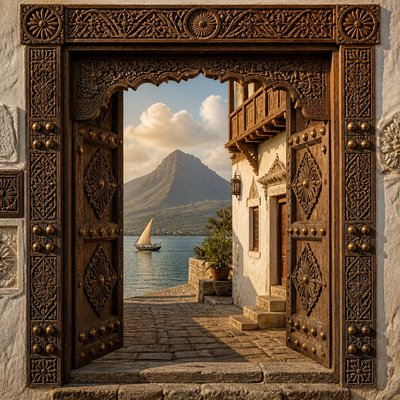
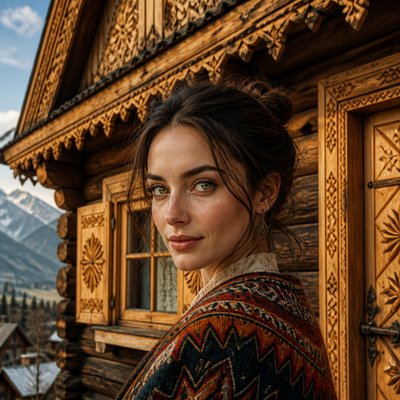
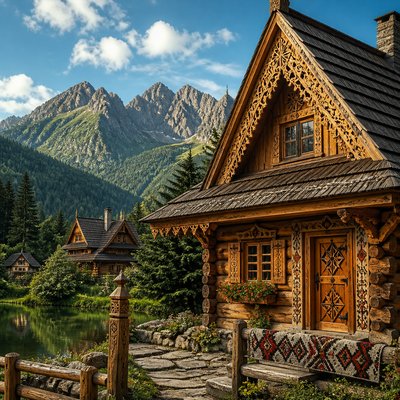
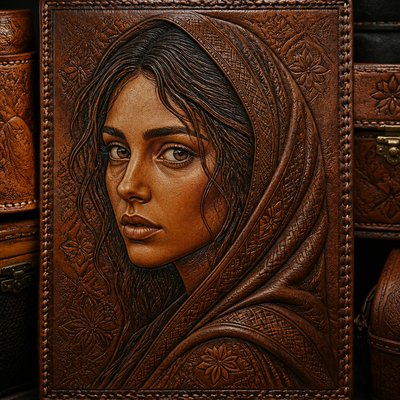
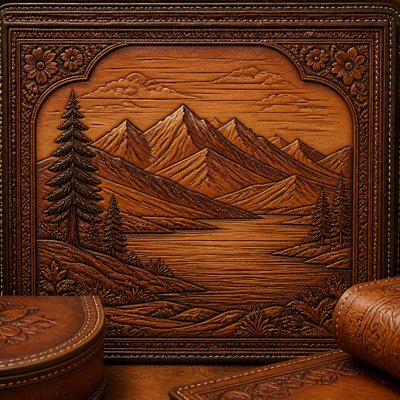
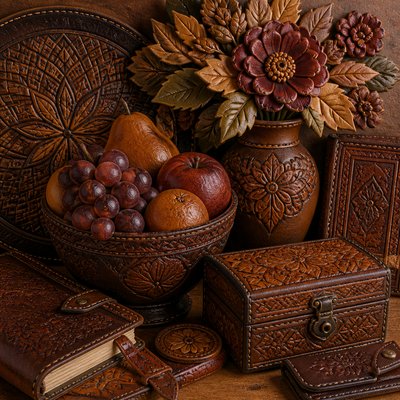
Layered floral, leaf, tendril, and foliage forms recall Malay wood-panel carving. Relief-like shadows, visible grain, and symmetrical or rhythmically repeated motifs give surfaces a handcrafted presence.
Keris-related ornament
Filigree, damascened steel shimmer, engraved metal, and ceremonial blade silhouettes can introduce a precise, martial elegance. These references work best as contextual details rather than exoticized props.
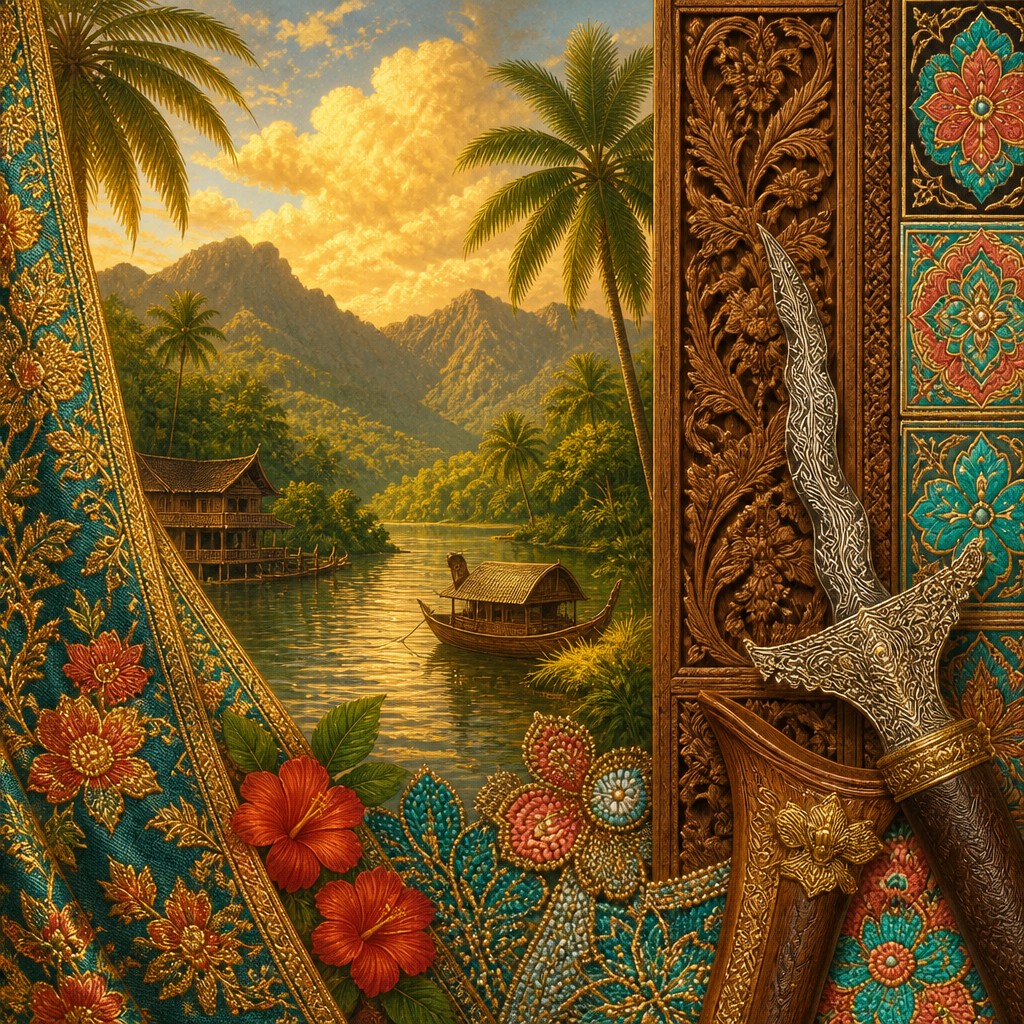
Peranakan tile and beadwork
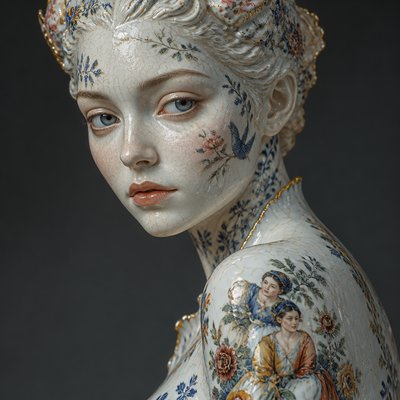
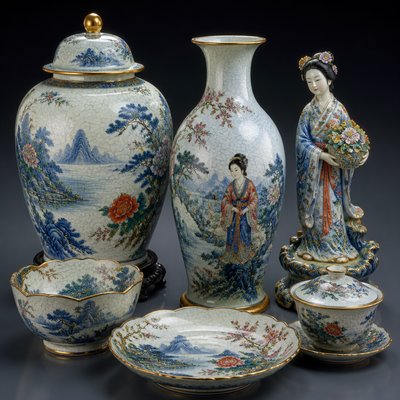
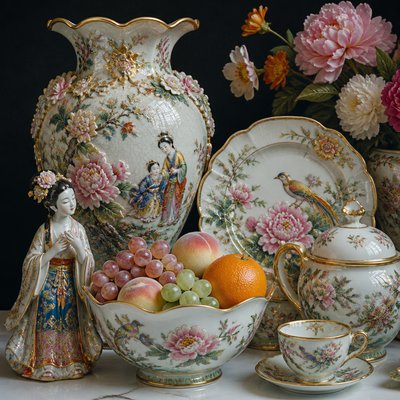
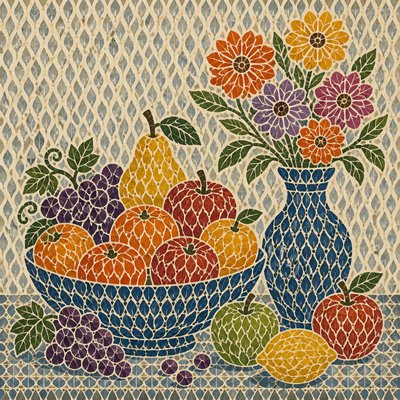
Small-scale geometric grids, floral ceramic motifs, scalloped borders, and densely stitched bead patterns provide a mosaic-like surface language. Turquoise, coral, cream, and gold are especially effective in this register.
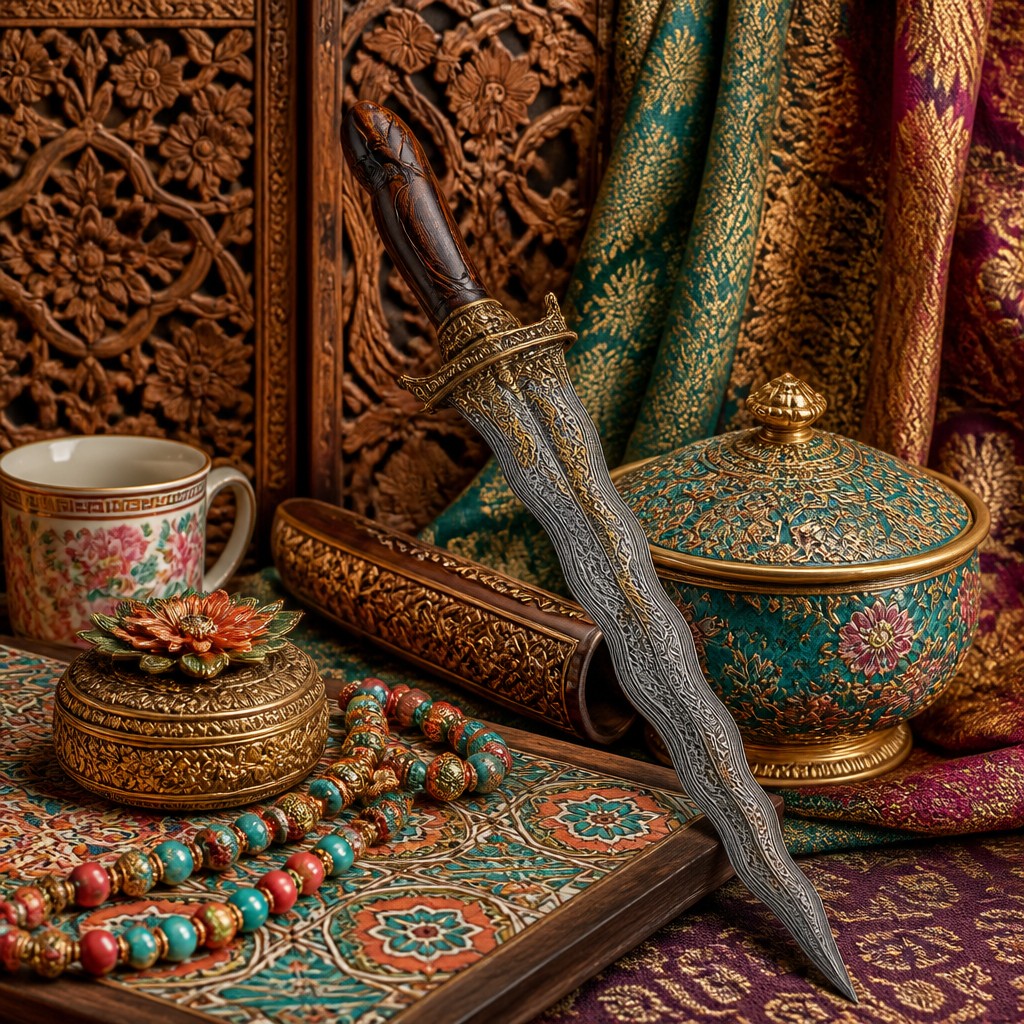
Tropical atmospheric light
Warm, humid illumination softens edges while producing rich reflections on lacquer, metal, glazed tile, and silk. Dense foliage, rain-washed surfaces, and deep atmospheric shadows can reinforce the regional sense of place.
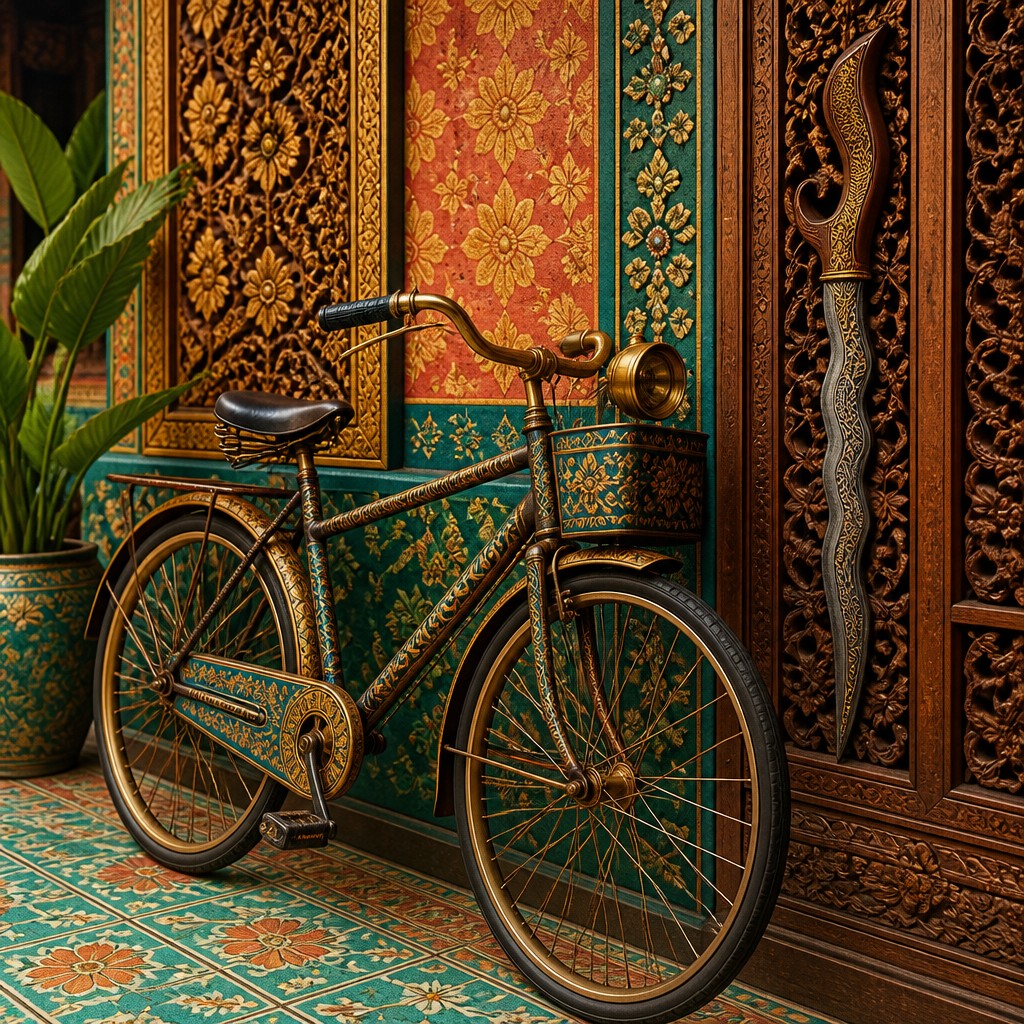
Ceremonial decorative density
The composition favors layered borders, framed areas, ornamented costumes, and richly furnished settings. Even when the subject is simple, patterned surfaces and tactile material contrasts carry much of the visual interest.
Malaysian Prompt Ideas
Start from an idea — each one opens the generator with the style ready to go. See all 40 Malaysian prompts →
How to Create Malaysian Art
Master the craft step by step — or skip straight to creating. Read the full guide →
- 1
Build a material reference board
Collect separate references for songket weave, carved wood, glazed tile, bead embroidery, forged steel, and tropical foliage. Decide which two or three materials will dominate so the image remains coherent rather than becoming a catalogue of motifs.
- 2
Establish a restrained jewel palette
Begin with one dark ground color, two or three jewel tones, and a controlled metallic accent. In digital painting, use textured brushes and selective highlights to distinguish woven gold from polished metal and ceramic glaze.
- 3
Design the pattern before detailing
Create a repeating border, medallion, or panel structure before adding small ornament. Symmetry, mirrored foliage, and clear negative spaces help preserve the intentional geometry found in textiles, carving, and tilework.
- 4
Layer tactile surfaces digitally
Combine separate texture layers for wood grain, silk, hammered steel, ceramic glaze, and beadwork, then vary scale and sharpness across the image. Keep focal areas crisp while allowing humid light and atmospheric depth to soften the background.
- 5
Use precise descriptive prompting
In a text-to-image workflow, specify the subject first, then materials, motifs, palette, lighting, and composition. For image-to-image work, preserve the original silhouette or facial structure while directing the transformation toward songket patterning, carved relief, Peranakan mosaic, and warm tropical light.
The Story
History & Origins of Malaysian
This style draws on craft histories developed across the Malay Peninsula and the wider Malaysian cultural landscape. Songket weaving became associated with courtly and ceremonial dress, using supplementary gold or metallic threads to build repeating geometric and floral structures. Traditional wood carving in Kelantan and neighboring Malay regions developed distinctive vegetal motifs for houses, furniture, and architectural panels, while the keris accumulated regional traditions of forged steel, patterned surfaces, carved handles, and ornate sheaths.
Its Peranakan references arise from Chinese-Malay communities whose decorative environments and objects integrated imported ceramics, local materials, vivid tilework, embroidery, beadwork, and highly patterned interiors. The modern label “Malaysian Art Style” is therefore best understood as an aesthetic synthesis rather than a historical school: it reinterprets several living and historical traditions through contemporary illustration, design, photography, and digital art. Careful work should identify specific sources where possible instead of treating Malaysia’s cultures as interchangeable.
Influences: The style is related to Malay textile and architectural ornament, Southeast Asian wood carving, Islamic geometric and vegetal design, Peranakan decorative arts, traditional metalworking, batik and embroidery, and the broader language of tropical decorative modernism. It can also intersect with Art Nouveau through flowing botanical lines, with Arts and Crafts approaches through visible material labor, and with contemporary maximalist illustration through its layered pattern and saturated color. These connections should be treated as visual lineages, not evidence that all of these traditions belong to one uniform Malaysian school.
Frequently Asked Questions
What defines Malaysian Art Style?
It is defined by a synthesis of Malaysian craft references: songket-like metallic pattern, carved floral woodwork, keris-inspired metal ornament, Peranakan tile and beadwork, jewel colors, and warm tropical light. The emphasis is on tactile surfaces, rhythmic pattern, and decorative richness rather than on one fixed technique.
Is Malaysian Art Style a historical art movement?
No. The term is best used for a contemporary, broad aesthetic category rather than a formally established historical movement. It combines references from distinct regional traditions, each with its own history, community, materials, and cultural context.
How does it differ from general Southeast Asian decorative art?
This style focuses particularly on Malaysian references such as songket, Kelantan wood carving, keris ornament, and Peranakan tile and beadwork. Southeast Asia is culturally diverse, so substituting unrelated Thai, Indonesian, Vietnamese, or Cambodian motifs can change the visual and historical meaning of the work.
What colors work best for this style?
Deep indigo, emerald, turquoise, sapphire, ruby, coral, magenta, and antique gold form a strong foundation. Use metallic tones selectively and support them with dark grounds, cream, or warm wood colors to prevent the image from becoming visually flat.
How can I create this look in digital art?
Separate the image into material layers, establish a repeating pattern or border, and use texture brushes for silk, wood, glazed ceramic, beadwork, and metal. Add warm directional light and atmospheric softness, but retain crisp focal details so the ornament reads as crafted rather than noisy.
Where is this style commonly used?
It suits editorial illustration, textile and surface design, jewelry concepts, cultural posters, packaging, interior scenes, heritage architecture visualizations, portraiture, and fantasy environments. It is especially effective when the subject provides a clear surface or setting for patterned materials to interact.
Create your first Malaysian artwork
Describe anything — or upload a photo — and see it in Malaysian Art Style in seconds.
Related Styles
Discover similar art styles