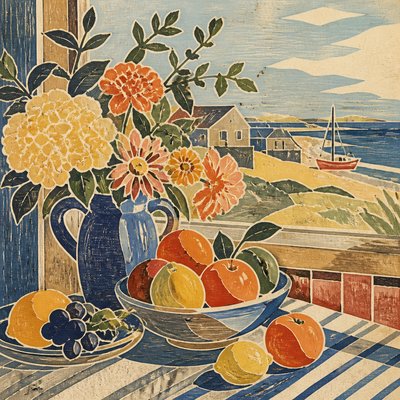
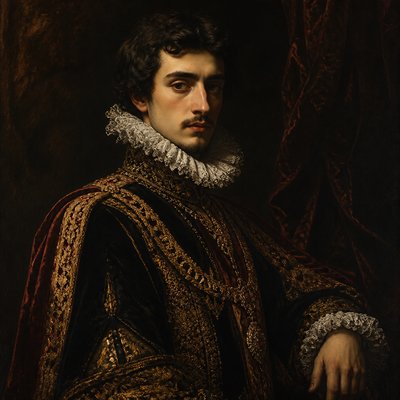
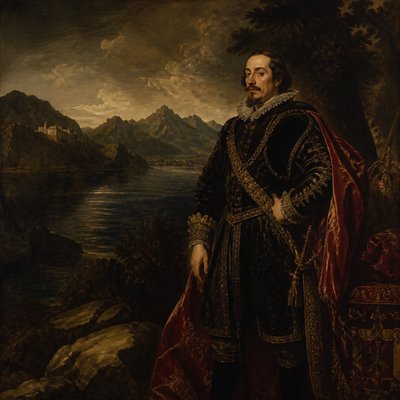
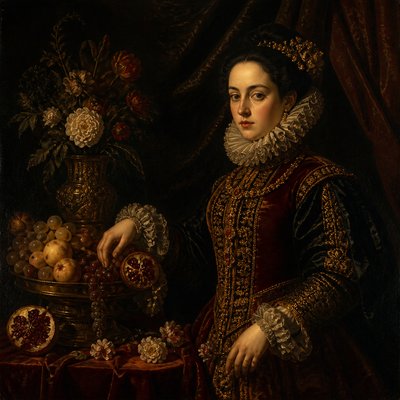
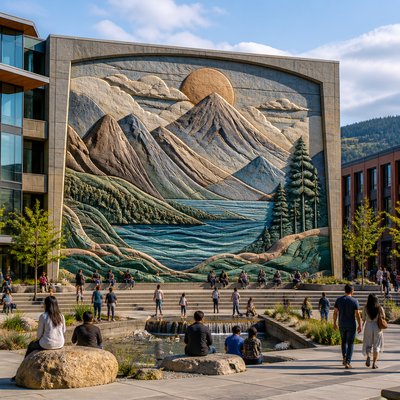
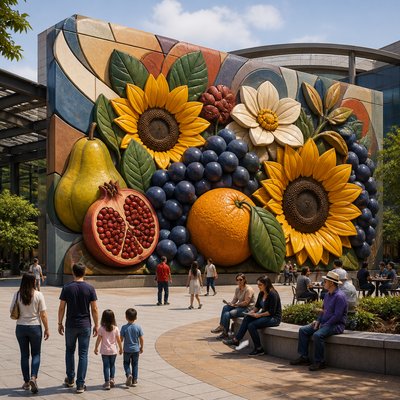
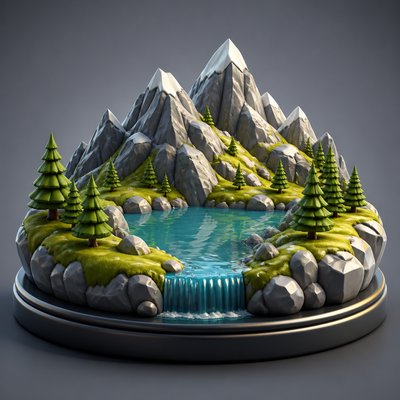
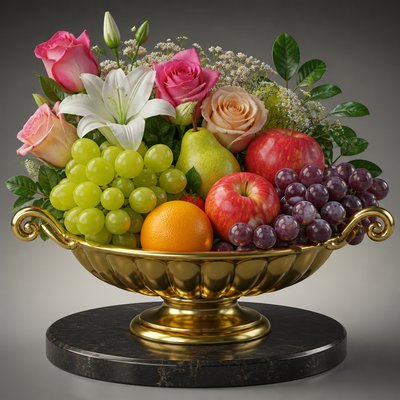
Macrame Art Style
Explore macrame art: intricate knot patterns, natural fibers, fringe, texture, history, techniques, and image-making prompts.
Instantly rendered in Macrame — or transform a photo
Macrame Gallery
Tap any artwork to explore it
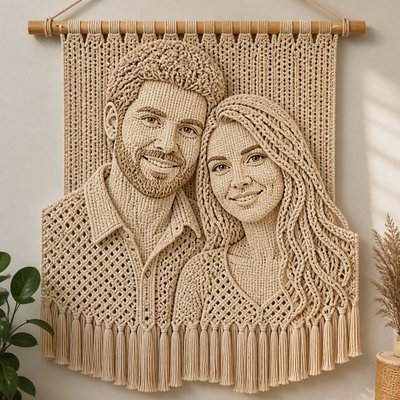
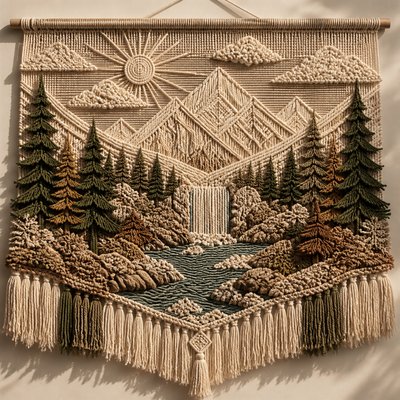
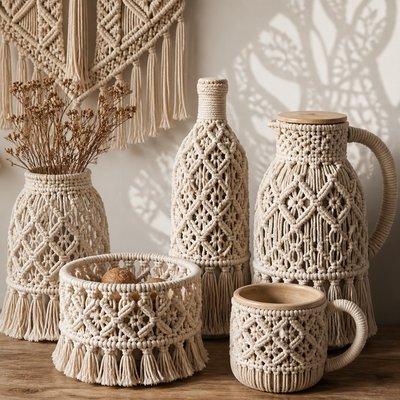
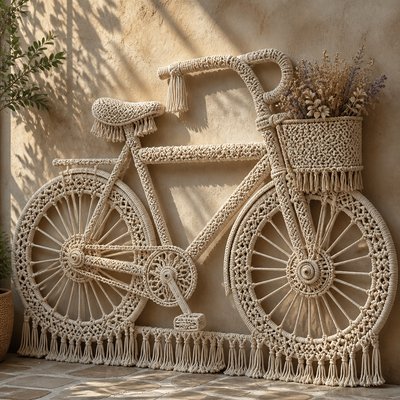
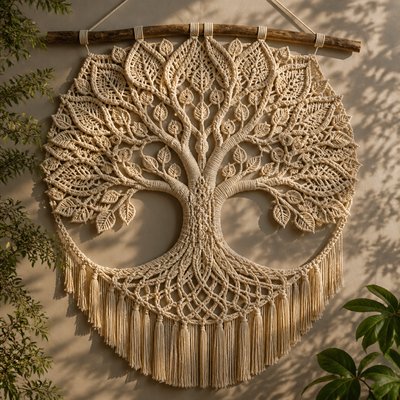
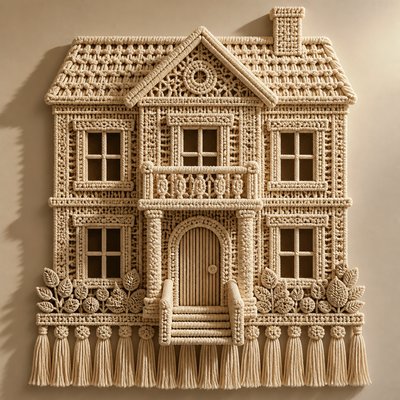
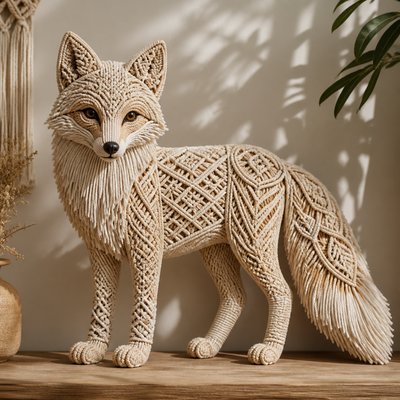
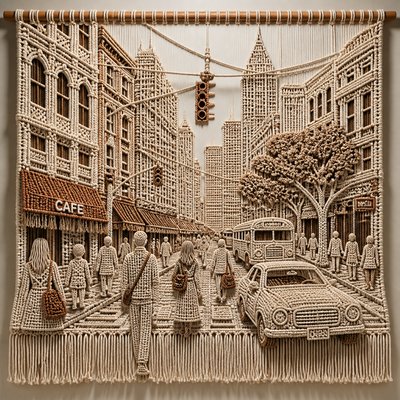
What is Macrame Art Style?
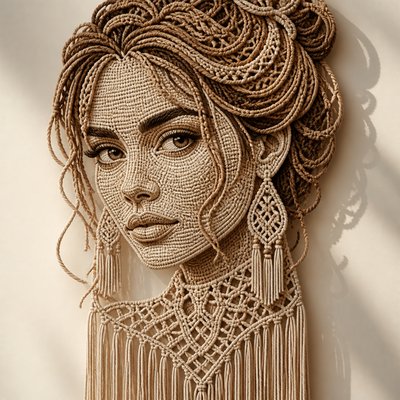
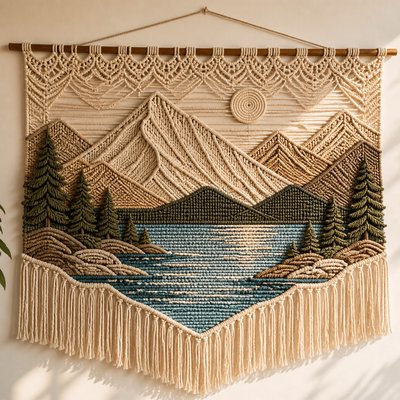
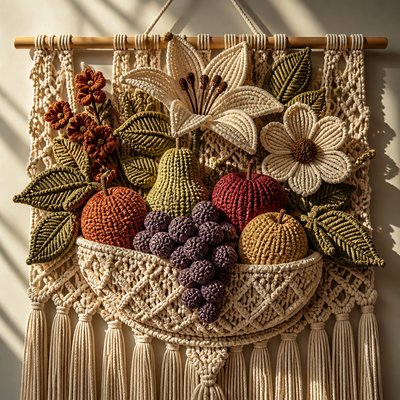
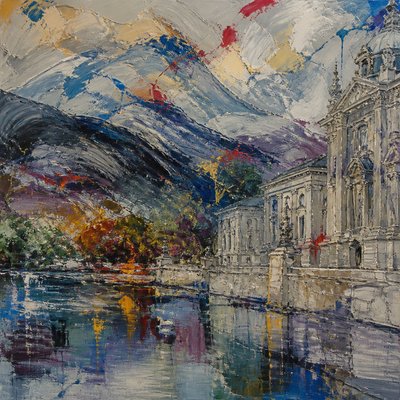
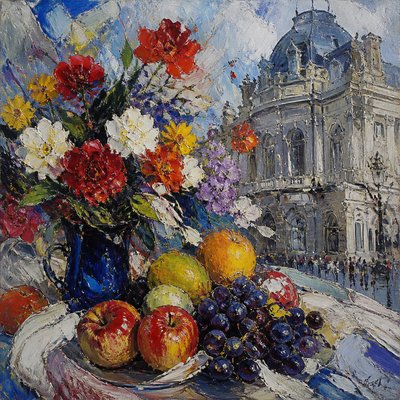
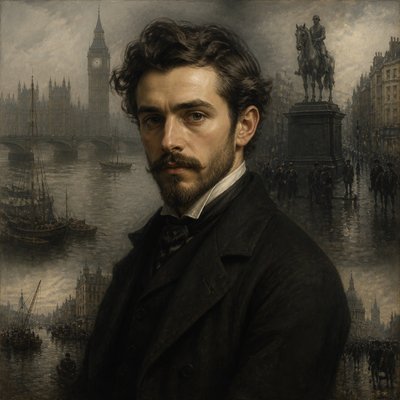
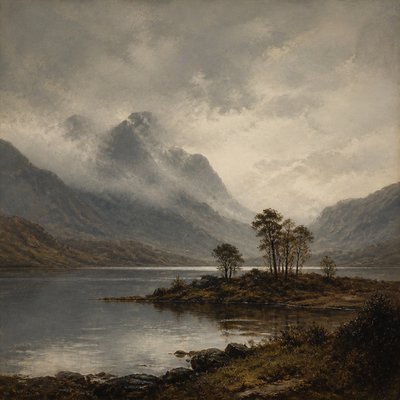
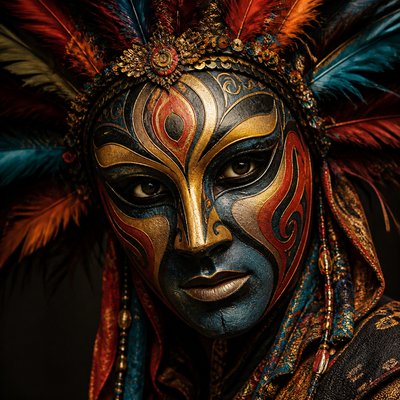
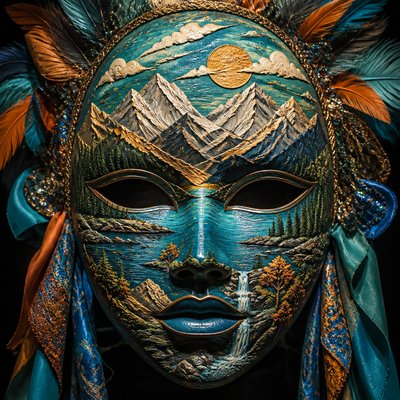
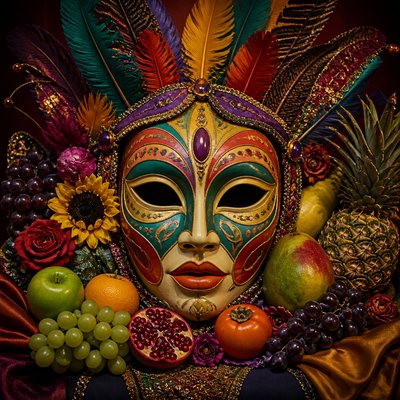
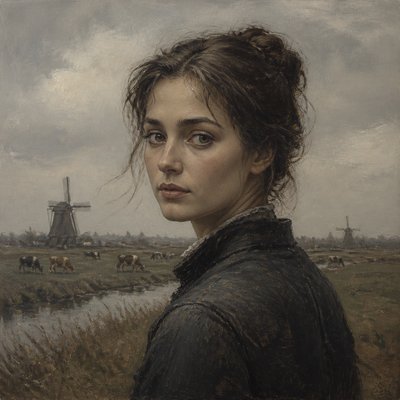
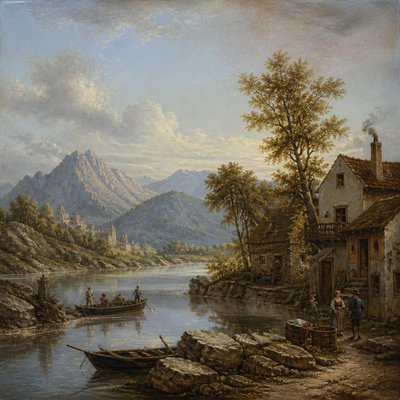
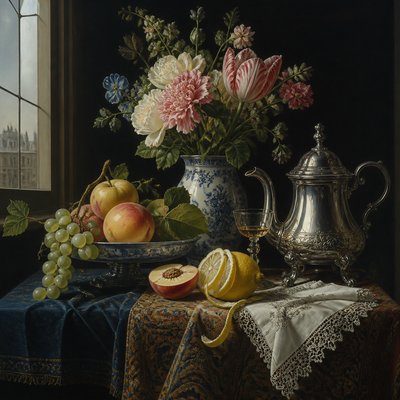
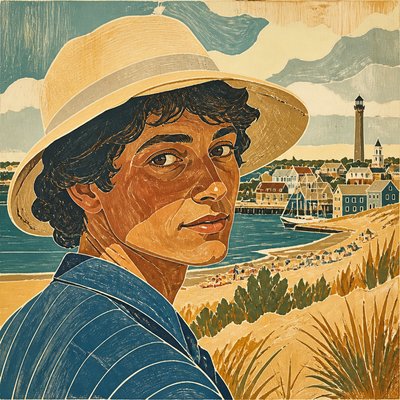
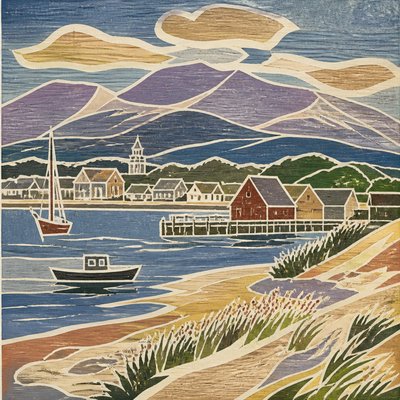
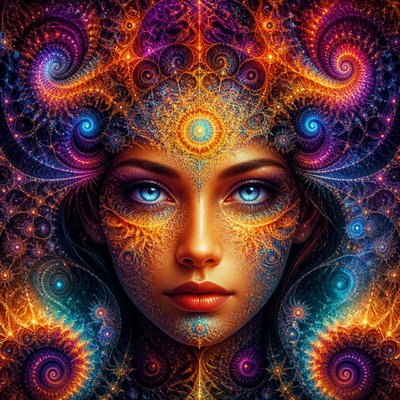
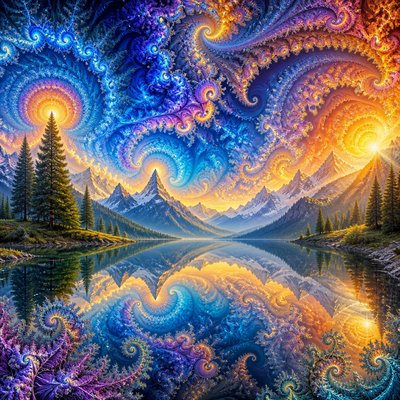
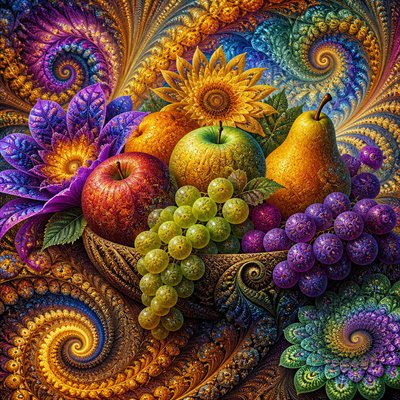
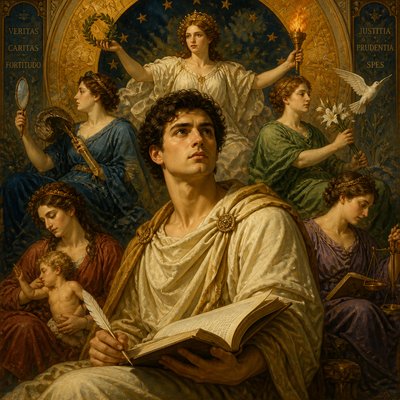
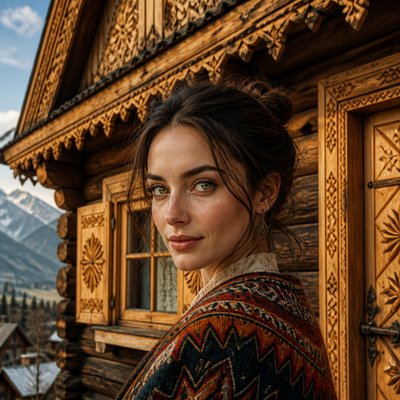
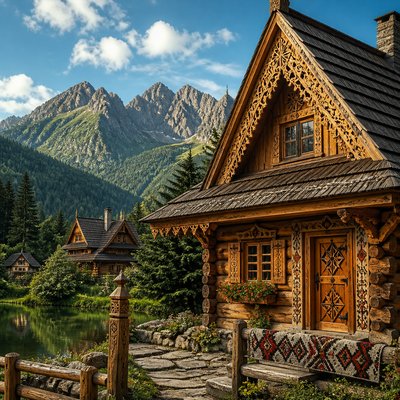
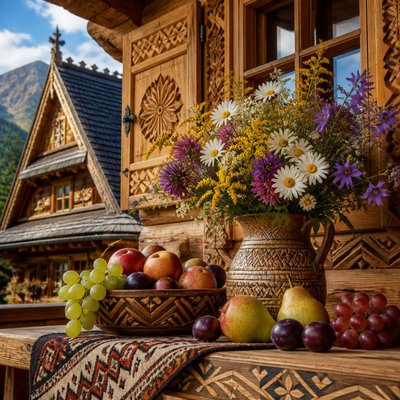
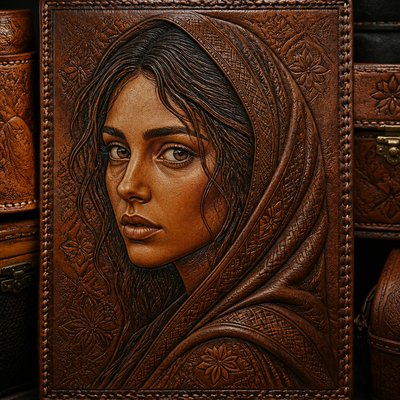
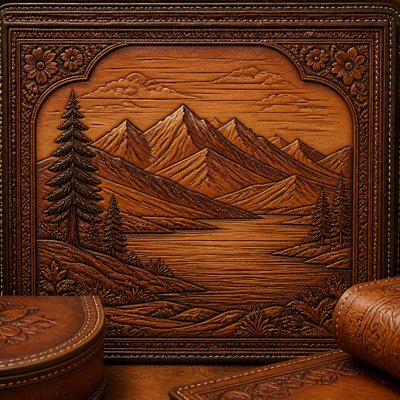
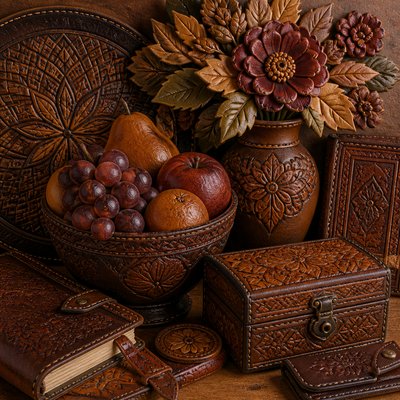
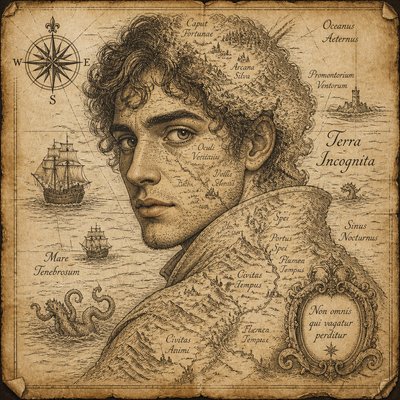
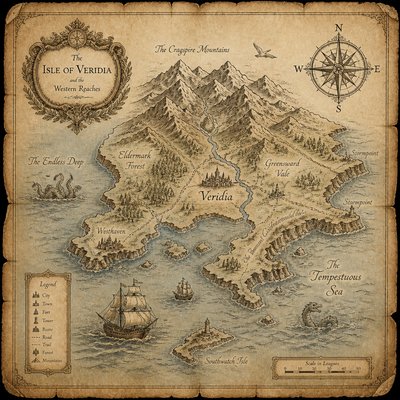
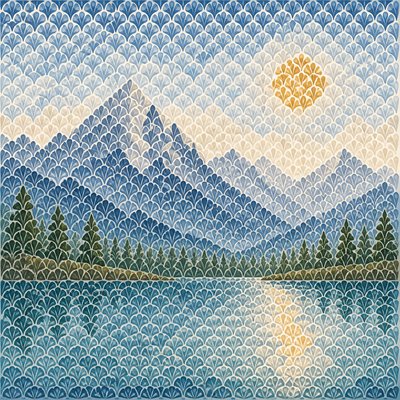
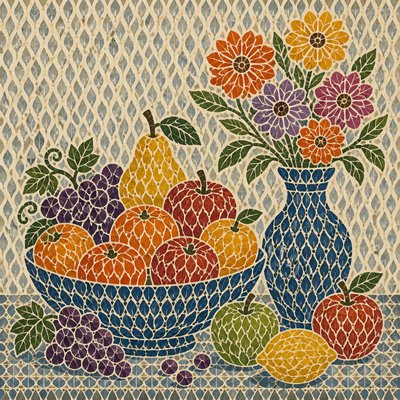
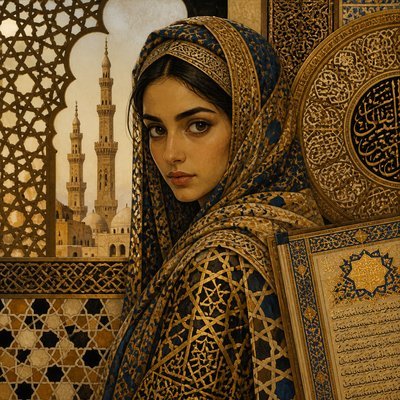
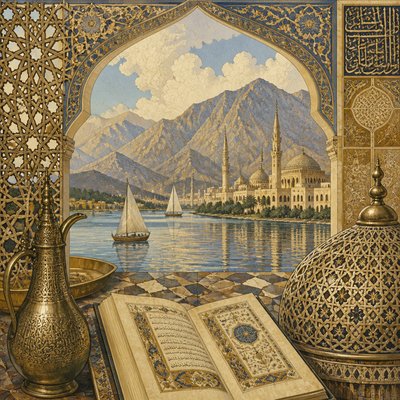
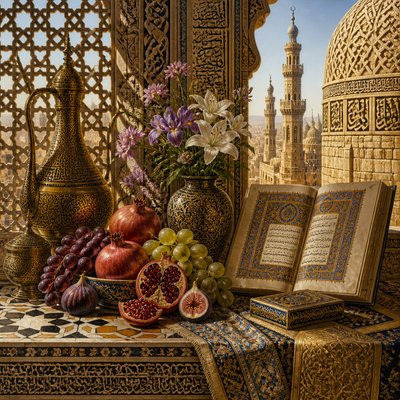
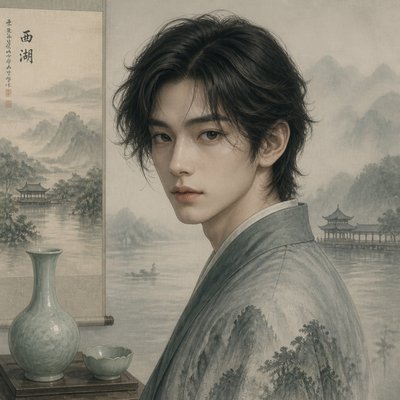
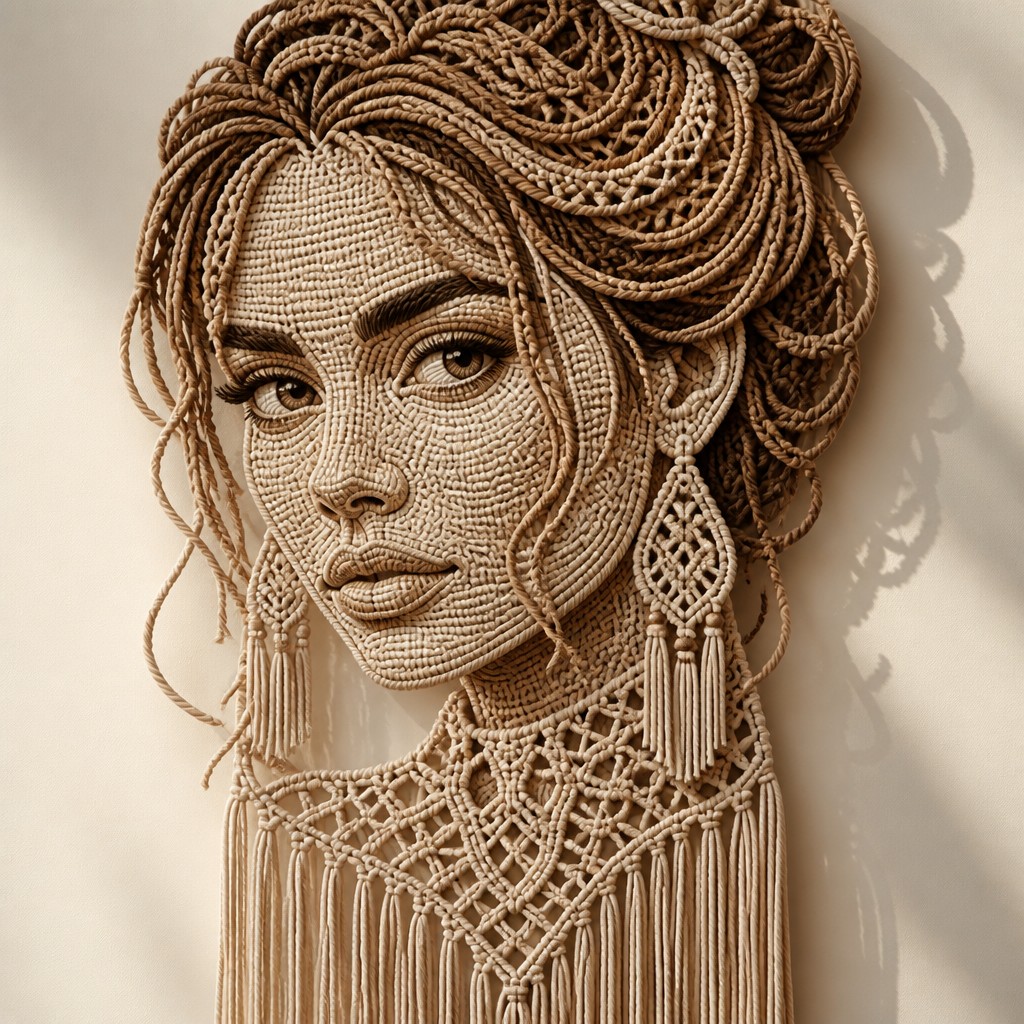
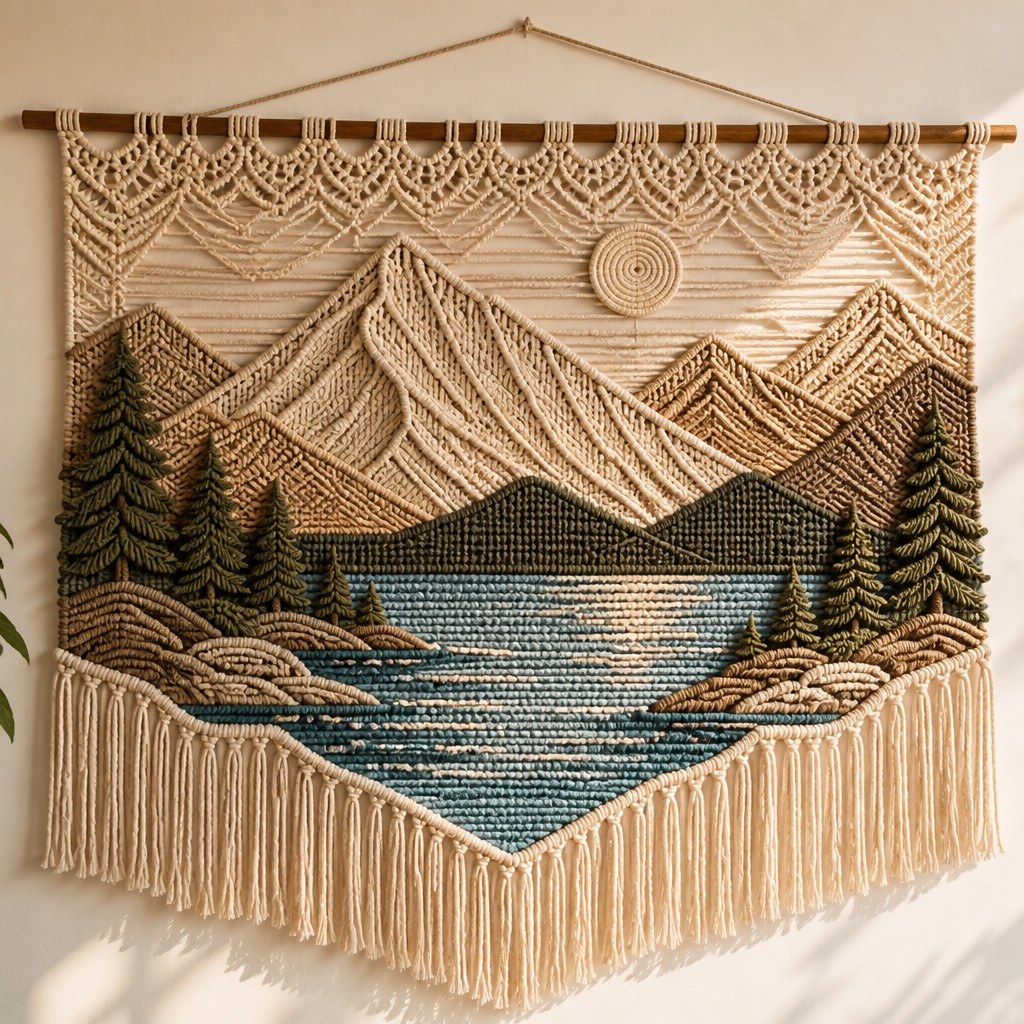
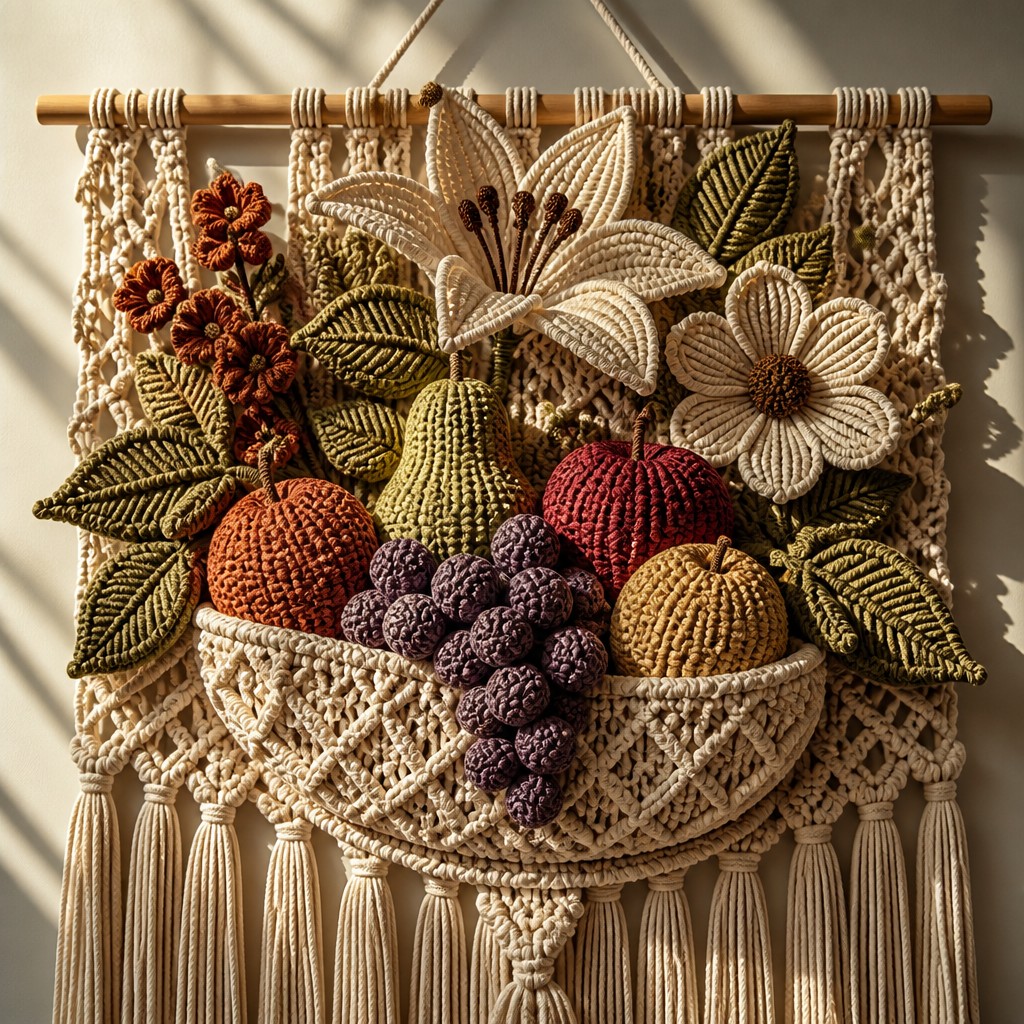
Macrame art is a fiber-based visual style built from cords that are looped, braided, knotted, and arranged into repeating ornamental structures. Its signature appearance combines lace-like openwork with substantial three-dimensional texture: rows of square knots, diagonal hitches, spirals, braids, woven panels, and long fringed tassels often form symmetrical compositions.
Try It On Your Photos
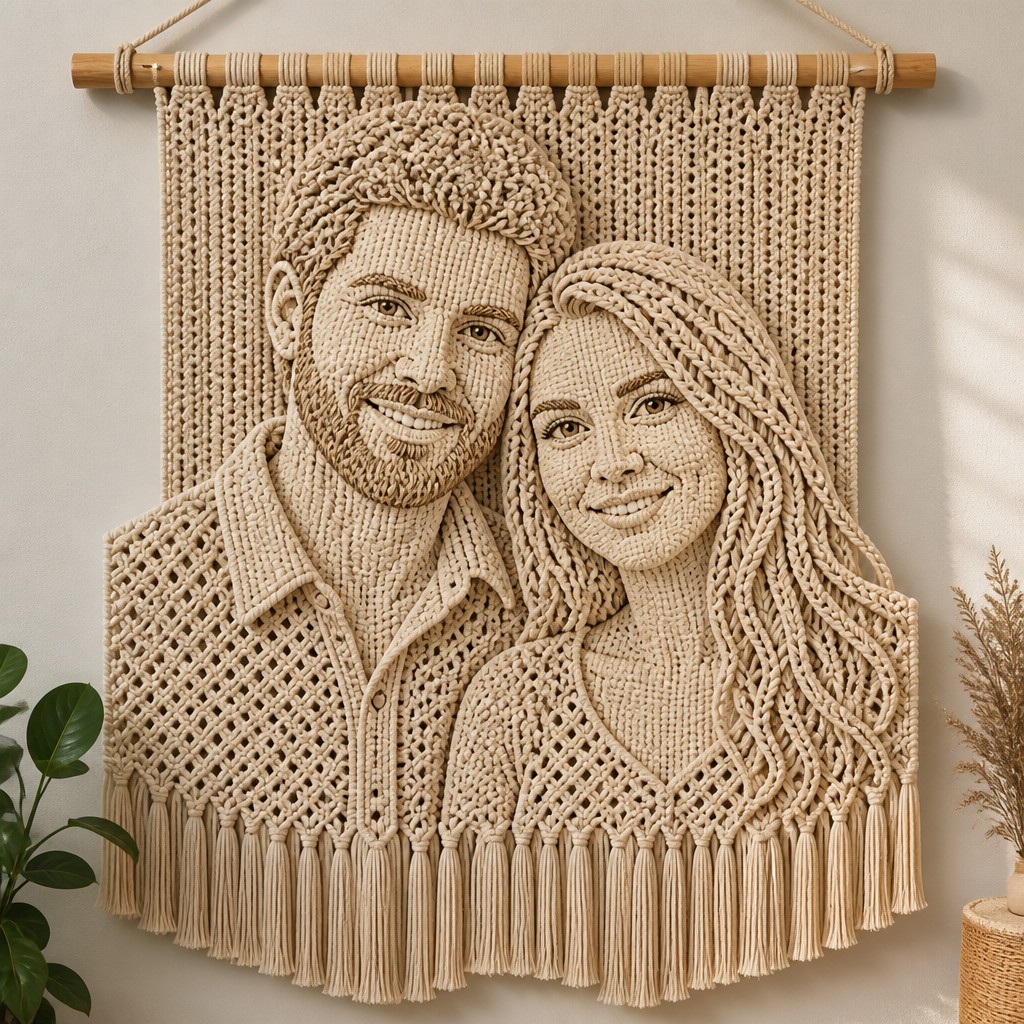
Upload any photo and convert it into Macrame Art Style — drag the sliders to compare before and after.


What Defines Macrame Art Style
The signature details, up close
Knot-based geometry
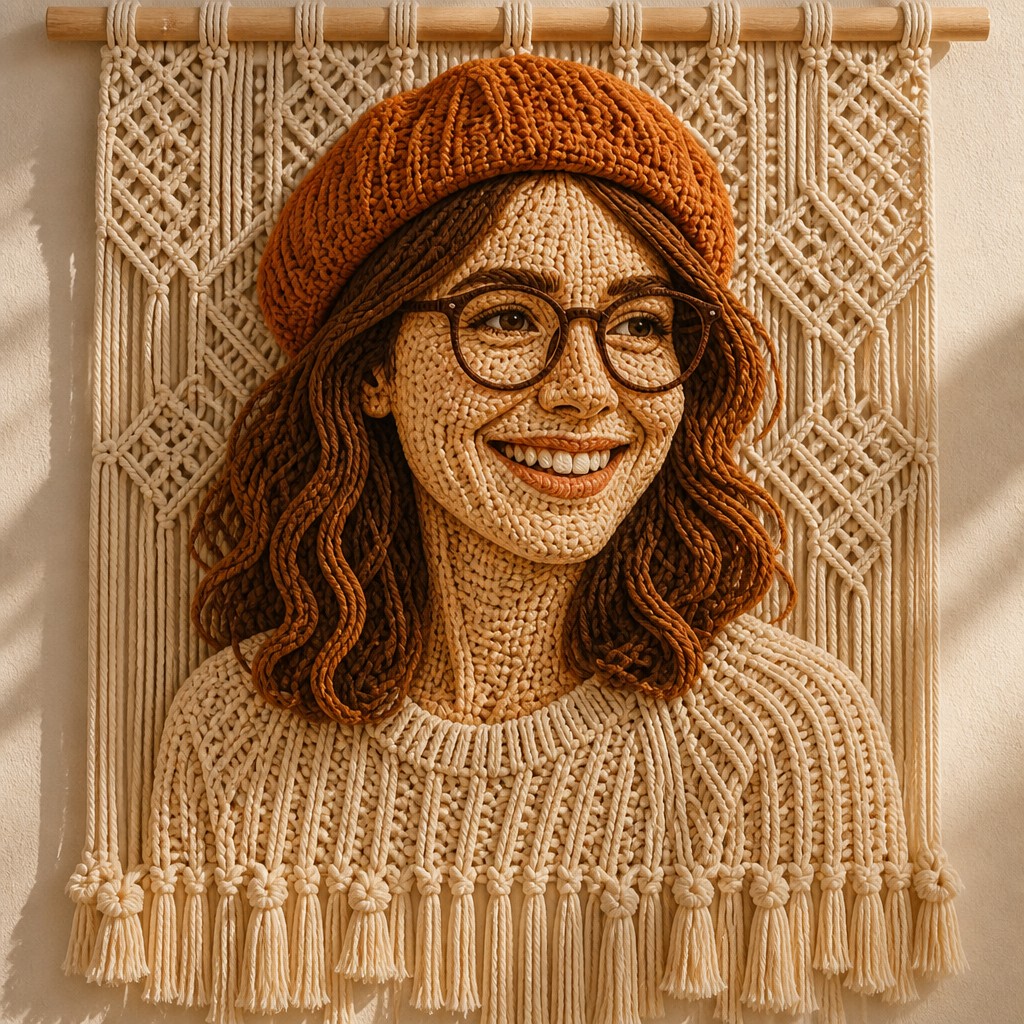
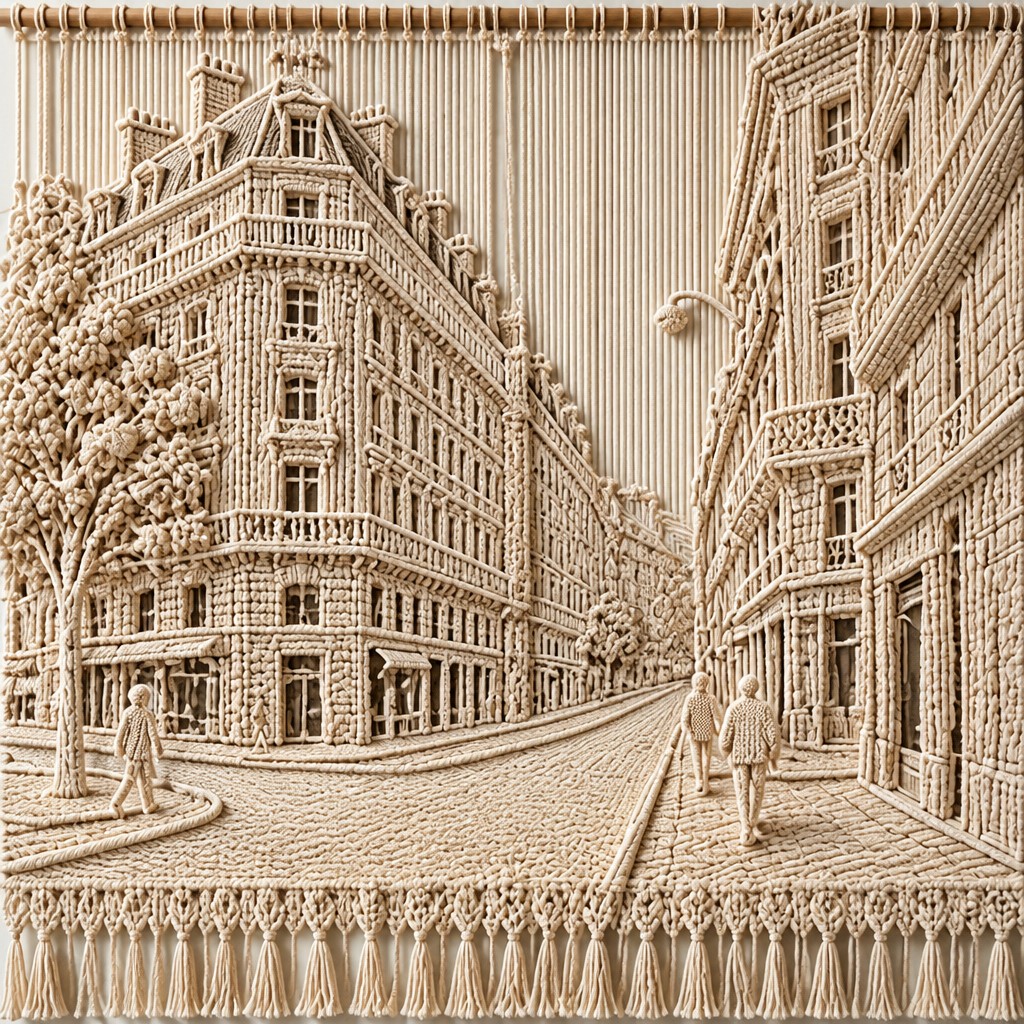
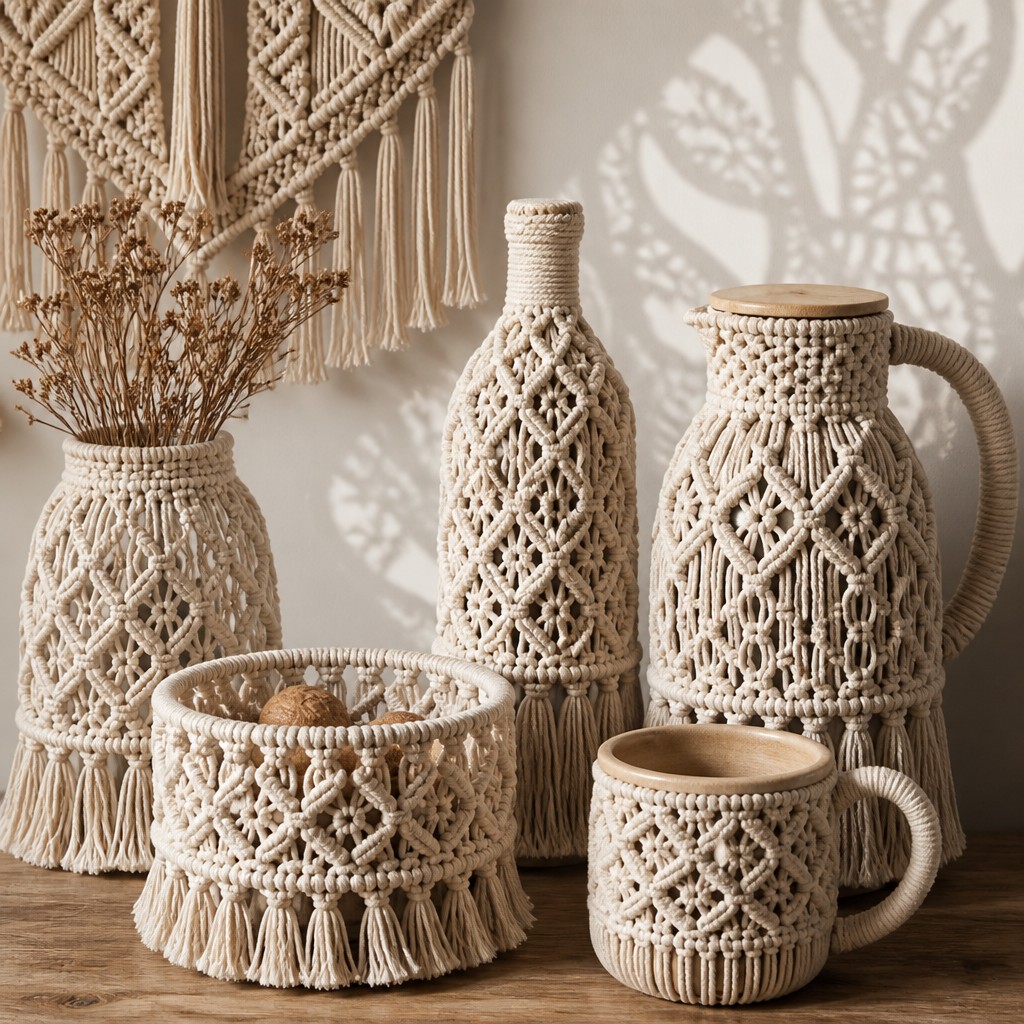
The composition is organized through repeatable structures such as square knots, half-hitches, lark’s-head knots, spirals, and woven braids. These units create a readable rhythm similar to a geometric drawing.
Lace-like negative space
Open gaps between cords are essential to the style, producing diamond grids, chevrons, scallops, arches, and other airy patterns. The background remains visible through the textile.
Natural fiber texture
Cotton, linen, jute, hemp, and other cord-like materials suggest a soft yet tactile surface. Individual fibers, twists, loose strands, and irregular tension give the work a handmade character.
Symmetry and repetition
Many compositions use a central axis, balanced side panels, and repeating rows of knots. Even when the pattern is not perfectly regular, repetition provides its visual order.
Fringe and tassels
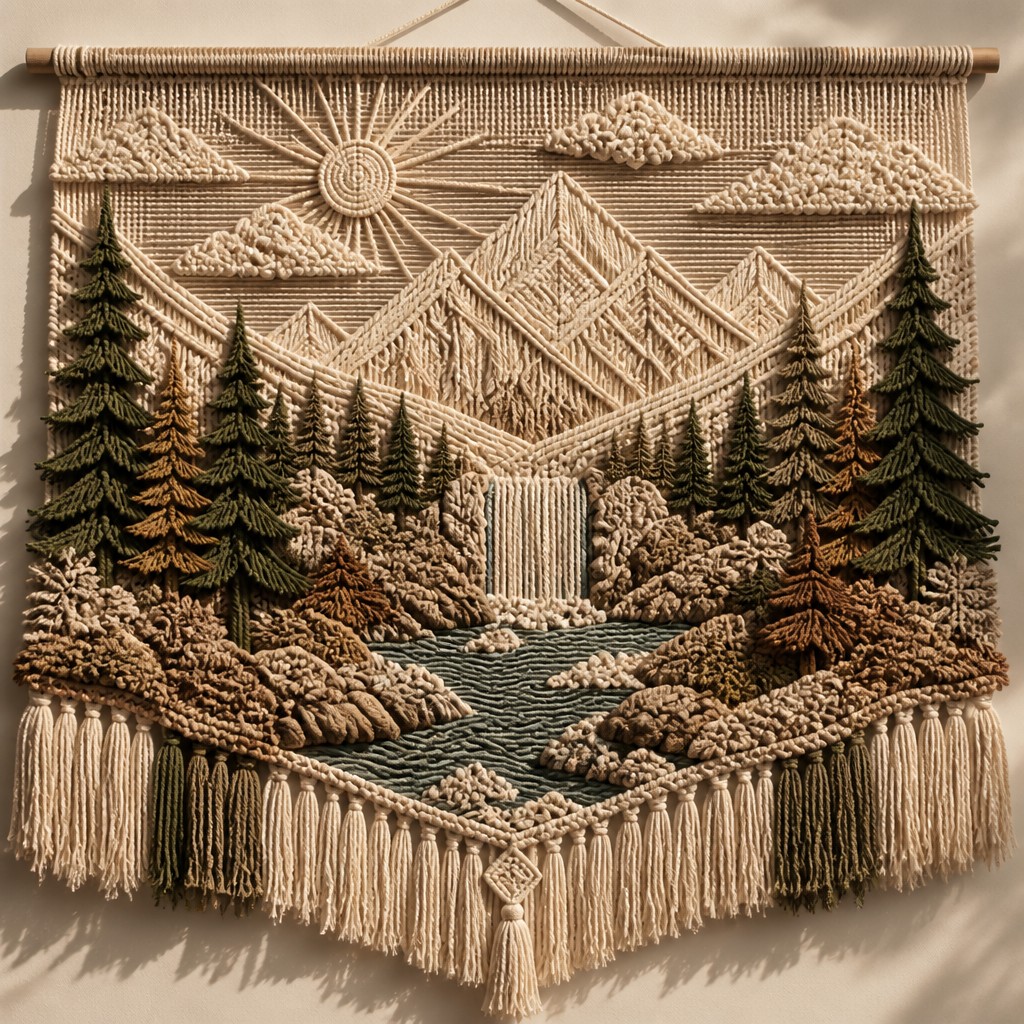
Unknotted cords frequently extend below the main structure as fringe, tassels, or graduated strands. Their length and arrangement create a distinctive lower silhouette and a sense of movement.
Earth-toned palette
Unbleached cream, sand, tan, ochre, brown, terracotta, and muted plant-dyed colors are common visual cues. Stronger colors can be used, but they usually remain subordinate to the pattern and fiber texture.
Relief and cast shadows
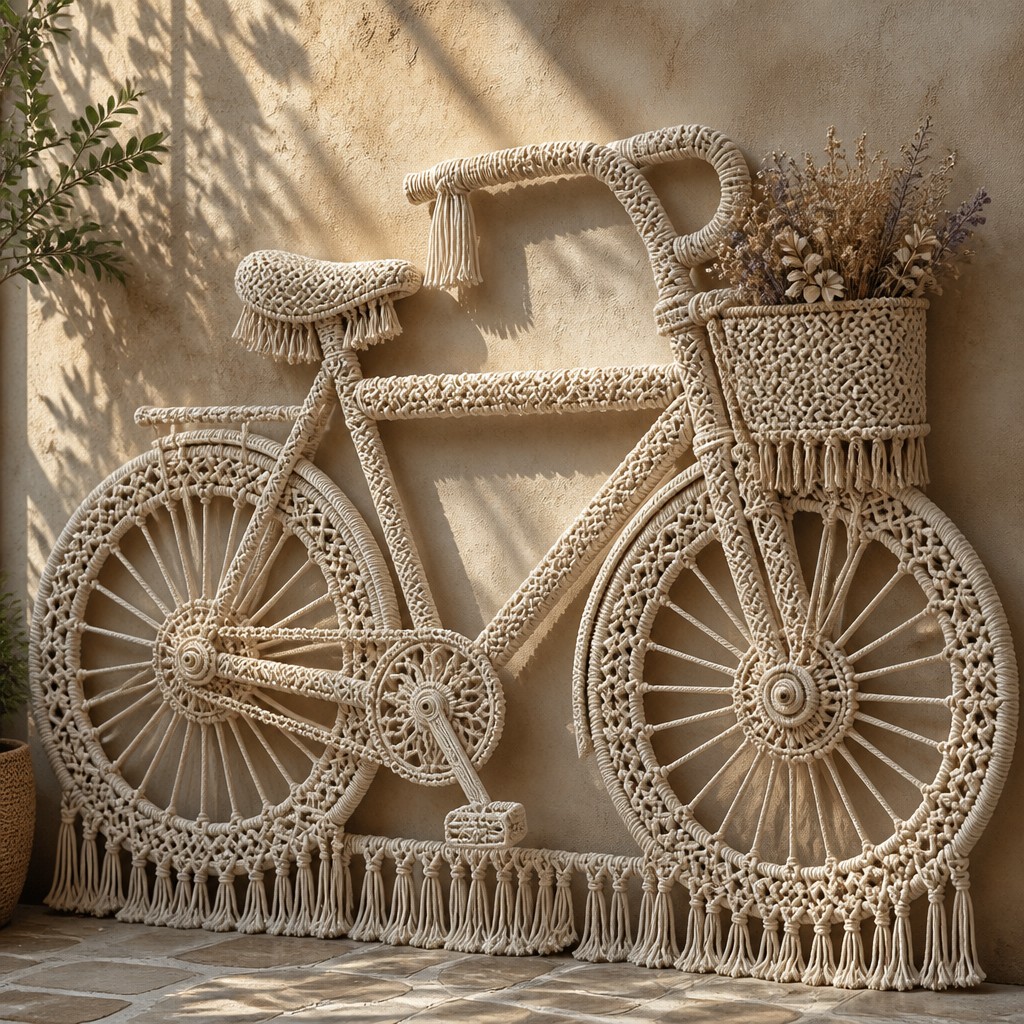
Raised knots and hanging strands create shallow relief, soft shadows, and changing density across the surface. Lighting is therefore part of the appearance, especially when the work is displayed against a wall.
Macrame Prompt Ideas
Start from an idea — each one opens the generator with the style ready to go. See all 40 Macrame prompts →
How to Create Macrame Art
Master the craft step by step — or skip straight to creating. Read the full guide →
- 1
Plan the knot structure
Begin with a central hanging cord and map the design as rows, mirrored panels, or geometric bands. Use a limited vocabulary of knots and maintain consistent spacing so the pattern remains legible.
- 2
Control cord tension
Keep working cords evenly tensioned while allowing selected strands to remain loose for texture and fringe. Natural fiber cord, combed ends, and small variations in thickness help preserve a handmade surface.
- 3
Build depth with lighting
For physical work, hang the piece slightly away from the wall or use directional side lighting to reveal relief and cast shadows. In digital work, request close attention to fiber strands, knot height, occlusion, and soft contact shadows.
- 4
Choose a restrained palette
Start with cream, flax, sand, or muted earthy dyes to emphasize the material structure. Add one or two accent colors only where they clarify the pattern rather than competing with it.
- 5
Compose the subject as a textile object
When transforming a photograph or designing a digital scene, preserve the subject’s main silhouette while translating surfaces into cords, knots, open latticework, and fringe. Specify a plain wall or quiet background to keep the relief visible.
- 6
Write precise generation prompts
Describe the subject first, then add cotton cord, symmetrical knot rows, lace-like openings, earthy fiber tones, tassels, and soft directional shadows. Include material and lighting details, and exclude glossy plastic, flat painted surfaces, and smooth metal when a tactile result is wanted.
The Story
History & Origins of Macrame
Macrame belongs to a broad international history of decorative knotting rather than a single modern art movement. Knotting traditions developed across North Africa, the Middle East, Asia, Europe, and the Americas for practical and ornamental purposes; the term macramé is commonly associated with Arabic decorative knotting traditions and later entered European textile practice. It became especially visible in European domestic decoration during the nineteenth century and experienced a major revival in the 1960s and 1970s.
Influences: Macrame art draws on global decorative knotting traditions, net-making, ropework, lace, braiding, weaving, and textile wall hangings. Its visual language also relates to geometric abstraction through repetition and symmetry, to fiber sculpture through suspended relief, and to natural-material interior decoration through its emphasis on tactile surfaces and earthy color. Contemporary examples may combine traditional knot structures with minimalist composition, botanical motifs, bohemian interiors, or digitally simulated material detail.
Frequently Asked Questions
What defines the macrame art style?
It is defined by visible cords arranged through repeated knots, braids, and hitches rather than by painted or printed marks. Open negative space, symmetrical geometry, natural fiber texture, fringe, and soft dimensional shadows are its most recognizable traits.
Is macrame art a historical art movement?
No. Macrame is primarily a craft and textile practice with a long, cross-cultural history, not a single art movement with a fixed period or manifesto. The contemporary visual style builds on older knotting traditions and later decorative revivals.
How is macrame different from crochet or weaving?
Macrame generally forms fabric-like structures by tying cords into knots, while crochet uses a hooked looped stitch and weaving interlaces horizontal and vertical threads on a loom or related framework. The distinctions can overlap in contemporary fiber art, but knot-based construction remains central to macrame.
What materials are traditionally used for macrame?
Common materials include cotton cord, linen, jute, hemp, sisal, wool, and synthetic rope. The choice affects the surface: cotton tends to look soft and clean, while jute and hemp create a rougher, more rustic texture.
How can I make an image look convincingly like macrame?
Specify individual twisted cords, recognizable knot sequences, open latticework, fringe, and raised relief rather than simply asking for a woven texture. Add side lighting or wall-cast shadows to communicate the three-dimensional construction, and use restrained natural colors for a convincing material impression.
Where is macrame art commonly used?
It appears as wall hangings, plant holders, room dividers, curtains, lampshades, jewelry, clothing details, sculpture, and decorative panels. In contemporary art and design, knotting can also be used for installations, large-scale fiber reliefs, and digitally interpreted textile imagery.
Create your first Macrame artwork
Describe anything — or upload a photo — and see it in Macrame Art Style in seconds.
Related Styles
Discover similar art styles