Macedonian Art Style
Explore Macedonian art style: Byzantine icons, gold-leaf luminosity, Ohrid fresco colors, stone churches, and calm mountain-lake light.
Instantly rendered in Macedonian — or transform a photo
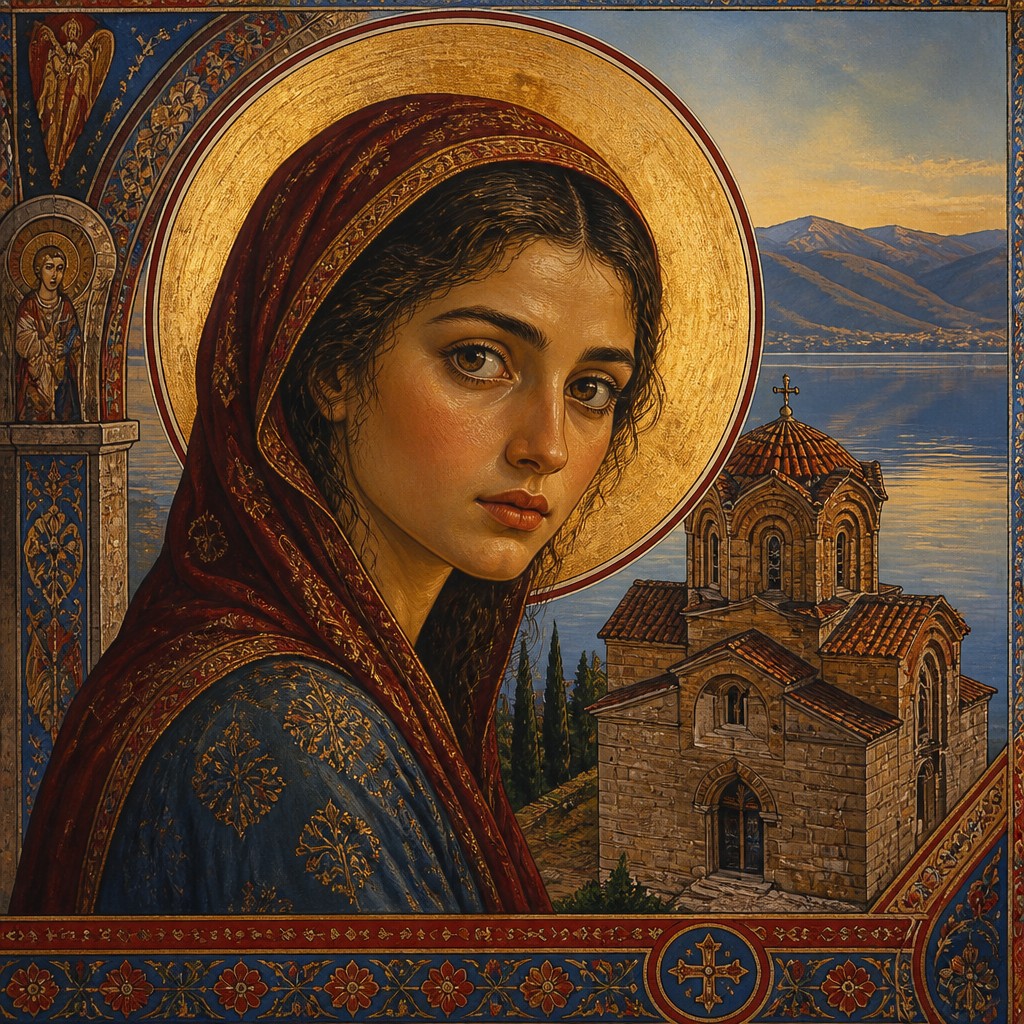
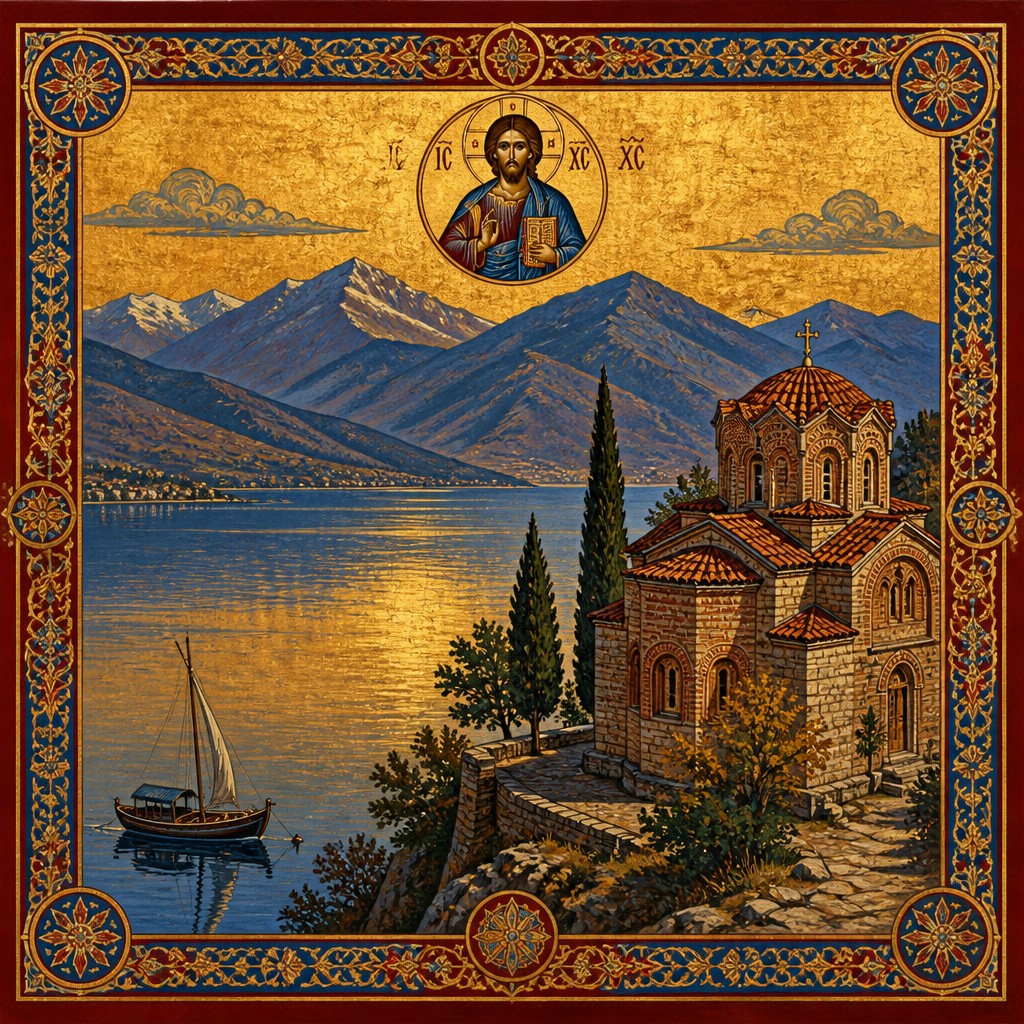
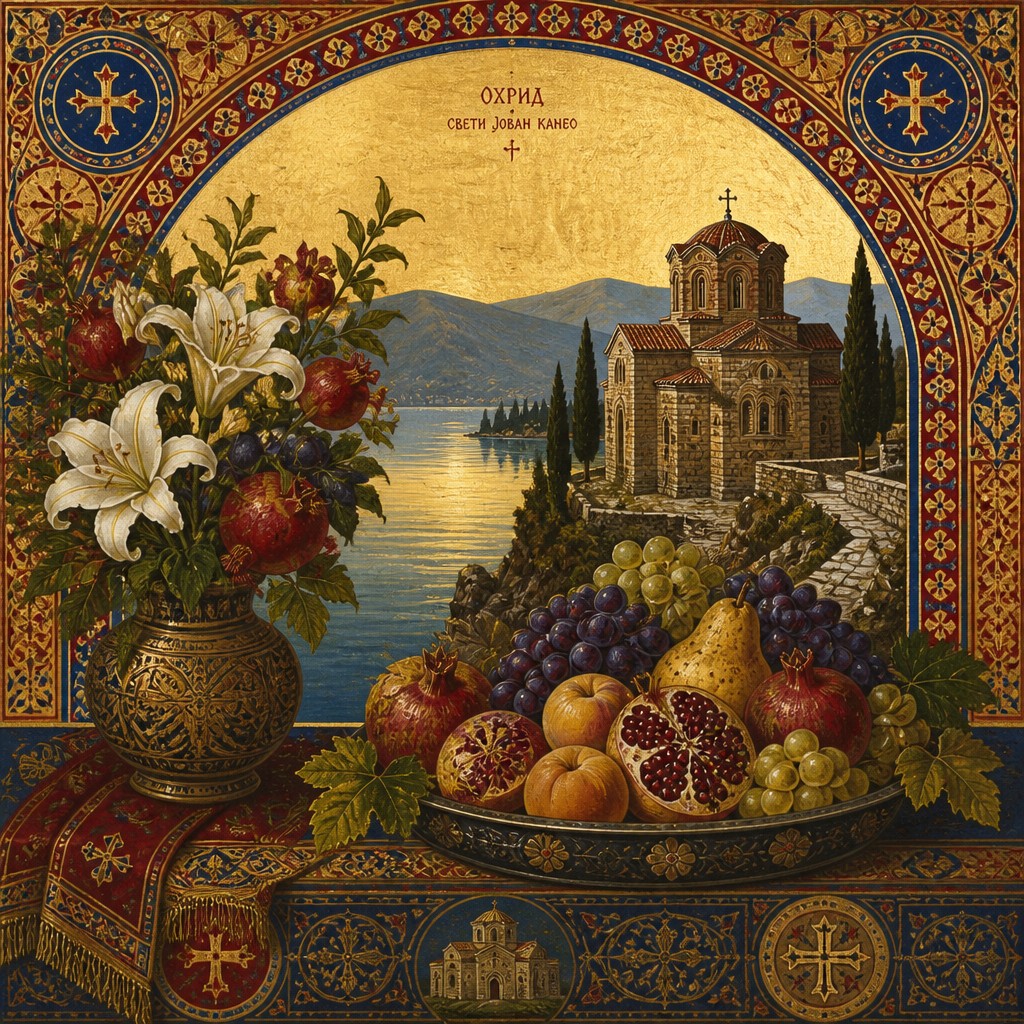
Macedonian Gallery
Tap any artwork to explore it
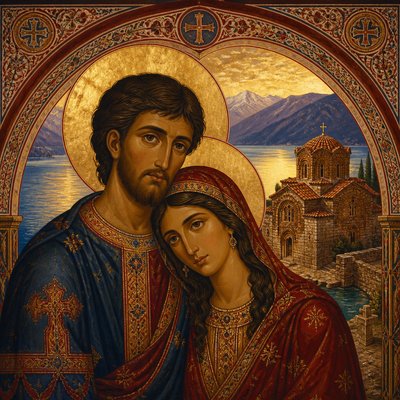
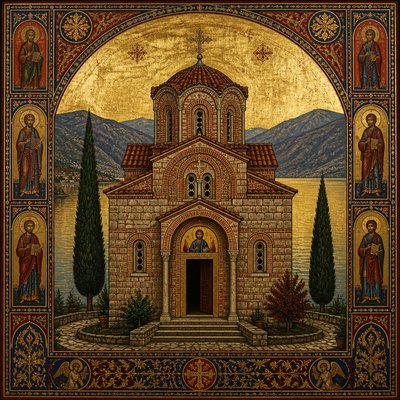
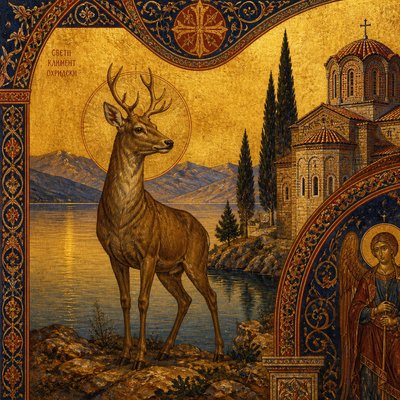
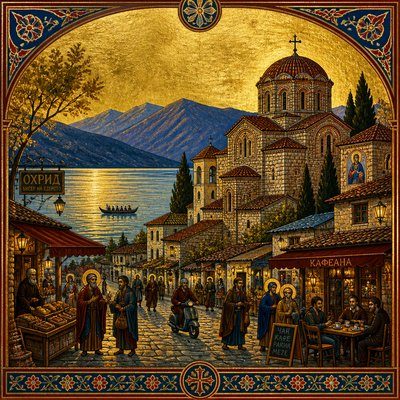
What is Macedonian Art Style?
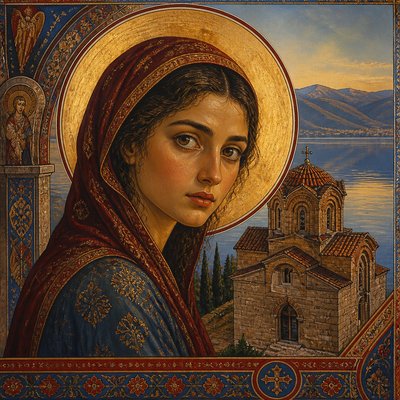
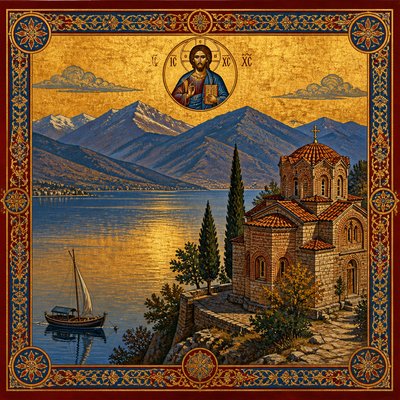
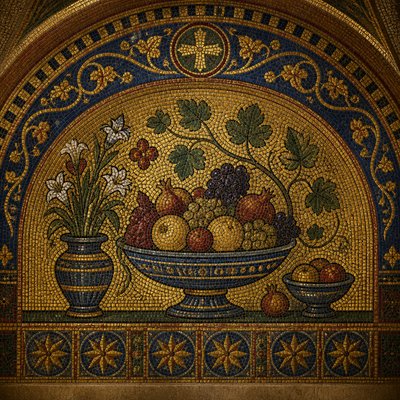
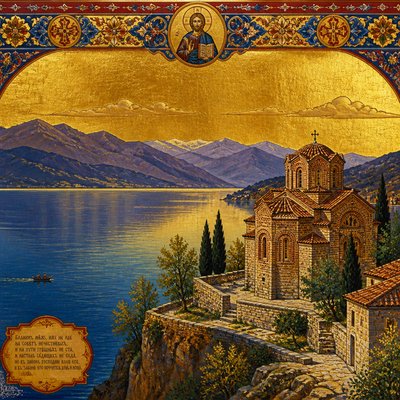
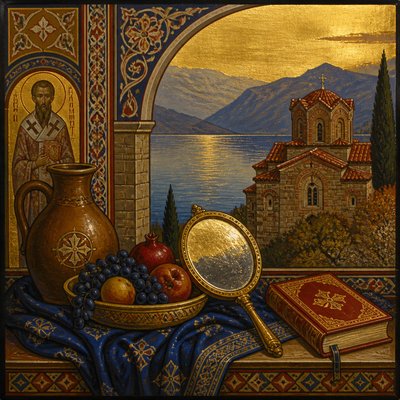
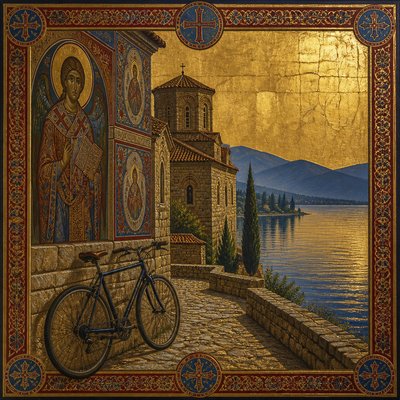
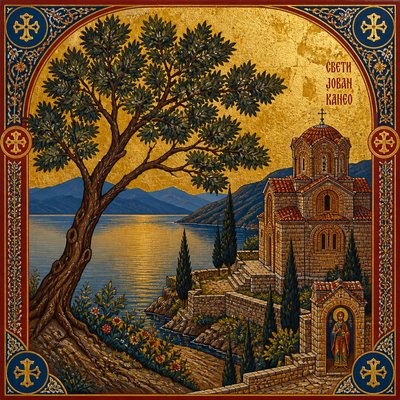
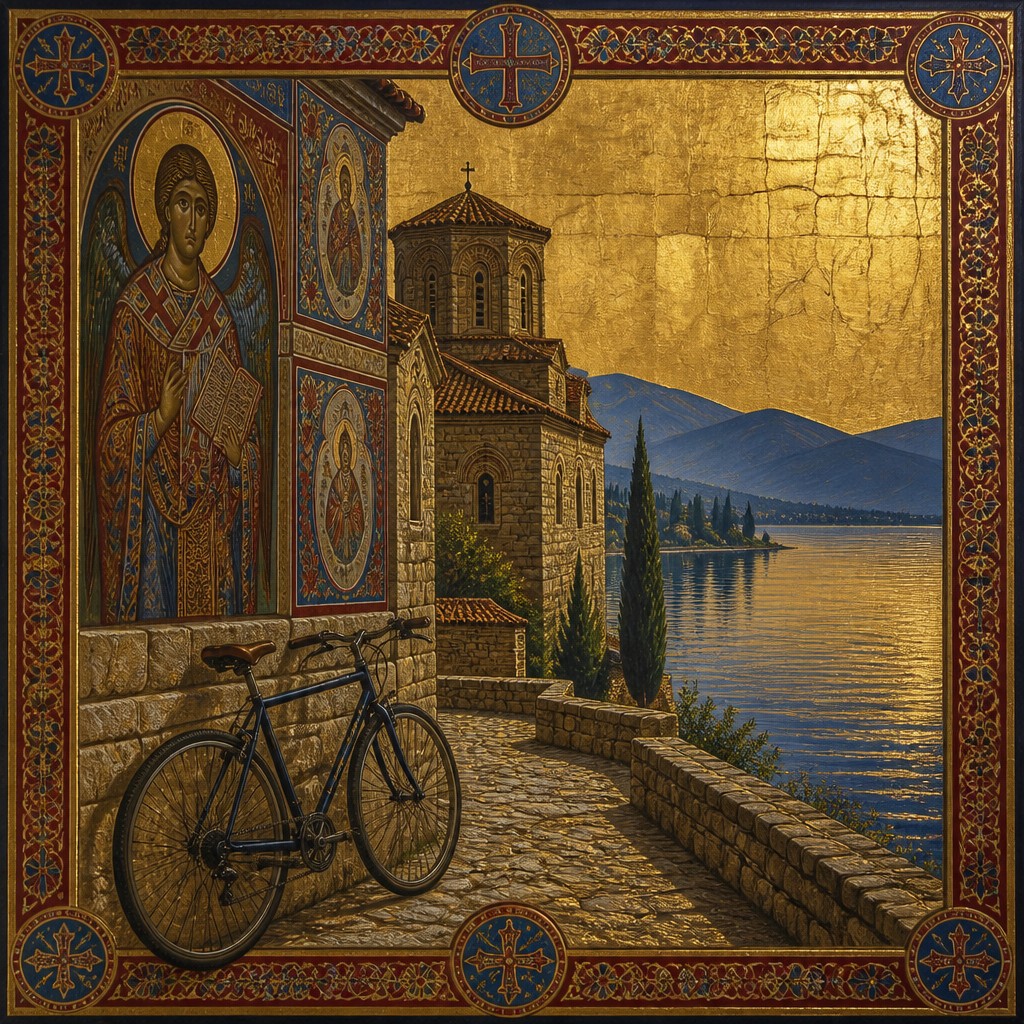
Macedonian art style refers to a visual tradition rooted in the Byzantine and Orthodox heritage of historic Macedonia, especially the church painting, icon production, manuscript illumination, and architecture associated with the Ohrid region. In contemporary usage, the term often describes an atmospheric synthesis of luminous icon gold, egg-tempera jewel colors, richly patterned borders, domed stone churches, and the reflective light of Lake Ohrid.
Its visual identity combines spiritual stillness with a distinct sense of place. Frontal or carefully composed figures, symbolic gestures, flattened sacred space, crimson and ultramarine accents, and radiant metallic grounds derive from Byzantine image-making, while mountain silhouettes, lakeside churches, weathered masonry, and cool daylight introduce a North Macedonian landscape sensibility. The result is less a single historical movement than a historically informed aesthetic language connecting sacred painting with regional atmosphere.
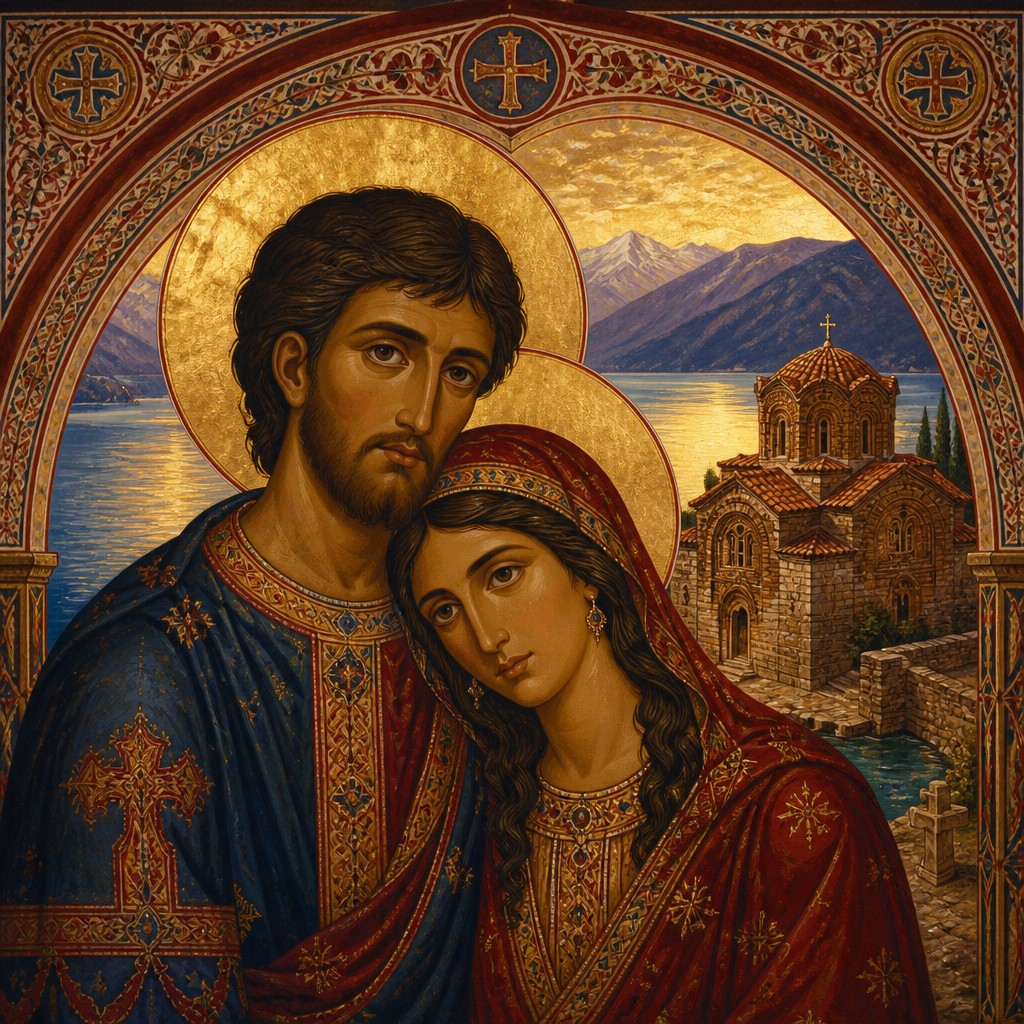
Try It On Your Photos
Upload any photo and convert it into Macedonian Art Style — drag the sliders to compare before and after.
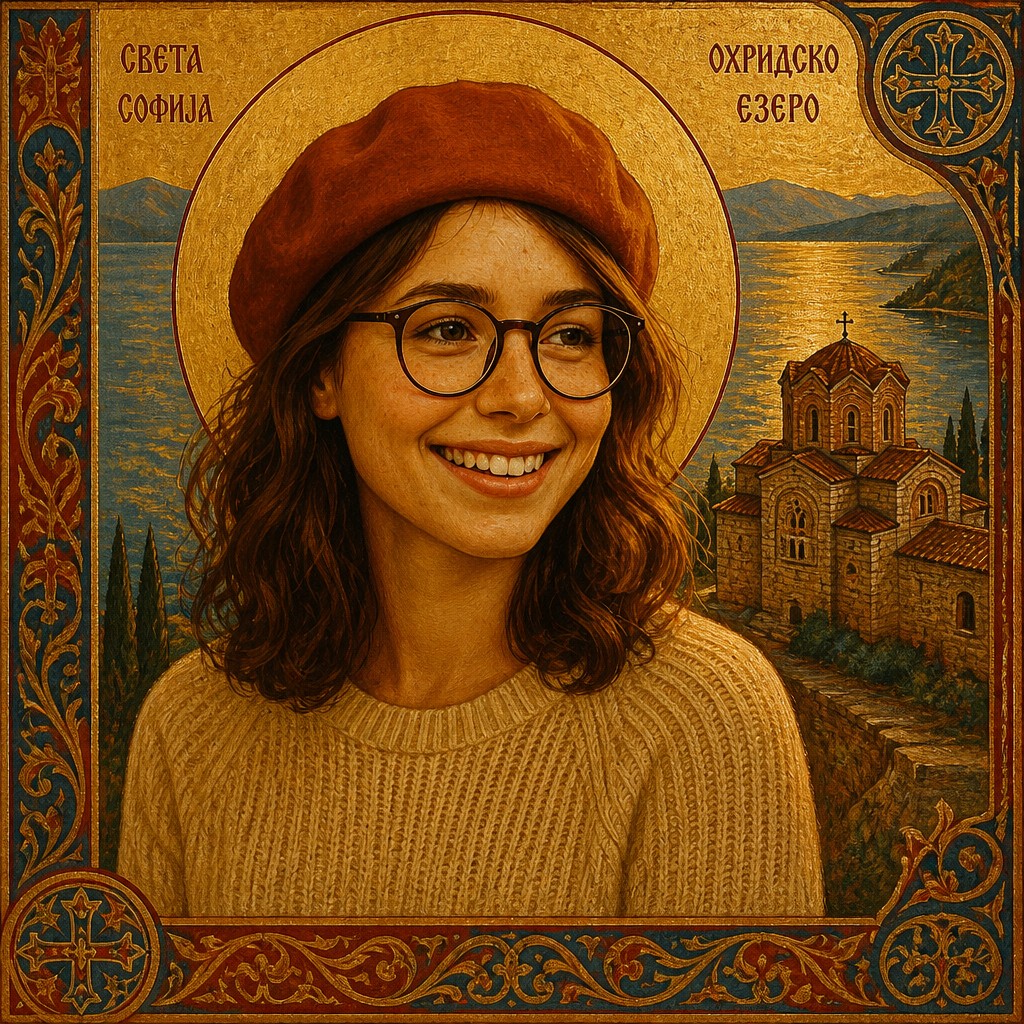


What Defines Macedonian Art Style
The signature details, up close
Gold-leaf luminosity
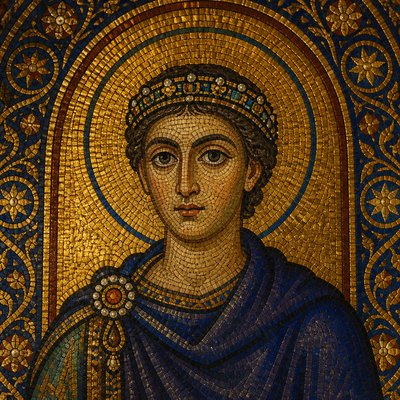
Radiant gold grounds or halos create a sacred, reflective field around figures and architectural details. The metallic surface suggests divine light rather than ordinary spatial illumination.
Egg-tempera jewel tones
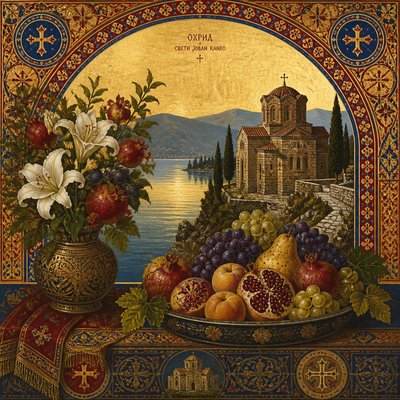
Deep ultramarine, crimson, ochre, malachite green, and warm ivory evoke the concentrated color of medieval icon and fresco painting. Layered, opaque brushwork gives the palette a mineral richness.
Byzantine figuration
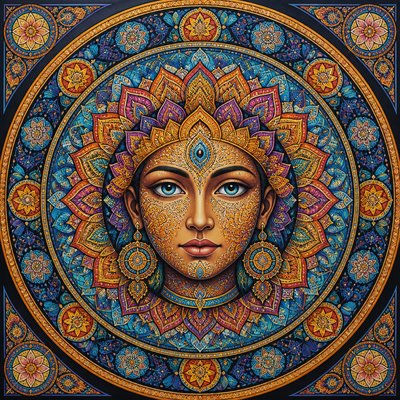
Figures are often frontal, composed, and hieratically arranged, with elongated proportions, solemn expressions, and restrained gestures. Contour, symbolism, and spiritual presence take precedence over photographic anatomy.
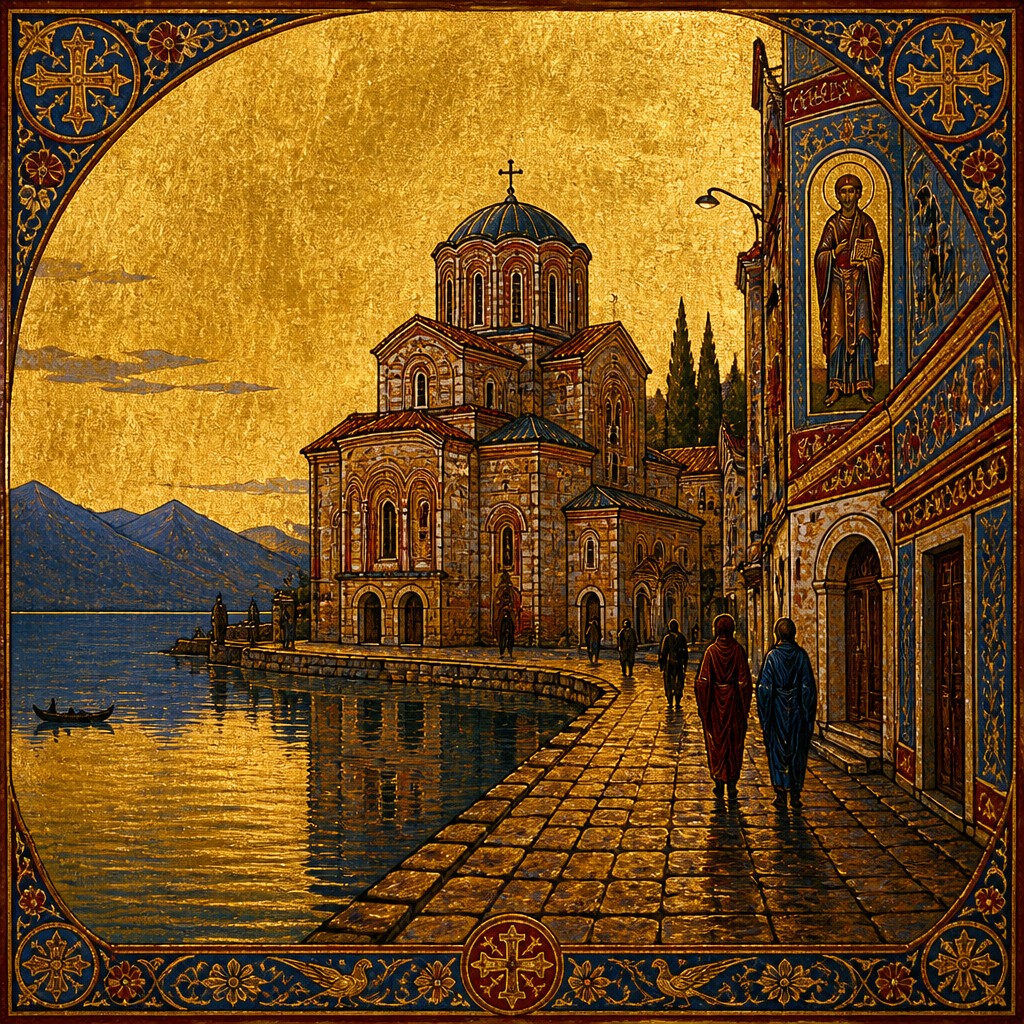
Ohrid lakeside architecture
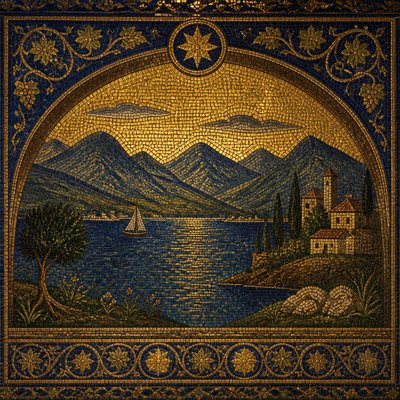
Domes, arcades, tiled roofs, rough stone walls, and compact Orthodox churches anchor the imagery in the built heritage of the Ohrid region. Architecture may function as both setting and devotional symbol.
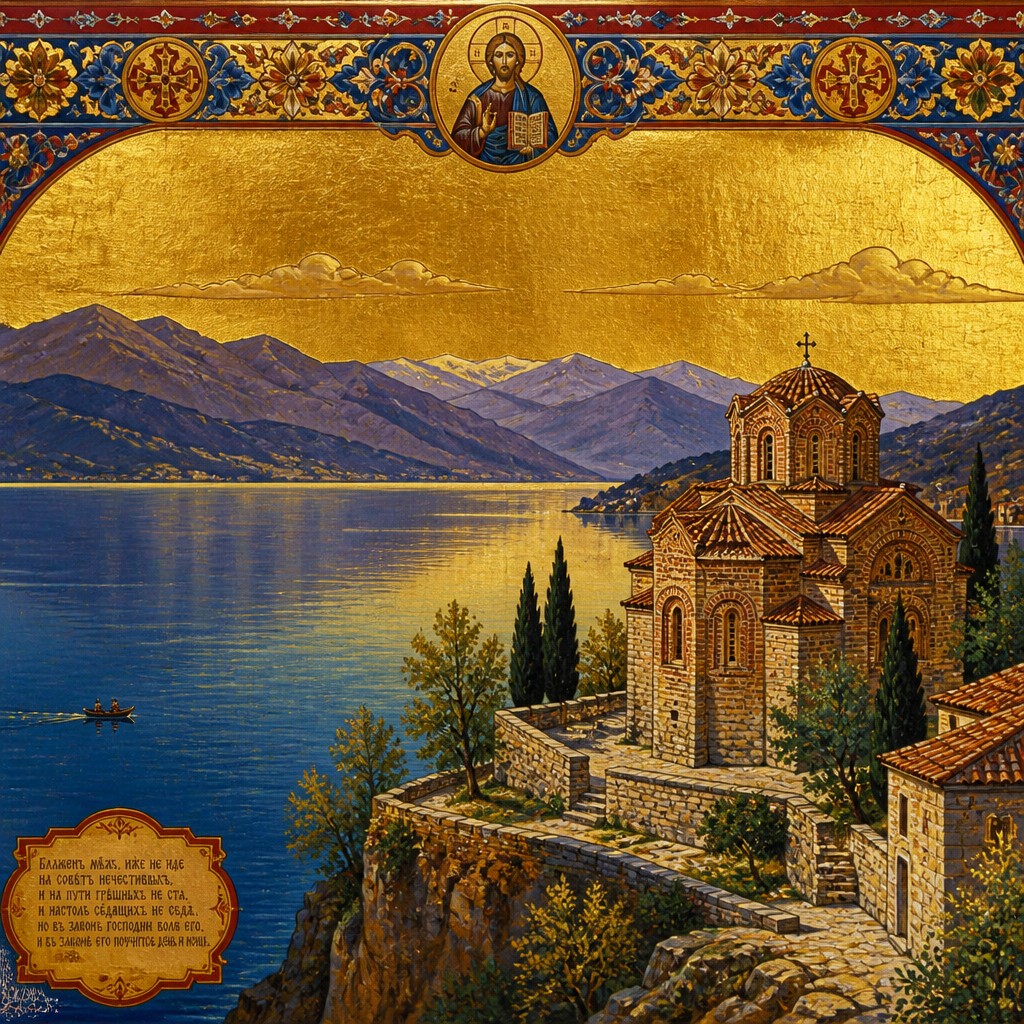
Fresco ornament
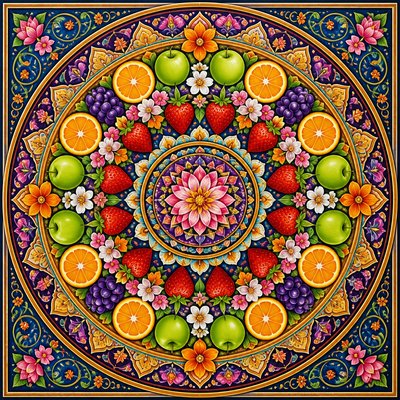
Decorative borders, vine patterns, rosettes, geometric bands, and abbreviated textile motifs frame scenes with visual rhythm. Crimson and ultramarine edging is especially effective against pale plaster or gold.
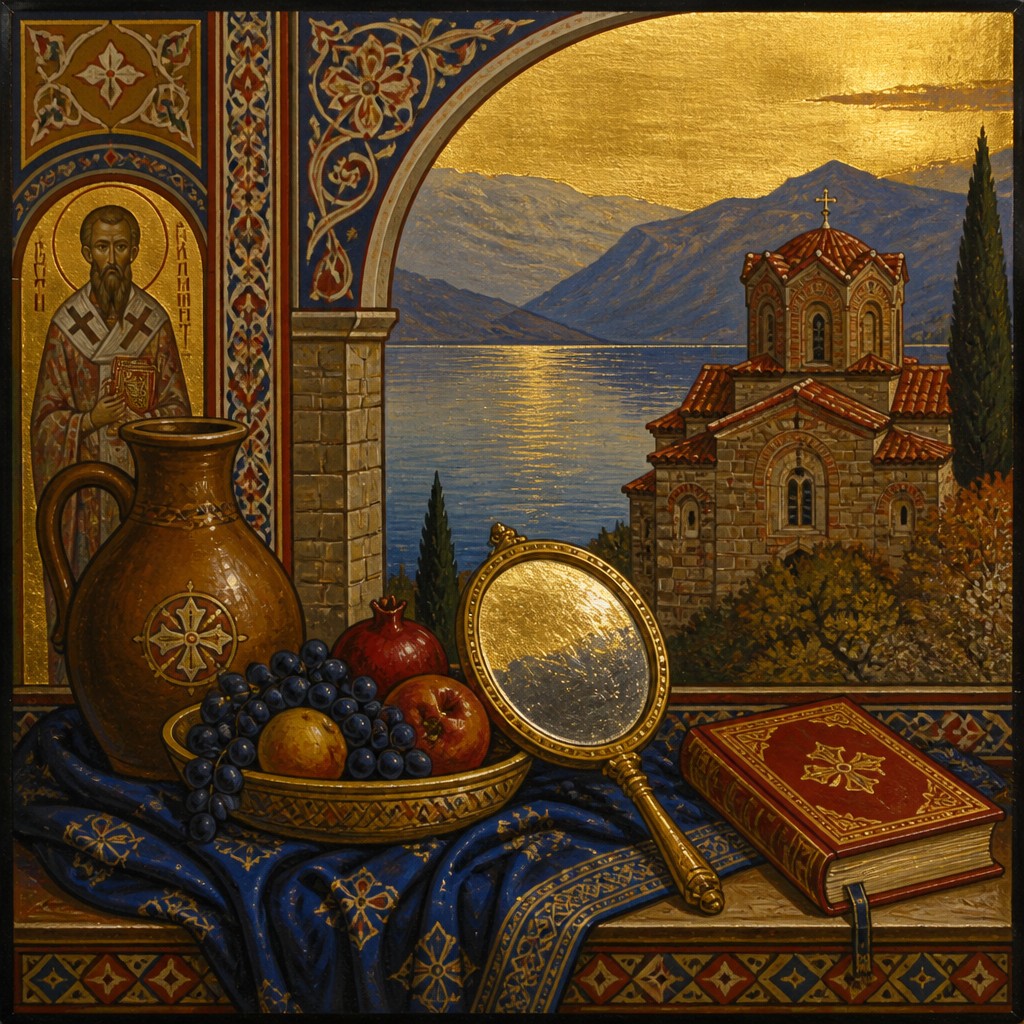
Mountain and lake stillness
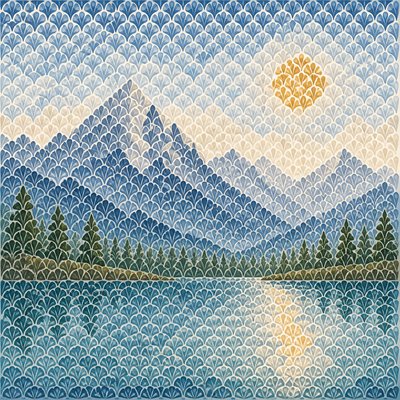
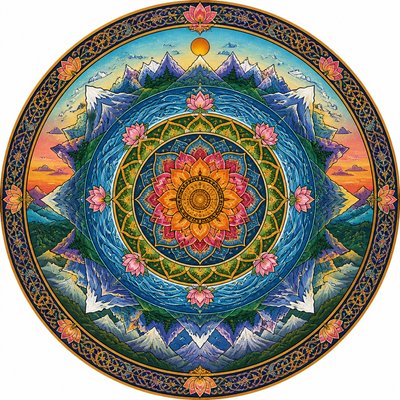
Mirror-calm water, distant mountain silhouettes, cool reflected light, and sparse atmospheric detail introduce a contemplative landscape mood. Natural scenery is generally simplified into broad, poetic shapes.
Flattened sacred space
Depth is compressed through stacked planes, limited perspective, and a deliberate balance of surface pattern and symbolic placement. Subtle shadows can be used, but they should not overpower the icon-like clarity.
Macedonian Prompt Ideas
Start from an idea — each one opens the generator with the style ready to go. See all 40 Macedonian prompts →
How to Create Macedonian Art
Master the craft step by step — or skip straight to creating. Read the full guide →
- 1
Build a restrained sacred palette
Start with gold, ivory, crimson, ultramarine, ochre, and dark green, then add only a few muted stone and lake colors. In digital work, use textured layers or gently irregular gradients so the surface does not look like flat metallic clip art.
- 2
Use icon and fresco structure
Arrange the main subject frontally or in a deliberate symmetrical hierarchy, with clear contours and limited background depth. For traditional work, egg tempera and mineral or earth pigments on prepared wood or plaster provide an authentic material direction.
- 3
Integrate regional architecture
Add a believable Ohrid-area church, monastery wall, dome, tiled roof, or lakeside stone structure rather than generic fantasy architecture. Keep masonry and ornament simplified enough to support the central subject.
- 4
Create gold with texture, not glare
Combine warm ochre underpainting, fine pattern, and uneven metallic highlights to suggest leaf or powdered gold. In digital painting, vary reflectivity and add restrained craquelure or plaster grain instead of applying a uniform glossy filter.
- 5
Control the landscape atmosphere
Use broad mountain silhouettes, calm horizontal water, and cool reflected light behind the warmer icon palette. Leave quiet areas of negative space so the image retains the contemplative pacing of devotional art.
- 6
Write precise generation or transformation prompts
Specify the subject, frontal composition, gold ground, egg-tempera jewel colors, fresco borders, Ohrid stone architecture, and calm lake light; add constraints such as no photorealistic rendering and no modern typography. When transforming a photo, preserve the subject's pose and composition while requesting simplified contours, sacred surface pattern, and icon-like color separation.
The Story
History & Origins of Macedonian
The historical lineage of this style developed through the medieval Orthodox culture of Macedonia, with Ohrid becoming an important ecclesiastical and artistic center from the early medieval period onward. Between approximately the eleventh and fourteenth centuries, churches and monastic foundations in the region were decorated with fresco cycles, icons, and ornamental programs shaped by Byzantine theology and workshop practice. These works used mineral pigments, egg-based binders, stylized anatomy, hierarchical composition, and symbolic color rather than naturalistic illusion.
The modern label "Macedonian Art Style" is not the name of one unified historical movement. It is a contemporary synthesis drawing on medieval Macedonian and Byzantine visual traditions, later Orthodox icon painting, regional church architecture, and the landscape around Lake Ohrid. Digital interpretations commonly intensify gold surfaces, jewel tones, architectural silhouettes, and tranquil lake light beyond the conventions of any single historical workshop.
Influences: The style draws primarily from Byzantine iconography, medieval Orthodox fresco cycles, Eastern Christian manuscript illumination, and the church architecture of the Ohrid region. It also relates to Slavic Orthodox decorative traditions, post-Byzantine icon painting, tempera panel techniques, and modern landscape romanticism. Its combination of sacred surface design and regional scenery distinguishes it from purely historical icon painting or generic medieval fantasy.
Frequently Asked Questions
What defines the Macedonian art style?
It is defined by the meeting of Byzantine and Orthodox visual language with the architecture and atmosphere of North Macedonia, particularly the Ohrid region. Gold grounds, egg-tempera colors, frontal figures, fresco ornament, stone churches, calm water, and mountain silhouettes are recurring features.
Is Macedonian art style a formal historical art movement?
Not in the same way as Impressionism or Baroque. The phrase is best understood as a broad historical and contemporary aesthetic label that draws on medieval Macedonian religious art, Byzantine techniques, Ohrid architecture, and regional landscape imagery.
How is it different from Byzantine art in general?
Byzantine art is a much broader tradition spanning centuries and many regions. This style narrows that visual language toward Macedonian and Ohrid references, emphasizing lakeside churches, local mountain scenery, regional stonework, and a cooler, more contemplative landscape atmosphere.
What materials are traditionally associated with this look?
Historic related works commonly use egg tempera on prepared wood for icons and mineral or earth pigments on plaster for frescoes. Gold leaf, gesso, lime plaster, and finely patterned ornamental details are also important material references.
Can a modern portrait be transformed into this style?
Yes, but the result is strongest when the pose and facial expression remain clear while the rendering adopts simplified contours, frontal balance, gold or patterned backgrounds, and tempera-like color. Avoid excessive realism, dramatic photographic lighting, or decorative elements that obscure the subject.
Where is this style commonly used?
It suits devotional and cultural illustrations, heritage interpretation, book covers, editorial artwork, architectural visualizations, poster design, and atmospheric portraits. It can also support landscape scenes that need a quiet sacred or historical mood without reproducing a specific existing icon.
Create your first Macedonian artwork
Describe anything — or upload a photo — and see it in Macedonian Art Style in seconds.
Related Styles
Discover similar art styles