Lithuanian Art Style
Explore Lithuanian art style: a hushed Symbolist dreamscape of Vilnius spires, carved wayside crosses, amber craft, forests, lakes, and twilight.
Instantly rendered in Lithuanian — or transform a photo
Lithuanian Gallery
Tap any artwork to explore it
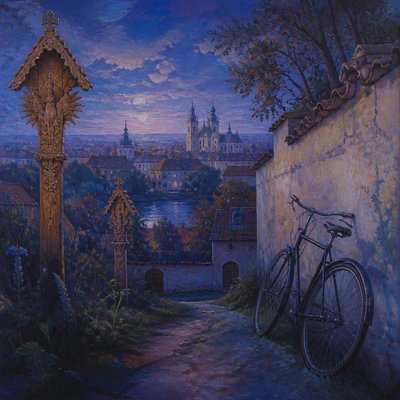
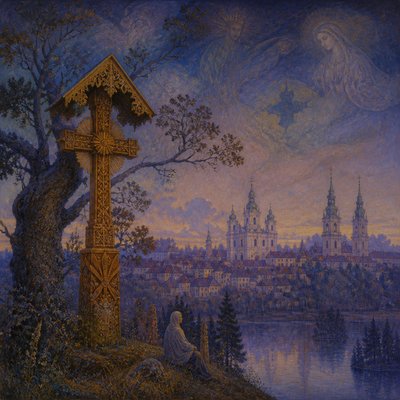
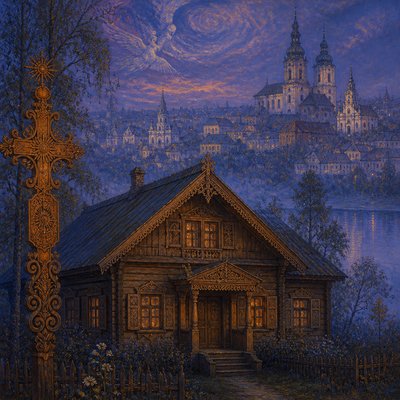
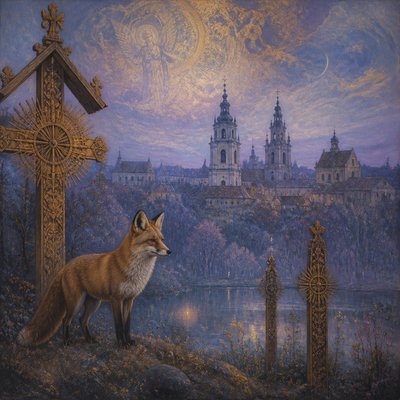
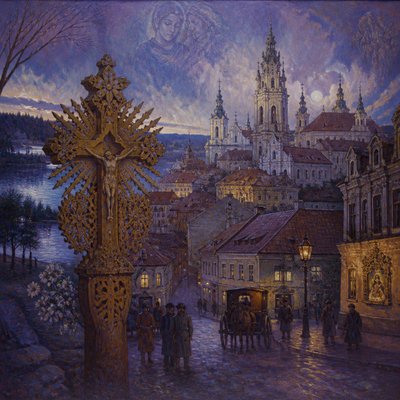
What is Lithuanian Art Style?
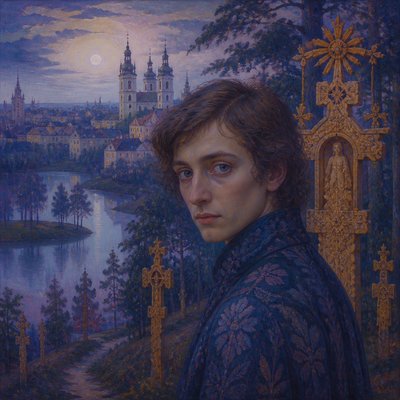
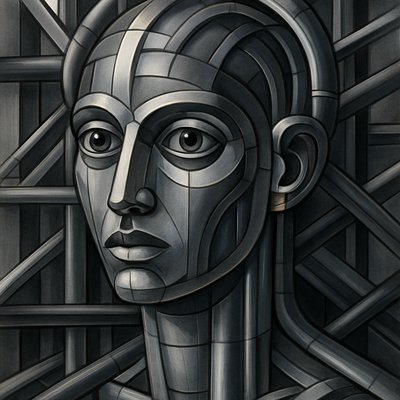
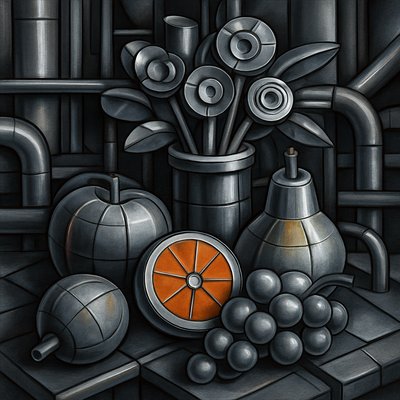
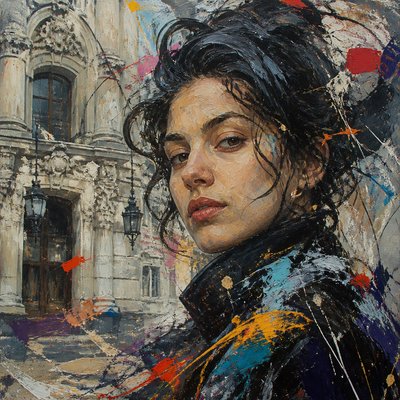
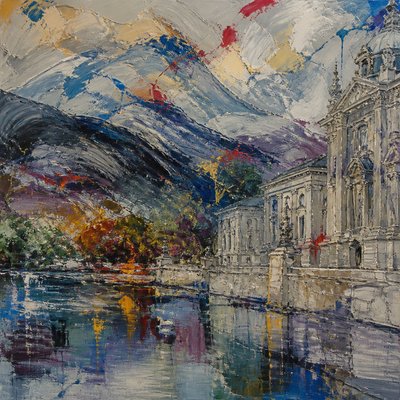
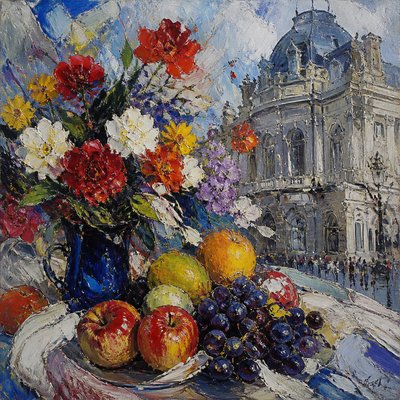
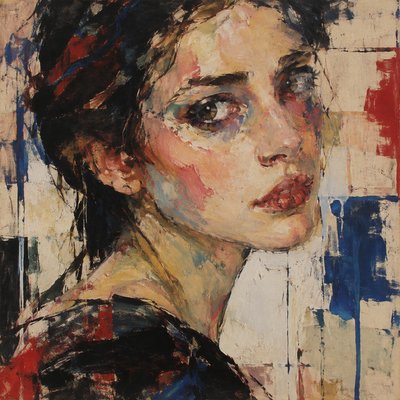
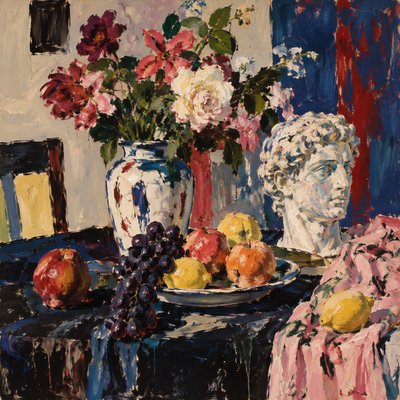
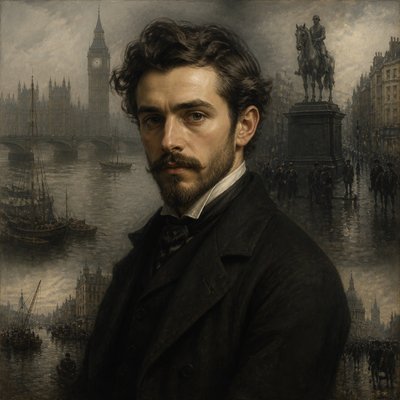
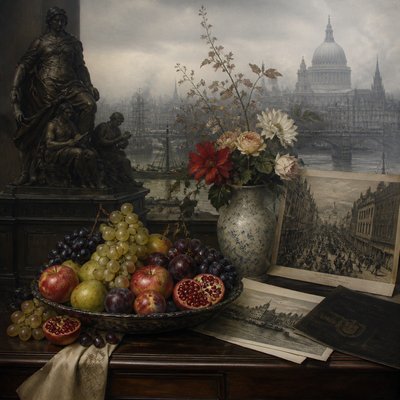
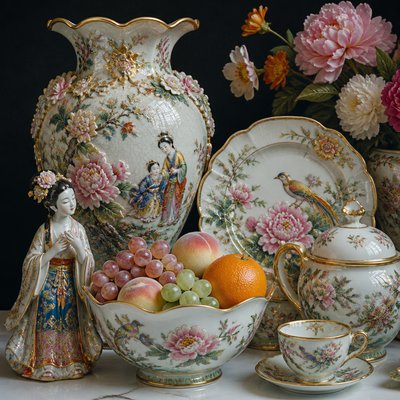
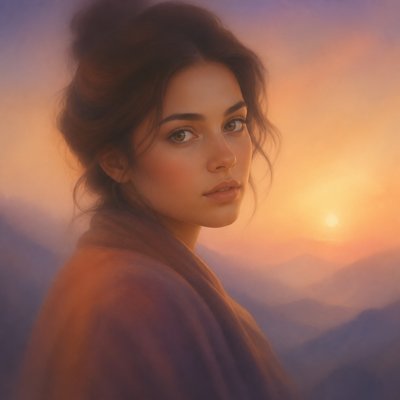
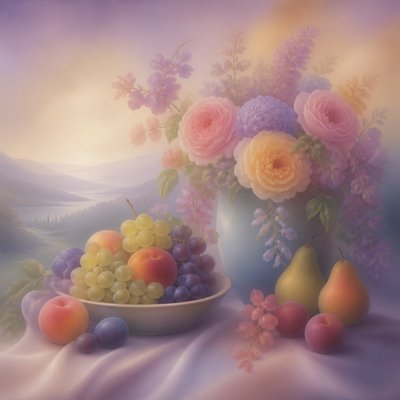
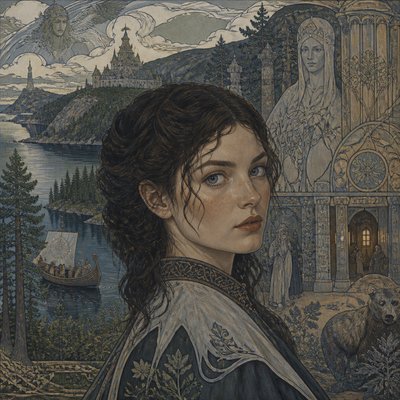
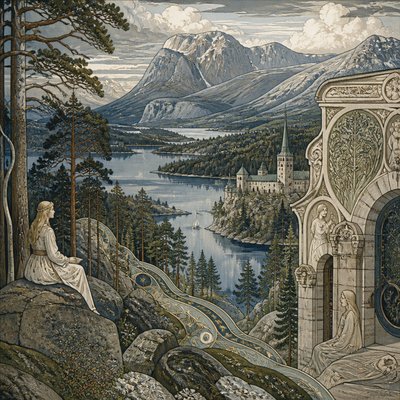
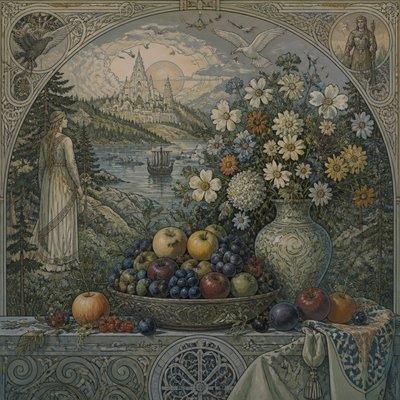
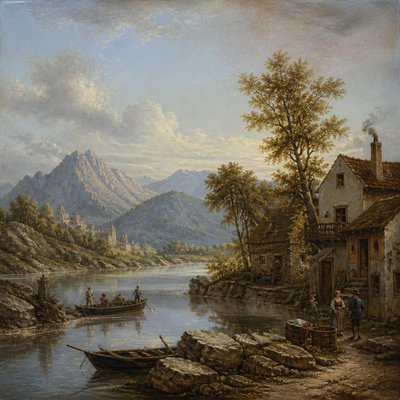
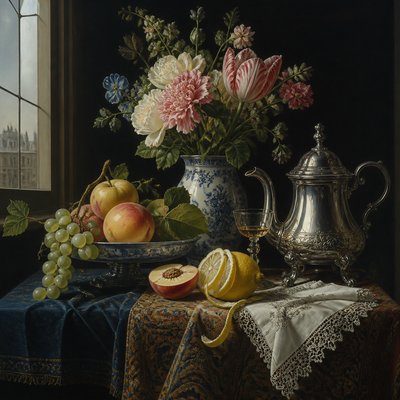
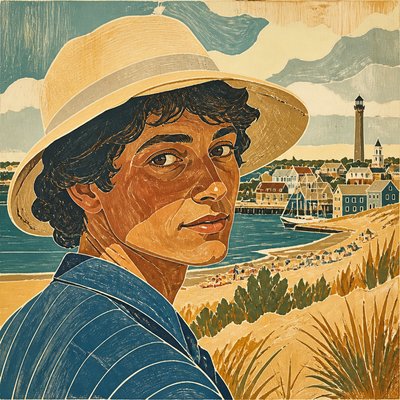
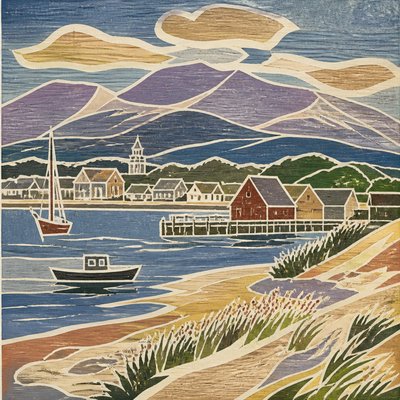
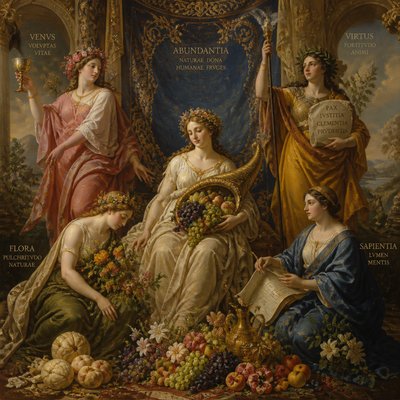
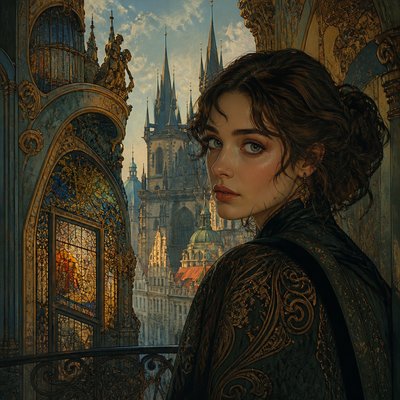
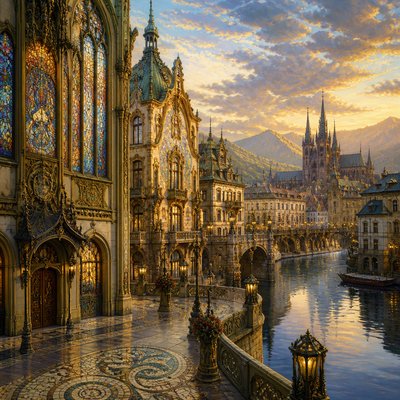
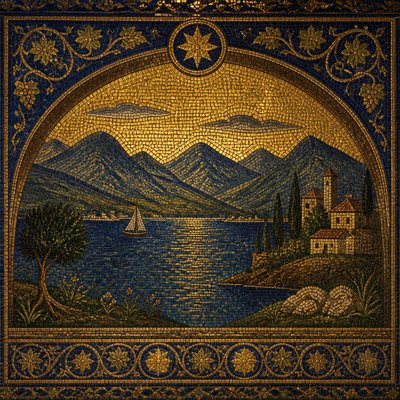
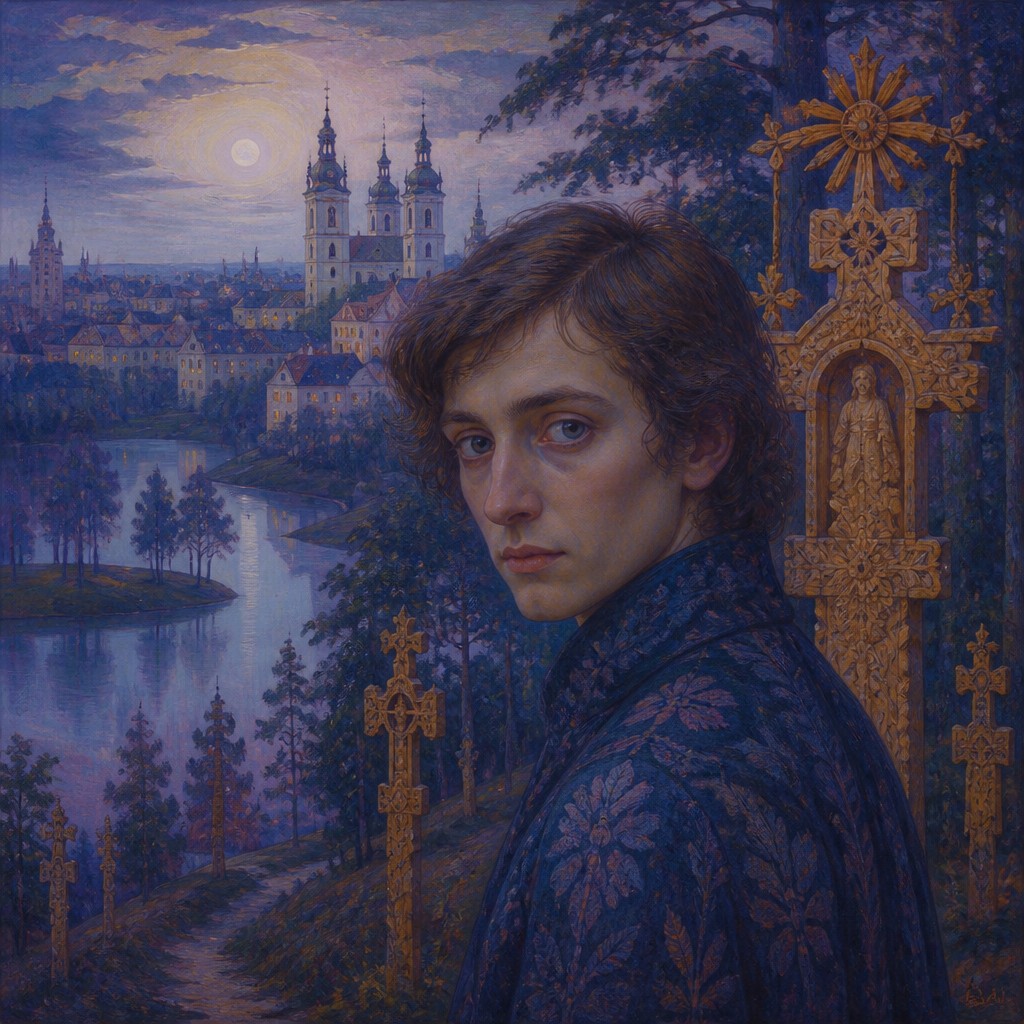
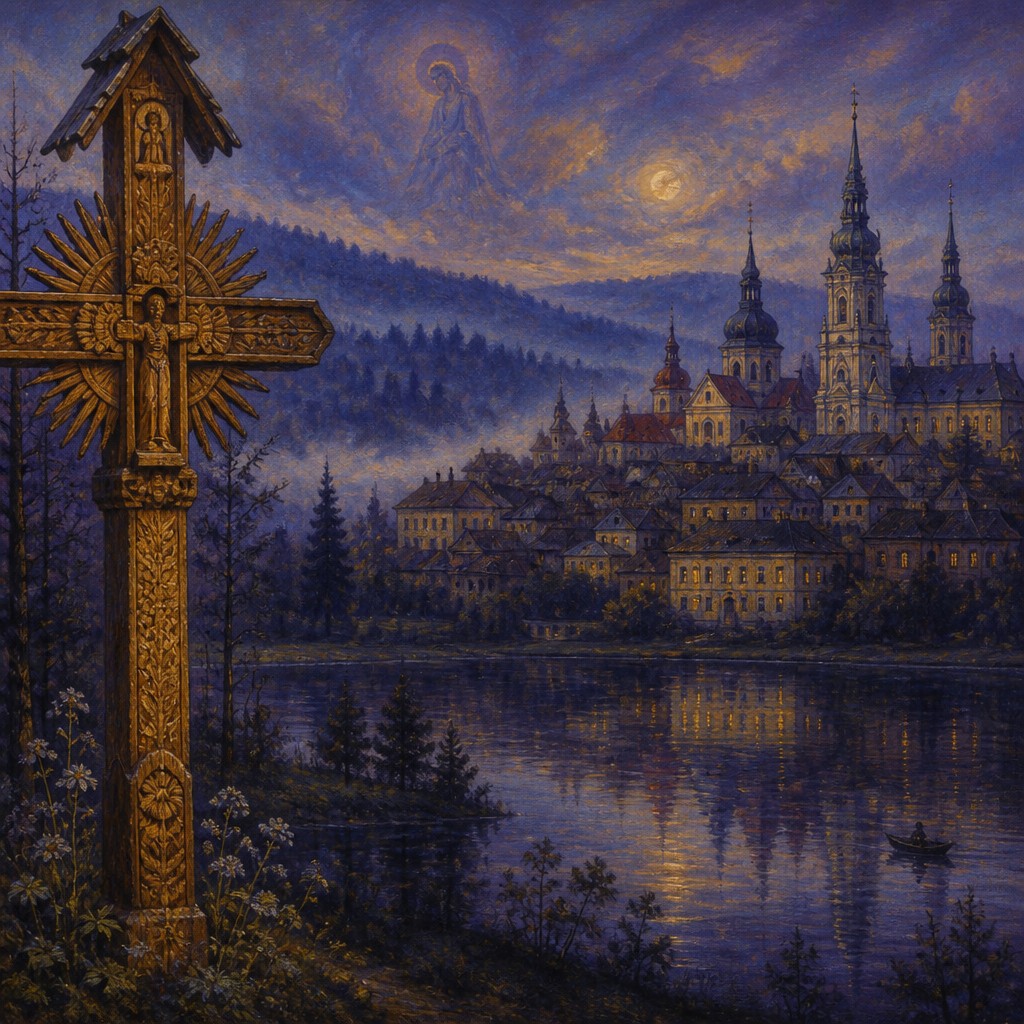
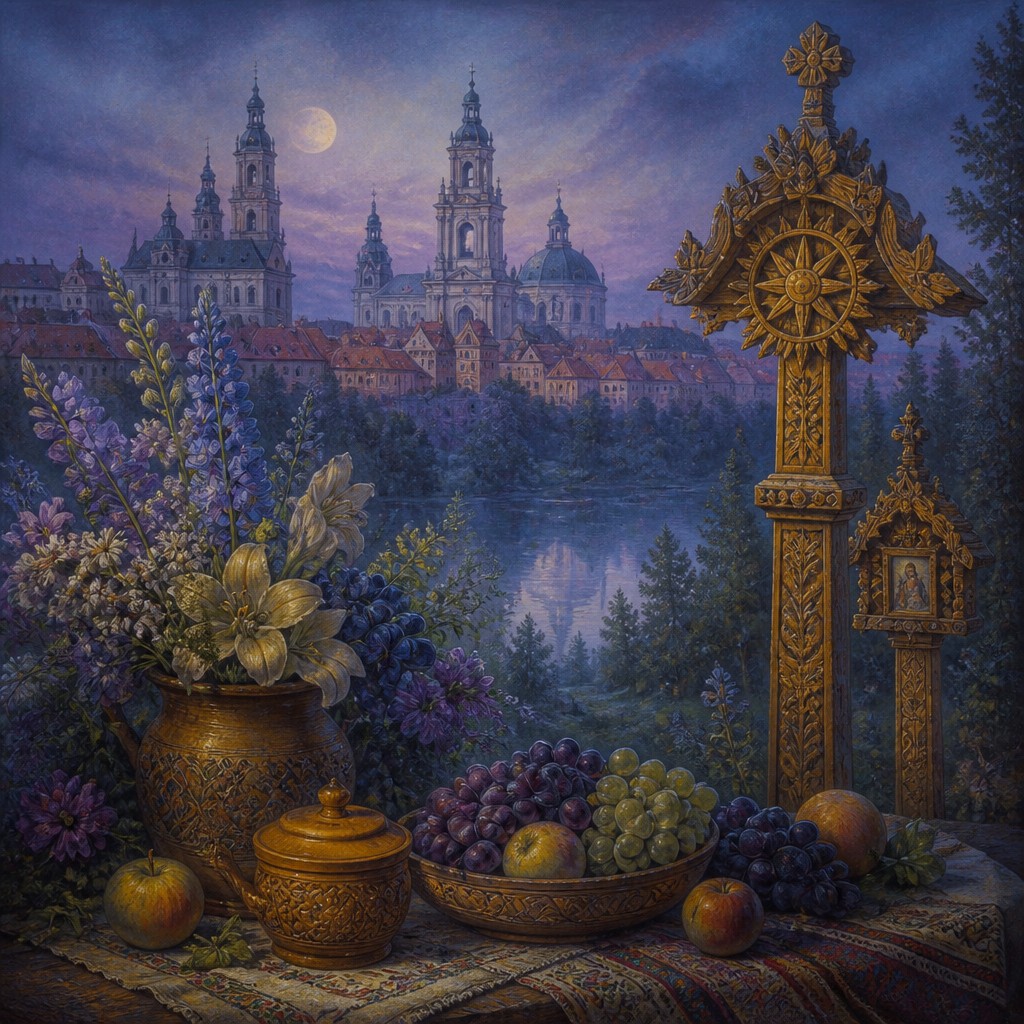
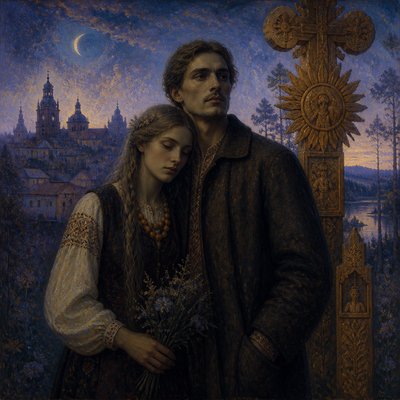
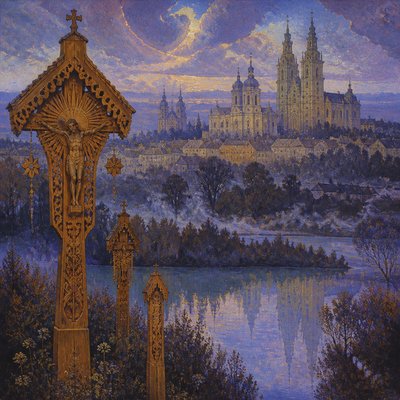
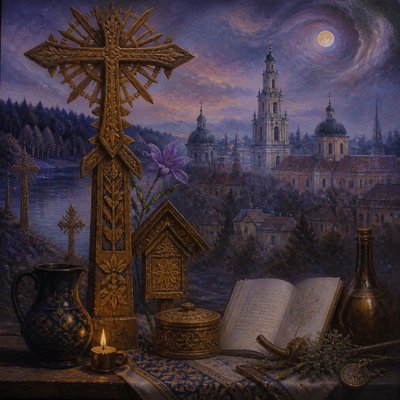
Lithuanian Art Style is a contemporary aesthetic synthesis rather than a single historically defined movement. It combines the contemplative atmosphere of Symbolist landscape painting with visual elements associated with Lithuania: Vilnius's Baroque skyline, wooded lakeshores, carved wooden wayside crosses, folk ornament, and the warm glow of amber. Its characteristic mood is quiet, visionary, and slightly otherworldly rather than dramatic or theatrical.
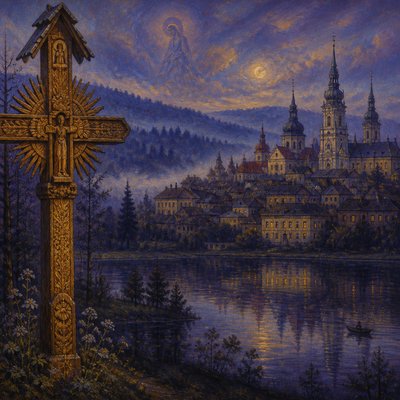
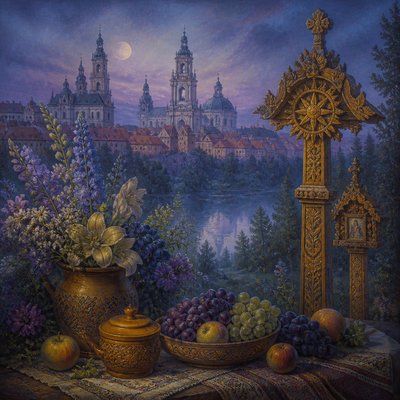
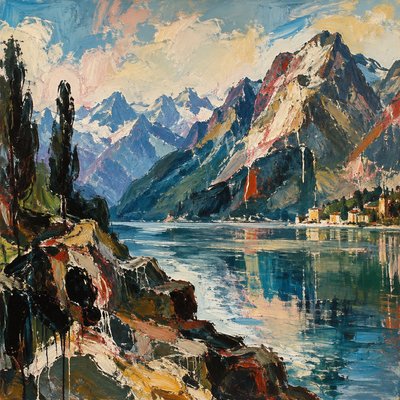
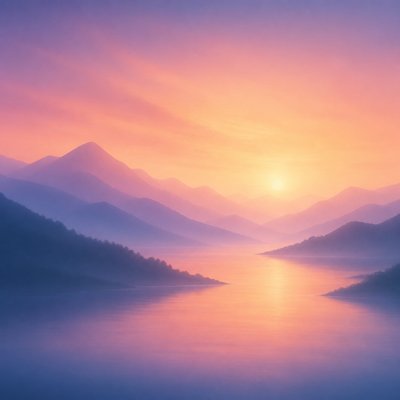
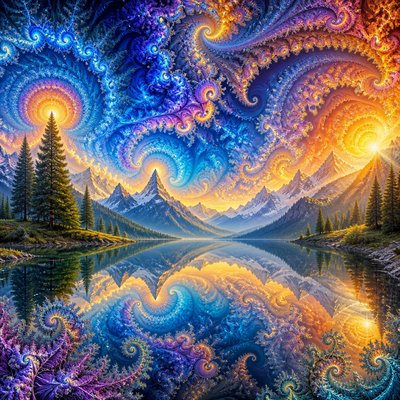
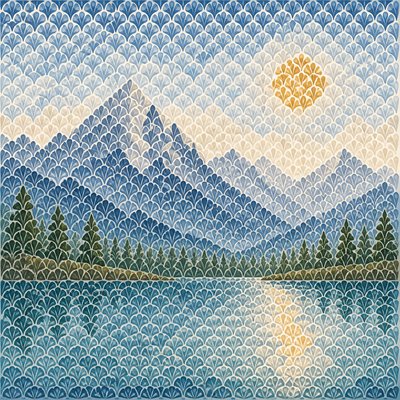
The style is built on a deliberate contrast between cool blue-violet environments and concentrated areas of honey, gold, and russet warmth. Mist, twilight, reflective water, and simplified silhouettes create a dreamlike spatial rhythm, while carved crosses and floral or sunburst motifs anchor the image in material craft and religious-folk tradition. The result is an image that feels both regional and symbolic, balancing sacred architecture, rural memory, and inward-looking nature.
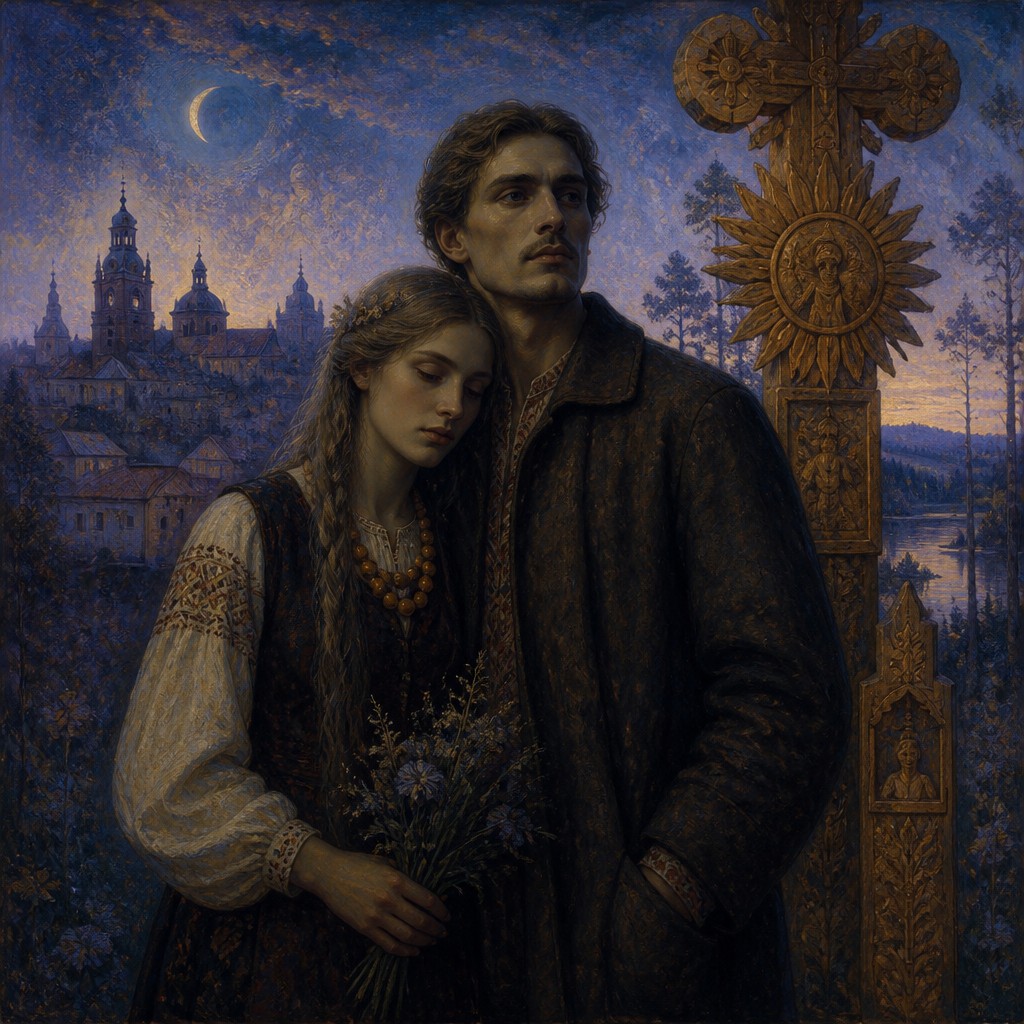
Try It On Your Photos
Upload any photo and convert it into Lithuanian Art Style — drag the sliders to compare before and after.
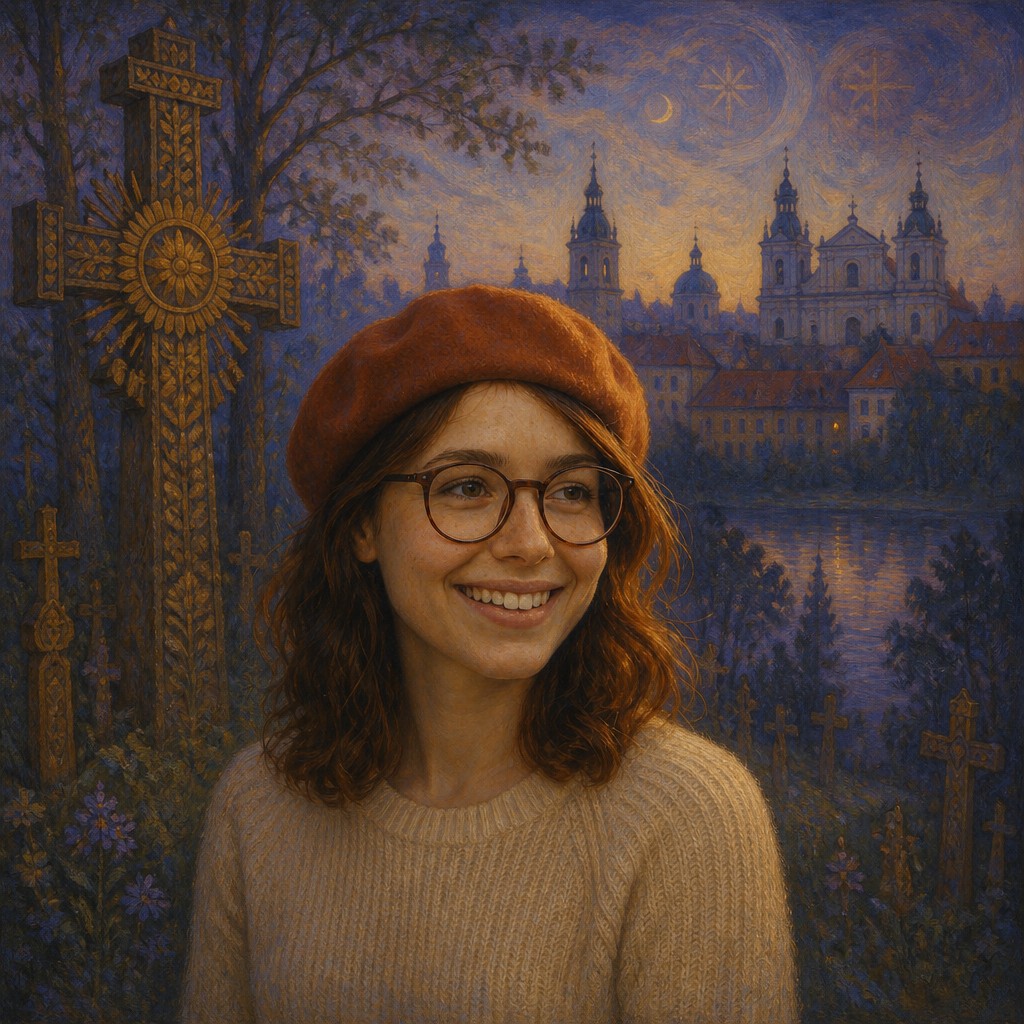

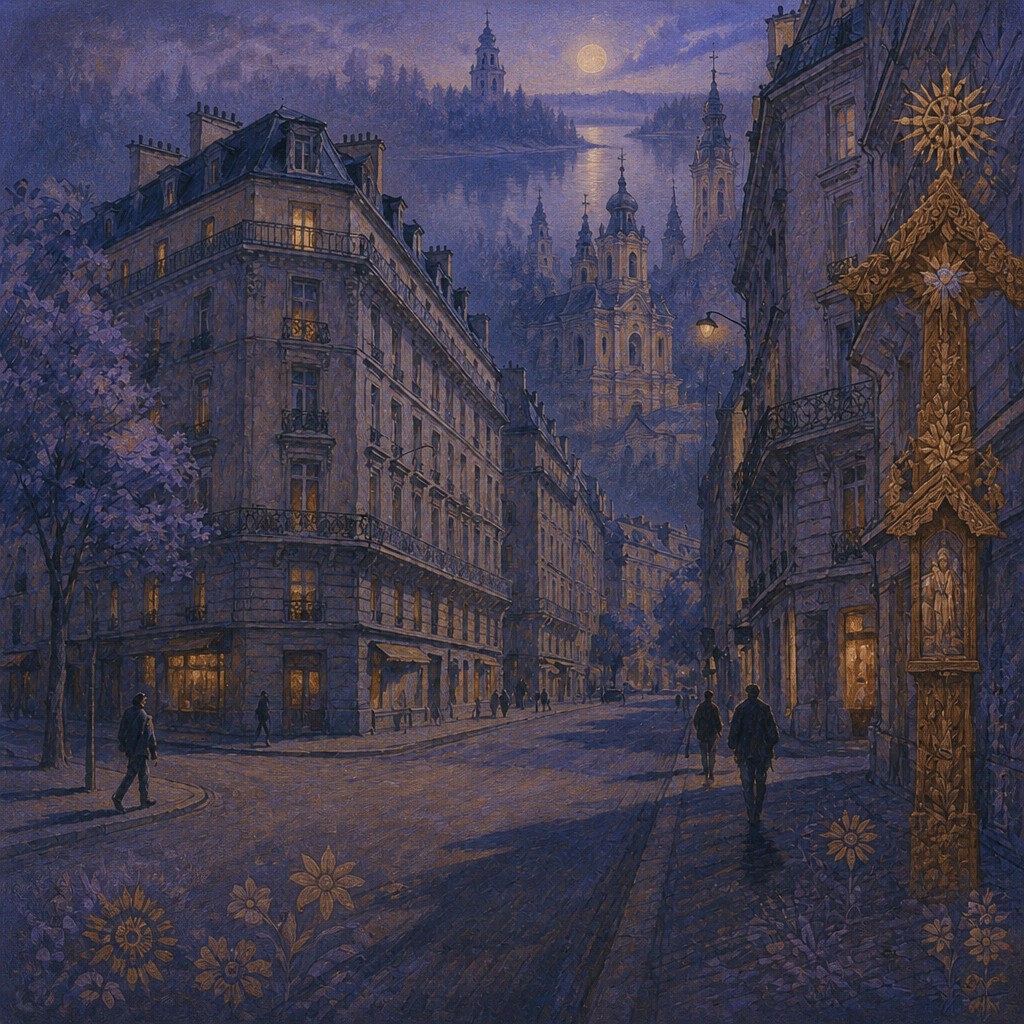

What Defines Lithuanian Art Style
The signature details, up close
Blue-violet twilight
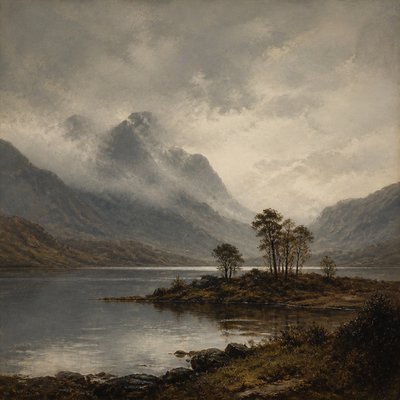
Scenes are commonly organized around hushed blue, indigo, violet, and gray-green tones. Twilight, mist, and low-contrast illumination give the landscape a meditative, suspended quality.
Vilnius Baroque silhouettes
Clustered church towers and ornate Baroque spires rise above old-town roofs, often simplified into elegant vertical shapes rather than rendered as strict architectural studies.
Carved wayside crosses
Wooden crosses and small roadside devotional structures function as central motifs, combining religious symbolism with rural craft traditions. Their surfaces may feature radiating suns, leaves, flowers, and layered geometric carving.
Amber warmth
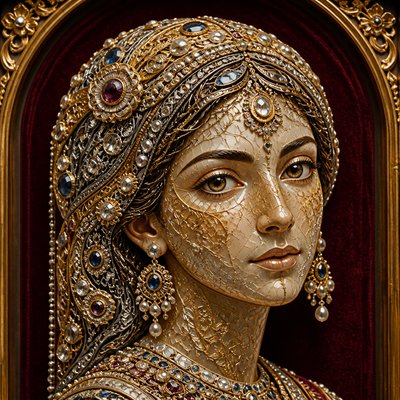
Honey-gold, resinous orange, and warm ochre accents suggest Baltic amber and the tactile richness of handmade objects. These colors provide a visual counterpoint to the surrounding cool atmosphere.
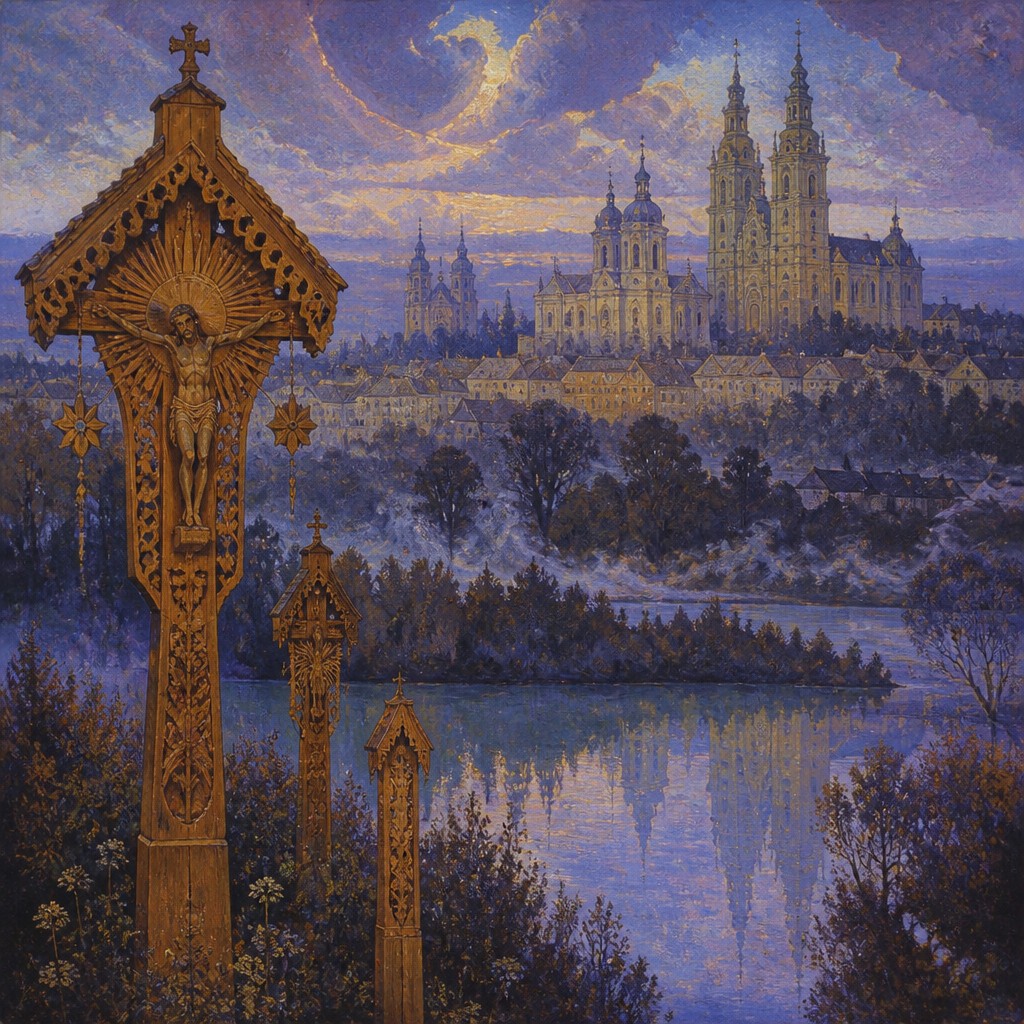
Misty forest and lake settings
Pine or mixed woodland, still water, reeds, and distant shorelines establish a distinctly northern landscape vocabulary. Atmospheric perspective is used to soften edges and make space feel dreamlike.
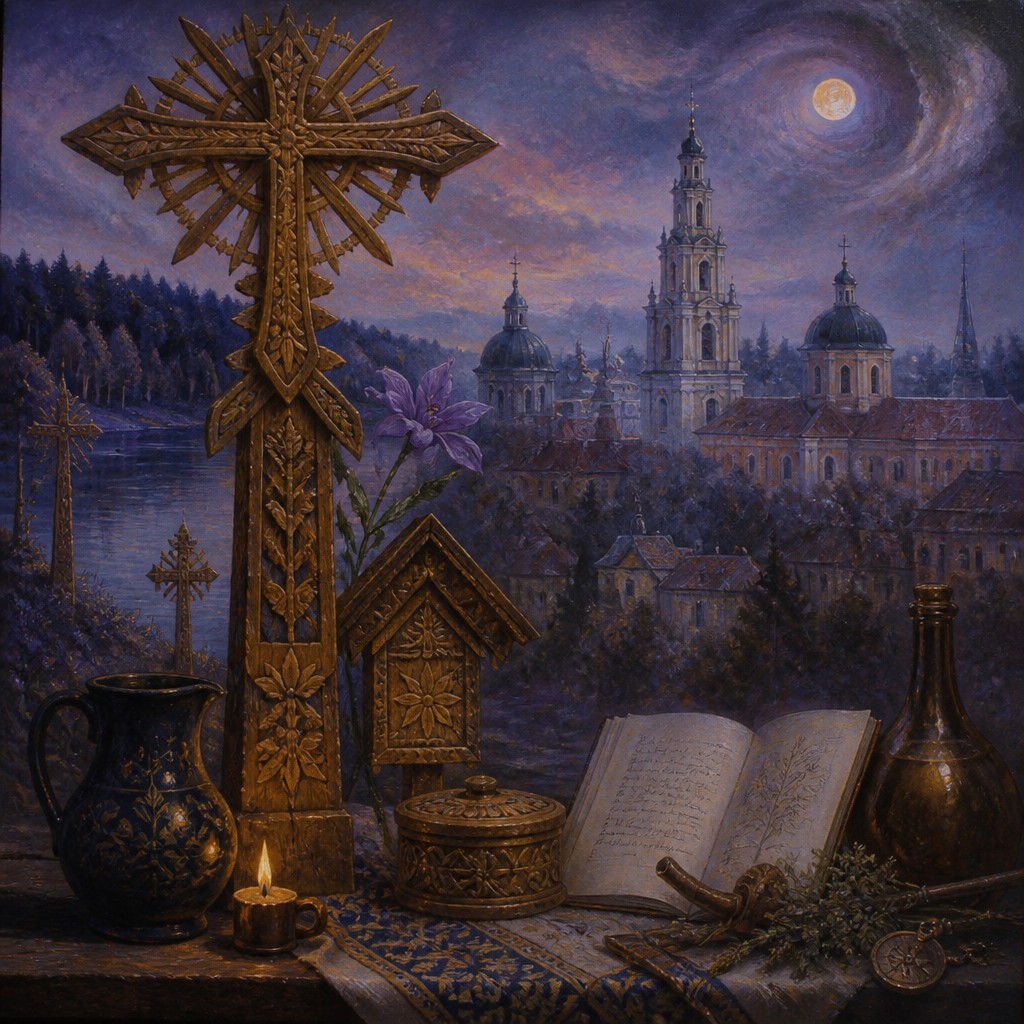
Symbolist suggestion
Objects are chosen for emotional or spiritual resonance rather than simple realism. A cross, moonlit path, bird, church tower, or reflected light may operate as a metaphor for memory, faith, endurance, or longing.
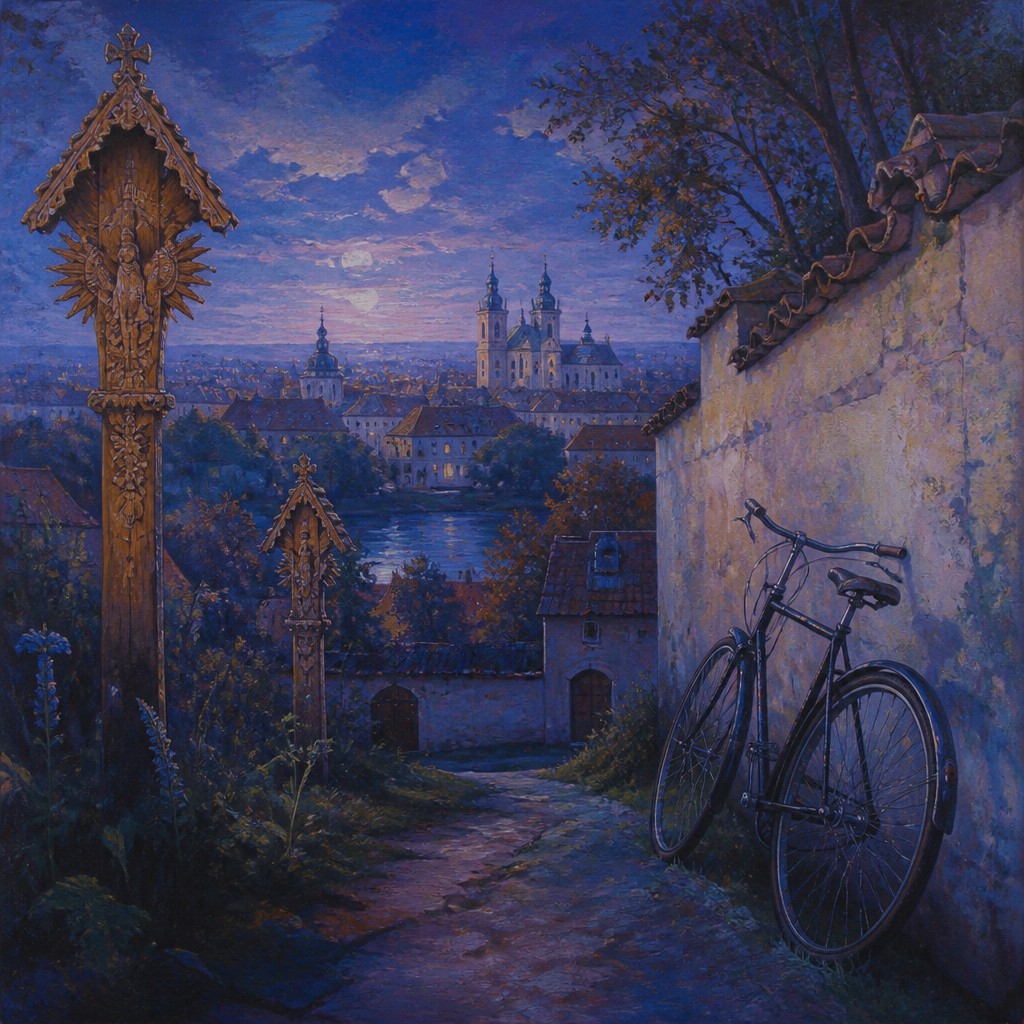
Decorative folk ornament
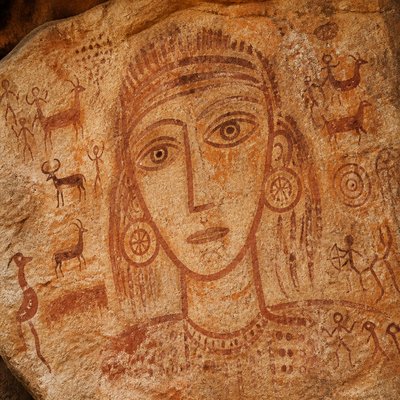
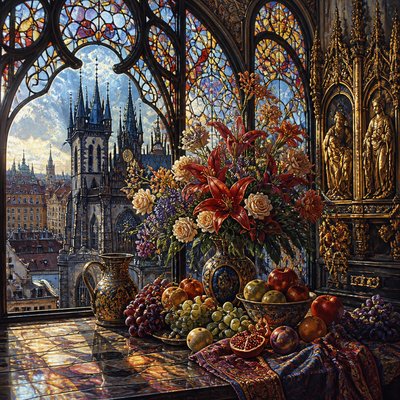
Floral scrolls, radial patterns, carved borders, and repeated plant forms enrich focal objects without overwhelming the restrained composition. Ornament is typically integrated into the object itself rather than applied as a separate graphic layer.
Lithuanian Prompt Ideas
Start from an idea — each one opens the generator with the style ready to go. See all 40 Lithuanian prompts →
How to Create Lithuanian Art
Master the craft step by step — or skip straight to creating. Read the full guide →
- 1
Establish a restricted palette
Begin with indigo, slate blue, muted violet, fog gray, and deep forest green, then reserve amber, ochre, or warm ivory for symbolic highlights. Keeping the warm colors scarce preserves the style's contemplative balance.
- 2
Build atmosphere before detail
Lay in broad twilight masses, mist, and reflected light before adding architecture or ornament. In traditional painting, thin glazes and softened edges can create depth; digitally, use low-opacity layers, atmospheric gradients, and controlled blur.
- 3
Treat the cross as a crafted object
Give wooden wayside crosses visible grain, joints, relief carving, and irregular handmade contours. Add sunbursts, leaves, flowers, and geometric cuts as structural ornament rather than generic decorative noise.
- 4
Balance vertical and horizontal forms
Use church spires or crosses as upward-reaching accents against horizontal lake water, forest bands, and mist. This contrast creates the solemn, contemplative compositional structure associated with the look.
- 5
Use symbolic rather than literal realism
Simplify forms and allow moonlight, reflections, or an isolated object to carry emotional meaning. Avoid excessive photographic sharpness, crowded storytelling, or overly saturated fantasy effects.
- 6
Guide digital or prompt-based creation precisely
Specify the subject, blue-violet twilight palette, Baroque skyline or forest-lake setting, carved wooden cross, amber accents, mist, and quiet Symbolist mood. For image transformation, preserve the source composition while requesting restrained folk ornament, softened edges, and painterly atmospheric light.
The Story
History & Origins of Lithuanian
There is no universally recognized historical movement called Lithuanian Art Style. This label describes a modern, adaptable visual formulation drawing on several strands of Lithuanian cultural history: medieval and early modern Christian imagery, the Baroque architecture of Vilnius, rural woodcarving traditions, amber craft, and the national interest in landscape and folklore that developed especially strongly during the nineteenth and early twentieth centuries.
Its dreamlike treatment also draws from European Symbolism, which favored suggestion, mood, myth, and inner experience over literal description. In contemporary illustration and digital image-making, these sources are often combined into a unified visual language: twilight landscapes and visionary calm from Symbolist painting, recognizable Lithuanian motifs from folk culture, and decorative warmth from carved wood and amber.
Influences: The style draws on European Symbolism, Baltic and Lithuanian folk art, Christian devotional carving, the Baroque architecture of Vilnius, northern landscape painting, and the material traditions of amber and woodcraft. It also shares qualities with atmospheric romantic landscape, visionary illustration, and selective forms of surrealism, while remaining more culturally specific and materially grounded than generic fantasy art.
Frequently Asked Questions
Is Lithuanian Art Style a recognized historical art movement?
No. The term is best understood as a contemporary descriptive label for a composite aesthetic, not the name of a single established school with a fixed manifesto or period. It draws from real Lithuanian cultural traditions and from broader European Symbolism, landscape painting, and folk craft.
What visual elements define this style?
Its most recognizable elements are blue-violet twilight, misty forests and lakes, Vilnius-style Baroque spires, carved wooden wayside crosses, floral or sunburst ornament, and amber-gold accents. The overall mood is quiet, sacred, reflective, and dreamlike.
How is it different from generic fantasy landscape art?
Rather than relying mainly on imaginary creatures or spectacular scenery, it uses specific Lithuanian references and a restrained emotional register. Architecture, devotional objects, woodcarving, amber, and Baltic landscape carry the symbolism.
Can this style be created with traditional materials?
Yes. Oil, acrylic, watercolor, gouache, colored pencil, and mixed media can all support the style. Glazing, scumbling, softened edges, wood-grain textures, and carefully limited warm accents are useful techniques.
How should I write a prompt for this aesthetic?
Name the subject first, then specify the Lithuanian visual references, such as a carved wayside cross, Baroque church spires, Baltic forest, or amber craft. Add the blue-violet twilight palette, mist, Symbolist mood, restrained detail, and warm honey-gold focal accents.
Where is this style most suitable for use?
It works well for landscape illustration, book covers, cultural posters, devotional or contemplative imagery, editorial art, atmospheric interiors, and heritage-focused visual storytelling. It is especially effective when the image benefits from regional identity and quiet symbolism.
Create your first Lithuanian artwork
Describe anything — or upload a photo — and see it in Lithuanian Art Style in seconds.
Related Styles
Discover similar art styles