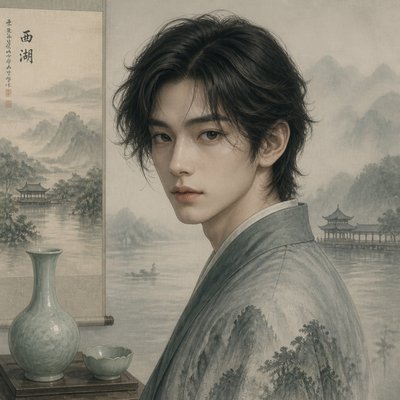
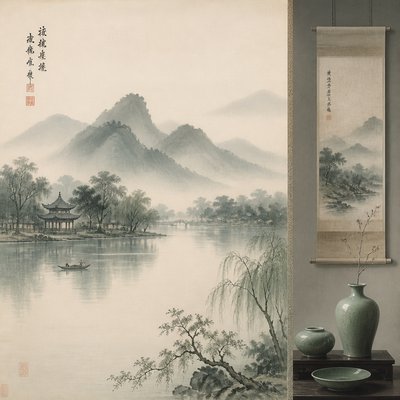
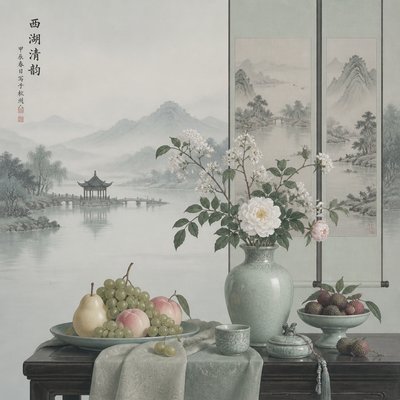
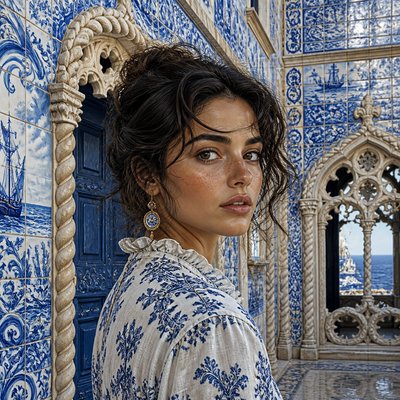
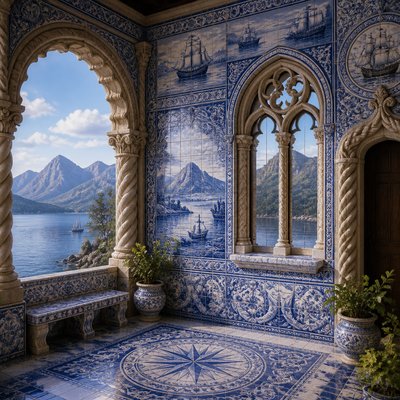
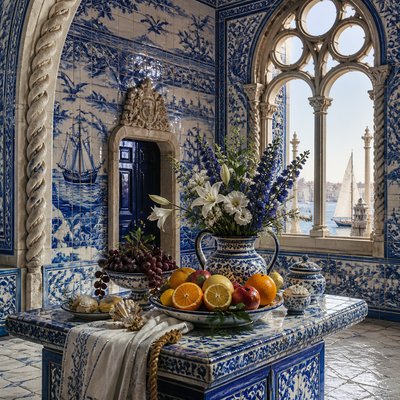
Liechtenstein Art Style
Explore Liechtenstein's alpine-princely aesthetic: baroque portraiture, church fresco pastels, castle stone, walnut interiors, and quiet grandeur.
Instantly rendered in Liechtenstein — or transform a photo
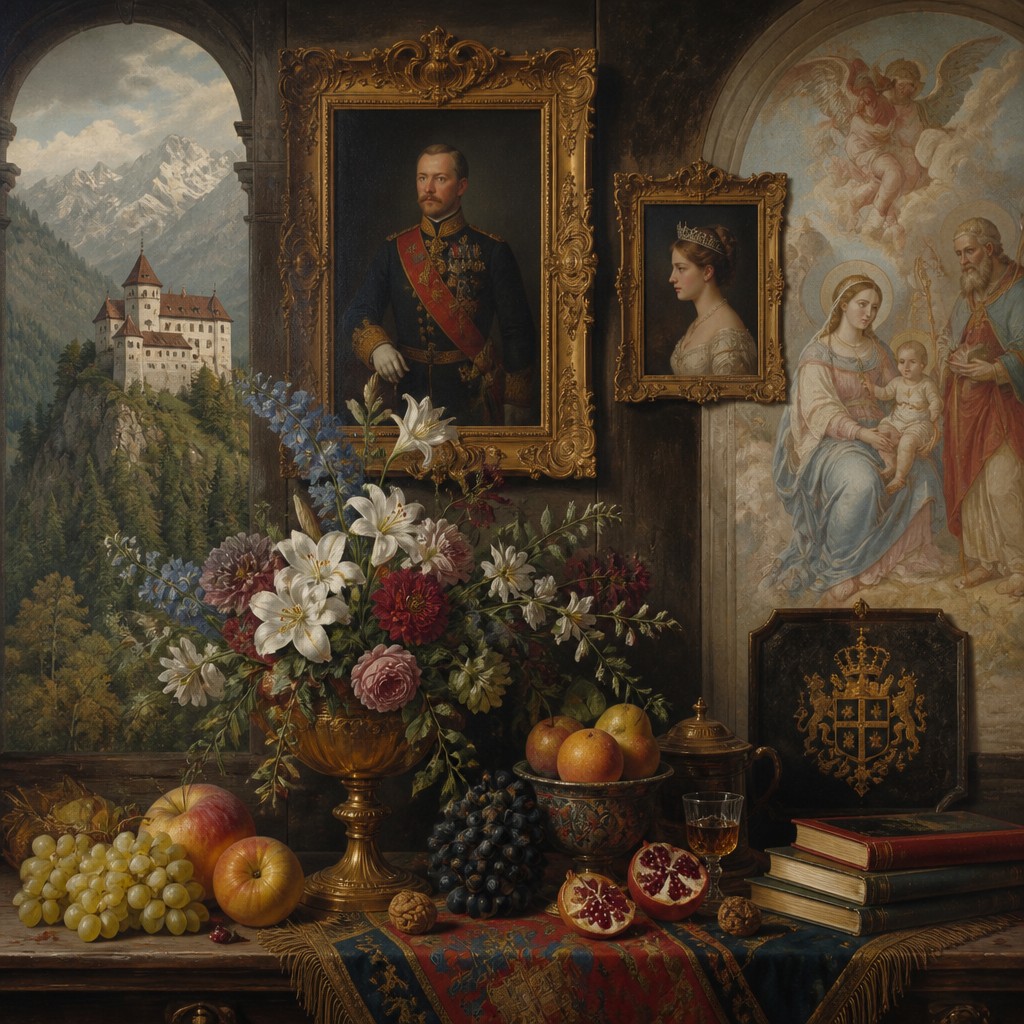
Liechtenstein Gallery
Tap any artwork to explore it
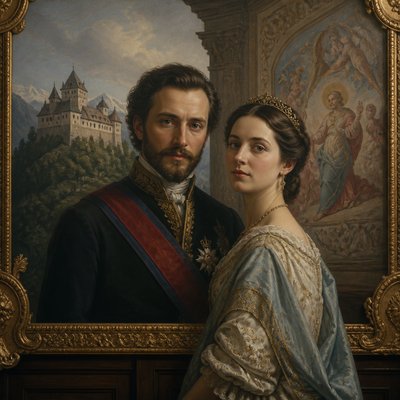
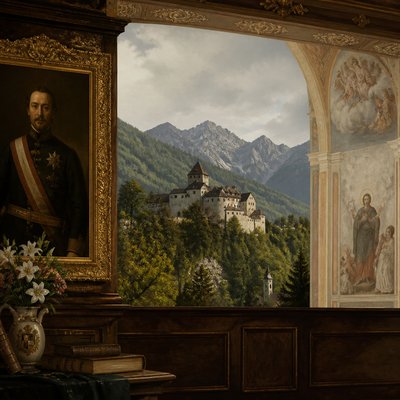
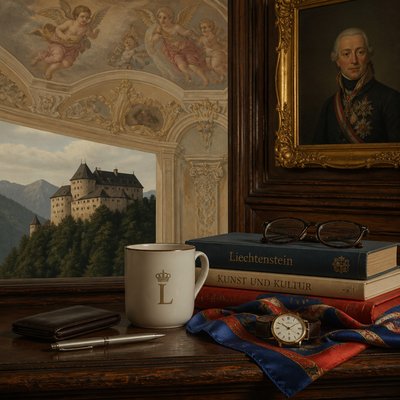
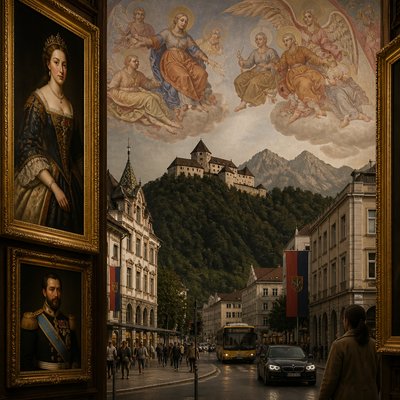
What is Liechtenstein Art Style?
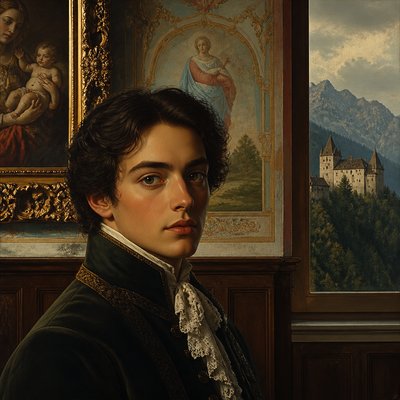
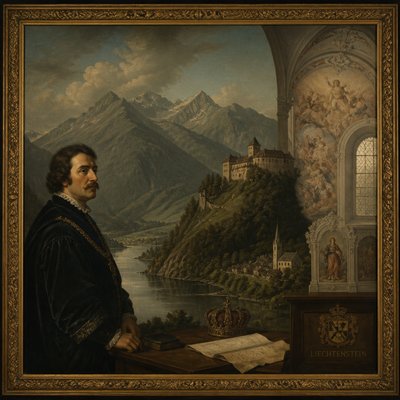
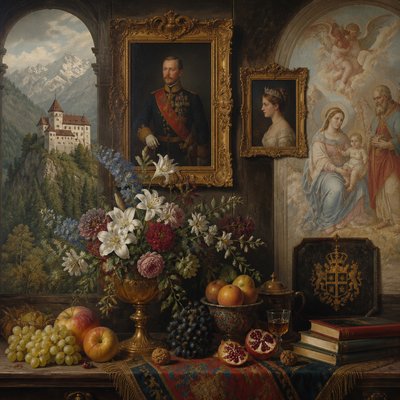
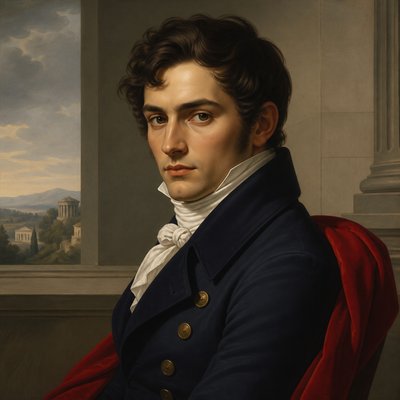
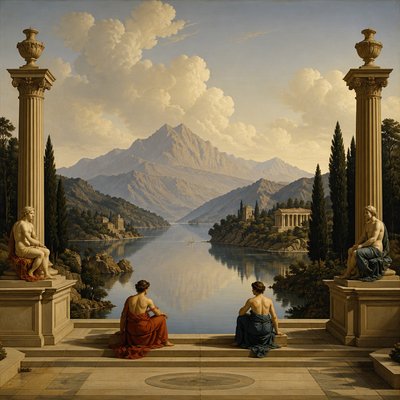
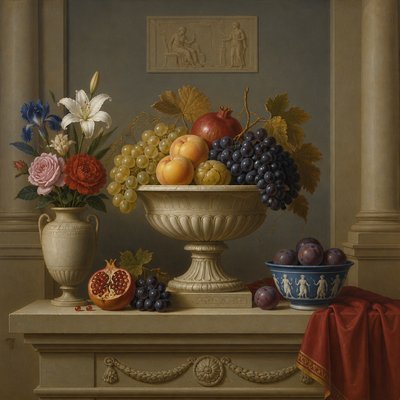
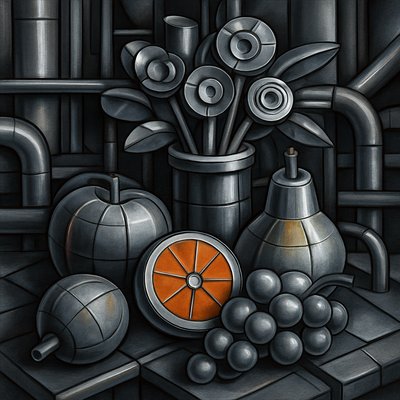
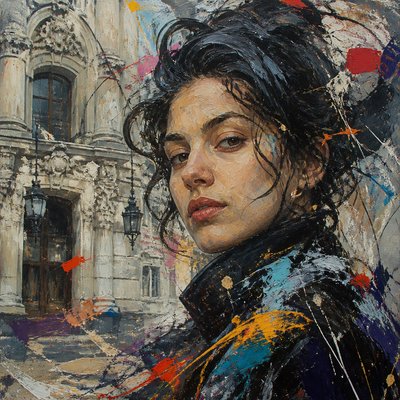
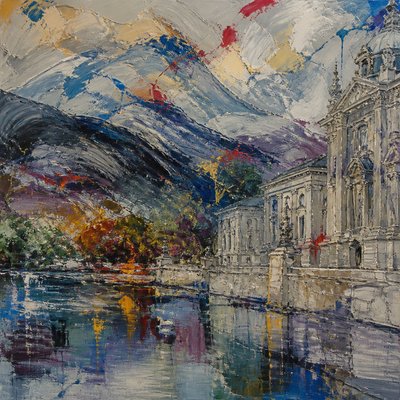
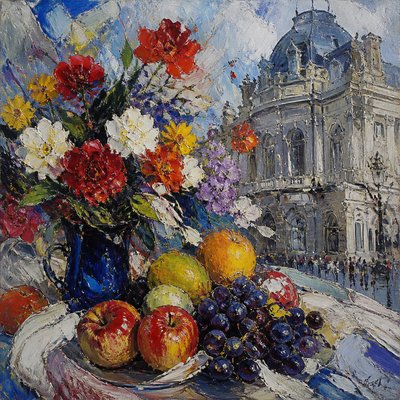
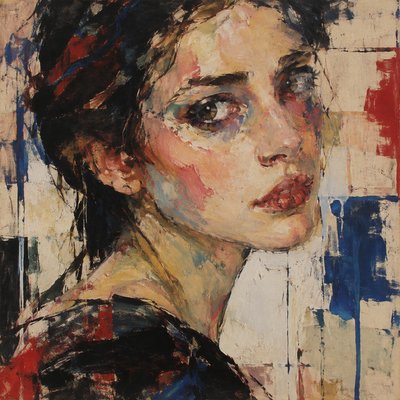
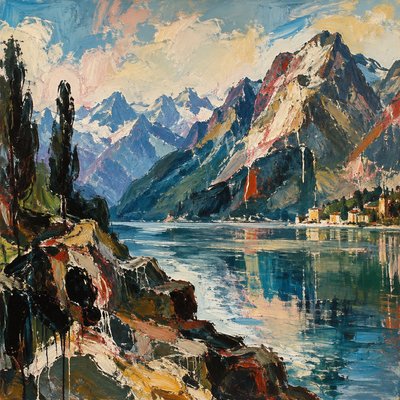
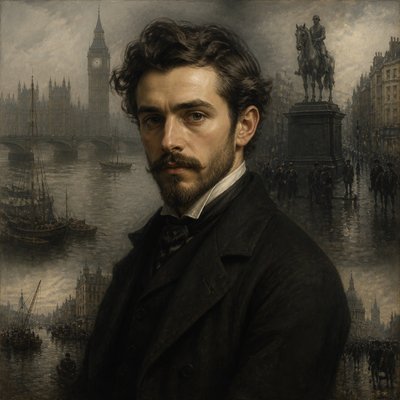
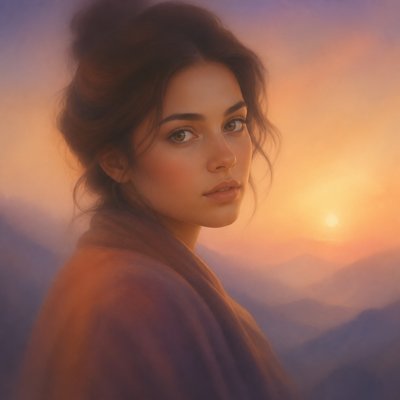
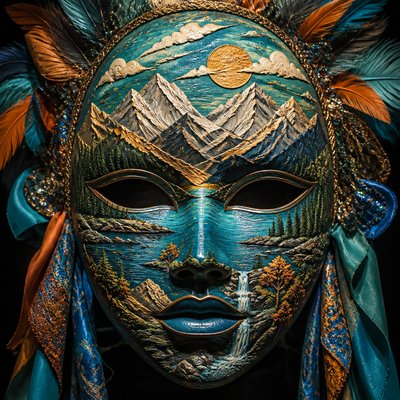
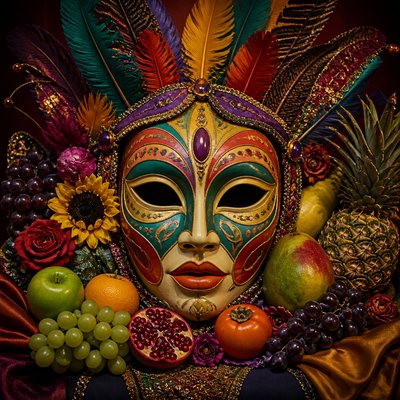
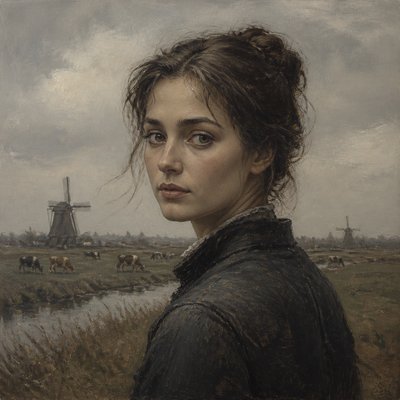
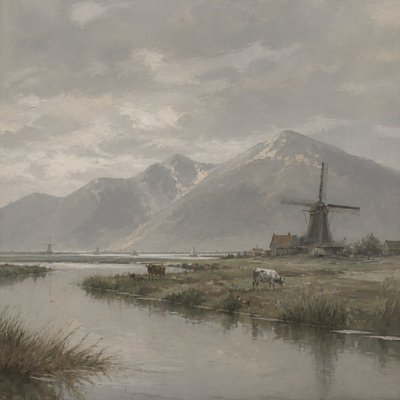
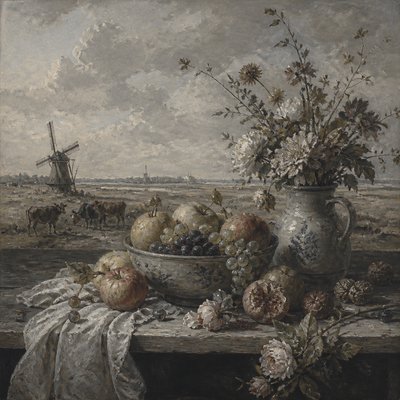
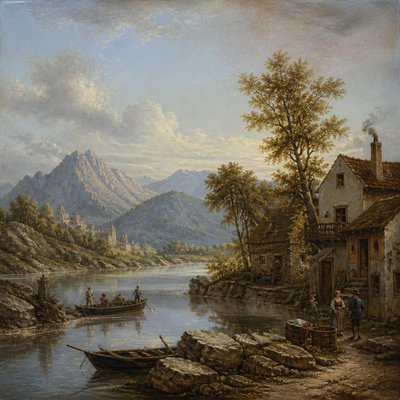
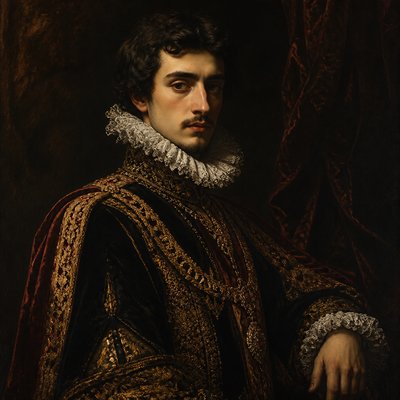
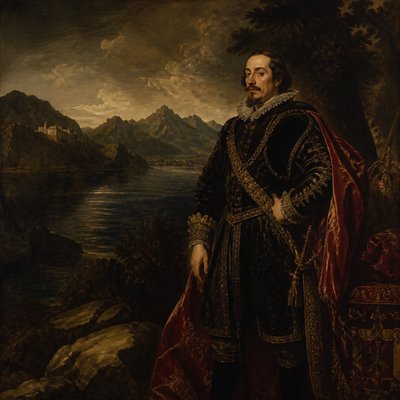
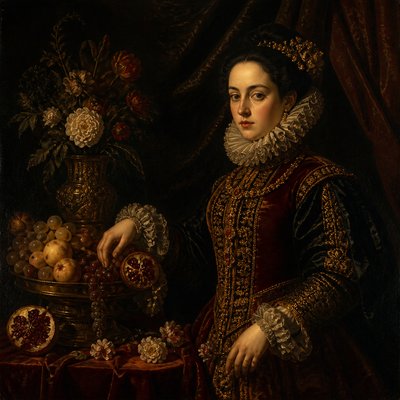
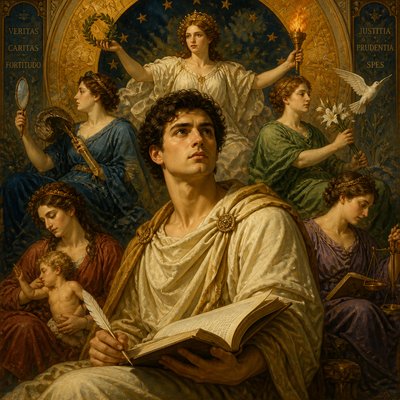
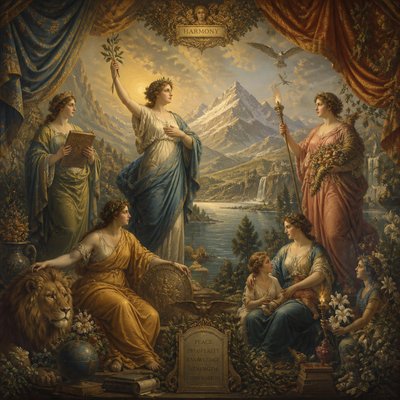
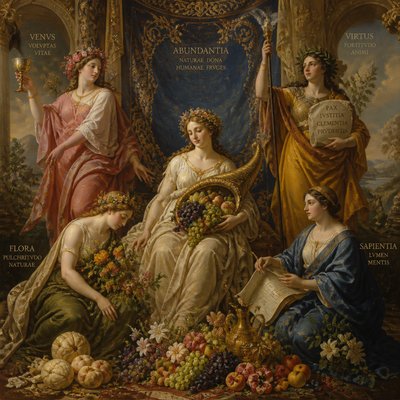
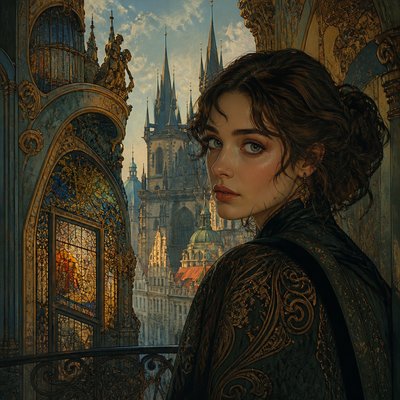
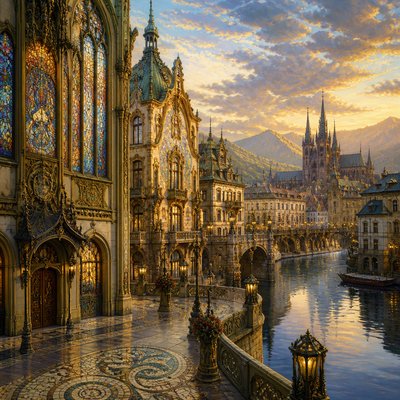
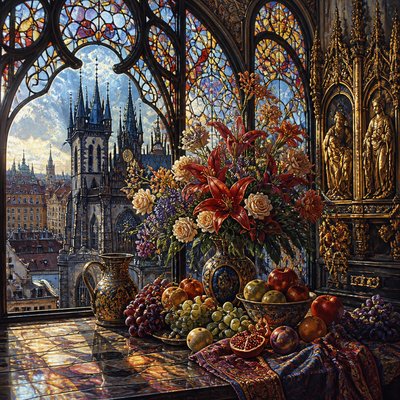
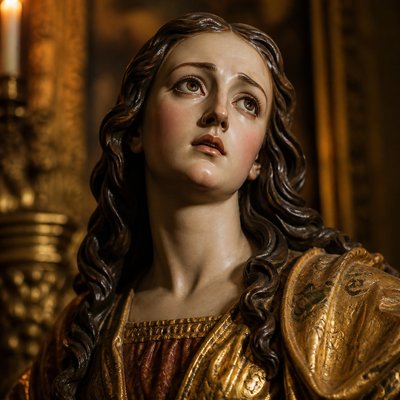
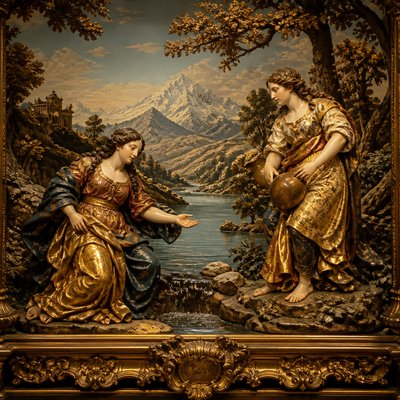
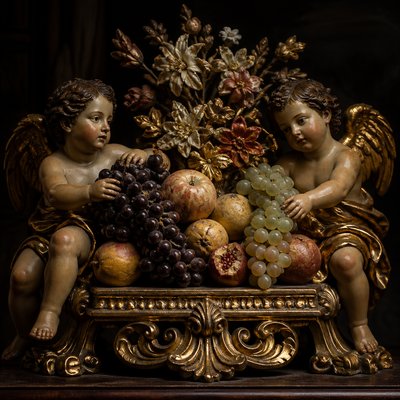
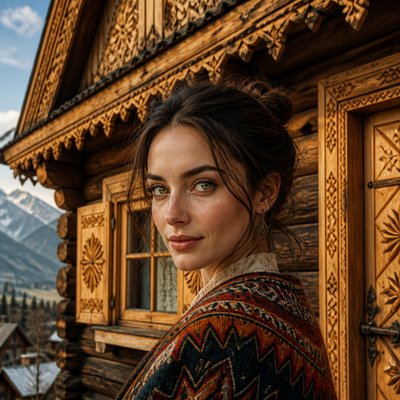
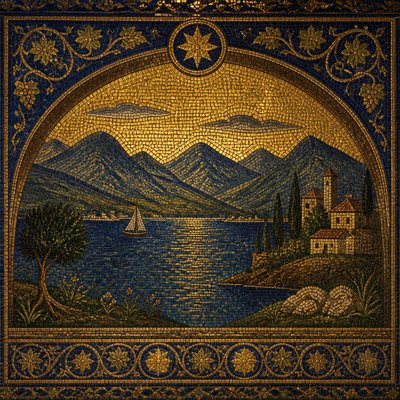
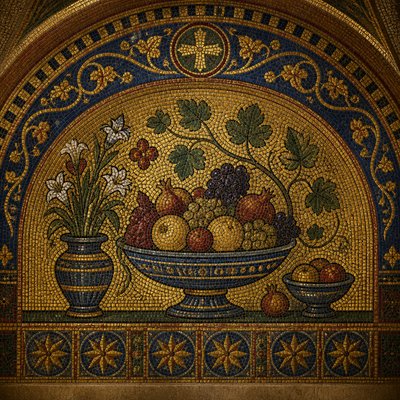
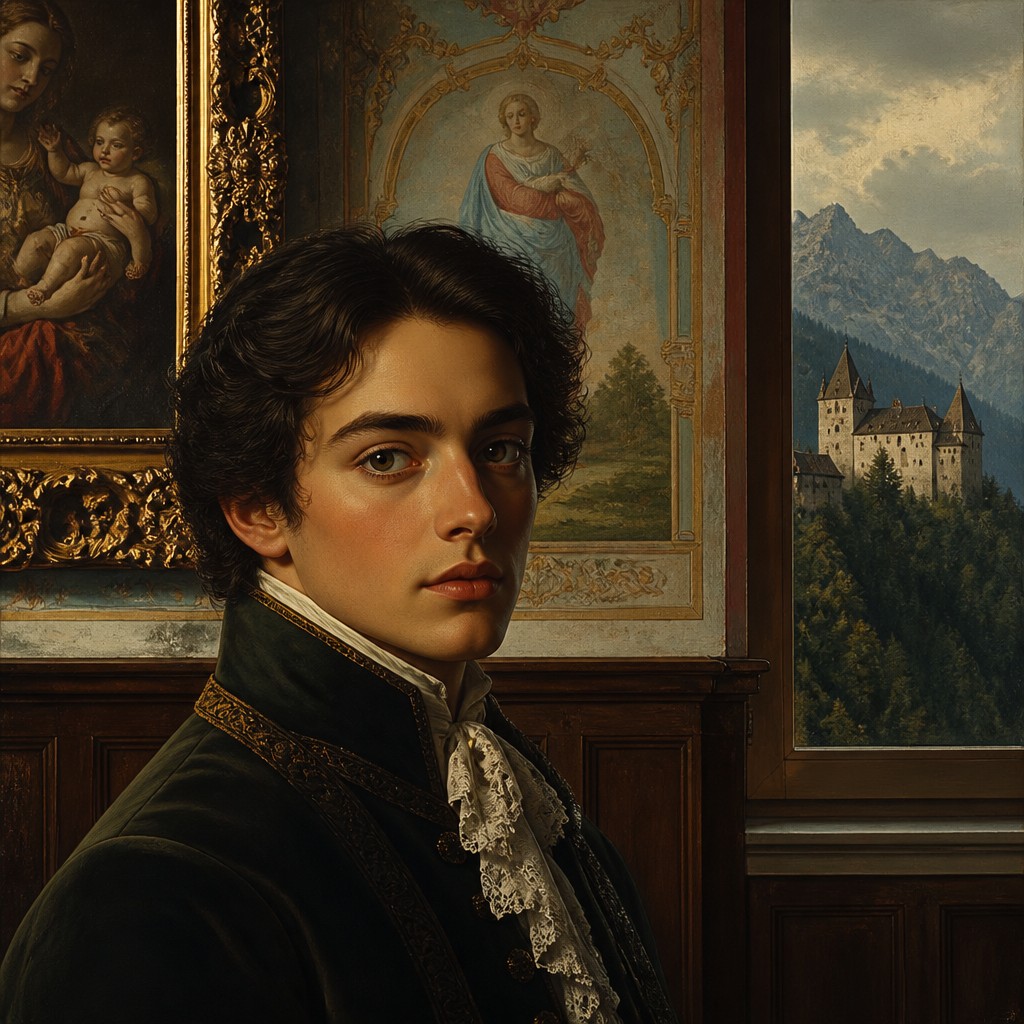
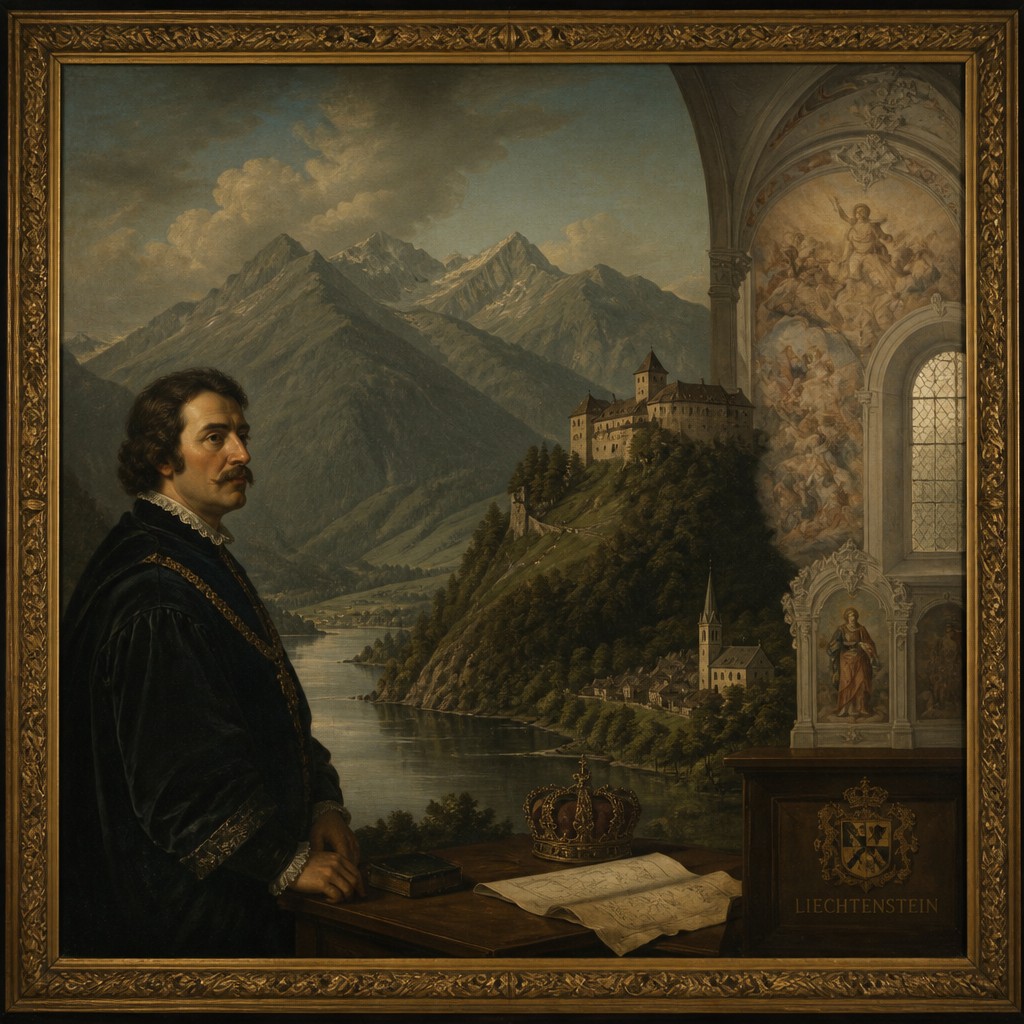
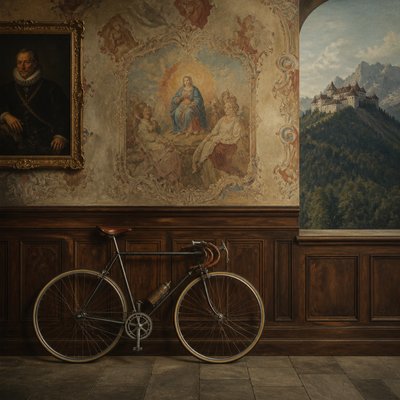
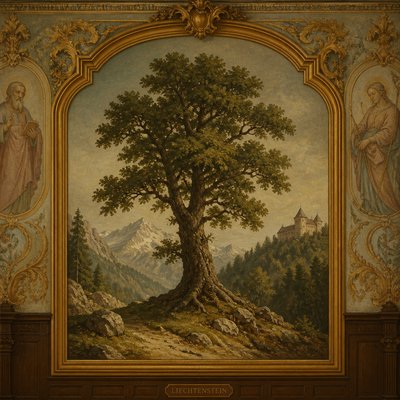
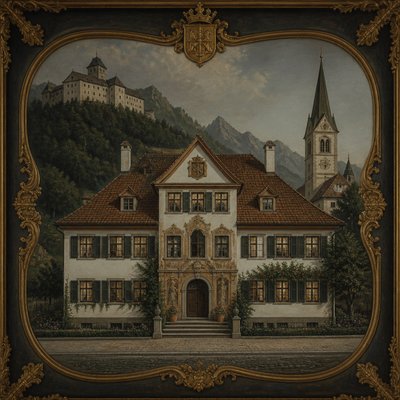
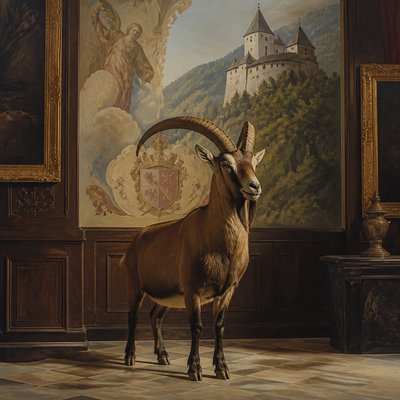
Liechtenstein Art Style is an invented contemporary label for a visual language rooted in the Alpine principality’s architectural, religious, and courtly heritage. It combines baroque old-master portraiture, warm chiaroscuro, gilt frames, softly colored parish-church frescoes, dark walnut interiors, and the imposing silhouette of Vaduz Castle above wooded mountain slopes.
The style is defined by restraint rather than spectacle. Muted grey-green alpine light, stone textures, subdued pastel pigments, and carefully placed gold create an atmosphere of cultivated privacy and ceremonial calm. Figures appear composed and formal, while landscapes and interiors are arranged with the stillness of a princely residence or a small mountain sanctuary.
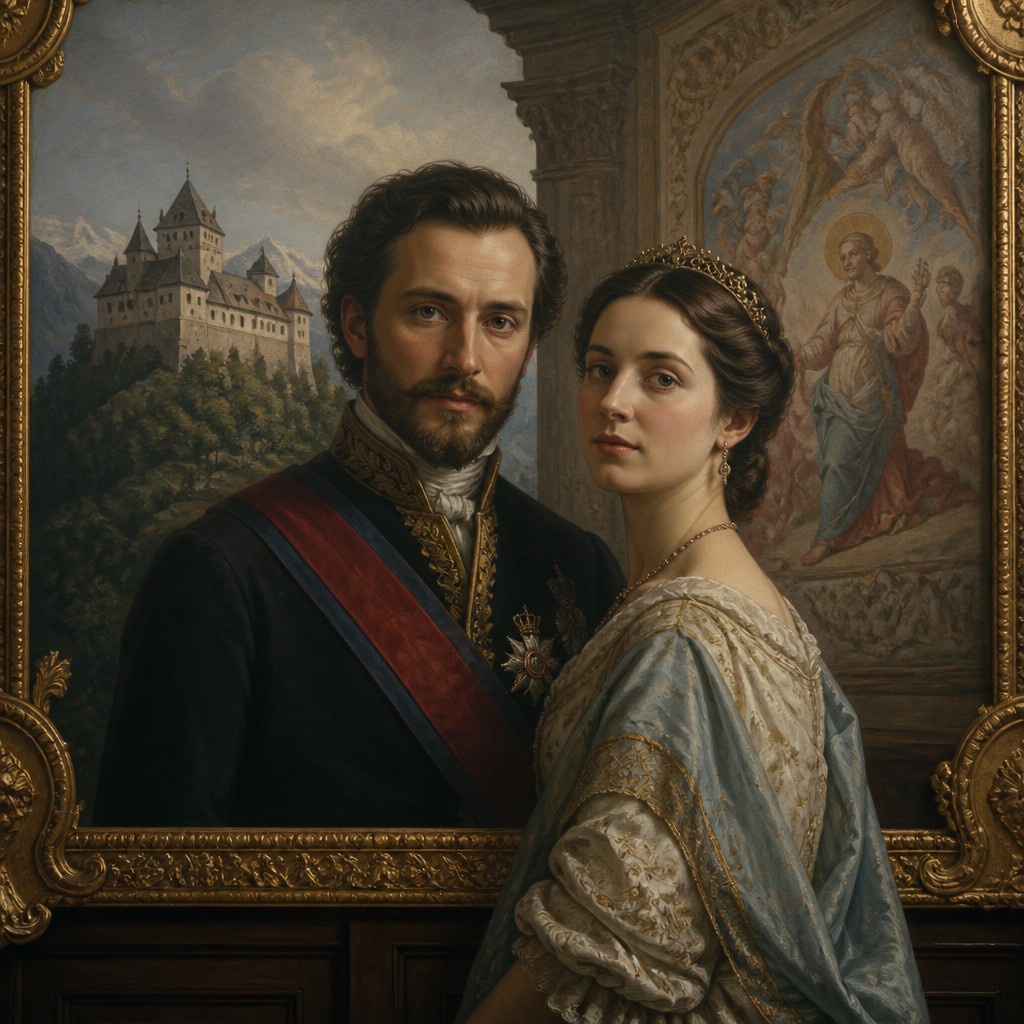
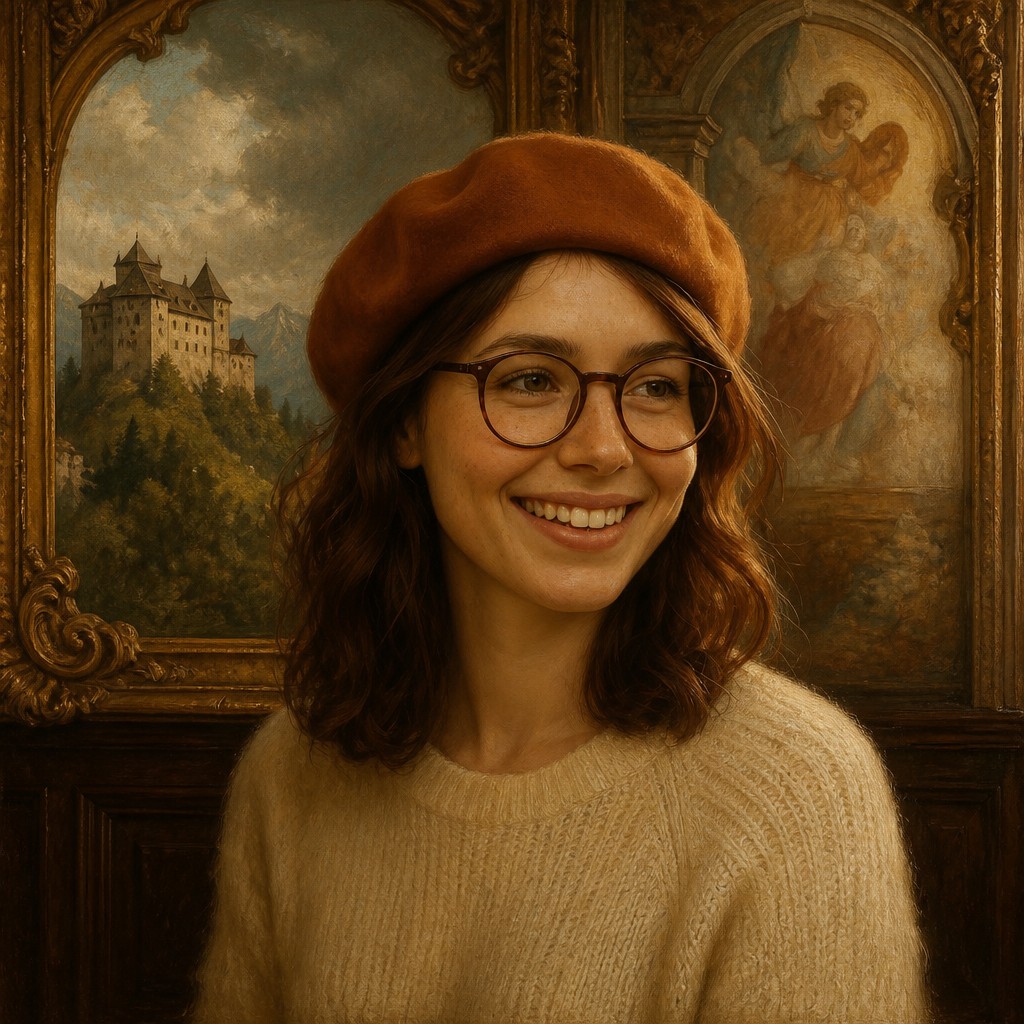
Try It On Your Photos
Upload any photo and convert it into Liechtenstein Art Style — drag the sliders to compare before and after.

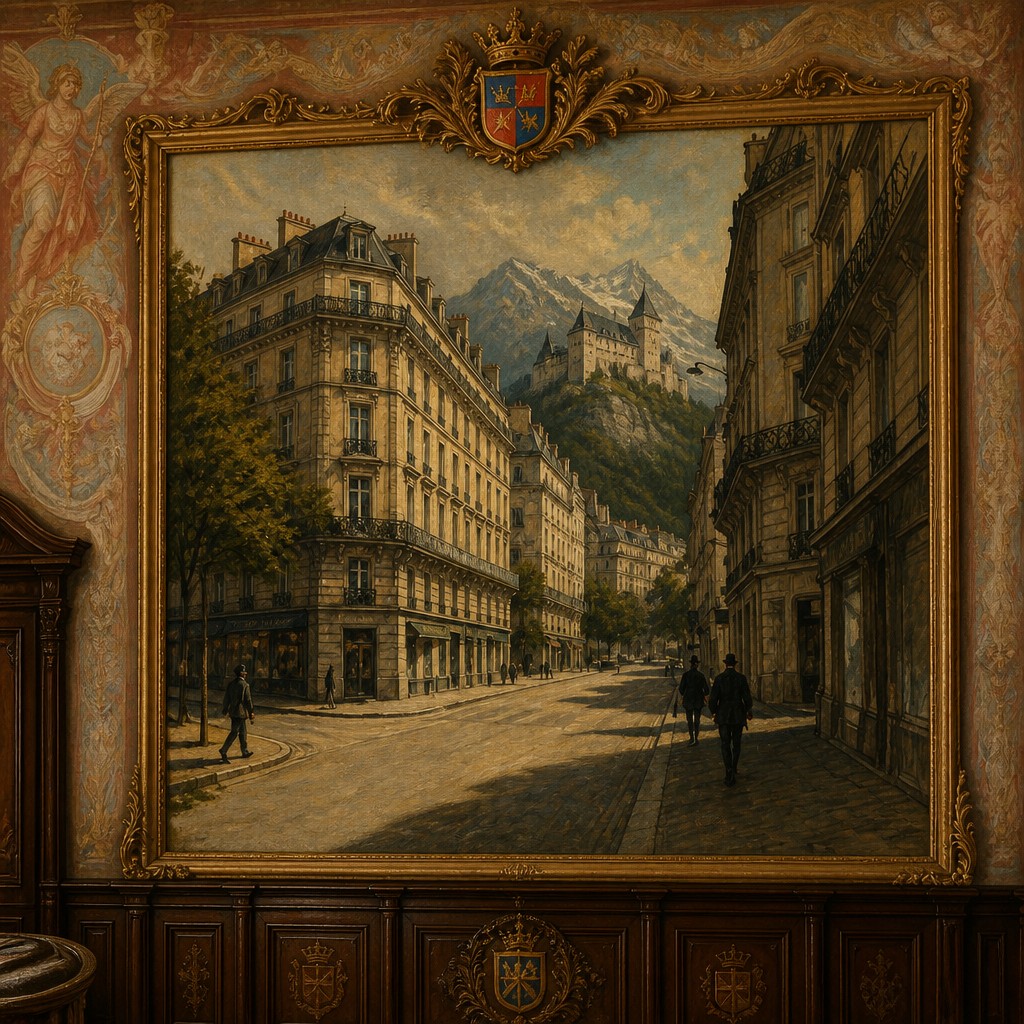

What Defines Liechtenstein Art Style
The signature details, up close
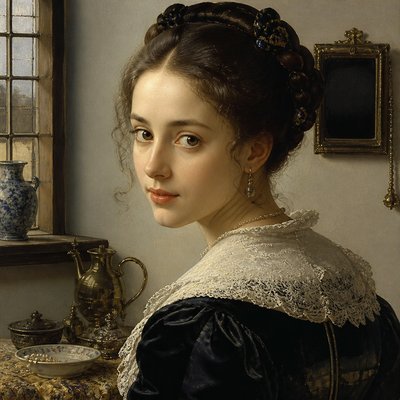
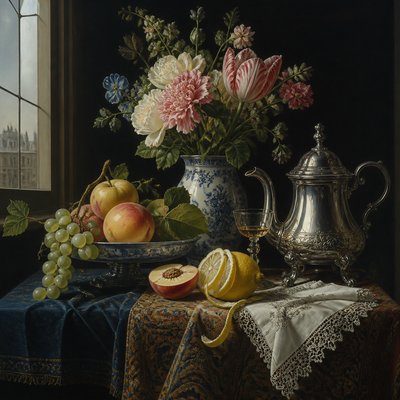
Warm baroque chiaroscuro
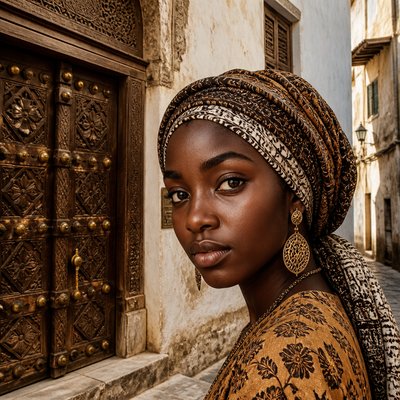
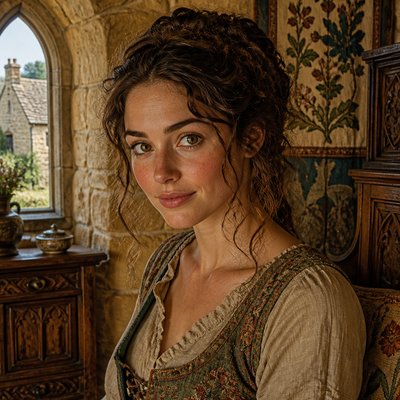
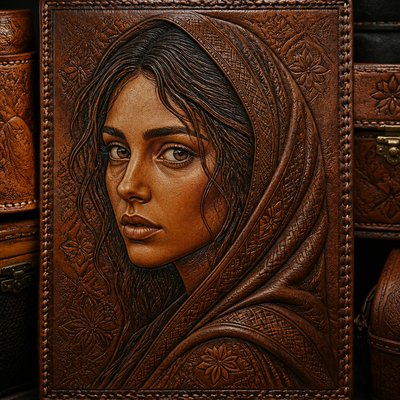
Subjects emerge from deep brown or charcoal shadows into softly illuminated faces, fabrics, and architectural details. The lighting is directional and intimate rather than theatrical.
Gilded ceremonial framing
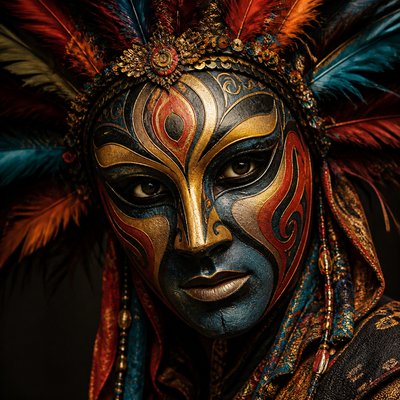
Gold leaf effects, ornamental borders, and carved picture frames introduce a restrained sense of courtly display. Gold is used as an accent against dark wood, muted textiles, and aged plaster.
Alpine castle silhouettes
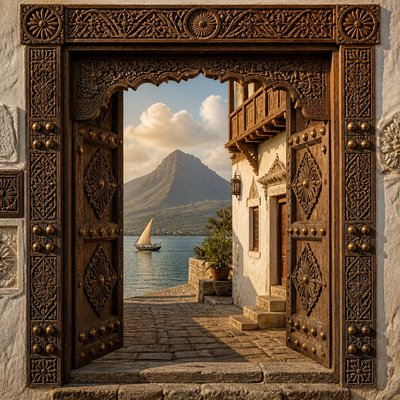
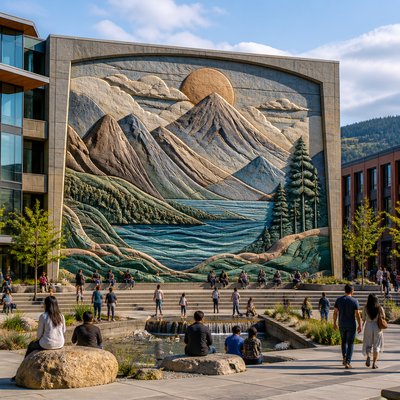
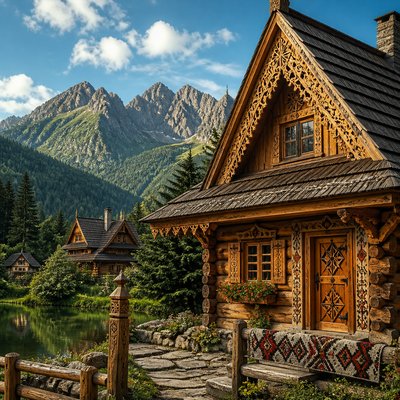
Turrets, crenellations, steep roofs, and pale stone walls appear on forested ridges or behind quiet settlements. Castle forms are treated as atmospheric landmarks rather than as fantasy fortresses.
Parish-fresco pastels
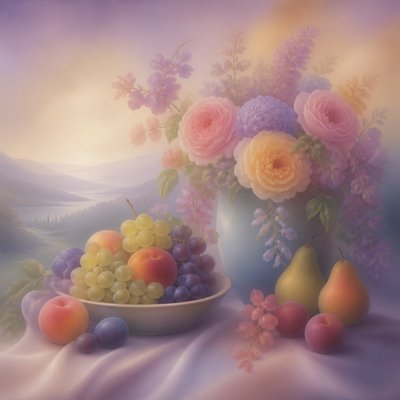
Soft rose, faded blue, cream, sage, and ochre recall tempera murals and devotional decoration in Alpine churches. Slight irregularity, plaster texture, and gentle aging keep the colors from appearing synthetic.
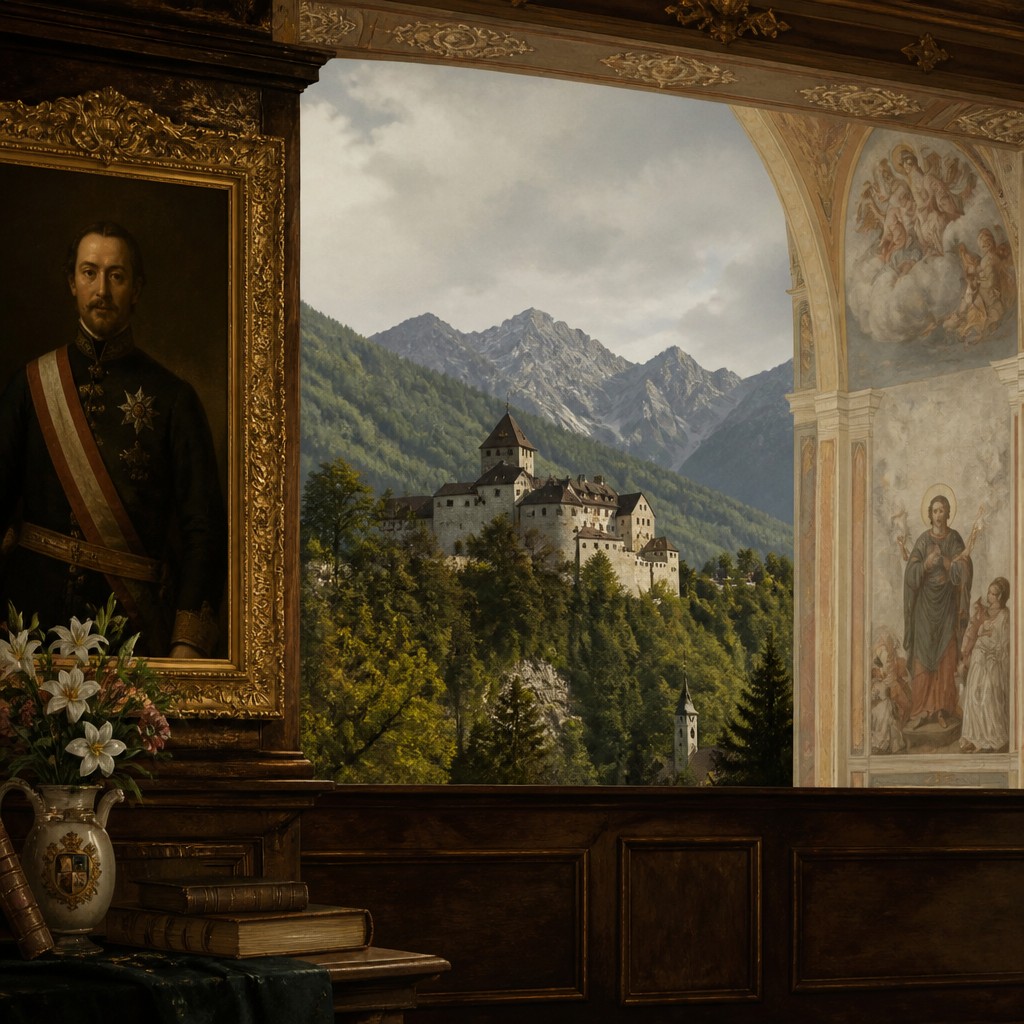
Dark walnut interiors
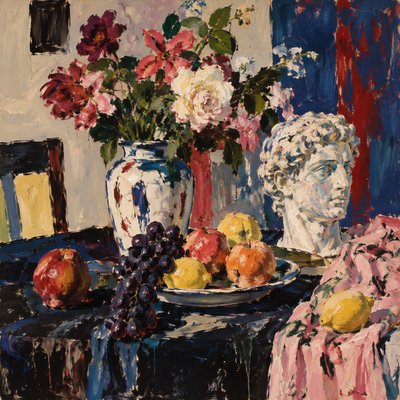
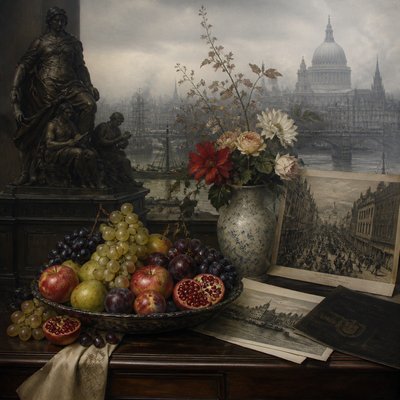
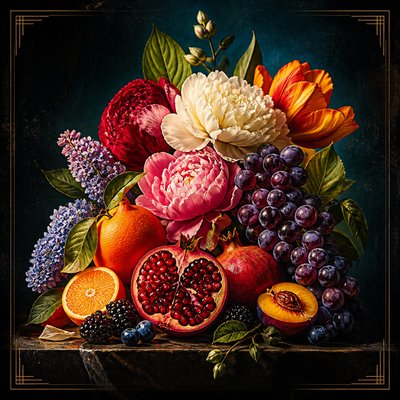
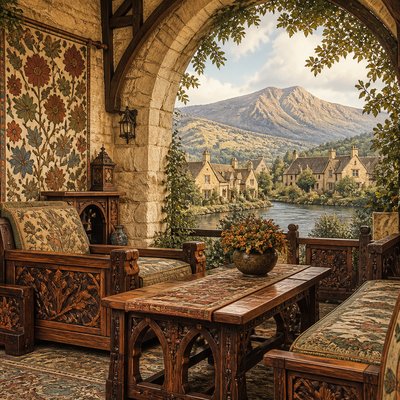
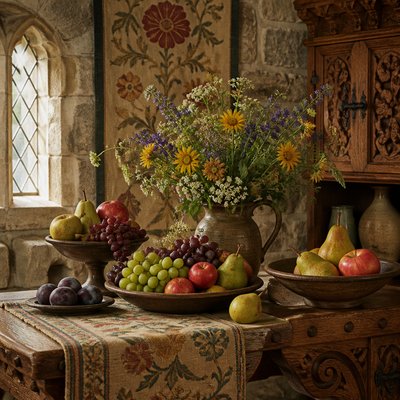
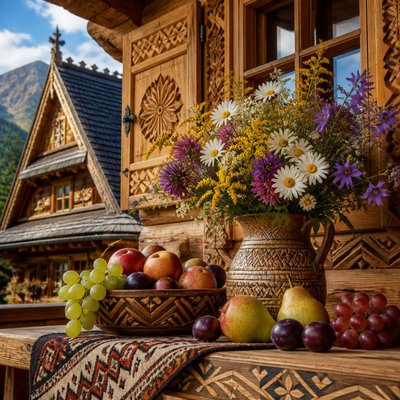
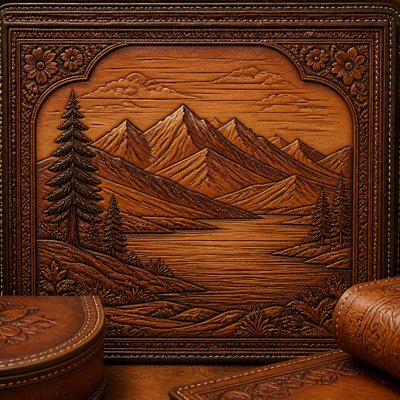
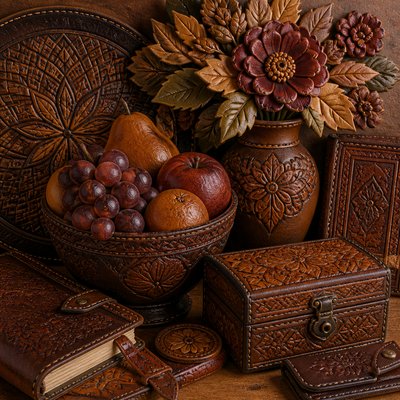
Wood paneling, carved furniture, bookcases, and polished floors provide a rich, low-key setting for portraits and still lifes. The brown surfaces absorb light and reinforce the style's quiet formality.
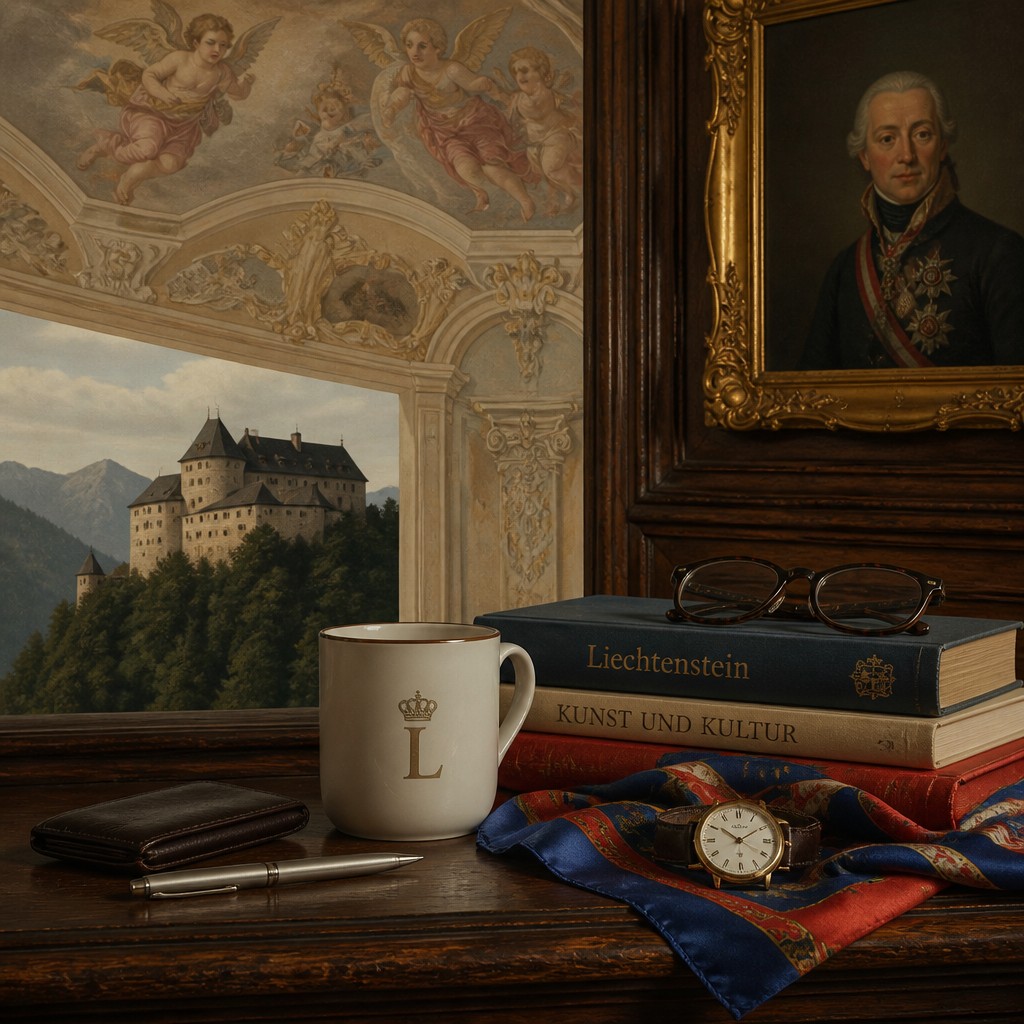
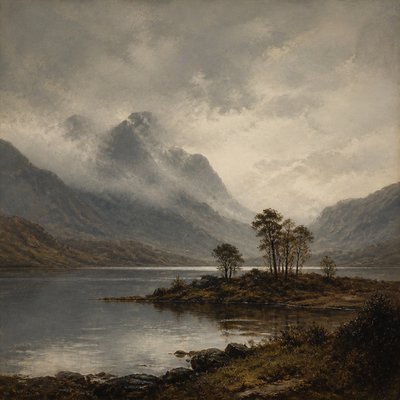
Grey-green mountain light
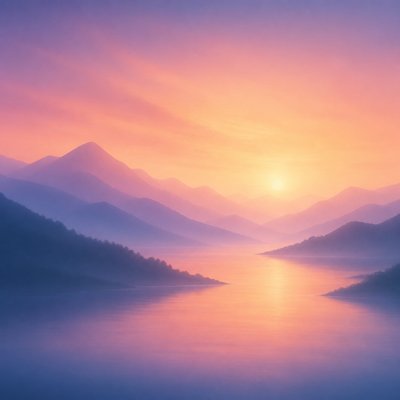
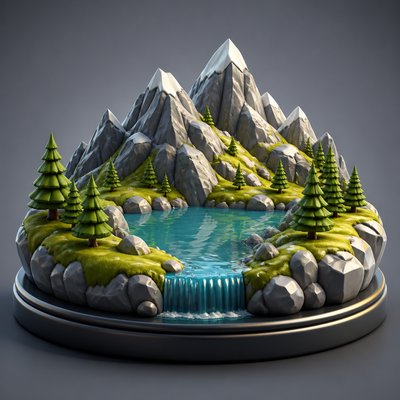
Cool overcast illumination, mist, and subdued atmospheric perspective evoke the damp northern Alps. The palette favors mineral greens, slate blues, stone gray, and warm umber over bright saturation.
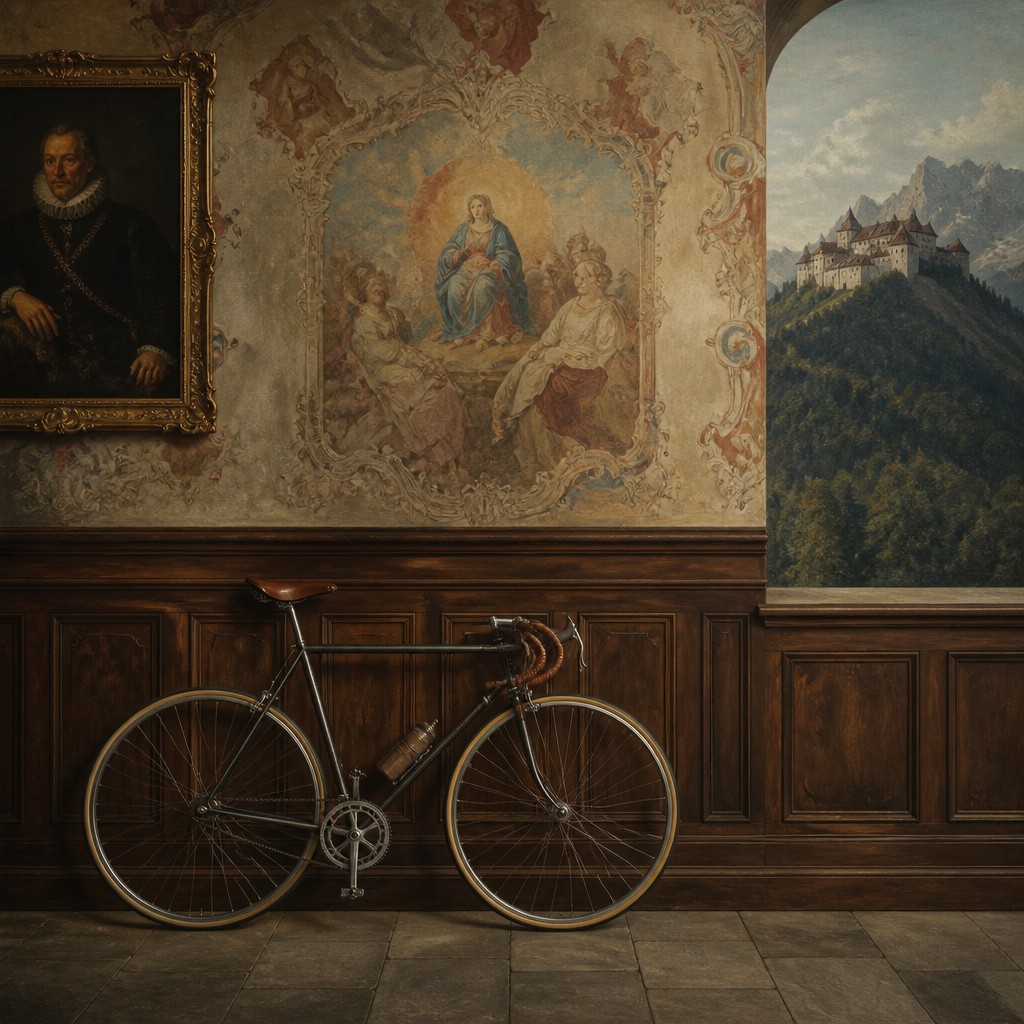
Princely stillness
Compositions are symmetrical or carefully balanced, with reserved gestures and uncluttered spaces. The emotional register is dignified, contemplative, and private rather than energetic or populist.
Liechtenstein Prompt Ideas
Start from an idea — each one opens the generator with the style ready to go. See all 40 Liechtenstein prompts →
How to Create Liechtenstein Art
Master the craft step by step — or skip straight to creating. Read the full guide →
- 1
Build a restrained palette
Start with umber, charcoal, slate, moss green, faded rose, cream, and antique gold. Reserve brighter highlights for faces, metalwork, candlelight, or small areas of painted ornament.
- 2
Use layered tonal modeling
For traditional painting, establish a dark underpainting and gradually build opaque and translucent layers in the illuminated areas. Digitally, use multiply shadows, warm midtones, and a soft cool ambient layer to imitate old-master depth.
- 3
Combine stone, wood, and plaster textures
Add distinct surface treatments: rough porous masonry, satin-finished walnut, and slightly uneven fresco or tempera. Avoid uniform digital smoothness, especially in walls, frames, and aged architectural surfaces.
- 4
Compose with formal calm
Place the main subject centrally or in a balanced three-quarter arrangement, leaving breathing room around it. Use vertical architectural lines, quiet gestures, and a distant ridge or framed window to establish ceremonial stillness.
- 5
Control the light
Use one warm directional source, such as a window or candle, against a cool grey-green environment. In prompt-based generation, specify soft baroque chiaroscuro, overcast Alpine light, subdued contrast, and aged materials rather than simply requesting a dark image.
- 6
Refine with period-aware details
For digital or AI-assisted work, include historically plausible elements such as carved walnut, devotional fresco fragments, gilt molding, alpine masonry, and formal clothing. Remove excessive fantasy ornament, neon color, and sharp cinematic effects if the result feels too contemporary.
The Story
History & Origins of Liechtenstein
Liechtenstein Art Style is not a recognized historical art movement or a formal national school. It is an aesthetic synthesis based on the visual traditions associated with Liechtenstein and the wider German-speaking Alpine region, including medieval and baroque church decoration, court portraiture, historic castle architecture, and Central European domestic interiors.
Its lineage also reflects the cultural identity of the principality after its establishment as a sovereign state in the early eighteenth century. Contemporary interpretations emphasize the contrast between princely refinement and Alpine modesty: gilded ceremonial details are balanced by weathered masonry, forested ridges, parish fresco colors, and cool mountain atmosphere.
Influences: The style draws on European Baroque portraiture and still life, Catholic Alpine church frescoes, medieval and early modern castle architecture, Central European historic interiors, and the material language of old-master painting. It also relates to Romantic landscape traditions through its use of mountain atmosphere, but replaces Romantic drama with cultivated restraint and institutional quiet. Decorative elements from folk and ecclesiastical craft appear as subdued surface references rather than as brightly patterned ornament.
Frequently Asked Questions
Is Liechtenstein Art Style a recognized historical movement?
No. The term describes an invented contemporary aesthetic rather than an established movement, period, or school. It organizes several genuine Liechtenstein and Alpine visual traditions into a coherent visual language for art and image-making.
What defines the Liechtenstein Art Style?
Its defining features are baroque chiaroscuro, gilt framing, Alpine castle architecture, parish-fresco pastels, dark walnut interiors, and cool grey-green mountain light. The overall mood is formal, quiet, aristocratic, and contemplative.
How does it differ from general Baroque art?
Baroque art often favors strong movement, theatrical gesture, saturated color, and dramatic religious or political spectacle. This aesthetic borrows Baroque lighting and portrait conventions but tempers them with Alpine weather, muted fresco colors, architectural stillness, and understated princely decorum.
How can I make a painting in this style by hand?
Begin with a dark ground, establish the major shadow masses, and build the illuminated forms through layered paint. Use subdued earth and mineral colors, add irregular plaster or wood textures, and reserve metallic highlights for frames, jewelry, or architectural ornament.
What subjects work well with this aesthetic?
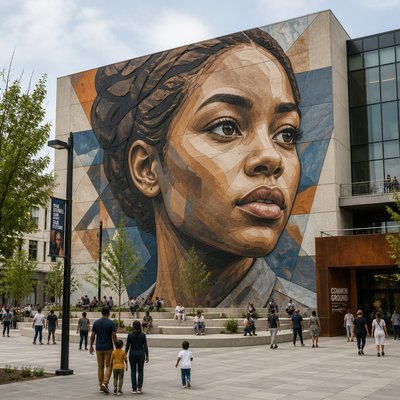
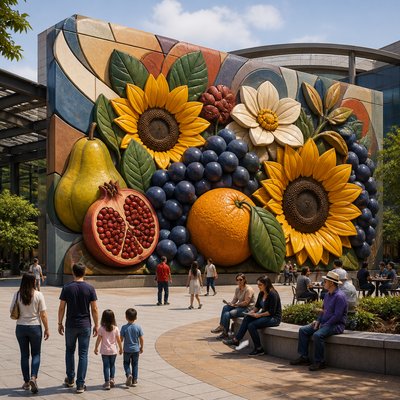
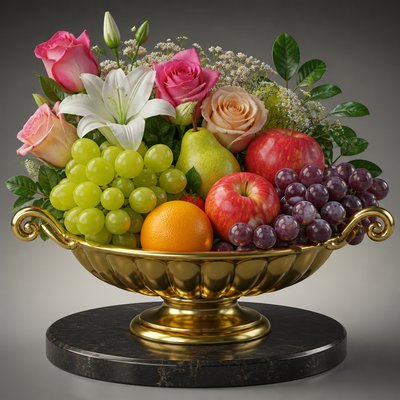
Formal portraits, castle landscapes, chapel interiors, historic libraries, princely still lifes, and Alpine villages are especially suitable. Contemporary subjects can also work when placed in restrained interiors and treated with the same quiet lighting and material attention.
Can this style be used for digital or AI-assisted images?
Yes. Describe the subject first, then specify baroque warm chiaroscuro, faded Alpine fresco colors, walnut paneling, gilt details, castle stone, and cool overcast mountain light. Negative instructions such as avoiding neon colors, glossy fantasy armor, excessive ornament, and cinematic oversaturation can help preserve its historical restraint.
Create your first Liechtenstein artwork
Describe anything — or upload a photo — and see it in Liechtenstein Art Style in seconds.
Related Styles
Discover similar art styles