Korean Art Style
Explore Korean art style through celadon calm, moon-jar whites, dancheong color, minhwa animals, misty mountains and balanced folk ornament.
Instantly rendered in Korean — or transform a photo
Korean Gallery
Tap any artwork to explore it
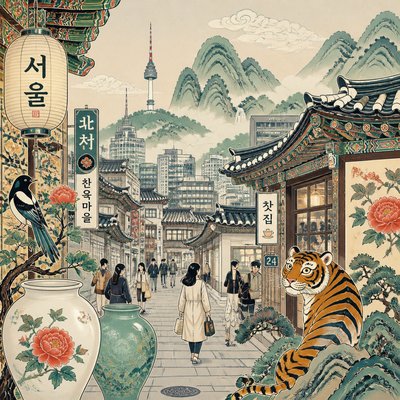
What is Korean Art Style?
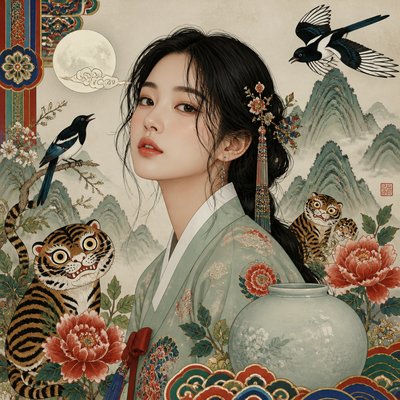
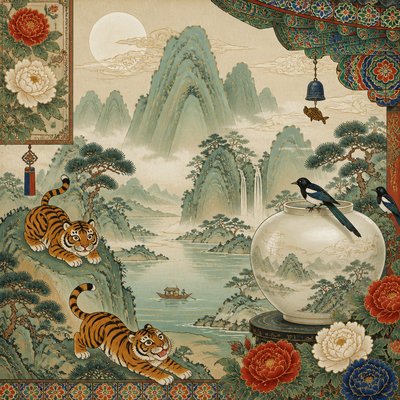
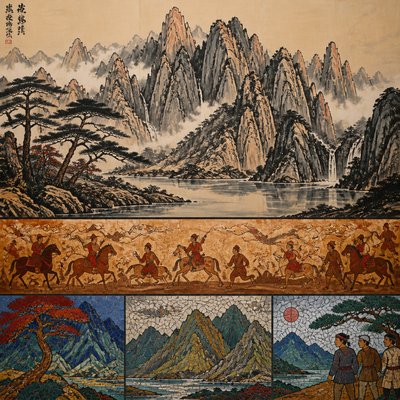
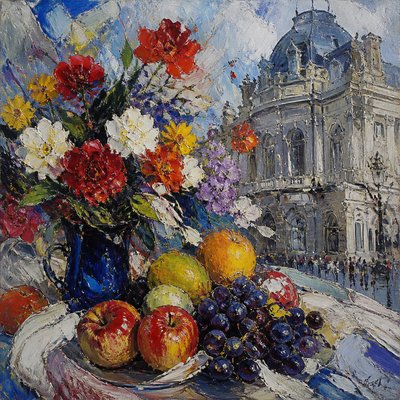
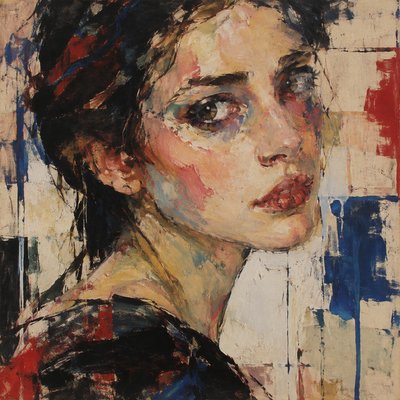
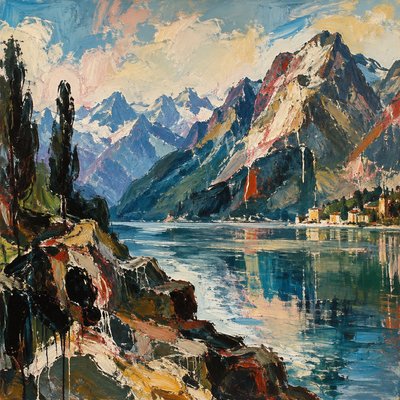
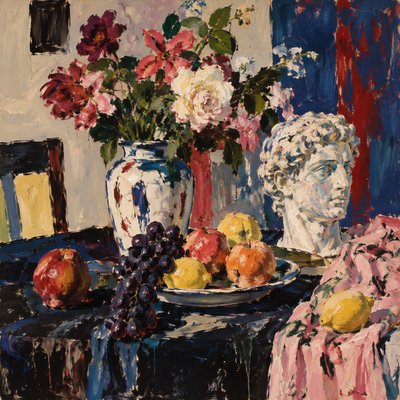
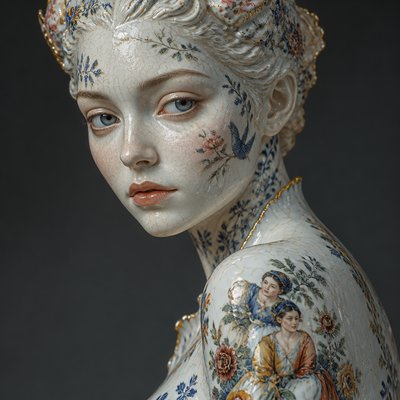
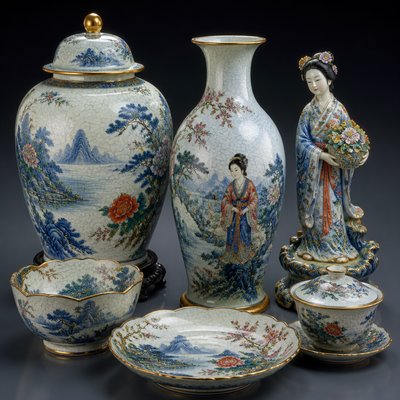
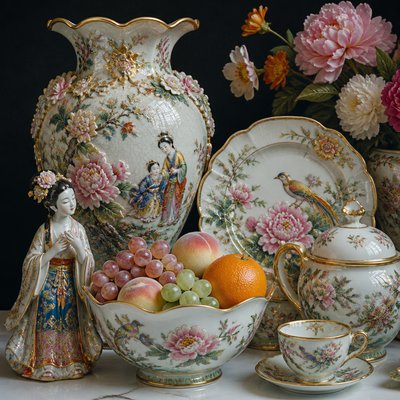
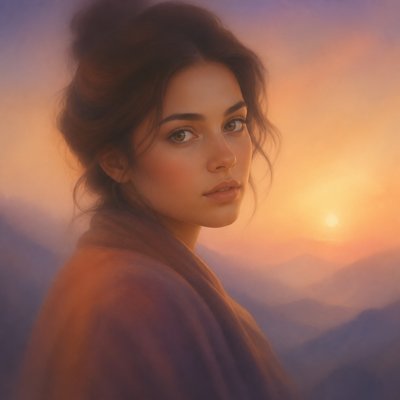
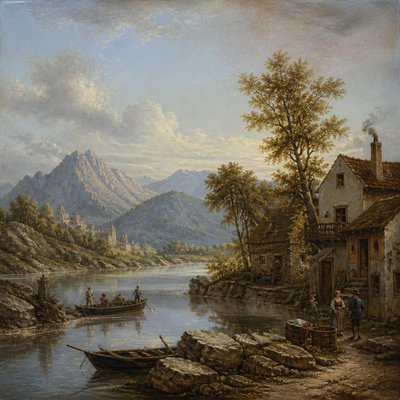
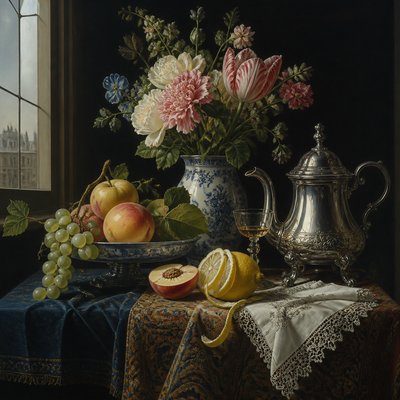
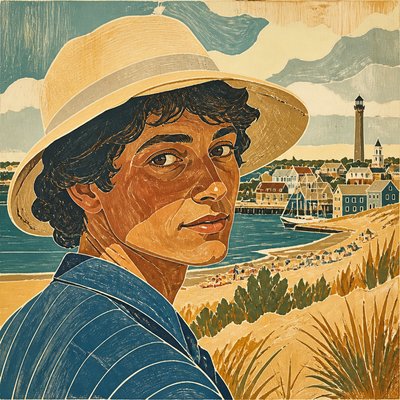
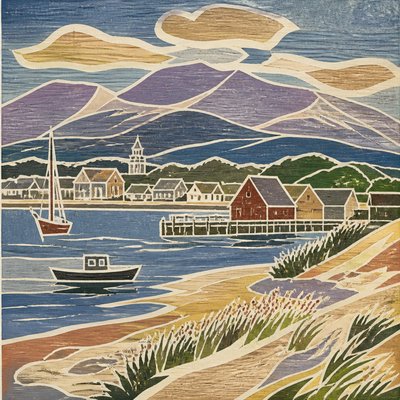
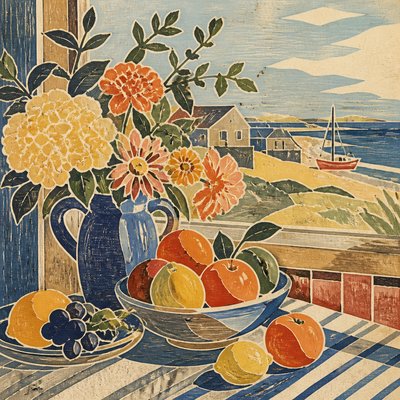
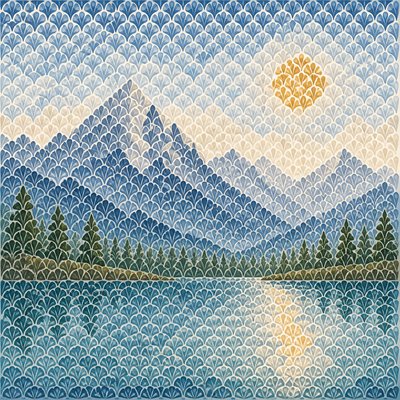
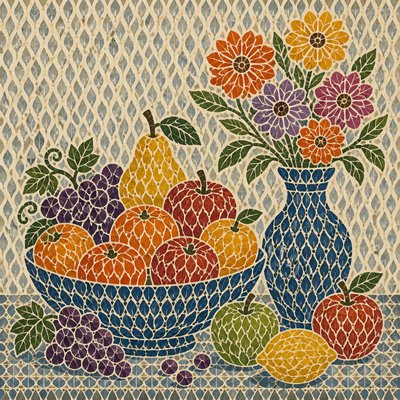
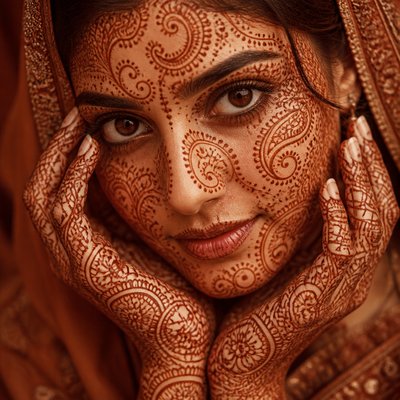
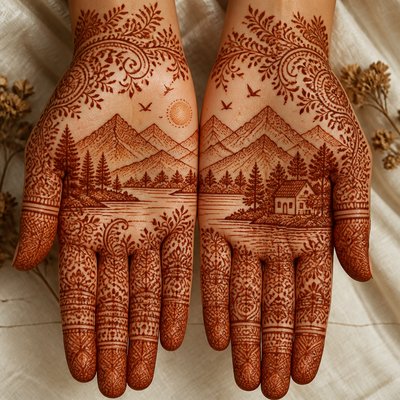
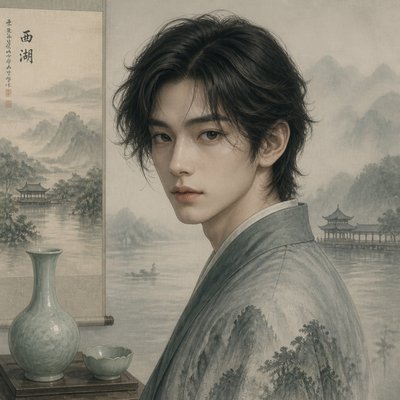
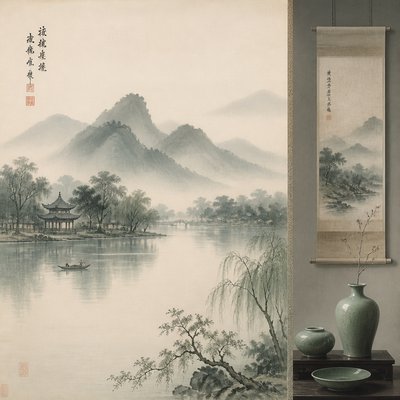
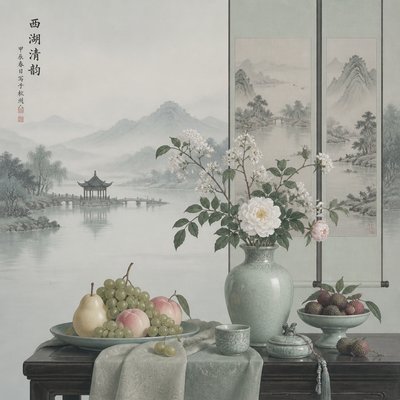
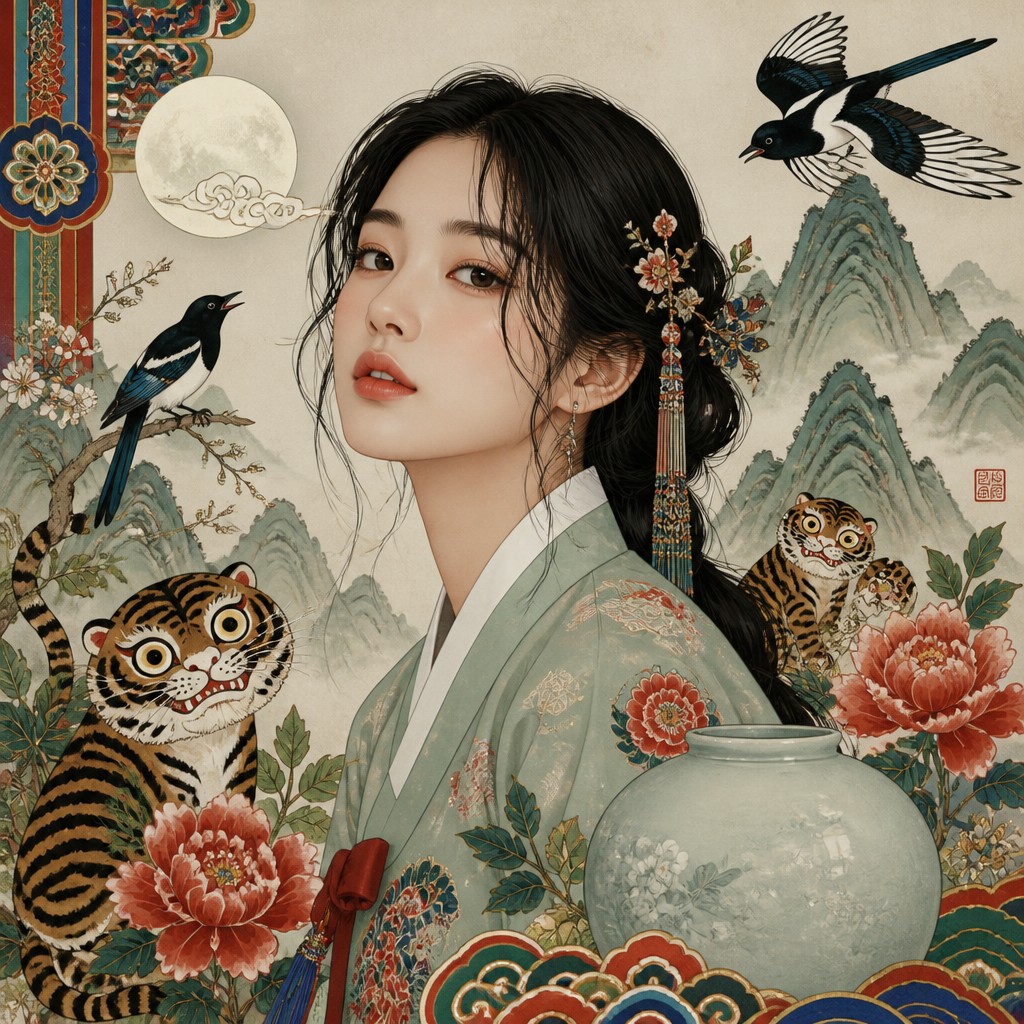
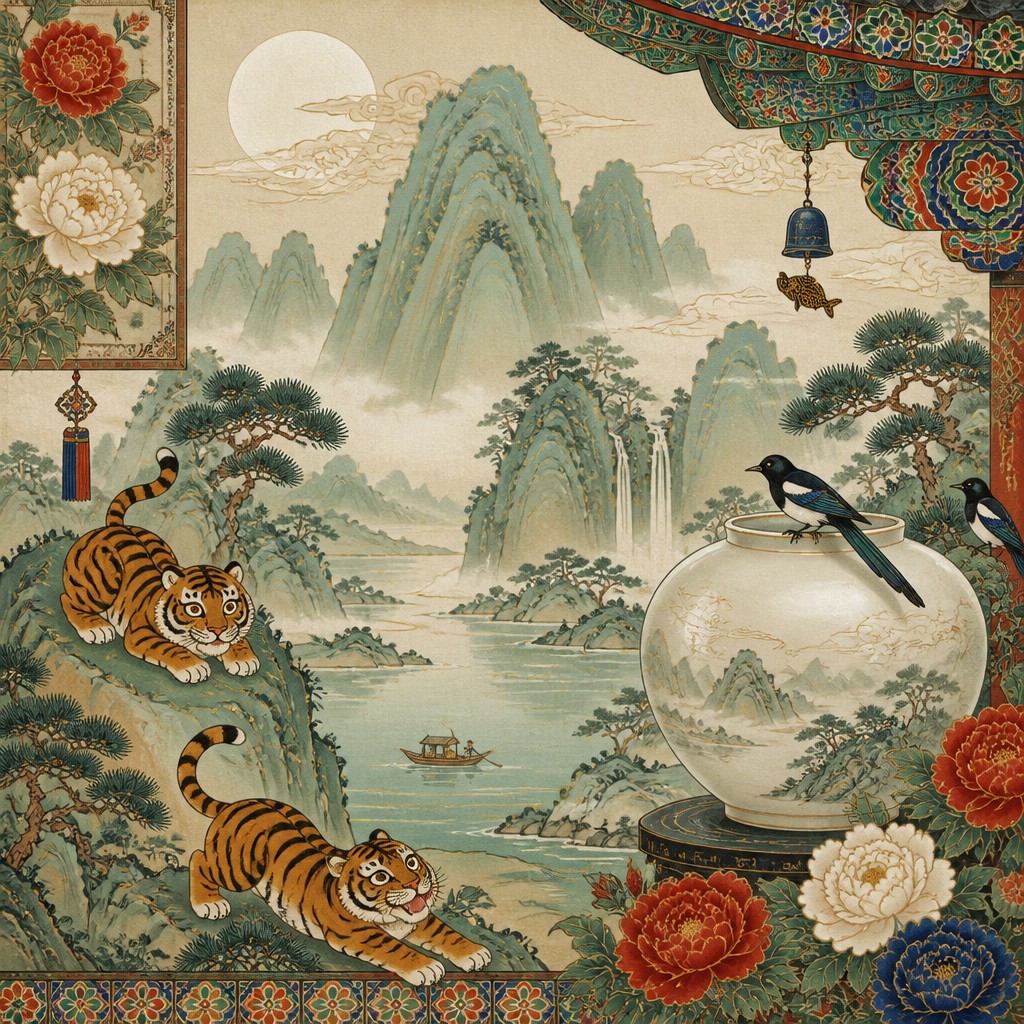
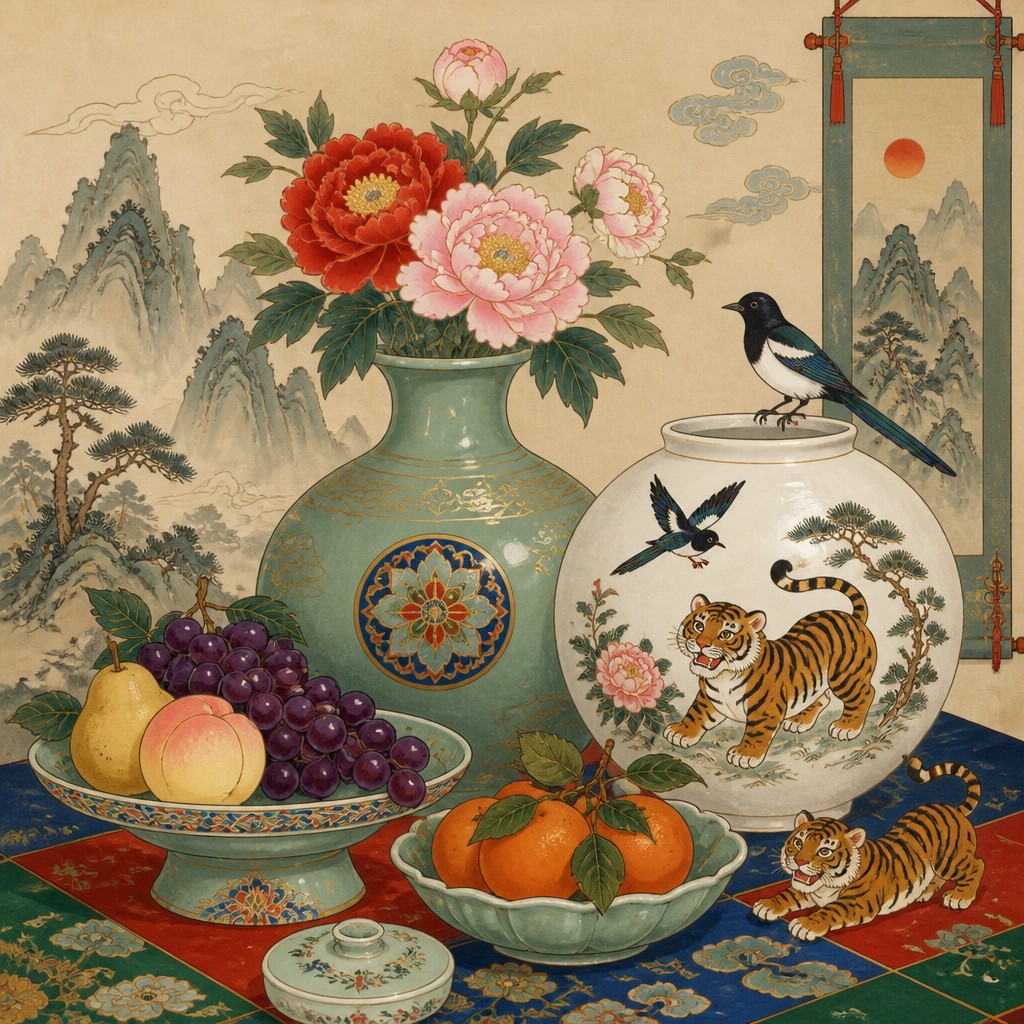
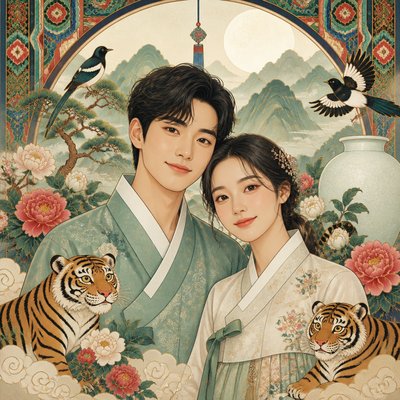
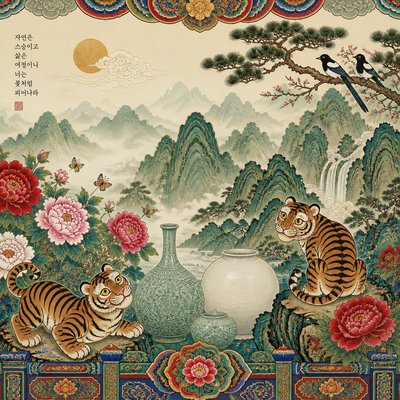
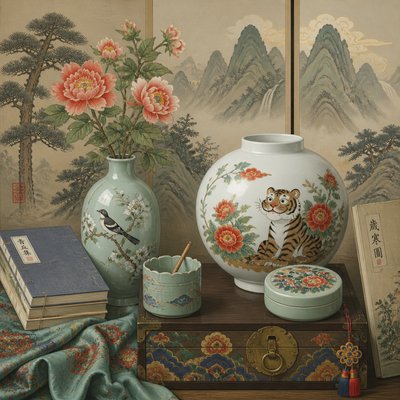
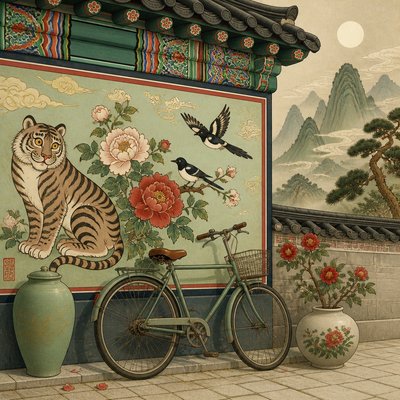
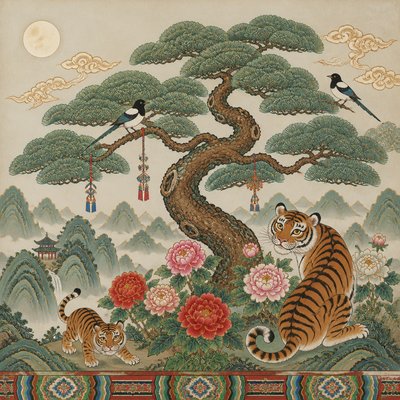
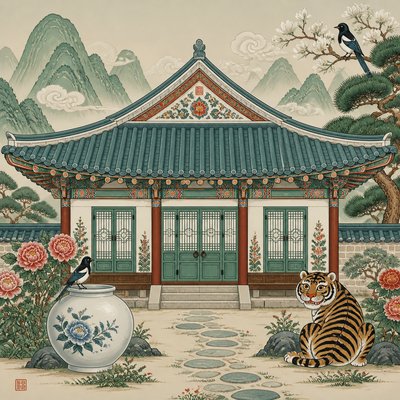
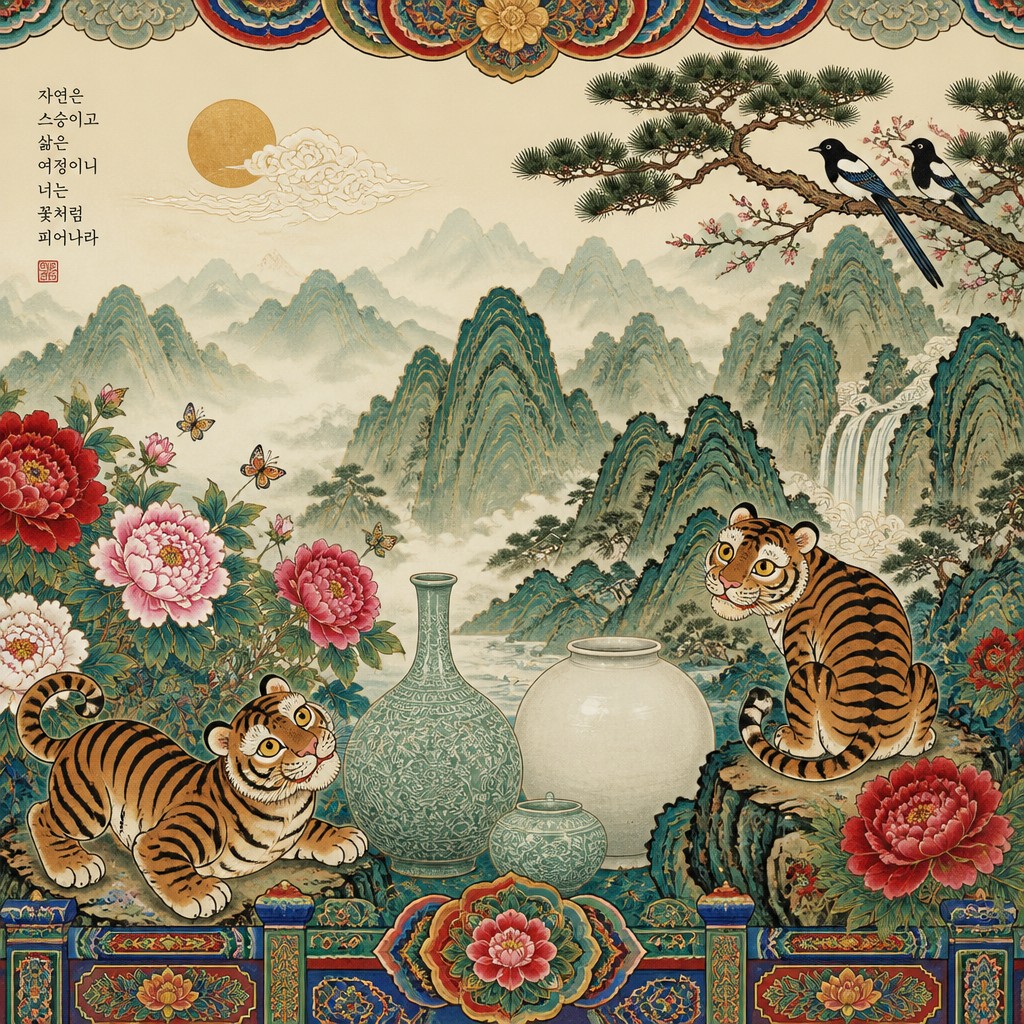
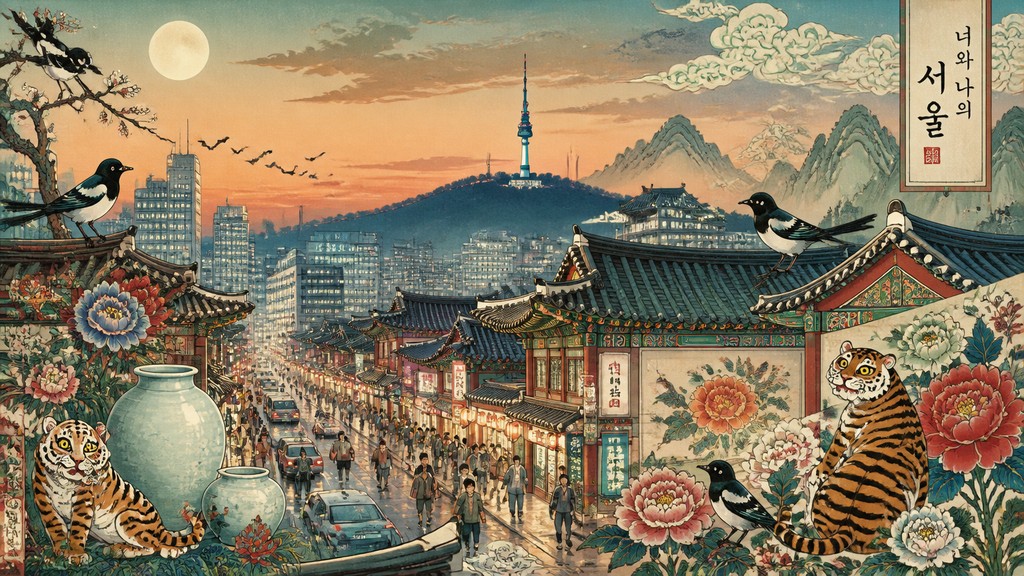
Korean art style is a broad visual tradition rather than one unified historical movement. In this contemporary, image-friendly interpretation, quiet celadon greens and moon-jar whites provide a calm ground for vivid dancheong accents, including red, blue, yellow and green geometric ornament. Misty mountains, restrained compositions and softly weathered surfaces create a sense of spaciousness and balance.
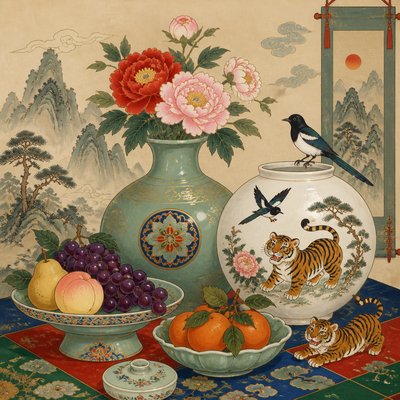
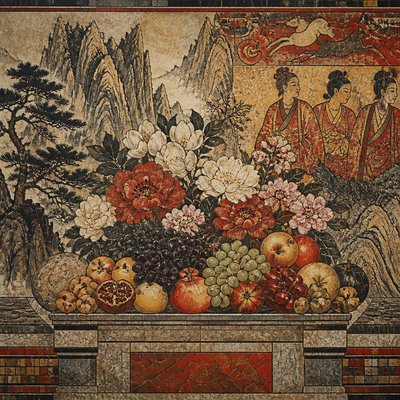
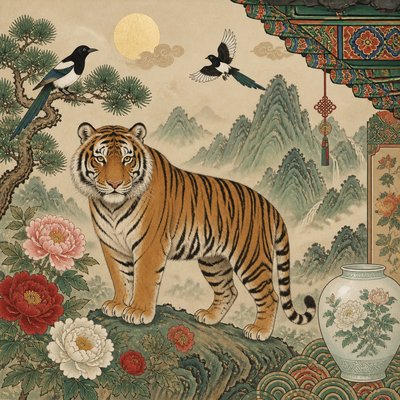
The style also draws on the wit of minhwa, or Korean folk painting, where tigers, magpies, peonies and auspicious symbols appear in simplified forms with expressive outlines. Its appeal comes from the meeting of understatement and exuberance: porcelain-like emptiness and atmospheric landscape are enlivened by patterned color, symbolic animals and decorative rhythm.
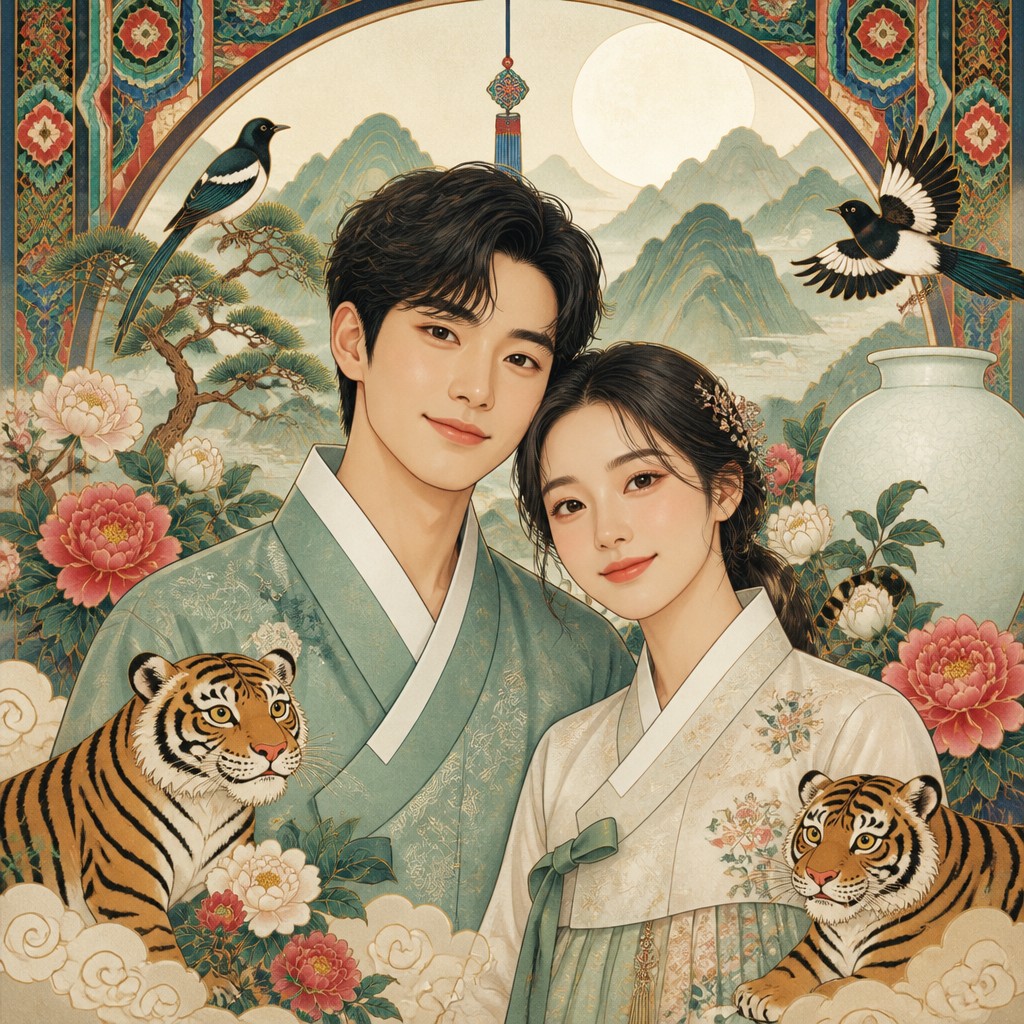
Try It On Your Photos
Upload any photo and convert it into Korean Art Style — drag the sliders to compare before and after.
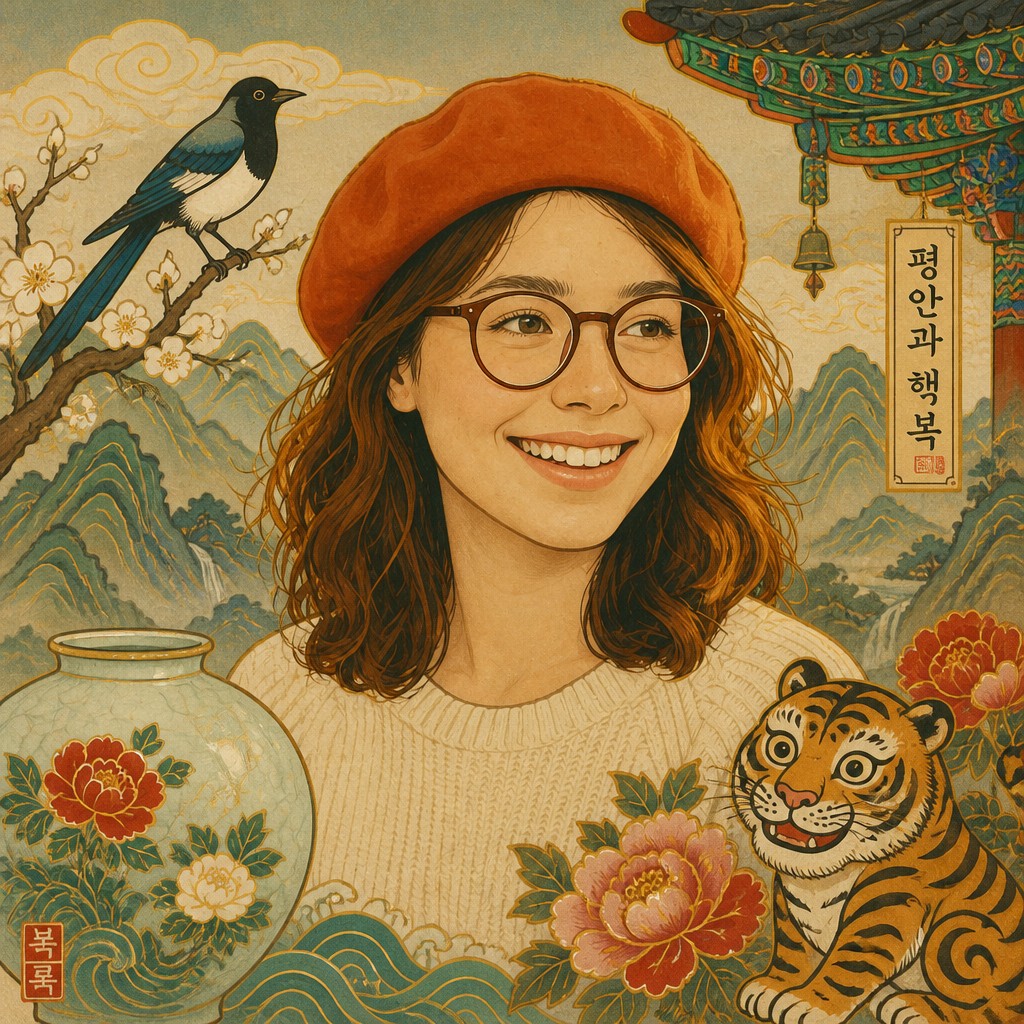

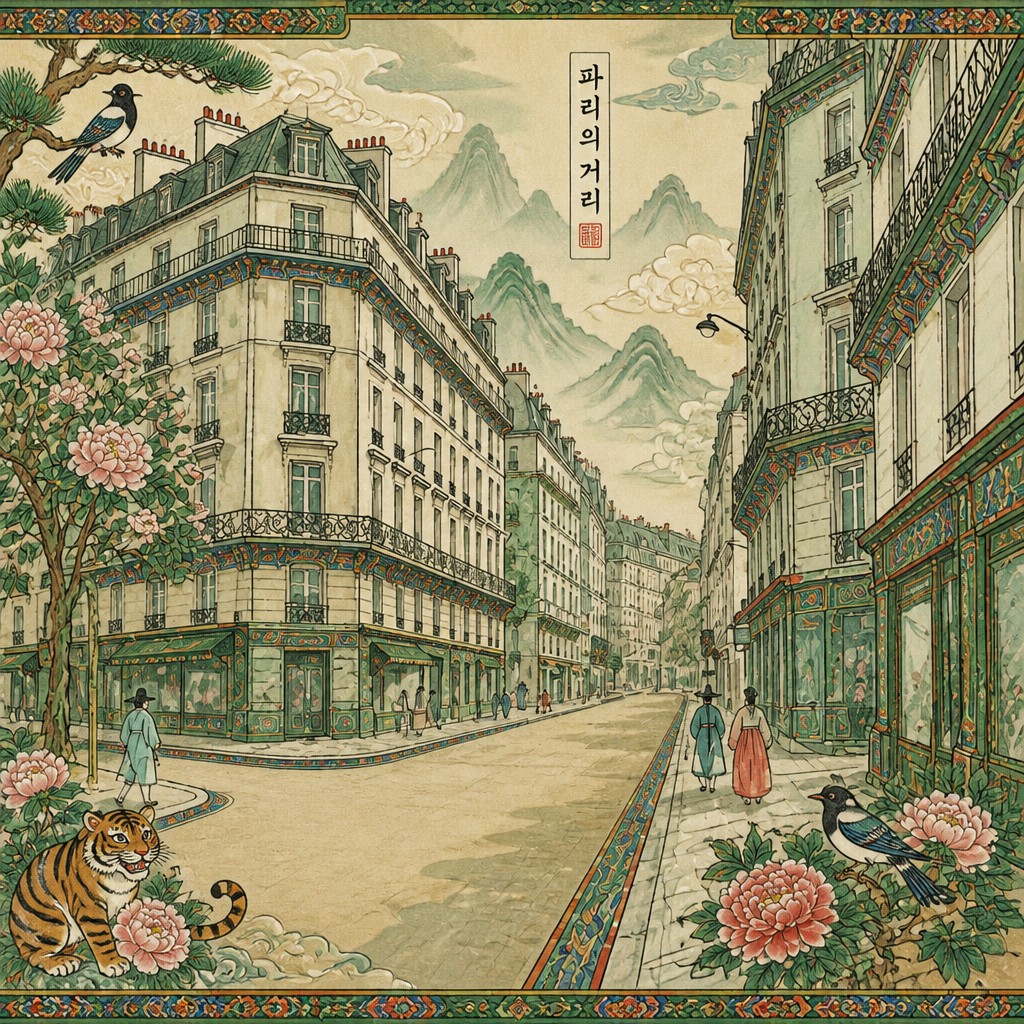

What Defines Korean Art Style
The signature details, up close
Celadon and moon-jar palette
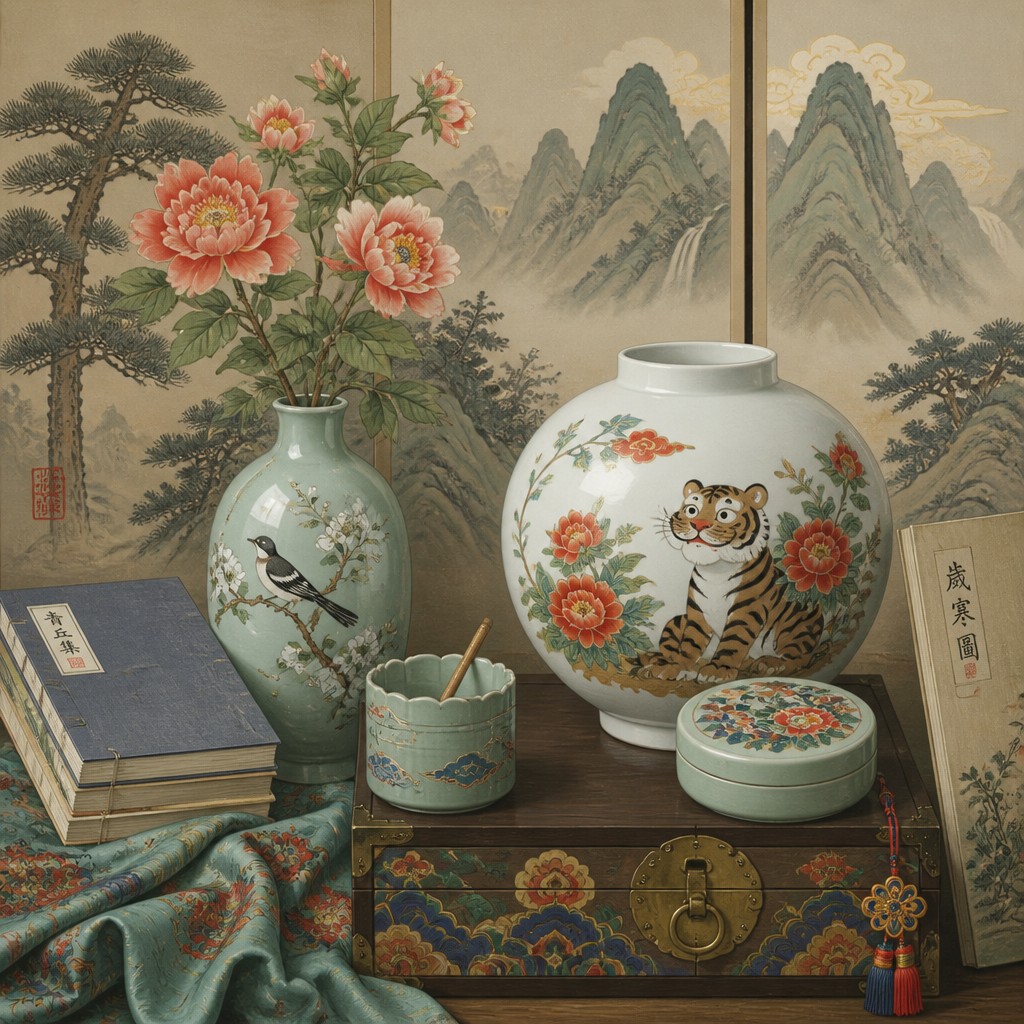
Soft blue-green celadon, warm white, ivory and muted mineral tones establish a tranquil foundation. The palette often leaves generous unpainted space, recalling the quiet presence of Korean ceramics.
Dancheong accents
Small areas of saturated red, cobalt blue, yellow and green introduce rhythmic geometric color. Repeating bands, floral rosettes and interlocking ornament may frame architecture, clothing or borders.
Minhwa-inspired symbolism
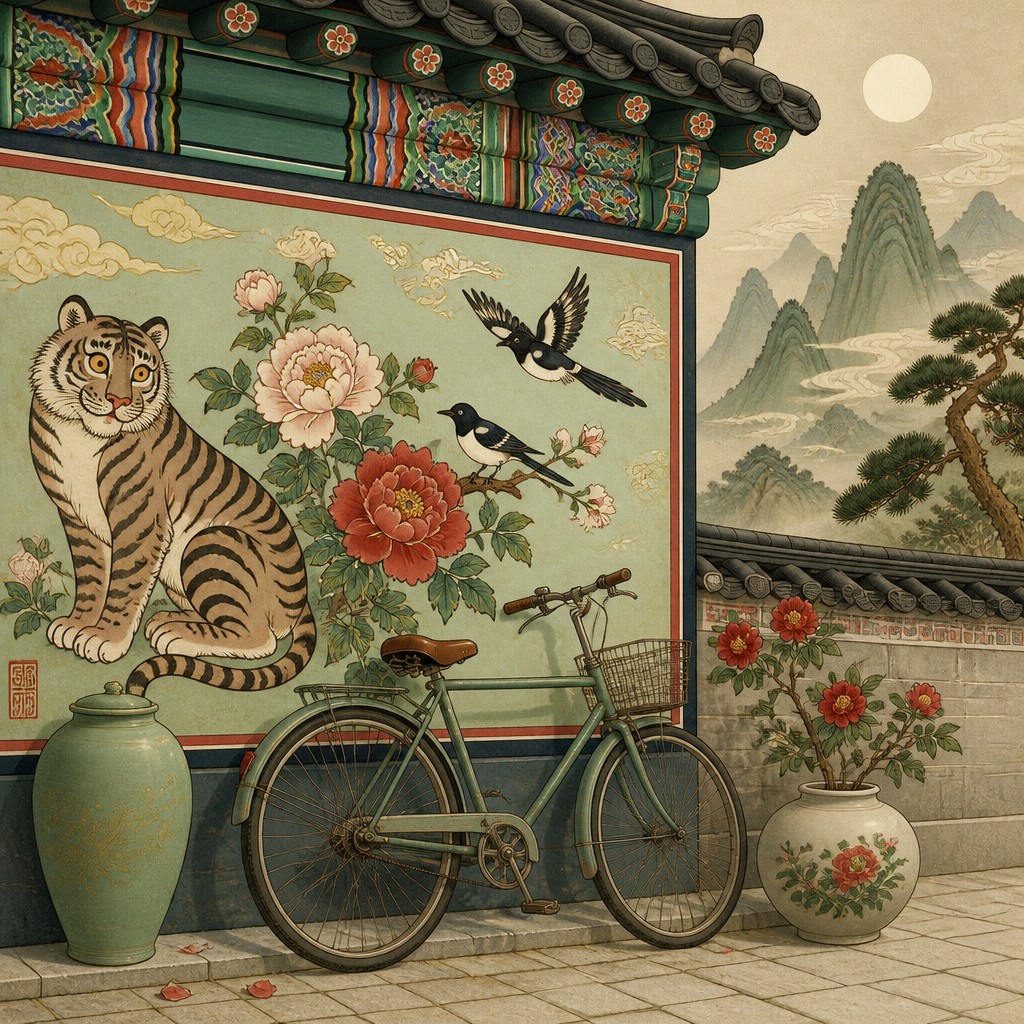
Tigers, magpies, peonies, birds and household objects appear with bold contours and gently humorous expressions. Their proportions can be deliberately whimsical rather than naturalistic.
Misty mountain atmosphere
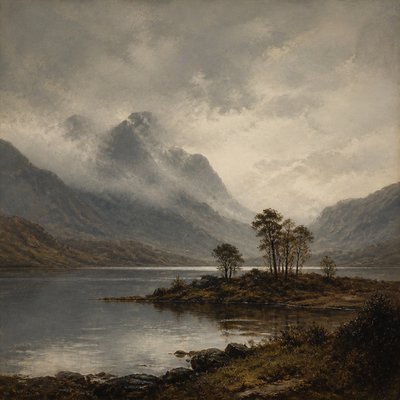
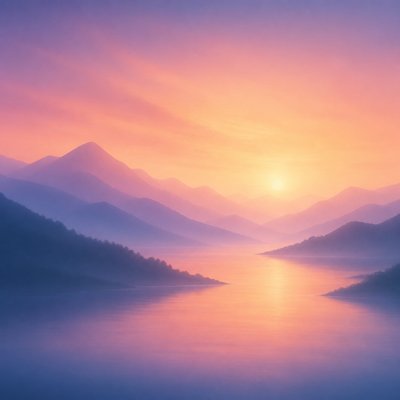
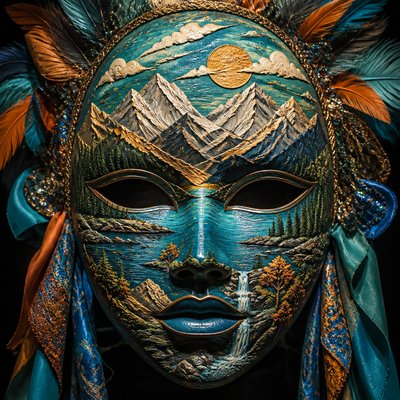
Layered peaks, drifting cloud, pine trees and distant valleys create scroll-like depth. Atmospheric softness is favored over sharp, fully mapped perspective.
Balanced asymmetry
Compositions combine formal order with slight irregularity, allowing an off-center moon jar, animal or branch to animate the field. Calm negative space keeps decorative elements from becoming crowded.
Material tactility
Visible brush grain, paper fibers, ceramic glaze variation and lightly aged pigment give images a handmade quality. Edges may shift between precise ornament and soft washes.
Understated wit
Humor often emerges through a tiger's startled gaze, a bird's alert posture or an intentionally flattened decorative form. The mood is gentle and observant rather than theatrical.
Try It
Create Videos in Korean Art Style
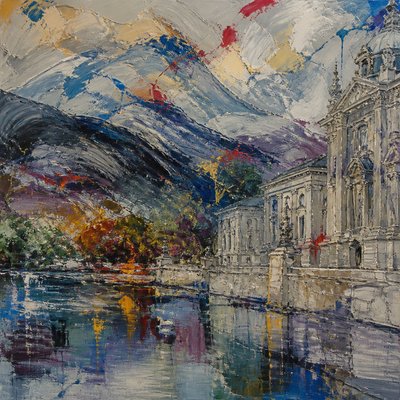
Styles aren't just for stills — describe a scene or animate an image and get a short video rendered in Korean. Press play to see this pond come to life.
Make a VideoKorean Prompt Ideas
Start from an idea — each one opens the generator with the style ready to go. See all 40 Korean prompts →
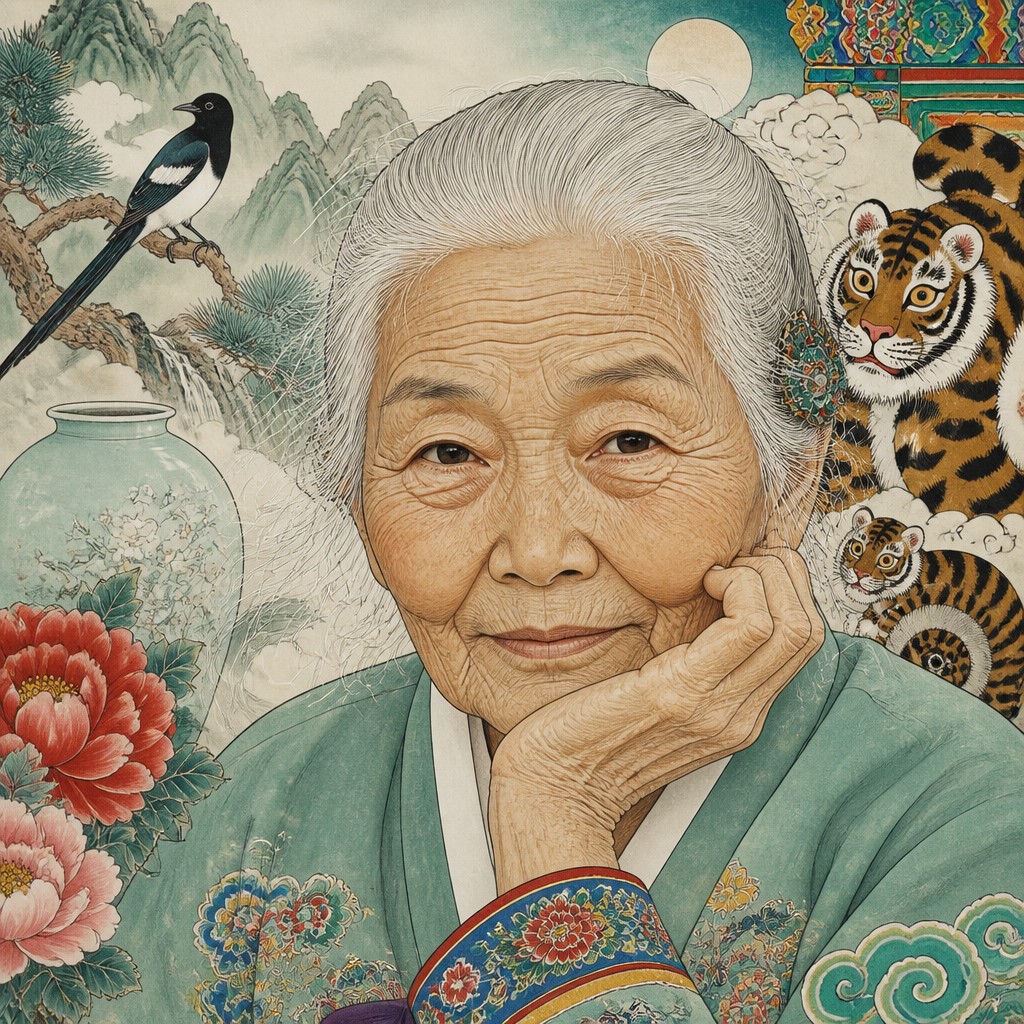
“close-up portrait of an elderly person with expressive weathered features”
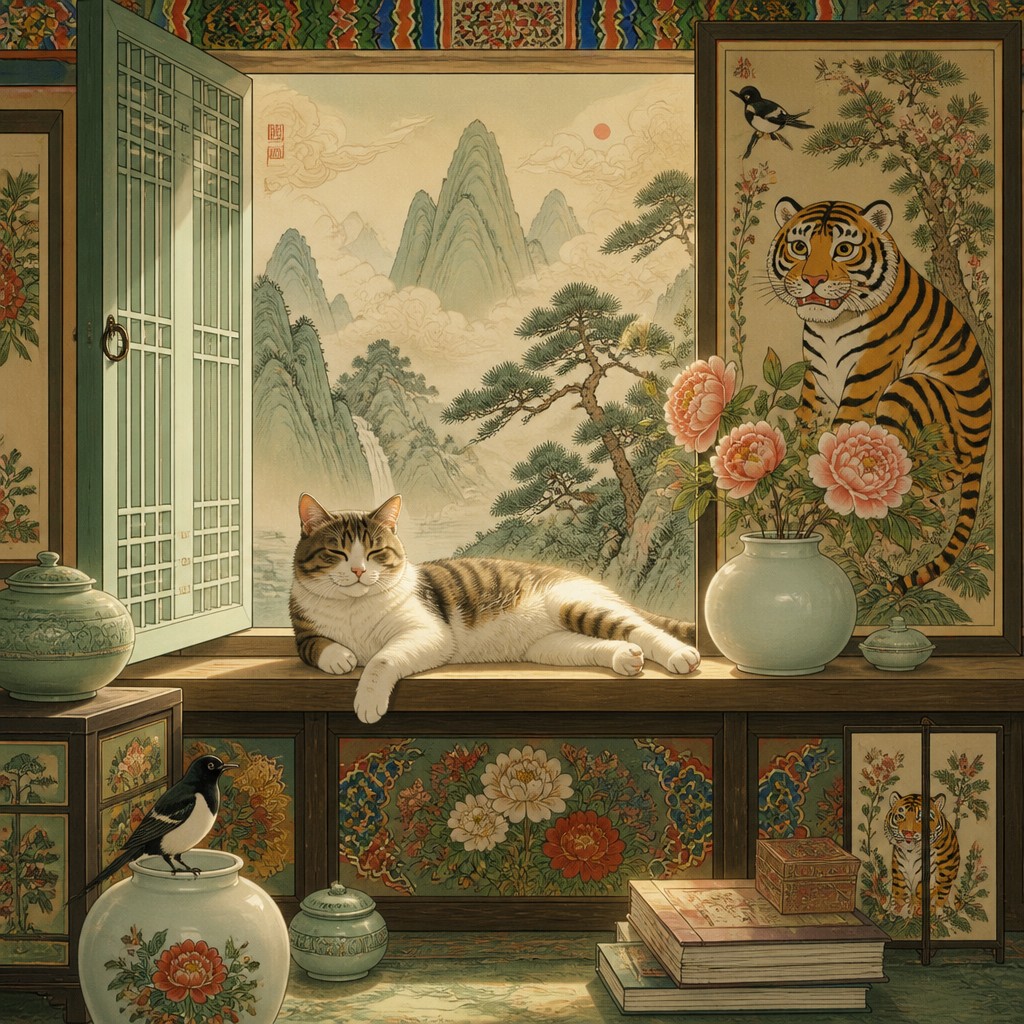
“a cat lounging in a sunlit window”
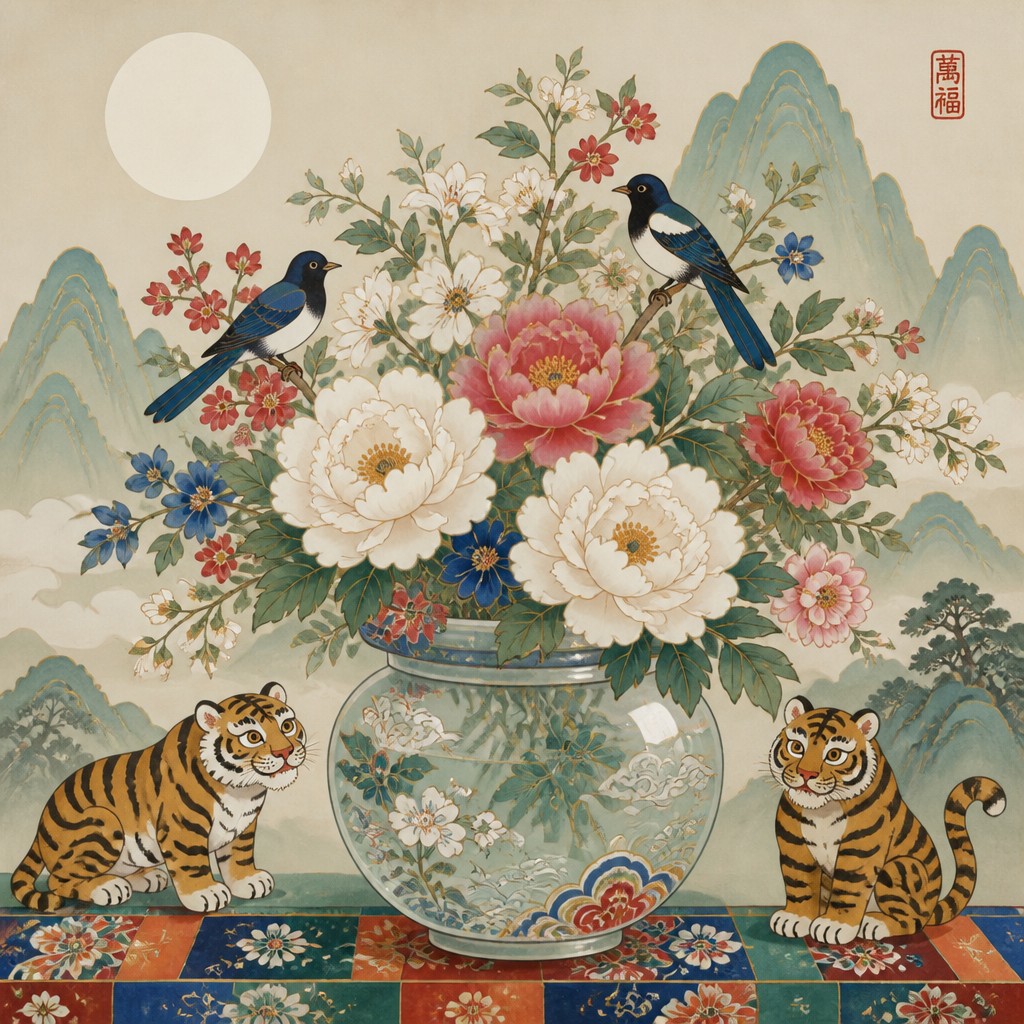
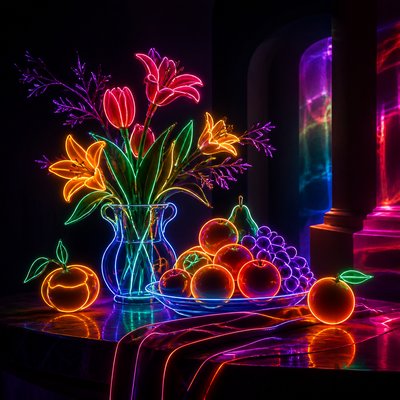
“bouquet of flowers in a glass vase”
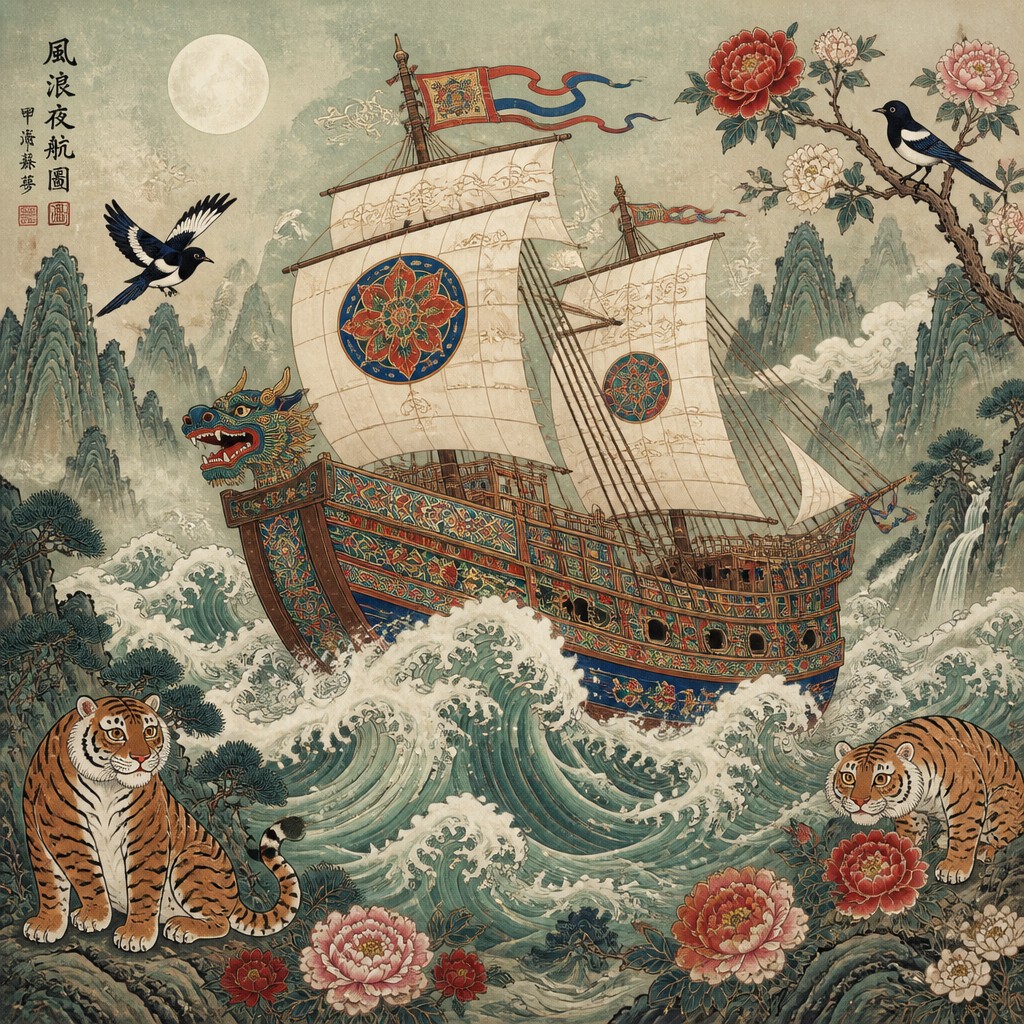
“sailing ship on a stormy sea”
How to Create Korean Art
Master the craft step by step — or skip straight to creating. Read the full guide →
- 1
Establish a quiet ground
Begin with warm white, pale celadon or subdued gray-green paper, then reserve open areas around the main subject. In digital work, use a low-contrast base layer and textured brushes that imitate hanji or ceramic glaze.
- 2
Build color in dancheong bands
Add saturated red, blue, yellow and green as controlled accents rather than covering the whole composition. Use repeating geometric borders, rosettes or stylized cloud patterns to create architectural rhythm.
- 3
Simplify symbolic subjects
Draw animals and flowers with strong silhouettes, expressive eyes and intentional distortions instead of strict anatomical realism. Pair a playful tiger or magpie with peonies, books, fruit or other auspicious motifs.
- 4
Create scroll-like depth
Layer pale mountain ridges, mist and pine silhouettes from foreground to background, reducing contrast with distance. Avoid heavy linear perspective and let atmospheric spacing suggest scale.
- 5
Use tactile finishing
Add dry-brush variation, paper grain, uneven pigment, glaze pooling or softly worn edges after the main forms are complete. Keep outlines selective so the image retains both folk clarity and meditative restraint.
- 6
Write precise generation directions
Specify the subject, composition, celadon-and-white base, dancheong accent colors, minhwa-like outline treatment, misty mountains and material texture. For photo transformations, request preservation of the person's pose and identity while applying simplified contours, symbolic ornament and restrained Korean color.

The Story
History & Origins of Korean
This style synthesizes several periods and media in Korean visual culture. Goryeo-period ceramics are associated with refined celadon glazes and inlaid decoration, while Joseon-period porcelain developed the luminous white surfaces and irregularly rounded silhouettes exemplified by moon jars. Joseon landscape painting, calligraphy and literati aesthetics contributed an interest in empty space, distant mountains and controlled brushwork.
Dancheong developed as a system of multicolored painted ornament used on wooden architecture, especially palaces, temples and pavilions. Minhwa flourished particularly during the late Joseon period as popular painting filled with auspicious animals, flowers, books and household imagery. The present style is an aesthetic lineage and modern synthesis of these traditions, not a historically named movement.
Influences: The style is related to Goryeo celadon, Joseon white porcelain and moon jars, Korean ink-and-color landscape traditions, architectural dancheong, minhwa folk painting and hanji-based craft. It also shares compositional ideas with East Asian scroll painting, including atmospheric perspective, asymmetrical balance and the expressive use of empty space. Contemporary illustration and digital painting often combine these historical references with flatter outlines, decorative pattern and carefully limited palettes.
Frequently Asked Questions
What defines Korean art style?
Its defining combination is restrained balance with vivid symbolic detail. Common features include celadon greens, porcelain whites, dancheong colors, misty mountains, bold folk outlines and minhwa subjects such as tigers, magpies and peonies.
Is Korean art style a single historical movement?
No. Korean art encompasses many periods, regions and media, from ceramics and Buddhist art to court painting, architecture and folk imagery. The version described here is a contemporary synthesis of several established Korean traditions.
How is it different from Chinese or Japanese traditional art?
There is substantial historical exchange across East Asia, so boundaries are not absolute. Korean traditions are often recognized through particular combinations of white porcelain, celadon, architectural dancheong, minhwa humor and a distinctive balance between natural irregularity and formal restraint.
What subjects work well in this style?
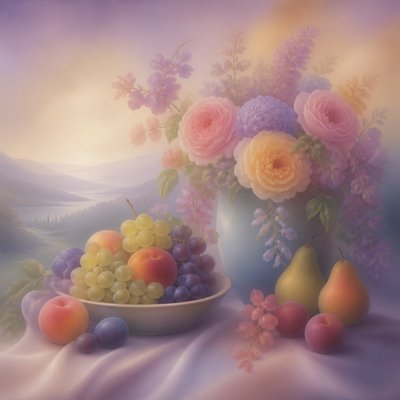
Moon jars, tigers, magpies, peonies, cranes, mountains, pavilions, pine trees and household still lifes are especially effective. Modern subjects can also work when simplified into symbolic forms and placed within spacious, atmospheric compositions.
How can I make a traditional version by hand?
Use hanji or another absorbent paper, diluted mineral-like colors, controlled ink outlines and a limited celadon, white, red, blue and yellow palette. Study ceramic silhouettes, dancheong pattern structures and minhwa compositions while treating the references as visual principles rather than copying a single object.
Can this style be used for digital art or photo transformation?
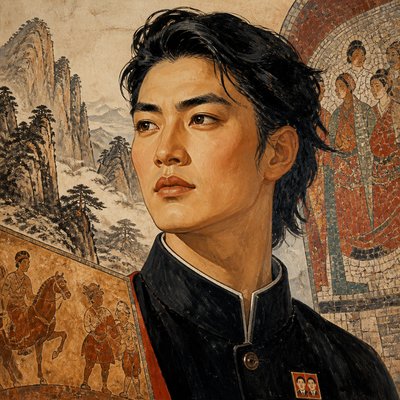
Yes. Digital brushes can emulate hanji fibers, dry pigment, ink wash and ceramic glaze. For a photo transformation, preserve the subject's pose and key features while asking for simplified contours, celadon shadows, dancheong accents, folk symbolism and misty landscape treatment.
Create your first Korean artwork
Describe anything — or upload a photo — and see it in Korean Art Style in seconds.
Related Styles
Discover similar art styles