North Korean Art Style
Explore North Korean art style: Chosonhwa ink, Goguryeo tomb colors, monumental landscapes, and solemn mosaic-like composition.
Instantly rendered in North Korean — or transform a photo
North Korean Gallery
Tap any artwork to explore it
What is North Korean Art Style?
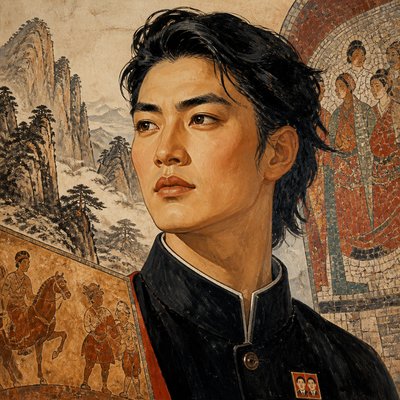
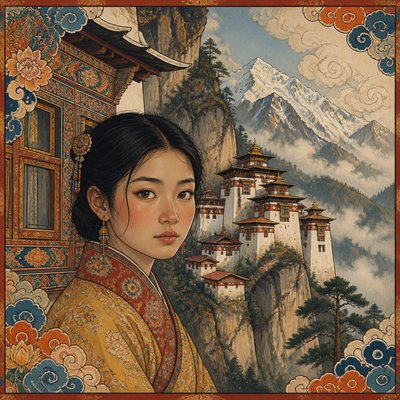
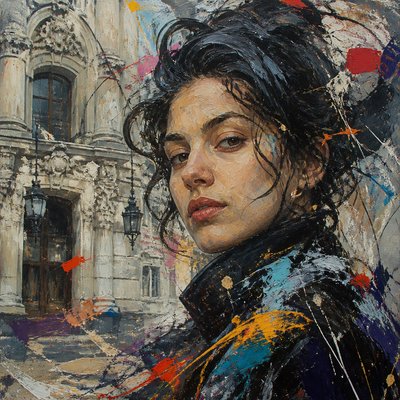
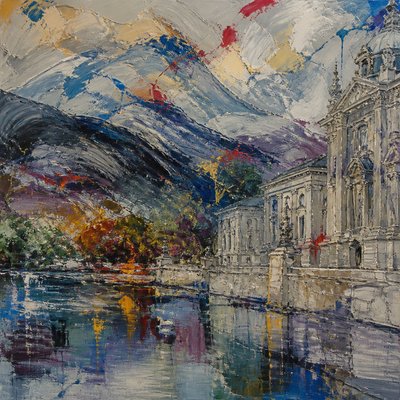
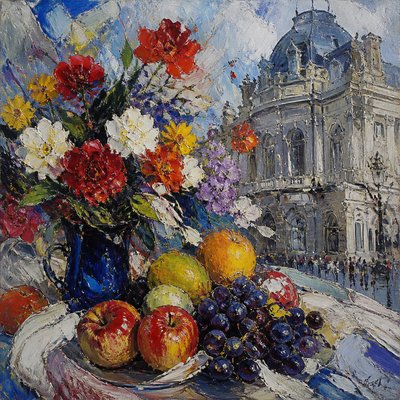
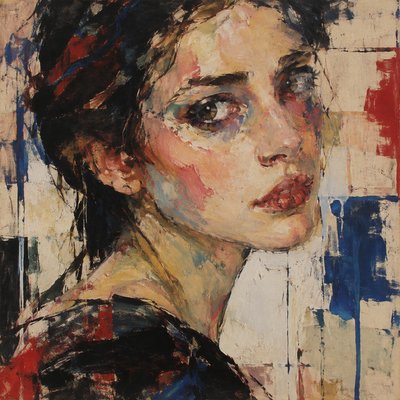
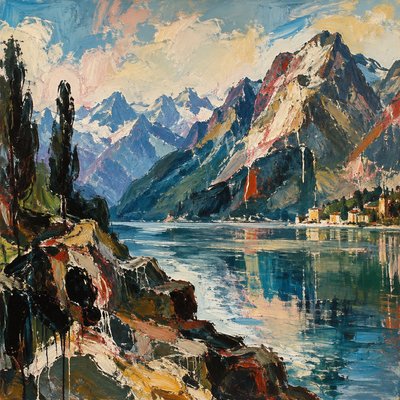
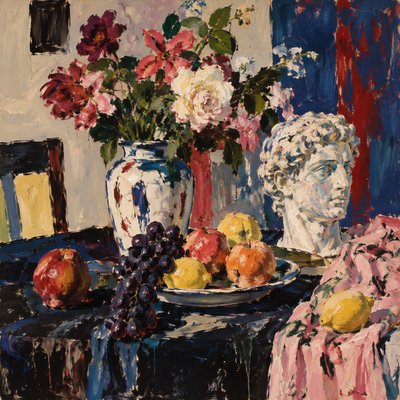
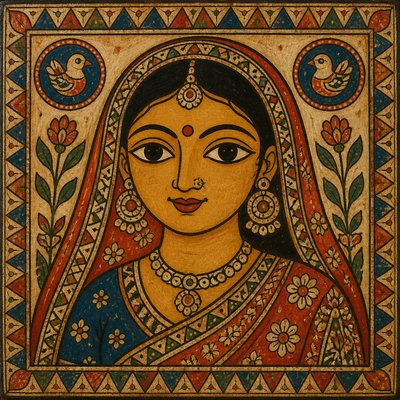
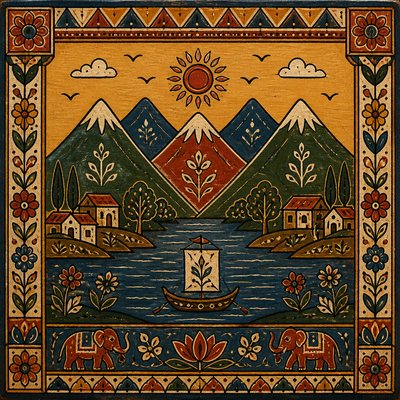
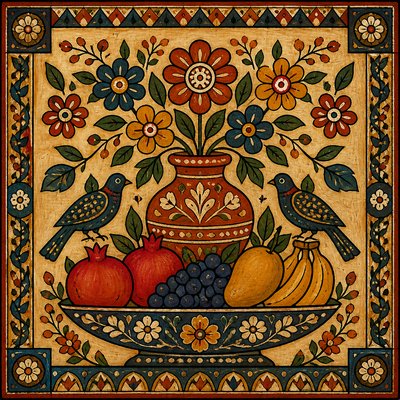
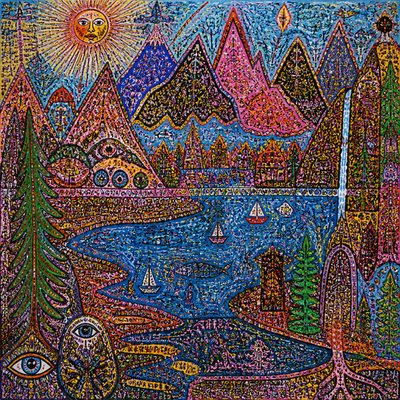
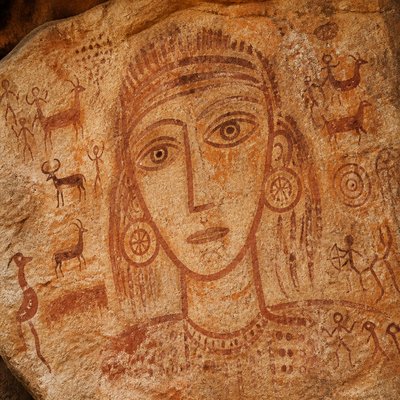
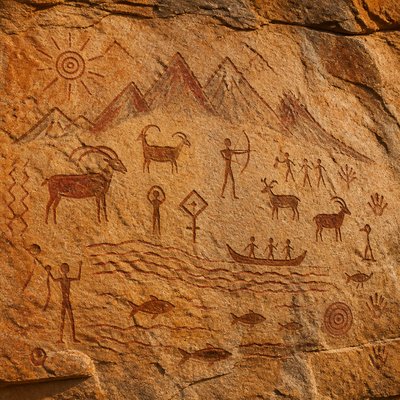
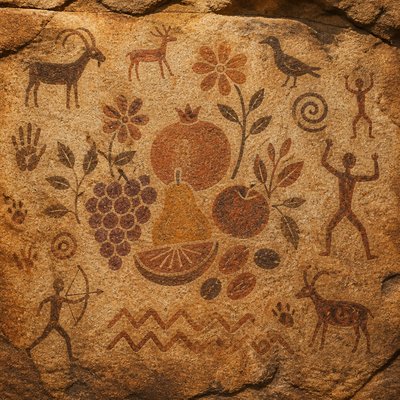
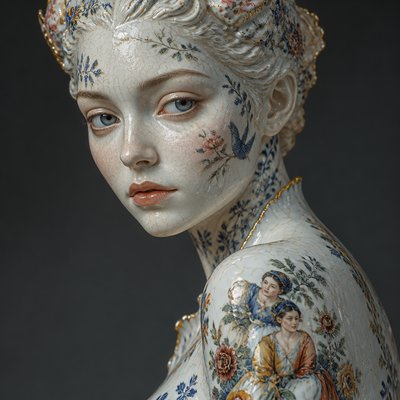
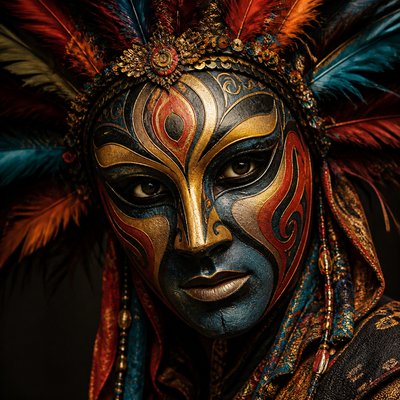
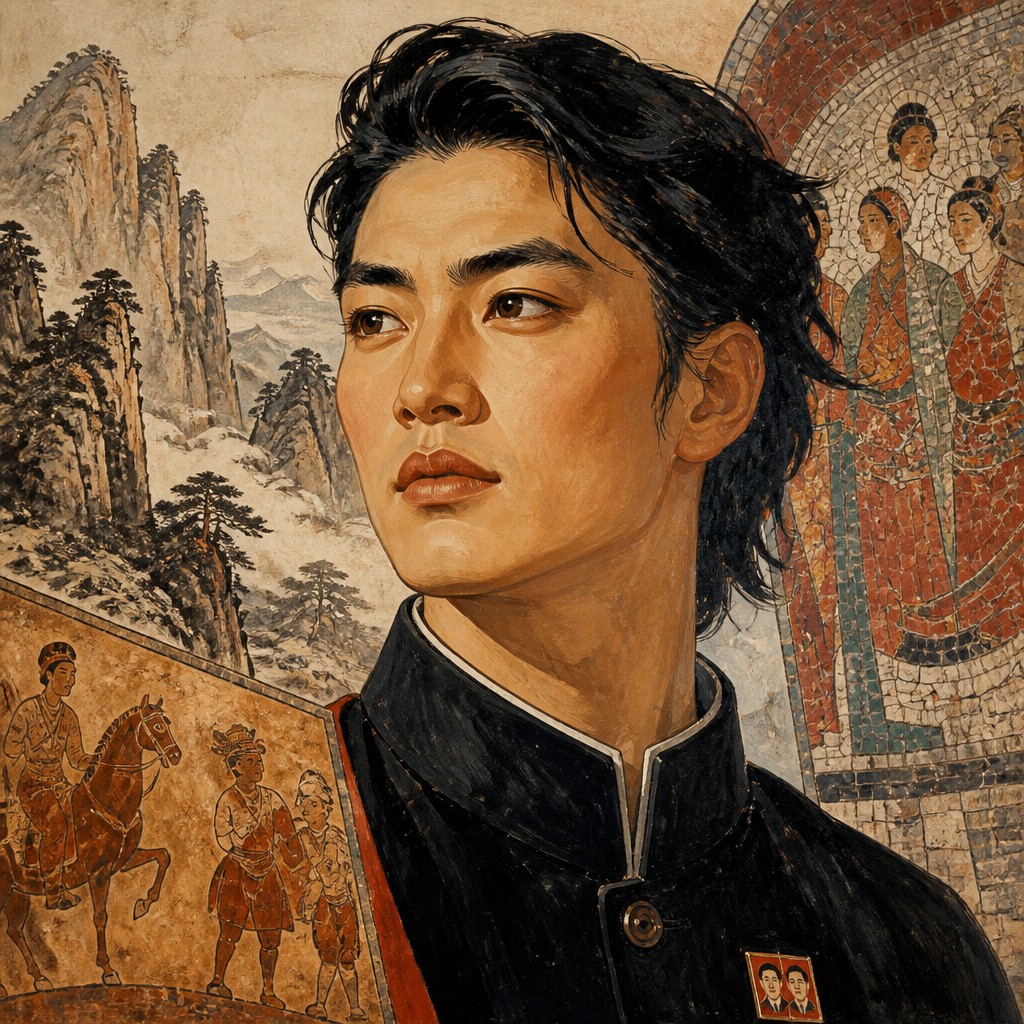
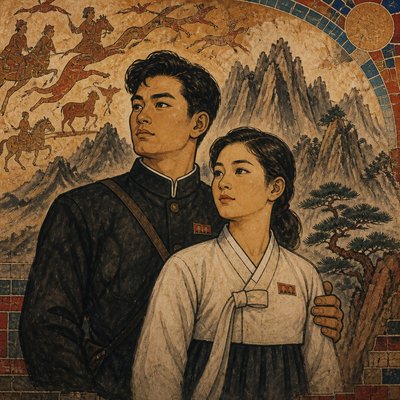
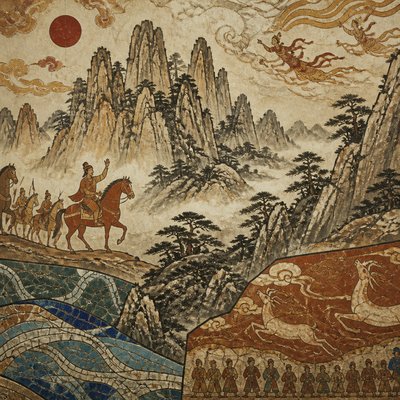
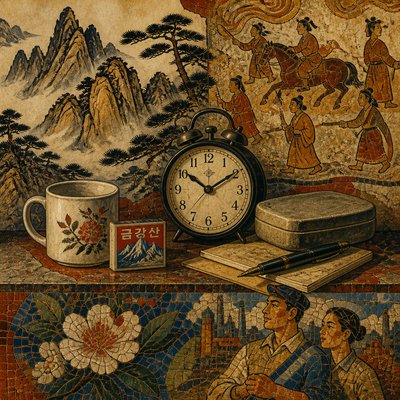
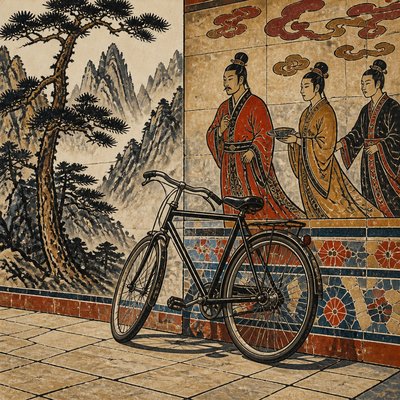
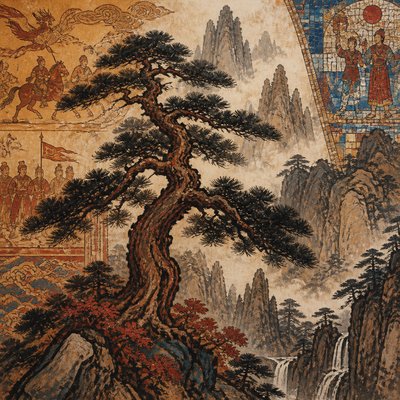
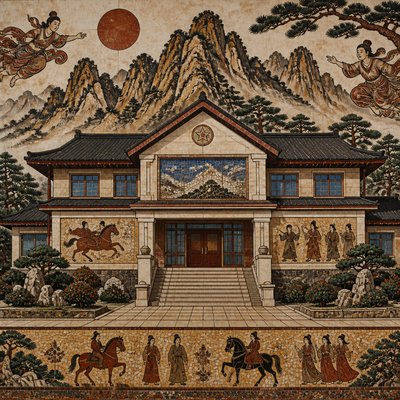
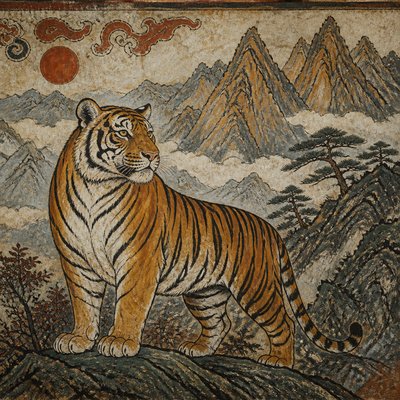
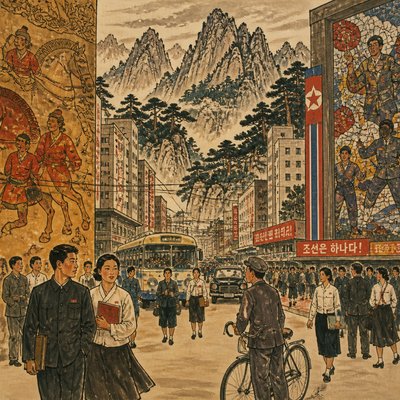
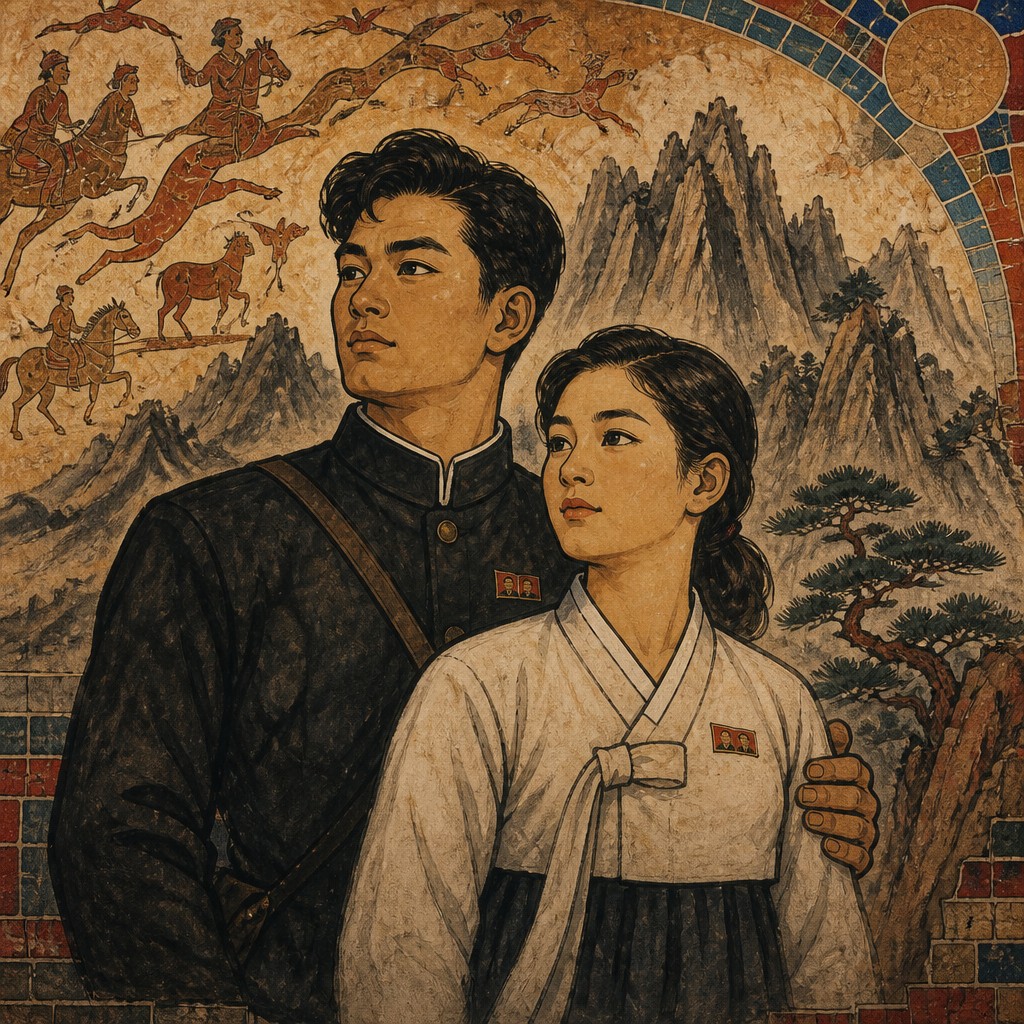
North Korean art style is best understood as a contemporary visual synthesis rather than a single, historically codified movement. It combines the fluid brushwork of Chosonhwa, the Korean ink-and-color painting tradition associated with the northern peninsula, with imagery inspired by ancient Goguryeo tomb murals, monumental landscapes, public murals, and saturated glass- or stone-mosaic surfaces.
Its visual identity depends on disciplined line, simplified form, controlled washes, and a solemn sense of scale. Ochre, cinnabar, mineral blue, pine green, black, and stone white evoke both archaeological mural pigments and modern monumental decoration. Jagged mountains, pine ridges, heroic figures, animals, and architecture are arranged in stable, emphatic compositions rather than fleeting or naturalistic scenes.
Try It On Your Photos
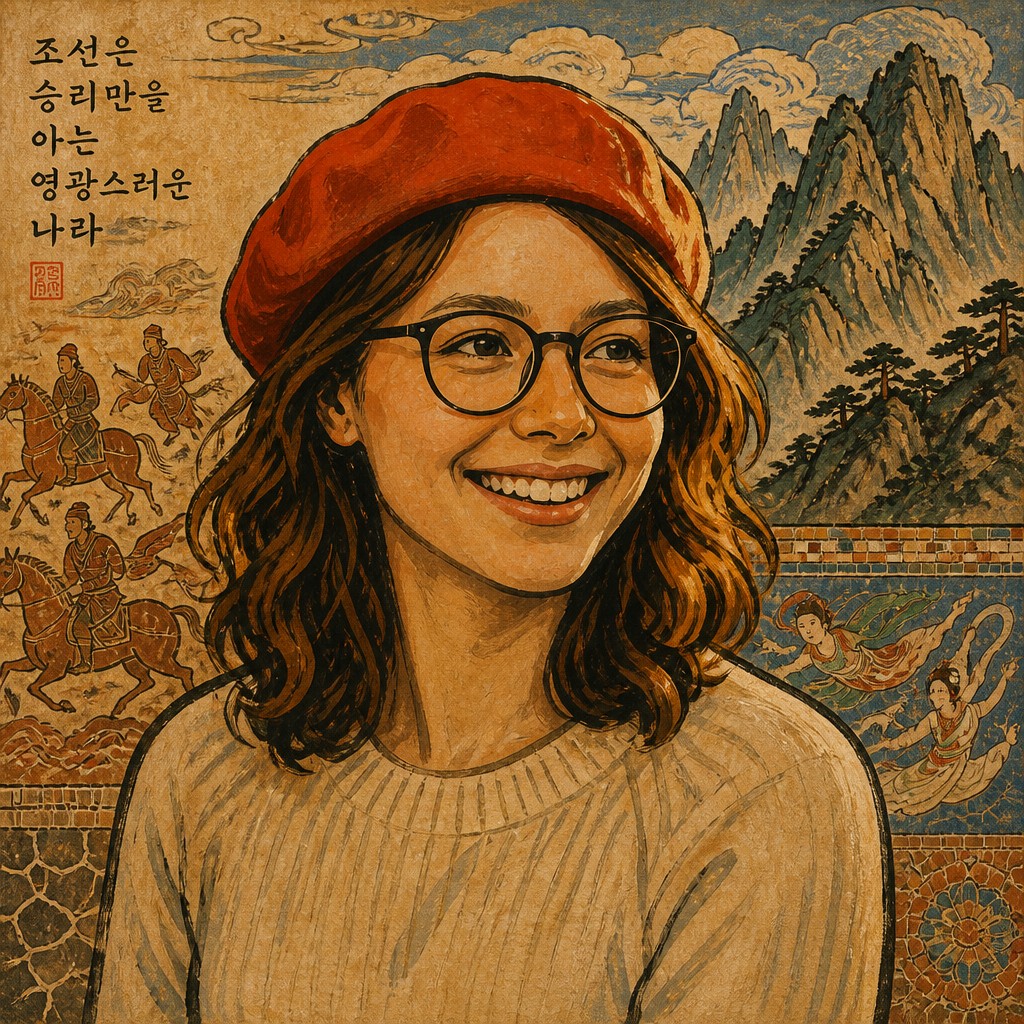
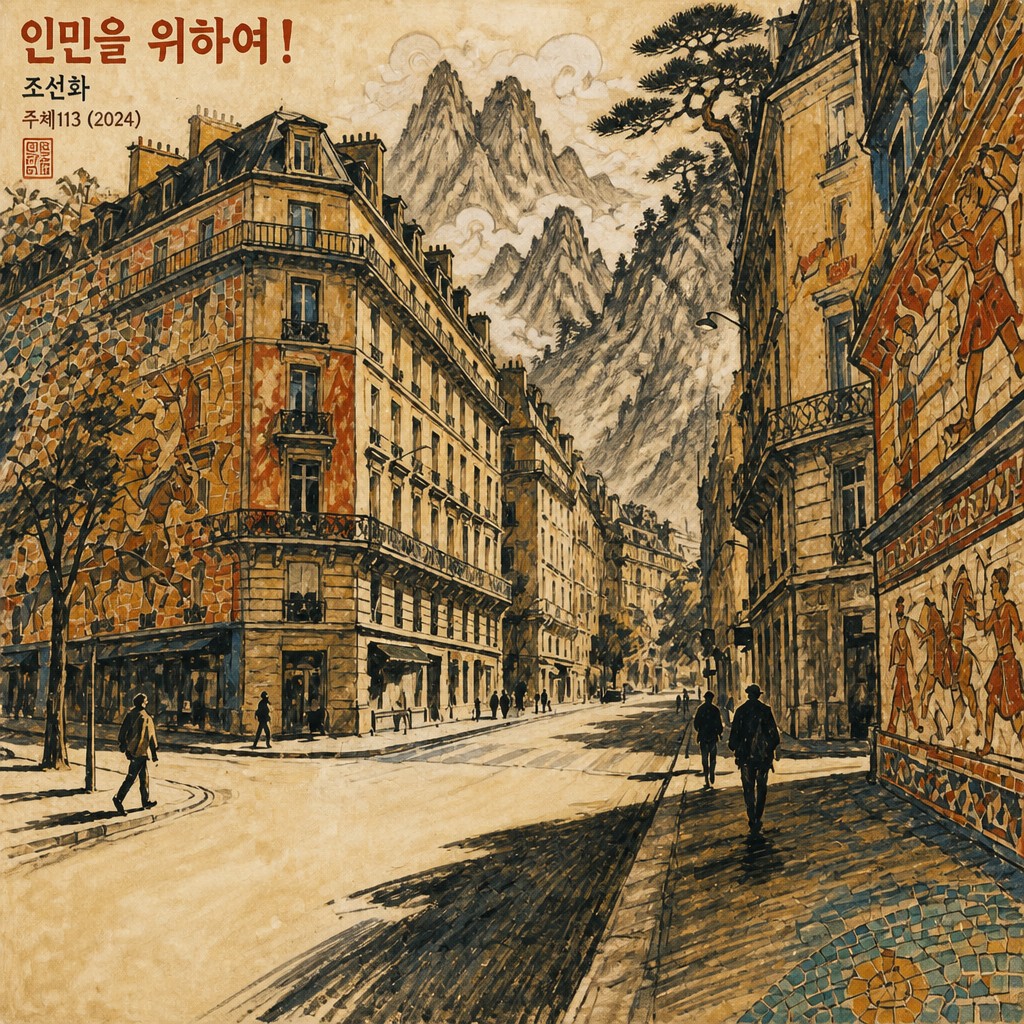
Upload any photo and convert it into North Korean Art Style — drag the sliders to compare before and after.


What Defines North Korean Art Style
The signature details, up close
Confident calligraphic line
Forms are built with deliberate, expressive brush lines that vary in pressure and thickness. Contours remain legible and authoritative rather than dissolving into atmospheric detail.
Restrained ink wash
Diluted black and gray ink supplies depth, modeling, and mist while leaving areas of paper or pale ground visible. Wash is controlled to support the structure of the composition.
Goguryeo-inspired mural color
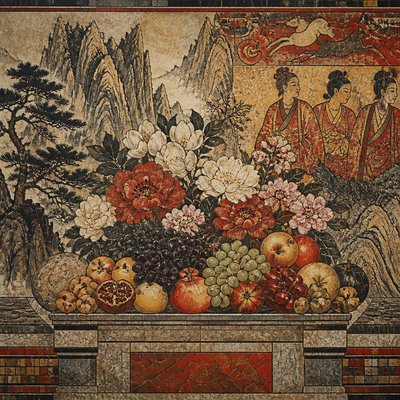
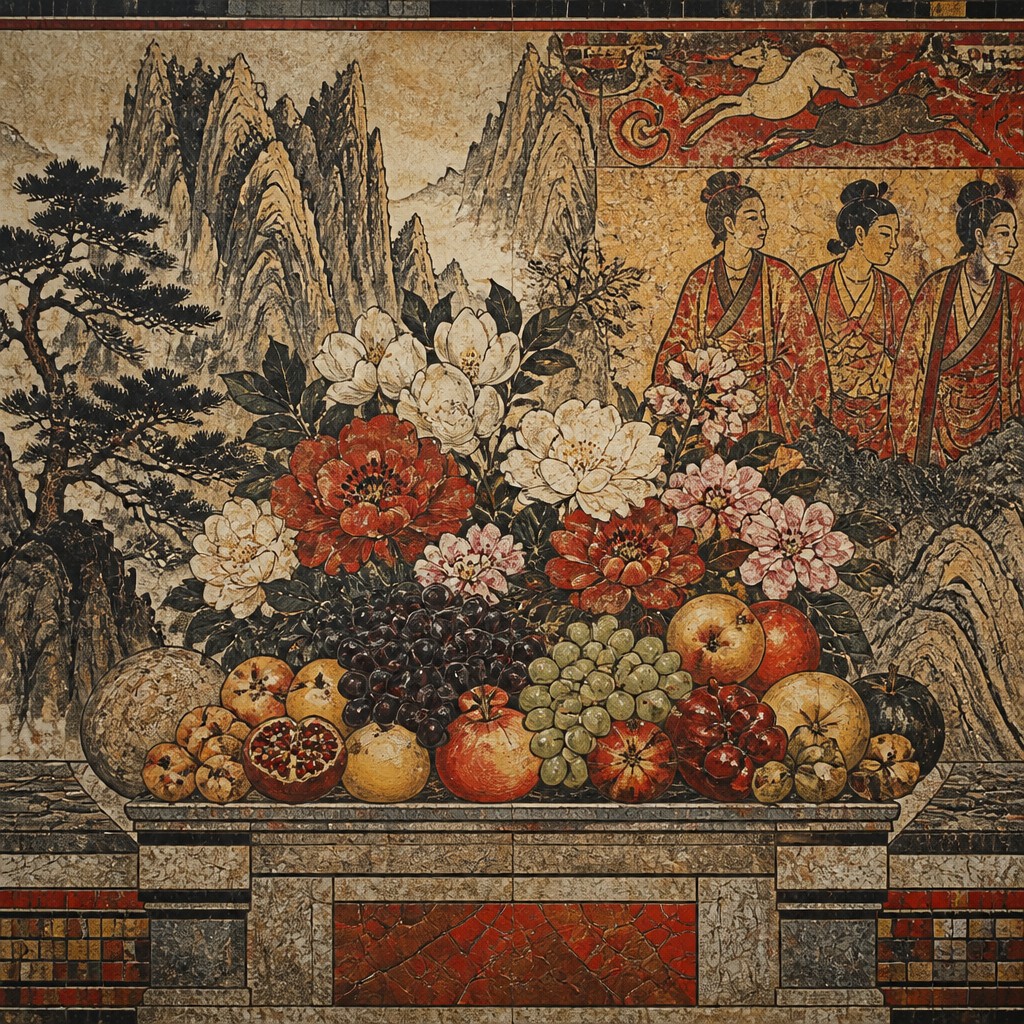
Ochre, cinnabar red, mineral blue, muted green, and warm earth tones recall the restricted palette of ancient tomb decoration. Colors are generally flat or softly layered instead of highly realistic.
Monumental composition
Subjects are arranged with broad, stable masses and a solemn sense of purpose. Frontal figures, panoramic landscapes, and strong vertical or diagonal rhythms create public-art scale.
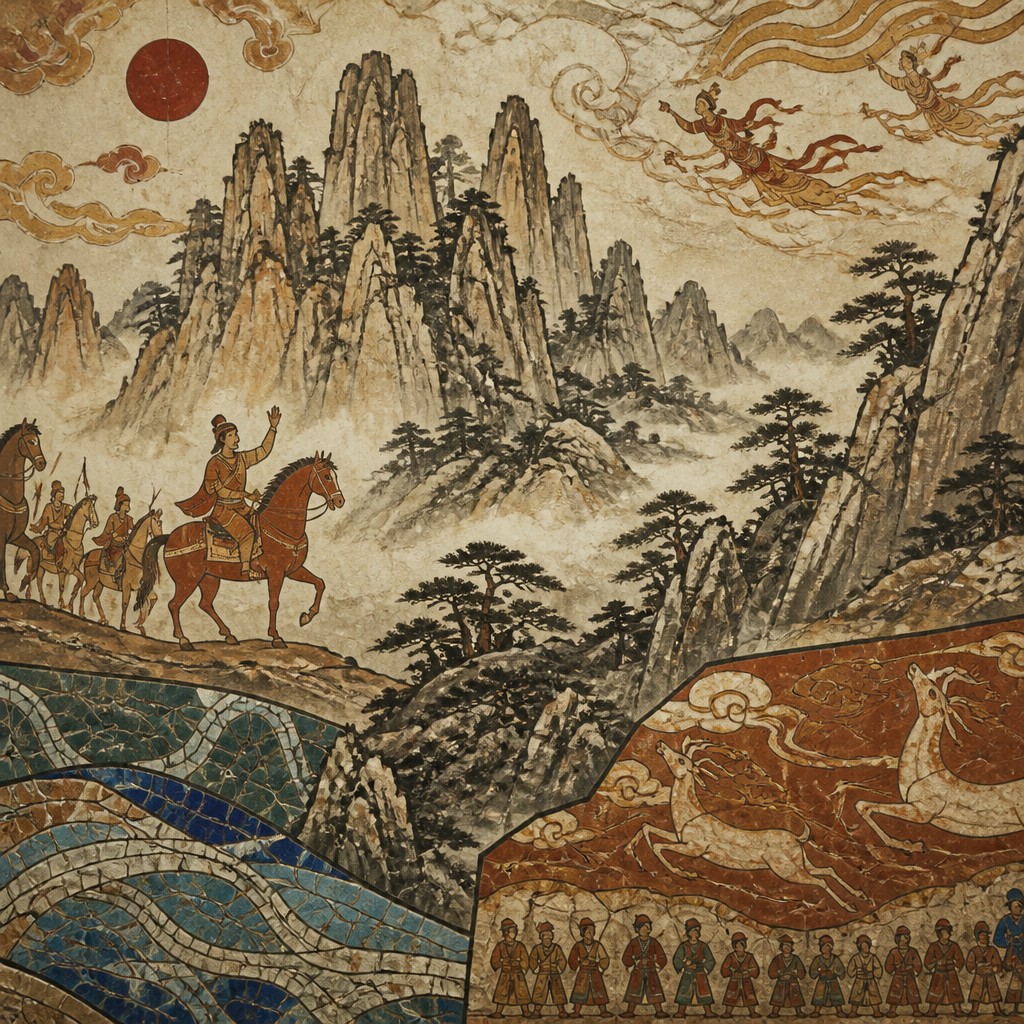
Jagged mountain landscapes
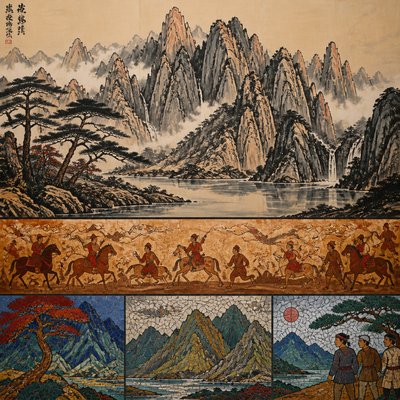
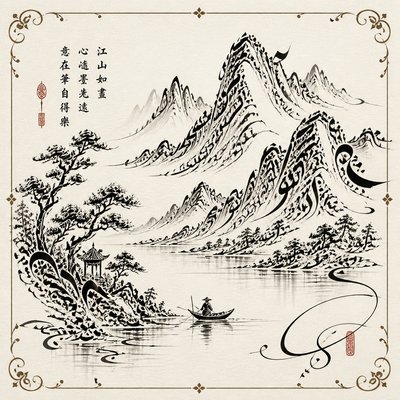
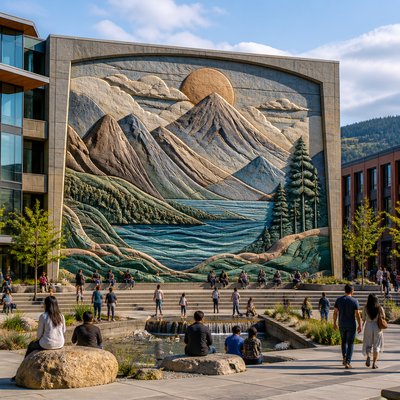
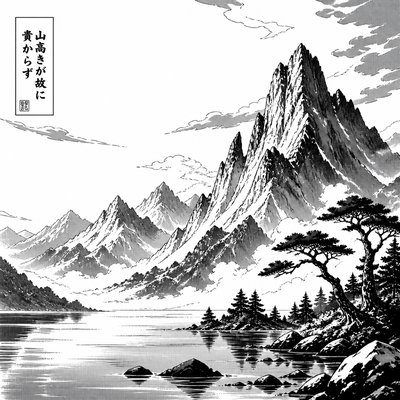
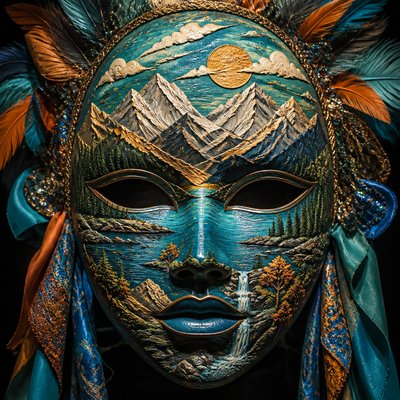
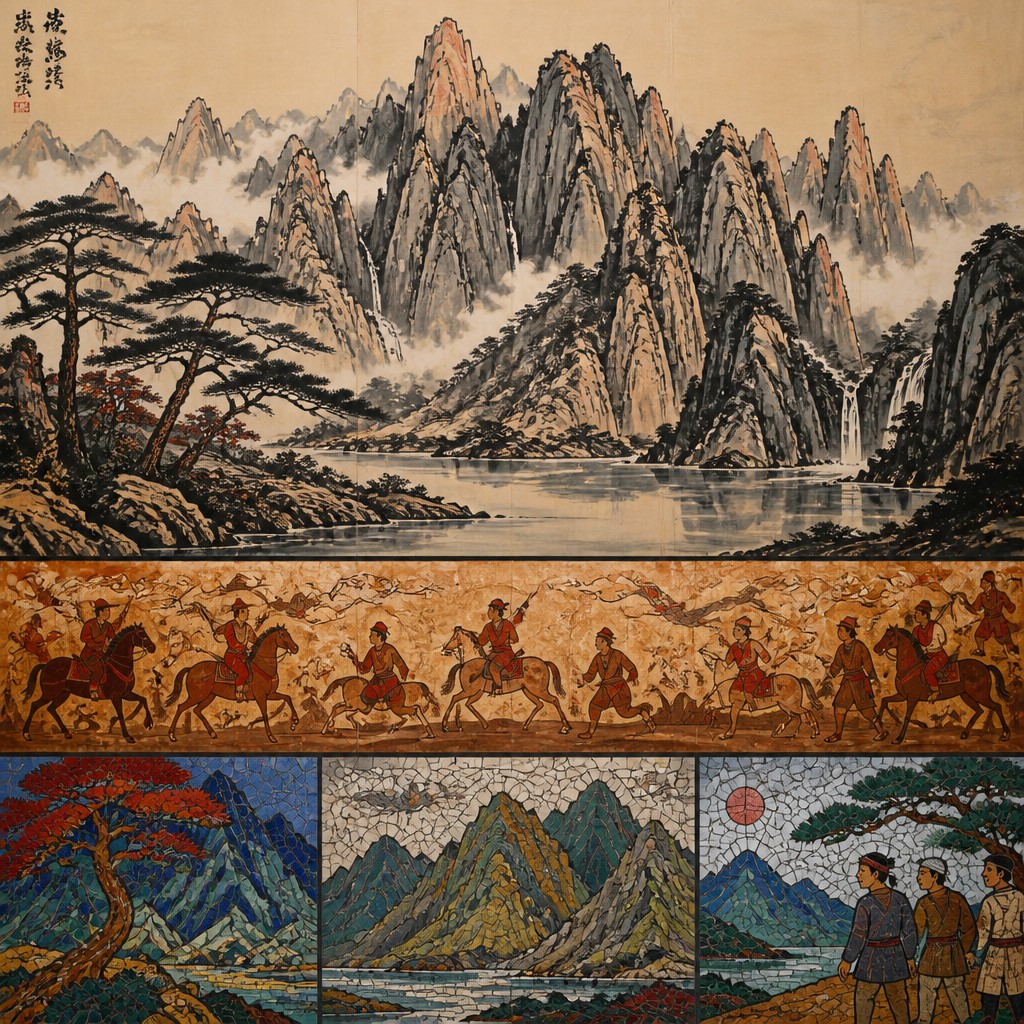
Angular peaks, steep ravines, waterfalls, and pine-covered ridges provide a distinctly Korean landscape vocabulary. Repeated contours and compressed perspective give the terrain symbolic clarity.
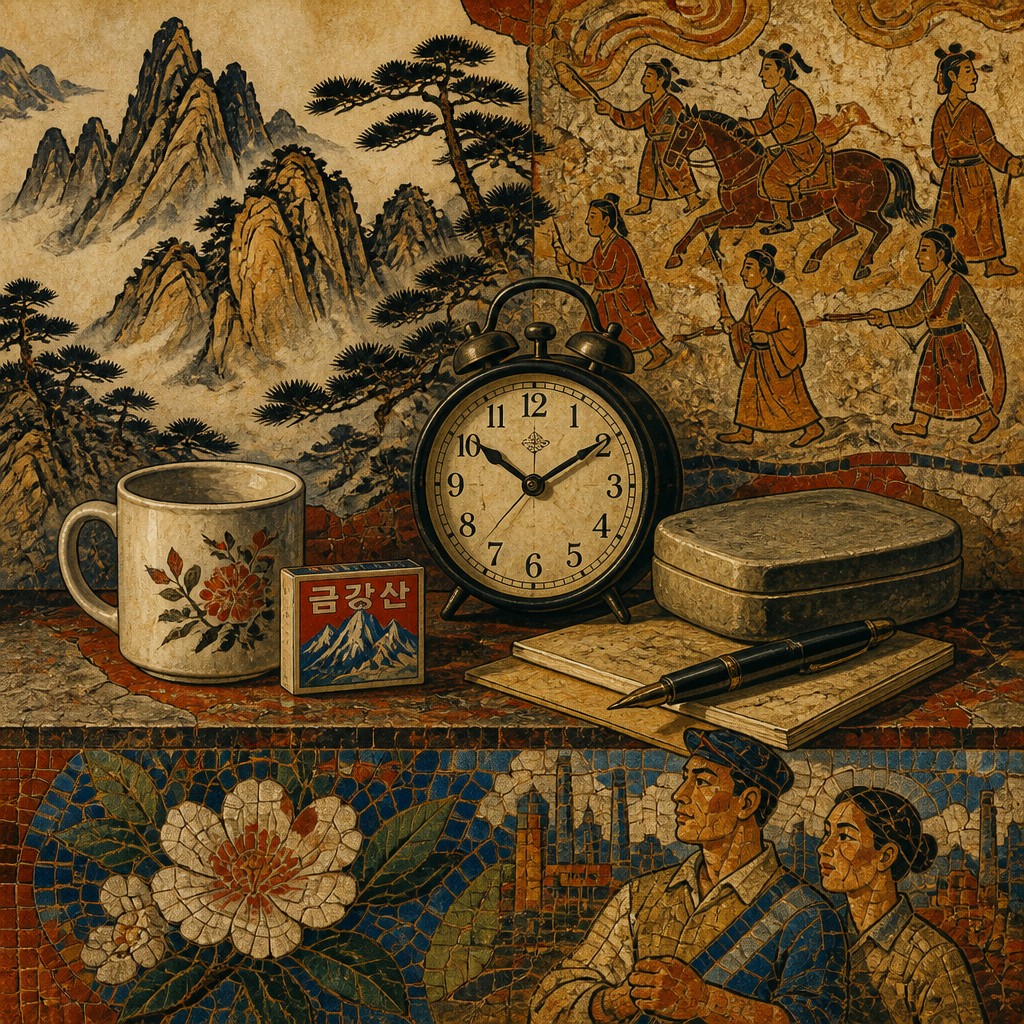
Mosaic-like surface
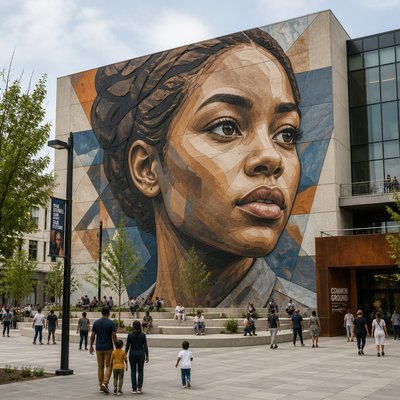
Some interpretations introduce the saturated blocks, simplified shapes, and hard-edged divisions associated with glass, ceramic, or stone mural mosaics. This adds a durable architectural quality to the ink-based image.
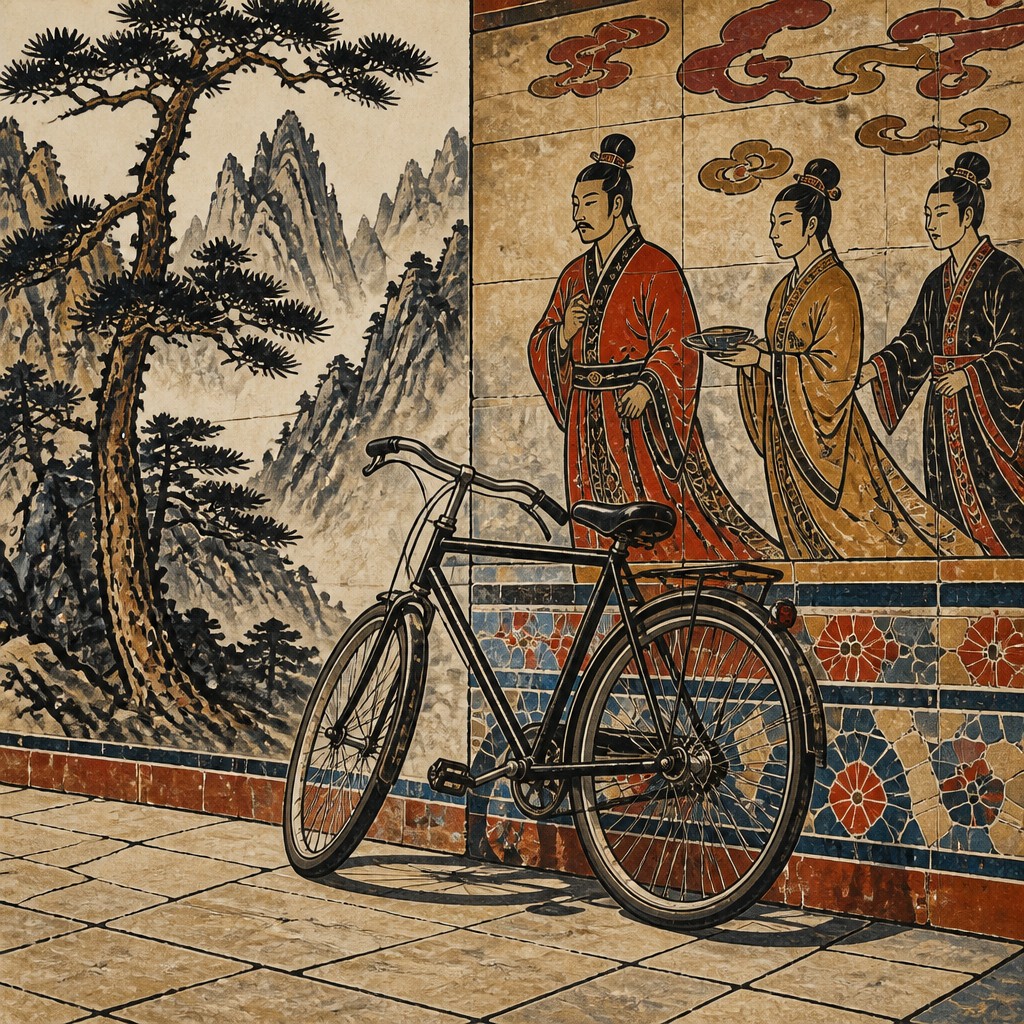
Solemn symbolic figures
People, animals, and legendary or historical subjects are presented with simplified anatomy, composed gestures, and clear silhouettes. Decorative details serve narrative or symbolic emphasis rather than casual realism.
North Korean Prompt Ideas
Start from an idea — each one opens the generator with the style ready to go. See all 40 North Korean prompts →
How to Create North Korean Art
Master the craft step by step — or skip straight to creating. Read the full guide →
- 1
Establish the brush structure
Begin with a dark, confident contour drawing using a pointed brush or pressure-sensitive digital equivalent. Vary line weight to distinguish foreground forms, distant ridges, clothing folds, and architectural details.
- 2
Limit the palette
Use black ink with a compact set of ochre, cinnabar, mineral blue, pine green, and warm gray. Layer transparent washes, then reserve stronger color for focal figures, banners, animals, or mural accents.
- 3
Build a monumental layout
Arrange the subject in broad planes with a clear central focus and strong silhouettes. Use compressed or symbolic perspective, overlapping mountain ridges, and ample structural rhythm instead of photographic depth.
- 4
Add historical surface cues
For a tomb-mural effect, introduce softened pigment, aged plaster, faint cracks, and restrained mineral irregularity. For a public-mural effect, use cleaner edges and interlocking blocks suggestive of glass or stone.
- 5
Combine references carefully
When working digitally or with an image model, specify Chosonhwa ink line, Goguryeo-inspired mural pigments, Korean mountain scenery, solemn composition, and controlled wash separately. This helps prevent the result from becoming a generic East Asian ink painting.
- 6
Transform a photograph selectively
Simplify the photo into strong contours and large tonal planes before applying the limited palette. Preserve the recognizable silhouette while replacing photographic texture with brush marks, mineral color, and mural-like aging.
The Story
History & Origins of North Korean
The style draws on several layers of Korean visual culture. Goguryeo burial chambers, dating broadly from the fourth to seventh centuries, preserve murals with powerful contour drawing, symbolic animals, celestial imagery, processions, architectural motifs, and strong mineral colors. These works are an important historical source for modern references to early Korean painting, although contemporary North Korean art should not be treated as a direct continuation of the tomb murals.
Modern Chosonhwa developed within the broader Korean ink-painting tradition and was institutionalized in the Democratic People's Republic of Korea as a major form of fine art. It commonly combines ink line with color washes and has been used for landscapes, historical subjects, rural scenes, portraits, and public or ideological imagery. The present label extends that lineage by combining Chosonhwa brush language with ancient mural references and monumental mosaic aesthetics.
Influences: The style is related to Chosonhwa and the wider Korean ink-painting tradition, Goguryeo funerary murals, East Asian literati landscape conventions, Korean folk and decorative painting, and twentieth-century public mural culture. Its hard-edged color divisions also connect it to mosaic art, while its solemn scale and simplified figures recall monumental realism and state-sponsored mural traditions without belonging wholly to any one of them.
Frequently Asked Questions
Is North Korean art style a recognized historical art movement?
Not in the same sense as Impressionism, Cubism, or Baroque art. This label describes a curated synthesis of North Korean Chosonhwa, ancient Goguryeo mural references, Korean landscape conventions, and monumental mosaic aesthetics.
What is Chosonhwa?
Chosonhwa is a modern Korean ink-and-color painting tradition associated particularly with the Democratic People's Republic of Korea. It uses brush line, ink wash, and color to depict landscapes, people, history, rural life, and other subjects.
How does this style differ from traditional Chinese ink painting?
Both may use brush line, wash, and layered mountain landscapes, but this synthesis emphasizes Korean references, Goguryeo mural color, and a more monumental, declarative composition. It often uses flatter pigment areas and stronger contouring than a purely literati-oriented ink landscape.
Is it accurate to call this ancient Goguryeo art?
No. Goguryeo tomb murals are an ancient historical source, while the North Korean art style described here is a modern or AI-era synthesis. The visual relationship is one of quotation and influence, not uninterrupted historical identity.
What materials are traditionally associated with the look?
The closest traditional materials include ink, mineral or opaque watercolor pigments, paper, silk, and prepared mural surfaces. A digital workflow can imitate these through pressure-sensitive brushes, textured grounds, limited palettes, and layered opacity.
What subjects work best in this style?
Mountain panoramas, pine forests, historical or ceremonial scenes, guardian animals, fortresses, rural processions, and symbolic birds suit the visual language particularly well. Subjects with strong silhouettes and a clear central arrangement tend to read more convincingly than casual snapshots.
Create your first North Korean artwork
Describe anything — or upload a photo — and see it in North Korean Art Style in seconds.
Related Styles
Discover similar art styles