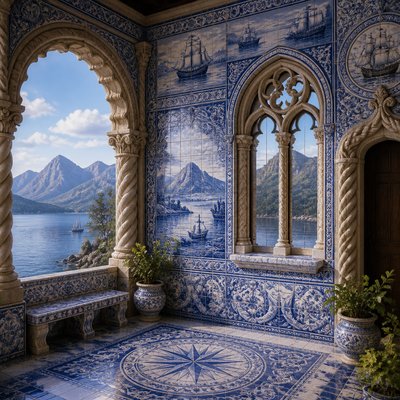
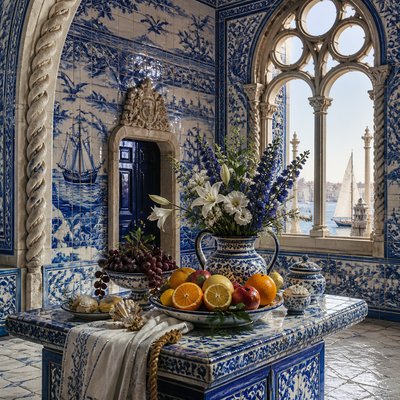
Istanbul Art Style
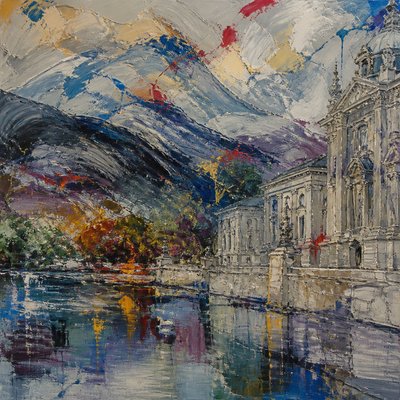
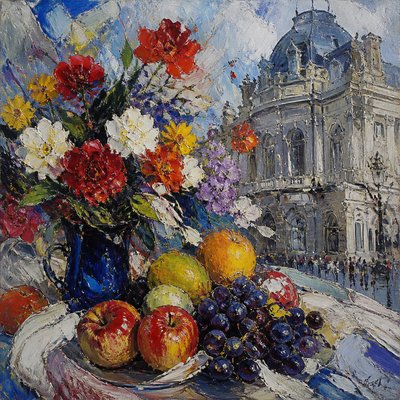
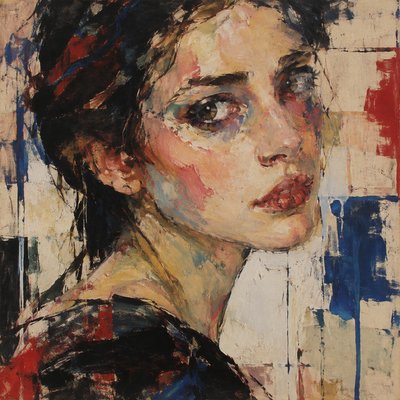
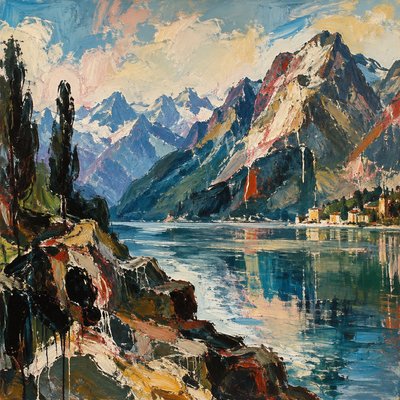
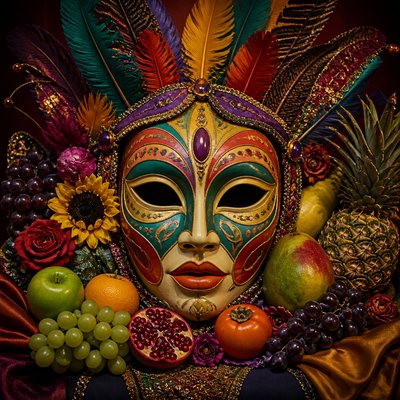
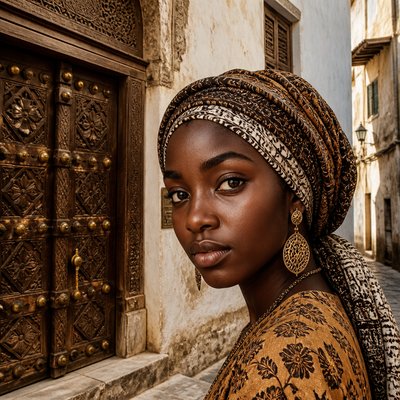
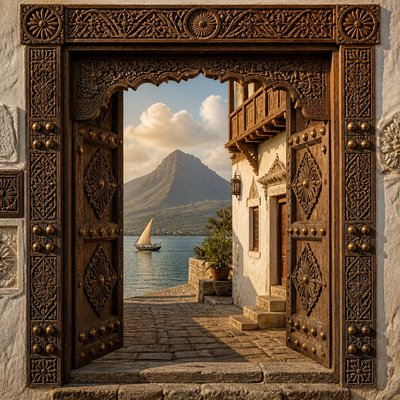
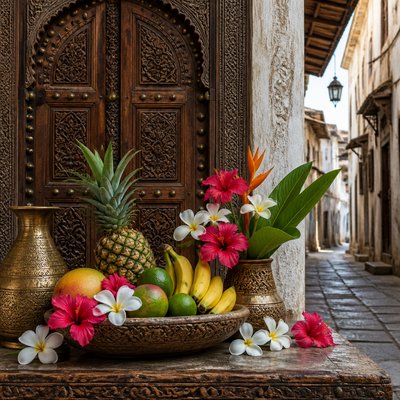
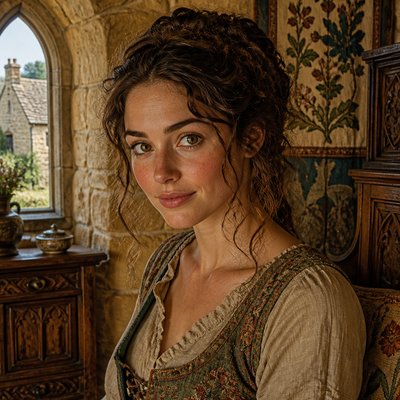
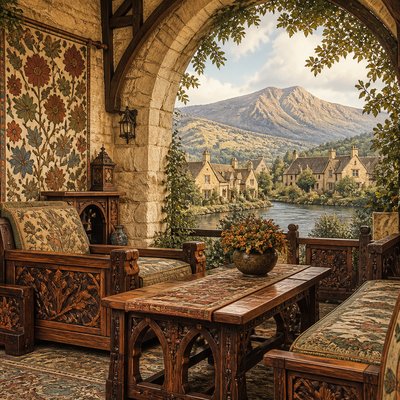
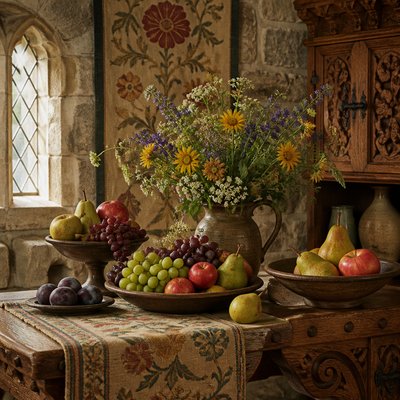
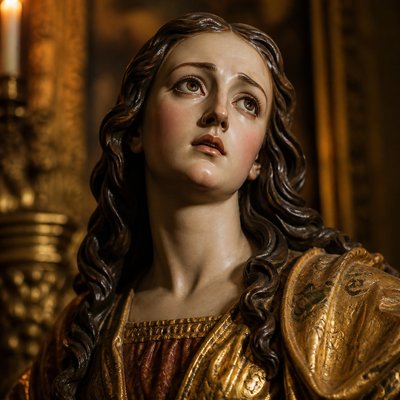
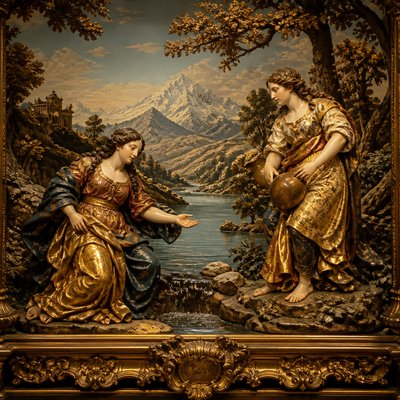
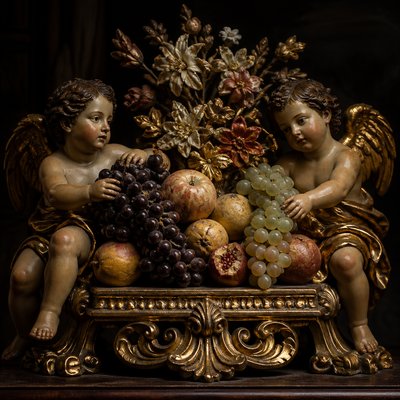
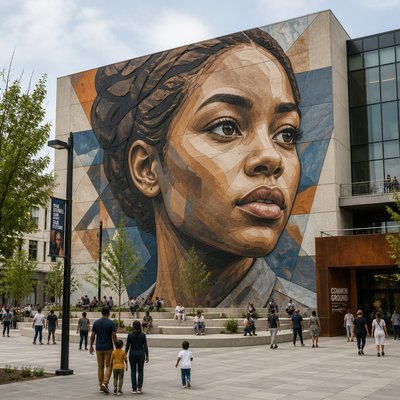
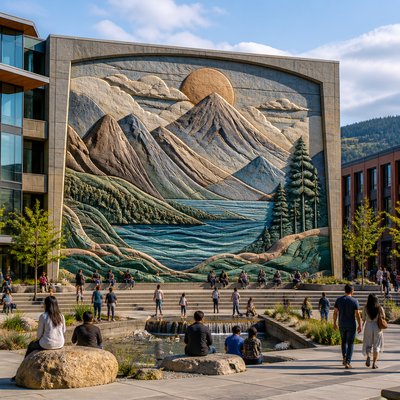
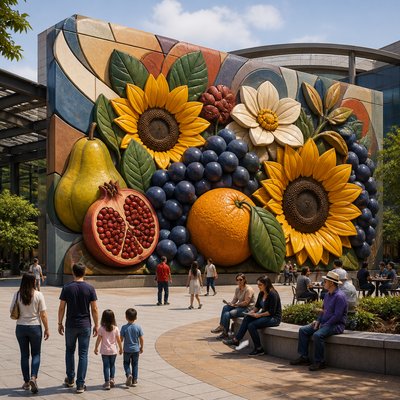
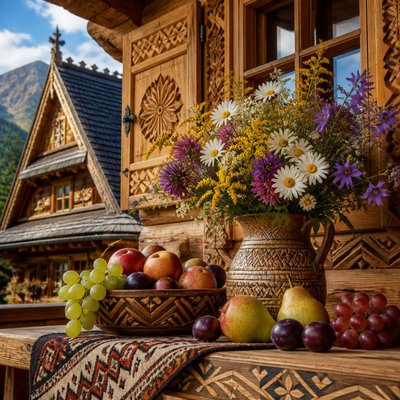
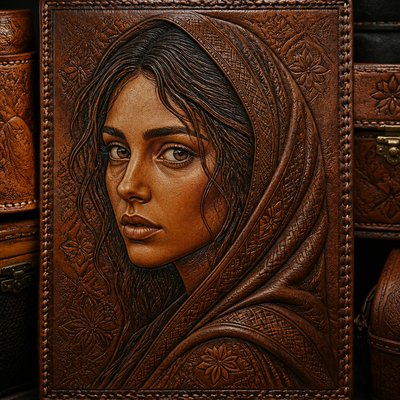
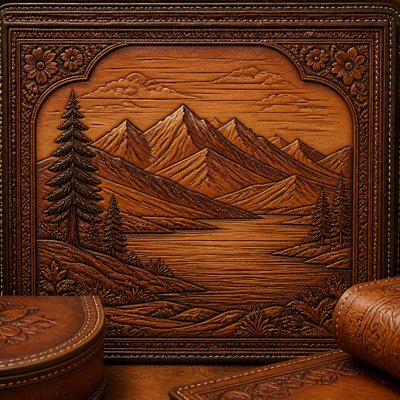
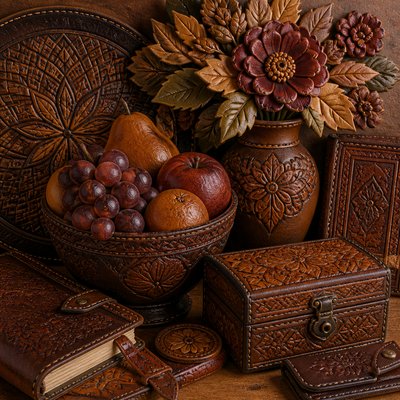
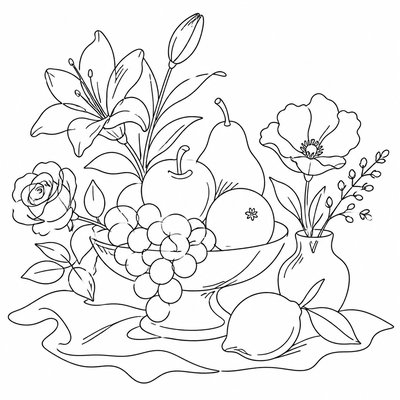
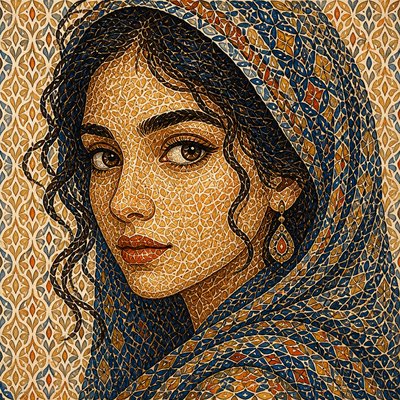
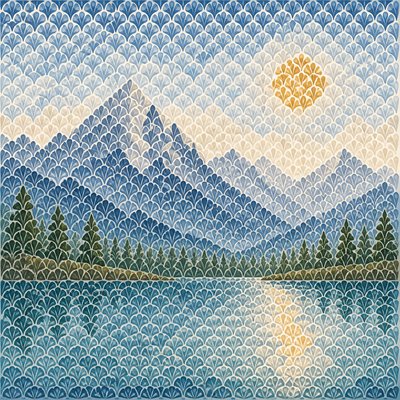
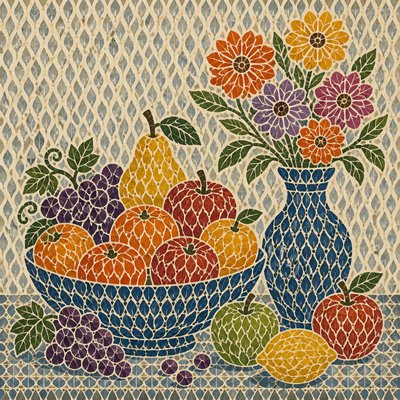
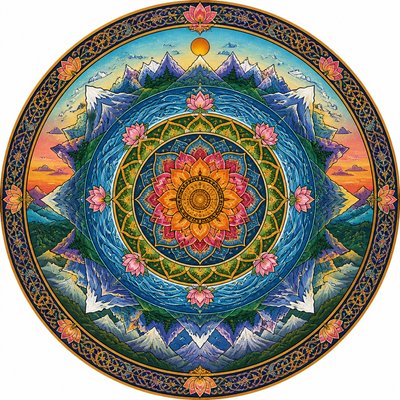
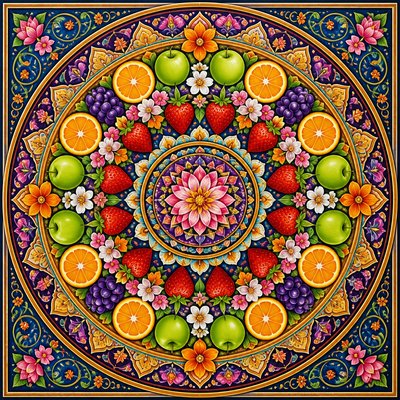
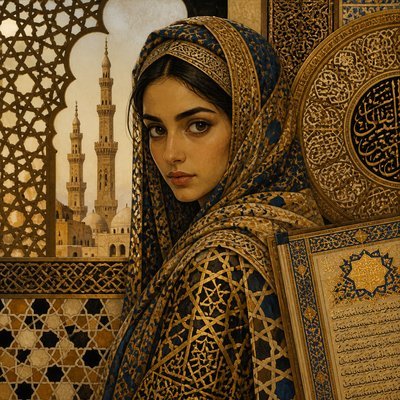
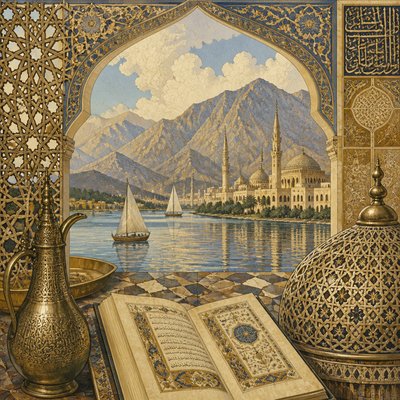
Explore Istanbul Art Style: Iznik florals, Ottoman-inspired illumination, geometric mosaics, calligraphy, and domed skylines in warm gold.
Instantly rendered in Istanbul — or transform a photo
Istanbul Gallery
Tap any artwork to explore it
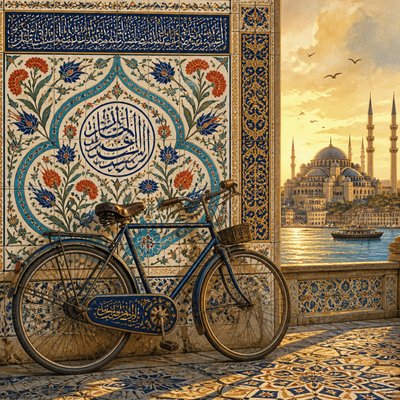
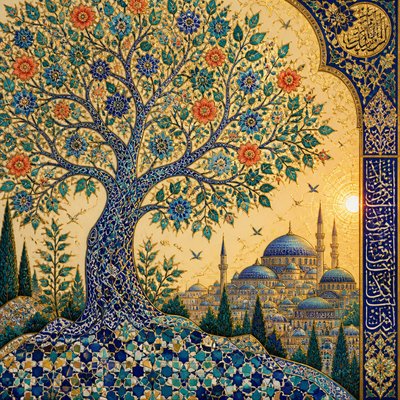
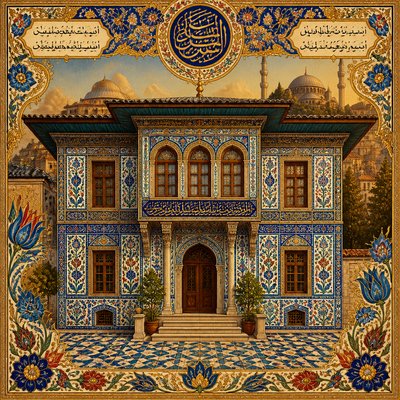
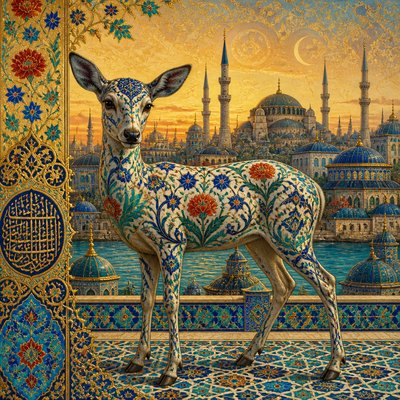
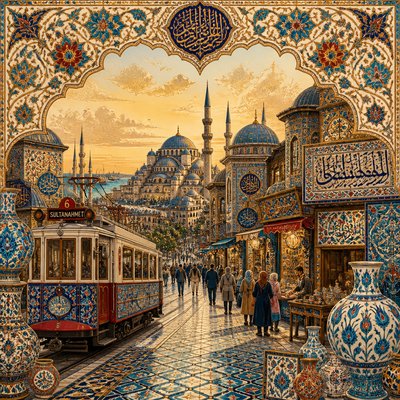
What is Istanbul Art Style?
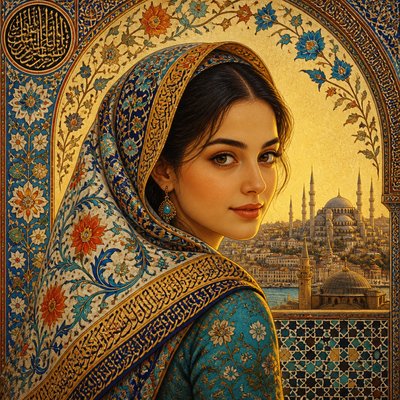
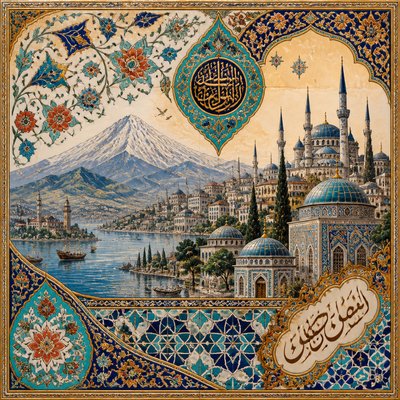
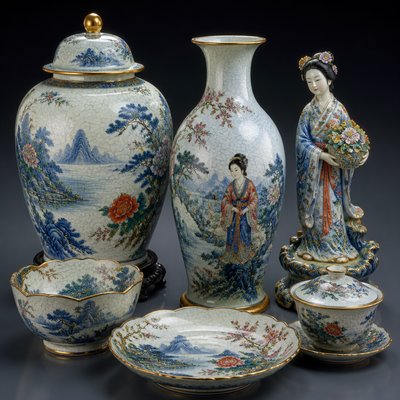
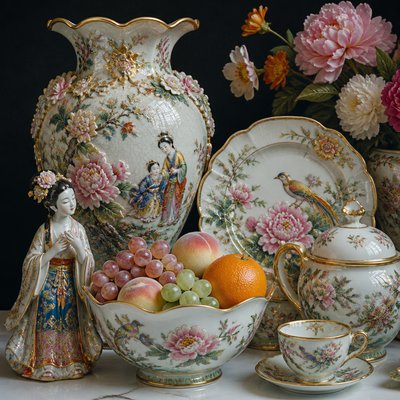
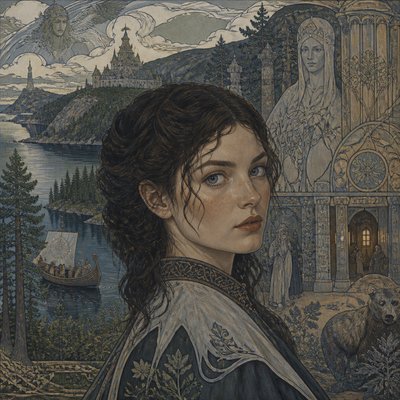
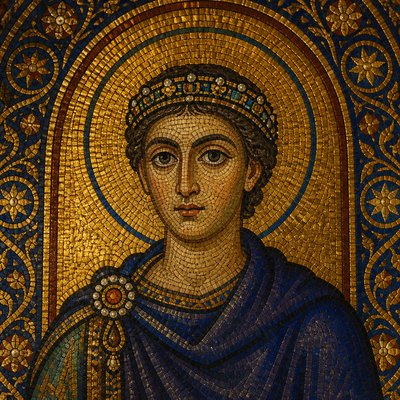
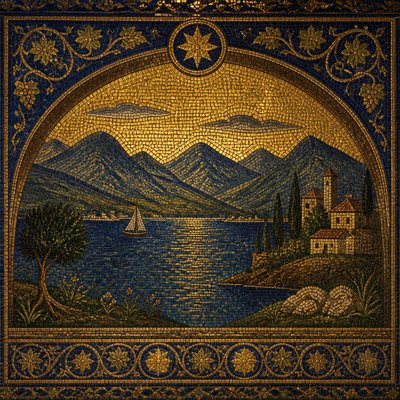
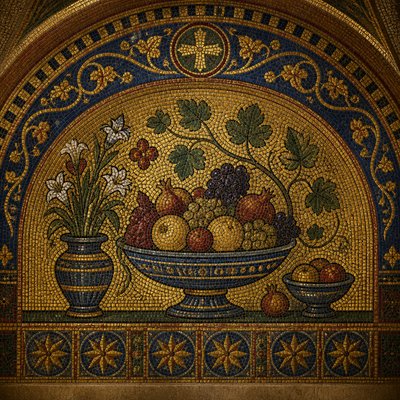
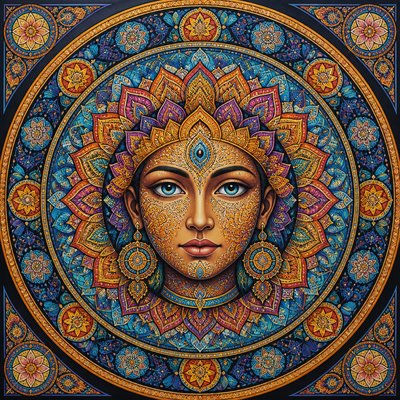
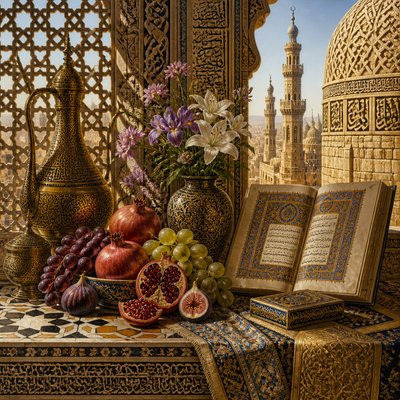
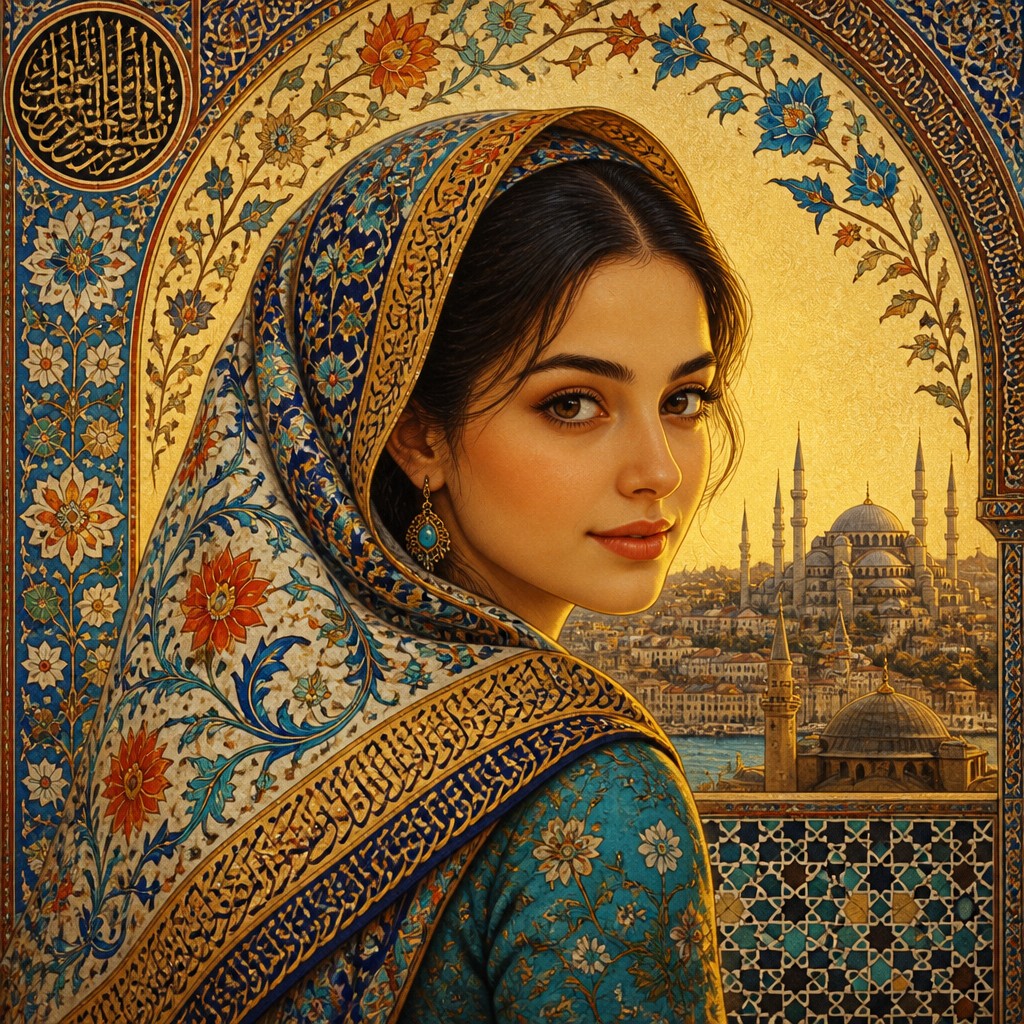
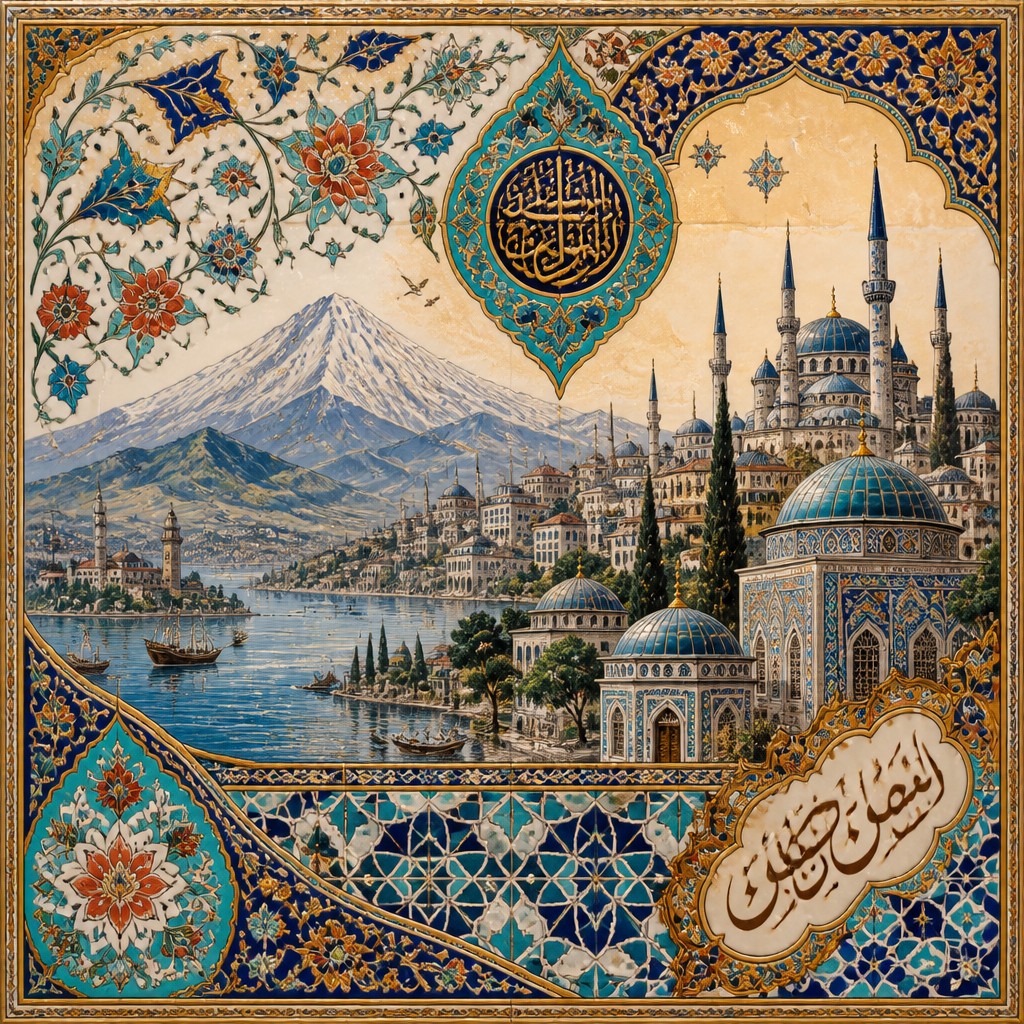
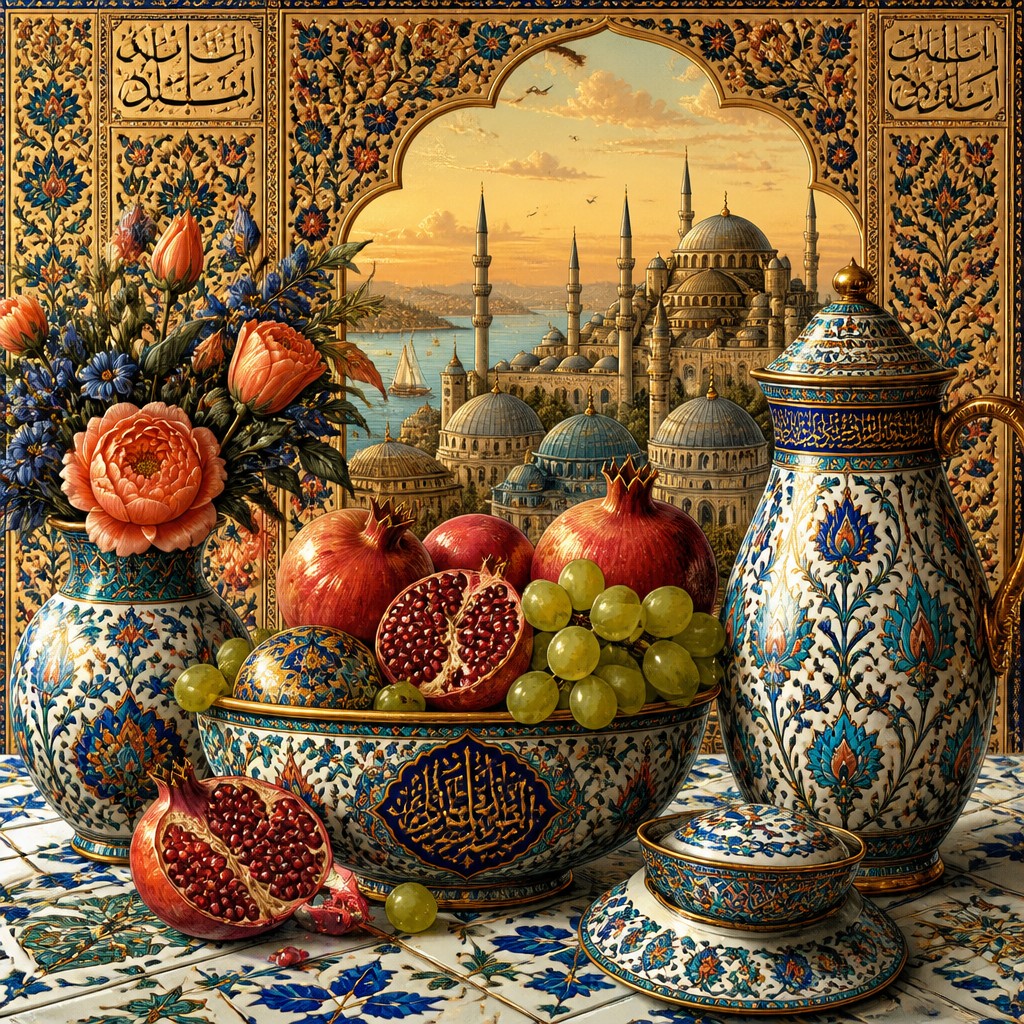
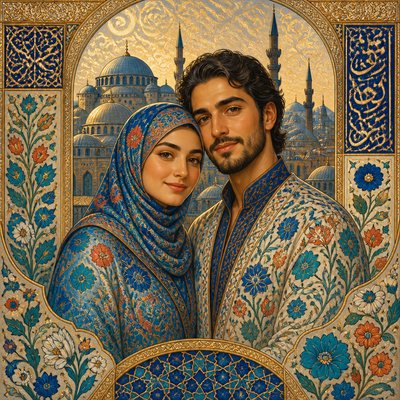
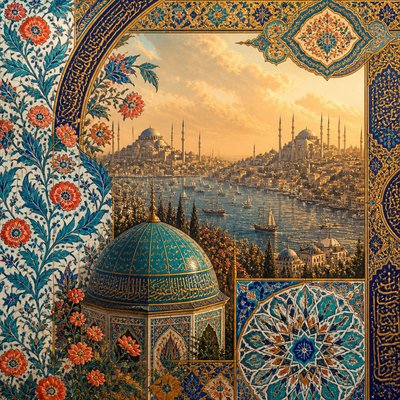
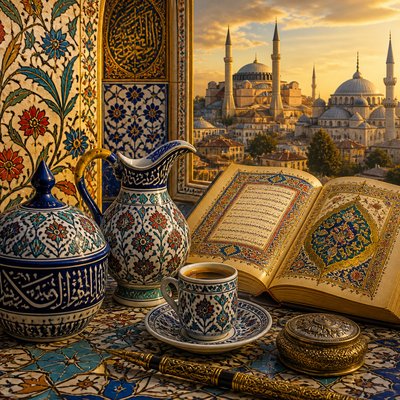
Istanbul Art Style is a contemporary, cross-media aesthetic built from visual traditions associated with Ottoman Istanbul. Its signature vocabulary combines cobalt and turquoise Iznik-inspired ceramics, coral-red floral ornament, gilded manuscript illumination, geometric tessellation, flowing calligraphic forms, and a skyline of monumental domes and slender towers. The result is decorative, architectural, and richly surface-oriented rather than strictly naturalistic.
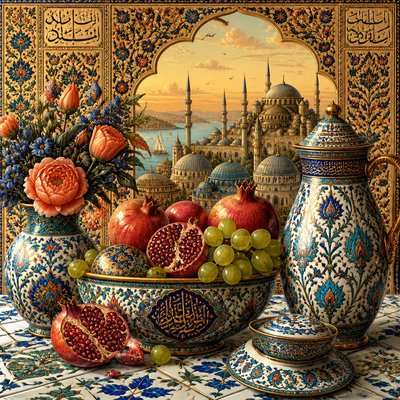
The style looks unified because repeated motifs connect every part of the image: flowers echo across tile panels and manuscript borders, geometry organizes the composition, and gold light binds ceramic glaze, paper, stone, and sky together. It can be used for cityscapes, interiors, portraits, still lifes, maps, fantasy architecture, and ornamental illustrations while retaining a sense of historical atmosphere and carefully structured pattern.
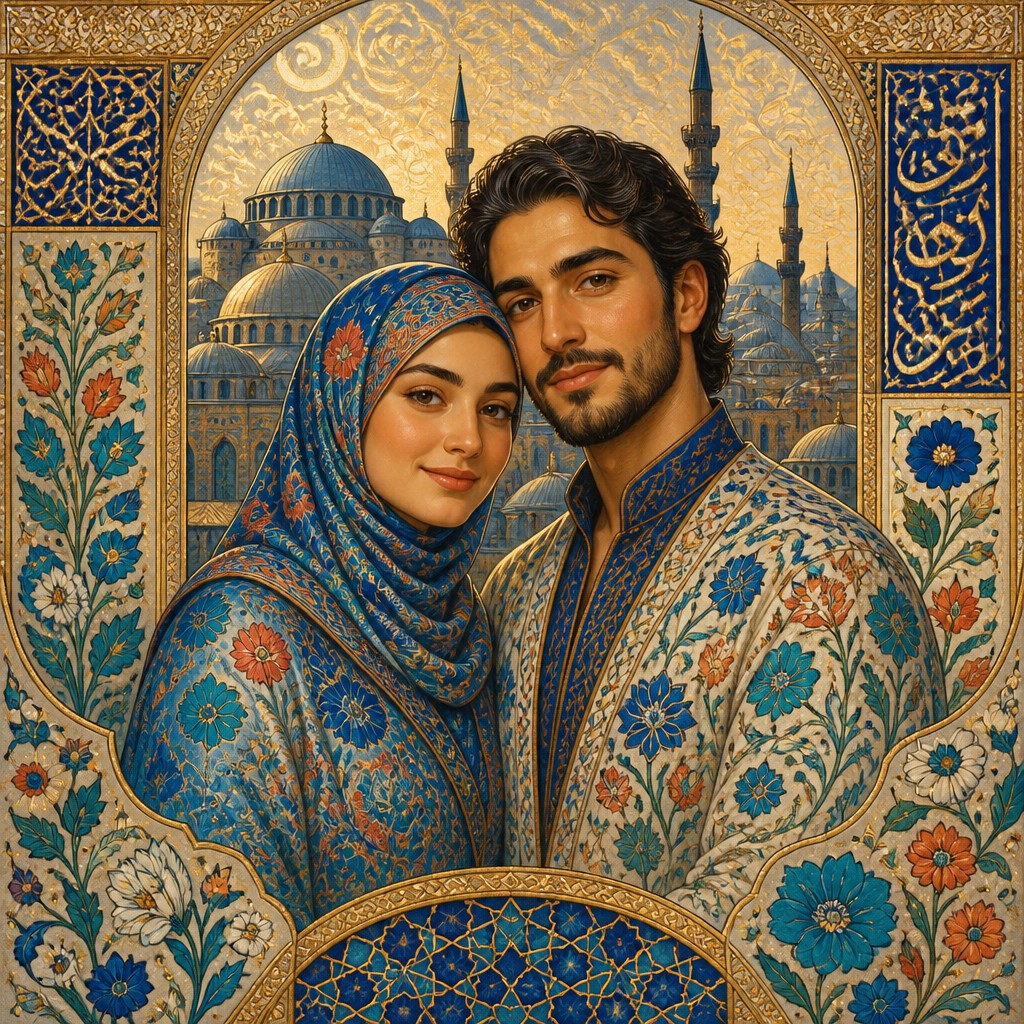
Try It On Your Photos
Upload any photo and convert it into Istanbul Art Style — drag the sliders to compare before and after.
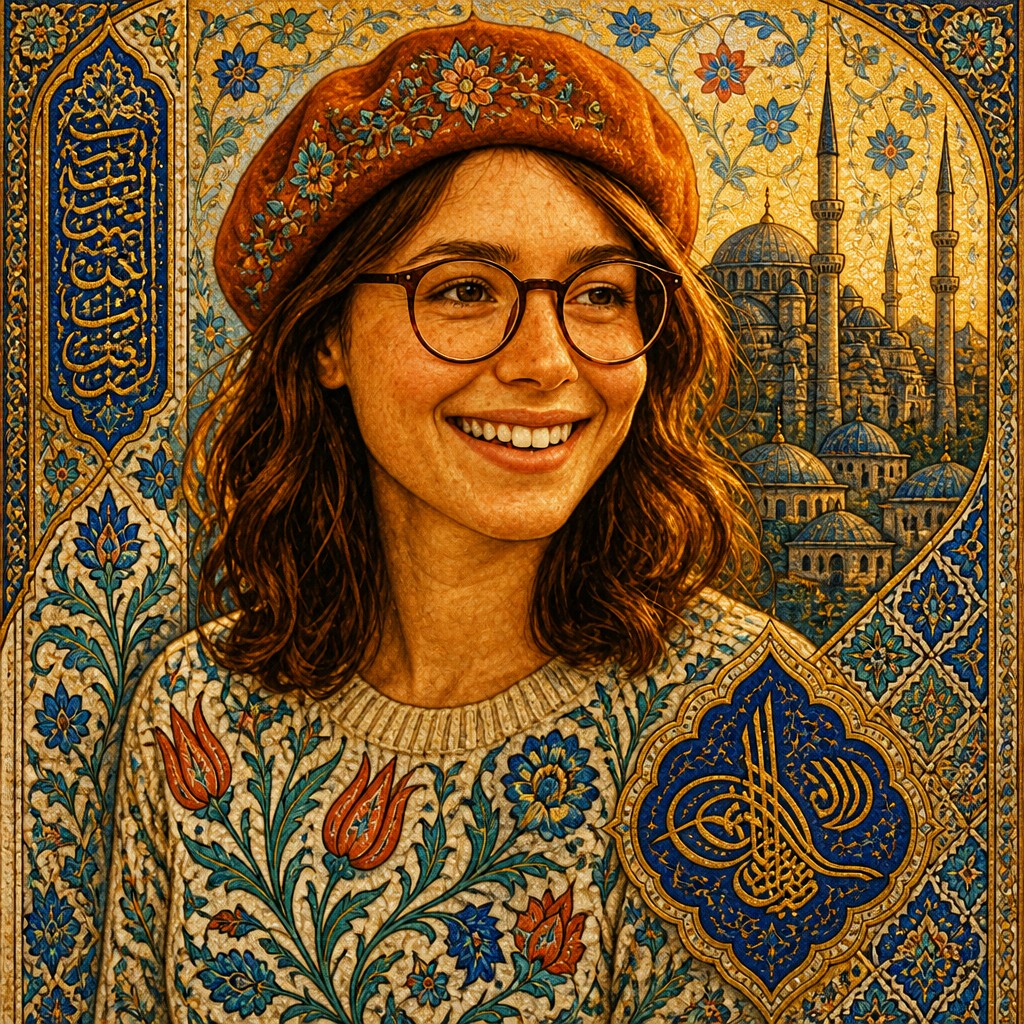

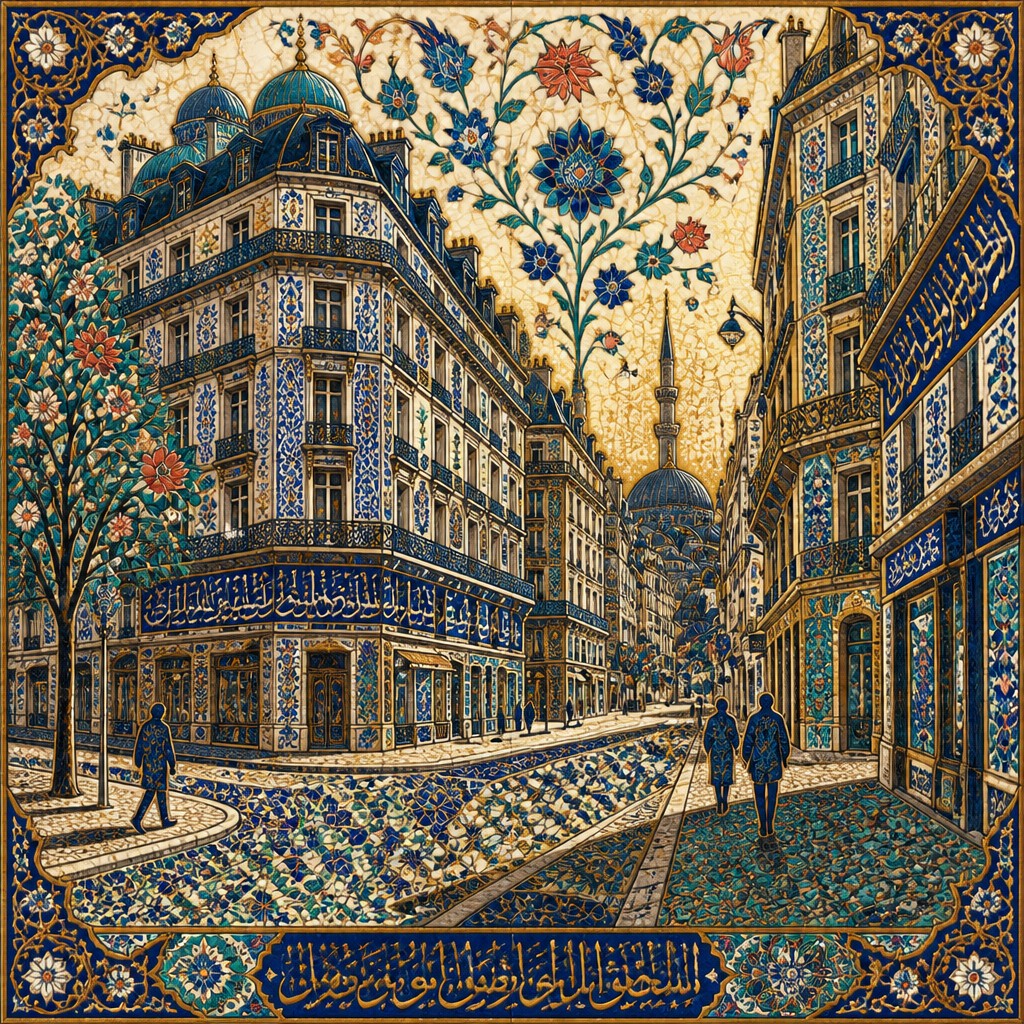

What Defines Istanbul Art Style
The signature details, up close
Iznik-inspired floral ceramics
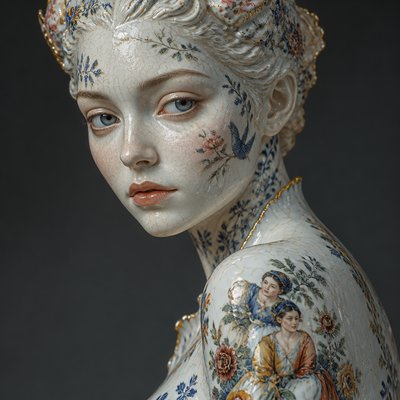
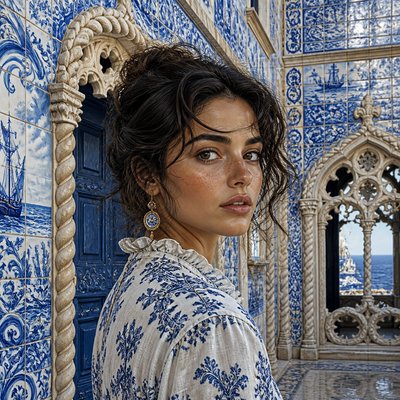
Stylized tulip, carnation, hyacinth, and saz-leaf forms appear in cobalt blue, turquoise, coral red, white, and black outlines. Their flat, carefully bounded shapes suggest painted and glazed ceramic surfaces.
Gilded manuscript illumination
Fine borders, medallions, arabesques, and miniature-scale ornament frame the composition like an illuminated book page. Gold leaf effects add reflective accents and a ceremonial sense of value.
Domed imperial skyline
Layered domes, semi-domes, minarets, courtyards, and monumental silhouettes establish an Istanbul-associated architectural identity. Buildings are often arranged as rhythmic profiles rather than rendered as strict architectural plans.
Geometric tessellation
Stars, polygons, interlaced bands, and repeating grids organize backgrounds, floors, walls, and borders. Geometry provides visual order beneath the more organic floral ornament.
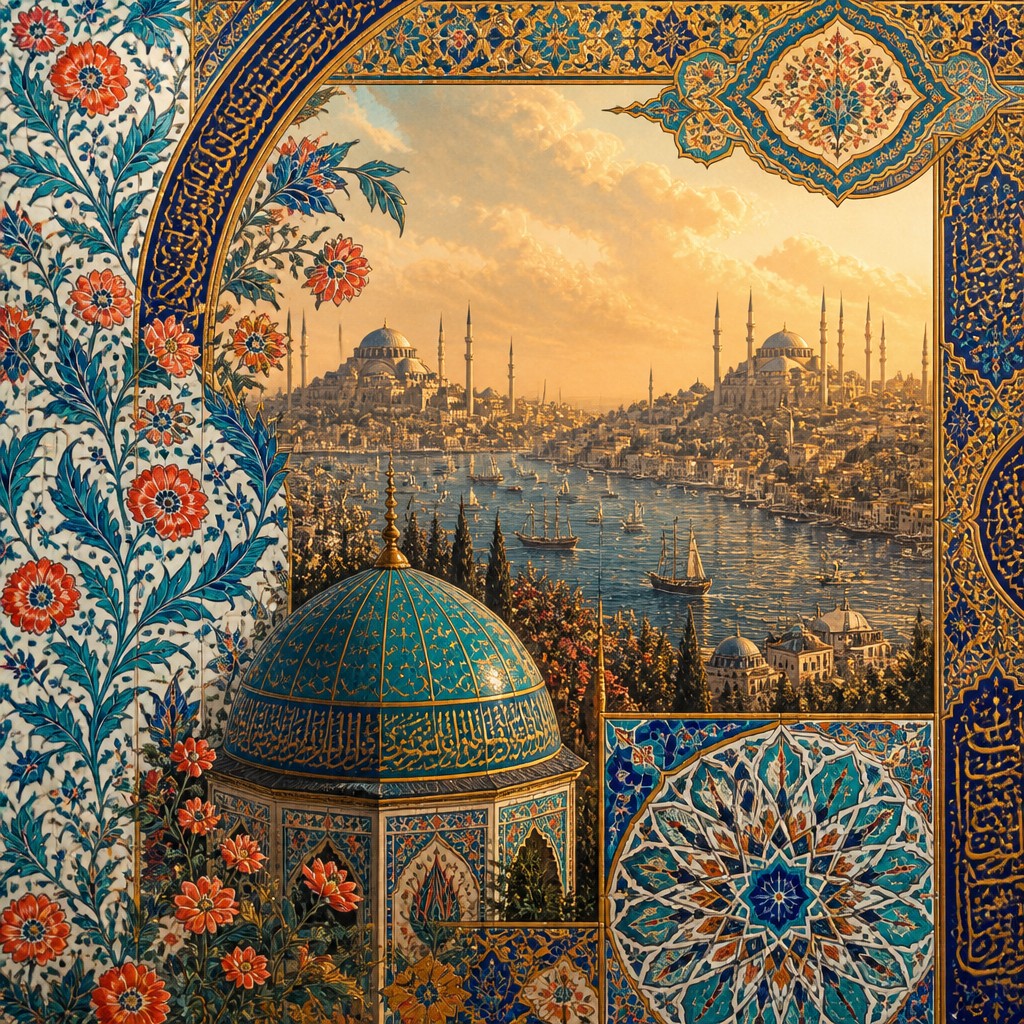
Calligraphic ornament
Flowing script-like curves and ornamental letterforms trace across tiles, borders, or architectural surfaces. They should function as visual rhythm unless accurate, readable calligraphy is specifically required.
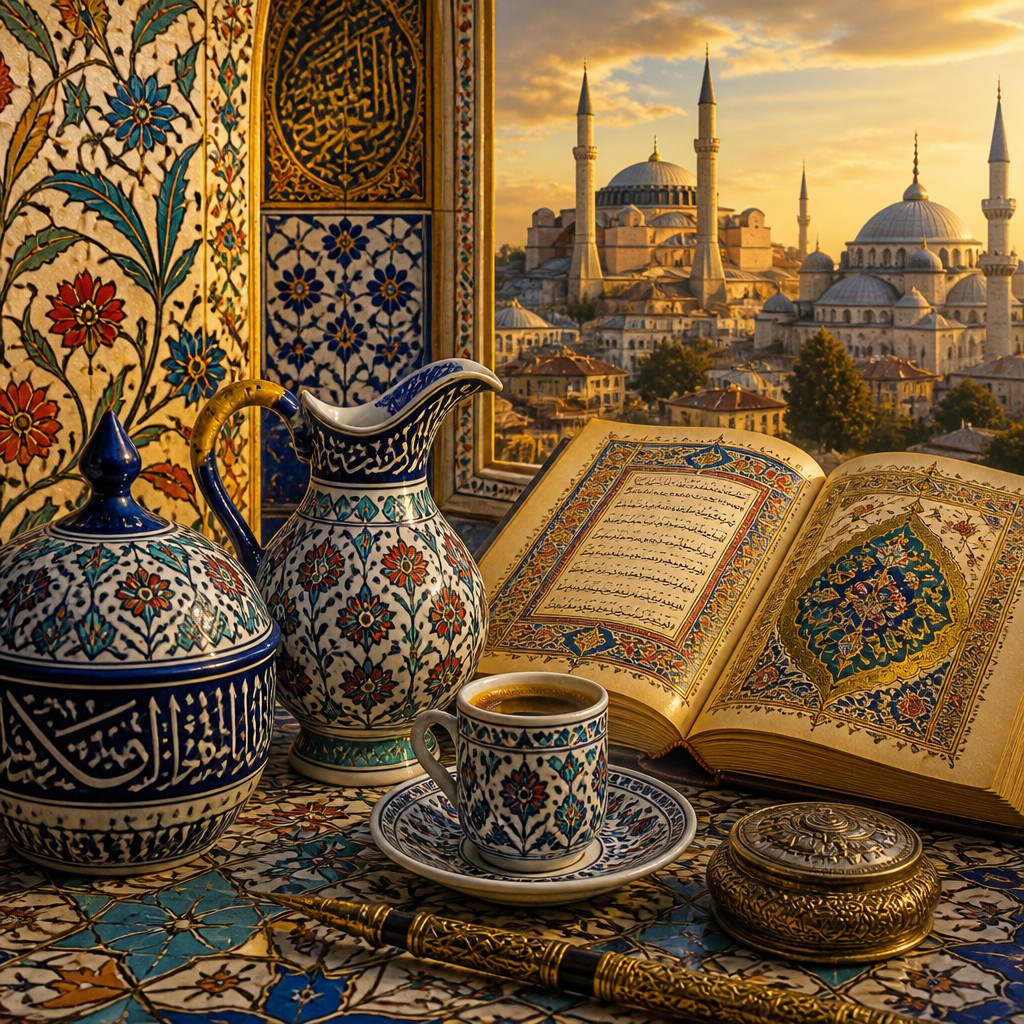
Glazed surface and warm light
Glossy highlights, fine crackle or ceramic texture, polished gold, and softly illuminated stone create tactile richness. Warm amber light often contrasts with cool blue and turquoise pigment.
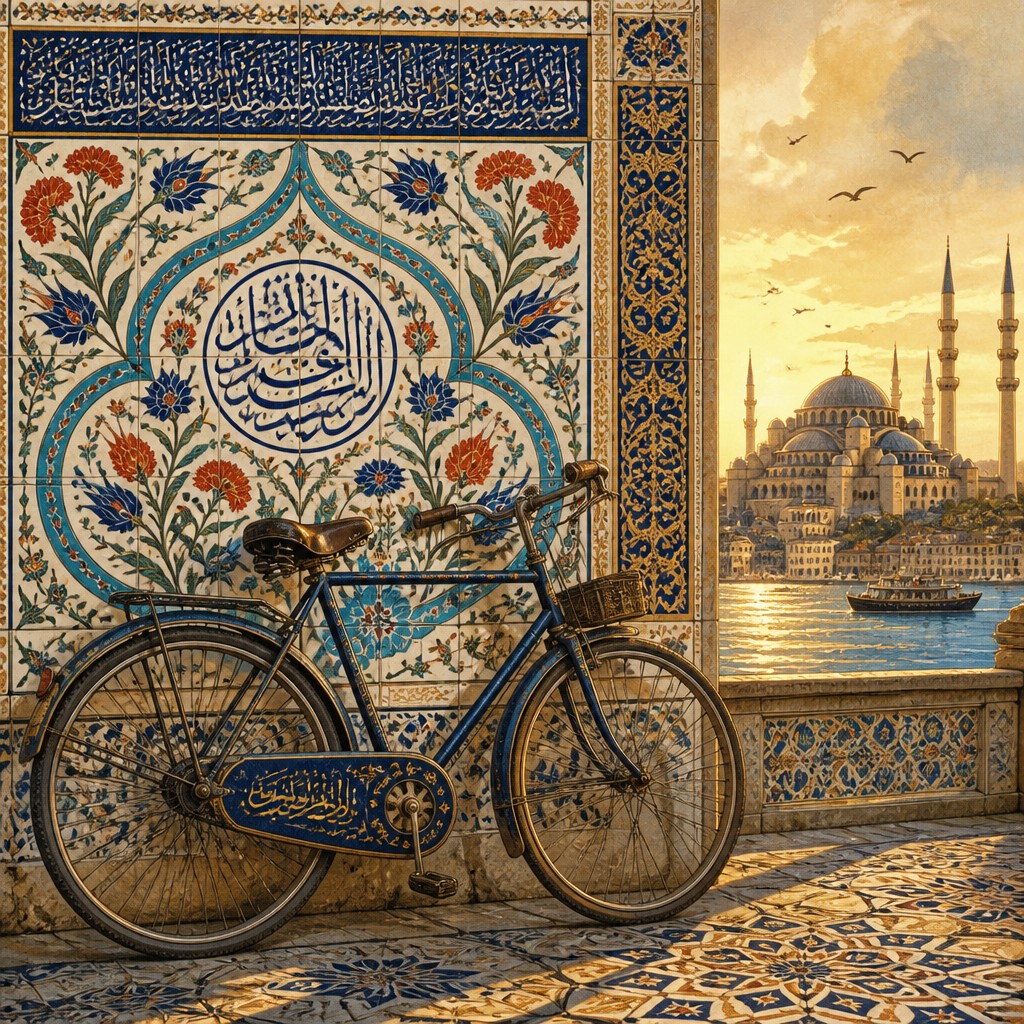
Flat pattern with selective depth
The style balances decorative two-dimensional patterning with atmospheric depth in the skyline or interior. Strong outlines, frontal motifs, and compressed perspective keep the image connected to manuscript and tile design.
Istanbul Prompt Ideas
Start from an idea — each one opens the generator with the style ready to go. See all 40 Istanbul prompts →
How to Create Istanbul Art
Master the craft step by step — or skip straight to creating. Read the full guide →
- 1
Build a controlled palette
Begin with cobalt blue, turquoise, coral red, ivory, black, and metallic gold, adding muted stone or deep indigo only when needed. Limit the palette so the pattern remains legible and the gold functions as an accent.
- 2
Design the pattern before the detail
Establish a border, central medallion, tile grid, or architectural axis before adding flowers and calligraphic curves. In traditional or digital work, use repeated modules and mirrored geometry to create convincing ornamental continuity.
- 3
Layer media-specific surfaces
For a handmade result, combine opaque watercolor or gouache with fine ink lines and metallic leaf or gold paint; for digital work, separate ceramic glaze, paper, stone, and illumination into texture layers. Use restrained highlights to suggest reflective glaze without losing the flat decorative shapes.
- 4
Construct the skyline as a silhouette
Place a dominant central dome or clustered domes behind smaller rooflines, minarets, and courtyard forms. Vary scale and haze to create depth while preserving the rhythmic, iconic profile.
- 5
Guide image-making with precise descriptors
Specify the subject first, then call for Iznik-inspired floral tilework, gilded manuscript borders, geometric tessellation, domed architecture, cobalt-turquoise-coral colors, and warm gold light. Add constraints such as flat ornament, fine outlines, symmetrical framing, and no modern signage when a coherent result is important.
The Story
History & Origins of Istanbul
Istanbul Art Style is not a named historical movement or a single period-specific school. It is an invented contemporary synthesis drawing primarily on Ottoman decorative arts, especially the Iznik ceramic tradition that flourished in the Ottoman Empire during the sixteenth century, illuminated manuscript design, Islamic geometric ornament, and the imperial architectural silhouettes of Istanbul.
Its visual lineage also includes the circulation of motifs among court workshops, tile makers, calligraphers, book artists, and architects. Modern digital illustration and image-making extend these traditions by layering ceramic pattern, gold illumination, architectural massing, and atmospheric light into one deliberately hybrid composition. Because it combines elements from different media and periods, it should be understood as an aesthetic interpretation rather than a historically exact Ottoman style.
Influences: The style draws on Ottoman Iznik ceramics, Islamic geometric ornament, arabesque pattern, Ottoman manuscript illumination, calligraphic design, and the domed architectural traditions of Istanbul. It also relates to Persianate miniature painting, Byzantine and Ottoman urban visual culture, Arts and Crafts pattern design, and contemporary ornamental digital illustration. These influences are combined selectively rather than reproduced as a strict historical reconstruction.
Frequently Asked Questions
What defines Istanbul Art Style?
Its defining combination is Iznik-inspired floral tilework, gilded manuscript ornament, geometric tessellation, calligraphic curves, and a skyline of domes and minarets. A restrained palette of cobalt, turquoise, coral, ivory, black, and gold helps unify the imagery.
Is Istanbul Art Style a historical Ottoman art movement?
No. The name describes a contemporary hybrid aesthetic rather than a formally recognized historical movement. It draws from genuine Ottoman and Islamic visual traditions, but combines objects, techniques, and periods that would not necessarily have appeared together in one historical artwork.
How is it different from traditional Iznik art?
Traditional Iznik art primarily refers to decorated Ottoman ceramics and tiles, especially the floral and vegetal designs associated with sixteenth-century production. Istanbul Art Style expands that vocabulary to include manuscript borders, architectural skylines, calligraphic ornament, atmospheric lighting, and non-ceramic subjects.
Can this style be used for portraits or modern subjects?
Yes. Portraits, animals, interiors, vehicles, and contemporary city scenes can be framed with floral borders, tile patterns, and gold illumination. The strongest results preserve the style's decorative structure instead of treating the motifs as random surface decoration.
How can I create the look by hand?
Plan a symmetrical layout, draw a repeating geometric grid, and add stylized flowers with clean outlines and limited colors. Gouache, watercolor, ink, colored pencil, and metallic paint can suggest the flat pigment, fine linework, and gilded accents associated with the aesthetic.
How should I describe it in an image prompt?
Name the subject first, then specify cobalt and turquoise tilework, coral floral motifs, gilded manuscript borders, geometric mosaics, domed silhouettes, and warm golden illumination. Mention flat ornament, fine detail, symmetrical framing, and ceramic glaze when you want a more coherent and recognizable result.
Create your first Istanbul artwork
Describe anything — or upload a photo — and see it in Istanbul Art Style in seconds.
Related Styles
Discover similar art styles