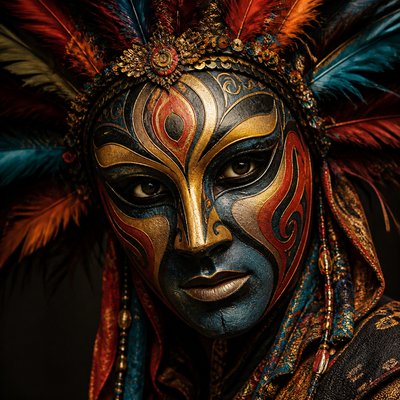
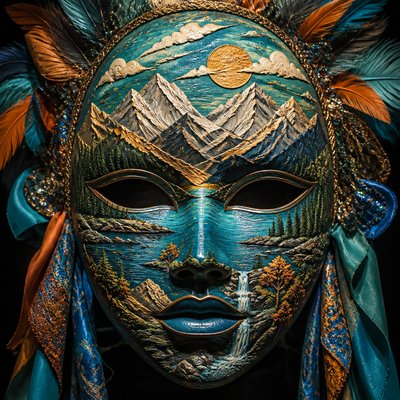
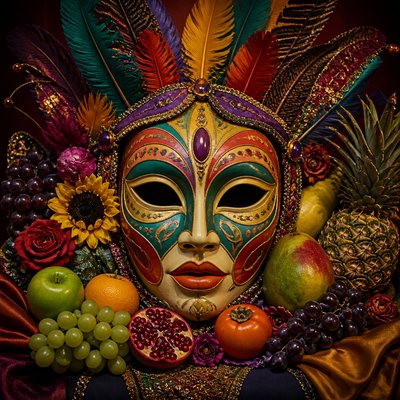
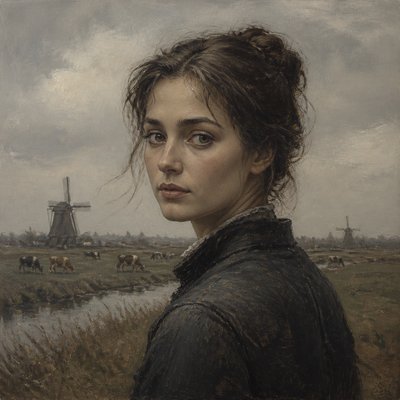
Israeli Art Style
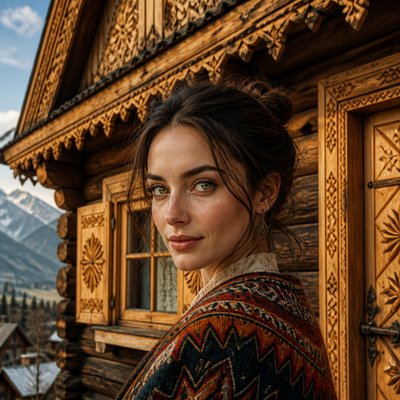
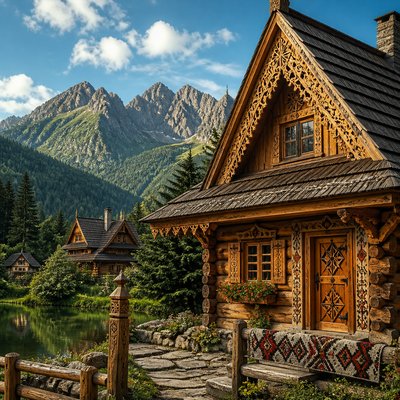
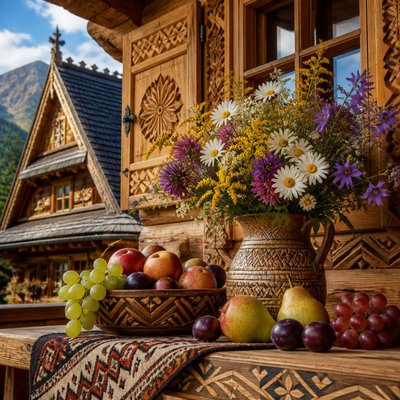
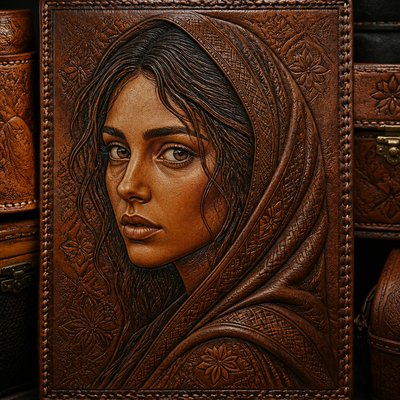
Explore Israeli Art Style: zodiac mosaics, Bezalel silver filigree, Jerusalem limestone, olive terraces, and sunlit geometric craft.
Instantly rendered in Israeli — or transform a photo
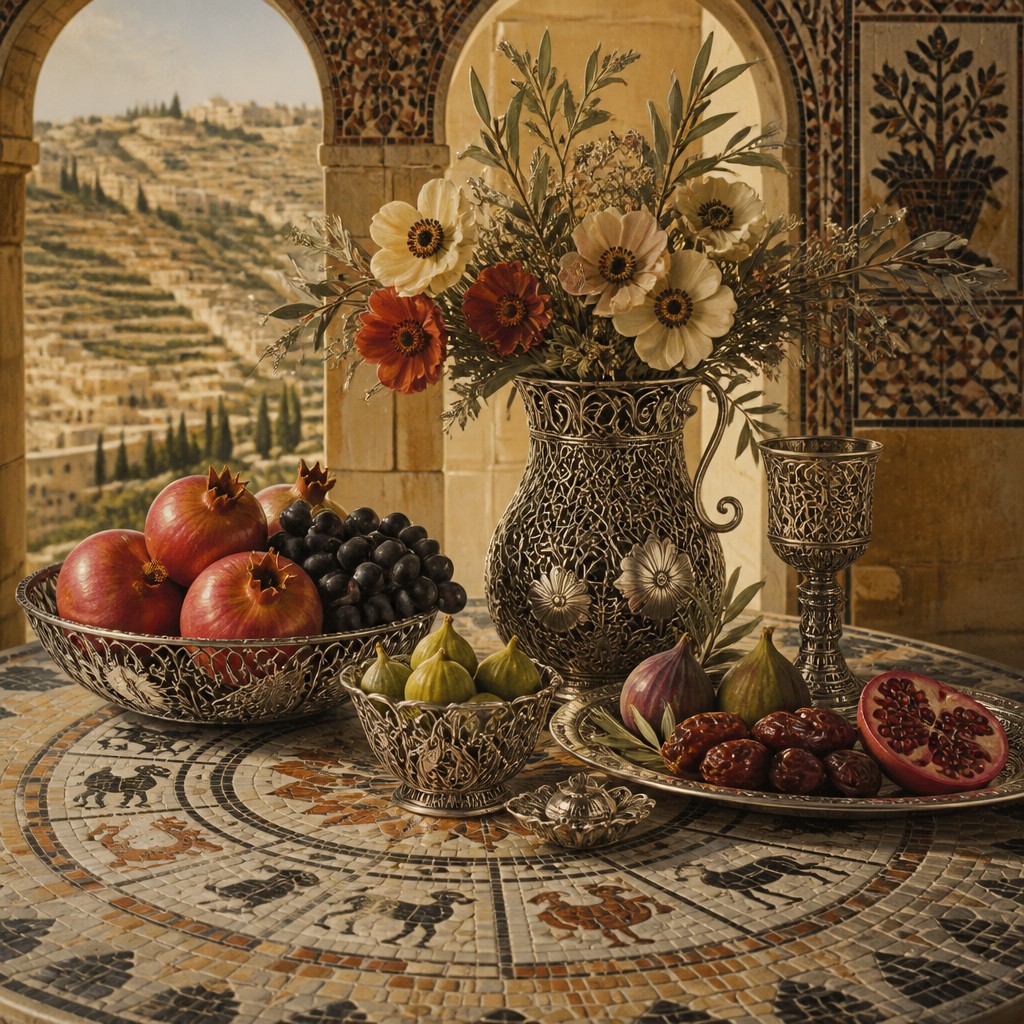
Israeli Gallery
Tap any artwork to explore it
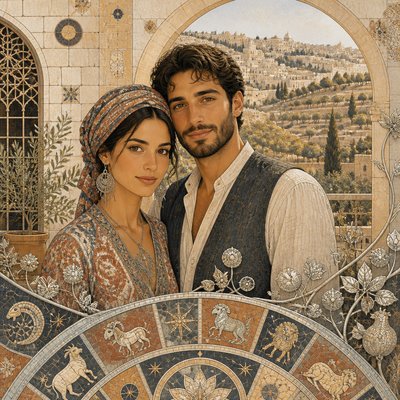
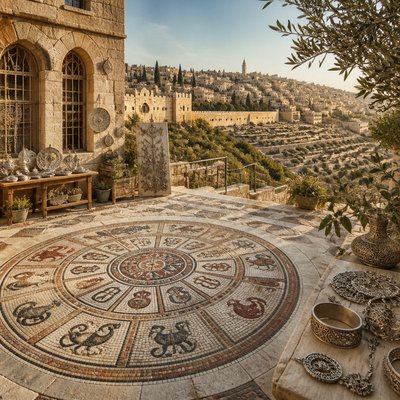
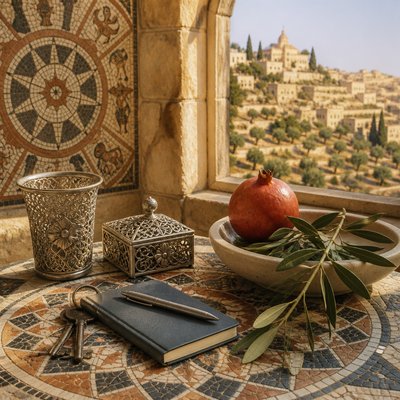
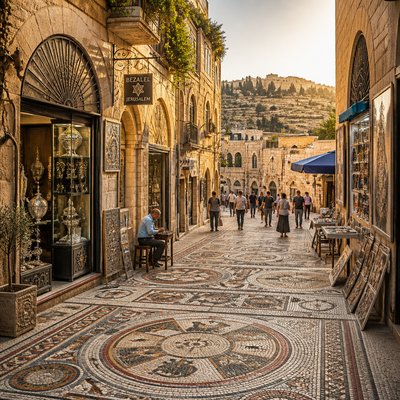
What is Israeli Art Style?
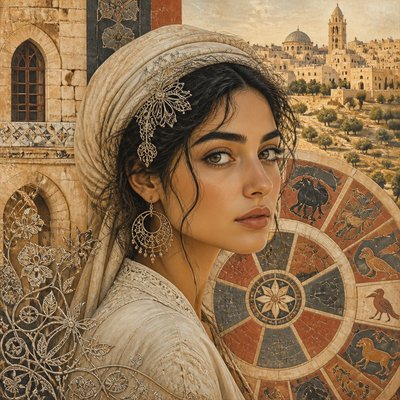
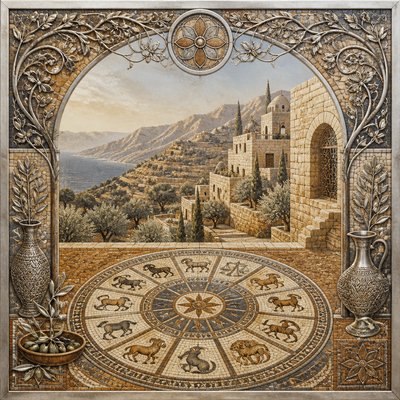
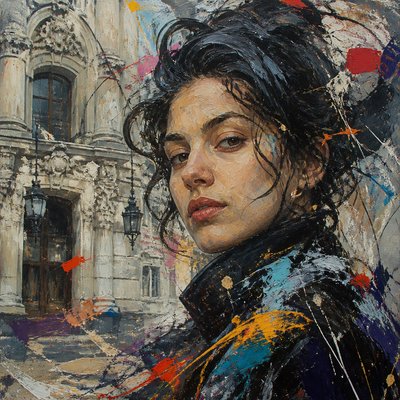
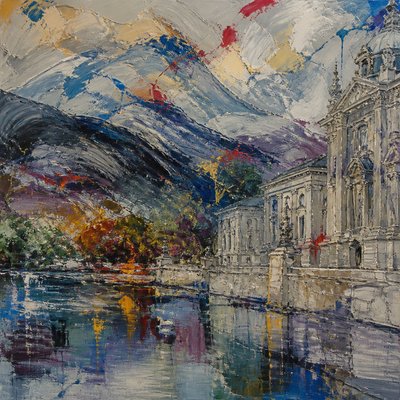
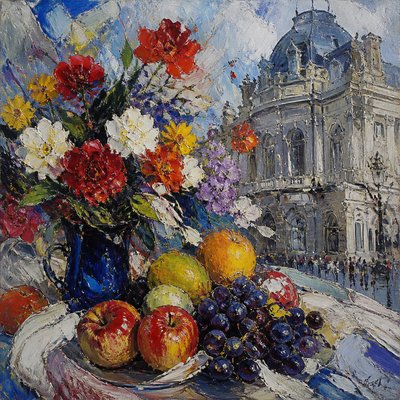
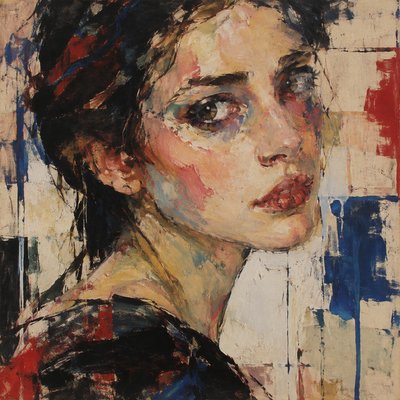
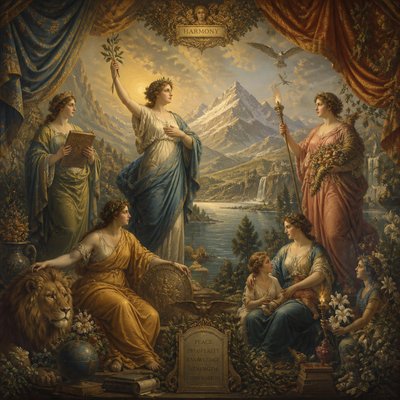
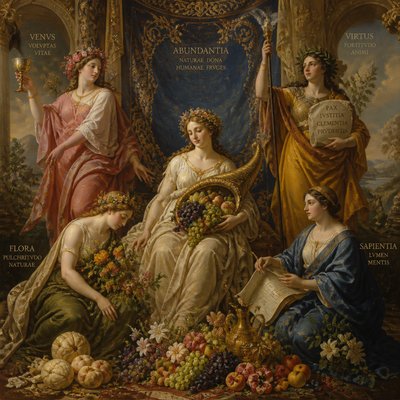
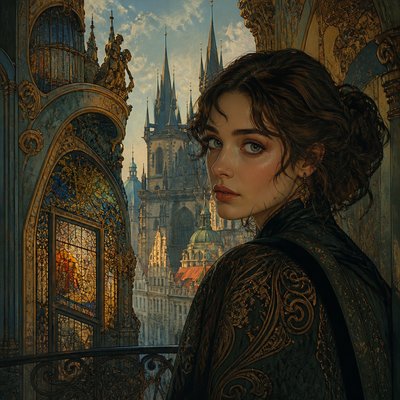
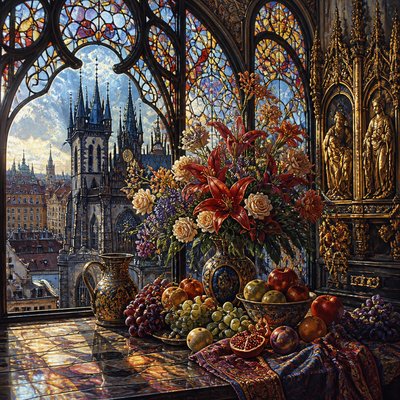
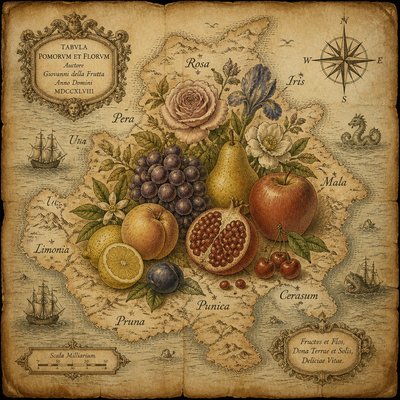
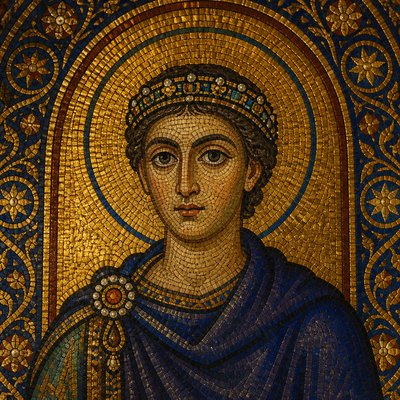
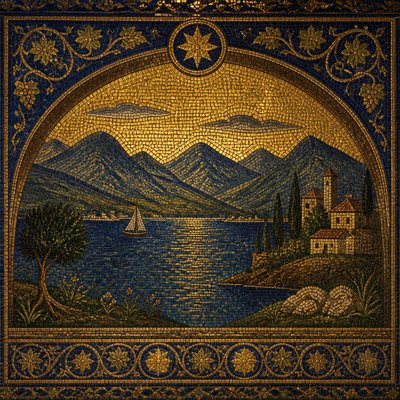
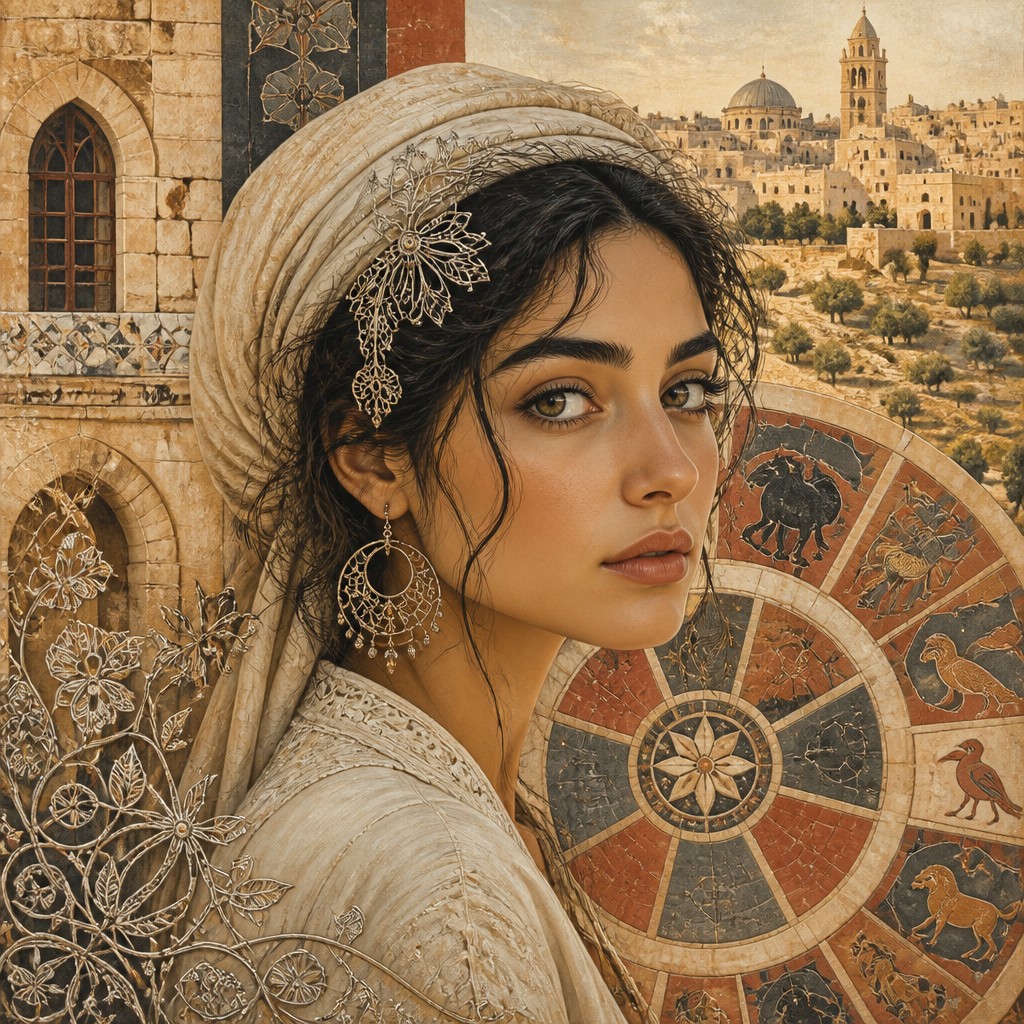
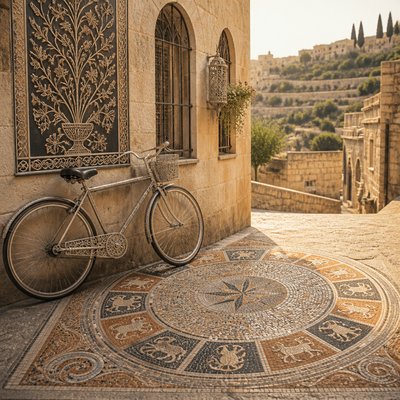
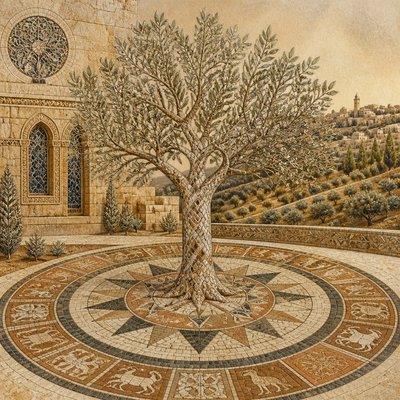
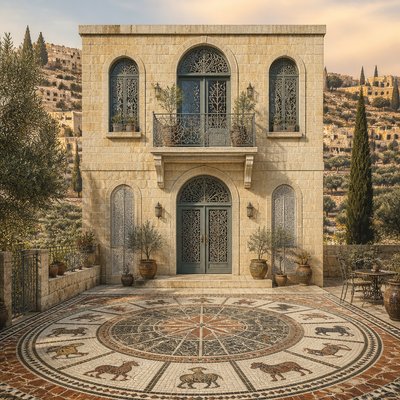
Israeli Art Style is a contemporary aesthetic synthesis rather than a single historical art movement. It combines the geometric order of late antique zodiac mosaics from the eastern Mediterranean, the ornamental language of early modern Hebrew craft schools, warm Jerusalem limestone architecture, and the dry, luminous landscape of the Levant. Its imagery often joins ancient pavements, arched windows, olive terraces, desert hills, and finely worked silver in a unified visual vocabulary.
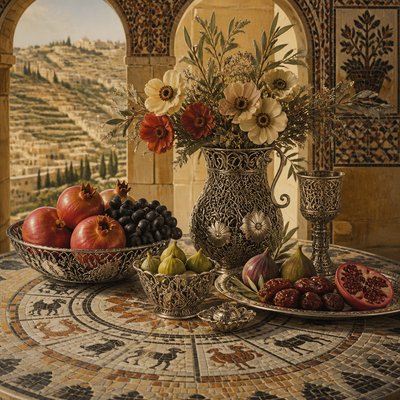
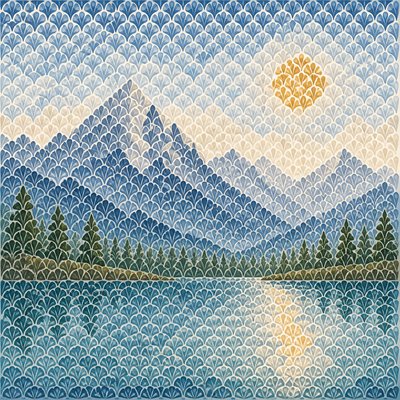
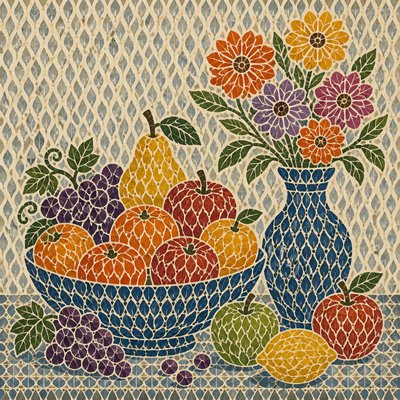
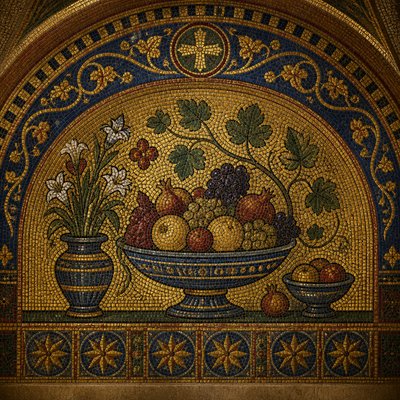
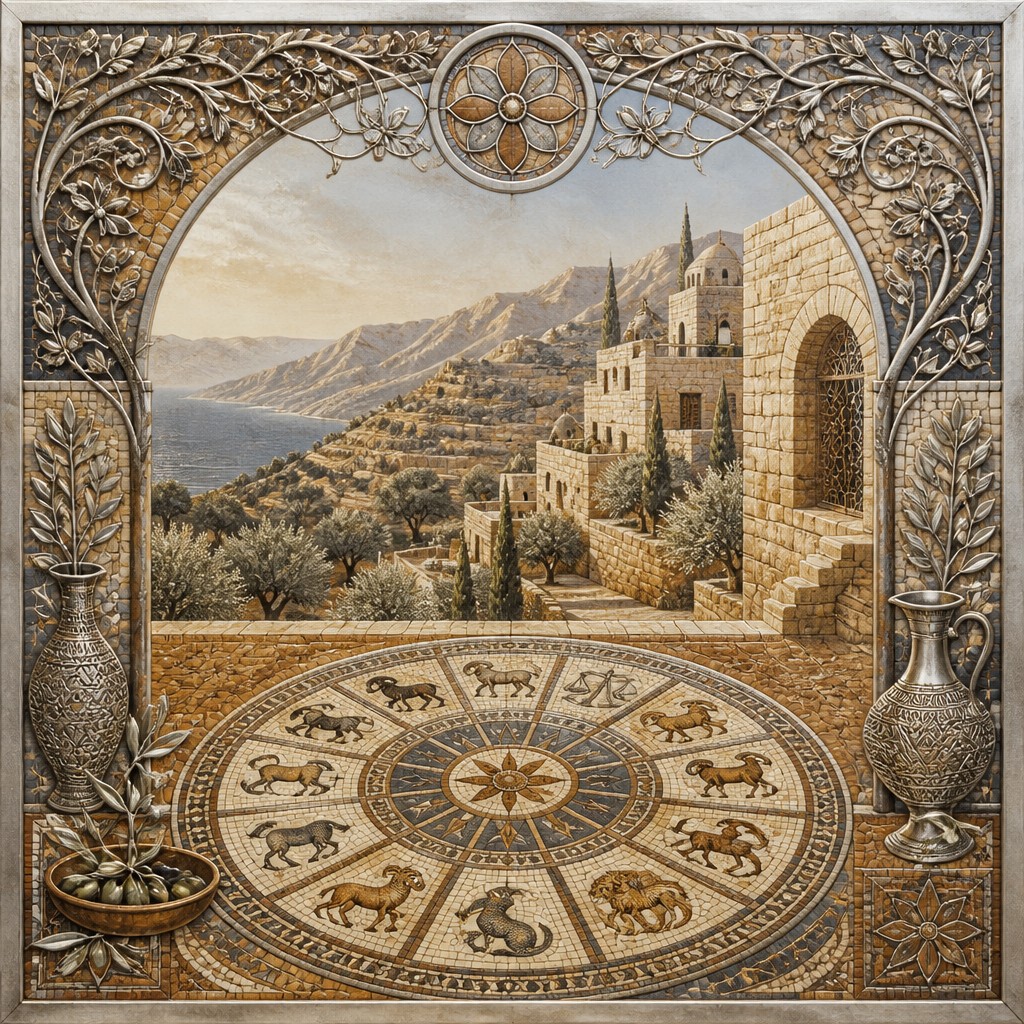
The style is defined by tactile materials and disciplined pattern. Weathered terracotta, cream, slate, and ochre tesserae create a grounded mosaic surface, while delicate filigree introduces a lighter, jewel-like counterpoint. Strong outlines, repeated symbols, sun-washed stone, restrained color, and frontal or emblematic compositions give the style a sense of continuity between archaeological memory, regional architecture, and quiet modern craft.
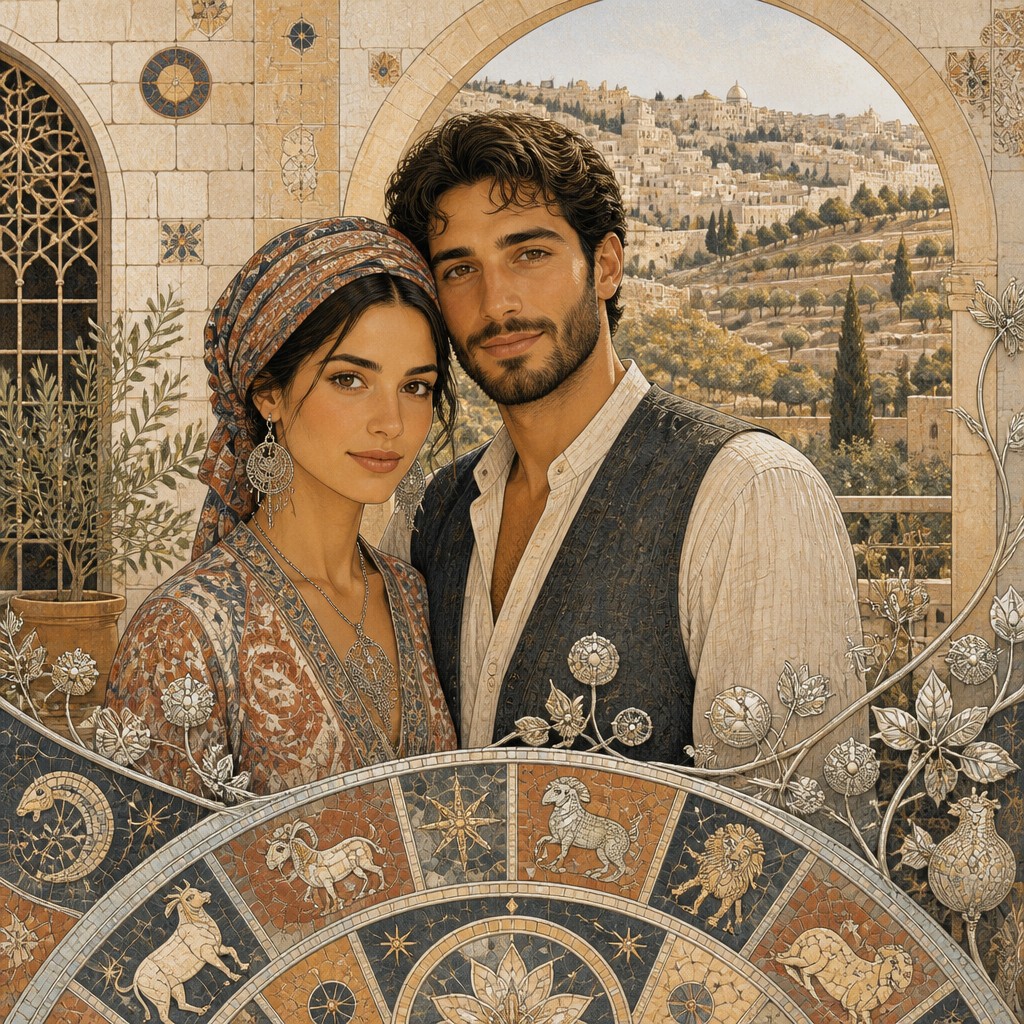
Try It On Your Photos
Upload any photo and convert it into Israeli Art Style — drag the sliders to compare before and after.
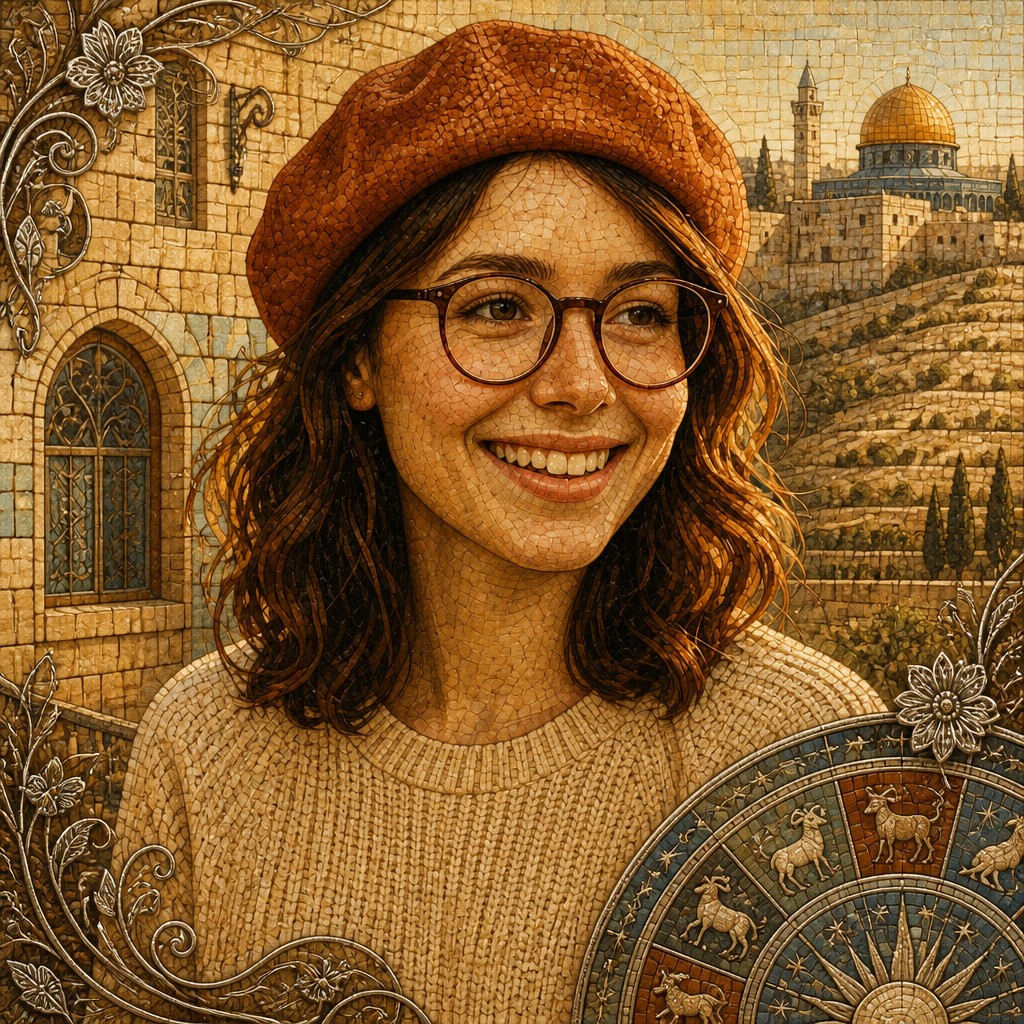

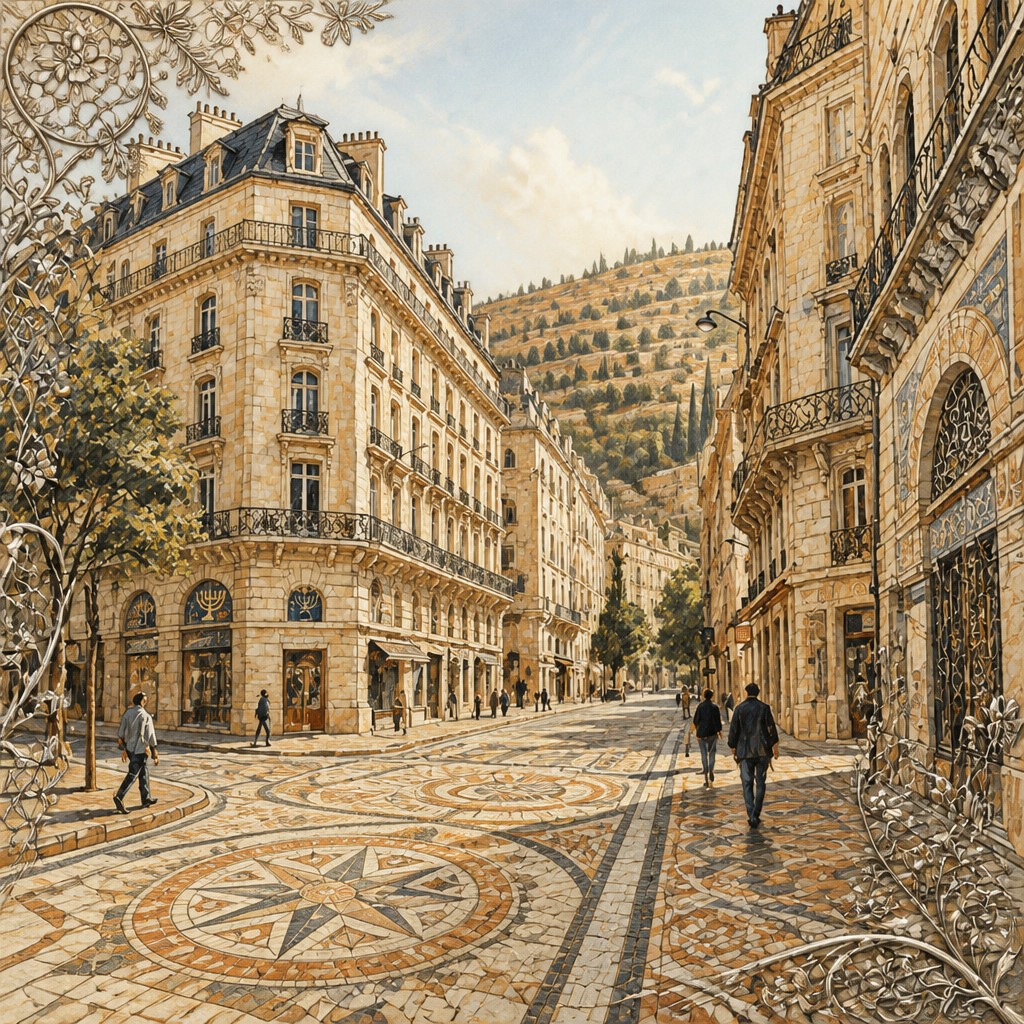

What Defines Israeli Art Style
The signature details, up close
Zodiac-wheel composition
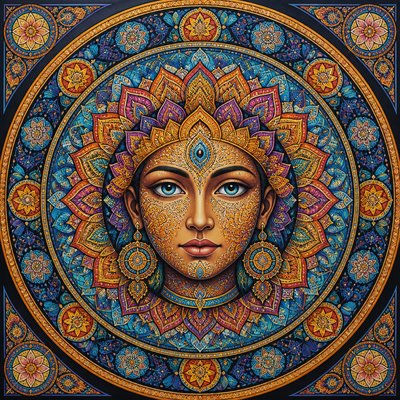
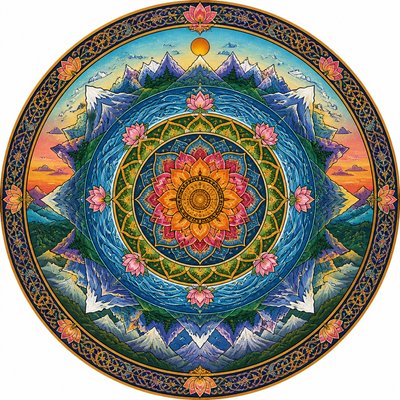
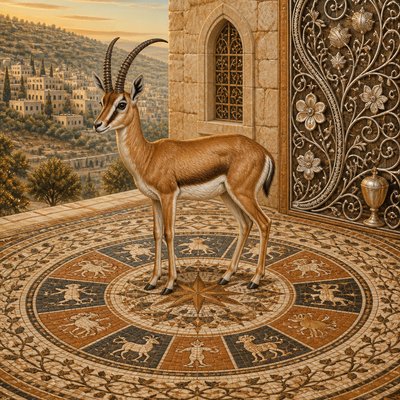
Circular zodiac arrangements provide a strong organizing device, often enclosing a solar emblem or central medallion. The signs are treated as readable symbols within a balanced, architectural grid rather than as loose naturalistic illustrations.
Weathered tesserae
Small terracotta, cream, slate, sand, and muted blue pieces suggest age, hand placement, and mineral texture. Irregular edges, softened surfaces, and visible grout help preserve the physical character of an archaeological mosaic.
Bezalel-inspired silverwork
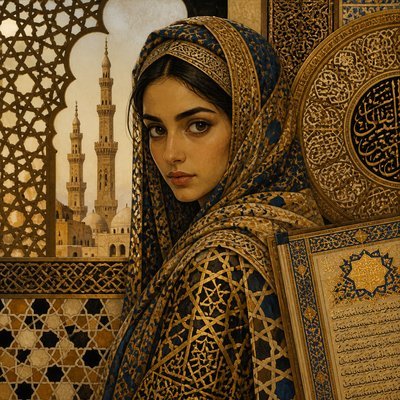
Fine filigree, granulation-like texture, repoussé accents, and delicate wirework florals introduce intricate ornament. Silver elements may appear as jewelry, architectural details, vessels, or decorative borders.
Jerusalem limestone
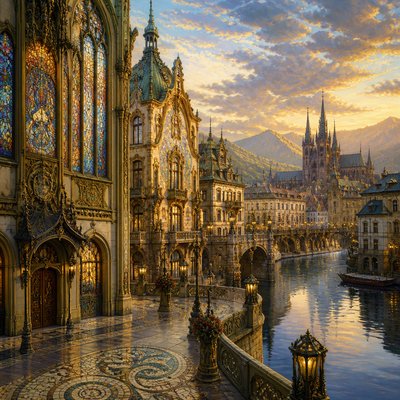
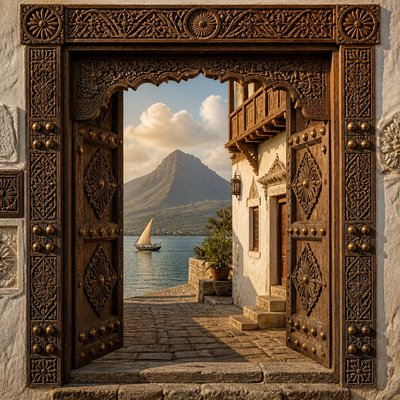
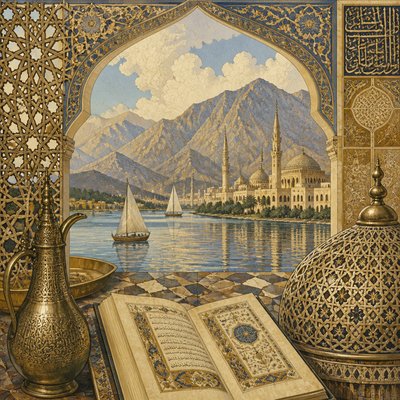
Warm beige and honey-colored stone shapes facades, walls, arches, steps, and window surrounds. Its porous, softly weathered surface gives compositions a coherent regional identity and a strong sense of permanence.
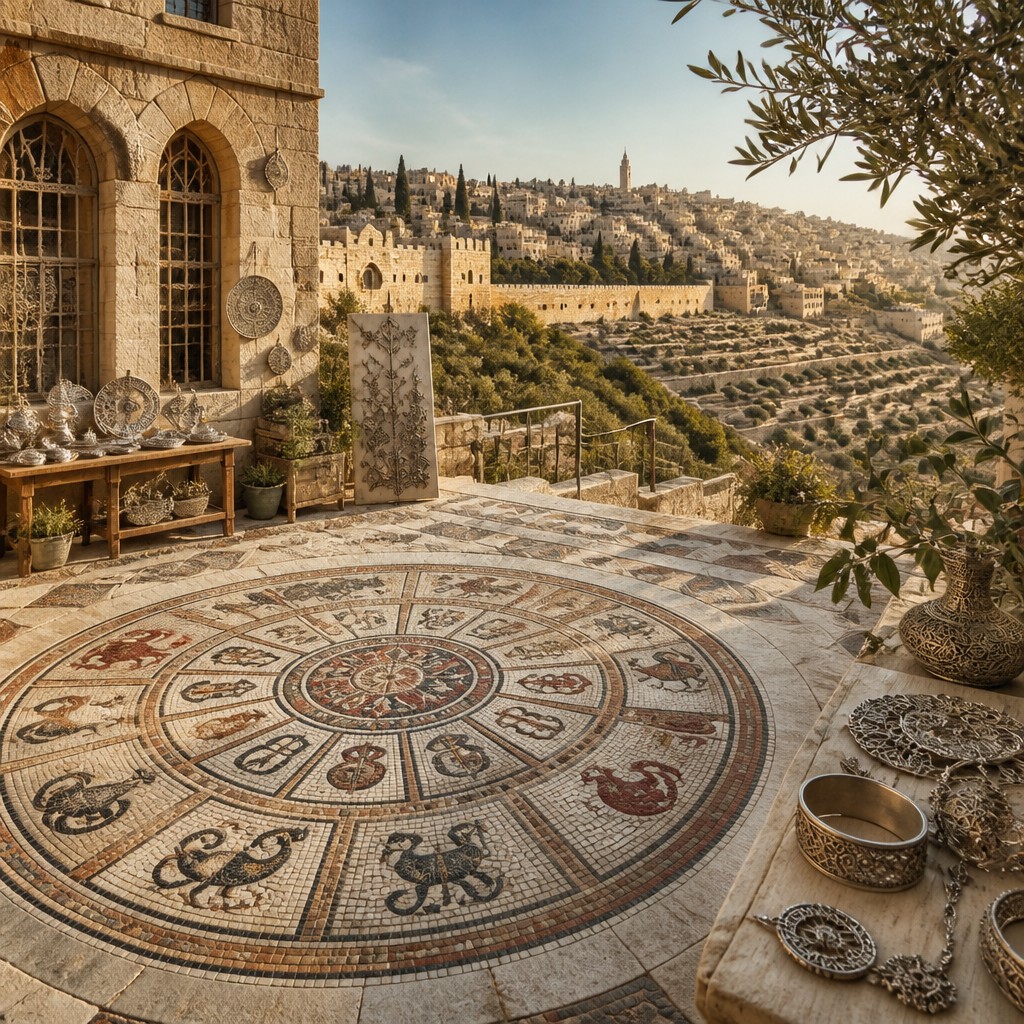
Mediterranean and desert light
Golden illumination emphasizes stone relief, mosaic variation, and metallic highlights. Olive terraces, dry hills, pale skies, and long shadows create a sunlit but restrained landscape palette.
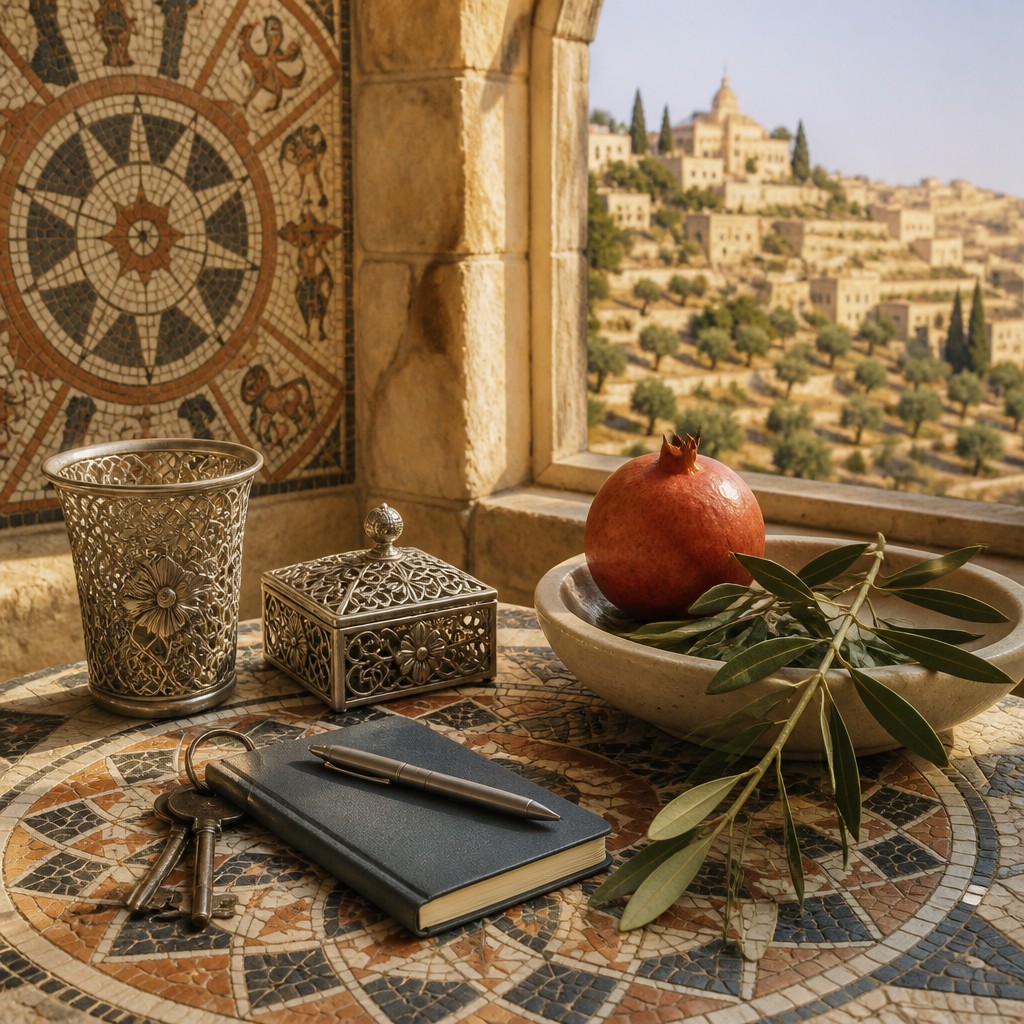
Ancient pattern with modern restraint
Historical motifs are simplified into clean silhouettes, measured repetition, and uncluttered compositions. The result balances archaeological reference with contemporary craft, editorial illustration, and architectural clarity.
Israeli Prompt Ideas
Start from an idea — each one opens the generator with the style ready to go. See all 40 Israeli prompts →
How to Create Israeli Art
Master the craft step by step — or skip straight to creating. Read the full guide →
- 1
Build a limited mineral palette
Start with Jerusalem limestone beige, terracotta, cream, slate, olive green, muted blue, and silver. Keep saturation controlled so the image feels sun-aged and material-led rather than brightly decorative.
- 2
Design the structure before the detail
Use a central medallion, zodiac wheel, arch, or repeated border to establish order before adding ornament. In traditional work, sketch the geometry and place tesserae along curves; digitally, use vector guides, radial symmetry, and tile-like texture.
- 3
Make surfaces physically specific
Give stone porous grain, mosaics slight variation in size and alignment, and silver a reflective but finely scratched finish. Avoid perfectly uniform digital surfaces if the goal is a handmade, archaeological, or workshop quality.
- 4
Balance hard geometry with organic motifs
Pair circles, arches, grids, and borders with olive branches, vines, flowers, birds, or celestial symbols. Keep the organic forms stylized so they support the pattern instead of turning the image into naturalistic scenery.
- 5
Use layered digital construction
Separate architecture, mosaic fields, metal ornament, landscape, and light into distinct layers. Masking, displacement, subtle edge wear, and directional shadows can make flat geometric designs read as assembled stone and worked metal.
- 6
Write prompts with material and composition cues
For prompt-based generation, specify the subject first, then the zodiac geometry, tessera colors, Jerusalem limestone, silver filigree, regional light, and desired degree of weathering. Add terms such as radial composition, hand-set mosaic, arched facade, and restrained mineral palette to reinforce the visual system.
The Story
History & Origins of Israeli
This style does not represent a formally recognized historical movement called Israeli Art Style. Its lineage draws particularly on late antique mosaic floors found in synagogues and other sites across the historic Land of Israel, many dating from approximately the fourth to seventh centuries CE. These pavements commonly used geometric borders, vegetal ornament, inscriptions, and zodiac imagery arranged around a central solar figure, with colored stone and glass tesserae set into durable floors.
It also reflects the early twentieth-century Bezalel craft tradition established in Jerusalem in 1906, which sought to develop a distinctive decorative language through metalwork, jewelry, textiles, ceramics, and related arts. The resulting synthesis pairs archaeological and biblical motifs with European Arts and Crafts ideas, local stone architecture, Mediterranean vegetation, and contemporary geometric design.
Influences: The style is related to late antique Mediterranean and Near Eastern mosaic traditions, Jewish synagogue pavement ornament, Middle Eastern architectural pattern, Arts and Crafts metalwork, Art Nouveau floral line, regional stone architecture, and modernist geometric design. It also shares qualities with folk craft revival, archaeological reconstruction, and contemporary heritage-inspired illustration, while remaining a flexible invented synthesis rather than a fixed school with a single period or manifesto.
Frequently Asked Questions
What defines Israeli Art Style?
It combines zodiac mosaics, warm Jerusalem limestone, Bezalel-associated decorative craft, silver filigree, olive landscapes, and golden regional light. Its defining contrast is between ancient geometric pattern and refined, contemporary-looking metalwork.
Is Israeli Art Style a recognized historical art movement?
No. The term describes a contemporary visual synthesis rather than a canonical movement with a fixed chronology. It draws on documented archaeological, architectural, and craft traditions associated with Israel and the wider eastern Mediterranean.
What are the historical sources of the zodiac imagery?
Zodiac pavement compositions appear in several late antique synagogue mosaics in the historic Land of Israel, generally dating from the fourth to seventh centuries CE. These floors often combine zodiac signs and a central solar figure with geometric borders, vegetal motifs, and inscriptions.
How is this different from general Mediterranean or Middle Eastern design?
The style places particular emphasis on Jerusalem limestone, Israeli archaeological mosaic references, olive terraces, and the early twentieth-century Bezalel craft vocabulary. It is more specifically anchored in those combinations than a broad regional pattern language.
Can this style be used for portraits or modern subjects?
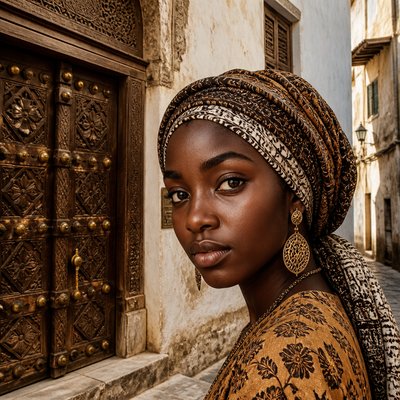
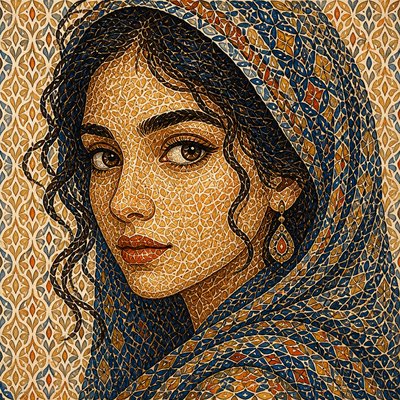
Yes. A portrait can be framed by a zodiac border, rendered with mosaic-like planes, or placed against limestone architecture and olive hills. The strongest results preserve the style's limited mineral palette, emblematic composition, and tactile surface treatment.
How can I create an image in this style digitally?
Begin with a clear subject and specify radial mosaic geometry, hand-set tesserae, limestone architecture, silver filigree, and warm desert light. For image editing, apply separate texture layers for stone, grout, metal, and weathering so the materials remain distinct.
Create your first Israeli artwork
Describe anything — or upload a photo — and see it in Israeli Art Style in seconds.
Related Styles
Discover similar art styles