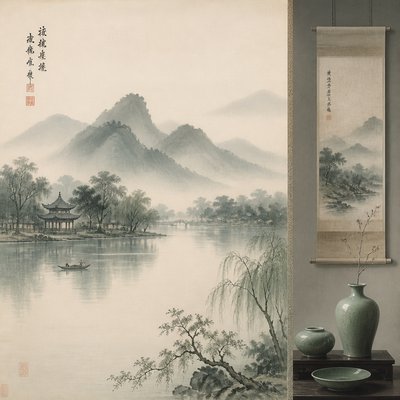
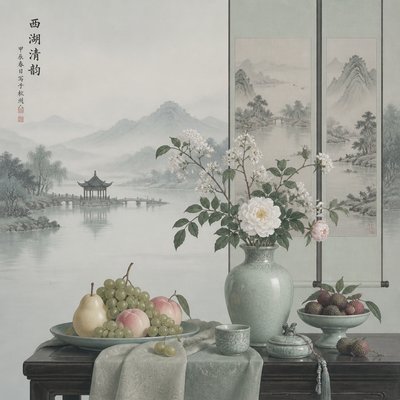
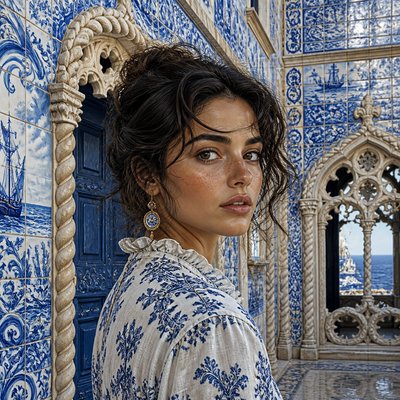
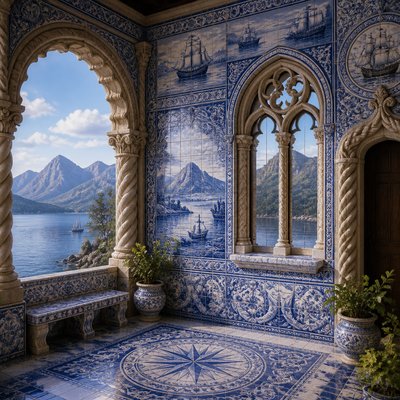
Isfahan Art Style
Explore Isfahan art: Safavid turquoise tiles, domed architecture, jewel-toned miniatures, palace murals, muqarnas, and manuscript ornament.
Instantly rendered in Isfahan — or transform a photo
Isfahan Gallery
Tap any artwork to explore it
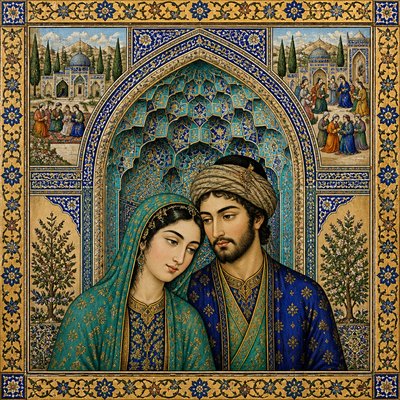
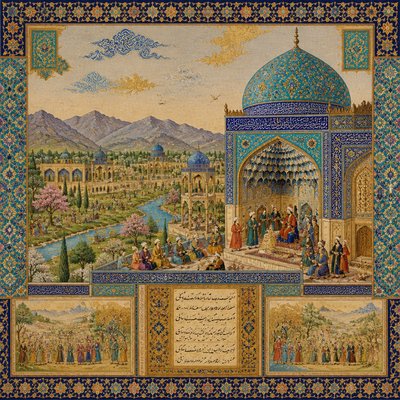
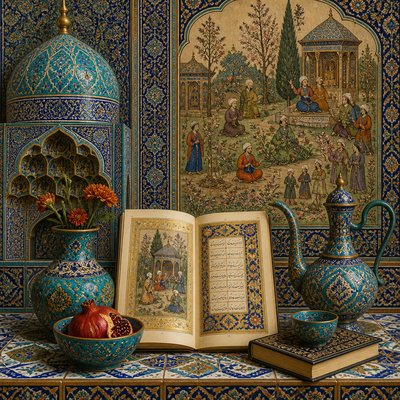
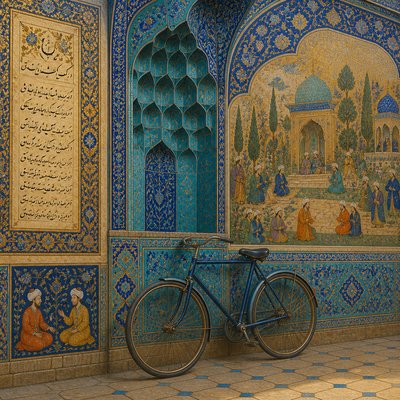
What is Isfahan Art Style?
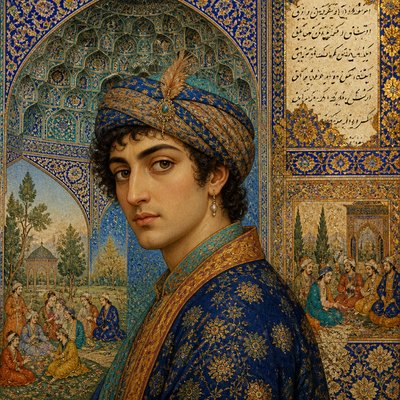
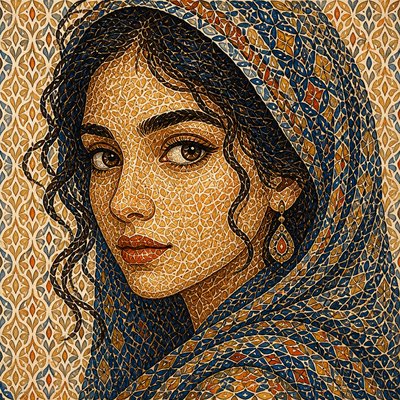
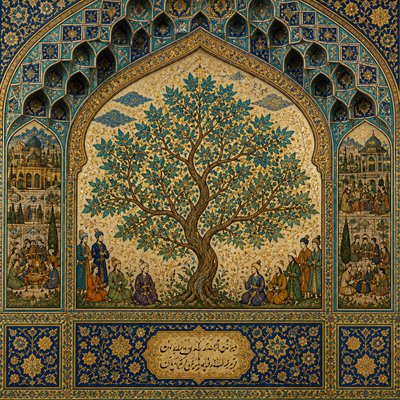
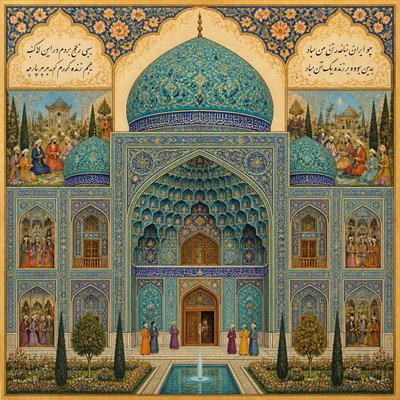
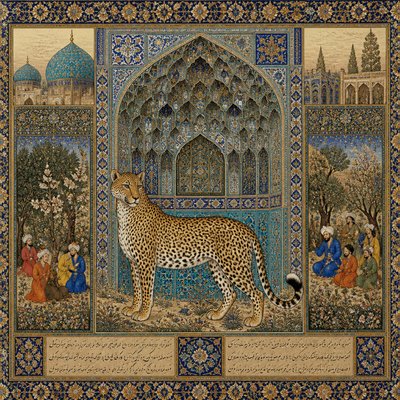
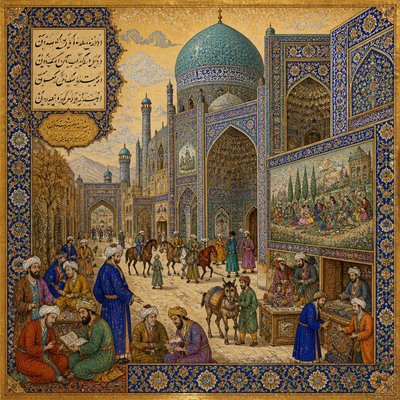
Isfahan art refers to the refined visual culture that developed in Isfahan during the Safavid period, especially after the city became the imperial capital in the late sixteenth century. Its best-known expression combines turquoise and cobalt tilework, monumental domes, geometric ornament, floral arabesques, palace decoration, manuscript illumination, and finely drawn figures in richly colored garments.
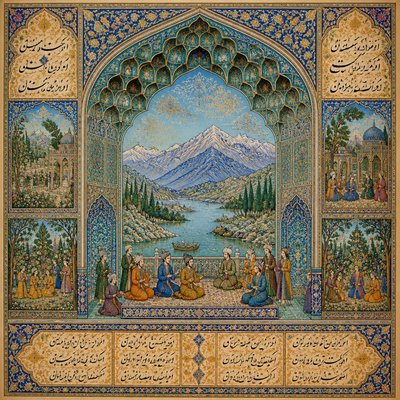
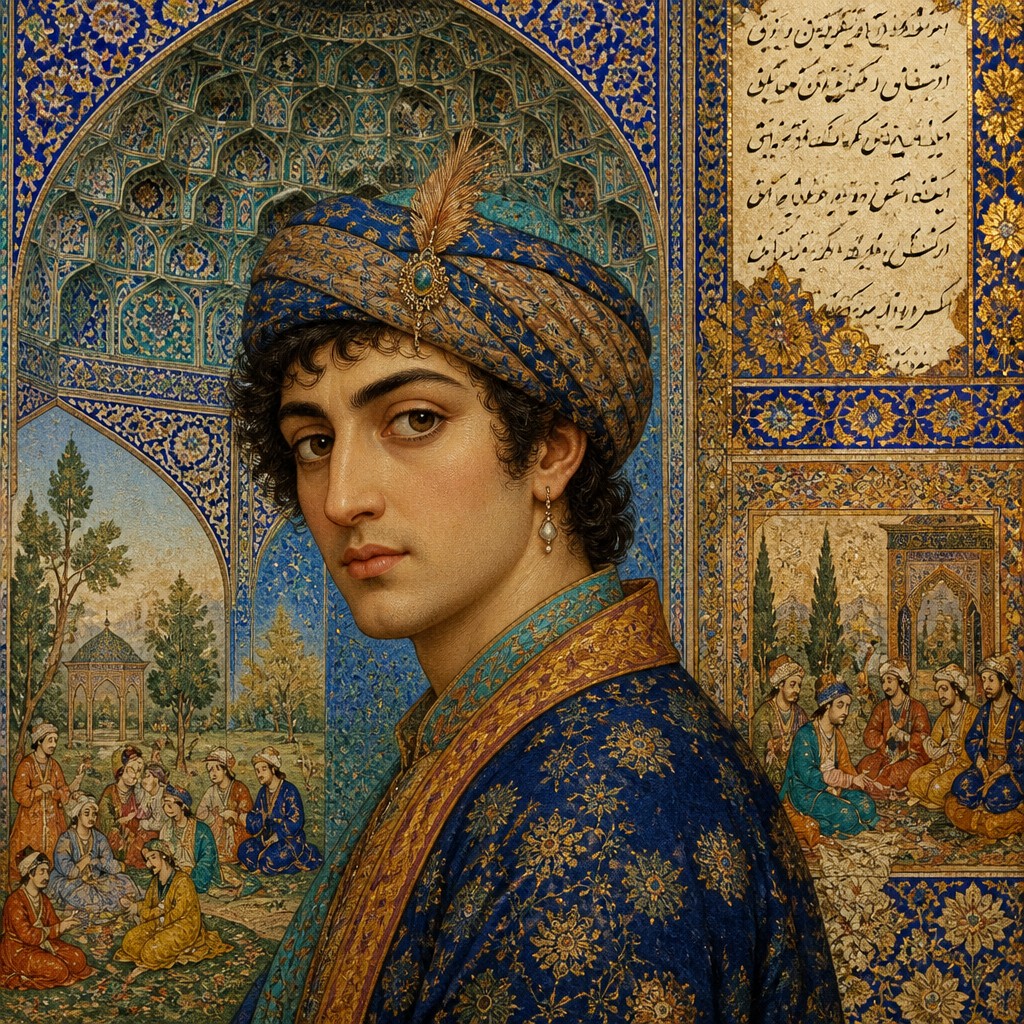
The style is defined by the relationship between architecture and surface design. Repeating geometry organizes walls, vaults, and domes, while calligraphy, vegetal motifs, and figurative scenes add rhythm and narrative detail. A jewel-like palette of turquoise, deep blue, lapis, green, white, red, and gold creates the luminous appearance associated with Safavid Isfahan, whether the subject is a mosque facade, a palace garden, a courtly gathering, or an illuminated page.
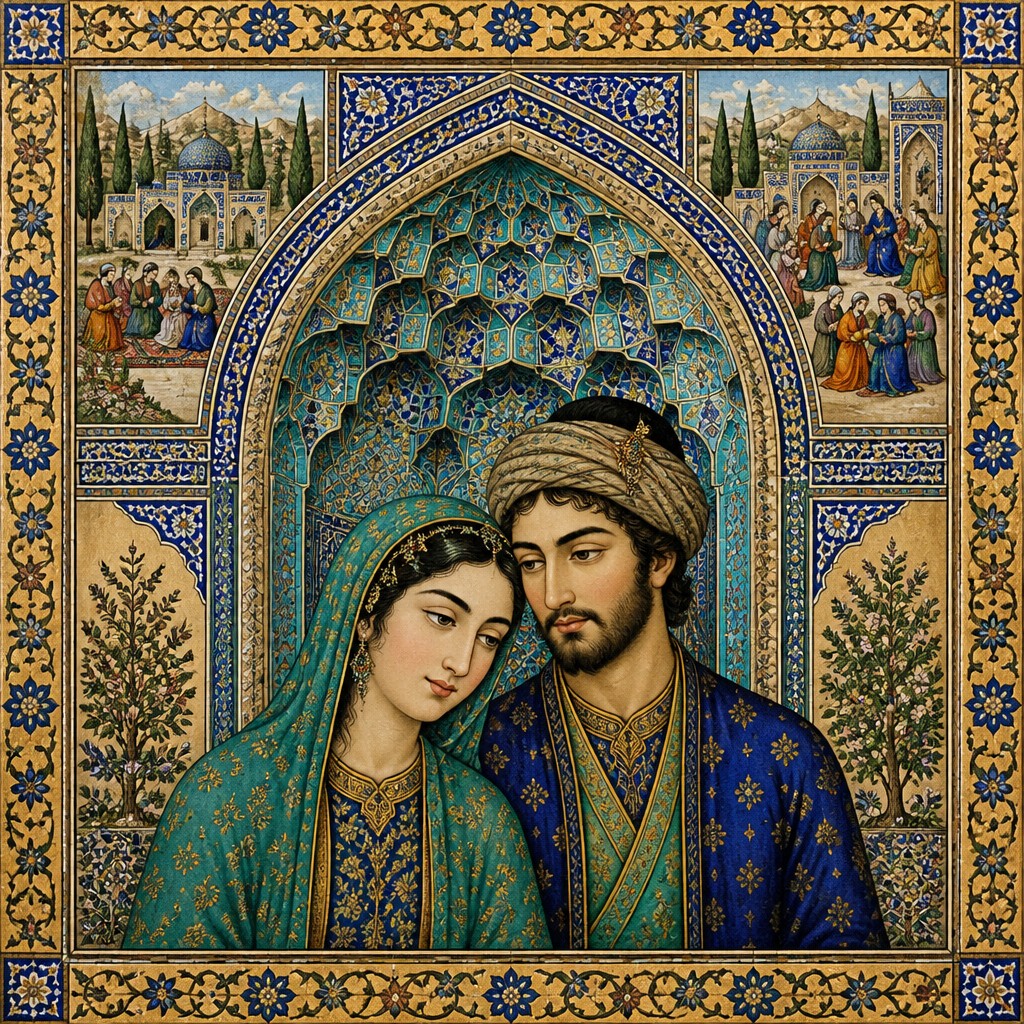
Try It On Your Photos
Upload any photo and convert it into Isfahan Art Style — drag the sliders to compare before and after.
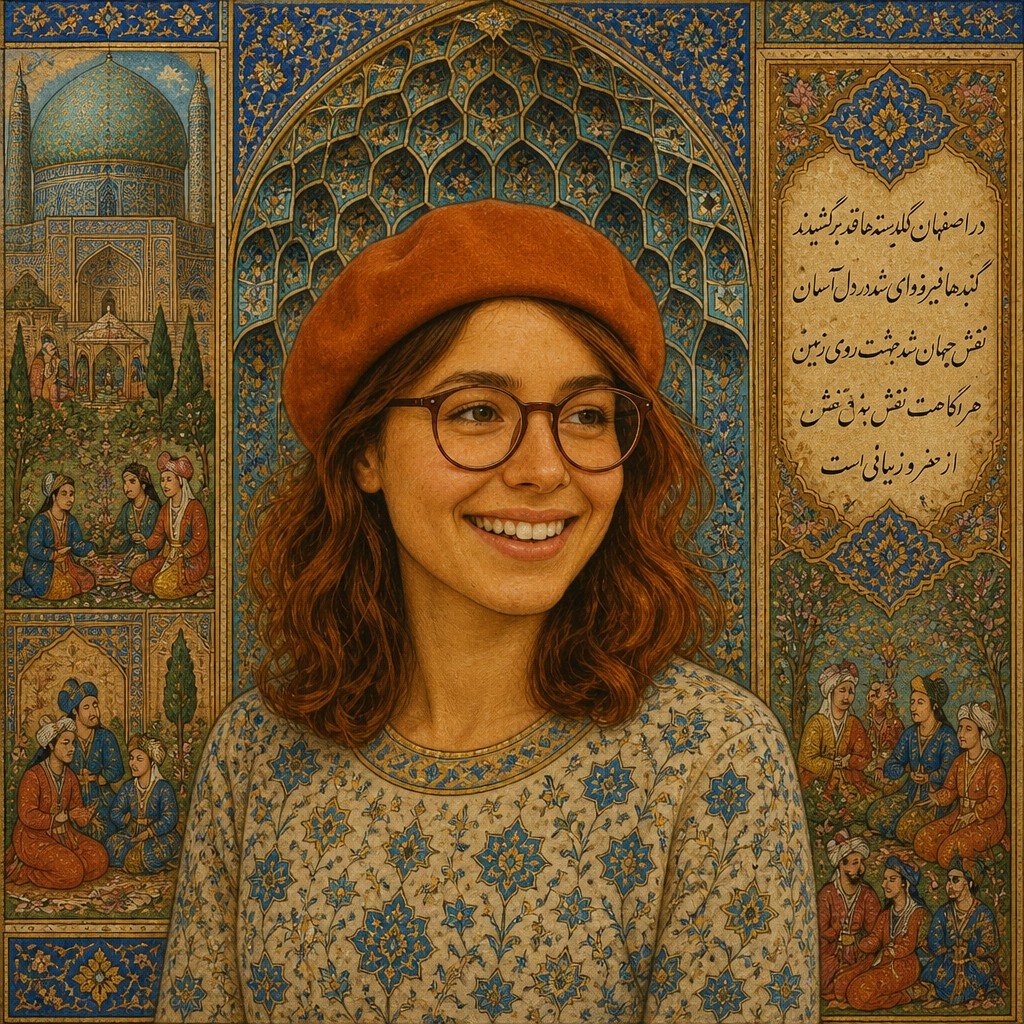

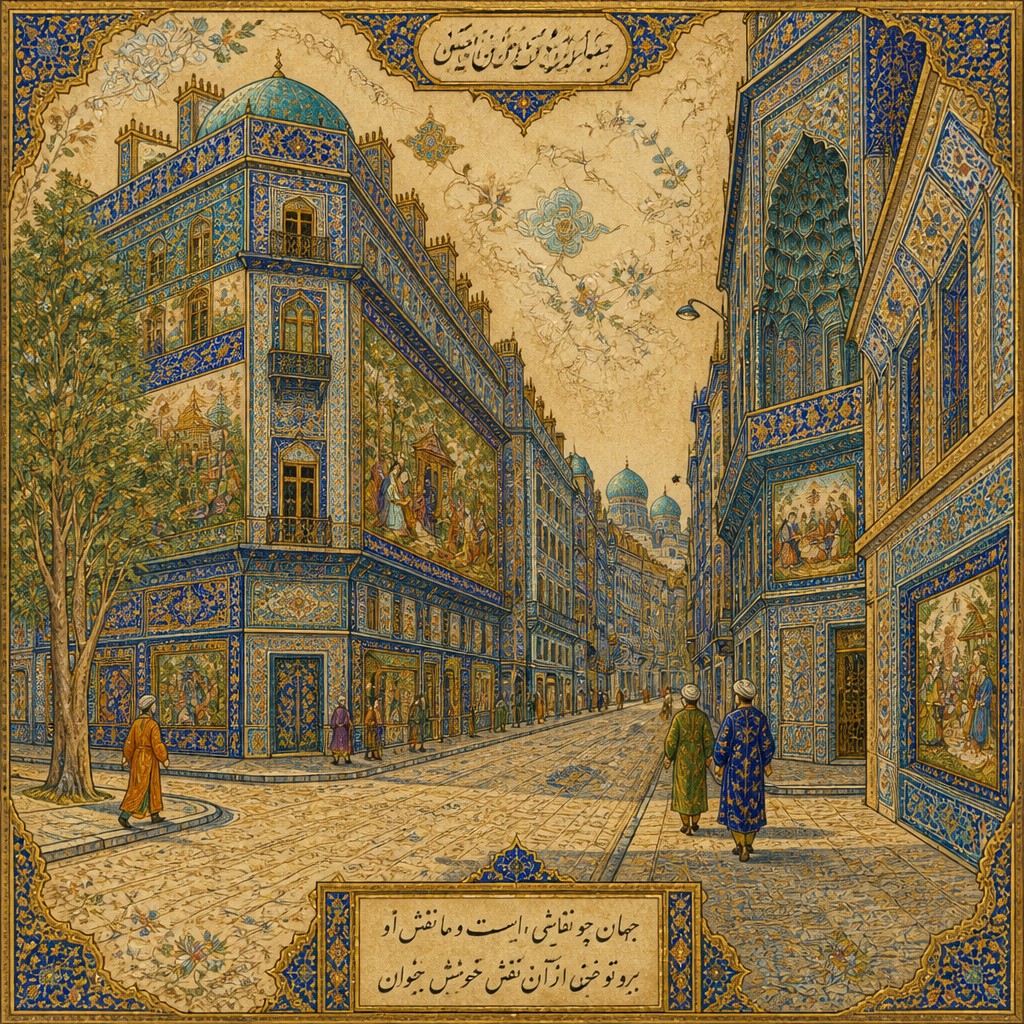

What Defines Isfahan Art Style
The signature details, up close
Turquoise and cobalt tilework
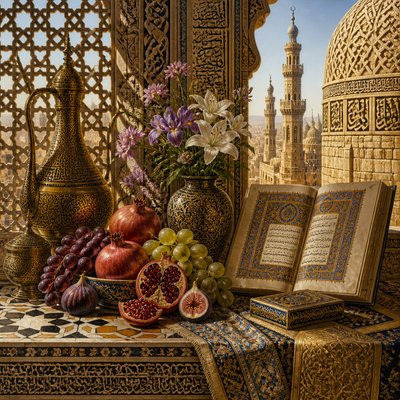
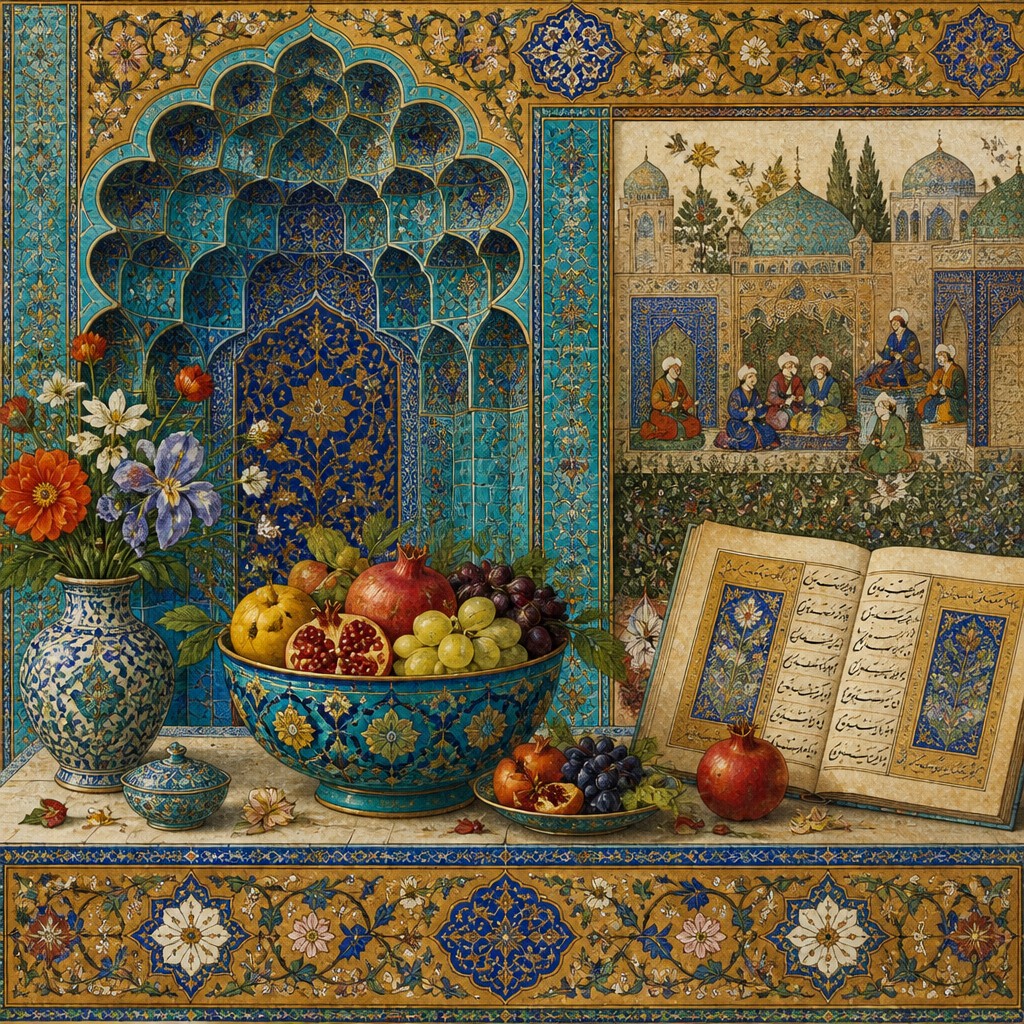
Glazed tiles form arabesques, inscriptions, vegetal patterns, and geometric fields in saturated turquoise, cobalt, white, and dark blue. The color contrast makes domes, portals, and walls appear luminous from a distance.
Geometric organization
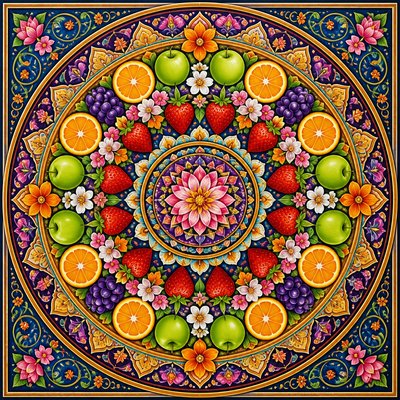
Stars, polygons, interlacing bands, and symmetrical repeats structure both architectural surfaces and decorative borders. Geometry provides order while allowing intricate variation at different scales.
Muqarnas vaulting
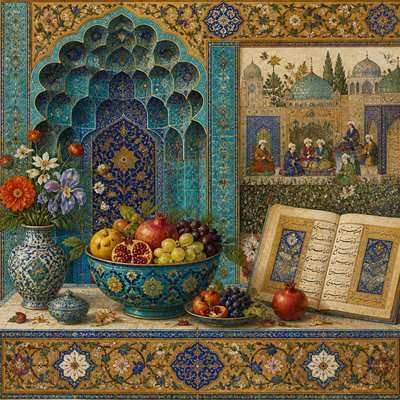
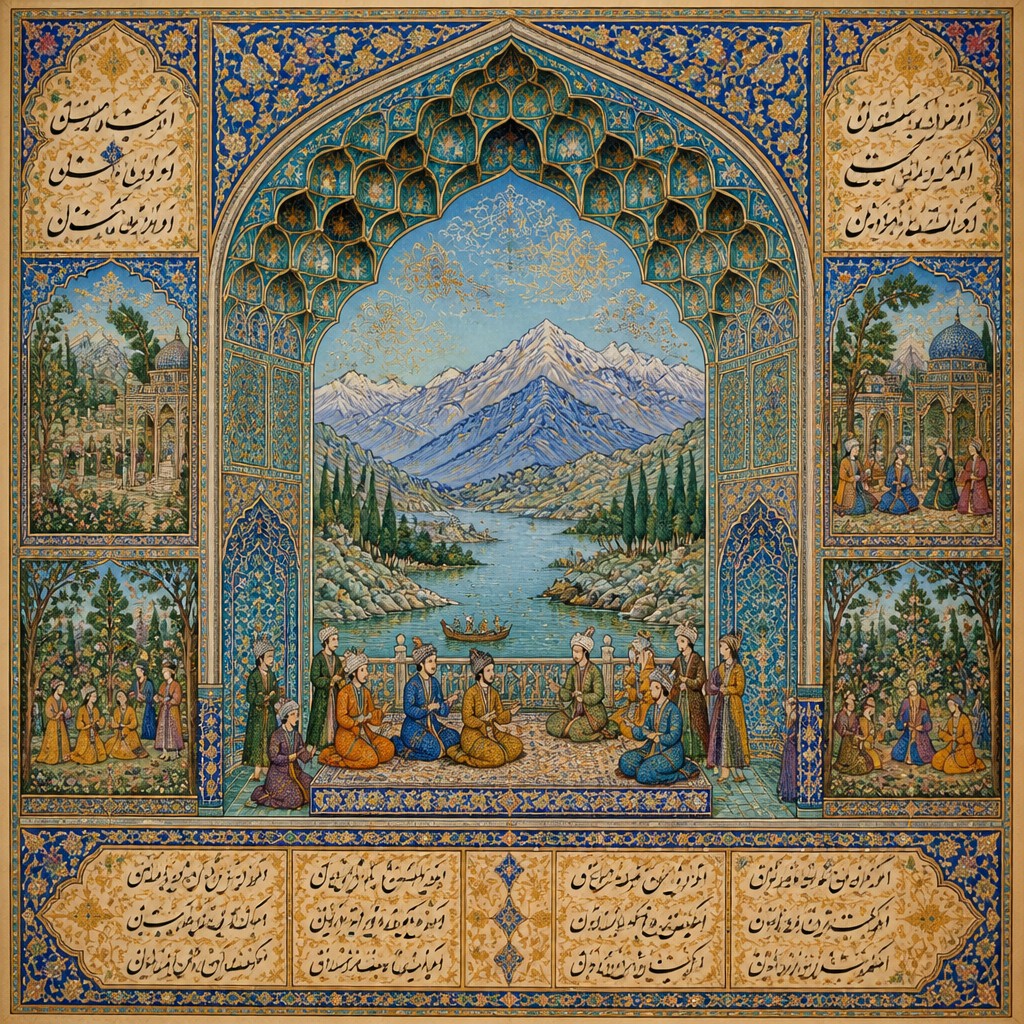
Honeycomb-like muqarnas transforms transitional zones, niches, and ceilings into faceted ornamental structures. Its repeated cells create a crystalline play of light and shadow.
Jewel-toned miniature figures
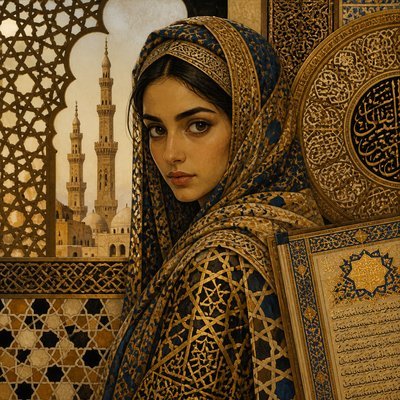
Small figures are rendered with precise lines, elegant gestures, patterned robes, and intense reds, blues, greens, and golds. Scenes often emphasize courtly life, gardens, music, hunting, or literary narratives.
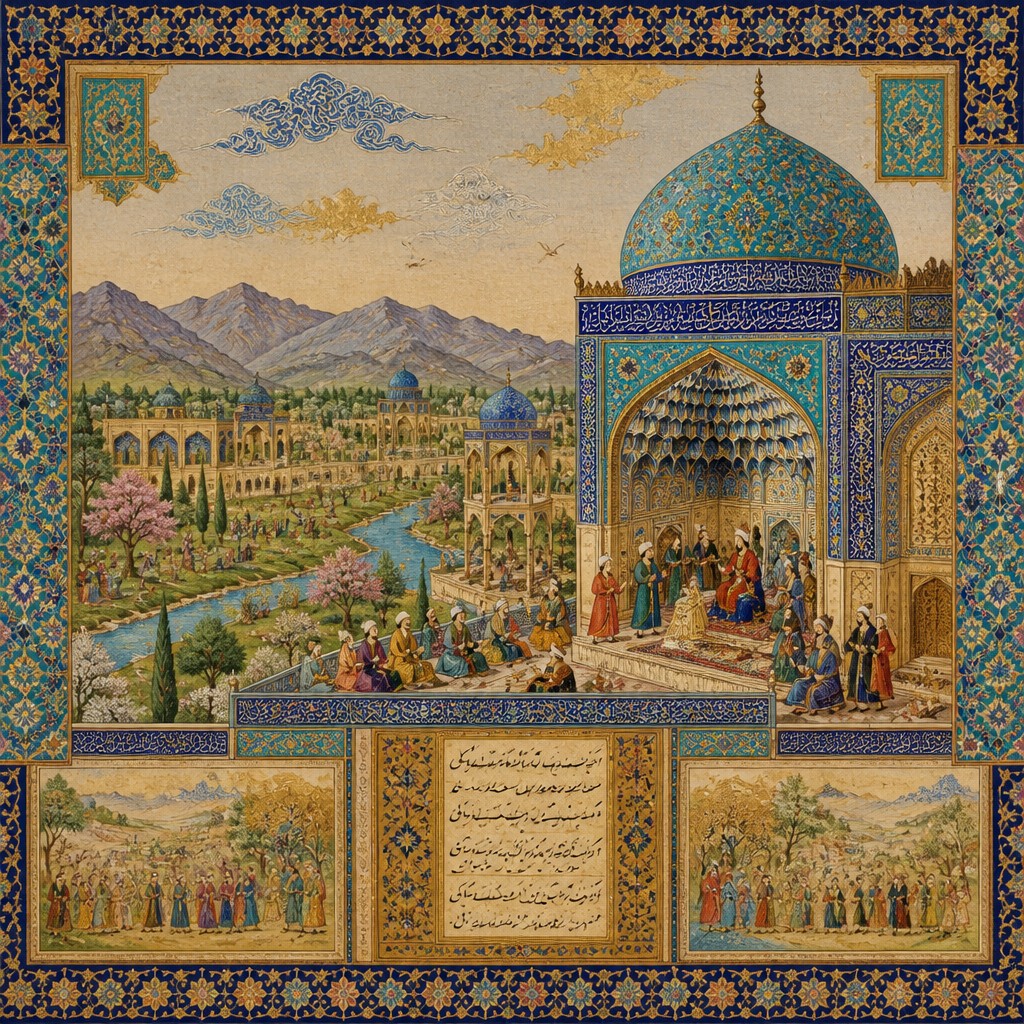
Palace and garden imagery
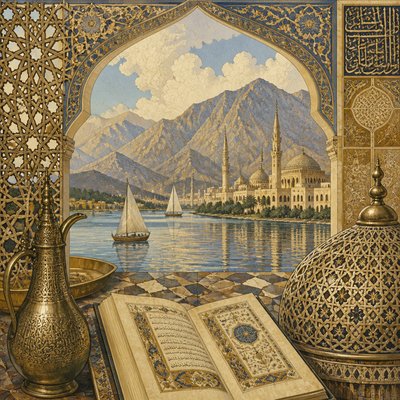
Mural and manuscript compositions frequently show gardens, pavilions, banquets, processions, and gatherings. Figures and architecture are arranged decoratively rather than through strict naturalistic perspective.
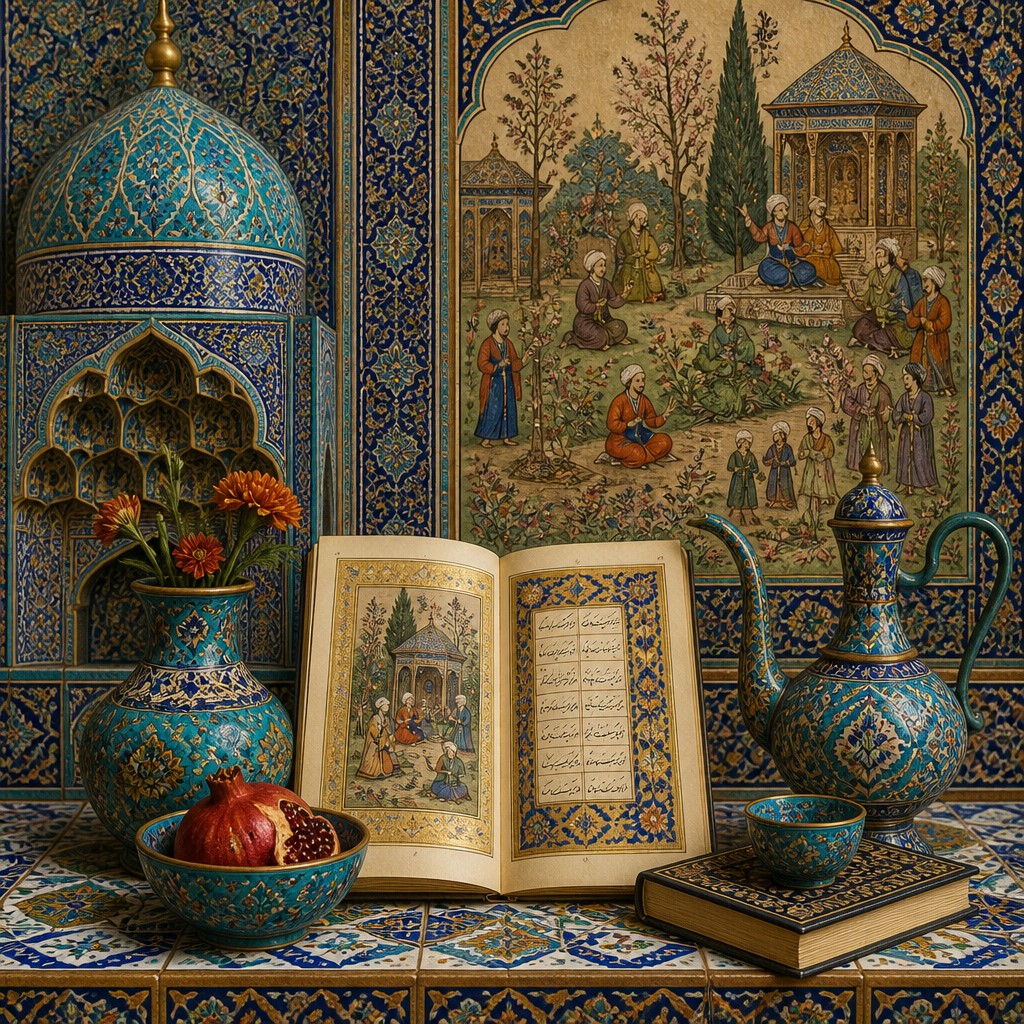
Floral arabesques and manuscript borders
Delicate vines, blossoms, cloud bands, and scrolling foliage frame text and images or fill architectural panels. Gold accents and fine contour work give the ornament an illuminated, precious quality.
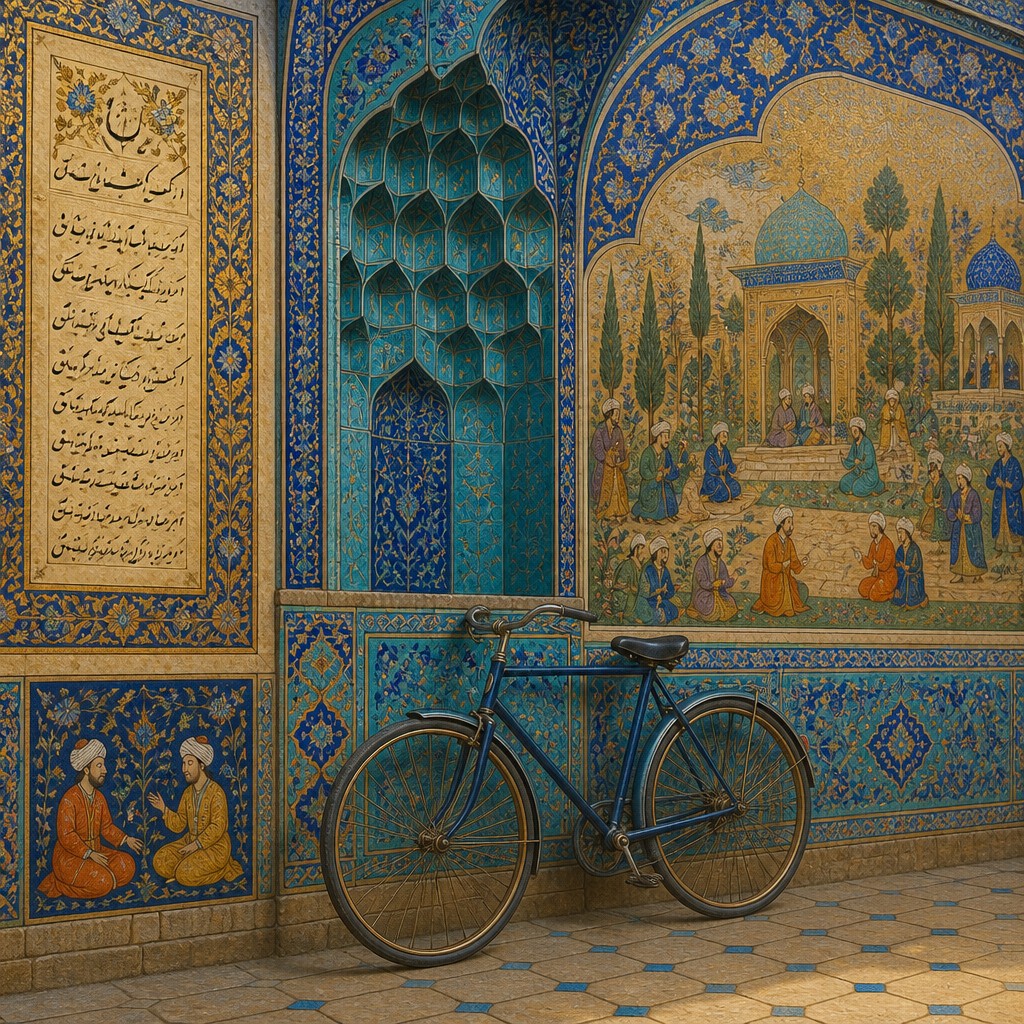
Flat yet richly layered space
Overlapping planes, high viewpoints, patterned surfaces, and selective scale create a compressed pictorial space. Detail, color, and line carry more visual weight than atmospheric depth.
Isfahan Prompt Ideas
Start from an idea — each one opens the generator with the style ready to go. See all 40 Isfahan prompts →
How to Create Isfahan Art
Master the craft step by step — or skip straight to creating. Read the full guide →
- 1
Build a controlled palette
Start with turquoise, cobalt, lapis, emerald, ivory, vermilion, and restrained gold. Use dark blue or ink outlines to separate motifs and preserve the crisp, jewel-like contrast.
- 2
Construct the geometry first
Map a symmetrical grid before adding arabesques, tile units, or muqarnas cells. Repeating polygons and mirrored bands should guide the composition rather than appear as incidental decoration.
- 3
Use miniature-style drawing
Work with fine contours, flattened forms, patterned garments, and carefully posed figures. Layer opaque color in small areas, then add floral details, borders, and selective metallic highlights.
- 4
Design architectural surfaces
For a dome, portal, or palace wall, separate the structure into panels, friezes, inscriptions, and transitional zones. Keep ornament scaled to the architecture so the image reads as a designed surface rather than random pattern.
- 5
Combine traditional and digital methods
Traditional work can use watercolor, gouache, ink, colored pencil, or gold leaf on prepared paper; digital work benefits from vector symmetry tools, layered brushes, masks, and texture overlays. Preserve slight variation in hand-drawn marks if the result should feel crafted.
- 6
Write precise generation prompts
Specify the subject, architectural setting, Safavid-era visual references, tile colors, miniature linework, muqarnas, floral borders, and a flat decorative composition. For photo transformation, describe which details should be retained while replacing surfaces, clothing, and background ornament.
The Story
History & Origins of Isfahan
Isfahan art developed within the Safavid dynasty, which ruled Iran from 1501 to 1722. After Isfahan became the capital in 1598, extensive urban building programs encouraged the production of tile mosaics, painted architectural decoration, gardens, textiles, metalwork, and illustrated manuscripts. The period brought together Persianate court culture, established Islamic architectural traditions, and regional craft practices.
The visual language continued earlier Persian traditions of manuscript painting and ornamental design while expanding them into large-scale civic and religious architecture. Tile-cutting, cuerda seca, and underglaze painting enabled complex surfaces, while miniature painting retained meticulous outlines, flattened spatial organization, patterned textiles, and controlled color. The phrase "Isfahan art style" can also describe a modern synthesis of these related Safavid forms rather than one single historical medium.
Influences: Isfahan art draws on pre-Safavid Persian manuscript painting, Islamic geometric ornament, Iranian garden design, mosque and palace architecture, calligraphic decoration, and the broader Persianate courtly tradition. It is closely related to Safavid miniature painting, Persianate tilework, arabesque design, and the decorative arts of Central and West Asia, while also sharing compositional strategies with illuminated manuscripts and architectural ornament across the Islamic world.
Frequently Asked Questions
What defines the Isfahan art style?
It is defined by the Safavid visual culture associated with Isfahan: turquoise and cobalt tilework, geometric patterns, muqarnas, floral arabesques, palace scenes, and finely detailed miniature figures. A luminous jewel-toned palette and a balance between architectural structure and surface ornament are central to its appearance.
Is Isfahan art the same as Persian miniature painting?
No. Persian miniature painting is one important component of Isfahan art, but the broader style also includes architecture, tile mosaics, murals, calligraphy, gardens, textiles, and manuscript illumination. Contemporary usage often combines these media into a single decorative visual language.
When did Isfahan art develop?
Its principal historical development occurred during the Safavid period, from 1501 to 1722, with a major expansion after Isfahan became the capital in 1598. Earlier Persian traditions supplied many of its motifs and techniques, while later artists and designers continued to reinterpret them.
What colors are associated with this style?
Turquoise, cobalt, lapis blue, emerald green, ivory, vermilion, and gold are especially characteristic. The palette can be adapted, but strong blue-green contrasts and selective metallic accents help retain the recognizable Safavid atmosphere.
How can I make an image look authentically Isfahan-inspired?
Use a clear structure, symmetrical geometry, flattened space, precise outlines, patterned textiles, and a limited jewel-toned palette. Add specific architectural or manuscript details such as tiled iwans, domes, muqarnas, garden pavilions, floral borders, and restrained gold highlights rather than relying on generic Middle Eastern ornament.
Where is this style commonly used today?
Its visual language appears in architectural restoration, textile and wallpaper design, book arts, illustration, decorative painting, jewelry, interiors, and contemporary digital imagery. It is particularly effective for scenes that benefit from ornamental surfaces, ceremonial settings, and richly patterned composition.
Create your first Isfahan artwork
Describe anything — or upload a photo — and see it in Isfahan Art Style in seconds.
Related Styles
Discover similar art styles