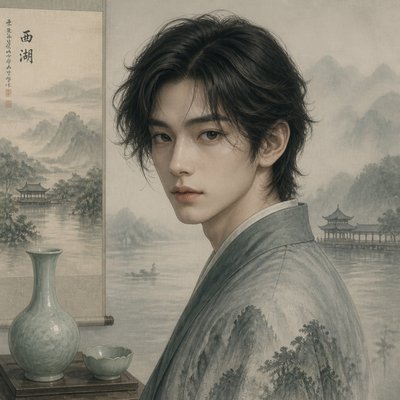
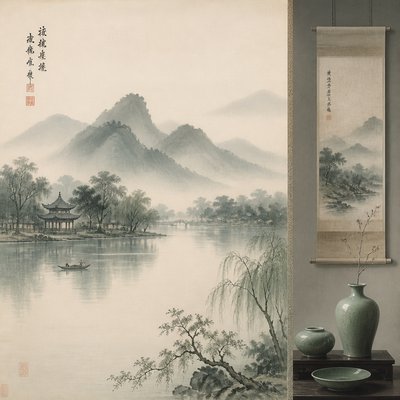
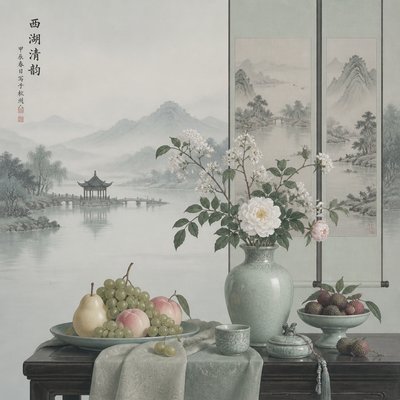
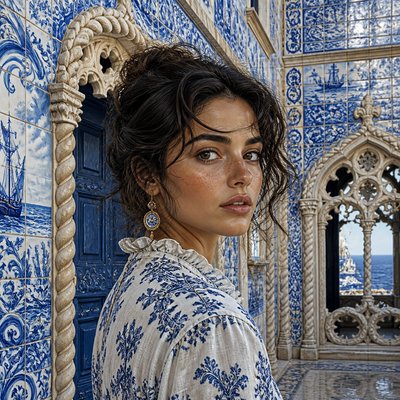
Icelandic Art Style
Explore Icelandic Art Style: saga-manuscript ink, turf architecture, woolen motifs, volcanic landscapes, and austere northern craft.
Instantly rendered in Icelandic — or transform a photo
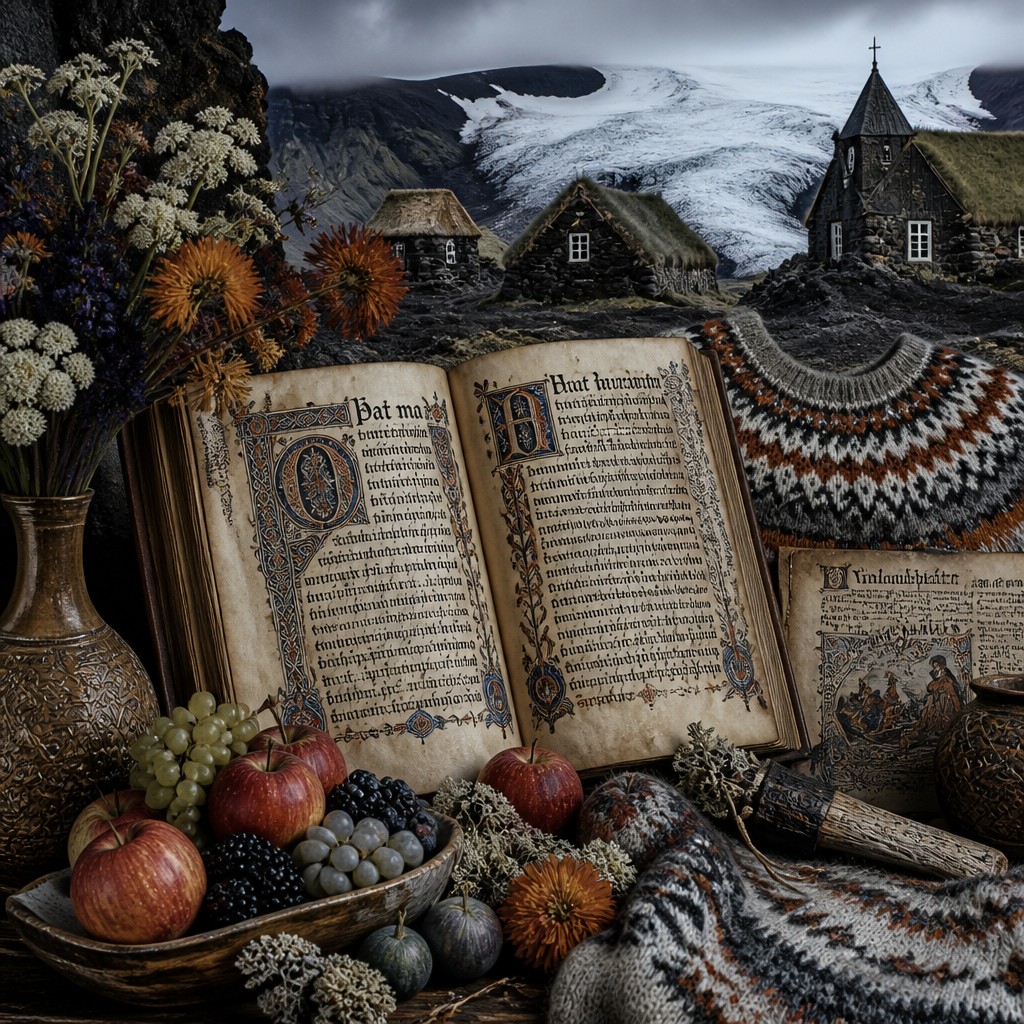
Icelandic Gallery
Tap any artwork to explore it
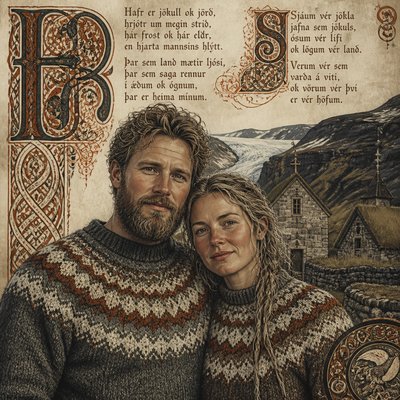
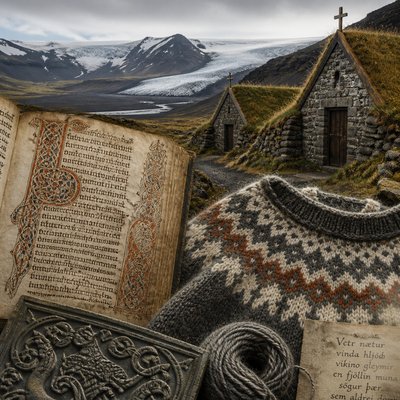
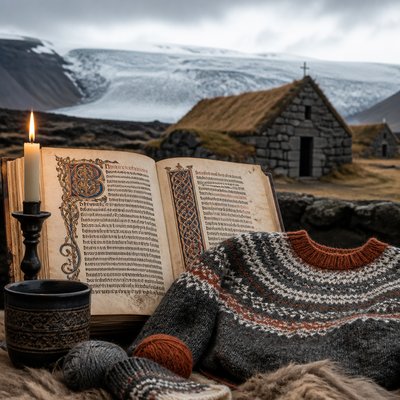
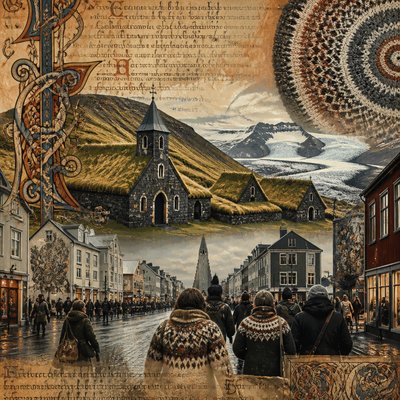
What is Icelandic Art Style?
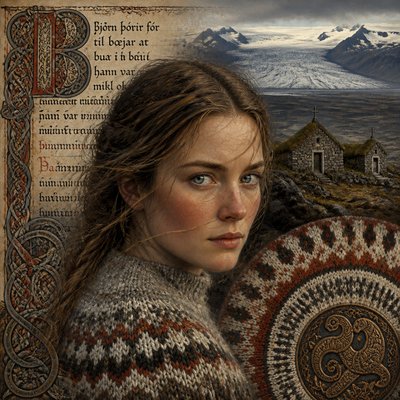
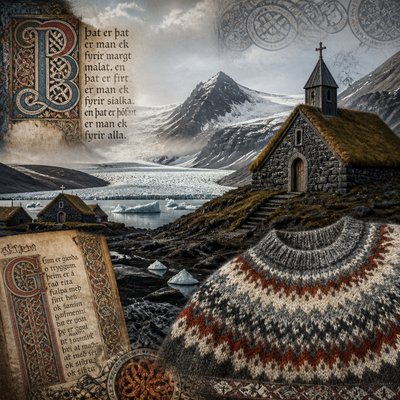
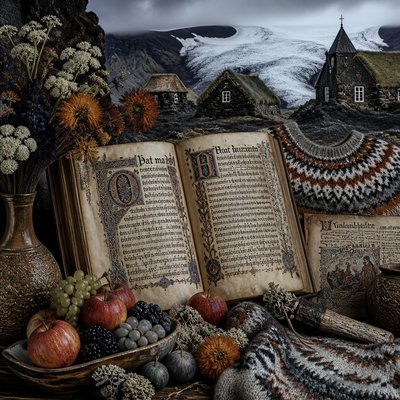
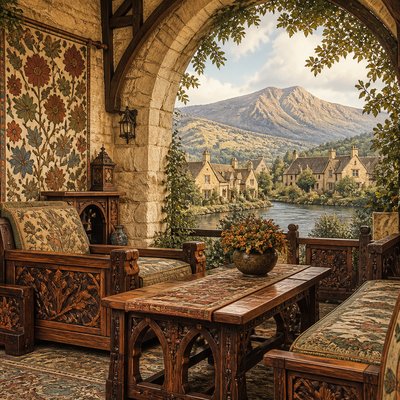
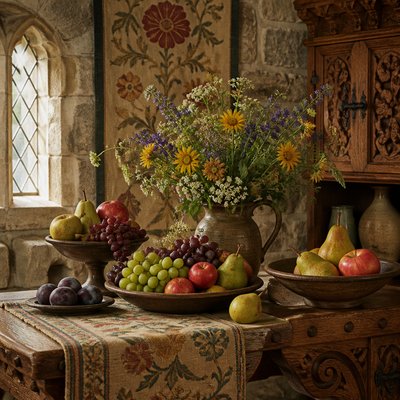
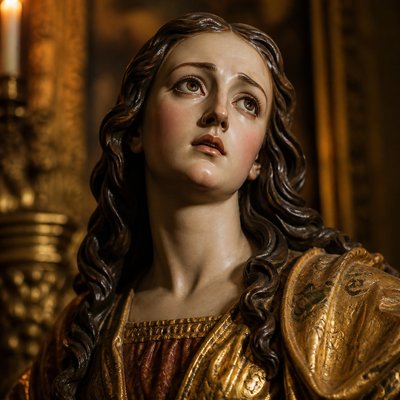
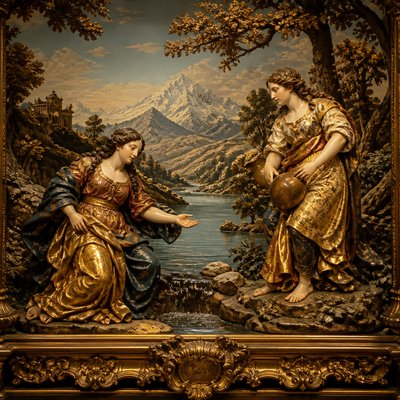
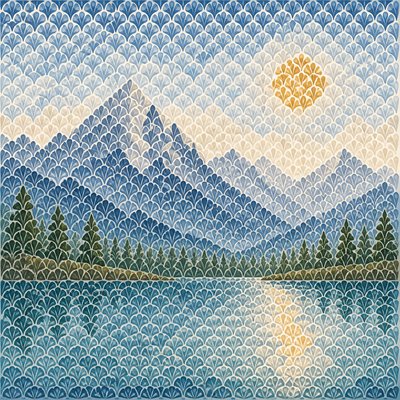
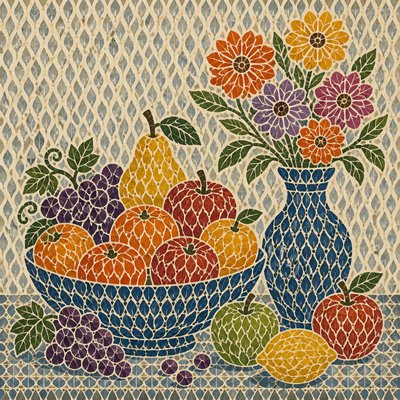
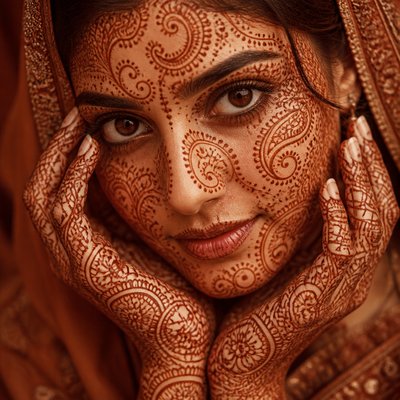
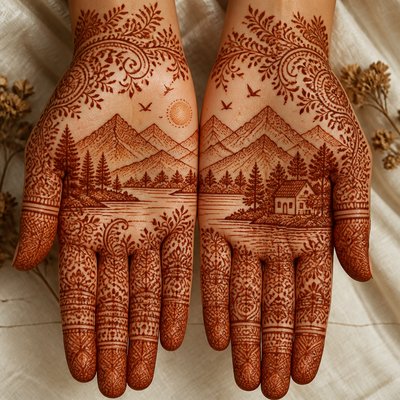
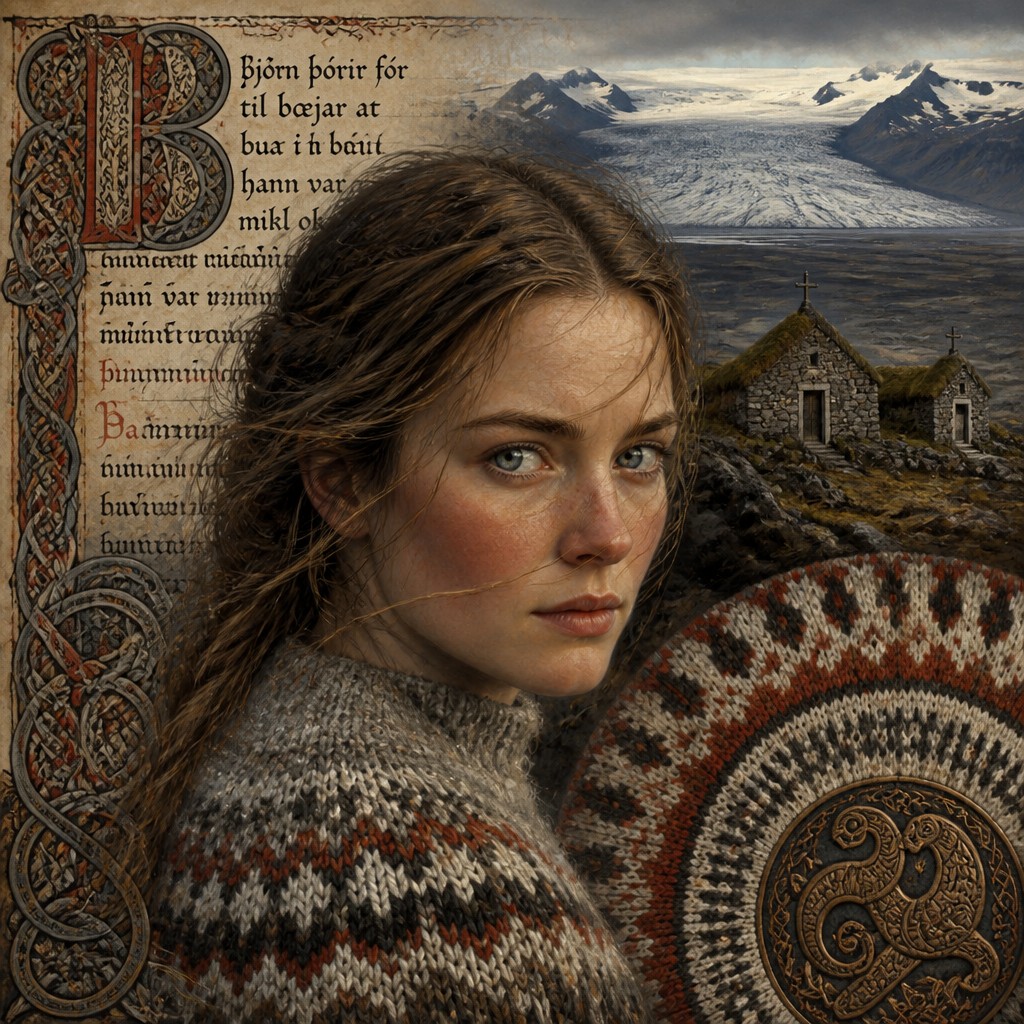
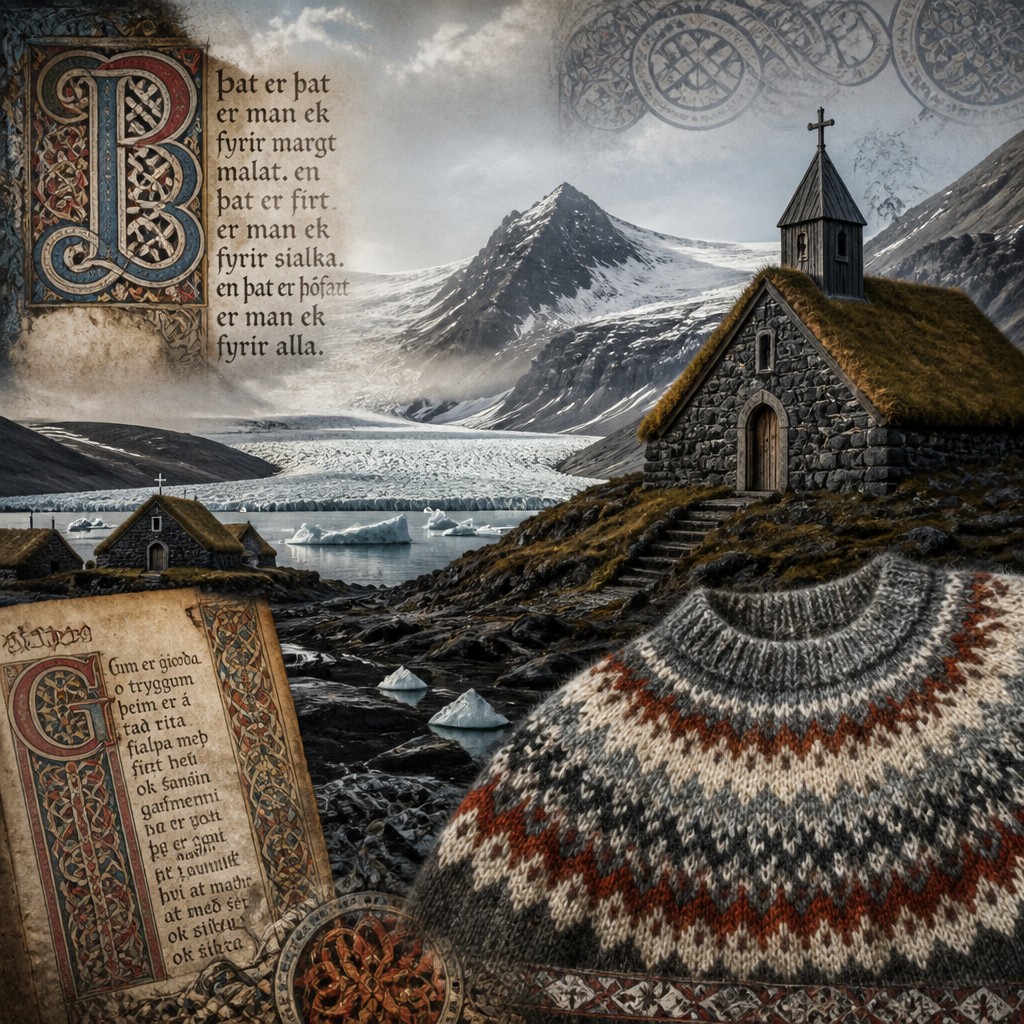
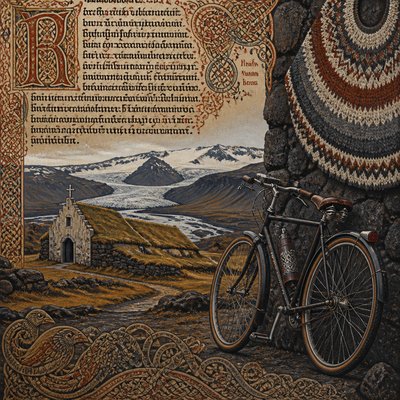
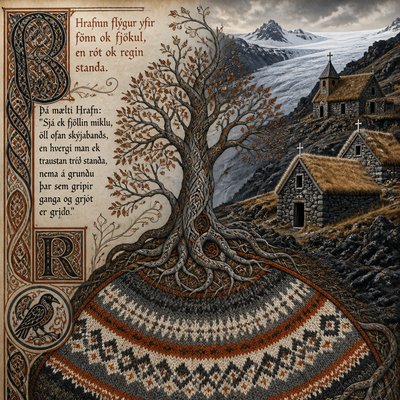
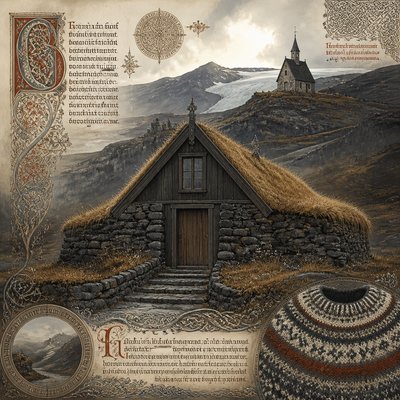
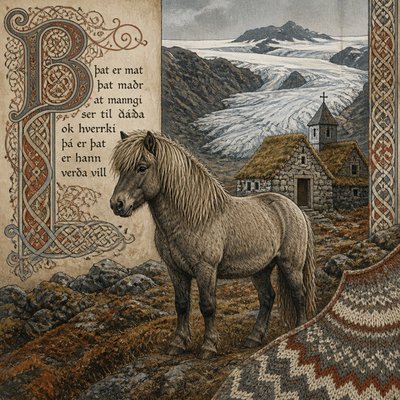
Icelandic Art Style is a contemporary, composite aesthetic rooted in Icelandic material culture rather than a formally defined historical art movement. It brings together the linear authority of medieval Icelandic saga manuscripts, the earthy geometry of turf-roofed buildings, the warmth of hand-knit wool patterns, and the severe atmosphere of volcanic, glacial, and coastal landscapes.
Its visual identity depends on contrast: black or iron-grey ink against parchment, cream wool against dark basalt, and small human structures set within vast fields of lava, snow, sea, and weather. The style often feels restrained and tactile, using limited colors, rhythmic pattern, weathered surfaces, and symbolic detail to evoke endurance, storytelling, and northern craft traditions.
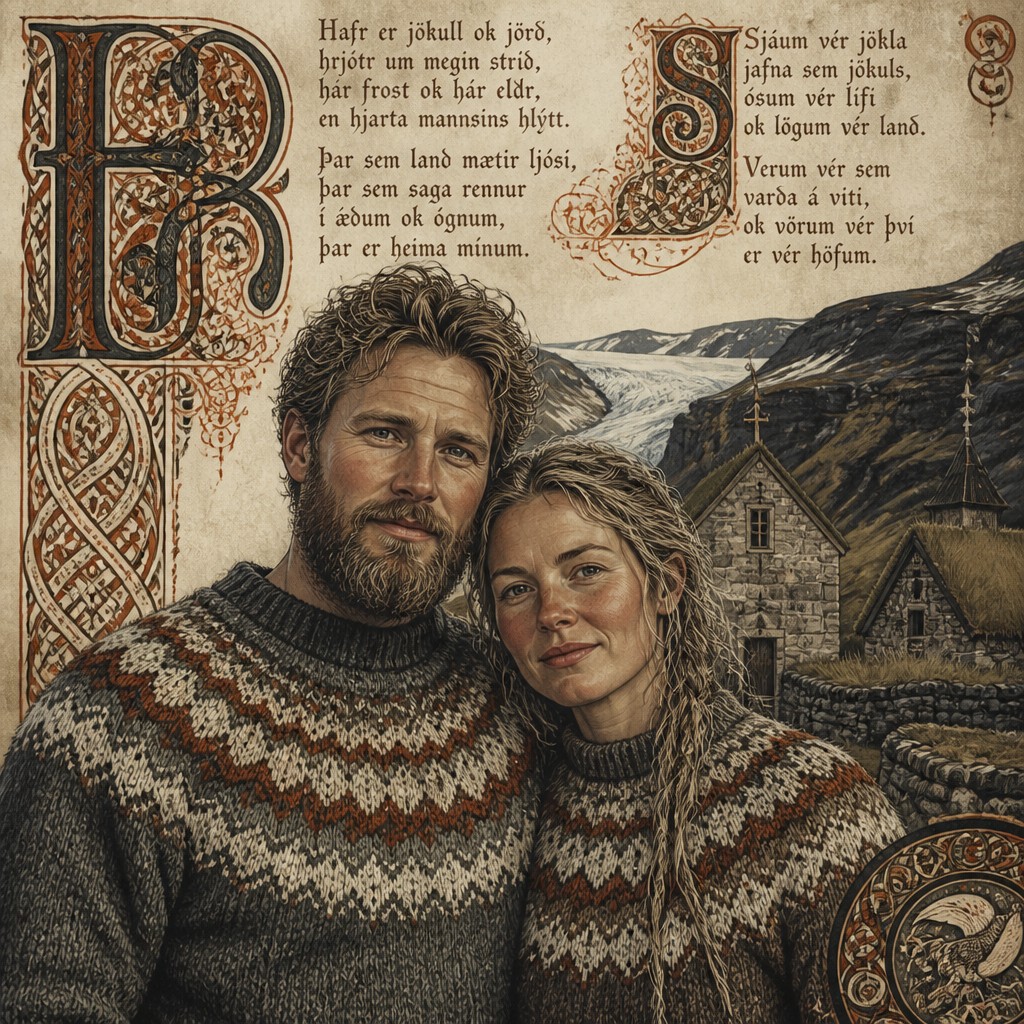
Try It On Your Photos
Upload any photo and convert it into Icelandic Art Style — drag the sliders to compare before and after.
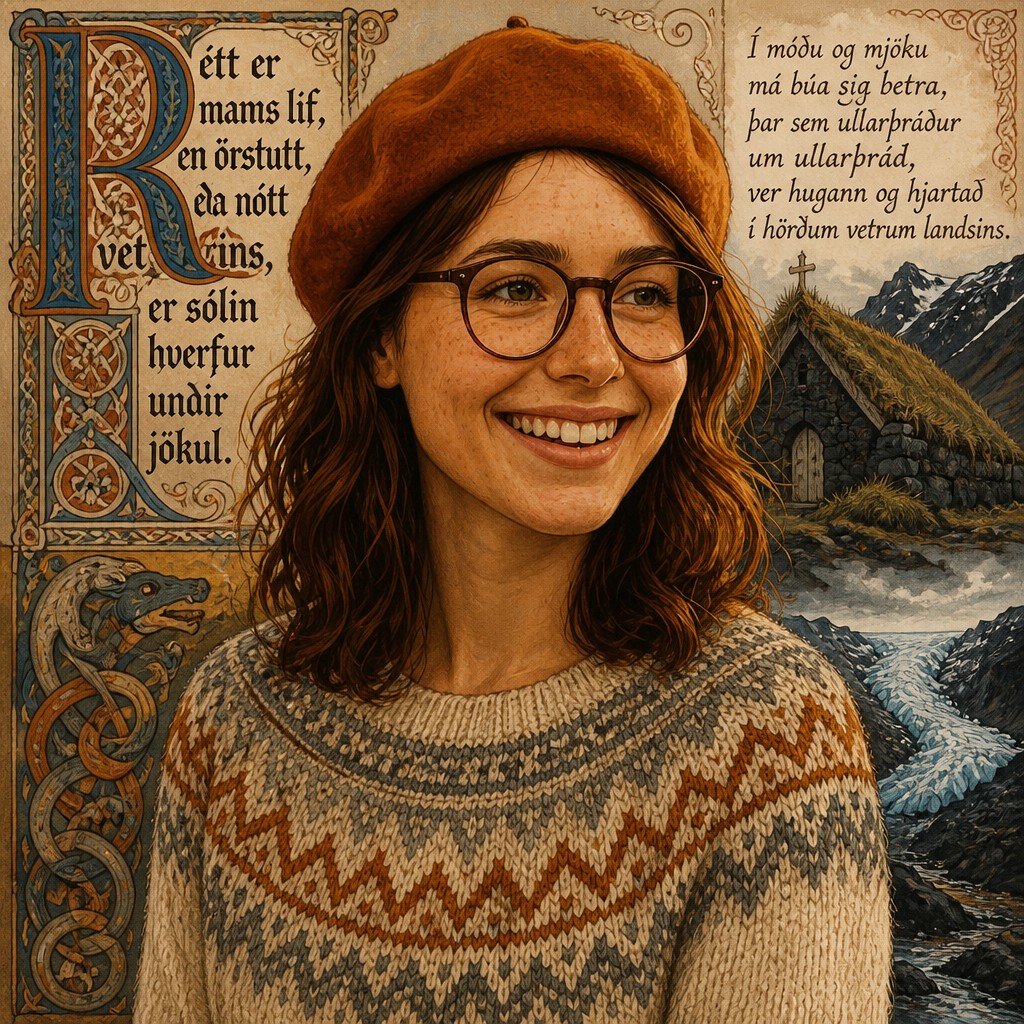

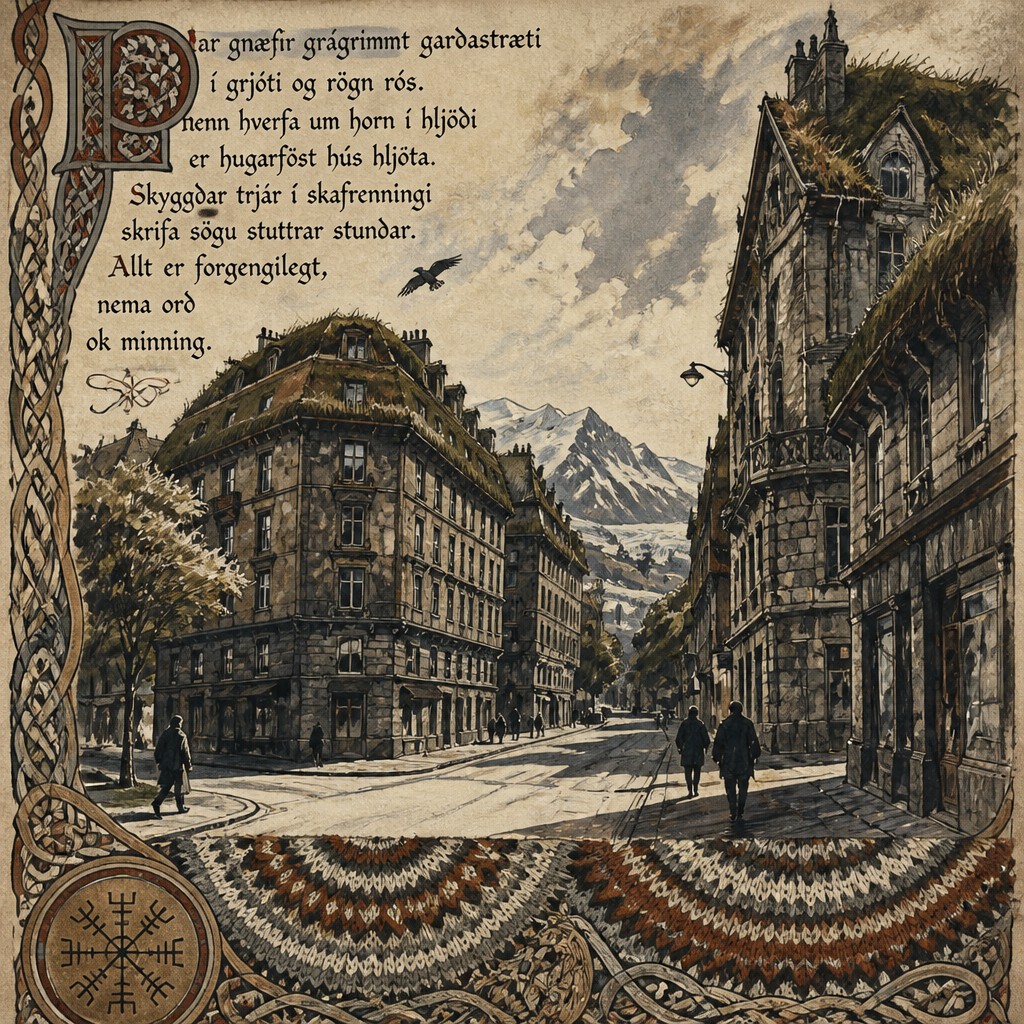

What Defines Icelandic Art Style
The signature details, up close
Manuscript linework
Fine brown-black ink lines suggest vellum pages, hand-drawn lettering, marginal marks, and flowing ornamental contours. Lines may remain visibly irregular to preserve the human, scribe-made quality of the source tradition.
Interlace and decorated initials
Large initials, knotwork, spirals, and compact border ornaments organize the image like a saga manuscript. These motifs can frame a landscape, contain a figure, or function as repeating graphic structure.
Turf-roofed architecture
Low stone or timber buildings are shown with thick grassy roofs, compact proportions, and weathered surfaces. Their rounded or sloping silhouettes emphasize shelter, adaptation, and close contact with the land.
Woolen geometric patterns
Concentric yokes, diamonds, chevrons, and stepped motifs echo hand-knit Icelandic garments. Common colors include undyed cream, charcoal grey, muted rust, brown, and occasional deep blue.
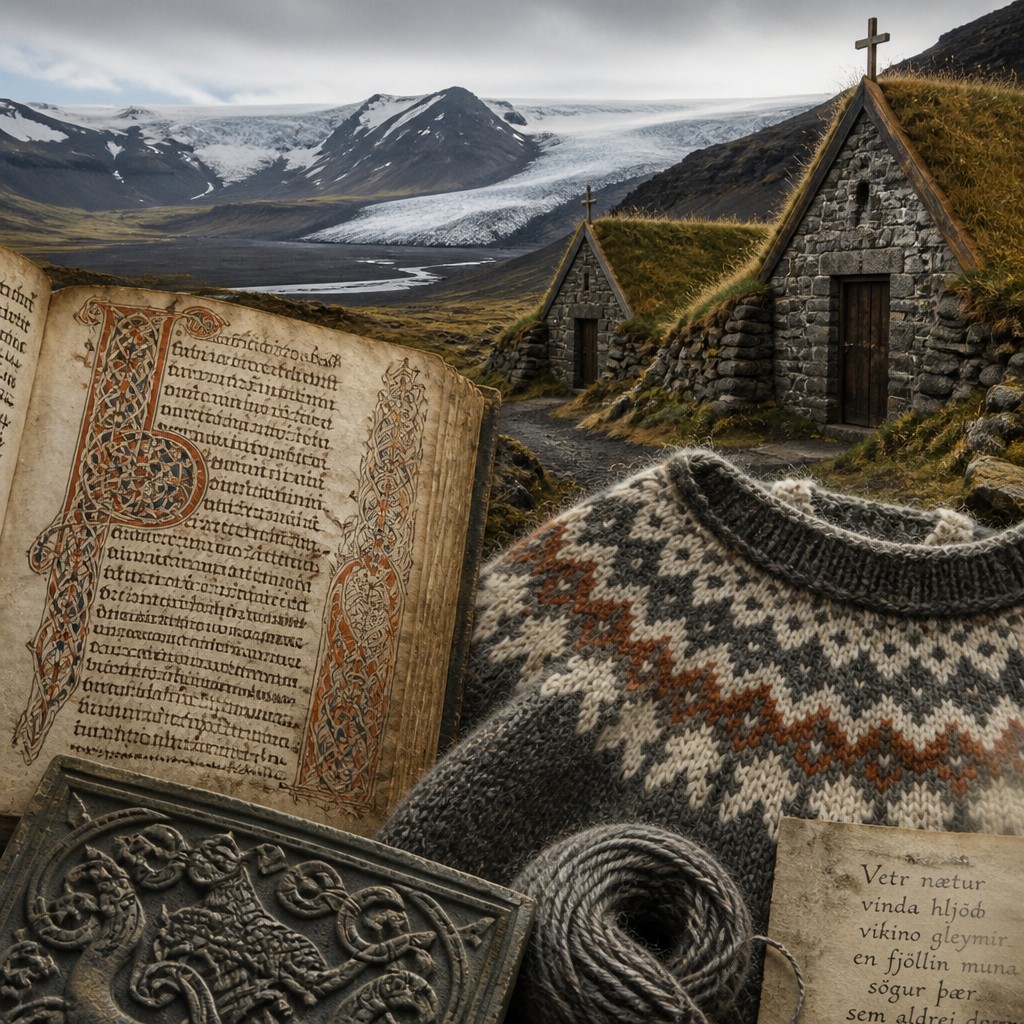
Volcanic and glacial terrain
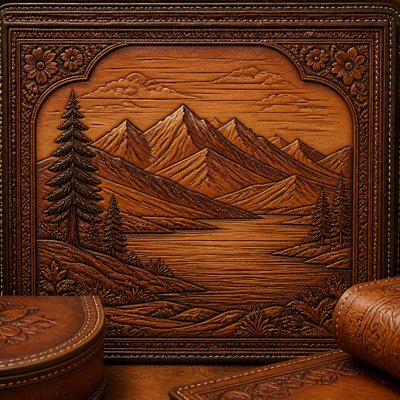
Black lava, moss, ash, ice, fjords, and distant mountains provide the environmental vocabulary. The landscape is often spacious and minimally populated, allowing small crafted forms to stand out.
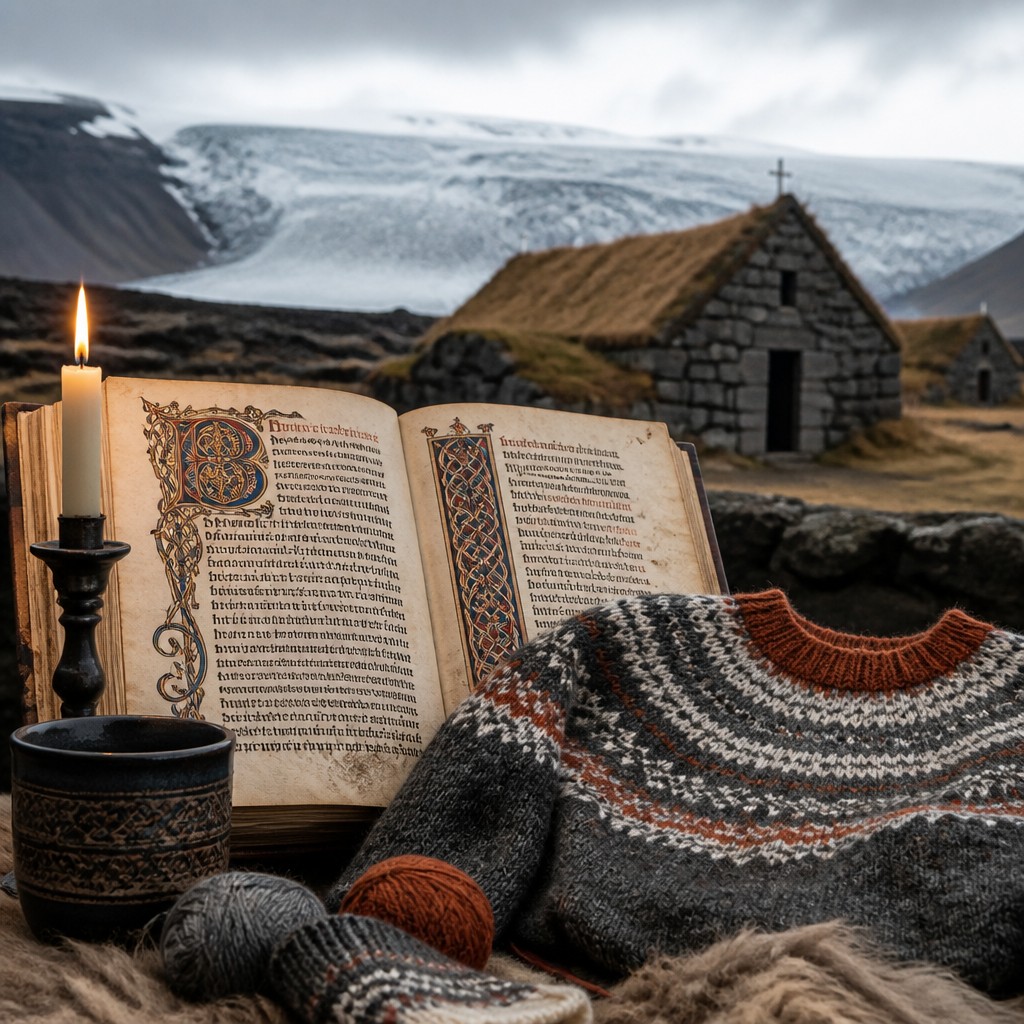
Austere northern light
Lighting is cool, low, and atmospheric, with pale skies, long shadows, mist, or sharp glints on snow and ice. Muted illumination supports the style's quiet, contemplative mood.
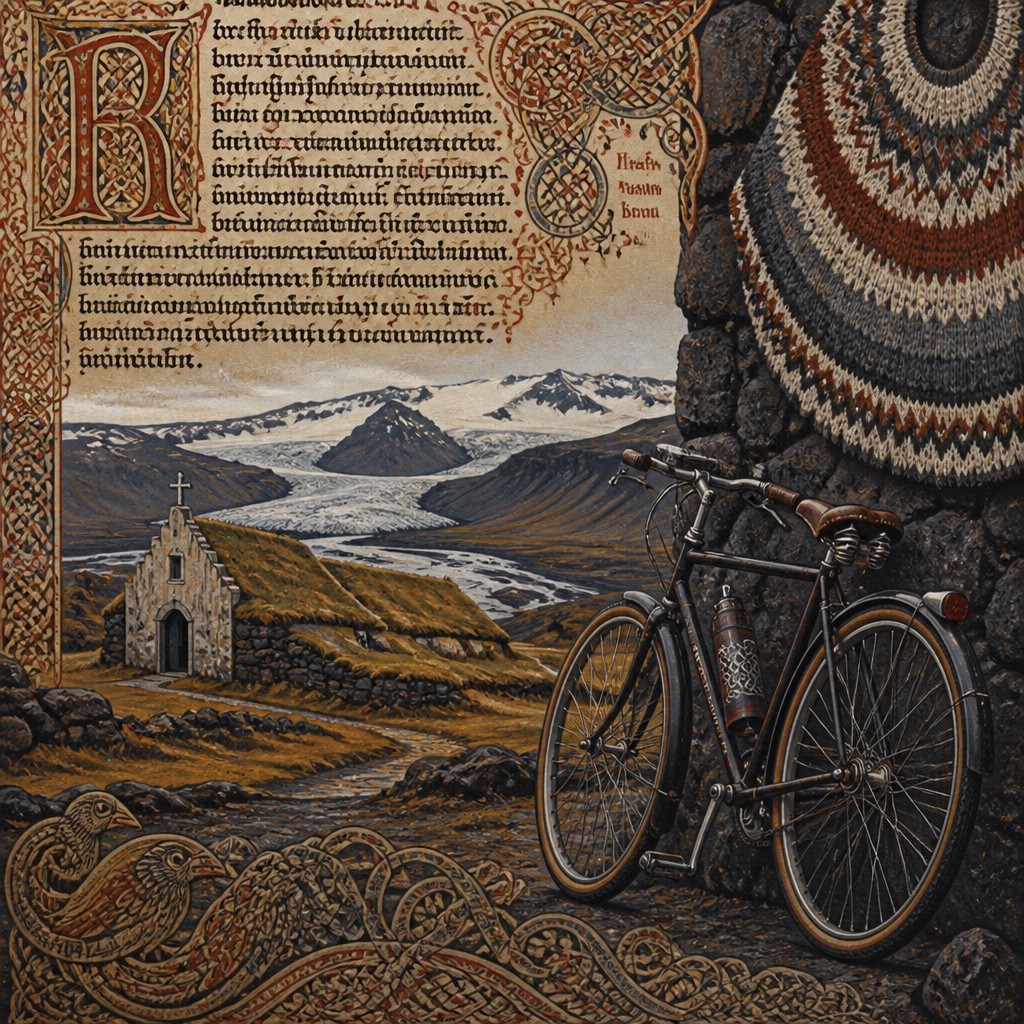
Tactile, limited materials
Surfaces resemble vellum, wool, rough stone, turf, aged wood, and mineral pigment. Restrained texture and color create an impression of durable objects made for use rather than display.
Icelandic Prompt Ideas
Start from an idea — each one opens the generator with the style ready to go. See all 40 Icelandic prompts →
How to Create Icelandic Art
Master the craft step by step — or skip straight to creating. Read the full guide →
- 1
Build a restrained palette
Start with parchment cream, soot black, basalt grey, moss green, rust, and glacier blue. Add one stronger accent only when it serves a focal motif or textile pattern.
- 2
Combine manuscript and landscape structure
Sketch the subject with confident ink contours, then organize the surrounding space like a decorated page. Use an enlarged initial, border, or interlace frame to give the composition a narrative hierarchy.
- 3
Render tactile surfaces
For traditional work, layer diluted ink, dry brush, colored pencil, or mineral-like watercolor over a paper or vellum-colored ground. Digitally, use grain, uneven opacity, wool fibers, stone texture, and softened edges instead of glossy gradients.
- 4
Use pattern as meaning
Place geometric knit motifs on clothing, borders, roofs, or shields, keeping their scale and repetition consistent. Concentric yokes work well around a central figure or architectural focal point.
- 5
Control the composition
Balance a small settlement, traveler, animal, or object against a broad field of volcanic or glacial space. Keep silhouettes readable and avoid filling every area with detail.
- 6
Write a precise image prompt
Specify the subject, manuscript ink contours, turf architecture or wool patterning, volcanic setting, limited palette, and cool northern light. For image-to-image work, preserve the source composition while requesting vellum grain, interlace details, hand-knit geometry, and weathered natural textures.
The Story
History & Origins of Icelandic
The style draws primarily on several distinct Icelandic traditions. Medieval Icelandic manuscript culture, especially from the thirteenth and fourteenth centuries onward, preserved sagas and religious texts on vellum using brown or black ink, decorated initials, ornamental linework, and occasional colored accents. Icelandic turf architecture developed as an adaptation to a treeless environment and harsh climate, combining stone, timber, earth, and grass into low, insulated structures.
Its textile references come from domestic wool production, traditional knitting, and patterned yokes associated with modern Icelandic sweaters, while its landscape language reflects the visual reality of lava fields, glaciers, geothermal terrain, and changing northern light. The resulting style is best understood as a modern synthesis of these lineages, not as a single period-specific Icelandic school.
Influences: The style is related to medieval European manuscript illumination, Icelandic saga-book illustration, Norse and North Atlantic ornamental design, vernacular turf architecture, Scandinavian folk textiles, and contemporary landscape drawing. It also shares the limited palettes and material emphasis of folk art, the narrative framing of comics and graphic illustration, and the atmospheric minimalism of Nordic design. Its distinctive effect comes from combining these sources without treating them as one uninterrupted historical tradition.
Frequently Asked Questions
Is Icelandic Art Style a recognized historical art movement?
No. The term describes a contemporary composite aesthetic rather than a formally named movement with a fixed membership, manifesto, or period. It draws on several genuine Icelandic traditions, including medieval manuscripts, turf architecture, wool textiles, and volcanic landscape imagery.
What defines the visual style?
Its core features are dark manuscript-like linework, decorated initials or interlace, turf-roofed structures, geometric wool patterns, and stark volcanic or glacial scenery. A restrained palette and tactile surfaces help unify these otherwise distinct references.
How is it different from generic Norse or Viking art?
Generic Norse-inspired art often focuses on mythic symbols, metalwork, ships, or dramatic warrior imagery. This style is more specifically grounded in Icelandic manuscript culture, vernacular buildings, domestic knitting, and the quiet scale of the Icelandic landscape.
Can this style be made with traditional materials?
Yes. Ink on textured paper, watercolor, colored pencil, wool collage, block printing, and stitched textile work are all suitable. Uneven lines, subdued pigments, visible fibers, and weathered surfaces are more important than using one particular medium.
What subjects work best in this style?
Turf houses, chapels, fjords, lava fields, glaciers, wool garments, rural tools, ravens, horses, and saga-like travelers are natural subjects. Everyday objects can also work when framed with manuscript ornament and given a strong material character.
How can I prompt an image in this aesthetic?
Describe the subject first, then add specific visual instructions such as vellum texture, brown-black ink contours, interlace initials, turf architecture, hand-knit yoke patterns, and cool volcanic landscape light. Naming the desired materials and limiting the palette usually produces a more coherent result than relying on a broad regional label alone.
Create your first Icelandic artwork
Describe anything — or upload a photo — and see it in Icelandic Art Style in seconds.
Related Styles
Discover similar art styles