Honduran Art Style
Explore Honduran art style through Copán's Maya stone sculpture, hieroglyphic stairways, portrait stelae, jungle light, and jade-toned monumentality.
Instantly rendered in Honduran — or transform a photo
Honduran Gallery
Tap any artwork to explore it
What is Honduran Art Style?
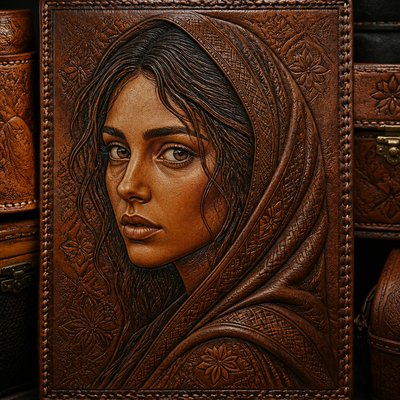
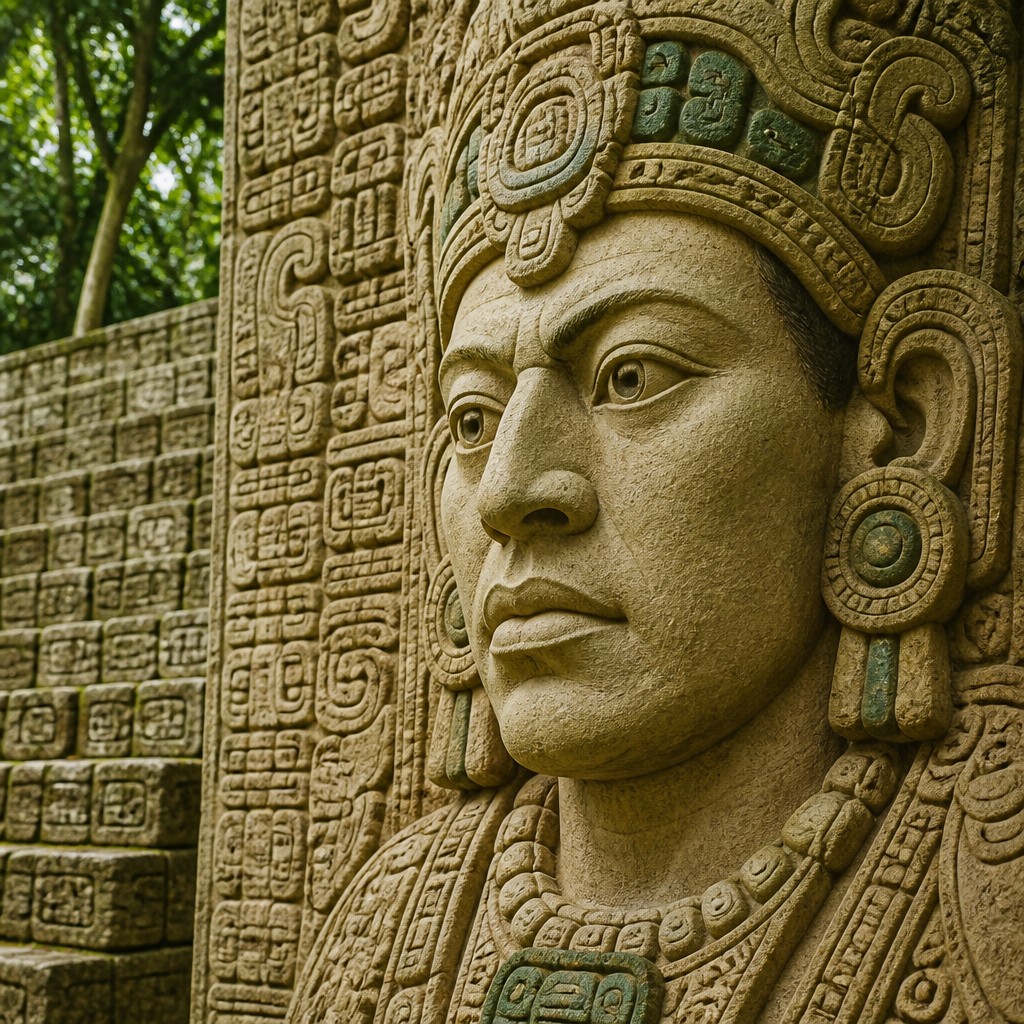
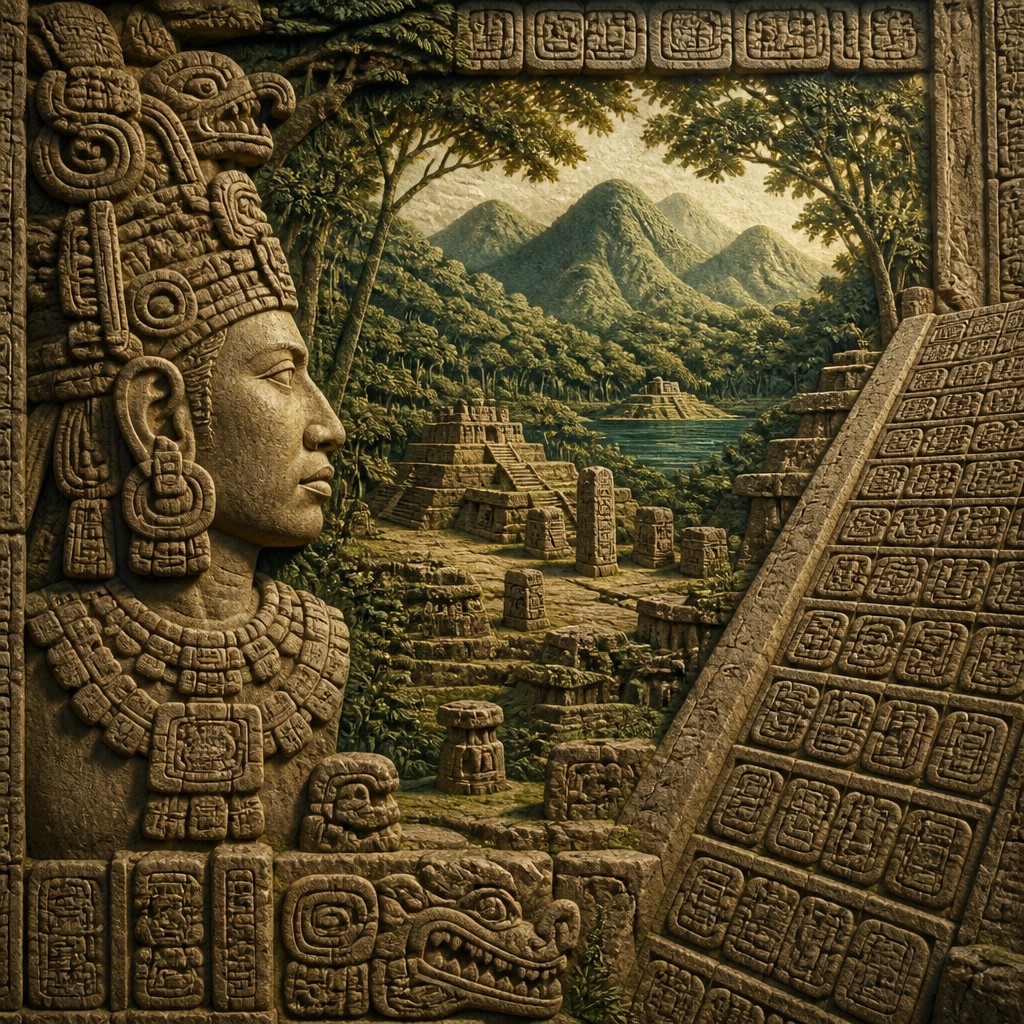
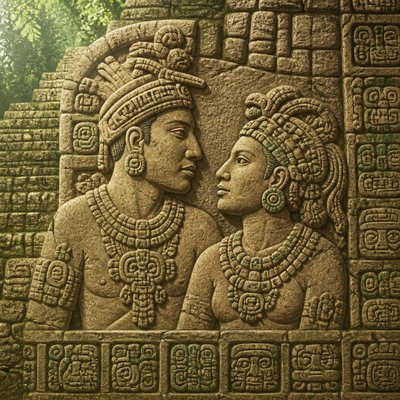
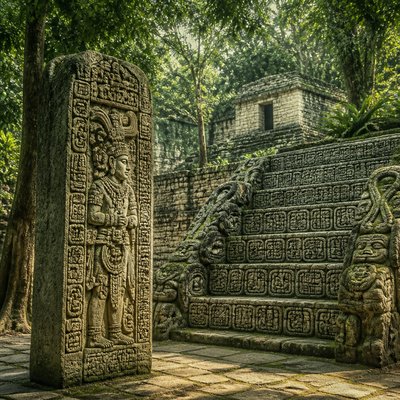
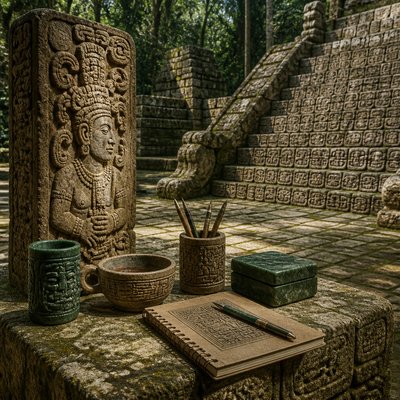
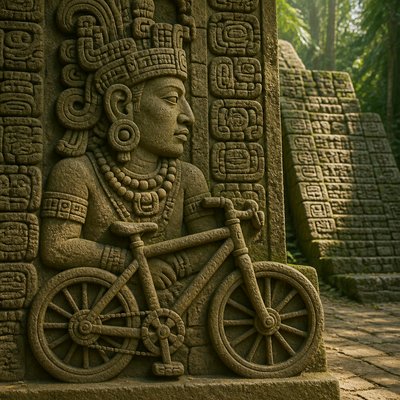
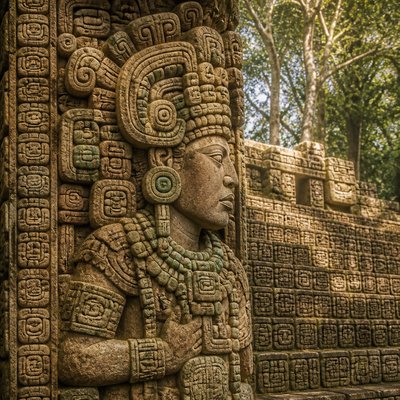
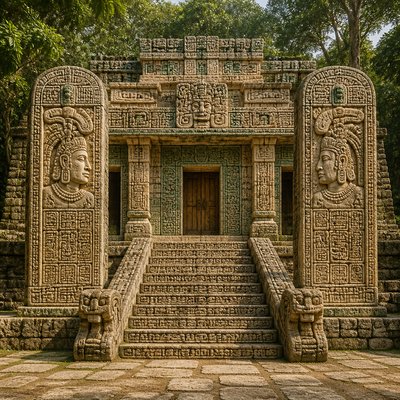
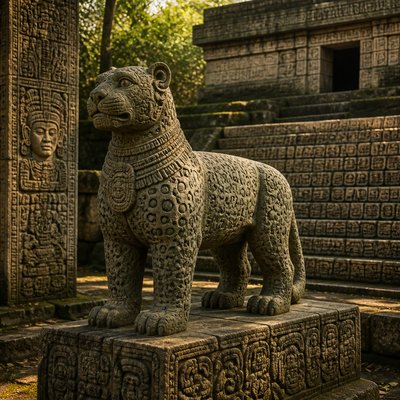
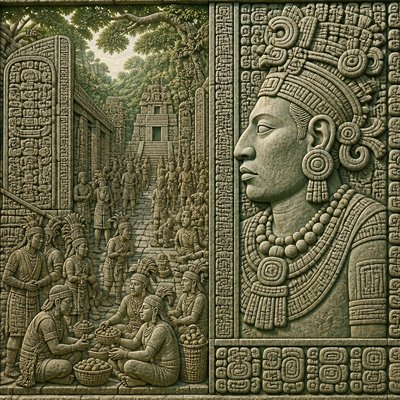
Honduran art style is best understood as a contemporary descriptive label for an aesthetic rooted in the ancient Maya art of Copán, in western Honduras. It centers on deeply carved stone monuments, portrait stelae, ceremonial architecture, and the dense hieroglyphic writing associated with Copán's monumental precinct. The style combines archaeological grandeur with the softened atmosphere of a tropical jungle setting.
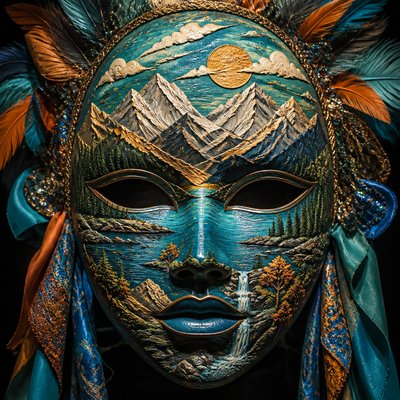
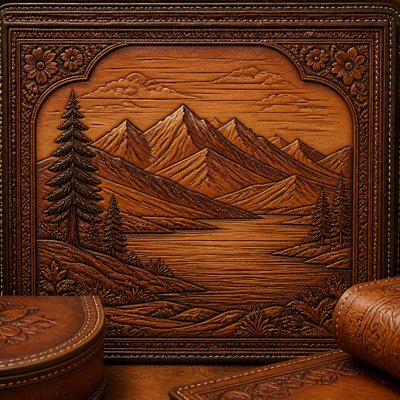
Its visual identity depends on sculptural relief rather than flat ornament alone. Figures emerge from stone through controlled planes, incised contours, and layered glyphs, while warm limestone, weathered volcanic tuff, muted earth colors, and jade-green accents suggest both mineral surfaces and surrounding vegetation. The resulting mood is formal, intricate, contemplative, and quietly monumental rather than theatrical.
Try It On Your Photos
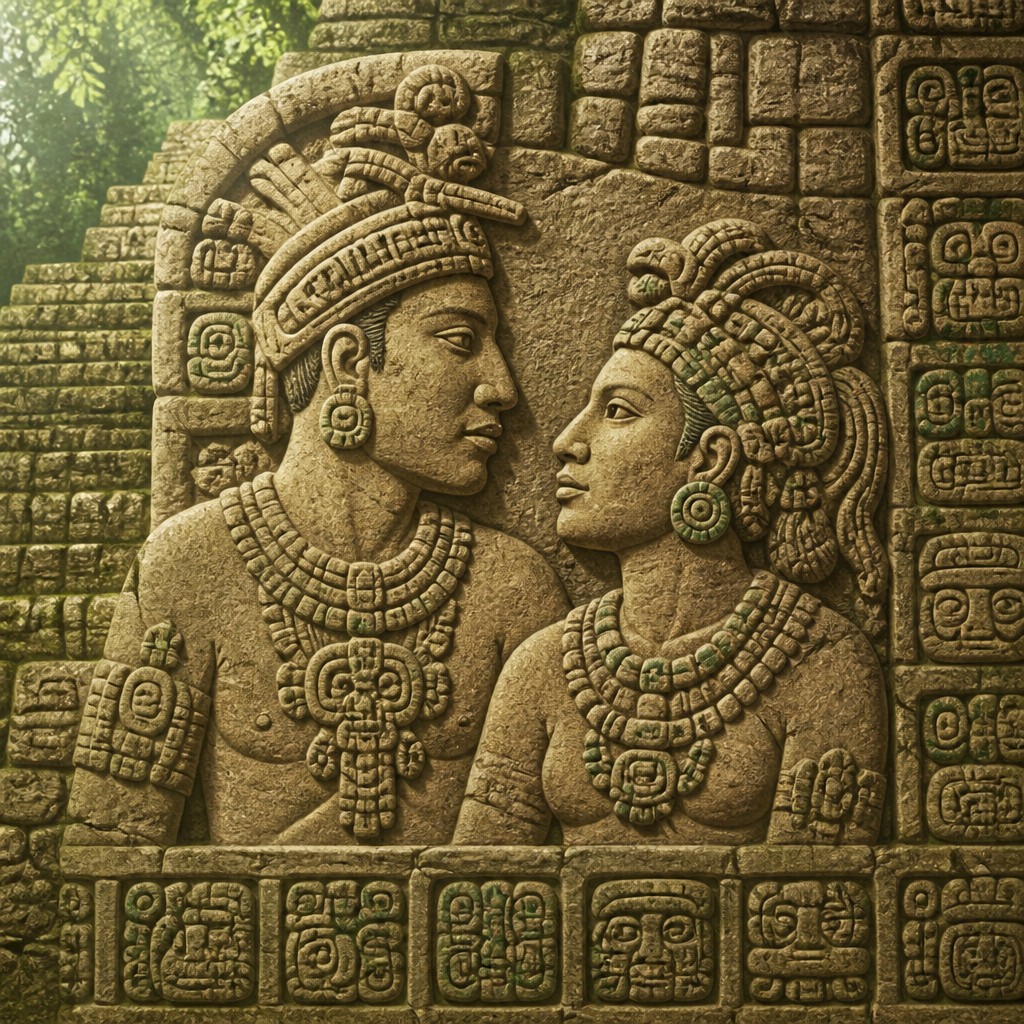
Upload any photo and convert it into Honduran Art Style — drag the sliders to compare before and after.
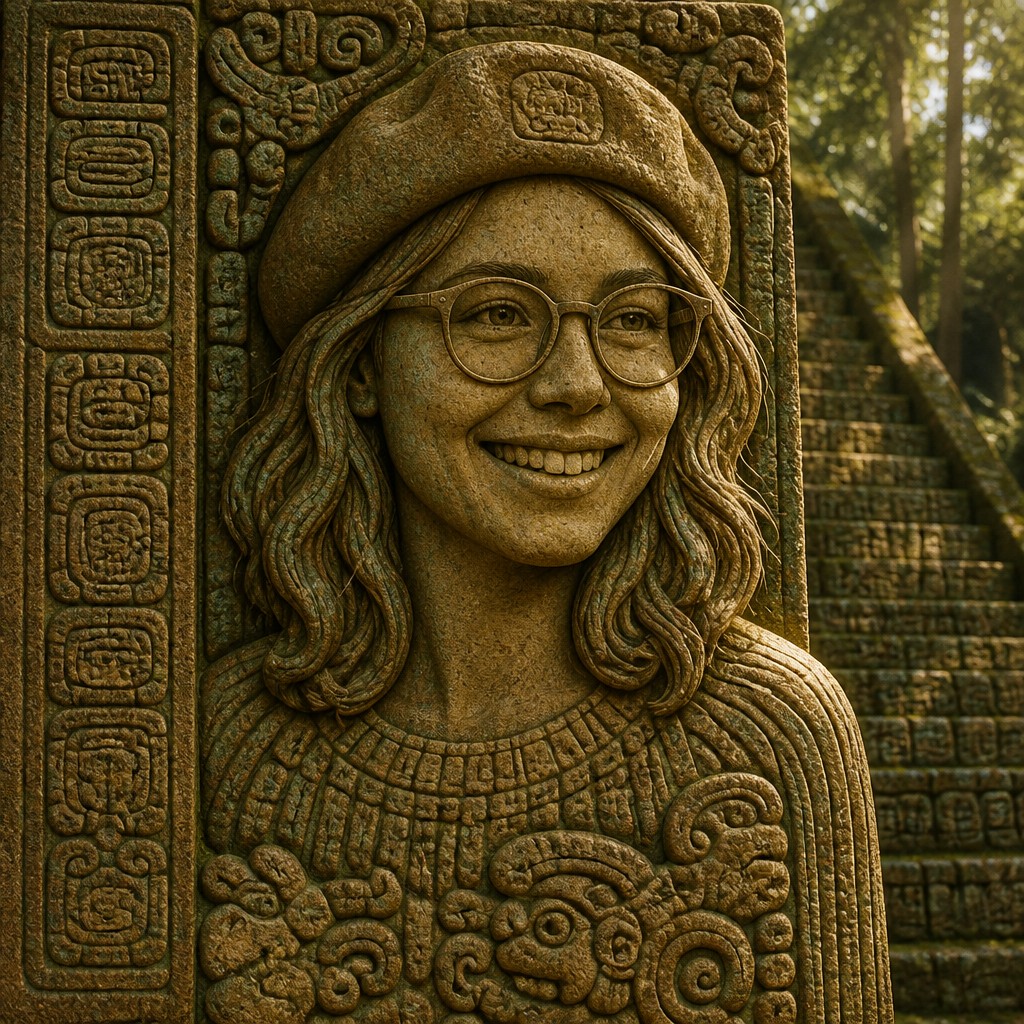

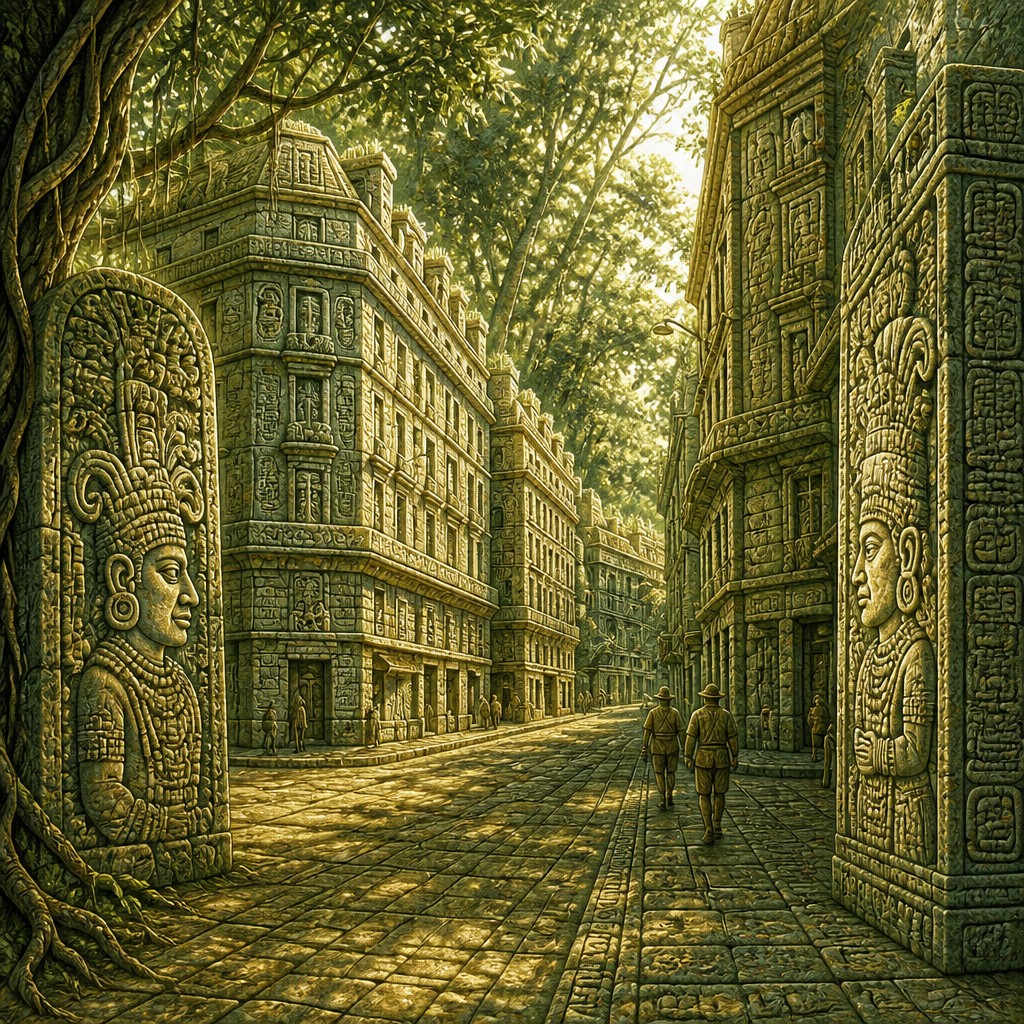

What Defines Honduran Art Style
The signature details, up close
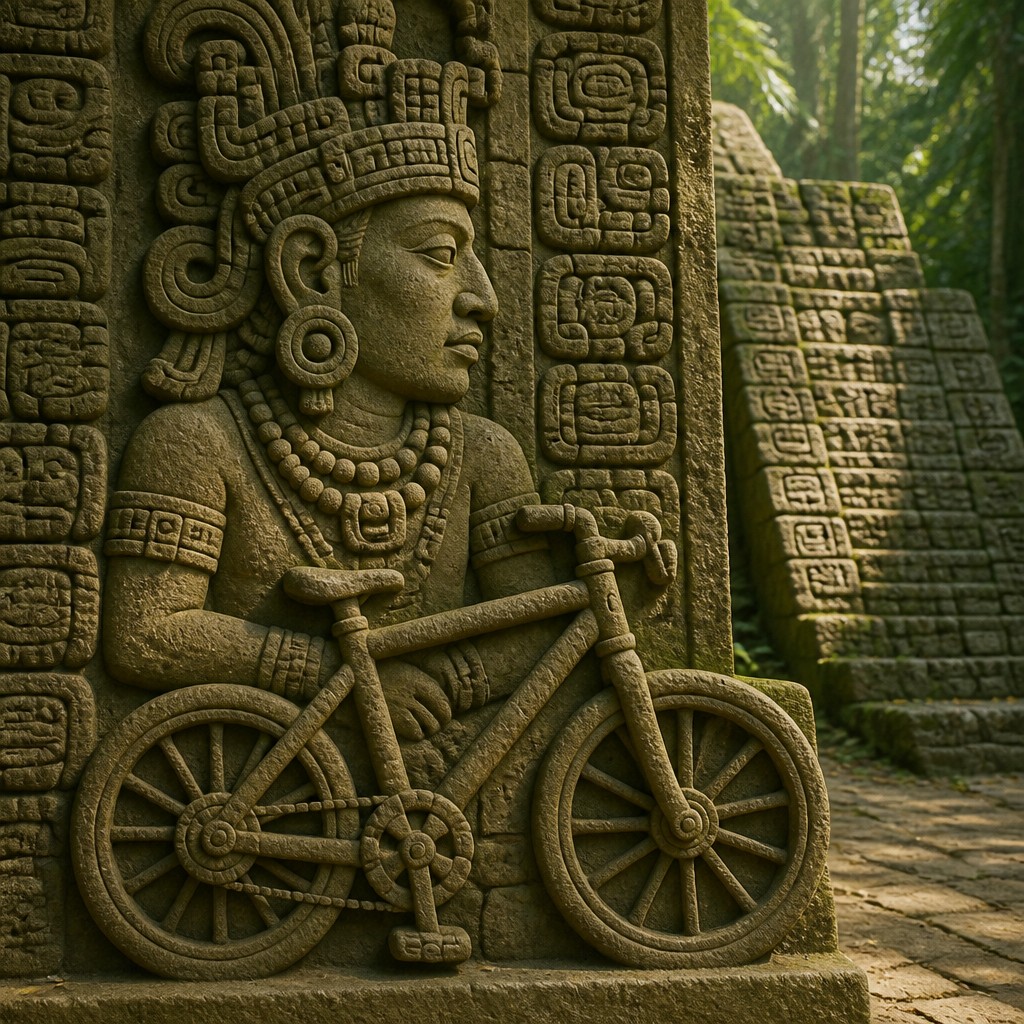
Deeply carved stone relief
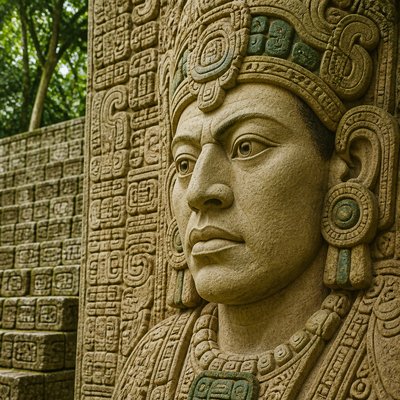
Forms appear cut into or projecting from monumental stone, with crisp incisions, stepped planes, rounded modeling, and visible weathering. The surface should feel tactile and weighty rather than smoothly manufactured.
Portrait stelae
Upright monuments feature solemn rulers or ceremonial figures in frontal or three-quarter view. Elaborate headdresses, ear ornaments, woven regalia, and symbolic attributes create a dense vertical silhouette.
Hieroglyphic density
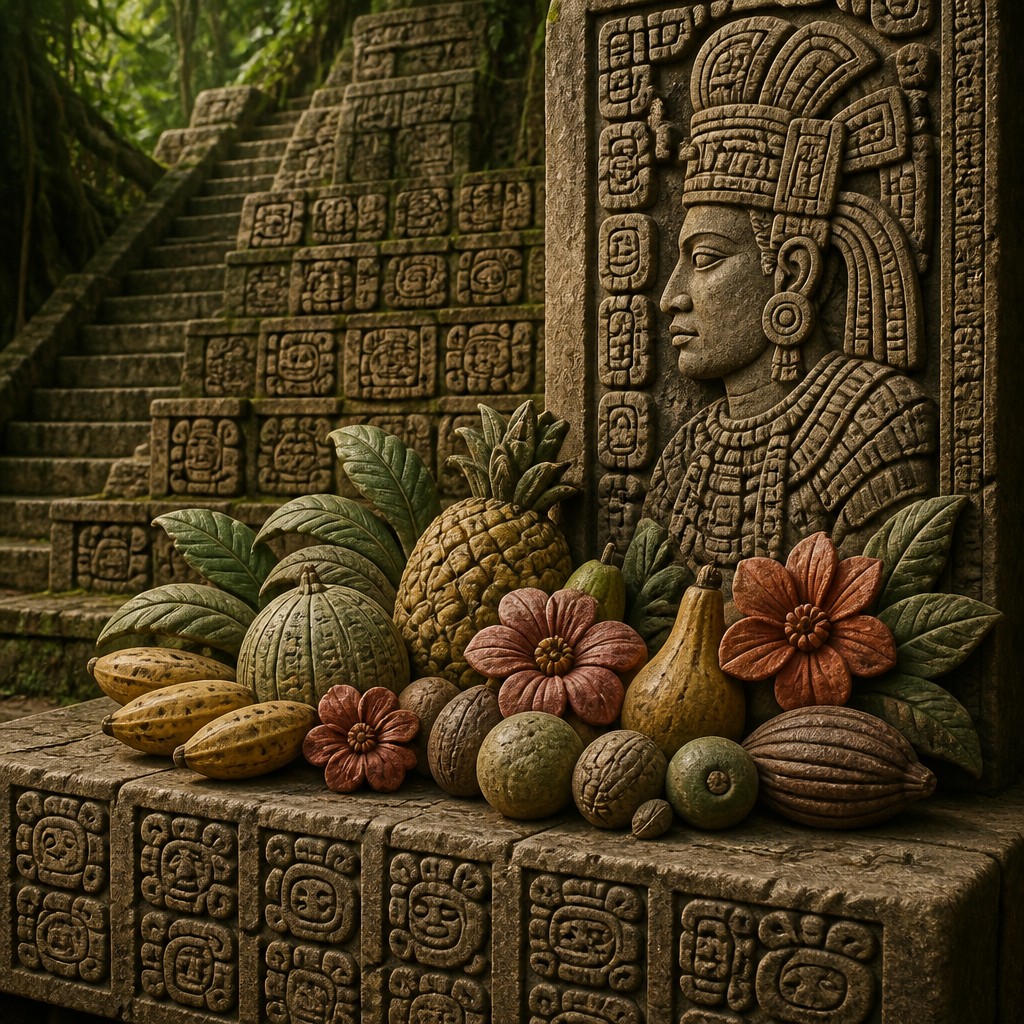
Maya glyph blocks, calendrical signs, and rhythmic inscriptions function as both language and visual pattern. They are typically arranged in orderly panels, bands, stair risers, or architectural frames.
Ceremonial architecture
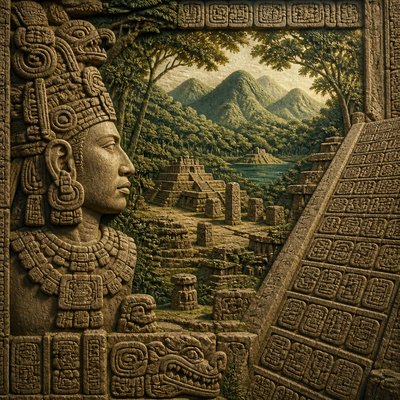
Stepped pyramids, plazas, temple façades, altars, and stairways provide a strong geometric setting. Repetition and axial arrangement convey ritual order and civic scale.
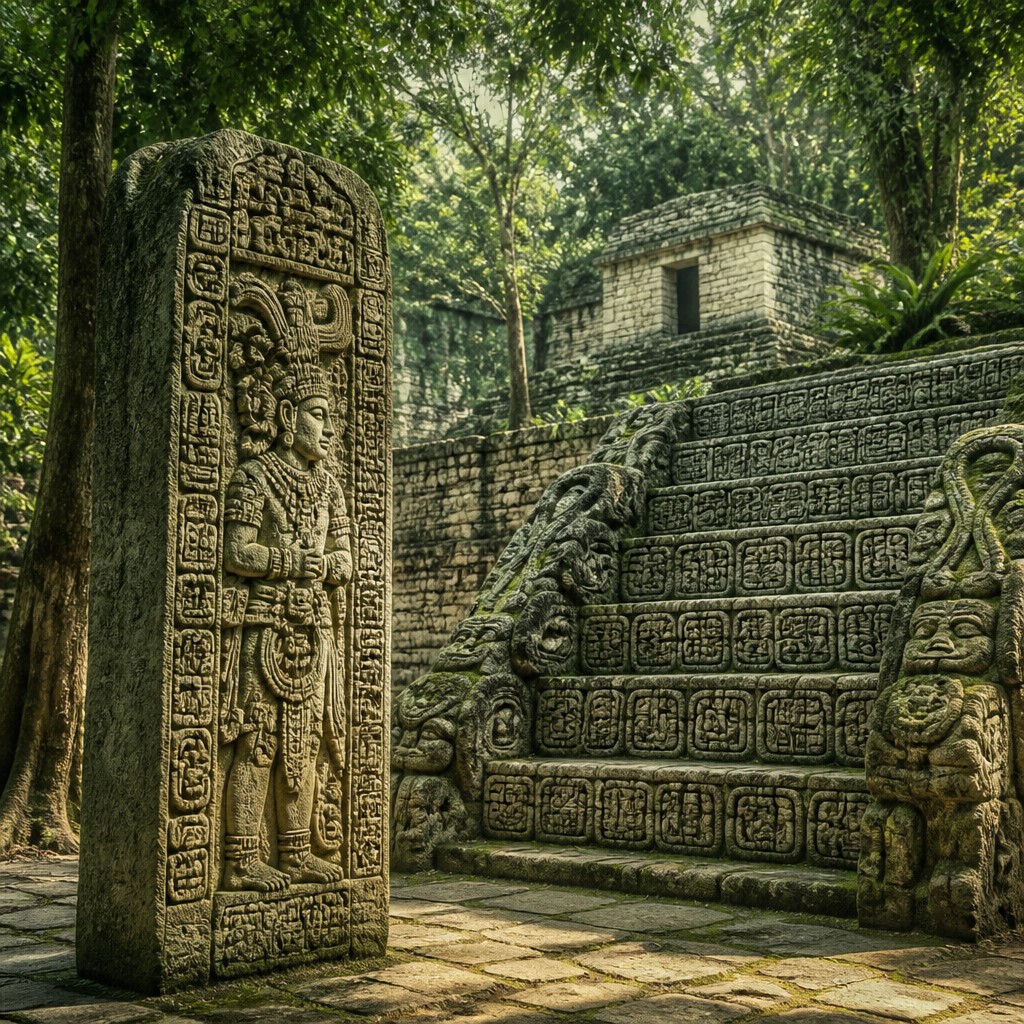
Warm mineral palette
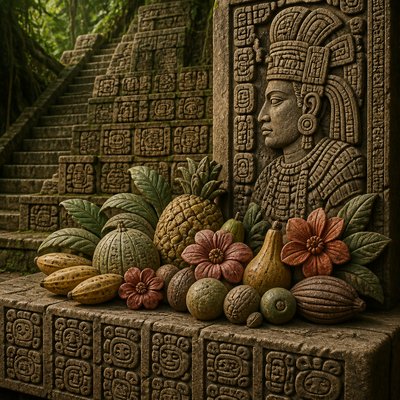
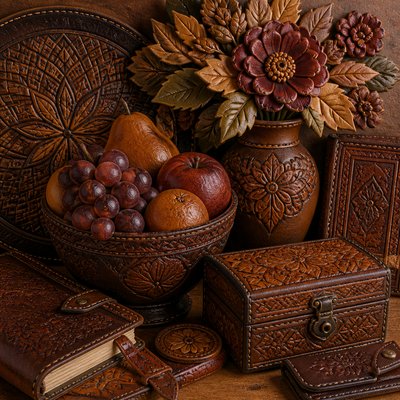
Ochre, limestone cream, terracotta, weathered gray, and dark umber are balanced by restrained jade, moss, and deep jungle green. Patina, lichen, dust, and erosion add historical depth.
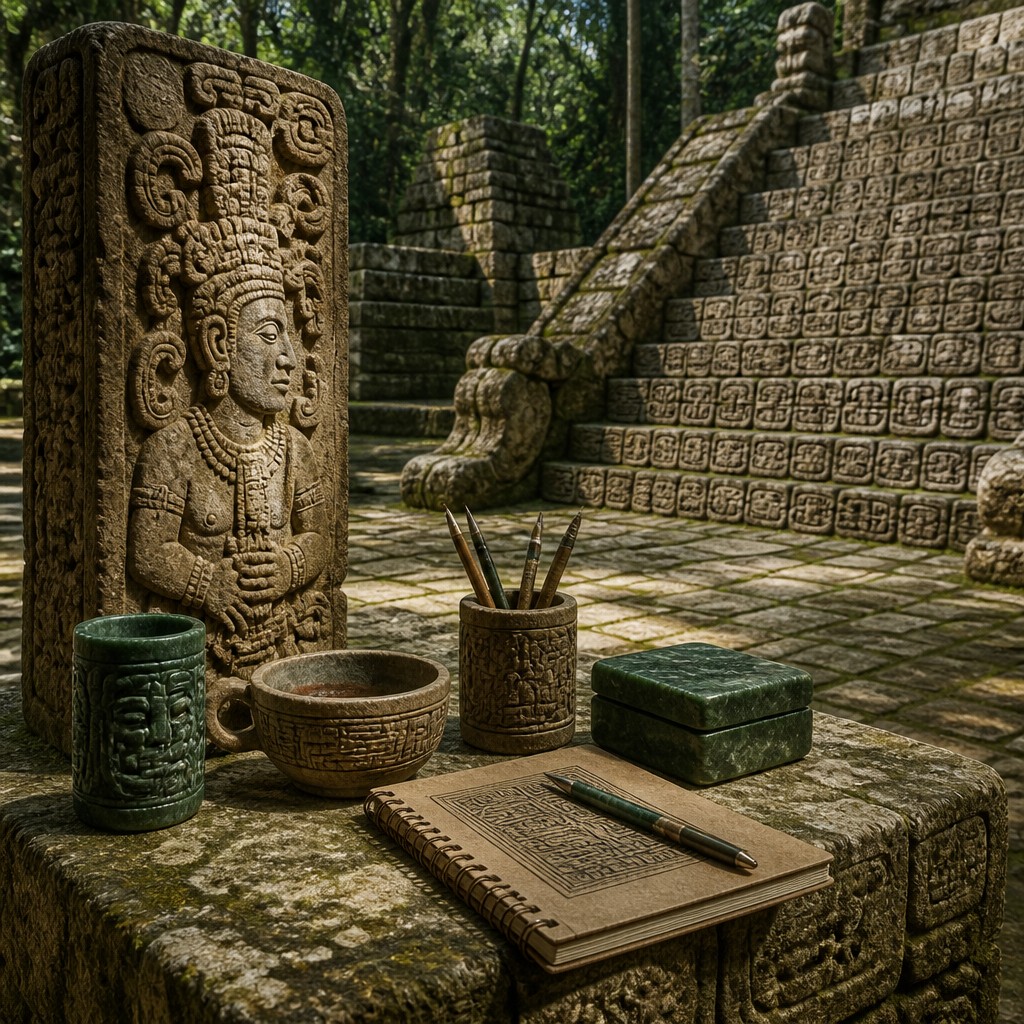
Tropical archaeological atmosphere
Filtered canopy light, humid haze, vines, foliage, and shadow place the monuments within a living rainforest environment. Nature should frame and soften the stone without obscuring its structure.
Quiet monumental dignity
Compositions emphasize stillness, frontal presence, symmetry, and contemplative gravity. Even narrative scenes tend to feel ceremonial and composed rather than dynamic or cartoon-like.
Honduran Prompt Ideas
Start from an idea — each one opens the generator with the style ready to go. See all 40 Honduran prompts →
How to Create Honduran Art
Master the craft step by step — or skip straight to creating. Read the full guide →
- 1
Build the image as a carved object
Begin with a blocky silhouette and establish relief depth before adding surface detail. Use hard-edged planes for stone breaks, shallow incisions for glyphs, and softened abrasion on exposed edges.
- 2
Organize figures and writing
Place a central portrait or architectural axis inside structured bands of glyphs, ornaments, or stepped framing. Keep the ornament rhythmically ordered so the image feels monumental rather than randomly decorative.
- 3
Use restrained natural color
Start with warm stone neutrals and introduce green as a secondary atmospheric or mineral accent. Add subtle stains, lichen, shadow, and uneven coloration instead of bright, polished surfaces.
- 4
Create depth with light
Use directional light from a jungle canopy to reveal relief through shallow shadows and highlights. A hazy background, darker recesses, and a focused foreground help convey carved depth and archaeological scale.
- 5
Develop digitally with texture layers
Combine a sculptural base, displacement or height information, engraved linework, stone-grain overlays, and vegetation passes. Keep glyphs legible as visual structures while avoiding falsely presenting invented inscriptions as authentic translations.
- 6
Write a precise generation prompt
Specify Copán-inspired Maya stone relief, portrait stelae, the Hieroglyphic Stairway, carved volcanic tuff or limestone, warm mineral tones, jungle-filtered light, and solemn composition. For image transformation, describe the desired relief, palette, and surface treatment while preserving the subject's recognizable structure.
The Story
History & Origins of Honduran
This style draws primarily from the Classic-period Maya artistic tradition of Copán, which flourished especially from approximately the fifth through the ninth centuries CE. Copán's ceremonial center is known for carved stelae, altars, temple façades, and the Hieroglyphic Stairway, an eighth-century monument containing one of the longest known ancient Maya inscriptions. Its sculpture presents rulers and supernatural beings through frontal or near-frontal portrait forms, elaborate regalia, and hieroglyphic framing.
The modern phrase "Honduran art style" is not the name of a single historical movement. It is an interpretive synthesis that uses the material vocabulary of Copán—stone carving, glyphic density, ritual architecture, and rainforest light—for contemporary illustration, digital art, concept art, and image transformation. Responsible use should acknowledge its specific Maya and Honduran context rather than treating all Indigenous Central American art as interchangeable.
Influences: The style is closely related to Classic Maya sculpture, Maya hieroglyphic writing, Mesoamerican ceremonial architecture, Indigenous Central American material traditions, archaeological reconstruction, and relief sculpture. It also borrows atmospheric devices from historical illustration and environment concept art, especially layered ruins, filtered light, botanical framing, and weathered surfaces. Its strongest distinction is the combination of Copán's specific epigraphic and sculptural vocabulary with a modern, atmospheric presentation.
Frequently Asked Questions
What defines the Honduran art style?
It is defined by the ancient Maya visual heritage of Copán: carved portrait stelae, dense hieroglyphic panels, stepped ceremonial architecture, warm stone surfaces, and rainforest atmosphere. The overall mood is formal, intricate, and monumental.
Is Honduran art style a recognized historical art movement?
No. The term is a contemporary descriptive or image-making label rather than the established name of a single historical movement. Its historical foundation is the Classic-period Maya art of Copán and the wider Honduran archaeological tradition.
How does it differ from general Maya art?
General Maya art covers a large region and many centuries, including distinct traditions in present-day Mexico, Guatemala, Belize, Honduras, and El Salvador. This style focuses more specifically on Copán's sculptural portraiture, hieroglyphic stairway, volcanic-stone relief, and rainforest setting.
What materials are associated with this style?
The visual language is associated with carved volcanic tuff, limestone, and other durable masonry surfaces used in monumental architecture and sculpture. In digital work, height maps, displacement, engraved linework, stone grain, patina, and lichen can simulate those materials.
Can I use this style for a portrait or photograph?
Yes. A portrait can be organized as a frontal stela, framed with geometric glyph-like panels and rendered with shallow relief, mineral color, and weathered stone texture. Preserve the subject's likeness while treating the historical references respectfully and avoiding claims that invented symbols are authentic Maya writing.
Where is this style commonly used?
It is suited to archaeological illustration, historical visualization, editorial art, game and film environments, educational graphics, posters, concept art, and digital portraits. It works especially well for subjects involving ceremonial architecture, ancient landscapes, heritage, and symbolic identity.
Create your first Honduran artwork
Describe anything — or upload a photo — and see it in Honduran Art Style in seconds.
Related Styles
Discover similar art styles