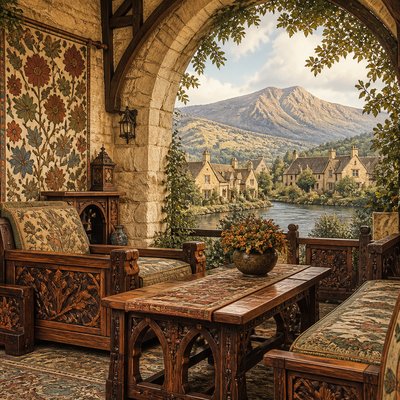
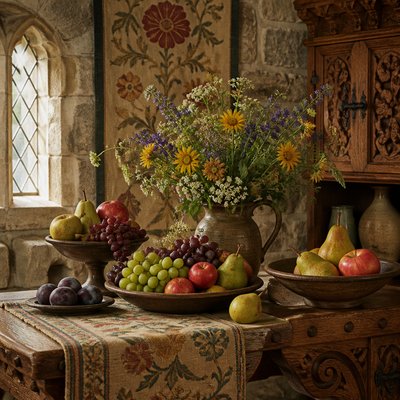
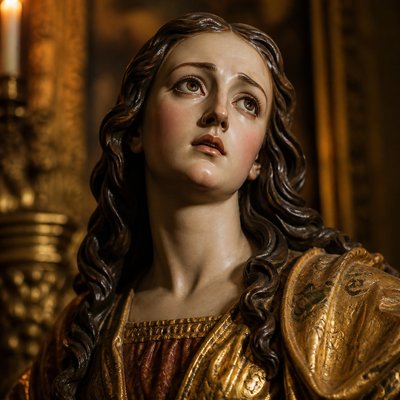
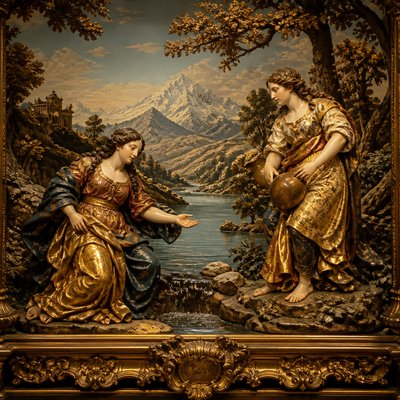
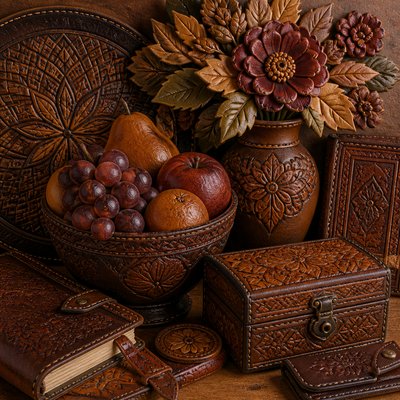
Herat Art Style
Explore Herat art style: refined Timurid miniatures, jewel-toned pigments, gold illumination, tiled architecture, and lyrical Persian manuscript design.
Instantly rendered in Herat — or transform a photo
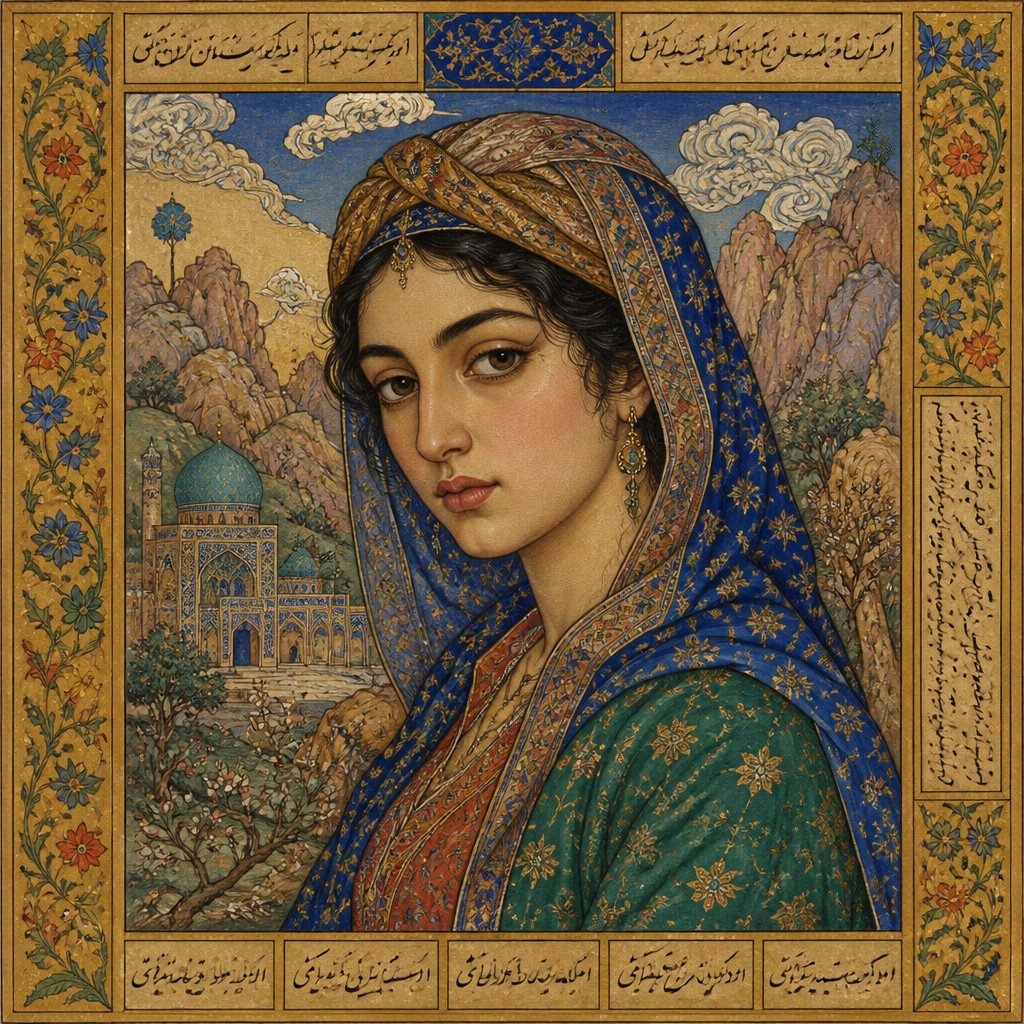
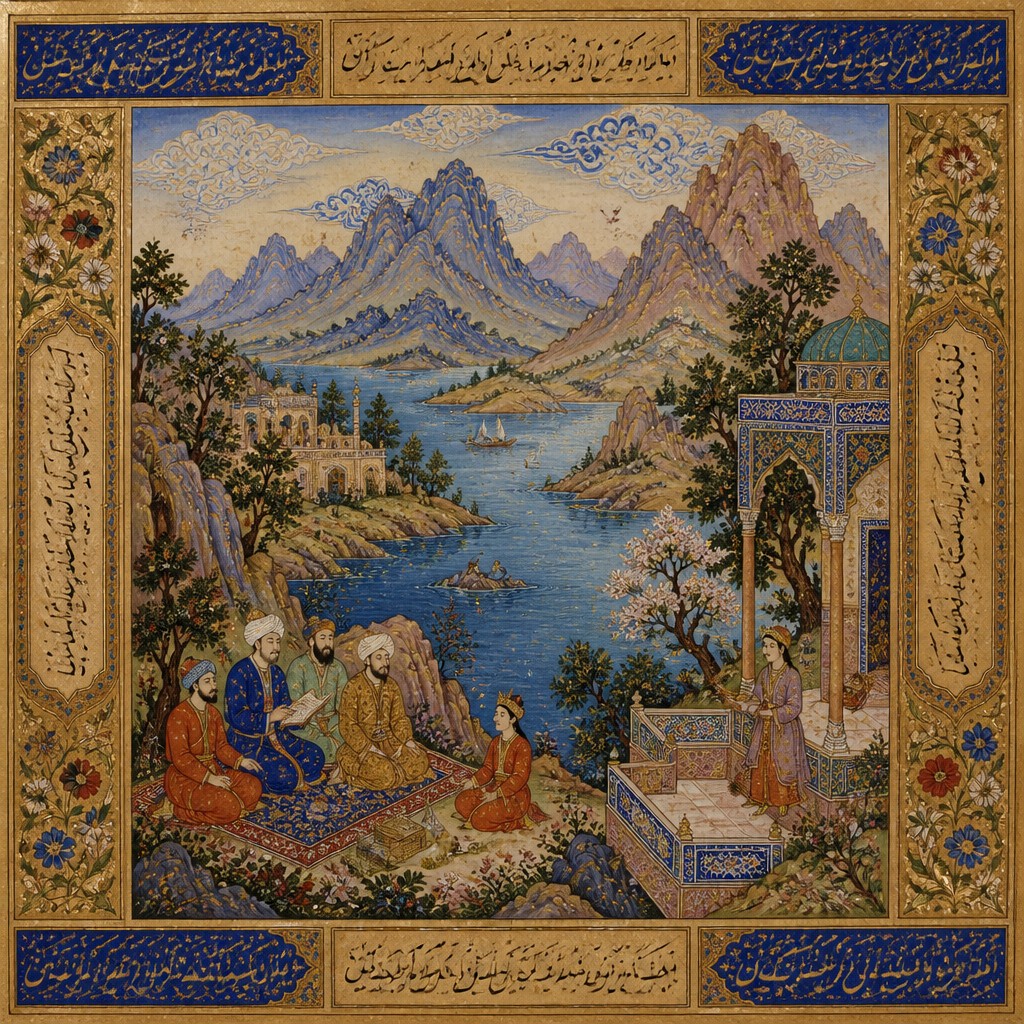
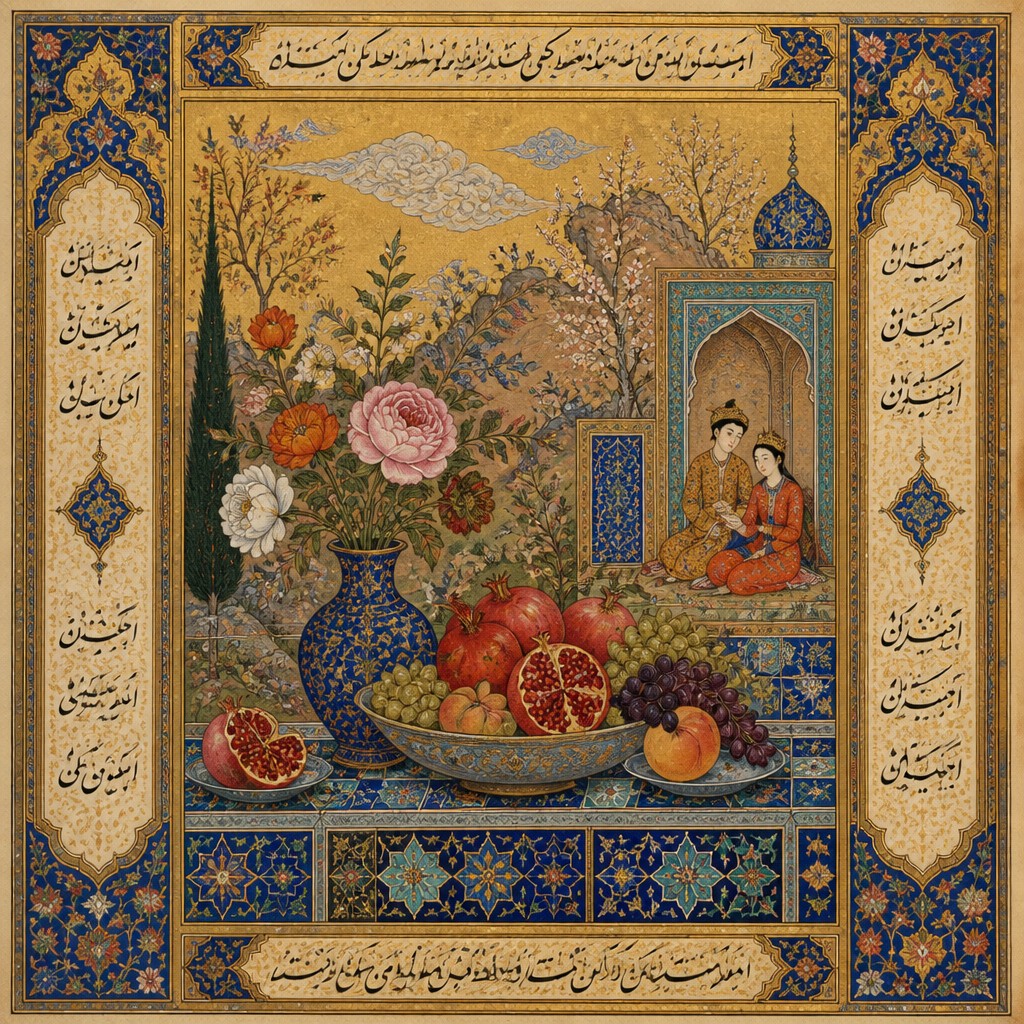
Herat Gallery
Tap any artwork to explore it
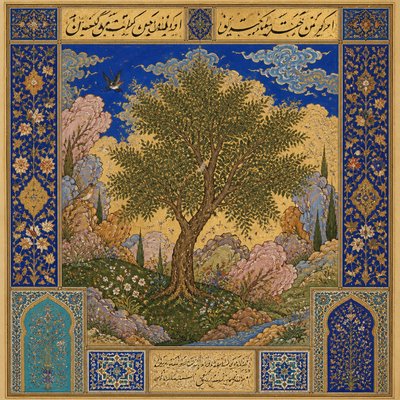
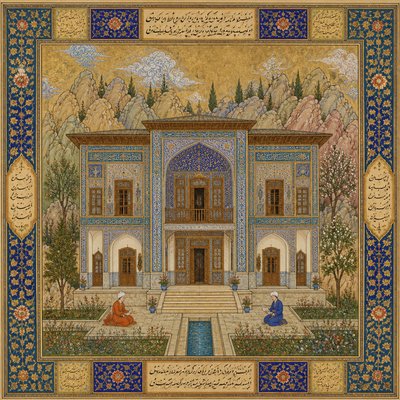
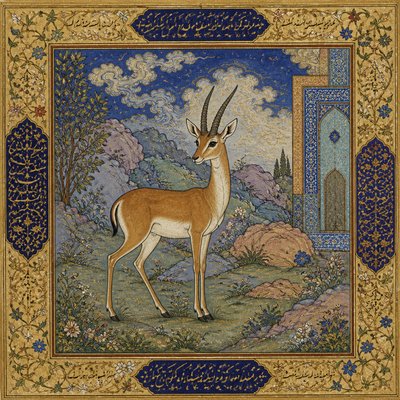
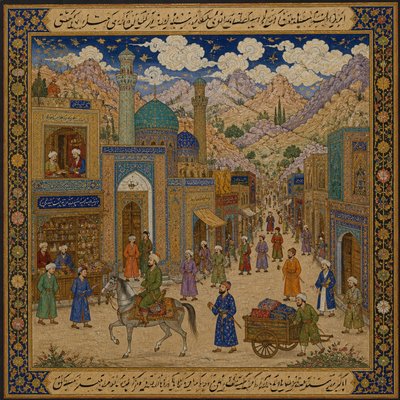
What is Herat Art Style?
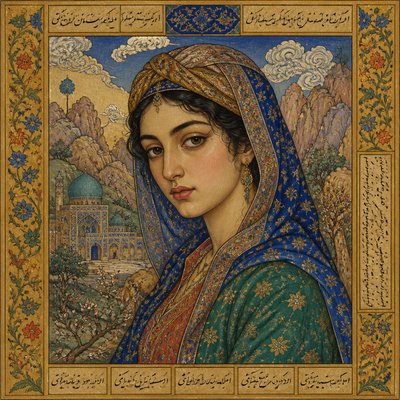
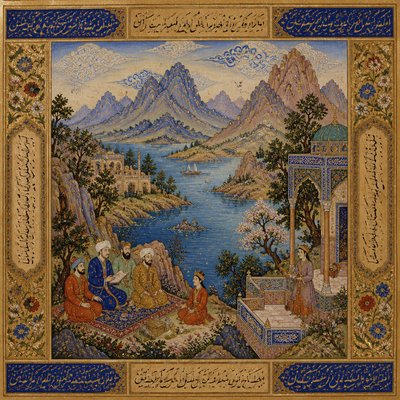
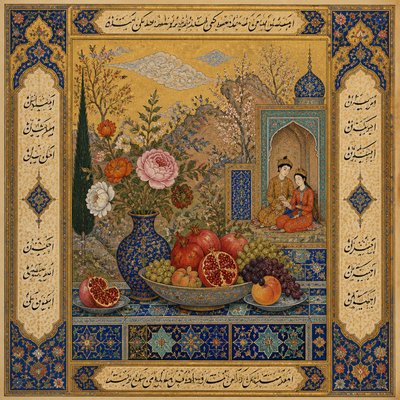
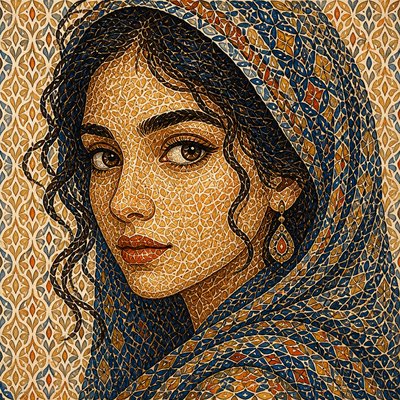
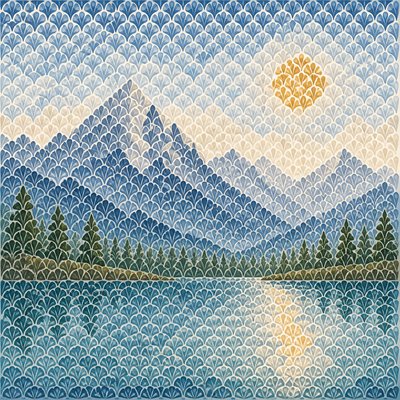
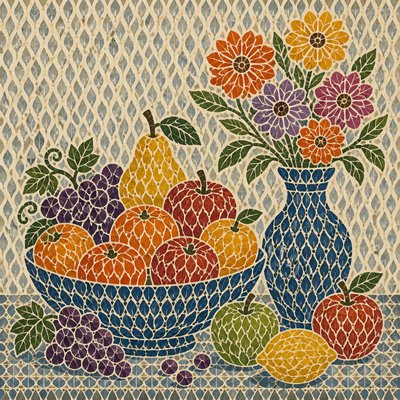
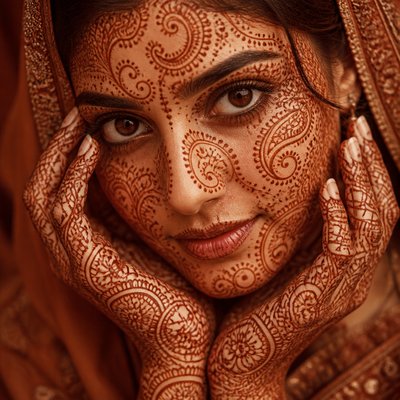
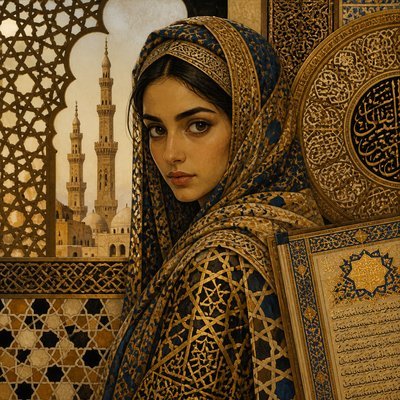
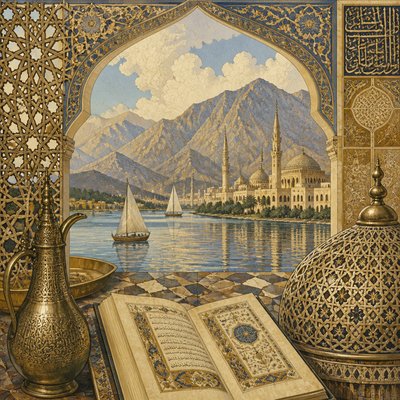
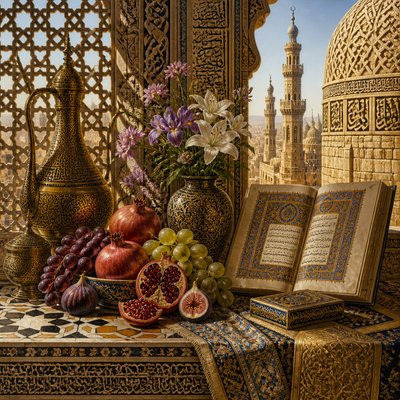
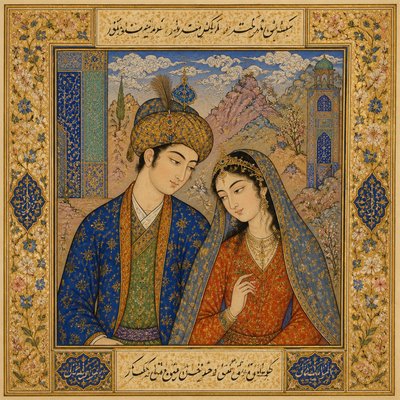
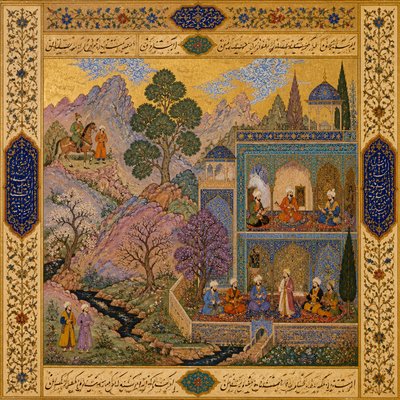
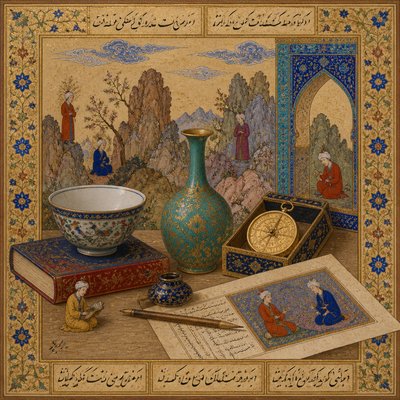
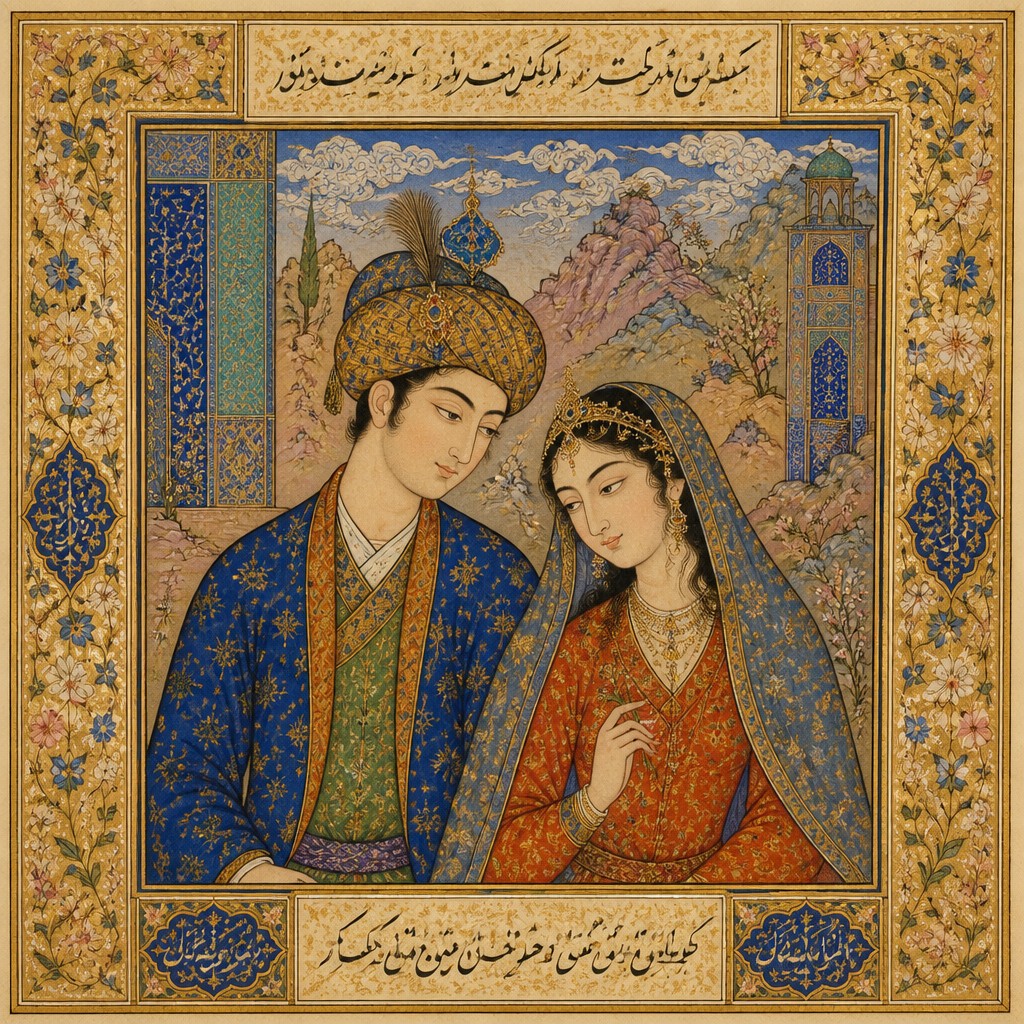
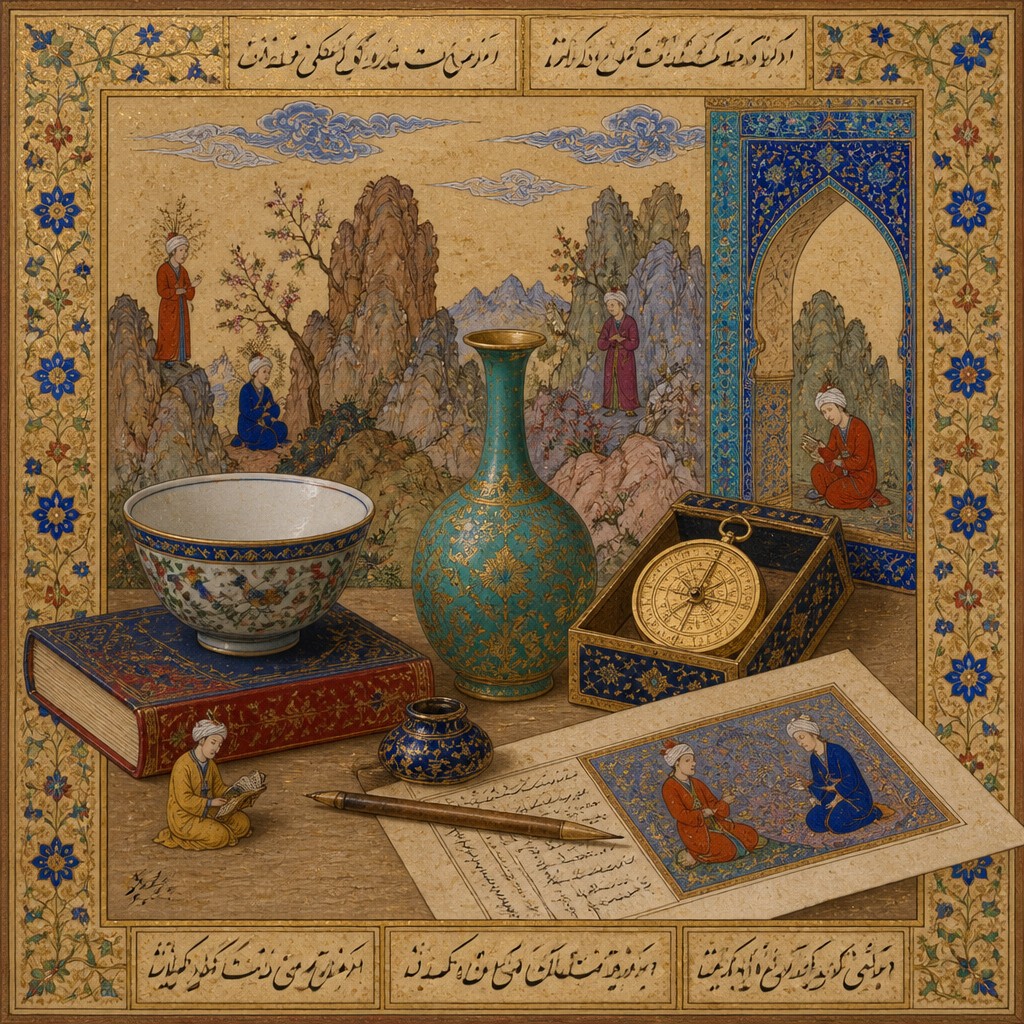
Herat art style refers to the refined Persianate manuscript painting associated with Timurid Herat, especially the courtly ateliers of the fifteenth century. Its compact scenes combine delicate figures, precise contour drawing, jewel-like color, patterned architecture, stylized mountains, flowering plants, and carefully organized spaces within illuminated books.
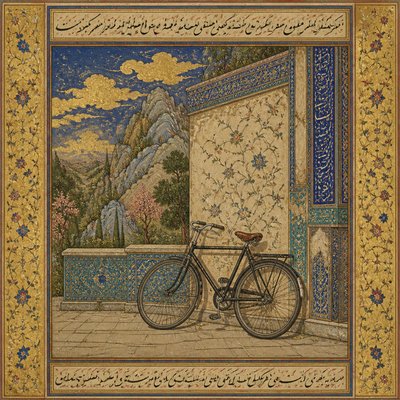
The style is celebrated for balancing narrative clarity with ornamental richness. Gold highlights, lapis and turquoise surfaces, scrolling vines, elegant borders, and rhythmic arrangements of figures make the page function as both an image and a precious designed object. Landscapes are constructed symbolically rather than through naturalistic perspective, allowing rocky forms, clouds, buildings, and gardens to support the story’s emotional and ceremonial atmosphere.
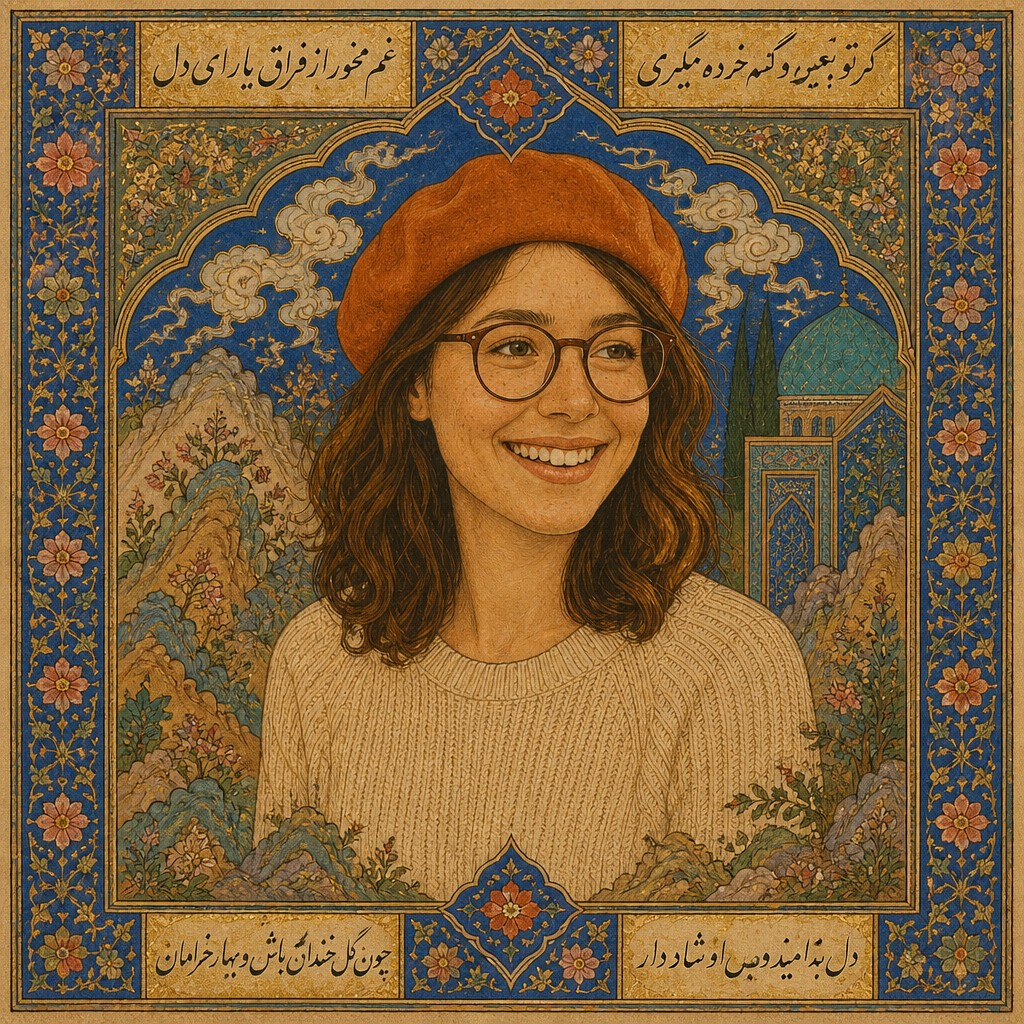
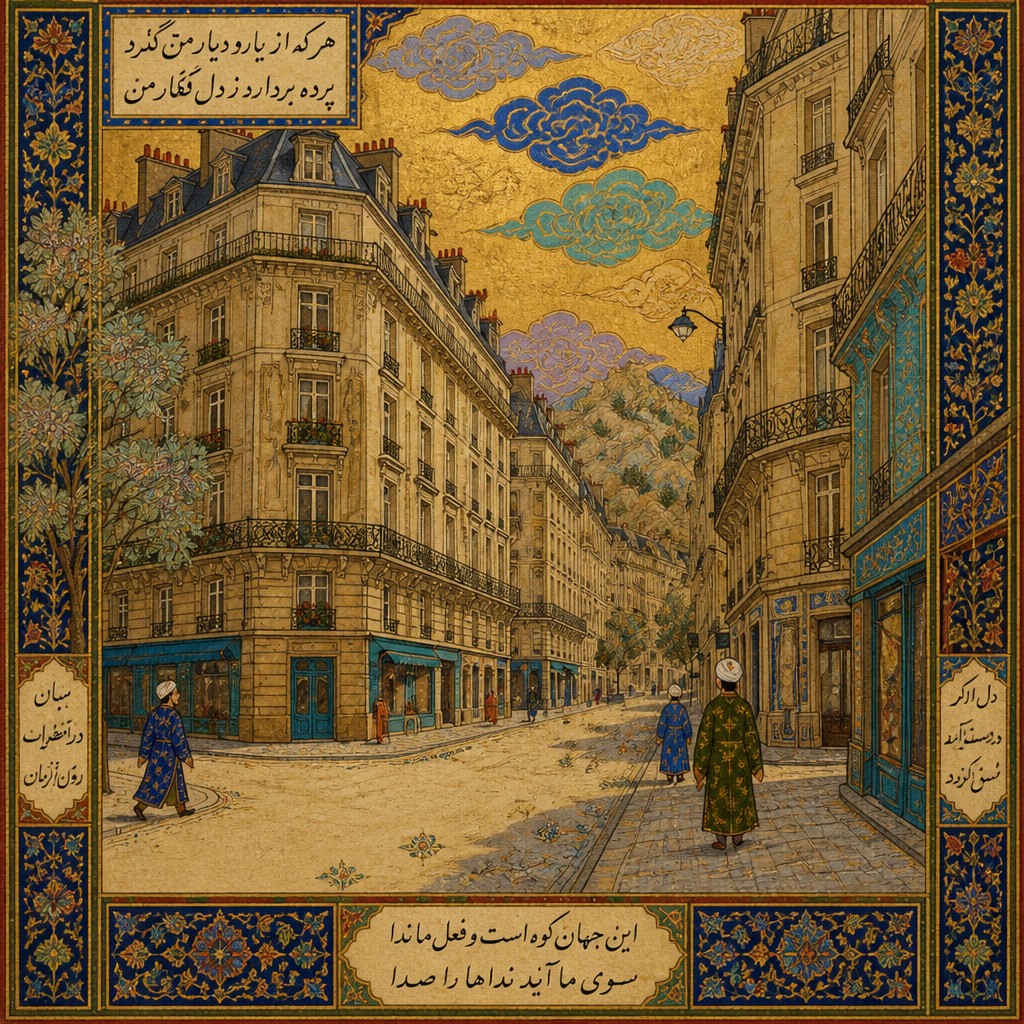
Try It On Your Photos
Upload any photo and convert it into Herat Art Style — drag the sliders to compare before and after.


What Defines Herat Art Style
The signature details, up close
Fine linear drawing
Figures, garments, plants, rocks, and architectural details are defined by controlled, delicate contours. Small gestures and facial features communicate status, action, and mood without heavy modeling.
Jewel-toned pigments
Saturated blues, turquoise, vermilion, rose, emerald, ocher, and deep violet create a luminous, enamel-like palette. Areas of color are usually carefully contained within crisp decorative forms.
Illuminated gold
Gold may appear in borders, cloud forms, architectural ornament, garments, foliage, or scattered flecks. It gives the page a ceremonial glow and emphasizes the manuscript’s status as a luxury object.
Layered symbolic landscapes
Rocky hills, flowering terrain, stylized clouds, and distant slopes are stacked vertically instead of rendered with strict optical perspective. The landscape organizes the narrative while preserving a poetic, decorative surface.
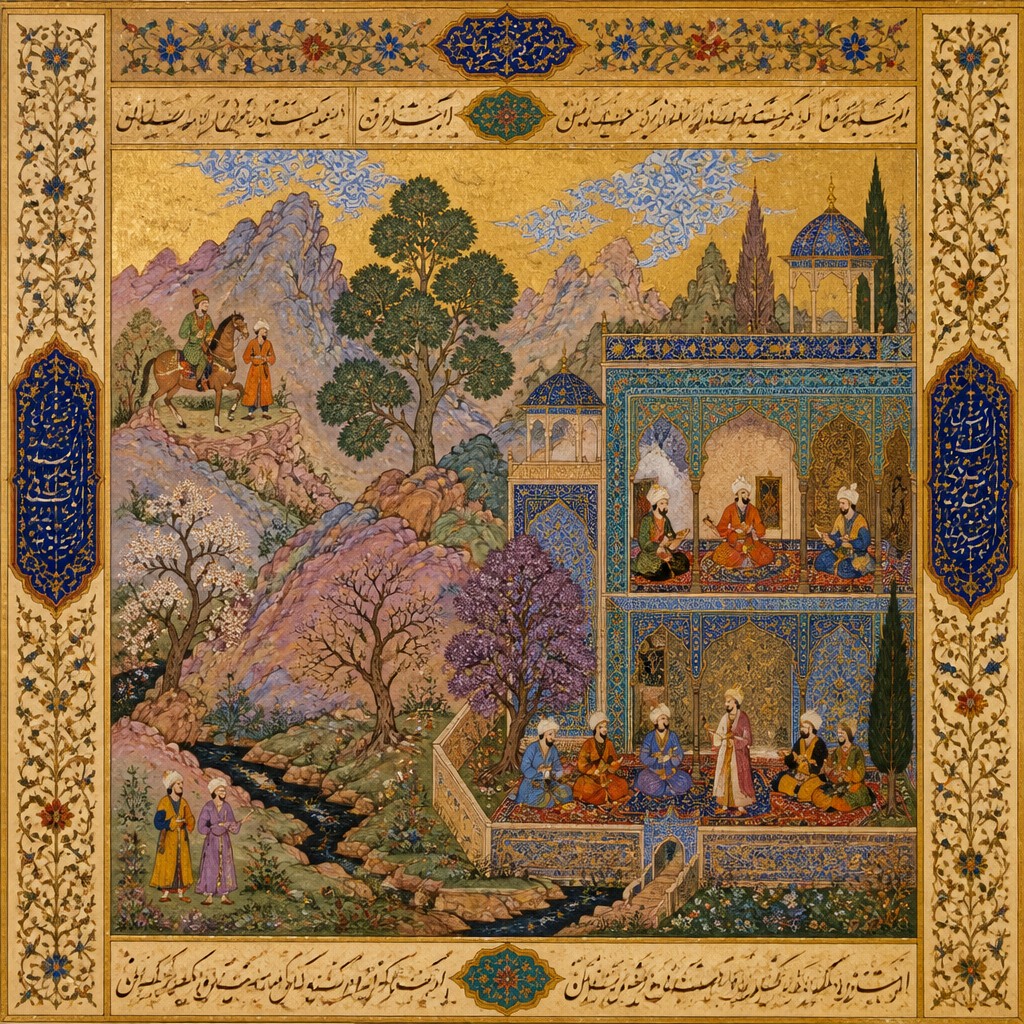
Courtly figures and narrative scenes
Rulers, attendants, lovers, hunters, scholars, musicians, and legendary heroes appear in elegant garments and carefully choreographed groups. Their poses are readable and formal, yet enlivened by subtle gestures and patterned textiles.
Tiled and ornamental architecture
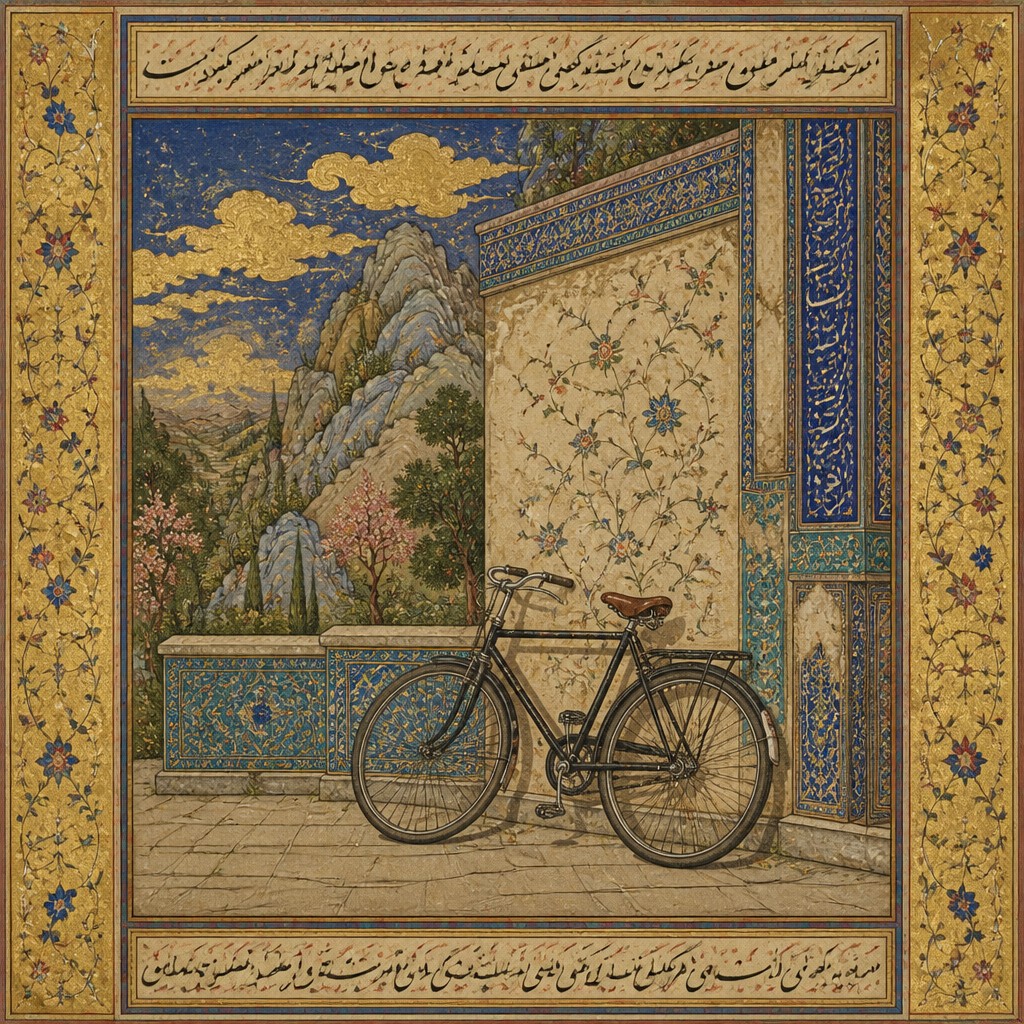
Palaces, pavilions, garden walls, gateways, and patterned interiors often use turquoise, lapis, white, and ocher geometric surfaces. Buildings frame the action and provide repeated rhythms of arches, tiles, and screens.
Integrated page design
Image, calligraphy, margins, borders, and decoration are treated as one composition. Vine scrolls, cloud bands, floral motifs, and reserved text areas create a balanced relationship between reading and looking.
Herat Prompt Ideas
Start from an idea — each one opens the generator with the style ready to go. See all 40 Herat prompts →
How to Create Herat Art
Master the craft step by step — or skip straight to creating. Read the full guide →
- 1
Begin with a clear manuscript composition
Plan a compact narrative scene with a central action, supporting figures, and a layered background. Use a high or flattened viewpoint rather than one-point perspective, and leave deliberate areas for borders or calligraphy.
- 2
Use precise contour and flat color
Work with a fine brush, dip pen, or digital inking tool to establish graceful outlines before applying opaque, jewel-toned color. Keep shading restrained and use patterned surfaces, overlapping forms, and line variation to create depth.
- 3
Build the landscape symbolically
Stack stylized rock formations, flowering slopes, winding paths, and curling cloud bands to suggest distance and atmosphere. Avoid photographic terrain; prioritize rhythmic silhouettes and decorative shape relationships.
- 4
Add illumination and page ornament
Reserve gold or warm metallic accents for borders, foliage, garments, clouds, and architectural details so they remain visually meaningful. In digital work, use a restrained metallic texture or luminous ocher rather than a broad glossy effect.
- 5
Frame the image with manuscript logic
Include vine-scroll margins, patterned bands, reserved text panels, or a calligraphic border while keeping the main scene legible. Repeated motifs should echo the palette and geometry of the central image.
- 6
Specify the visual system in a generation prompt
Describe the subject first, then request fine linework, jewel-toned opaque pigment, layered rocky landscapes, turquoise and lapis tiles, illuminated borders, and restrained gold detailing. For photo transformation, preserve the subject’s pose and major forms while applying flattened contours, manuscript framing, and ornamental surface patterns.
The Story
History & Origins of Herat
The tradition developed in Herat, a major cultural center of the Timurid realm in present-day Afghanistan, during the fifteenth century. It grew through royal and scholarly manuscript workshops that produced illustrated histories, poetic manuscripts, scientific texts, and albums, drawing on earlier Persian miniature traditions while refining their color, line, composition, and ornamental detail.
Herat’s influence extended across the Persianate world through the movement of manuscripts, painters, scribes, and workshop practices. Later miniature traditions in Iran, Central Asia, South Asia, and the Ottoman world absorbed aspects of its elegant figure types, lyrical landscapes, architectural settings, and sophisticated page design.
Influences: Herat art style is related to Persian miniature painting, Timurid manuscript illumination, Islamic geometric and vegetal ornament, and the broader Persianate book arts of calligraphy, binding, and luxury decoration. It also shares visual strategies with Ilkhanid and earlier Persian manuscript traditions, while helping shape later Safavid, Mughal, Central Asian, and Ottoman miniature practices. Its flattened spatial construction, patterned surfaces, and integrated text-image design distinguish it from European naturalistic painting and from purely decorative tile or textile design.
Frequently Asked Questions
What defines the Herat art style?
It is defined by delicate linear figures, jewel-toned pigments, illuminated gold, stylized layered landscapes, ornamental architecture, and carefully designed manuscript pages. Courtly or literary narratives are often presented within borders that unite image, calligraphy, and decoration.
When and where did Herat miniature painting develop?
The style developed primarily in Herat, in present-day Afghanistan, during the Timurid period, especially in the fifteenth century. Court-sponsored manuscript workshops made the city a major center of Persianate painting and book arts.
How is Herat art different from Mughal miniature painting?
Herat art belongs to the earlier Timurid Persianate tradition and generally emphasizes lyrical pattern, symbolic landscapes, elegant group compositions, and ornamental integration with the manuscript page. Mughal painting later incorporated strong Persian influences but often developed greater interest in portrait likeness, historical documentation, natural studies, and individualized observation.
Is gold always used in Herat art?
Gold is an important feature of luxury manuscript illumination, but it is not required in every image associated with Herat painting. It can be represented through metallic leaf, shell gold, gold paint, or a restrained warm ocher and luminous texture in digital work.
How can I make a modern image look like this tradition?
Use a compact narrative composition, fine contour lines, opaque jewel colors, flattened or vertically layered space, patterned architecture, and decorative manuscript borders. Avoid excessive photorealistic shading, cinematic depth, and random detail that weakens the page’s carefully ordered visual hierarchy.
Where is this style commonly used today?
Its visual language appears in studies of Persian and Islamic art, manuscript-inspired illustration, book design, cultural heritage projects, gallery painting, animation, and digital artwork. Contemporary artists may borrow its composition and ornament while adapting the subjects, materials, or storytelling methods.
Create your first Herat artwork
Describe anything — or upload a photo — and see it in Herat Art Style in seconds.
Related Styles
Discover similar art styles