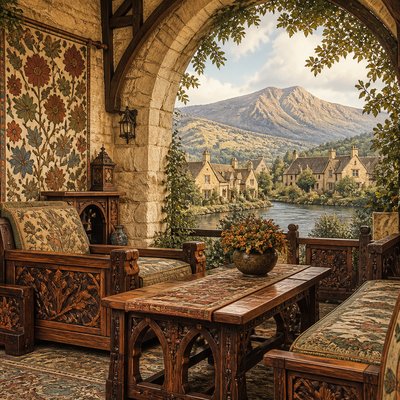
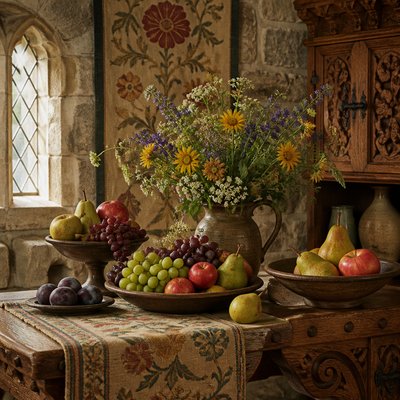
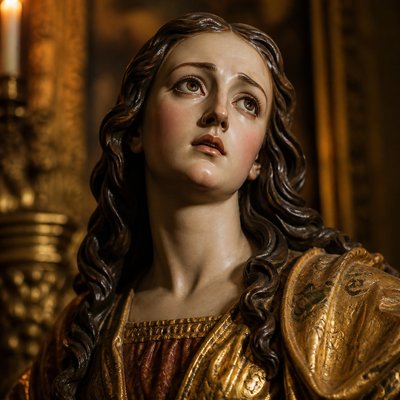
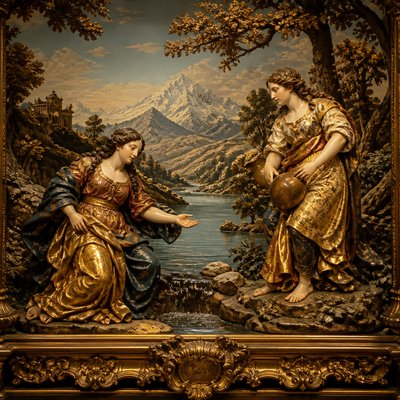
Havana Art Style
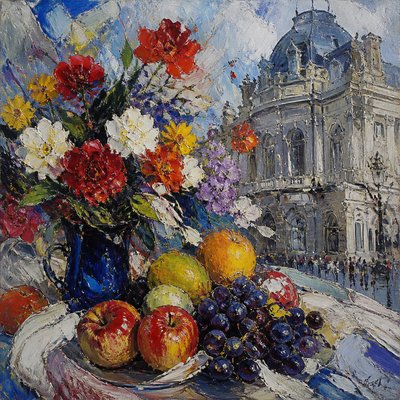
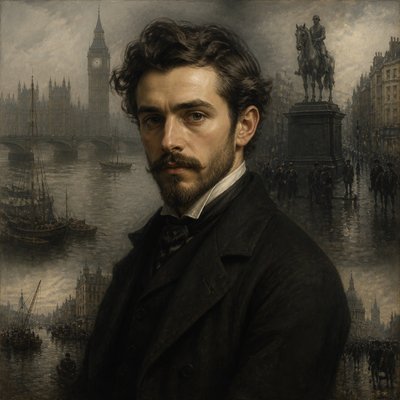
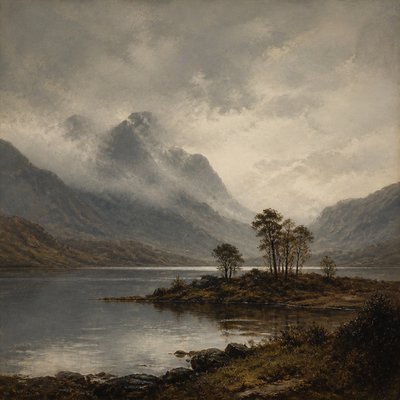
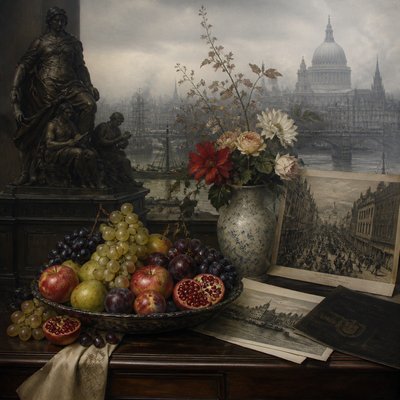
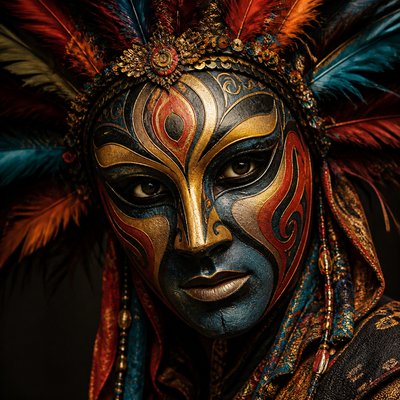
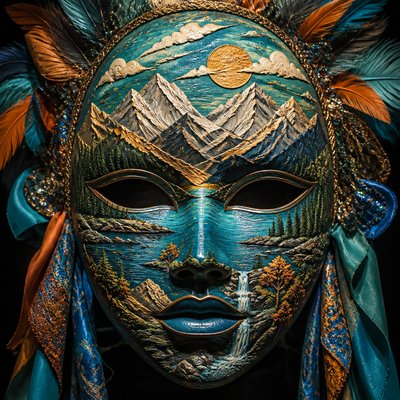
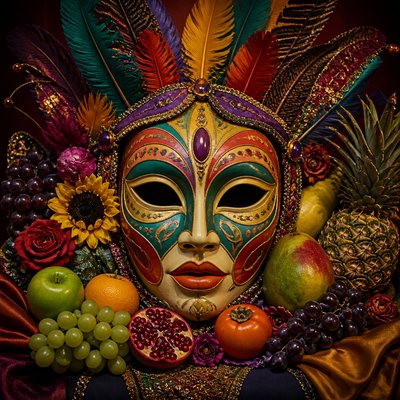
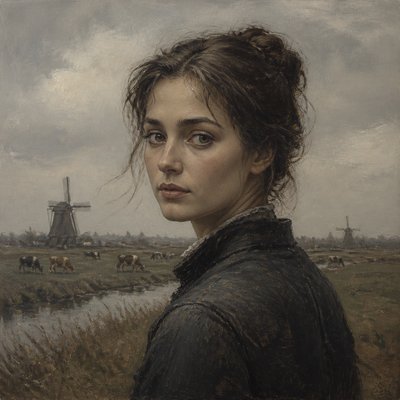
Explore Havana Art Style: weathered colonial facades, Caribbean sunlight, cubist figures, tropical color, and rhythmic folk geometry.
Instantly rendered in Havana — or transform a photo
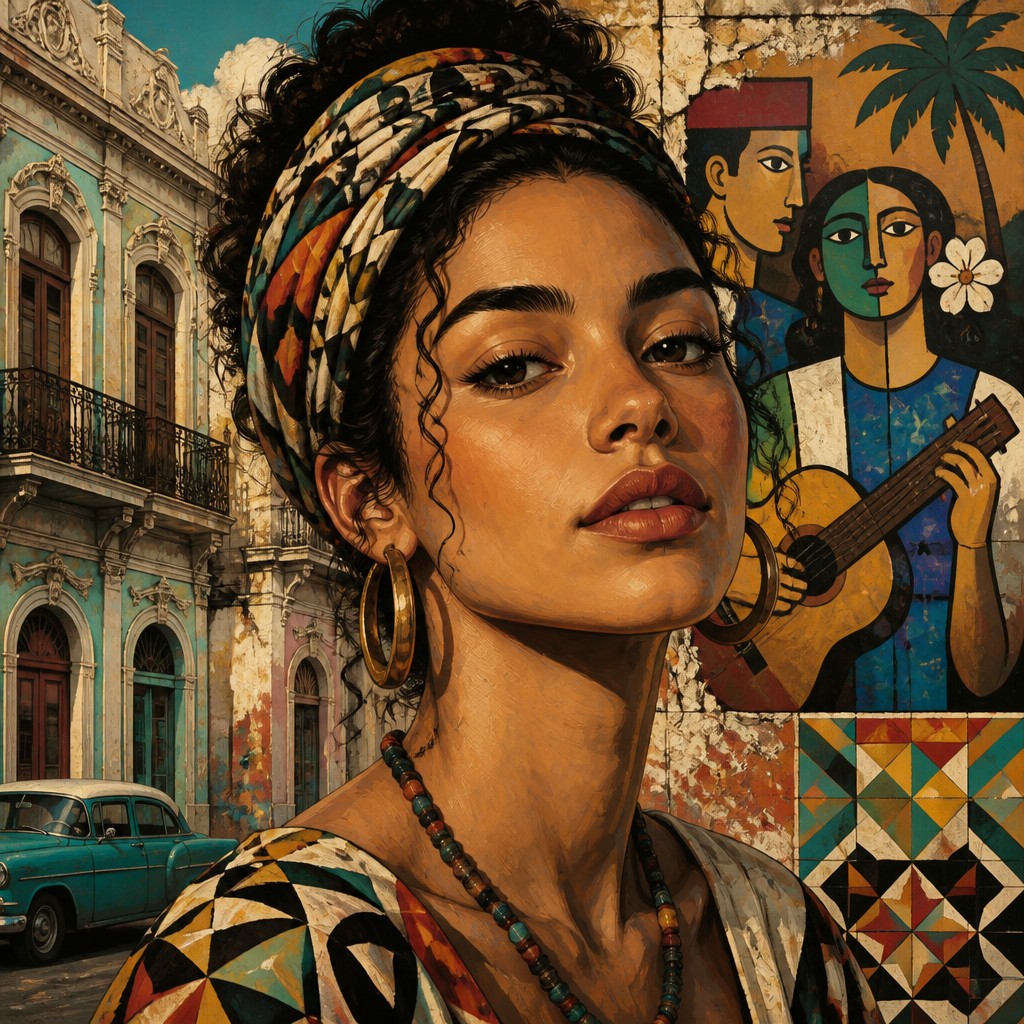
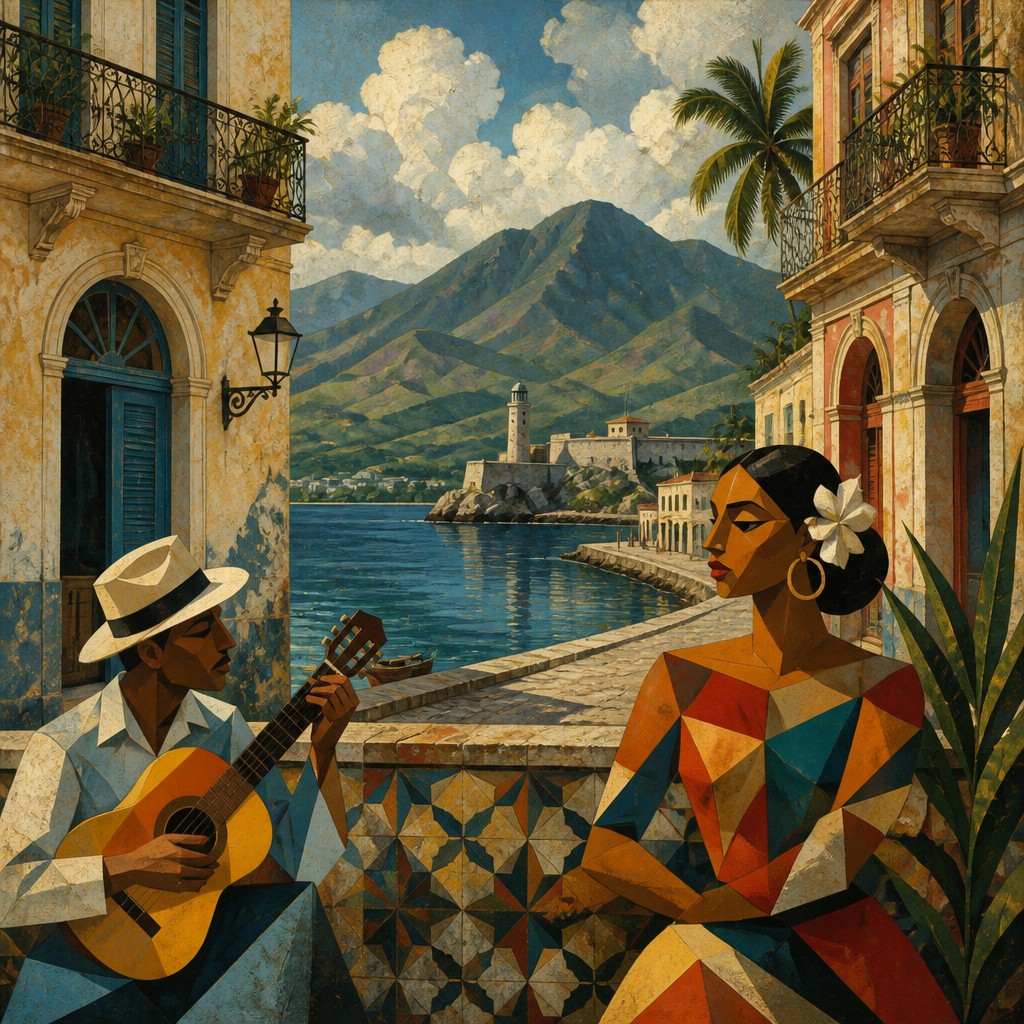
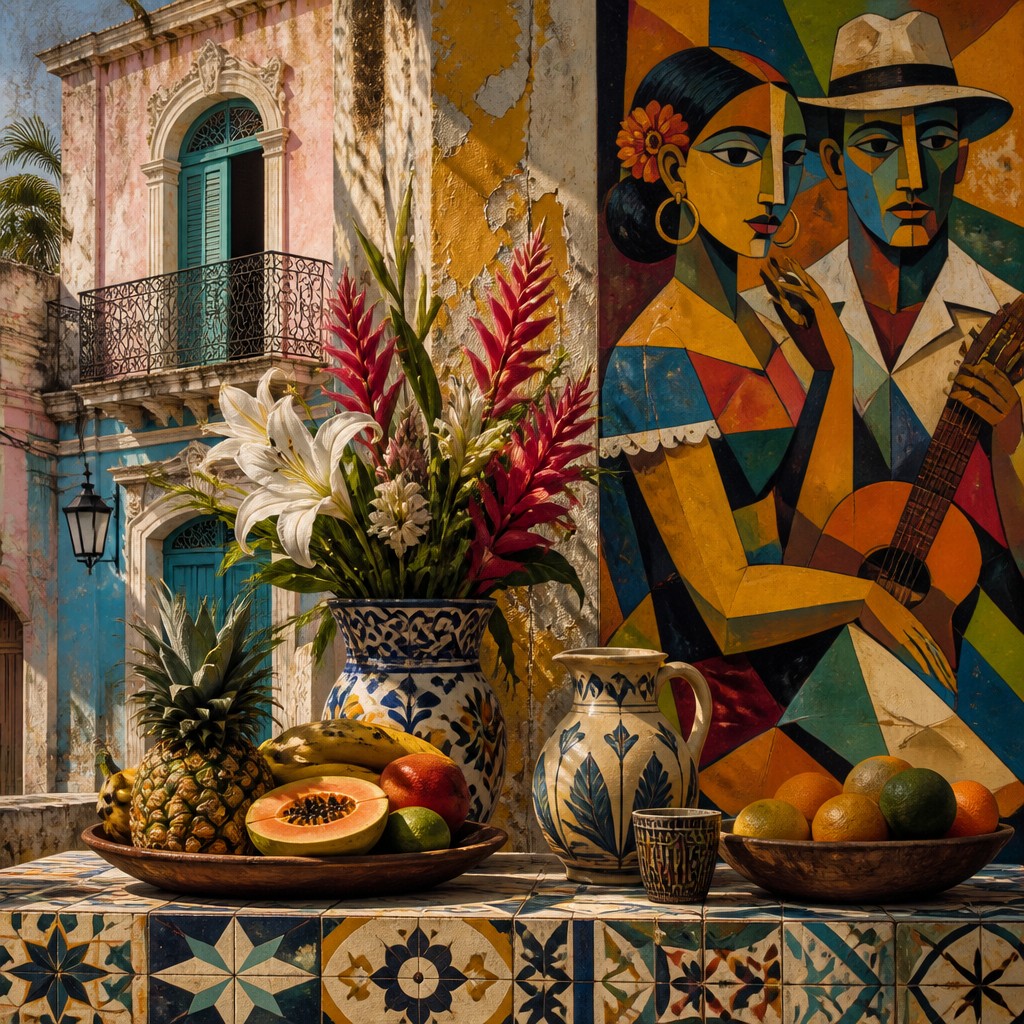
Havana Gallery
Tap any artwork to explore it
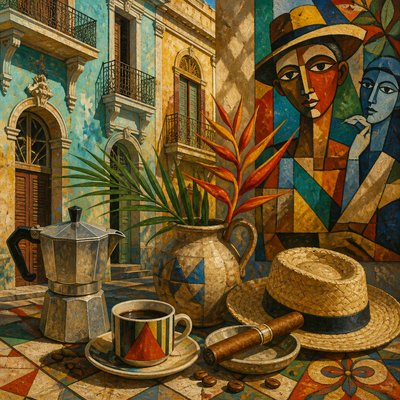
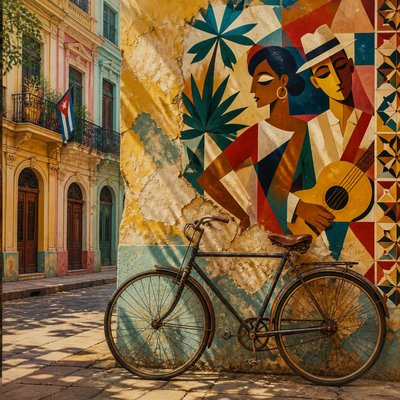
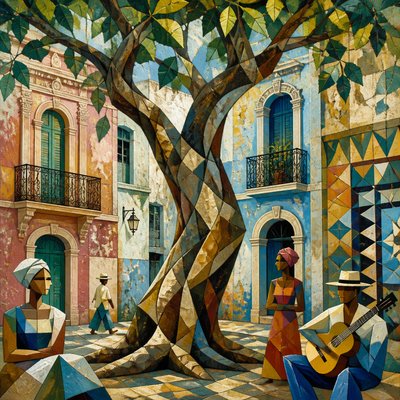
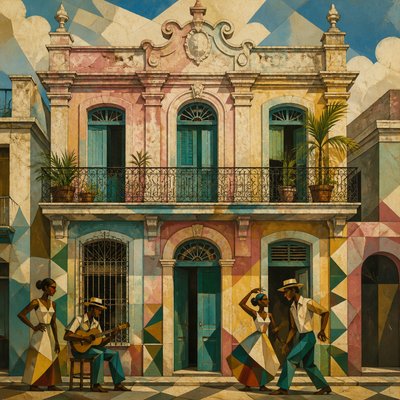
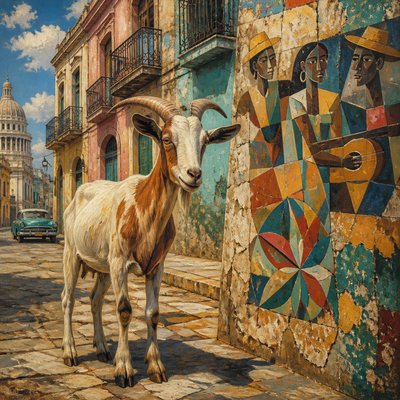
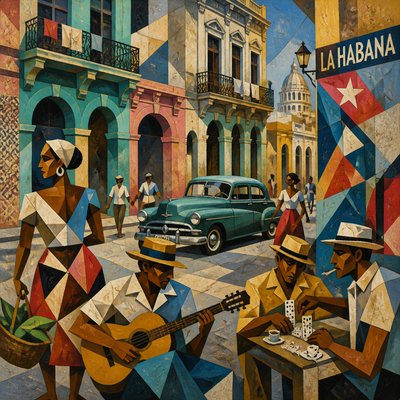
What is Havana Art Style?
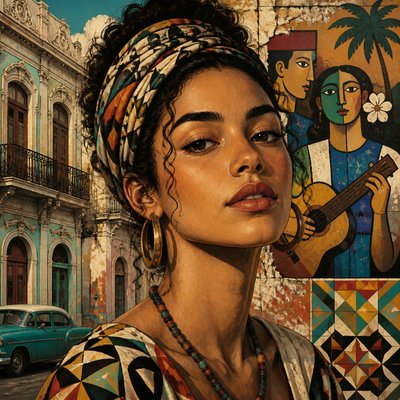
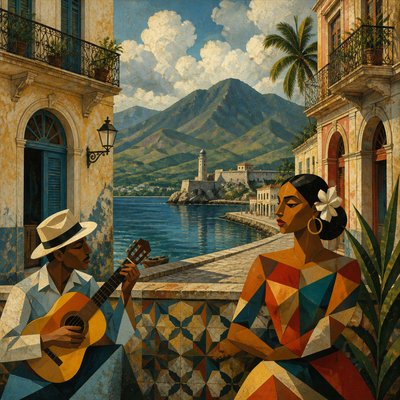
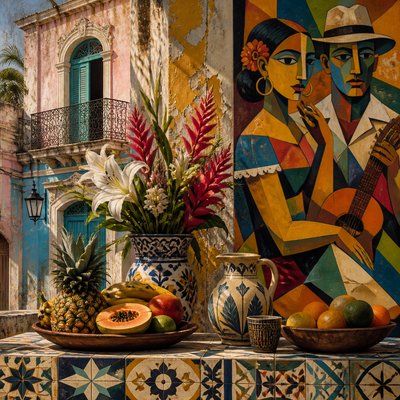
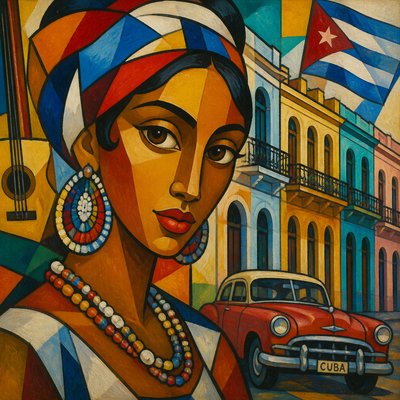
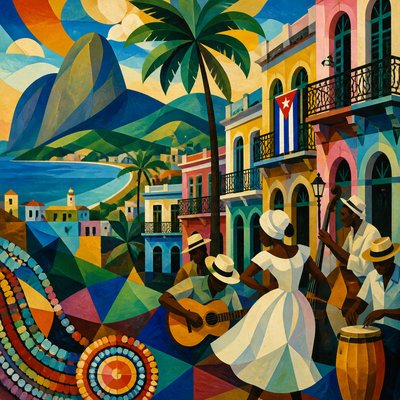
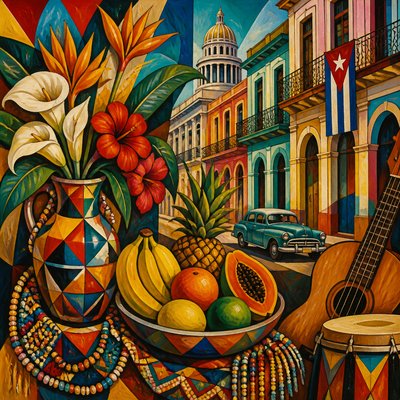
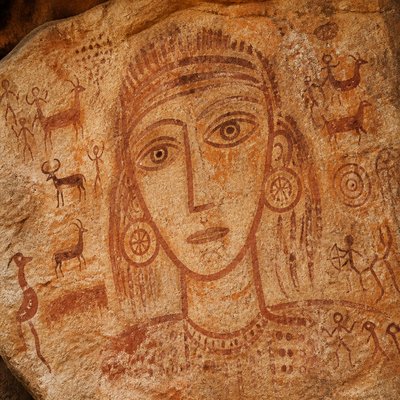
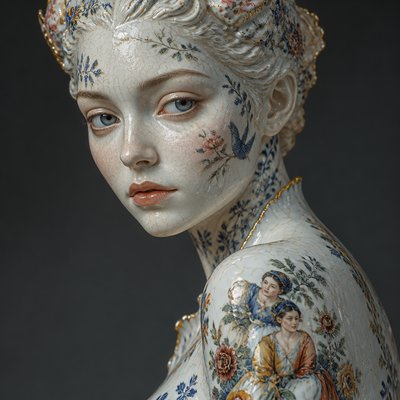
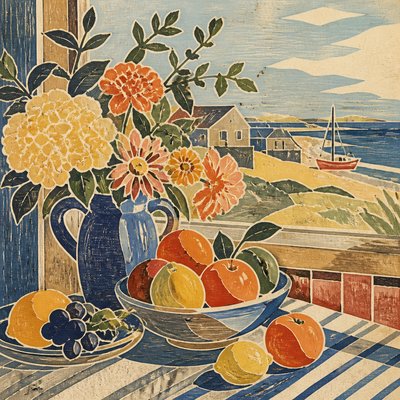
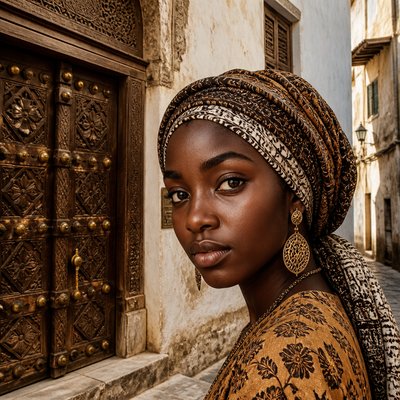
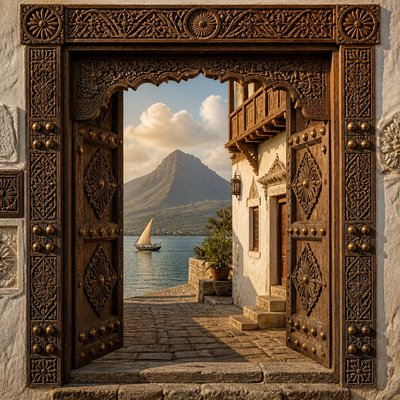
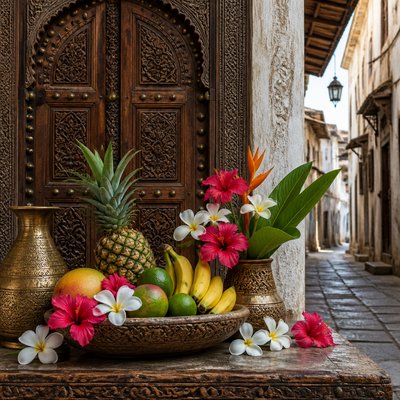
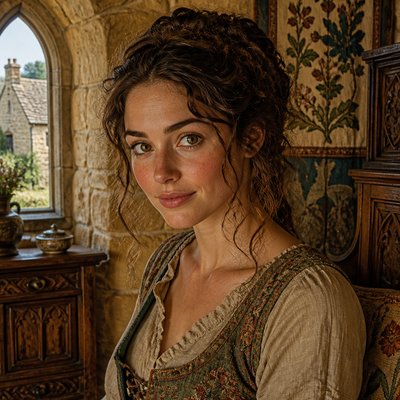
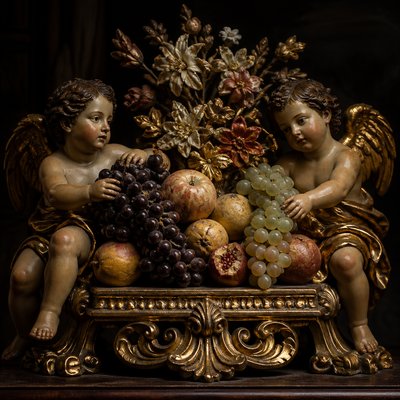
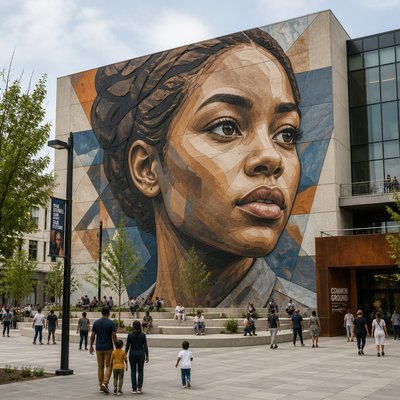
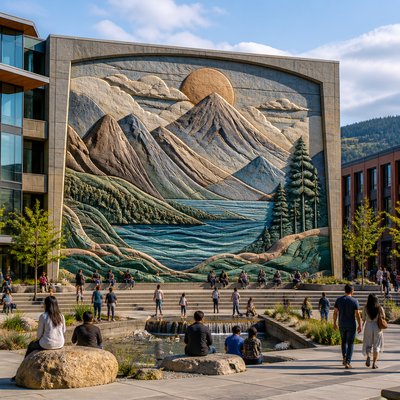
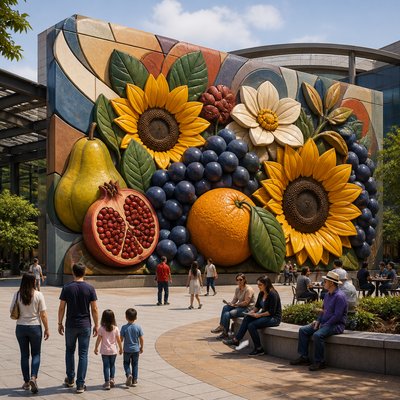
Havana Art Style is a contemporary hybrid aesthetic rather than a formally codified historical movement. It combines the sun-worn surfaces and ornamental architecture associated with Havana’s colonial streets with saturated tropical color, simplified cubist-influenced figures, and bold geometric patterning. Its visual world is warm, weathered, theatrical, and distinctly urban.
The style gains its character from contrasts: faded stucco against intense turquoise, coral, yellow, or indigo; delicate wrought iron against blocky silhouettes; and historic Baroque ornament beside flattened, vanguard-like forms. Dappled Caribbean light, cracked plaster, peeling paint, and rhythmic folk motifs provide a sense of age and place while the simplified composition keeps the image contemporary.
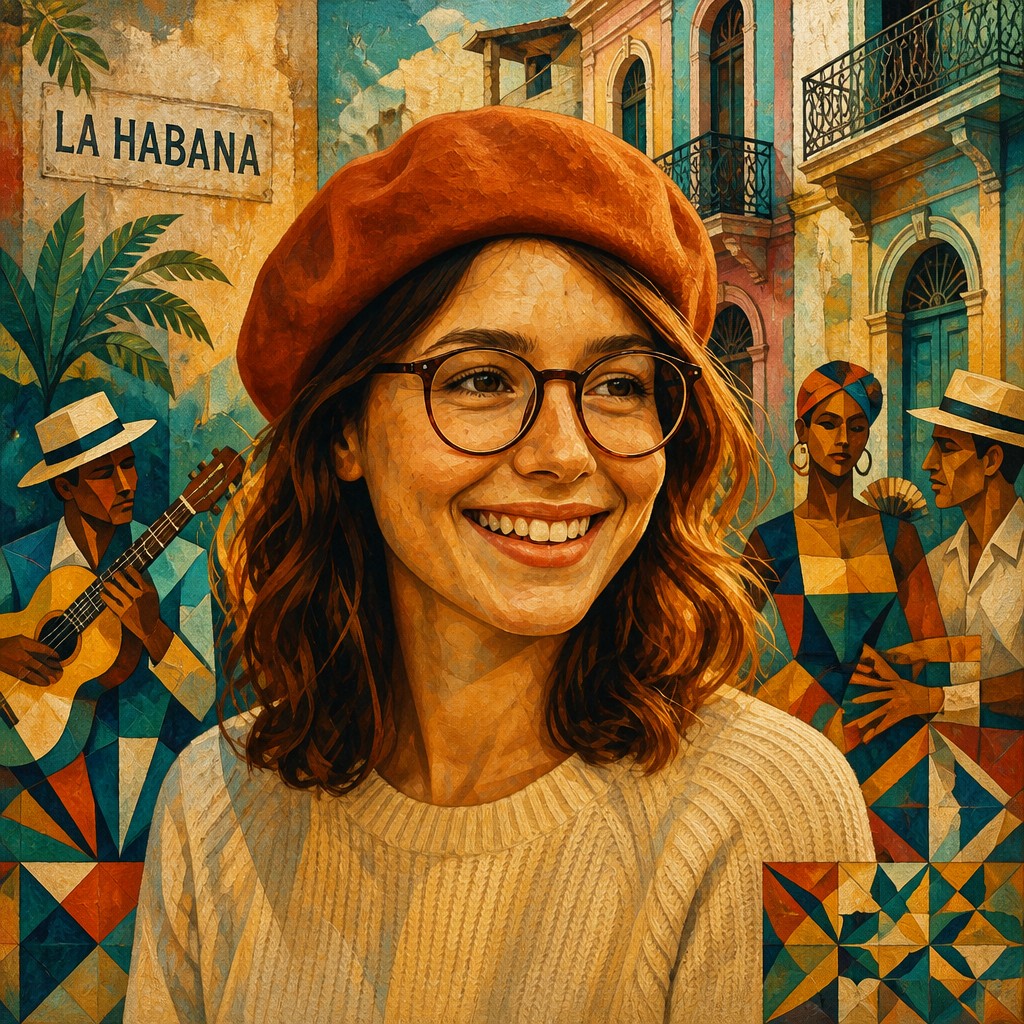
Try It On Your Photos
Upload any photo and convert it into Havana Art Style — drag the sliders to compare before and after.

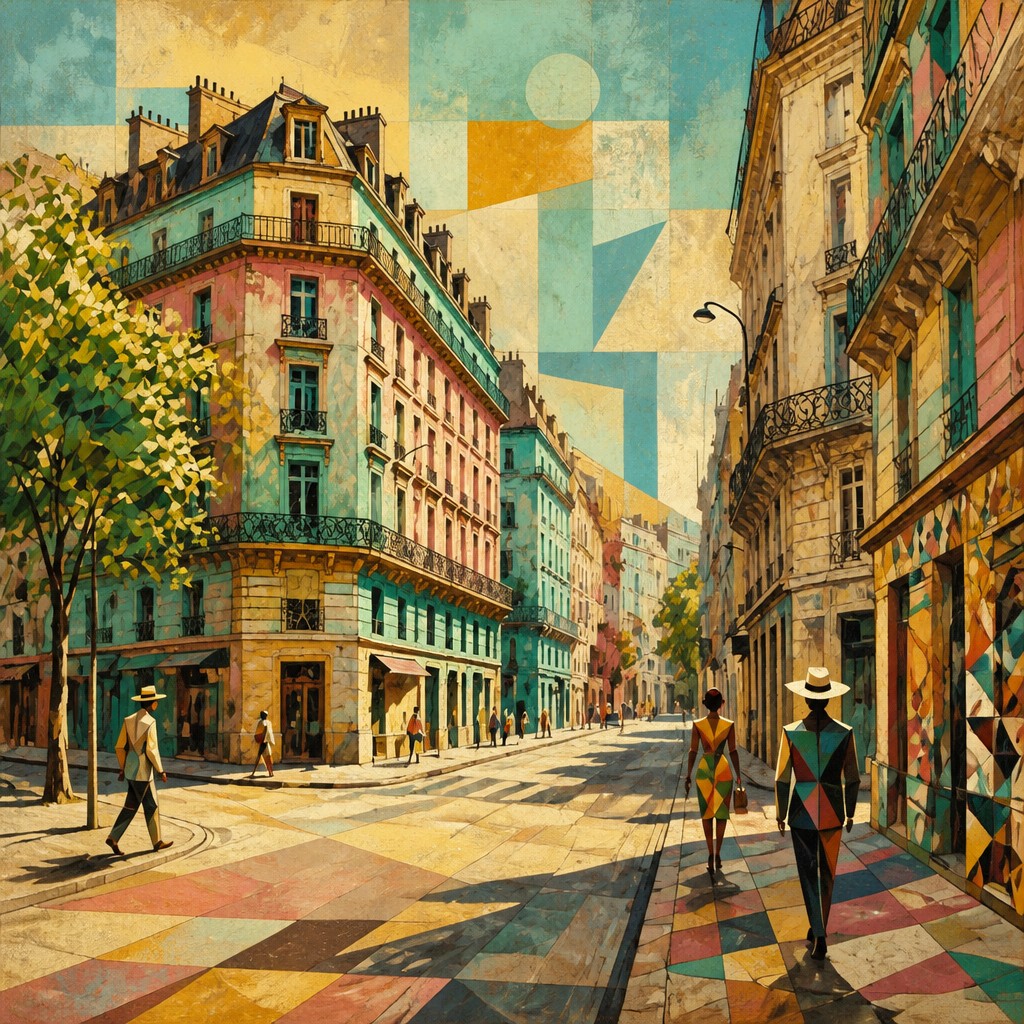

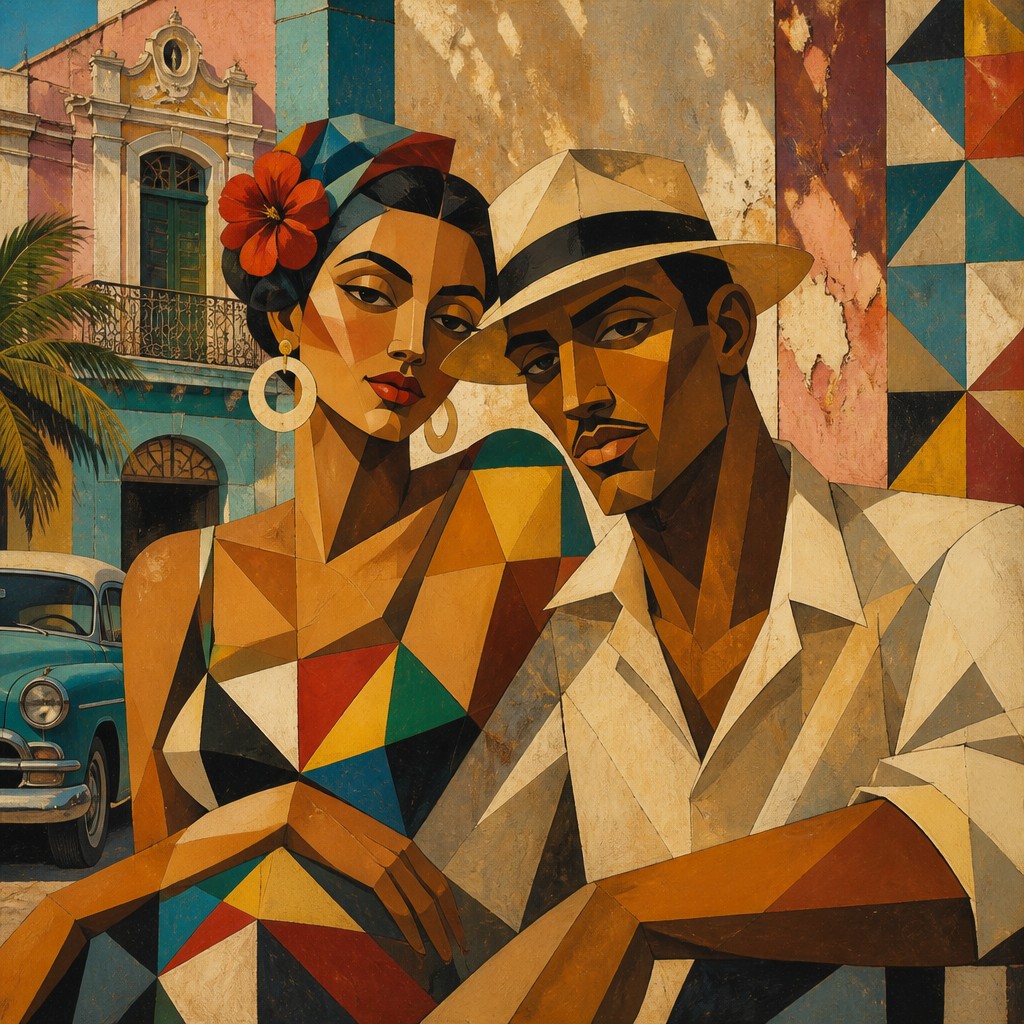
What Defines Havana Art Style
The signature details, up close
Weathered colonial surfaces
Cracked plaster, faded limewash, exposed masonry, and layered paint create a tactile sense of age. The damage is decorative as well as structural, allowing warm underlayers and irregular tonal variation to remain visible.
Pastel Baroque architecture
Arched windows, pilasters, cornices, arcades, and ornamental façades suggest colonial Baroque streetscapes without requiring strict architectural documentation. Architecture often functions as a flat, patterned backdrop.
Saturated tropical color
Coral, mango yellow, sea green, turquoise, cobalt, pink, and violet are placed in confident blocks or sharp accents. Sun-bleached neutrals balance the intensity and prevent the palette from becoming uniformly glossy.
Cubist-influenced figures
People, musicians, dancers, and street characters are reduced to angular planes, simplified anatomy, and overlapping geometric shapes. The figures remain expressive through posture, gesture, and color rather than realistic modeling.
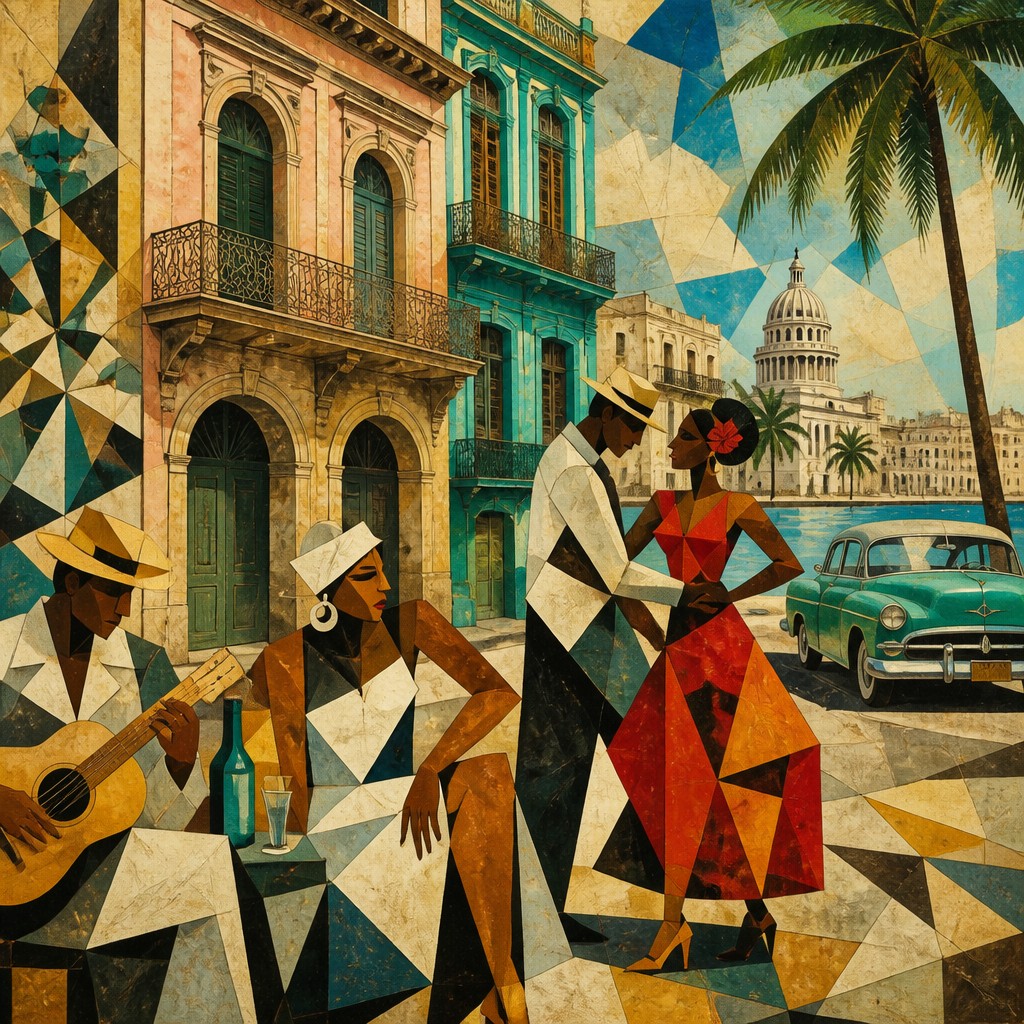
Caribbean light and shadow
Hard sunlight is softened by foliage, balconies, and open courtyards, producing broken patches of brightness across walls and streets. Dappled illumination helps unite the architectural and figurative elements.
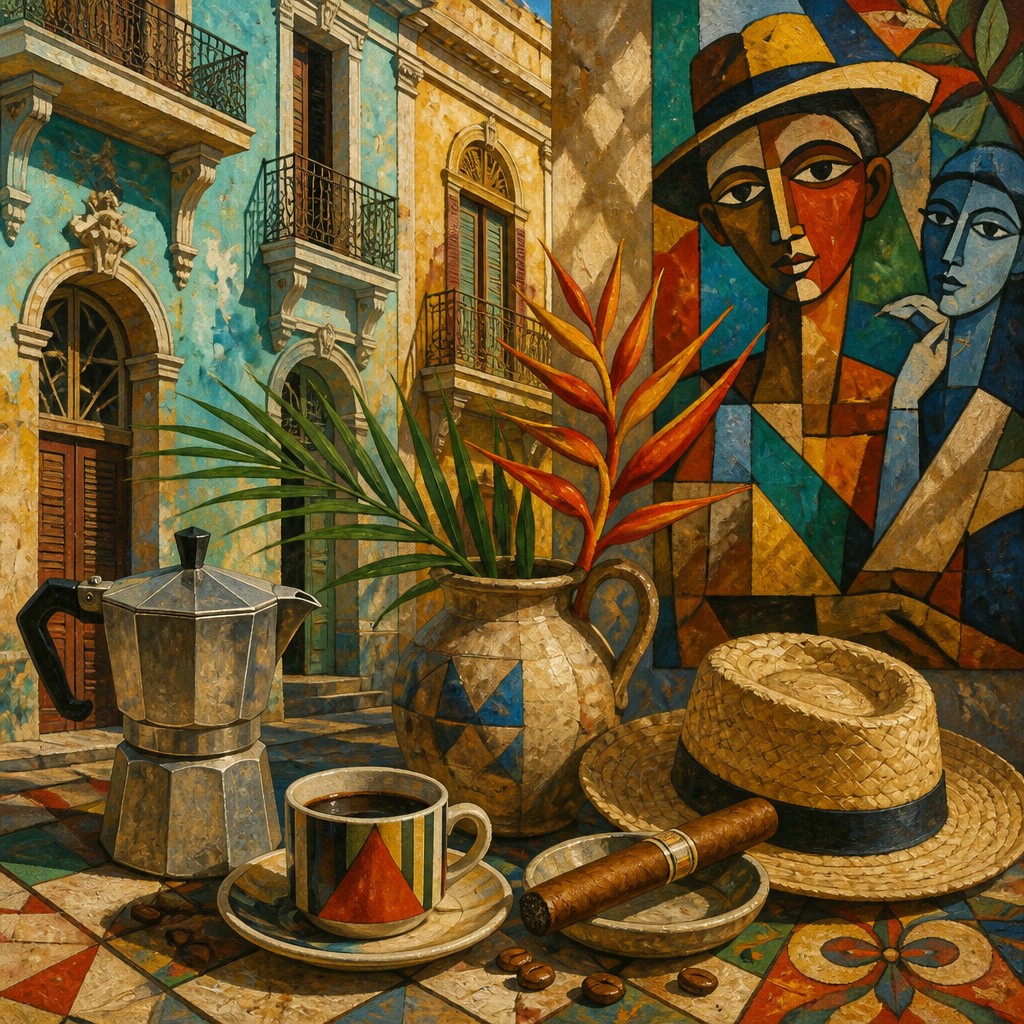
Wrought-iron ornament
Balcony rails, gates, lanterns, and grilles introduce thin, looping lines that contrast with broad painted shapes. These details can serve as framing devices or rhythmic marks across the composition.
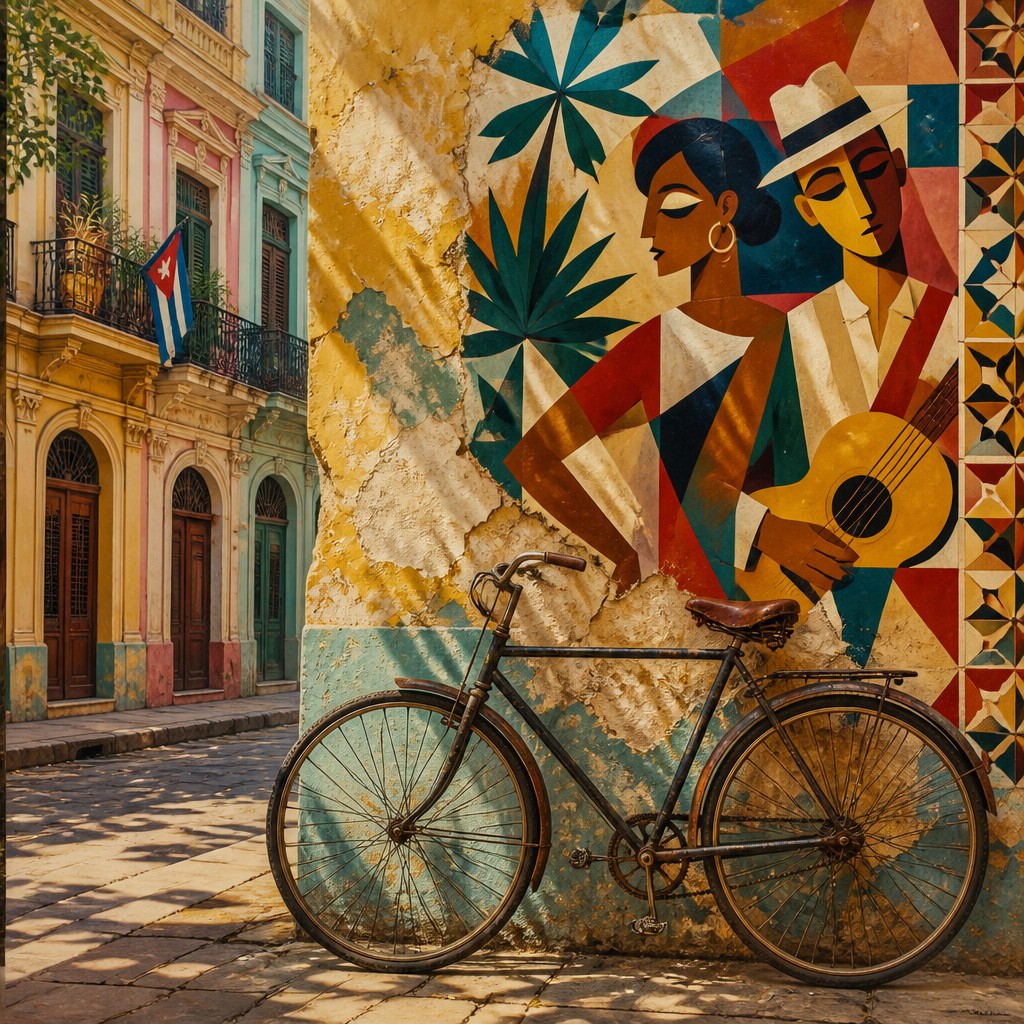
Folk-inspired geometry
Diamonds, stripes, stepped forms, floral abstractions, and repeated borders add a decorative pulse. Pattern should support the scene’s structure rather than obscure its architectural or figurative focal point.
Havana Prompt Ideas
Start from an idea — each one opens the generator with the style ready to go. See all 40 Havana prompts →
How to Create Havana Art
Master the craft step by step — or skip straight to creating. Read the full guide →
- 1
Build an architectural base
Begin with a simple street, courtyard, or façade composition using large masses and a clear horizon or perspective system. Add arches, balconies, cornices, and doors before introducing surface wear and decoration.
- 2
Layer color and weathering
Use a muted plaster ground, then apply tropical color in broad, opaque passages. Scumble, glaze, dry-brush, or digitally mask areas to reveal faded underpainting, cracks, stains, and sun-bleached edges.
- 3
Flatten and facet the figures
Construct people from angular planes and overlapping shapes instead of smooth anatomical modeling. Keep gestures legible, then use contrasting colors and patterned clothing to integrate the figures with the setting.
- 4
Control Caribbean light
Place a strong warm light source and reserve irregular patches of cool or deep shadow beneath balconies, trees, and awnings. A limited shadow palette usually produces a more convincing sunlit effect than black shading.
- 5
Use pattern as structure
Repeat geometric motifs in tiles, textiles, shutters, pavement, or wall borders to create rhythm. Vary scale and spacing so the pattern feels hand-painted or vernacular rather than mechanically uniform.
- 6
Write layered digital prompts
For digital or AI creation, specify the subject first, then the colonial setting, weathered materials, tropical palette, angular figure treatment, sunlight, and folk geometry. For image-to-image work, preserve the original pose or composition while directing the transformation toward plaster texture, saturated color, and faceted forms.
The Story
History & Origins of Havana
Havana Art Style is best understood as an invented or AI-native visual synthesis, not as a documented art movement with a fixed period, manifesto, or school. Its aesthetic lineage draws on Havana’s colonial and early modern architecture, including pastel façades, arcades, carved details, balconies, and weathered masonry shaped by a humid Caribbean climate.
Its pictorial language also draws from European Cubism and broader twentieth-century avant-garde traditions, Cuban and Caribbean modernist color sensibilities, vernacular decorative arts, mural painting, travel illustration, and contemporary digital collage. The combination emphasizes atmosphere and cultural association rather than historical reconstruction.
Influences: The style relates to colonial Caribbean architecture, Latin American modernism, European Cubism, mural and poster traditions, vernacular tile and textile design, folk ornament, street photography, and contemporary digital collage. It also shares with primitivist and expressionist approaches an interest in simplification, saturated color, and emotionally charged form, while retaining the recognizable textures of an urban Caribbean environment.
Frequently Asked Questions
Is Havana Art Style a recognized historical art movement?
No. It is a contemporary hybrid label describing a constructed visual language rather than a documented school with a defined chronology or manifesto. Its imagery is informed by real architectural, artistic, and decorative traditions associated with Havana and the wider Caribbean.
What defines Havana Art Style?
Its main traits are weathered pastel colonial architecture, saturated tropical color, dappled sunlight, wrought-iron details, faceted cubist-influenced figures, and rhythmic folk geometry. The style depends on the tension between faded surfaces and vivid modern color.
How does it differ from ordinary Cuban or Caribbean art?
Cuban and Caribbean art encompass many distinct periods, media, regions, and cultural viewpoints. Havana Art Style is a selective contemporary synthesis that combines architectural nostalgia, avant-garde geometry, and decorative tropical color; it should not be treated as a comprehensive representation of Cuban art.
Can this style be used for portraits and subjects outside Havana?
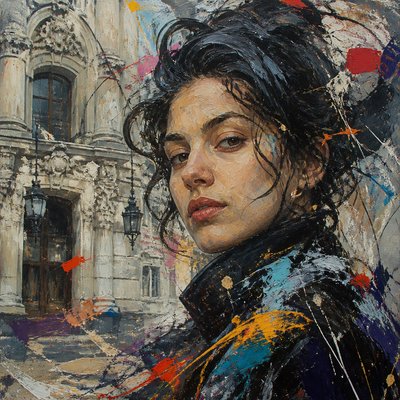
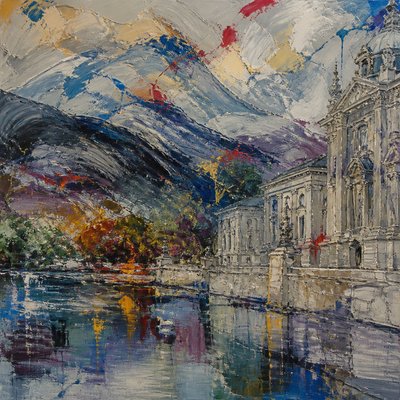
Yes. The visual language can be applied to portraits, vehicles, interiors, landscapes, posters, and narrative scenes. To retain its identity, include some combination of weathered material texture, strong tropical color, angular simplification, ornamental ironwork, or rhythmic geometric pattern.
How can I make an image look less glossy and more authentic to the style?
Specify cracked plaster, uneven paint, dust, faded pigments, chipped edges, and irregular sunlight rather than pristine surfaces. In traditional or digital work, vary opacity and texture so the color appears layered and weather-exposed instead of uniformly polished.
Is Havana Art Style suitable for photography or image transformation?
Yes. It works especially well when the source image has strong silhouettes, architectural planes, or directional light. Preserve the main composition while adding flattened color blocks, faceted forms, weathered wall texture, and selective geometric ornament.
Create your first Havana artwork
Describe anything — or upload a photo — and see it in Havana Art Style in seconds.
Related Styles
Discover similar art styles