Guinean Art Style
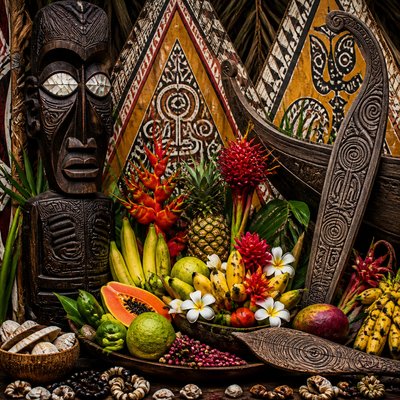
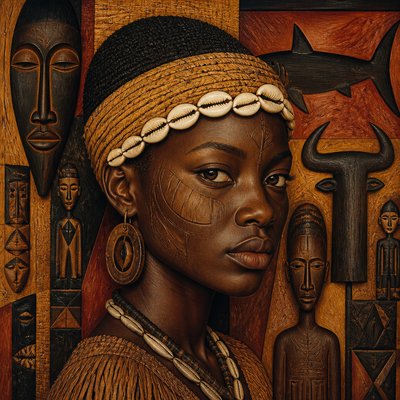
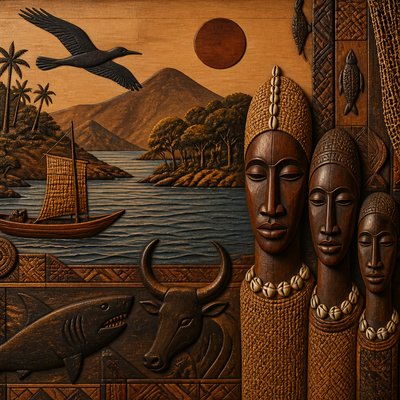
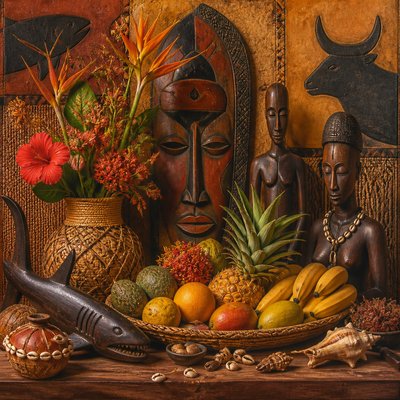
Explore Guinean art style through Baga Nimba forms, geometric mask carving, Kissi soapstone figures, and a powerful wood-and-stone palette.
Instantly rendered in Guinean — or transform a photo
Guinean Gallery
Tap any artwork to explore it
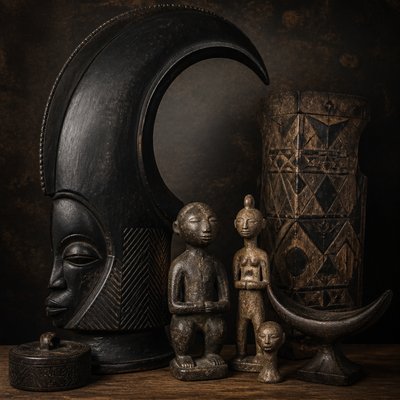
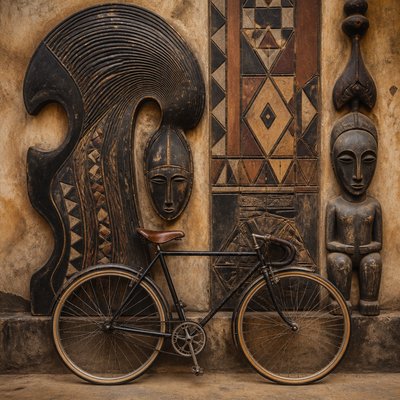
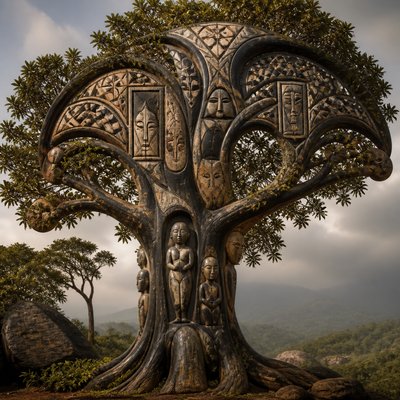
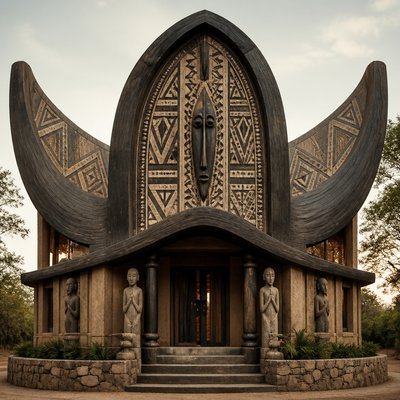
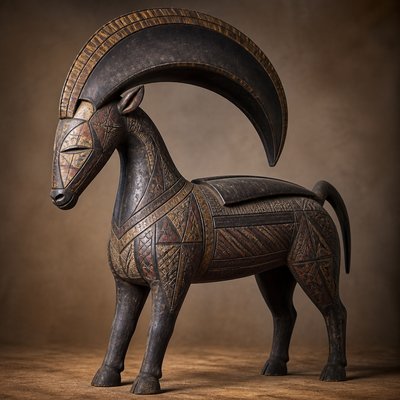
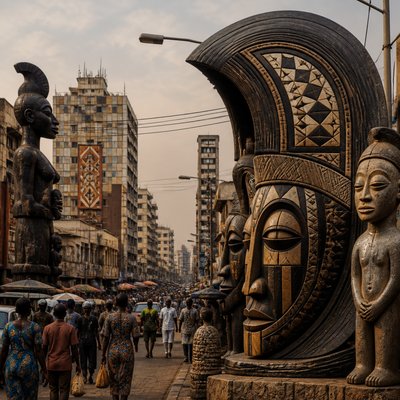
What is Guinean Art Style?
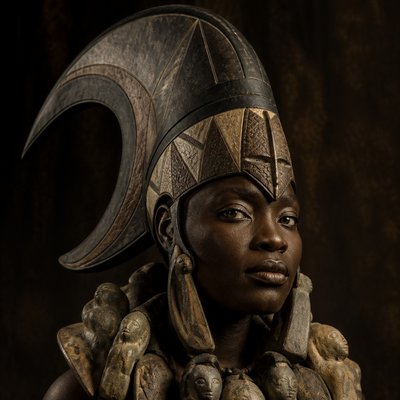
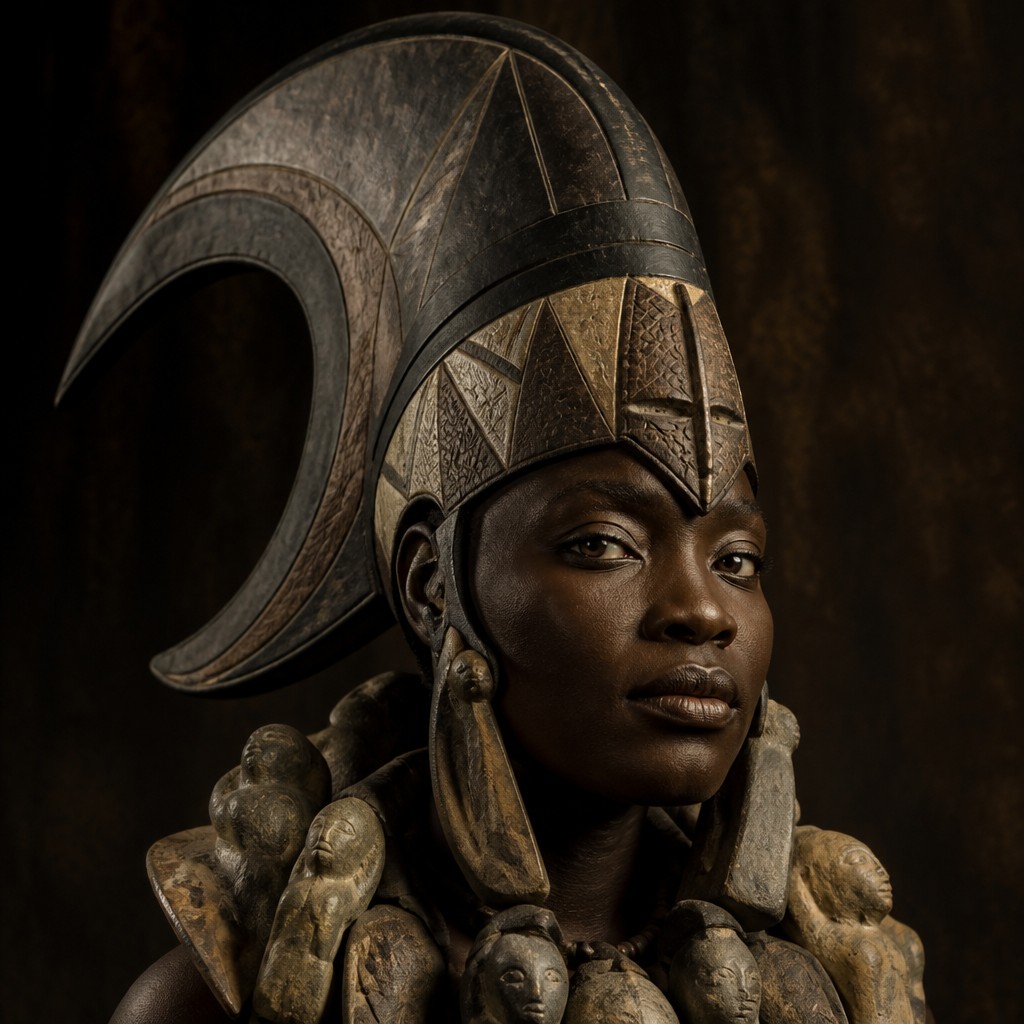
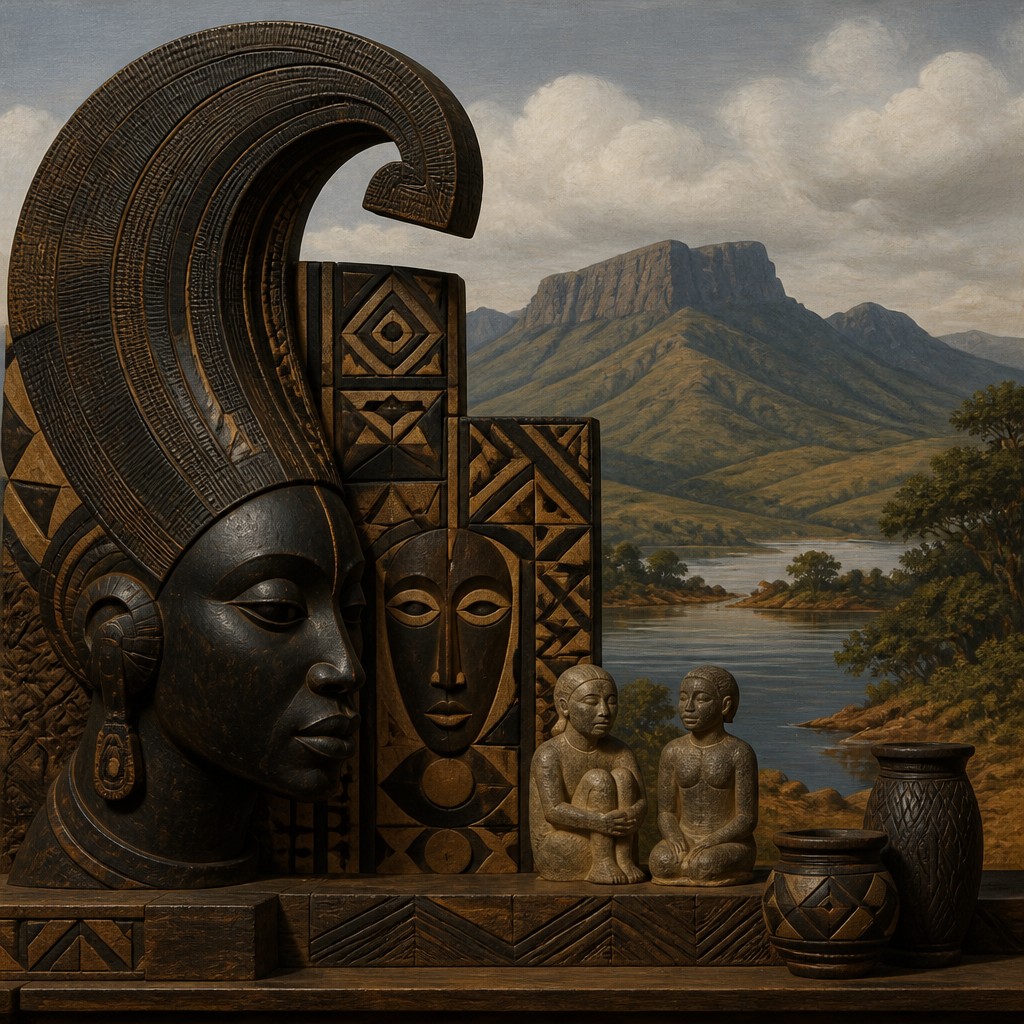
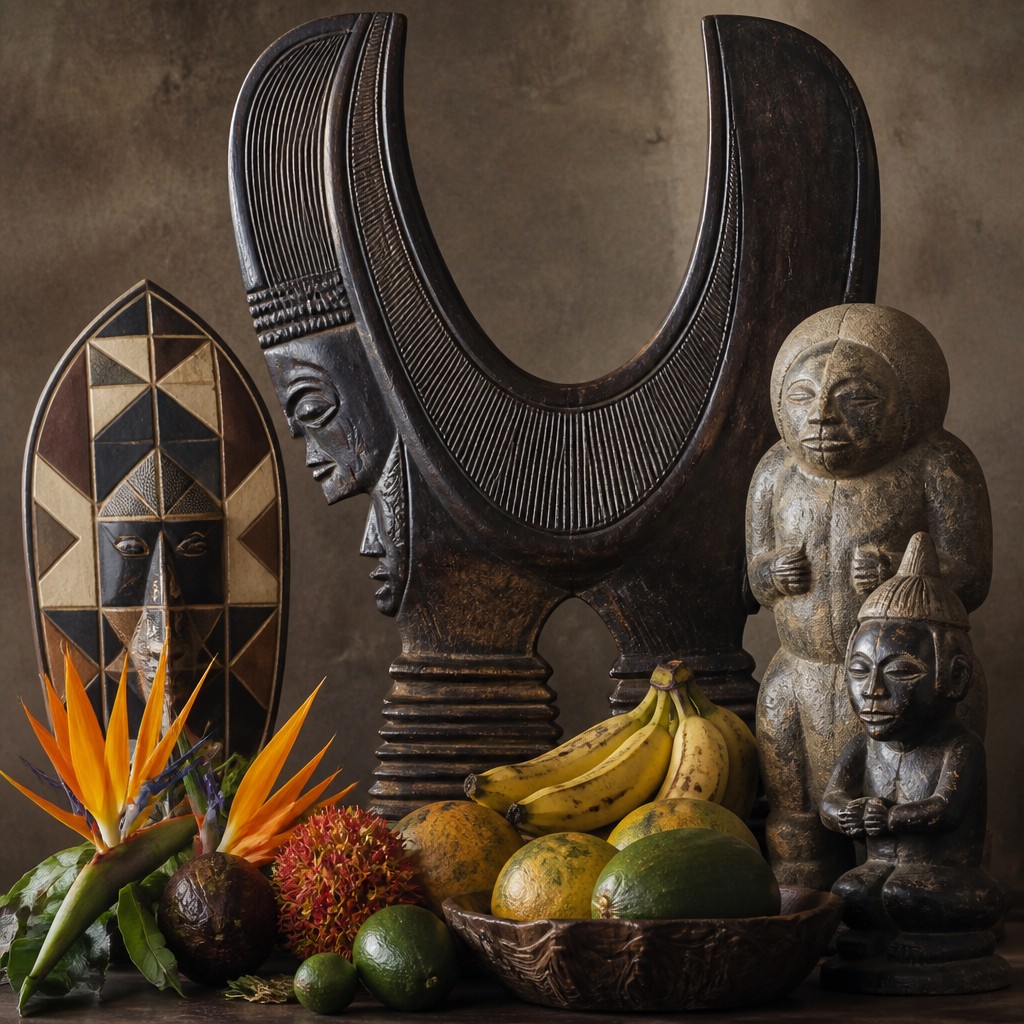
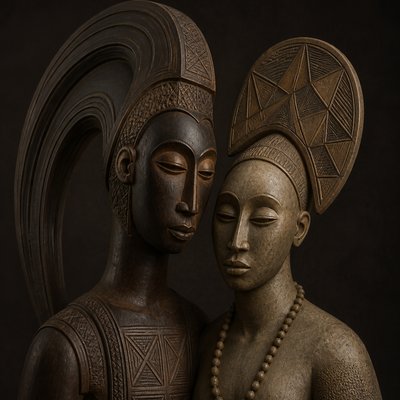
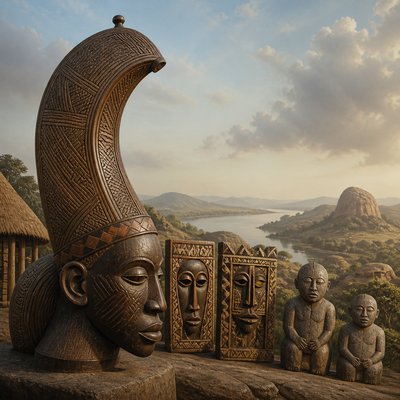
Guinean Art Style is a contemporary, descriptive aesthetic built from several sculptural traditions associated with Guinea and its neighboring cultural regions. Its visual vocabulary centers on the monumental, sweeping silhouette of the Baga Nimba, the planar geometry of mask carving, and the compact, time-softened presence of Kissi soapstone figures. Dark polished wood, warm gray-brown stone, restrained ornament, and strong frontal poses give the style an imposing yet tactile character.
This is not a single historical art movement or a uniform national style. Rather, it is an interpretive synthesis of distinct traditions, brought together through shared emphasis on carved volume, ritual presence, stylized anatomy, and material age. The resulting imagery favors bold contours over naturalistic detail, symbolic proportions over portrait likeness, and surfaces that suggest handling, weathering, polishing, and long cultural memory.
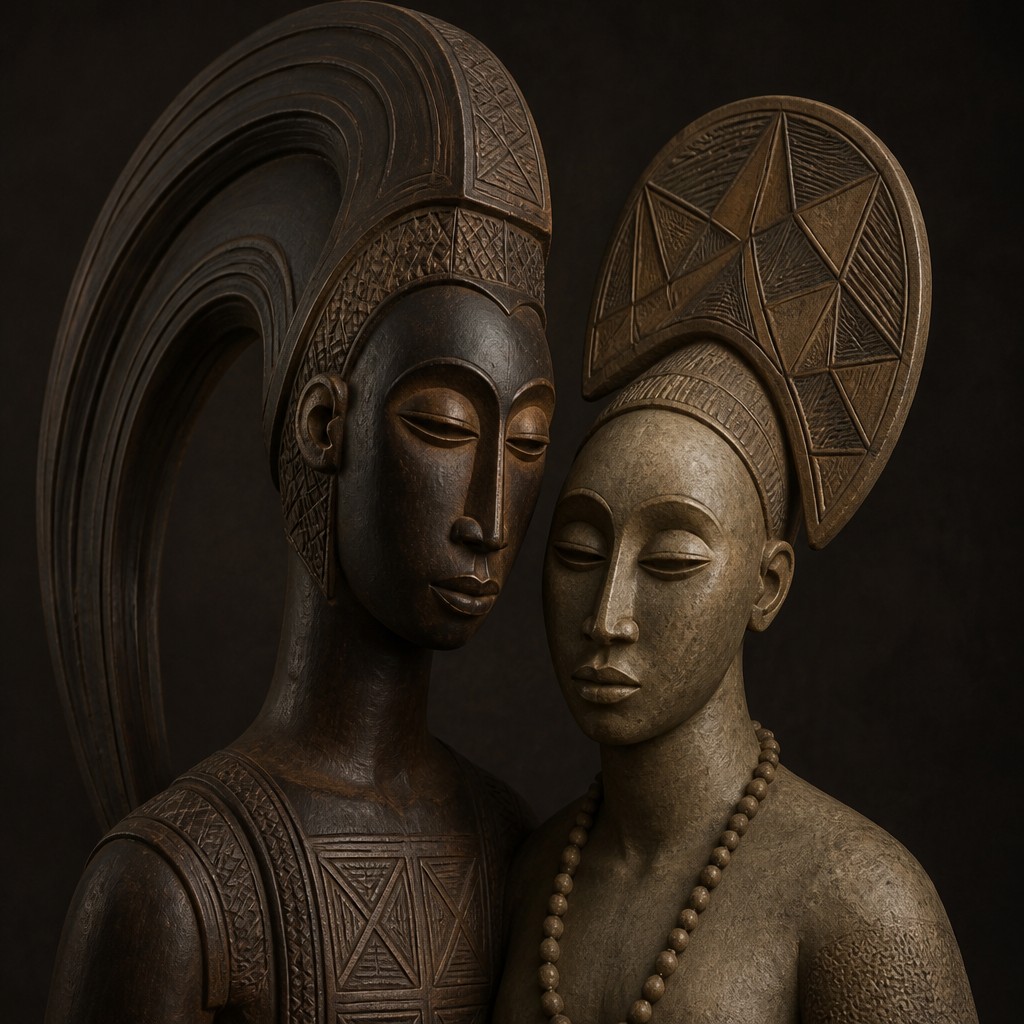
Try It On Your Photos
Upload any photo and convert it into Guinean Art Style — drag the sliders to compare before and after.
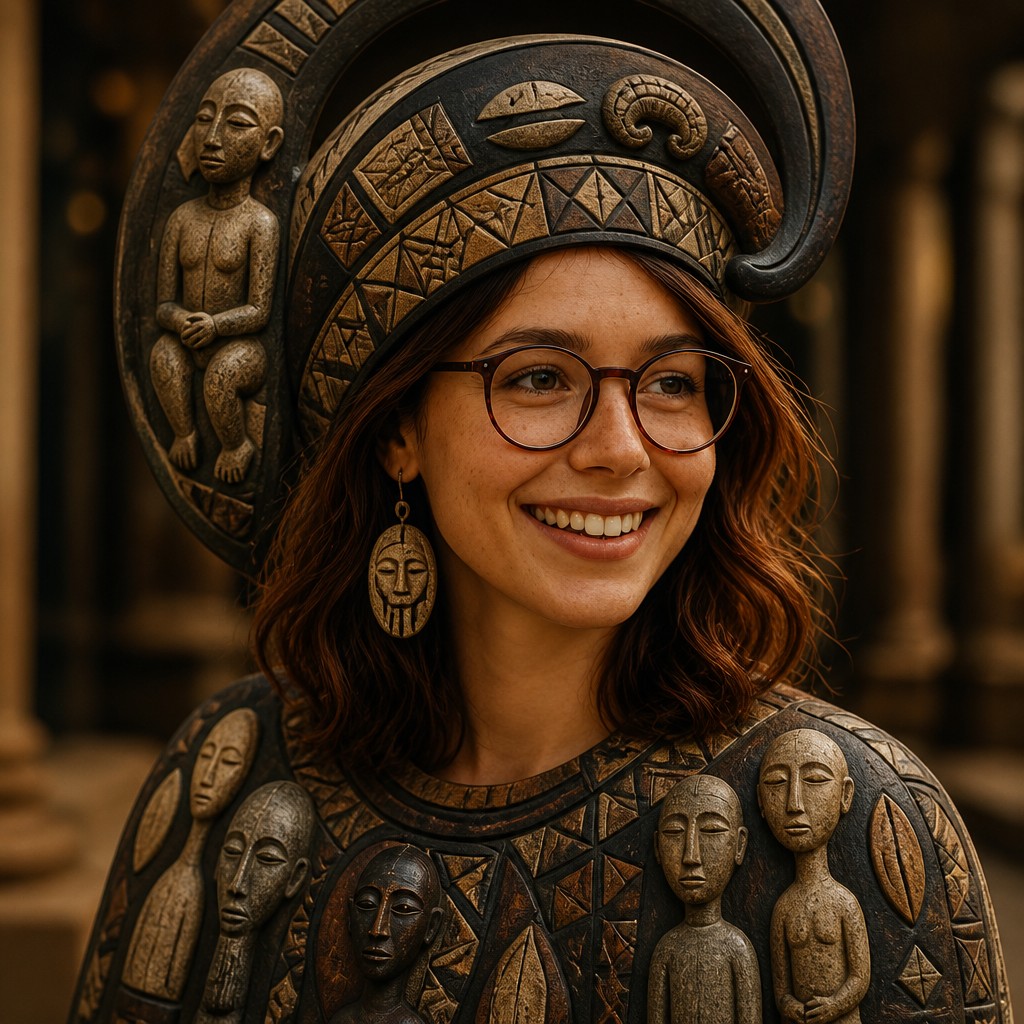

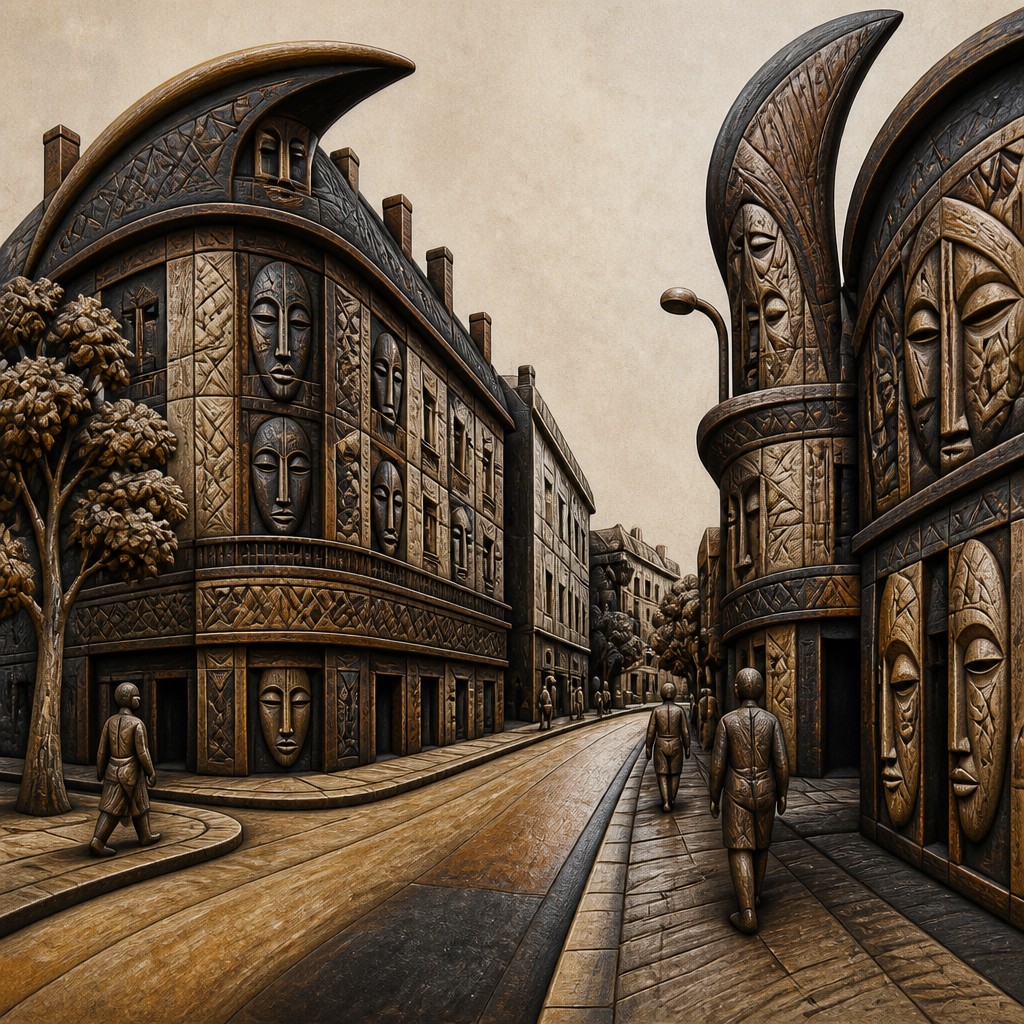

What Defines Guinean Art Style
The signature details, up close
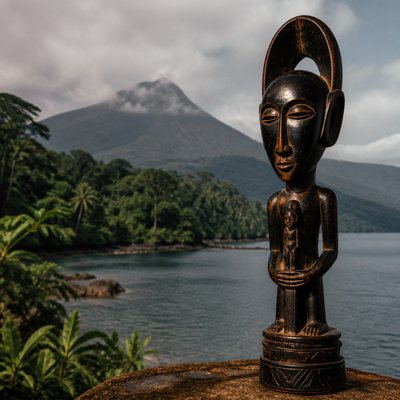
Monumental Nimba silhouette
Large, sweeping curves and a high, arching profile create an immediately recognizable sculptural outline. The form should feel architectural and ceremonial rather than casually figurative.
Geometric mask planes
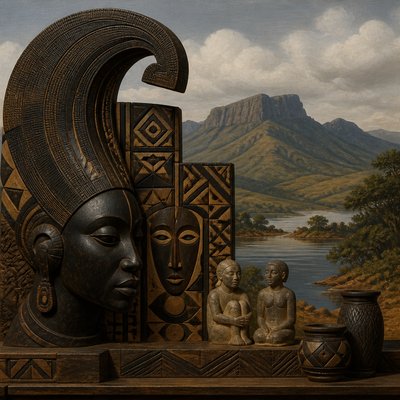
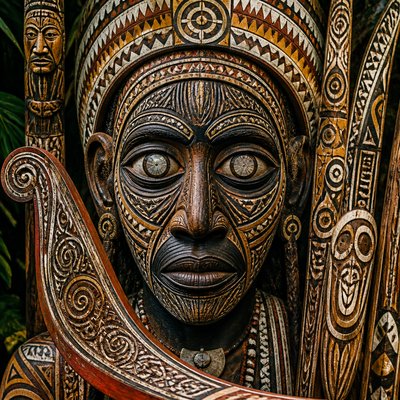
Broad panels, stepped edges, incised bands, and repeated angular motifs organize the face or headdress into clear visual units. Geometry is used to intensify symbolic presence, not merely as surface decoration.
Stylized human anatomy
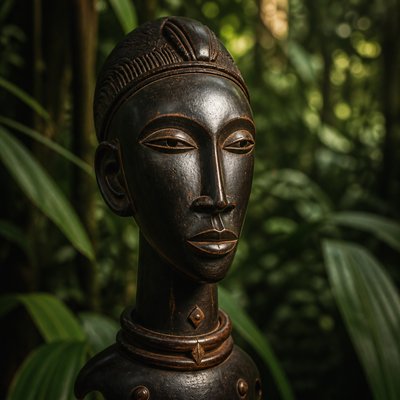
Figures tend toward frontal or symmetrical poses, simplified limbs, compressed features, and deliberate proportional distortion. The body reads as an emblematic carved form rather than a naturalistic study.
Wood-and-stone materiality
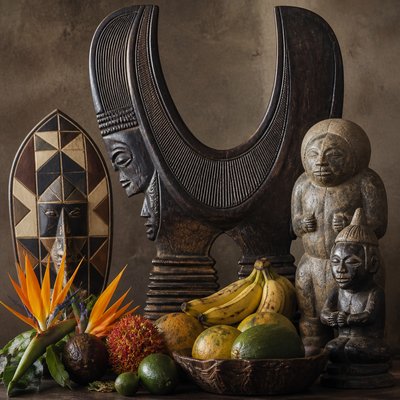
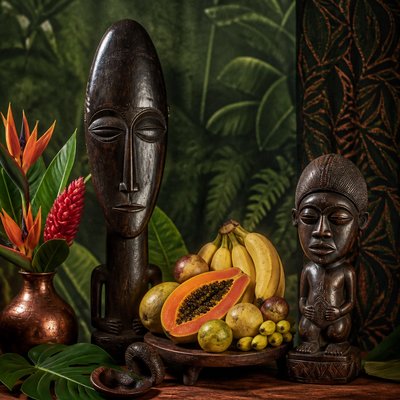
The palette combines dark brown or blackened polished wood with warm gray, ocher, and reddish soapstone tones. Subtle grain, chips, abrasions, and uneven polish make the objects feel physically handled and enduring.
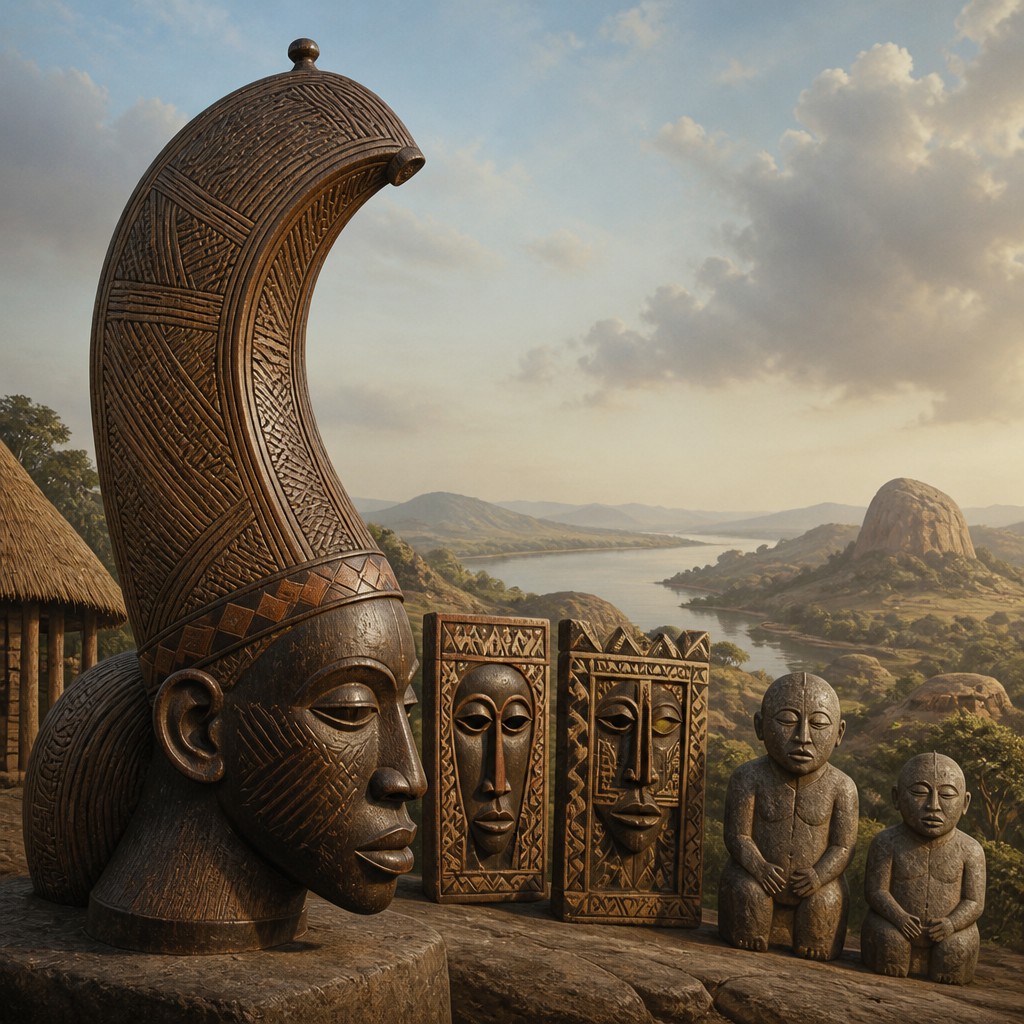
Ritual and communal presence
Subjects often appear as guardians, ancestors, dancers, fertility figures, or ceremonial objects. Even still-life compositions should convey weight, dignity, and a connection to collective memory.
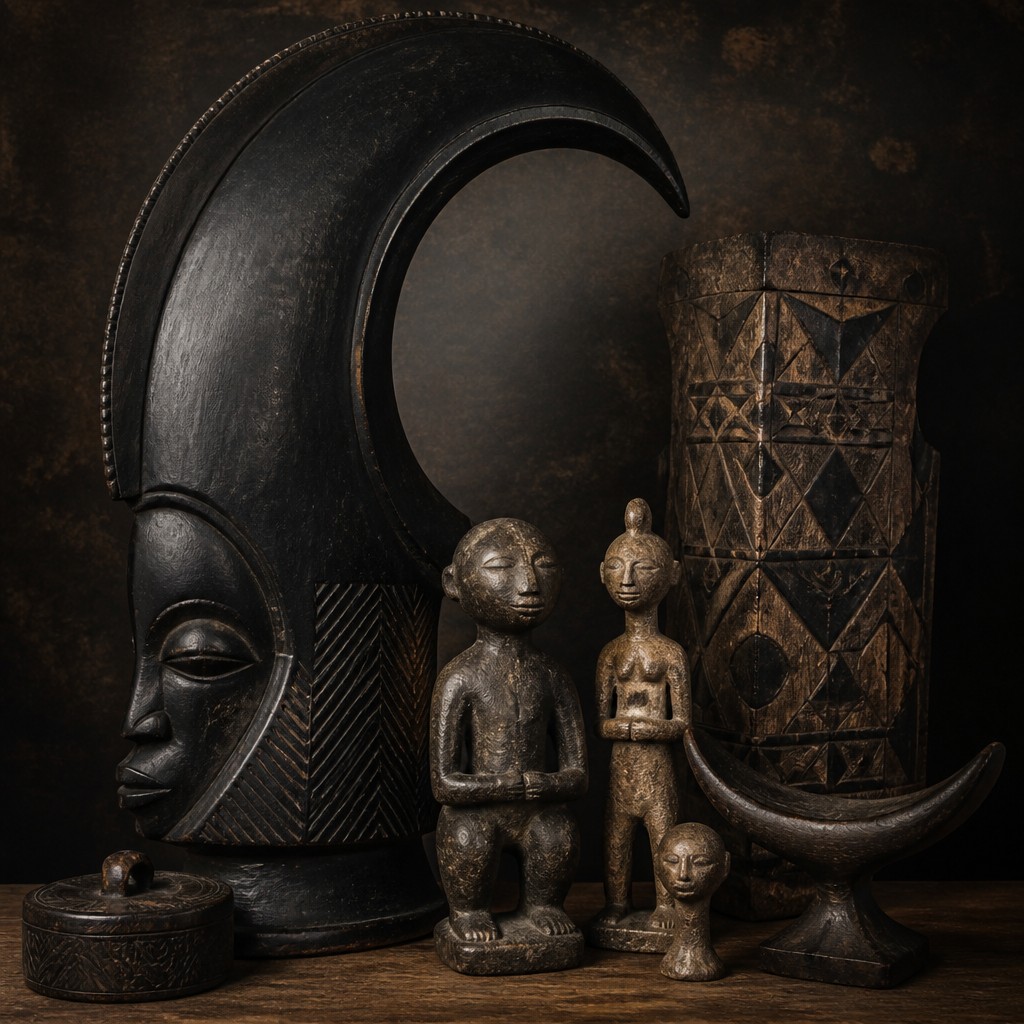
Restrained ornament
Decoration is concentrated in carving, line, repetition, and proportion rather than bright color or excessive embellishment. Limited pigment, patina, and shadow keep attention on silhouette and volume.
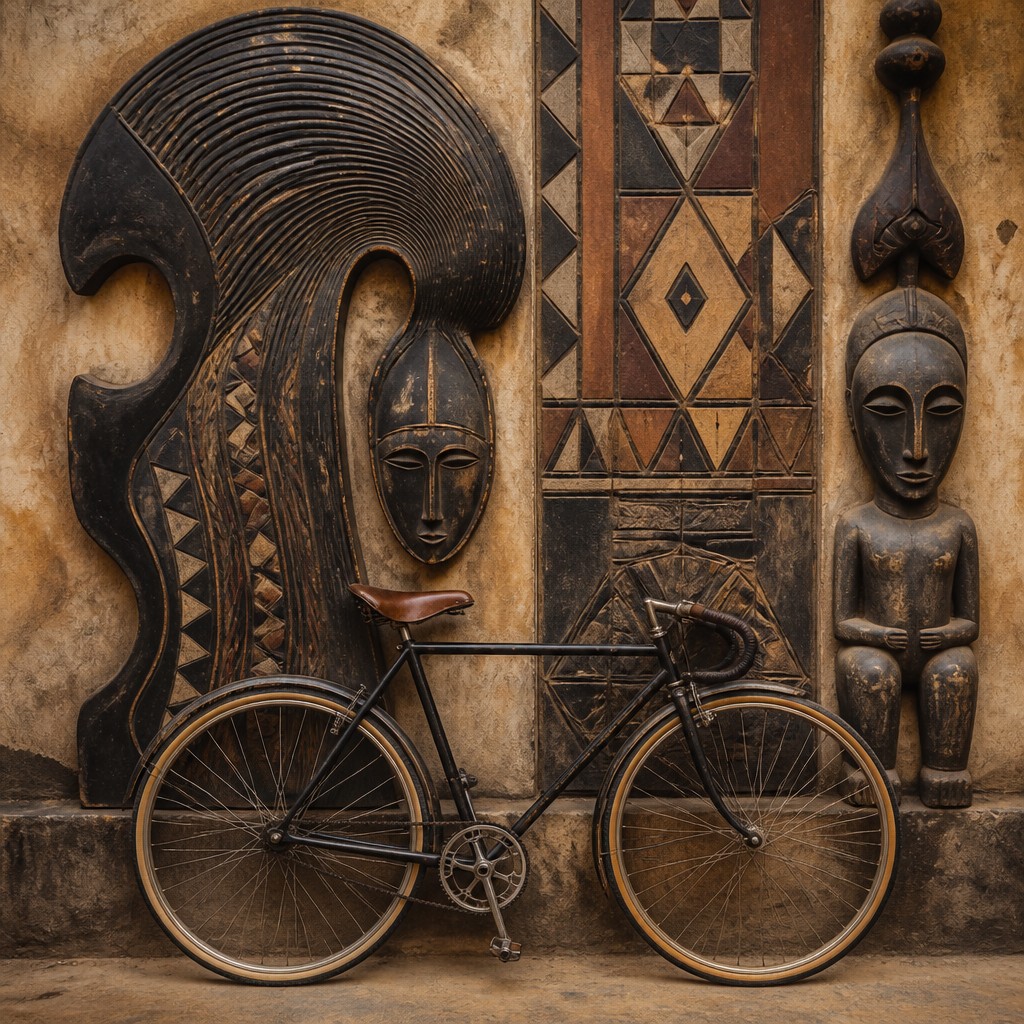
Aged, tactile surfaces
Softened edges, hand-rubbed highlights, shallow tool marks, and areas of darker patina suggest prolonged use. Surfaces should remain legible and sculptural instead of becoming uniformly distressed.
Guinean Prompt Ideas
Start from an idea — each one opens the generator with the style ready to go. See all 40 Guinean prompts →
How to Create Guinean Art
Master the craft step by step — or skip straight to creating. Read the full guide →
- 1
Build the silhouette first
Begin with a strong frontal contour inspired by a broad arch, crescent, or monumental headdress, then fit secondary features inside it. In digital work, use a simple blocked-in 3D volume or flat shape study before adding texture.
- 2
Carve through planes and curves
Combine large rounded masses with crisp geometric cuts, shallow grooves, and stepped panels. Traditional makers can work in wood or soapstone with controlled subtractive carving; digital artists can use bevels, booleans, sculpt brushes, and normal maps.
- 3
Control the material palette
Use near-black polished wood, umber, charcoal, muted terracotta, and warm gray stone, with small areas of worn highlight. Avoid glossy plastic surfaces unless the goal is an intentional contemporary reinterpretation.
- 4
Suggest age without erasing form
Add softened corners, tool marks, fine abrasions, and uneven patina mainly to exposed edges and high-contact areas. Preserve the major planes so the object remains readable at thumbnail size.
- 5
Stage a ceremonial composition
Place the figure against a quiet earthen, charcoal, or shadowed background and use low, directional light to reveal relief. A centered pose, slight low angle, and visible ground contact can provide the required sense of weight.
- 6
Write precise generation prompts
Specify the subject, monumental curved silhouette, carved geometric panels, dark wood or soapstone, frontal pose, restrained palette, and tactile patina. For photo transformation, describe how the subject should retain its identity while becoming a carved ceremonial object, and avoid requesting an exact sacred artifact or named museum object.
The Story
History & Origins of Guinean
The style draws primarily on artistic traditions of Guinea, especially Baga masquerade sculpture and related mask practices. Baga Nimba, also known as D'mba in some contexts, is a large wooden headdress with a distinctive curved, architectural profile; it has been used in performances connected with fertility, agricultural well-being, community life, and social instruction. Baga and neighboring traditions also include masks with strongly designed geometric planes and rhythmic surface patterning.
Its second major reference is the stone-carving heritage associated with Kissi communities across parts of Guinea, Sierra Leone, and Liberia. Small soapstone or steatite figures attributed to this region are often discussed in relation to ancestors, memorial practices, ritual use, or protective roles, although their dates and functions are not always securely established. The Guinean Art Style presented here is therefore best understood as an invented visual synthesis rooted in these lineages, not as a claim that all of Guinea shares one historical style.
Influences: The aesthetic relates to Baga masquerade sculpture, West African mask and headdress traditions, and the soapstone figure heritage associated with Kissi communities in the Upper Guinea region. It also shares formal concerns with African modernist sculpture, primitivist reinterpretations of non-European art, archaeological display aesthetics, and contemporary 3D sculptural design. Those comparisons should be made carefully: the source traditions have specific social, ritual, and historical contexts that are not interchangeable with a generalized African visual category.
Frequently Asked Questions
What defines the Guinean Art Style?
It is defined by a monumental curved silhouette, geometric carved planes, simplified human forms, and a tactile palette of dark wood and warm soapstone. The style emphasizes ceremonial presence, frontal symmetry, and surfaces shaped by hand, use, and age.
Is Guinean Art Style a historical art movement?
No. The term describes a contemporary synthesis rather than a documented, unified movement from Guinea. It draws on distinct Baga and Kissi-related sculptural traditions and should not be treated as a single traditional style practiced uniformly across the country.
What is a Baga Nimba headdress?
A Baga Nimba, or D'mba in some contexts, is a large wooden headdress recognized by its sweeping, arched form and use in masquerade performance. It has been associated with fertility, agricultural prosperity, community instruction, and public ceremony, with meanings varying by context.
What are Kissi soapstone figures?
They are small carved stone figures attributed to areas inhabited by Kissi communities in Guinea, Sierra Leone, and Liberia. Their dates, functions, and interpretations are debated, so it is more accurate to describe them as regional archaeological and artistic traditions than to assign them one universally certain purpose.
How can I make an image in this style without copying a sacred object?
Use broad formal qualities such as curved monumental volume, carved geometry, dark wood, soapstone, patina, and ceremonial lighting. Avoid reproducing a specific documented mask, naming a sacred ceremony as decoration, or presenting a culturally restricted object as an interchangeable prop.
Where is this aesthetic commonly used?
It works well for sculptural studies, museum-inspired still lifes, fantasy guardians, editorial illustrations, game assets, architectural objects, and portrait transformations. It is especially effective when the composition gives the carved form enough space to read as a substantial object rather than a flat pattern.
Create your first Guinean artwork
Describe anything — or upload a photo — and see it in Guinean Art Style in seconds.
Related Styles
Discover similar art styles