Guatemalan Art Style
Explore Guatemalan art style: Maya glyphic stelae, vivid huipil weaving, colonial architecture, and misty volcanic highland color.
Instantly rendered in Guatemalan — or transform a photo
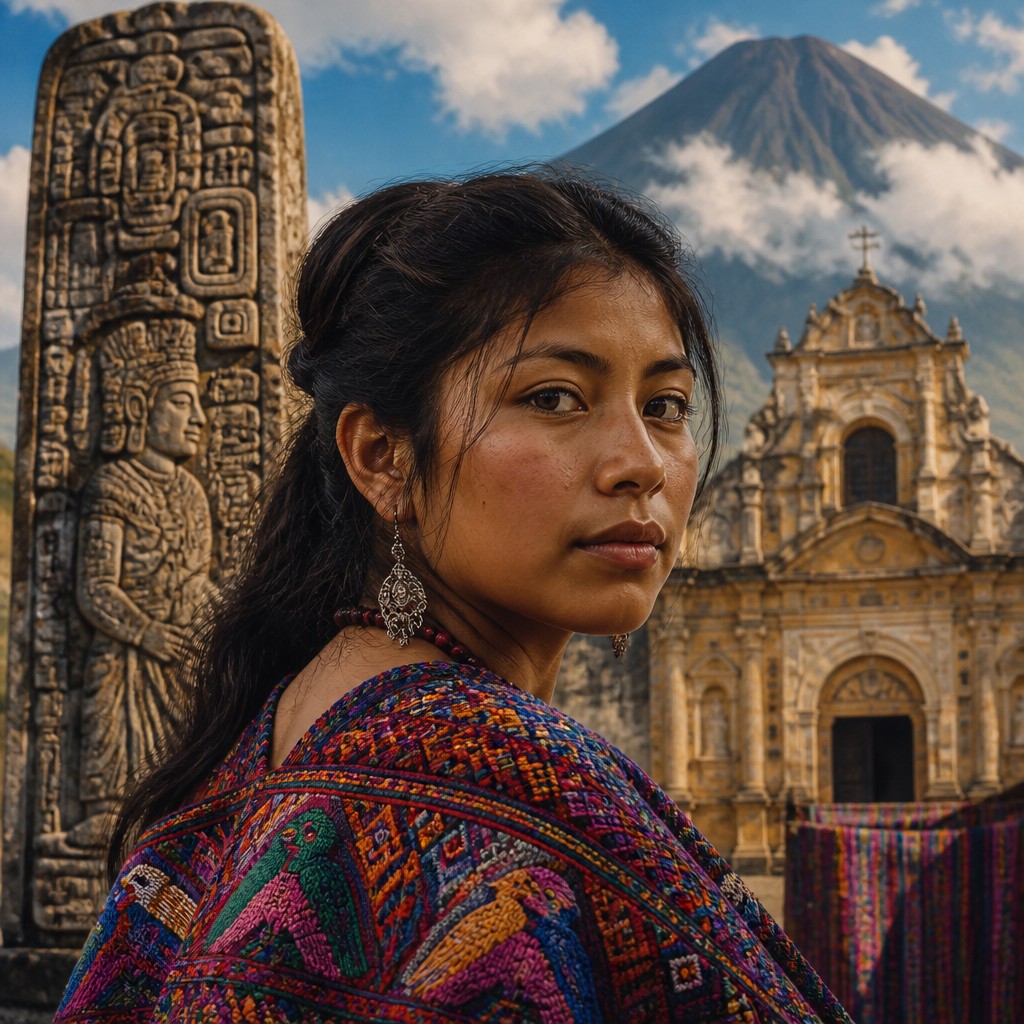
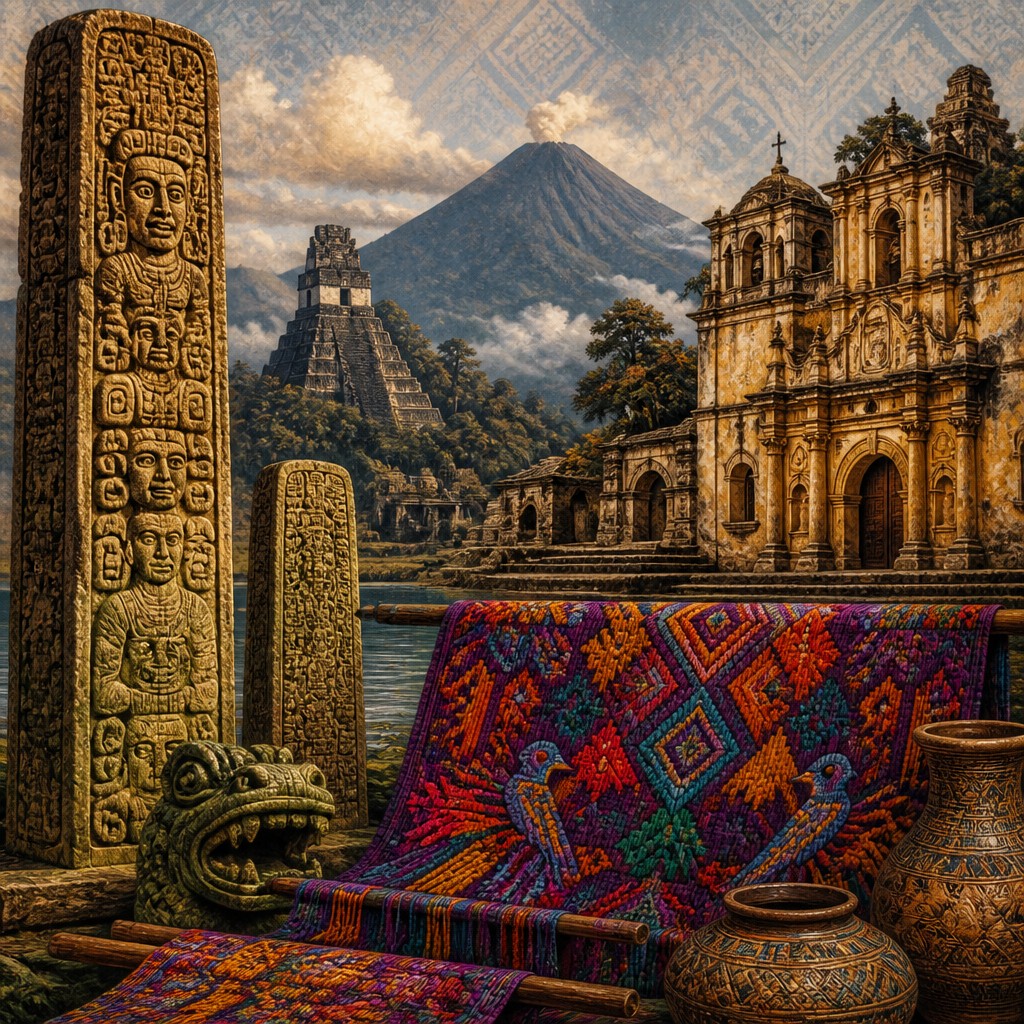
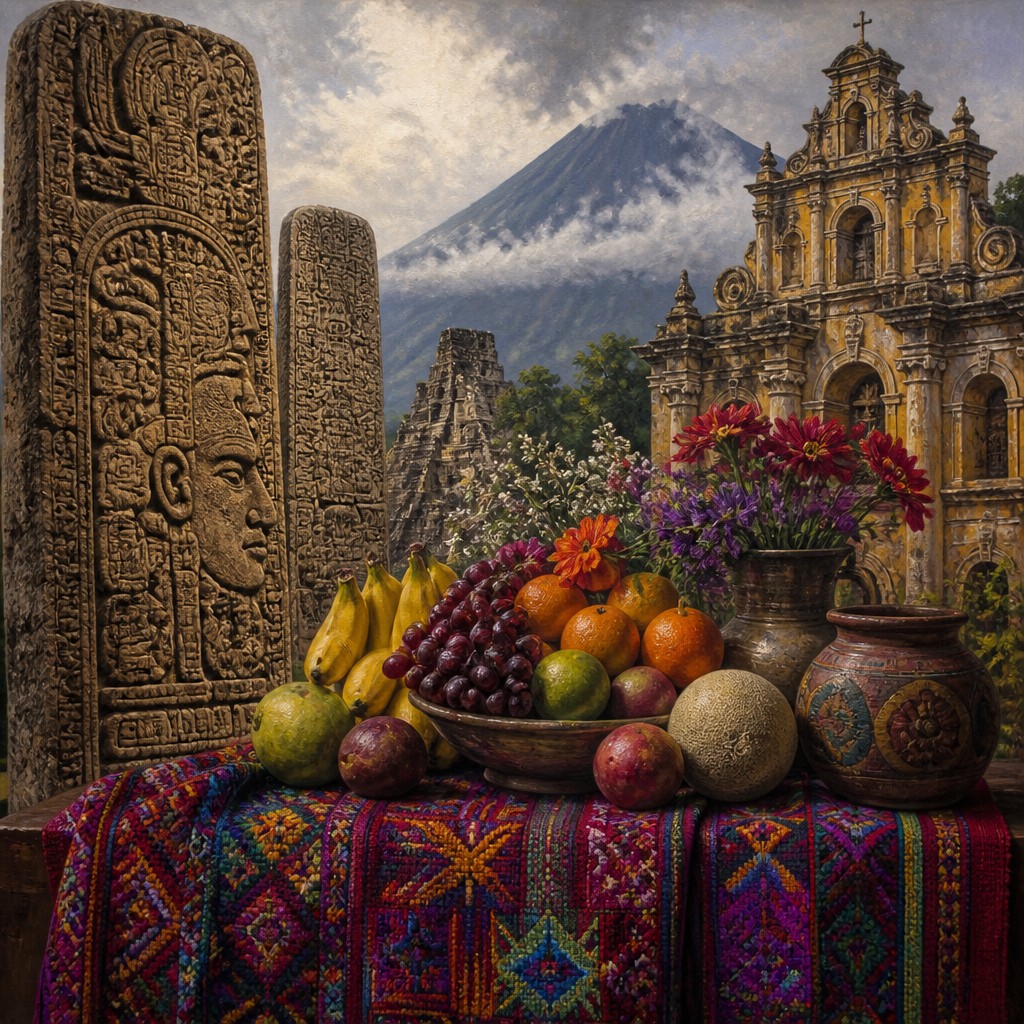
Guatemalan Gallery
Tap any artwork to explore it
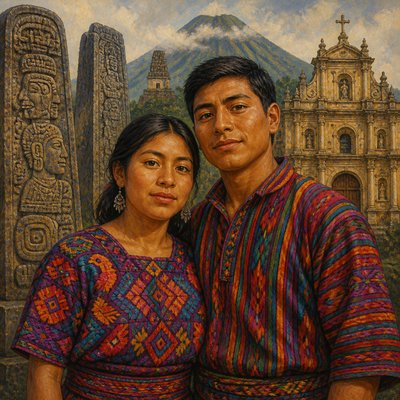
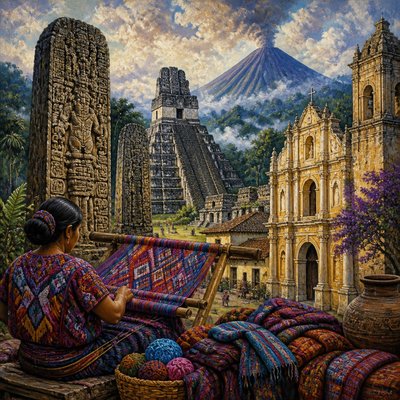
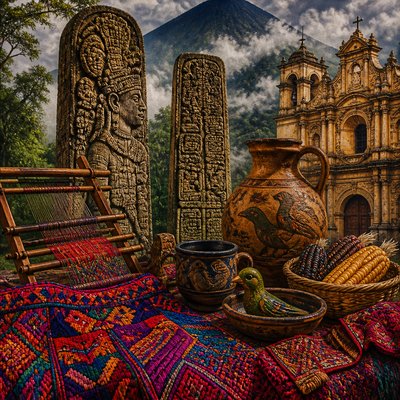
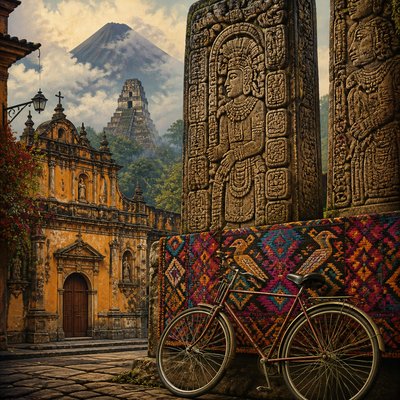
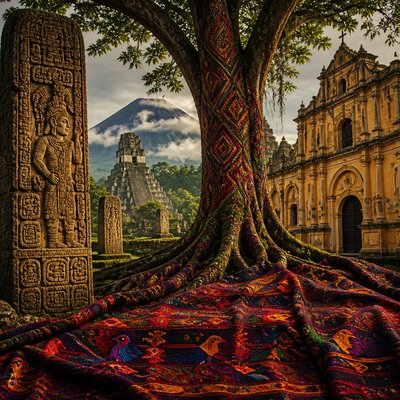
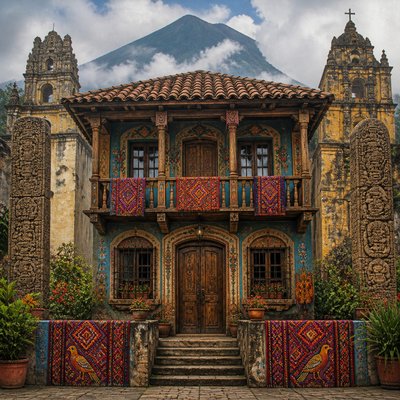
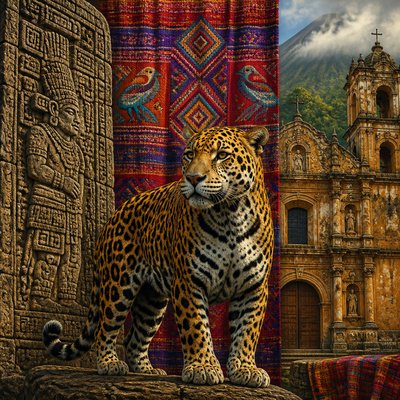
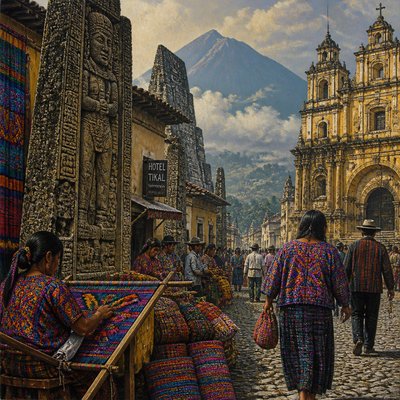
What is Guatemalan Art Style?
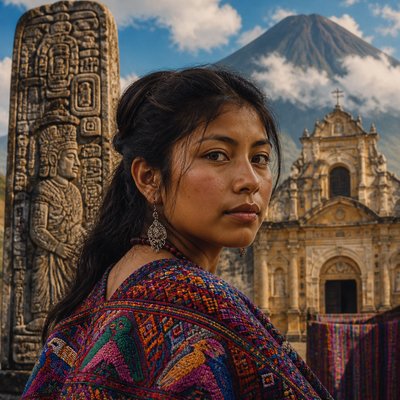
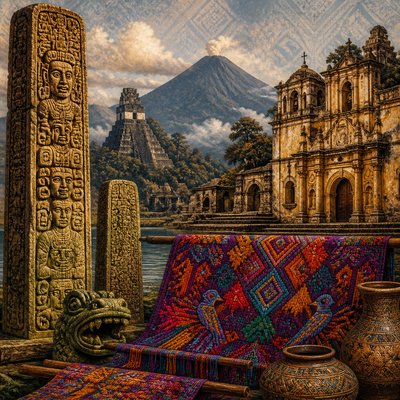
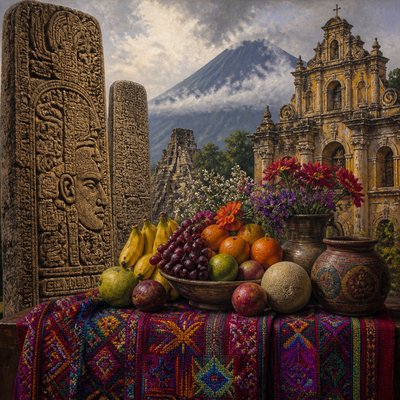
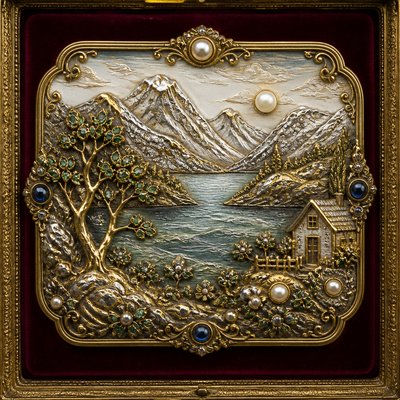
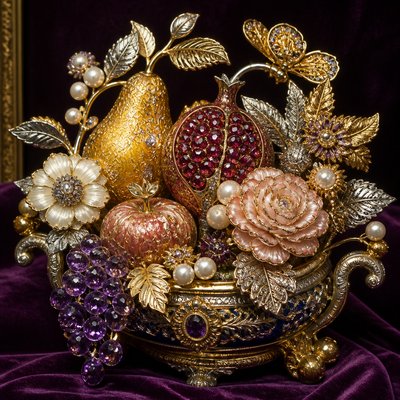
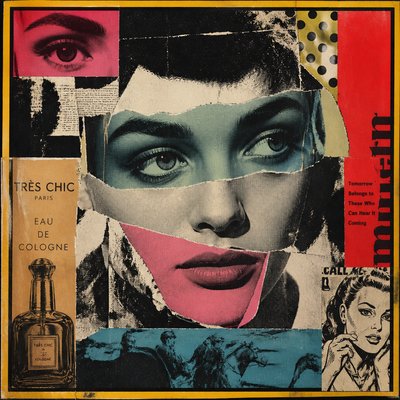
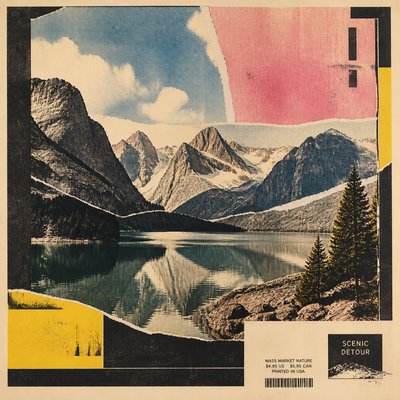
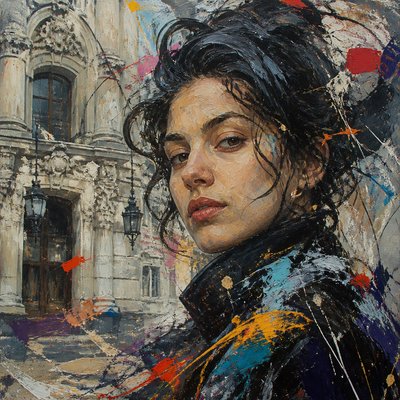
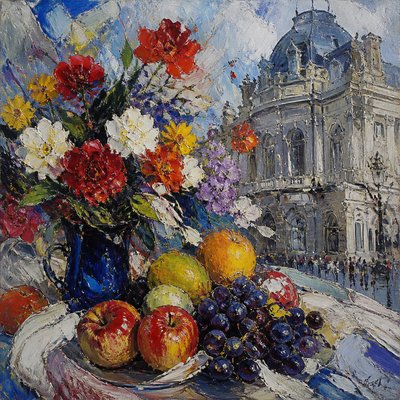
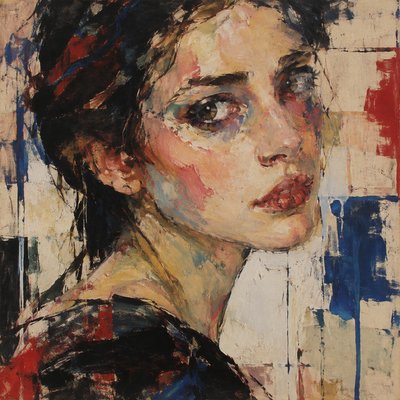
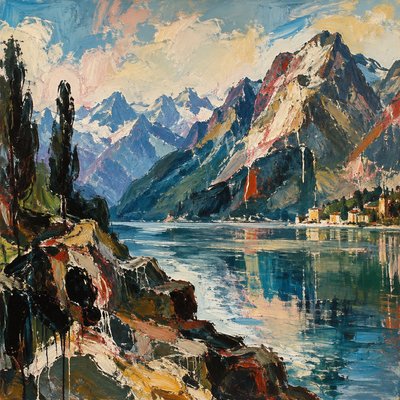
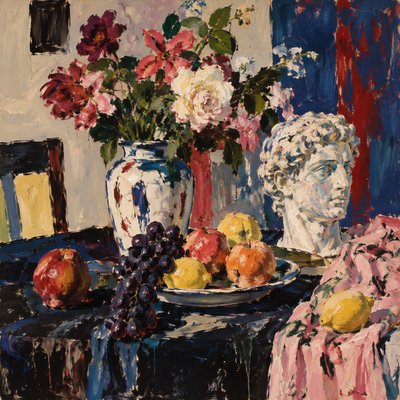
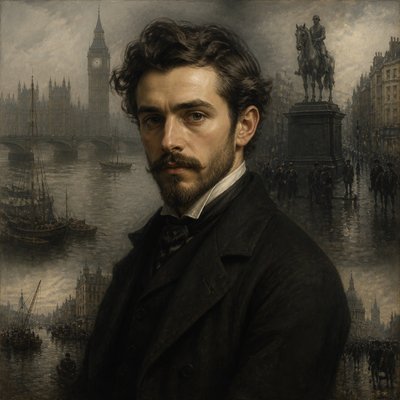
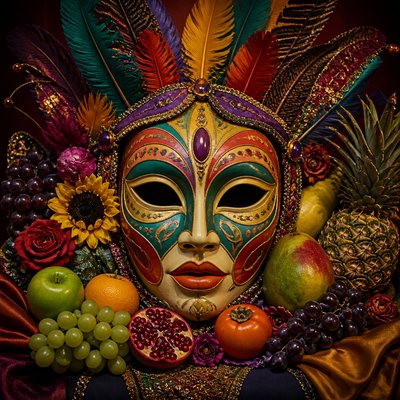
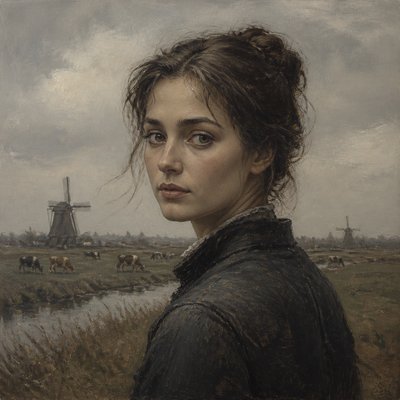
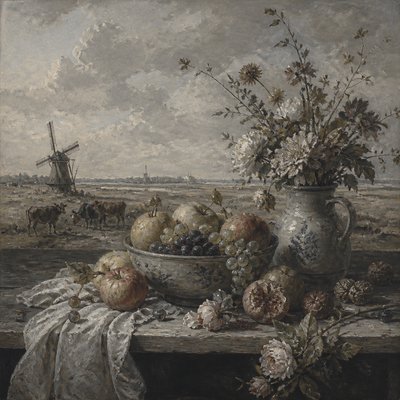
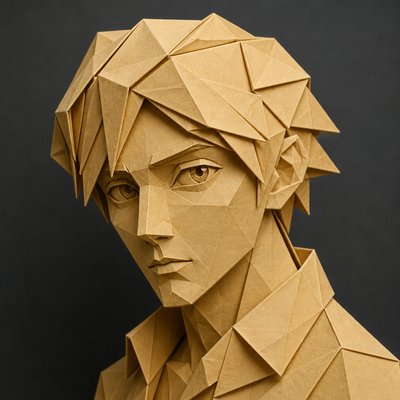
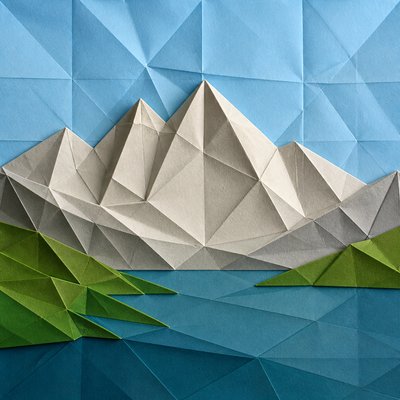
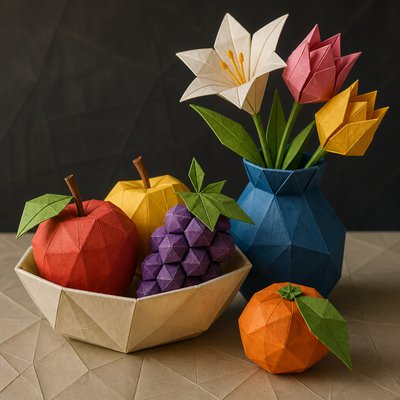
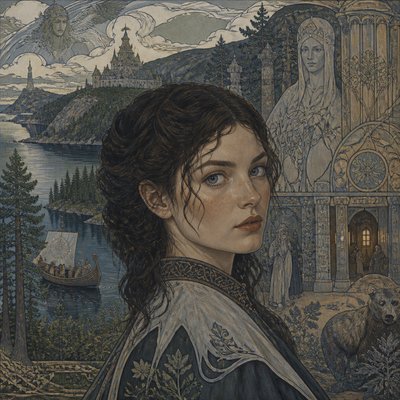
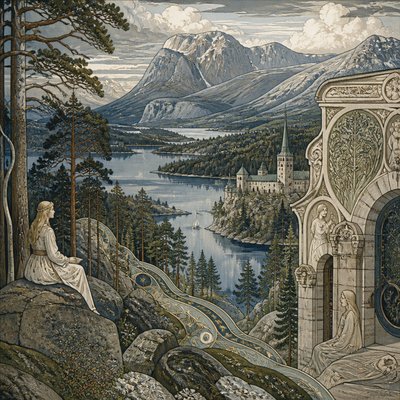
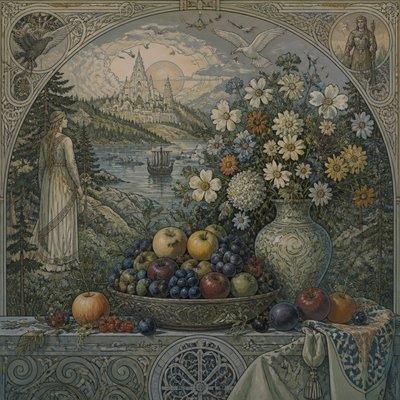
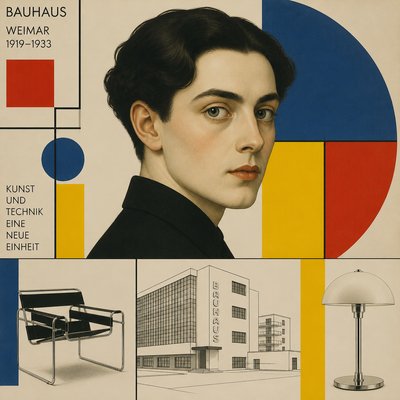
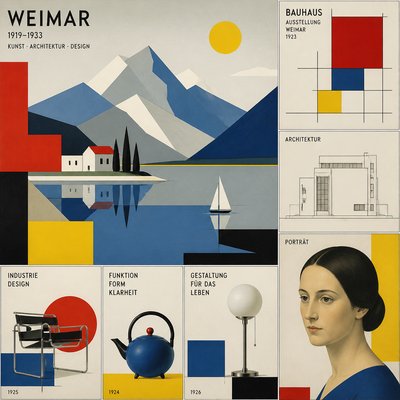
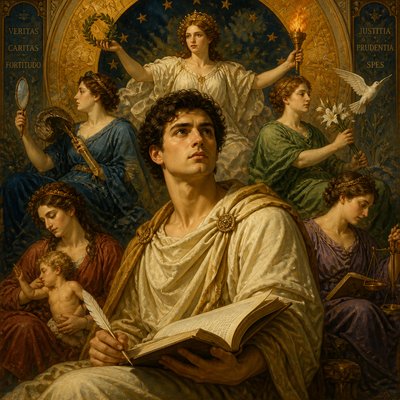
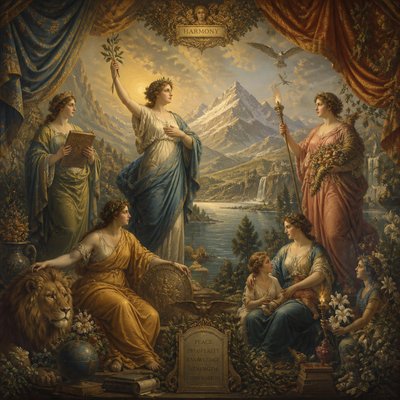
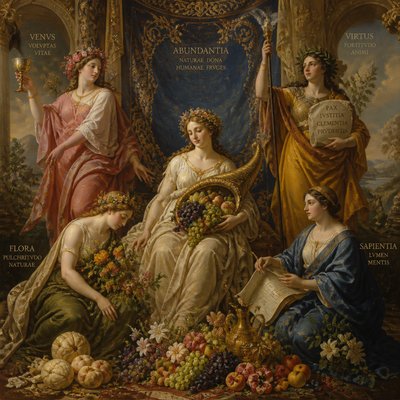
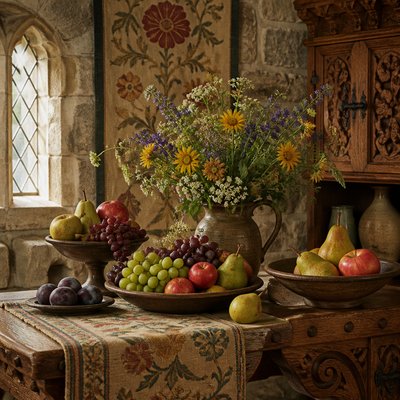
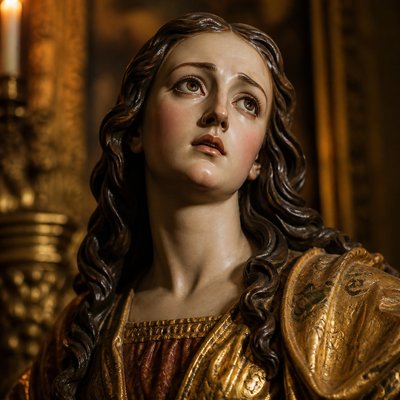
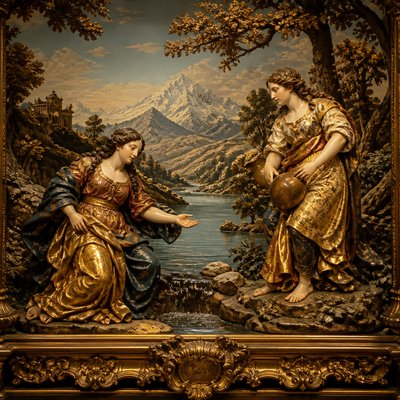
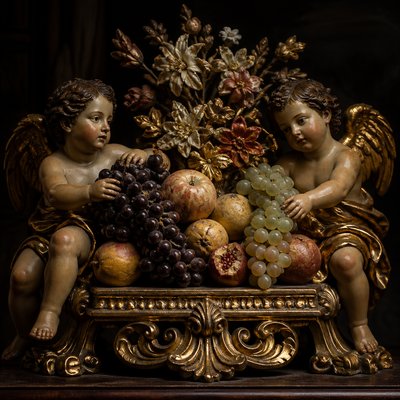
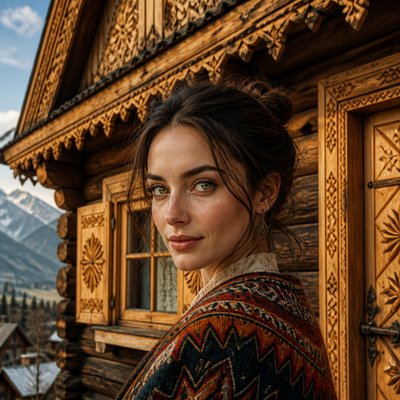
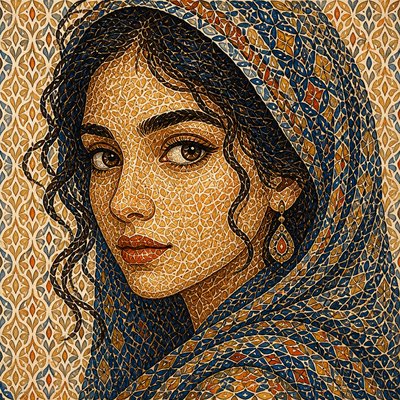
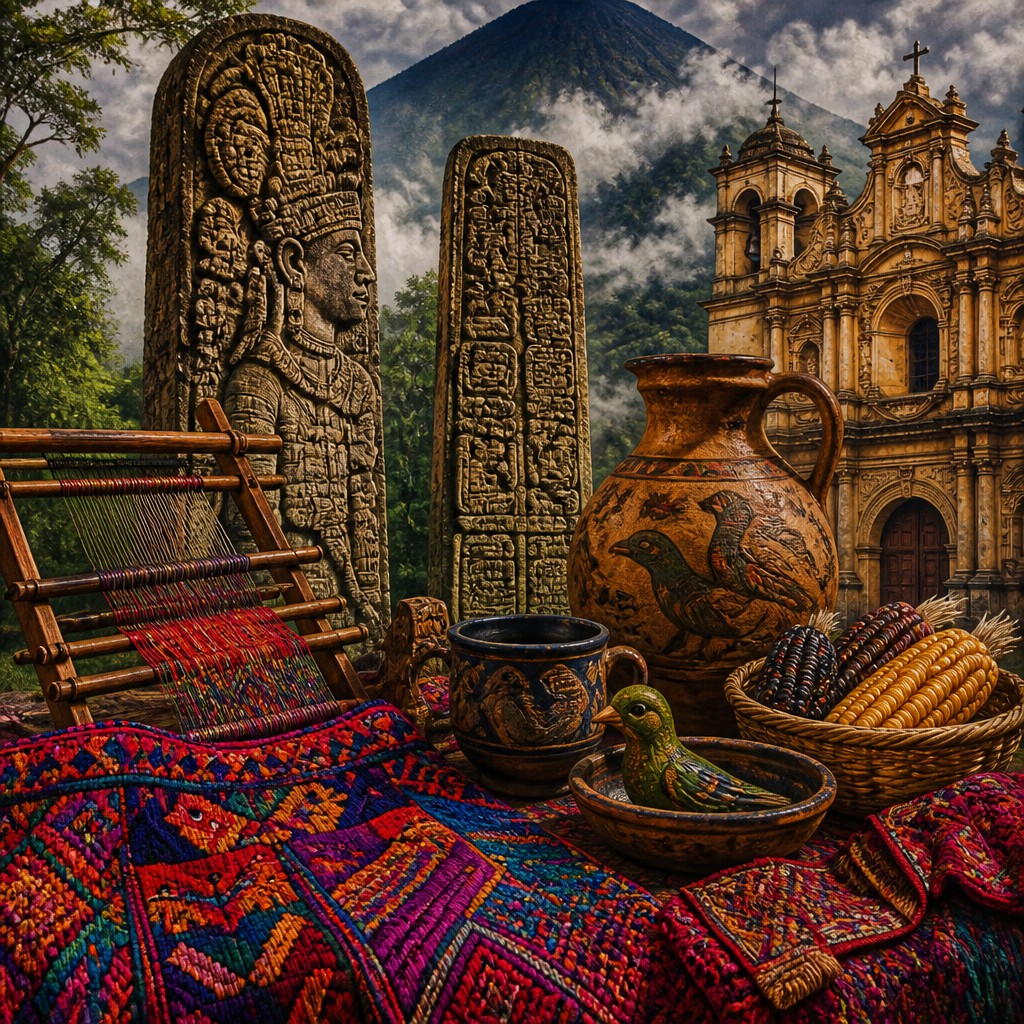
Guatemalan art style is a contemporary visual synthesis inspired by the country’s Maya monumental art, Indigenous textile traditions, colonial architecture, and volcanic highland landscapes. Its imagery often combines the vertical authority of carved Maya stelae with the saturated geometry of huipil weaving, placing both within atmospheric light, weathered stone, and layered mountain mist.
The style is best understood as an aesthetic lineage rather than a single historical movement. It draws on the formal clarity of glyphic relief, the encoded color and structure of regional backstrap-loom textiles, and the aged ochre, plaster, and shadow of colonial façades. The resulting images can feel ceremonial and archaeological while remaining richly tactile, colorful, and connected to living Guatemalan cultural traditions.
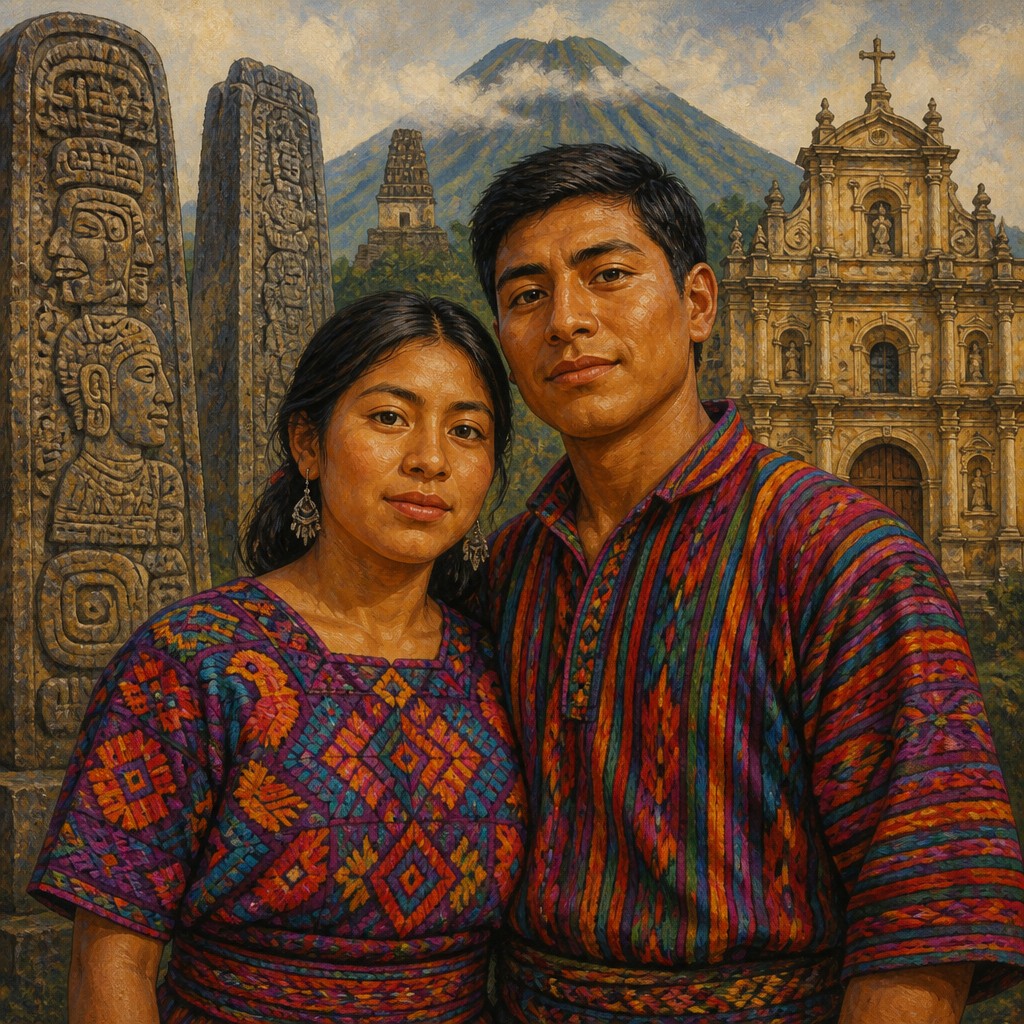
Try It On Your Photos
Upload any photo and convert it into Guatemalan Art Style — drag the sliders to compare before and after.
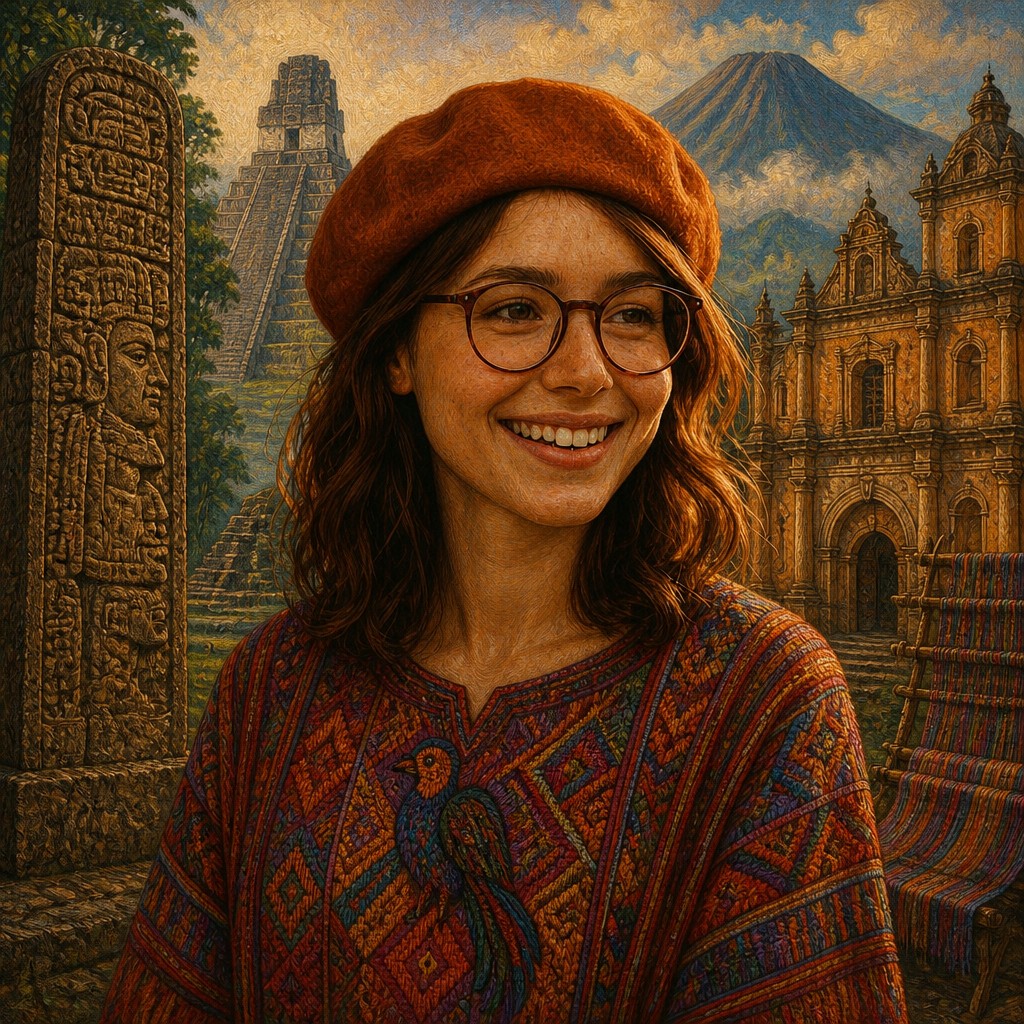

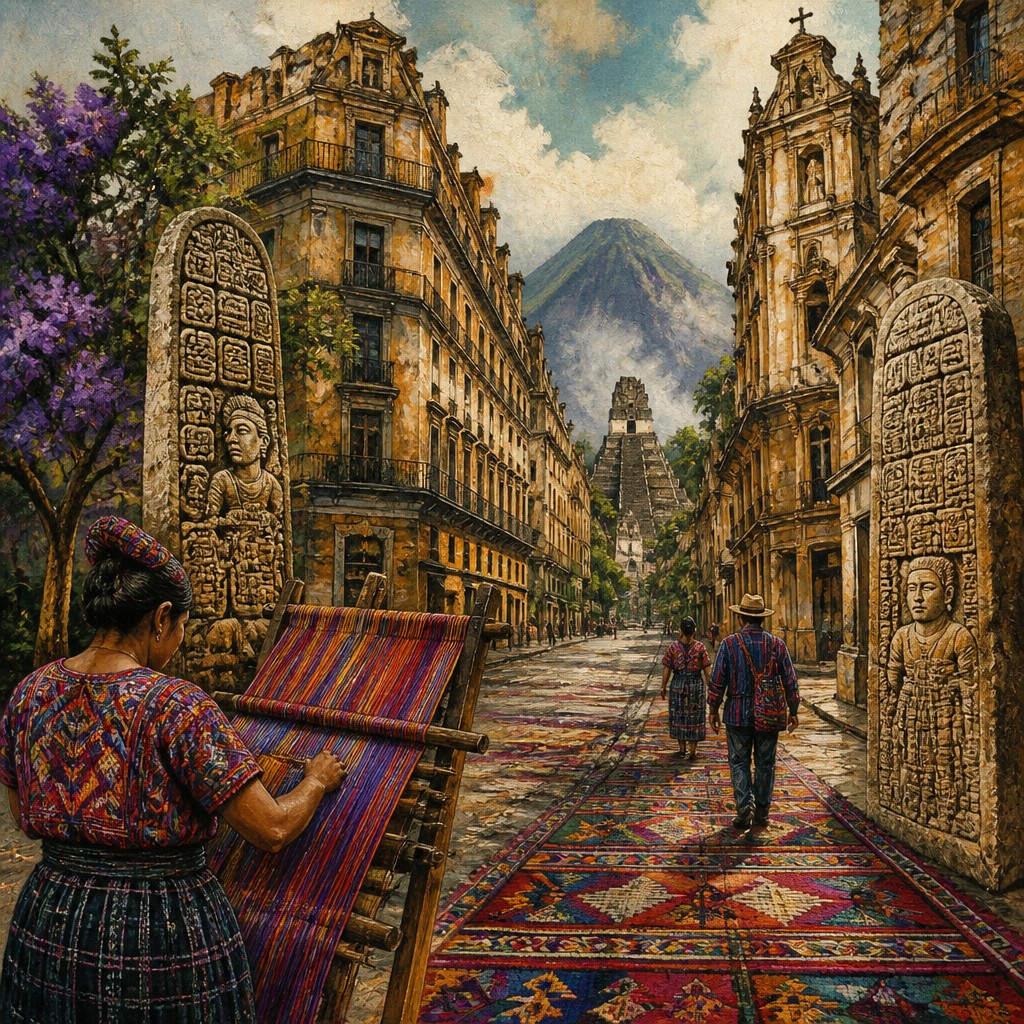

What Defines Guatemalan Art Style
The signature details, up close
Glyphic stone relief
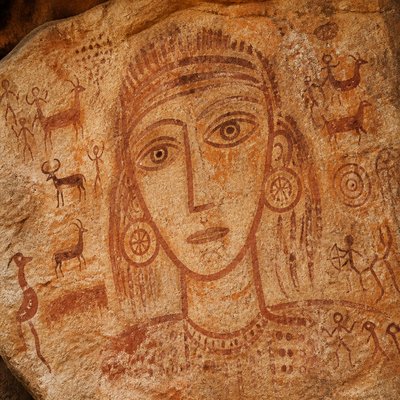
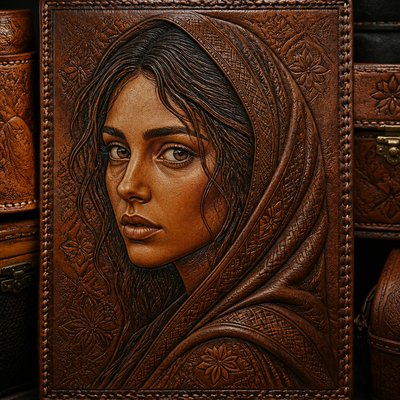
Tall stela-like forms feature precise carved contours, stacked glyph blocks, profile figures, and shallow relief. Surfaces may appear chipped, lichen-marked, or softened by centuries of weathering.
Geometric huipil patterning
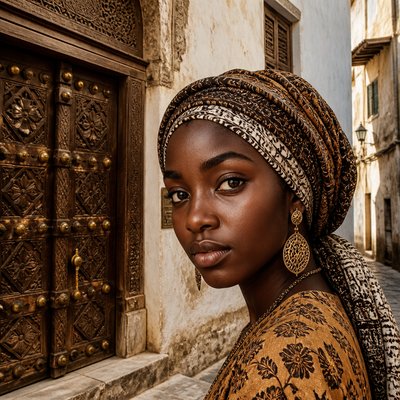
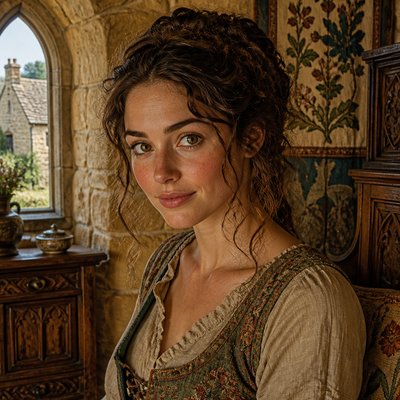
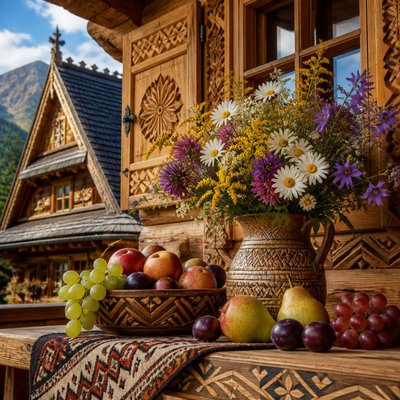
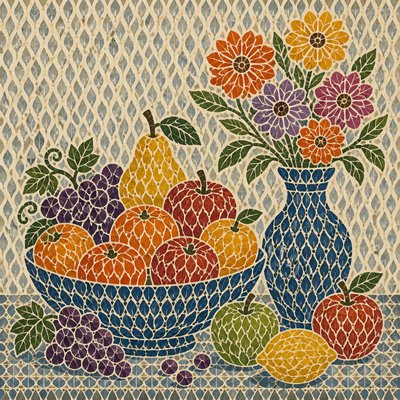
Diamond grids, stepped forms, birds, flowers, and symbolic bands create a strong woven rhythm. Colors are typically layered rather than flat, suggesting warp, weft, and the irregular density of handwoven cloth.
Volcanic highland atmosphere
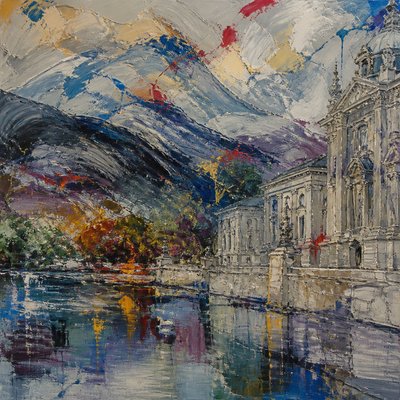
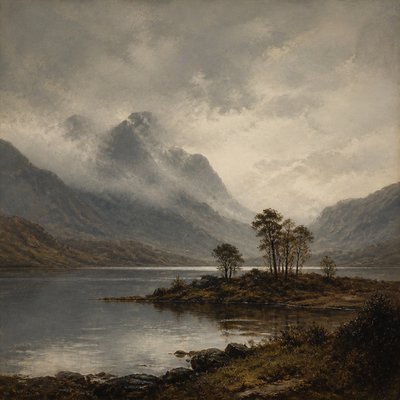
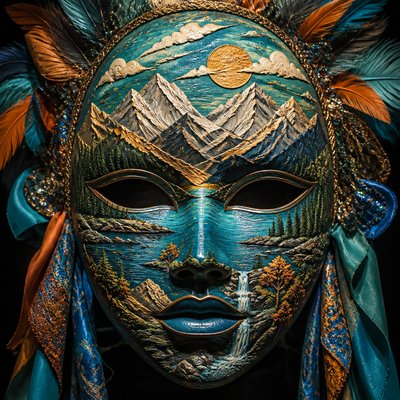
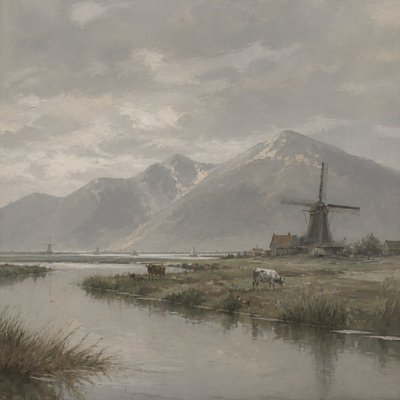
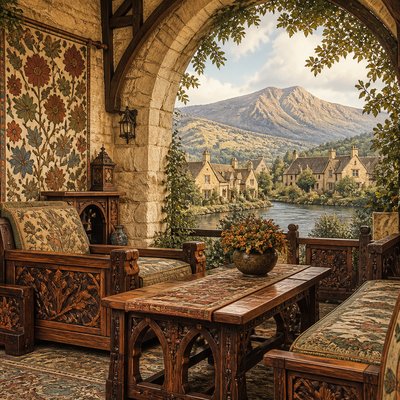
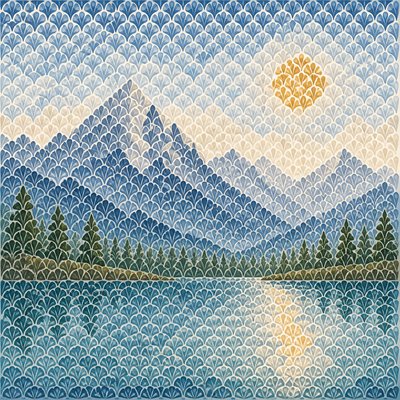
Cool mist, diffused sunlight, distant volcanic silhouettes, and humid mountain air give scenes a veiled depth. Atmospheric perspective often contrasts with sharply drawn textile or stone details in the foreground.
Weathered colonial architecture
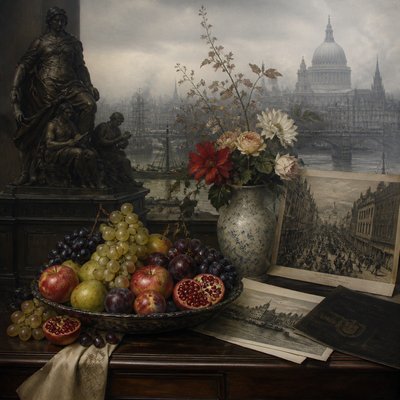
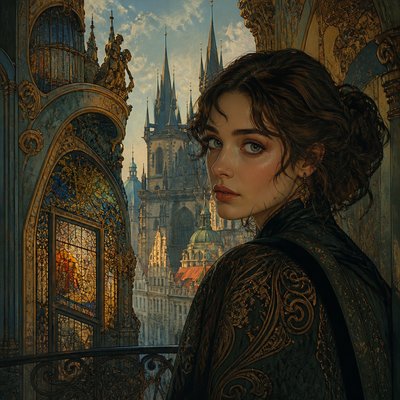
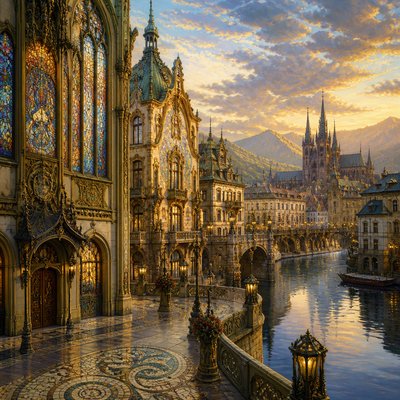
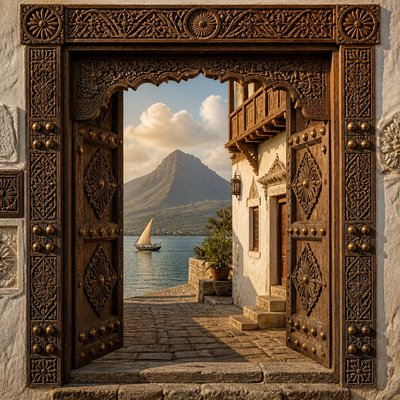
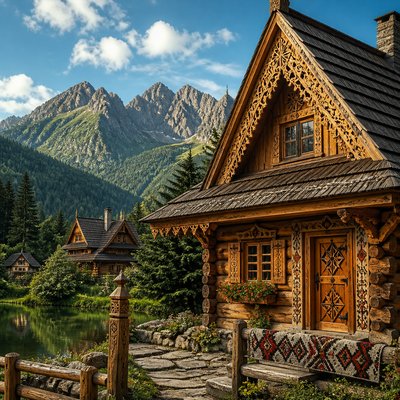
Ochre masonry, stucco, arched portals, bell towers, carved façades, and worn religious ornament introduce colonial baroque structure. Cracks, faded pigments, and uneven plaster provide a sense of age without making the scene monochrome.
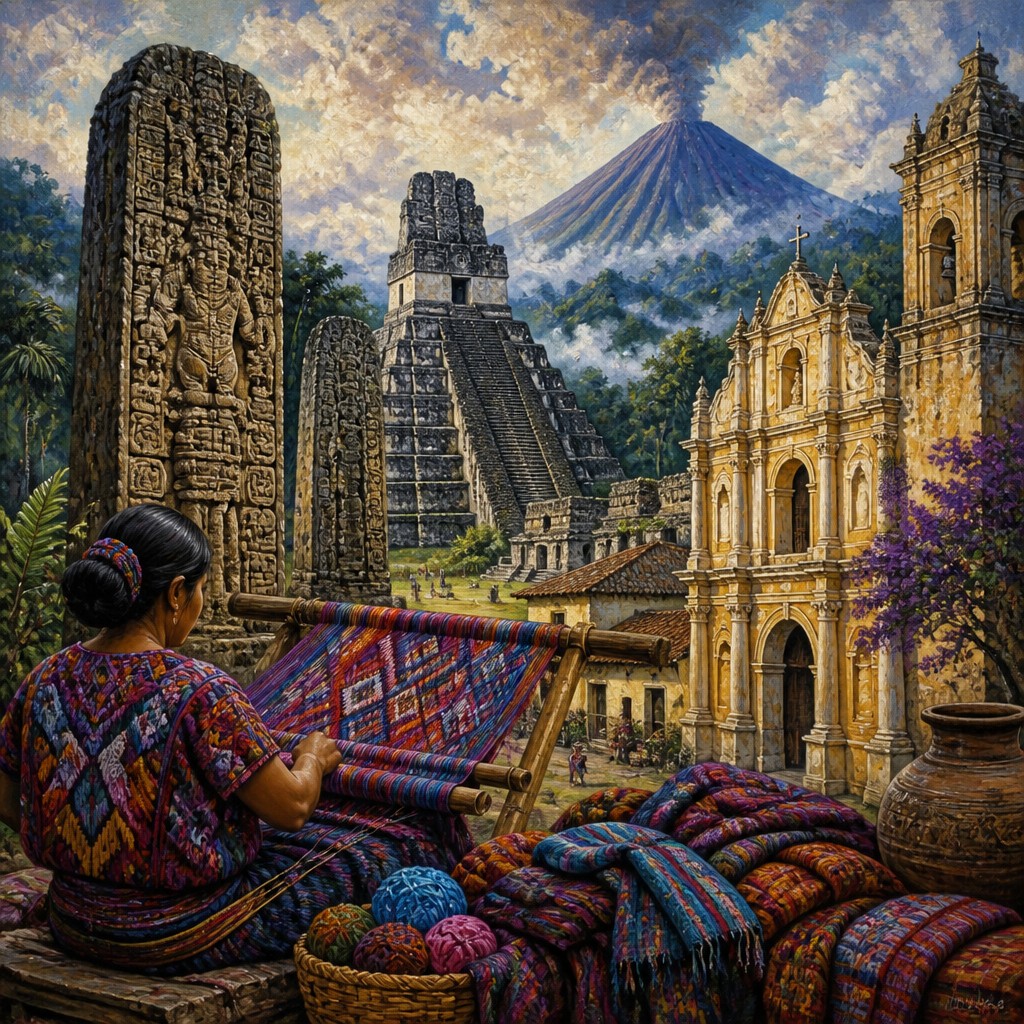
Layered saturated color
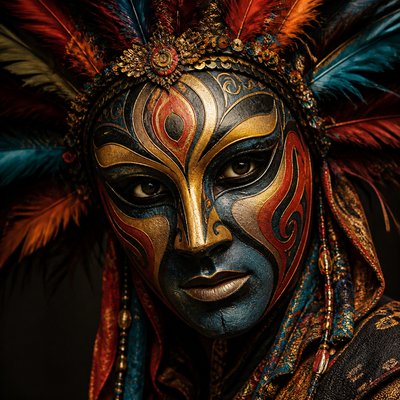
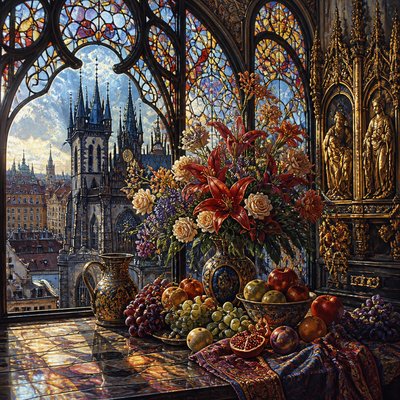
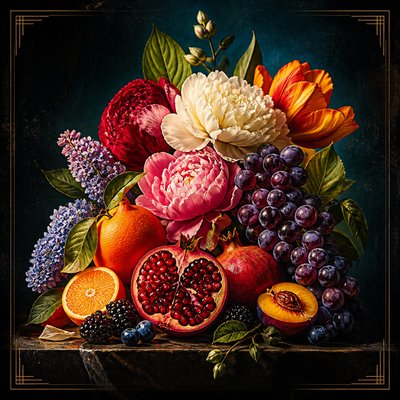
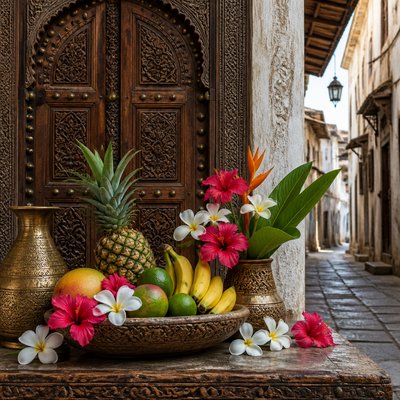
Indigo, cochineal red, maize yellow, turquoise, green, and earthen orange are arranged in dense chromatic relationships. The palette balances mineral stone and clouded light with the visual intensity of woven garments.
Ceremonial frontal composition
Figures, monuments, and façades are often presented frontally or in formal tiers, recalling the public and commemorative function of stelae. Symmetry can be softened by textile asymmetry, vegetation, mist, and handmade surface variation.
Guatemalan Prompt Ideas
Start from an idea — each one opens the generator with the style ready to go. See all 40 Guatemalan prompts →
How to Create Guatemalan Art
Master the craft step by step — or skip straight to creating. Read the full guide →
- 1
Build a structured composition
Begin with a strong vertical monument, architectural façade, or standing figure, then organize secondary motifs in horizontal textile-like bands. Use frontal viewpoints and shallow spatial layers before adding atmospheric depth.
- 2
Design an intentional textile palette
Choose a limited set of high-contrast colors and repeat them through clothing, banners, walls, and landscape accents. Simulate weaving with small irregular intersections, visible threads, and slight variation in repeated motifs.
- 3
Carve before you decorate
For traditional drawing or digital painting, establish the stone silhouette and relief shadows first, using directional gouging, incised contours, and a restrained range of mineral tones. Add glyph-inspired structure carefully rather than treating writing as random ornament.
- 4
Create material contrast
Set rough, porous stone against soft mist and fibrous cloth. Brushes or textures that preserve grain, chipped edges, plaster wear, and thread detail will make the image more convincing than smooth decorative gradients.
- 5
Use culturally specific references
Research the regional context of a huipil, architectural site, or Maya motif before combining it with other elements. Avoid copying a sacred or community-specific design as generic decoration, and identify the source when the work is presented publicly.
- 6
Write precise generation prompts
Specify the subject, viewpoint, material, regional textile features, stone relief, highland weather, and color relationships in separate clauses. For example, request a carved monument beside a woven garment in misty volcanic light, with shallow glyphic relief, handwoven texture, and weathered ochre masonry.
The Story
History & Origins of Guatemalan
This style has no single origin or canonical period. Its principal historical references include Classic Maya carved monuments from sites such as Tikal and Quiriguá, especially the period from roughly 250 to 900 CE; Indigenous Maya textile production, including regionally distinct huipiles woven on backstrap looms; and colonial religious architecture developed after the sixteenth-century Spanish conquest. These sources belong to different communities, eras, and purposes, so combining them is an interpretive modern synthesis rather than a traditional unified school.
Contemporary illustrations, murals, textiles, editorial images, and digital compositions have helped bring these visual lineages together. The style commonly emphasizes cultural continuity by pairing ancient relief language and local material traditions with present-day landscape, while avoiding the idea that Maya art is merely archaeological or that huipil designs are interchangeable across Guatemala.
Influences: The style relates to Classic Maya monumental sculpture and architectural relief, Indigenous Maya textile traditions, colonial baroque and vernacular architecture in Central America, Latin American mural composition, archaeological illustration, and contemporary cultural illustration. It also shares techniques with relief printmaking, woven pattern design, fantasy worldbuilding, and atmospheric landscape painting, but its strongest identity comes from the contrast between encoded geometry, handmade material surfaces, and highland weather.
Frequently Asked Questions
What defines the Guatemalan art style?
It is defined by a synthesis of Maya-inspired carved relief, Indigenous Maya textile geometry, colonial architectural forms, and misty volcanic landscapes. Strong color, frontal composition, weathered materials, and layered pattern are central features.
Is Guatemalan art style a historical art movement?
No. The label describes a contemporary or AI-oriented aesthetic synthesis, not a formally recognized historical movement. Its sources come from distinct Maya, Indigenous, colonial, and modern visual traditions that should not be treated as one uninterrupted style.
How is it different from generic Mesoamerican or Mayan-inspired art?
It focuses specifically on Guatemalan references, especially the archaeological landscapes of the Maya lowlands, regional Maya weaving, colonial highland architecture, and volcanic atmosphere. Generic Mesoamerican imagery may combine visual elements from many countries and civilizations without this geographic focus.
Can I create this style with traditional media?
Yes. Relief drawing, gouache, watercolor, colored pencil, printmaking, mural painting, and textile design all suit its emphasis on carved contours, layered pigment, and geometric pattern. Combining opaque mineral colors with fine linework and visible surface texture is particularly effective.
How should I describe it in an image prompt?
Name the subject first, then specify carved stone relief, regional textile geometry, weathered ochre architecture, volcanic highland mist, and a saturated woven palette. Adding material terms such as porous limestone, handwoven fibers, chipped plaster, and shallow incisions helps distinguish the look from generic fantasy art.
Is it appropriate to use huipil patterns as decoration?
Huipiles are living cultural garments, and their motifs can carry regional, communal, spiritual, or identity-based meaning. Research the specific textile tradition, avoid presenting sacred or community-specific designs as anonymous ornament, and credit or collaborate with Indigenous makers when using identifiable patterns.
Create your first Guatemalan artwork
Describe anything — or upload a photo — and see it in Guatemalan Art Style in seconds.
Related Styles
Discover similar art styles