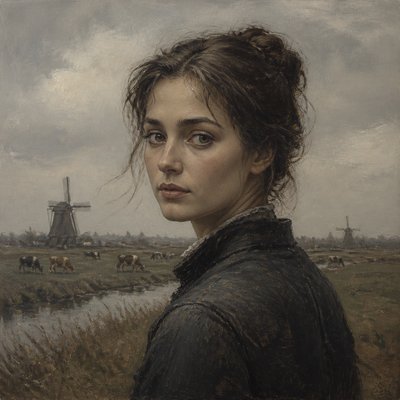
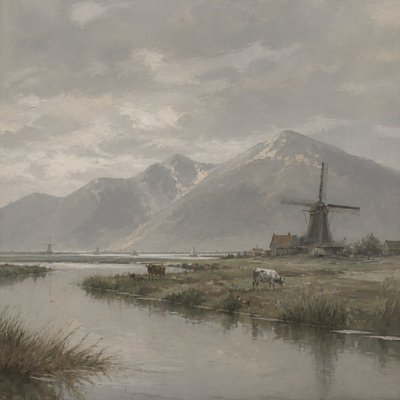
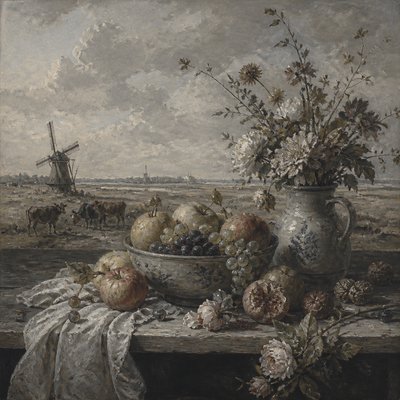
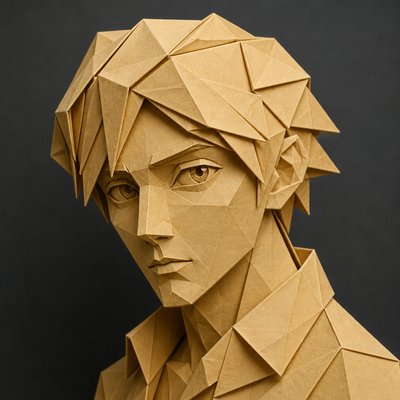
Grenadian Art Style
Explore Grenadian Art Style: spice-market color, Jab Jab carnival costume, harbor forts, lush hills, and warm Caribbean light.
Instantly rendered in Grenadian — or transform a photo
Grenadian Gallery
Tap any artwork to explore it
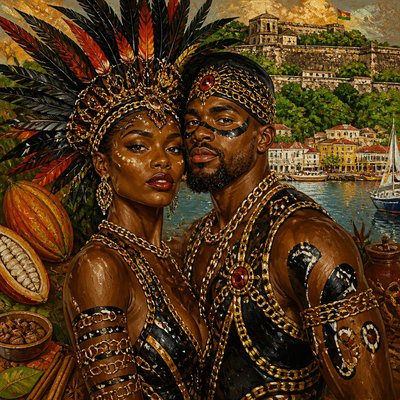
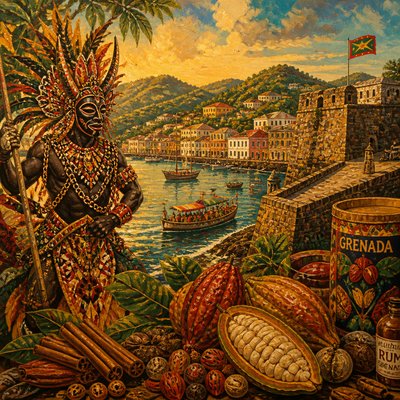
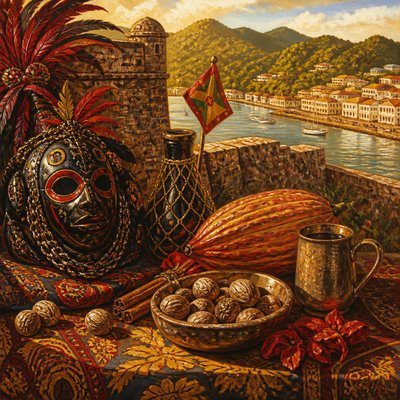
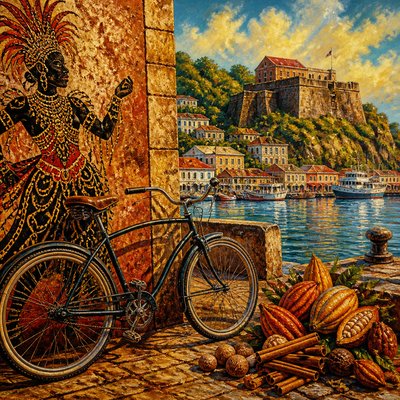
What is Grenadian Art Style?
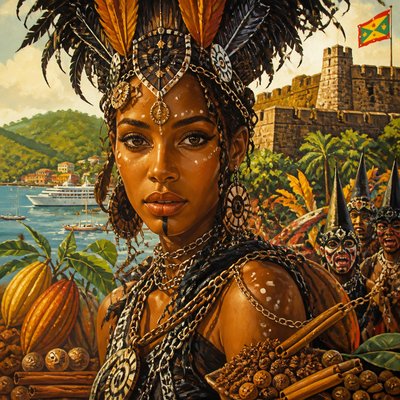
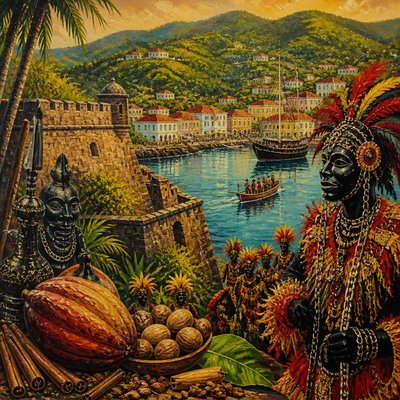
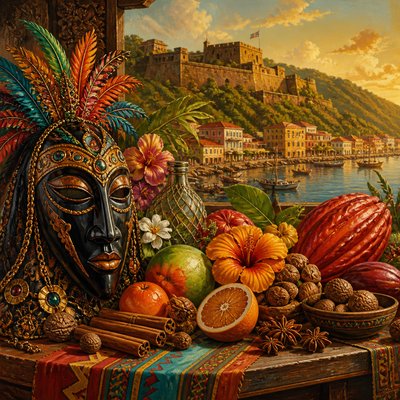
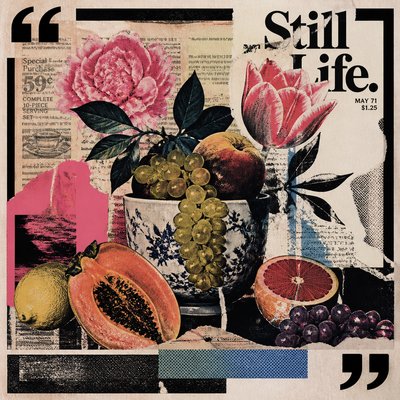
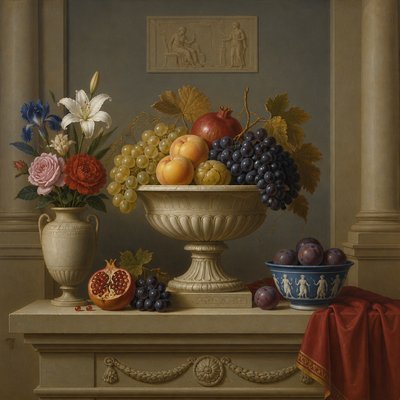
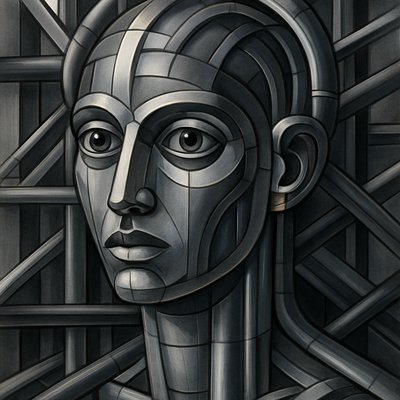
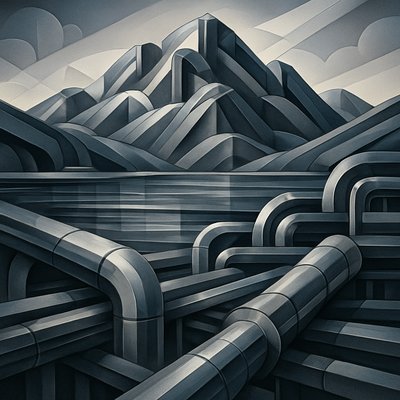
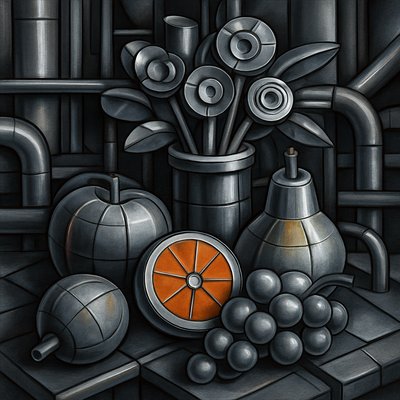
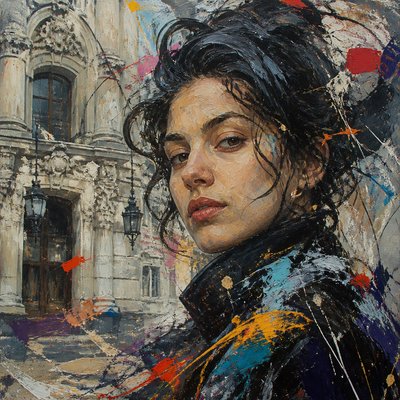
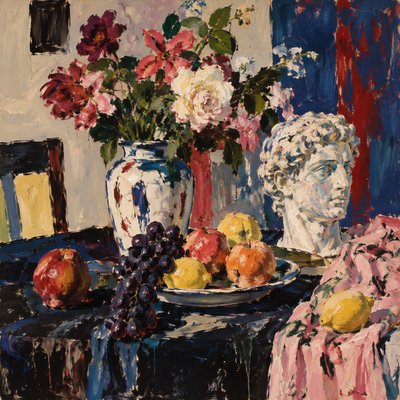
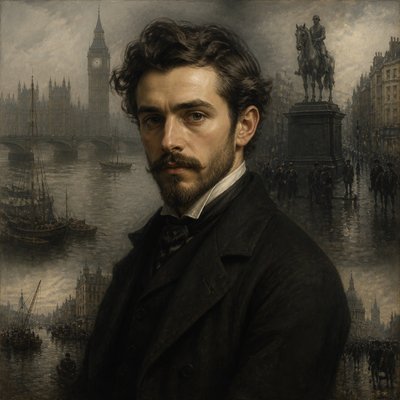
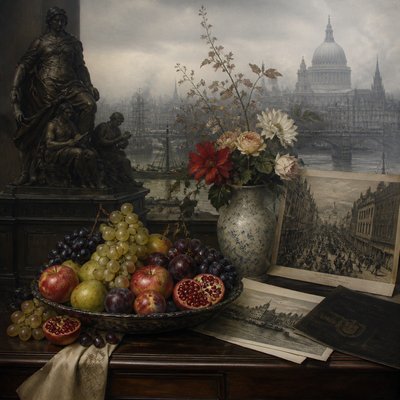
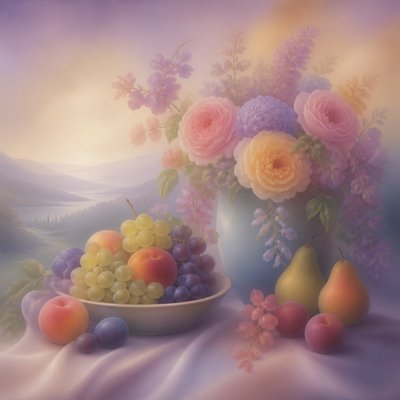
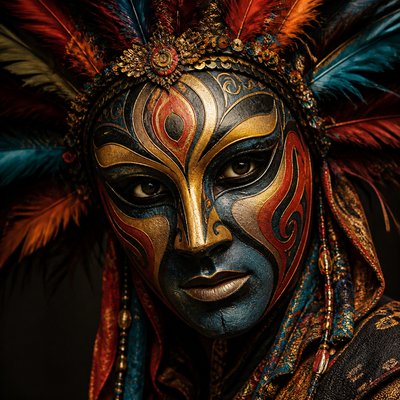
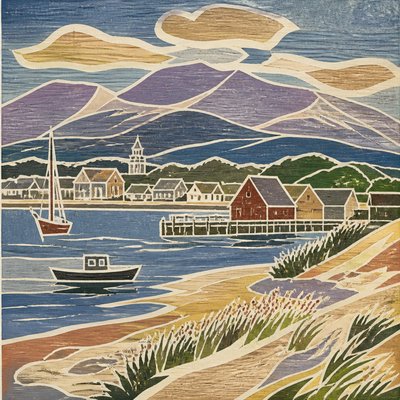
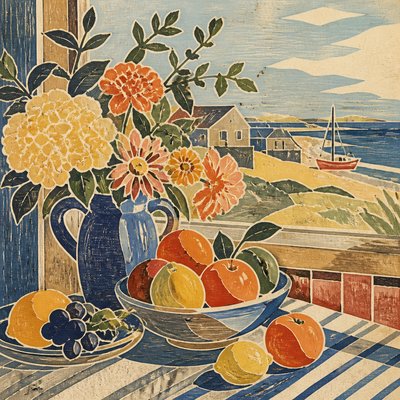
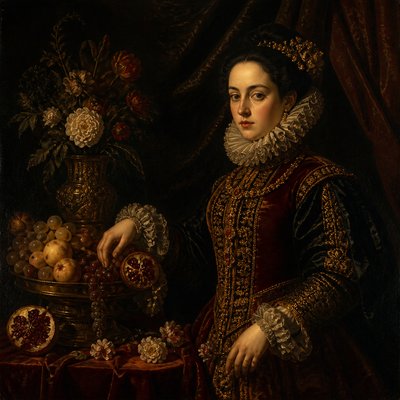
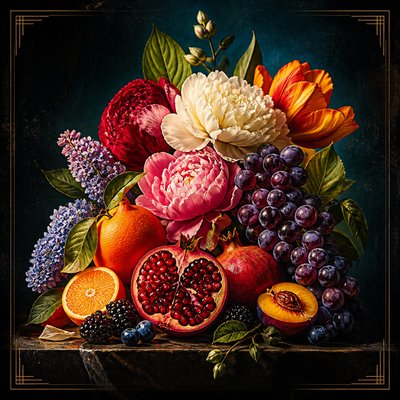
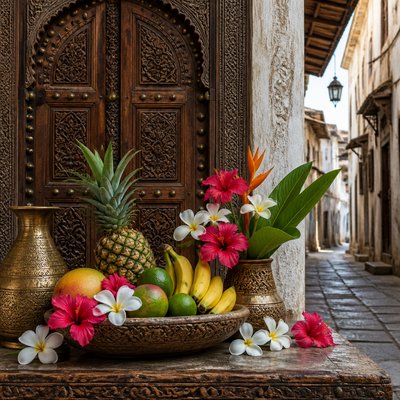
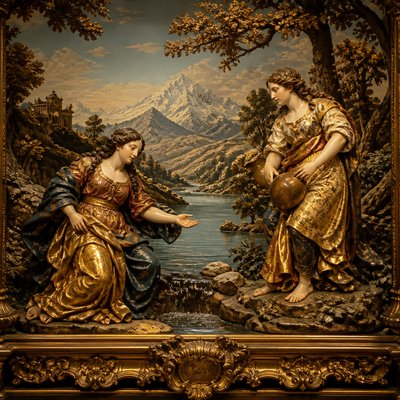
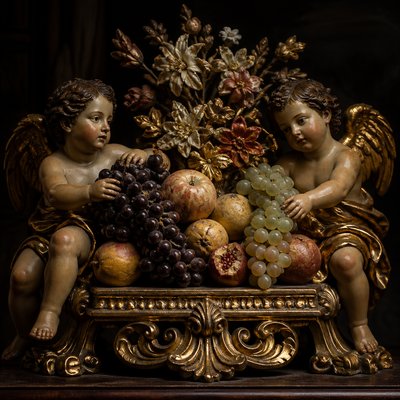
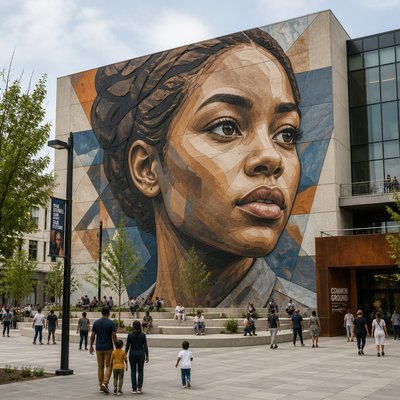
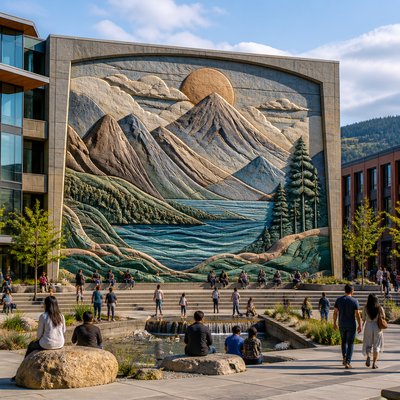
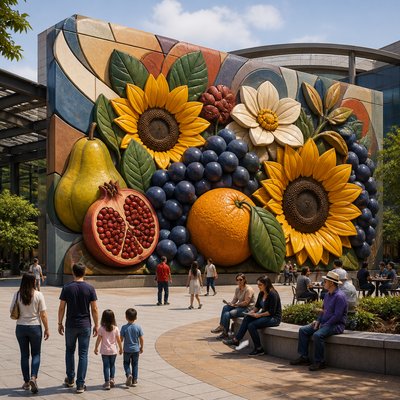
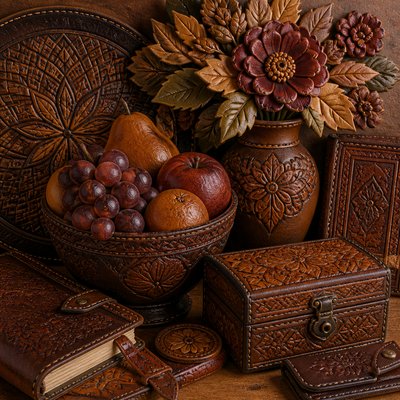
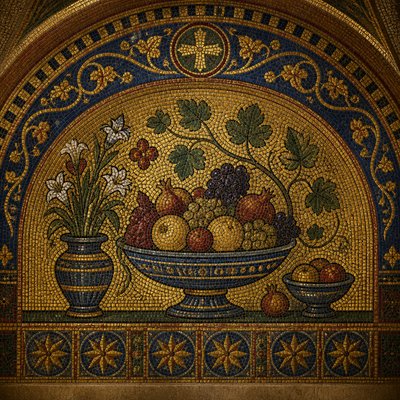
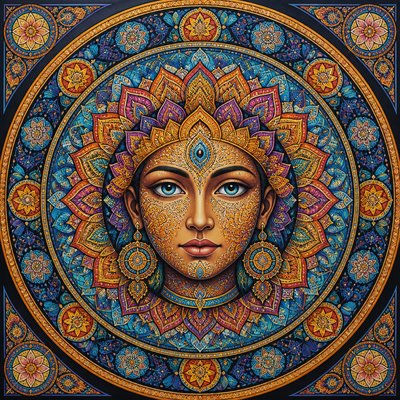
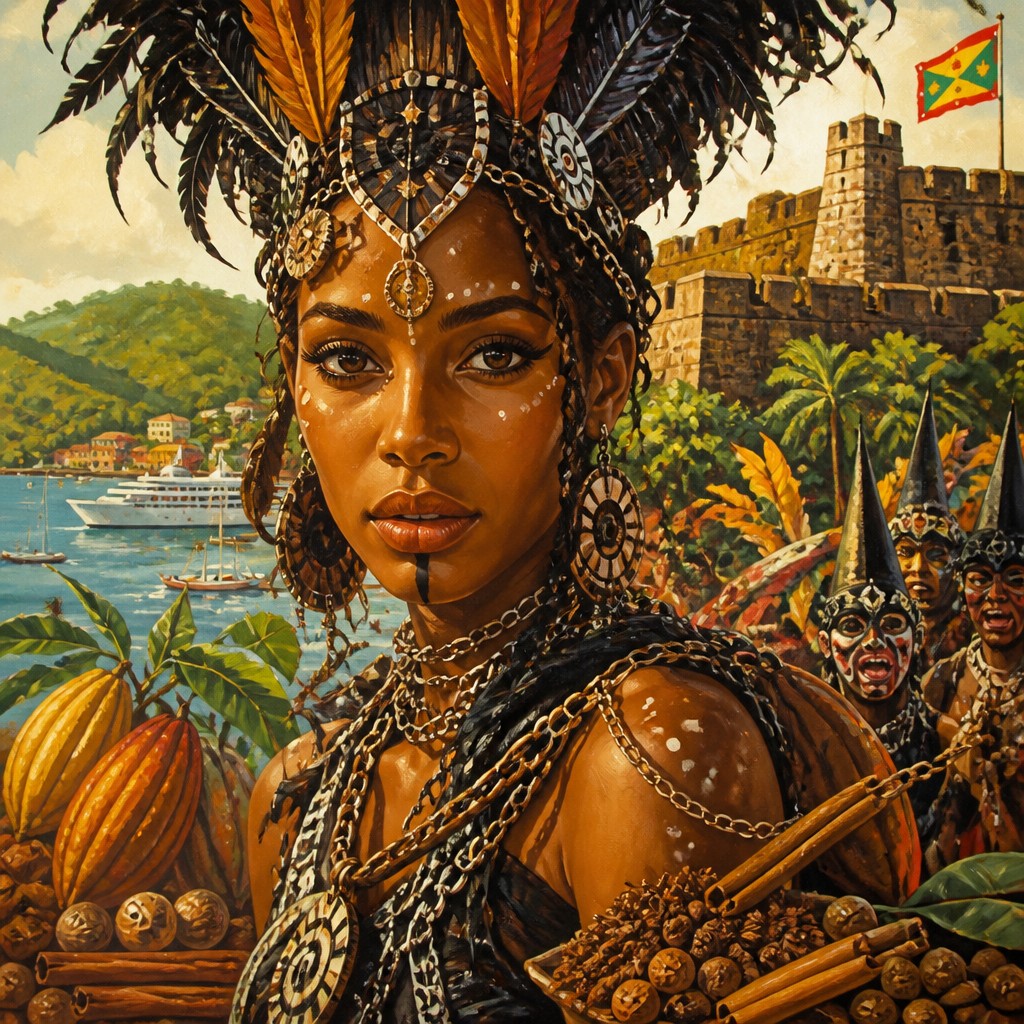
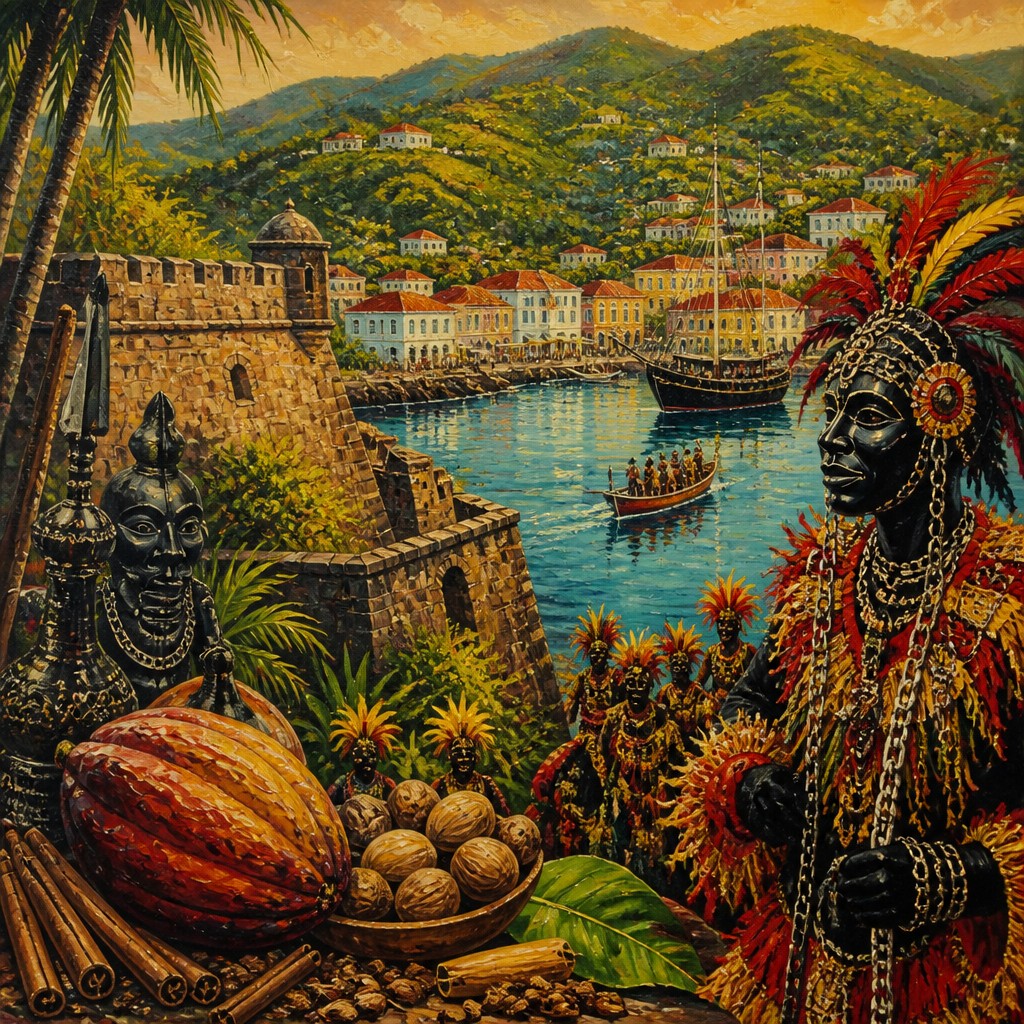
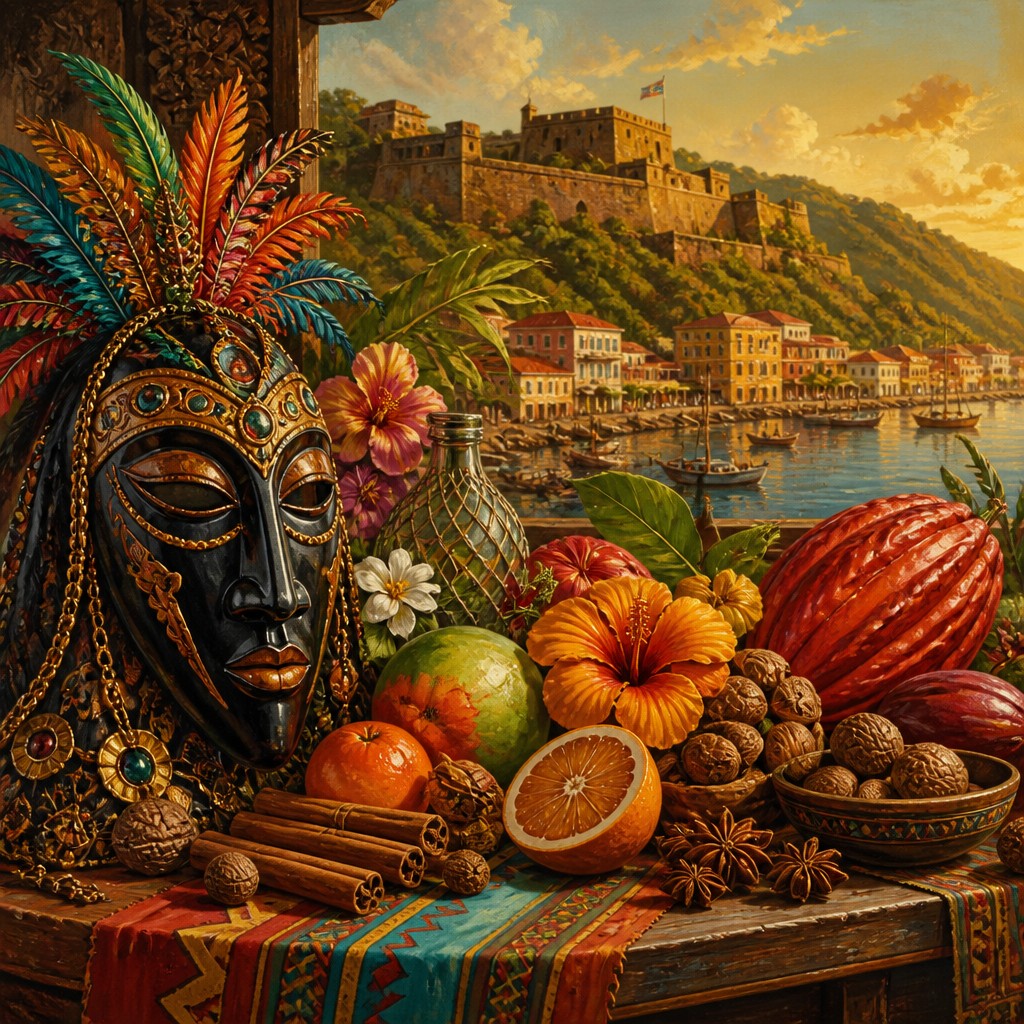
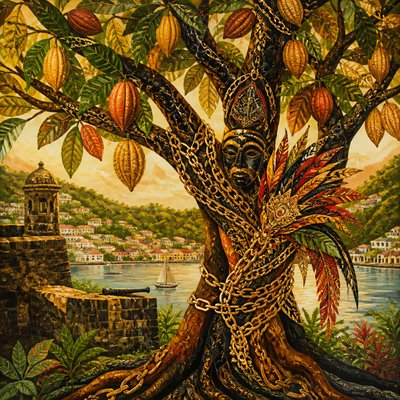
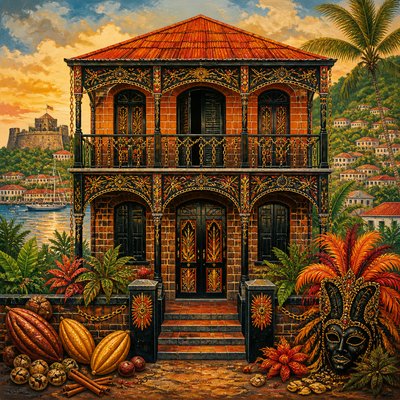
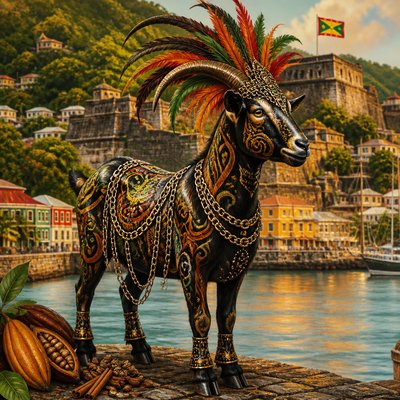
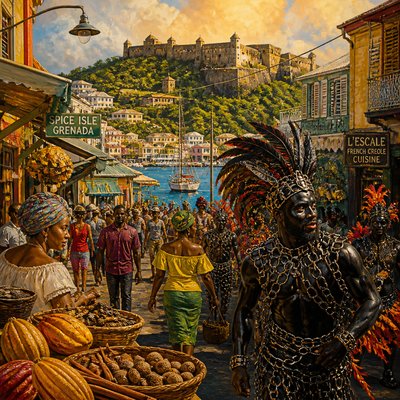
Grenadian Art Style is a contemporary, place-based visual synthesis inspired by Grenada’s spice culture, Carnival traditions, historic harbor fortifications, and mountainous tropical landscape. Its imagery combines the saturated colors of nutmeg, cinnamon, cocoa, fruit, and painted market goods with the dramatic black gloss, chains, horns, and layered ornament associated with Jab Jab masquerade.
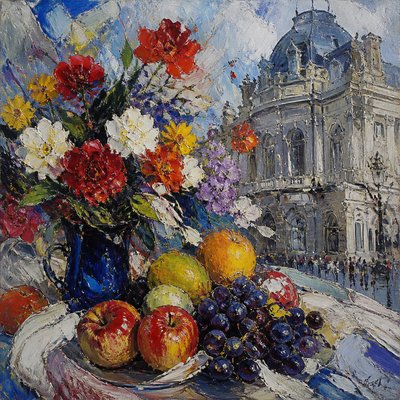
The style is defined by contrast: dark, reflective costume surfaces against sunlit stone; dense botanical greens against ochre walls; and intimate still-life textures set within expansive harbor views. Warm Caribbean light, rhythmic pattern, and tactile surfaces give the work a festive yet historically grounded character, often balancing celebration, memory, labor, and place.
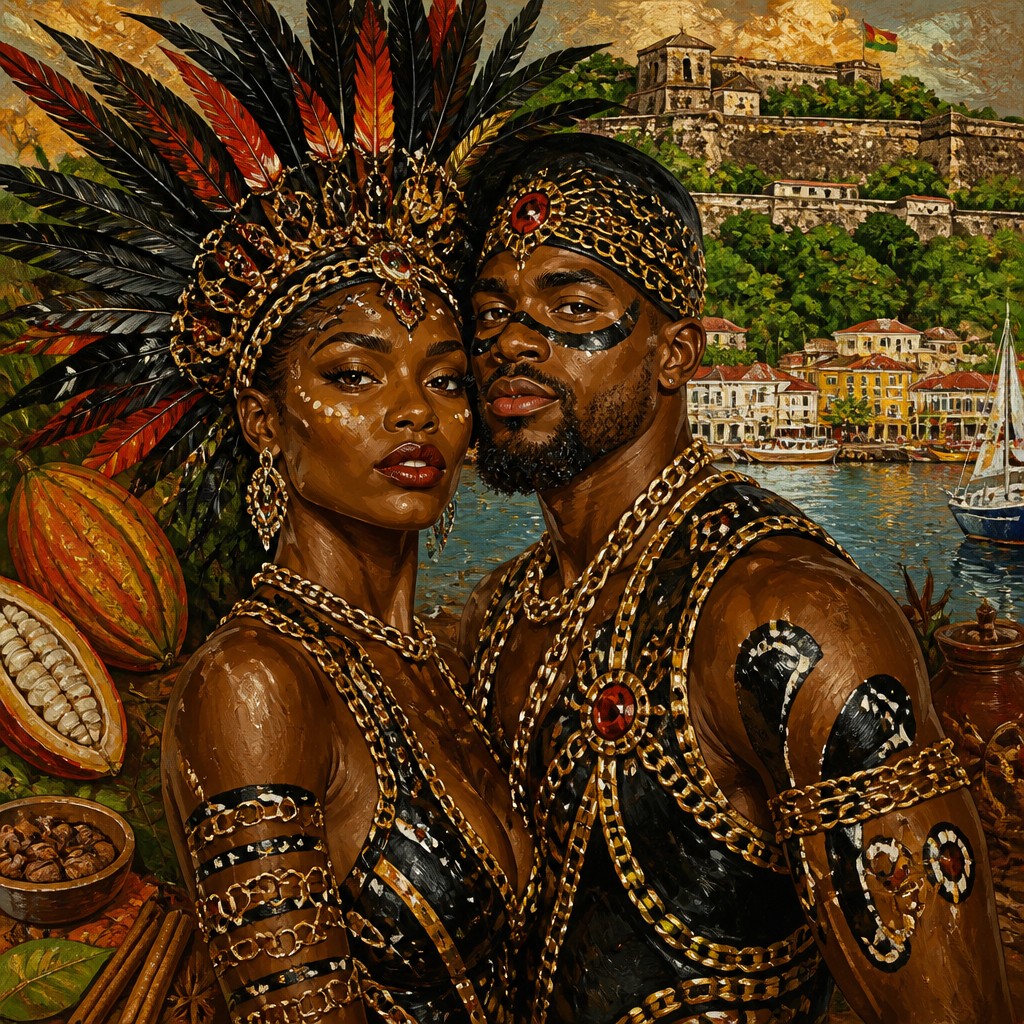
Try It On Your Photos
Upload any photo and convert it into Grenadian Art Style — drag the sliders to compare before and after.
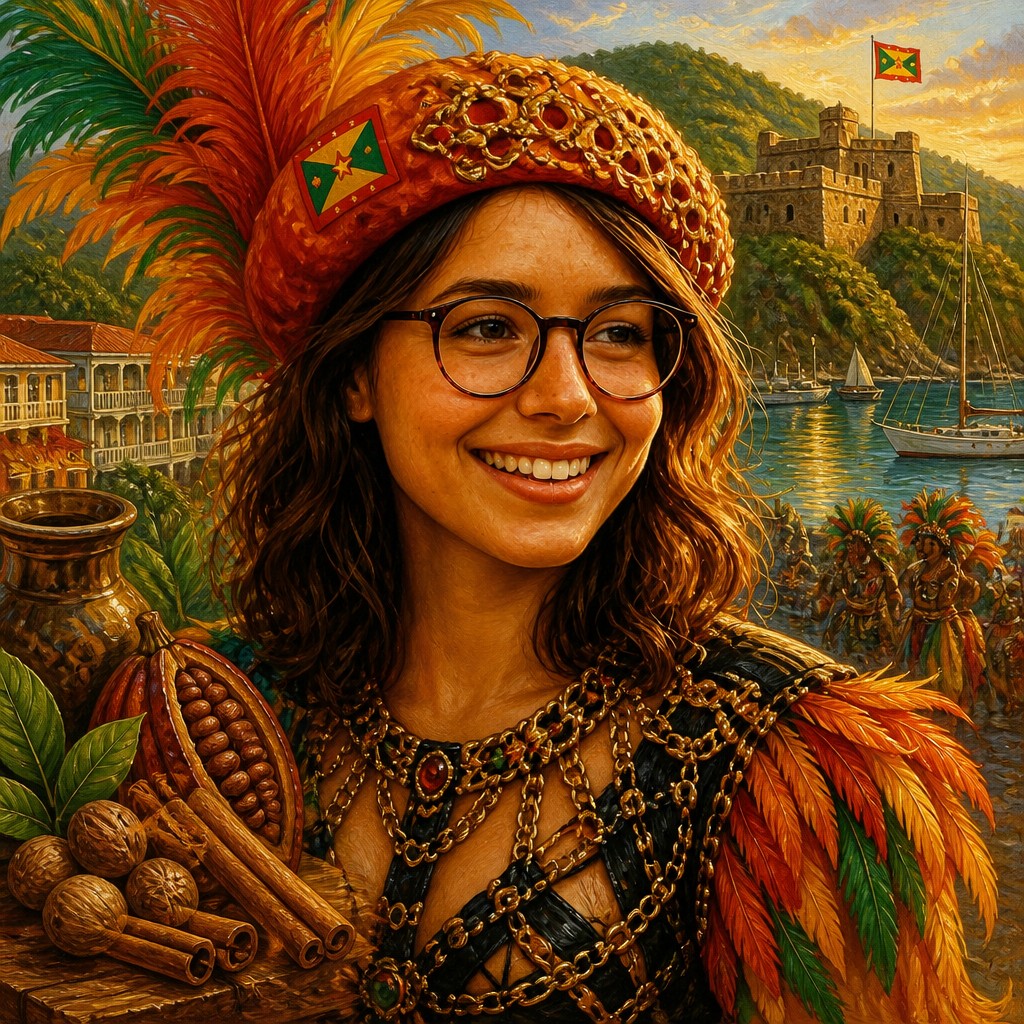

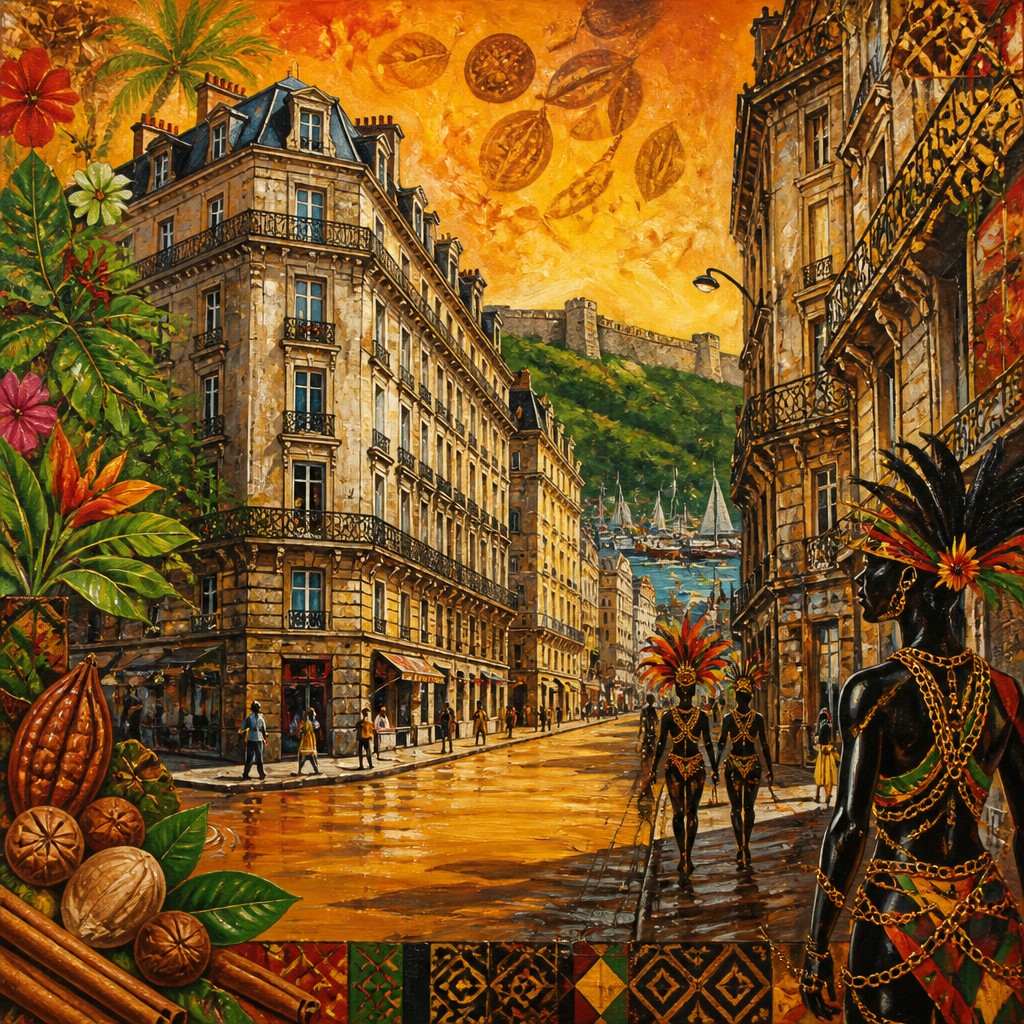

What Defines Grenadian Art Style
The signature details, up close
Spice-market palette
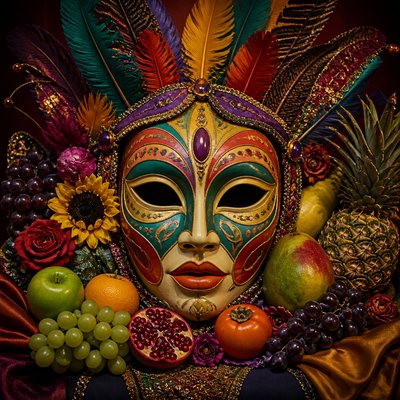
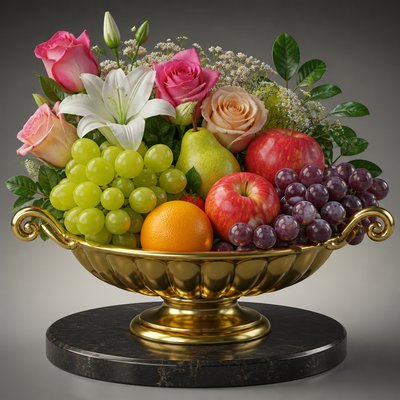
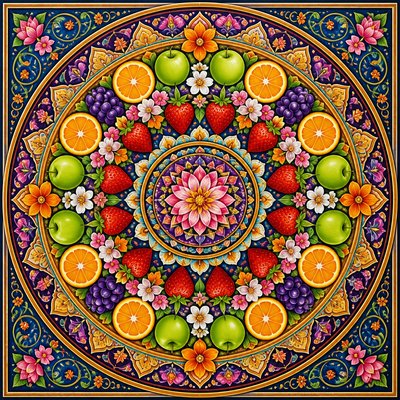
Warm nutmeg brown, cinnamon red, cocoa umber, turmeric gold, paprika orange, and deep green form the dominant color range. Accents of coral, turquoise, and carnival red provide heat and visual rhythm.
Jab Jab masquerade
Glistening black-painted skin or costume surfaces, chains, horns, distressed fabric, and layered carnival ornament create a powerful focal presence. The treatment should remain celebratory and specific to masquerade rather than reducing the tradition to generic exotic costume.
Fortified harbor architecture
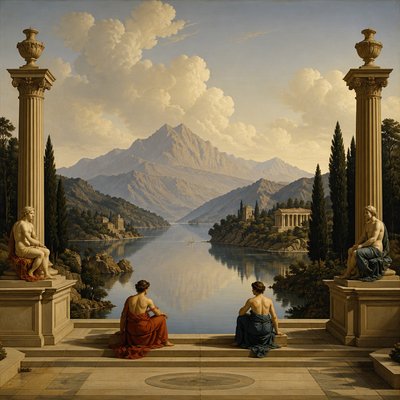
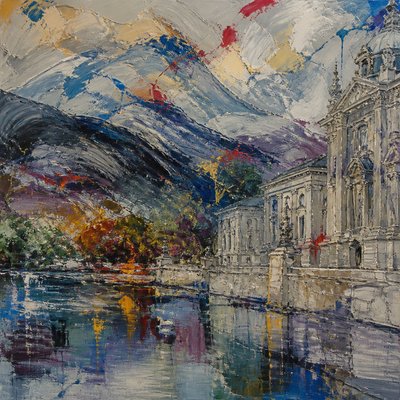
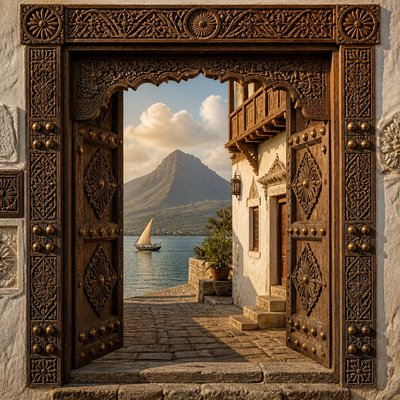
Weathered stone walls, arches, battlements, and hillside forts anchor the composition in Grenada’s colonial-era coastal landscape. Masonry is often rendered with rough texture, warm mineral color, moss, and strong late-day shadows.
Lush volcanic terrain
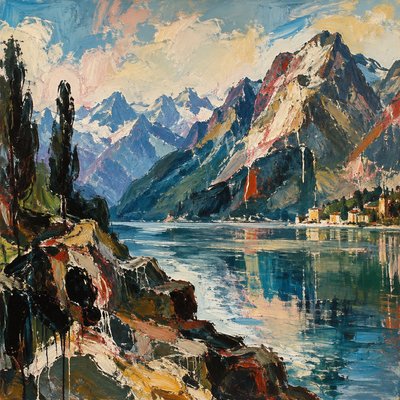
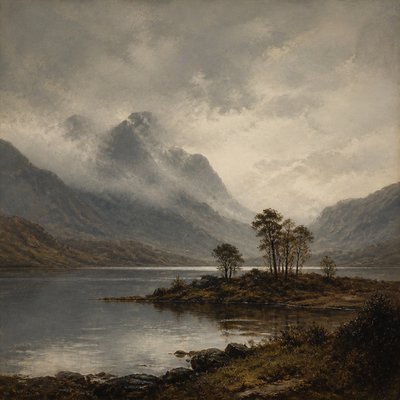
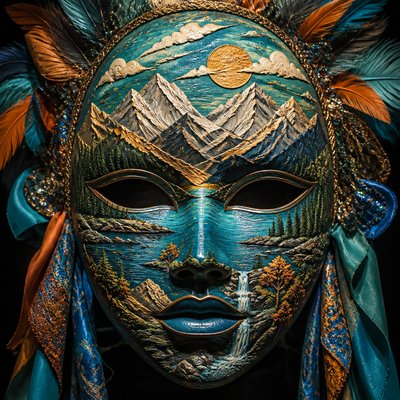
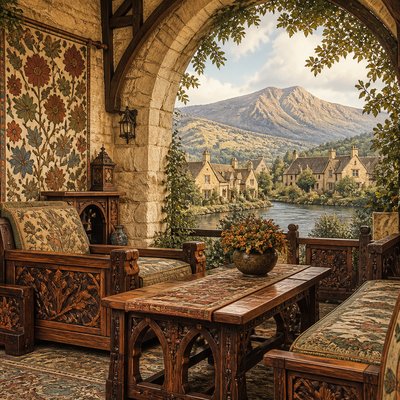
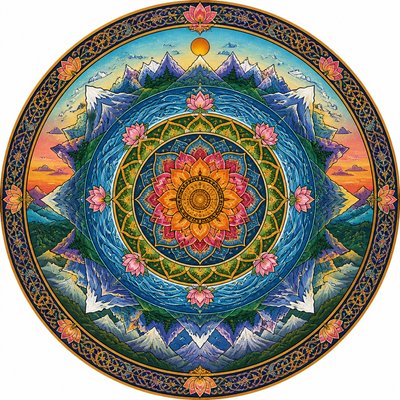
Steep green hills, palms, broad-leaf plants, and dense vegetation frame scenes or rise behind the harbor. Layered atmospheric perspective helps combine intimate street views with dramatic topography.
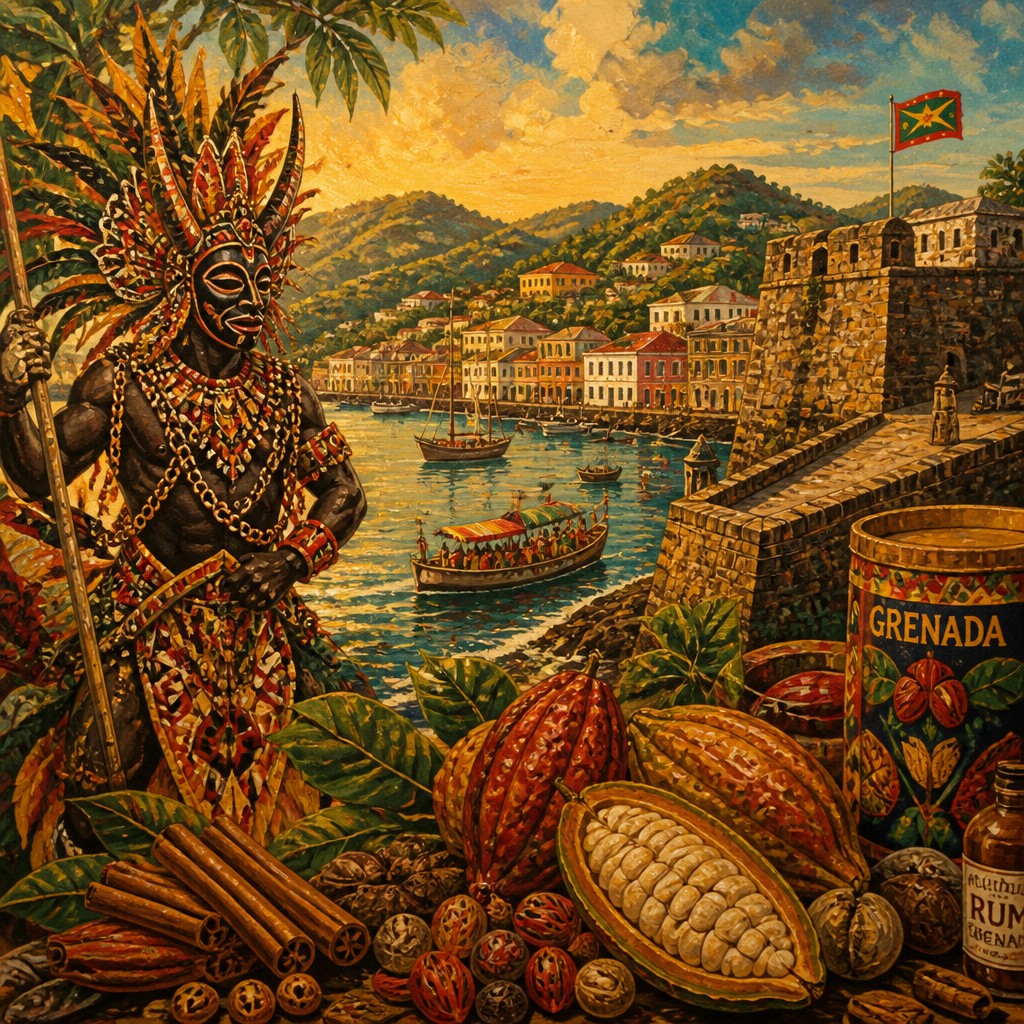
Tactile surface contrast
The style juxtaposes glossy black paint, polished chain links, granular spices, fibrous bark, rough stone, and humid foliage. Visible brushwork or digital texture prevents the imagery from appearing flat or sterile.
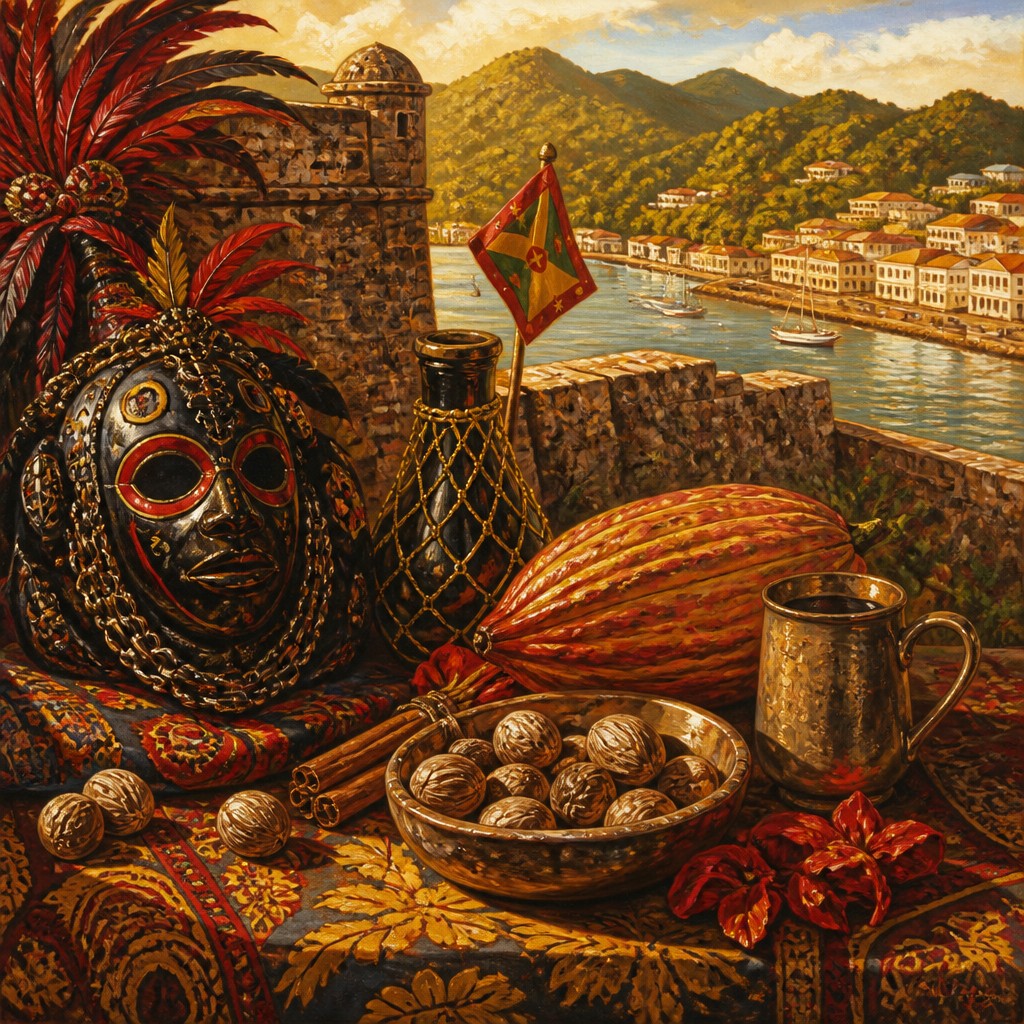
Warm harbor illumination
Sunset gold, amber reflections, and humid atmospheric haze unify the composition. Light commonly skims costume ornament and masonry while leaving foliage and interior spaces in deep, richly colored shadow.
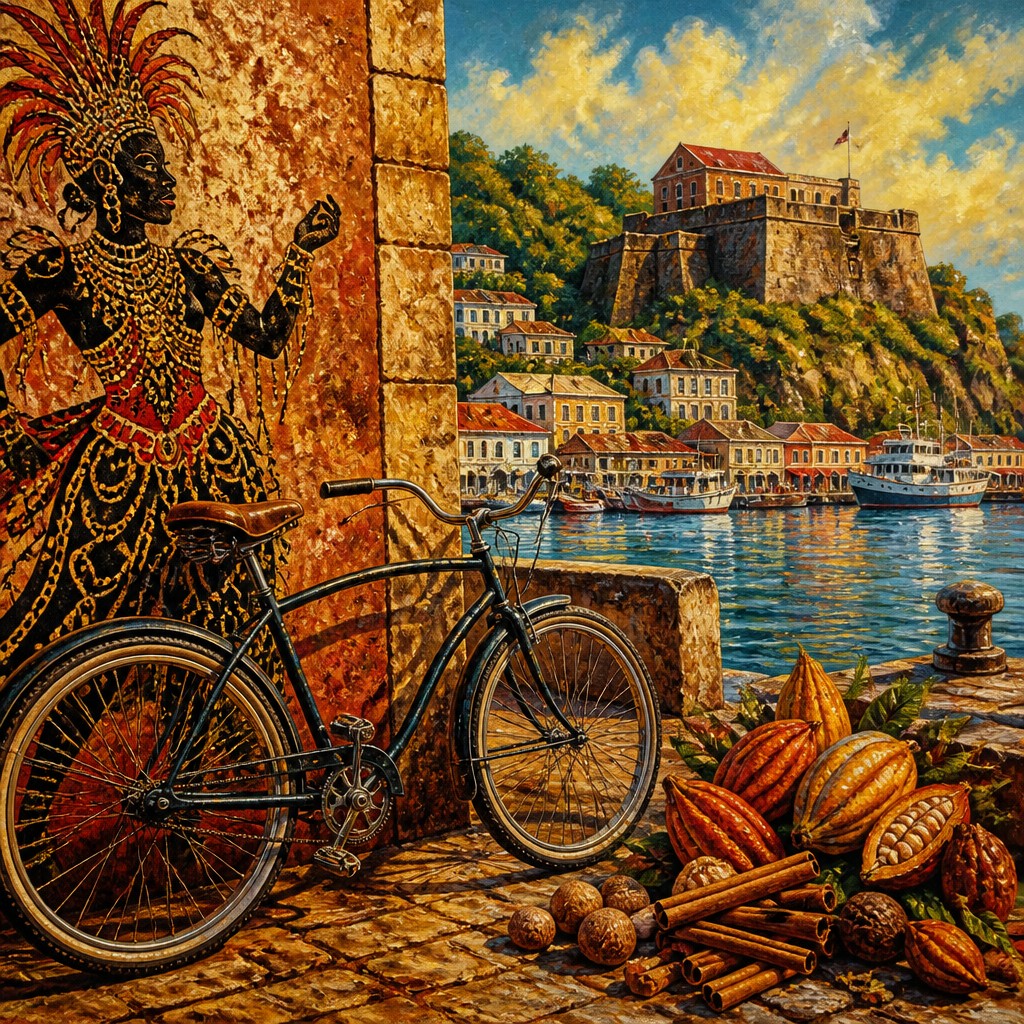
Festive visual rhythm
Repeated chains, beads, spice forms, rooflines, leaves, and carnival patterns create movement across the image. Dense detail is balanced with a clear focal figure, object, or architectural silhouette.
Grenadian Prompt Ideas
Start from an idea — each one opens the generator with the style ready to go. See all 40 Grenadian prompts →
How to Create Grenadian Art
Master the craft step by step — or skip straight to creating. Read the full guide →
- 1
Build a place-specific palette
Begin with a limited range of cinnamon, nutmeg, cocoa, turmeric, leaf green, charcoal, and harbor blue. Add a few bright carnival accents rather than using every tropical color at equal intensity.
- 2
Layer tactile materials
In traditional painting, combine opaque underpainting with dry-brushed stone, granular spice marks, and controlled highlights on chains or black surfaces. Digitally, use separate texture layers, displacement, and selective gloss to preserve the material differences.
- 3
Compose around contrast
Place a dark Jab Jab figure, spice still life, or fortification against a lighter harbor or sky. Use overlapping hills, masonry, foliage, and costume details to create depth without losing the main subject.
- 4
Use directional tropical light
Choose a low, warm light source and reserve the brightest highlights for metal, wet paint, stone edges, and reflective water. Cooler shadows in foliage and harbor recesses will make the illuminated surfaces feel more atmospheric.
- 5
Prompt with concrete visual nouns
For digital or AI-assisted creation, specify the subject, Grenadian setting, Jab Jab materials, spice colors, fort architecture, tropical vegetation, surface textures, and harbor lighting. Request a balanced composition and tactile detail instead of relying only on broad terms such as 'Caribbean' or 'tropical.'
The Story
History & Origins of Grenadian
Grenadian Art Style is not an established historical movement or a formal school with a fixed period. It is best understood as a contemporary aesthetic lineage assembled from Grenadian cultural imagery: the island’s spice trade, Carnival masquerade, coastal architecture, tropical ecology, and the visual atmosphere of St. George’s harbor.
Its development draws on Caribbean folk and festival art, tourism-era island illustration, colonial architectural documentation, expressive landscape painting, and digitally composed image-making. The style becomes distinctive through the deliberate fusion of these sources rather than through a single historical origin.
Influences: The style relates to Caribbean Carnival and masquerade traditions, Grenadian spice-market culture, vernacular festival decoration, tropical landscape painting, colonial fortification studies, folk illustration, and expressive still life. It also borrows the tactile emphasis of material-based painting, the saturated palette of Caribbean poster and street imagery, and the layered lighting of contemporary digital matte painting, while remaining a modern synthesis rather than a historical movement.
Frequently Asked Questions
What defines Grenadian Art Style?
It combines Grenadian spice imagery, Jab Jab Carnival costume, historic fortification stonework, lush hills, and warm harbor light. Its defining quality is the contrast between glossy dark costume materials, earthy market textures, bright tropical color, and weathered architecture.
Is Grenadian Art Style a recognized historical art movement?
No. The term describes a contemporary, place-based aesthetic synthesis rather than an established movement with a documented founding date or formal school. Its visual lineage comes from Grenadian cultural traditions and related Caribbean, architectural, landscape, and digital art practices.
What is Jab Jab in this visual context?
Jab Jab is a Grenadian Carnival masquerade tradition associated with black paint or dark costume surfaces, chains, horns, and theatrical movement. Representations should acknowledge its cultural specificity and avoid treating it as a generic symbol of danger or primitivism.
How is this style different from generic tropical art?
Generic tropical art may focus mainly on palms, beaches, and bright colors. Grenadian Art Style adds distinctive historical and cultural markers: spice commerce, Carnival masquerade, steep volcanic hills, harbor fortifications, and a strong contrast between rough stone and reflective costume ornament.
What subjects work best in this style?
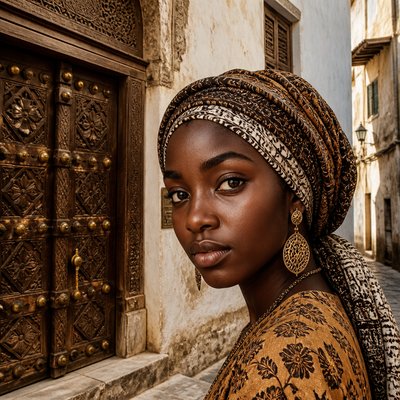
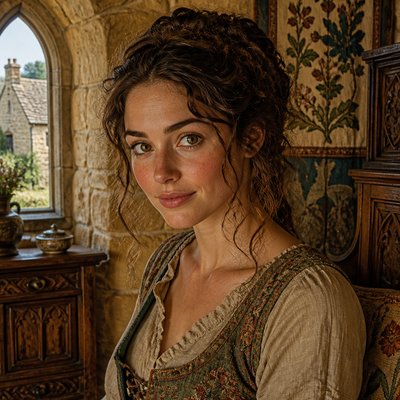
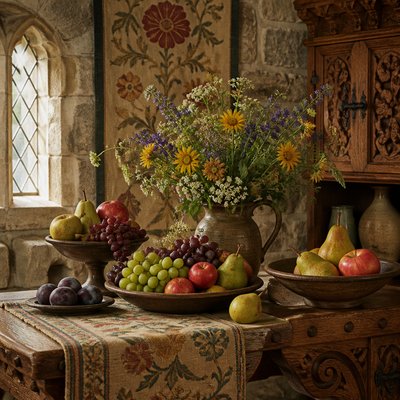
Effective subjects include Carnival performers, spice stalls, harbor streets, old forts, hillside villages, botanical still lifes, and portraits framed by tropical architecture. The strongest compositions usually combine a human or material focal point with a recognizable Grenadian setting.
Can this style be created with photography or digital tools?
Yes. Photographers can emphasize warm directional light, material close-ups, layered backgrounds, and environmental portraits, while digital artists can build the image from architectural, botanical, costume, and texture layers. Prompt-based tools work best when they name the setting, materials, cultural references, lighting, and composition explicitly.
Create your first Grenadian artwork
Describe anything — or upload a photo — and see it in Grenadian Art Style in seconds.
Related Styles
Discover similar art styles