Georgian Art Style
Explore Georgian art style: cloisonné enamel, cross-domed churches, manuscript ornament, fresco colors, gold leaf, and Caucasus light.
Instantly rendered in Georgian — or transform a photo
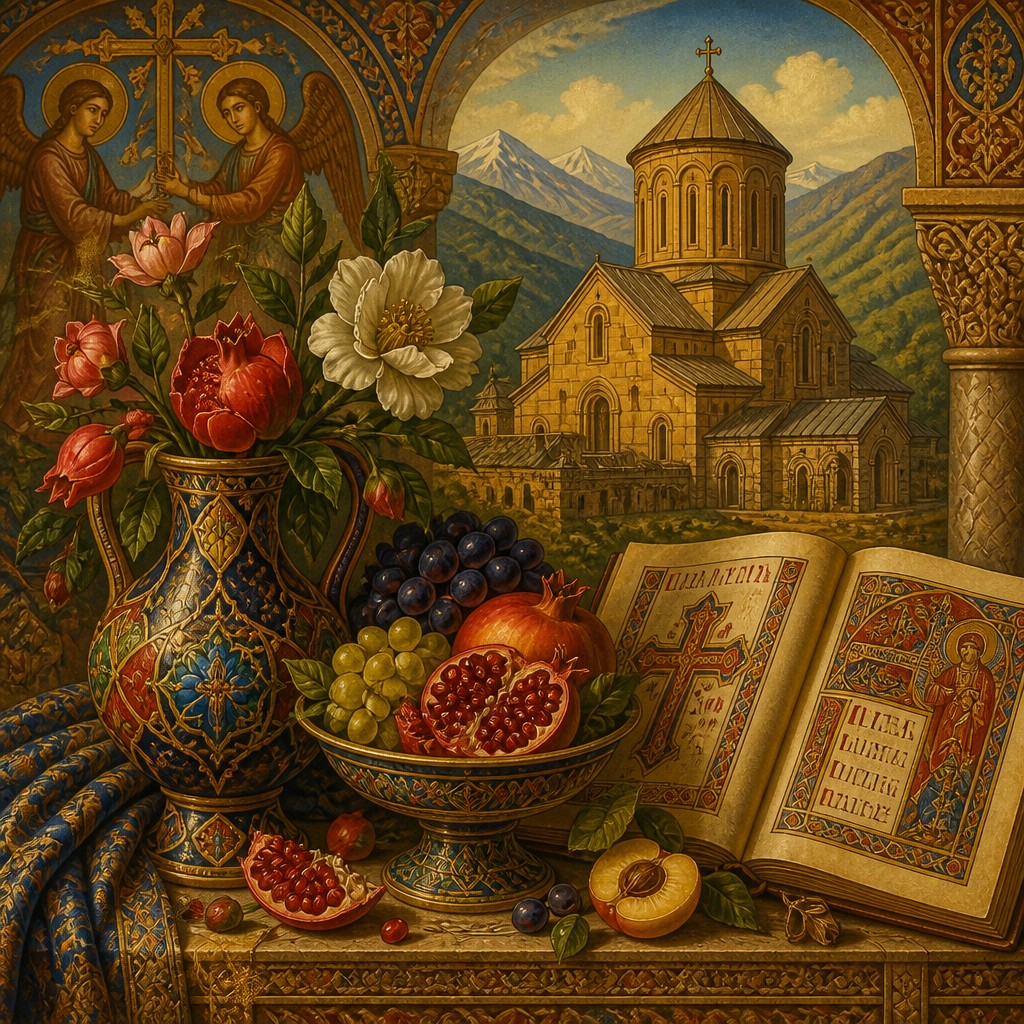
Georgian Gallery
Tap any artwork to explore it
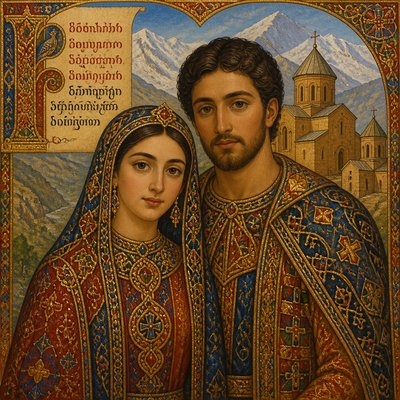
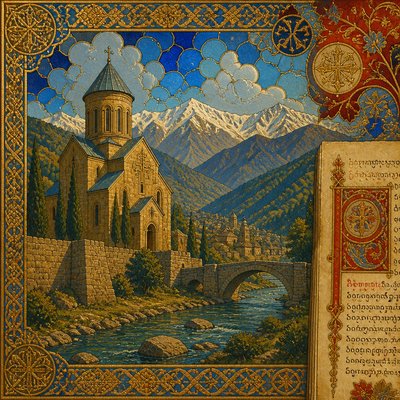
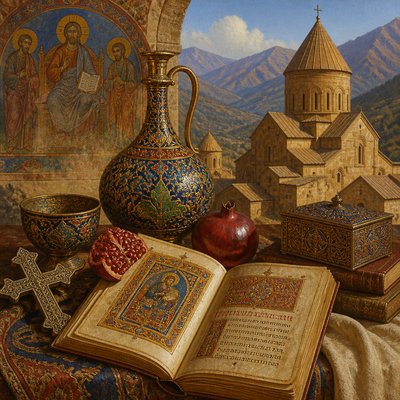
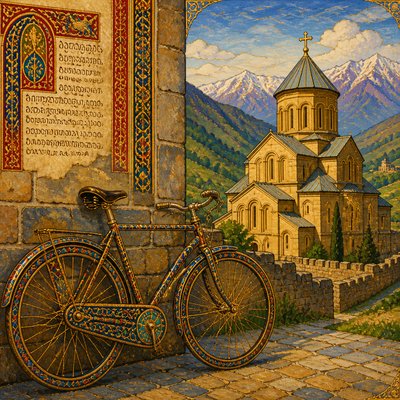
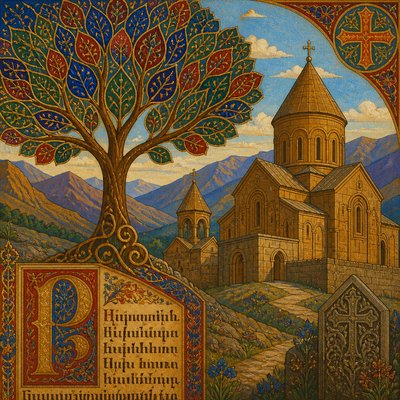
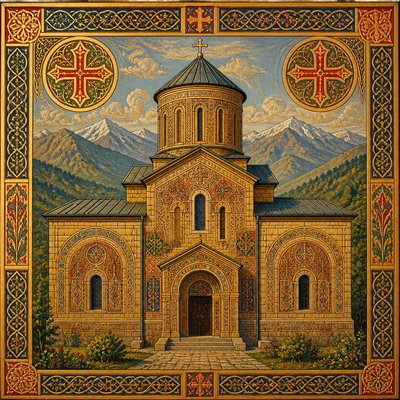
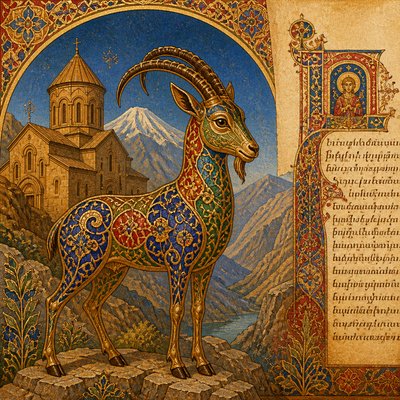
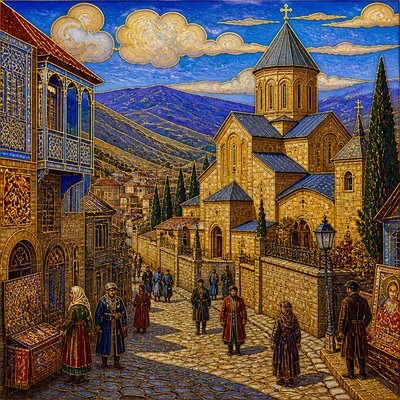
What is Georgian Art Style?
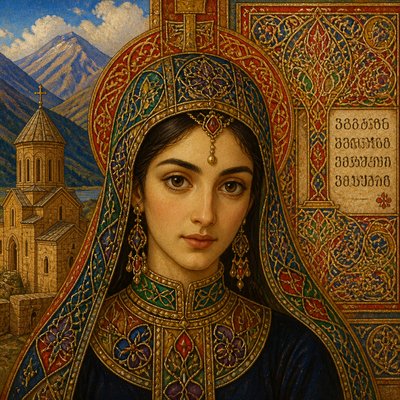
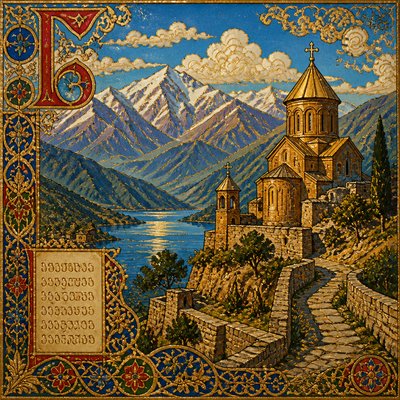
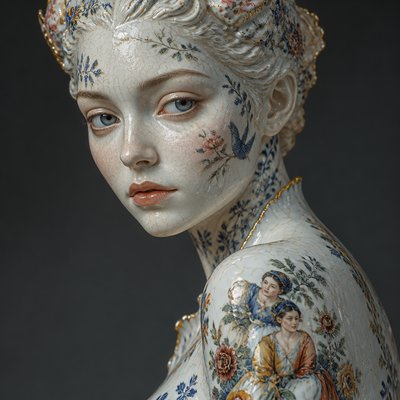
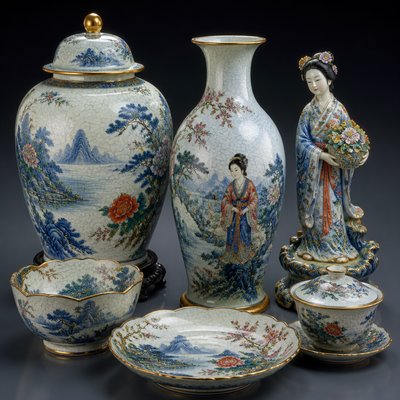
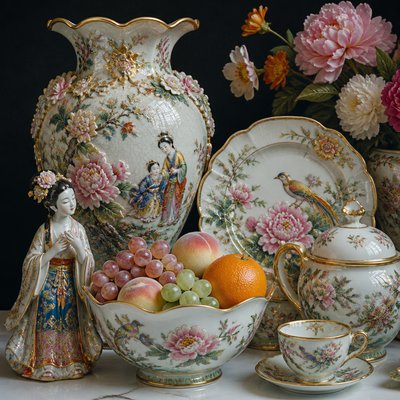
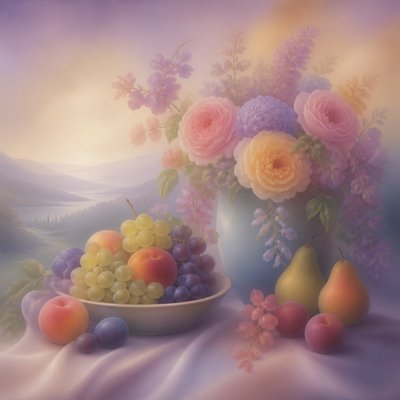
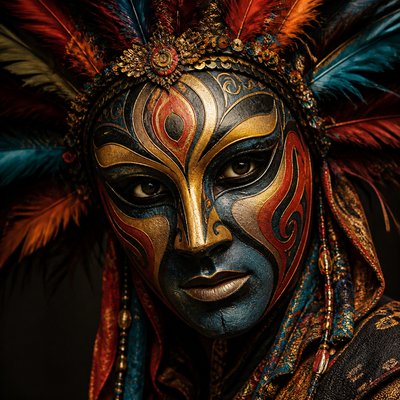
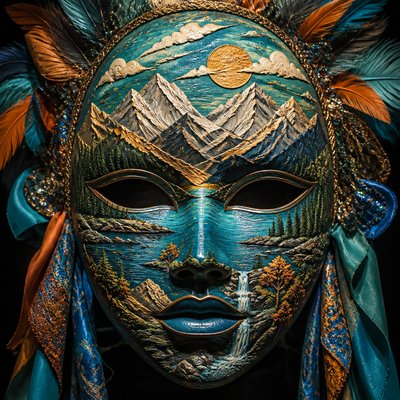
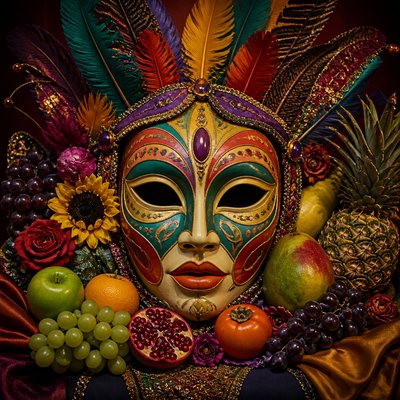
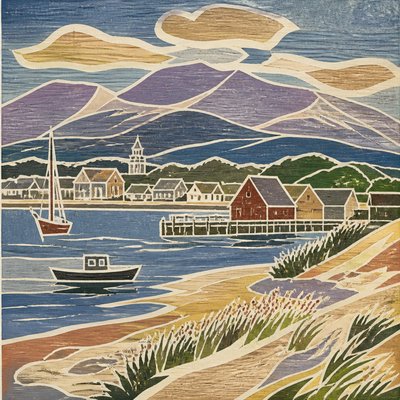
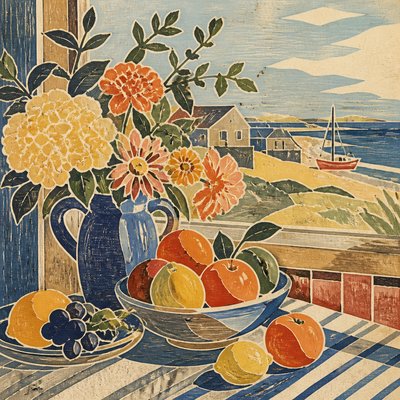
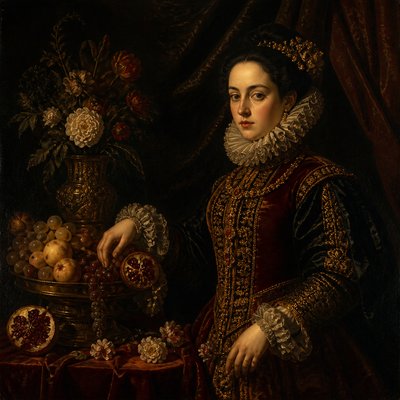
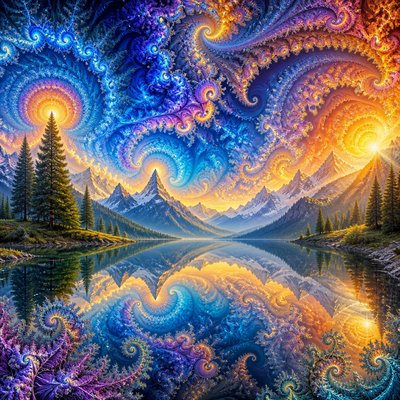
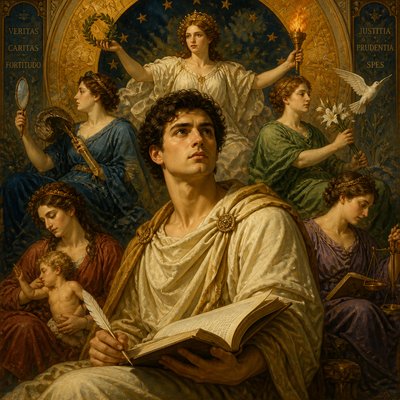
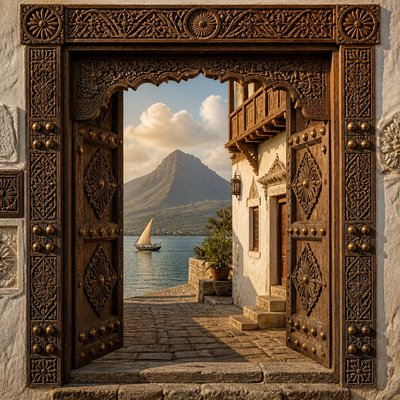
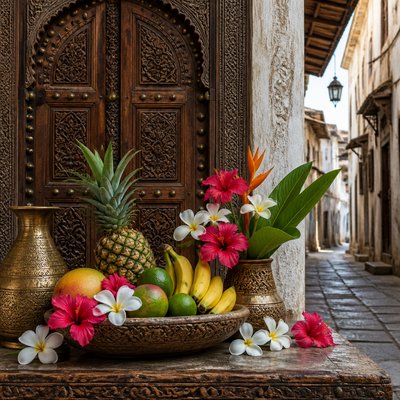
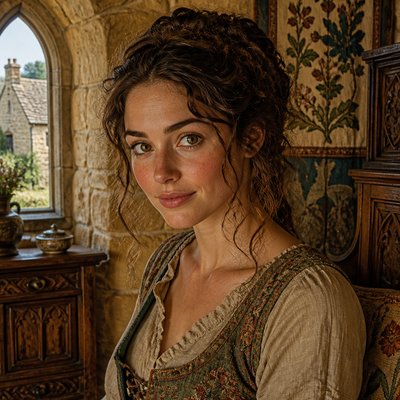
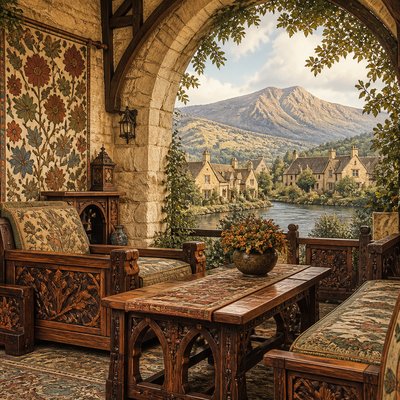
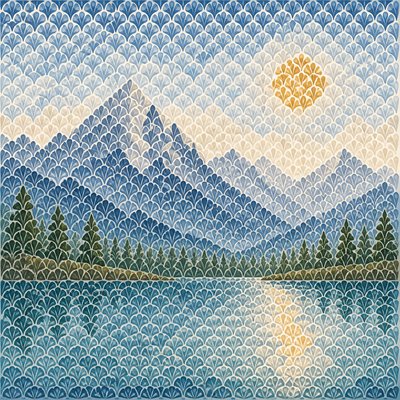
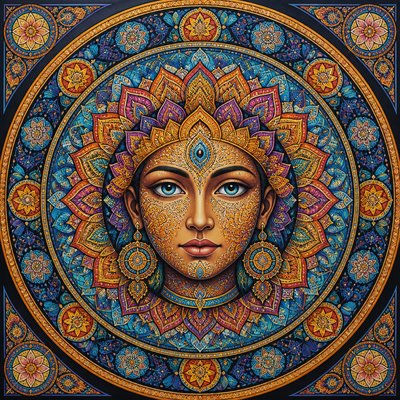
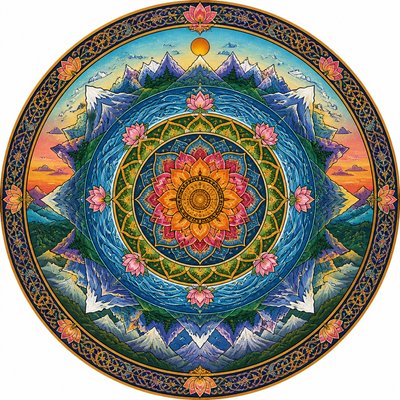
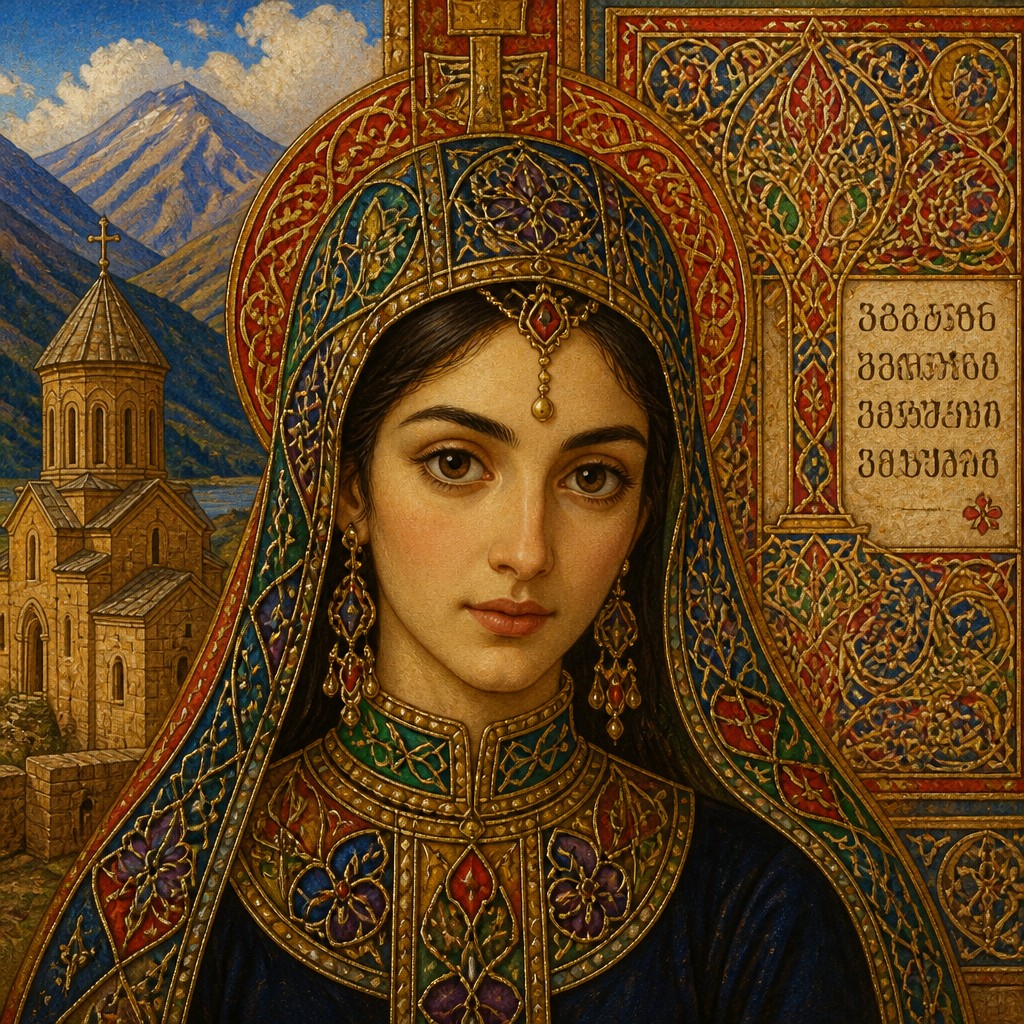
Georgian art style is a historically grounded visual synthesis associated with the artistic traditions of Georgia and the wider Caucasus. Its defining vocabulary combines jewel-like cloisonné enamel, warm stone cross-domed architecture, illuminated Gospel manuscripts, monumental church frescoes, and the clear, high-altitude light of mountain valleys. The effect is ornamental yet disciplined, with intricate detail balanced by strong architectural silhouettes and calm expanses of color.
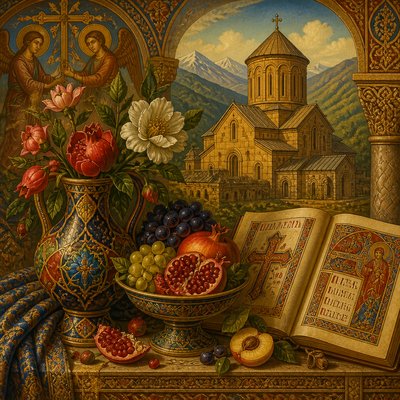
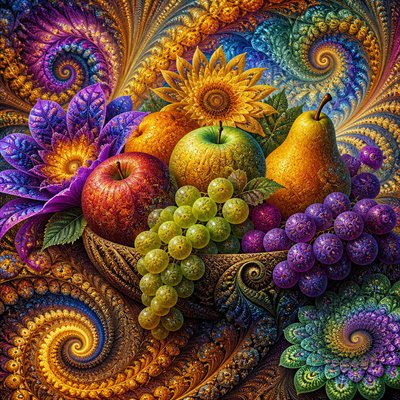
In image-making, the style works especially well for sacred buildings, icons, reliquaries, jewelry, manuscript pages, landscapes, and portraits framed by decorative borders. Gold, vermilion, lapis, turquoise, malachite, ochre, and deep blue create a mineral-rich palette, while fine contouring and repeated geometric or vegetal motifs give the surface the controlled rhythm of metalwork and illuminated lettering.
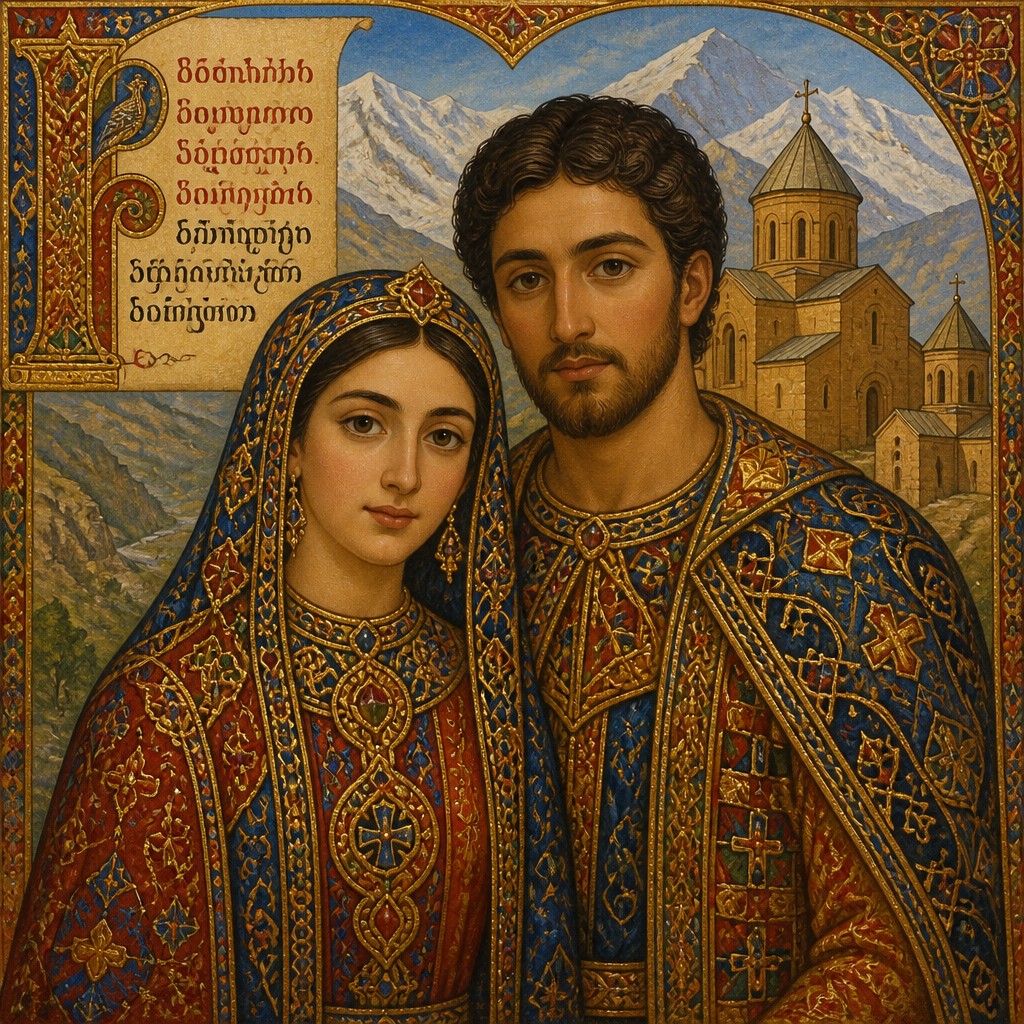
Try It On Your Photos
Upload any photo and convert it into Georgian Art Style — drag the sliders to compare before and after.
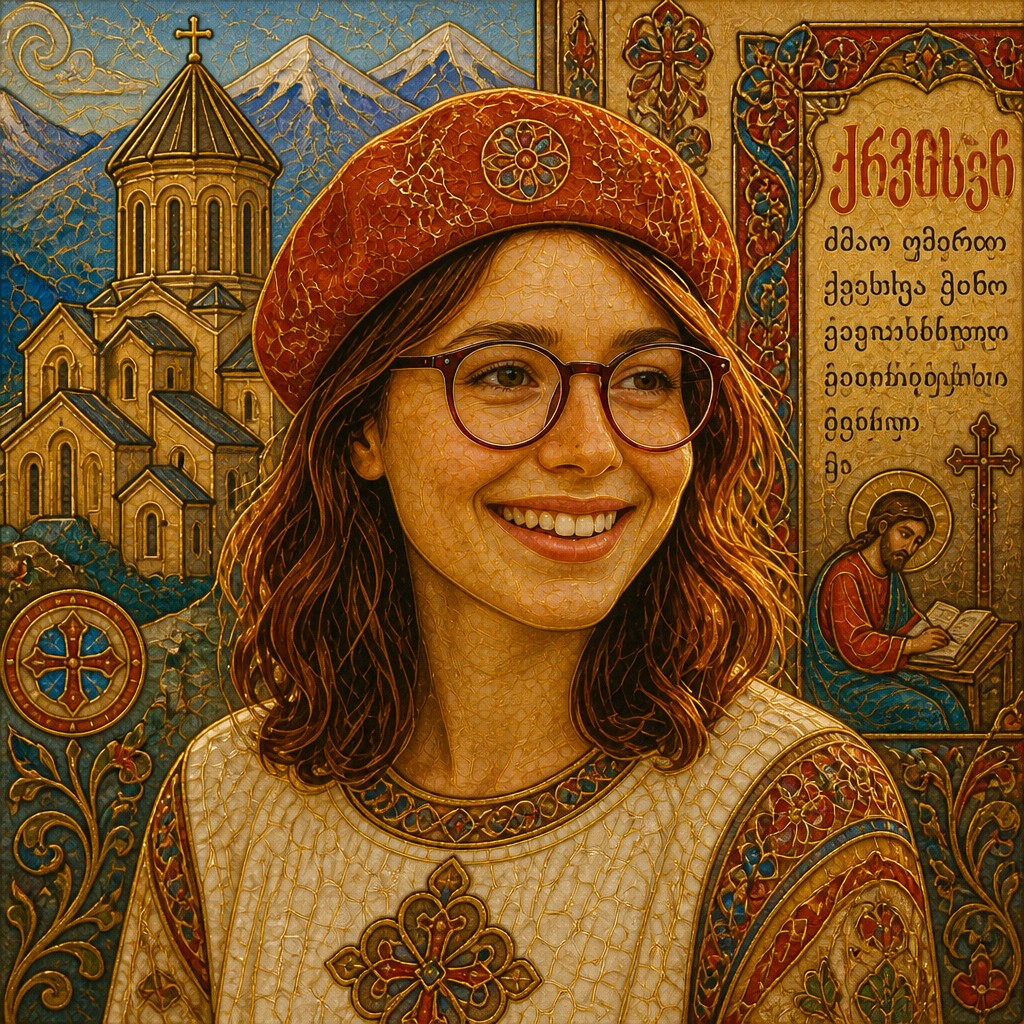

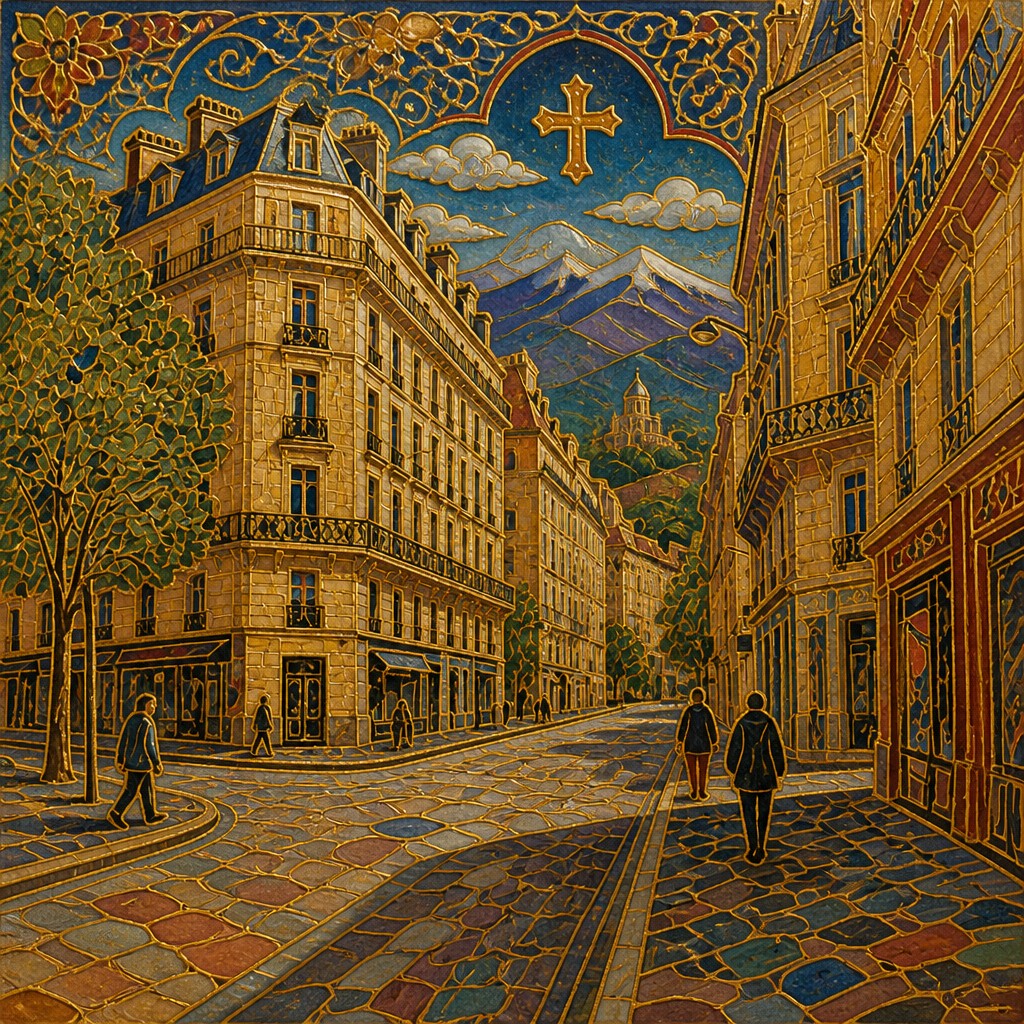

What Defines Georgian Art Style
The signature details, up close
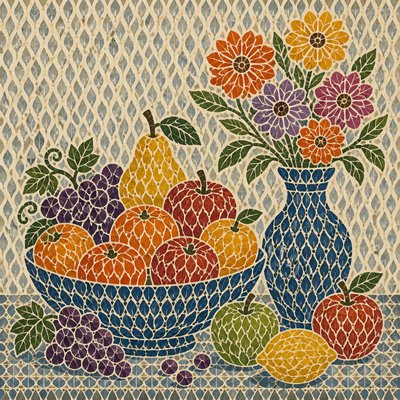
Cloisonné enamel geometry
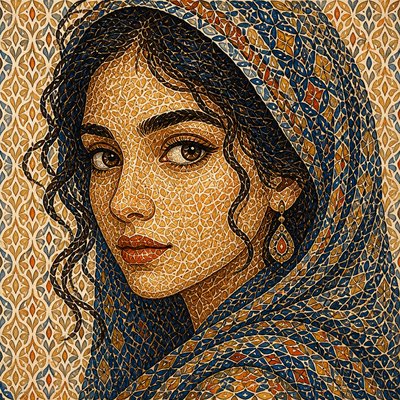
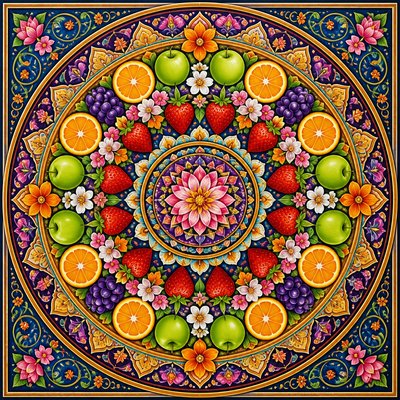
Fine metal wires divide the surface into small cells filled with saturated enamel colors. The patterning resembles jeweled mosaics, with crisp boundaries and a subtle sense of polished gold structure.
Cross-domed architecture
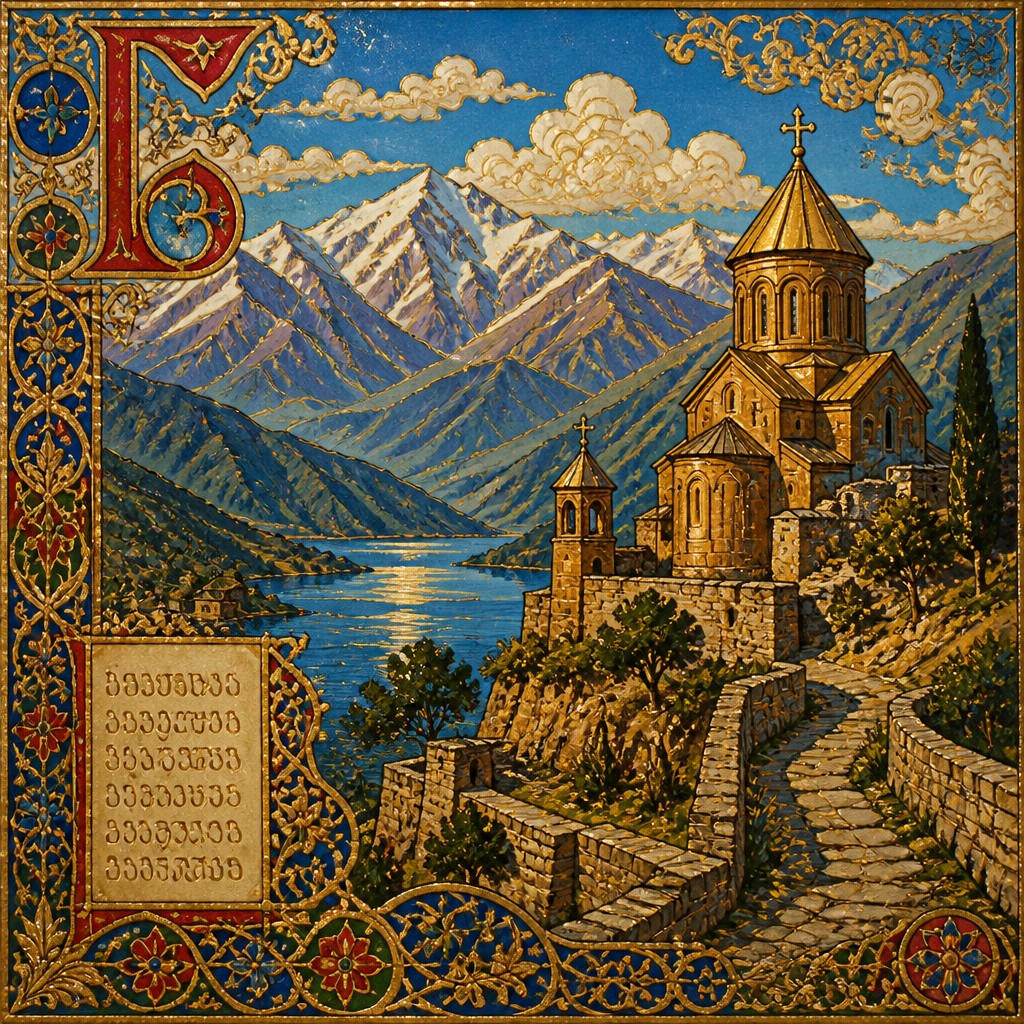
Churches are represented with centralized or longitudinal cross-domed compositions, conical or faceted roofs, drum structures, and carefully articulated stone masonry. Warm ochre, honey, and muted red stone anchor the imagery in the Georgian landscape.
Manuscript illumination
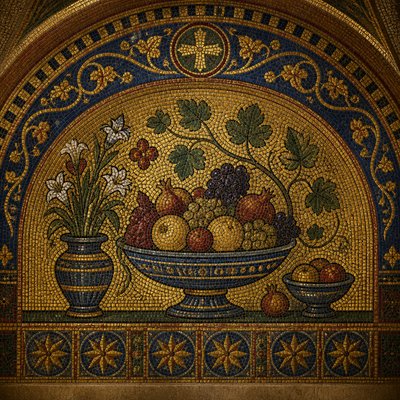
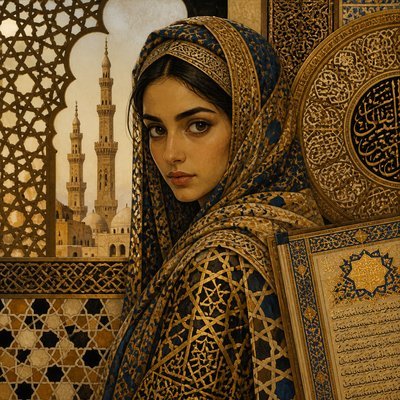
Decorative initials, interlacing borders, stylized foliage, crosses, and compact ornamental fields evoke illuminated Gospel manuscripts. Vermilion, gold leaf, deep blue, and green are arranged in lucid, highly finished patterns.
Fresco-derived color
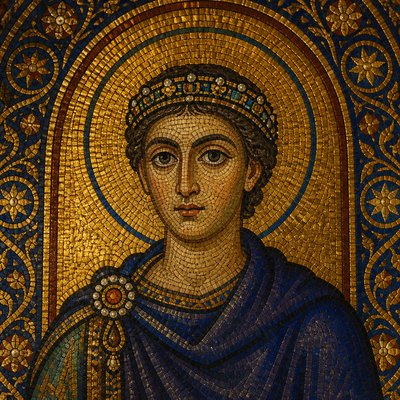
Figures and interiors use mineral-looking tones, restrained modeling, and broad areas of aged color inspired by ecclesiastical mural painting. The surface may suggest plaster, tempera, faded pigment, or softly weathered walls.
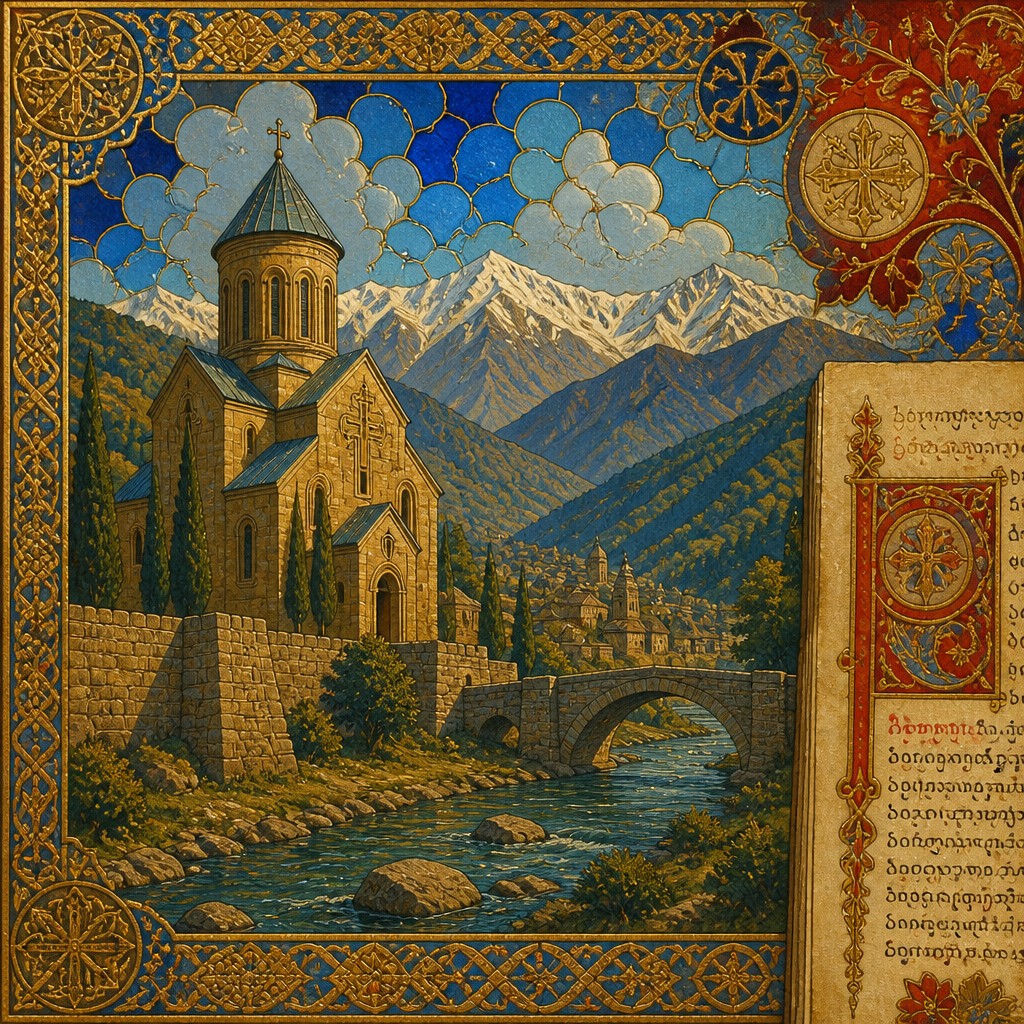
Caucasus mountain light
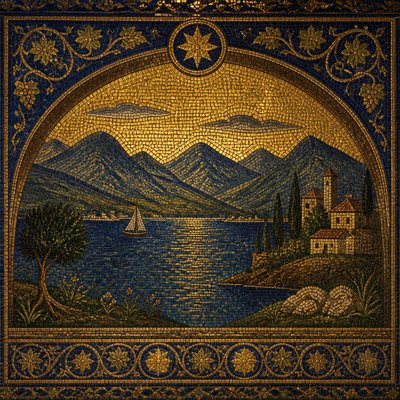
Clear, cool daylight defines distant ridges, valleys, and stone walls without heavy atmospheric haze. Strong sunlight can coexist with jewel-toned shadows and the warm glow of gilded or enamel surfaces.
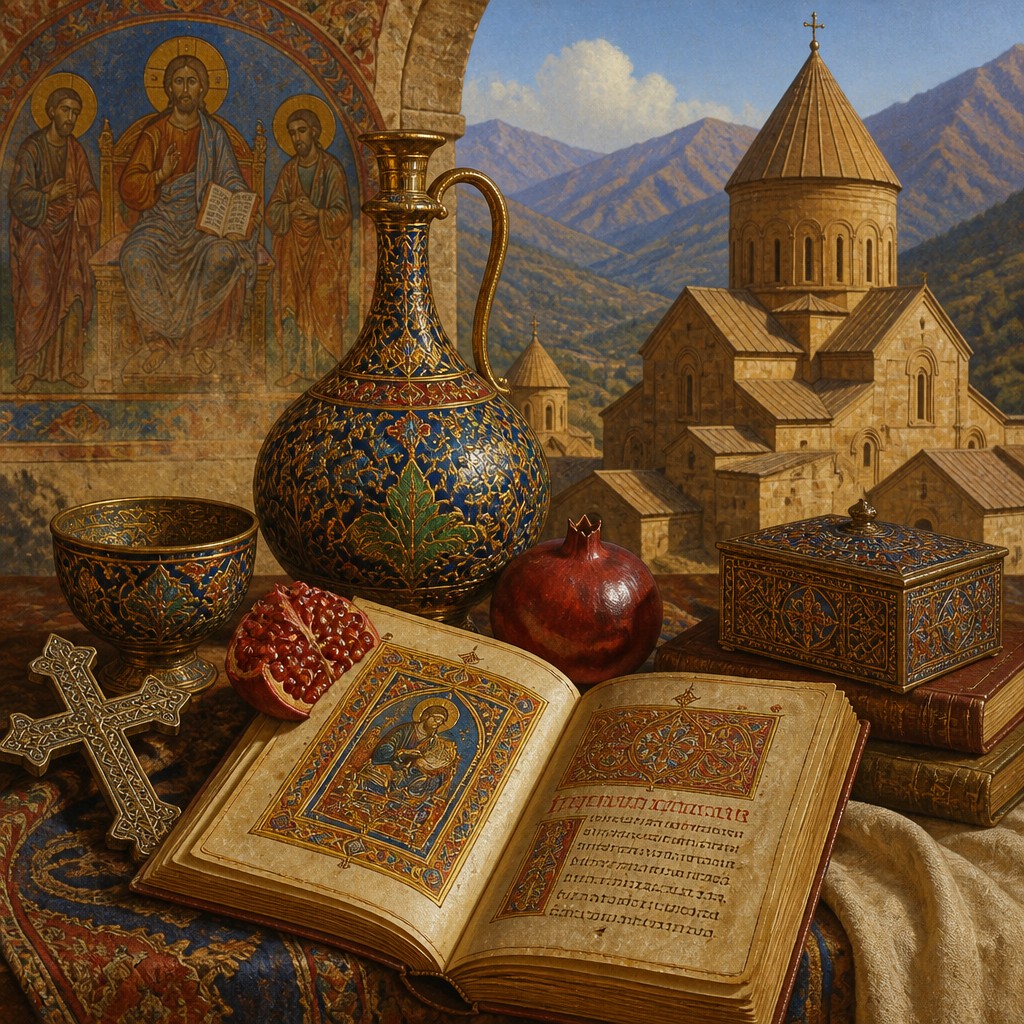
Crafted contours and symmetry
Outlines are deliberate and elegant, often enclosing figures, ornaments, and architectural parts with icon-like clarity. Symmetry, repetition, and balanced framing make the composition feel made by hand rather than casually observed.
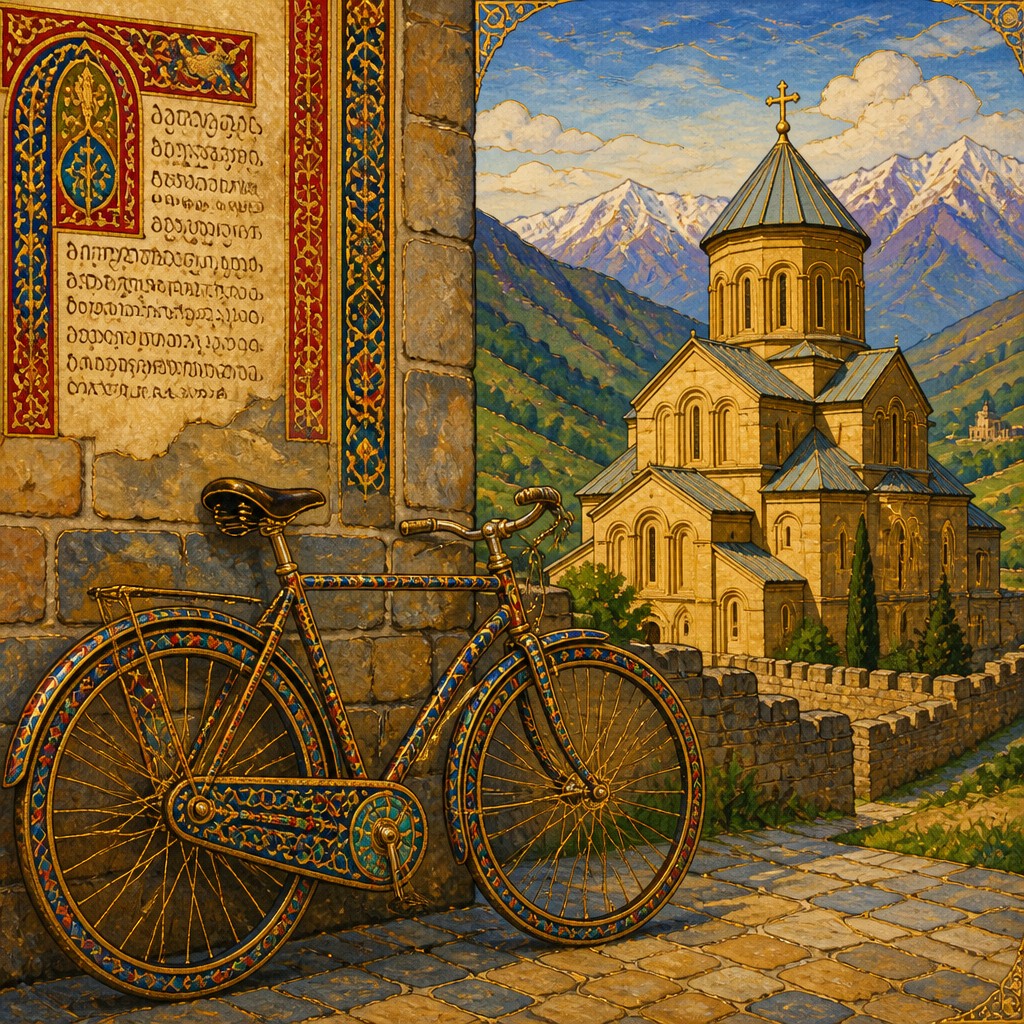
Gold as structure and illumination
Gold leaf, gilded metal, and ochre highlights are used selectively to describe halos, borders, jewelry, lettering, and architectural accents. Gold functions both as a reflective material and as a unifying visual link between sacred art and fine craft.
Georgian Prompt Ideas
Start from an idea — each one opens the generator with the style ready to go. See all 40 Georgian prompts →
How to Create Georgian Art
Master the craft step by step — or skip straight to creating. Read the full guide →
- 1
Build the composition around a clear silhouette
Begin with a strong church, mountain, figure, or reliquary outline before adding ornament. Use centered framing, layered architectural masses, and calm negative space so the small decorative details remain legible.
- 2
Use a mineral and enamel palette
Choose ochre stone, vermilion, lapis or ultramarine, turquoise, malachite green, ivory, and dark blue, then reserve bright gold for focal points. Keep the colors opaque and jewel-like rather than pastel or neon.
- 3
Simulate traditional surfaces
For physical work, combine fine contour drawing with tempera, metallic leaf, raised gesso, or enamel-like layers; for digital work, add subtle plaster grain, hammered metal, and translucent glass variation. Avoid uniform digital gradients that erase the sense of crafted material.
- 4
Design the ornament as a system
Repeat wire-like divisions, interlacing borders, vegetal scrolls, geometric knots, and manuscript initials with consistent spacing. A limited set of motifs will feel more historically coherent than unrelated decoration scattered across the image.
- 5
Control the lighting
Specify clear Caucasus daylight for landscapes and a restrained amber glow for gold, fresco interiors, and enamel. Keep shadows readable and directional so the architecture and relief-like ornament retain their structure.
- 6
Write prompts in layered order
Name the subject first, then describe the Georgian cultural references, materials, palette, architecture, lighting, and surface finish. For image-to-image work, preserve the source pose or composition while directing the transformation toward cloisonné divisions, manuscript borders, stonework, and fresco color.
The Story
History & Origins of Georgian
This style is best understood not as a single named historical movement, but as a contemporary synthesis of several Georgian artistic traditions. Its lineage reaches back to medieval Georgian church architecture, including cross-domed plans; manuscript illumination produced for religious texts; mural painting in ecclesiastical interiors; and metalwork traditions that include cloisonné enamel, often known in Georgian craft contexts as minankari. These practices developed within the broader artistic exchange of the Byzantine, Christian Caucasian, and Near Eastern worlds while retaining distinctive regional forms.
The visual language changed across the medieval and early modern periods as churches, manuscripts, metal objects, and painted interiors adapted to local materials, patronage, and liturgical use. Contemporary decorative art and digital imagery often recombine these historical elements rather than reproduce one period exactly, emphasizing Georgia's craft heritage, mountain geography, and devotional color symbolism.
Influences: The style draws on medieval Georgian ecclesiastical architecture, Georgian manuscript illumination, Caucasian metalwork and enamel, Byzantine-influenced Christian iconography, and regional fresco painting. It also relates to the broader traditions of cloisonné, sacred art, architectural drawing, and Arts and Crafts-era respect for handcrafted ornament, while its mountain light and stone palette connect it to Caucasus landscape painting.
Frequently Asked Questions
What defines Georgian art style?
It is defined by the combination of Georgian ecclesiastical and craft traditions: cloisonné enamel, cross-domed stone churches, illuminated manuscript ornament, fresco-derived colors, and Caucasus mountain light. Gold, vermilion, deep blue, turquoise, ochre, and carefully controlled outlines are especially characteristic.
Is Georgian art style a single historical art movement?
No. The term describes a visual synthesis based on several historical traditions from Georgia rather than one officially defined movement. Contemporary artists and image-makers may combine medieval, regional, and modern decorative references under the same label.
How is it different from Byzantine art?
The traditions overlap through shared Christian and manuscript cultures, but Georgian references usually emphasize local cross-domed architecture, Caucasian stonework, Georgian ornamental vocabulary, and the particular landscapes of the region. A Georgian-inspired image should not be treated as interchangeable with a generic Byzantine icon or mosaic.
What materials are associated with this style?
Relevant materials include enamel, gold or gilded metal, stone, tempera, fresco plaster, parchment, ink, and carved architectural surfaces. Digital artwork can suggest these materials through crisp cell divisions, metallic highlights, opaque mineral color, and restrained surface texture.
What subjects work best with Georgian art style?
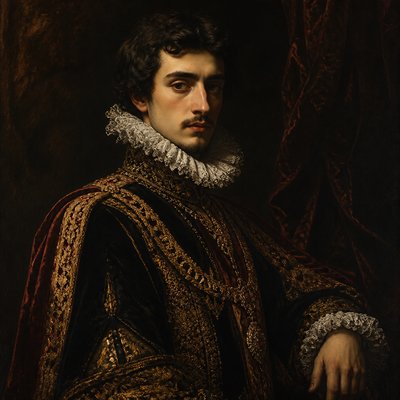
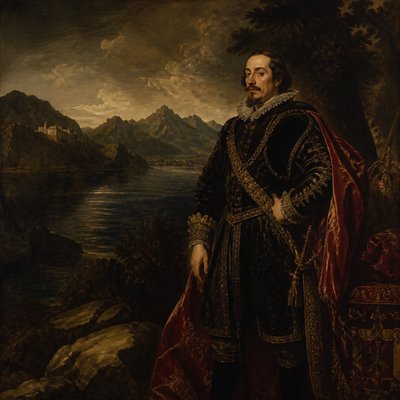
Churches, monasteries, reliquaries, jewelry, illuminated pages, sacred interiors, mountain villages, and Caucasus landscapes are natural subjects. Portraits and everyday scenes can also work when framed with manuscript-like borders or rendered with enamel, fresco, and gilded details.
How can I avoid making the result look like generic medieval fantasy?
Specify Georgian or Caucasian architectural features, cross-domed plans, warm local stone, manuscript ornament, and cloisonné enamel rather than using only words such as ancient or mystical. Keep the design materially precise, historically aware, and grounded in clear mountain light instead of excessive ruins, fog, or arbitrary fantasy symbols.
Create your first Georgian artwork
Describe anything — or upload a photo — and see it in Georgian Art Style in seconds.
Related Styles
Discover similar art styles