Foreshortening Art Style
Explore foreshortening art: dramatic perspective compresses limbs and objects toward the viewer for a powerful 3D illusion.
Instantly rendered in Foreshortening — or transform a photo



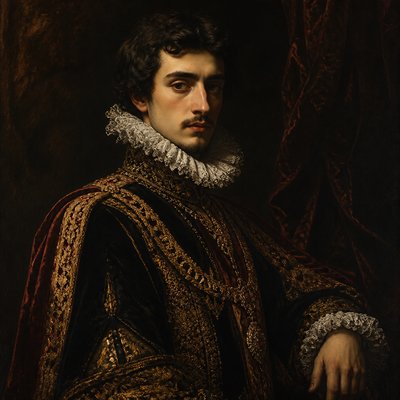
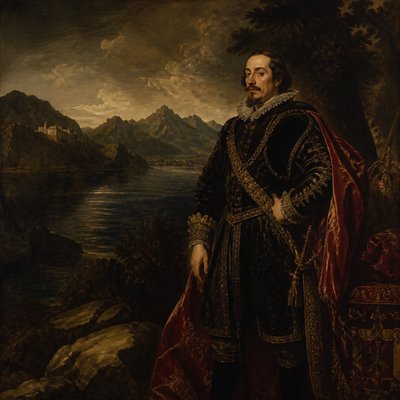
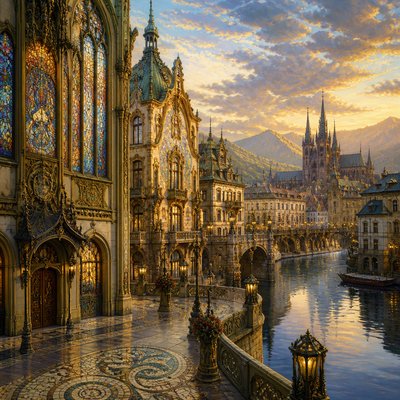
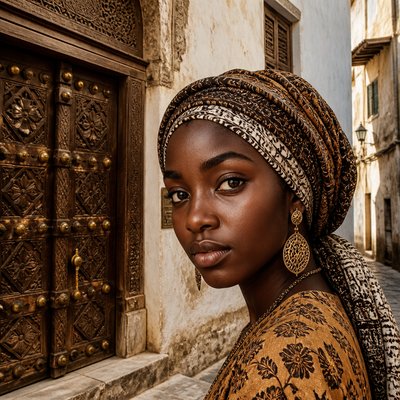
Foreshortening Gallery
Tap any artwork to explore it


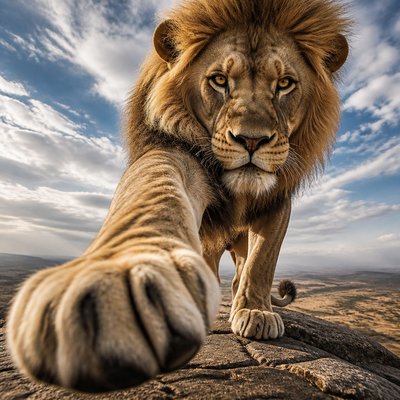

What is Foreshortening Art Style?
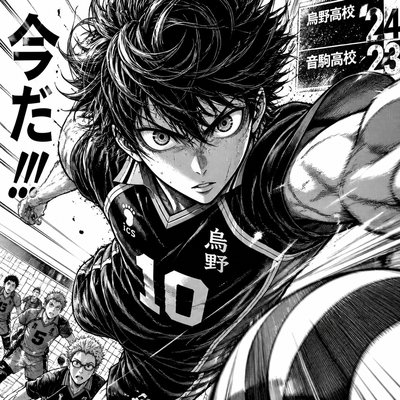
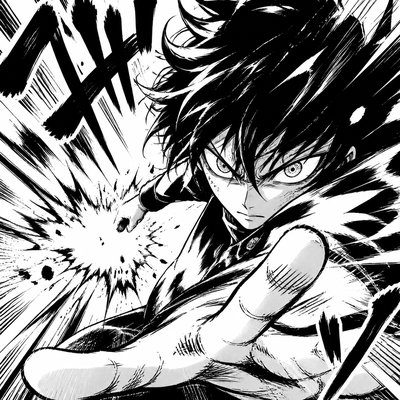
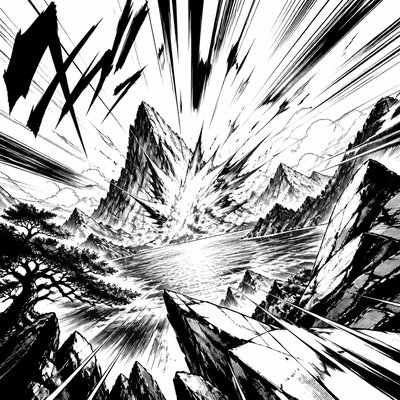
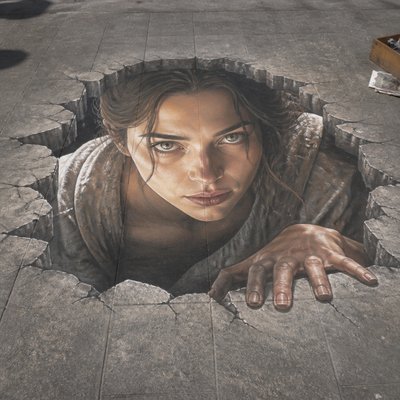
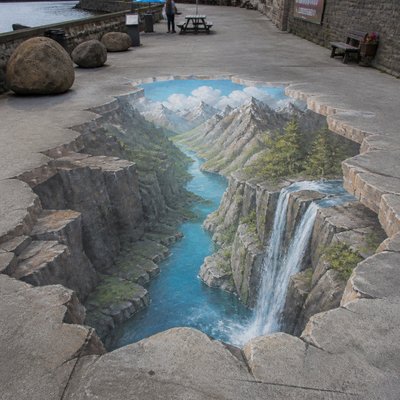
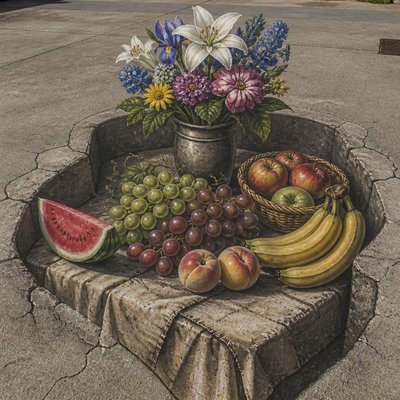
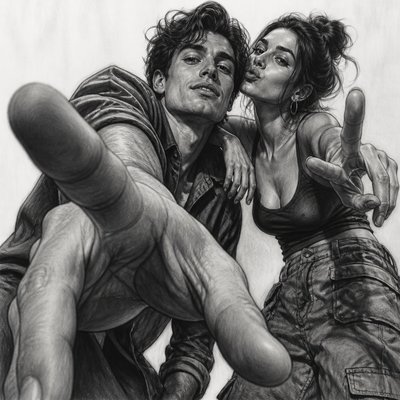
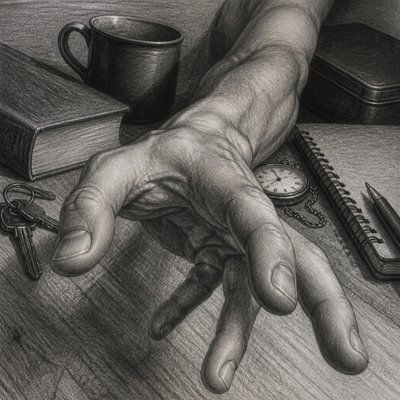
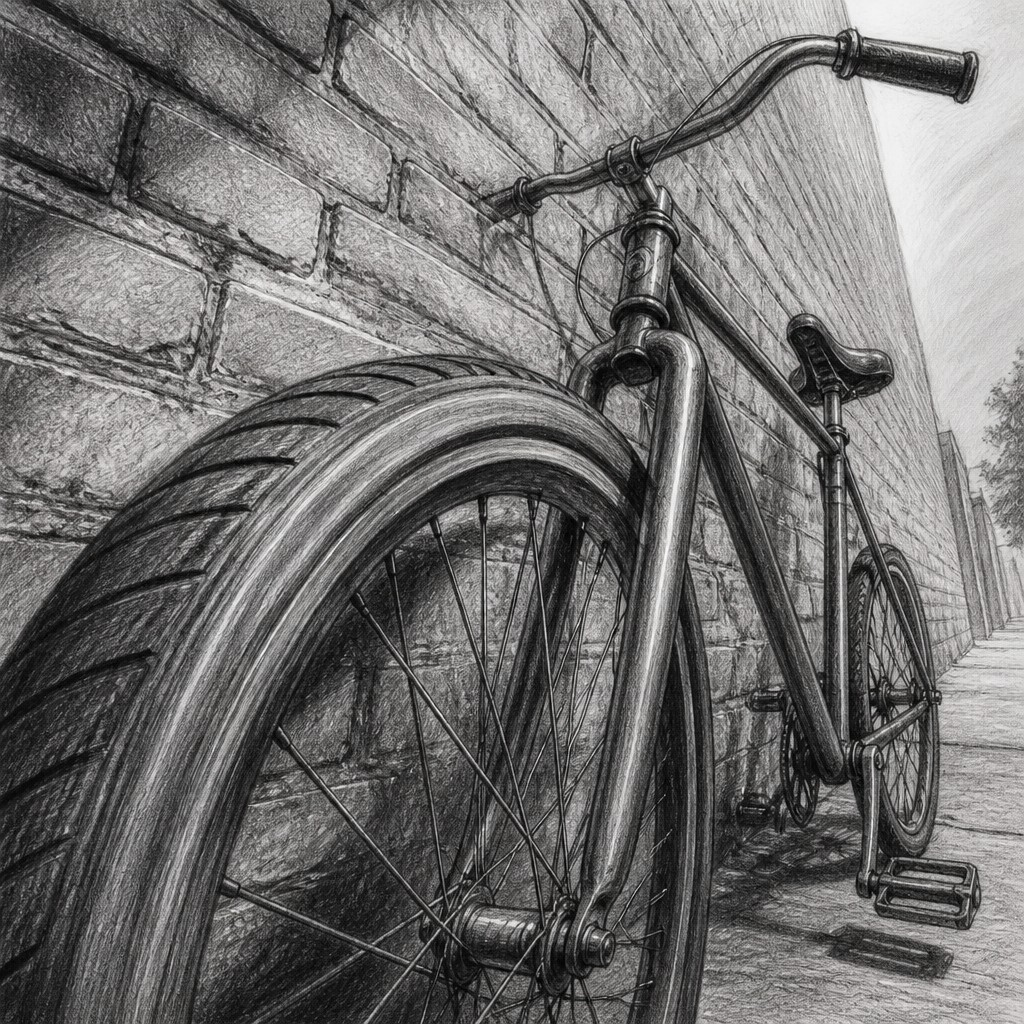
Foreshortening art emphasizes objects or bodies projecting toward the viewer, making their apparent length seem dramatically compressed. An outstretched arm may appear short and oversized at the hand, while a leg, weapon, architectural form, or falling body can thrust diagonally into the picture plane. The result is an image that feels immediate, spatially unstable, and physically confrontational.
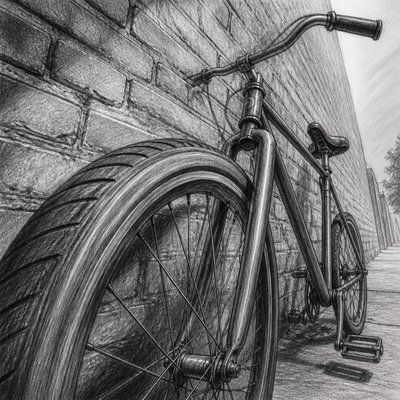
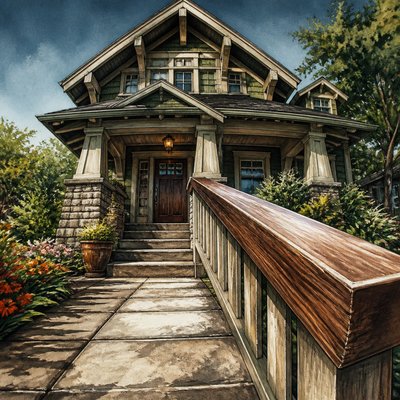
The style depends on exaggerated perspective rather than flat pattern or conventional profile views. Overlapping forms, sharp tonal modeling, altered scale, and strong diagonals clarify the depth sequence: near forms become large, distant forms recede rapidly, and familiar anatomy may be distorted to preserve the illusion of projection. Although foreshortening is a technical device found across many art traditions, this style treats it as the dominant expressive subject.
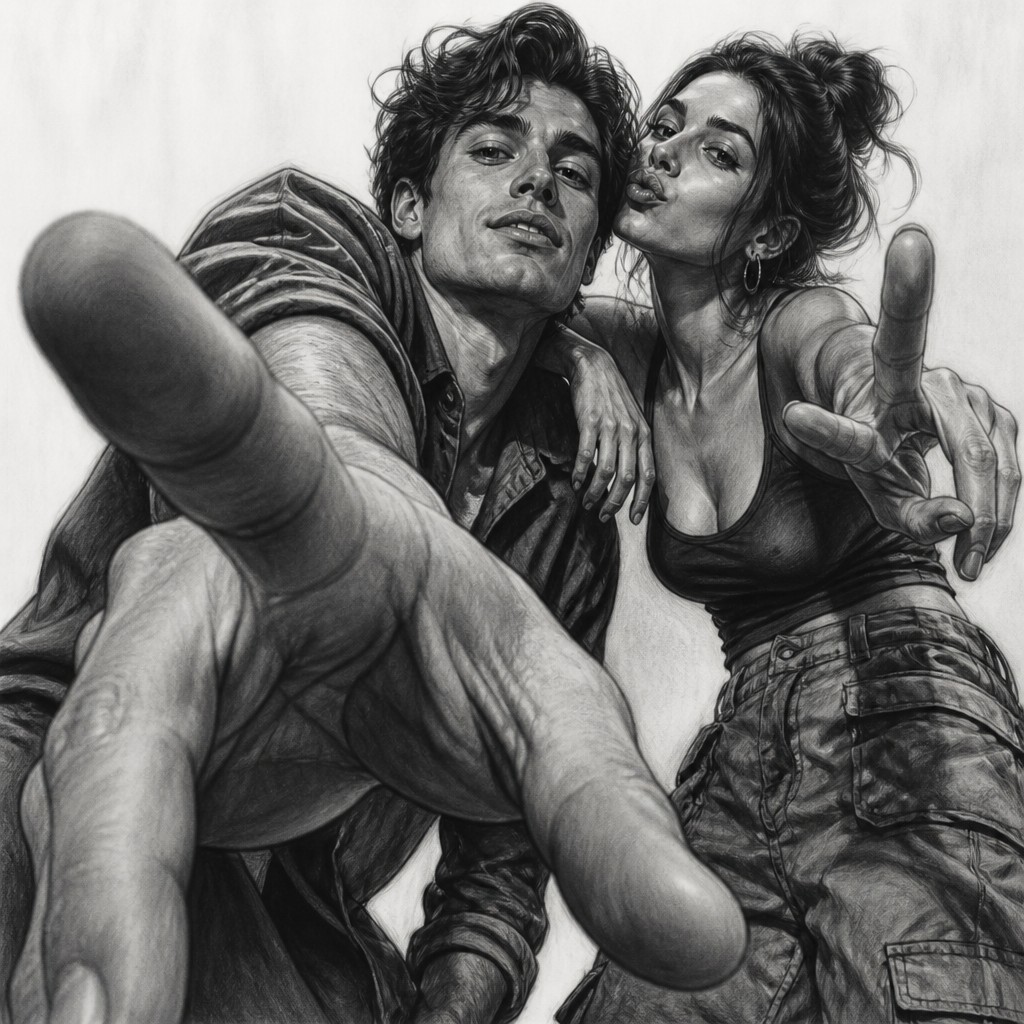
Try It On Your Photos
Upload any photo and convert it into Foreshortening Art Style — drag the sliders to compare before and after.


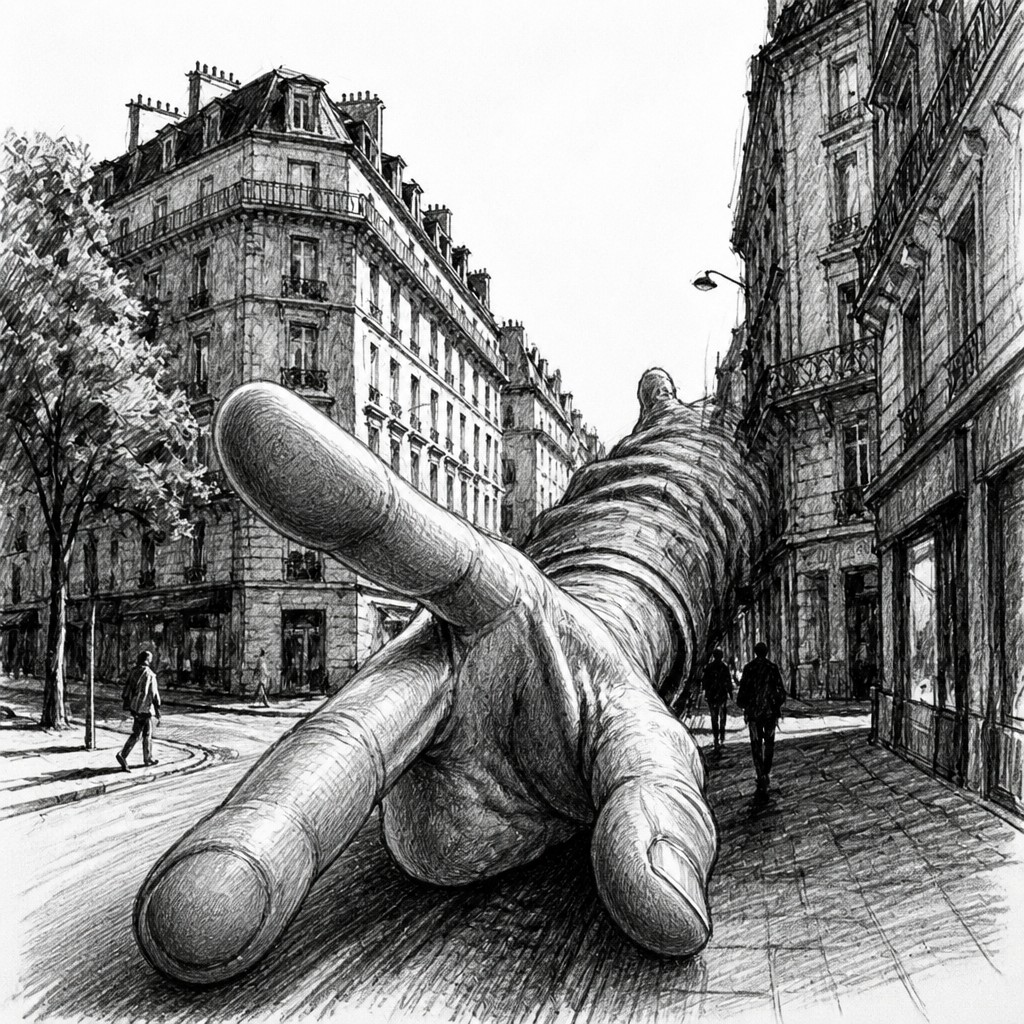

What Defines Foreshortening Art Style
The signature details, up close
Compressed projection
Limbs, tools, vehicles, and other forms aimed directly toward the viewer appear much shorter than their real proportions. Their frontmost surfaces often become disproportionately large.
Steep directional thrust
Strong diagonals carry the eye from the background into the foreground, frequently entering from a corner or terminating near the center of the image.
Exaggerated scale shifts
Near anatomy or objects may be enlarged while the torso, opposite limb, or background rapidly diminishes. These shifts are intentional distortions that reinforce spatial depth.
Overlapping anatomy
Muscles, joints, hands, feet, and clothing are layered in compressed sequences. Clear overlaps help the viewer read which forms sit in front of others.

Sharp tonal modeling
Highlights and shadows describe rounded surfaces and separate tightly packed forms. Strong value contrasts can make the projecting element feel almost sculptural.
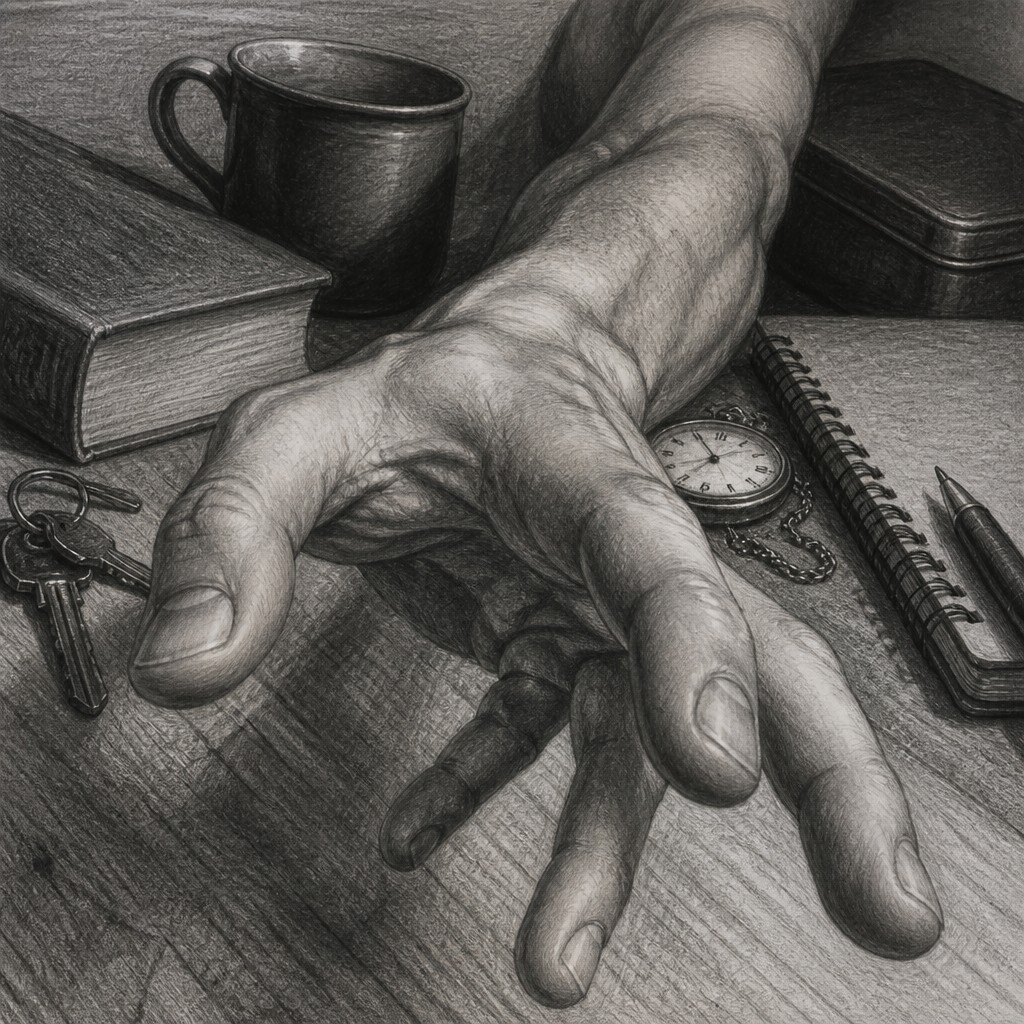
Picture-plane tension
The subject appears to press against, cross, or nearly escape the frame. Cropping and partial occlusion heighten the sensation of proximity.
Spatial drama
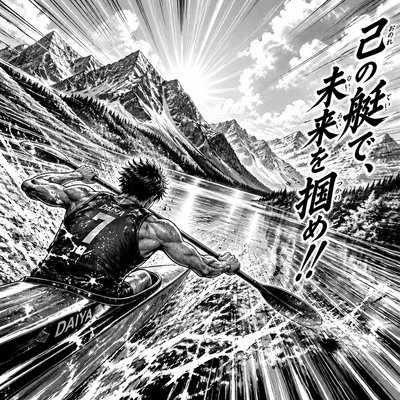
Low viewpoints, close viewpoints, and unusual camera angles amplify scale and movement. Backgrounds are often simplified so the projected form remains dominant.
Foreshortening Prompt Ideas
Start from an idea — each one opens the generator with the style ready to go. See all 40 Foreshortening prompts →
How to Create Foreshortening Art
Master the craft step by step — or skip straight to creating. Read the full guide →
- 1
Build the depth axis first
Choose the point toward which the form projects and establish a clear line from the distant body or base to the nearest feature. Block the subject with simple boxes, cylinders, and wedges before adding anatomy or detail.
- 2
Use measured overlap
Place near forms over distant ones and check the joints carefully, especially at shoulders, elbows, hips, knees, wrists, and ankles. A foreshortened figure can be anatomically distorted, but its overlaps must remain legible.
- 3
Control value and edges
Reserve the strongest contrast and sharpest edges for the projecting form, while reducing detail and contrast in receding areas. Cast shadows can anchor the subject and clarify its distance from the background.
- 4
Choose a forceful viewpoint
Try a low angle, an extreme close-up, or a view aligned with the length of the limb or object. Crop the frame boldly, but retain enough contextual anatomy or structure to explain the spatial illusion.
- 5
Work traditionally or digitally
Gesture drawing, perspective grids, anatomical mannequins, and reference photography are useful starting points. In digital painting or 3D workflows, pose a simple model toward the virtual camera, then exaggerate scale, lighting, and lens perspective.
- 6
Write prompts around spatial behavior
Describe the subject, the projecting limb or object, its direction into the frame, compressed perspective, overlapping forms, tonal modeling, and viewpoint. Specify the desired medium, lighting, and background separately to prevent the depth effect from becoming visual noise.
The Story
History & Origins of Foreshortening
Foreshortening is rooted in the study of linear perspective that became central to European Renaissance art, when painters and draftspeople developed systematic methods for representing bodies and objects receding through space. It became especially prominent in dramatic religious compositions, ceiling paintings, Baroque illusionism, and Mannerist experiments with elongated or spatially complex anatomy.
The contemporary label “foreshortening art style” describes an emphasis or visual treatment rather than a single historical movement. Its lineage also includes anatomical drawing, theatrical perspective, action-oriented comics, cinematic close-ups, sports photography, poster design, and digital concept art. Modern image-making often intensifies the effect beyond observational accuracy, using distortion to create impact, urgency, or a sense that the subject is breaking through the frame.
Influences: Its principal influences are Renaissance linear perspective, Baroque illusionism, Mannerist spatial distortion, anatomical study, classical figure drawing, and theatrical stage design. It also relates to dynamic comics illustration, action photography, wide-angle cinematography, sports imagery, surreal conceptual art, and digital 3D modeling, all of which use viewpoint and scale to intensify bodily or object-based movement.
Frequently Asked Questions
What defines the foreshortening art style?
Its defining feature is the dramatic compression of forms aimed toward or away from the viewer. The style makes perspective distortion highly visible through enlarged foreground elements, steep diagonals, overlapping anatomy, and strong modeling.
Is foreshortening an art movement?
No. Foreshortening is historically a representational technique, not a unified movement with a fixed period or membership. “Foreshortening art style” is a contemporary descriptive label for work that makes this technique the central visual effect.
How is foreshortening different from ordinary perspective?
All perspective can reduce the apparent size of receding forms, but foreshortening specifically represents a form positioned at an acute angle to the viewer. In this style, the compression is intensified for expressive impact and may exceed strict anatomical or optical accuracy.
How do I draw a foreshortened limb?
Start with the limb as a sequence of overlapping cylinders or tapered blocks aimed toward a vanishing point. Enlarge the nearest section, shorten the visible gaps between joints, and use clear shadows and contour overlaps to explain the unusual orientation.
What subjects work well with this style?
Action figures, dancers, athletes, combatants, falling bodies, reaching hands, weapons, vehicles, and mechanical parts are especially effective. Any object with a strong longitudinal axis can work if it projects clearly into the foreground.
Where is foreshortening used today?
It appears in figure drawing, painting, comics, animation, poster illustration, photography, cinema, game concept art, and 3D visualization. It is often used when an image needs to communicate motion, danger, intimacy, or direct engagement with the viewer.
Create your first Foreshortening artwork
Describe anything — or upload a photo — and see it in Foreshortening Art Style in seconds.
Related Styles
Discover similar art styles