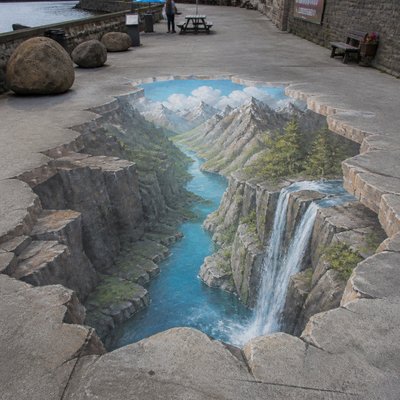
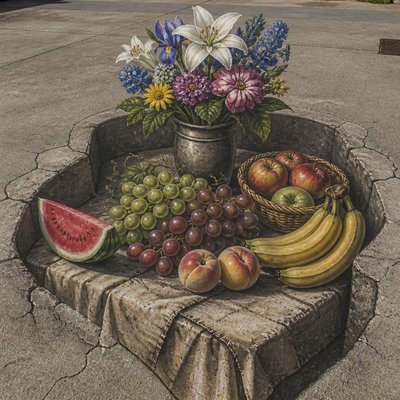
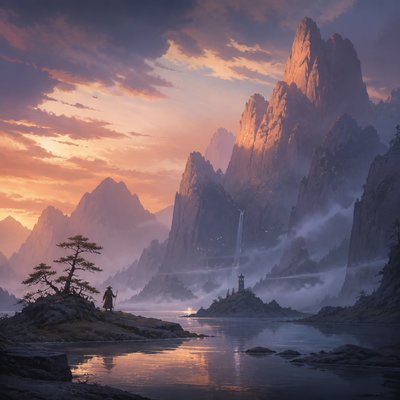
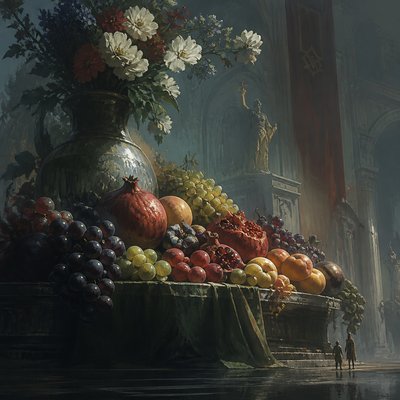
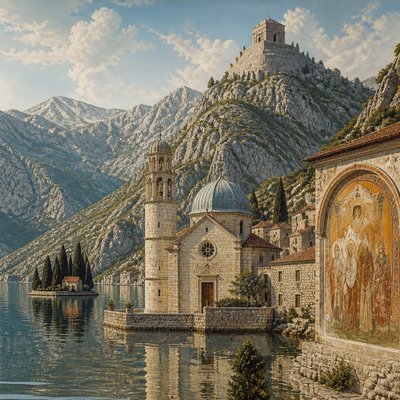
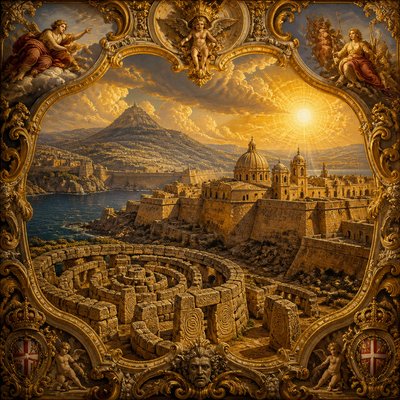
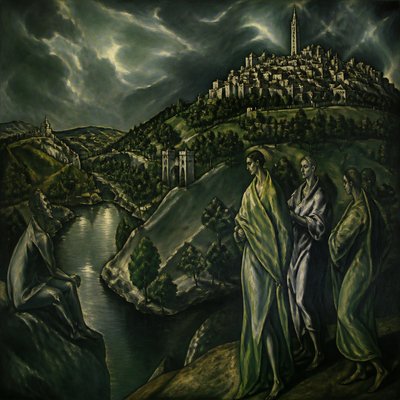
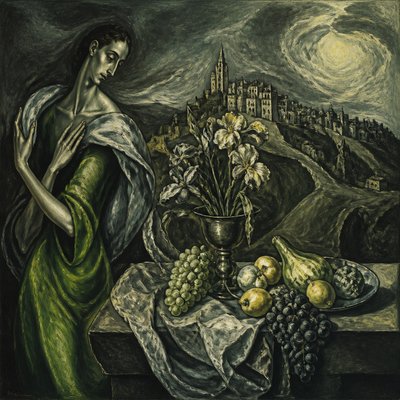
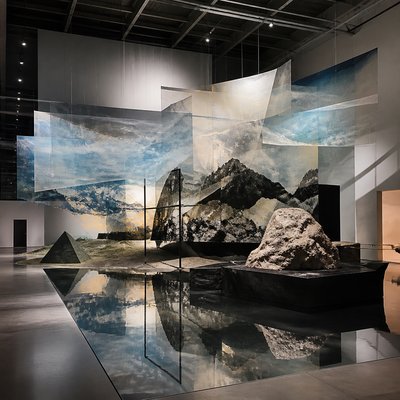
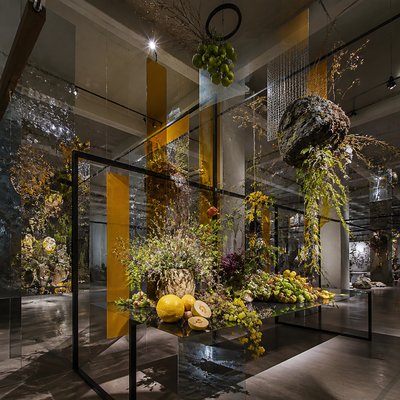
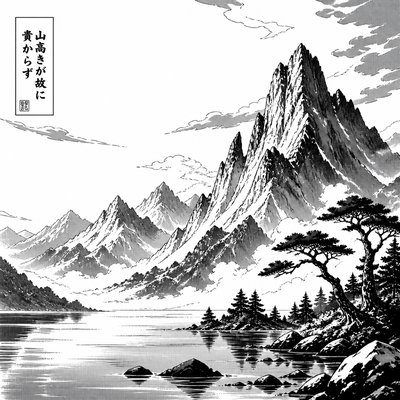
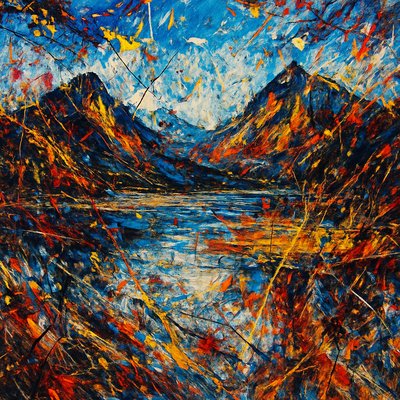
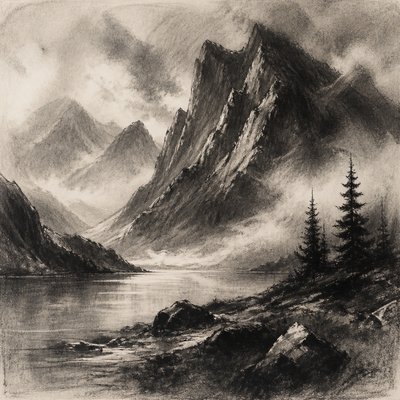
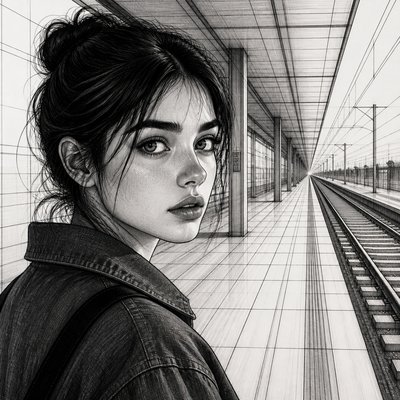
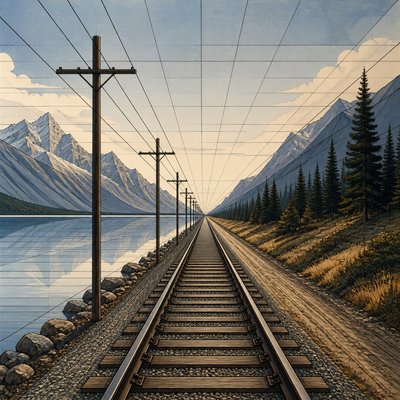
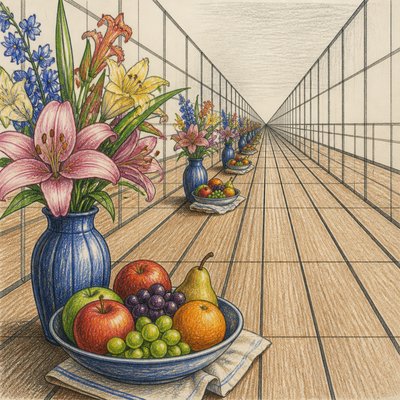
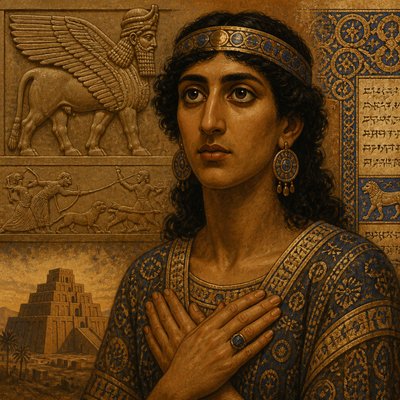
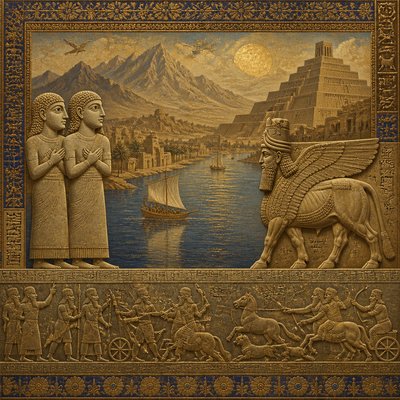
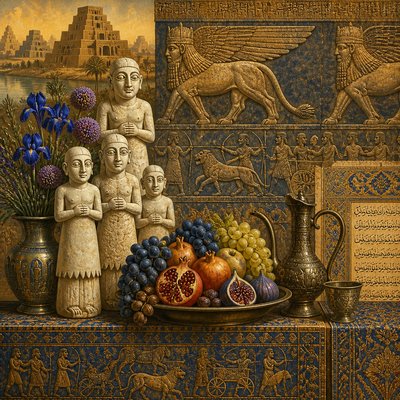
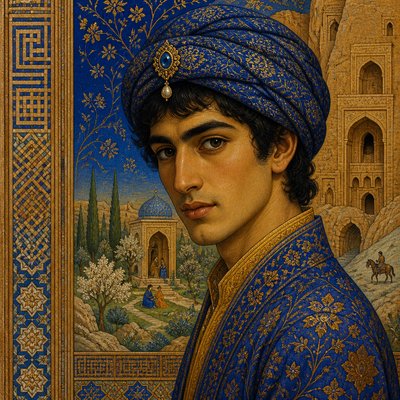
Dramatic Foreshortening Art Style
Explore dramatic foreshortening: extreme perspective, rushing forms, radical viewpoints, and powerful near-to-far scale distortion.
Instantly rendered in Dramatic Foreshortening — or transform a photo



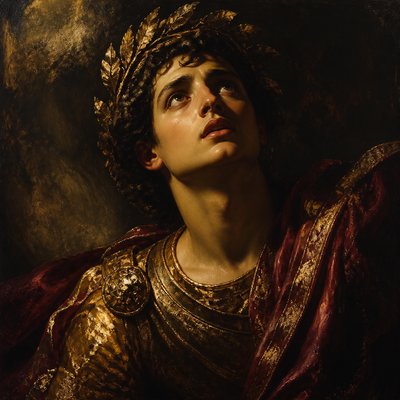
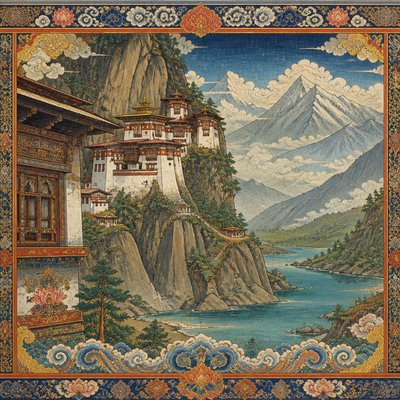
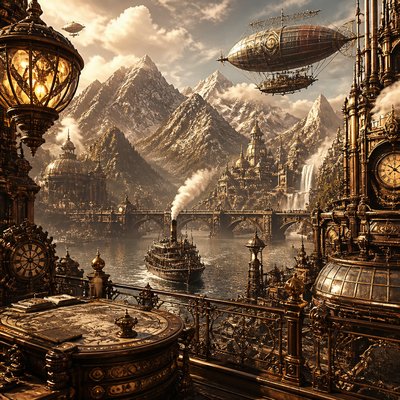
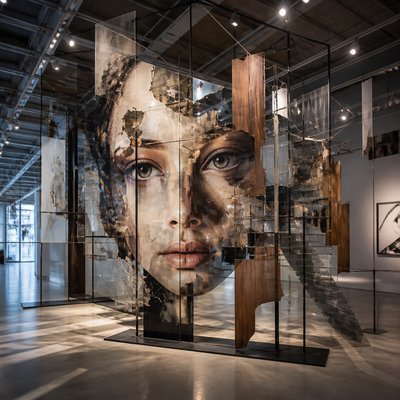
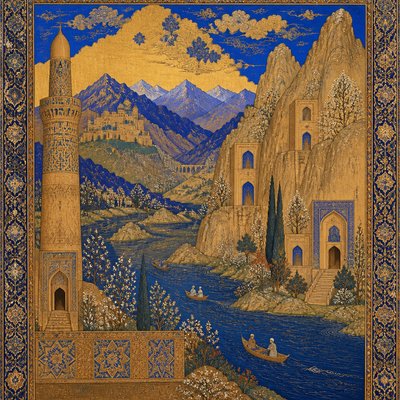
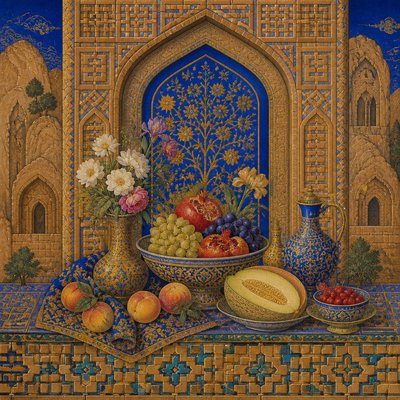
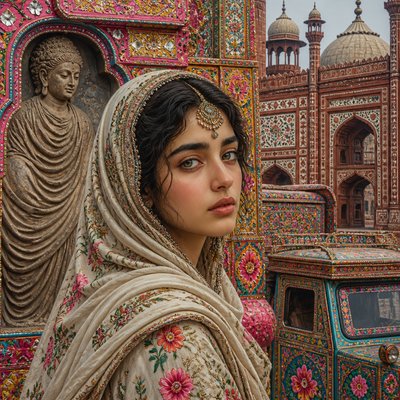
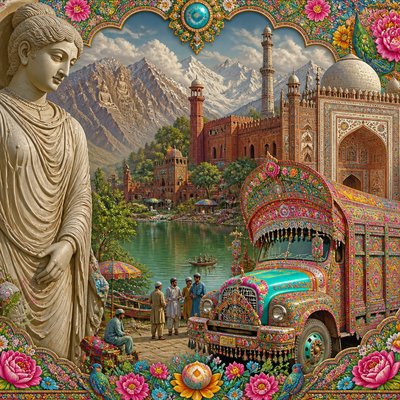
Dramatic Foreshortening Gallery
Tap any artwork to explore it




What is Dramatic Foreshortening Art Style?
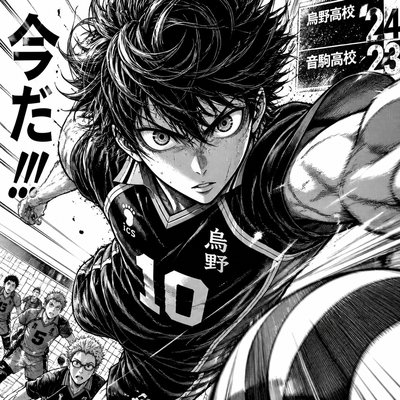
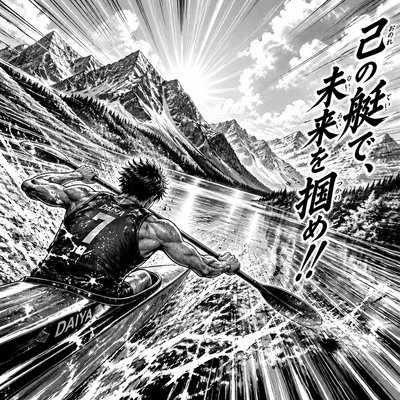
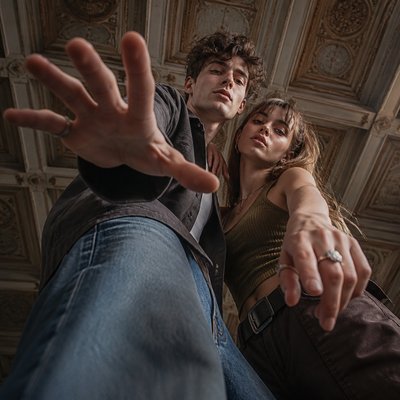
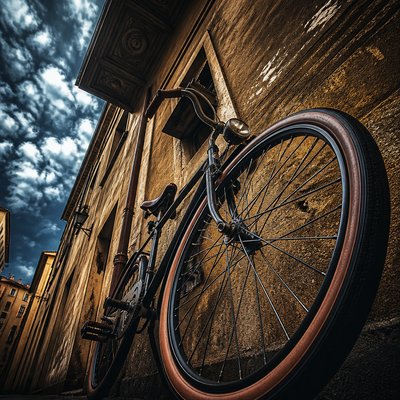
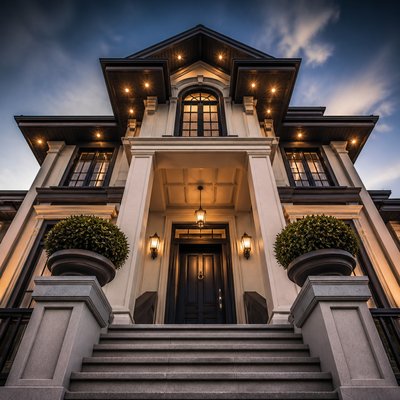
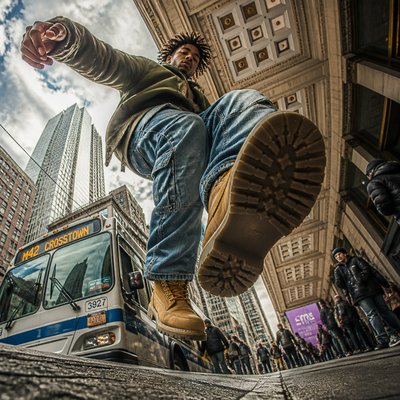
Dramatic foreshortening is a perspective-driven visual style in which bodies, objects, and architectural forms project forcefully toward or away from the viewer. It compresses depth along the line of sight, making nearby forms unusually large and distant forms rapidly diminish, often producing the sensation that a figure is lunging out of the image or receding into a deep visual tunnel.
The style is defined less by a particular subject or medium than by an aggressive viewpoint. Radical low-angle and overhead perspectives, cropped limbs, enlarged hands or feet, tilted horizons, and strong volumetric modeling turn ordinary perspective into a theatrical event. The result can feel dynamic, confrontational, monumental, disorienting, or physically immersive.
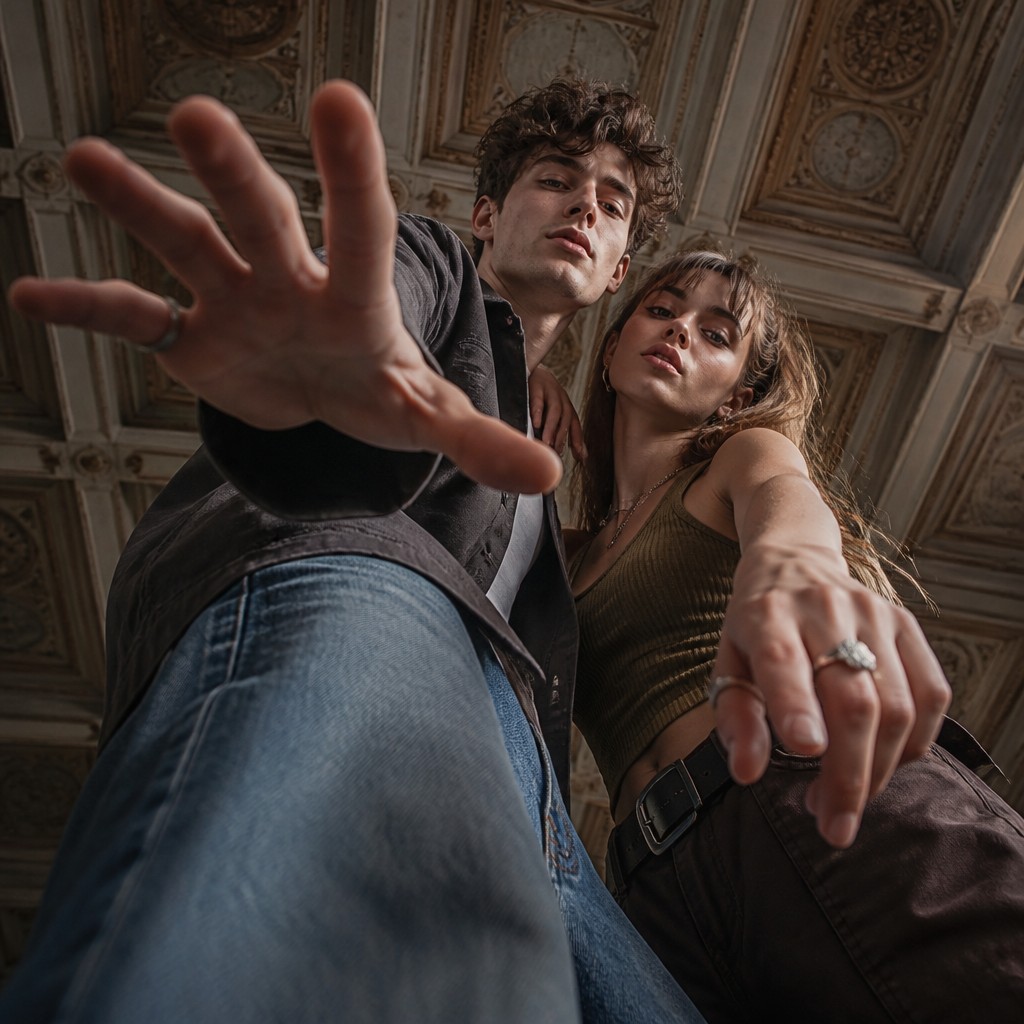
Try It On Your Photos
Upload any photo and convert it into Dramatic Foreshortening Art Style — drag the sliders to compare before and after.


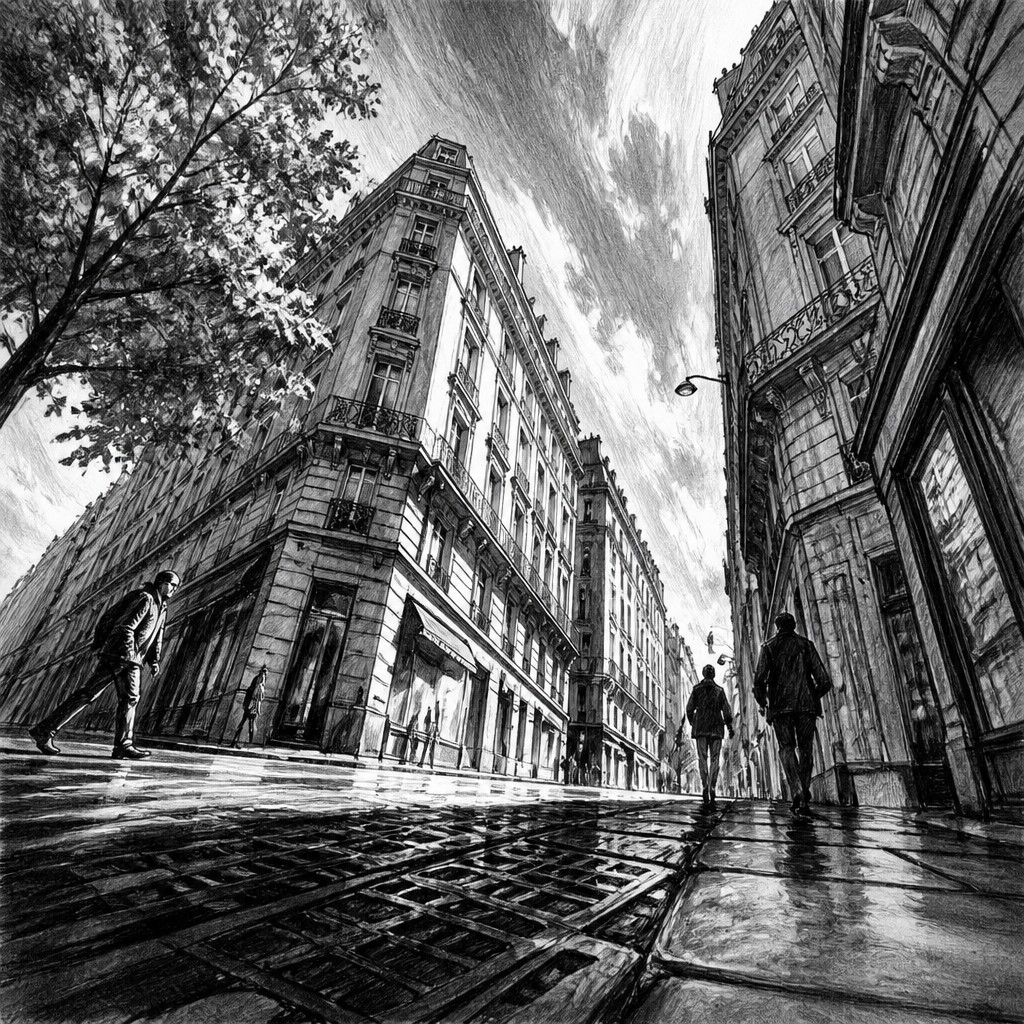

What Defines Dramatic Foreshortening Art Style
The signature details, up close
Extreme near-to-far scale shifts
The closest parts of a subject may become disproportionately large while the torso, limbs, or background shrink rapidly into depth. This abrupt change in scale is the style’s primary visual signature.
Projecting forms
Hands, feet, faces, weapons, wheels, and architectural elements are aligned toward the viewer so they appear to break through the picture plane. Cropping often reinforces the sense of forward motion.
Radical viewpoints
Very low, overhead, tilted, or ground-level vantage points replace neutral eye-level observation. These viewpoints make verticals, diagonals, and bodily axes unusually dramatic.
Compressed depth
Long forms are shortened along their depth axis, causing limbs, corridors, roads, and buildings to appear compacted or stacked. Overlapping contours become essential for clarifying spatial order.
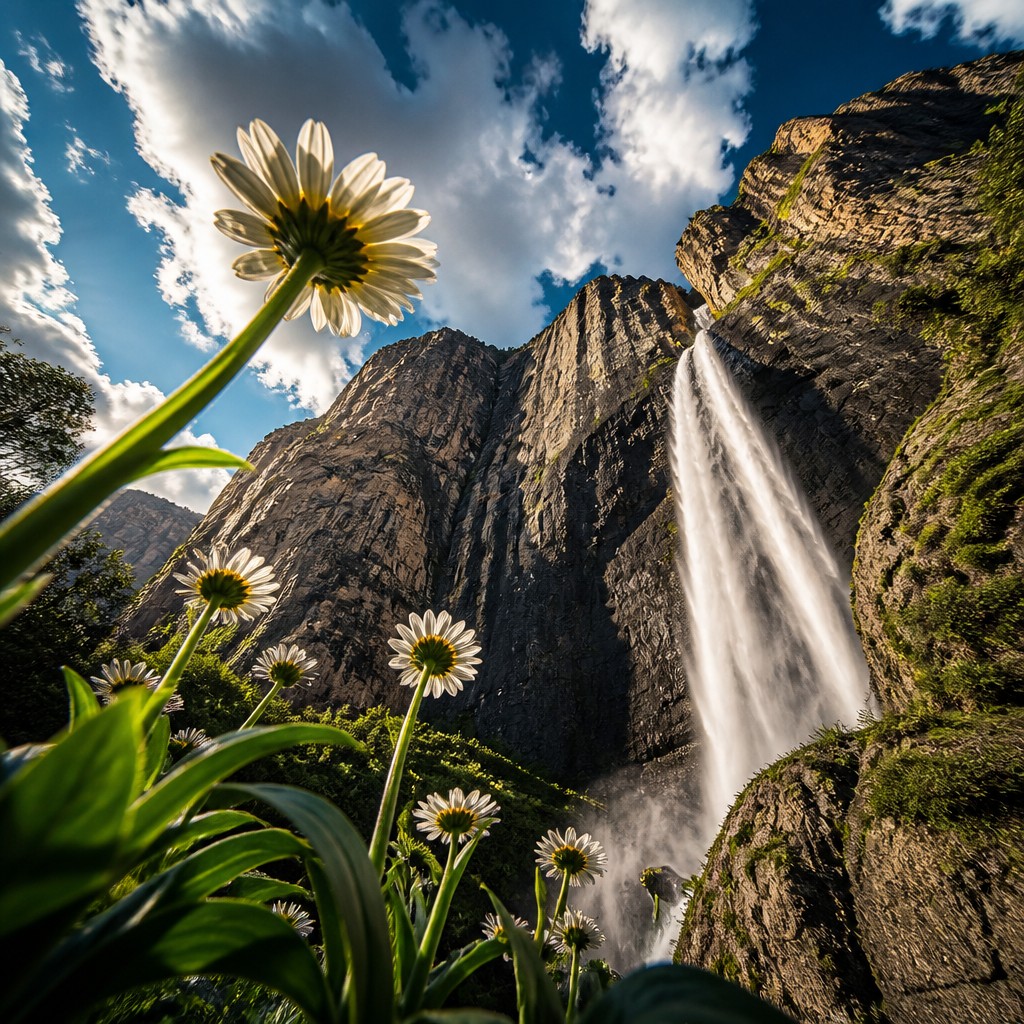
Bold volumetric modeling
Strong light and shadow describe the inflated three-dimensionality of the nearest forms. Highlights on projecting surfaces and deep shadow in receding planes heighten the physical illusion.

Theatrical spatial tension
Diagonal compositions, unstable horizons, and abrupt cropping create suspense and directional energy. Even static subjects often appear to be falling, charging, rising, or thrusting through space.
Try It
Create Videos in Dramatic Foreshortening Art Style
Styles aren't just for stills — describe a scene or animate an image and get a short video rendered in Dramatic Foreshortening. Press play to see this pond come to life.
Make a VideoDramatic Foreshortening Prompt Ideas
Start from an idea — each one opens the generator with the style ready to go. See all 40 Dramatic Foreshortening prompts →

“close-up portrait of an elderly person with expressive weathered features”

“a cat lounging in a sunlit window”
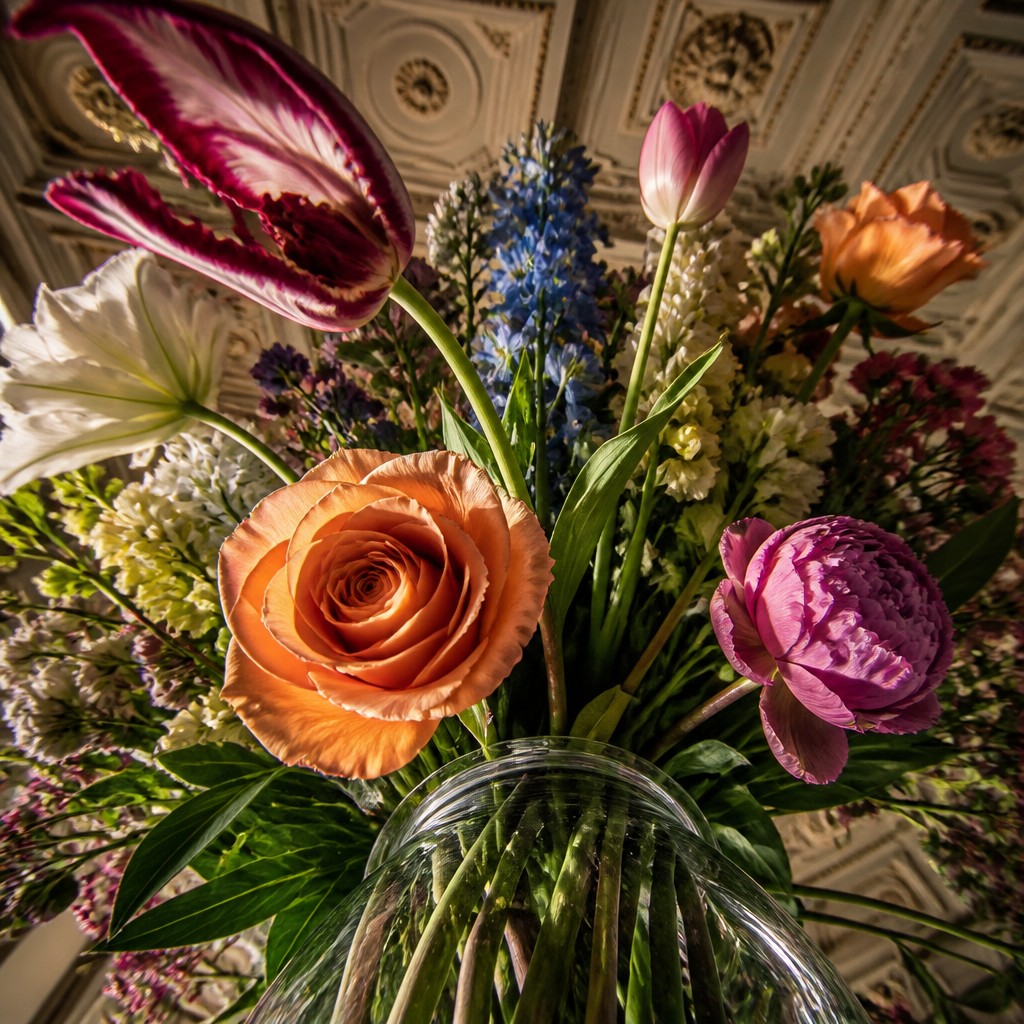
“bouquet of flowers in a glass vase”

“sailing ship on a stormy sea”
How to Create Dramatic Foreshortening Art
Master the craft step by step — or skip straight to creating. Read the full guide →
- 1
Choose a clear depth axis
Arrange the main subject so its body or structure points directly toward or away from the viewer. A strong axis gives the distortion purpose instead of making the image look accidentally misshapen.
- 2
Build with perspective guides
Use a perspective grid, a mannequin, or simple 3D forms to establish the viewpoint before adding details. For a low-angle composition, place the vanishing region high; for an overhead view, emphasize foreshortened planes and overlapping shapes.
- 3
Exaggerate the closest form
Enlarge the nearest hand, foot, face, wheel, or architectural plane beyond ordinary observation, then reduce forms sharply with distance. Compare the size jump against the intended emotional intensity.
- 4
Model volume with directional light
Use a concentrated light source to describe projecting planes and allow receding areas to fall into stronger shadow. In digital work, sculpt or render the subject first, then refine edges, highlights, and atmospheric depth.
- 5
Control cropping and diagonals
Let selected forms leave the frame and use diagonals to guide the eye along the depth axis. Keep enough overlap and contour information for the viewer to understand the subject’s orientation.
- 6
Write precise generation prompts
Specify the subject, camera position, lens impression, direction of movement, degree of foreshortening, cropped foreground forms, and lighting. Useful terms include “extreme low angle,” “subject thrusting toward camera,” “dramatic near-to-far scale,” and “volumetric chiaroscuro.”
The Story
History & Origins of Dramatic Foreshortening
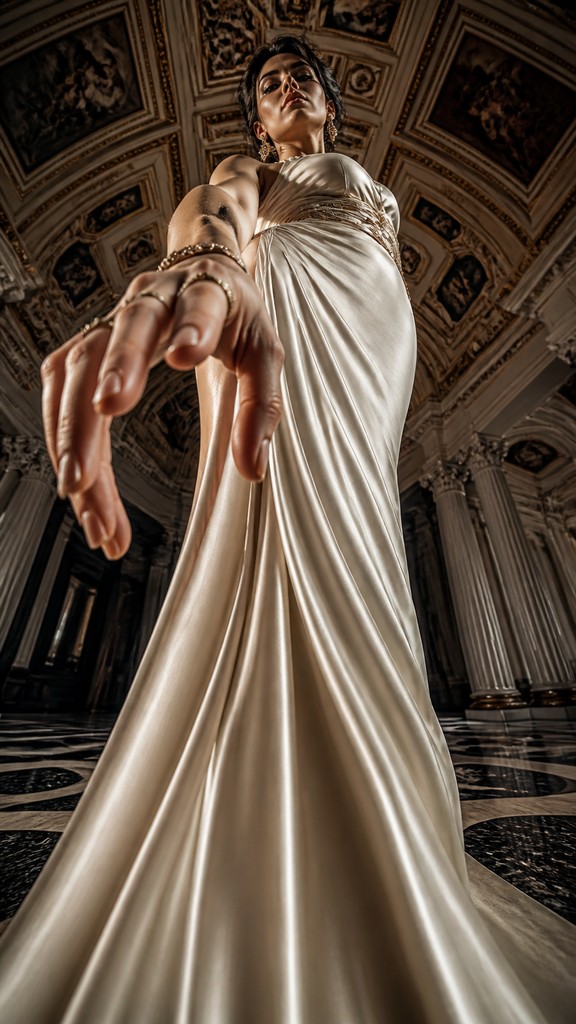
Foreshortening is a representational technique with roots in the study of linear perspective and anatomical drawing during the Renaissance. It became especially conspicuous in Mannerist and Baroque art, where figures were arranged along steep diagonals and ceiling painters used di sotto in su, or “from below upward,” to create the illusion of bodies and architecture opening above the viewer.
Dramatic foreshortening is best understood as a modern, cross-media synthesis rather than a single historical movement. It draws on illusionistic mural painting, Baroque theatricality, comic-book action imagery, cinematic wide-angle lenses, action photography, animation, and digital 3D perspective. Contemporary image-making can intensify these precedents by exaggerating camera position, depth scaling, and anatomical distortion beyond naturalistic observation.
Influences: The style is closely related to Renaissance linear perspective, Mannerist anatomical distortion, Baroque illusionistic ceiling painting, and chiaroscuro-based figure modeling. It also shares visual strategies with comic-book action panels, storyboard drawing, wide-angle and fisheye photography, cinematic action shots, animation keyframes, forced perspective in theater and architecture, and contemporary 3D modeling. Its defining difference is the deliberate concentration of these traditions around extreme depth-axis distortion.
Frequently Asked Questions
What defines dramatic foreshortening?
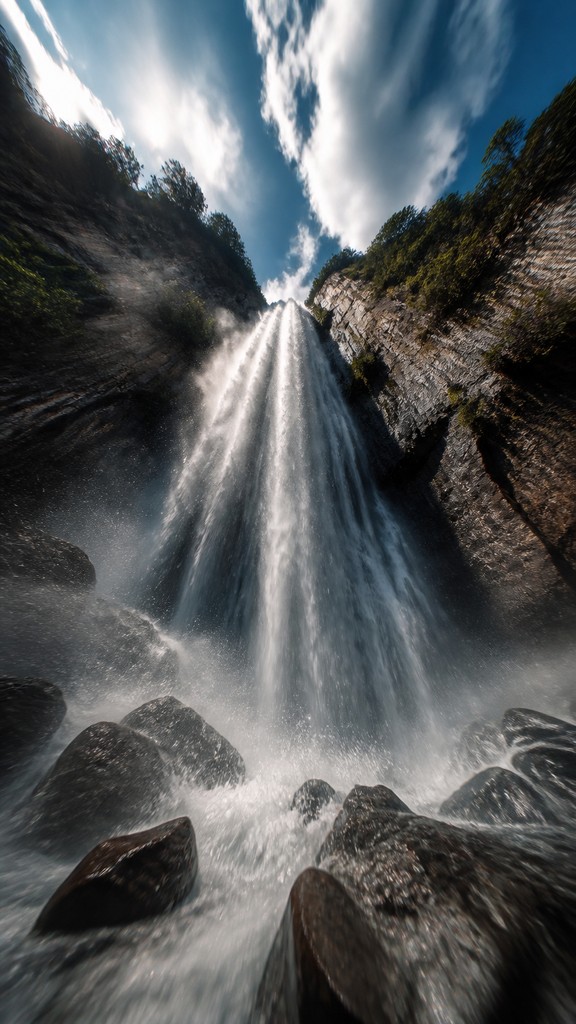
It is defined by extreme compression of forms along the viewing direction, especially when a subject projects toward or away from the viewer. Large foreground shapes, rapid scale changes, radical camera angles, and strong volume make the perspective immediately perceptible.
How is it different from ordinary foreshortening?
Ordinary foreshortening adjusts a form to show its correct spatial orientation, often while preserving natural proportions. Dramatic foreshortening pushes that adjustment toward theatrical distortion, prioritizing impact, motion, and spatial tension over neutral realism.
Is dramatic foreshortening a historical art movement?
No. Foreshortening is a long-established technique, while this label describes a contemporary style built around its most forceful effects. Its lineage includes Renaissance perspective, Baroque illusionism, comics, photography, cinema, and digital 3D imagery.
What subjects work best with this style?
Dynamic figures, animals, vehicles, weapons, staircases, tunnels, towers, and other elongated forms respond particularly well because their depth axes are easy to emphasize. Quiet subjects can also work when a close foreground detail creates the main spatial shock.
How can I avoid making the image look anatomically broken?
Establish the skeleton or basic 3D volumes before exaggerating proportions, and make sure joints connect along a consistent depth path. Clear overlaps, cast shadows, and directional lighting help the viewer read intentional distortion rather than construction errors.
Where is dramatic foreshortening commonly used?
It appears in figure drawing, mural and ceiling painting, comics, animation, editorial illustration, game concept art, action photography, storyboards, advertising, and cinematic key art. It is especially useful when an image must communicate speed, threat, scale, or immersion.
Create your first Dramatic Foreshortening artwork
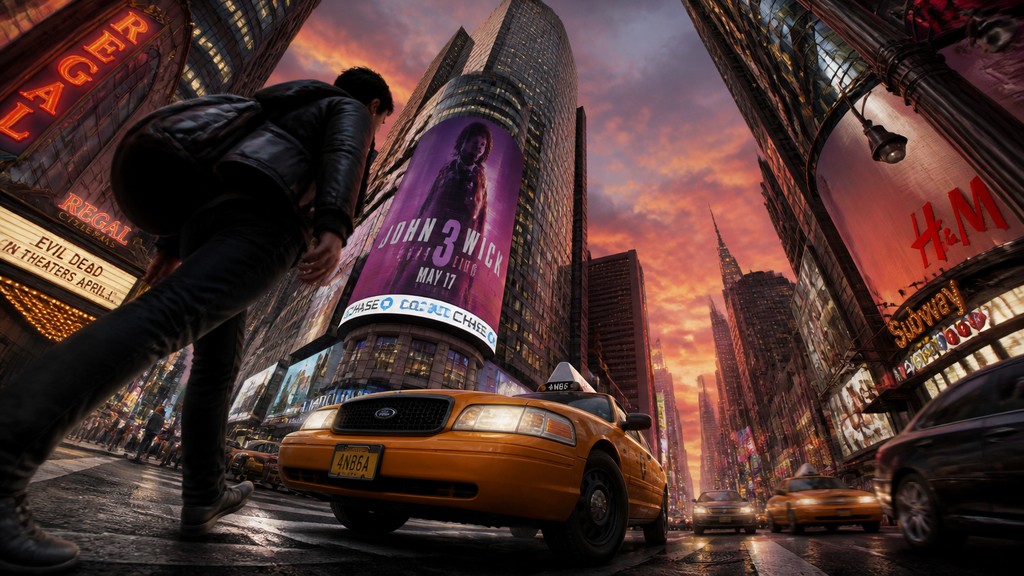
Describe anything — or upload a photo — and see it in Dramatic Foreshortening Art Style in seconds.
Related Styles
Discover similar art styles