Fijian Art Style
Explore Fijian-inspired art through stamped masi, carved kava vessels, burnished pottery, geometric motifs, and reef-turquoise island color.
Instantly rendered in Fijian — or transform a photo
Fijian Gallery
Tap any artwork to explore it
What is Fijian Art Style?
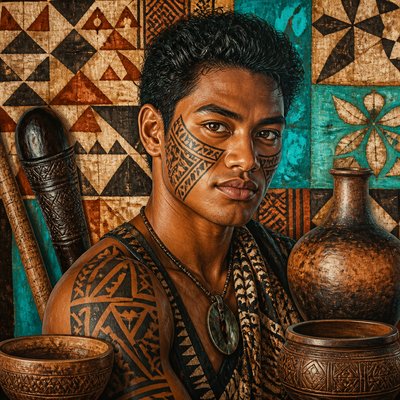
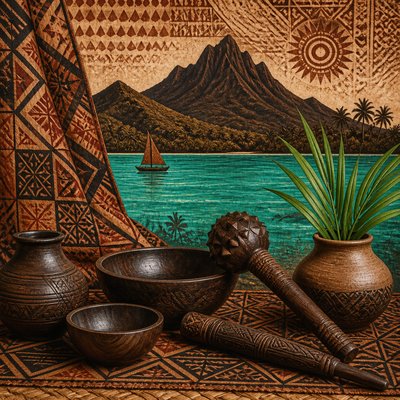
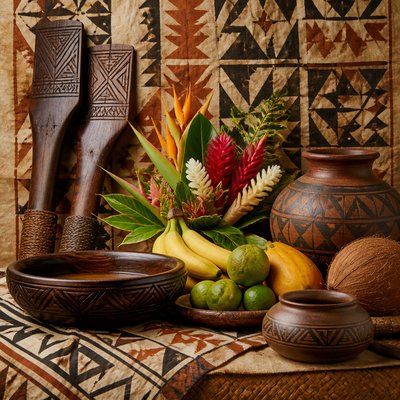
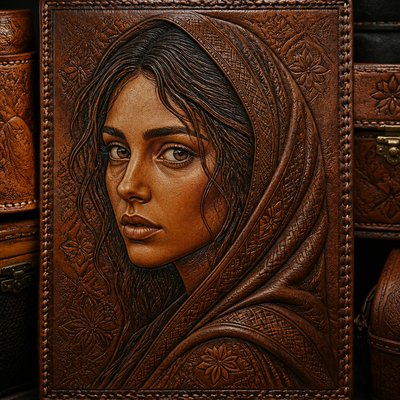
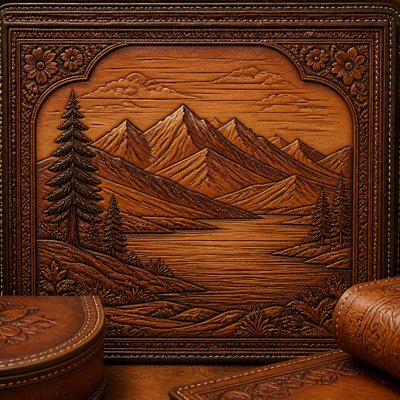
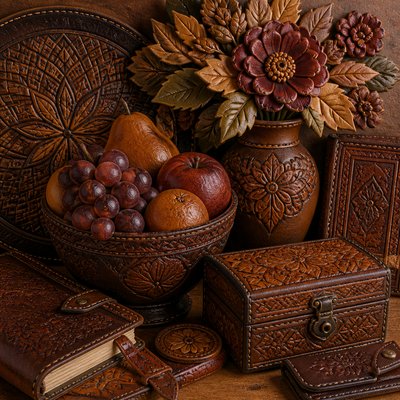
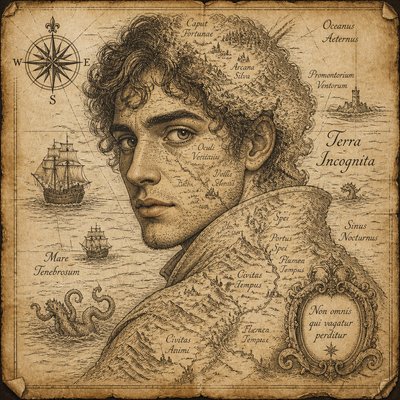
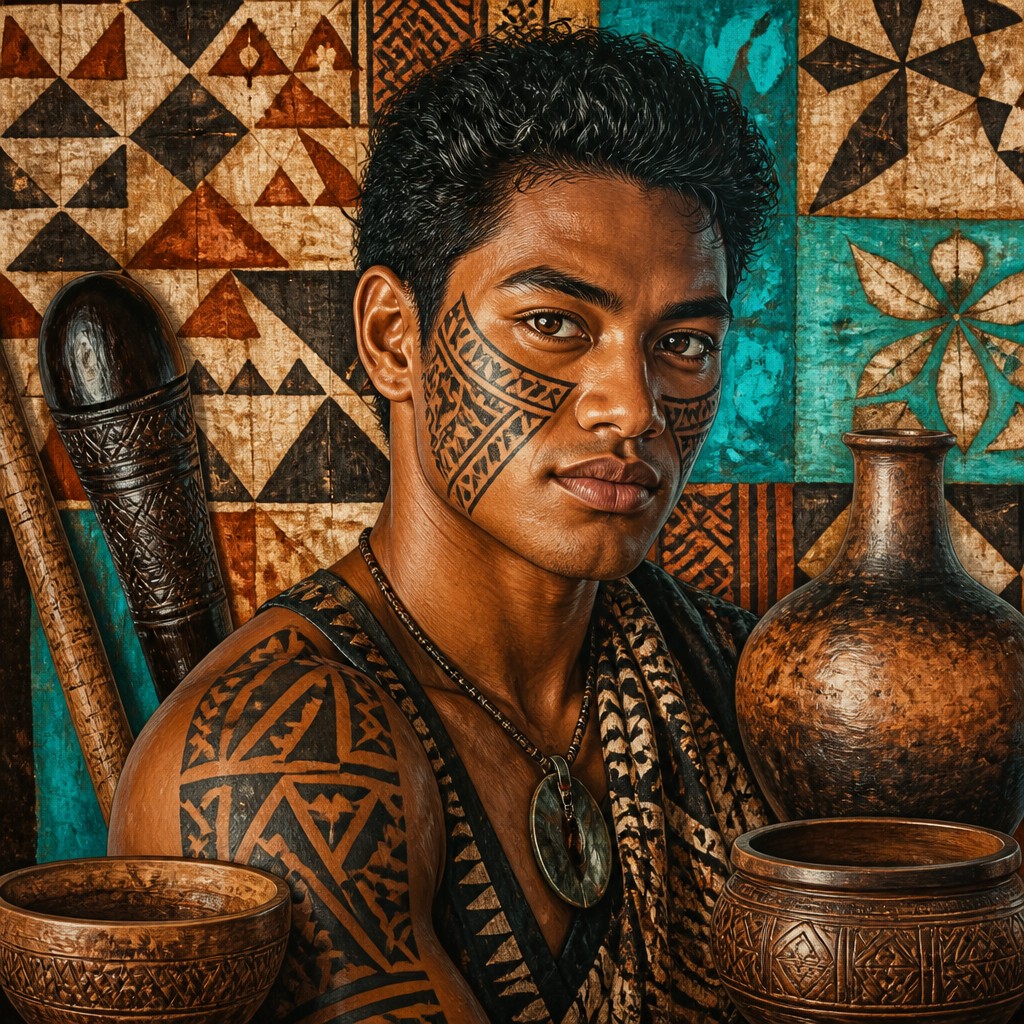
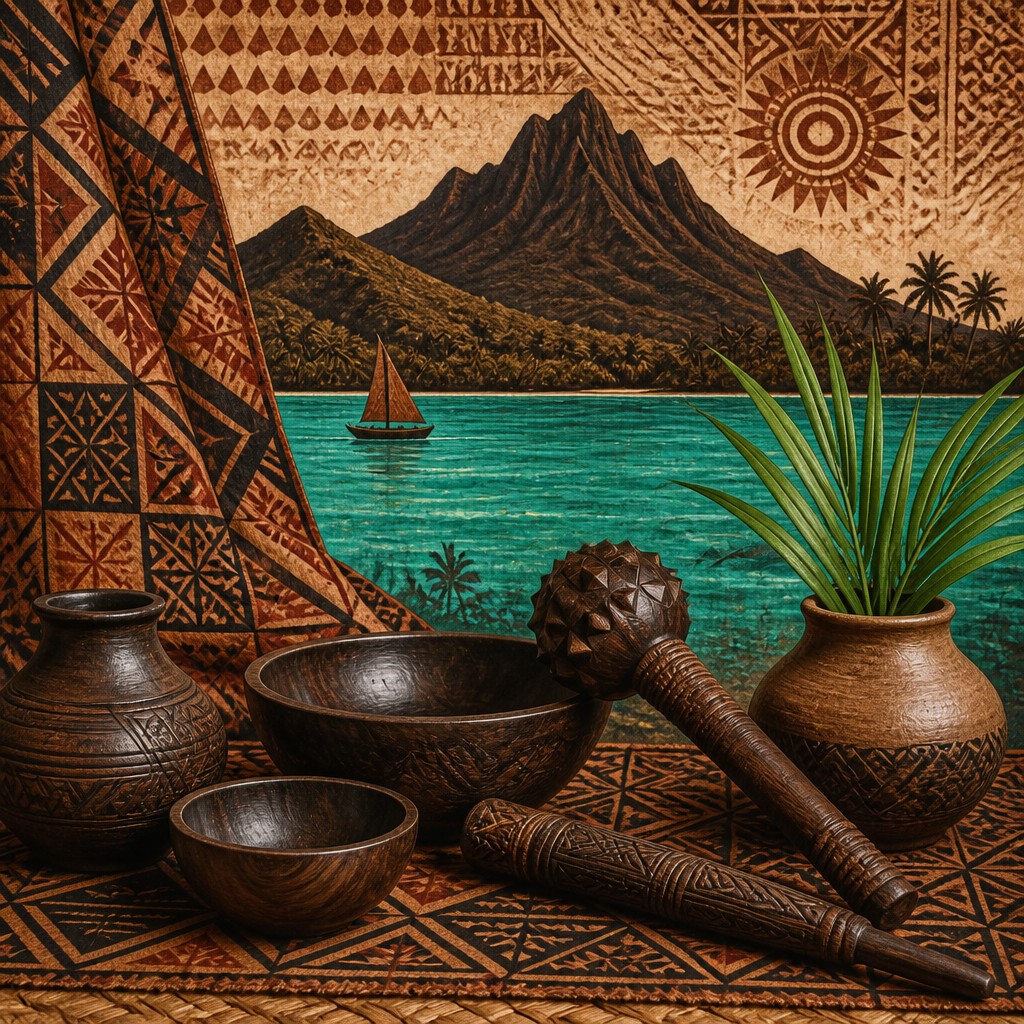
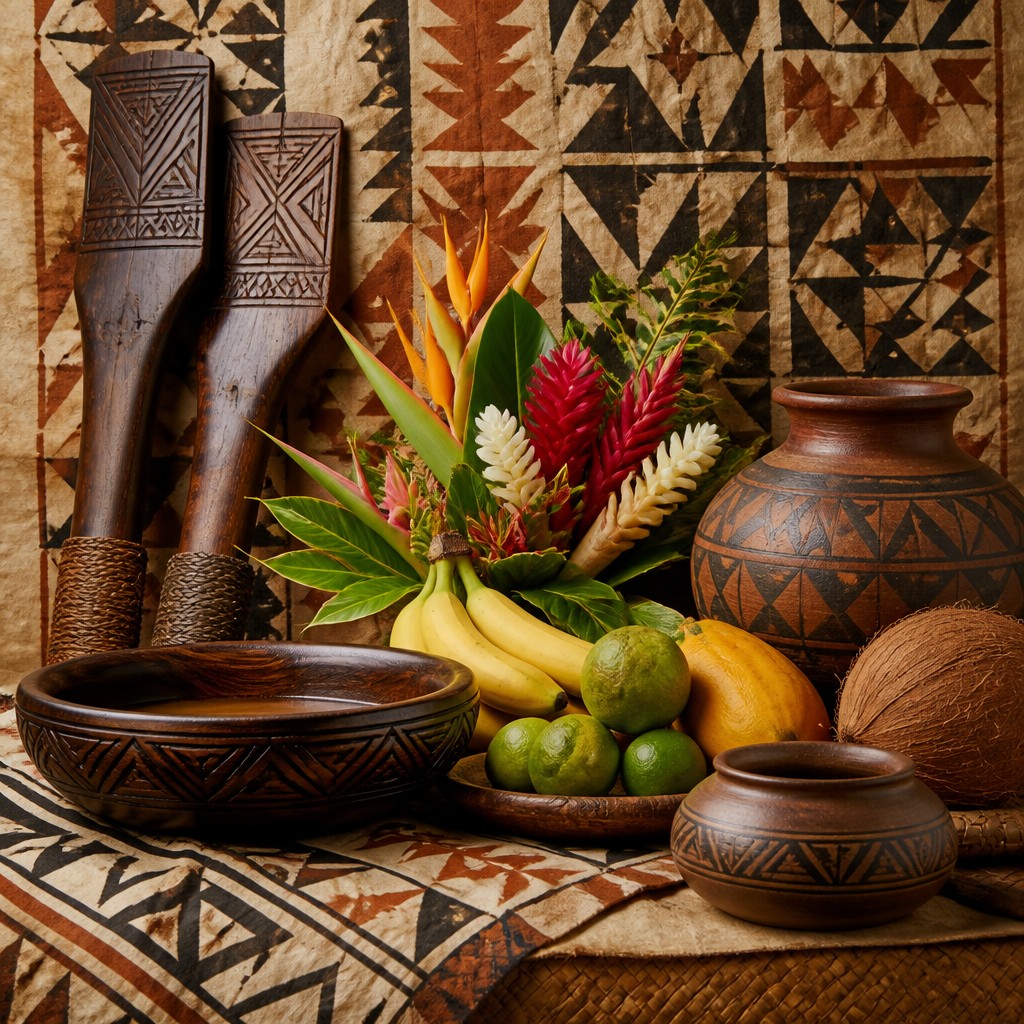
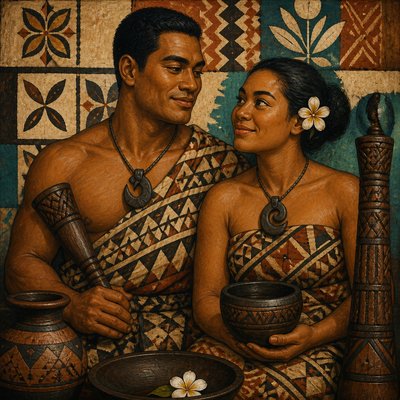
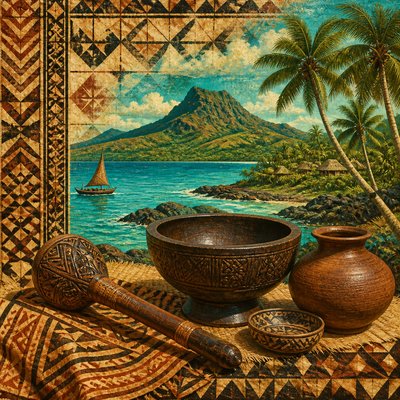
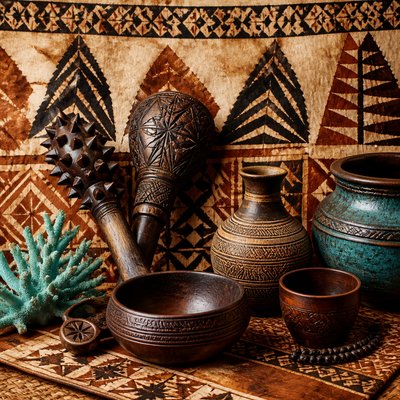
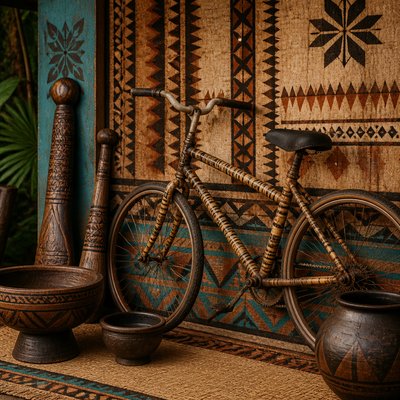
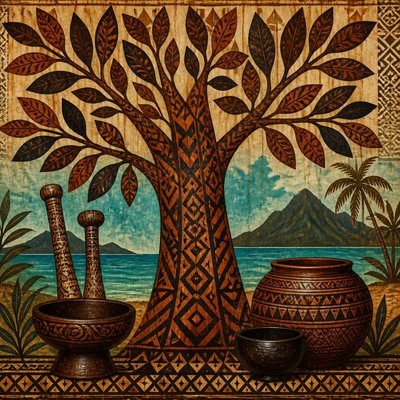
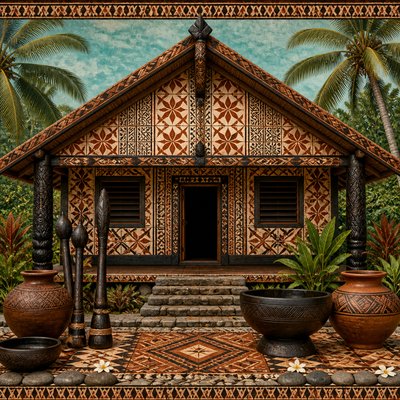
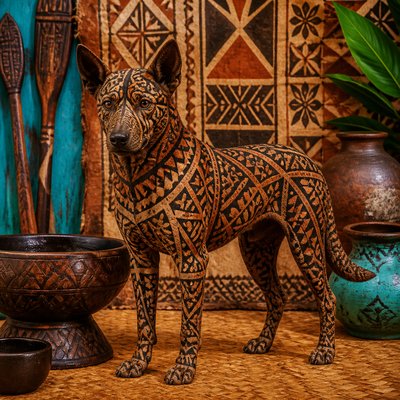
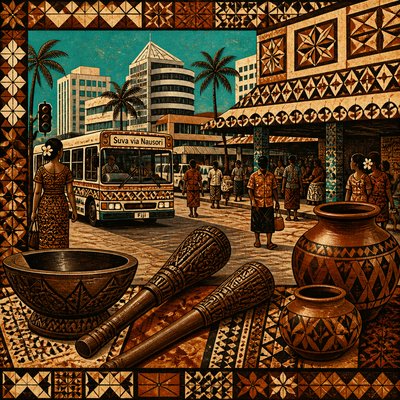
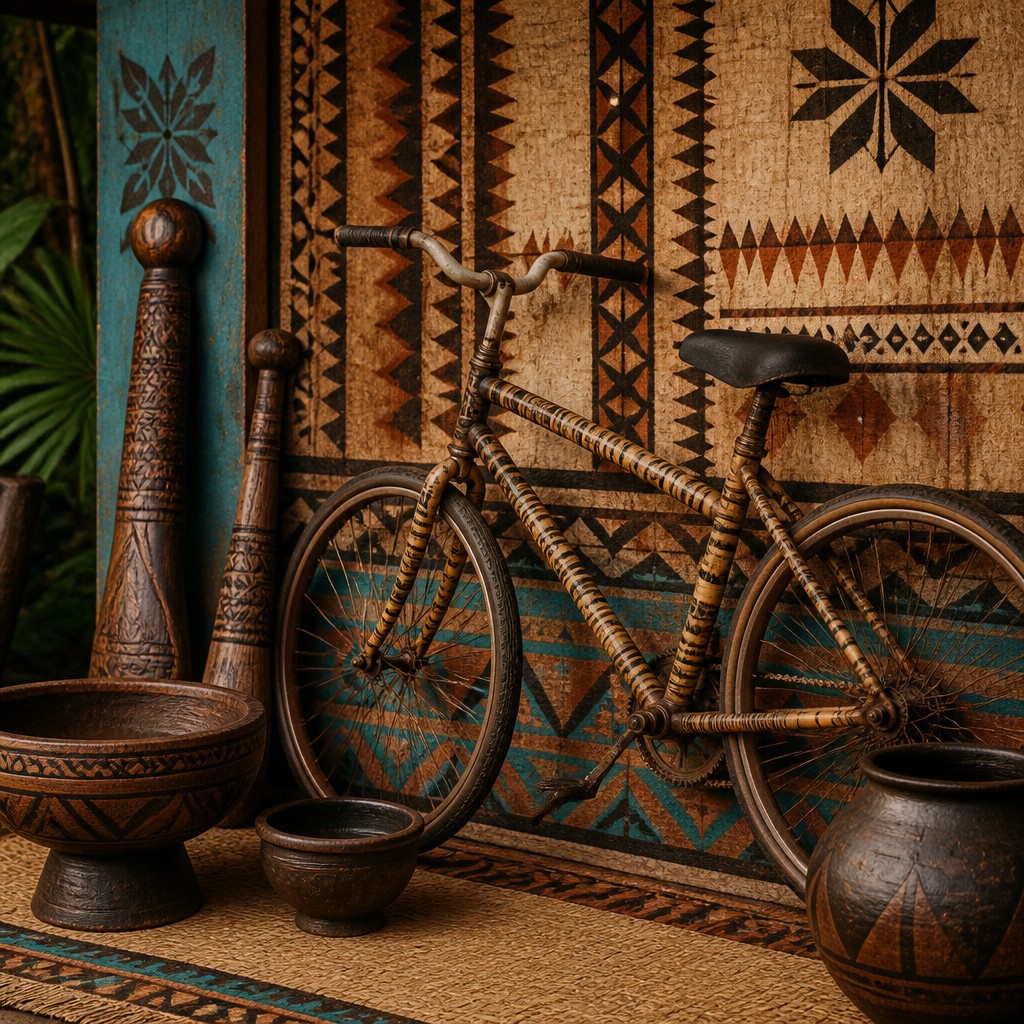
Fijian Art Style is an interpretive visual language inspired by the material culture of Fiji and the wider western Pacific. It combines the tactile patterns of masi barkcloth, the dark polished surfaces of carved wooden vessels and clubs, and the earthen textures of hand-built pottery. Bold geometry, repeated bands, natural irregularities, and a palette of rust brown, black, volcanic earth, and reef turquoise give the style a grounded yet luminous character.
Rather than describing one uniform historical school, the term refers to a contemporary synthesis of Fijian craft traditions. Its visual identity comes from the relationship between useful objects, ceremonial objects, skilled handwork, and island environments: bark fibers become patterned cloth, timber becomes a vessel or tool, and clay is shaped into warm, burnished forms. The resulting imagery favors rhythm, material presence, symbolic pattern, and a sense of tropical warmth over illusionistic detail.
Try It On Your Photos
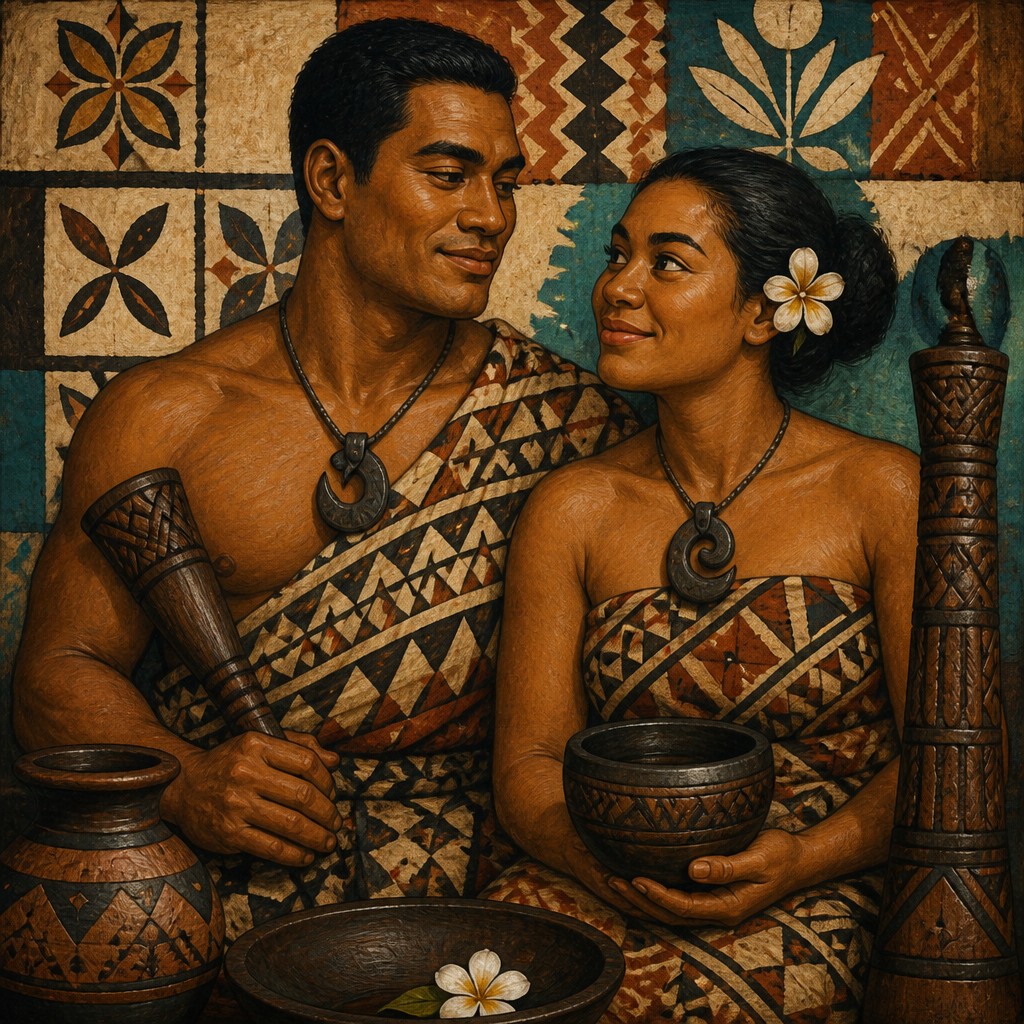
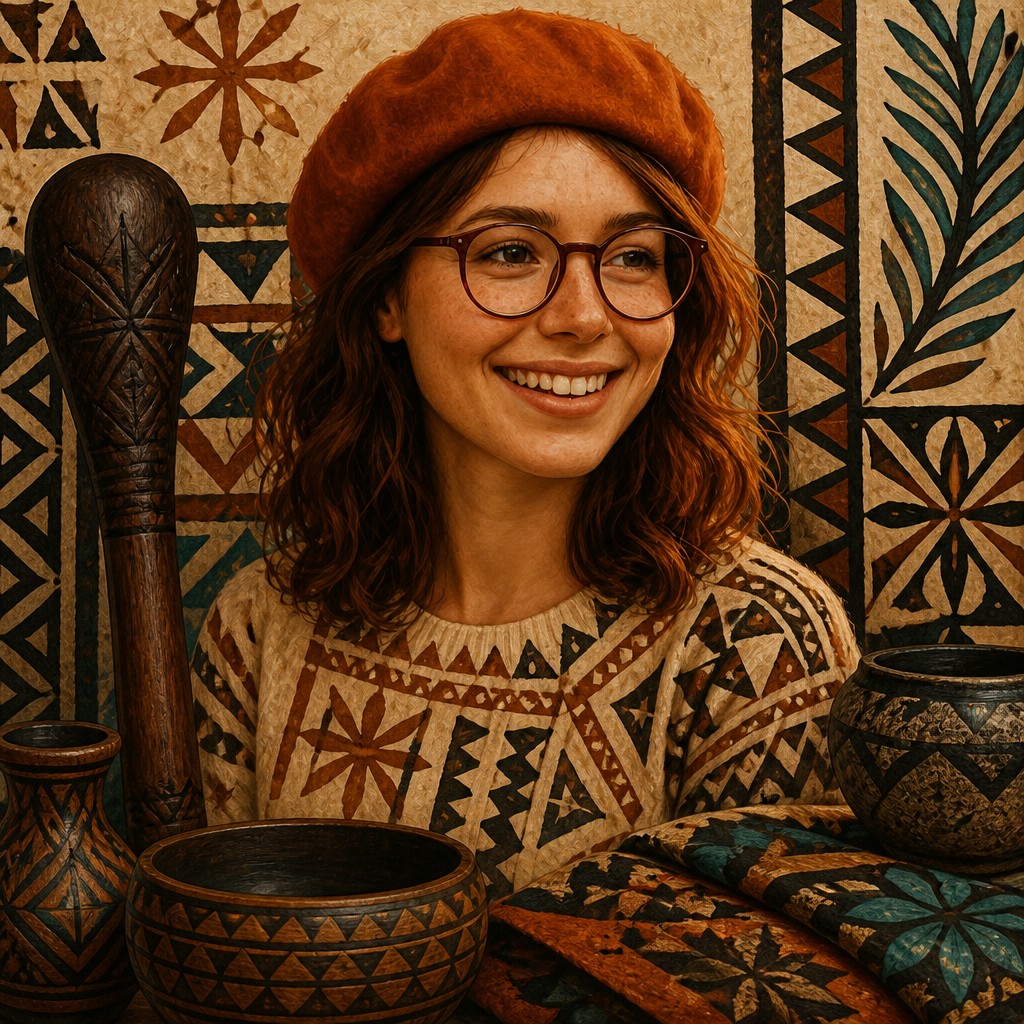
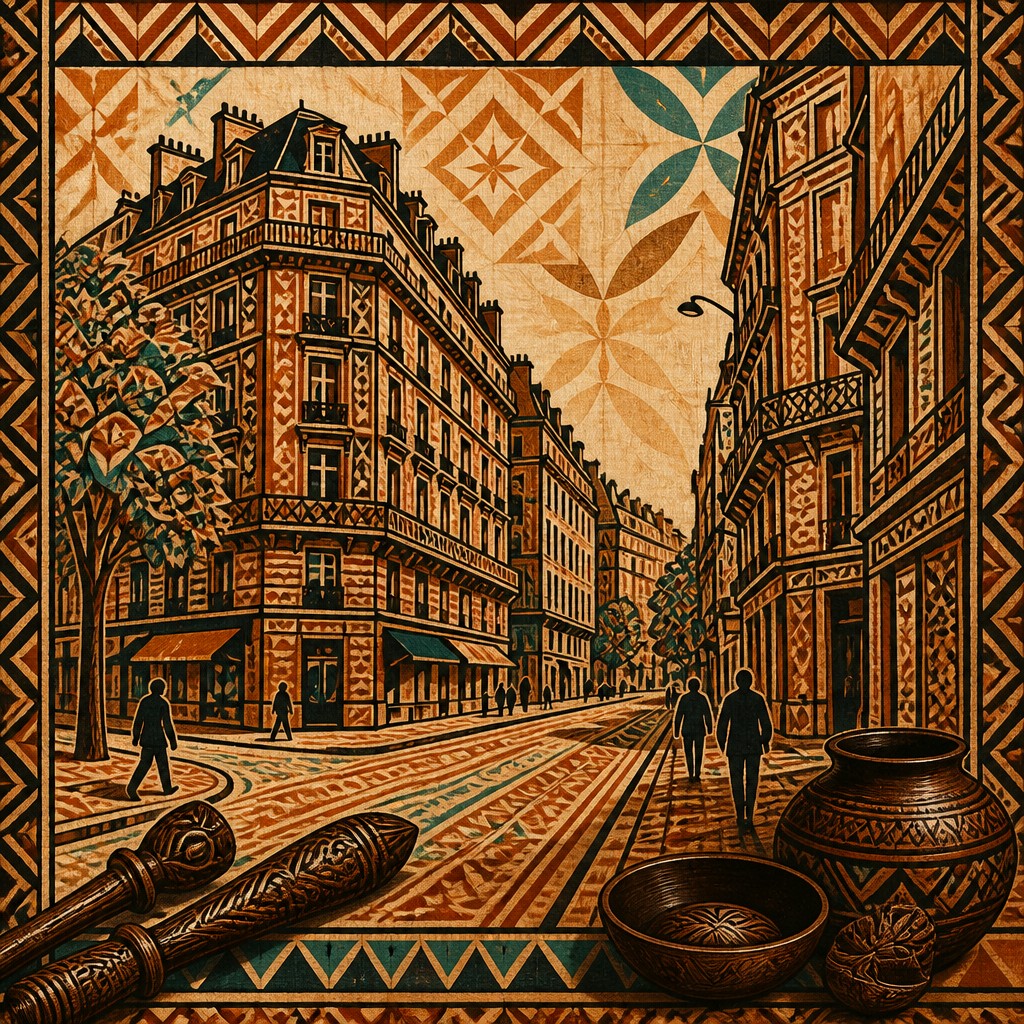
Upload any photo and convert it into Fijian Art Style — drag the sliders to compare before and after.


What Defines Fijian Art Style
The signature details, up close
Stamped masi geometry
Layered bands, diamonds, chevrons, triangles, and repeated marks evoke patterned barkcloth. Motifs tend to be bold and rhythmically arranged, with slight variation that preserves the evidence of hand application.
Bark and fiber texture
The surface often shows fibrous grain, soft beaten irregularity, and matte absorbency rather than smooth paper or polished paint. Warm natural fibers help balance the stronger graphic marks.
Carved dark timber
Kava bowls, serving vessels, and ceremonial forms are represented through deep brown wood, visible grain, rounded edges, and carefully polished highlights. Carved grooves and incised details provide an organic counterpoint to cloth patterns.
Burnished earthenware
Hand-built pottery appears low-fired, tactile, and gently uneven, with rubbed or burnished surfaces in ochre, clay red, charcoal, and umber. Simple vessel silhouettes keep attention on material and workmanship.
Reef-turquoise illumination
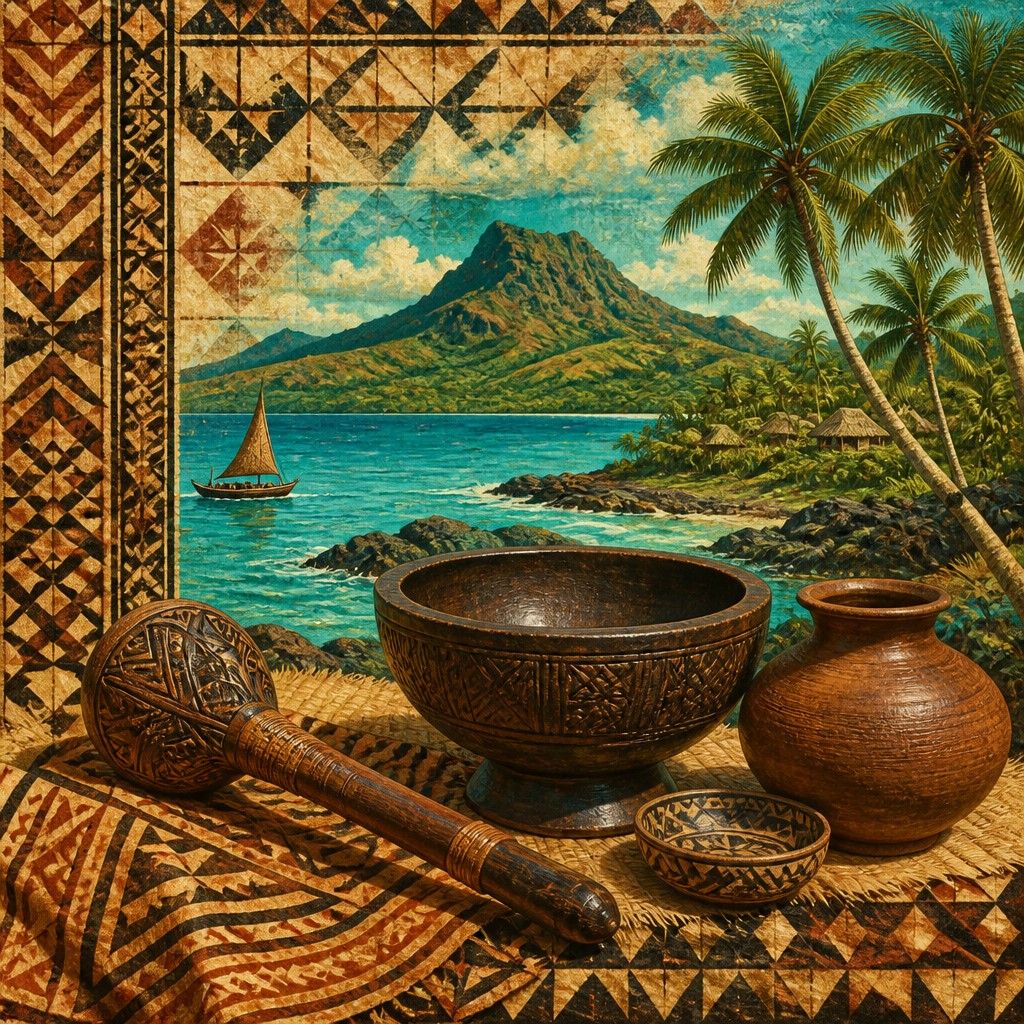
Turquoise, blue-green, and lagoon tones function as atmospheric light or selective accents rather than covering every surface. They suggest shallow water, reef color, humid air, and bright coastal surroundings.
Rhythmic craft composition
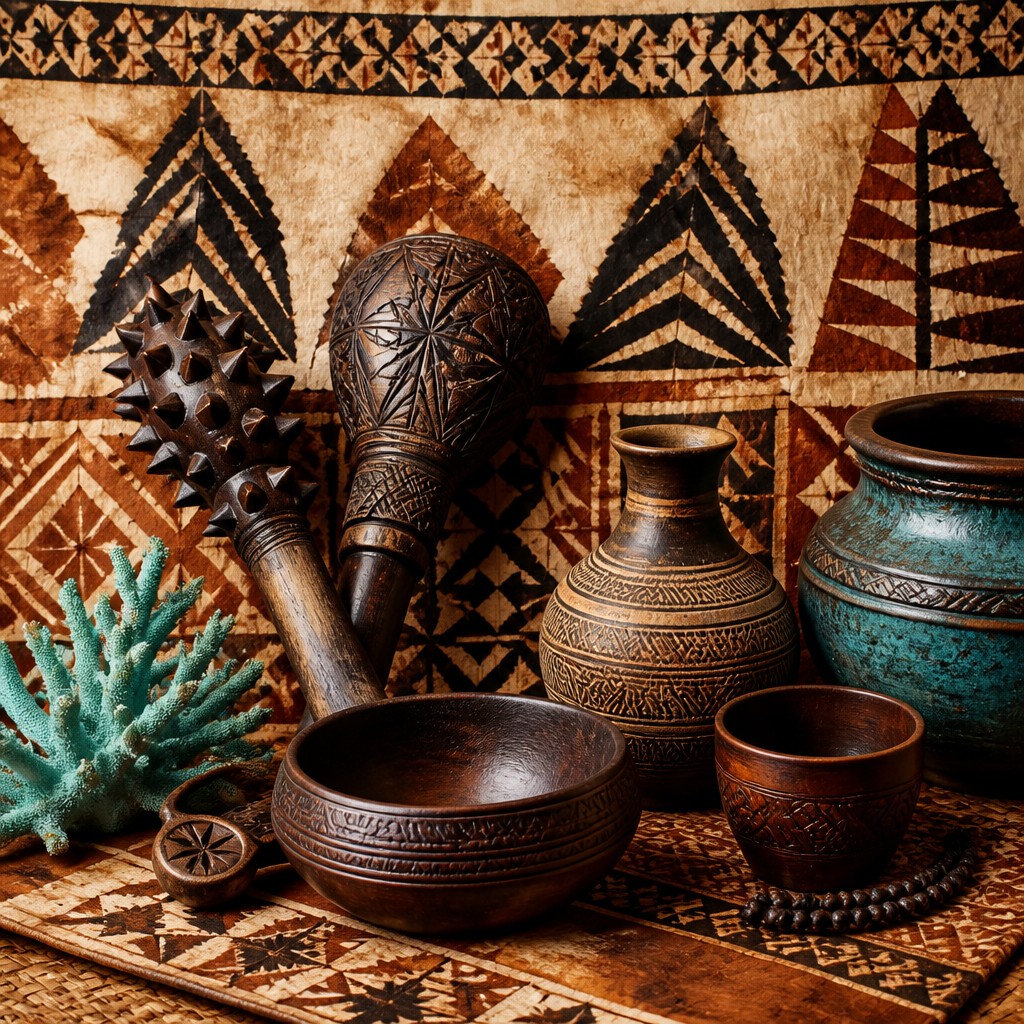
Images rely on repetition, balanced spacing, stacked borders, and clusters of related objects. The arrangement may feel ceremonial or display-like, while retaining the asymmetry and variation of handmade work.
Island material palette
Volcanic brown, rust, black, clay, faded cream, leaf green, and reef turquoise create a warm natural range. High saturation is usually reserved for small accents so that texture remains central.
Fijian Prompt Ideas
Start from an idea — each one opens the generator with the style ready to go. See all 40 Fijian prompts →
How to Create Fijian Art
Master the craft step by step — or skip straight to creating. Read the full guide →
- 1
Build a material study
Begin with separate studies of beaten barkcloth, polished hardwood, and burnished clay before combining them in one image. Vary edge softness, grain direction, reflectivity, and pigment absorption so each material remains legible.
- 2
Design a repeating motif system
Create a small vocabulary of triangles, chevrons, diamonds, stripes, and stepped forms, then repeat them in borders or panels with controlled variation. Keep the geometry bold and spacious rather than filling every available area.
- 3
Use a restrained palette
Start with rust brown, charcoal, clay, and dark wood, then introduce reef turquoise as reflected light or a limited accent. Gentle tonal contrast and warm shadows will produce a more convincing handmade surface than uniformly vivid color.
- 4
Shape objects by hand
For traditional work, press or stamp pigment into prepared barkcloth, carve vessels with broad confident cuts, and burnish leather-hard clay with a smooth stone or hard tool. Preserve small irregularities instead of correcting every mark.
- 5
Compose a tactile still life
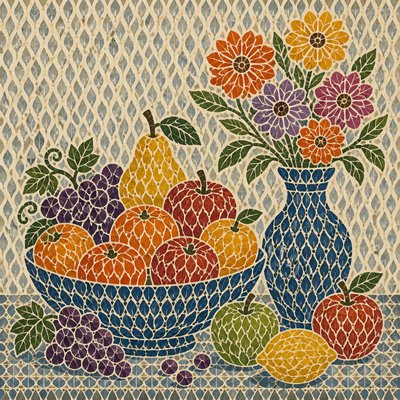
Arrange masi panels, a rounded wooden bowl, carved tools, pottery, shells, or woven fibers against a simple coastal or volcanic setting. Use overlapping forms, low viewpoints, and directional light to emphasize relief and surface.
- 6
Guide digital or AI rendering
Specify stamped barkcloth, polished dark wood, hand-built burnished pottery, geometric repetition, reef-turquoise light, and volcanic-brown shadows in the prompt. For image-to-image work, preserve the subject's silhouette while transferring material texture, palette, and rhythmic patterning; avoid asking for generic tribal decoration.
The Story
History & Origins of Fijian
This style draws on long-standing Fijian traditions of masi production, wood carving, pottery, woven objects, body ornament, and ceremonial design. Masi, commonly made from the inner bark of paper mulberry and related plants, is beaten into cloth and decorated with pigments, rubbing, painting, or stamped and stenciled motifs. Carved wooden objects, including kava bowls and clubs, reflect the importance of woodworking, communal ceremony, status, and exchange, while pottery traditions are associated especially with the western and northern islands and neighboring Pacific networks.
The label "Fijian Art Style" is best understood as an aesthetic lineage rather than a single indigenous movement. Contemporary interpretations often combine recognizable material references with simplified geometric composition, atmospheric color grading, and digital surface design. Responsible use should acknowledge regional variation and avoid treating ceremonial objects or motifs as interchangeable decoration.
Influences: The style is related to Fijian masi and tapa traditions, Pacific barkcloth design, Indigenous Oceanic wood carving, hand-built earthenware, and ceremonial object making. It also borrows compositional ideas from pattern-based textile design, ethnographic still-life photography, material-focused sculpture, and contemporary digital collage. Its geometric repetition may recall broader Pacific visual systems, but motifs should not be assumed to have the same meaning across Fiji or across neighboring cultures.
Frequently Asked Questions
What defines the Fijian Art Style?
It is defined by a tactile combination of patterned masi barkcloth, carved dark wood, burnished pottery, and a warm palette of rust, black, clay, volcanic brown, and reef turquoise. Repetition, geometric borders, visible handwork, and material contrast are more important than a single type of subject.
Is Fijian Art Style a historical art movement?
No. The term is best treated as a contemporary interpretive category or aesthetic synthesis, not as a formally named historical movement. It draws from distinct Fijian regional and craft traditions that have their own histories, techniques, and cultural meanings.
How is it different from general Polynesian or tribal art?
A Fijian-inspired approach should focus on specific materials and references, especially masi barkcloth, Fijian wood carving, kava vessels, and local pottery traditions. Broad labels can flatten important differences between Oceanic cultures, so generic masks, random symbols, or invented sacred motifs are poor substitutes for informed material detail.
What subjects work well in this style?
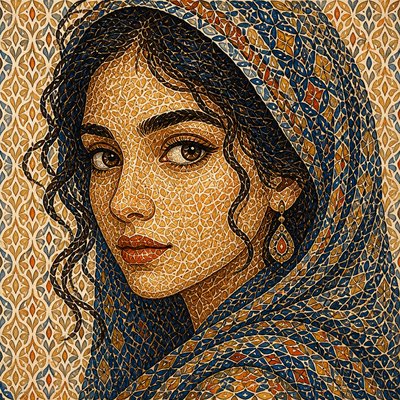
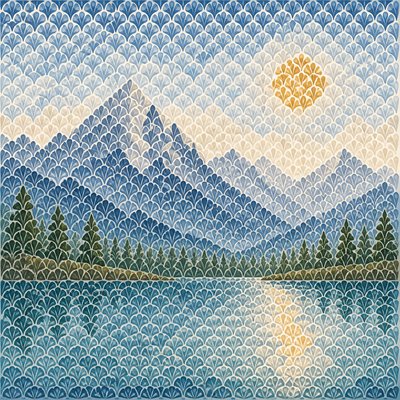
Still lifes, vessels, textiles, village architecture, coastal landscapes, tools, ceremonial displays, and portraits framed by patterned cloth work especially well. The style is strongest when the subject allows surface, craft, repetition, and natural materials to remain visible.
How can I make a convincing image in this style?
Describe the materials before describing decorative effects: beaten bark fiber, stamped natural pigment, polished hardwood grain, hand-built clay, and burnished surfaces. Add a limited palette and directional reef-colored light, then specify irregular handmade marks rather than perfectly uniform digital patterns.
Can these motifs be used decoratively without cultural context?
Care is advisable, particularly with ceremonial objects, status-related forms, and motifs whose meanings vary by community or region. For respectful contemporary work, identify the material and visual lineage, avoid presenting invented symbols as authentic, and consult reliable Fijian cultural or museum sources when making specific claims.
Create your first Fijian artwork
Describe anything — or upload a photo — and see it in Fijian Art Style in seconds.
Related Styles
Discover similar art styles