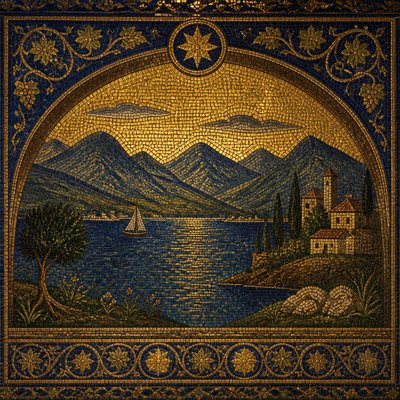
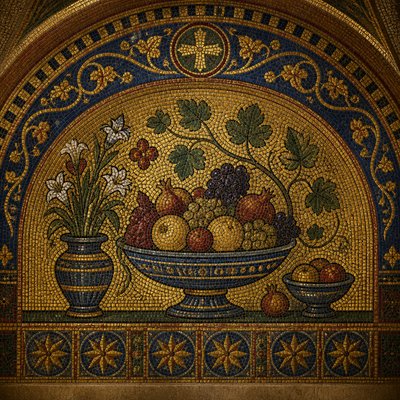
Fiber Art Style
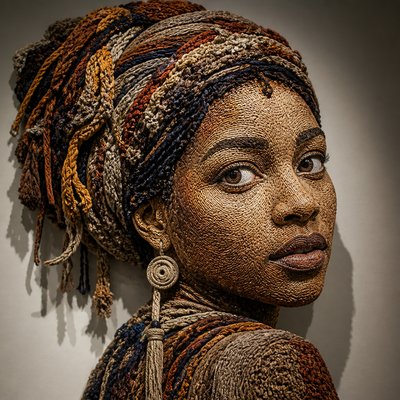
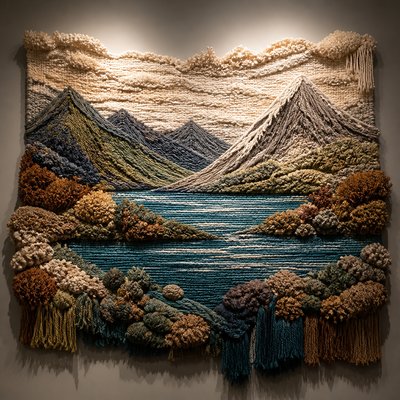
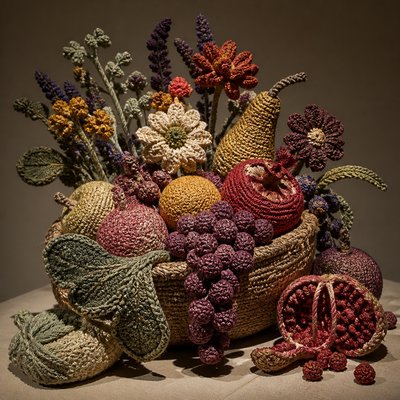
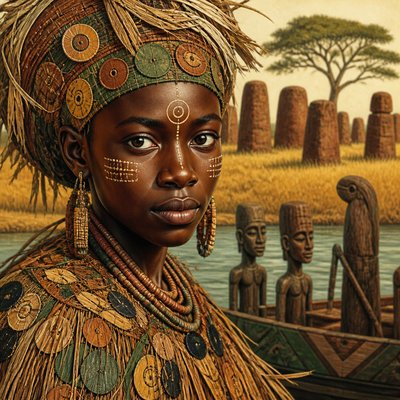
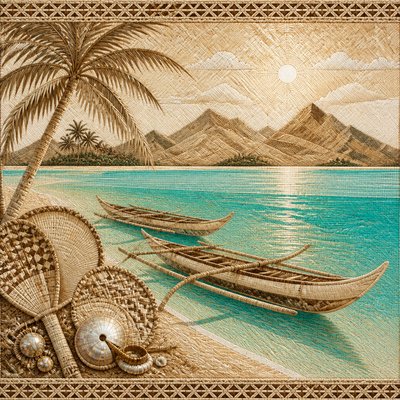
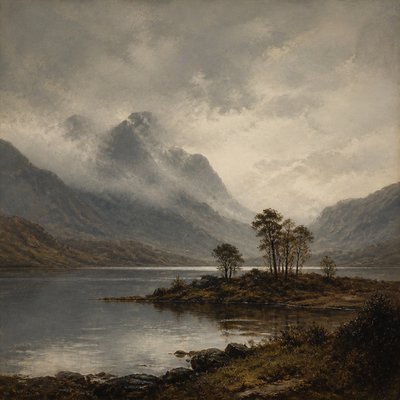
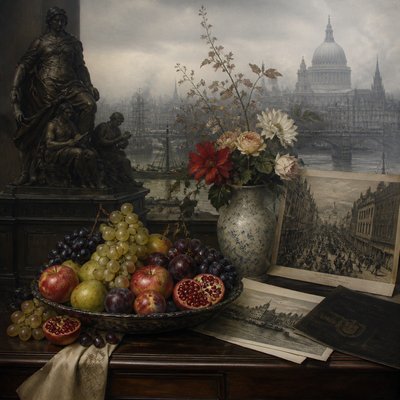
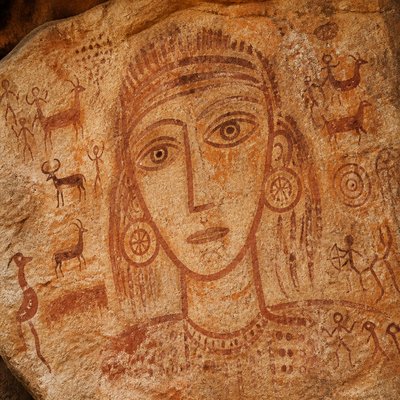
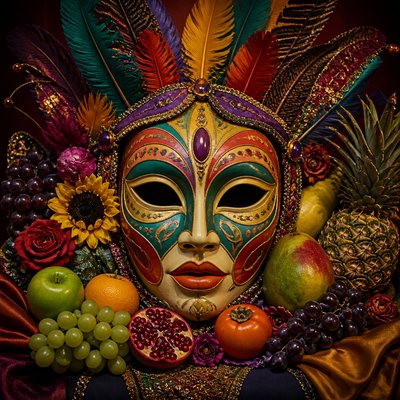
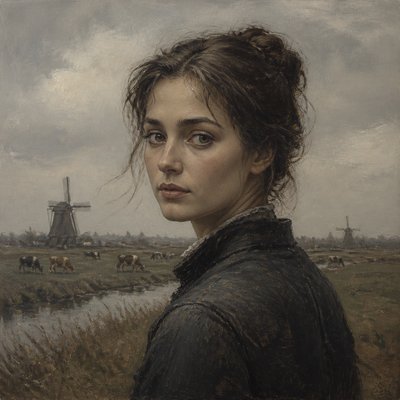
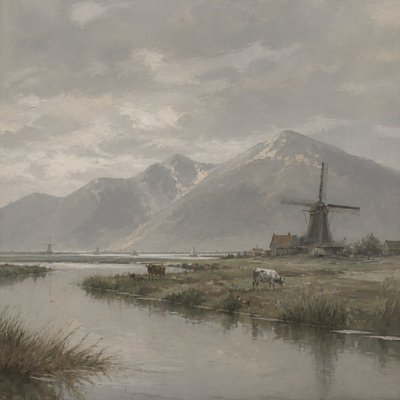
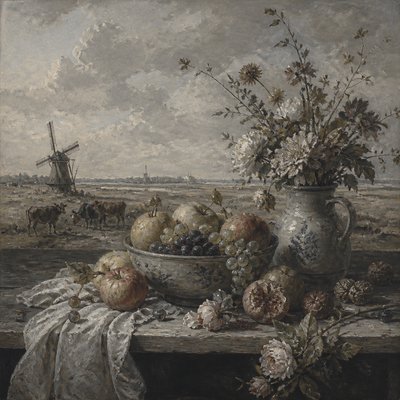
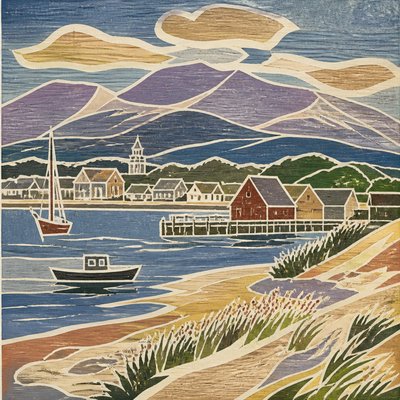
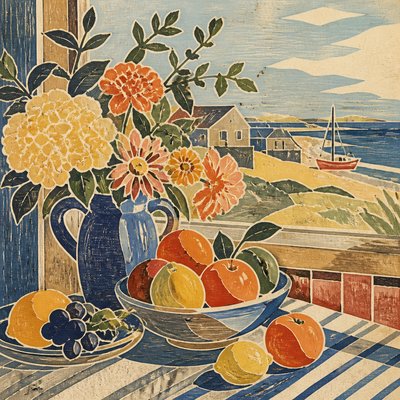
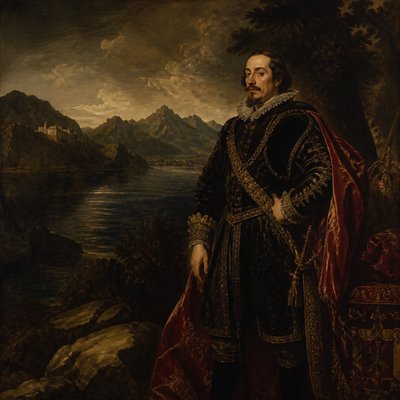
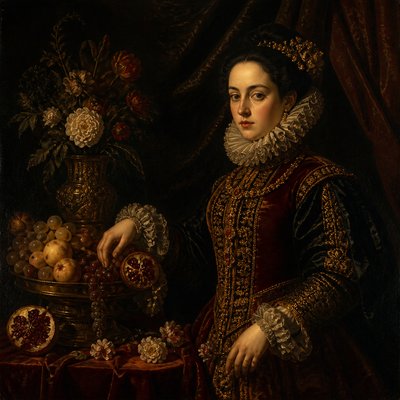
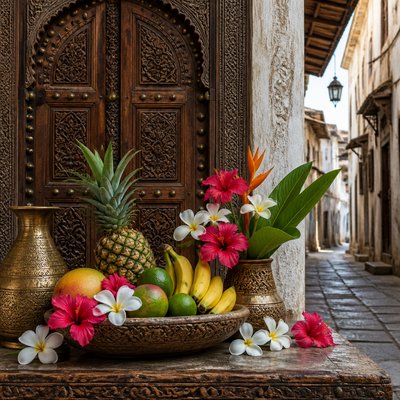
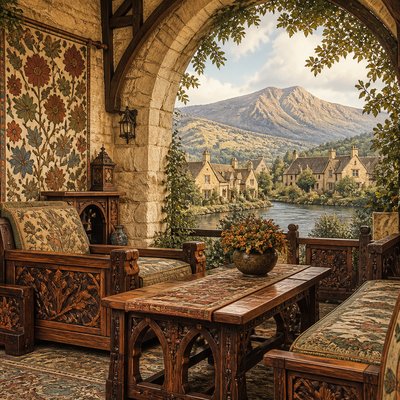
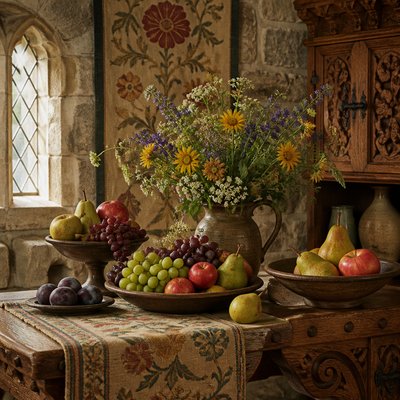
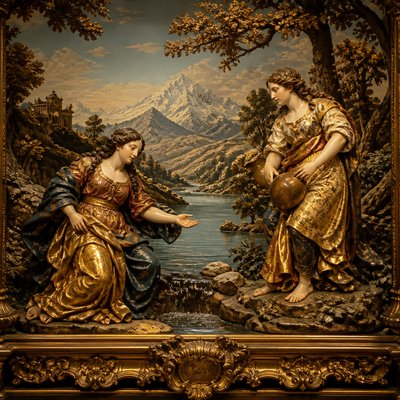
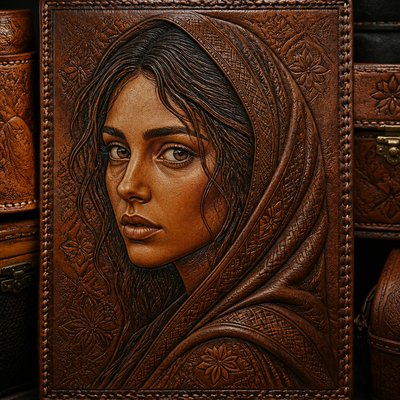
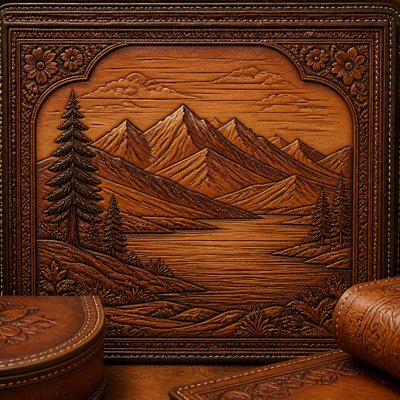
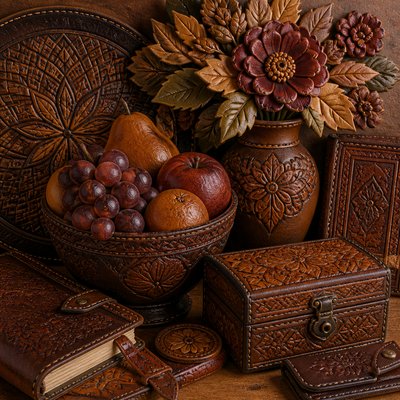
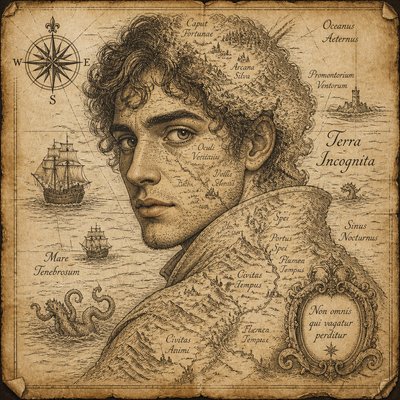
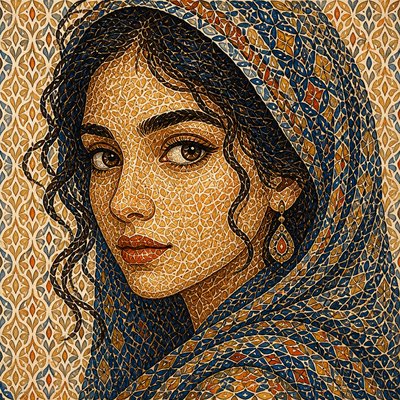
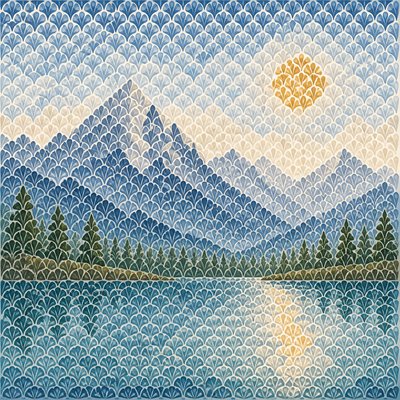
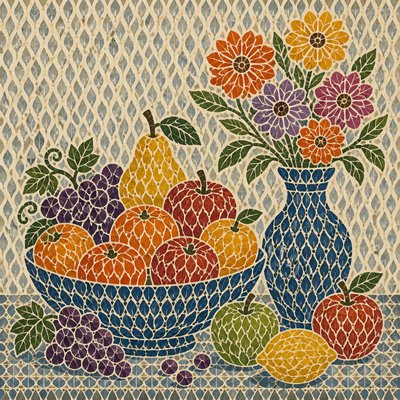
Explore Fiber Art Style: woven, knotted, and twisted fibers shaped into tactile sculptures with earthy colors, layered texture, and soft shadows.
Instantly rendered in Fiber — or transform a photo
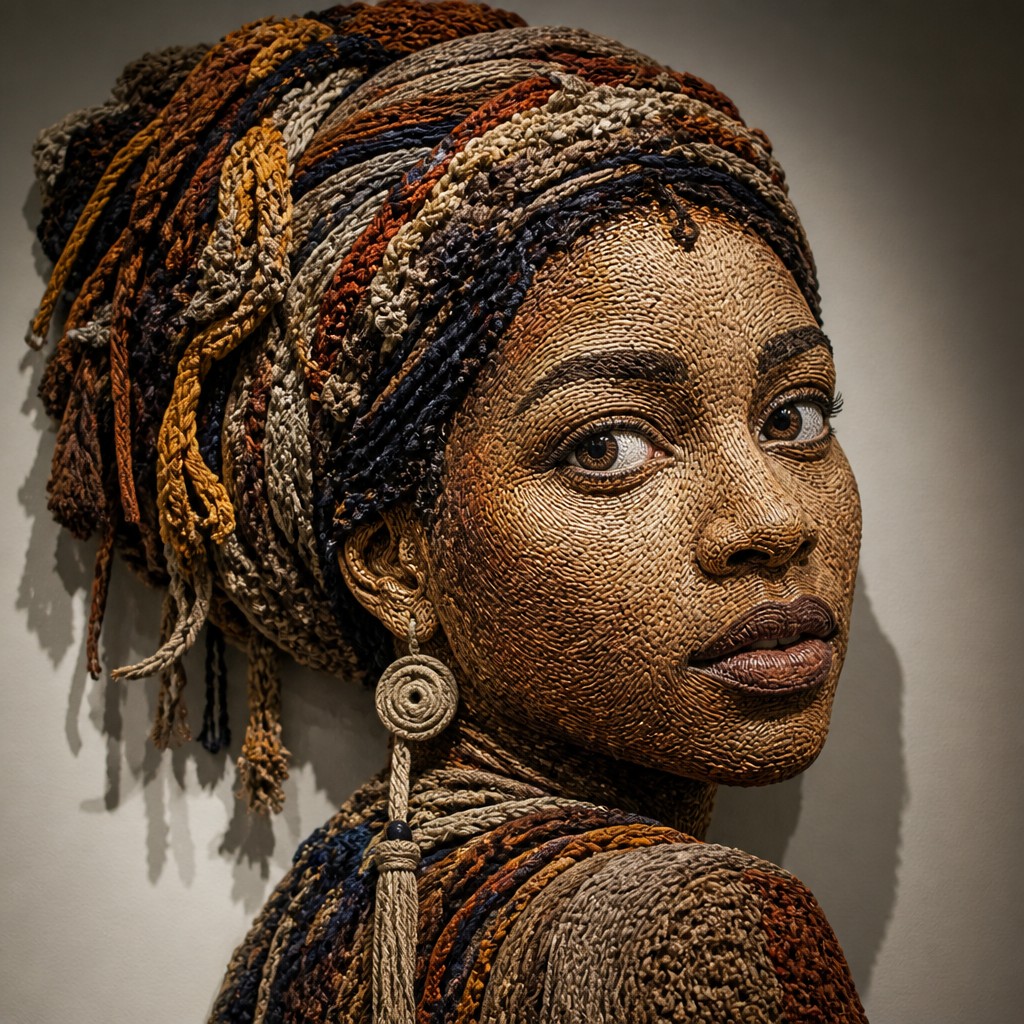
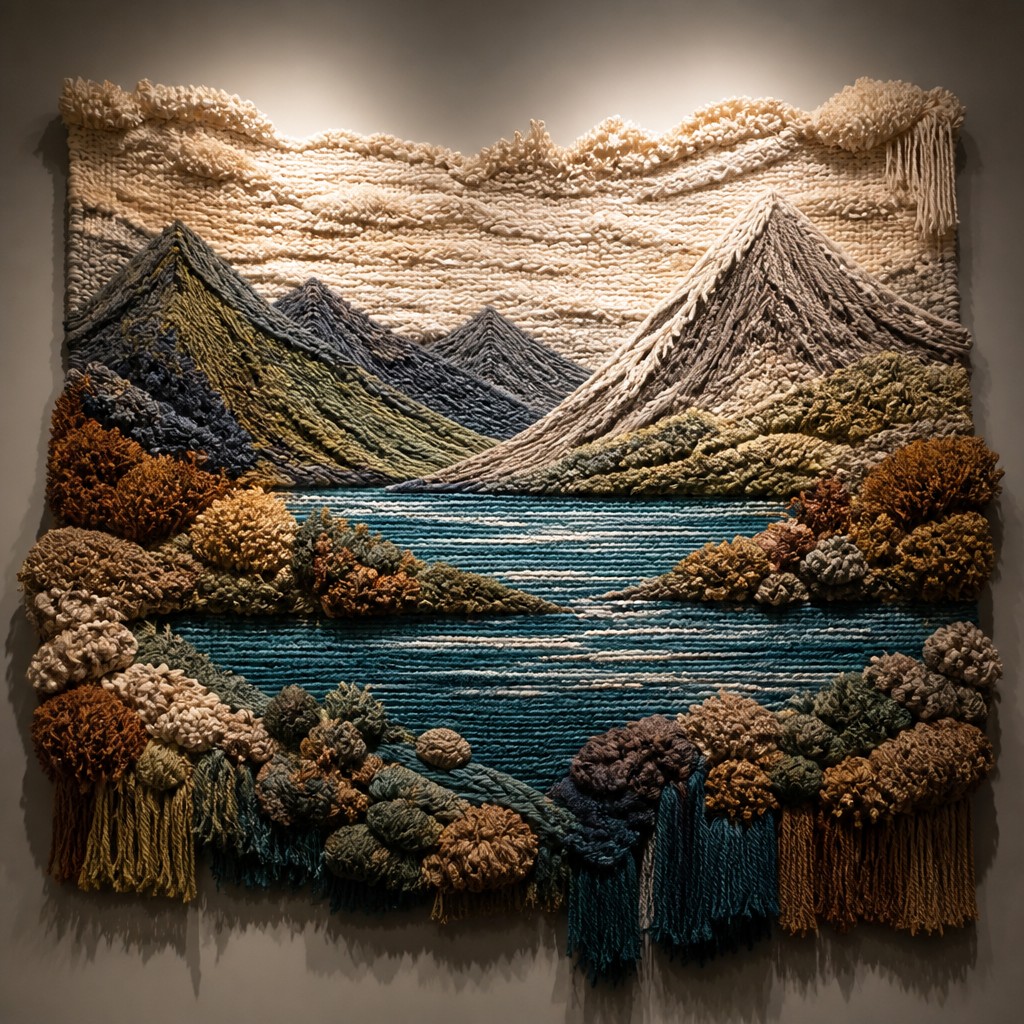
Fiber Gallery
Tap any artwork to explore it
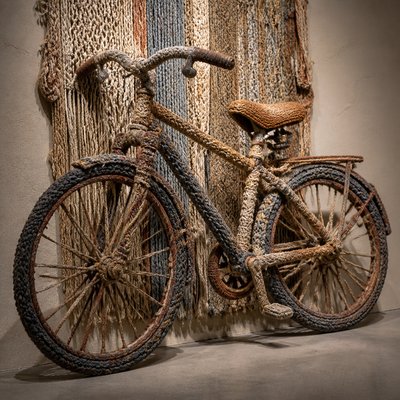
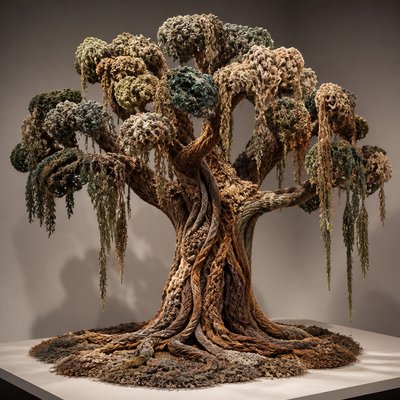
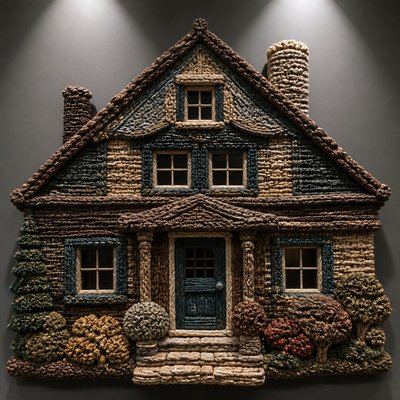
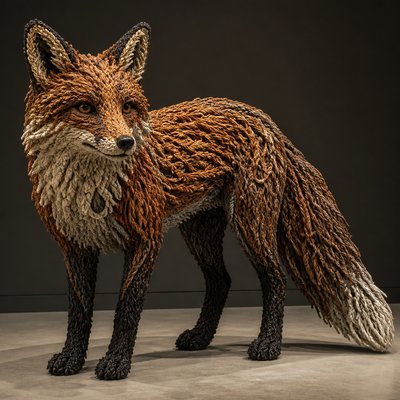
What is Fiber Art Style?
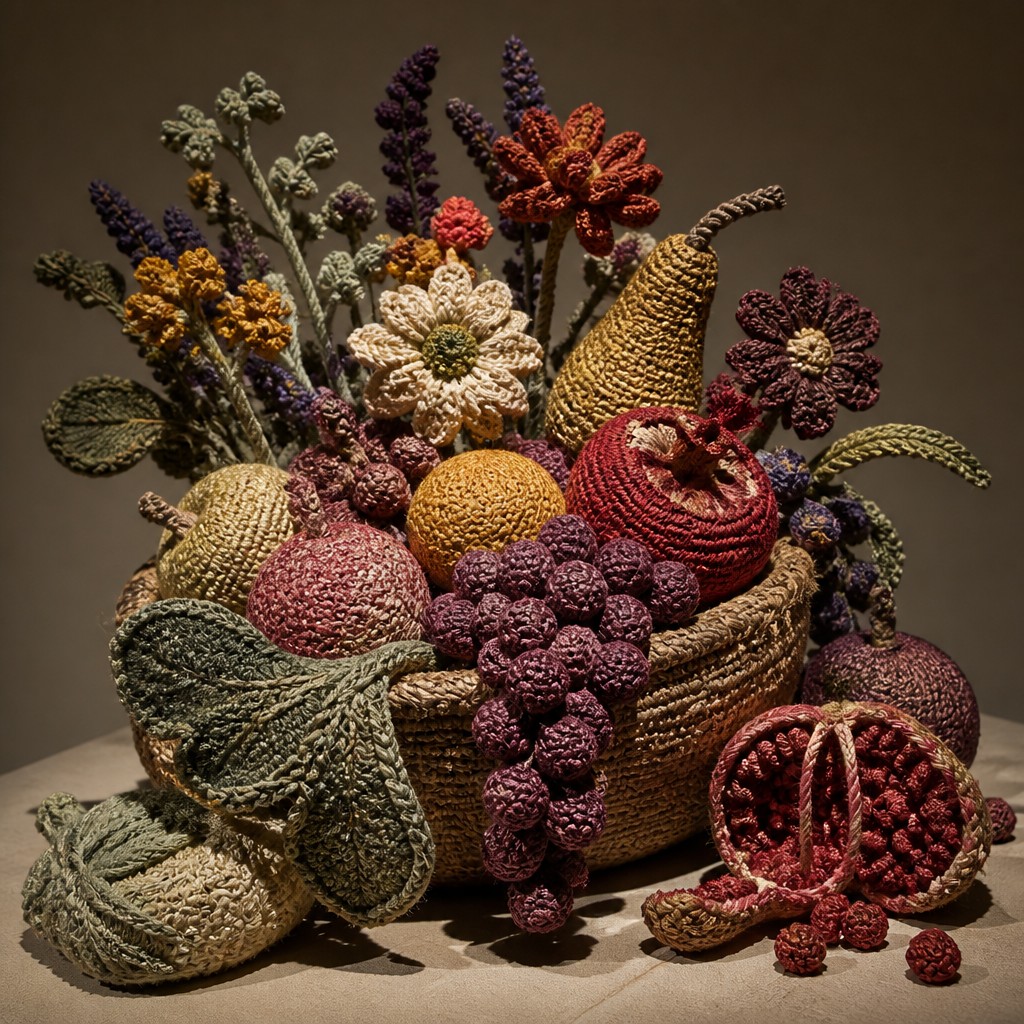
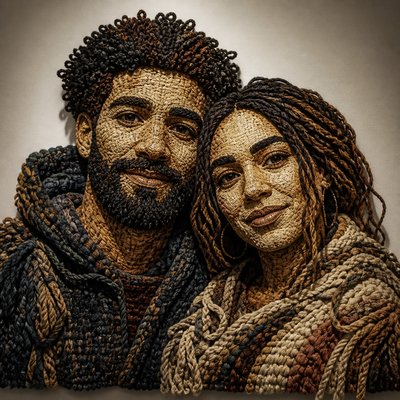
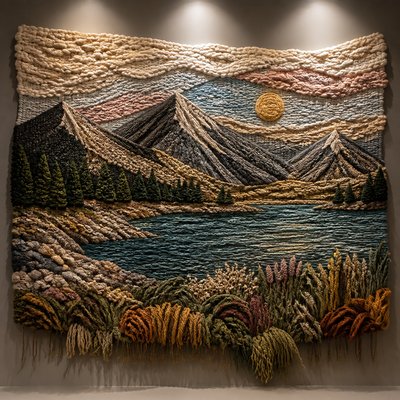
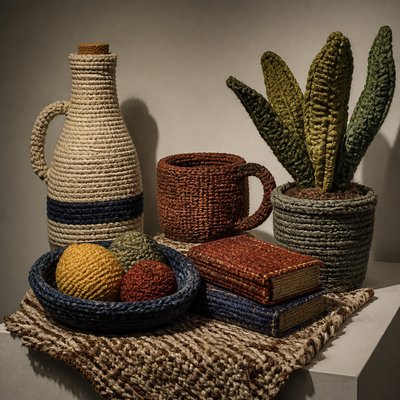
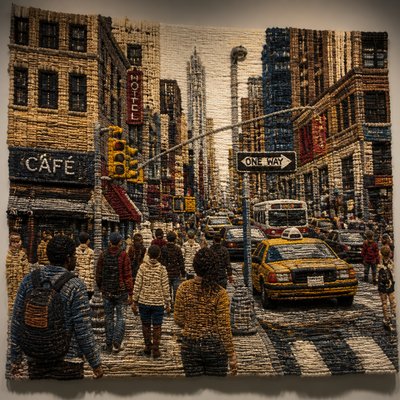
Fiber Art Style treats thread, yarn, cord, rope, fabric, and plant fibers as structural materials rather than merely flat surfaces. Woven, knotted, braided, looped, wrapped, and twisted elements accumulate into reliefs, hanging forms, vessels, figures, and abstract sculptures with pronounced tactile depth.
Its visual identity comes from the contrast between flexible materials and architectural mass. Repeated strands create rhythm, while knots, loops, frayed ends, irregular tension, and layered construction reveal the handmade process. Earth pigments and natural neutrals can produce a quiet organic character; saturated dyed fibers create stronger graphic patterns. Directional lighting emphasizes ridges, cavities, and soft shadows across the surface.
Try It On Your Photos
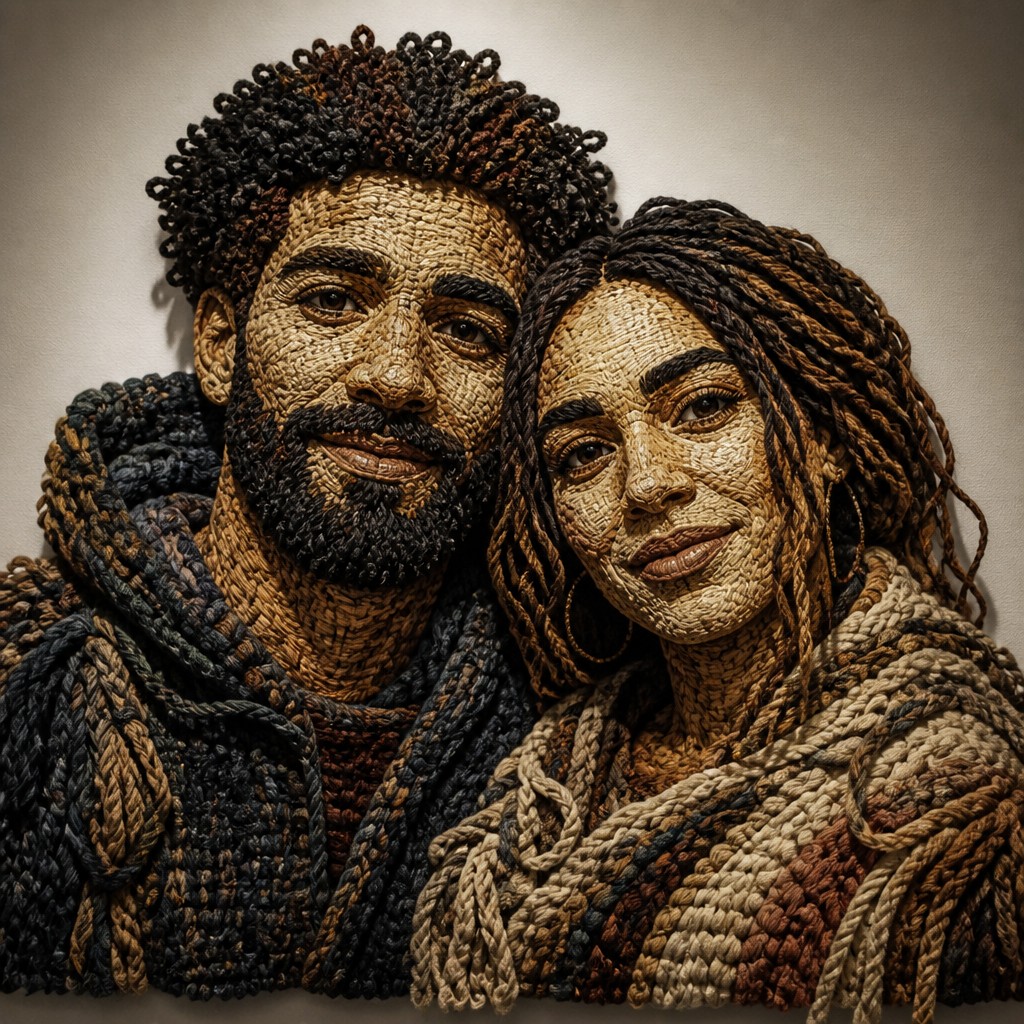
Upload any photo and convert it into Fiber Art Style — drag the sliders to compare before and after.


What Defines Fiber Art Style
The signature details, up close
Woven and knotted construction
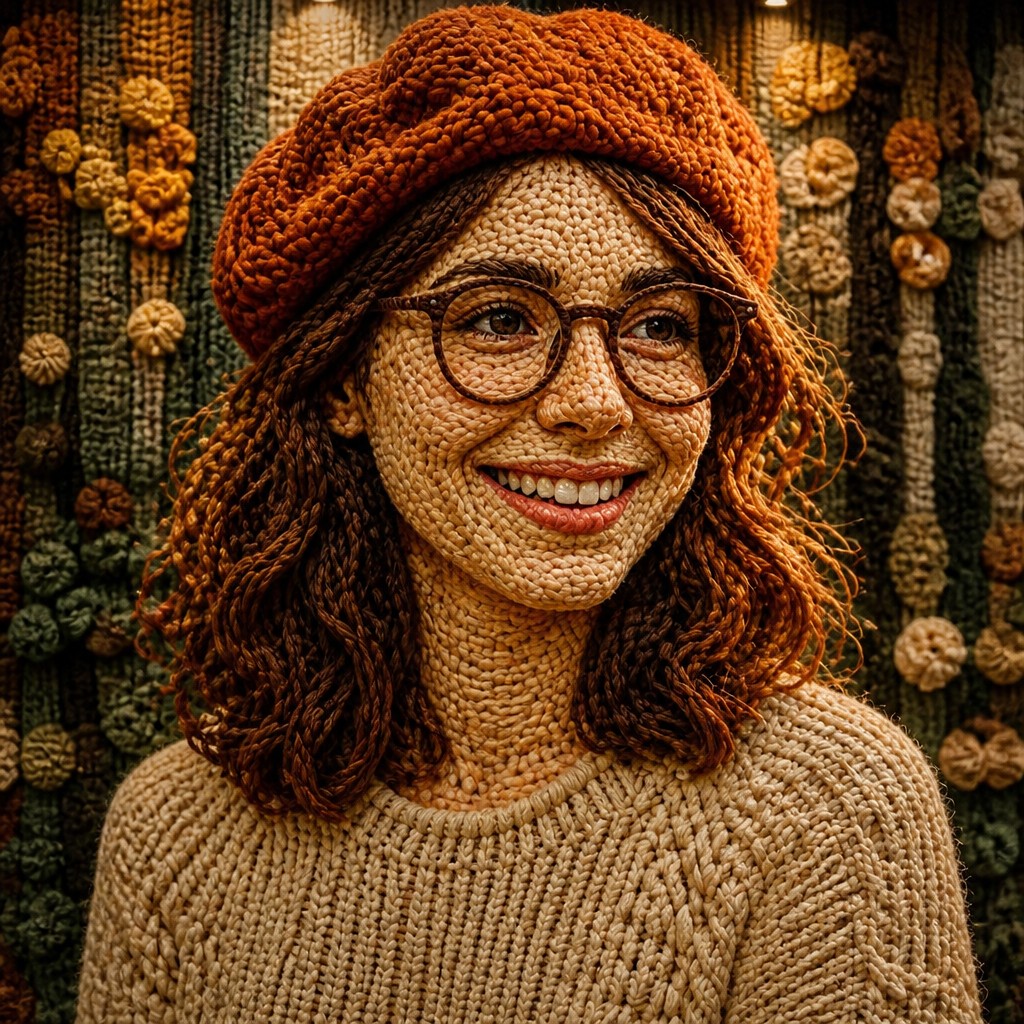
Interlaced strands, macramé-like knots, braids, and looping structures make the method of construction visible. Repetition creates a steady rhythm while variations in tension keep the surface organic.
Sculptural dimensionality
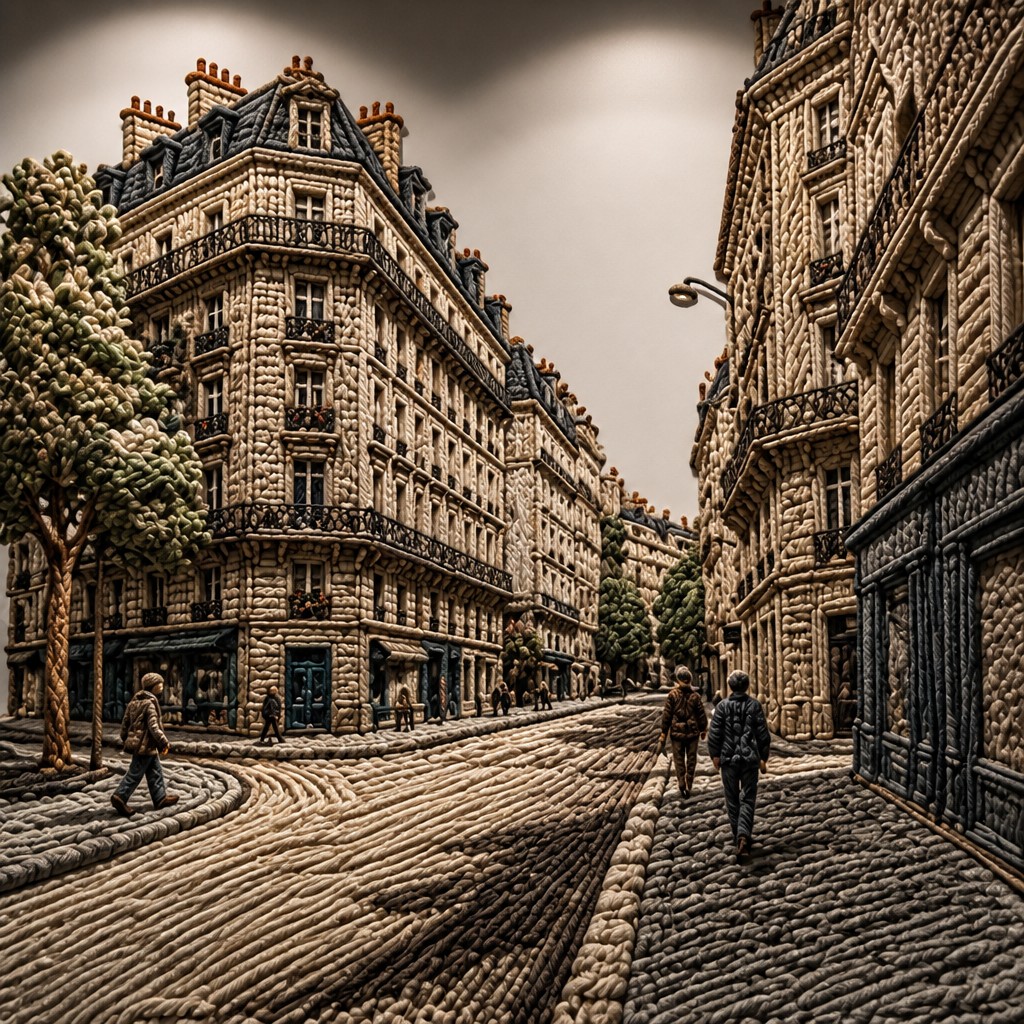
Fibers build outward into relief, gathered masses, hanging forms, vessels, or abstract volumes. Overlapping layers produce physical depth rather than a purely printed or painted illusion.
Tactile surface detail
Loops, tufts, frayed edges, fuzz, ridges, and compact knots give the work a strongly touch-oriented appearance. Small irregularities prevent the material from looking mechanically uniform.
Natural and dyed palettes
Unbleached flax, wool, jute, cotton, and hemp suggest an earthy, handmade character. Deep indigo, rust, ochre, burgundy, teal, and other dyed tones can introduce pattern, contrast, and ceremonial intensity.
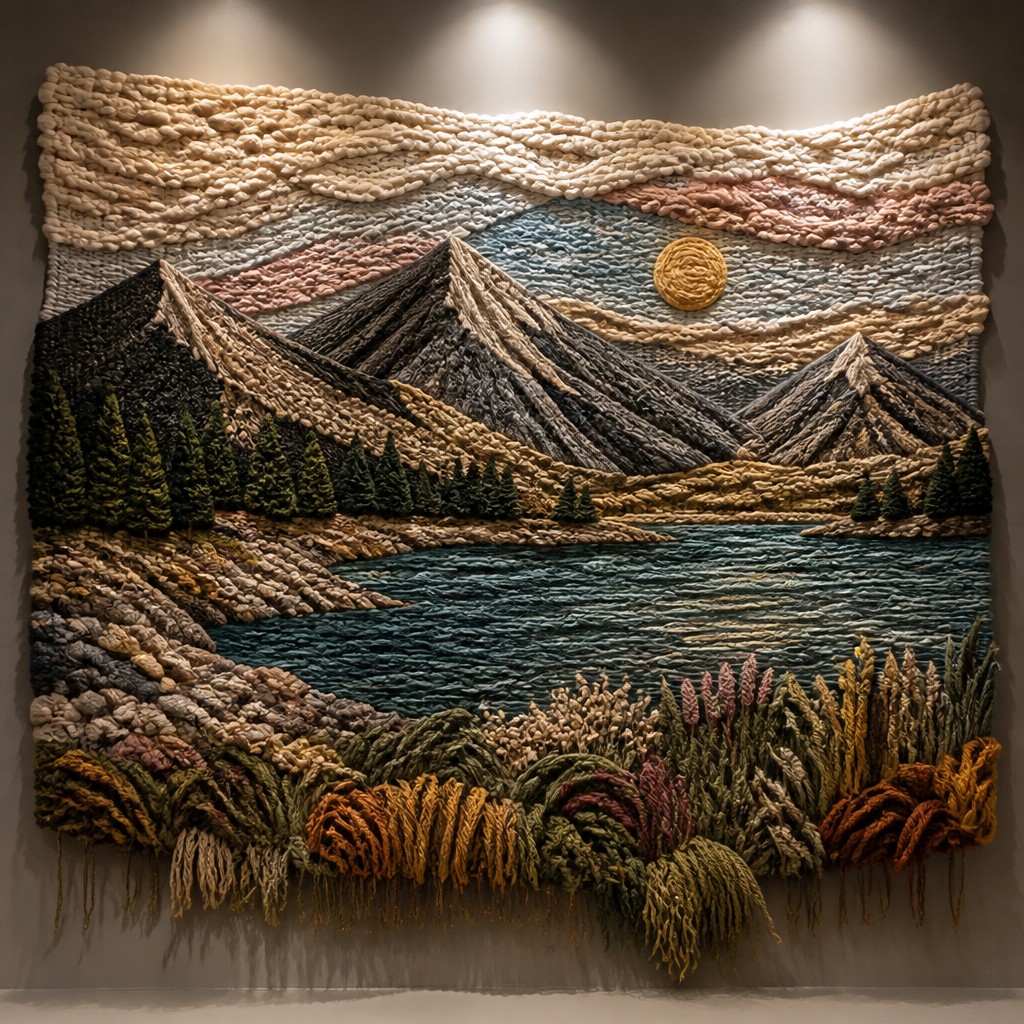
Soft cast shadows
Layered fibers interrupt the light and create pockets of shade between strands. Gallery-like illumination makes the relief, open spaces, and hanging edges legible.
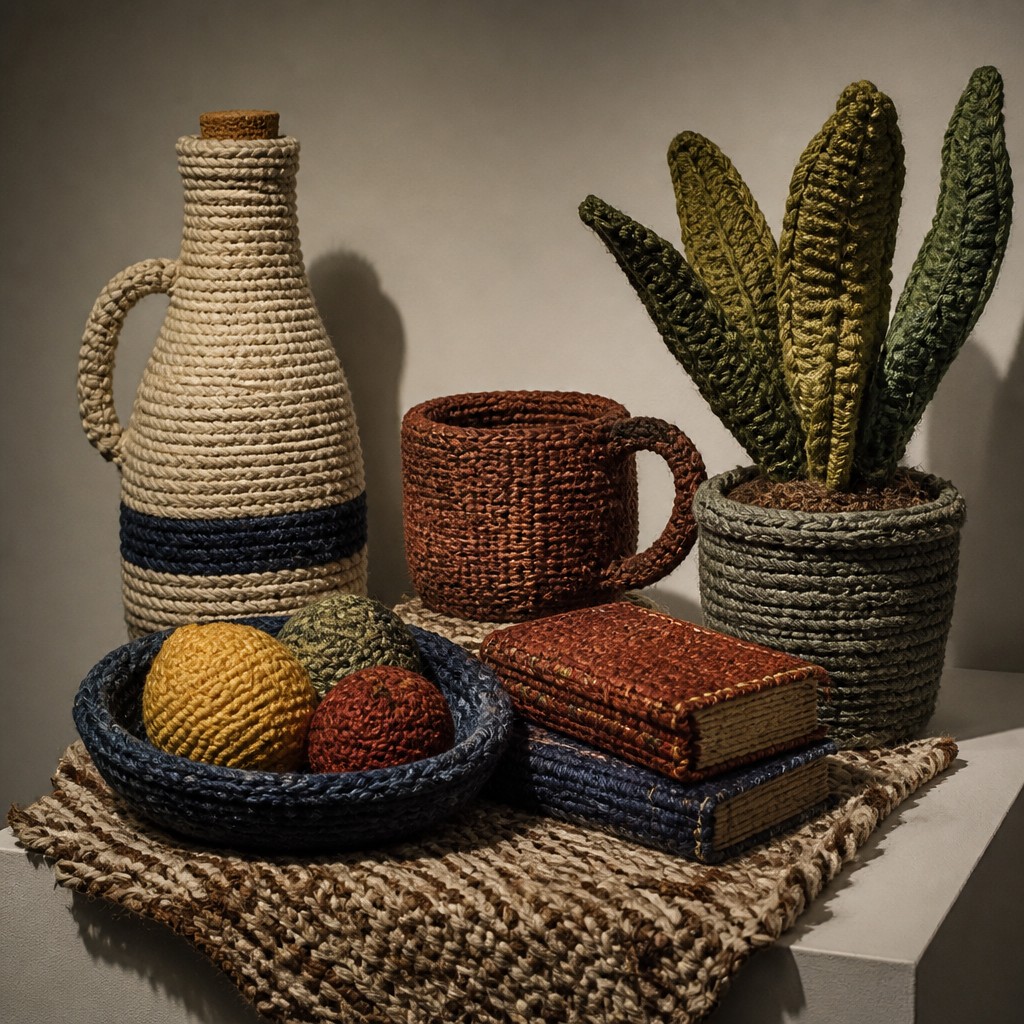
Material contrast
Rough plant fibers may sit beside smooth cord, fuzzy wool, glossy synthetic thread, or translucent filament. These differences in reflectivity and density enrich the structure without requiring hard surfaces.
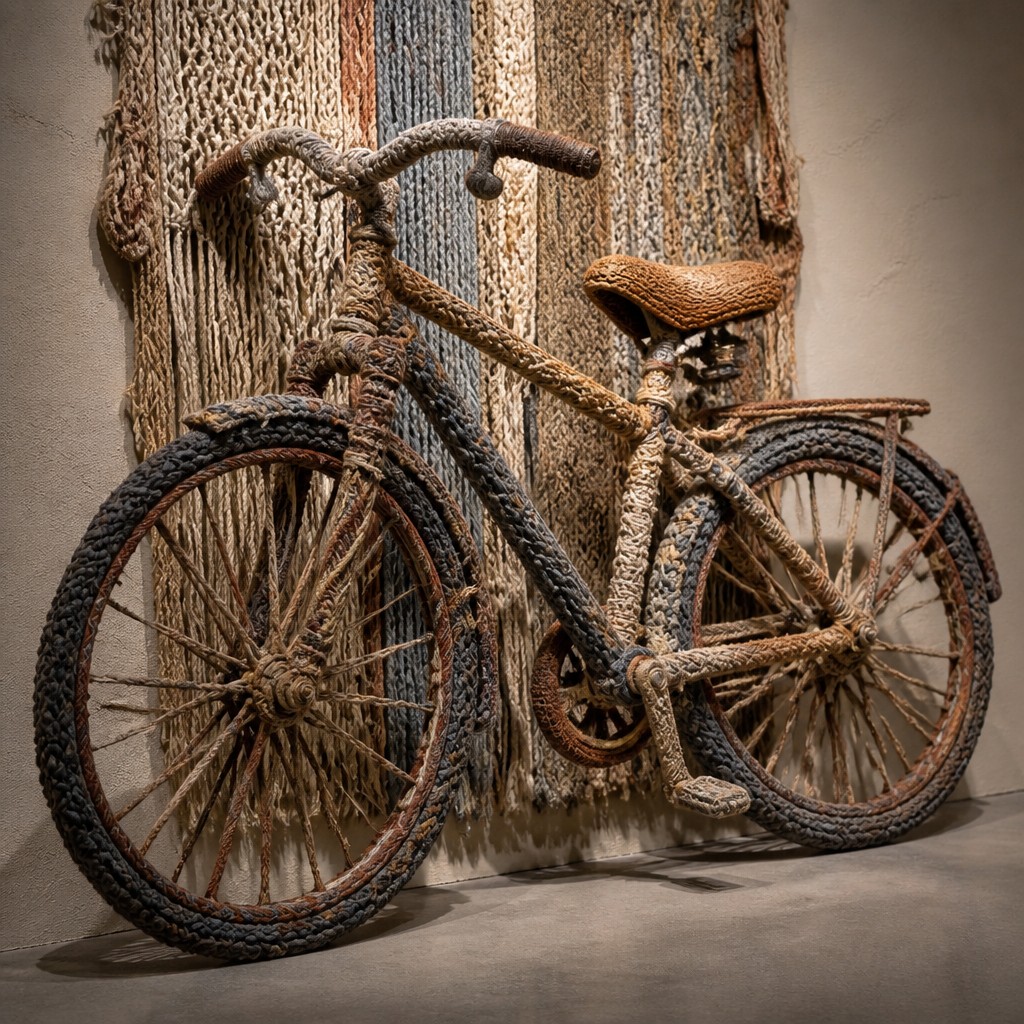
Handmade irregularity
Uneven loops, changing strand thickness, asymmetrical drape, and slight shifts in alignment signal manual labor. The resulting imperfection is a central aesthetic feature rather than a flaw.
Fiber Prompt Ideas
Start from an idea — each one opens the generator with the style ready to go. See all 40 Fiber prompts →
How to Create Fiber Art
Master the craft step by step — or skip straight to creating. Read the full guide →
- 1
Choose a structural fiber technique
Begin with a method suited to the form: warp-and-weft weaving for panels, coiling for vessels, knotting for open networks, or wrapping and bundling for dense masses. Establish a simple armature when the fibers need to hold a large volume.
- 2
Build depth through layering
Combine tight woven areas with loose loops, projecting knots, tassels, and recessed openings. Vary density so light can reveal both solid surfaces and voids.
- 3
Control material and color
Pair two or three related fiber types before adding contrast, such as coarse jute with wool or cotton cord with a glossy synthetic strand. Use natural neutrals for a restrained artifact-like result, or introduce dyed accents in deliberate blocks and bands.
- 4
Emphasize process marks
Leave selected joins, loose ends, overlaps, and changes in tension visible rather than smoothing everything into uniformity. These details communicate the work's handmade construction.
- 5
Compose lighting and presentation
Use soft directional light from above or the side to create gentle shadows between the layers. A neutral wall, suspended display, or simple plinth helps the fiber structure remain the visual focus.
- 6
Write precise digital prompts
Specify the subject, fiber actions, surface qualities, palette, scale, and lighting together—for example, woven flax, raised knots, layered relief, muted ochre and indigo, and soft gallery spotlighting. Add terms such as visible loops, irregular tension, frayed edges, and dimensional shadowing when a more tactile result is needed.
The Story
History & Origins of Fiber
Fiber Art Style is best understood as a contemporary synthesis rather than a single historical movement. It draws on ancient and ongoing traditions of weaving, basketry, net-making, braiding, knotting, embroidery, felting, and cordage found across many cultures. These practices historically served practical, ceremonial, domestic, and architectural purposes, producing both planar textiles and three-dimensional objects.
In the 1960s and 1970s, fiber became increasingly accepted as a medium for independent fine-art sculpture and installation, alongside broader movements that challenged the division between craft and art. Contemporary fiber practice combines traditional hand techniques with industrial textiles, recycled materials, digital fabrication, and large-scale environmental forms. The style described here emphasizes sculptural texture, visible construction, and tactile irregularity.
Influences: The style connects to global textile and basketry traditions, including loom weaving, net-making, plaiting, coiling, embroidery, felting, and knotting. Its contemporary sculptural language also relates to fiber-based installation, process-oriented craft, assemblage, organic abstraction, and post-minimal approaches that emphasize material, repetition, and space. It may borrow the layered relief of tapestry, the open structure of netting, the volume of soft sculpture, and the earthy sensibility of natural-material design without belonging exclusively to any one tradition.
Frequently Asked Questions
What defines Fiber Art Style?
It is defined by fibers functioning as the primary structural and visual material. Woven, knotted, braided, twisted, or looped strands form dimensional surfaces with visible texture, soft shadows, and handmade irregularities.
Is Fiber Art Style the same as textile art?
Textile art is a broad category that includes flat cloth, printed fabric, embroidery, clothing, and sculptural work. Fiber Art Style is a more specific visual treatment centered on exposed strands, tactile construction, and three-dimensional accumulation.
Which materials work best for this style?
Wool, cotton, flax, hemp, jute, sisal, paper cord, rope, recycled fabric strips, and synthetic yarn can all work well. Combining materials with different thicknesses, softness, and reflectivity helps produce a more convincing sculptural surface.
How can I make fiber art look three-dimensional?
Use an armature or backing when necessary, then build out from it with coils, knots, loops, tassels, and overlapping layers. Vary the density and height of the fibers, and light the work from the side so cavities and projections create readable shadows.
Can this style be used for images of people or landscapes?
Yes. Figures, animals, architecture, botanical scenes, and landscapes can all be translated into woven or knotted forms. Clear subject descriptions should be paired with material cues such as braided contours, layered fiber relief, and visible loops.
Where is Fiber Art Style commonly used?
It appears in wall hangings, soft sculpture, textile installations, decorative vessels, interior objects, fashion concepts, set design, and material-focused illustration. Its tactile appearance is also useful for editorial imagery, fantasy environments, and craft-inspired product visuals.
Create your first Fiber artwork
Describe anything — or upload a photo — and see it in Fiber Art Style in seconds.
Related Styles
Discover similar art styles