Ethiopian Art Style
Explore Ethiopian art style: luminous frontal icons, almond eyes, jeweled geometry, vivid highland color, and devotional manuscript traditions.
Instantly rendered in Ethiopian — or transform a photo
Ethiopian Gallery
Tap any artwork to explore it
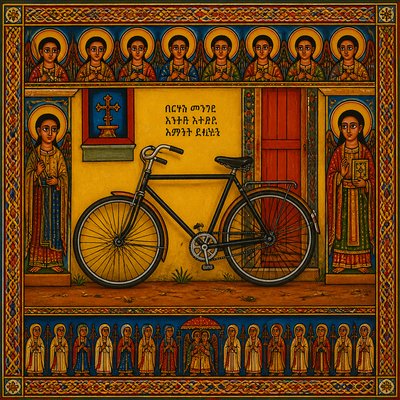
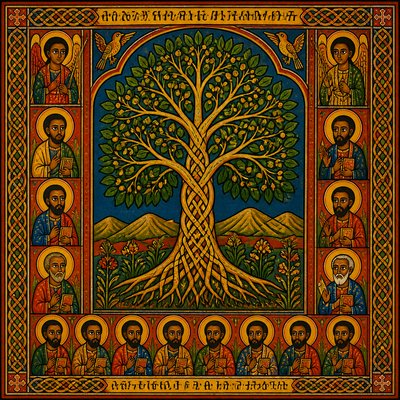
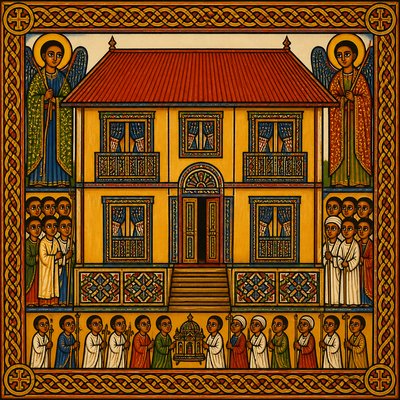
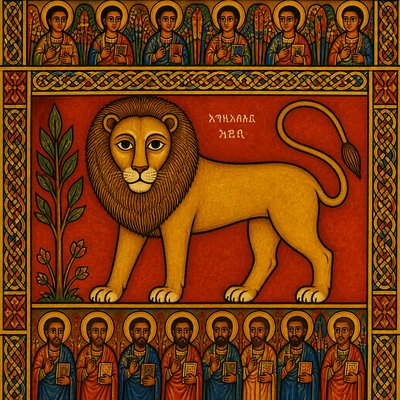
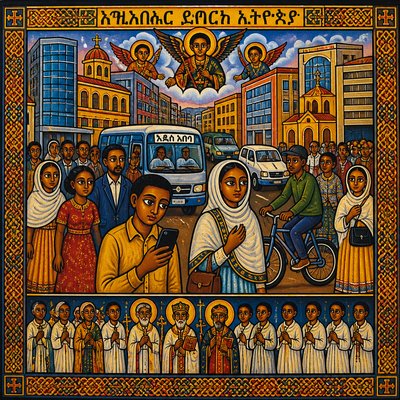
What is Ethiopian Art Style?
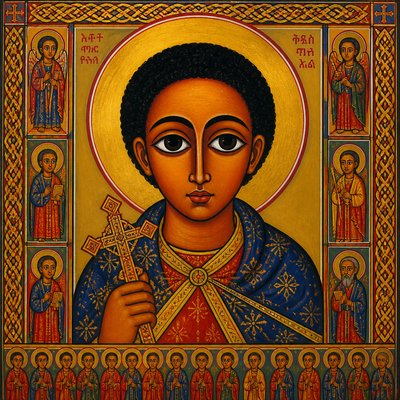
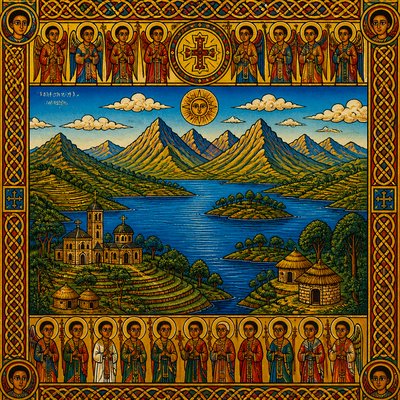
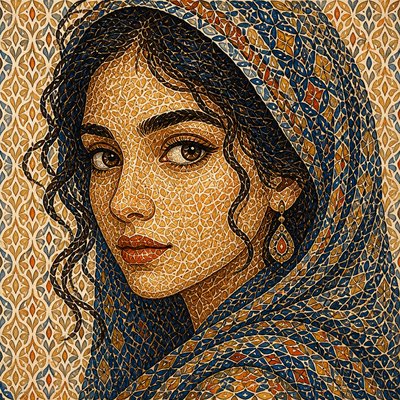
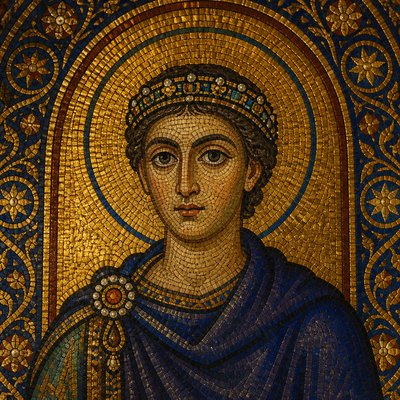
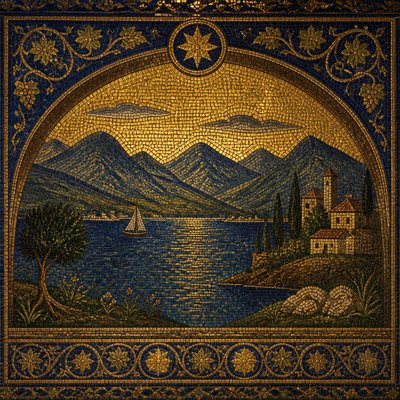
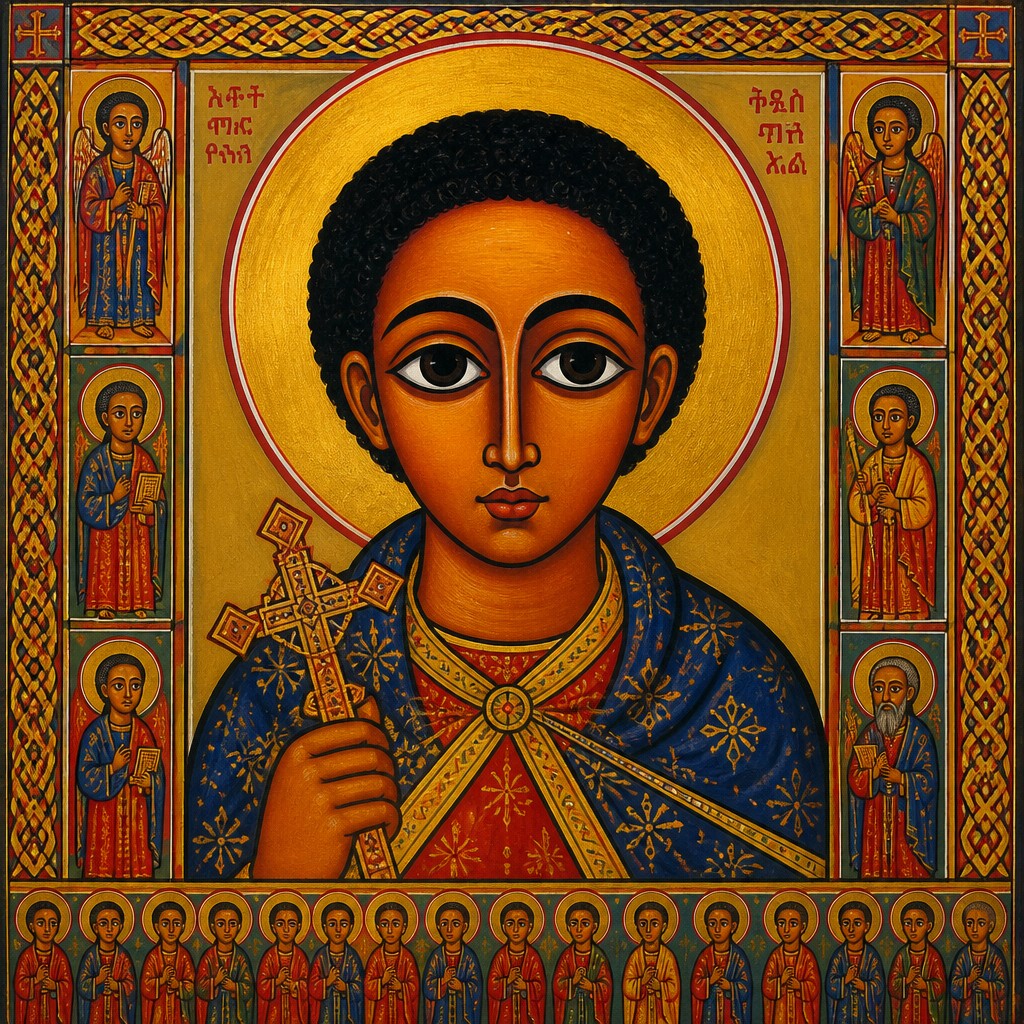
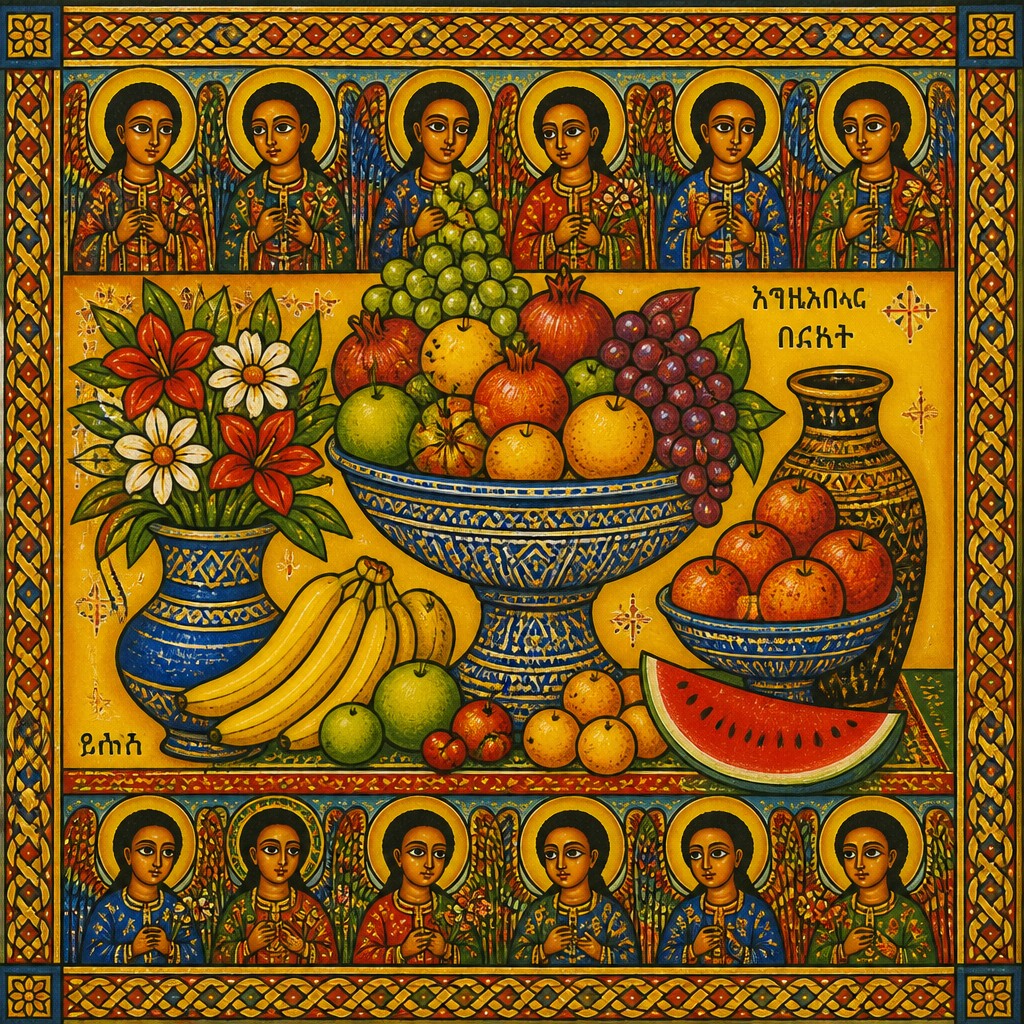
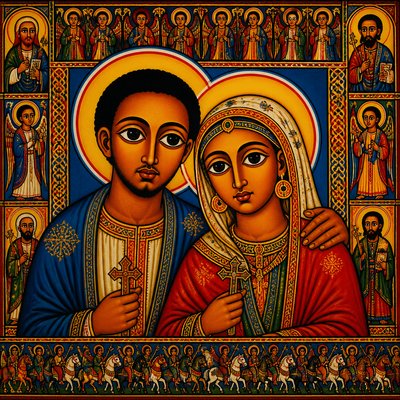
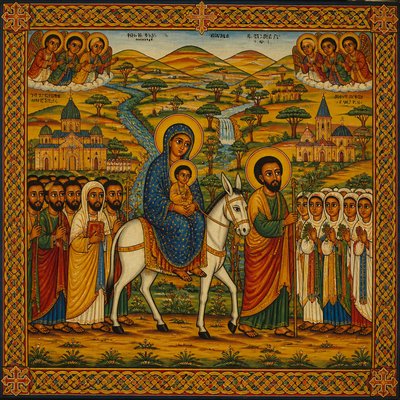
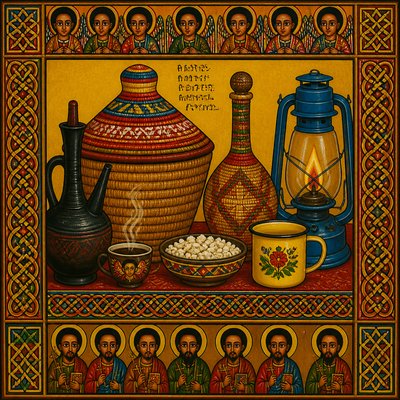
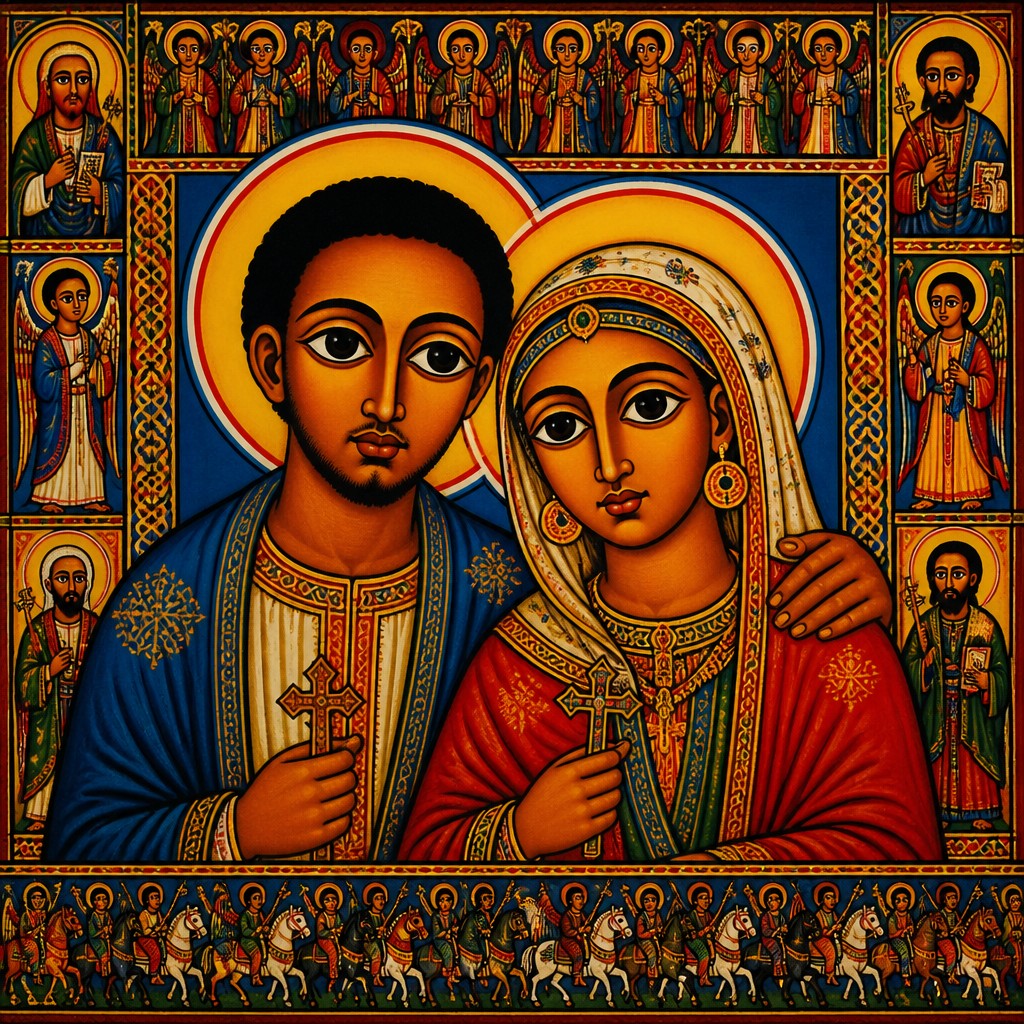
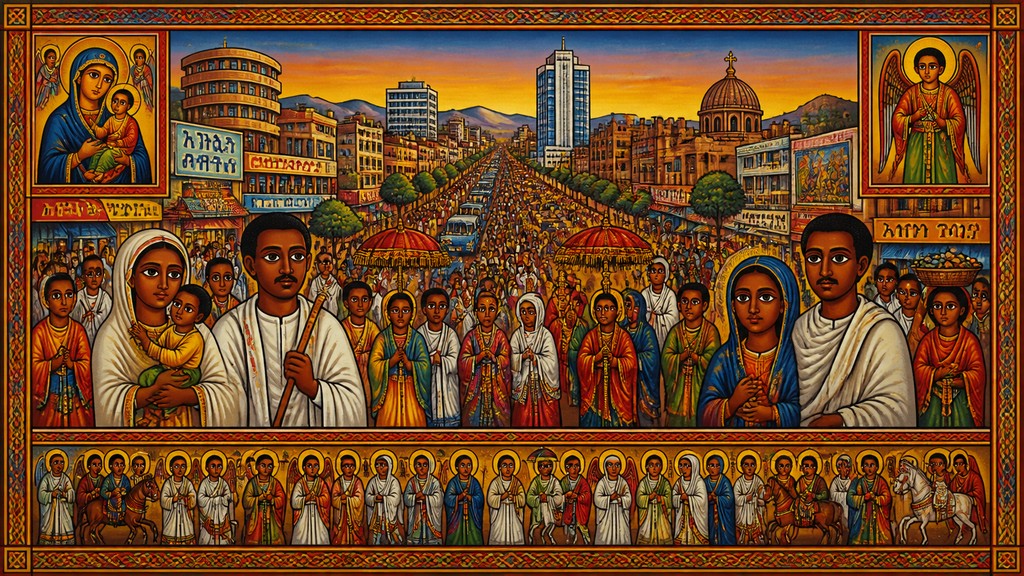
Ethiopian art style refers to a varied body of painting, manuscript illumination, church decoration, and contemporary visual work rooted in the artistic traditions of the Ethiopian highlands. Its recognizable vocabulary includes frontal or profile figures, large almond-shaped eyes, flattened space, strong dark outlines, saturated red, blue, green, and gold, and compositions organized into symbolic panels or processional rows.
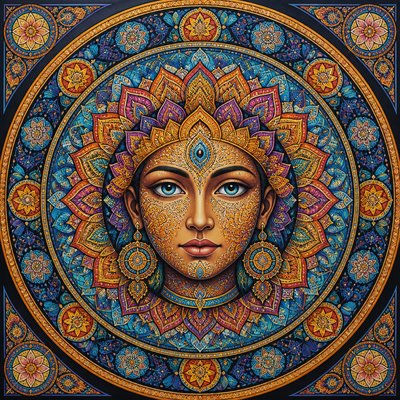
The style’s visual directness is connected to devotional use: images are designed for recognition, reverence, storytelling, and ritual presence rather than naturalistic illusion. Interlaced borders, patterned textiles, crowns, halos, crosses, and jewel-like color fields create a sense of ordered radiance. Contemporary interpretations may heighten these traits into a bold graphic language while drawing on, rather than reproducing exactly, the diversity of Ethiopian regional and religious traditions.
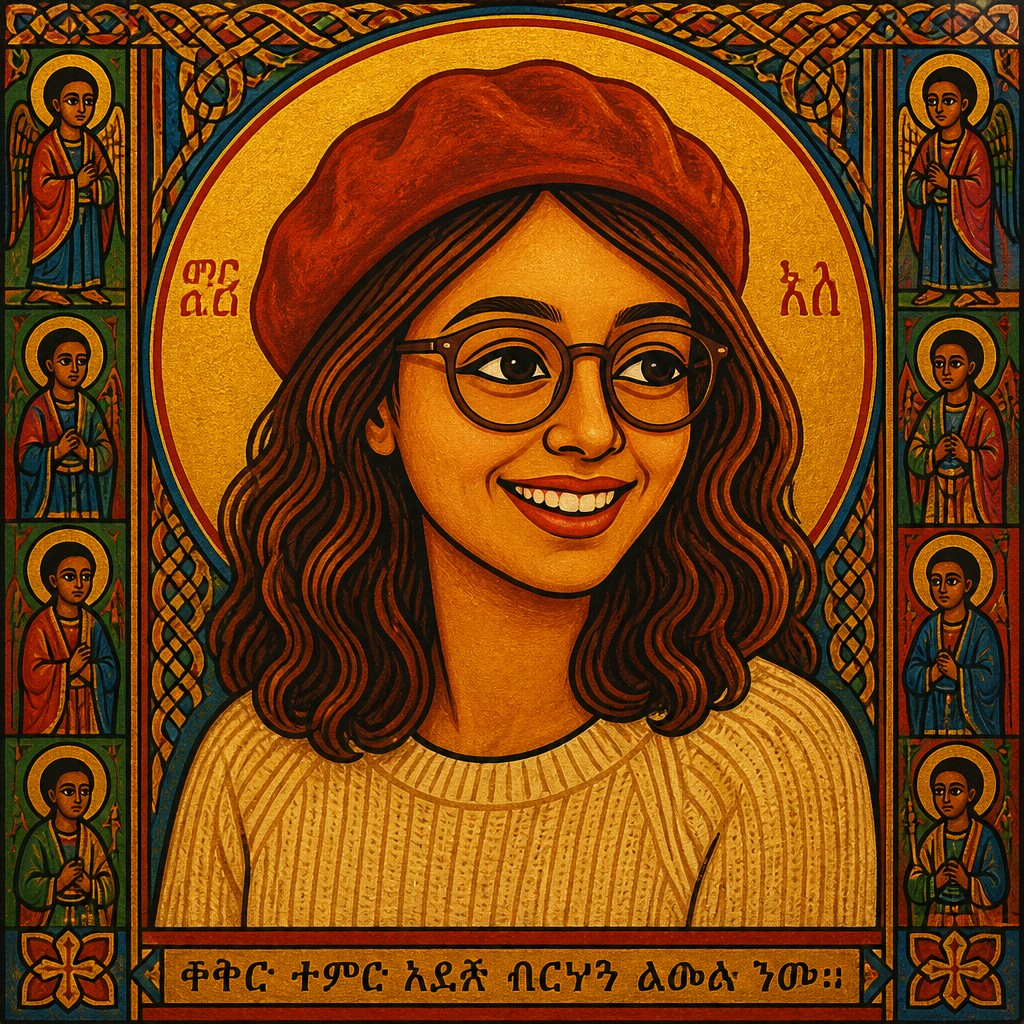
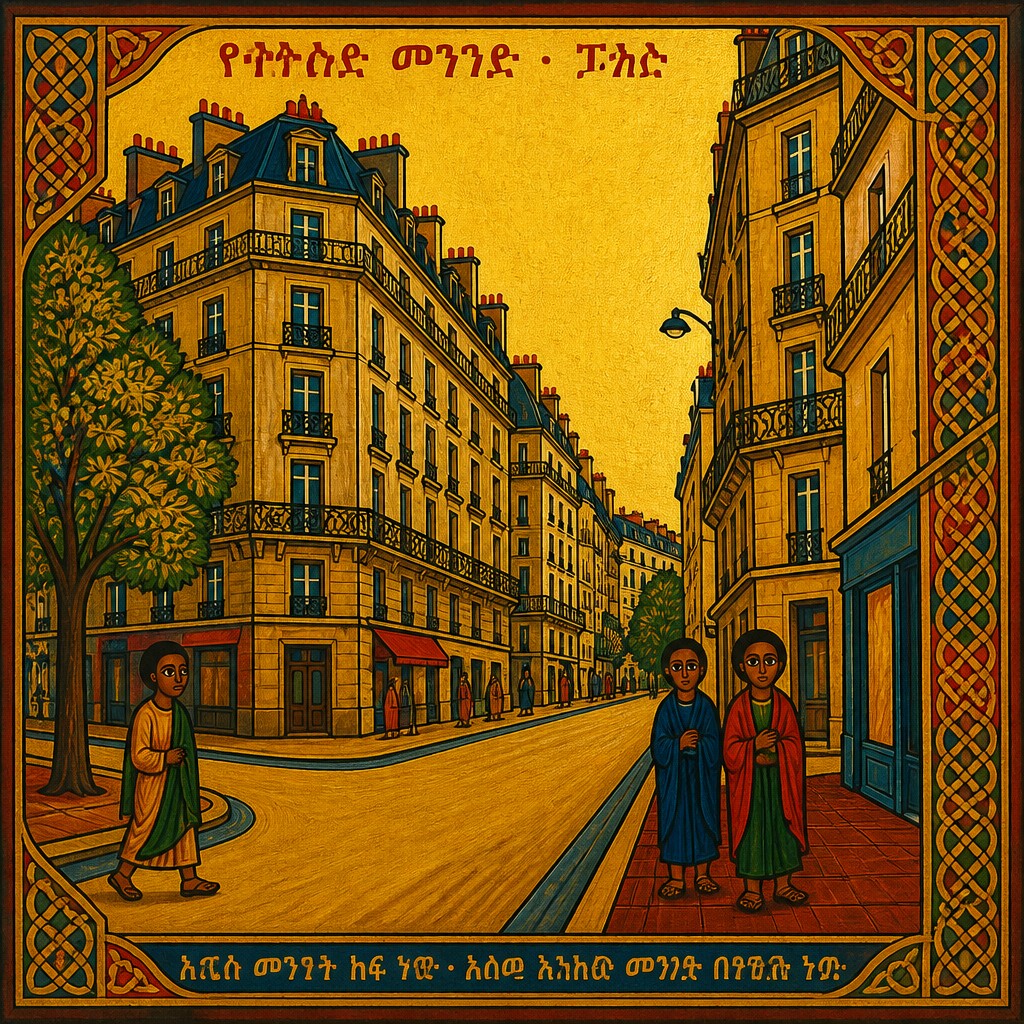
Try It On Your Photos
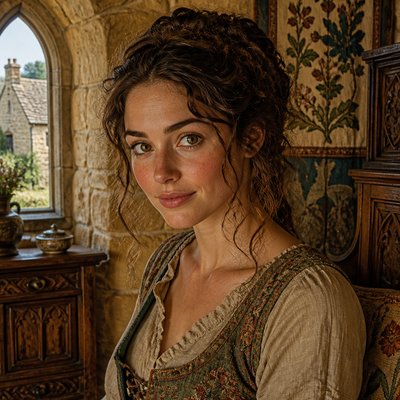
Upload any photo and convert it into Ethiopian Art Style — drag the sliders to compare before and after.


What Defines Ethiopian Art Style
The signature details, up close
Frontal devotional figures
Figures commonly face the viewer directly or appear in clearly organized profile, creating a sense of presence and iconic authority. Poses are often formal and still rather than based on incidental movement.
Large almond-shaped eyes
Enlarged eyes are a prominent expressive device, emphasizing spiritual attention and recognition. They are usually framed by dark, deliberate contours.
Luminous flat color
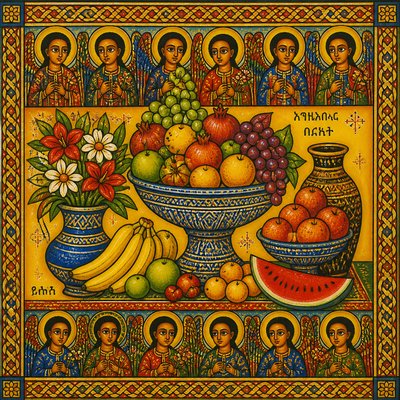
Vivid reds, cobalt and ultramarine blues, greens, ochres, and golds are applied in relatively even fields. Shading is restrained so that color reads symbolically and decoratively.
Strong contour and simplified anatomy
Dark outlines separate bodies, garments, and architectural forms. Anatomy is stylized into clear planes and patterns instead of modeled through sustained naturalistic perspective.
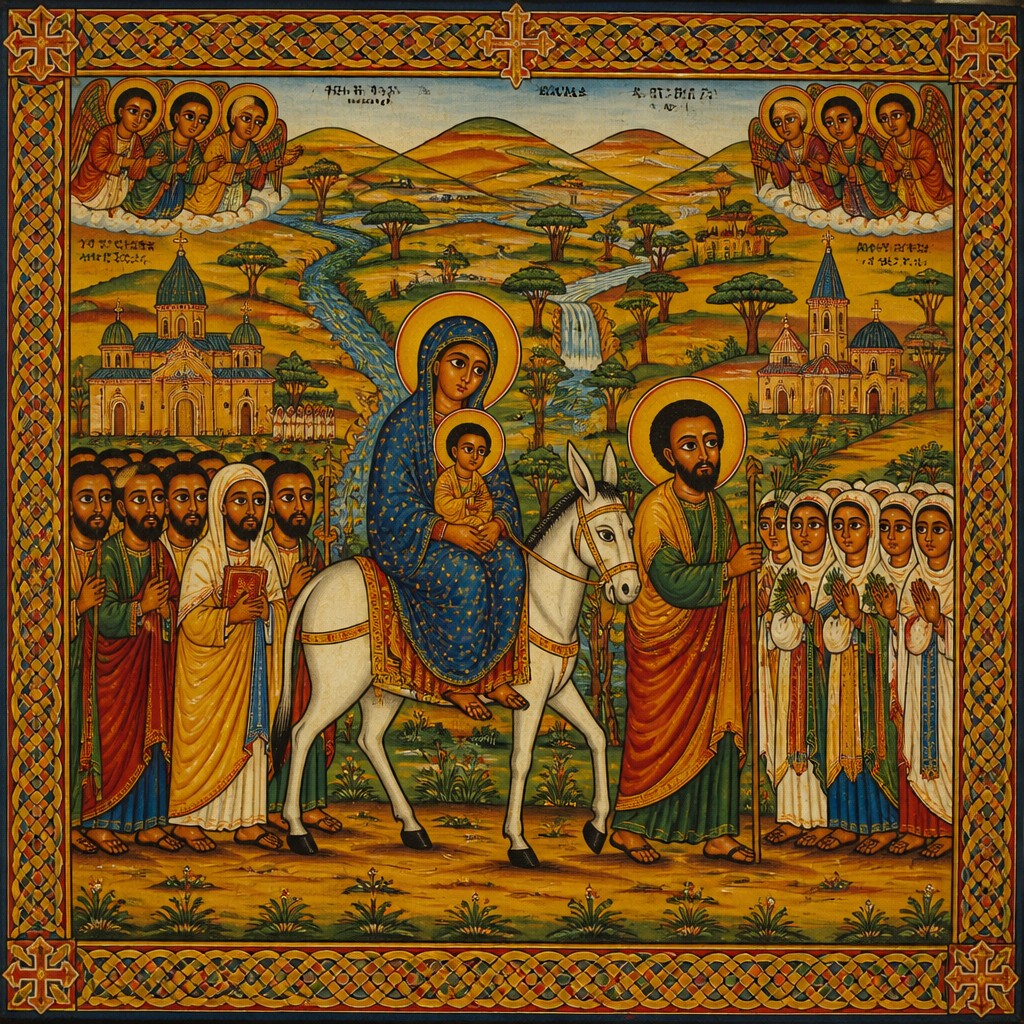
Geometric framing
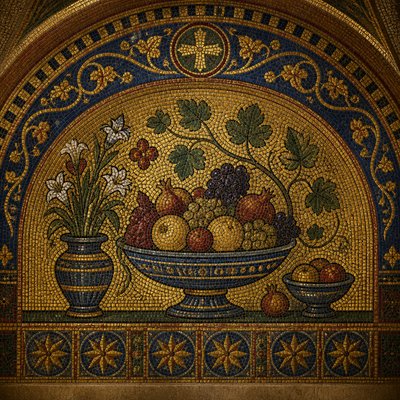
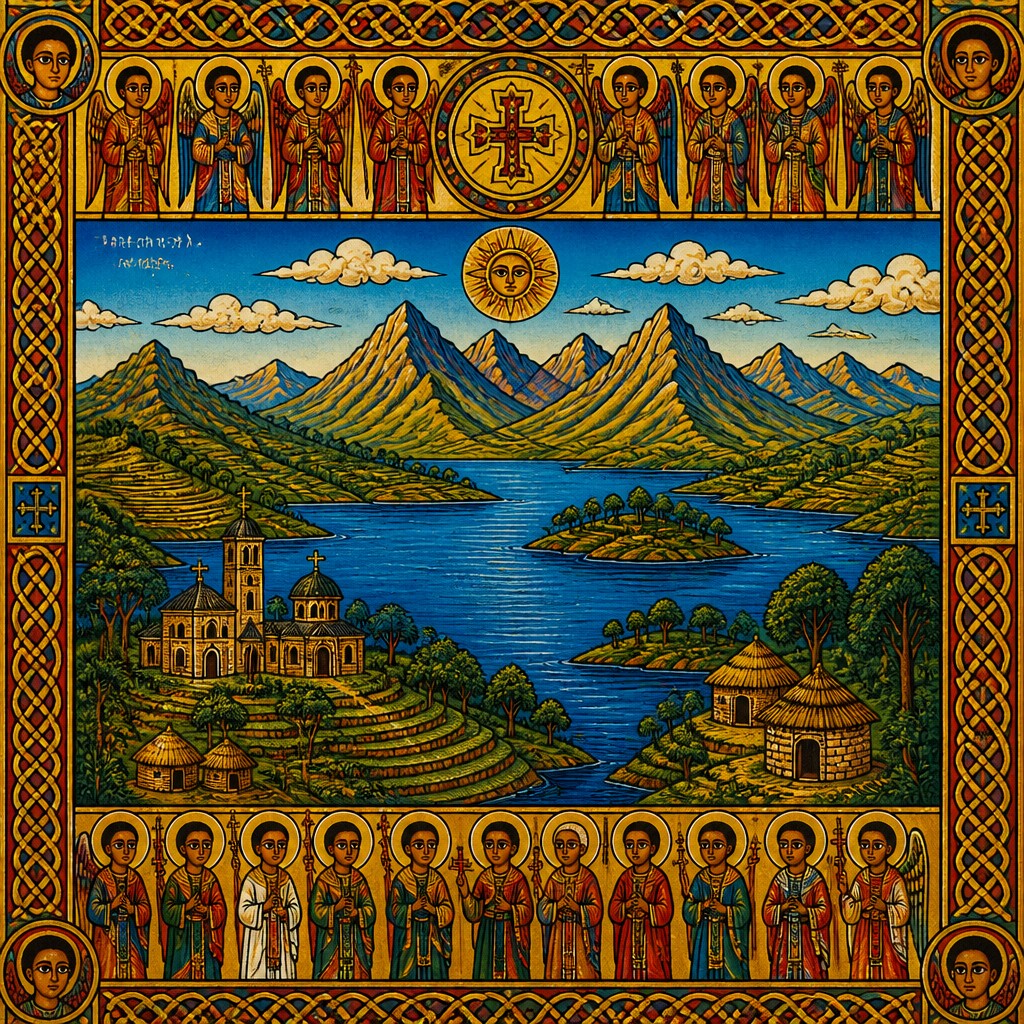
Interlaced borders, bands, checker patterns, arches, and panel divisions organize the image surface. These structures can resemble jeweled ornament or textile design.
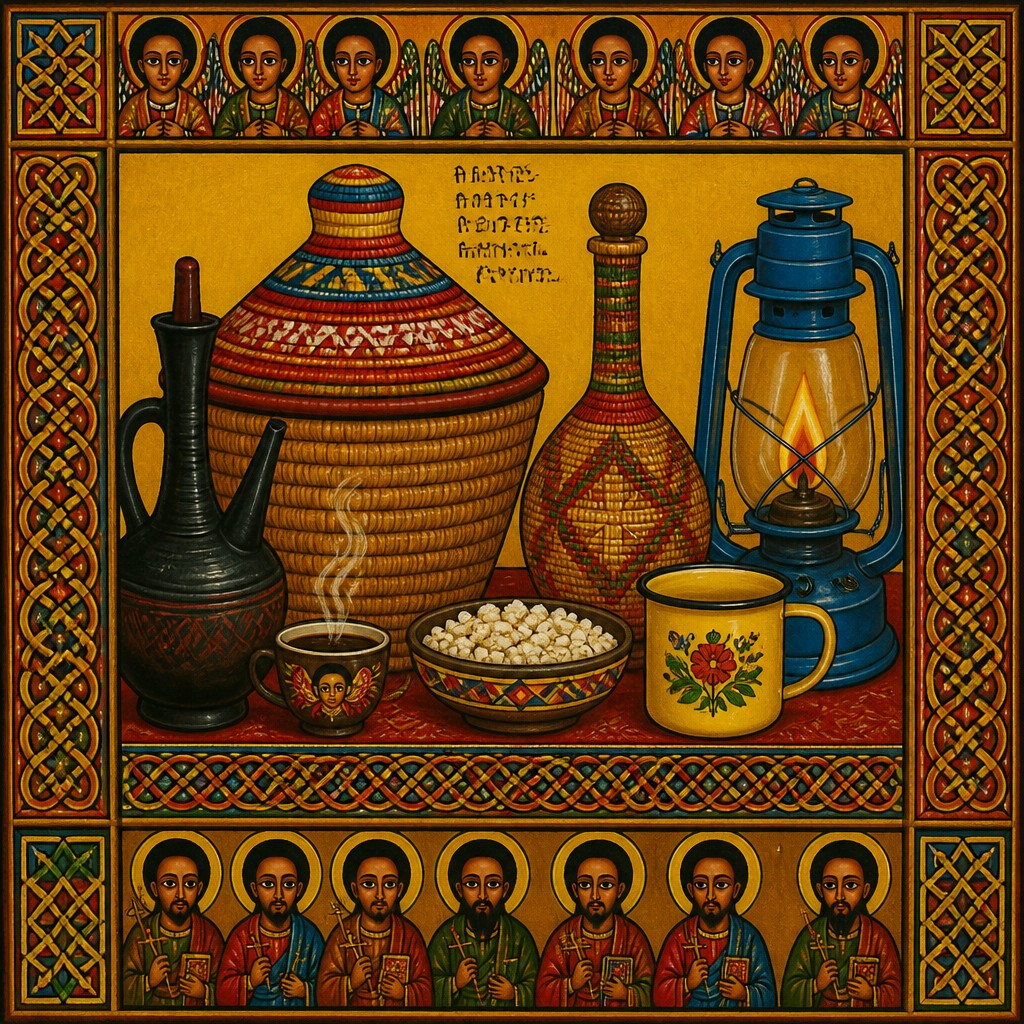
Processional and hierarchical composition
Rows of saints, angels, attendants, or narrative episodes may be arranged rhythmically across a page or wall. Scale and placement can communicate importance as much as physical distance.
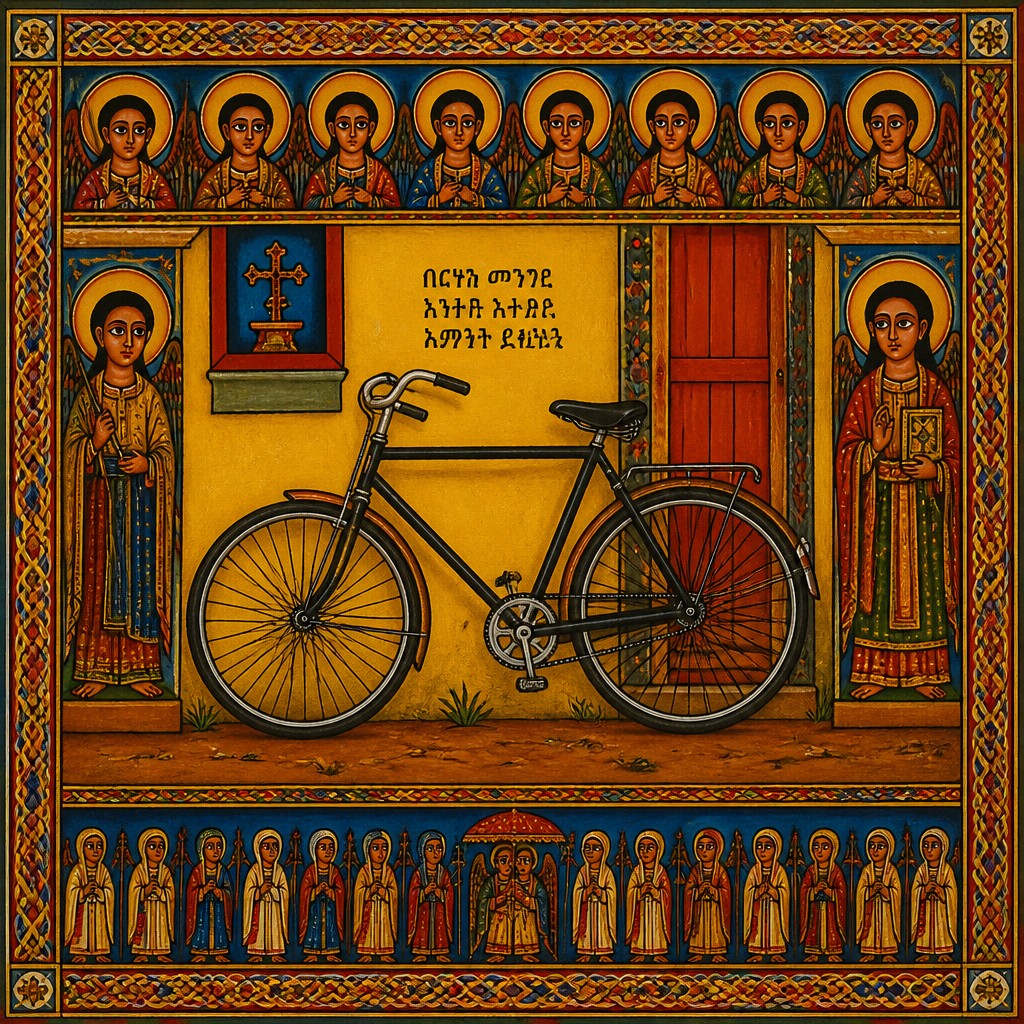
Sacred and textile-like ornament
Halos, crowns, crosses, patterned robes, architectural motifs, and repeated decorative units enrich the surface. Ornament is integrated with the image’s devotional and narrative function.
Try It
Create Videos in Ethiopian Art Style
Styles aren't just for stills — describe a scene or animate an image and get a short video rendered in Ethiopian. Press play to see this pond come to life.
Make a VideoEthiopian Prompt Ideas
Start from an idea — each one opens the generator with the style ready to go. See all 40 Ethiopian prompts →
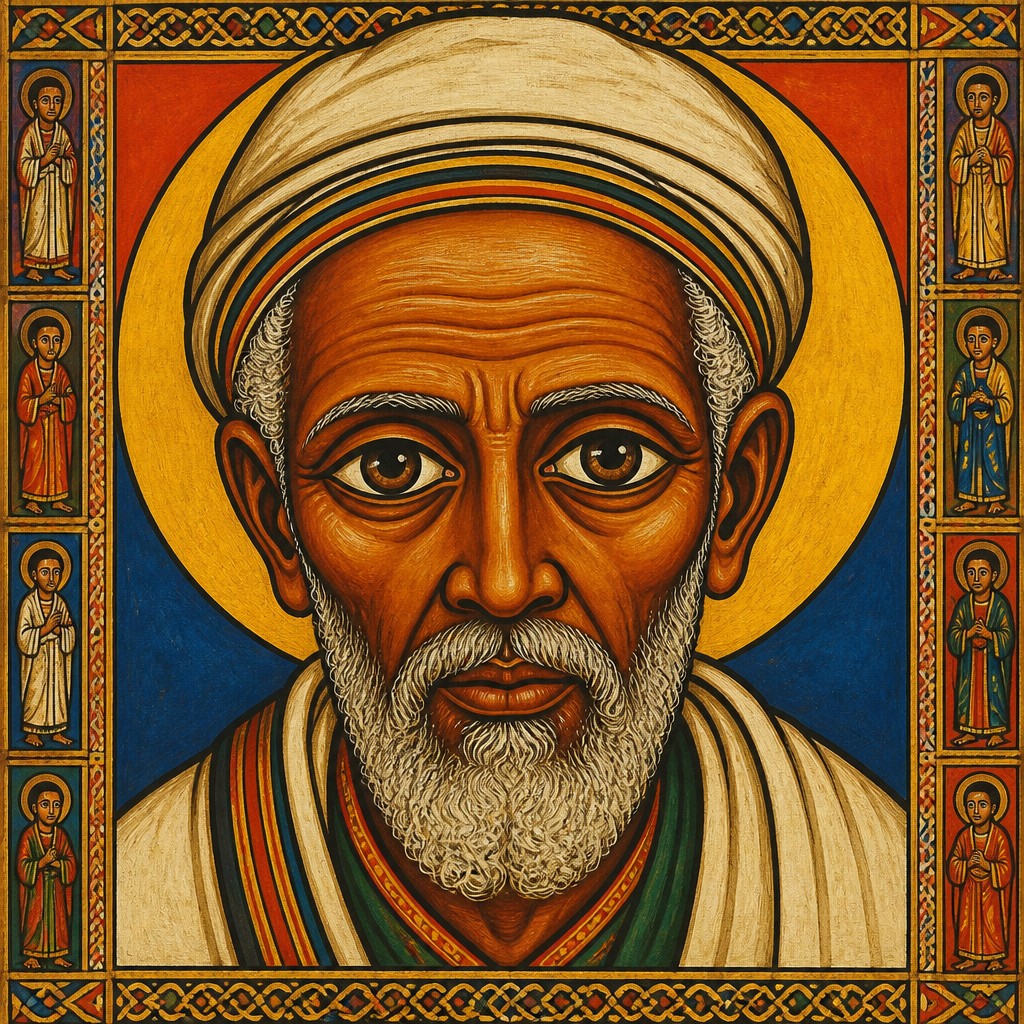
“close-up portrait of an elderly person with expressive weathered features”
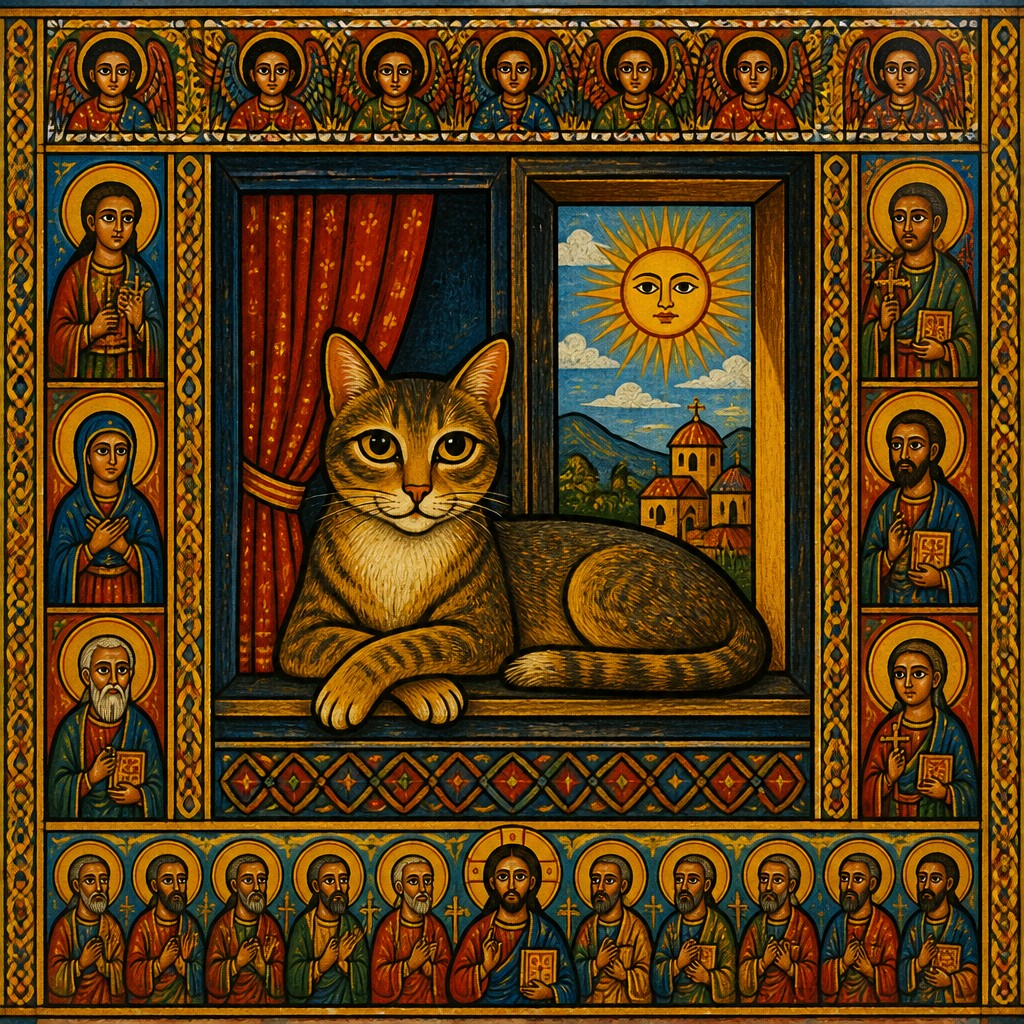
“a cat lounging in a sunlit window”
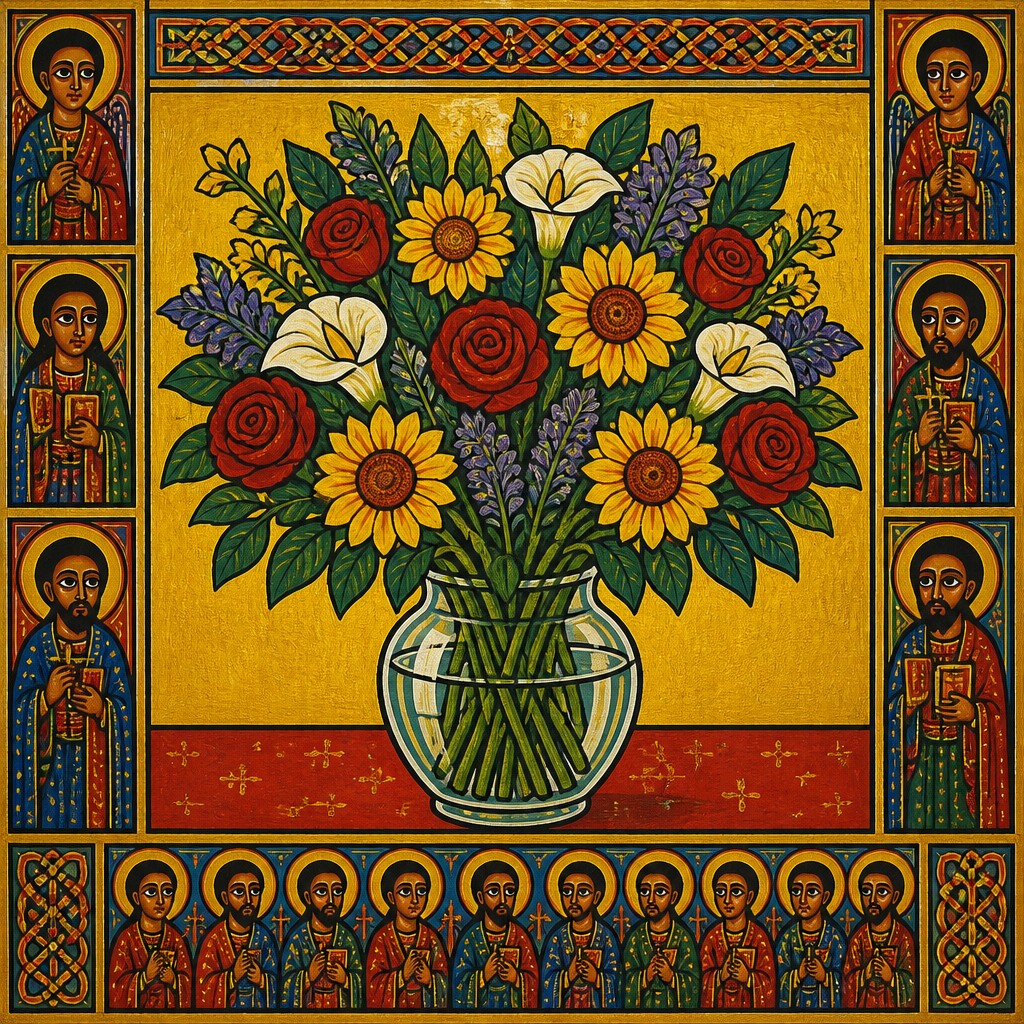
“bouquet of flowers in a glass vase”
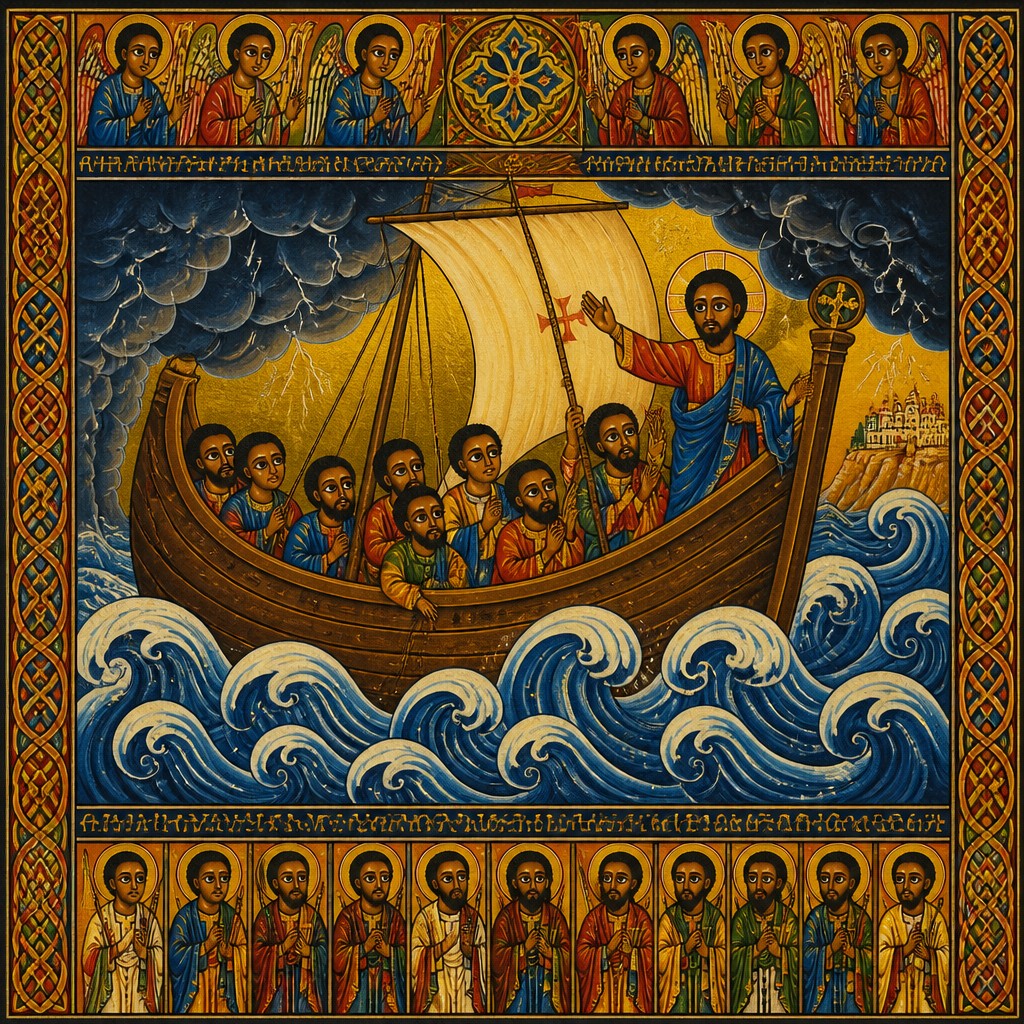
“sailing ship on a stormy sea”
How to Create Ethiopian Art
Master the craft step by step — or skip straight to creating. Read the full guide →
- 1
Build a symbolic composition
Start with a frontal central figure or a clearly ordered row, then divide the surface into panels or bands. Use scale, placement, halos, and color to establish importance instead of relying on realistic depth.
- 2
Use a disciplined palette
Choose a small group of saturated reds, blues, greens, ochres, and golds, with a deep contour color to unify the image. Keep large areas relatively flat and reserve highlights for halos, jewelry, and patterned garments.
- 3
Draw the eyes and contours first
Construct large almond eyes, simplified noses, and firm silhouettes before adding decoration. A consistent dark outline helps maintain the graphic clarity associated with icon and manuscript painting.
- 4
Add borders as structure
Create interlaced bands, repeated crosses, textile motifs, or geometric frames with measured spacing. Keep ornament subordinate to the figures and narrative so the surface feels ordered rather than randomly busy.
- 5
Choose a physical or digital medium
Tempera, gouache, colored pencil, ink, and gilding can produce matte color and precise patterning; digital layers make borders, symmetry, and palette control easier. Study Ethiopian manuscripts and church paintings directly to avoid reducing the tradition to generic exotic decoration.
- 6
Write a focused generation prompt
Specify the subject, frontal pose, almond eyes, flat jewel-toned palette, dark contour, interlaced border, and highland devotional atmosphere, while naming the desired medium such as painted manuscript, tempera panel, or mural. For image transformation, preserve the source subject’s pose but simplify its anatomy, flatten the lighting, and replace the background with organized sacred geometry.

The Story
History & Origins of Ethiopian
Ethiopian Christian painting developed within the long history of the Ethiopian Orthodox Tewahedo Church, whose roots extend to late antiquity. The surviving visual record includes illuminated manuscripts, painted wooden panels, church murals, processional objects, and devotional images. Medieval and early modern works show connections with Byzantine Christian iconography while developing distinctive Ethiopian conventions in figure proportion, color, framing, and narrative arrangement.
Distinctive regional and historical variations emerged over time, including manuscript and church-painting traditions associated with the northern highlands and later Gondarine-period court culture. Islamic manuscript and decorative traditions also form part of Ethiopia’s broader visual history. The modern label “Ethiopian art style” is therefore best understood as a broad umbrella: contemporary artists and designers often abstract selected features—frontal icons, geometric borders, vivid palettes, and sacred symbolism—without claiming to represent every Ethiopian tradition.
Influences: The style draws primarily from Ethiopian Orthodox icon painting, illuminated manuscript traditions, church murals, and the ornamental language of processional and ecclesiastical objects. Its flattened sacred imagery has affinities with Byzantine Christian iconography, while its borders and repeated motifs connect to textile design, metalwork, and manuscript decoration. Contemporary graphic interpretations may also borrow the color blocking of modern illustration and poster art, but those adaptations should remain distinct from the historically diverse source traditions.
Frequently Asked Questions
What defines Ethiopian art style?
It is generally recognized by frontal devotional figures, large almond-shaped eyes, vivid flat color, strong dark contours, patterned garments, halos, and geometric borders. These features belong to a broad family of Ethiopian highland traditions rather than a single uniform school.
Is Ethiopian art style the same as Ethiopian Orthodox icon painting?
No. Ethiopian Orthodox icon painting is one major historical source, but the broader label can also include manuscript illumination, church murals, decorative objects, and contemporary adaptations. Religious works should be approached with attention to their specific context and function.
How does it differ from Byzantine iconography?
Both traditions use frontal sacred figures, halos, symbolic color, and limited naturalistic depth because of longstanding Christian visual connections. Ethiopian works developed their own conventions in facial design, color relationships, clothing, narrative layout, and ornament, so they should not be treated as merely regional versions of Byzantine art.
What materials are used for this kind of art?
Historical examples include pigments applied to parchment, wood, plaster, and other prepared surfaces, often with ink outlines and decorative color. Modern artists may use gouache, tempera, acrylic, colored pencil, printmaking, or digital painting to reproduce the matte fields, crisp contours, and patterned surfaces.
How can I make an image in this style without making it look generic?
Use a controlled palette, deliberate frontal composition, large expressive eyes, and carefully designed borders rather than simply adding bright colors. Research specific Ethiopian manuscript, mural, or regional traditions and identify the source of each motif before combining them.
Where is this visual language used today?
It appears in religious painting and church decoration as well as illustration, poster design, fashion graphics, murals, editorial work, and contemporary diaspora art. Modern uses may quote its geometry and palette while treating the historical references in secular or experimental ways.
Create your first Ethiopian artwork
Describe anything — or upload a photo — and see it in Ethiopian Art Style in seconds.
Related Styles
Discover similar art styles