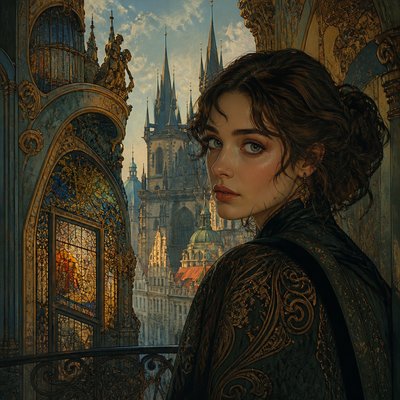
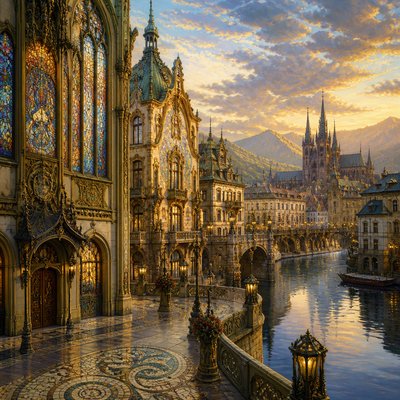
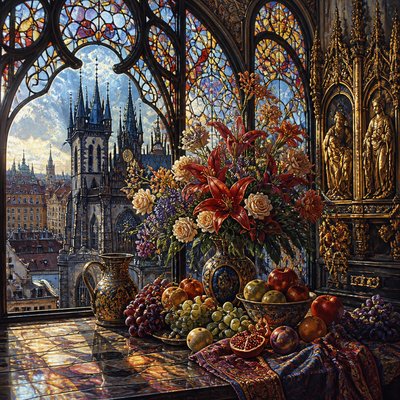
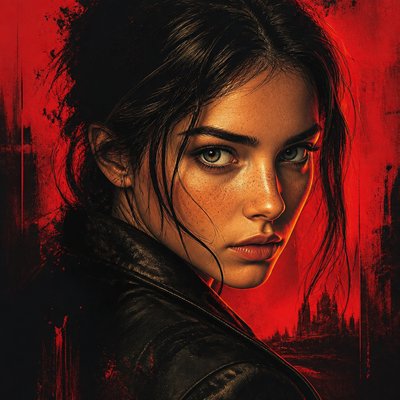
Eritrean Art Style
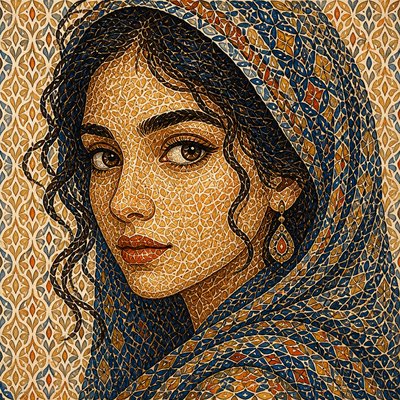
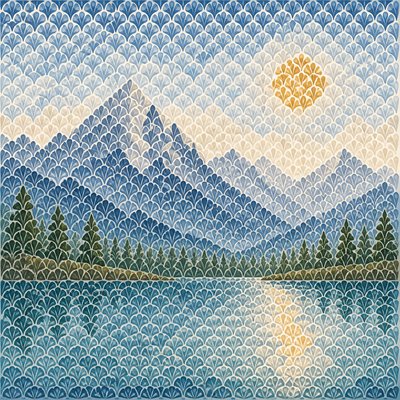
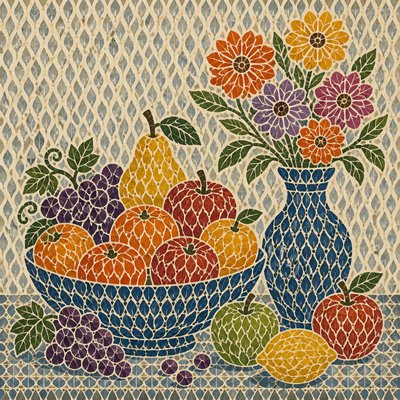
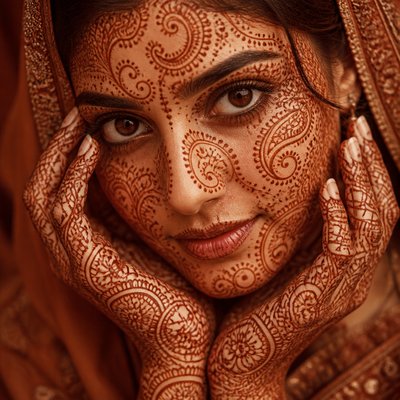
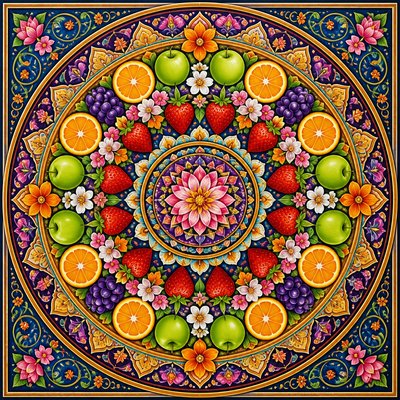
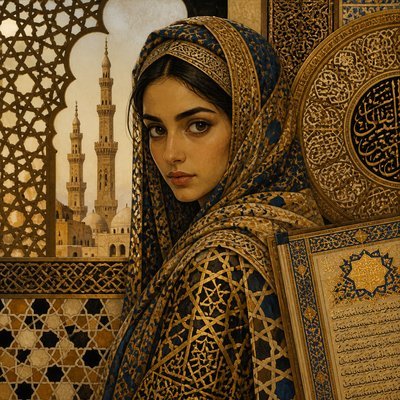
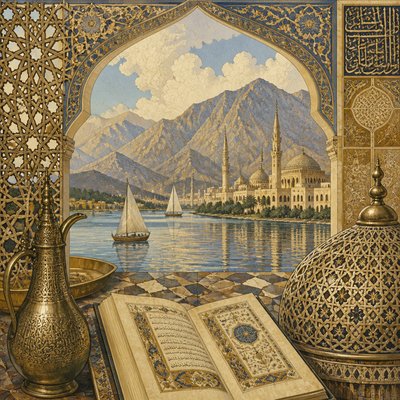
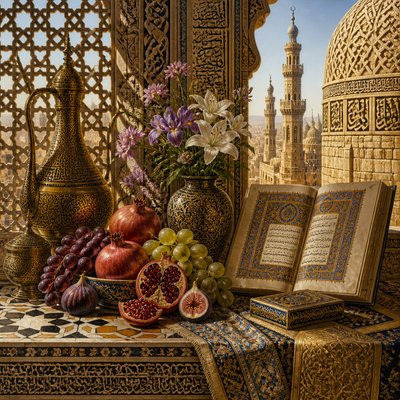
Explore Eritrean art style: Ge’ez illumination, gold interlace, Coptic cross motifs, and Asmara modernism in a warm highland palette.
Instantly rendered in Eritrean — or transform a photo
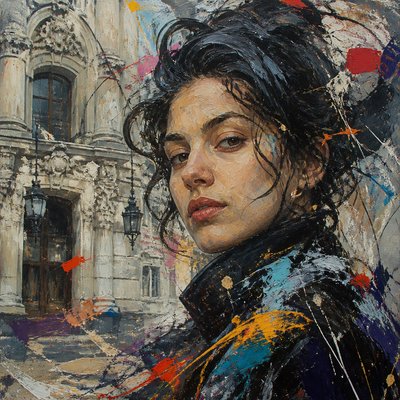
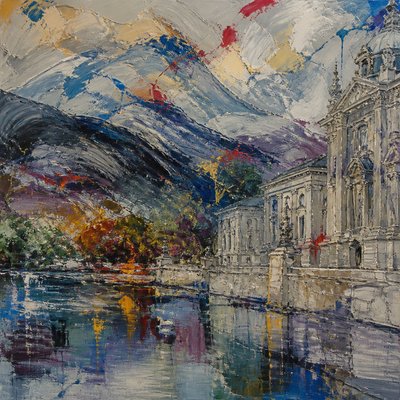
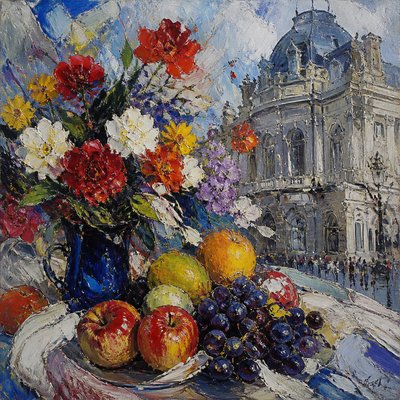
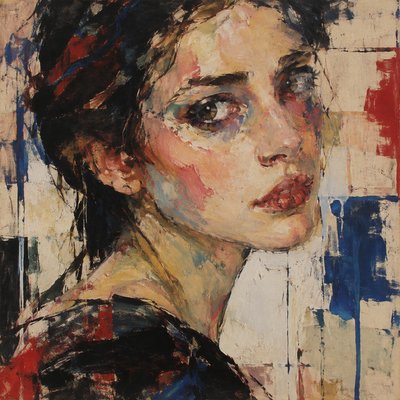
Eritrean Gallery
Tap any artwork to explore it
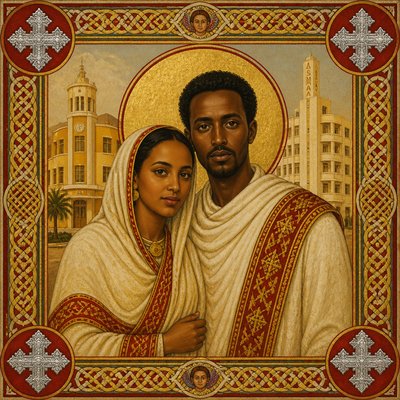
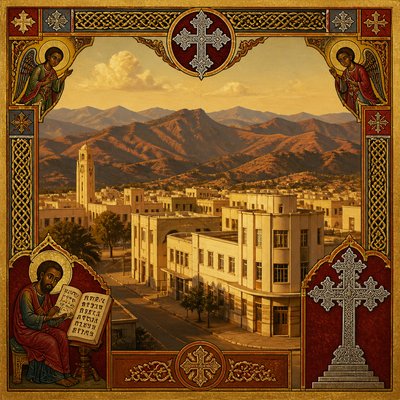
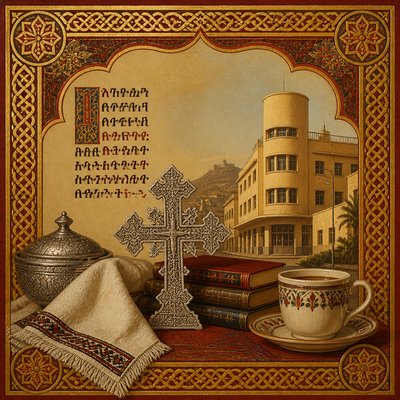
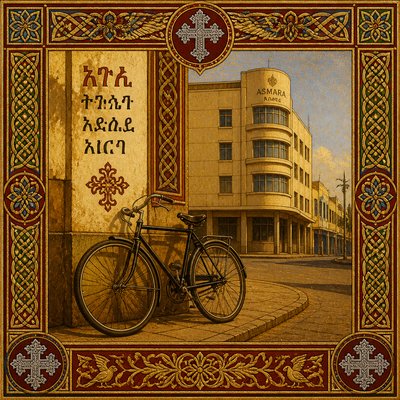
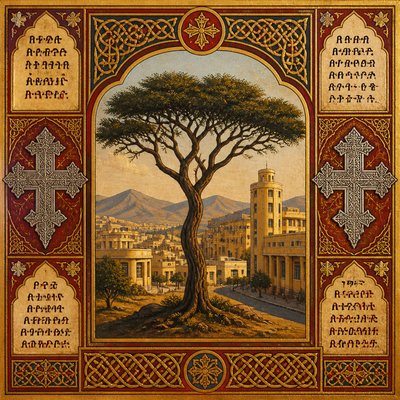
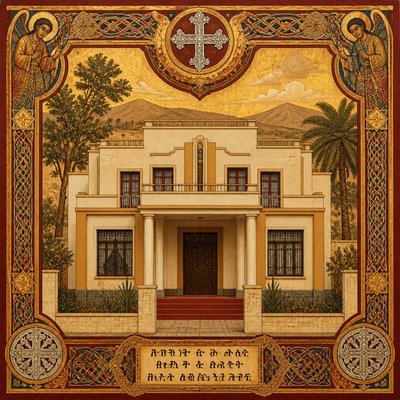
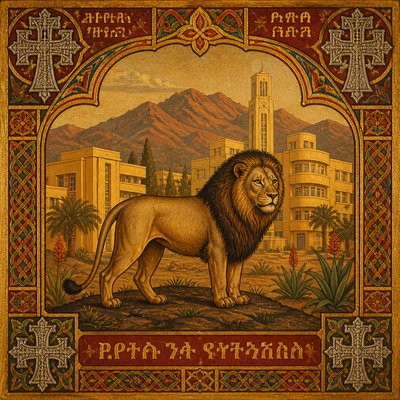
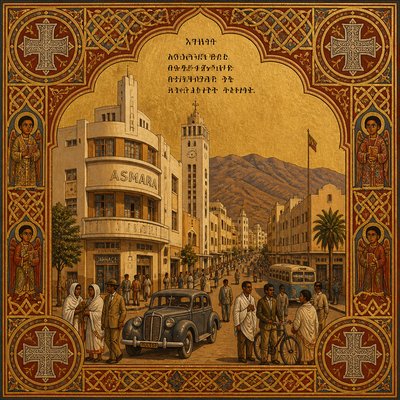
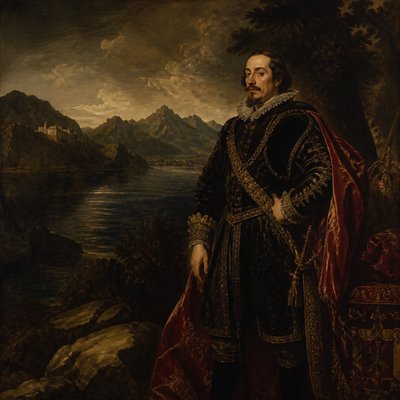
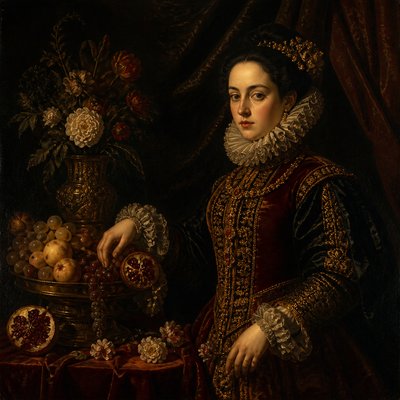
What is Eritrean Art Style?
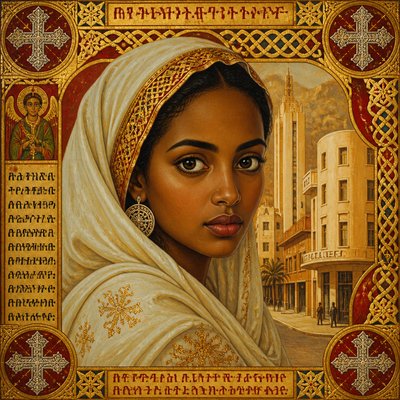
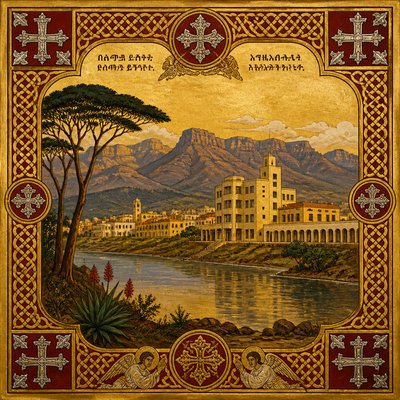
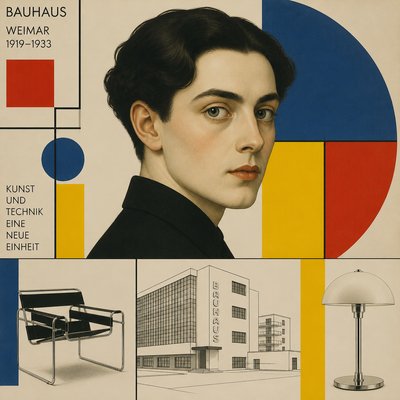
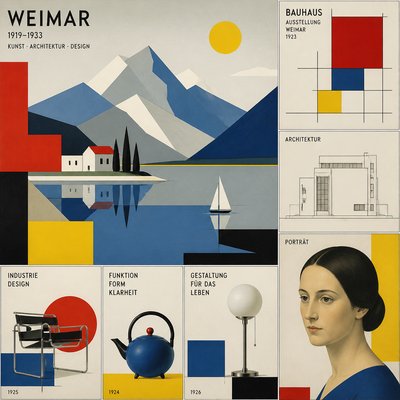
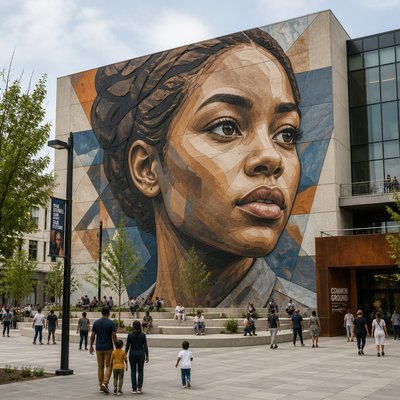
A second defining layer comes from Asmara’s Italian-era modernist architecture: streamlined facades, geometric windows, arcades, rounded corners, and restrained Bauhaus- and Art Deco-related forms. The contrast between compact architectural geometry and intricate manuscript ornament gives the style its character. Mountain stillness, dry luminous air, and carefully framed urban spaces often temper the richness of the decoration.
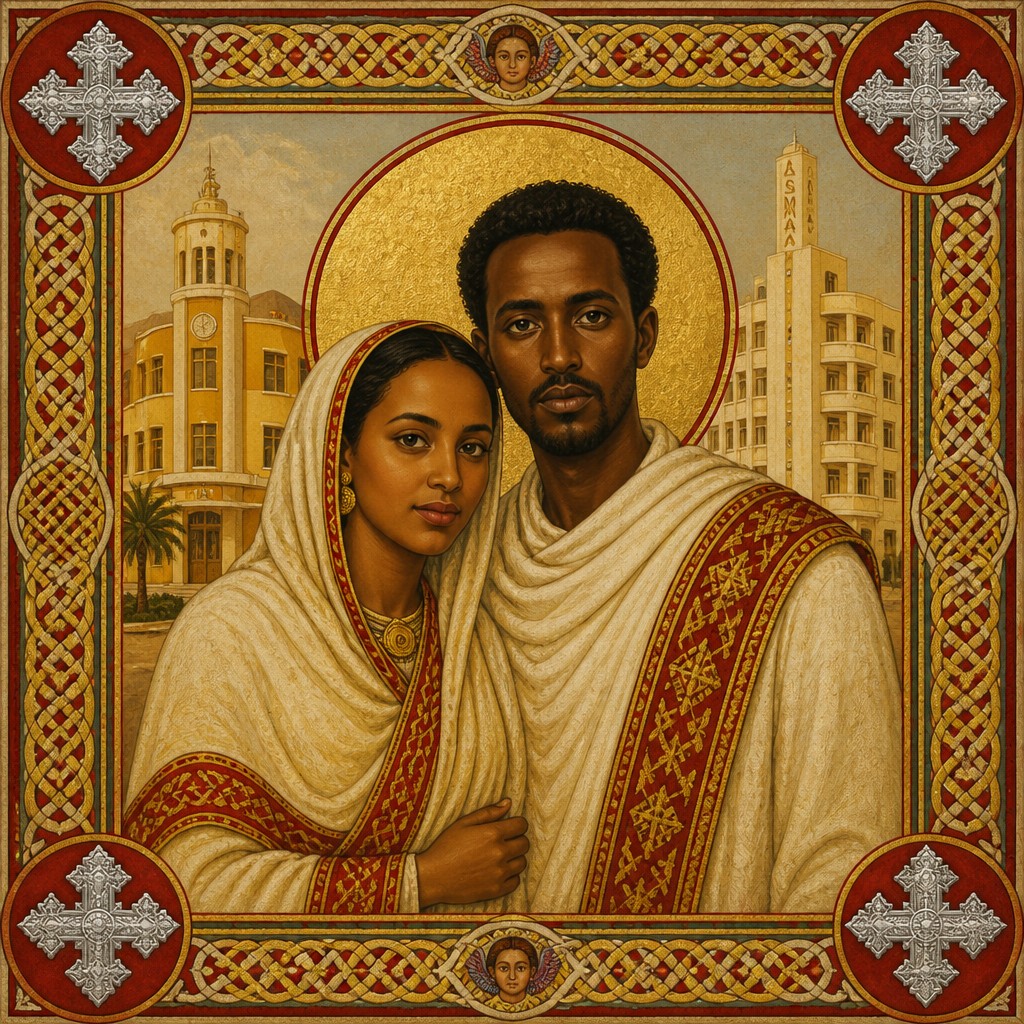
Try It On Your Photos
Upload any photo and convert it into Eritrean Art Style — drag the sliders to compare before and after.
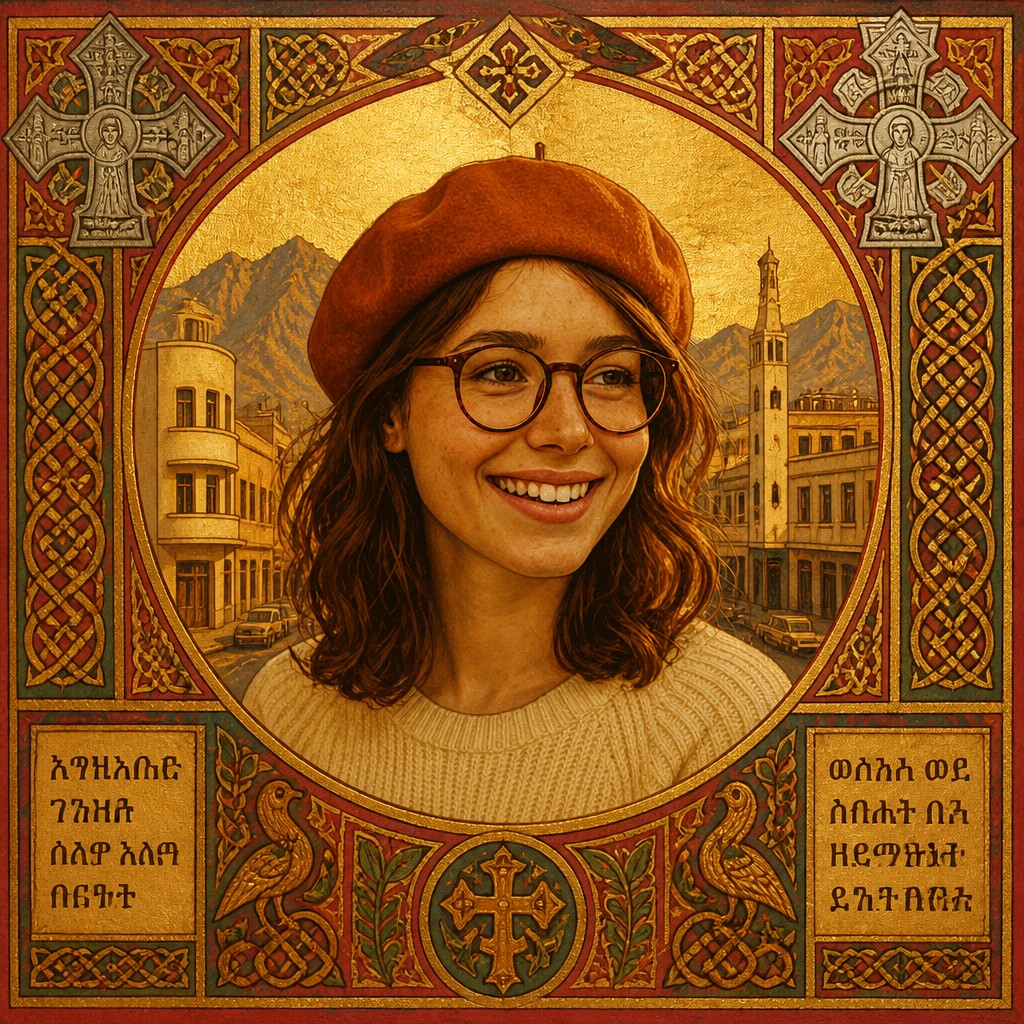

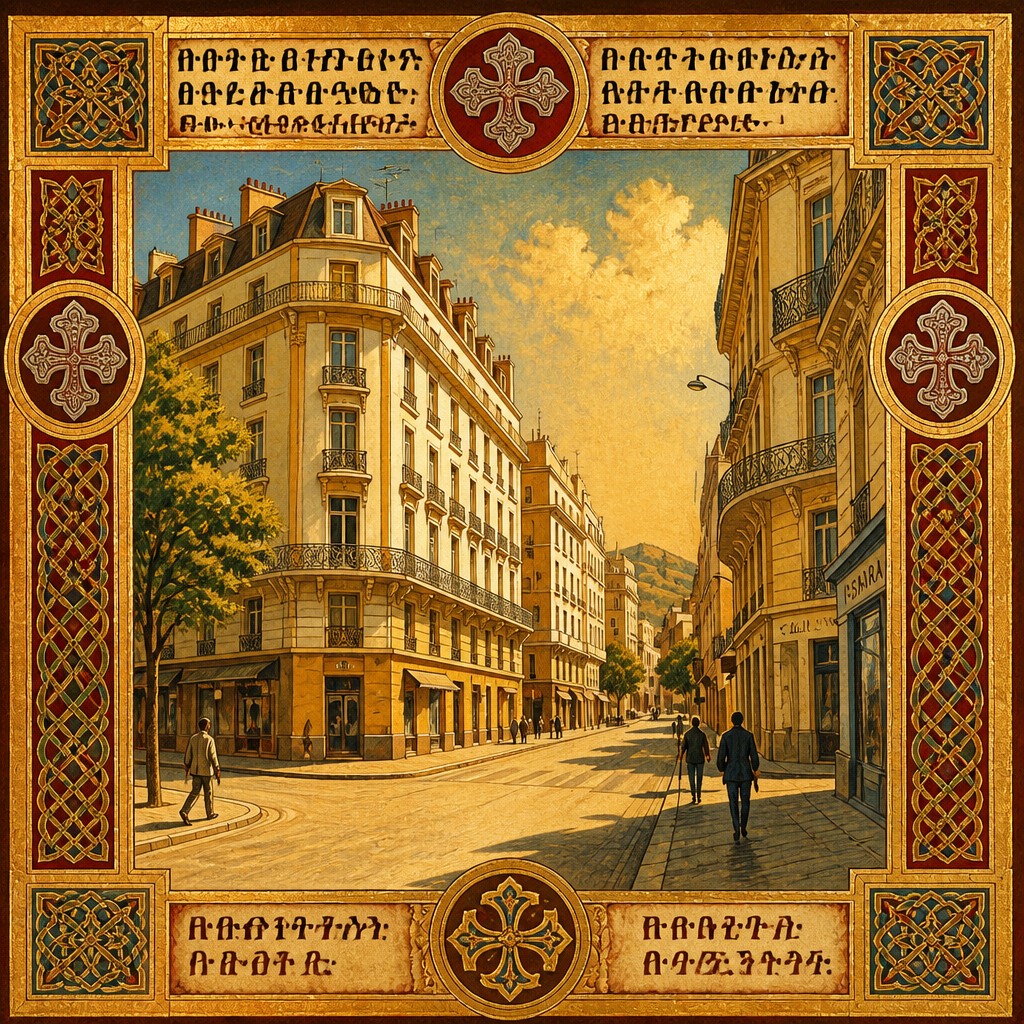

What Defines Eritrean Art Style
The signature details, up close
Illuminated Ge’ez lettering
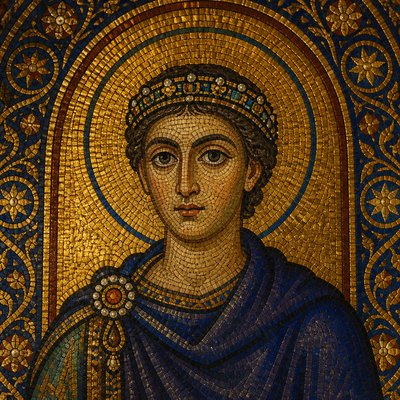
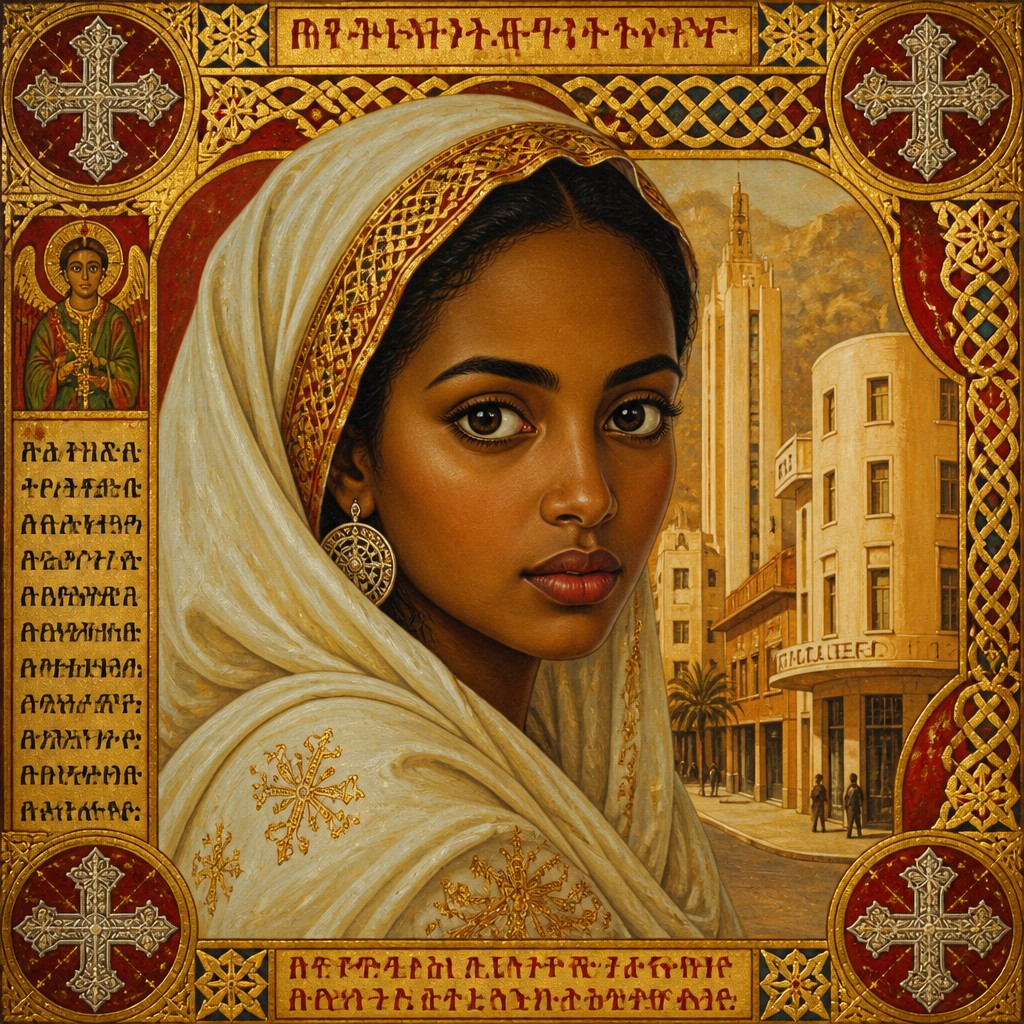
Ge’ez script is treated as both readable writing and an ornamental visual element, arranged in balanced blocks, bands, or framed inscriptions. Letterforms may be surrounded by halos, geometric borders, and jewel-like accents.
Gold-leaf ornament
Metallic gold suggests sacred illumination and the reflective surfaces of ceremonial objects. It works best in narrow borders, halos, corner details, and interlaced patterns rather than as an unmodulated field.
Interlace and geometric borders
Repeated knots, braided lines, rosettes, diamonds, and stepped frames organize the composition. These patterns create visual rhythm and echo the structure of manuscript pages, textiles, and metalwork.
Cross and engraved-metal motifs
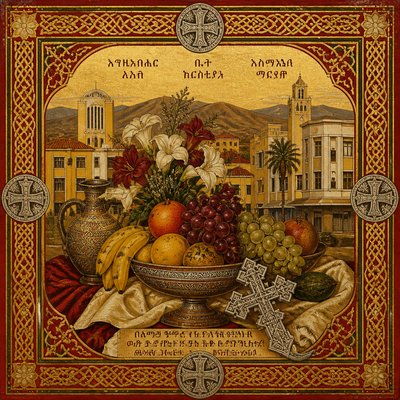
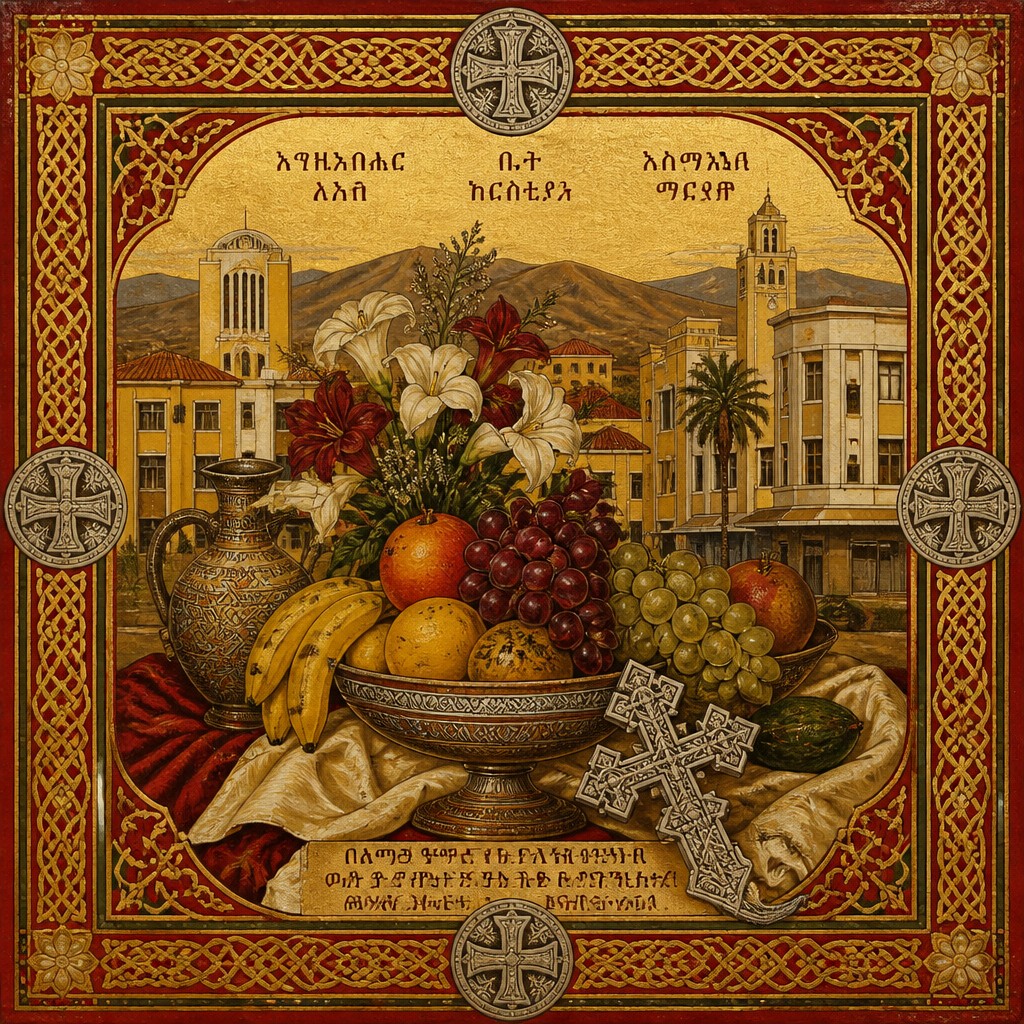
Coptic and Ethiopian Orthodox visual references may appear through stylized crosses, punched textures, repoussé-like relief, and silver or pewter surfaces. Such symbols should be handled with awareness of their devotional significance.
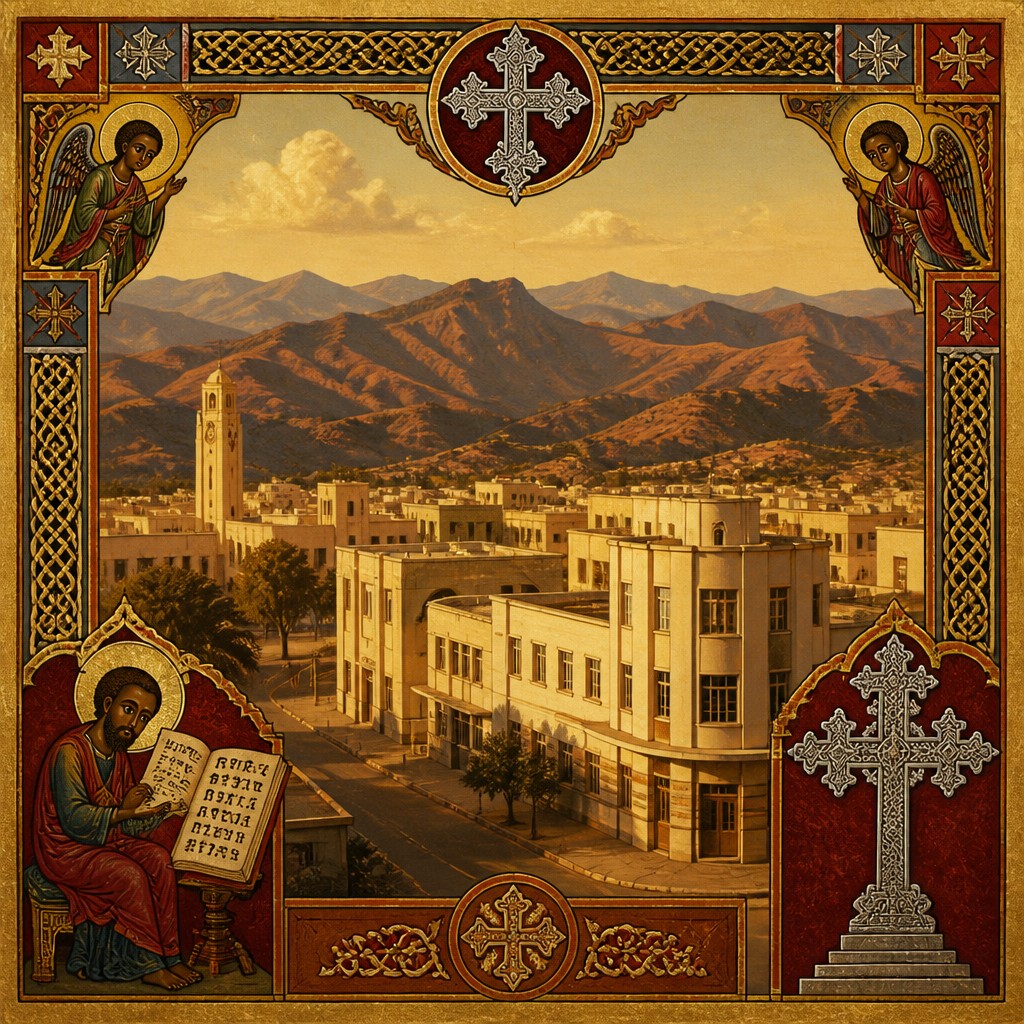
Asmara modernism
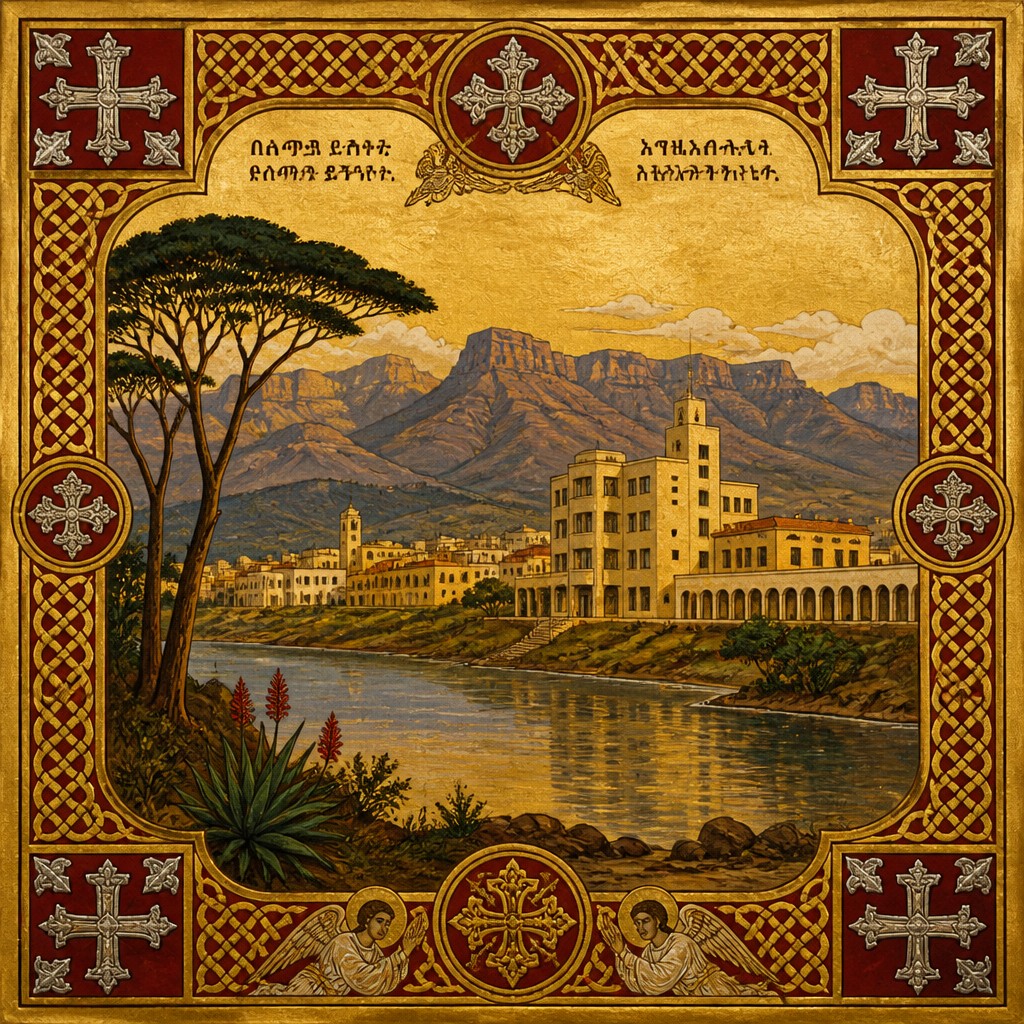
Cream and ochre buildings with aerodynamic curves, horizontal bands, porticos, circular windows, and disciplined facades provide a modern architectural counterpoint to intricate ornament.
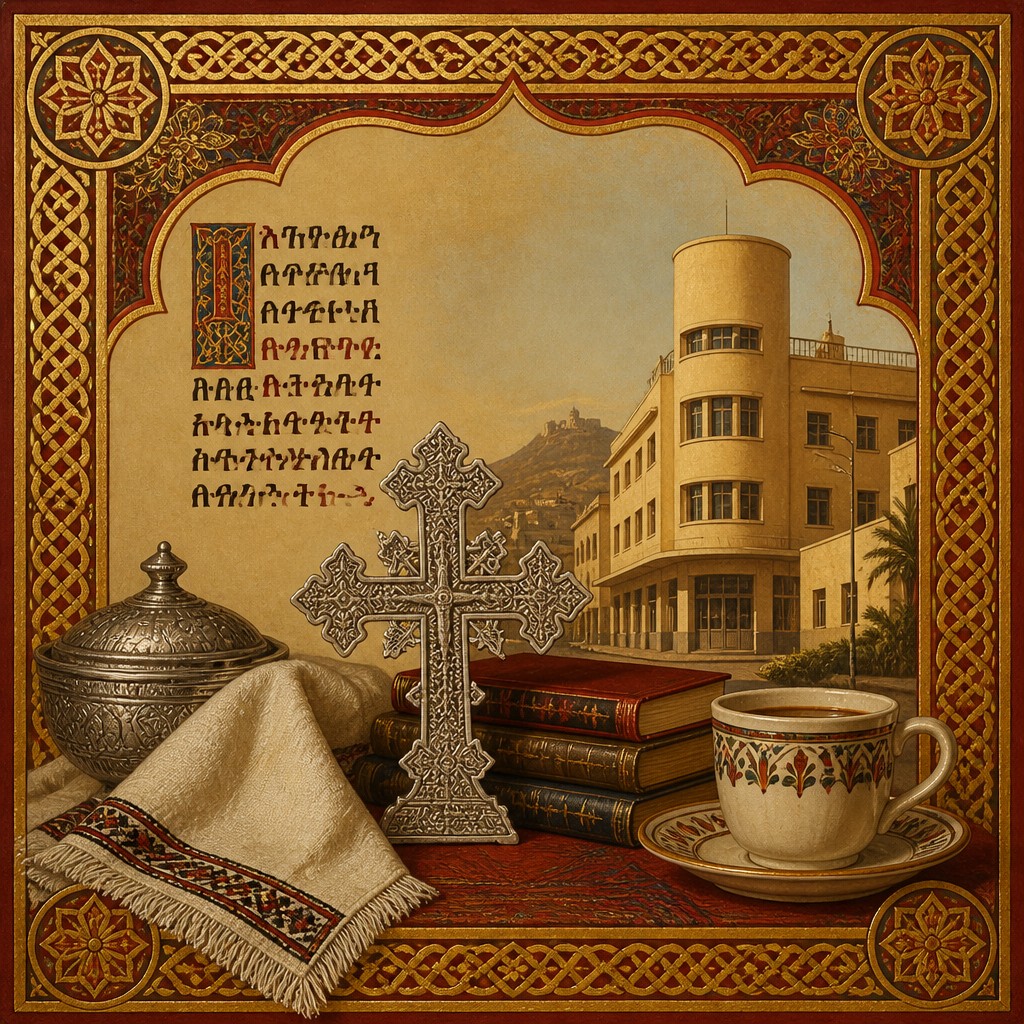
Highland light and mountain stillness
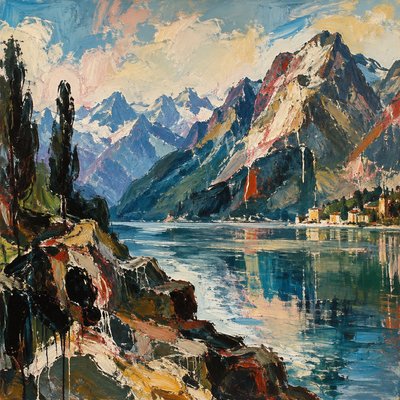
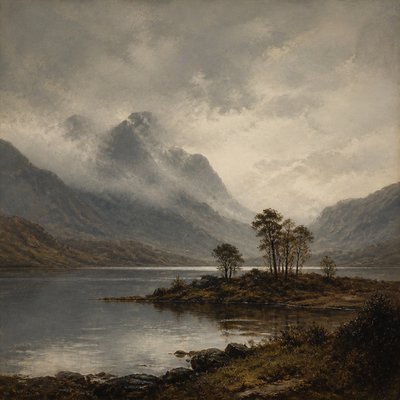
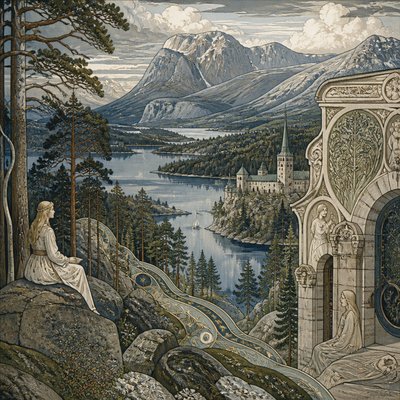
Clear, warm illumination, long quiet shadows, dry atmospheric perspective, and distant escarpments evoke Eritrea’s elevated landscapes. Scenes often feel contemplative rather than densely populated.
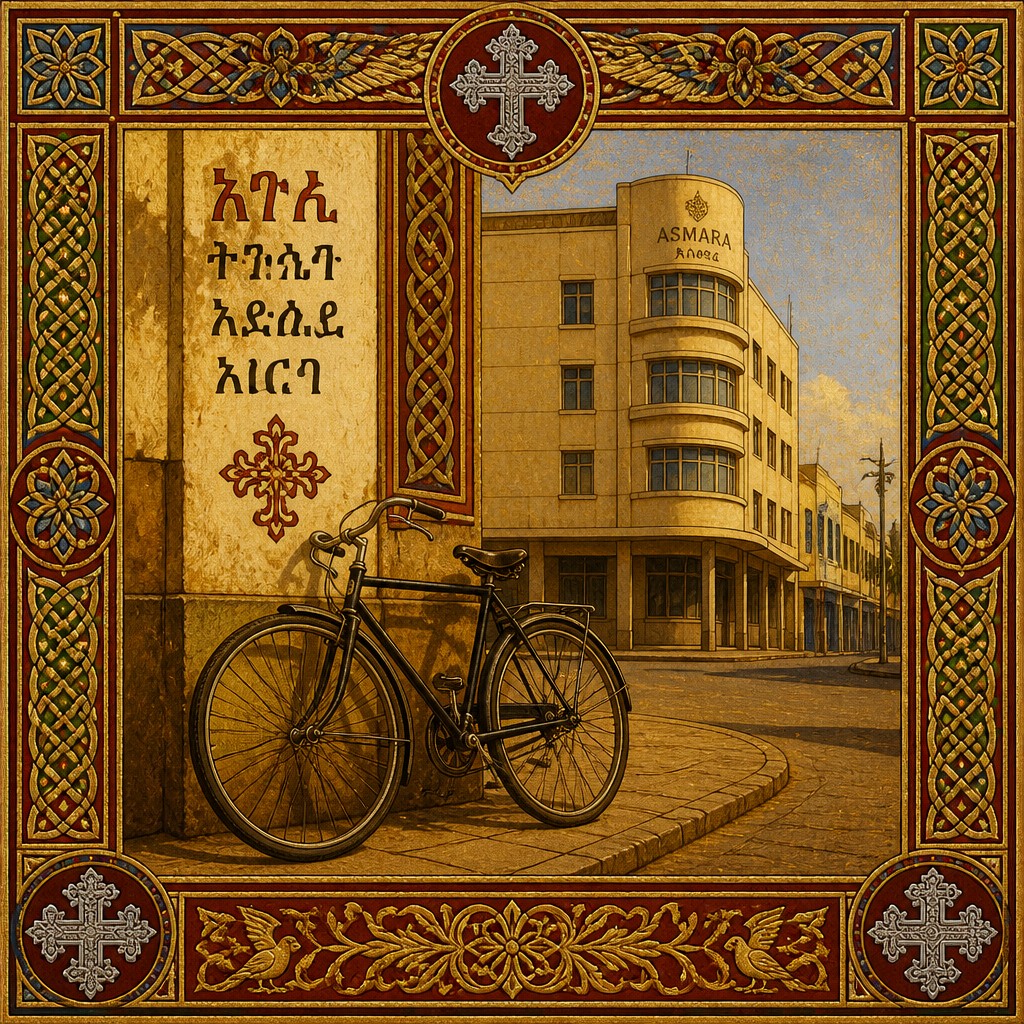
Crimson, ivory, and ochre palette
Deep red supplies devotional intensity, while ivory, warm white, muted yellow, and earth colors create an aged manuscript and sunlit-plaster effect. Silver accents can cool the otherwise warm palette.
Eritrean Prompt Ideas
Start from an idea — each one opens the generator with the style ready to go. See all 40 Eritrean prompts →
How to Create Eritrean Art
Master the craft step by step — or skip straight to creating. Read the full guide →
- 1
Build a manuscript-like composition
Start with a central subject or architectural panel, then surround it with a border, inscription band, or symmetrical frame. Keep ornament subordinate to the focal image so the result remains legible rather than becoming pattern noise.
- 2
Use layered material effects
For traditional work, combine opaque mineral-like color with ink, metallic leaf, burnished highlights, and fine outlining. Digitally, separate paper grain, painted color, gold, silver, and embossed texture into distinct layers.
- 3
Balance ornament with modern geometry
Pair intricate interlace or lettering with clean facades, arches, windows, and strong horizontal or vertical axes. This contrast between dense detail and streamlined structure is central to the aesthetic.
- 4
Control the palette and light
Favor crimson, gold, ivory, cream, ochre, and restrained silver, using warm highland sunlight to unify them. Avoid excessive neon saturation if the goal is an aged, devotional, materially convincing appearance.
- 5
Write precise image prompts
Specify the subject first, then add Ge’ez manuscript borders, gold-leaf interlace, engraved cross motifs, Asmara modernist architecture, and warm highland light. Include composition, material, palette, and level of ornament to prevent generic fantasy results.
- 6
Preserve cultural specificity
Use accurate Ge’ez forms only when text is essential, and distinguish script, religious symbols, and architectural references rather than treating them as interchangeable decoration. For sensitive devotional subjects, favor respectful framing and avoid invented pseudo-inscriptions.
The Story
History & Origins of Eritrean
The architectural component draws on Asmara’s substantial modernist and Rationalist building heritage, much of it constructed during the period of Italian colonial rule in the early to mid-20th century. Contemporary illustrations and digital compositions frequently bring these architectural forms into dialogue with manuscript borders and sacred ornament, producing a layered visual language that is historical in reference but modern in application.
Influences: The style relates to Ethiopian and Eritrean Christian manuscript illumination, Ge’ez calligraphic traditions, Orthodox devotional metalwork, Horn of African textile and decorative arts, and the geometric vocabulary of Art Deco and European modernism. It also shares methods with illuminated book arts, icon-like frontal composition, architectural illustration, and contemporary cultural collage. Its distinctiveness comes from placing sacred and craft-derived ornament beside Asmara’s streamlined urban modernism rather than presenting either tradition in isolation.
Frequently Asked Questions
What defines the Eritrean Art Style?
It is defined by a layered combination of Ge’ez manuscript-inspired illumination, gold and silver ornamental detail, cross motifs, and Asmara’s cream-and-ochre modernist architecture. Warm highland light and a crimson, gold, and ivory palette help unify these otherwise different sources.
Is Eritrean Art Style a historical art movement?
No. The term describes a contemporary aesthetic synthesis rather than a formally documented movement with a fixed period or founding school. Its references come from older Eritrean and regional traditions as well as Asmara’s 20th-century architectural heritage.
How is it different from Ethiopian manuscript art?
Ethiopian and Eritrean manuscript traditions are closely related but historically and culturally distinct in their local contexts. This contemporary style broadens manuscript references by adding Asmara modernism, metallic craft effects, and architectural composition, so it should not be treated as a substitute for any specific manuscript tradition.
How can I make an image in this style?
Begin with a clear subject, then specify a manuscript-like frame, Ge’ez-inspired layout, interlace, gold or silver material, and Asmara modernist forms where appropriate. In painting or digital work, use fine outlines, layered texture, controlled symmetry, and restrained warm colors rather than applying ornament uniformly.
What subjects work well with this aesthetic?
Asmara streets, highland landscapes, devotional objects, portraits, textiles, botanical studies, and architectural scenes all work well. Subjects with a strong silhouette or central placement allow the border illumination and geometric framing to remain readable.
Can Ge’ez text be used as decoration?
It can, but Ge’ez is a writing system with historical and religious importance, not merely an abstract pattern. Use verified text when meaning matters, avoid presenting random pseudo-script as a quotation, and keep sacred passages in respectful contexts.
Create your first Eritrean artwork
Describe anything — or upload a photo — and see it in Eritrean Art Style in seconds.
Related Styles
Discover similar art styles