Dominica Art Style
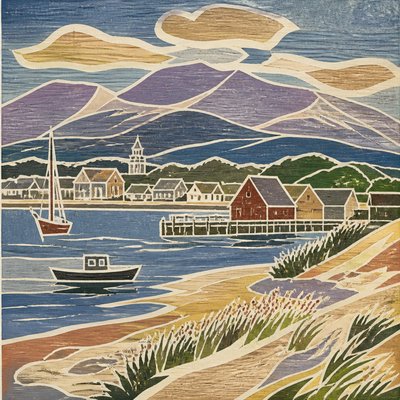
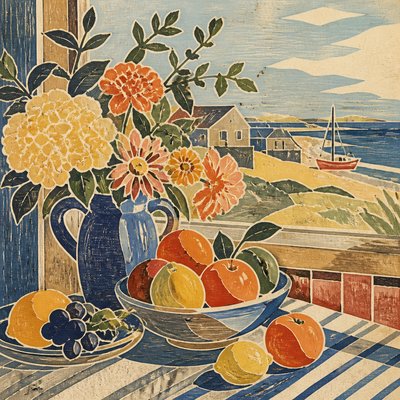
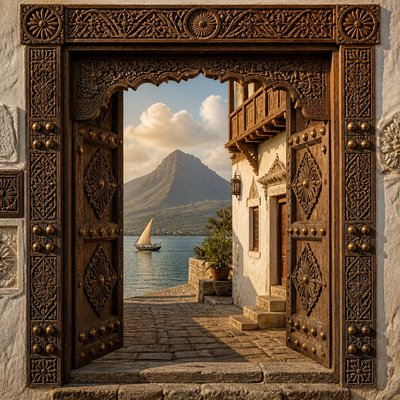
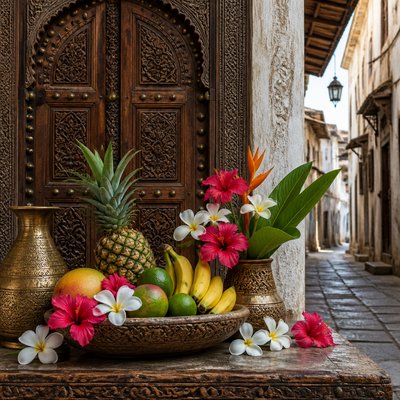
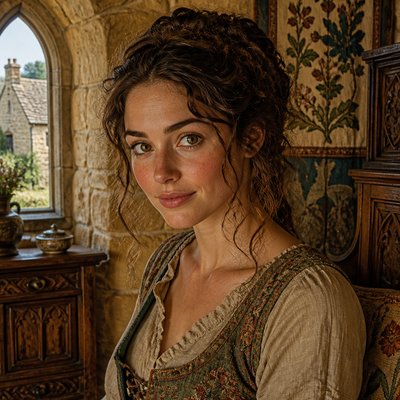
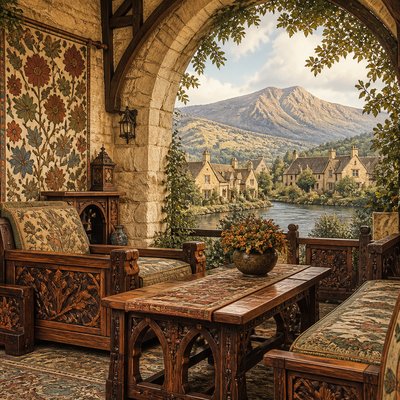
Explore Dominica Art Style: Kalinago-inspired larouma basketry, emerald rainforest, waterfall mist, volcanic mountains, and island stillness.
Instantly rendered in Dominica — or transform a photo
Dominica Gallery
Tap any artwork to explore it
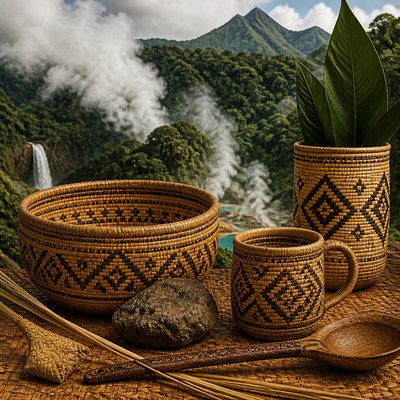
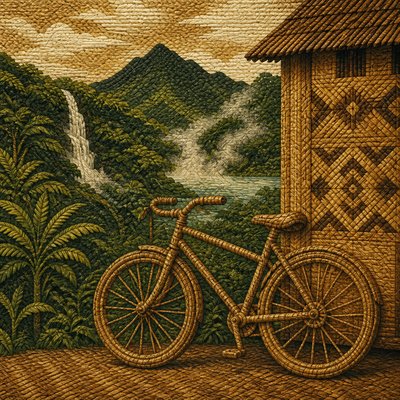
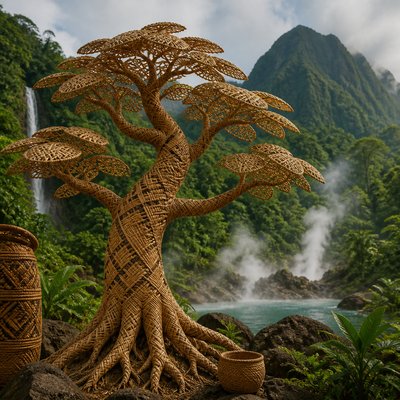
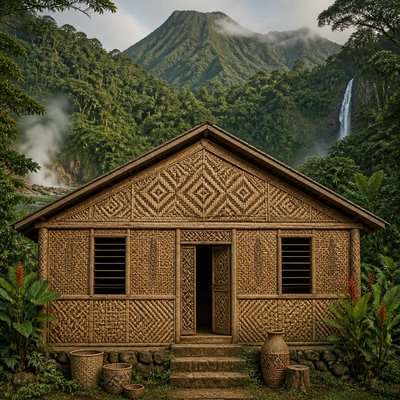
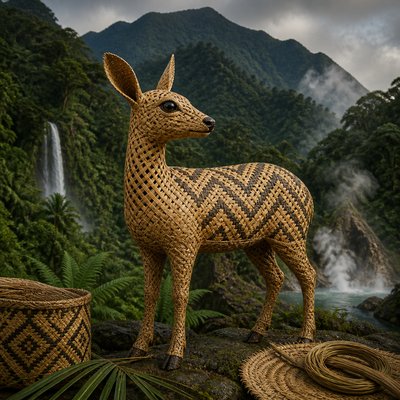
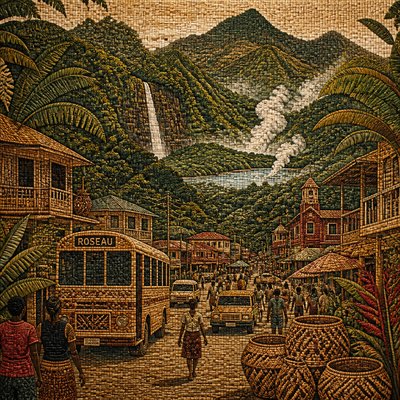
What is Dominica Art Style?
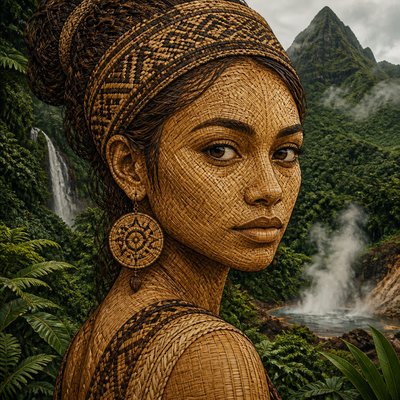
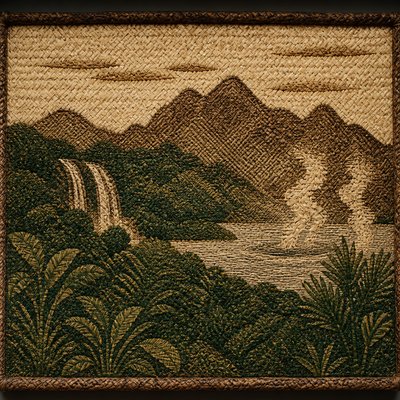
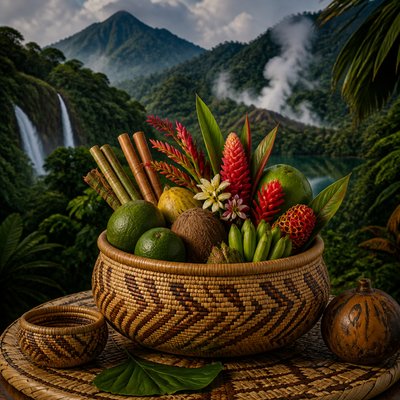
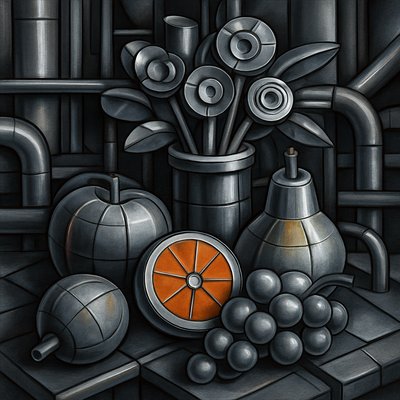
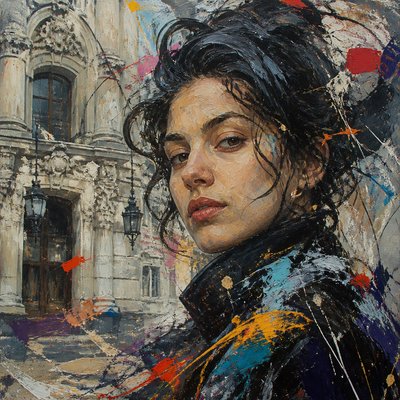
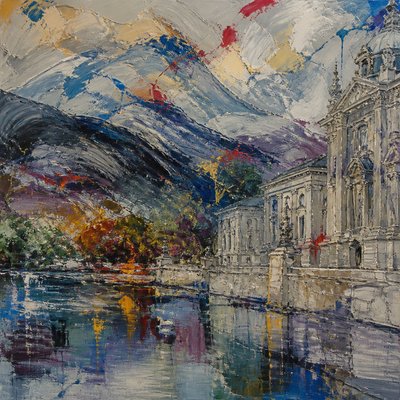
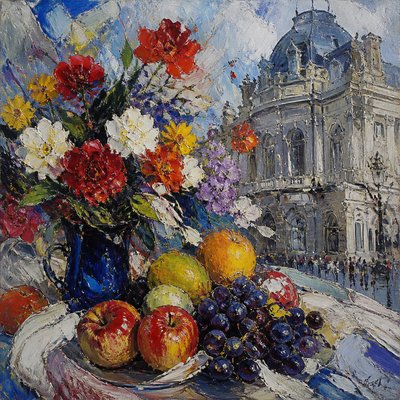
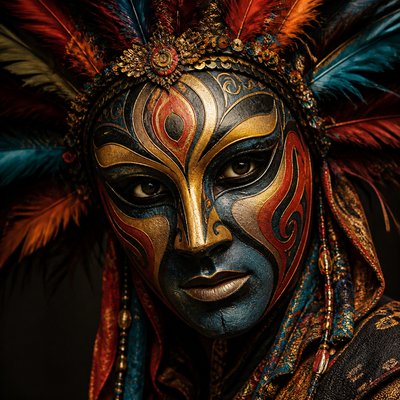
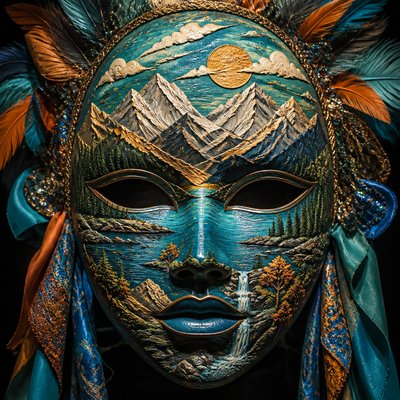
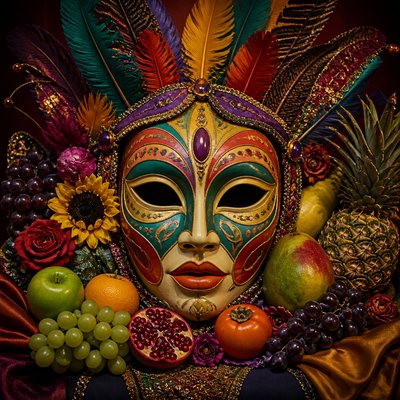
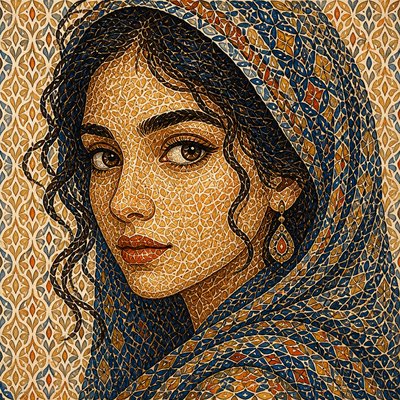
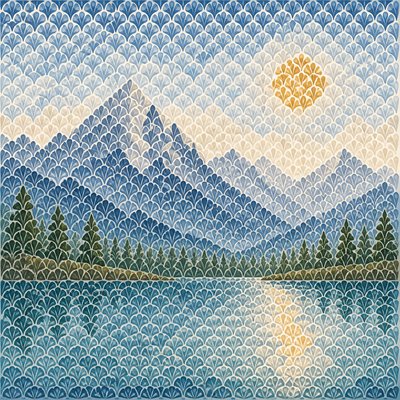
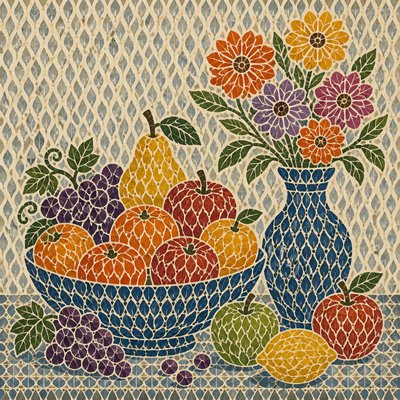
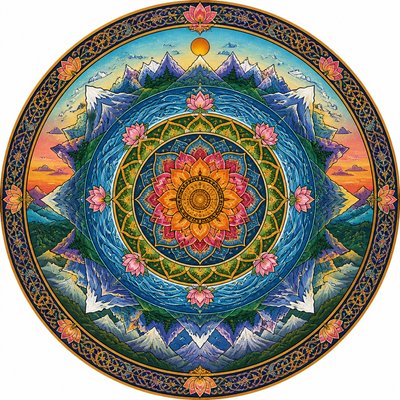
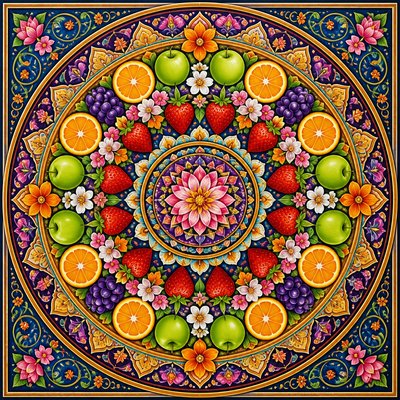
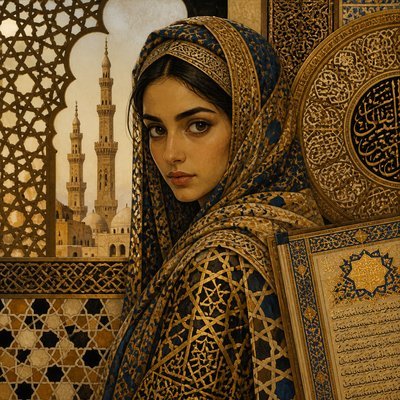
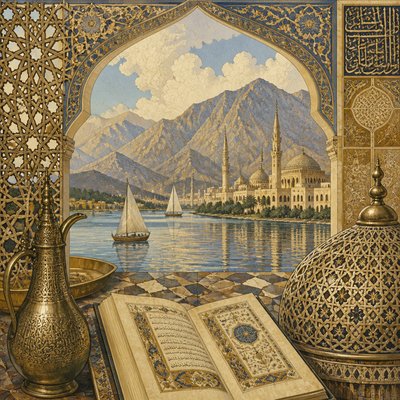
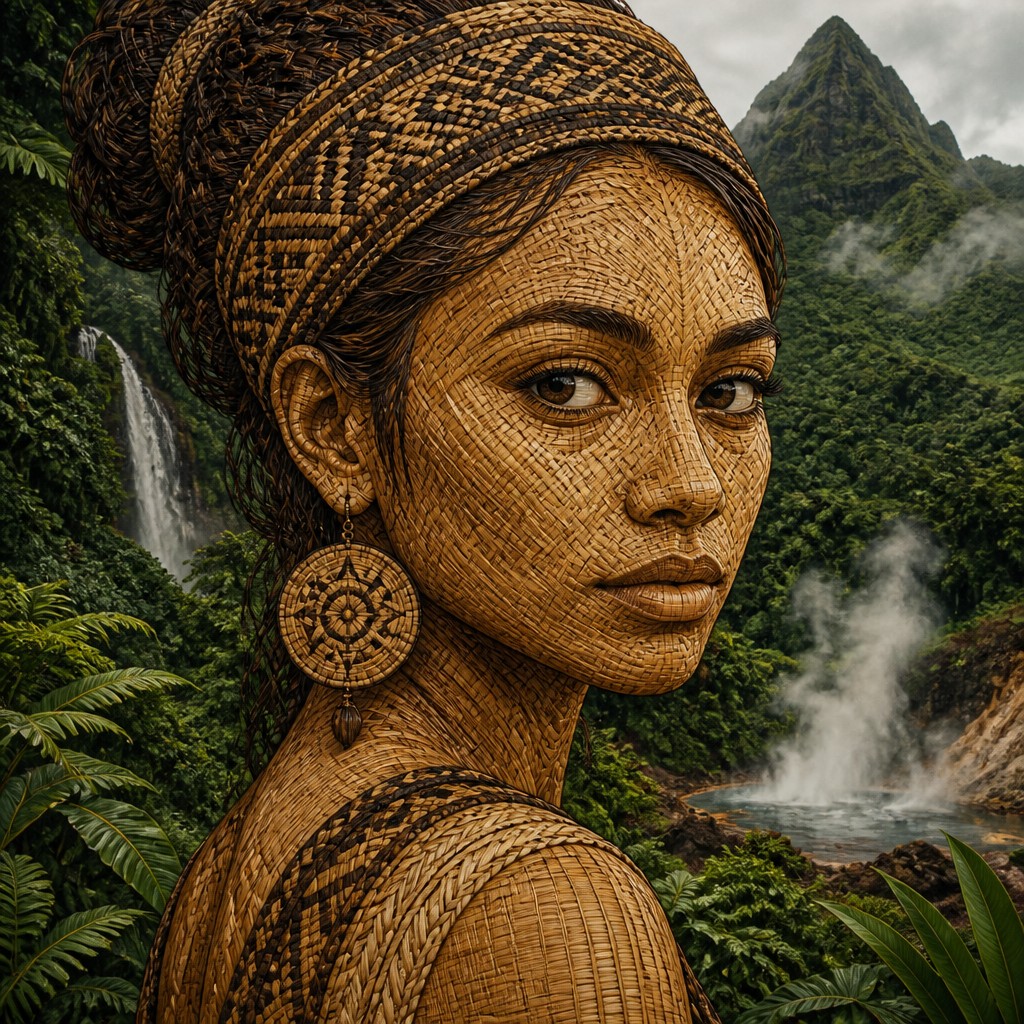
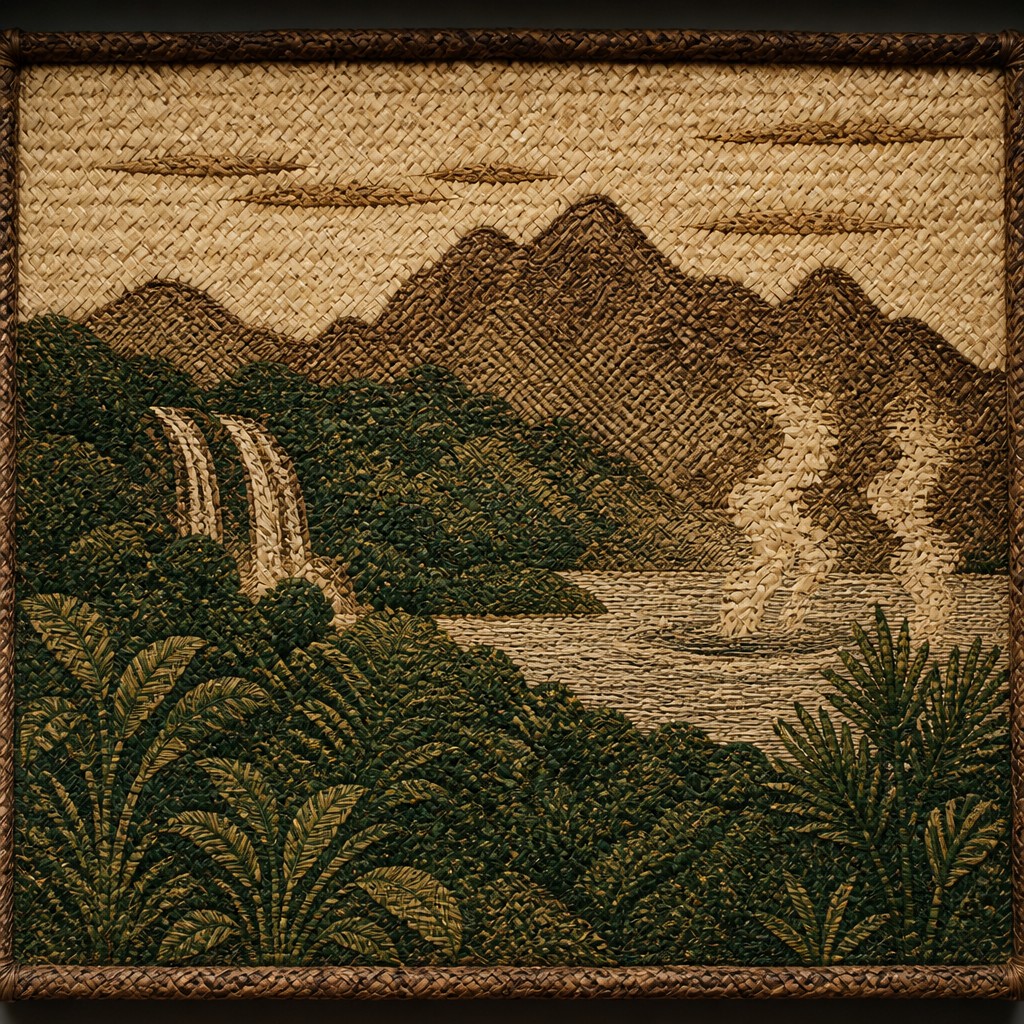
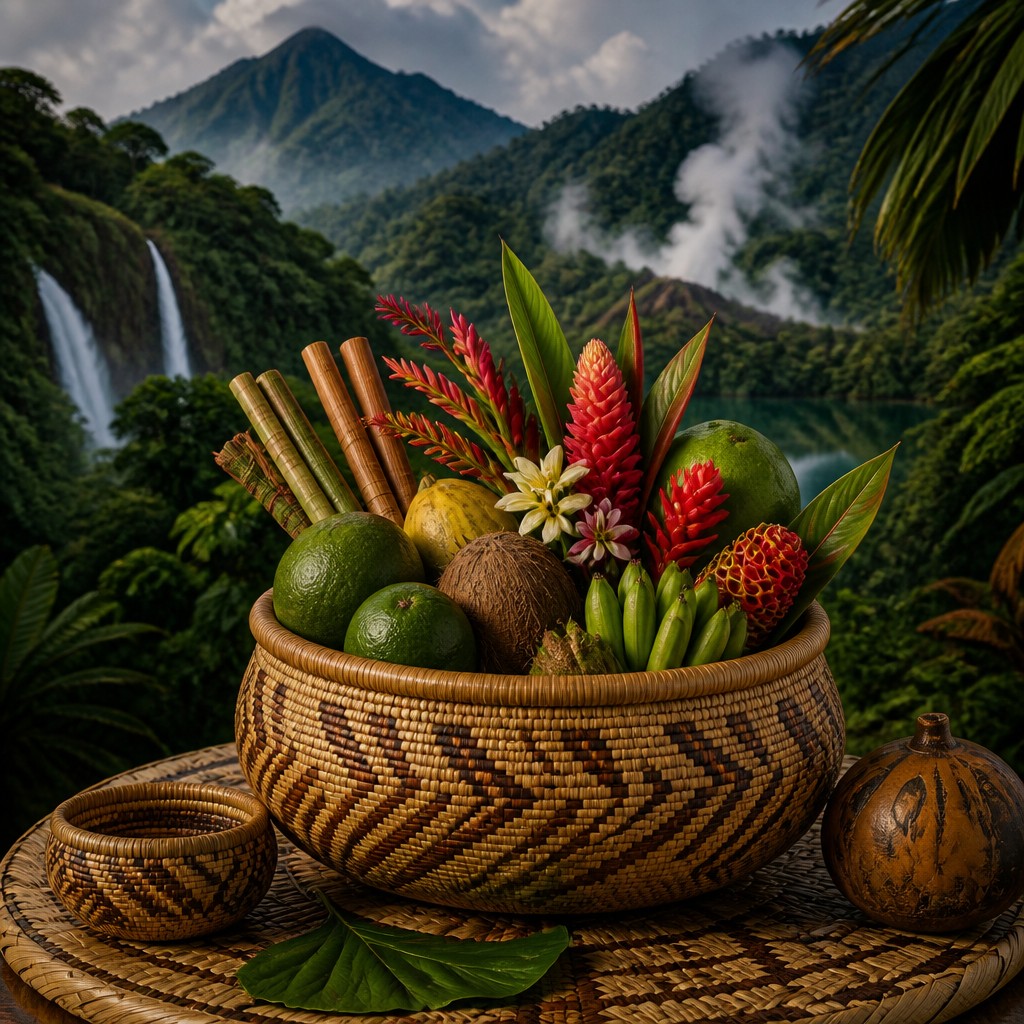
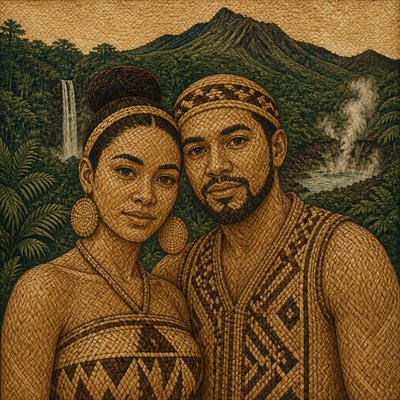
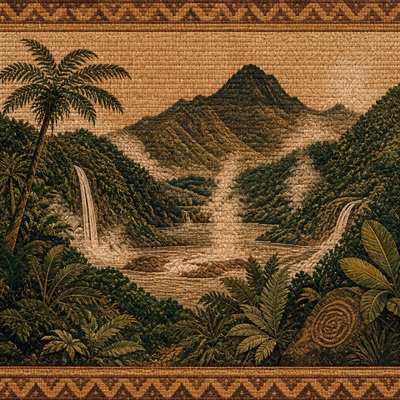
Dominica Art Style is a contemporary, place-based visual synthesis built around the tactile language of Kalinago larouma-reed basketry and the humid landscape of Dominica. It sets warm cane, honey, and straw tones against deep rainforest greens, waterfall white, volcanic charcoal, and blue-gray mist. Tight geometric plaiting provides an ordered surface structure, while the surrounding environment supplies organic density and atmospheric depth.
The style looks calm rather than theatrical. Its visual identity depends on patient repetition, natural materials, softened edges, layered foliage, and a sense of quiet continuity between craft and landscape. Woven patterns may appear as borders, textures, architectural surfaces, or compositional grids, while rainforest canopy, mountain ridges, boiling-lake steam, and cascading water create a distinctly Caribbean setting.
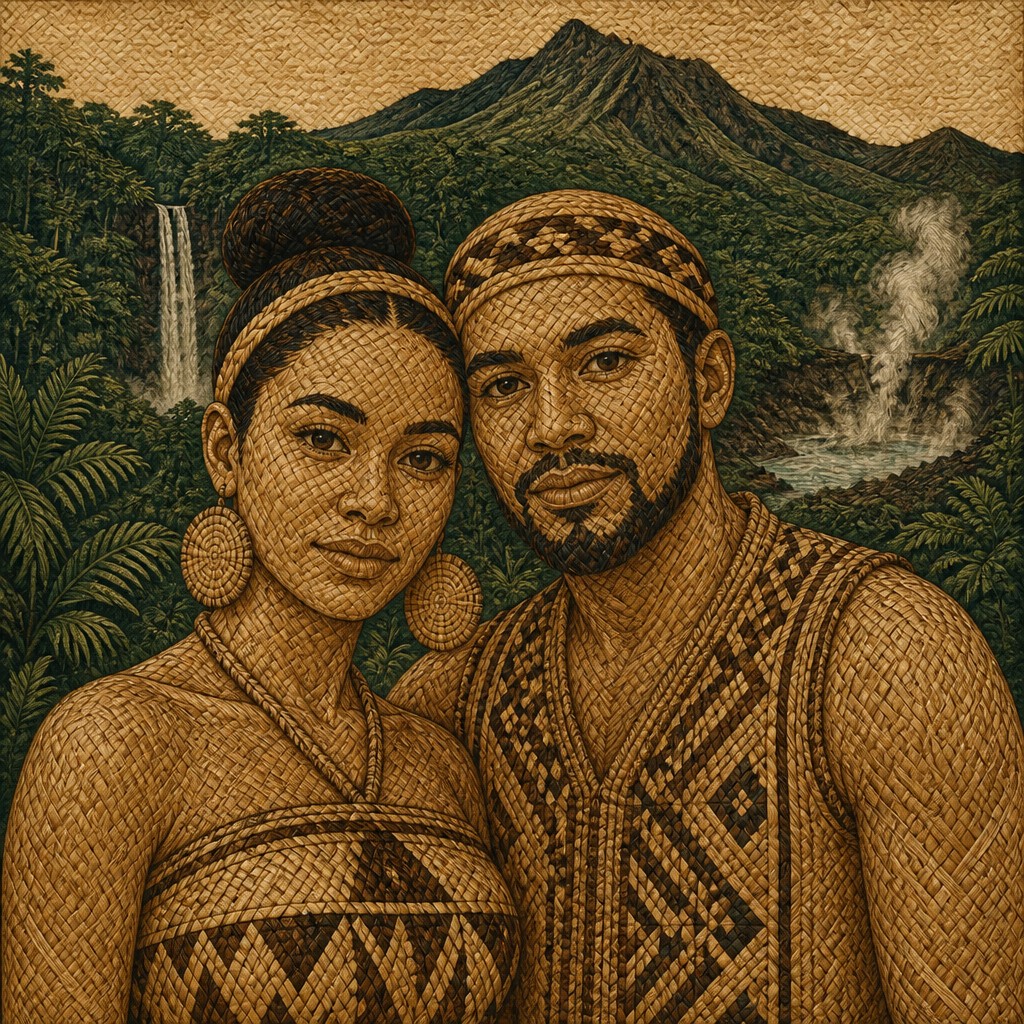
Try It On Your Photos
Upload any photo and convert it into Dominica Art Style — drag the sliders to compare before and after.
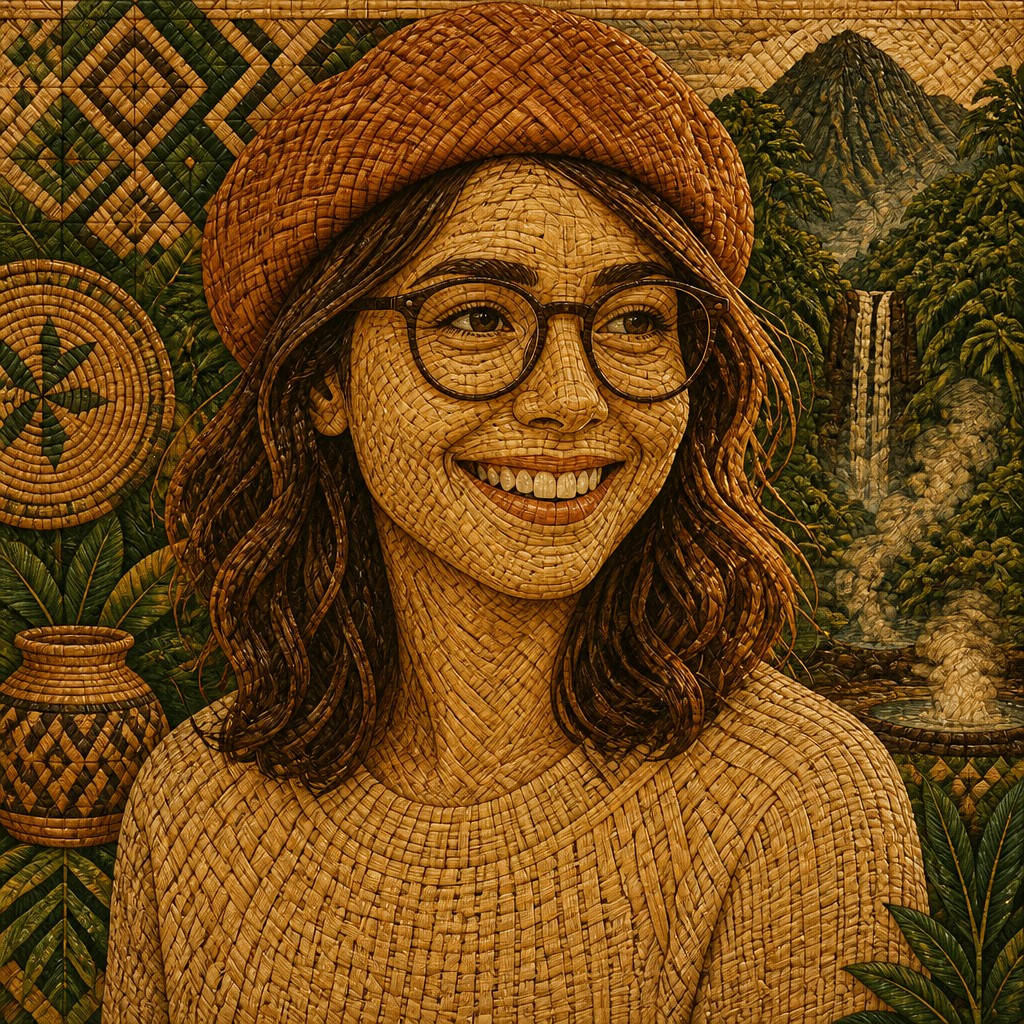

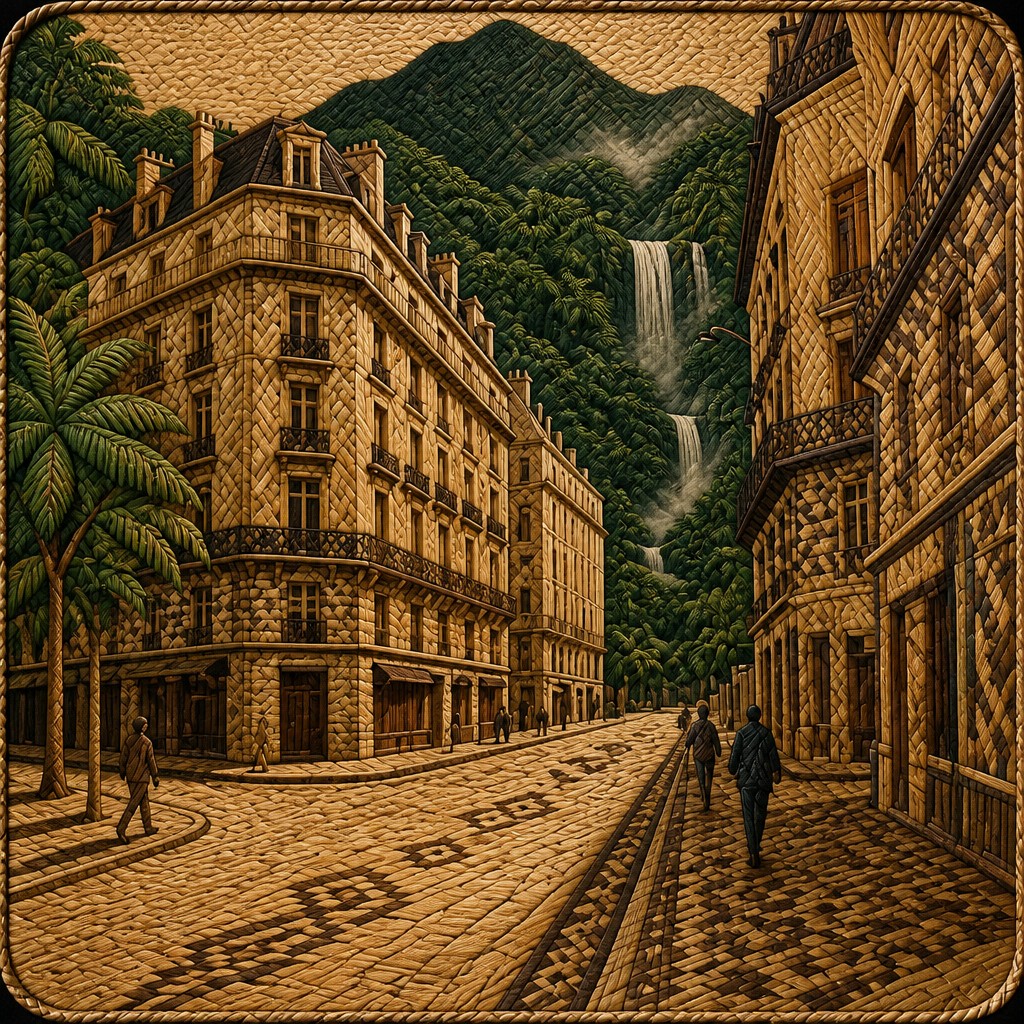

What Defines Dominica Art Style
The signature details, up close
Larouma-inspired geometry
Repeated over-under structures, diamonds, chevrons, bands, and stepped motifs evoke the disciplined rhythm of reed basketry. The geometry is usually precise but retains slight hand-woven irregularity.
Natural cane palette
Warm beige, straw, honey, tan, and muted brown establish the material foundation. These tones are often placed against saturated greens so the woven elements remain legible.
Emerald rainforest density
Layered leaves, vines, ferns, moss, and broad tropical foliage create a deep, enclosed canopy. Vegetation is rendered in overlapping tonal planes rather than as isolated botanical specimens.
Waterfall and steam atmosphere
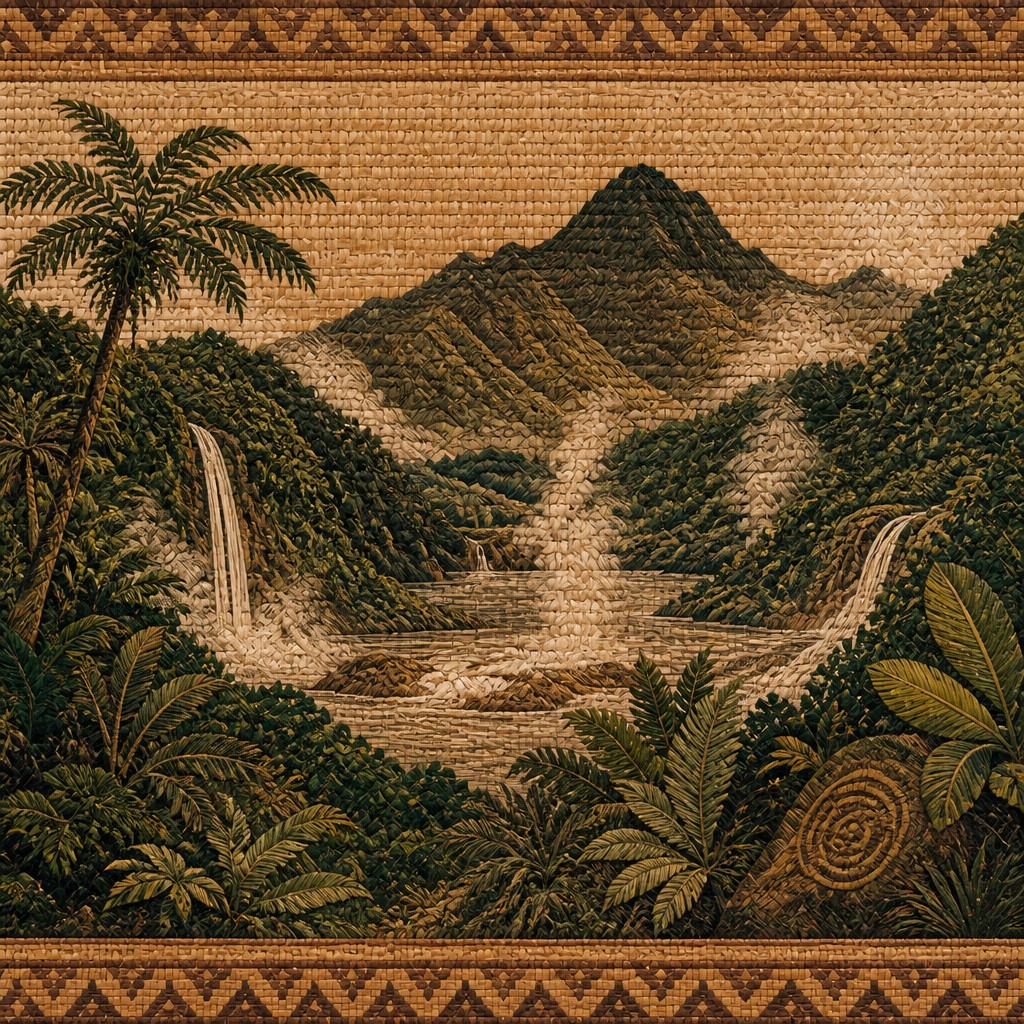
White cascades, suspended spray, low cloud, and boiling-lake vapor soften the scene and introduce movement. Mist acts as a translucent veil between foreground craft textures and distant terrain.
Volcanic topography
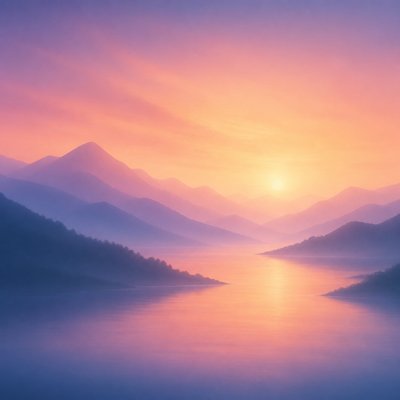
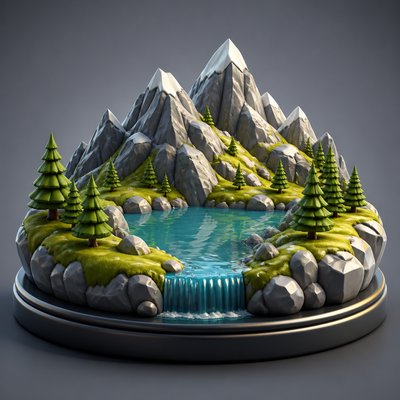
Rugged ridges, dark stone, crater-like forms, and steep mountain silhouettes anchor the composition. Earth and rock are generally subdued so that green vegetation and pale water remain prominent.
Quiet ancestral patience
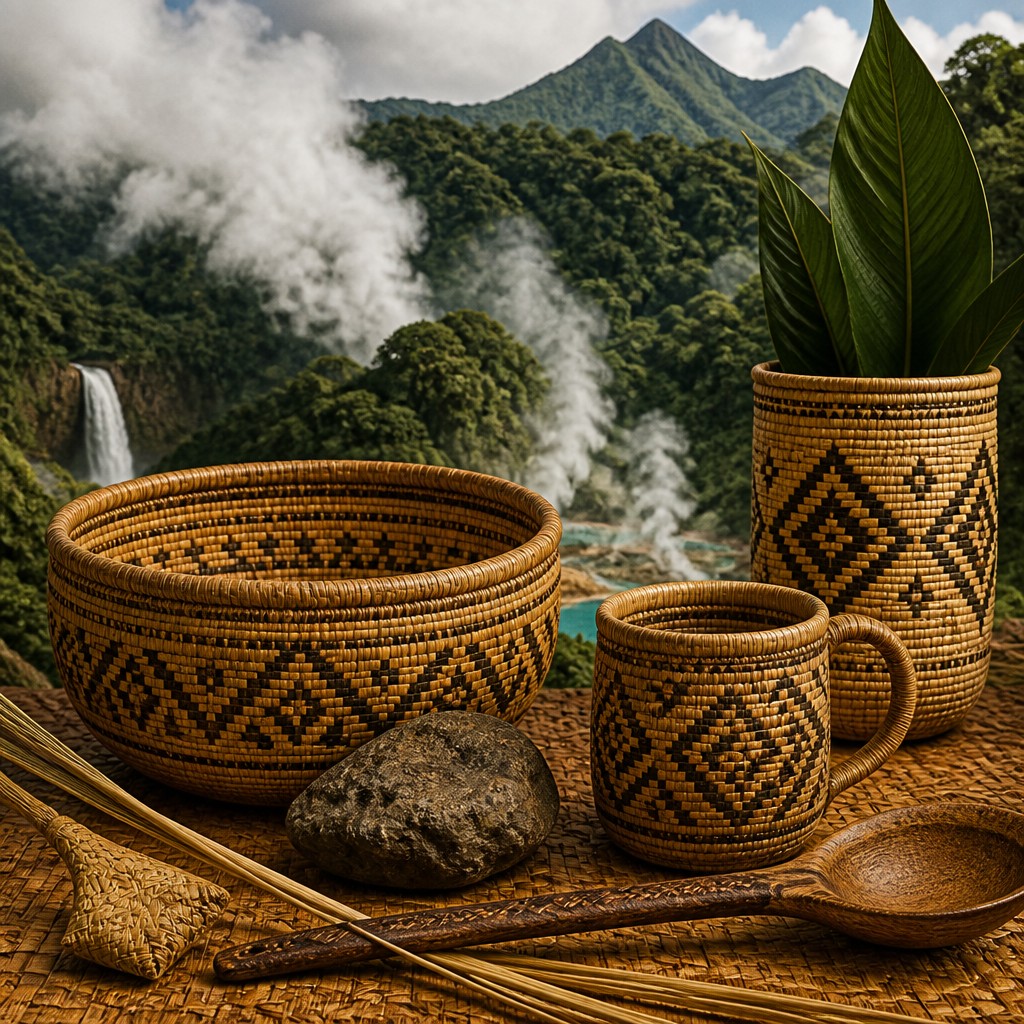
Compositions favor stillness, balanced spacing, and close attention to repetitive labor. The mood is contemplative and grounded, with little emphasis on spectacle or dramatic action.
Dominica Prompt Ideas
Start from an idea — each one opens the generator with the style ready to go. See all 40 Dominica prompts →
How to Create Dominica Art
Master the craft step by step — or skip straight to creating. Read the full guide →
- 1
Build a woven structural base
Begin with a grid of alternating strips, then introduce diamonds, chevrons, or stepped bands through changes in over-under rhythm. Vary strand thickness and alignment slightly to avoid a sterile digital pattern.
- 2
Use material-aware color
Reserve warm cane hues for the woven subject or foreground accents, and build the landscape from layered emerald, fern, moss, and blue-green tones. Add restrained charcoal for volcanic rock and soft white for water and steam.
- 3
Layer the rainforest in depth
Place broad, dark leaves near the viewer, midtone foliage around the central subject, and mist-muted greens in the distance. Overlapping silhouettes and filtered light will create humid atmospheric perspective.
- 4
Combine handcraft and digital texture
Traditional studies can use paper, reed, raffia, or ink to test plaiting patterns before incorporating them into a larger image. Digitally, scan or photograph those textures, use displacement and opacity layers, and preserve small irregularities.
- 5
Prompt for material, place, and mood
A strong text prompt should specify woven larouma-reed geometry, natural cane tones, Dominica's rainforest and volcanic terrain, waterfall mist, and contemplative stillness. For image-to-image work, retain the source composition while asking for softened tropical atmosphere and visible plaiting.
The Story
History & Origins of Dominica
Dominica Art Style is best understood as an invented contemporary aesthetic rather than a documented historical movement. Its lineage draws on the living basket-making traditions of the Kalinago people, particularly the preparation and weaving of larouma reed, combined with visual interpretations of Dominica's volcanic rainforest, steep interior mountains, rivers, and waterfalls.
The style develops through a respectful synthesis of material culture and landscape imagery. It should not be treated as a replacement for Kalinago craft traditions or as evidence of a single established school; instead, it is a modern visual framework that borrows principles of geometric weaving, natural-material color, ecological observation, and contemplative composition.
Influences: The style relates to Indigenous Caribbean basketry, material-based folk craft, ecological art, tropical landscape painting, and contemporary place-based illustration. Its ordered surfaces also connect with geometric abstraction and textile design, while its mist, layered greens, and softened contours recall atmospheric landscape traditions. The strongest influence is not a single art movement but the meeting of functional weaving knowledge, volcanic-island ecology, and contemplative visual composition.
Frequently Asked Questions
What defines the Dominica Art Style?
It is defined by Kalinago larouma-reed basketry references, warm natural cane colors, dense emerald rainforest, waterfalls, volcanic mountains, and drifting mist. Repetition and woven geometry provide structure, while the landscape creates an atmosphere of stillness and ecological immersion.
Is Dominica Art Style a historical art movement?
No. It is a contemporary, invented style label rather than a documented historical movement or unified school. Its aesthetic lineage should be described accurately as a synthesis inspired by living Kalinago craft traditions and the natural environments of Dominica.
How is it different from generic tropical or Caribbean art?
Generic tropical imagery may emphasize bright color, beaches, palms, or tourist landscapes. This style focuses instead on Dominica's mountainous rainforest interior, volcanic atmosphere, woven material culture, muted natural fibers, and contemplative repetition.
Can I create this style without using actual reed?
Yes. Draw, paint, model, or digitally simulate over-under strands, softened fiber edges, and slight variations in thickness. Using photographed or scanned basket textures can add authenticity, but the visual principles can also be recreated with brushes, vector shapes, 3D materials, or generative tools.
What subjects work well with this aesthetic?
Baskets, woven shelters, craft tools, rainforest paths, waterfalls, volcanic ridges, river stones, ferns, and quiet interior scenes are especially compatible. Human figures can be included, but they should not be used to invent ceremonial details or misrepresent Kalinago cultural practices.
How should cultural references be handled respectfully?
Treat Kalinago basketry as a living tradition rather than a decorative texture detached from its makers. Avoid copying sacred or community-specific symbols without permission, and distinguish clearly between an inspired contemporary image and an authentic Kalinago-made work.
Create your first Dominica artwork
Describe anything — or upload a photo — and see it in Dominica Art Style in seconds.
Related Styles
Discover similar art styles