Cypriot Art Style
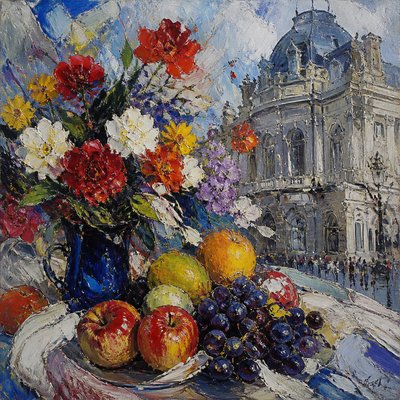
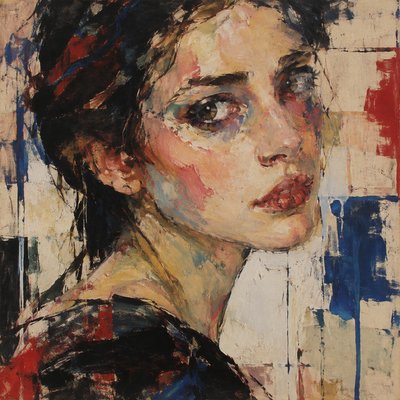
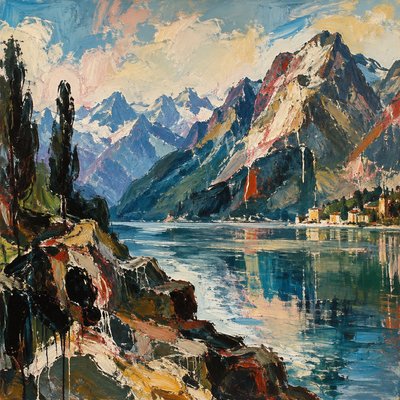
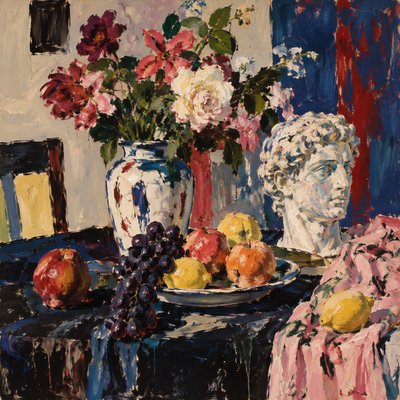
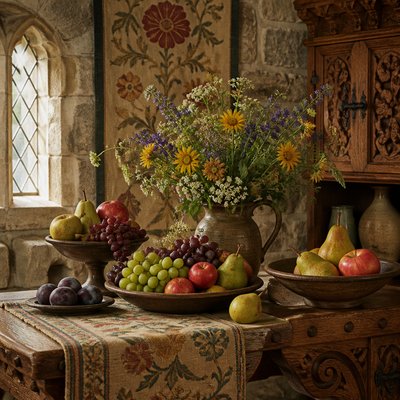
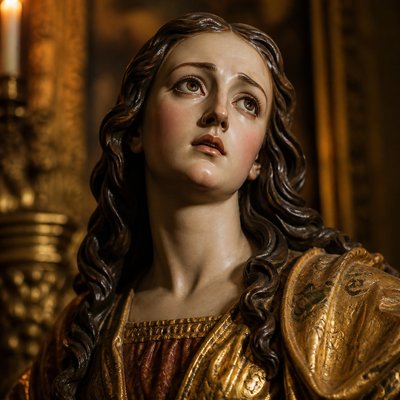
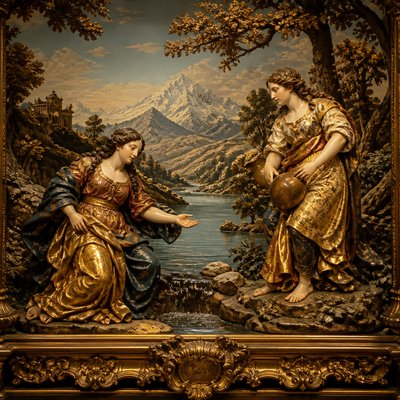
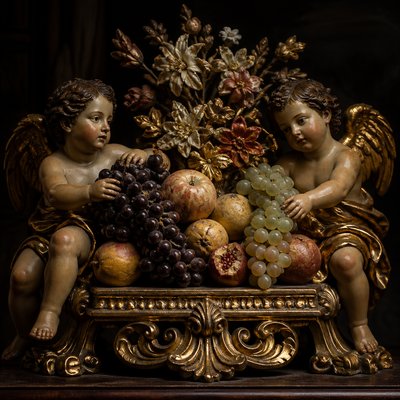
Explore the Cypriot art style: Byzantine fresco color, Roman mosaic geometry, limestone textures, and luminous Mediterranean island light.
Instantly rendered in Cypriot — or transform a photo
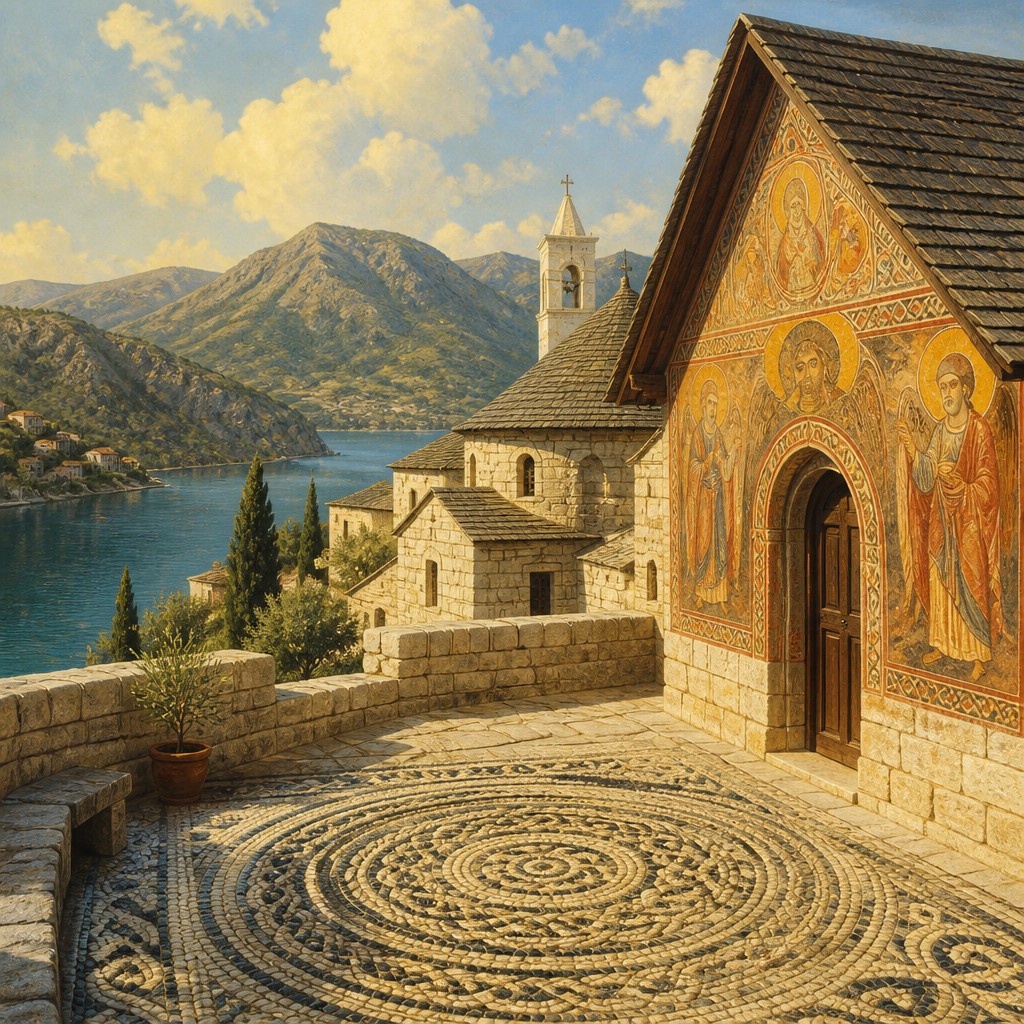
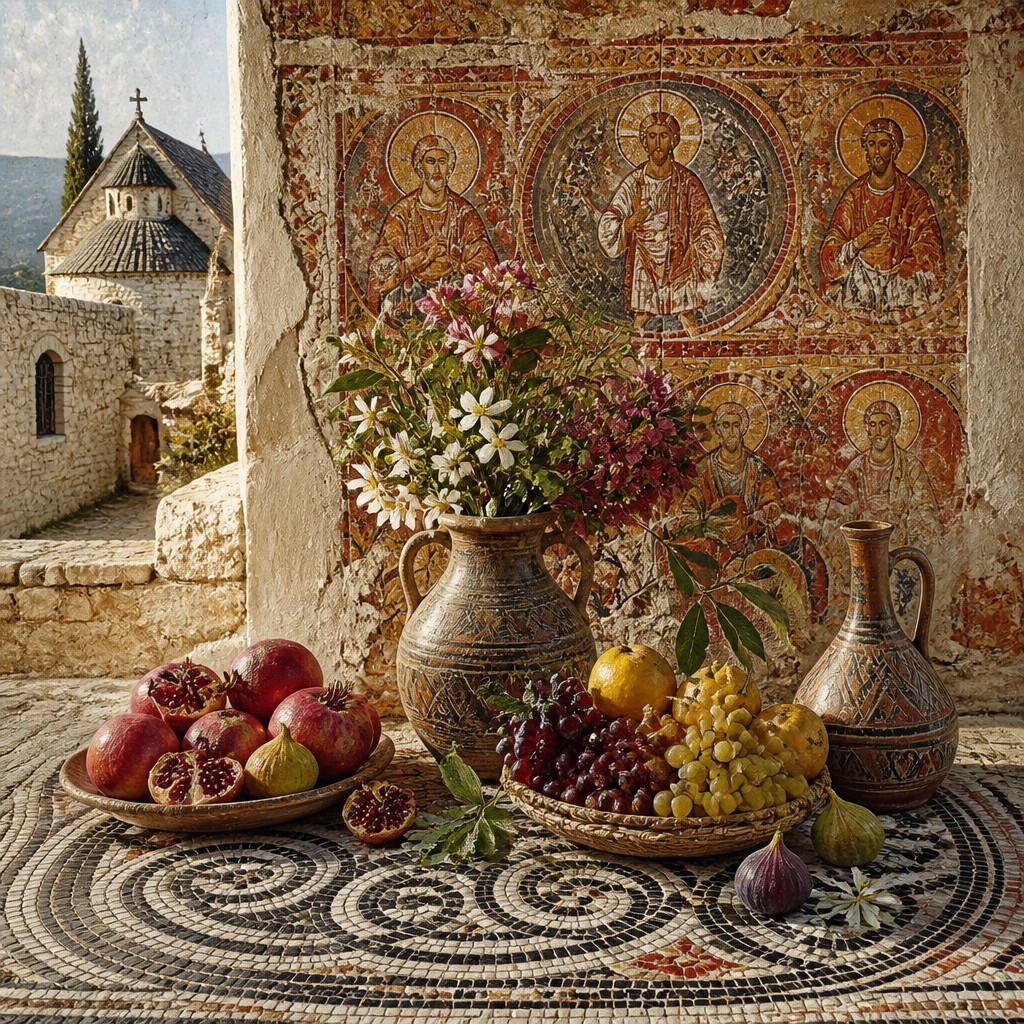
Cypriot Gallery
Tap any artwork to explore it
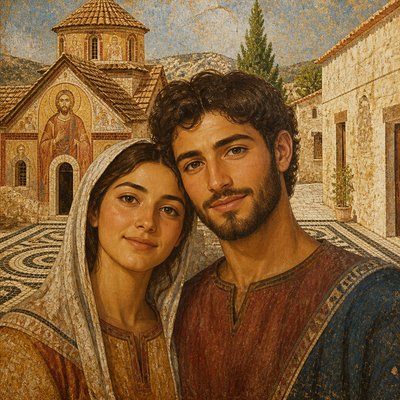
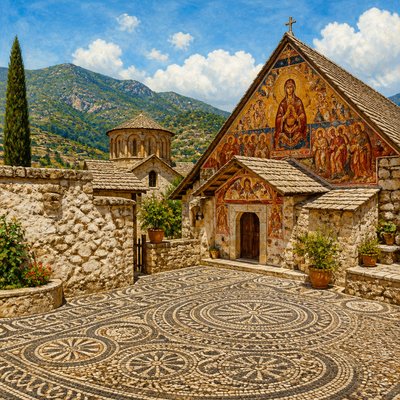
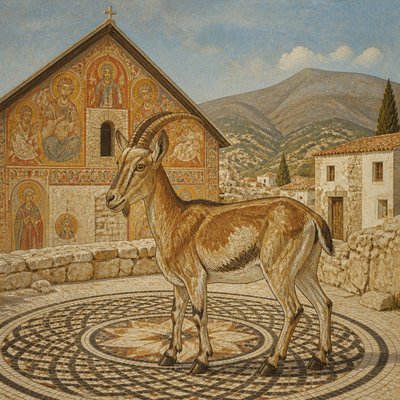
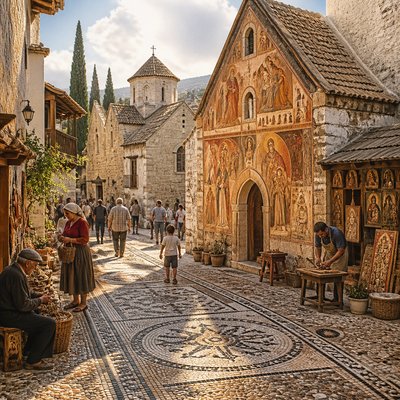
What is Cypriot Art Style?
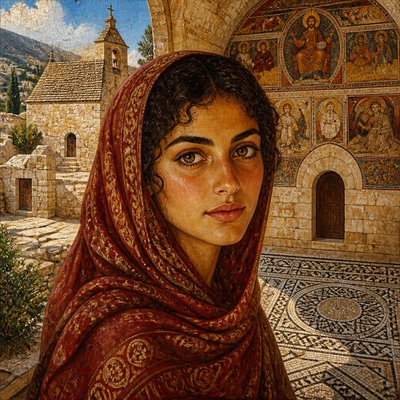
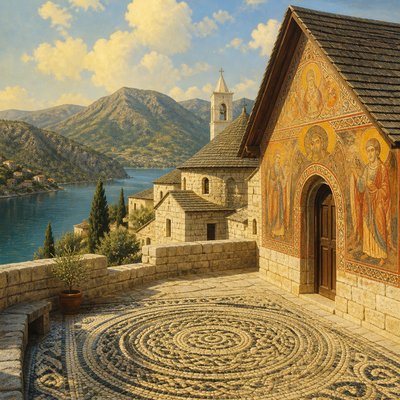
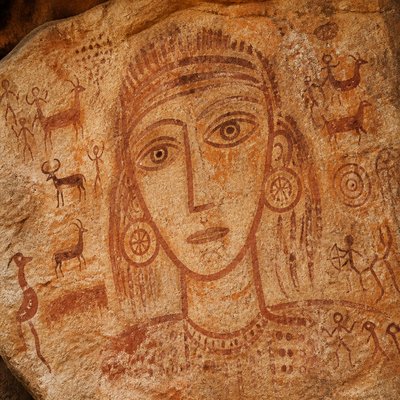
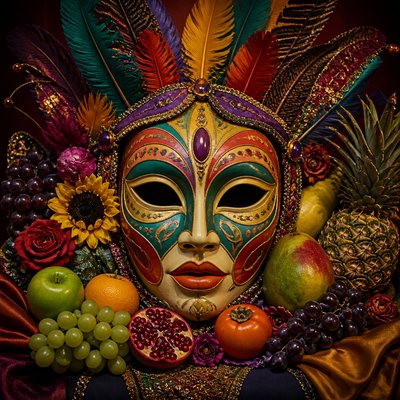
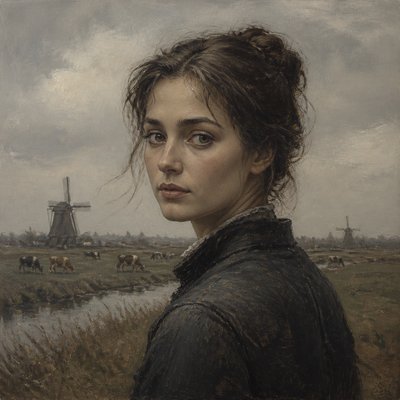
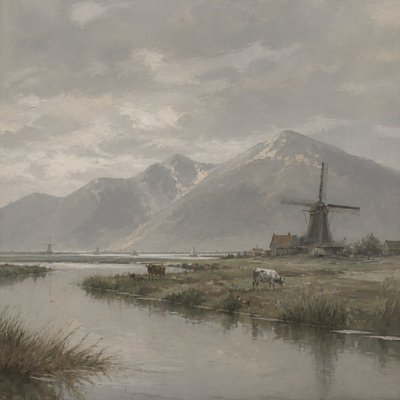
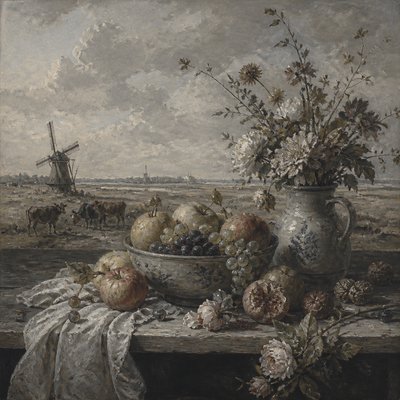
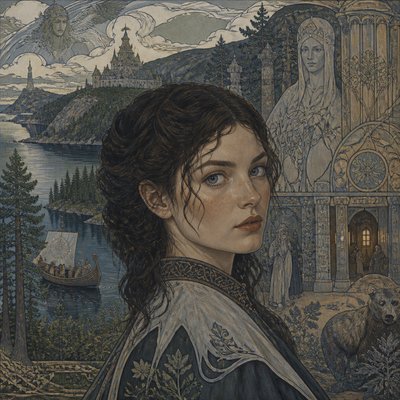
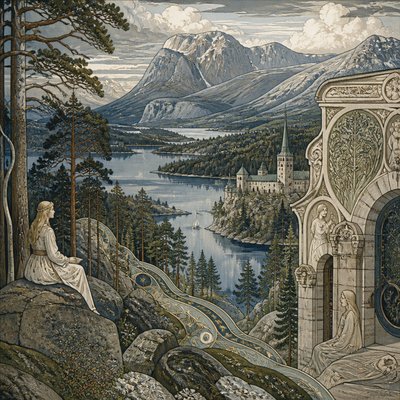
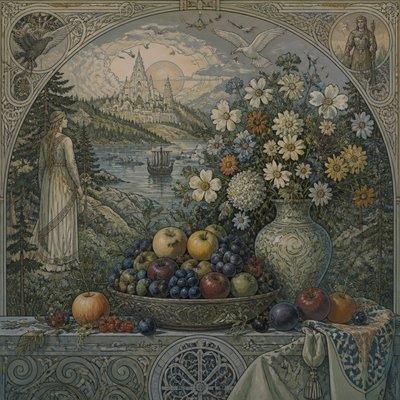
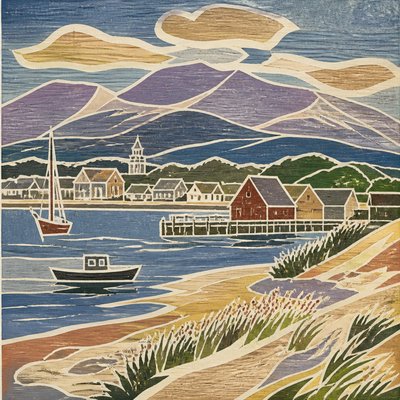
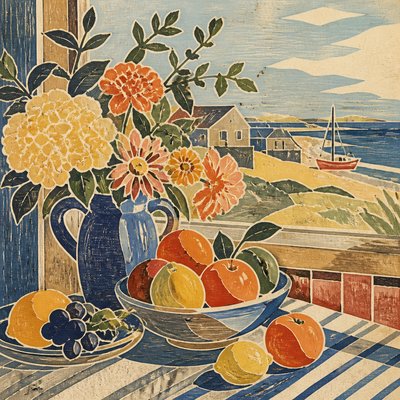
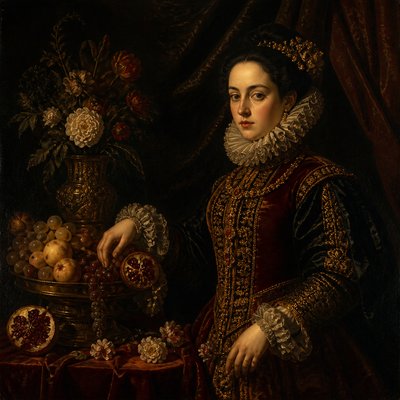
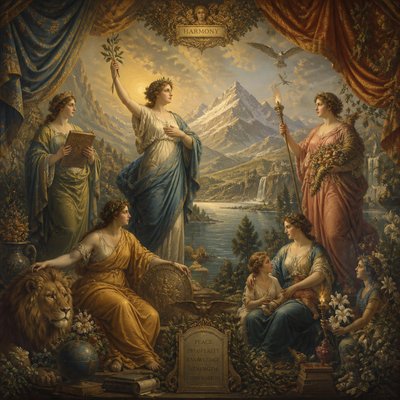
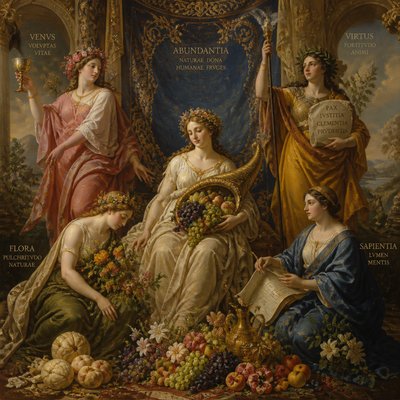
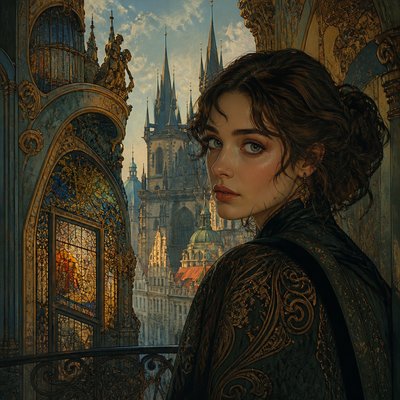
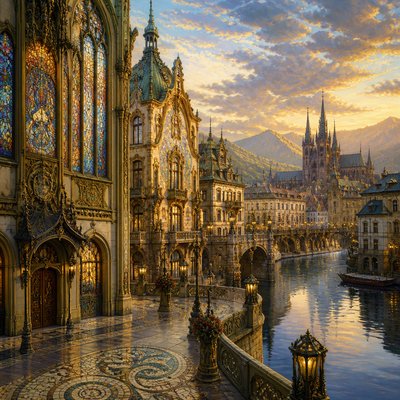
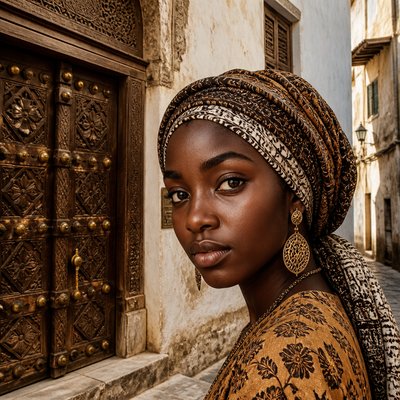
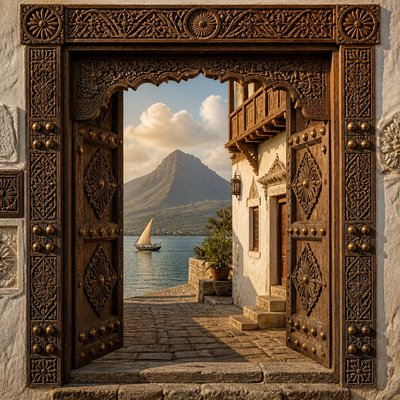
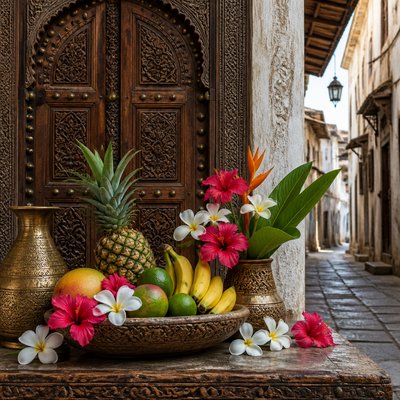
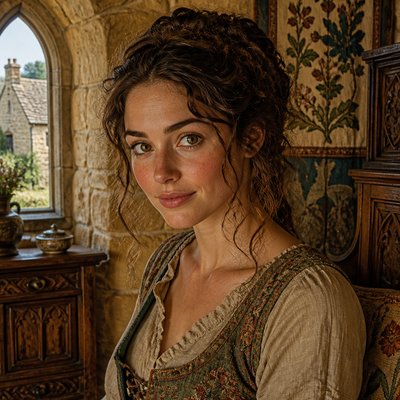
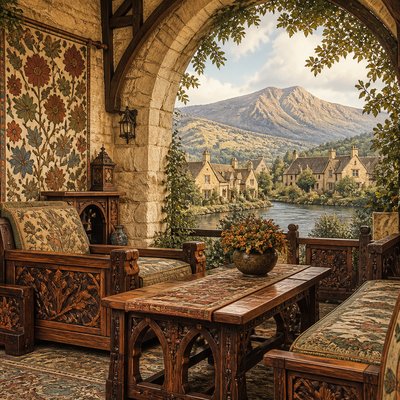
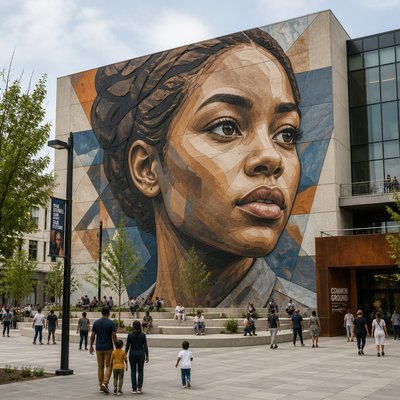
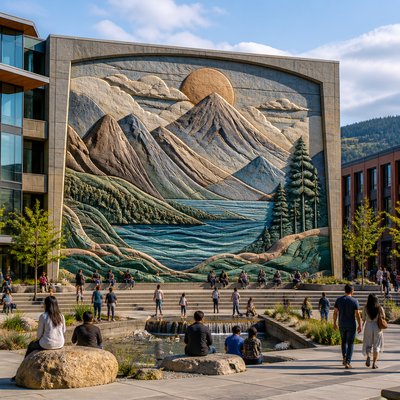
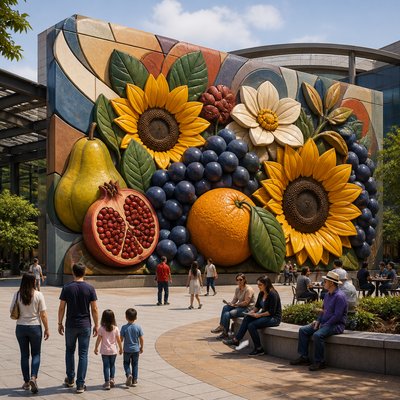
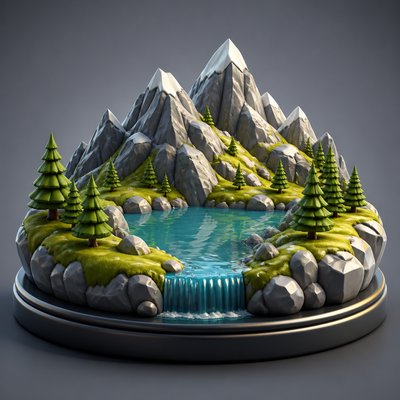
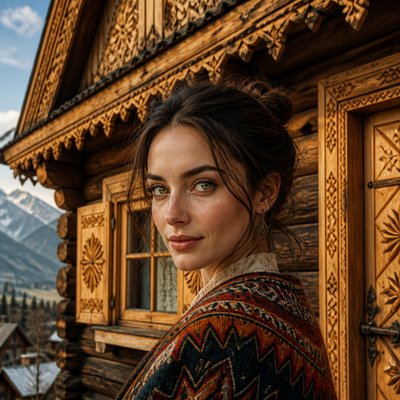
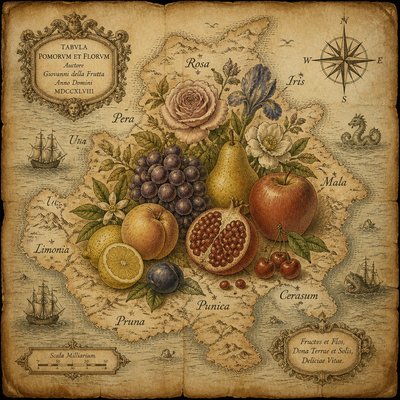
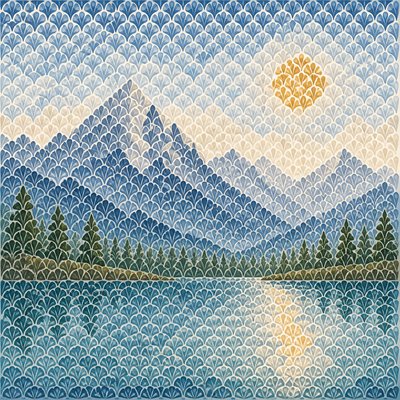
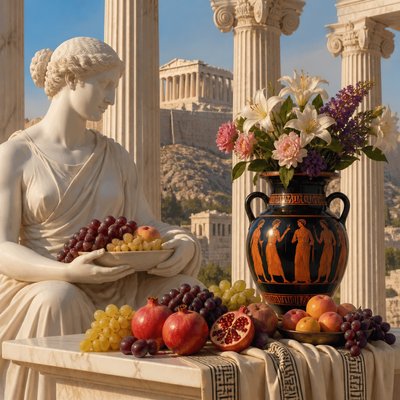
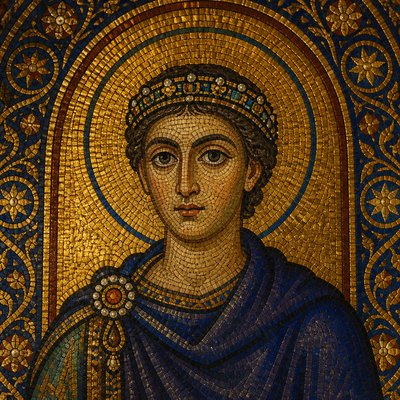
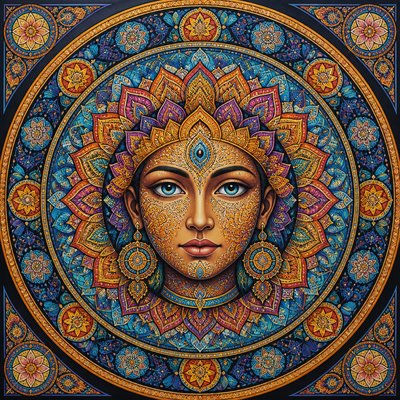
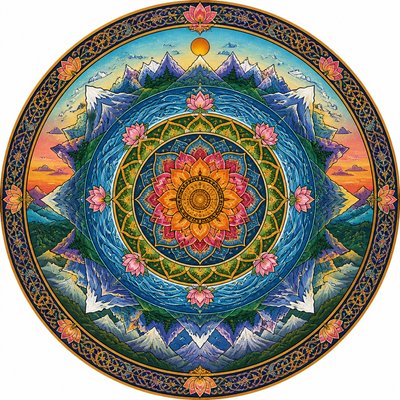
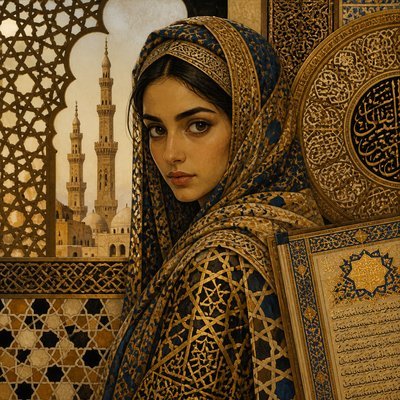
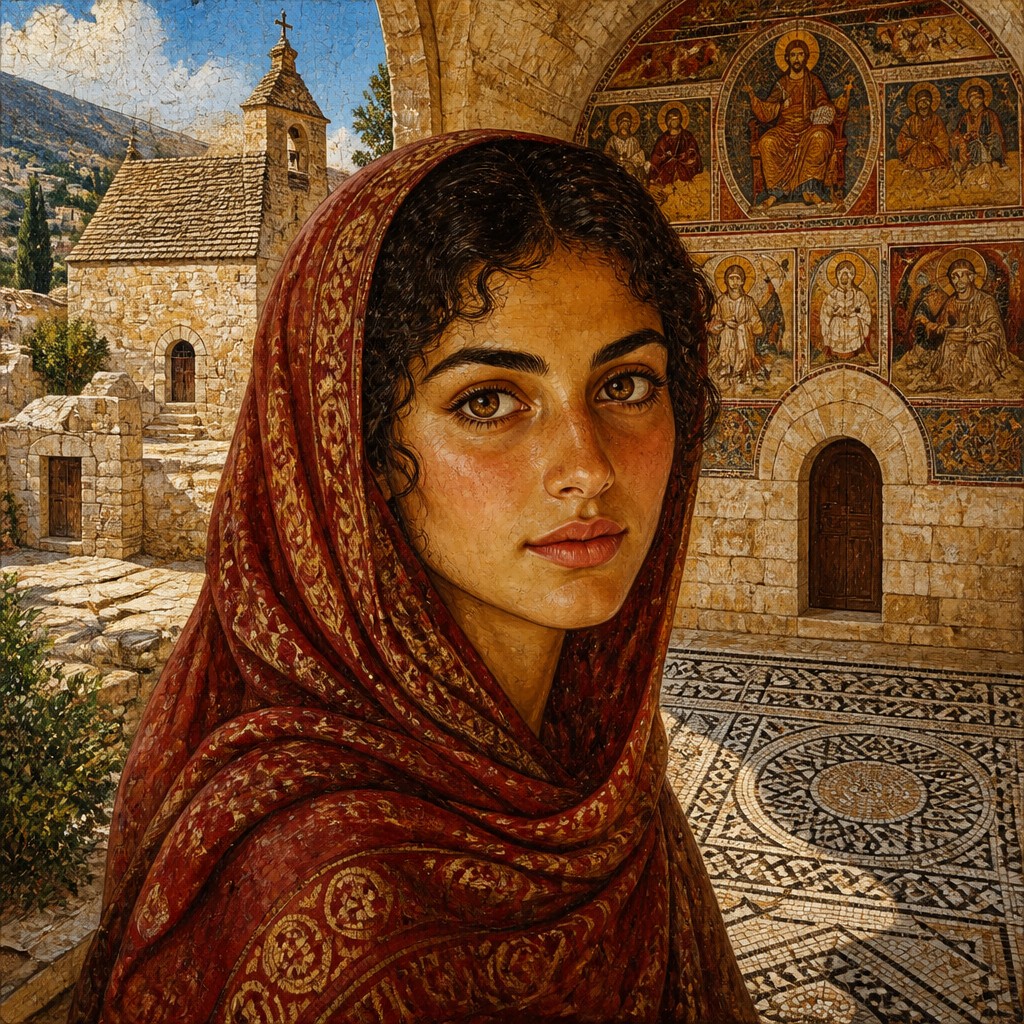
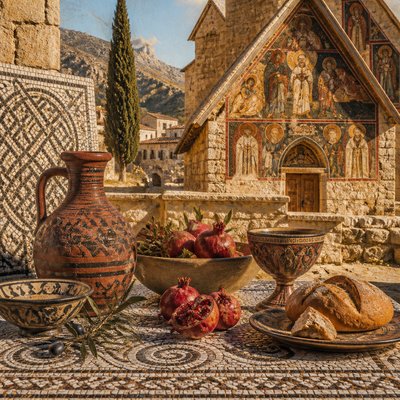
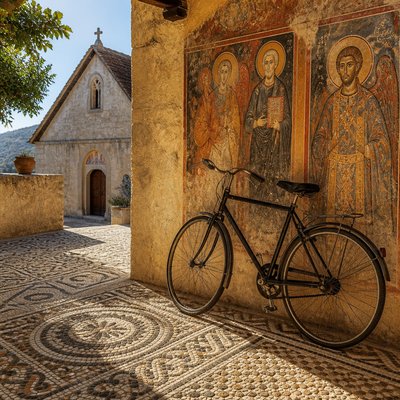
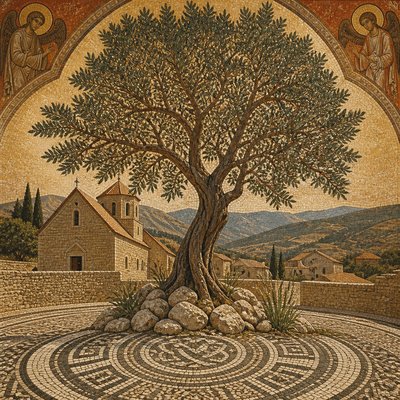
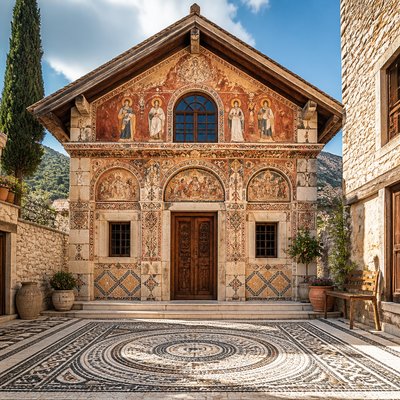
Cypriot art style is a contemporary descriptive aesthetic rooted in the layered visual heritage of Cyprus. It combines the warm, mineral colors and solemn frontal imagery associated with Byzantine church frescoes with the ordered geometry, tactile stone surfaces, and repeated borders of Roman floor mosaics. Sun-bleached limestone, steep-roofed mountain churches, village courtyards, and intense Mediterranean illumination provide its architectural and environmental setting.
The style looks ancient without belonging to a single historical period. Its visual identity comes from juxtaposition: flat sacred color against patterned tesserae, weathered masonry against precise ornament, and terracotta, ochre, and cinnabar against black, white, cream, and pebble-gray stone. Surfaces are often treated as archaeological layers, with worn edges, irregular pigment, cracks, and variations in tessellation suggesting long use and exposure to light.
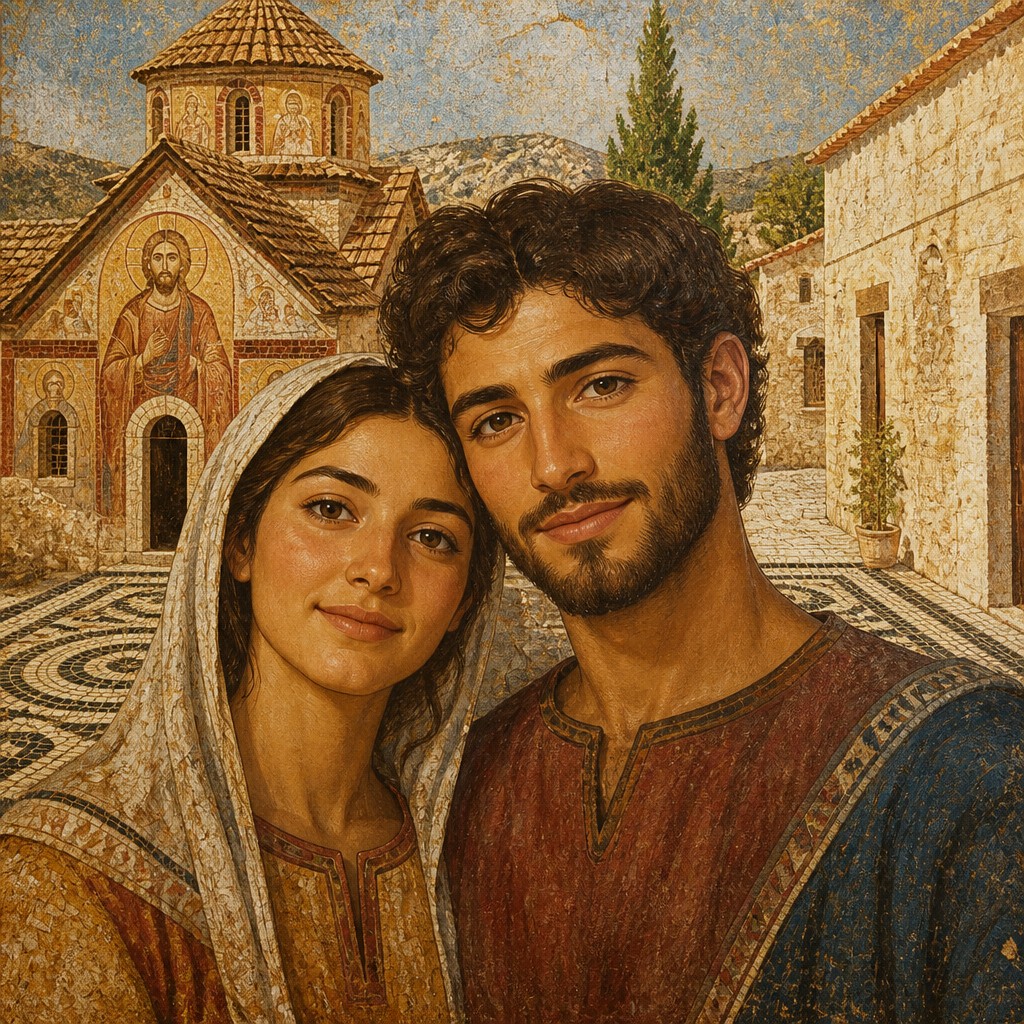
Try It On Your Photos
Upload any photo and convert it into Cypriot Art Style — drag the sliders to compare before and after.
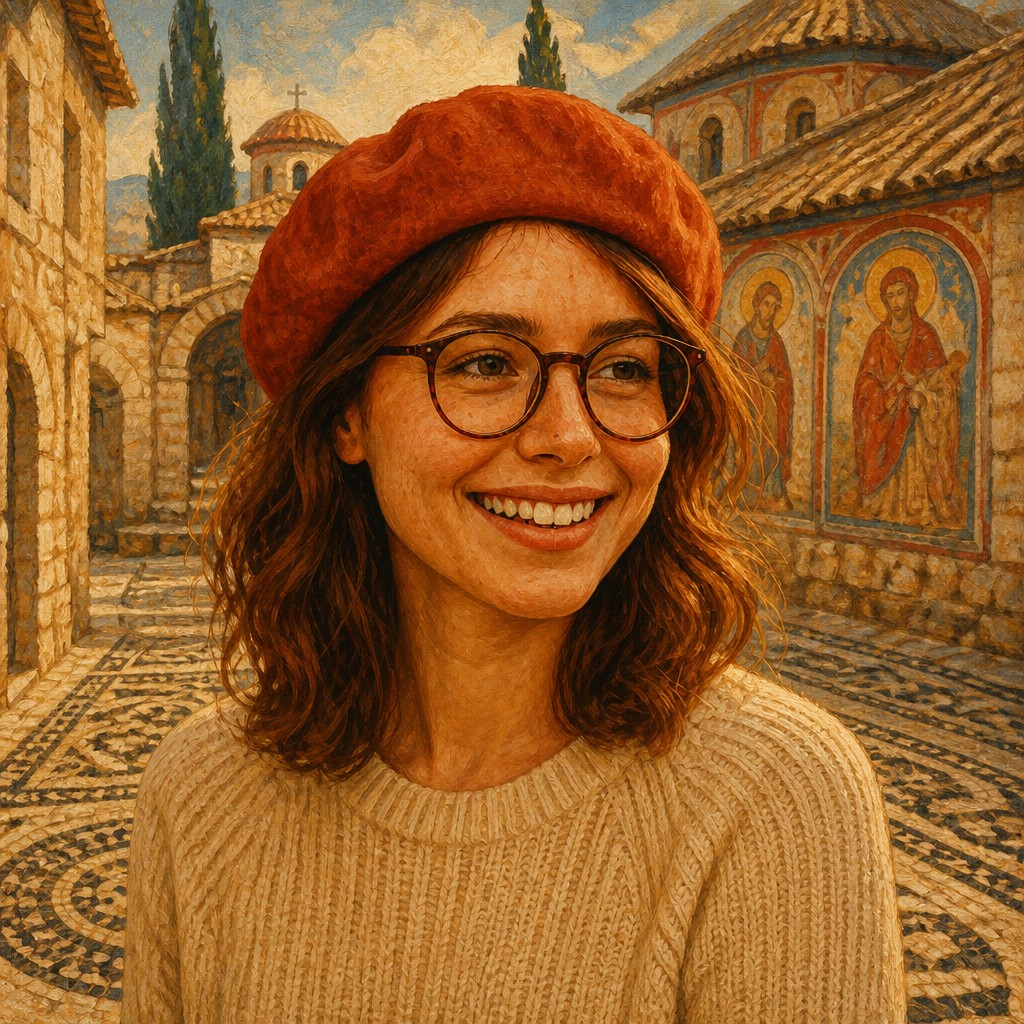

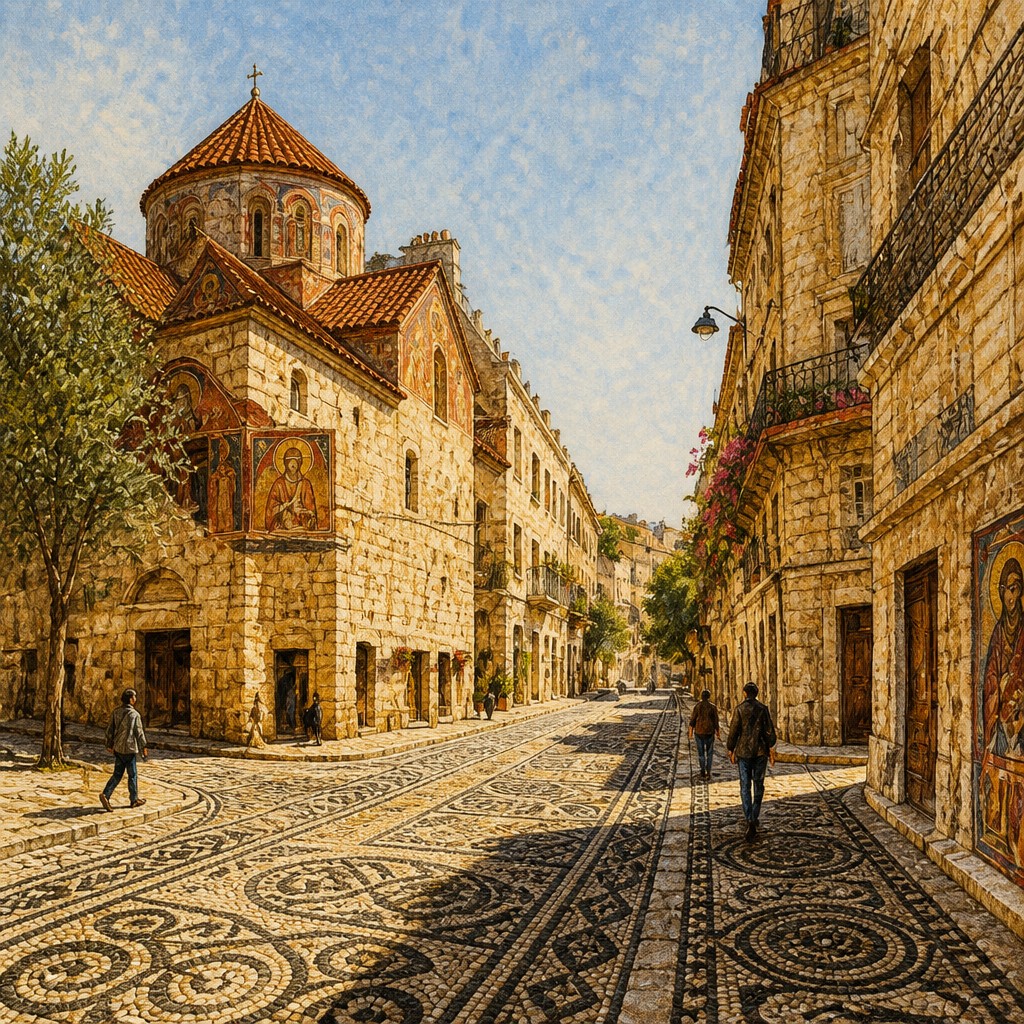

What Defines Cypriot Art Style
The signature details, up close
Byzantine fresco palette
Warm ochre, burnt umber, cinnabar, muted vermilion, olive green, chalk white, and deep mineral blue create a pigment-based atmosphere. Colors feel matte, earthy, and slightly weathered rather than glossy.
Roman mosaic geometry
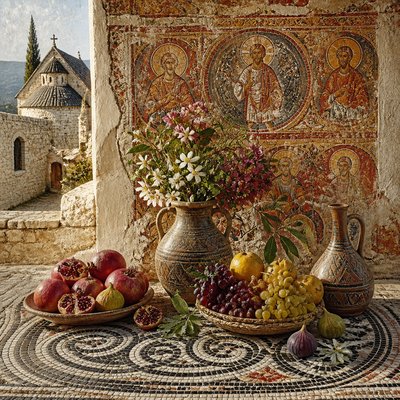
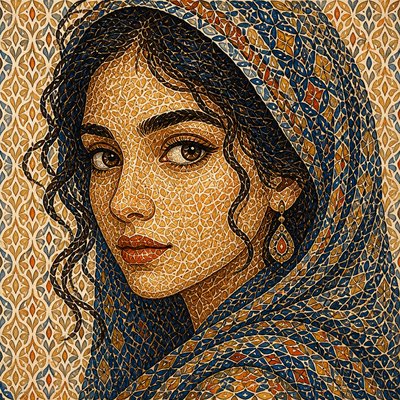
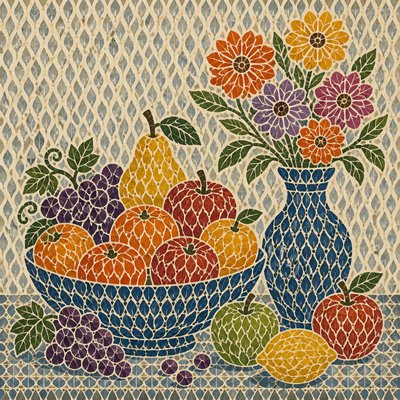
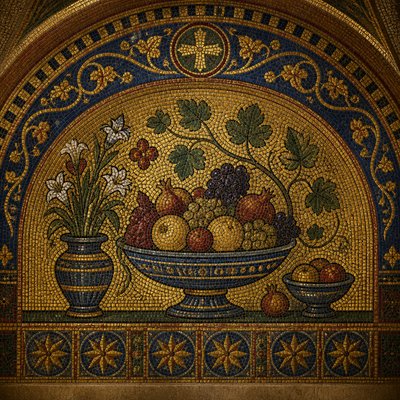
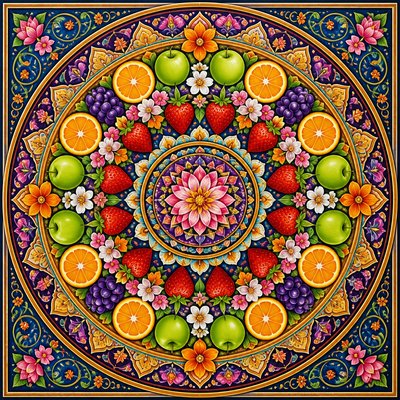
Black-and-white guilloche, meanders, rosettes, borders, and repeating geometric compartments provide structure. The patterns should resemble individually placed tesserae, with subtle irregularity instead of perfectly uniform digital tiling.
Pebble-toned tesserae
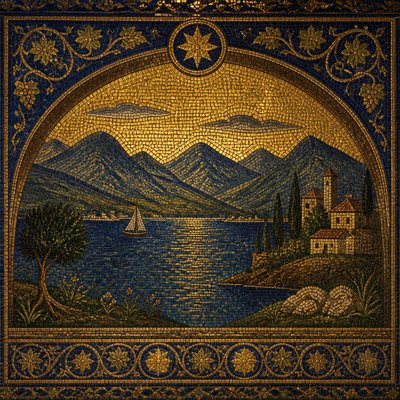
Cream, sand, gray, rust, charcoal, and muted green stones give mosaic areas a granular, tactile surface. Small shifts in value and shape make the floor appear assembled by hand.
Troodos church architecture
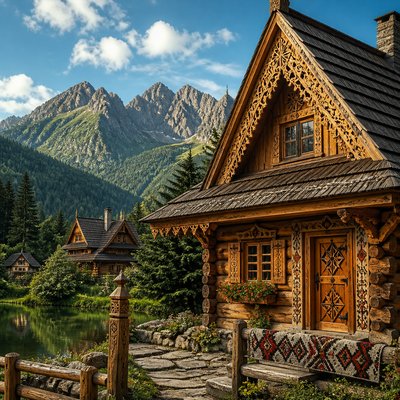
Steep wooden roofs, compact stone chapels, dark doorways, timber details, and simple rural silhouettes evoke the mountain churches of Cyprus. Architecture is typically shown as modest, weathered, and integrated into its landscape.
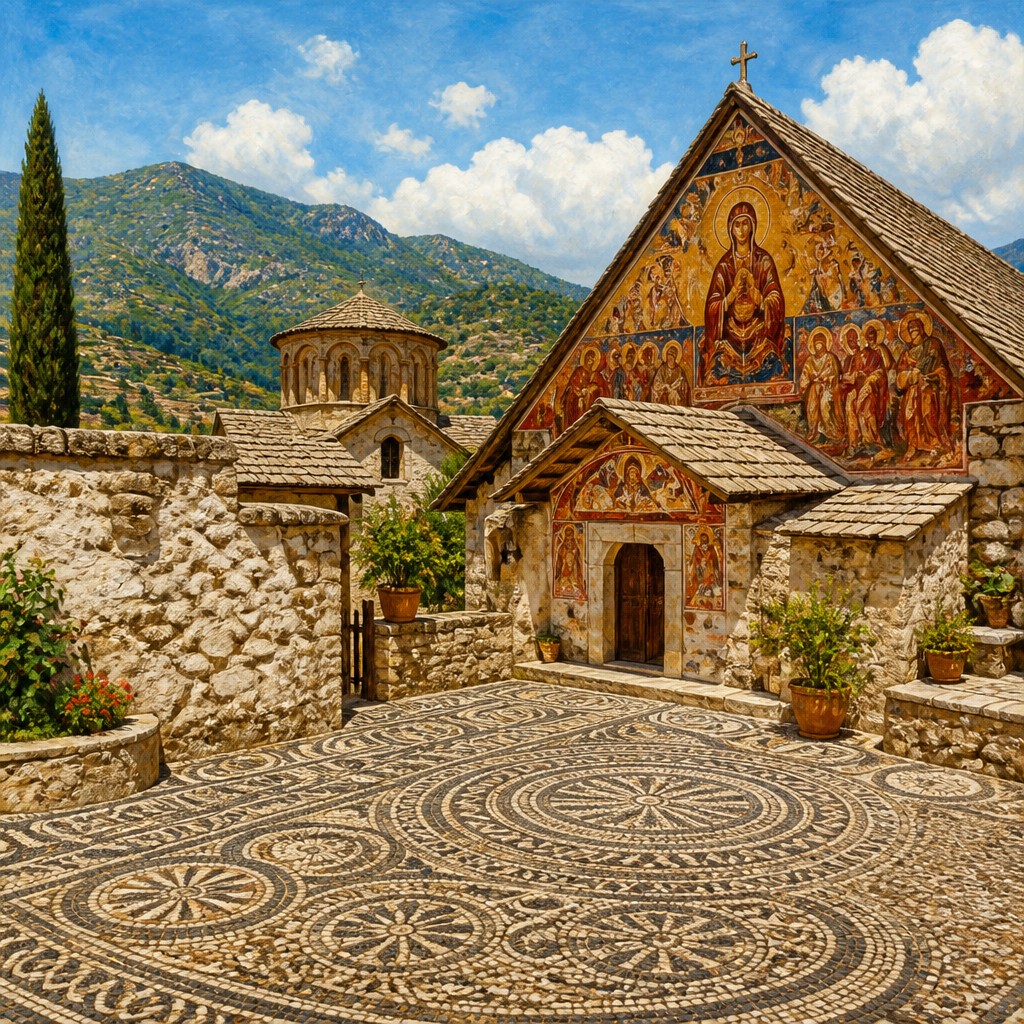
Sun-bleached limestone
Pale masonry, worn plaster, dry-stone walls, and chalky village surfaces anchor the style in Cypriot vernacular environments. Cracks, erosion, limewash, and uneven masonry add age without turning the scene into generic ruins.
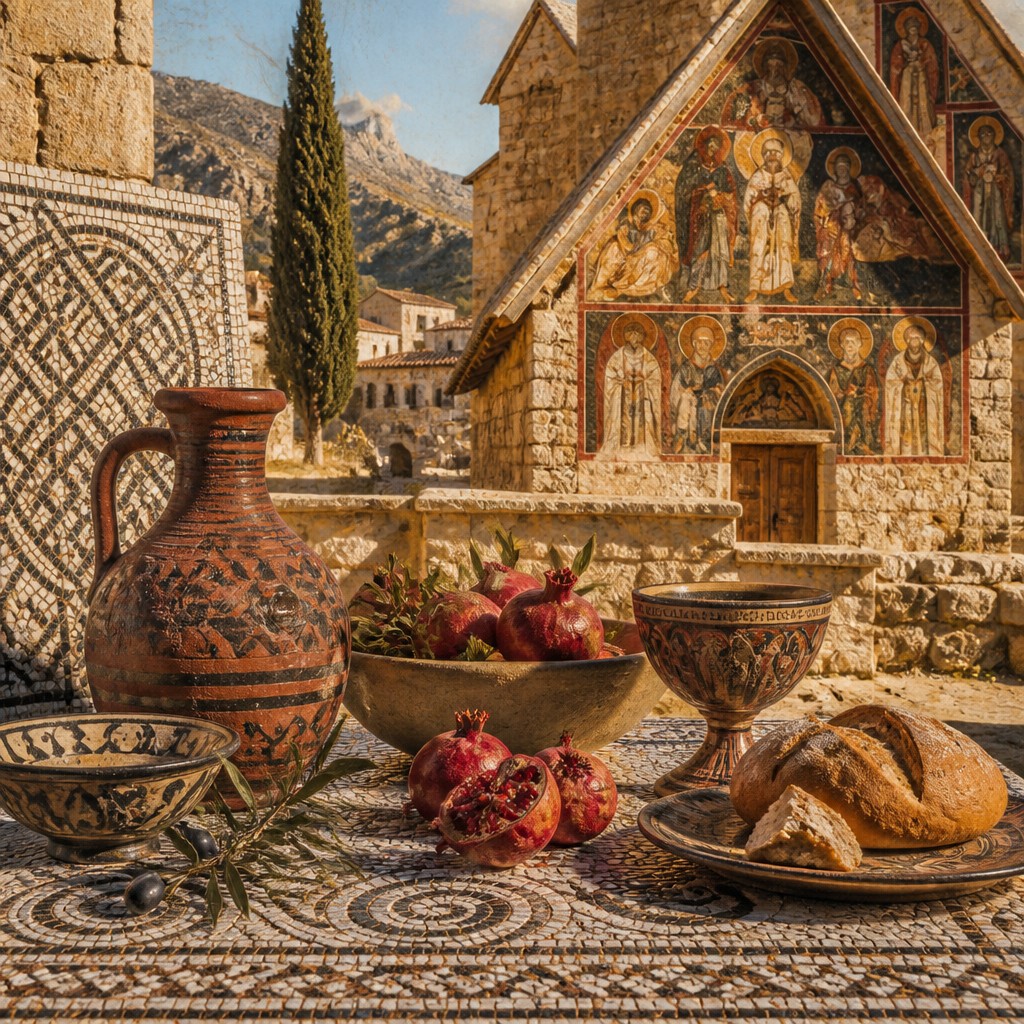
Layered sacred ornament
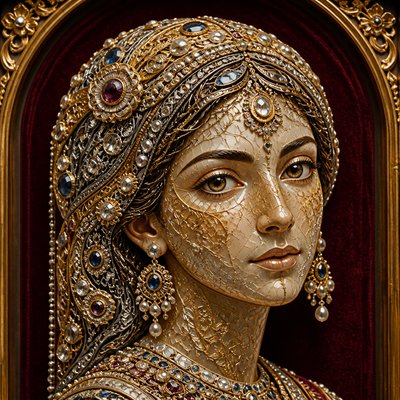
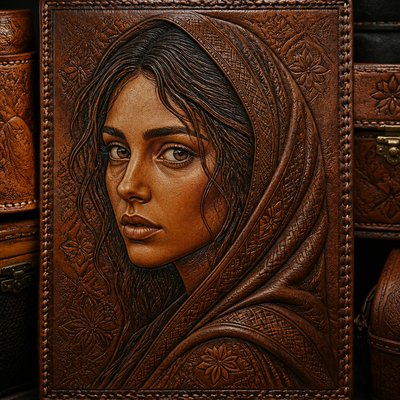
Fresco-like figures, halos, vegetal motifs, patterned garments, inscriptions, and architectural borders may appear in flattened arrangements. The imagery favors symbolic clarity and rhythmic placement over naturalistic depth.
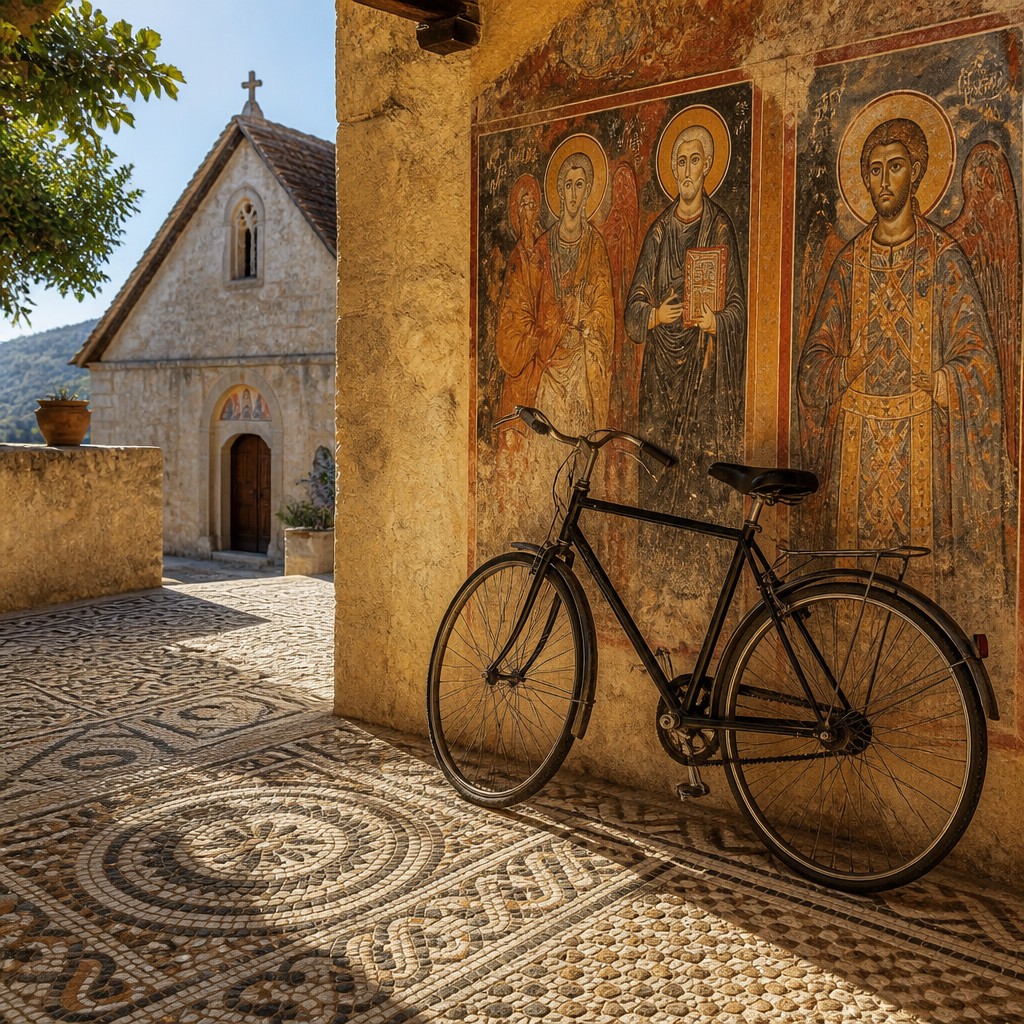
Luminous Mediterranean light
Hard sunlight, warm reflected glare, and clear blue or pale turquoise skies create strong but softened contrasts. Shadows are compact and readable, while stone and pigment retain a dry, sun-heated quality.
Cypriot Prompt Ideas
Start from an idea — each one opens the generator with the style ready to go. See all 40 Cypriot prompts →
How to Create Cypriot Art
Master the craft step by step — or skip straight to creating. Read the full guide →
- 1
Build a mineral palette
Begin with ochre, sienna, cinnabar, cream, charcoal, limestone gray, and restrained blue-green. In traditional media, use opaque, matte layers; digitally, reduce saturation and add pigment variation so the colors do not appear synthetic.
- 2
Design the surface in layers
Block in masonry or plaster first, add a fresco or mosaic structure second, and finish with controlled wear such as chipped edges, hairline cracks, uneven grout, and faded pigment. Keep deterioration selective so the subject remains legible.
- 3
Use flattened composition
Arrange figures, buildings, borders, and ornament in clear frontal or shallow-depth planes. Avoid excessive cinematic perspective when the goal is a devotional, mural-like, or archaeological appearance.
- 4
Construct believable mosaics
Specify tessera size, material, grout, and pattern separately: for example, irregular pebble tesserae, dark grout, a black-and-white guilloche border, and a central geometric field. Image-to-image workflows benefit from a source with clear shapes and moderate contrast.
- 5
Control the architectural setting
Describe a compact Troodos chapel, limestone village lane, courtyard, or archaeological floor rather than relying on the word ancient alone. Add steep roofs, limewashed walls, timber details, and Mediterranean sunlight to keep the location visually specific.
- 6
Combine digital and prompt-based methods
For text-to-image work, state the subject first, then the fresco palette, mosaic construction, surface age, architecture, and lighting. For photo transformation, preserve the original composition while requesting matte mineral color, tessellated ornament, worn limestone texture, and restrained Byzantine flattening.
The Story
History & Origins of Cypriot
Cypriot art style is not a formally defined historical movement or a single indigenous school. It is an invented or niche stylistic synthesis that draws on Cyprus's overlapping Byzantine, Roman, medieval, Ottoman, and modern vernacular traditions. Its strongest historical references are the painted churches of the Troodos region, where medieval Christian murals survive within small stone buildings, and the Roman and late antique mosaics found at archaeological sites across the island.
The aesthetic develops these sources into a unified visual language rather than reproducing one period exactly. Byzantine compositional stillness, Roman ornamental organization, local limestone construction, and the island's bright coastal and upland light are selectively combined for illustration, decorative painting, architecture, photography, and digital image-making.
Influences: The style relates to Byzantine mural painting, Roman and late antique mosaic, Mediterranean vernacular architecture, archaeological reconstruction, icon-like frontal composition, and modern heritage illustration. It also shares techniques with fresco revival, decorative arts, material-focused photography, and digital matte painting, while differing from generic Mediterranean aesthetics through its specific emphasis on Troodos churches, Cypriot limestone, tessellated floors, and layered sacred ornament.
Frequently Asked Questions
Is Cypriot art style a recognized historical art movement?
No. The term is best understood as a contemporary descriptive or AI-native style rather than a formally named historical movement. It synthesizes real Cypriot visual traditions, especially Byzantine church frescoes, Roman mosaics, and vernacular stone architecture.
What defines the Cypriot art style?
Its defining features are a warm Byzantine-inspired mineral palette, Roman geometric mosaic patterns, irregular pebble-like tesserae, weathered limestone, Troodos church forms, and strong Mediterranean light. The style also favors flattened compositions and visibly aged surfaces.
How is it different from Byzantine art?
Byzantine art is a broad historical tradition with established religious, imperial, and regional contexts. Cypriot art style borrows its fresco color, frontal arrangement, and sacred visual language but combines them with Roman mosaic geometry, local architecture, vernacular textures, and modern composite design.
How is it different from Roman mosaic art?
Roman mosaic art is primarily a medium and historical tradition based on assembled stone or glass tesserae. The Cypriot style uses Roman mosaic structure as one component alongside painted plaster, church architecture, limestone walls, and Mediterranean illumination.
Can this style be made with traditional materials?
Yes. A painter can work with lime-based grounds, opaque mineral-like pigments, dry-brush abrasion, and deliberate surface aging, while mosaic makers can use stone, ceramic, or glass tesserae in geometric borders. A mixed-media approach can combine painted fresco effects with a physically assembled mosaic field.
What subjects work well in this style?
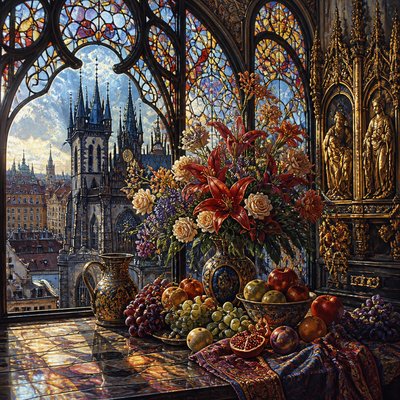
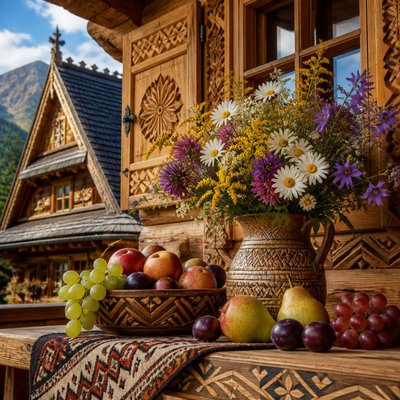
Strong subjects include mountain chapels, village lanes, archaeological floors, coastal towers, courtyards, sacred processions, still lifes, and Mediterranean landscapes. Subjects with clear silhouettes and architectural or ornamental surfaces allow the style's color, pattern, and material qualities to remain visible.
Create your first Cypriot artwork
Describe anything — or upload a photo — and see it in Cypriot Art Style in seconds.
Related Styles
Discover similar art styles