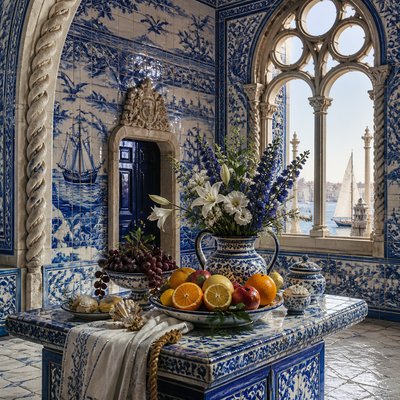
Copenhagen Art Style
Explore Copenhagen Art Style: Danish Golden Age light, neoclassical restraint, blue-and-white porcelain, and gilded Nordic interiors.
Instantly rendered in Copenhagen — or transform a photo
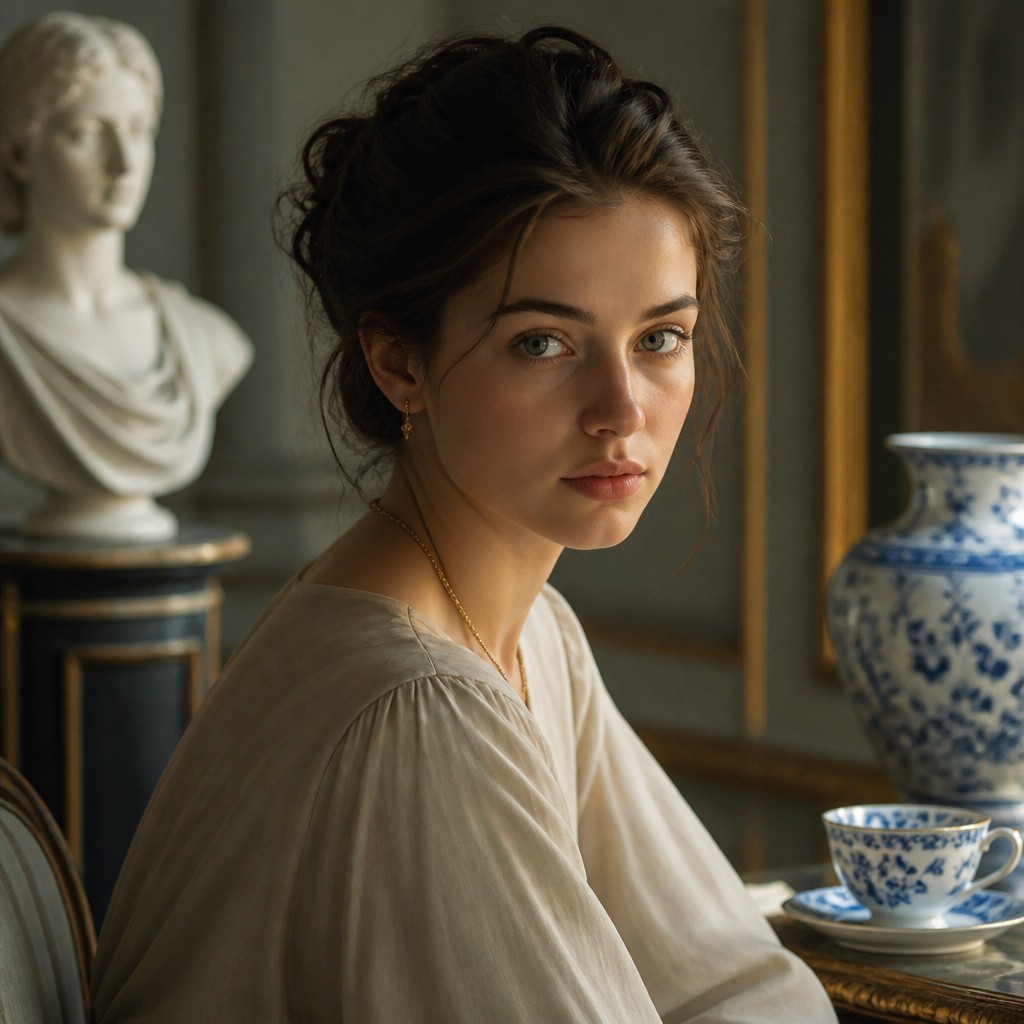
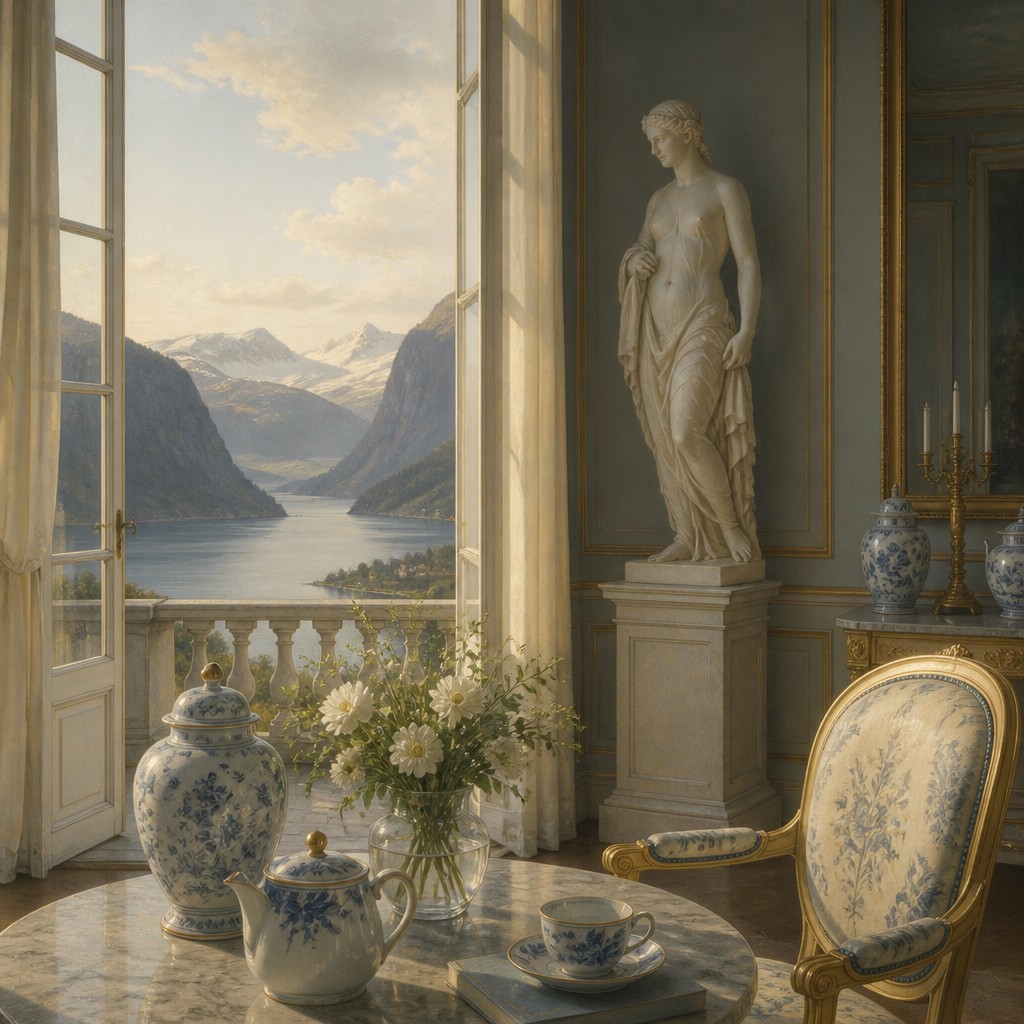
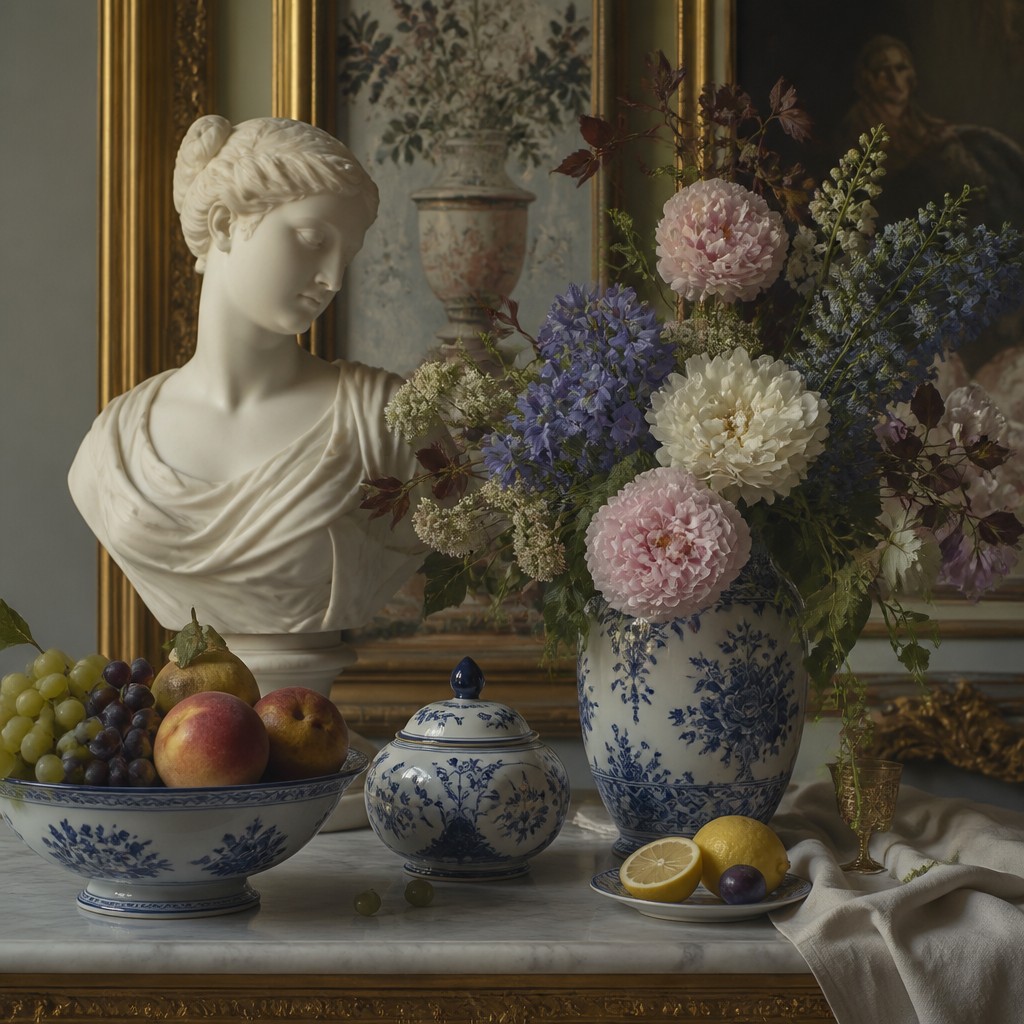
Copenhagen Gallery
Tap any artwork to explore it
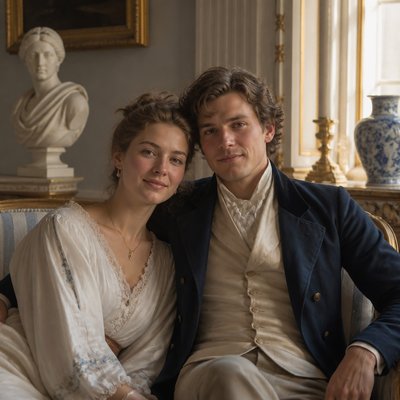
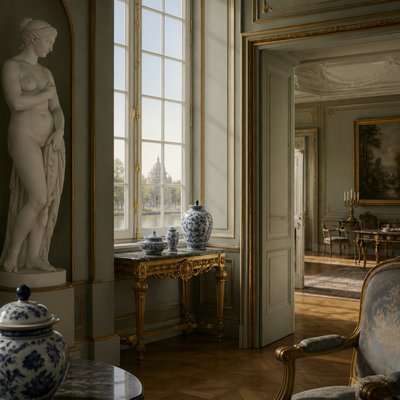
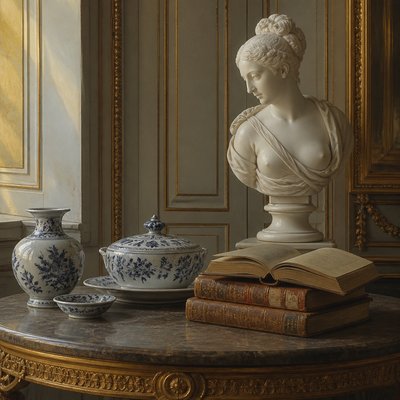
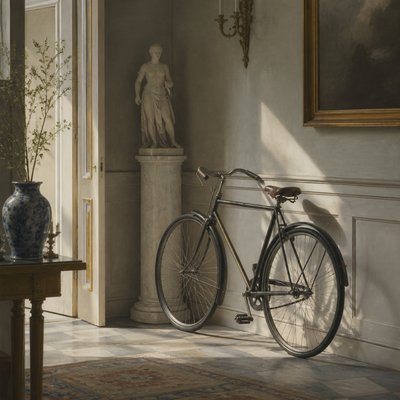
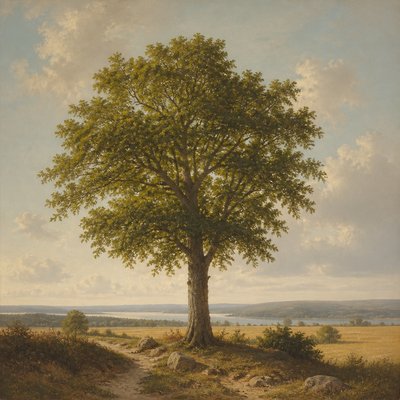
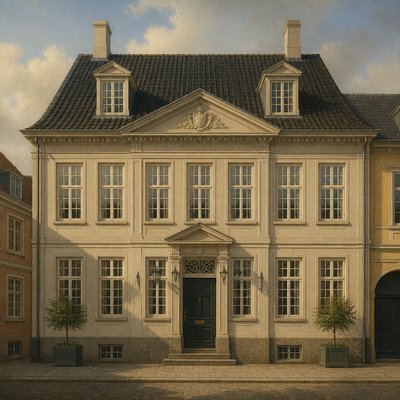
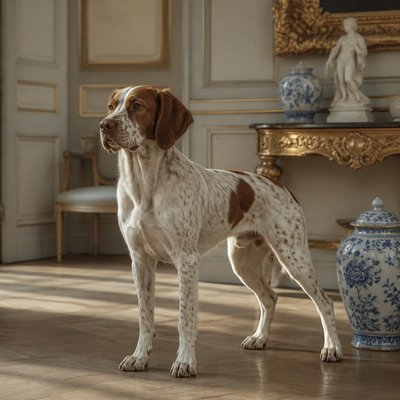
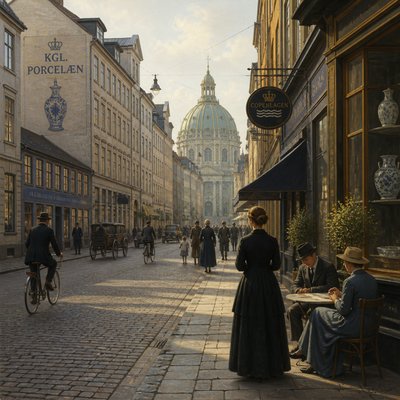
What is Copenhagen Art Style?
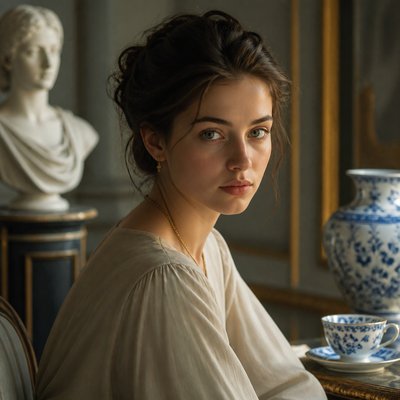
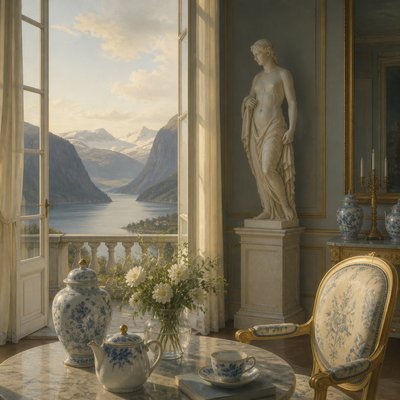
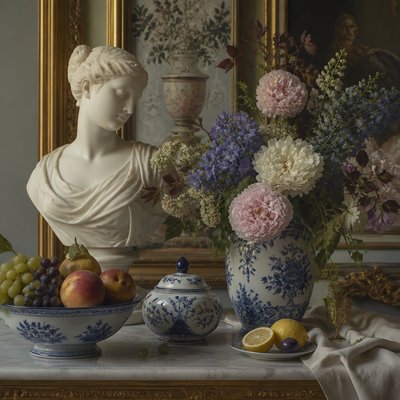
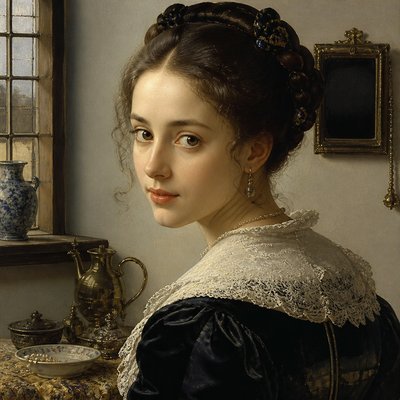
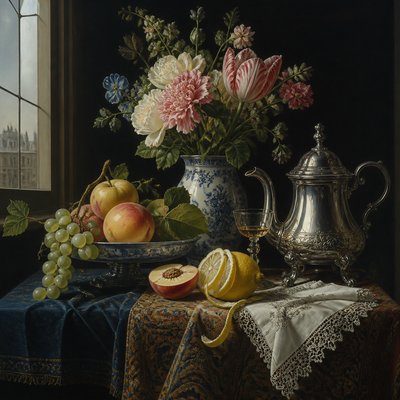
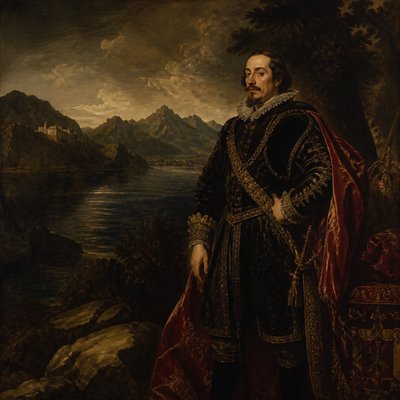
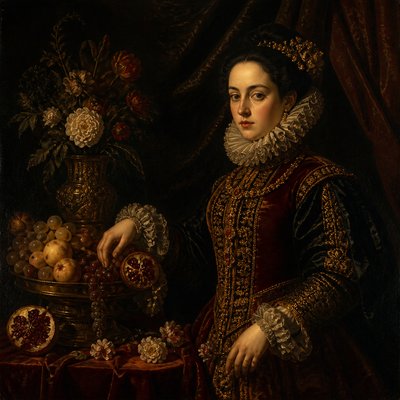
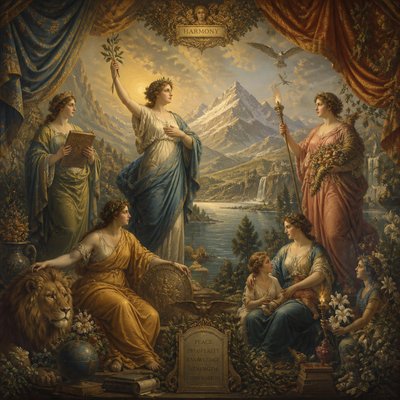
Copenhagen Art Style is a contemporary descriptive aesthetic built from the meeting of Danish Golden Age naturalism, neoclassical composure, Scandinavian color restraint, royal interior decoration, and blue-and-white porcelain ornament. Its scenes are quiet, orderly, and softly illuminated, often presenting domestic rooms, palace galleries, still lifes, or figures in moments of poised stillness.
The style looks refined without becoming excessive. Pale walls, warm wood, cool blue accents, white ceramic surfaces, marble sculpture, and selective gilding create a controlled visual hierarchy. Soft golden light gives the restrained palette emotional warmth, while clean architectural lines and carefully spaced objects produce a sense of calm, ceremony, and cultivated ease.
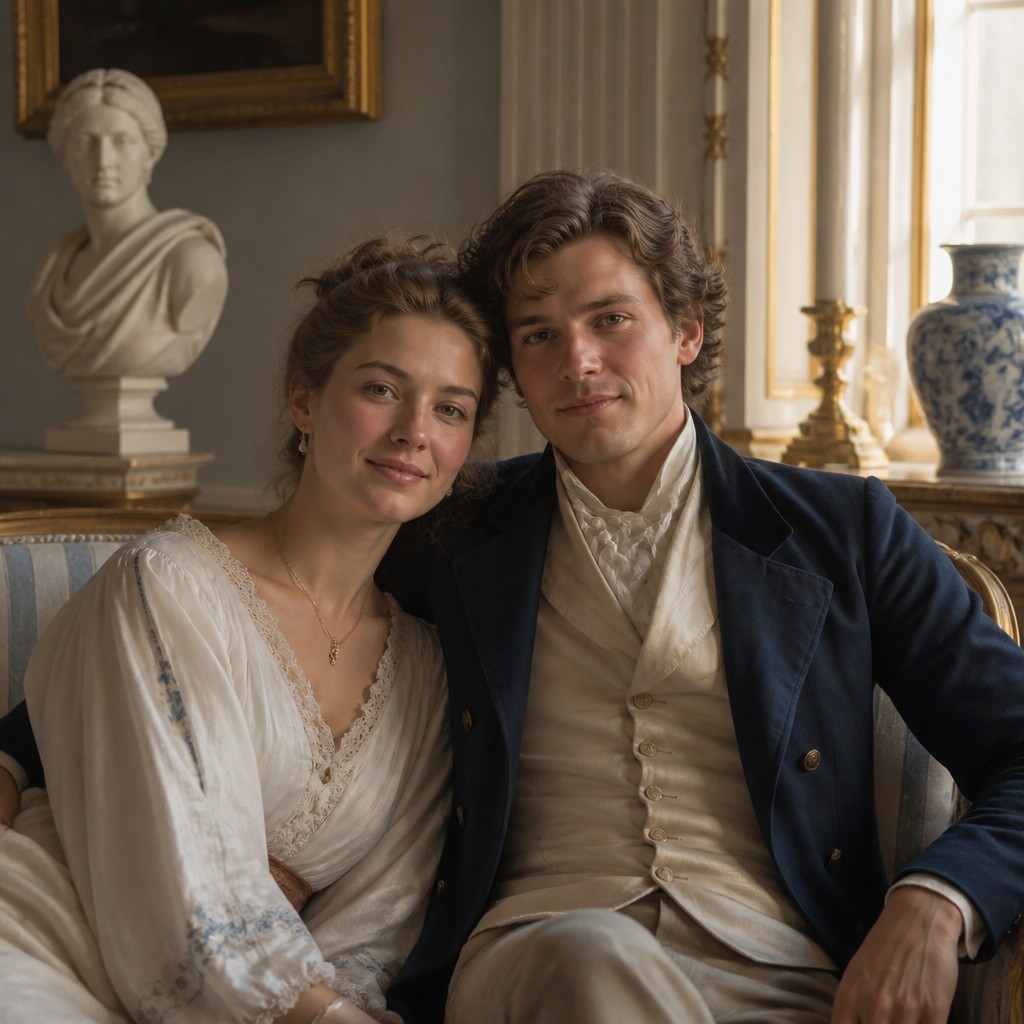
Try It On Your Photos
Upload any photo and convert it into Copenhagen Art Style — drag the sliders to compare before and after.
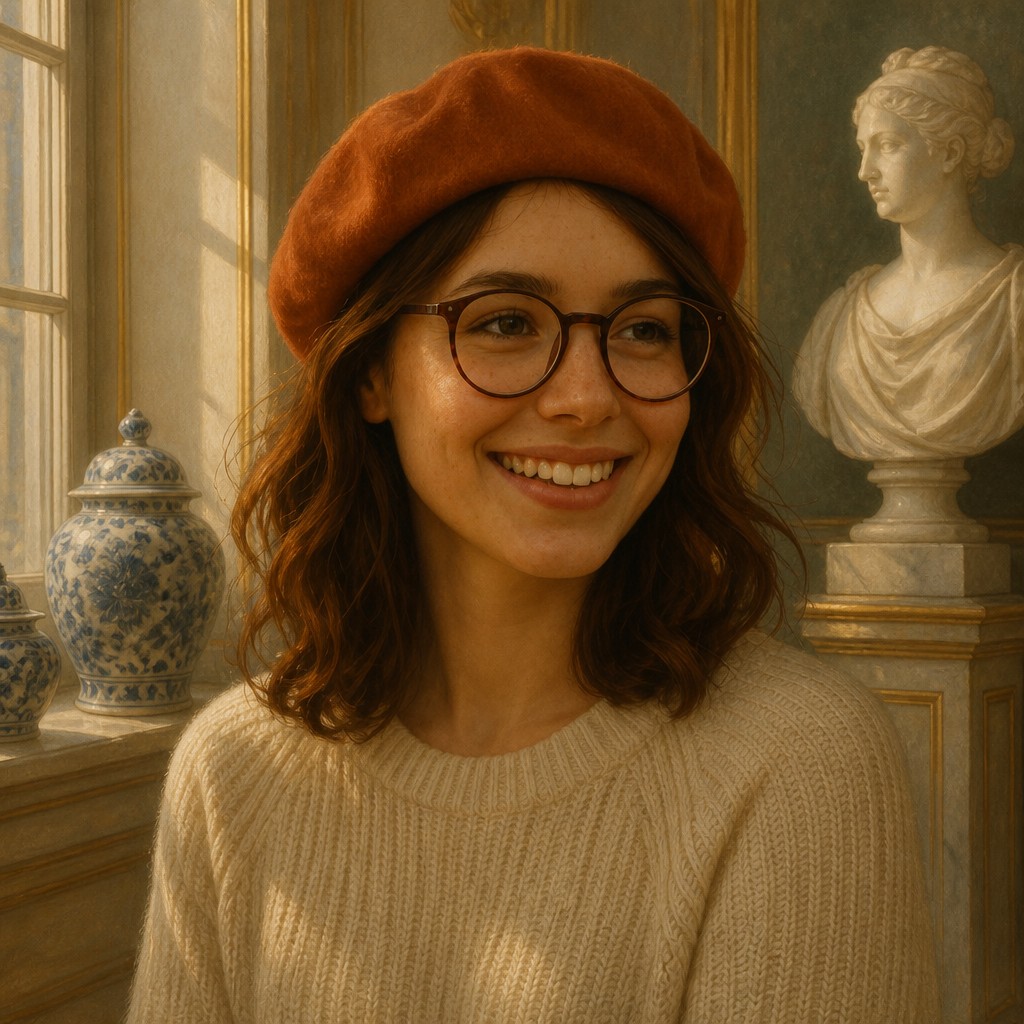

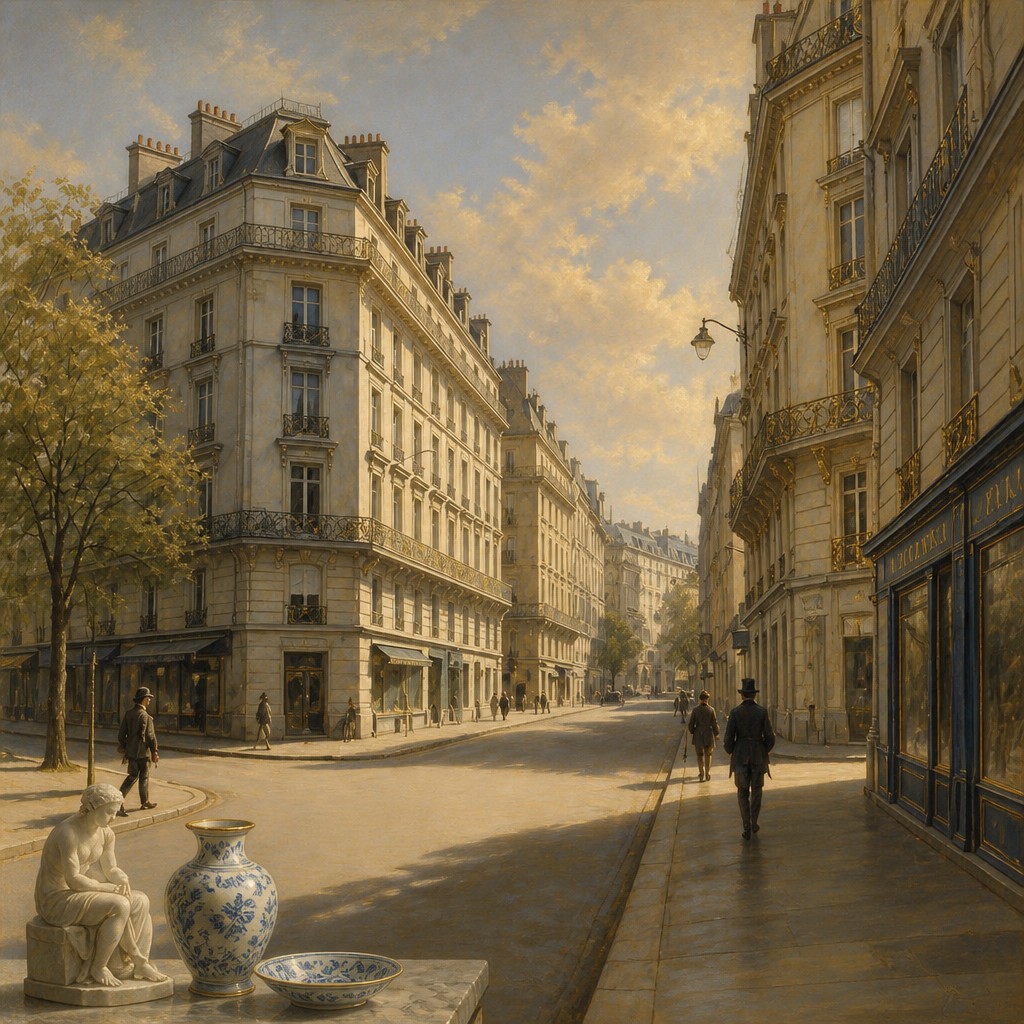

What Defines Copenhagen Art Style
The signature details, up close
Soft Golden-Age Illumination
Natural light enters from windows or unseen openings and falls gently across walls, fabric, sculpture, and tableware. Shadows remain legible but soft, giving the scene a contemplative, observational quality.
Restrained Neoclassical Form
Marble busts, columns, pediments, urns, and symmetrical furnishings appear with clean contours and balanced proportions. Decorative elements are selective rather than densely layered.
Blue-and-White Porcelain
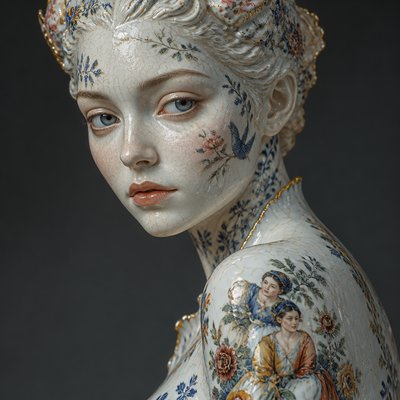
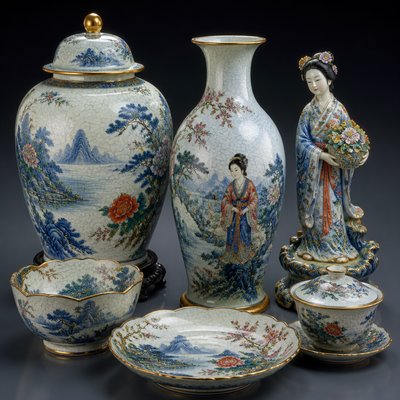
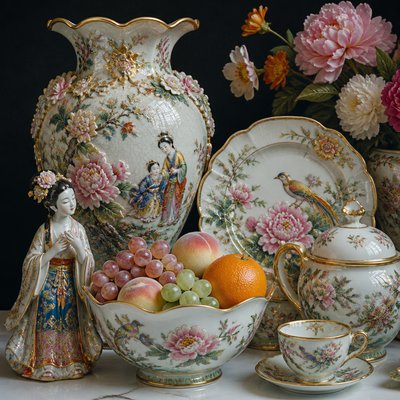
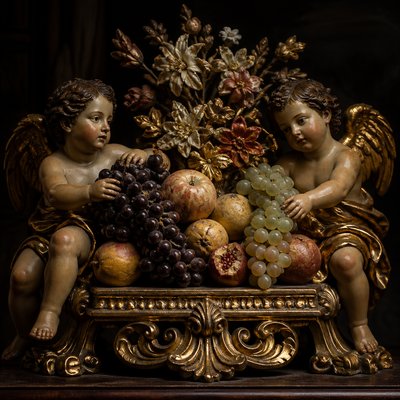
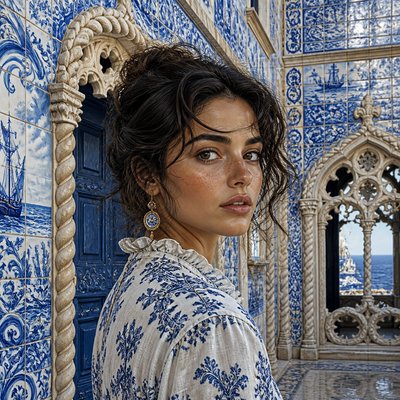
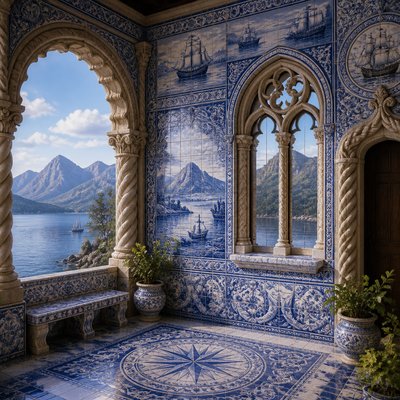
Hand-painted ceramic vessels introduce delicate cobalt motifs against white grounds. Floral scrollwork, botanical studies, borders, and fine ornamental tracery provide detail without disrupting the calm composition.
Gilded Palace Accents
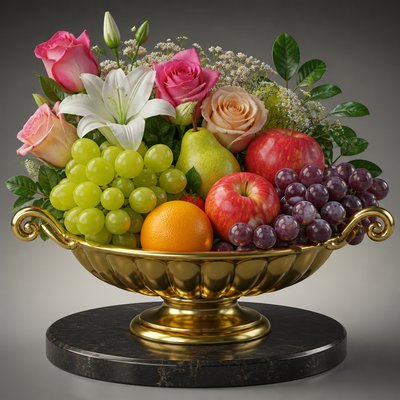
Gold appears in frames, moldings, furniture edges, mirrors, and architectural ornament. It functions as a controlled source of warmth and reflected light rather than as an all-over display of opulence.
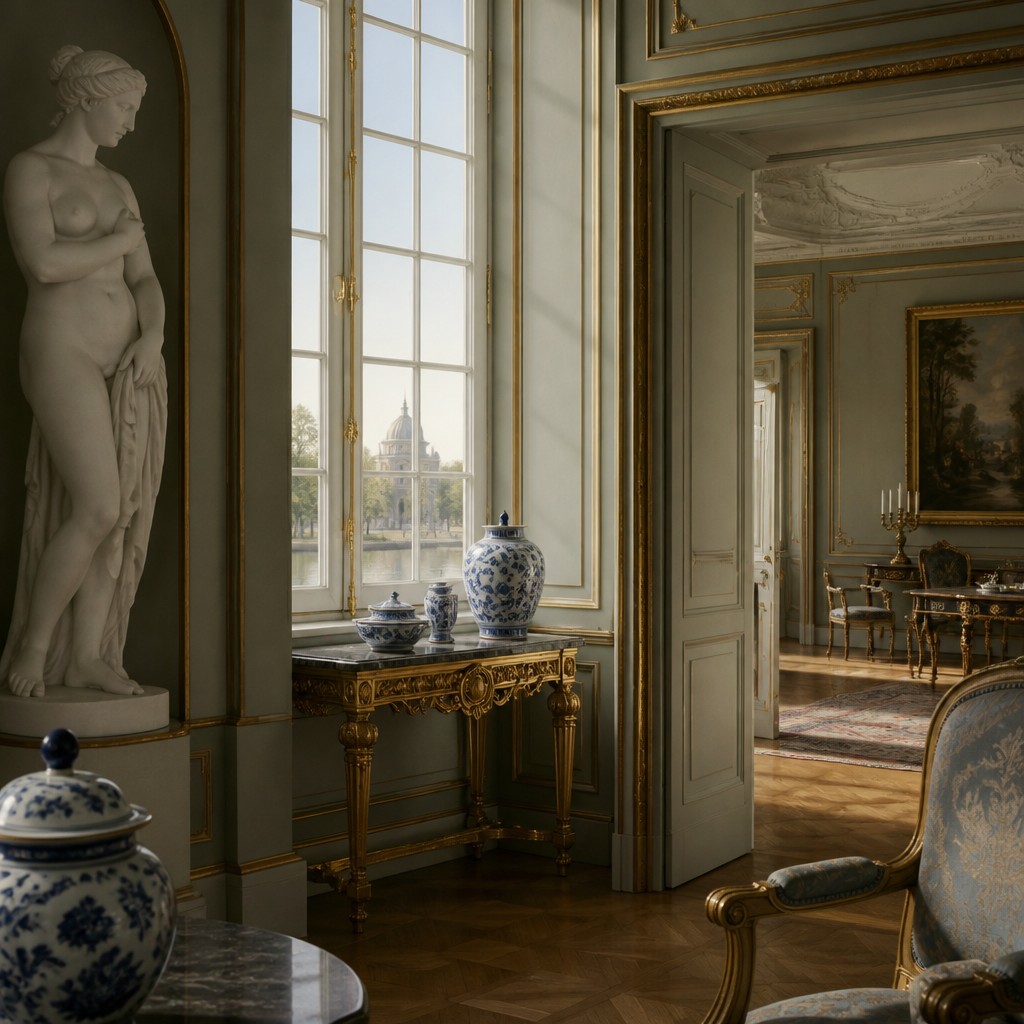
Muted Scandinavian Harmony
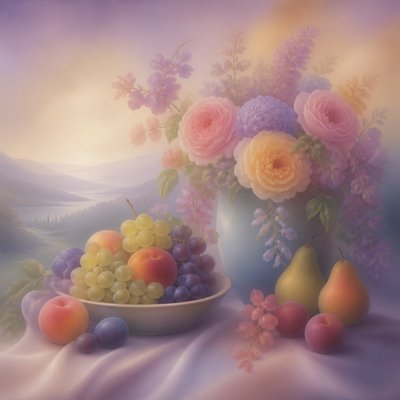
The palette favors chalk white, powder blue, pale gray, warm cream, desaturated green, natural wood, and subdued gold. Saturation is kept low so that material texture and light carry much of the visual interest.
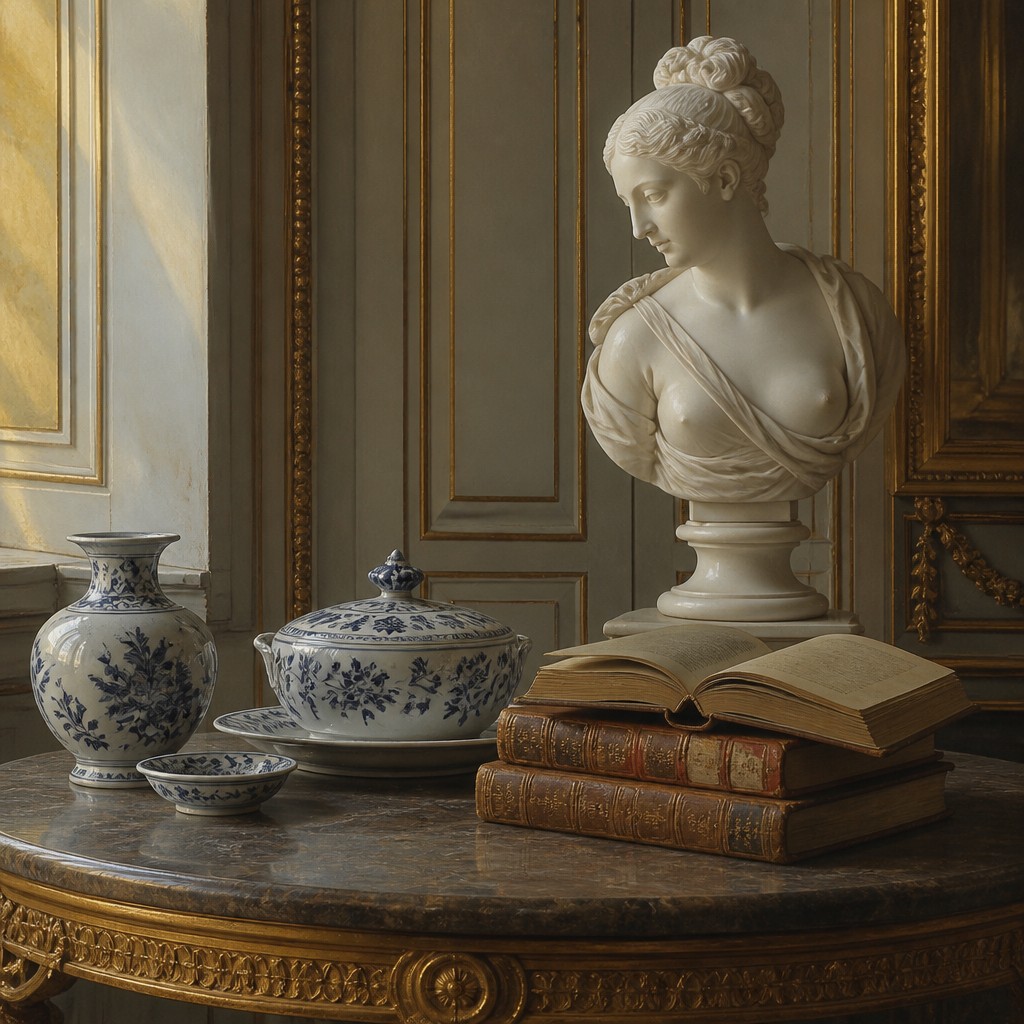
Quiet Symmetry and Spaciousness
Objects are arranged with deliberate breathing room, often around a central axis or a stable architectural rhythm. The resulting compositions feel ceremonial, balanced, and uncluttered.
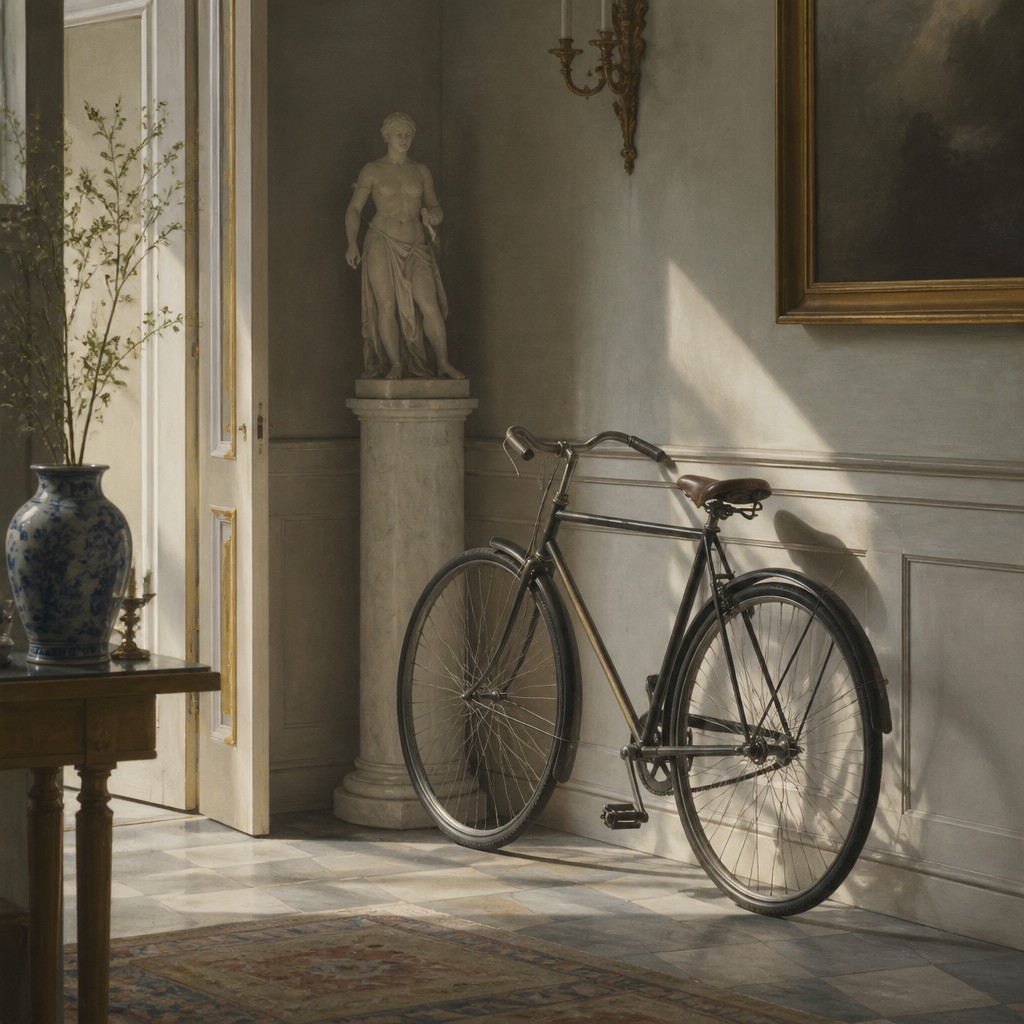
Tactile Material Contrast
Smooth porcelain, cool marble, aged gilding, woven textiles, polished wood, and plaster surfaces are clearly distinguished. Fine surface description reinforces the impression of cultivated, hand-finished surroundings.
Copenhagen Prompt Ideas
Start from an idea — each one opens the generator with the style ready to go. See all 40 Copenhagen prompts →
How to Create Copenhagen Art
Master the craft step by step — or skip straight to creating. Read the full guide →
- 1
Build a Restrained Palette
Begin with white, cream, pale gray, muted blue, and warm wood, then reserve gold for small structural accents. Avoid highly saturated colors unless they are needed as a deliberate focal point.
- 2
Shape the Light First
Use one broad window-like light source positioned from the side or upper side, with gentle falloff and soft shadows. In digital painting or photography, preserve subtle value changes across pale surfaces instead of flattening them into pure white.
- 3
Design a Calm Composition
Arrange the subject around symmetry, a central axis, or a measured architectural rhythm, leaving generous negative space. Place one or two detailed objects, such as a porcelain vase or marble bust, against quieter surroundings.
- 4
Describe Materials Precisely
Differentiate glazed ceramic highlights, porous marble, reflective gilding, matte plaster, and grainy wood through edges, texture, and reflected light. Traditional media can use thin glazes and controlled dry-brush detail; digital tools should use restrained texture layers and soft value transitions.
- 5
Use Historical References Carefully
Combine Danish Golden Age interior calm, European neoclassical architecture, and Nordic porcelain ornament without copying a specific artwork. Research period furnishings, ceramic motifs, and architectural proportions to keep the visual vocabulary coherent.
- 6
Write Focused Generation Prompts
Specify the subject, quiet interior setting, side-lit golden naturalism, neoclassical objects, blue-and-white ceramics, muted Scandinavian colors, and selective gilding. For image-to-image work, preserve the source subject and ask for these materials, lighting conditions, and compositional qualities rather than replacing every detail.
The Story
History & Origins of Copenhagen
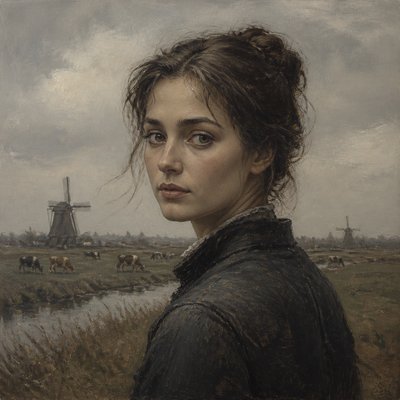
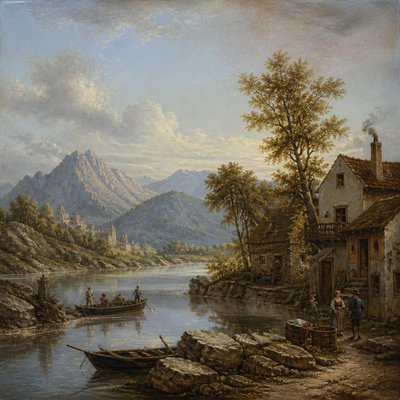
Copenhagen Art Style is best understood as an invented or niche contemporary label rather than a documented historical movement. Its aesthetic lineage draws strongly from the Danish Golden Age of the early to mid-nineteenth century, when naturalistic painting, intimate interiors, measured compositions, and clear observation became important in Danish art.
It also borrows from European neoclassicism, Nordic interior traditions, and the long history of Danish royal porcelain decoration. In contemporary use, these references are combined into a unified visual language suited to quiet interiors, elegant still lifes, architectural scenes, and digitally generated images rather than representing a single historical school.
Influences: The style is related to Danish Golden Age painting, European neoclassicism, Scandinavian interior design, Nordic classicism, palace decoration, and the decorative traditions of blue-and-white porcelain. It also shares qualities with still-life painting, quiet domestic realism, and contemporary minimalism, but distinguishes itself by combining Nordic restraint with ceremonial architecture, marble, gilding, and finely patterned ceramics.
Frequently Asked Questions
What defines Copenhagen Art Style?
It is defined by soft naturalistic light, quiet and balanced compositions, neoclassical forms, blue-and-white porcelain, selective gilding, and a muted Scandinavian palette. The overall mood is calm, cultivated, and gently royal rather than dramatic or opulent.
Is Copenhagen Art Style a historical art movement?
No. It is best treated as a contemporary aesthetic label rather than a formally established historical movement. Its visual language draws from documented traditions including Danish Golden Age painting, European neoclassicism, Nordic interiors, and Danish porcelain decoration.
How is it different from Scandinavian minimalism?
Both favor pale colors, natural materials, and visual calm, but Copenhagen Art Style adds classical architecture, marble sculpture, patterned porcelain, gilded details, and a more ceremonial atmosphere. It is decorative and historical in reference while remaining restrained in execution.
How can I make a painting in this style?
Use a limited palette of cream, white, powder blue, gray, natural wood, and muted gold. Establish a broad side light, organize the scene symmetrically, and render ceramic glaze, marble, plaster, and gilding with distinct surface textures.
What subjects work well with this aesthetic?
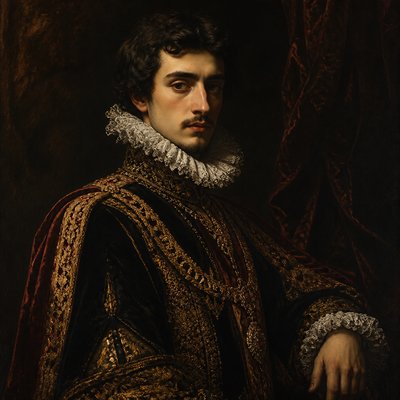
Quiet interiors, palace rooms, still lifes, marble sculpture, refined portraits, porcelain collections, gardens, galleries, and architectural details are especially suitable. Everyday subjects can also work when placed in an orderly setting with soft light and carefully chosen materials.
Can photographs be transformed into Copenhagen Art Style?
Yes. The strongest results usually come from photographs with clear shapes, uncluttered compositions, and directional light. Preserve the main subject while introducing pale Scandinavian color harmonies, neoclassical surroundings, blue-and-white ceramic details, and restrained gilded accents.
Create your first Copenhagen artwork
Describe anything — or upload a photo — and see it in Copenhagen Art Style in seconds.
Related Styles
Discover similar art styles