Congo Art Style
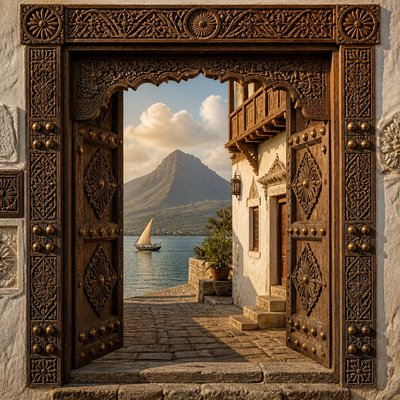
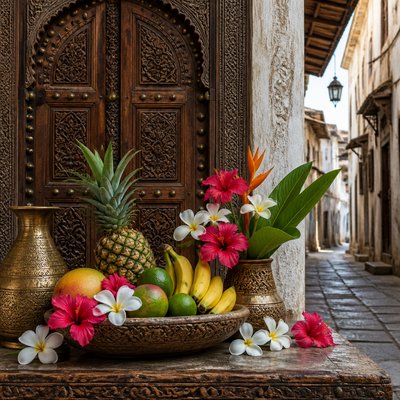
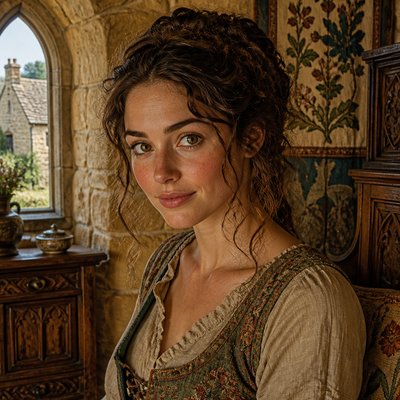
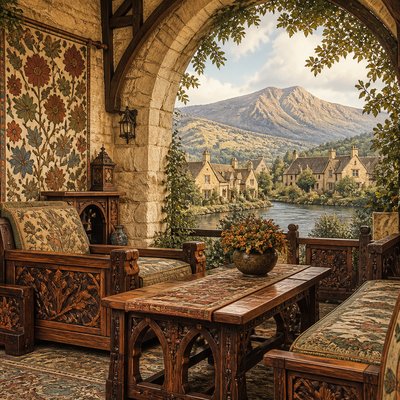
Explore Congo Art Style: Teke-inspired geometry, Kuyu mask color, Vili carving textures, and the dense equatorial atmosphere of Congo-Brazzaville.
Instantly rendered in Congo — or transform a photo
Congo Gallery
Tap any artwork to explore it
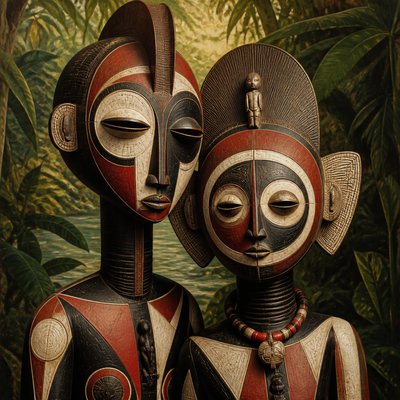
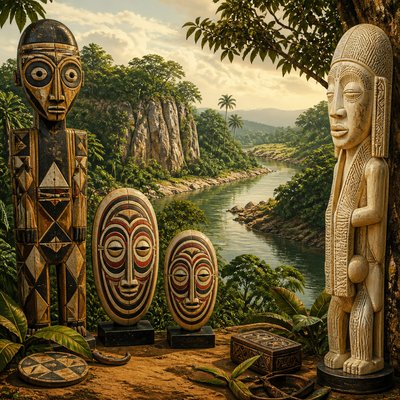
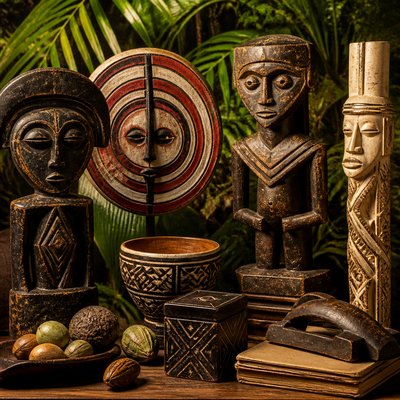
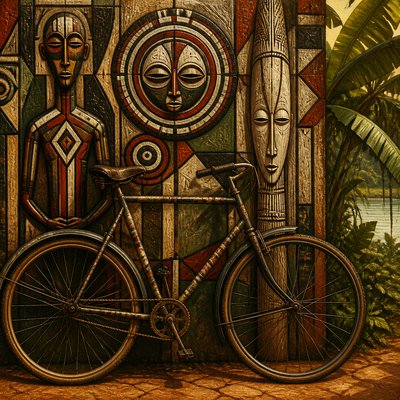
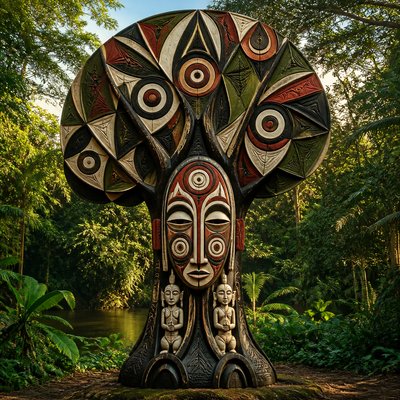
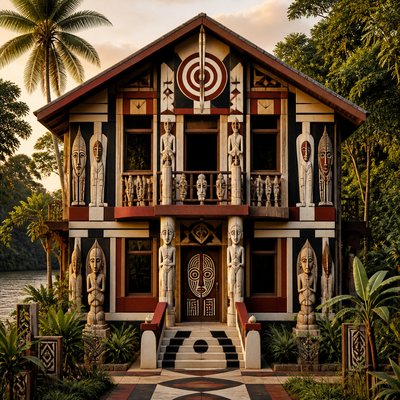
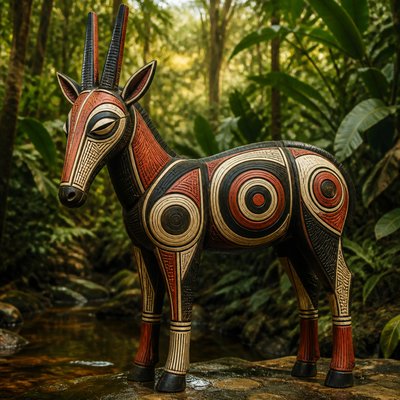
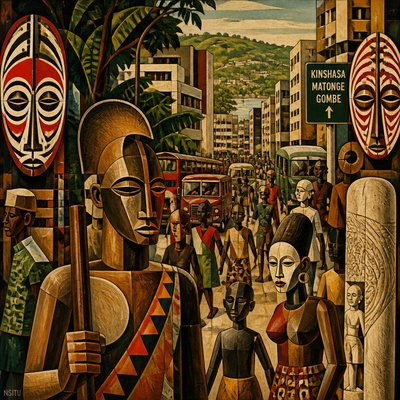
What is Congo Art Style?
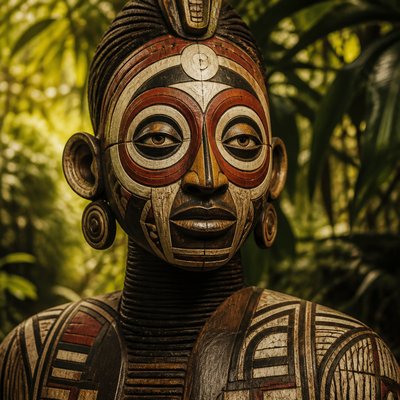
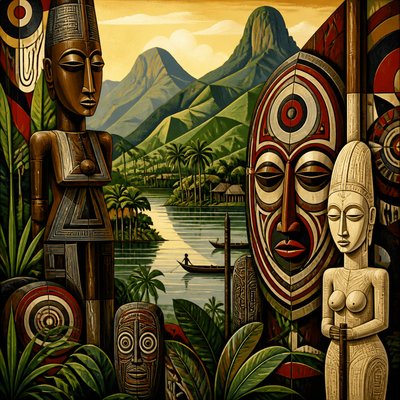
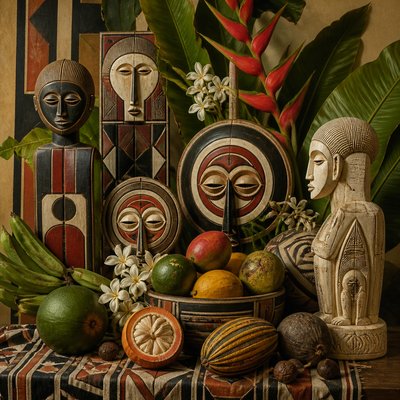
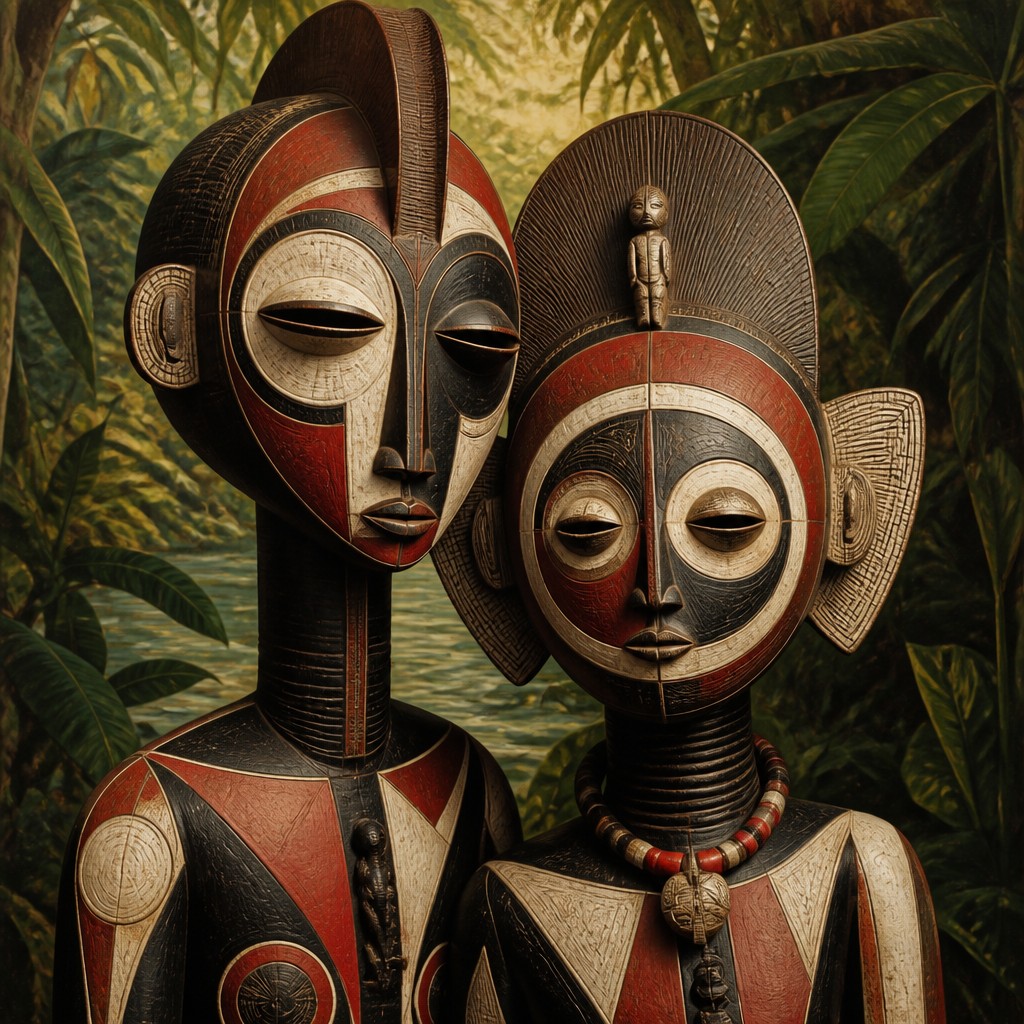
Congo Art Style is a contemporary, synthetic visual language inspired by carved traditions from the Republic of the Congo, especially Teke geometric power figures, Kuyu polychrome mask design, and Vili ivory and hardwood carving. It is defined by compact sculptural forms, frontal or emblematic poses, incised linear details, and a palette of red, white, black, earthy brown, ivory, and river-basin green.
The style looks weighty and spiritually charged rather than purely decorative. Bold planar abstraction gives figures the presence of carved objects, while inset patina, worn pigment, and fine surface marks suggest age, handling, and material depth. Warm equatorial light and dense vegetation provide an atmospheric setting without overwhelming the central figure or mask-like form.
Try It On Your Photos
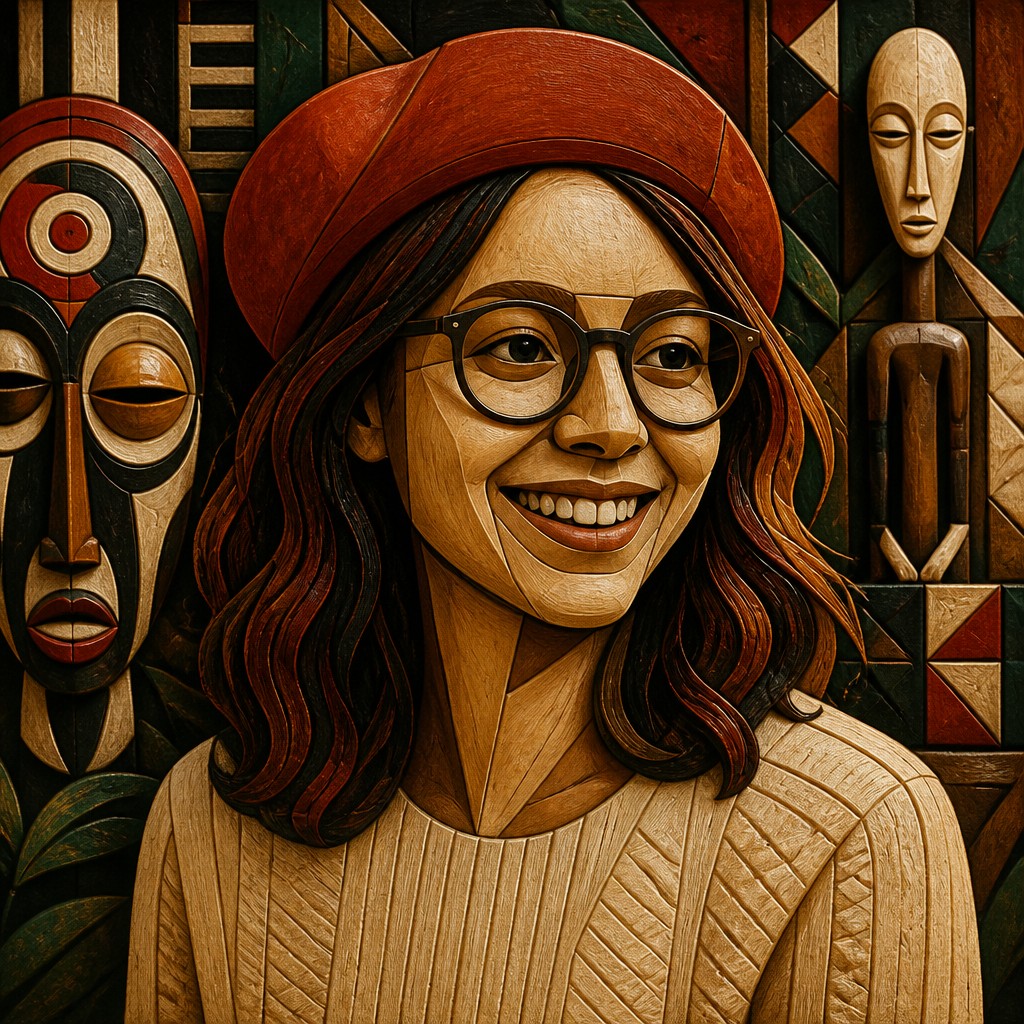
Upload any photo and convert it into Congo Art Style — drag the sliders to compare before and after.


What Defines Congo Art Style
The signature details, up close
Teke-inspired geometric figures
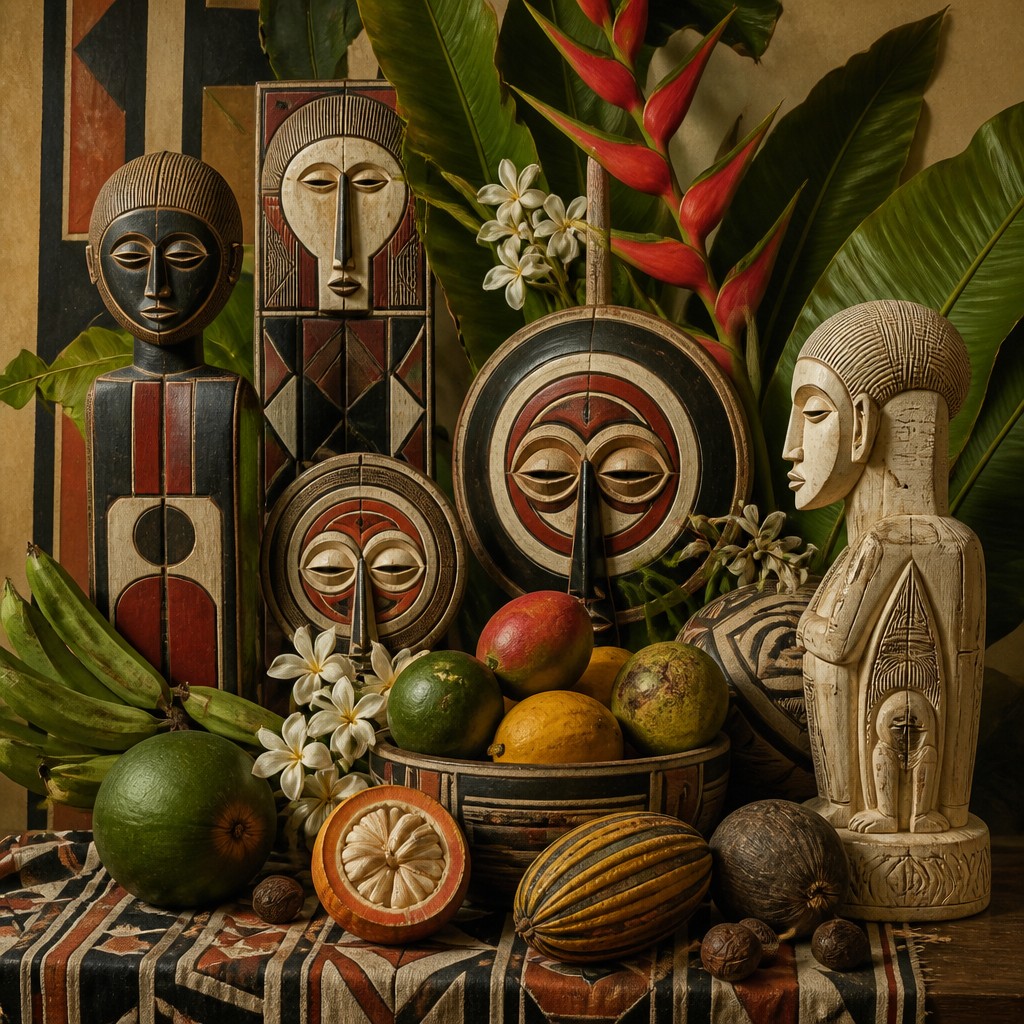
Bodies are reduced to strong planes, angular volumes, flattened profiles, and symmetrical or deliberately compressed proportions. The result is an emblematic figure with the visual authority of a carved power object.
Kuyu-derived polychrome pattern
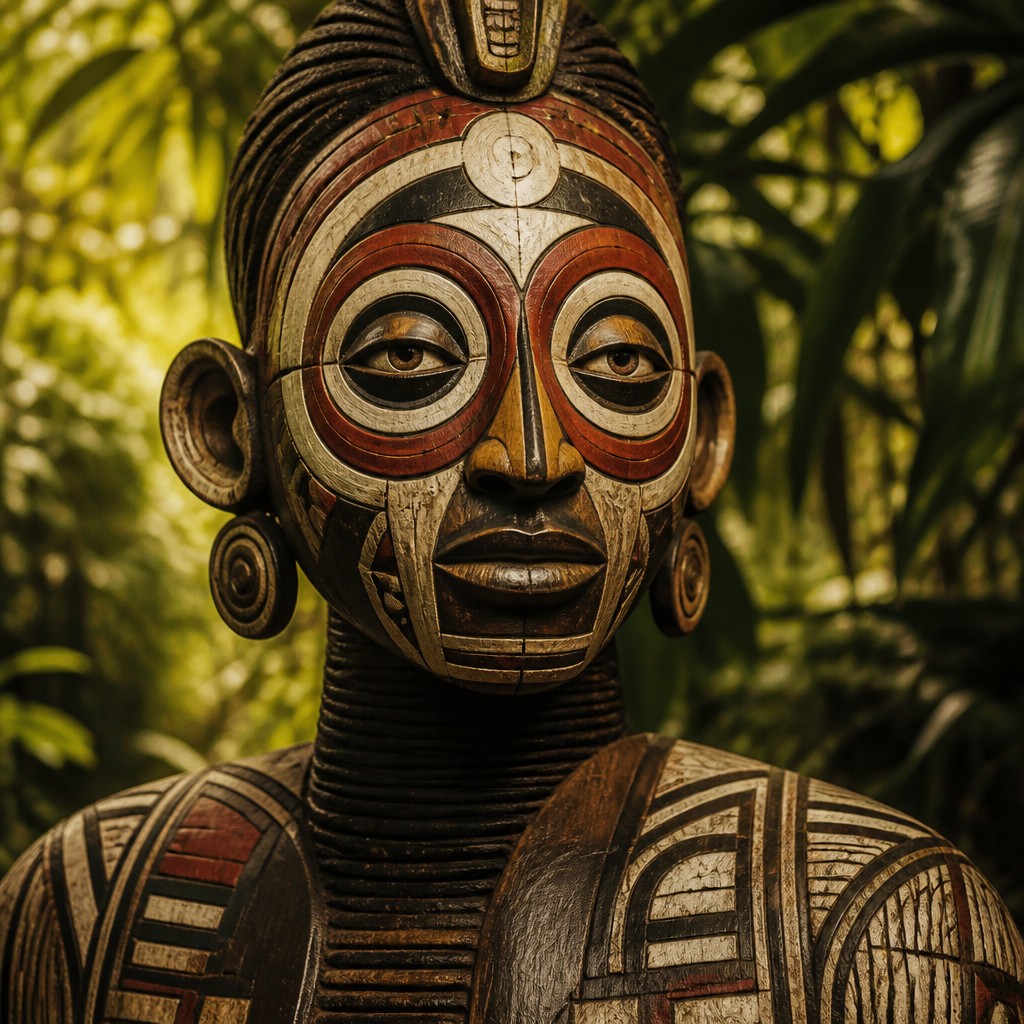
Faces and masks often use concentric or radiating zones of red, white, and black. These high-contrast bands create a ritual, graphic intensity while emphasizing the frontal structure of the image.
Carved hardwood and ivory texture
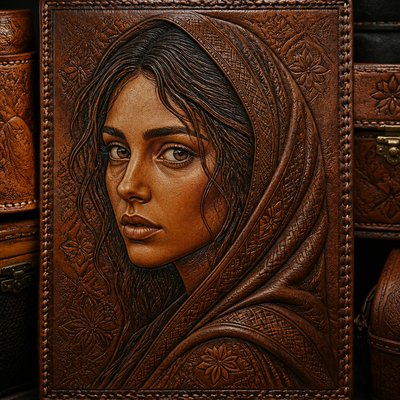
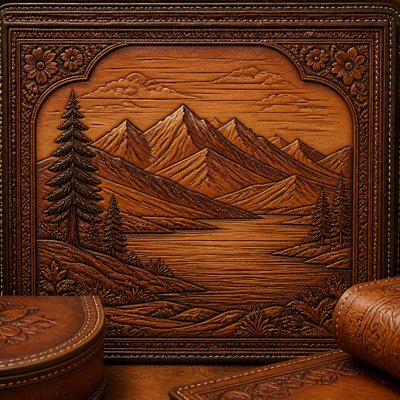
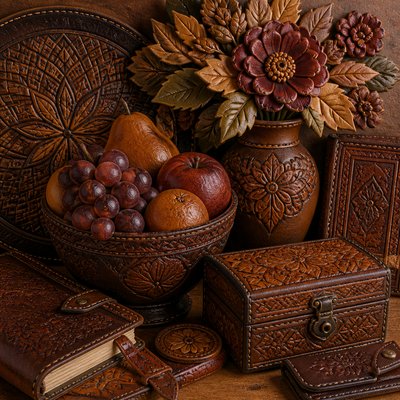
Fine incisions, shallow grooves, grain lines, tool marks, and softly worn edges suggest hand-carved wood or ivory. Surfaces should feel tactile and built up rather than smoothly manufactured.
Inset patina and age
Darkened recesses, rubbed pigment, oxidized accents, and uneven discoloration give the work depth. Patina is most effective when it follows cuts, joints, and protected areas instead of appearing as a uniform filter.
Weighty sculptural presence
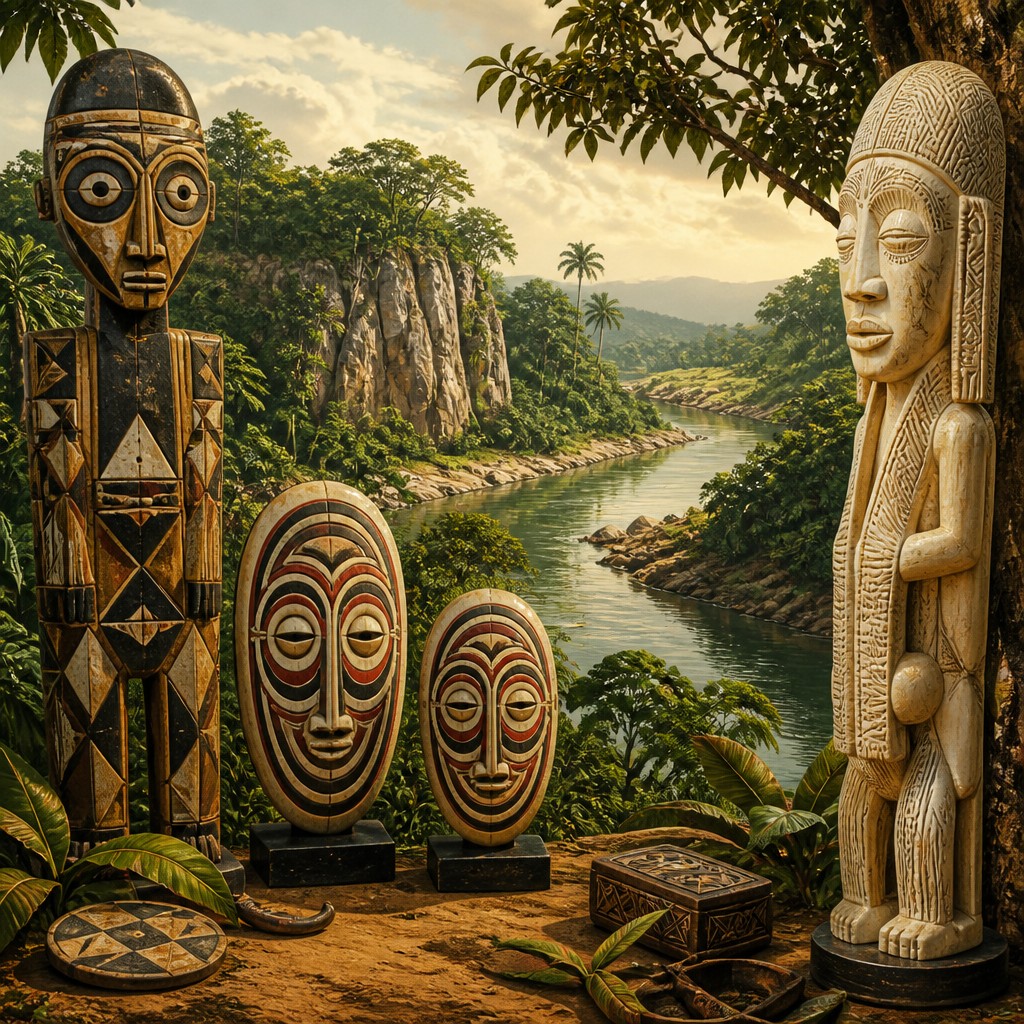
Figures tend to be centered, grounded, and physically dense, with broad bases or compact silhouettes. Even when rendered as a painting or digital image, the subject should appear capable of existing as a carved object.
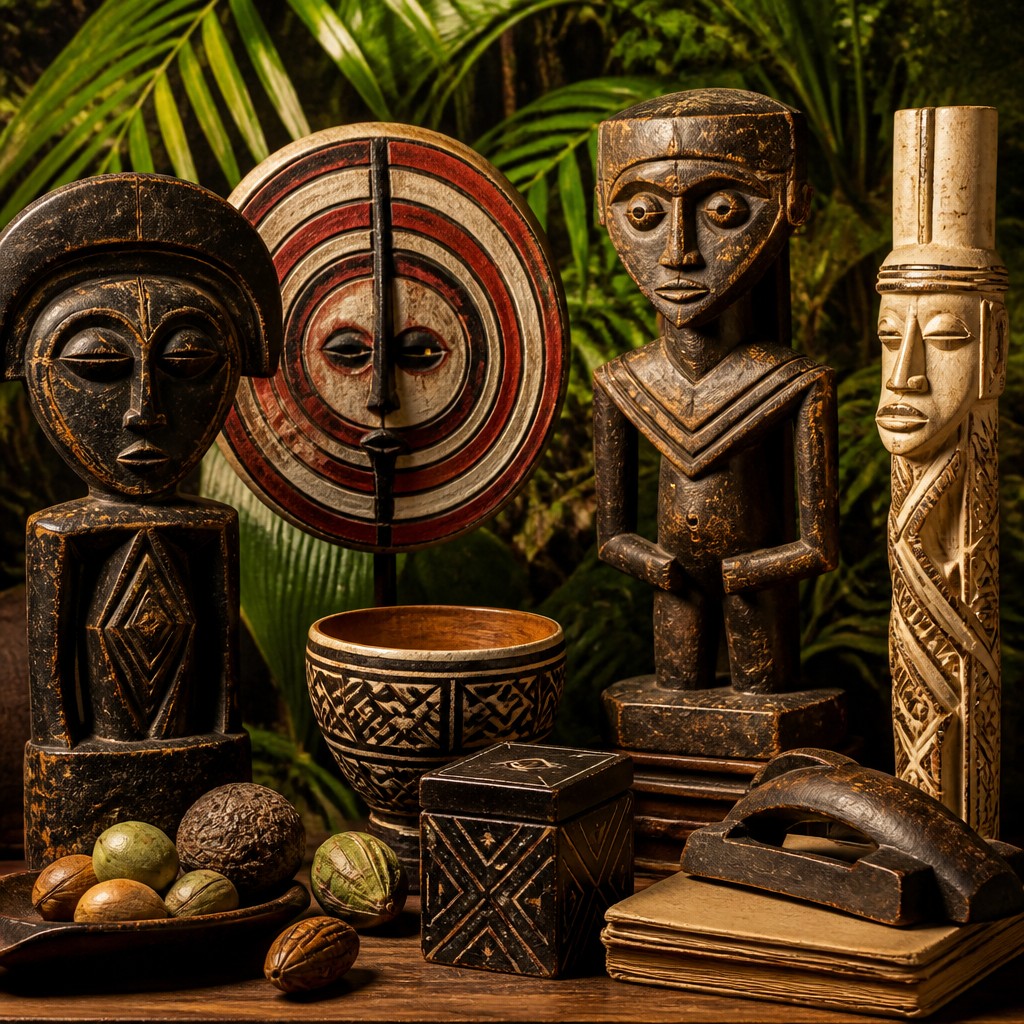
Equatorial river-basin palette
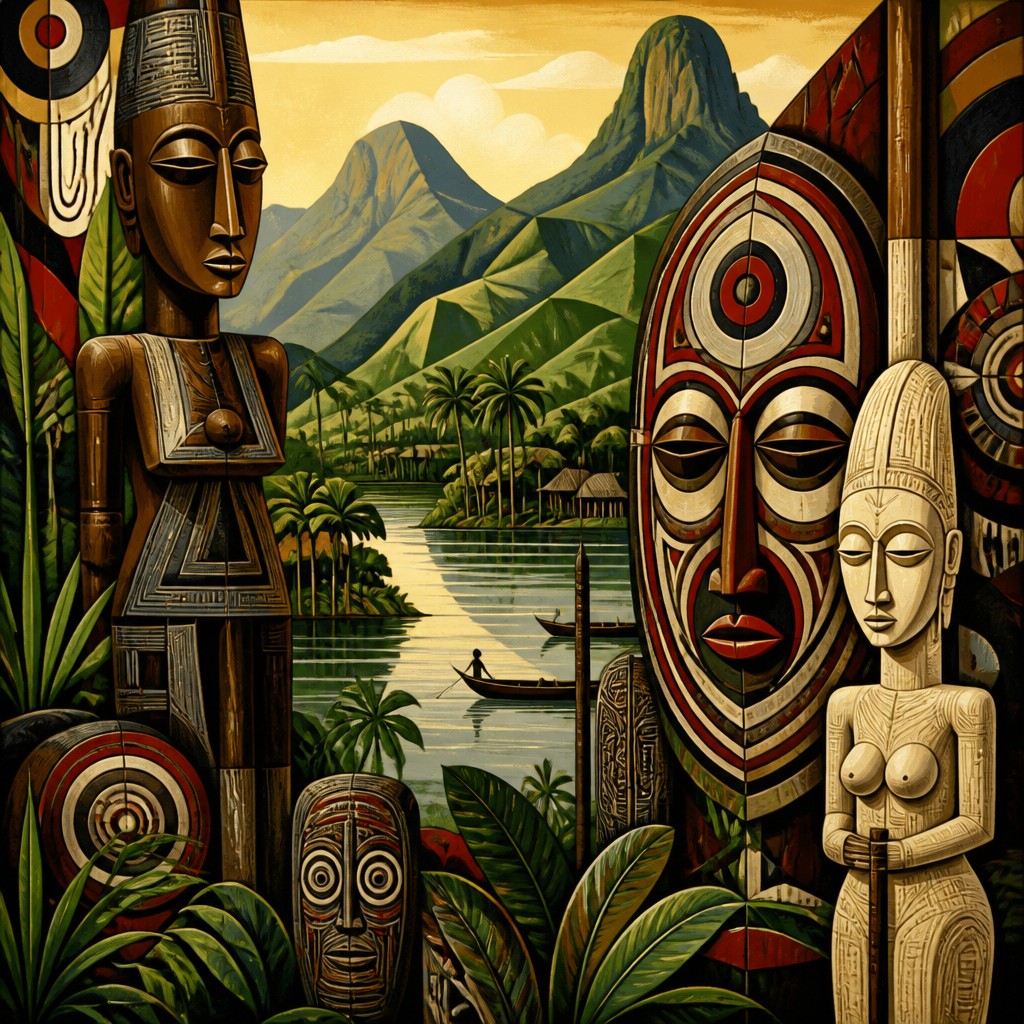
Deep greens, humid blue-green shadows, warm ochres, red earth, ivory, charcoal, and muted black establish the visual environment. Warm light helps the carved surfaces stand out against dense vegetation.
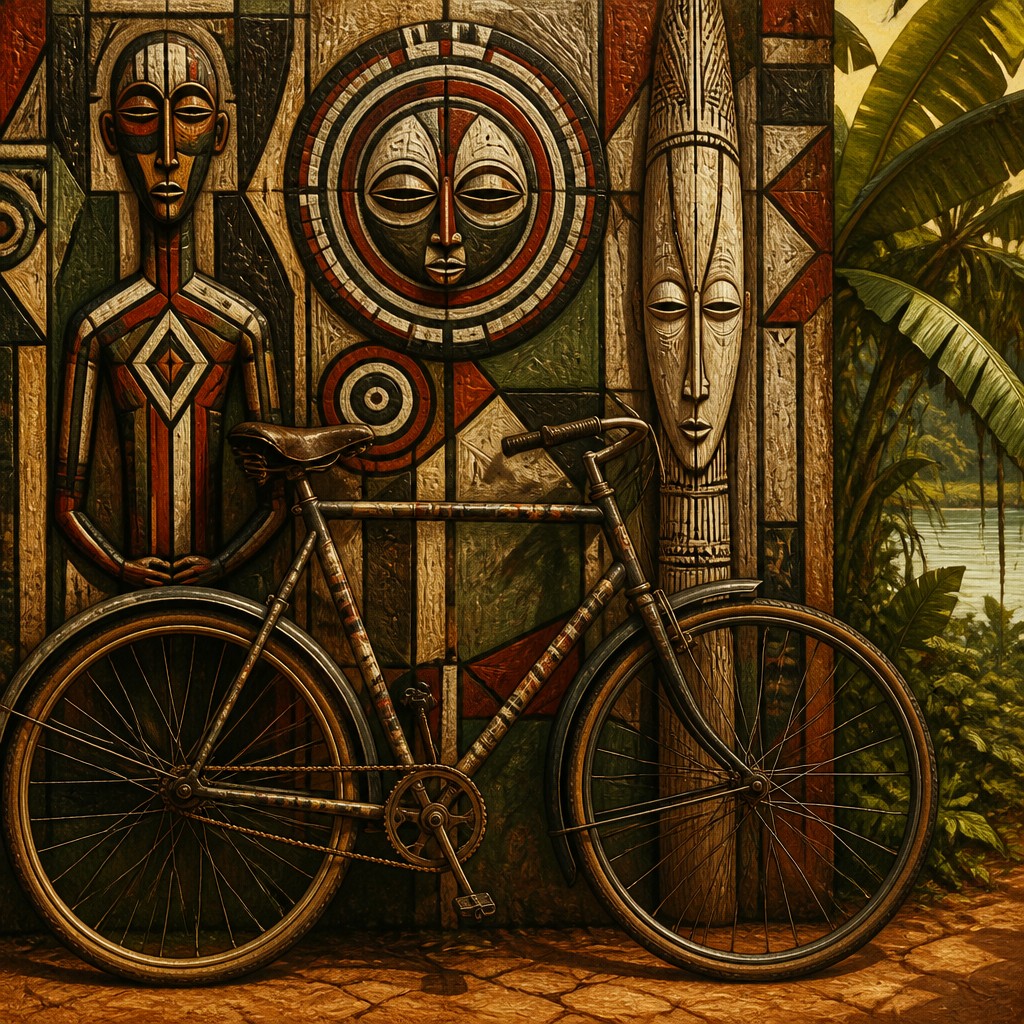
Frontal symbolic composition
The image usually favors direct presentation over dramatic perspective: a mask, figure, or guardian-like object faces the viewer. Repetition, symmetry, and centered framing reinforce its ceremonial and iconic character.
Congo Prompt Ideas
Start from an idea — each one opens the generator with the style ready to go. See all 40 Congo prompts →
How to Create Congo Art
Master the craft step by step — or skip straight to creating. Read the full guide →
- 1
Build the silhouette first
Begin with a compact frontal figure or mask and reduce it to a few angular masses before adding detail. In digital work, use simple 3D forms, vector shapes, or hard-edged brushes to establish the carved structure.
- 2
Use carved-surface mark making
Add parallel incisions, crosshatching, grain, and shallow tool marks along planes and joints. Keep the marks directional so they describe the material rather than functioning as random texture.
- 3
Control the color hierarchy
Reserve saturated red, white, and black for facial or mask-like patterning, then surround them with quieter greens, browns, and ivory tones. Warm light should reveal the form without flattening the dark recesses.
- 4
Create believable patina
Layer pigment, grime, and oxidation into crevices, edges, and worn contact points, then selectively soften the surface. Avoid applying identical distressing everywhere, which makes the object look artificially aged.
- 5
Frame the subject ceremonially
Use centered composition, a stable base, and limited background activity to give the figure authority. Dense foliage, river mist, or a dark earthen ground can provide context while keeping the carved subject legible.
- 6
Write precise generation prompts
Specify the subject, frontal pose, geometric carving, red-white-black pattern, hardwood or ivory texture, patina, equatorial greenery, and warm light. For image transformation, describe which structural features to preserve while asking for carved planes and incised detail.
The Story
History & Origins of Congo
Congo Art Style is not the name of a single historical movement or unified traditional school. It is an interpretive contemporary style whose aesthetic lineage draws on visual traditions associated with communities of the Republic of the Congo, including Teke carved power figures, Kuyu masks, and Vili carving in ivory and hardwood. These traditions developed in distinct cultural and ceremonial contexts and should not be treated as interchangeable.
The style brings those references together through modern abstraction, digital compositing, and sculptural image-making. Its characteristic combination of geometric bodies, concentric facial patterning, patinated surfaces, and lush equatorial color is therefore best understood as a respectful synthesis rather than a historically documented Congo-wide art movement.
Influences: Its closest references are Central African carved-object traditions, particularly Teke geometric figure design, Kuyu mask coloration and pattern structure, and Vili traditions of ivory and hardwood carving. It also draws on modernist sculptural abstraction, material-focused digital art, patina studies, ceremonial portrait composition, and contemporary textural image-making. These connections are aesthetic rather than evidence that the style represents one unified historical school.
Frequently Asked Questions
What defines the Congo Art Style?
It combines Teke-inspired geometric figure construction, Kuyu-associated red-white-black mask patterning, and Vili-inspired carved ivory or hardwood texture. Centered composition, darkened patina, incised lines, dense green environments, and warm light complete the visual identity.
Is Congo Art Style a historical art movement?
No. The label describes a contemporary synthesis rather than a documented movement with a single origin, period, or membership. Its references come from distinct cultural traditions in and around the Republic of the Congo and should be identified separately when discussing their histories.
How is it different from African tribal art or generic primitive art?
Those broad labels are imprecise and can reduce many unrelated cultures to a single category. This style is more specific about its visual sources, focusing on Teke, Kuyu, and Vili-related references while acknowledging that they belong to different traditions and contexts.
Can this style be used for portraits or landscapes?
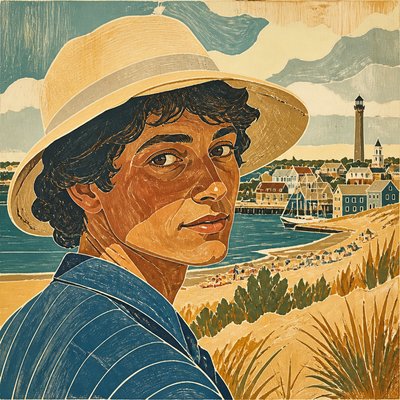
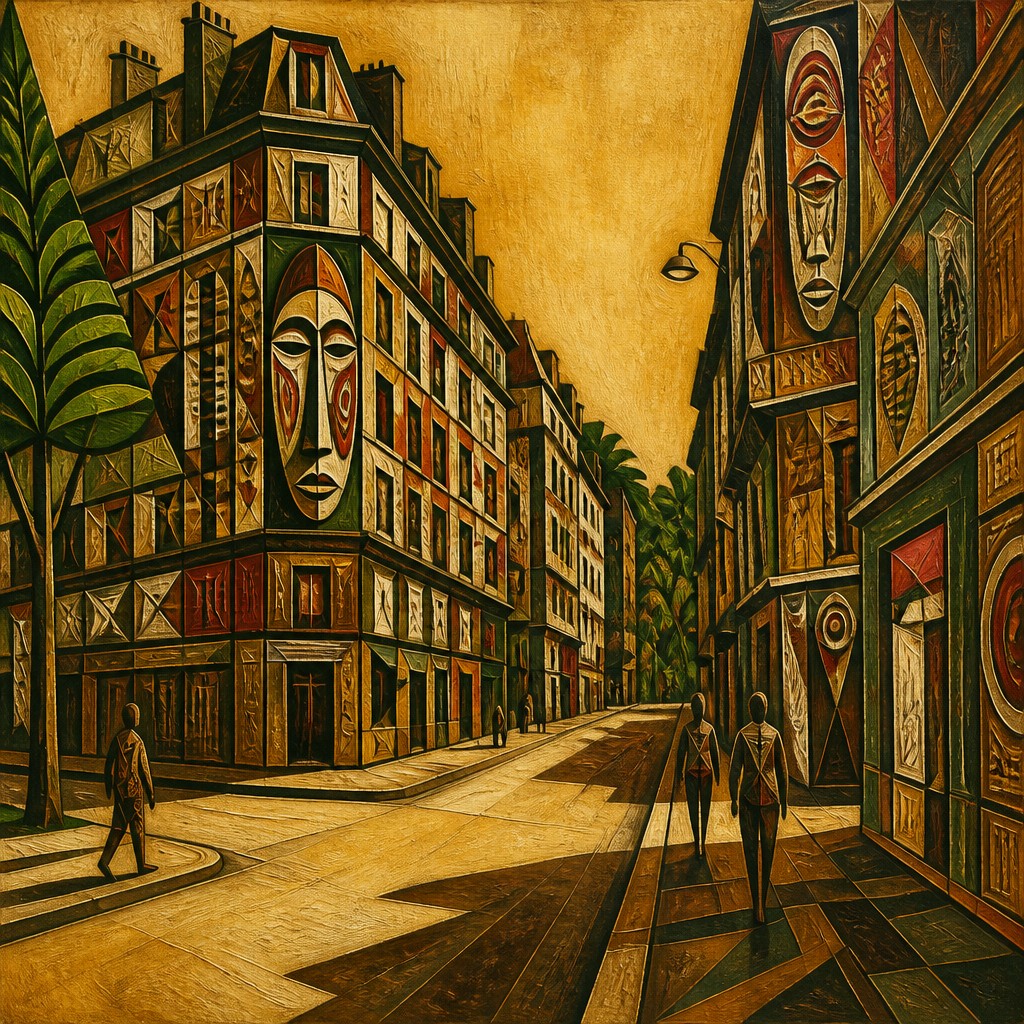
Yes. Portraits work well when facial structure, clothing, or accessories are translated into carved planes and restrained pattern. Landscapes can use riverine vegetation, red earth, mist, and sculptural forms, but the image remains most recognizable when a mask or figure provides a strong central anchor.
How can I create a convincing image in this style?
Start with a clear frontal silhouette, then specify angular carving, red-white-black patterning, hardwood or ivory texture, inset patina, and warm equatorial light. Layer irregular tool marks and localized wear rather than relying on a generic wood texture or a uniform distressed effect.
How should cultural references be handled respectfully?
Treat the source traditions as distinct and research their ceremonial and social contexts before using recognizable motifs. Avoid presenting sacred or culturally specific objects as interchangeable fantasy props, and describe the result as inspired by particular traditions rather than as an authentic ceremonial artifact.
Create your first Congo artwork
Describe anything — or upload a photo — and see it in Congo Art Style in seconds.
Related Styles
Discover similar art styles