Colombian Art Style
Explore Colombian art style: Muisca gold, San Agustín stone, colonial gilding, and luminous tropical highland color.
Instantly rendered in Colombian — or transform a photo
Colombian Gallery
Tap any artwork to explore it
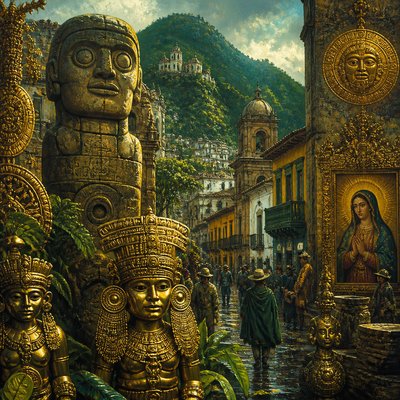
What is Colombian Art Style?
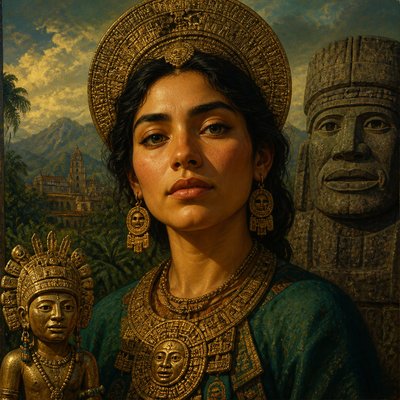
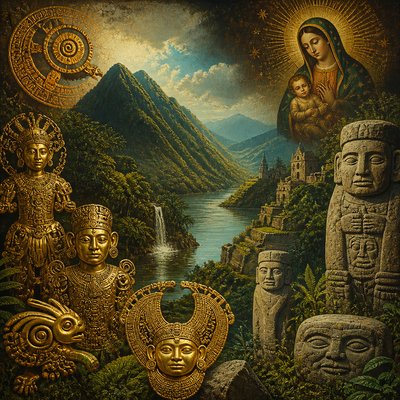
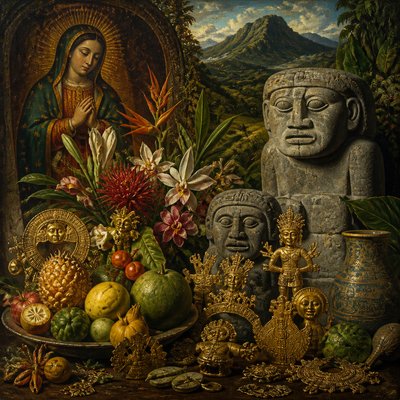
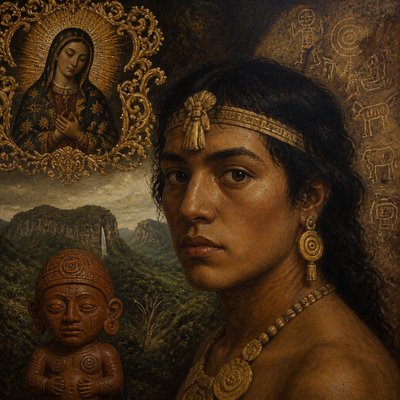
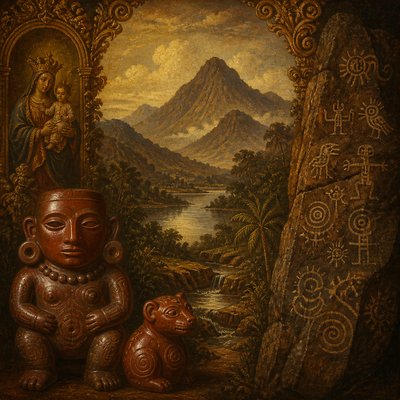
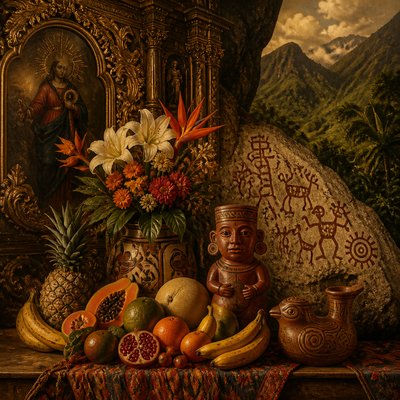
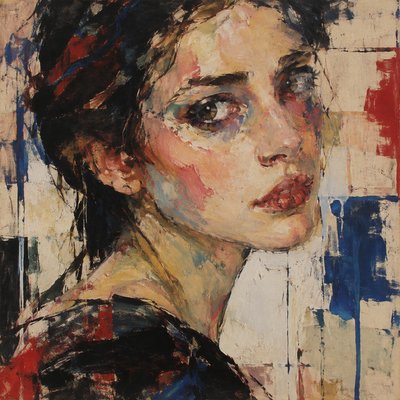
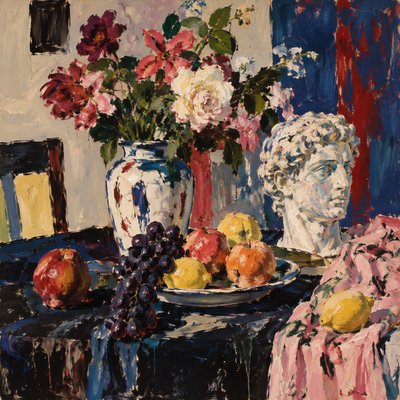
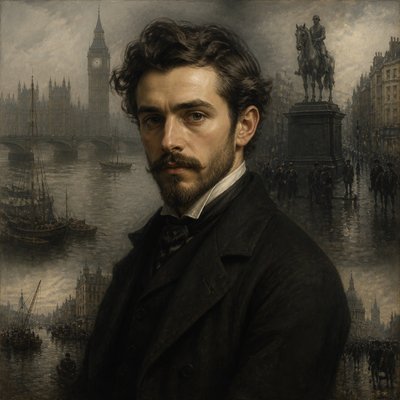
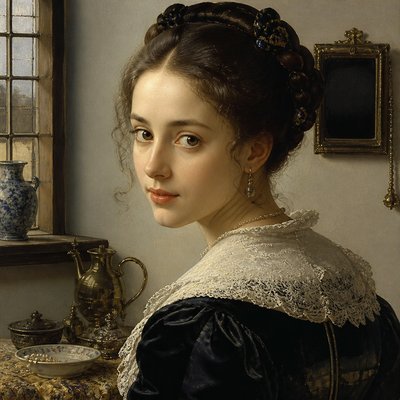
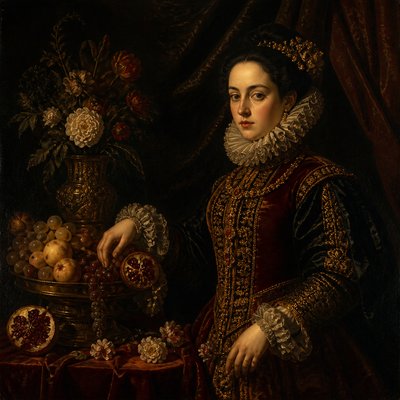
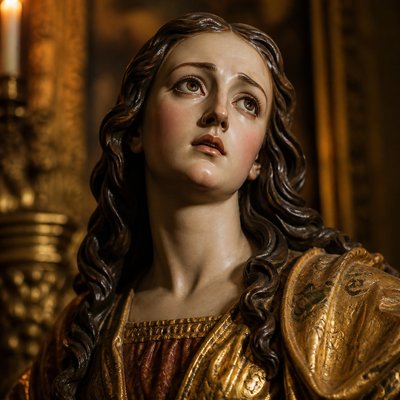
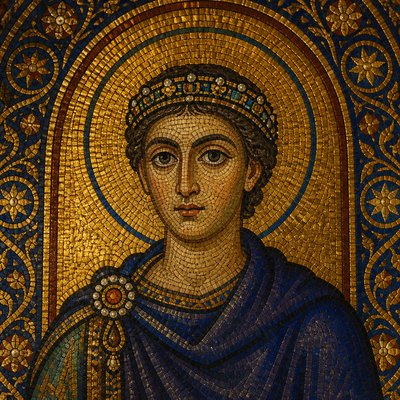
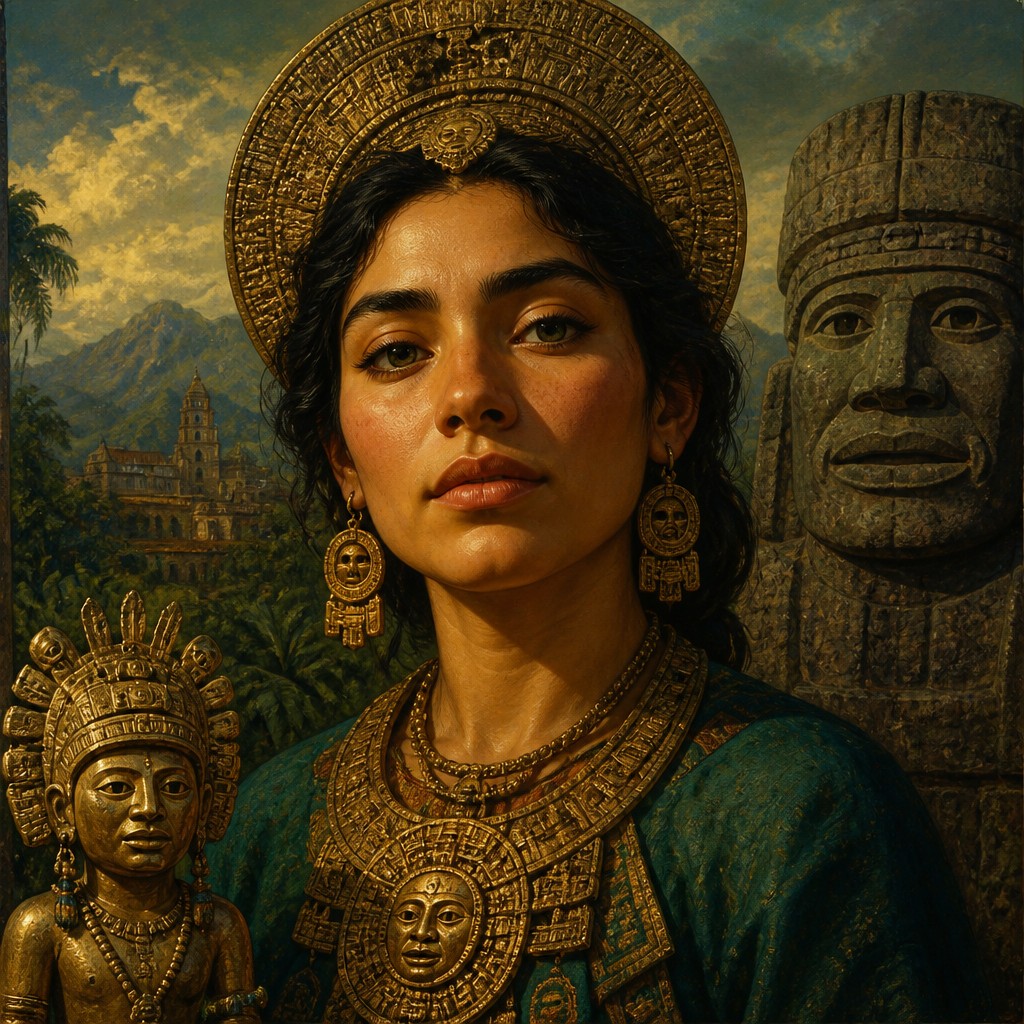
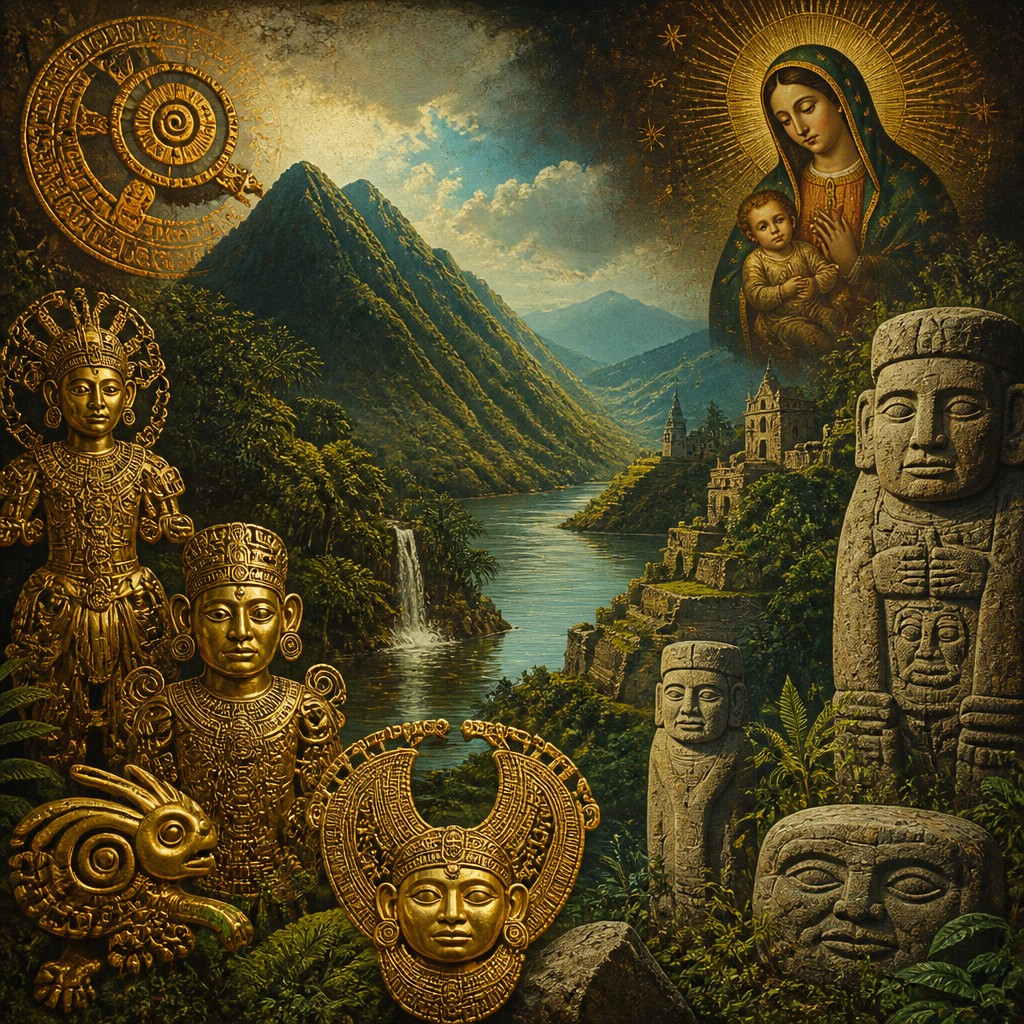
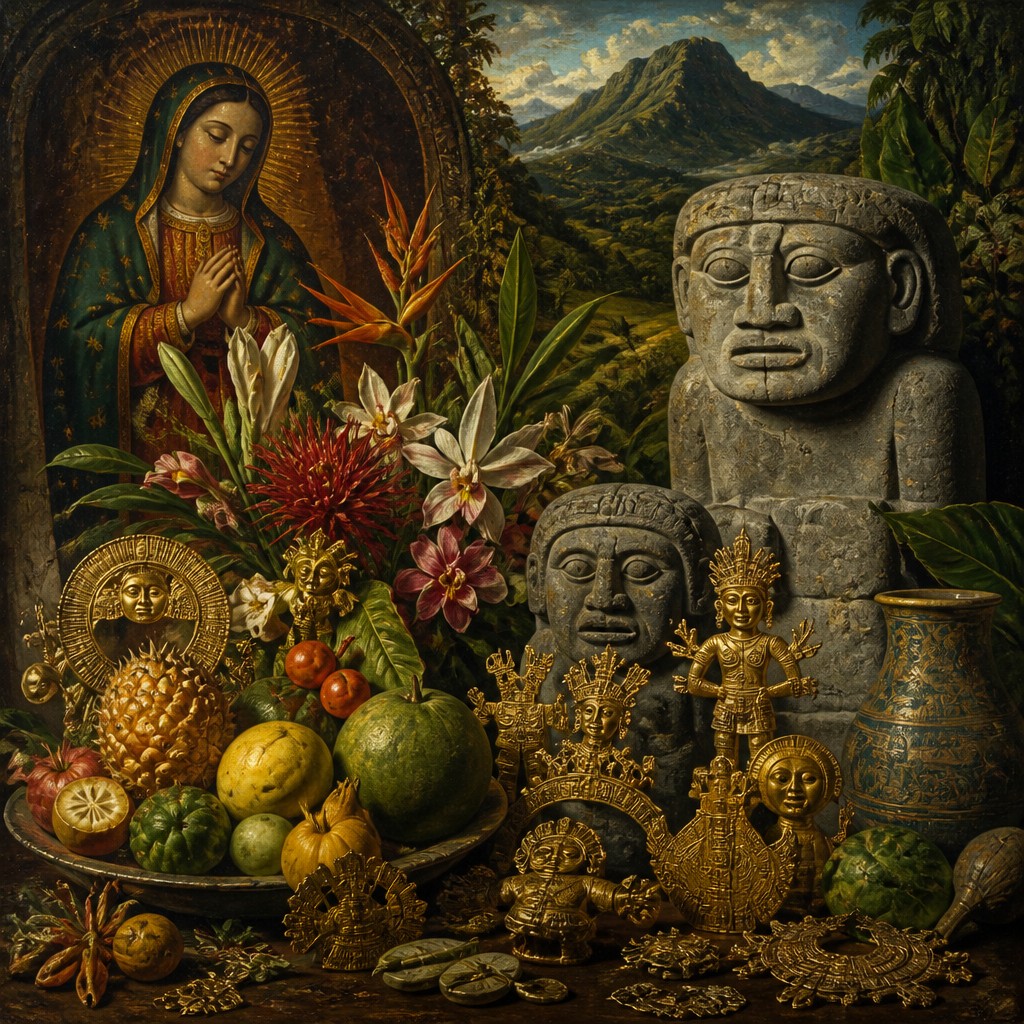
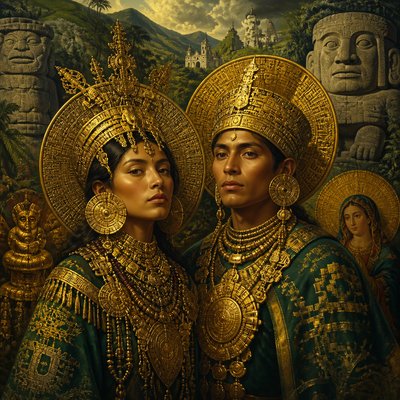
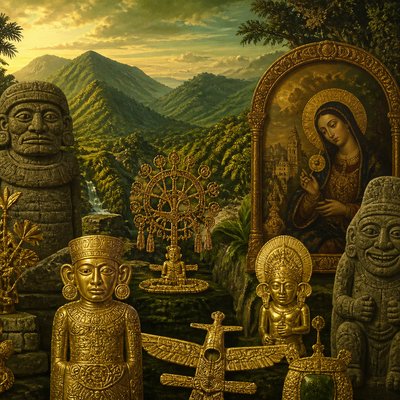
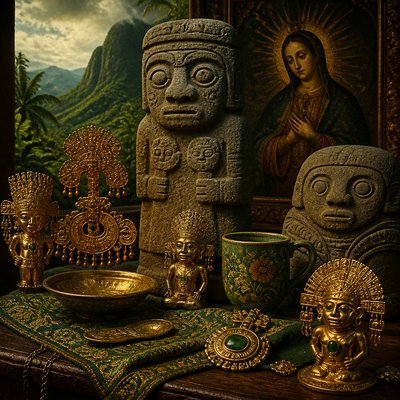
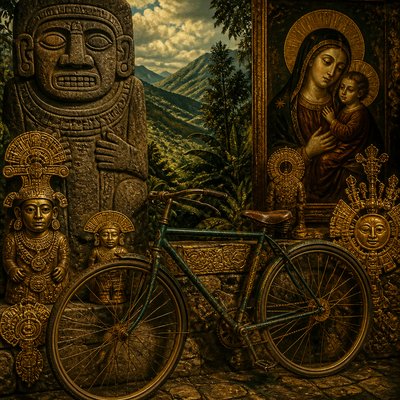
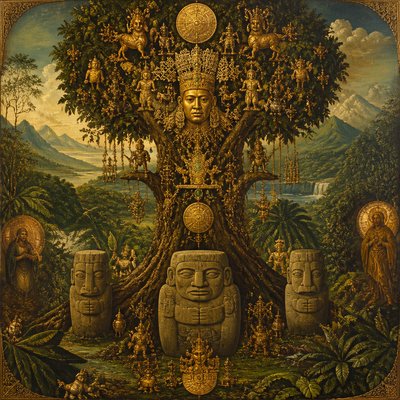
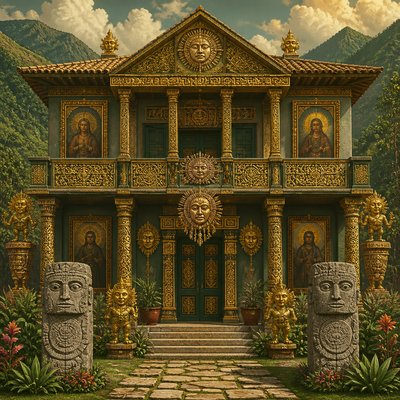
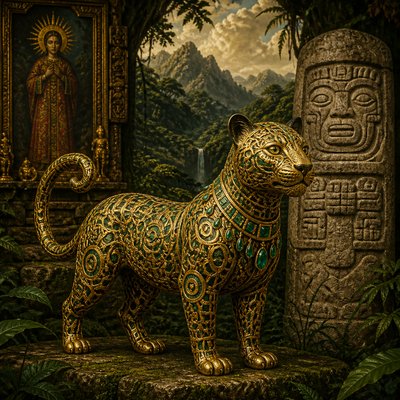
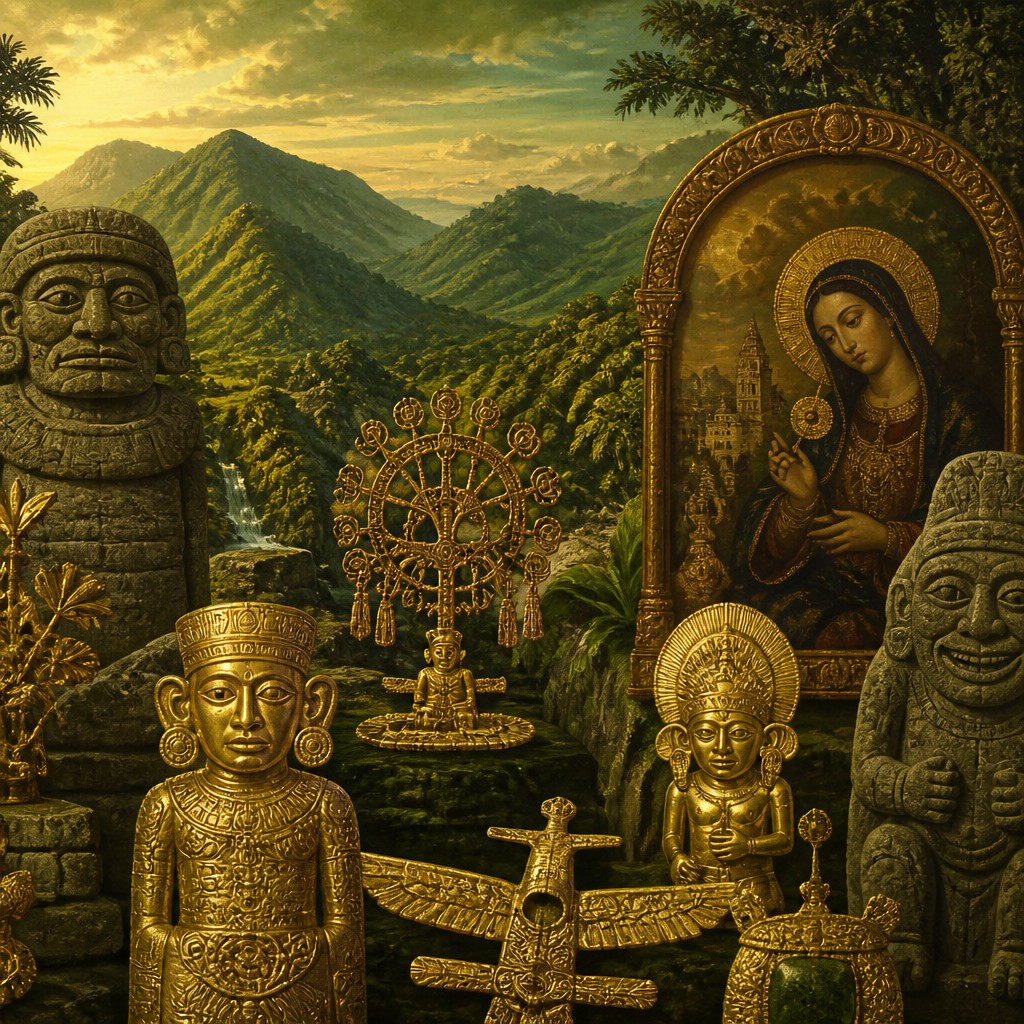
Colombian art style is a contemporary, synthetic visual language combining pre-Columbian Colombian metalwork and stone sculpture with the devotional richness of colonial painting. Its characteristic imagery brings together intricate Muisca and Tairona cast-gold figures, monumental San Agustín guardian forms, dark varnished surfaces, gilded haloes, and a saturated landscape of jungle green, emerald, ochre, and gold.
The style looks ceremonial and tactile because it borrows the visual logic of several distinct traditions rather than following one historical school. Small-scale gold ornaments suggest status, ritual, and transformation; San Agustín sculpture contributes weight, frontal poses, and enigmatic faces; colonial gilt painting adds dramatic contrast, sacred radiance, and layered ornament. Tropical highland light unifies these elements with humid atmosphere, deep foliage, and warm highlights.
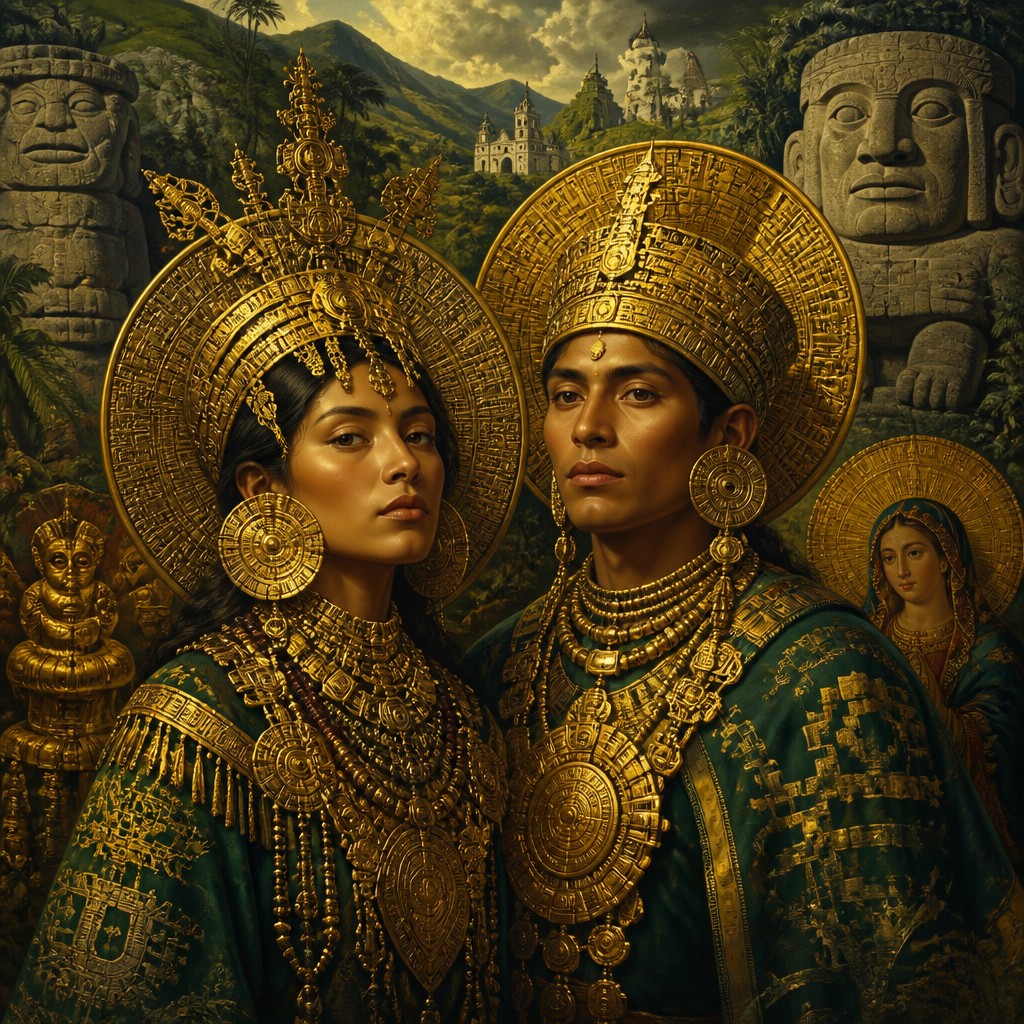
Try It On Your Photos
Upload any photo and convert it into Colombian Art Style — drag the sliders to compare before and after.
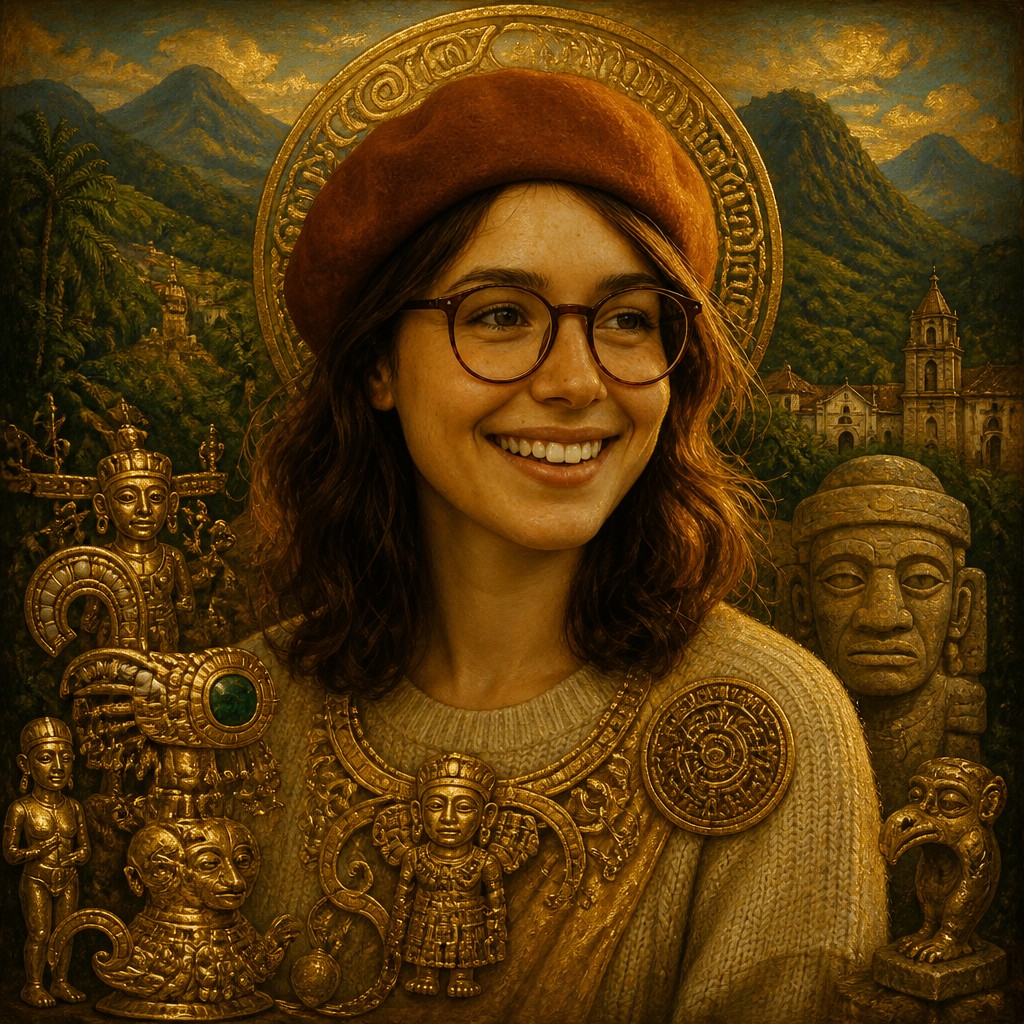

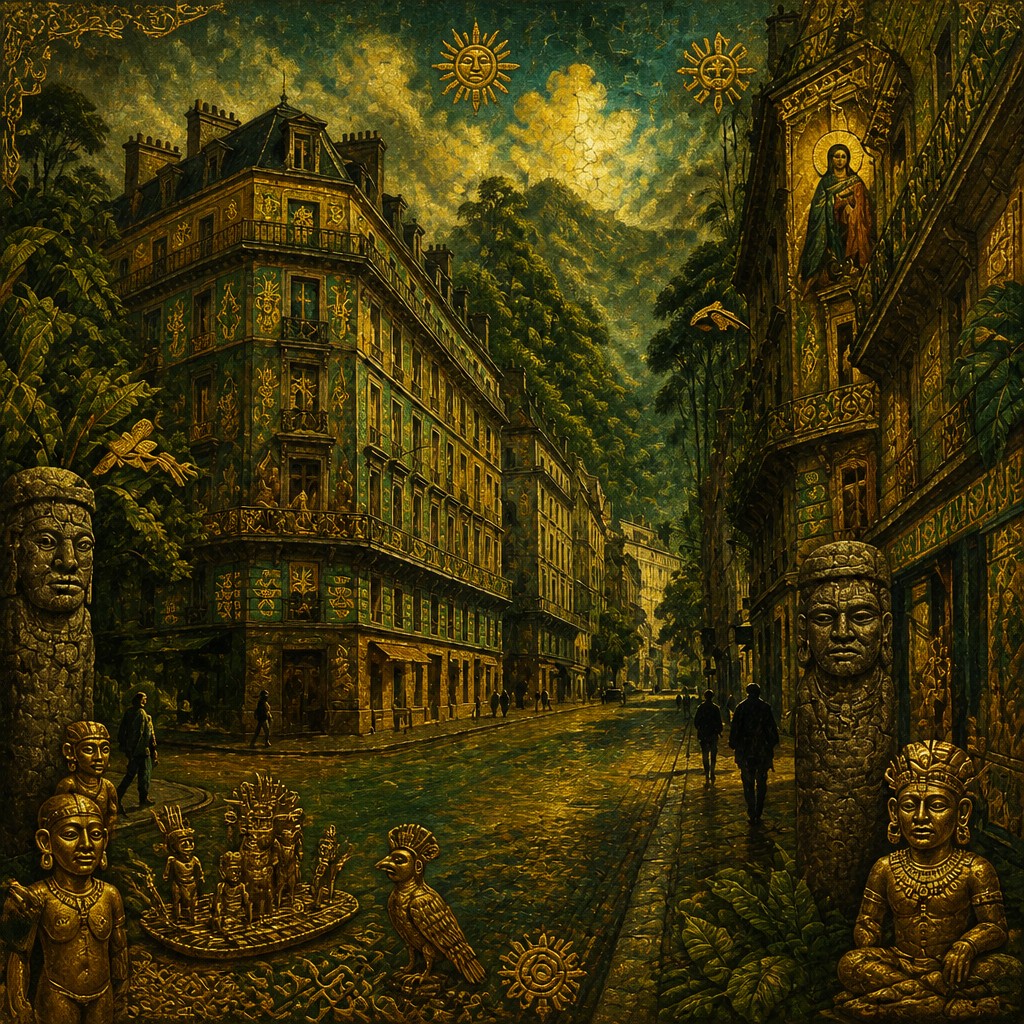

What Defines Colombian Art Style
The signature details, up close
Filigreed gold figures
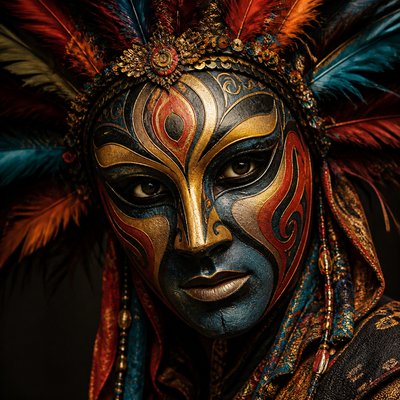
Tiny ceremonial figures, pendants, masks, and votive forms appear in warm cast gold with delicate filigree, geometric surfaces, and a strong sense of ritual objecthood.
Monumental stone guardians
Broad, frontal bodies and simplified guardian faces echo the massive carved forms associated with San Agustín archaeology. Rough stone grain and weathered edges create visual weight.
Colonial gilt and dark varnish
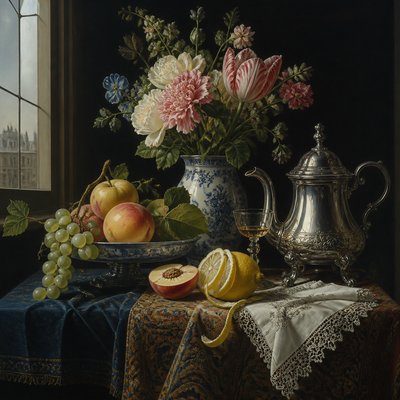
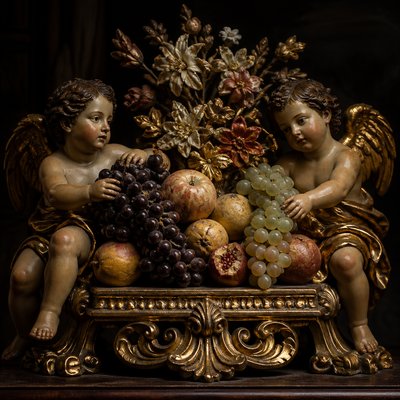
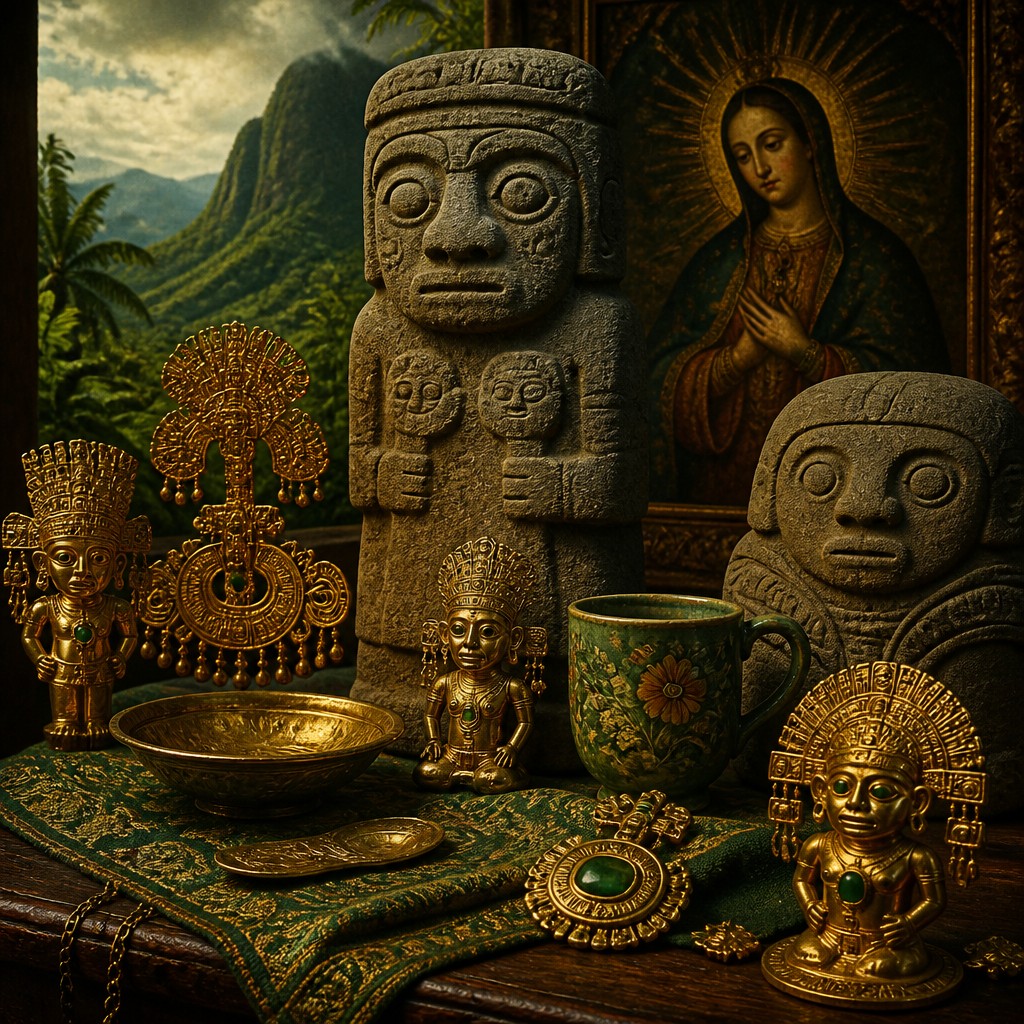
Deep brown, umber, and near-black grounds are contrasted with gold leaf effects, luminous borders, and halo-like radiance. The result recalls the theatrical surface depth of colonial devotional painting.
Tropical highland atmosphere
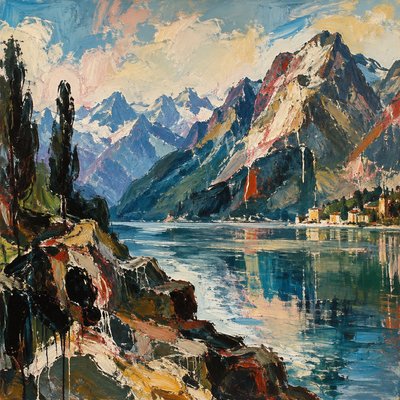
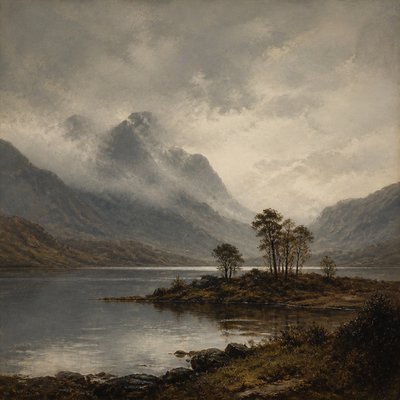
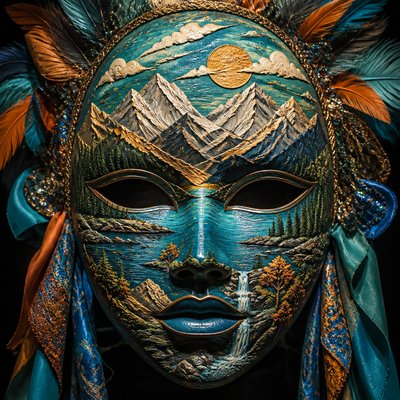
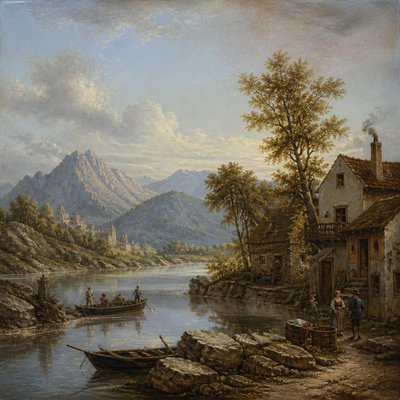
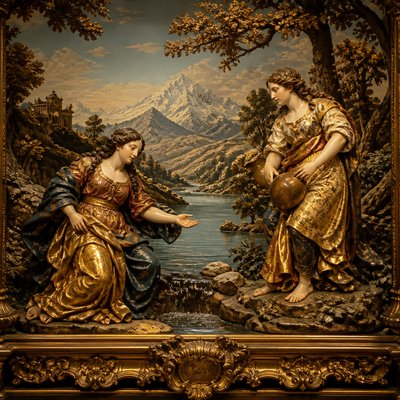
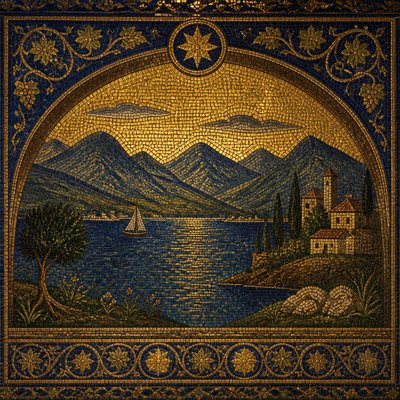
Misty mountains, dense foliage, wet earth, and filtered sunlight place the imagery in a humid Andean or jungle-edge environment rather than a dry archaeological setting.
Gold and emerald palette
Metallic yellow-gold, oxidized bronze, emerald green, mineral blue, terracotta, and shadowed umber form the dominant color range. Bright highlights are concentrated on jewelry, faces, and sacred objects.
Ceremonial frontality
Figures often face the viewer directly, with symmetrical arrangements, still poses, and icon-like compositions that make objects feel protective, ancestral, or sacred.
Colombian Prompt Ideas
Start from an idea — each one opens the generator with the style ready to go. See all 40 Colombian prompts →
How to Create Colombian Art
Master the craft step by step — or skip straight to creating. Read the full guide →
- 1
Build a layered composition
Start with a central frontal figure or artifact, then place stone guardians, foliage, and distant highland forms behind it. Use a clear foreground, middle ground, and atmospheric background to keep the dense ornament readable.
- 2
Combine matte stone with reflective metal
Paint or model stone with porous, chipped, irregular surfaces, then contrast it with sharp gold highlights and fine repeated lines. In digital work, separate metal, stone, foliage, and varnish into material-specific layers.
- 3
Use controlled chiaroscuro
Establish a dark umber or green-black ground before adding warm directional light. Reserve the highest values for gilt edges, haloes, jewelry, and wet leaves so the image retains a devotional glow.
- 4
Suggest craft without copying artifacts
Use geometric bands, animal motifs, pendants, and filigree-inspired patterning while avoiding claims that a fictional object is an authentic archaeological artifact. Research museum collections and Indigenous cultural context when depicting identifiable traditions.
- 5
Prompt with material and lighting language
For prompt-based creation, specify the subject, cast-gold or carved-stone material, frontal composition, tropical highland setting, dark varnish, gilt accents, and emerald-gold palette. Add terms such as fine filigree, weathered relief, filtered sunlight, and ceremonial stillness rather than relying on a label alone.
The Story
History & Origins of Colombian
Colombian art style is best understood as an invented contemporary synthesis, not a single historical movement. Its aesthetic lineage reaches back to the metalworking traditions of Muisca and Tairona communities, the monumental archaeological sculpture of the San Agustín region, and the religious painting and polychrome devotional arts developed in colonial New Granada, including the Bogotá school.
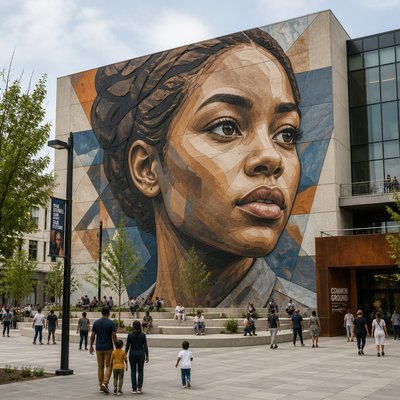
These sources belong to different periods, purposes, and communities, so they should not be treated as one uninterrupted tradition. The present-day style recombines their formal qualities for illustration, concept art, digital image-making, sculpture, and decorative painting, often emphasizing Colombia’s highland, rainforest, and archaeological imagery.
Influences: The style draws on Indigenous Colombian goldworking, including Muisca and Tairona metalwork; the monumental stone vocabulary of the San Agustín archaeological region; colonial New Granada devotional painting, gilded sculpture, and decorative church interiors; and broader Latin American magical-realist and tropical landscape imagery. It also relates to contemporary museum-inspired illustration, archaeological fantasy, sacred art, and material-focused digital concept art.
Frequently Asked Questions
What defines the Colombian art style?
It is defined by a deliberate synthesis of Colombian visual references: intricate goldwork, monumental carved stone, colonial gilding, dark varnish, and tropical highland landscapes. Ceremonial frontality and a gold-and-emerald palette are especially characteristic.
Is Colombian art style a recognized historical art movement?
No. The label describes a contemporary aesthetic category rather than a unified historical movement. It combines traditions from different Colombian cultures and periods, which should be identified separately when historical accuracy matters.
How is it different from pre-Columbian Colombian art?
Pre-Columbian Colombian art refers to specific archaeological traditions with their own dates, materials, and cultural meanings. This style borrows selected visual qualities from those traditions and combines them with colonial painting effects and modern fantasy or illustration conventions.
How can I make an image in this style by hand?
Begin with a dark earth-toned ground, block in a frontal figure or artifact, and build contrast between rough stone and reflective gold. Add filigree-like patterning with fine brushes, use restrained emerald foliage for context, and glaze warm highlights to imitate varnished or gilded surfaces.
What subjects work well with this aesthetic?
Ceremonial figures, archaeological plazas, guardian statues, mountain shrines, jaguars, birds, sacred plants, gold ornaments, and misty Andean landscapes are effective subjects. A simple central motif usually works better than a crowded scene with no visual hierarchy.
How can the imagery remain culturally respectful?
Treat Muisca, Tairona, and San Agustín references as distinct cultural and archaeological sources rather than interchangeable symbols. Avoid presenting invented designs as authentic artifacts, and research the provenance, meaning, and contemporary status of motifs before using them.
Create your first Colombian artwork
Describe anything — or upload a photo — and see it in Colombian Art Style in seconds.
Related Styles
Discover similar art styles