Chilean Art Style
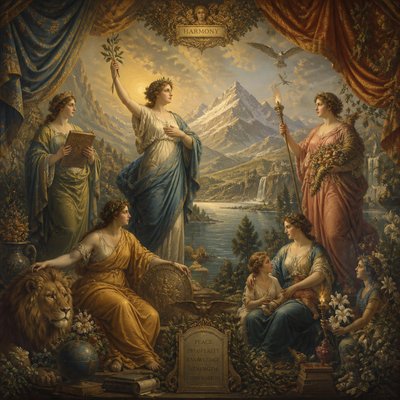
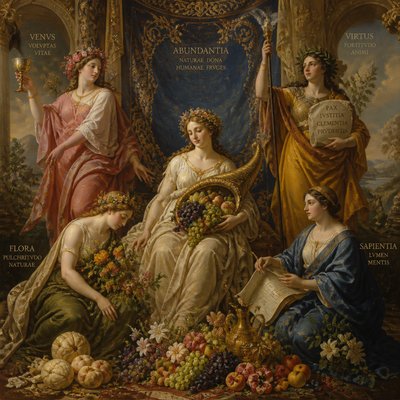
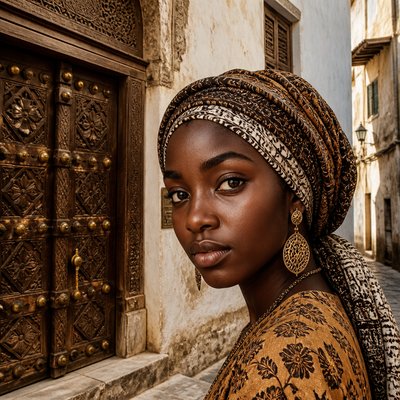
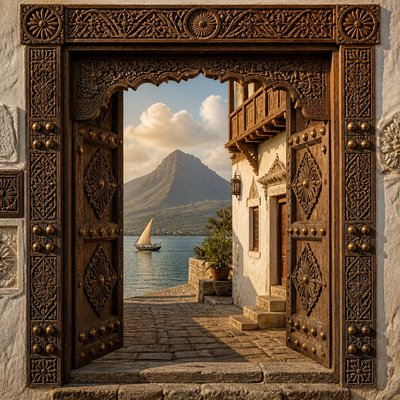
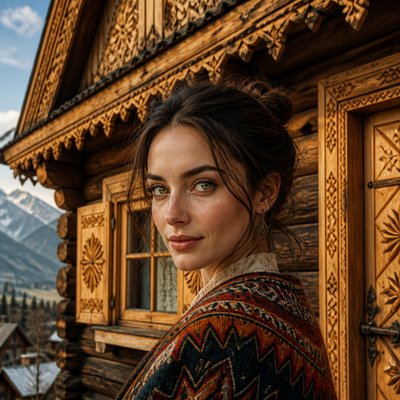
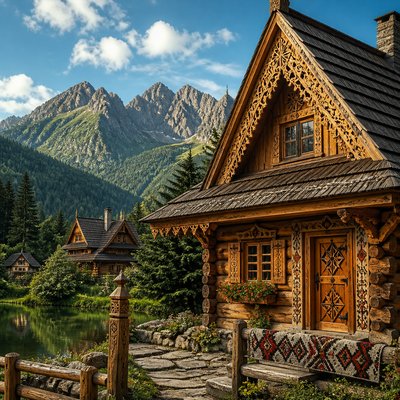
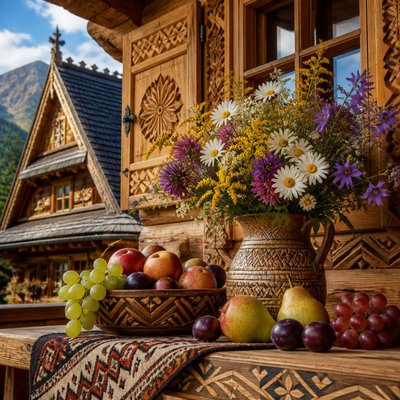
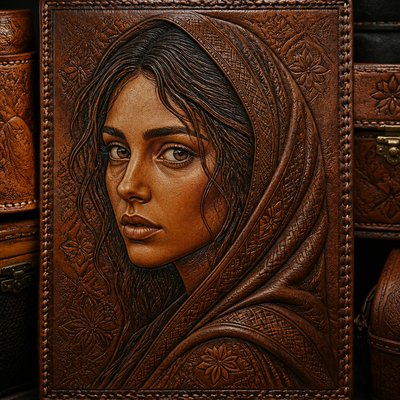
Explore Chilean Art Style: moai silhouettes, Mapuche silverwork, Chiloé shingle churches, and austere Pacific light in a volcanic palette.
Instantly rendered in Chilean — or transform a photo
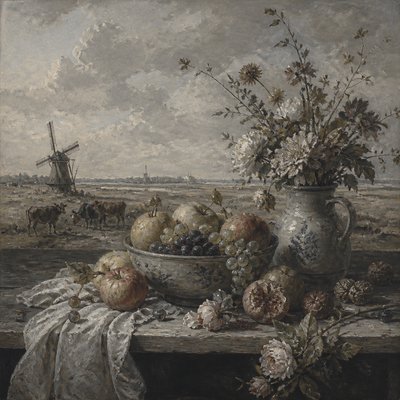
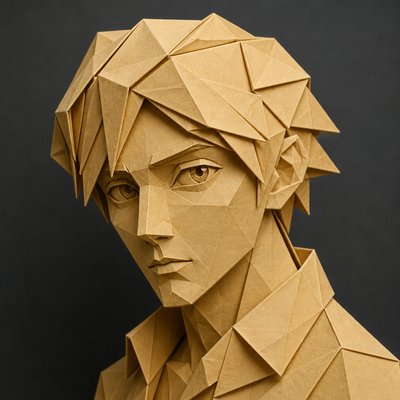
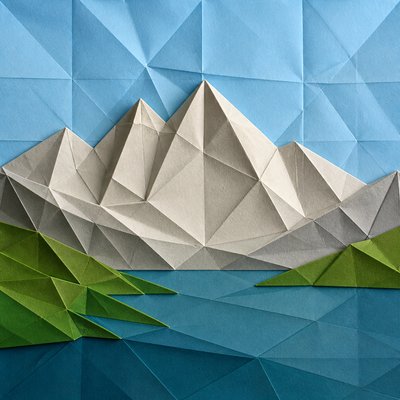
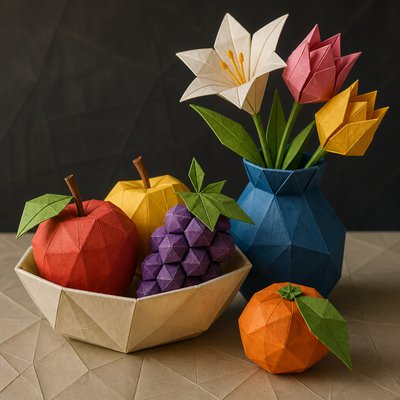
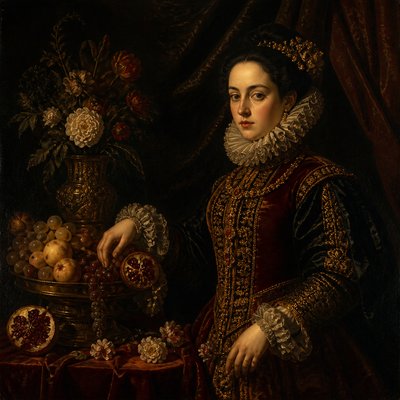
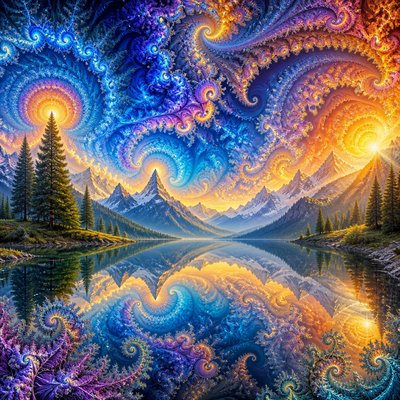
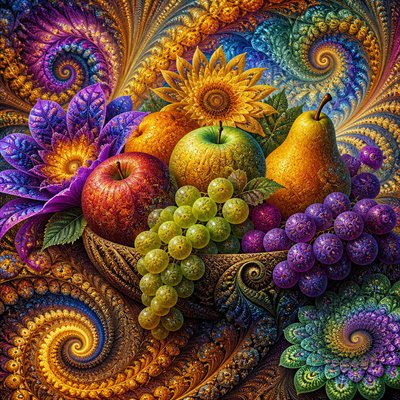
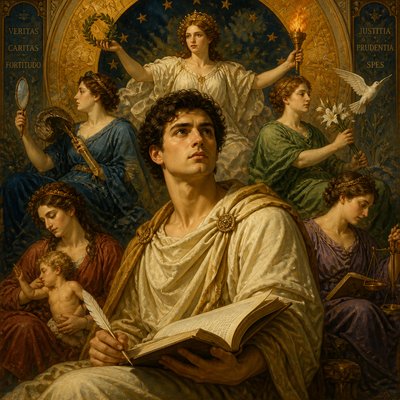
Chilean Gallery
Tap any artwork to explore it
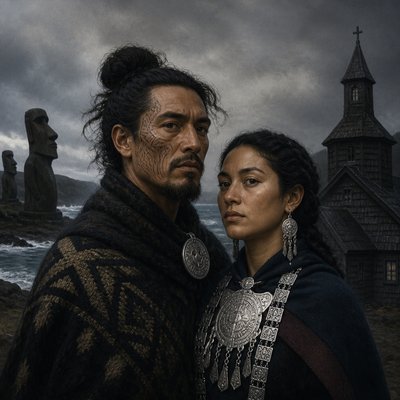
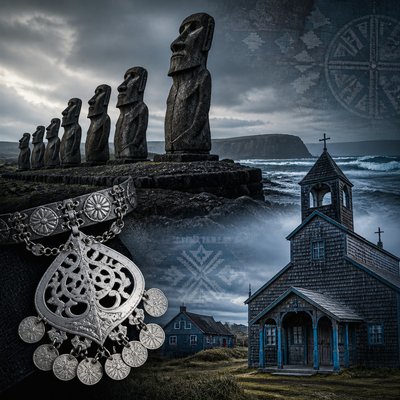
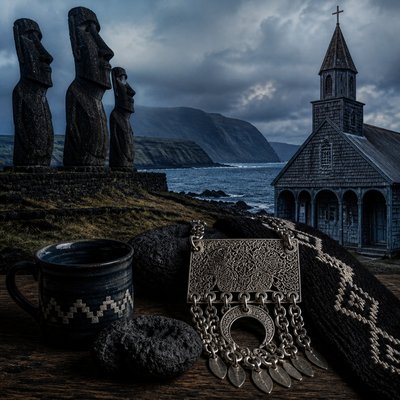
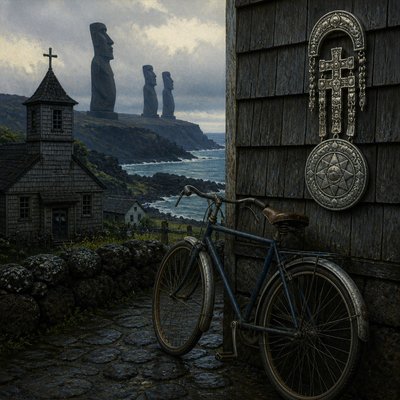
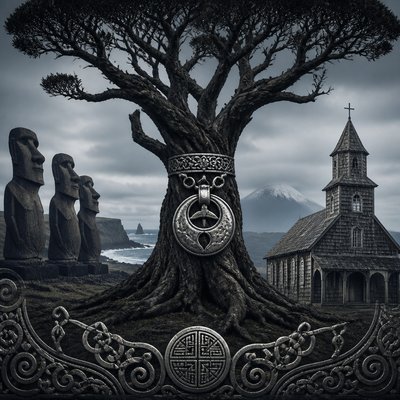
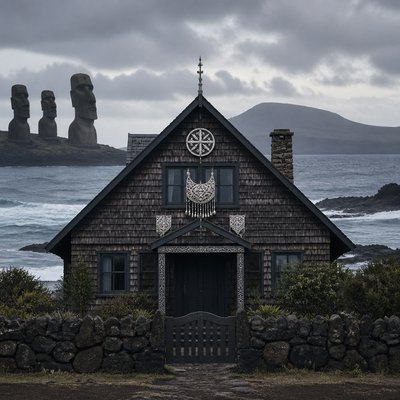
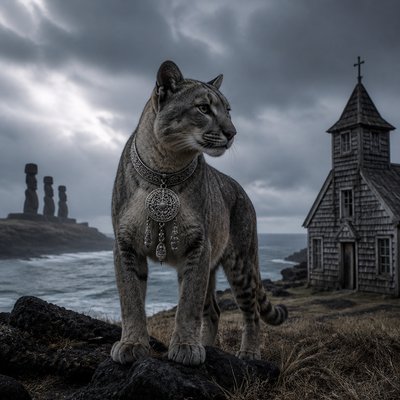
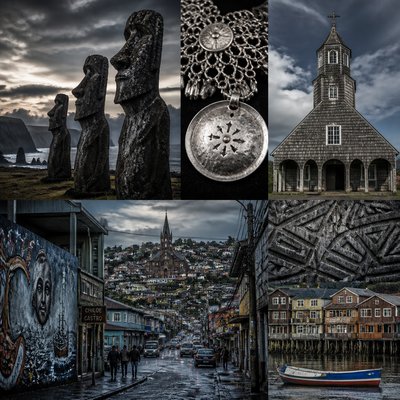
What is Chilean Art Style?
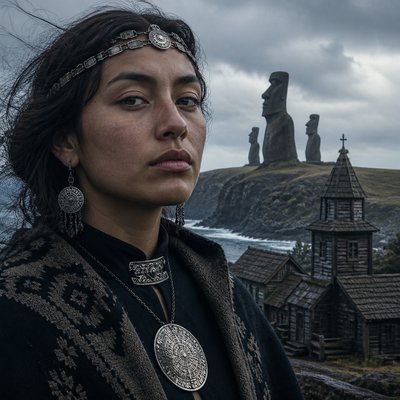
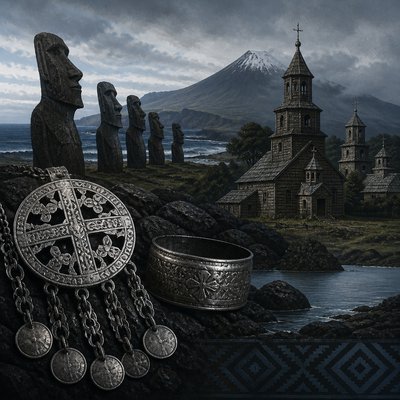
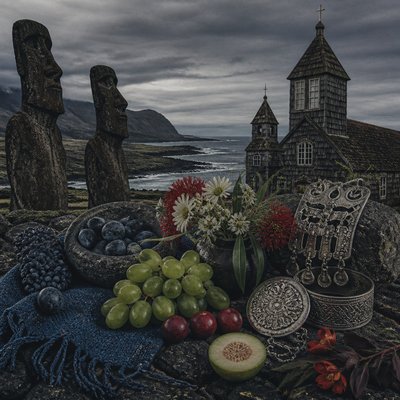
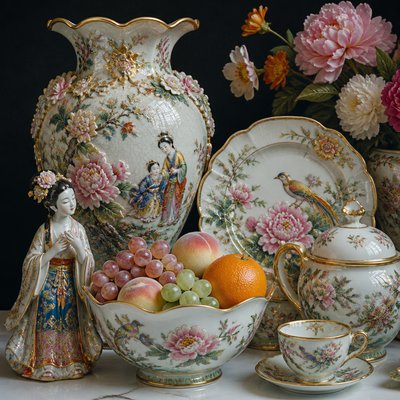
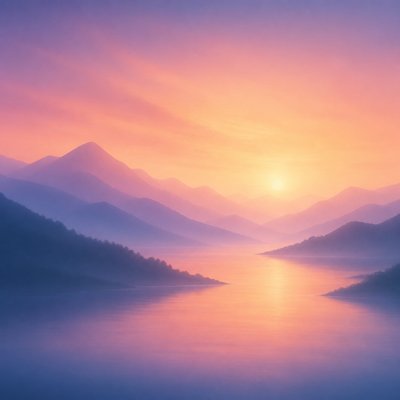
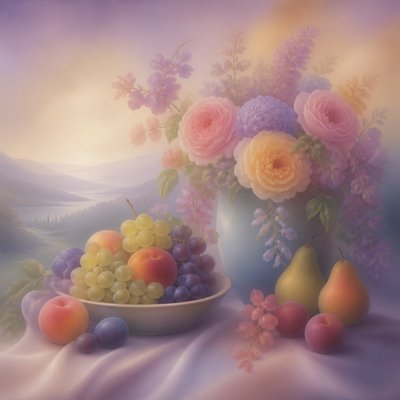
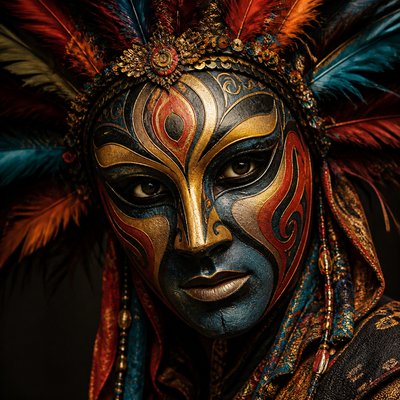
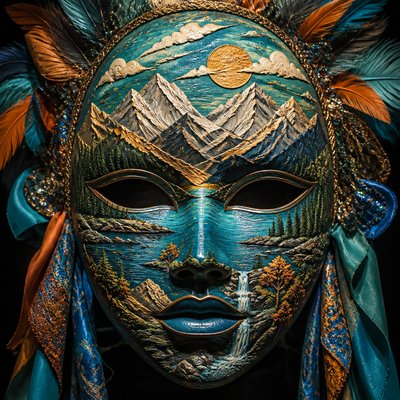
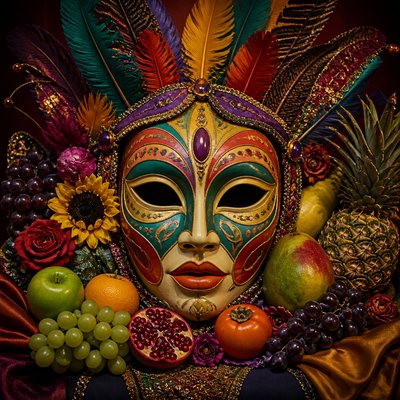
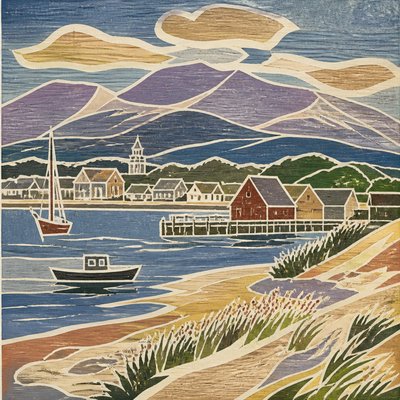
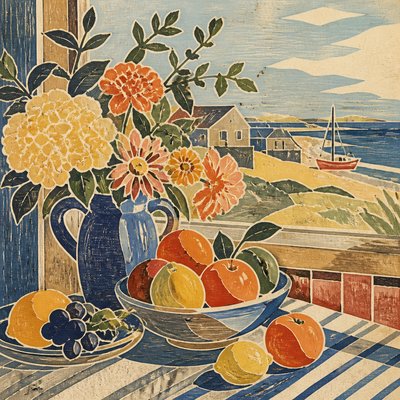
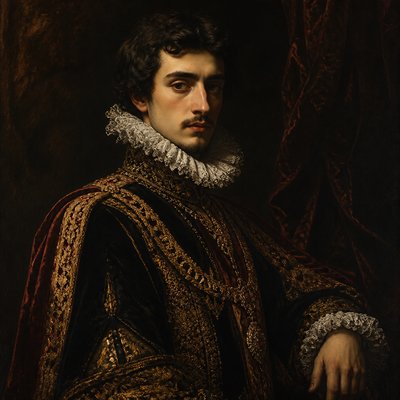
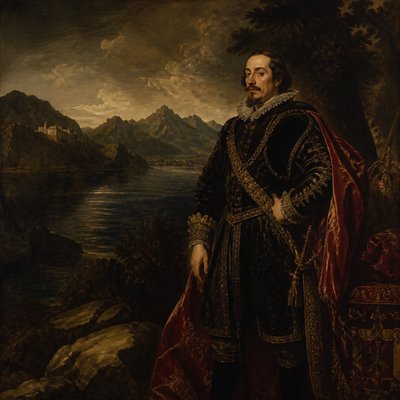
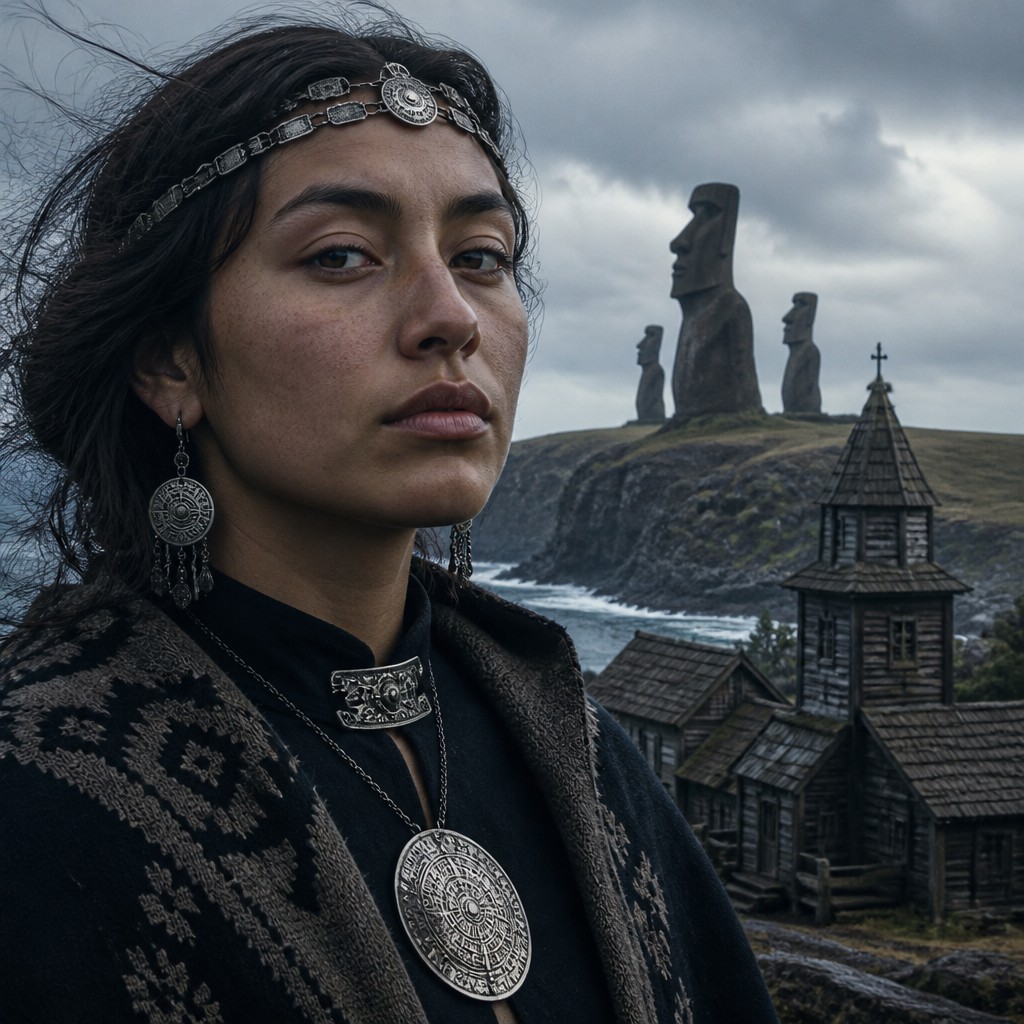
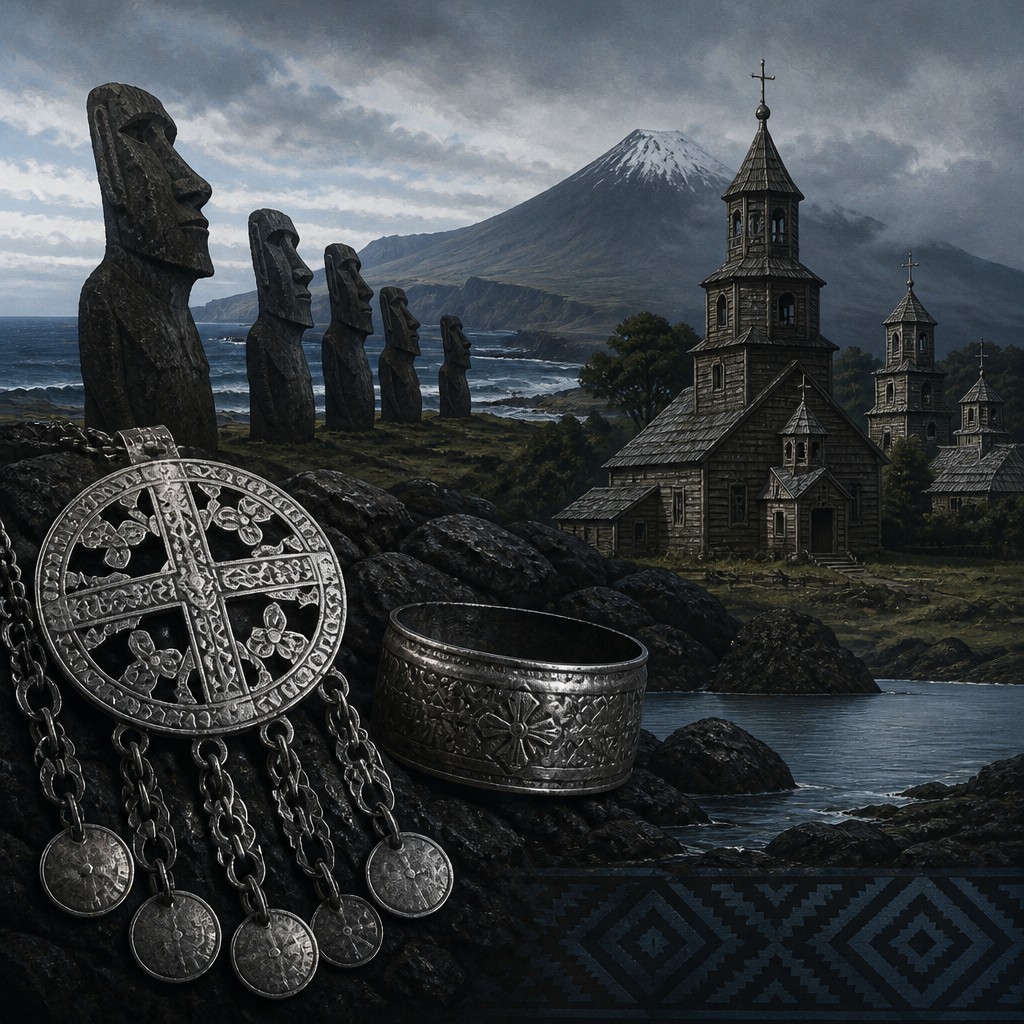
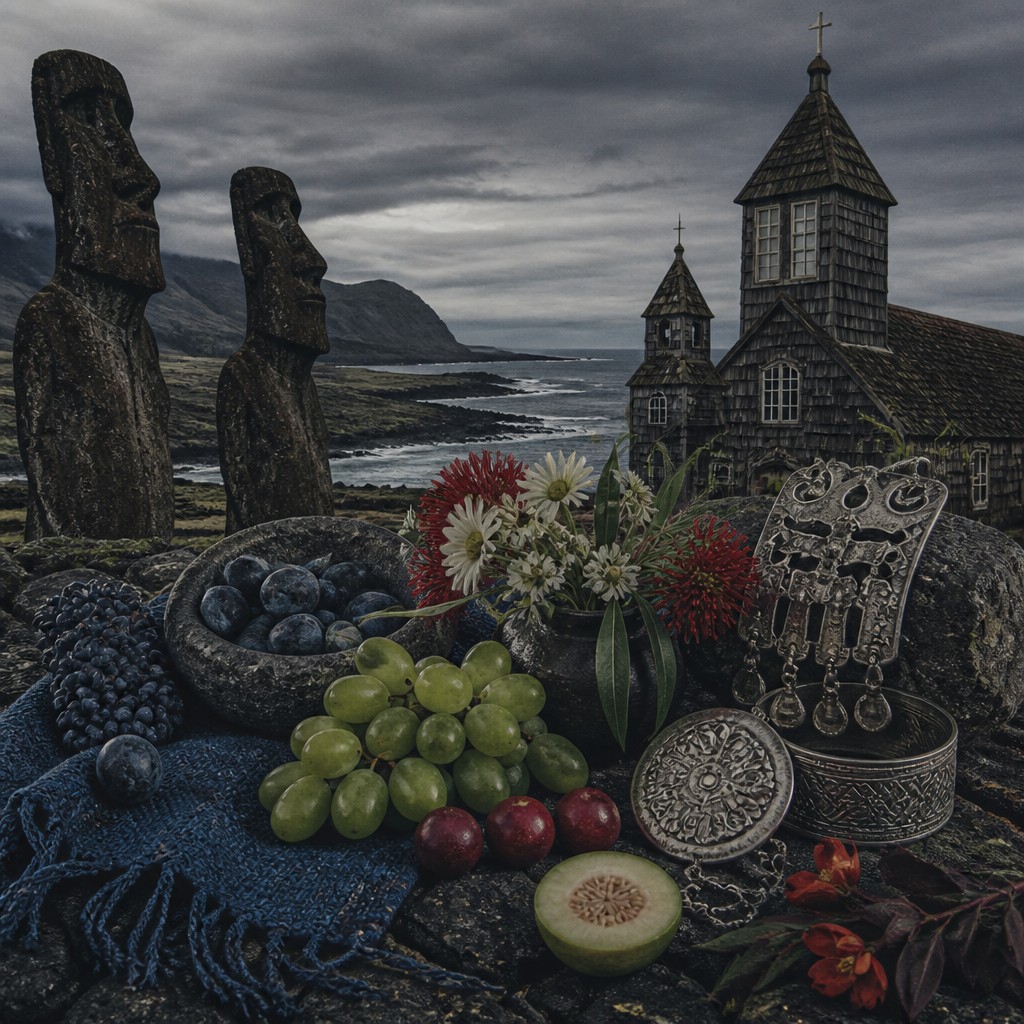
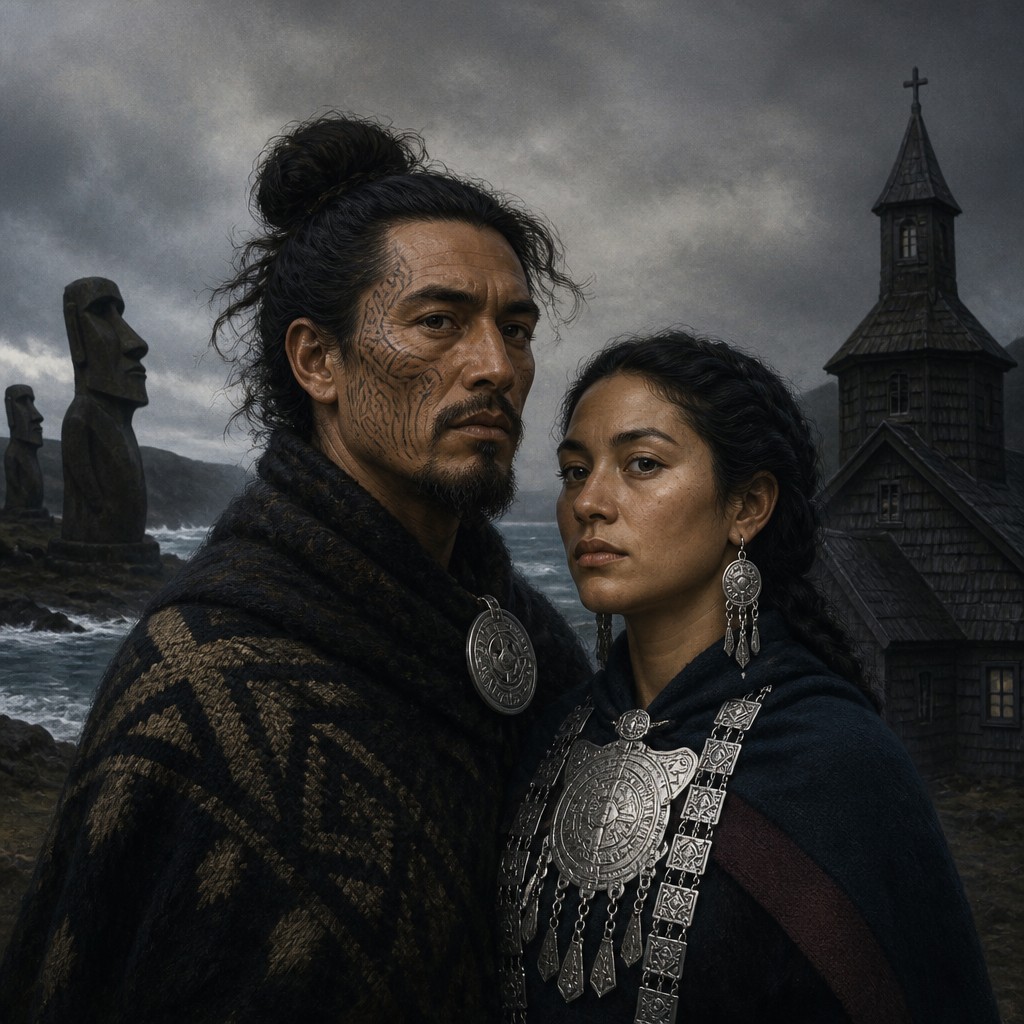
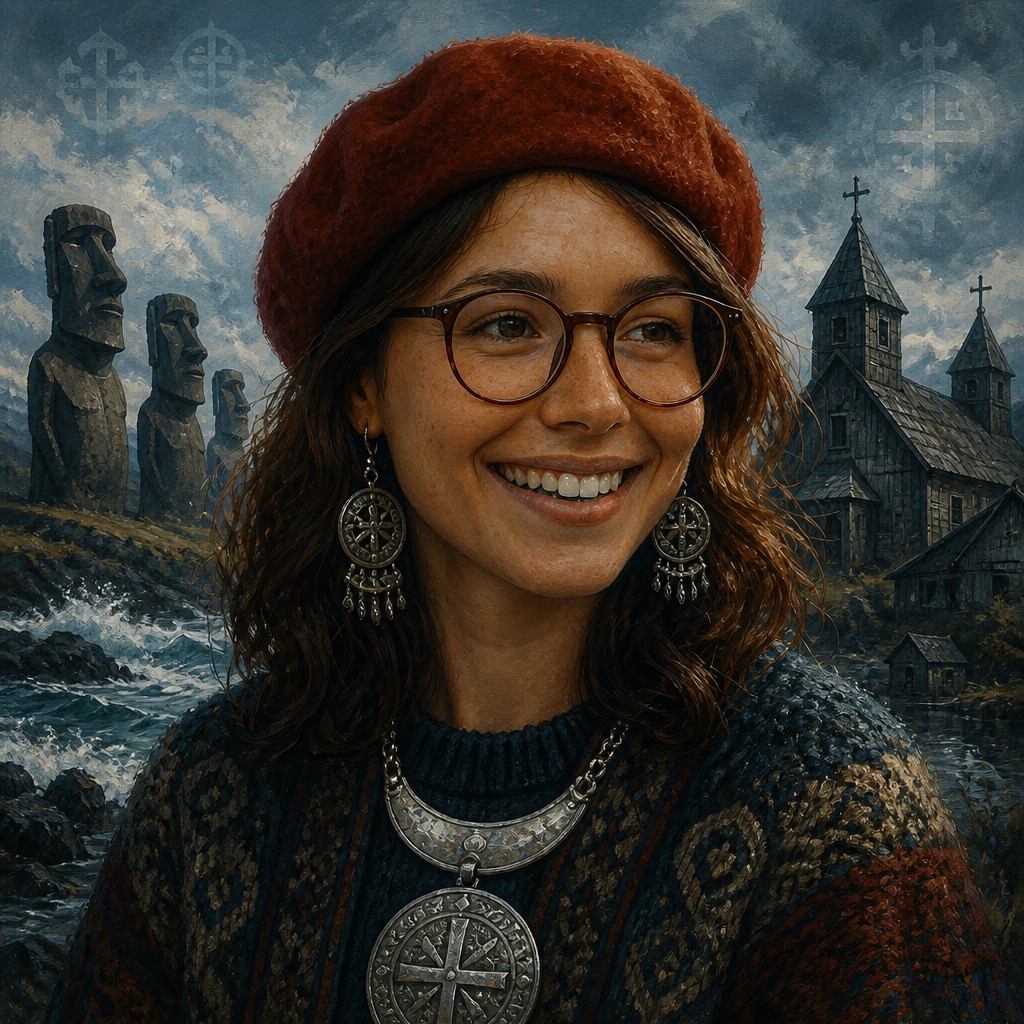
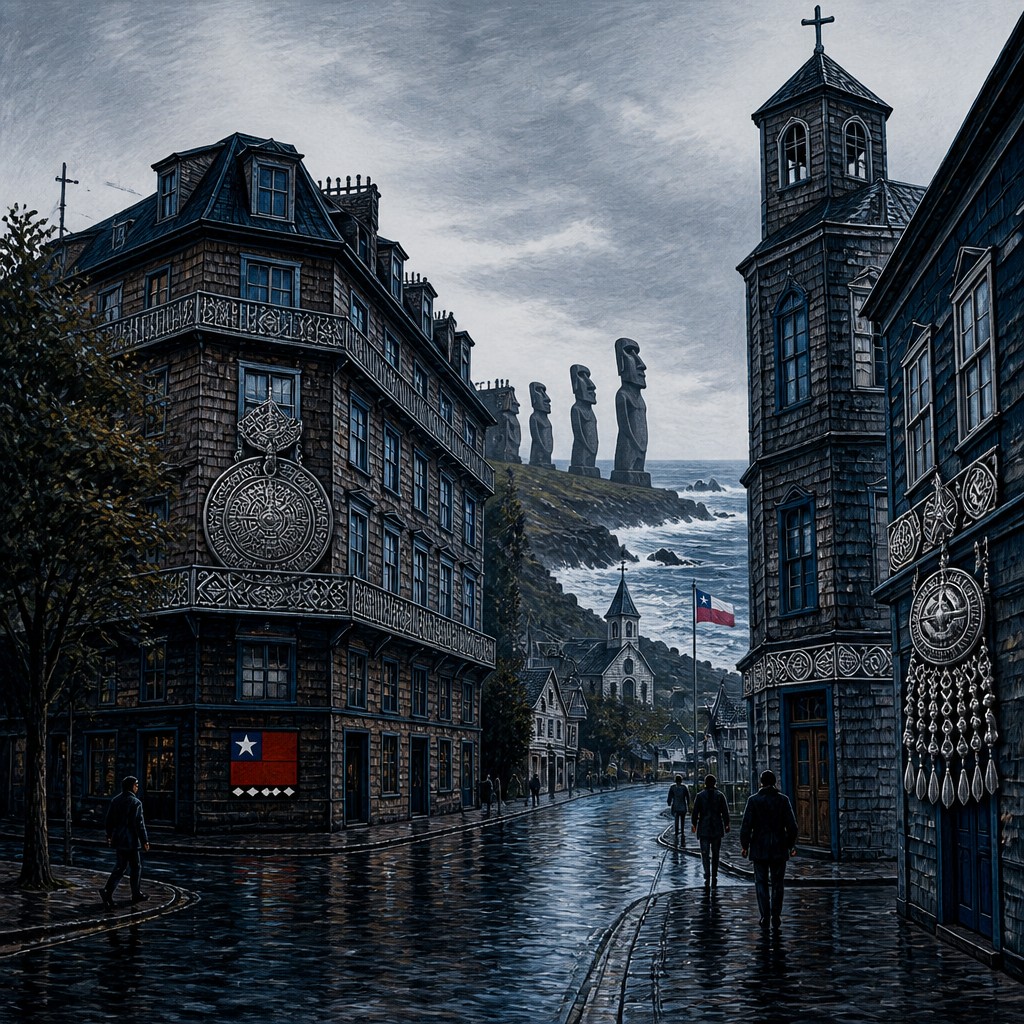
Chilean Art Style is an invented contemporary synthesis rather than a single historical movement. Its visual identity brings together the monumental presence of Rapa Nui moai, the geometric refinement of Mapuche silverwork, the weathered timber architecture of Chiloé, and the restrained atmosphere of Chile’s Pacific and volcanic landscapes.
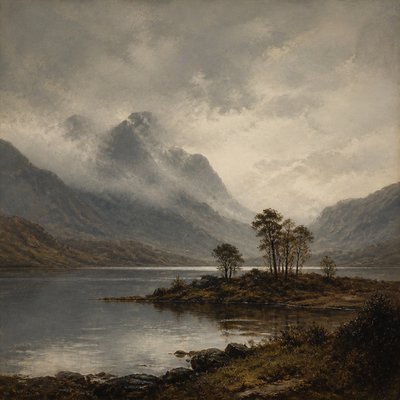
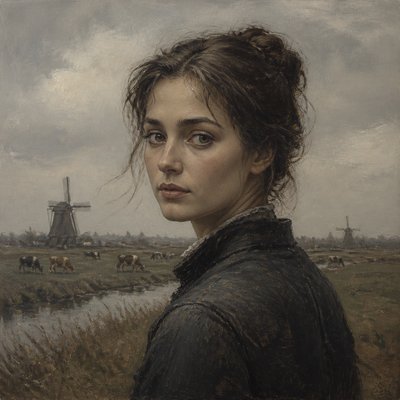
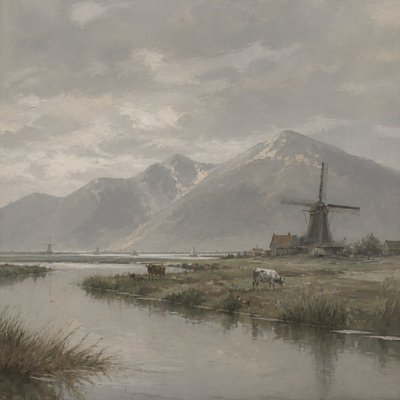
The style is defined by solemn scale, tactile surfaces, and a cool, limited palette. Dark basalt, charcoal timber, oxidized silver, slate, fog white, and cold ocean blue create an austere southern-hemisphere mood, while strong silhouettes and broad areas of grey sky give compositions a sense of distance, endurance, and ritual gravity.
Try It On Your Photos
Upload any photo and convert it into Chilean Art Style — drag the sliders to compare before and after.


What Defines Chilean Art Style
The signature details, up close
Monumental stone silhouettes
Large Rapa Nui-inspired monoliths or volcanic figures appear in profile or frontal alignment, emphasizing mass, stillness, and vertical presence. Surfaces are typically rough, porous, and subtly eroded rather than polished.
Mapuche silver detailing
Layered pendants, discs, chains, and filigree introduce precise metallic pattern into otherwise austere scenes. Hammer marks, oxidized recesses, and cool highlights preserve the sense of hand-worked material.
Chiloé shingle architecture
Wooden churches, chapels, and vernacular buildings are represented through overlapping shingles, steep roofs, timber frames, and visible weathering. Their forms often stand against open water or expansive skies.
Volcanic and maritime materials
Basalt, pumice, black sand, driftwood, tarnished silver, and wet rock provide a tactile vocabulary. Material contrast is central: hard stone against fragile timber, reflective metal against matte cloud.
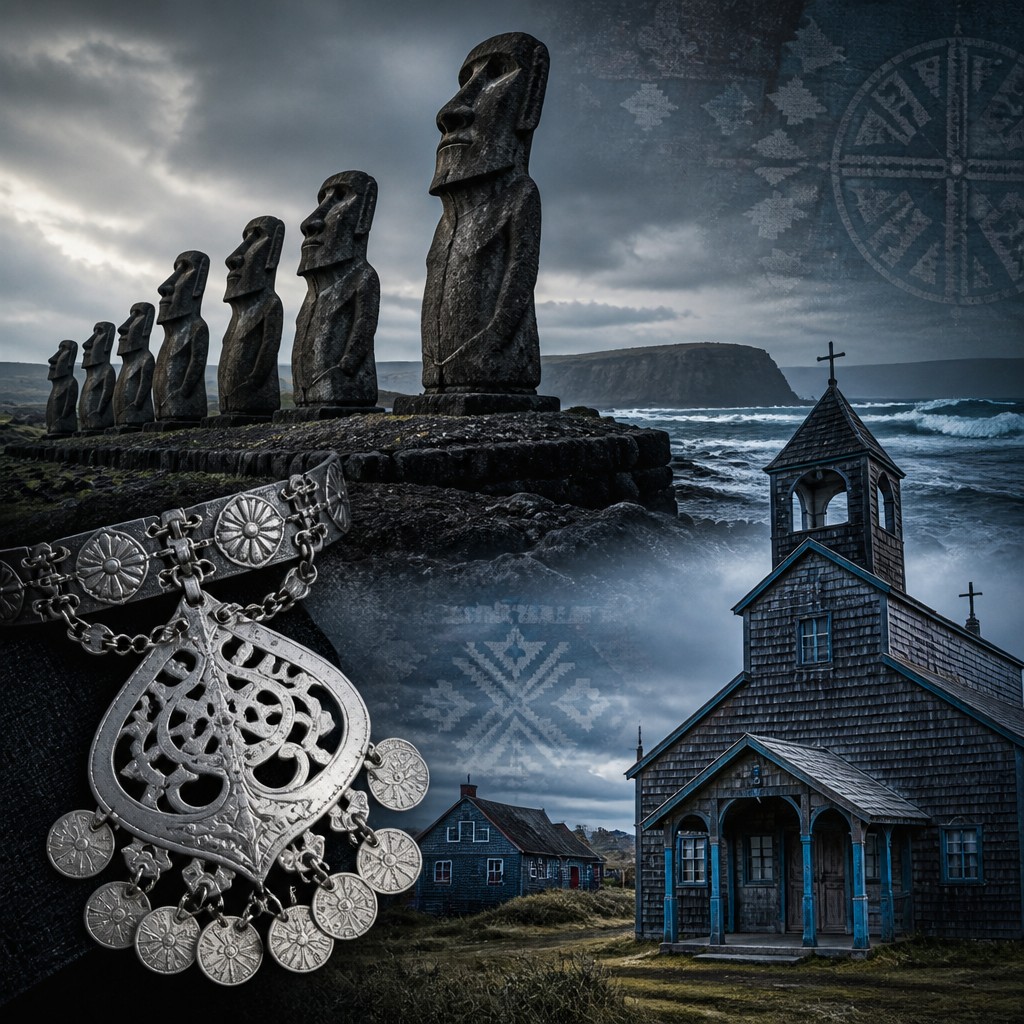
Cold Pacific palette
The dominant colors are charcoal, blue-grey, iron black, muted green, fog white, and restrained silver. Small areas of rust, ochre, or faded red can provide warmth without breaking the subdued atmosphere.
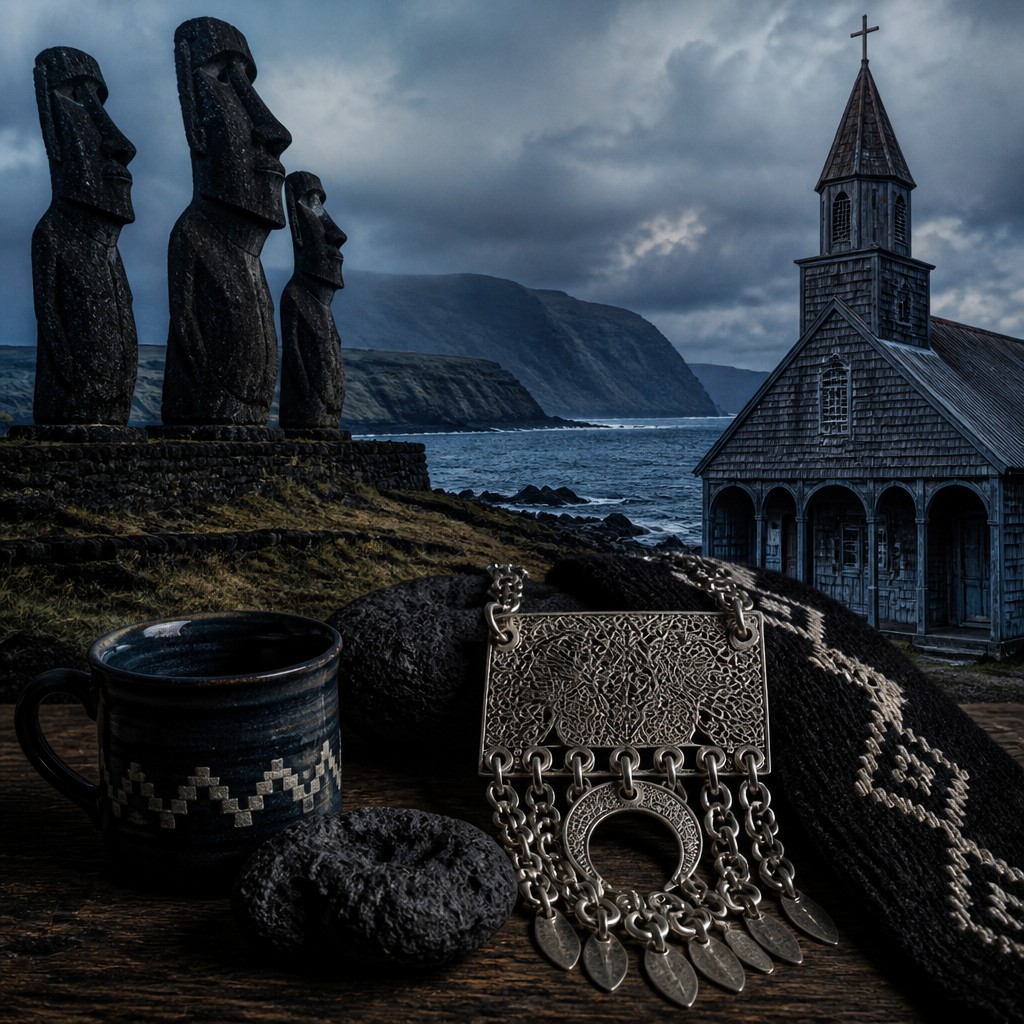
Austere atmospheric composition
Low horizons, broad grey skies, sea mist, diffuse light, and strong negative space create a contemplative sense of scale. Forms are often arranged with ceremonial symmetry or slow visual rhythm.
Chilean Prompt Ideas
Start from an idea — each one opens the generator with the style ready to go. See all 40 Chilean prompts →
How to Create Chilean Art
Master the craft step by step — or skip straight to creating. Read the full guide →
- 1
Build a restrained material palette
Begin with charcoal, slate blue, cold grey, weathered brown, and tarnished silver, then add only one or two muted accent colors. In painting or digital work, reserve the brightest values for mist, metal edges, or reflected ocean light.
- 2
Emphasize texture by hand
Use dry-brush, scumbling, rubbed graphite, impasto, or textured digital brushes to suggest porous volcanic stone and aged timber. Add fine linework separately for shingle courses, silver filigree, and hammered ornament.
- 3
Organize the composition around scale
Place a monumental vertical form, a low timber structure, or a distant coastline against a large field of sky. Use small human figures sparingly to establish proportion rather than to make the scene narrative-heavy.
- 4
Control atmosphere and light
Favor overcast illumination, soft shadows, sea haze, and cool reflected light. Layer translucent grey-blue veils over distant forms while keeping foreground stone, wood grain, or metalwork sharply legible.
- 5
Write precise image prompts
Specify the subject, material, Chilean geographic reference, weather, palette, and composition separately; for example, request a shingled island chapel, volcanic shore, low horizon, fog, oxidized silver details, and subdued blue-grey light. For photo transformations, preserve the original subject’s anatomy and structure while applying material texture, atmospheric color, and architectural or sculptural motifs selectively.
The Story
History & Origins of Chilean
There is no established historical movement called Chilean Art Style. Its aesthetic lineage draws from several distinct cultural and material traditions: Rapa Nui monumental sculpture, Mapuche metalwork and textile geometry, Chiloé’s vernacular wooden churches, and the landscape traditions associated with Chile’s Pacific coast, volcanic regions, and southern archipelagos.
These sources developed in different places and periods and should not be treated as a single unified Indigenous style. In contemporary visual practice, they are often recombined as a place-based, atmospheric language that emphasizes weathering, craftsmanship, sacred or communal architecture, and the dramatic relationship between land and ocean.
Influences: The style relates to Rapa Nui monumental sculpture, Mapuche jewelry and geometric craft traditions, Chiloé vernacular and ecclesiastical timber architecture, Andean and southern Pacific material culture, maritime landscape painting, documentary photography, tonalism, and contemporary environmental art. It also shares with brutalist and earth-centered visual languages an interest in mass, weathering, limited color, and the expressive force of raw materials.
Frequently Asked Questions
What defines Chilean Art Style?
It is defined by a synthesis of monumental volcanic forms, Mapuche-inspired silver ornament, Chiloé shingle architecture, and cool Pacific atmosphere. Its core qualities are tactile materials, strong silhouettes, subdued colors, and a solemn sense of landscape scale.
Is Chilean Art Style a recognized historical art movement?
No. The term describes a contemporary or AI-native aesthetic category, not a documented historical movement with a fixed period or school. It combines visual references from several distinct Chilean cultural and geographic traditions.
How is it different from Andean or general Latin American art?
This style focuses specifically on Chilean coastal, volcanic, southern, and island references, especially Rapa Nui, Mapuche, and Chiloé sources. Its atmosphere is generally cooler and more maritime, with greater emphasis on fog, dark timber, volcanic stone, and Pacific horizons.
Can I create this style with traditional media?
Yes. Charcoal, graphite, oil, acrylic, watercolor, collage, and mixed media can all reproduce its tonal restraint and material contrasts. Use dry or granular marks for stone, repeated linear marks for shingles, and precise metallic linework for silver ornaments.
What subjects work well in this style?
Coastal architecture, volcanic landscapes, monumental stone forms, silver jewelry, island villages, lighthouses, and portraits set against misty shorelines are particularly effective. Quiet compositions with one dominant form usually fit better than crowded scenes.
How can digital image-making preserve cultural specificity?
Name the particular tradition or place being referenced rather than treating all Chilean Indigenous and regional motifs as interchangeable. Keep recognizable materials and architectural forms grounded in their sources, avoid inventing sacred symbols, and use the aesthetic as a study of atmosphere and craft rather than as a generic exotic ornament.
Create your first Chilean artwork
Describe anything — or upload a photo — and see it in Chilean Art Style in seconds.
Related Styles
Discover similar art styles