Burmese Art Style
Explore Burmese art style: Bagan temples, gilded spires, teak carving, lacquer patterns, and sequined kalaga textures in warm devotional color.
Instantly rendered in Burmese — or transform a photo
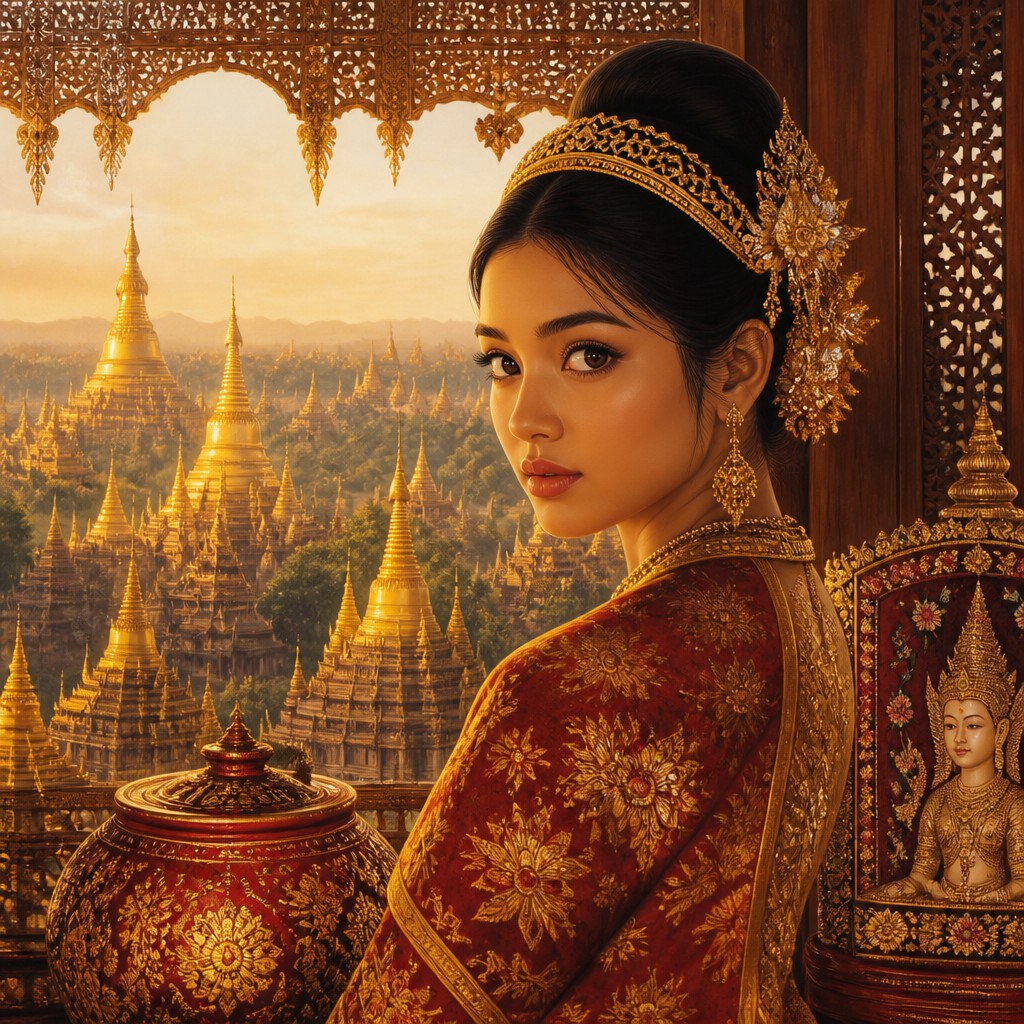
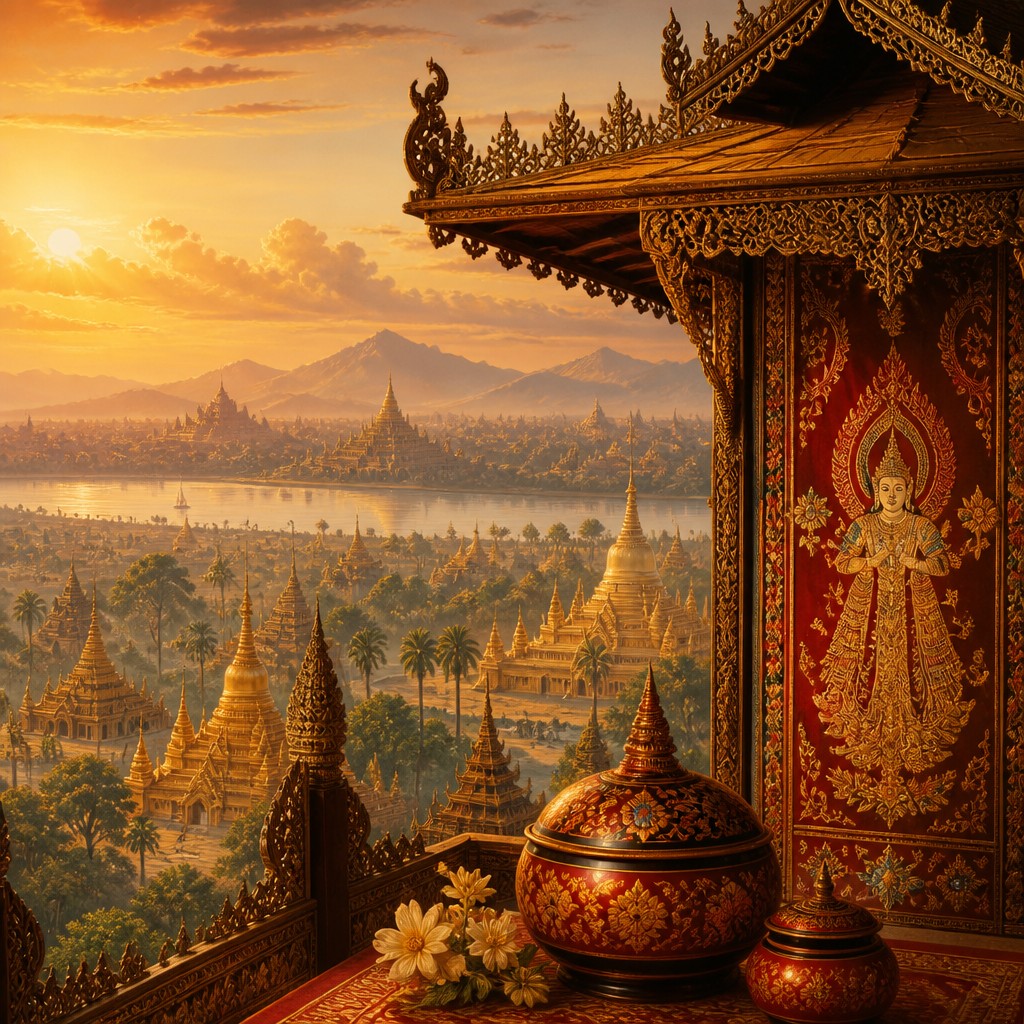
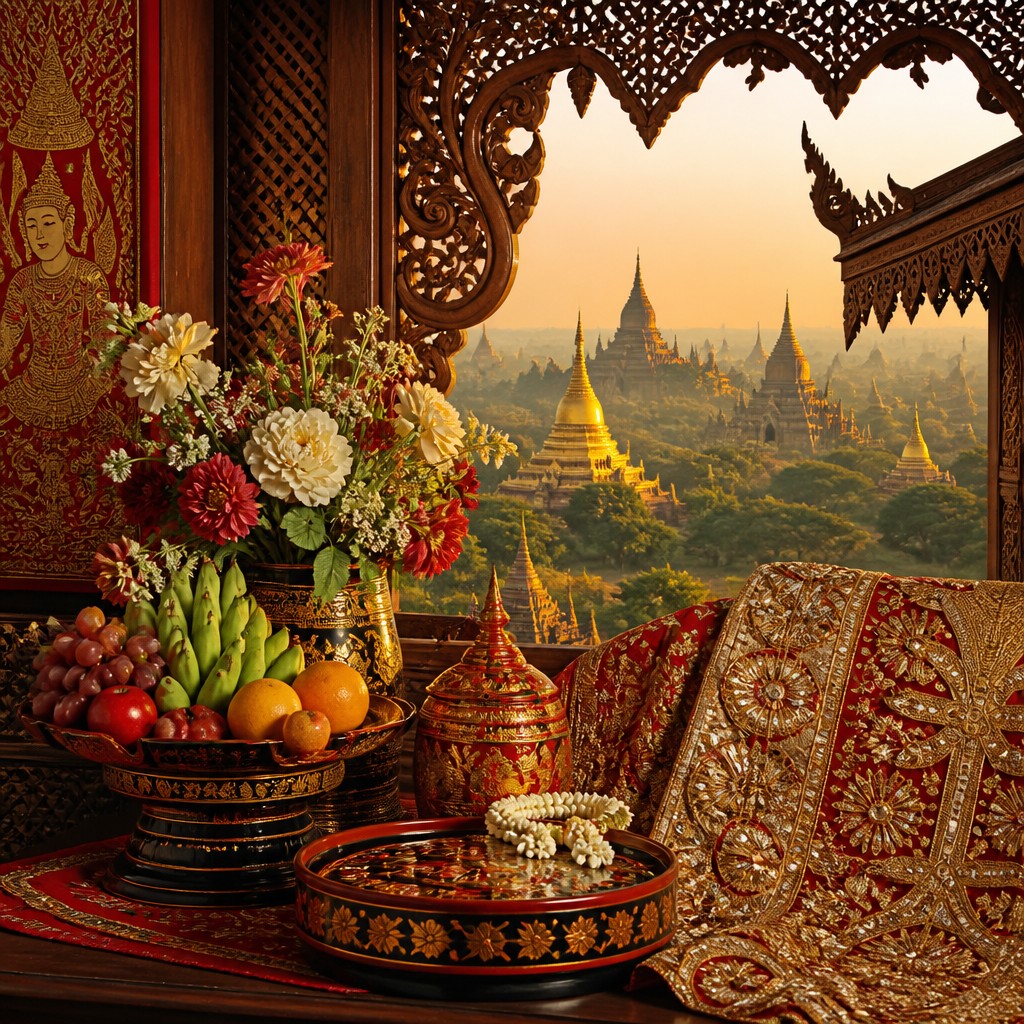
Burmese Gallery
Tap any artwork to explore it
What is Burmese Art Style?
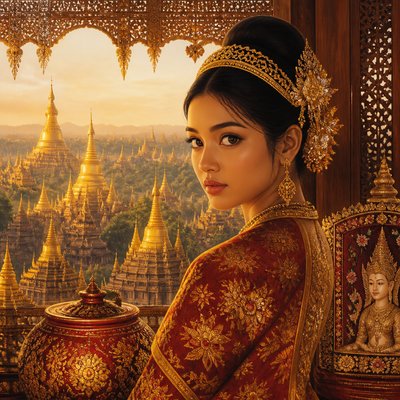
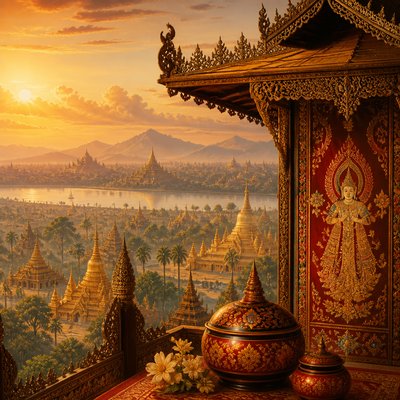
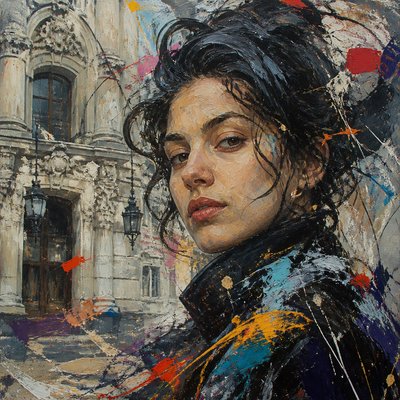
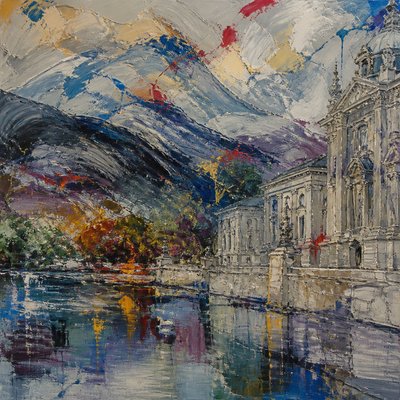
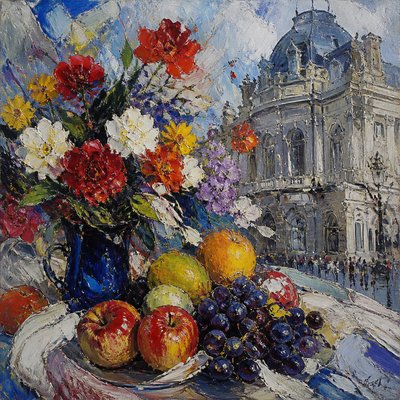
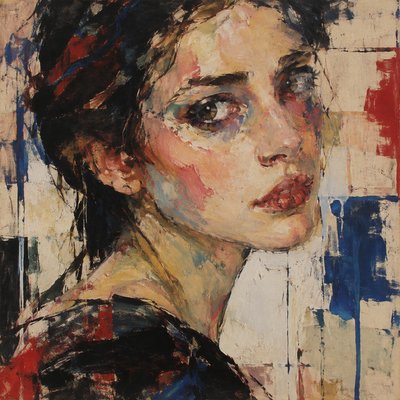
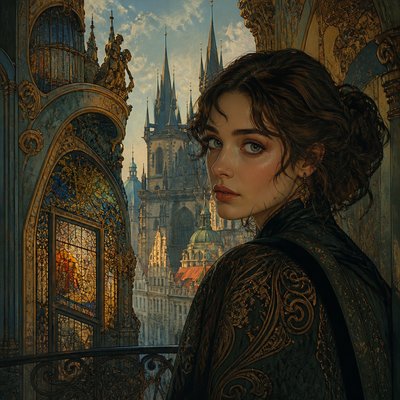
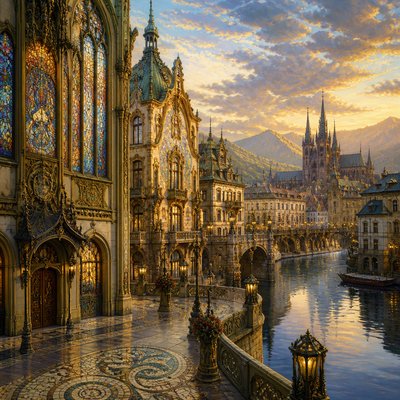
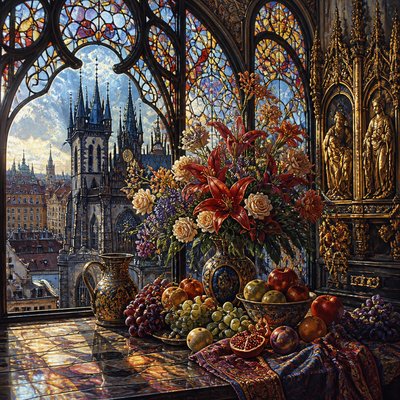
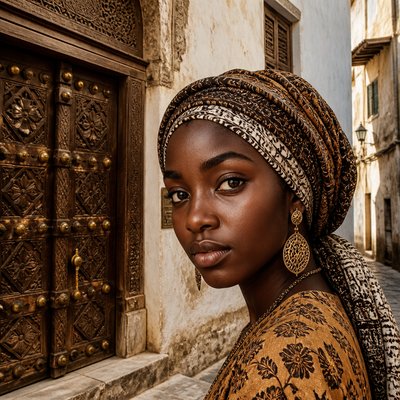
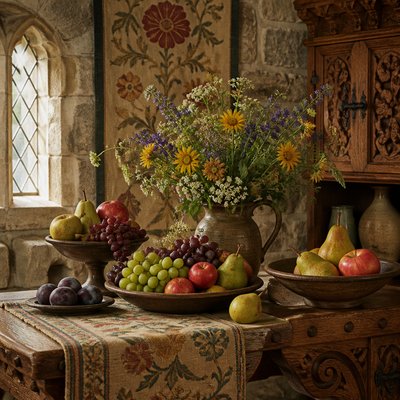
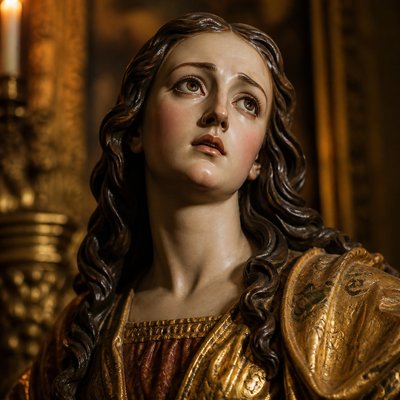
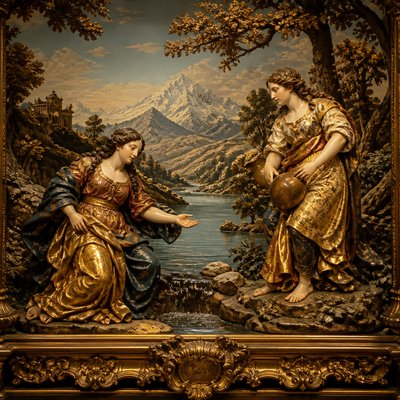
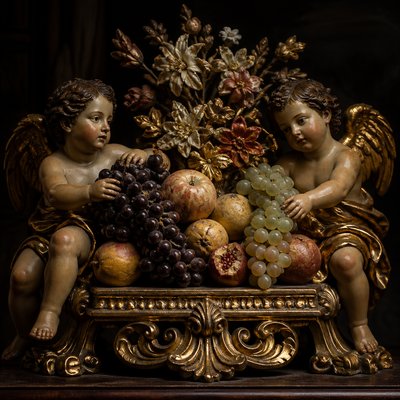
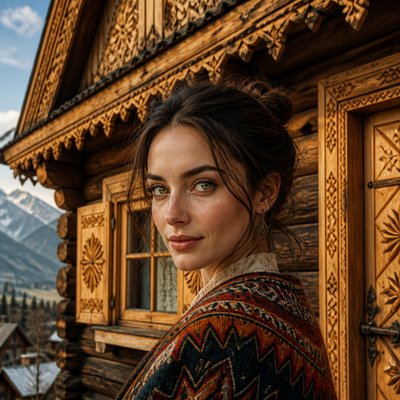
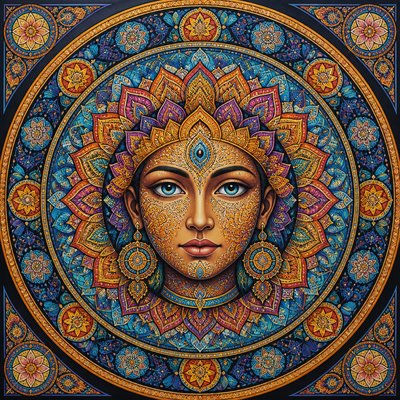
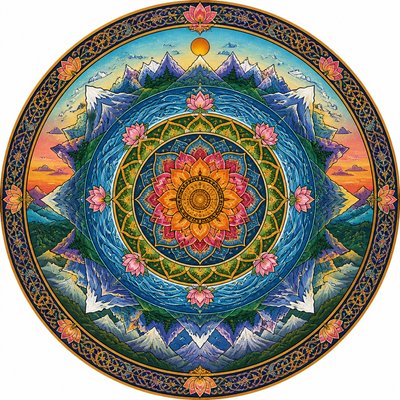
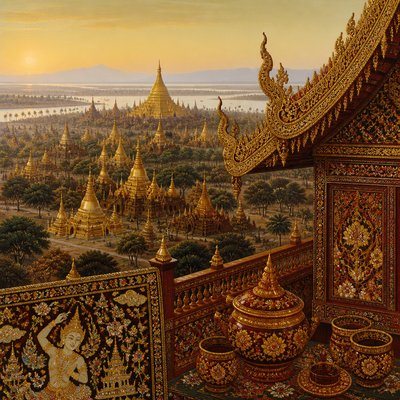
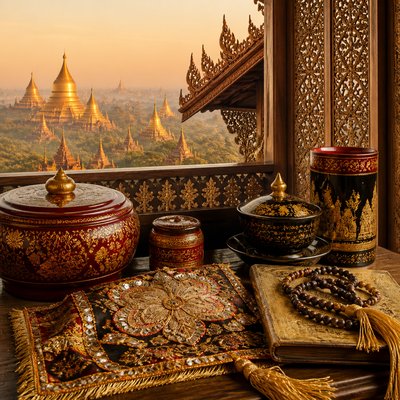
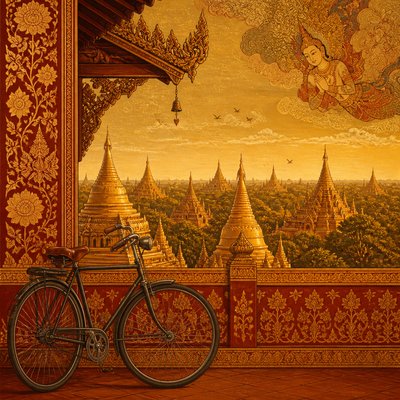
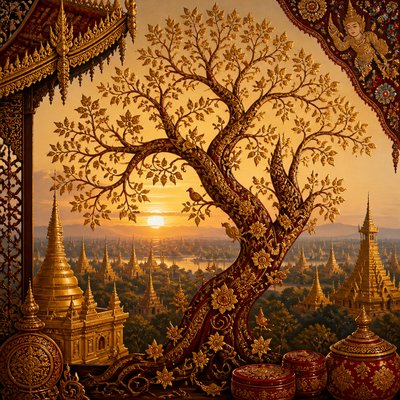
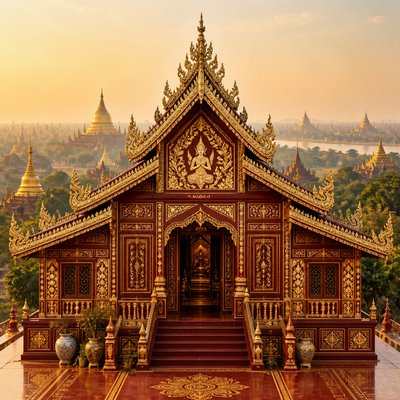
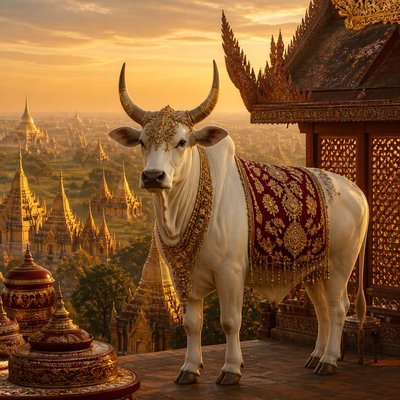
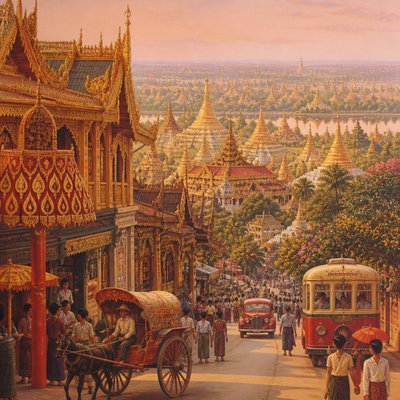
Burmese Art Style is a richly ornamental visual language associated with Myanmar’s Buddhist architecture, courtly crafts, devotional objects, and textile traditions. Its imagery is characterized by gilded temple spires, layered roofs, carved teak screens, red-and-gold lacquer, floral ornament, and shimmering appliqué surfaces. Dawn light, river-plain haze, and warm devotional radiance often unify these elements into a ceremonial atmosphere.
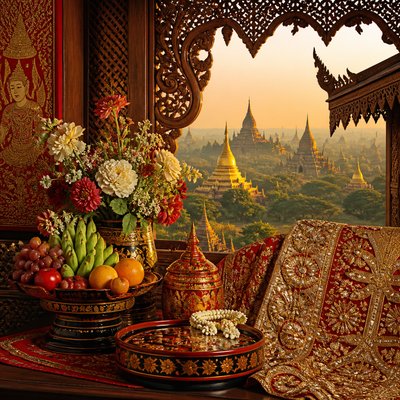
The style is not a single historical movement but a contemporary synthesis of several Burmese visual traditions. It emphasizes rhythmic repetition, frontal or symmetrical composition, intricate surface detail, and a close relationship between architecture and ornament. Gold leaf, lacquer gloss, carved pattern, embroidered sequins, and saturated reds create a tactile impression even when the work is rendered digitally.
Try It On Your Photos
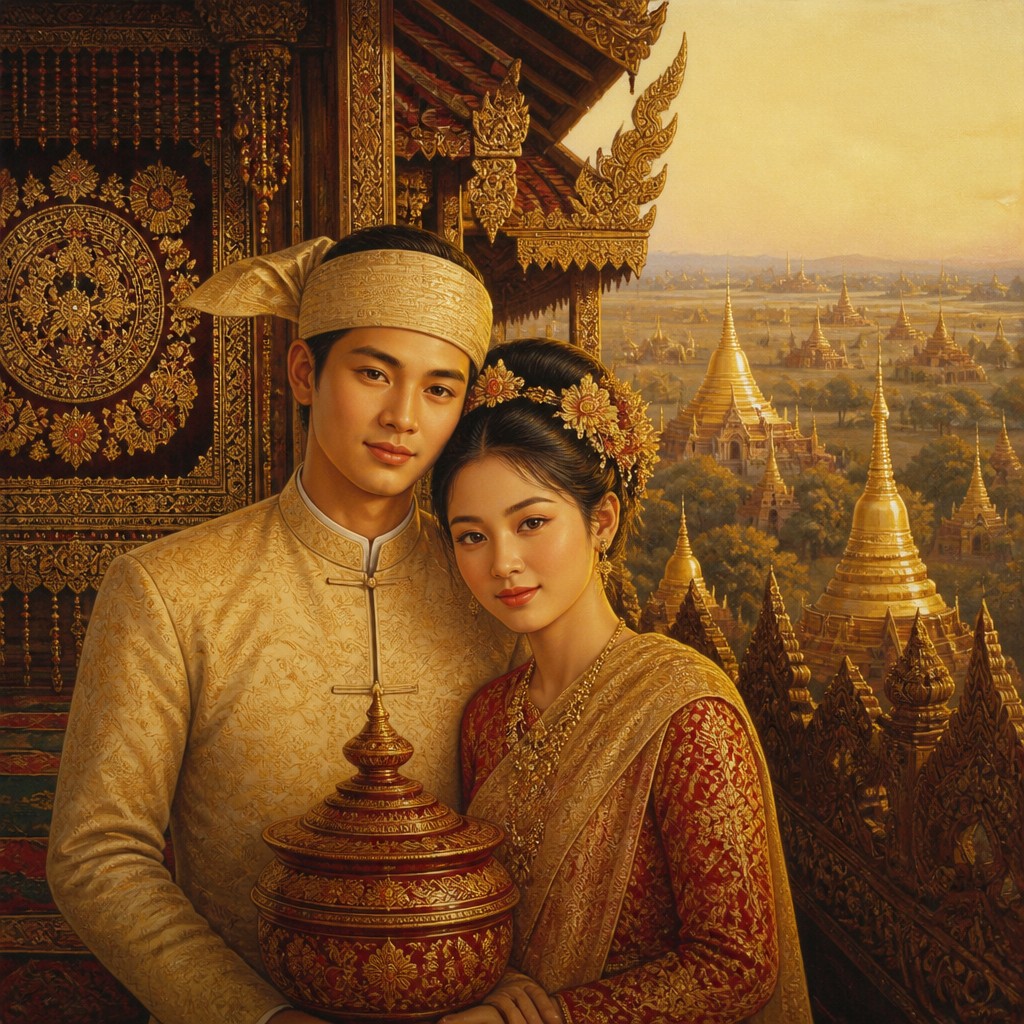
Upload any photo and convert it into Burmese Art Style — drag the sliders to compare before and after.
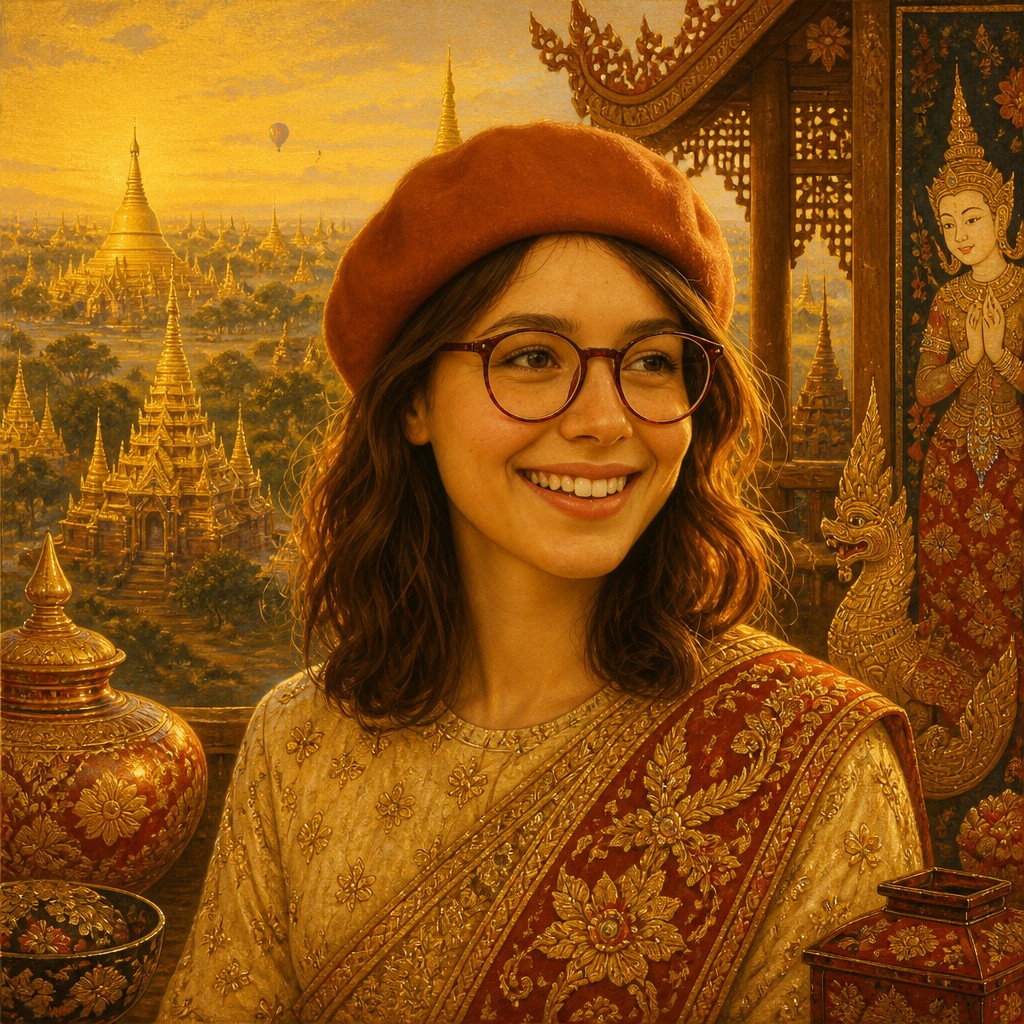

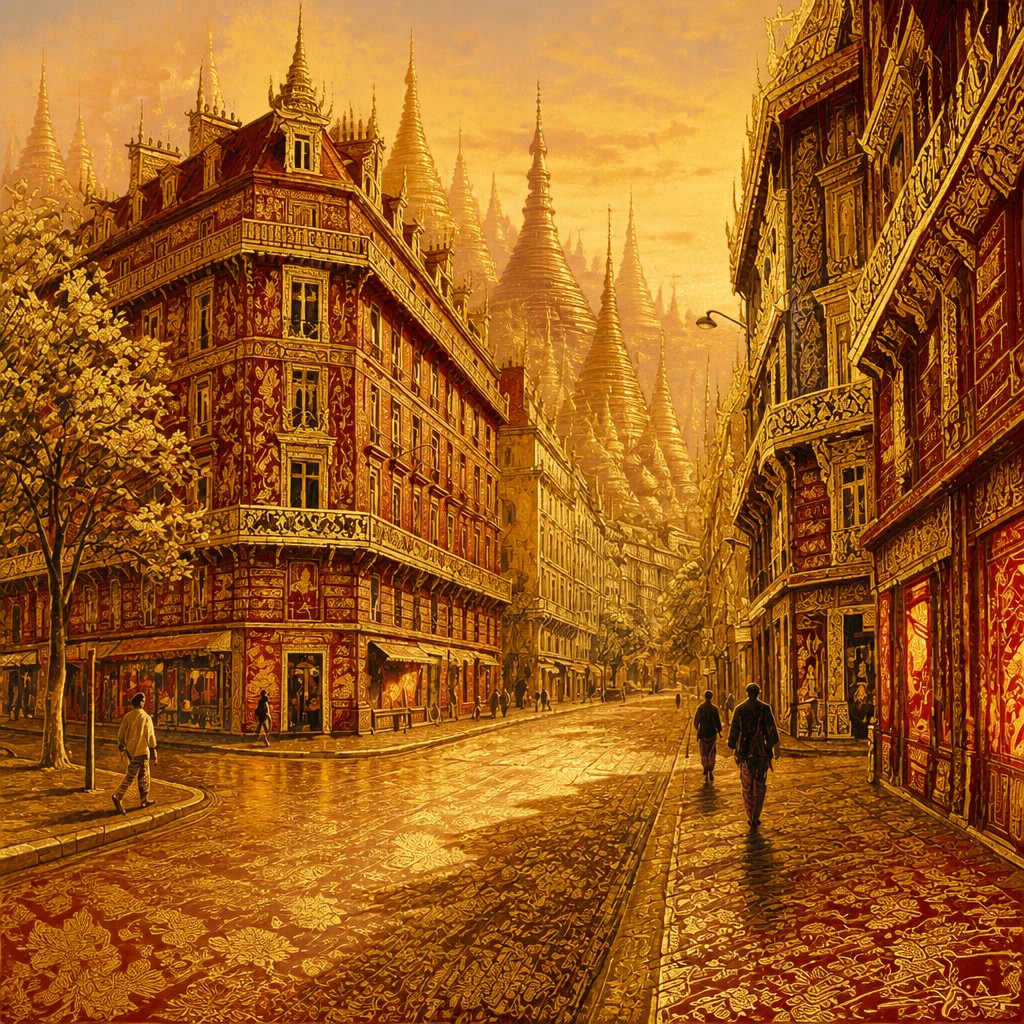

What Defines Burmese Art Style
The signature details, up close
Gilded temple silhouettes
Bell-shaped stupas, tapering zedi spires, tiered roofs, and finials create a strongly vertical skyline. Gold surfaces are often contrasted with brick, shadowed recesses, and a hazy sky.
Lacquer red and gold
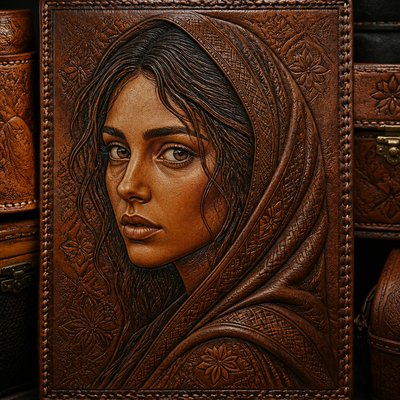
Glossy vermilion, deep black, amber, and metallic gold evoke Burmese lacquerware. Fine floral inlay, incised lines, and repeated borders give broad surfaces a dense ornamental rhythm.
Teak carving and lattice
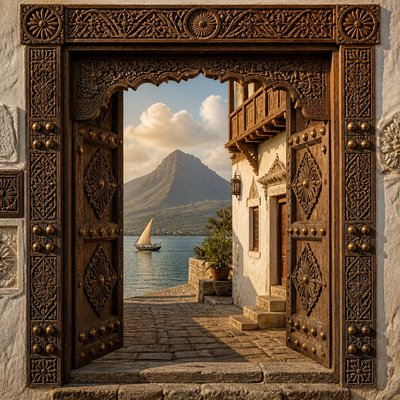
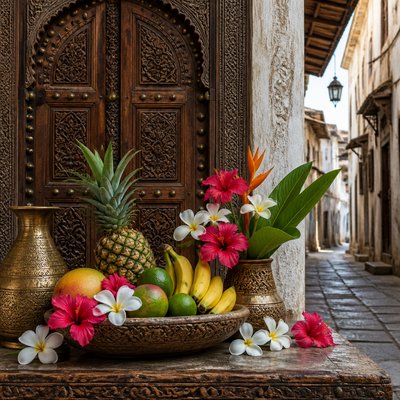
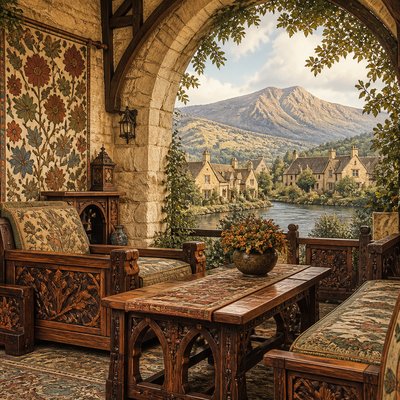
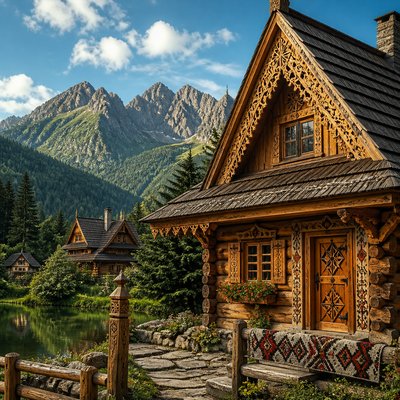
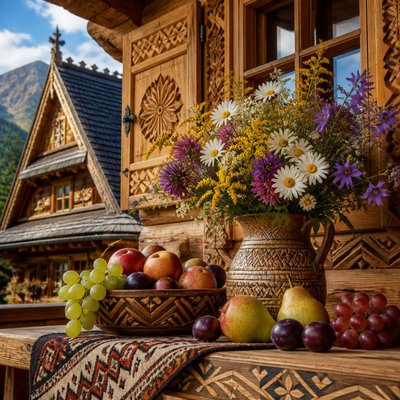
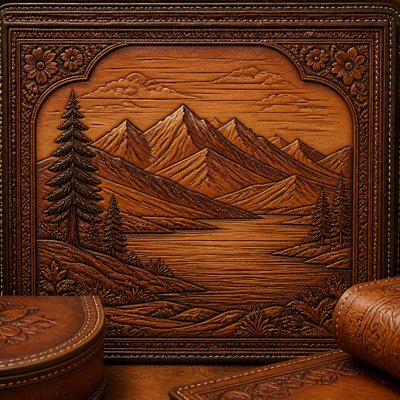
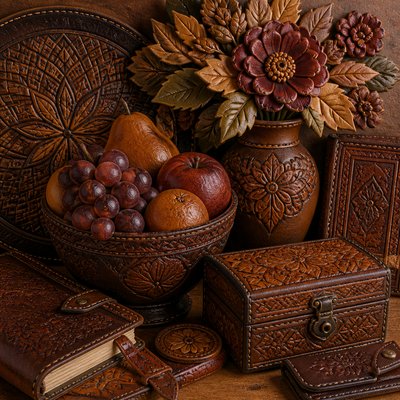
Openwork screens, brackets, doors, balustrades, and roof details introduce warm wood grain and precise geometric or vegetal carving. Recessed shadows help the carved patterns remain legible.
Kalaga-like textile ornament
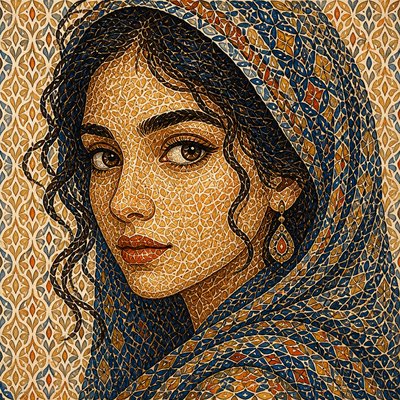
Raised appliqué, metallic thread, beads, and sequins suggest the dimensional richness of Burmese embroidered wall hangings. Decorative figures and floral motifs may appear against saturated textile grounds.
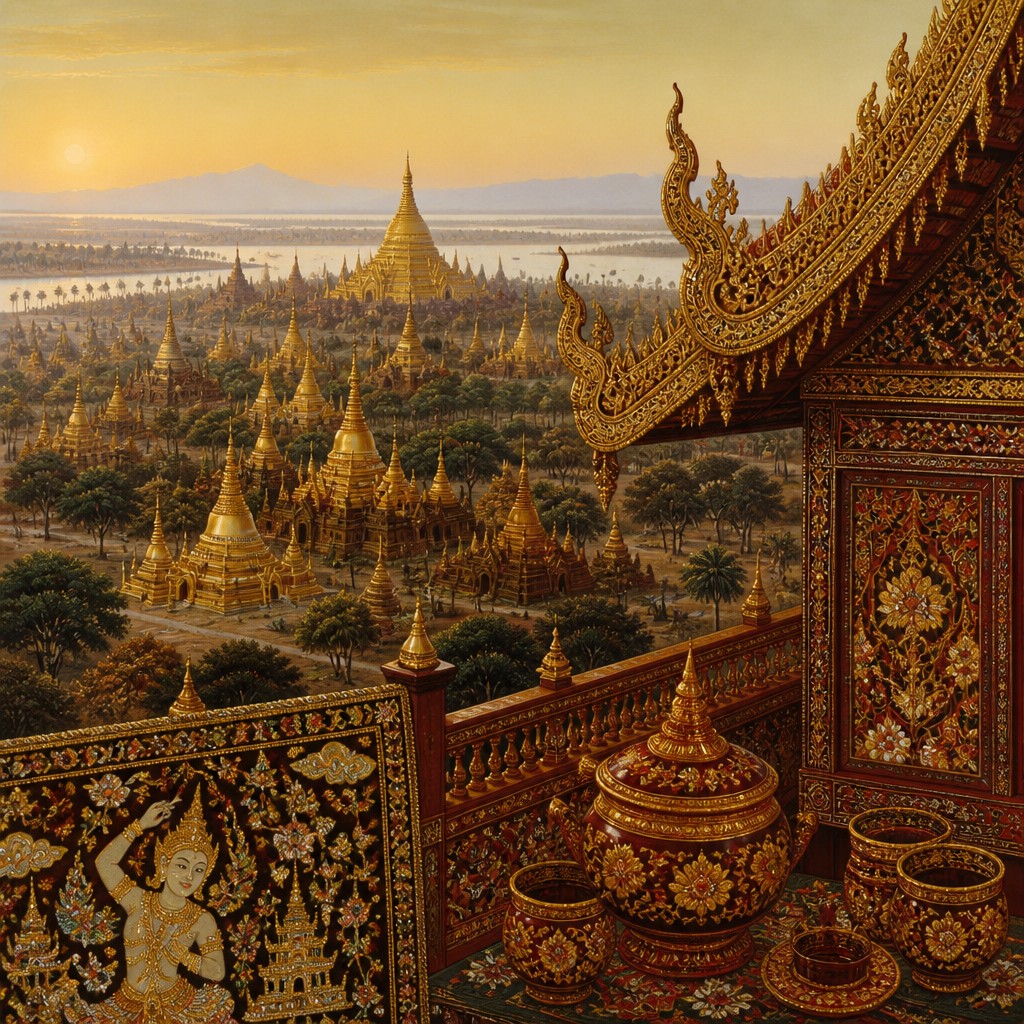
Devotional atmosphere
The visual mood is contemplative and ceremonial rather than casual. Incense haze, sunrise light, candle glow, and softly diffused skies reinforce the sacred architectural setting.
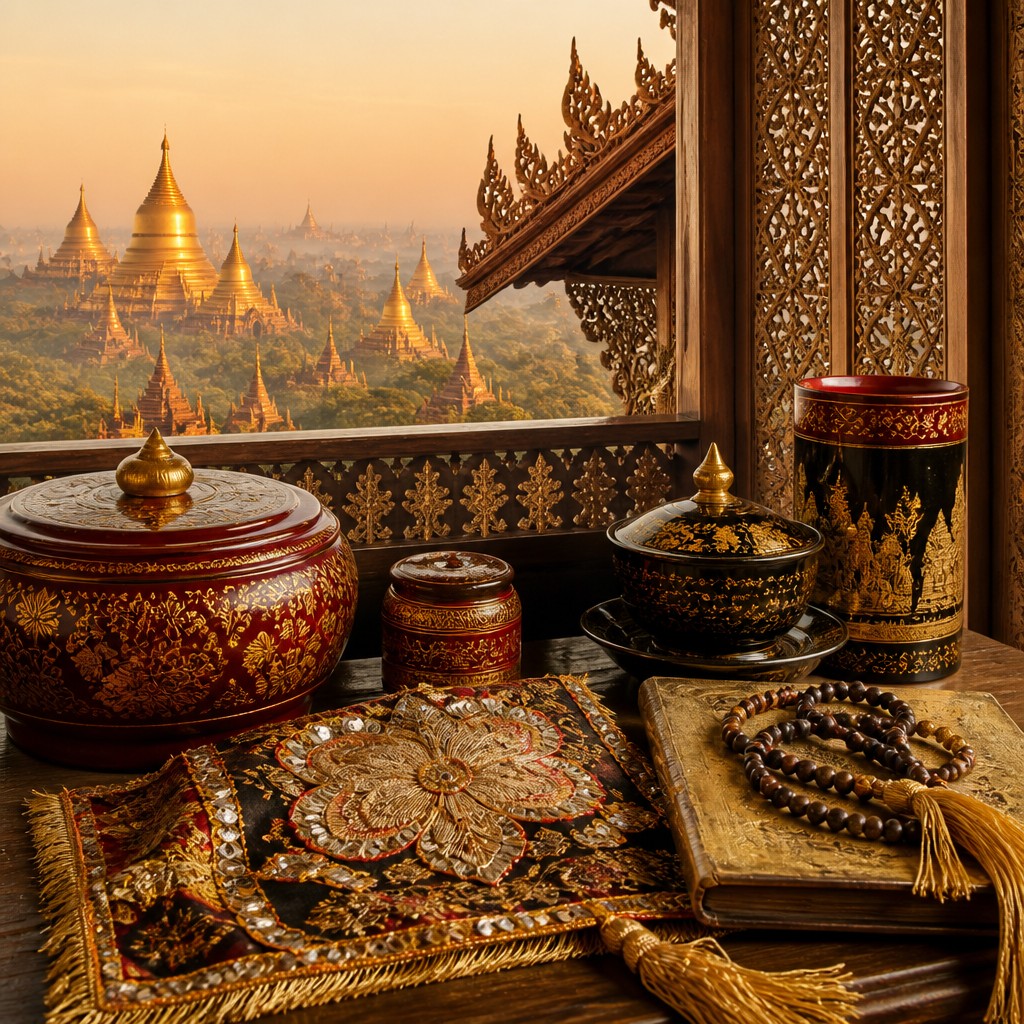
Patterned density and symmetry
Compositions favor frontal views, axial arrangements, repeated spires, and carefully balanced borders. Fine ornament fills architectural and textile surfaces without eliminating the larger silhouette.
Burmese Prompt Ideas
Start from an idea — each one opens the generator with the style ready to go. See all 40 Burmese prompts →
How to Create Burmese Art
Master the craft step by step — or skip straight to creating. Read the full guide →
- 1
Establish the architectural structure
Begin with a clear horizon, strong vertical axes, and recognizable stupa or monastery forms. Use overlapping temple silhouettes to create depth, then reserve the finest detail for the foreground.
- 2
Build a Burmese material palette
Combine vermilion, lacquer black, muted brick, teak brown, saffron, ivory, and warm gold. In digital work, use restrained specular highlights for lacquer and irregular, softly broken highlights for gold leaf.
- 3
Layer ornament by material
Treat carved wood, lacquer, and sequined textile as different surface systems: incised shadows for carving, reflective gloss for lacquer, and small raised highlights for embroidery. Avoid applying one uniform texture over the entire image.
- 4
Use atmospheric light
A low dawn or late-afternoon light source can unify many intricate details. Add thin haze between temple layers so the scene retains depth instead of becoming a flat pattern.
- 5
Compose with repeated motifs
Repeat lotus flowers, flame-like finials, geometric borders, curling foliage, and small spires at varied scales. Keep a dominant central form or pathway to prevent ornamental density from obscuring the subject.
- 6
Write precise digital prompts
Specify the subject, Bagan-inspired architecture, teak carving, red-and-gold lacquer, kalaga-like appliqué, lighting, and atmosphere separately. For image transformation, preserve the original pose or composition while requesting material and ornamental changes rather than replacing every structural feature.
The Story
History & Origins of Burmese
Its principal historical lineage lies in the Buddhist art and architecture of Myanmar, especially the temple complex of Bagan, which flourished from roughly the 11th through 13th centuries. Earlier Pyu and later regional traditions contributed brick construction, religious imagery, ornamental vocabulary, and manuscript culture. Burmese court art continued to develop through successive kingdoms, with lacquerware, woodcarving, metalwork, textiles, and illuminated religious manuscripts becoming important forms of expression.
The style described here is an interpretive modern synthesis rather than a named historical school. It draws together the monumental silhouettes of Bagan, the intricate teak craftsmanship of monasteries and palaces, the polished surfaces of Burmese lacquerware, and the sequined appliqué associated with kalaga wall hangings and theatrical textiles.
Influences: The style relates to Burmese Buddhist temple architecture, Bagan’s brick monument landscape, Pyu and later Myanmar religious art, courtly lacquerware, teak carving, illuminated manuscript ornament, and kalaga textile traditions. It also shares formal qualities with South and Southeast Asian sacred art, including axial composition, lotus symbolism, gilded surfaces, and repeated architectural motifs, while differing from minimalist architectural photography through its emphasis on tactile decoration and ceremonial color.
Frequently Asked Questions
What defines the Burmese Art Style?
It is defined by the combination of Myanmar Buddhist architecture, gilded spires, teak carving, glossy red-and-gold lacquer, and richly embellished textile ornament. Warm atmospheric light and dense but organized patterning give the style its devotional character.
Is Burmese Art Style a specific historical art movement?
No. The term is best understood here as a contemporary descriptive synthesis rather than the name of one historical movement. It draws on several Burmese traditions that developed across different periods, regions, and craft media.
How does it differ from Thai or Khmer temple-inspired art?
There are shared Southeast Asian features such as gilding, stupas, floral ornament, and tiered roofs. Burmese references are more strongly signaled by Bagan-like temple fields, Burmese zedi silhouettes, lacquerware colors, teak monastery details, and kalaga-style textile embellishment.
Can this style be used for portraits or modern subjects?
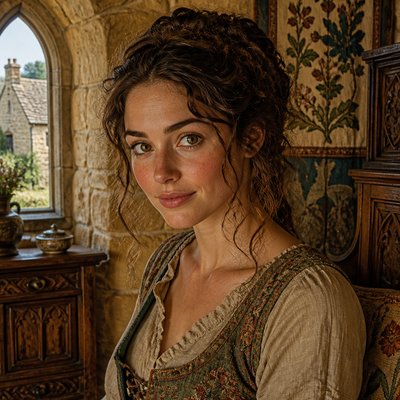
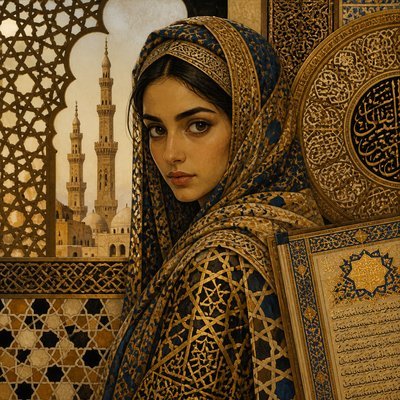
Yes. A portrait, cityscape, animal, or contemporary interior can be adapted through Burmese-inspired framing, lacquer colors, carved borders, gold accents, and patterned textiles. The strongest results preserve a clear subject while using ornament selectively around it.
What materials are traditionally associated with this aesthetic?
Important materials include brick and stucco architecture, gold leaf, carved teak, lacquer, woven and embroidered textiles, metalwork, and manuscript surfaces. Their contrasting finishes, from matte brick to reflective lacquer, create much of the style’s visual richness.
How can I make an image in this style without making it visually confusing?
Start with one dominant subject and a limited palette, then add ornament in ordered layers. Use haze, scale, and contrast to separate distant architecture from foreground detail, and reserve the brightest gold for focal areas.
Create your first Burmese artwork
Describe anything — or upload a photo — and see it in Burmese Art Style in seconds.
Related Styles
Discover similar art styles