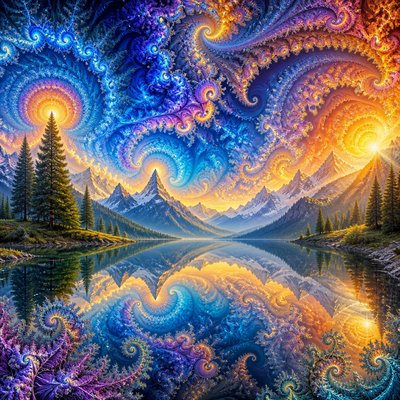
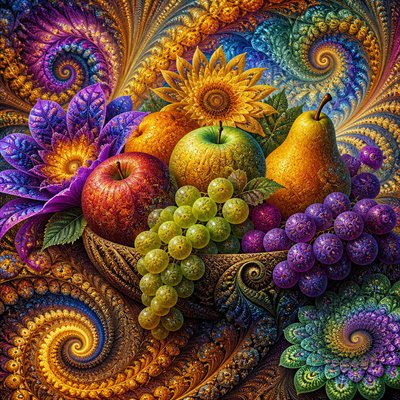
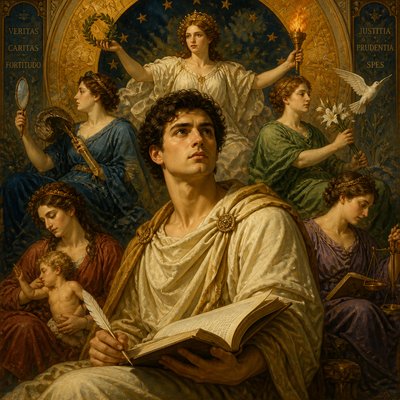
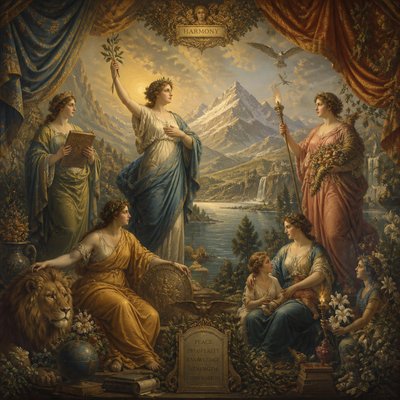
Bulgarian Art Style
Explore Bulgarian Art Style: Thracian gold, monastery fresco colors, Byzantine arcades, and misty Rila mountain atmosphere.
Instantly rendered in Bulgarian — or transform a photo
Bulgarian Gallery
Tap any artwork to explore it
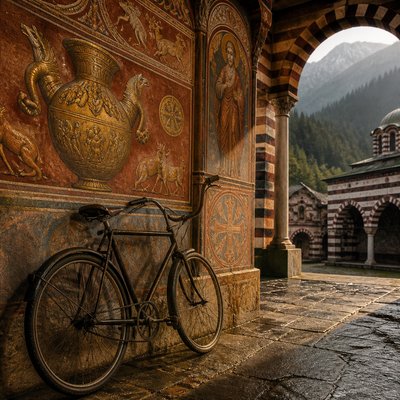
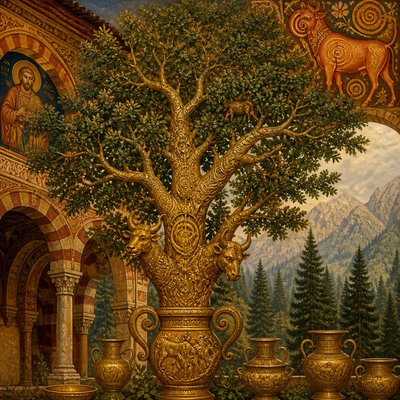
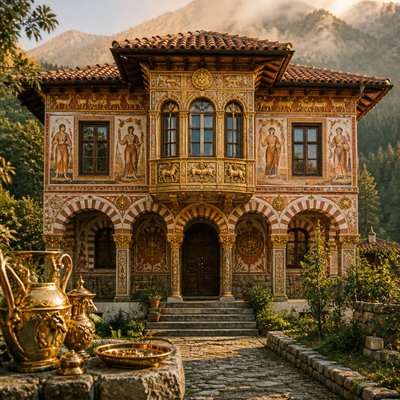
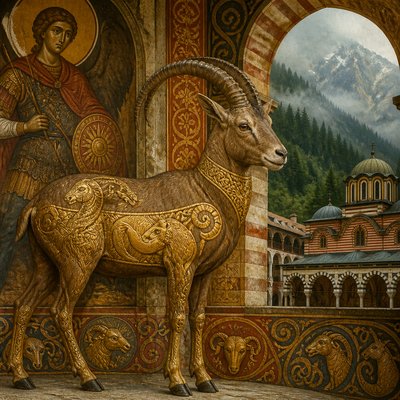
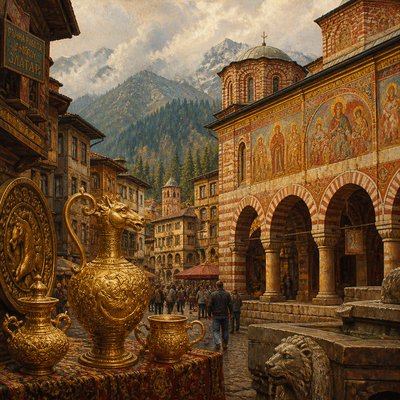
What is Bulgarian Art Style?
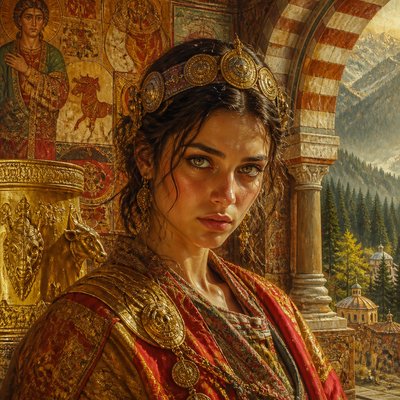
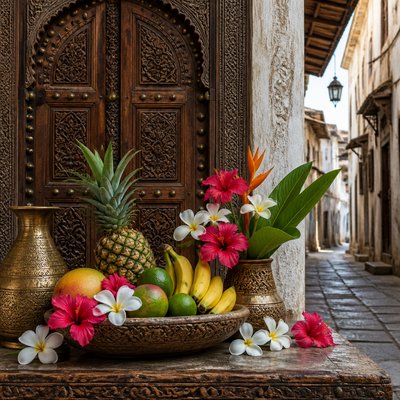
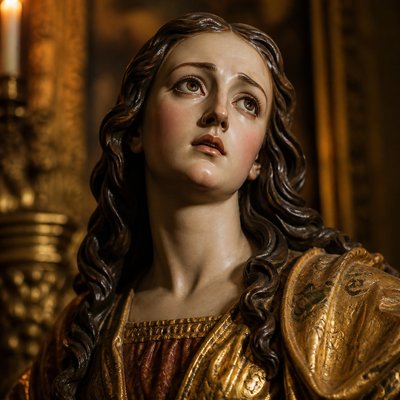
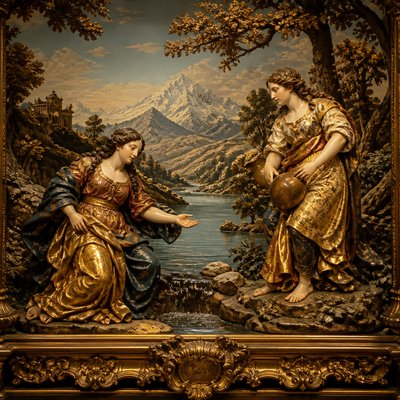
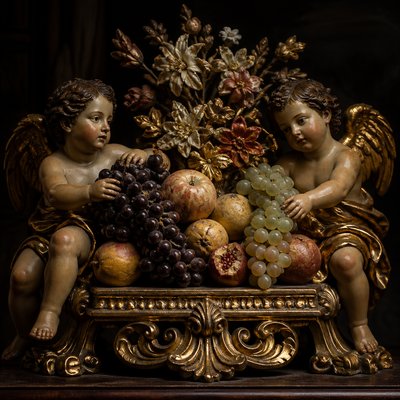
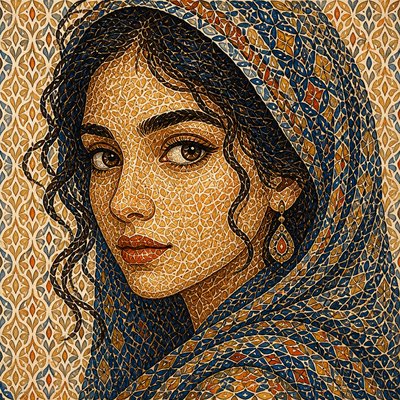
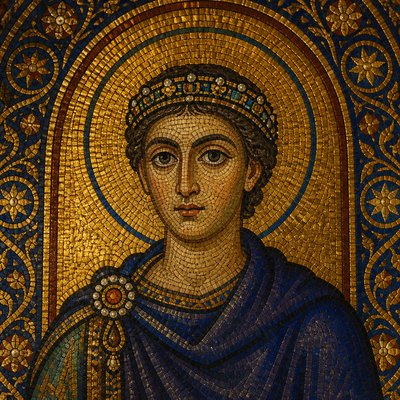
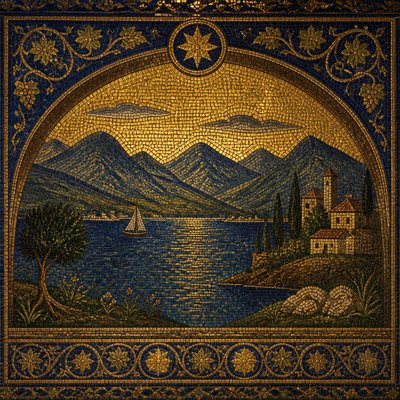
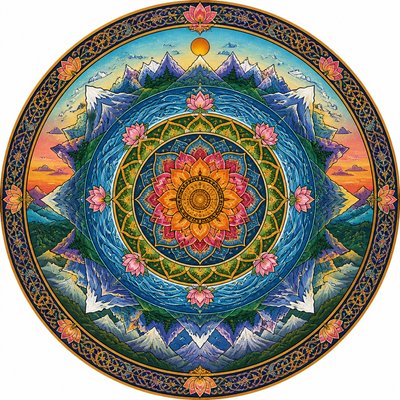
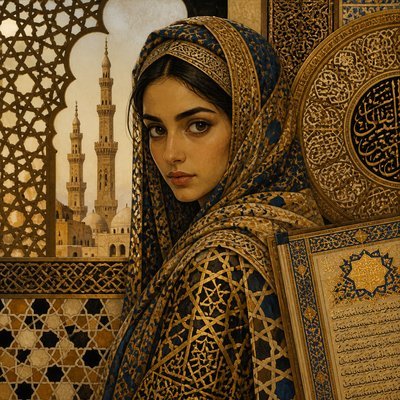
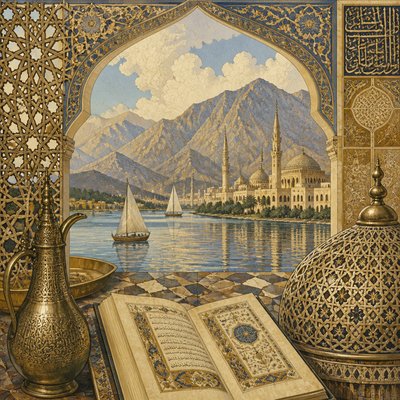
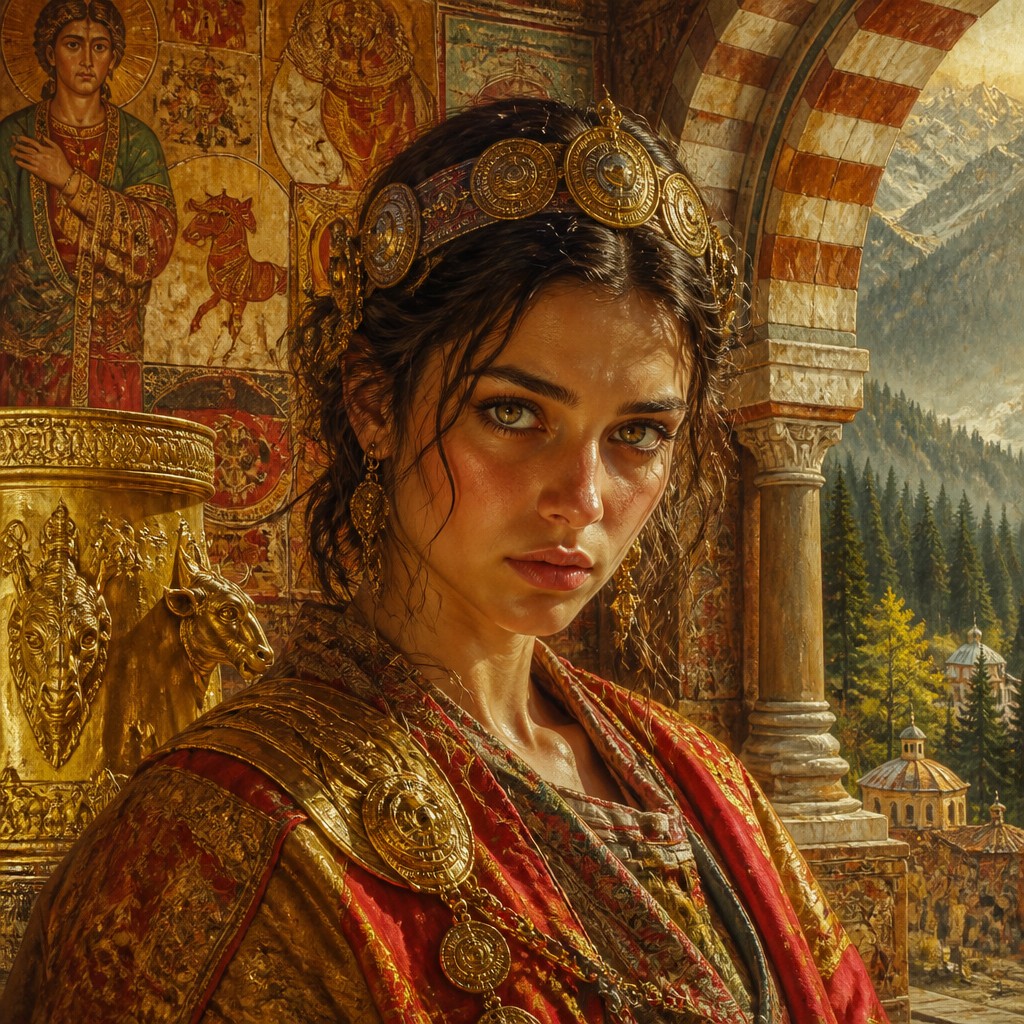
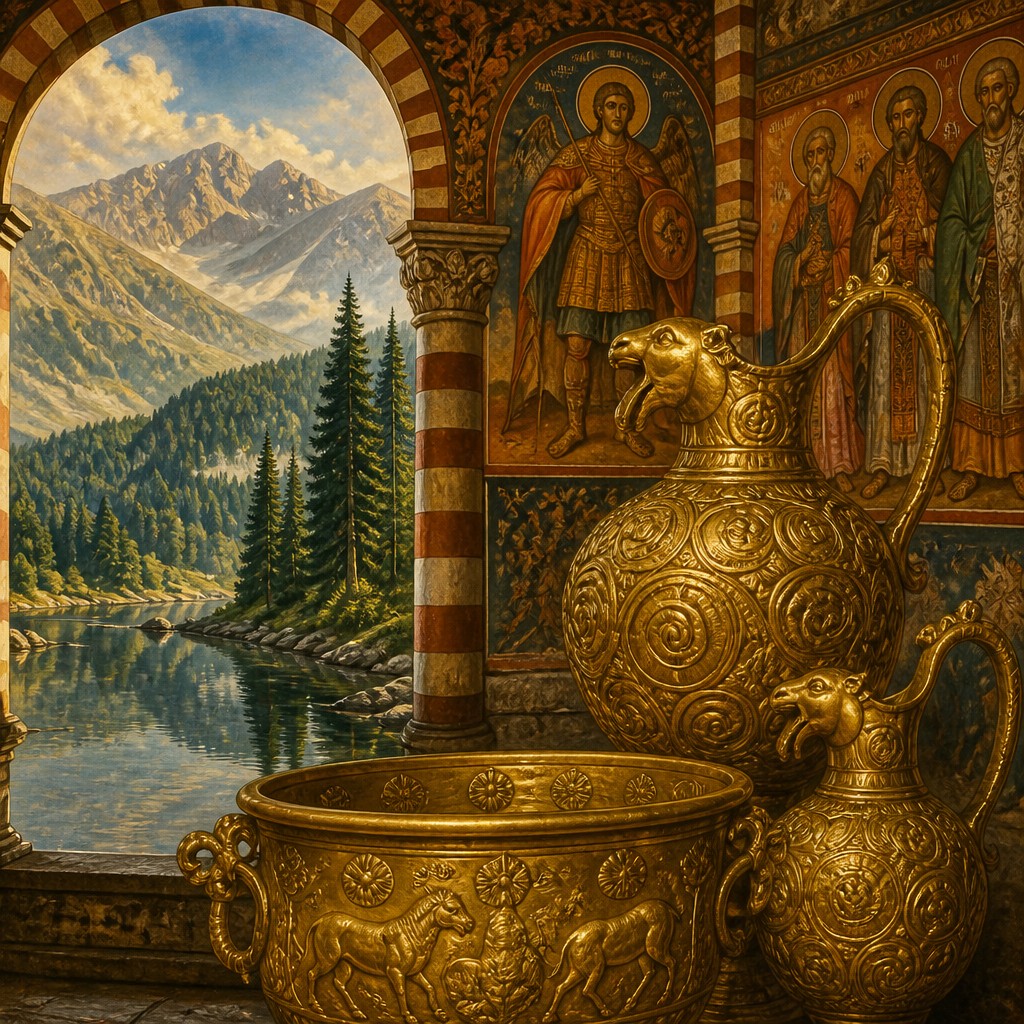
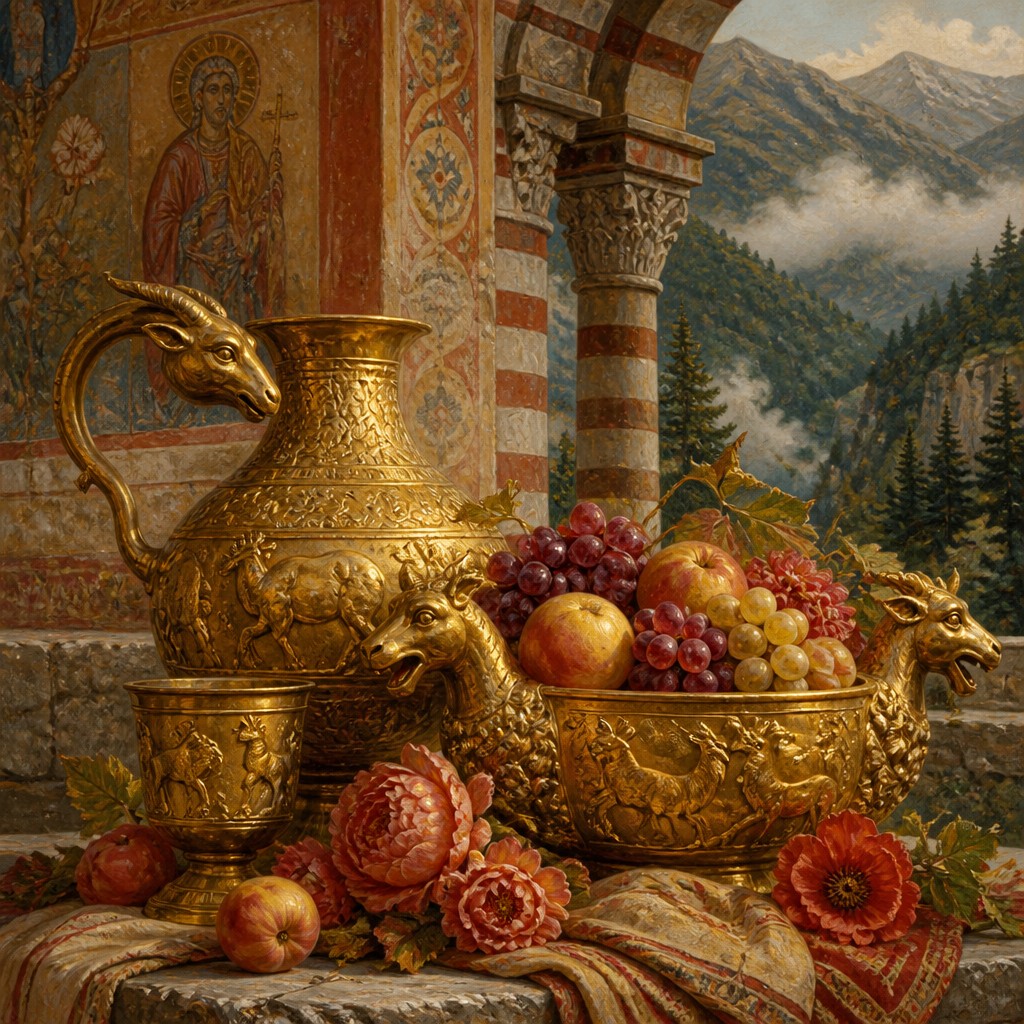
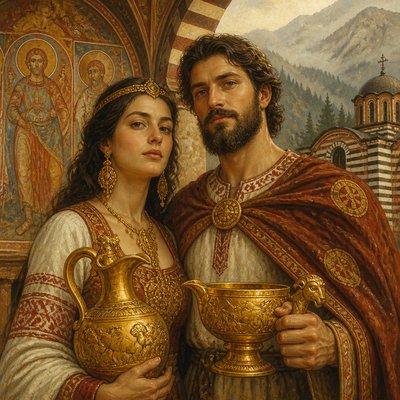
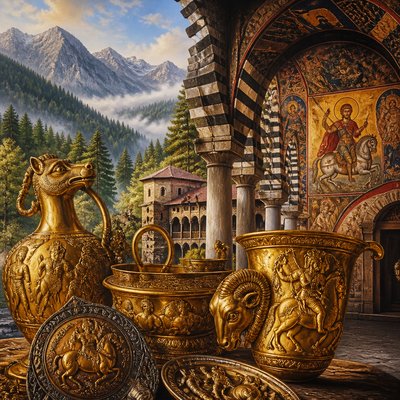
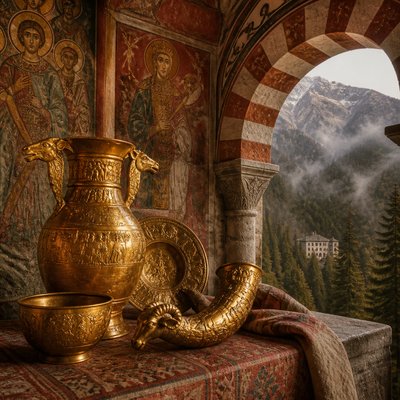
Bulgarian Art Style is a contemporary aesthetic synthesis inspired by the visual heritage of Bulgaria and the wider Balkan region. It combines the radiant material presence of ancient Thracian goldwork with the warm, mineral palette of Orthodox monastery murals, Byzantine-influenced architectural forms, and the atmospheric landscapes of the Rila Mountains.
Its identity depends on contrast: polished or embossed gold against weathered stone, vivid ochre and cinnabar against pine-green shadow, and precise ornamental pattern against misty mountain space. The result is ceremonial and historic in feeling without representing a single canonical period or established historical movement; it is best understood as a designed visual language built from Bulgarian cultural references.
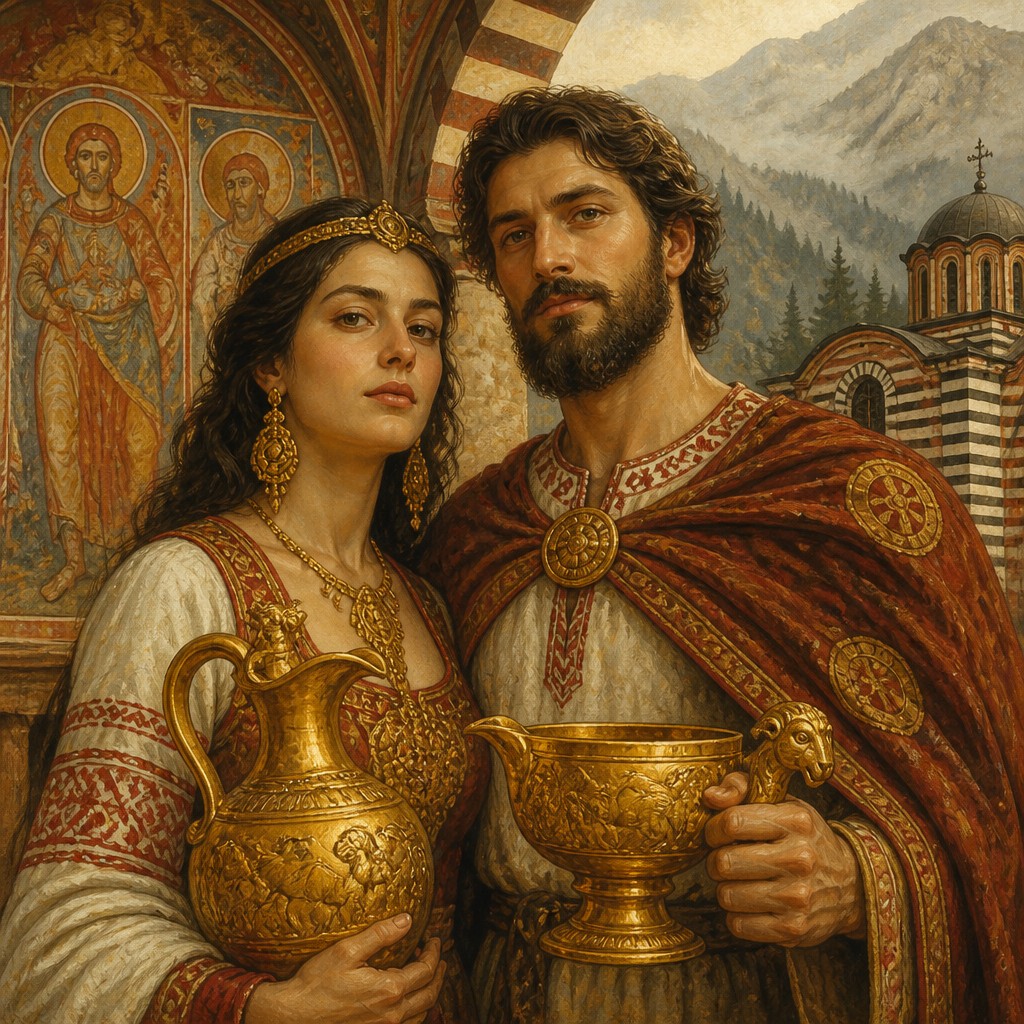
Try It On Your Photos
Upload any photo and convert it into Bulgarian Art Style — drag the sliders to compare before and after.
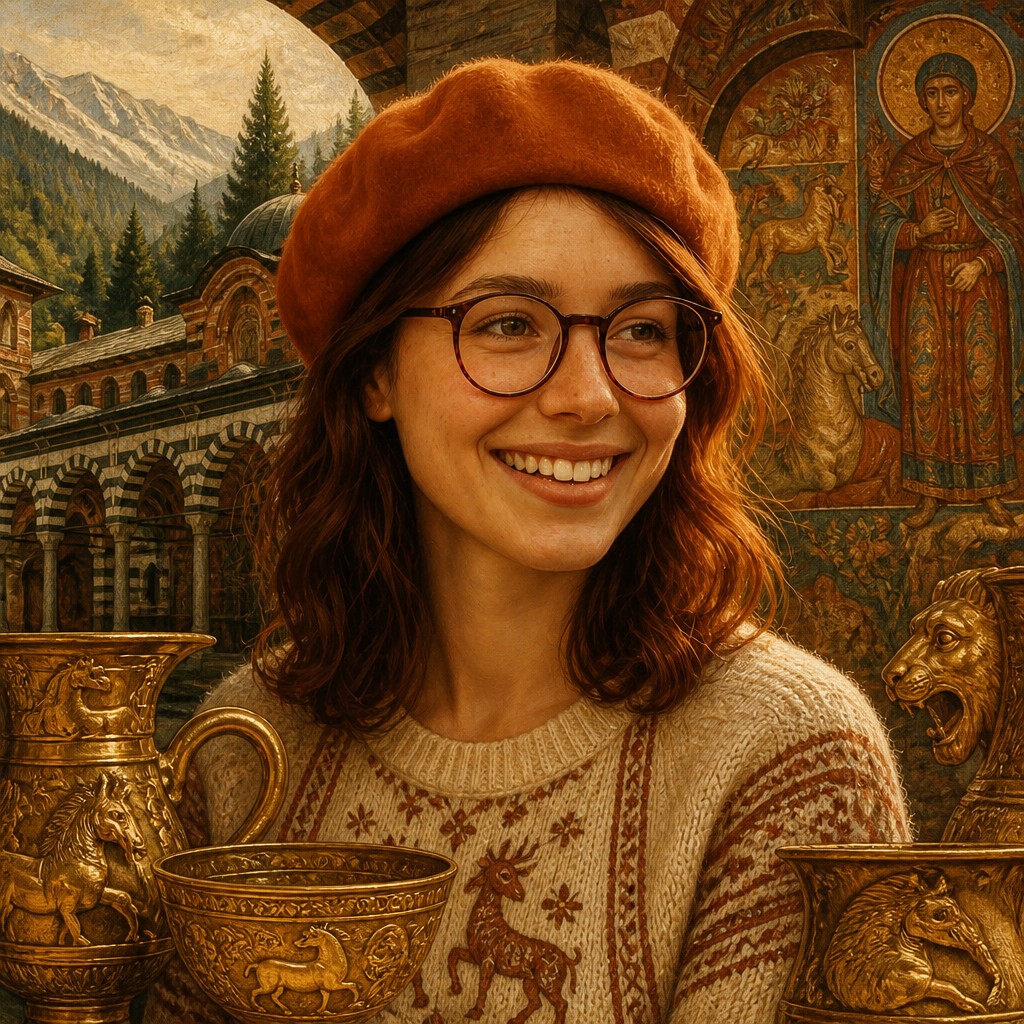

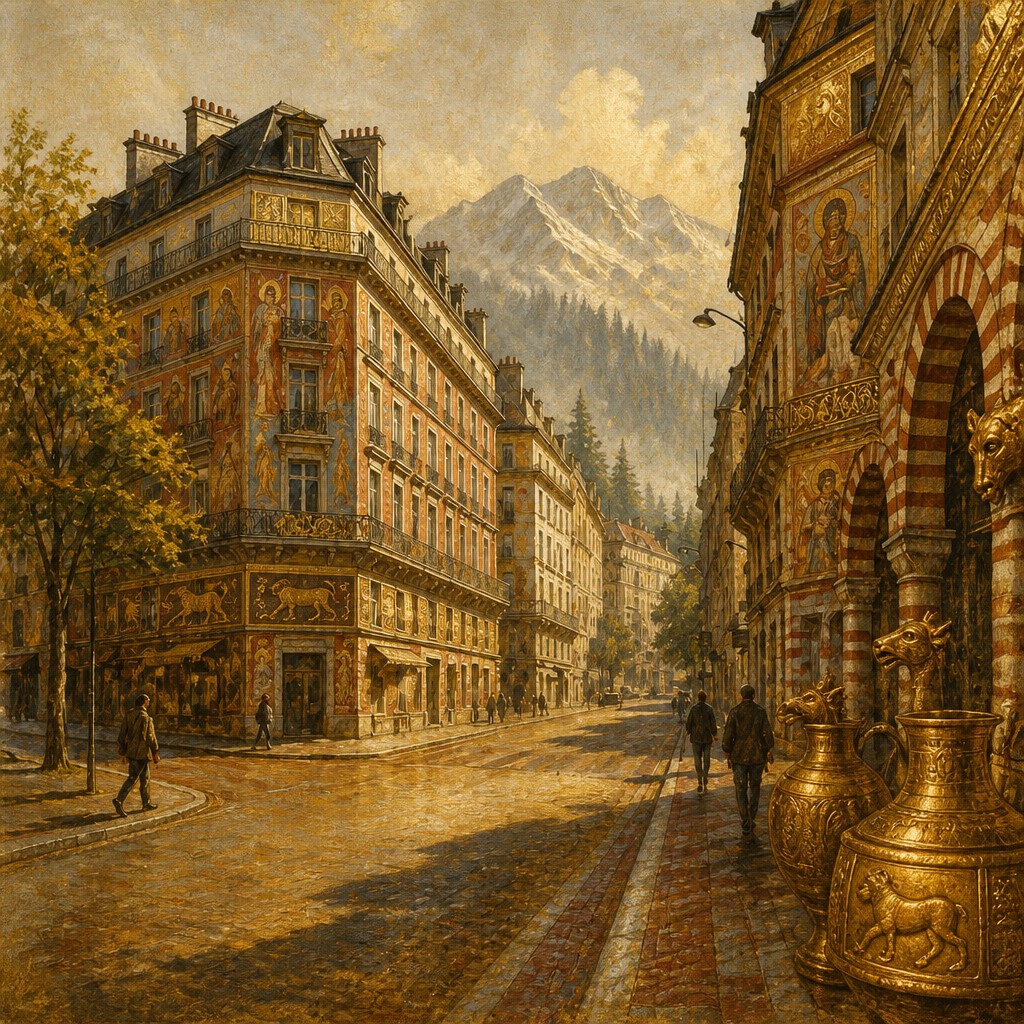

What Defines Bulgarian Art Style
The signature details, up close
Thracian-inspired goldwork
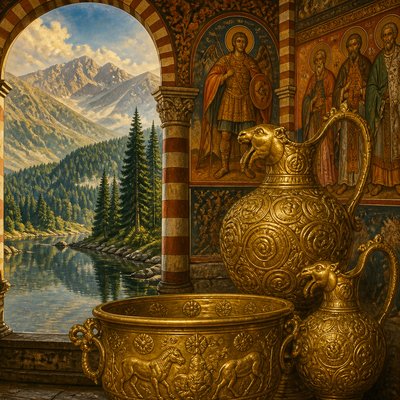
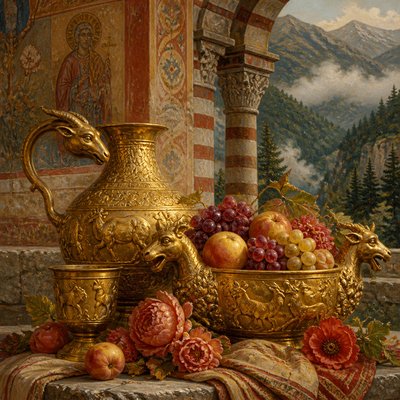
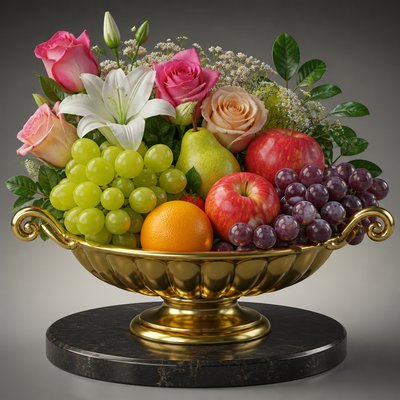
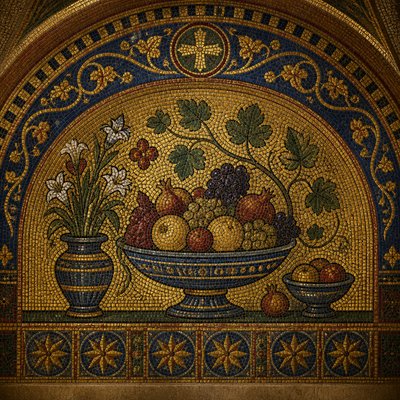
Surfaces suggest hammered, chased, or repoussé metal, with embossed vessels, plaques, jewelry, and animal-head terminals. Gold is treated as a structural material as well as a color.
Monastery mural palette
Warm ochre, cinnabar red, muted blue, chalk white, dark earth, and aged green recall mineral pigments used in Orthodox fresco traditions. Color is vivid but often softened by plaster texture and time.
Stylized animal motifs
Horse, bird, serpent, lion, and hybrid creatures appear in profile or heraldic arrangements. Their forms are simplified into strong silhouettes, rhythmic contours, and ornamental repeats.
Byzantine and Balkan architecture
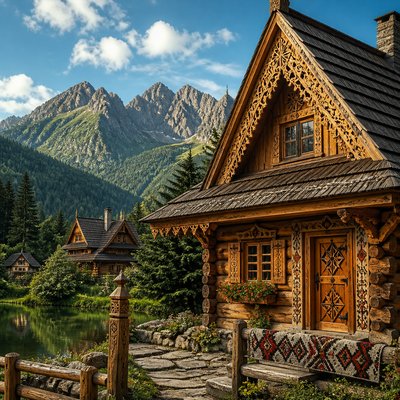
Striped stone-and-brick arcades, arched openings, masonry bands, domes, and cloister-like passages provide a recognizable architectural framework. Geometry is decorative, symmetrical, and visibly constructed.
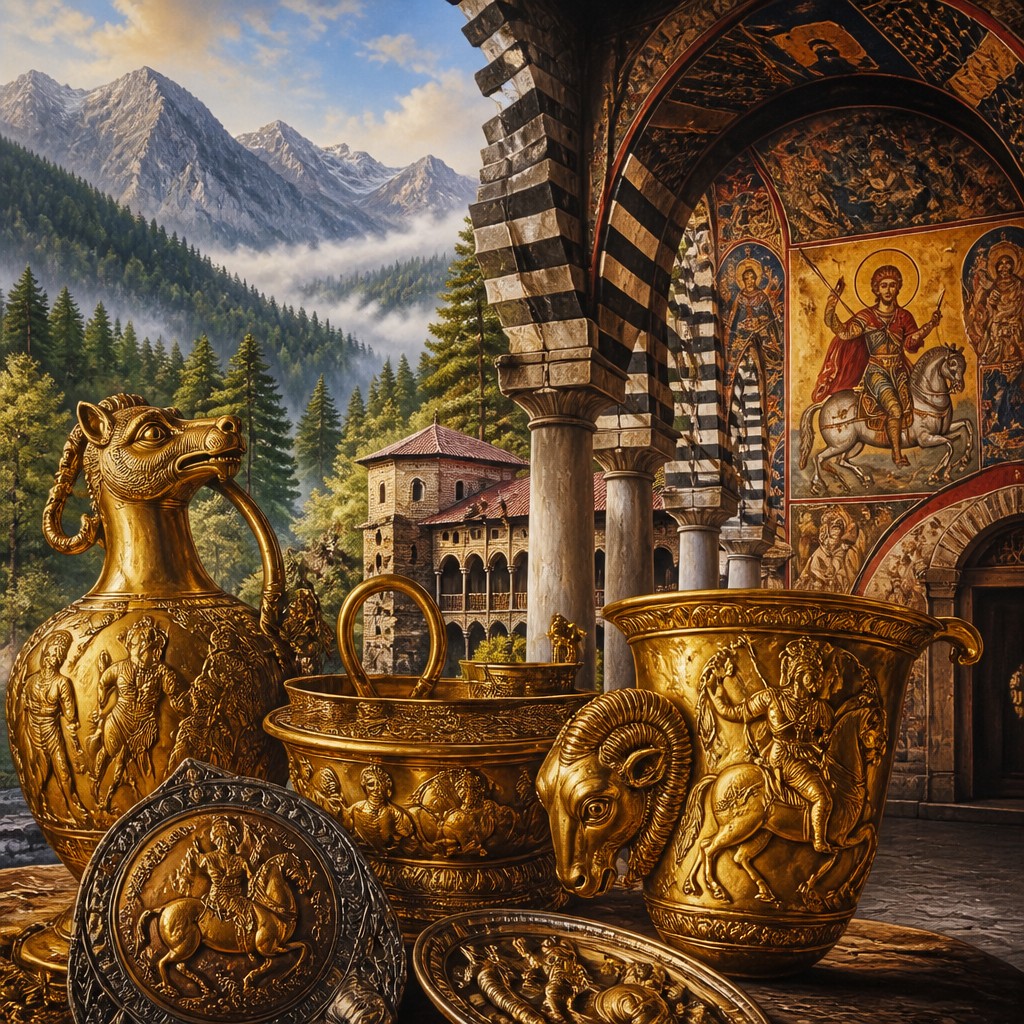
Fresco-like surfaces
Cracked plaster, granular pigment, softened edges, and irregular wall staining evoke painted masonry rather than a perfectly smooth digital surface. Fine outlines help figures and ornaments remain legible.
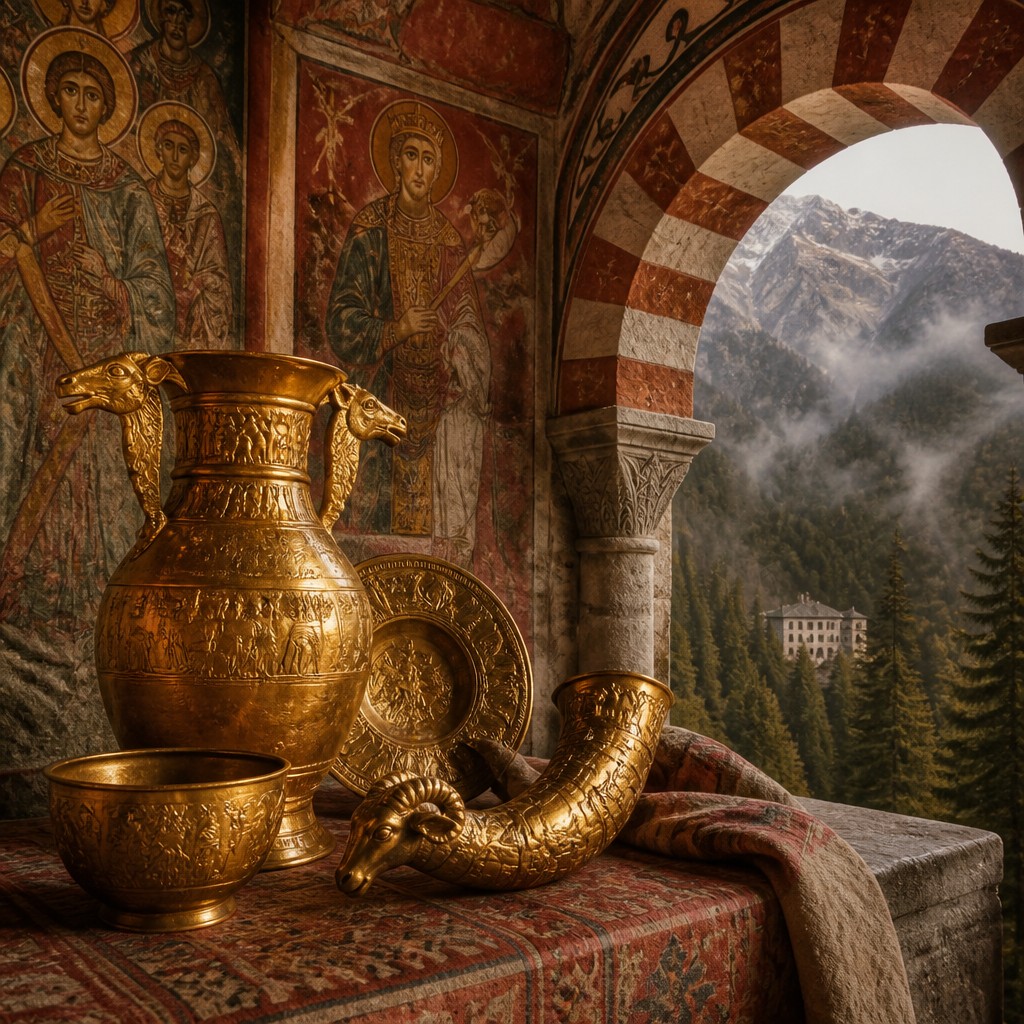
Mountain atmosphere
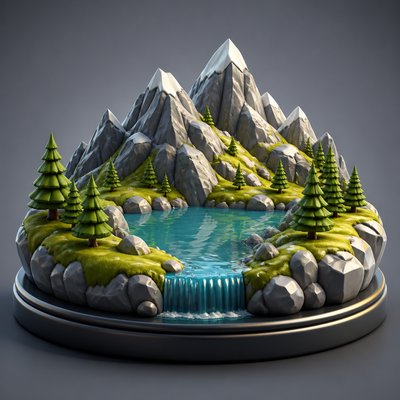
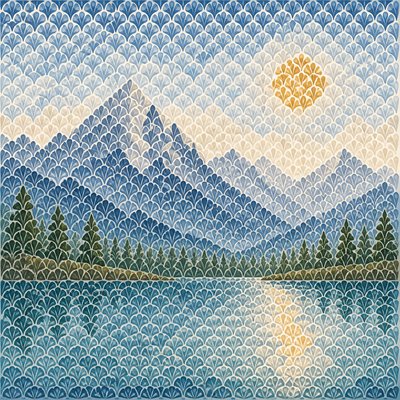
Misty Rila-like peaks, dark pine forests, cool dawn light, and layered valleys introduce a contemplative natural setting. Atmospheric perspective balances the dense ornament of the foreground.
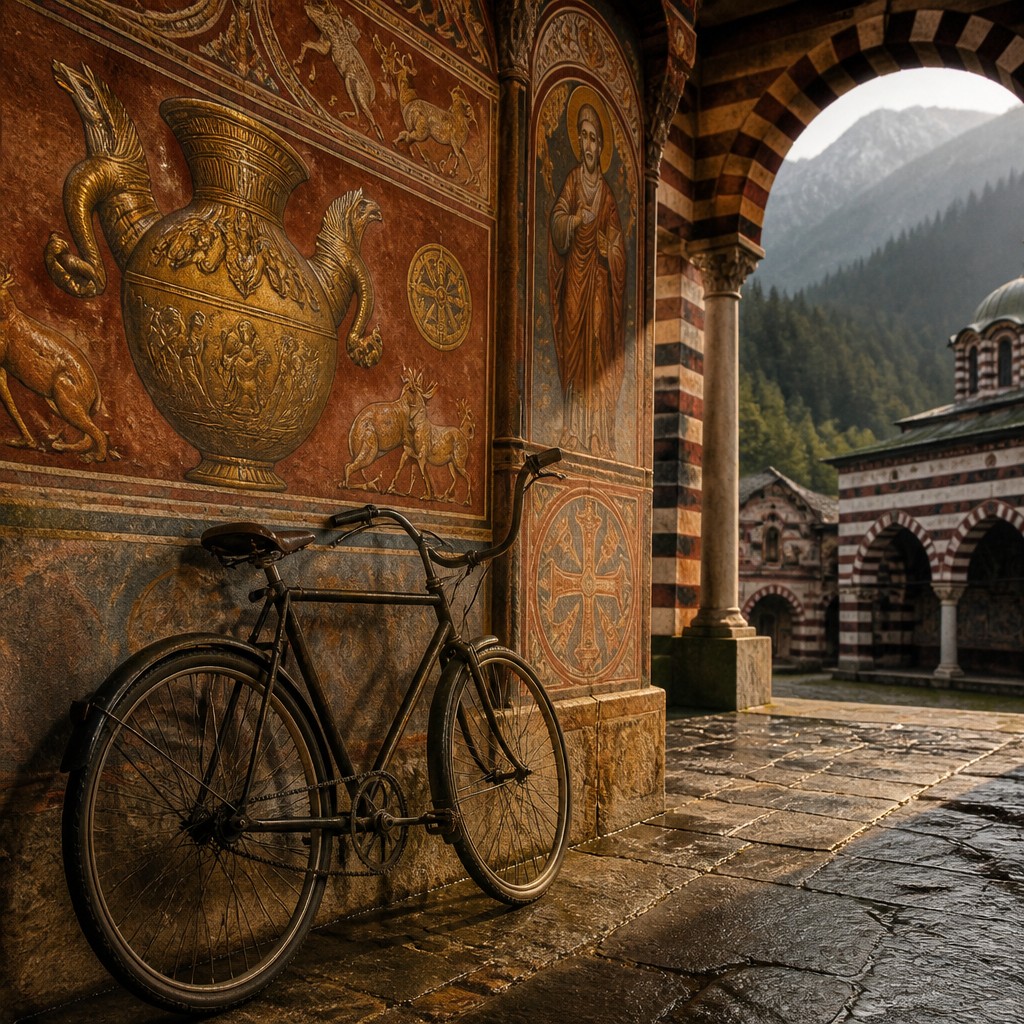
Ceremonial composition
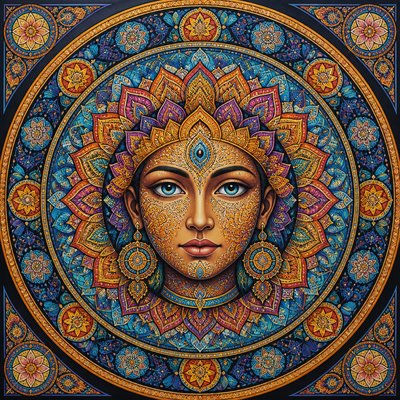
Subjects are often centered, frontal, or arranged in frieze-like bands, giving the image a devotional or archaeological character. Repetition, symmetry, and richly framed borders reinforce the sense of ritual.
Bulgarian Prompt Ideas
Start from an idea — each one opens the generator with the style ready to go. See all 40 Bulgarian prompts →
How to Create Bulgarian Art
Master the craft step by step — or skip straight to creating. Read the full guide →
- 1
Build the surface in layers
For traditional work, begin with a textured ground such as plaster, gesso, or rough paper, then add earth-colored underpainting and opaque mineral-like passages. In digital work, combine fresco grain, cracks, stone texture, and restrained edge variation rather than relying on a flat filter.
- 2
Use gold as modeled relief
Paint highlights and shadows so the gold appears embossed, hammered, or chased, with dark recesses around raised motifs. Gold leaf, metallic pigment, foil collage, or a carefully controlled digital metallic layer can all support this effect.
- 3
Organize motifs ornamentally
Arrange animals, vessels, borders, and architectural elements in mirrored pairs, friezes, medallions, or repeating bands. Keep silhouettes clear and use a limited contour vocabulary inspired by metalwork and mural painting.
- 4
Control the palette
Start with ochre, cinnabar, umber, cream, muted blue, pine green, and antique gold, adding cooler mountain haze for depth. Avoid excessive neon saturation if the goal is a convincing fresco-and-metal balance.
- 5
Combine close and distant detail
Place sharply described embossed gold or mural ornament in the foreground and let the Rila-like landscape dissolve into mist behind it. This contrast prevents the image from becoming either an overloaded pattern or a generic mountain scene.
- 6
Write precise generation prompts
Specify the subject first, then request embossed Thracian-style gold, Orthodox monastery fresco color, striped masonry arcades, fresco texture, and misty pine mountains. For image transformation, describe which features should be preserved, such as the subject's pose or architecture, while assigning the new palette and surface treatment.
The Story
History & Origins of Bulgarian
This style has no single historical origin as a named movement. Its aesthetic lineage reaches back to Thracian metalworking from antiquity, especially repoussé vessels, ritual objects, and ornaments featuring repeated animal, vegetal, and mythic motifs. It also draws on the medieval Bulgarian tradition of Orthodox wall painting, in which mineral color, linear contours, symbolic figures, and sacred architectural settings shaped the visual environment of churches and monasteries.
Additional references include Byzantine and Balkan masonry, Bulgarian Revival-era architectural details, and the distinctive highland atmosphere associated with Rila and other Bulgarian mountain regions. The combination of ancient gold, ecclesiastical color, architectural pattern, and landscape is a modern interpretive framework rather than a documented period style.
Influences: The style relates to Thracian archaeology, ancient Balkan metalwork, medieval Bulgarian and Eastern Orthodox fresco painting, Byzantine decorative systems, Balkan Revival architecture, and Bulgarian folk ornament. It also shares qualities with icon painting, archaeological reconstruction, repoussé craft, historical fantasy illustration, and textured digital matte painting, while remaining distinct from any one of these traditions.
Frequently Asked Questions
Is Bulgarian Art Style a historical Bulgarian art movement?
No. The name describes a contemporary synthesis rather than a formally documented movement with a fixed period or manifesto. It draws on authentic Bulgarian and Balkan traditions, including Thracian goldwork, Orthodox mural painting, and regional architecture.
What defines the look of Bulgarian Art Style?
Its main identifiers are embossed antique gold, stylized animal motifs, warm monastery-fresco colors, striped stone-and-brick arcades, and misty mountain landscapes. Textured surfaces and ceremonial composition help unify these different references.
How is it different from Byzantine art?
Byzantine art is a broad historical tradition with established religious, imperial, and decorative conventions. This style borrows Byzantine-influenced architecture and mural qualities but combines them with Thracian archaeology, Bulgarian mountain scenery, and a modern illustrative synthesis.
What materials work well for making this style traditionally?
Useful materials include gessoed board, rough paper, plaster-like grounds, earth pigments, opaque watercolor, egg-tempera-inspired paint, metallic leaf, and relief or embossing tools. Layering and abrasion are important because the desired effect resembles aged masonry and worked metal.
Can a photograph be transformed into this aesthetic?
Yes. Preserve the main silhouette, pose, or architectural structure while applying a mineral fresco palette, cracked plaster texture, embossed gold accents, and a mountain-mist background. The strongest results usually keep realistic proportions but simplify details into mural-like contours.
Where is this style most useful?
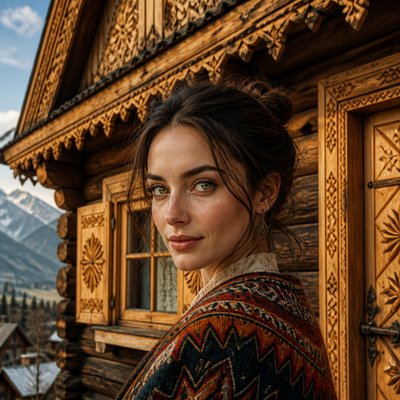
It suits cultural illustration, historical fantasy, heritage interpretation, book covers, editorial imagery, ornamental posters, architectural visualization, jewelry concepts, and atmospheric portraiture. It works especially well when the subject can support symbolism, craftsmanship, or a sense of place.
Create your first Bulgarian artwork
Describe anything — or upload a photo — and see it in Bulgarian Art Style in seconds.
Related Styles
Discover similar art styles