Bolivian Art Style
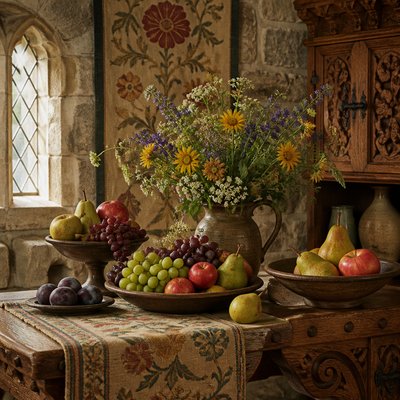
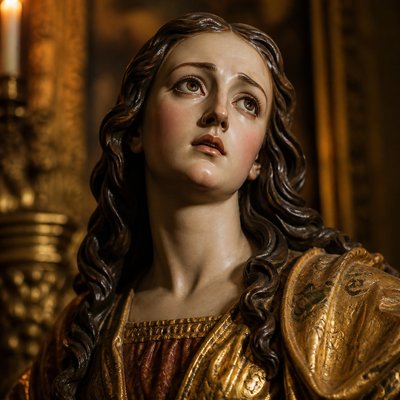
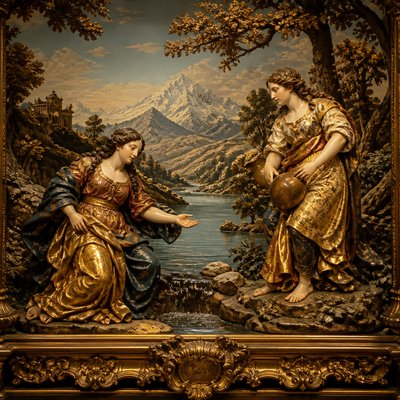
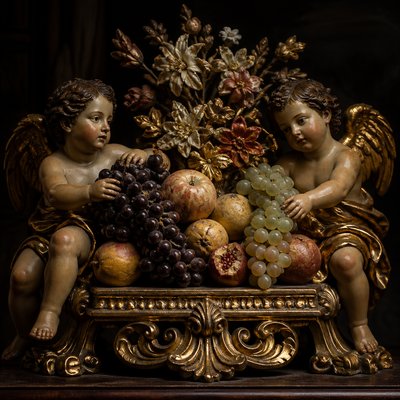
Explore Bolivian art style: Tiwanaku geometry, Potosí gilding, aguayo stripes, and luminous high-altiplano landscapes.
Instantly rendered in Bolivian — or transform a photo
Bolivian Gallery
Tap any artwork to explore it
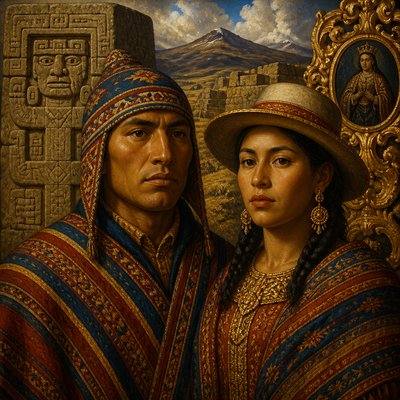
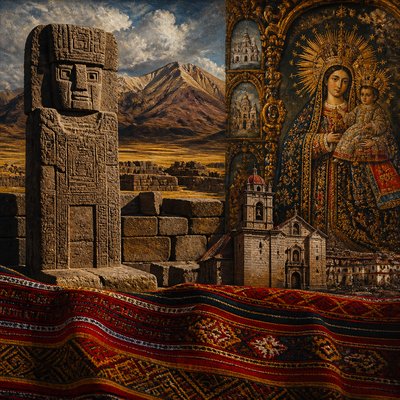
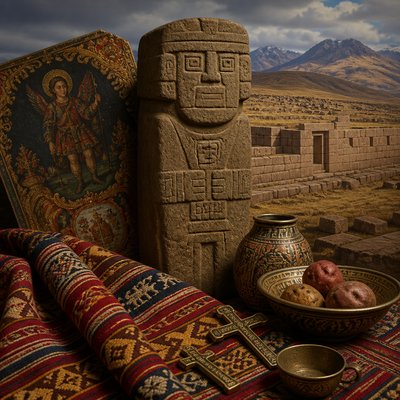
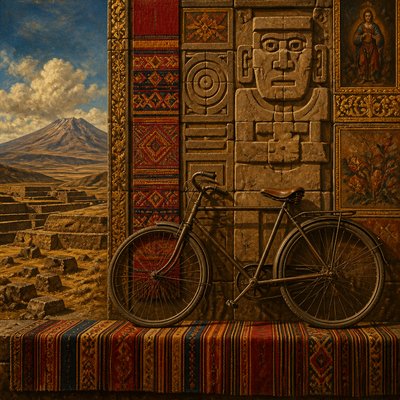
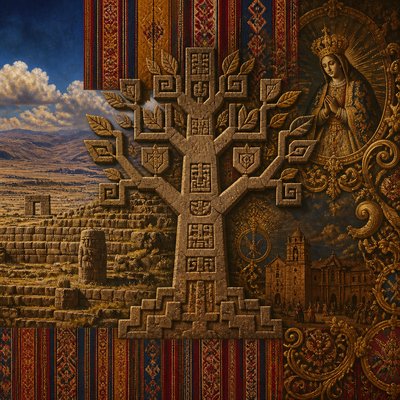
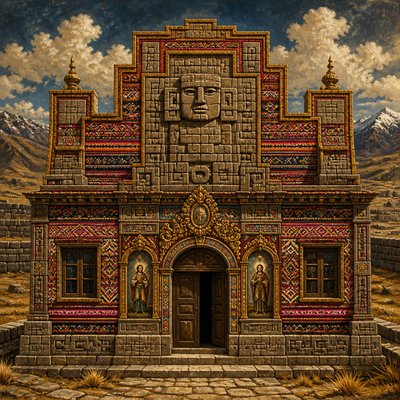
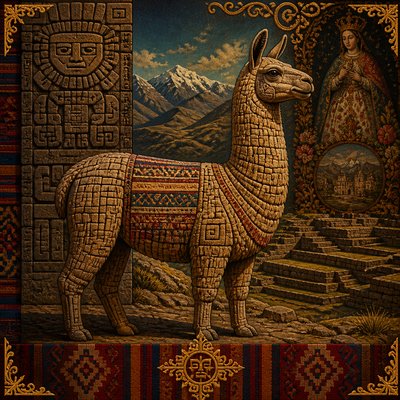
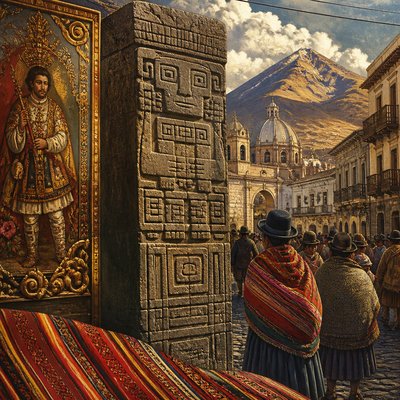
What is Bolivian Art Style?
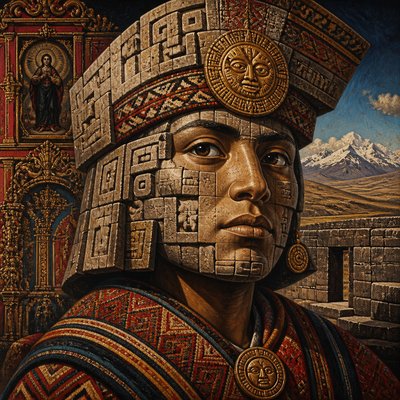
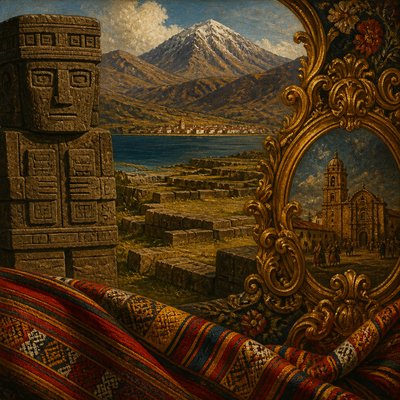
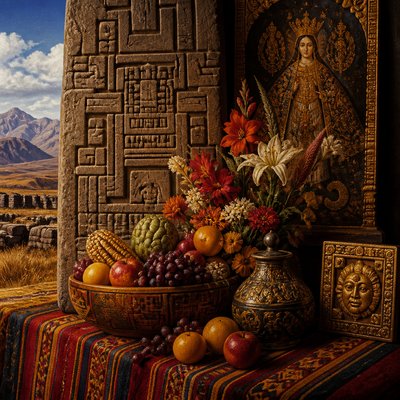
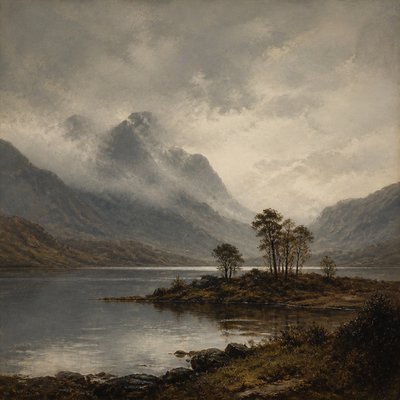
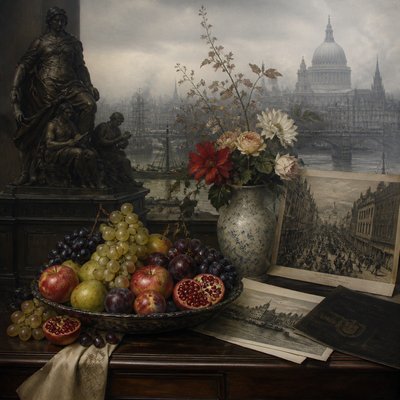
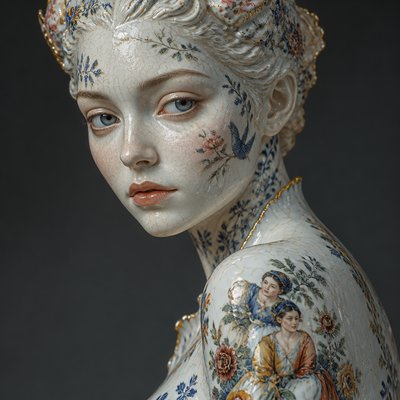
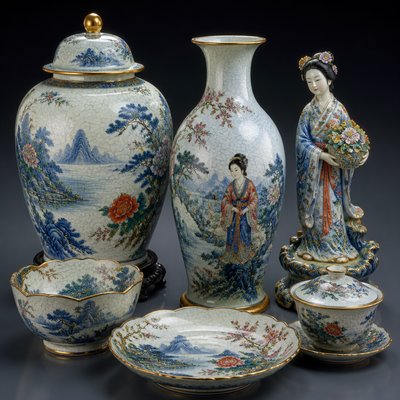
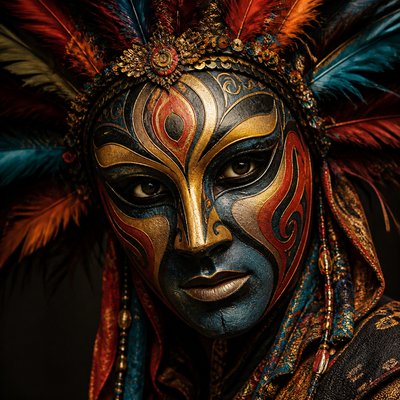
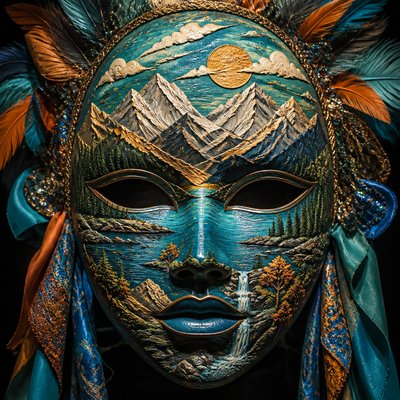
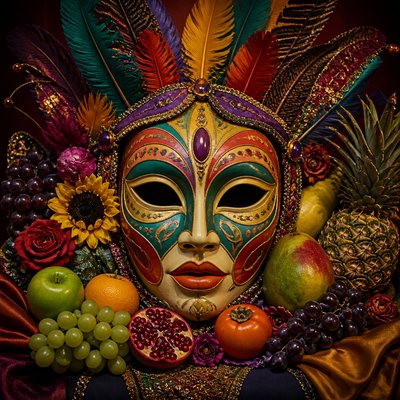
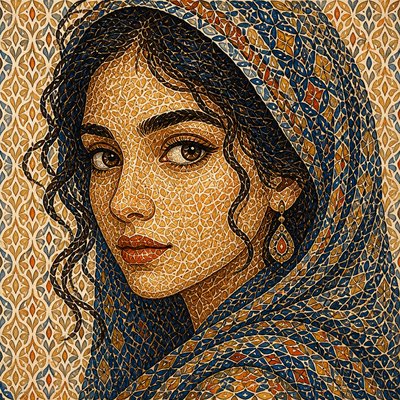
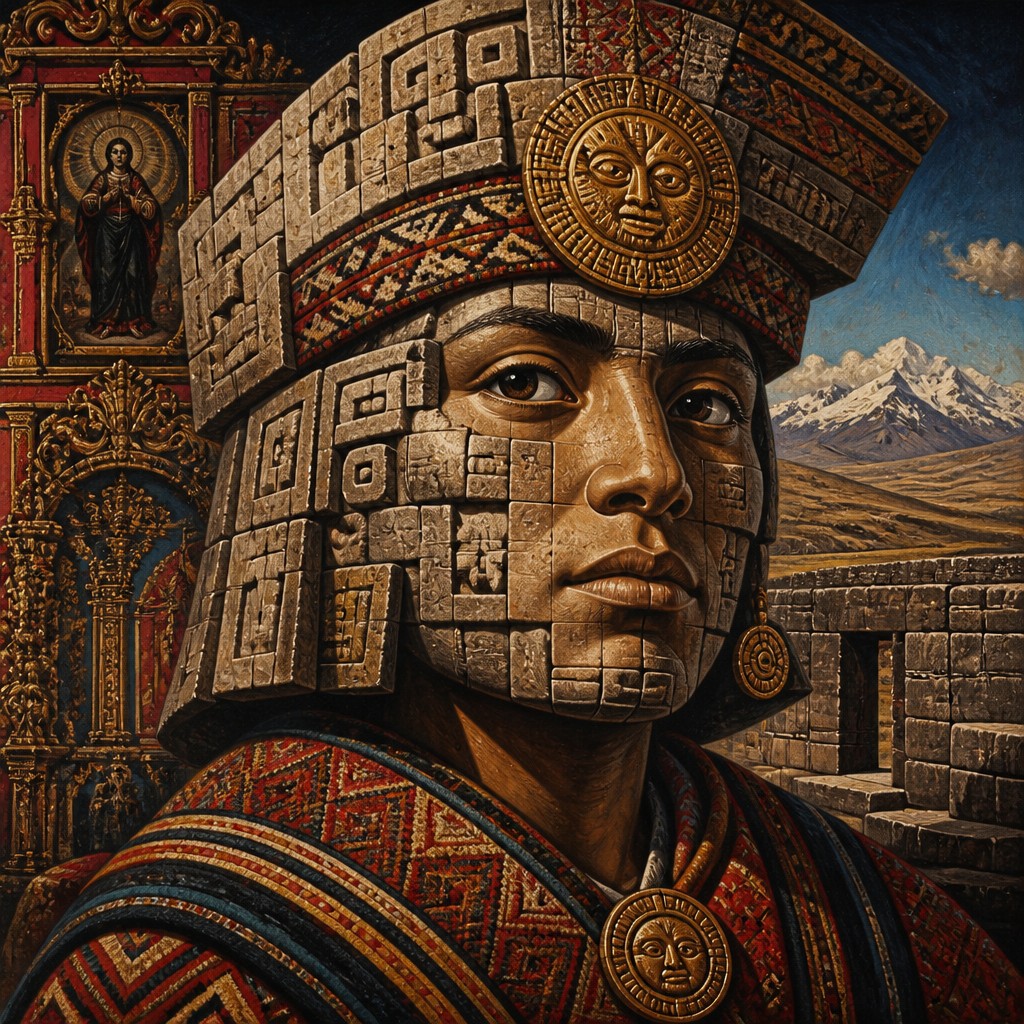
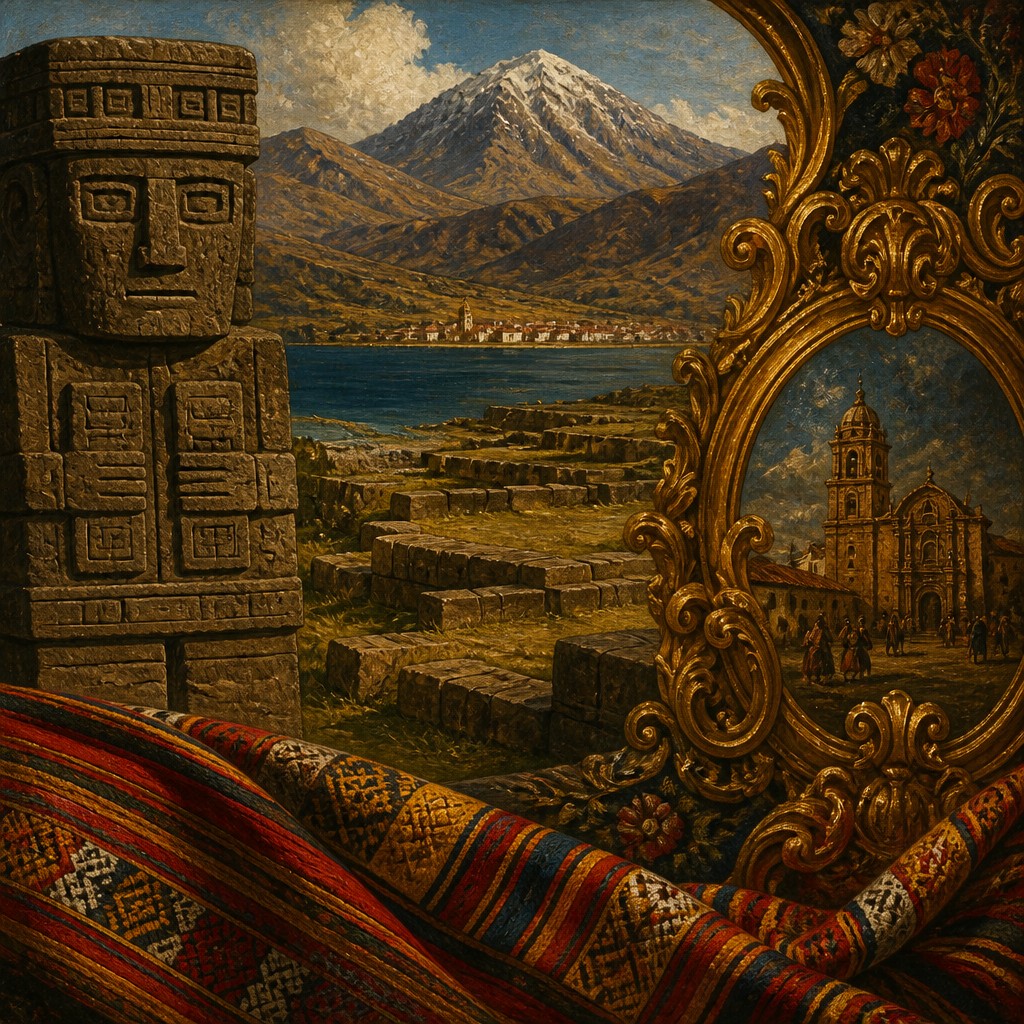
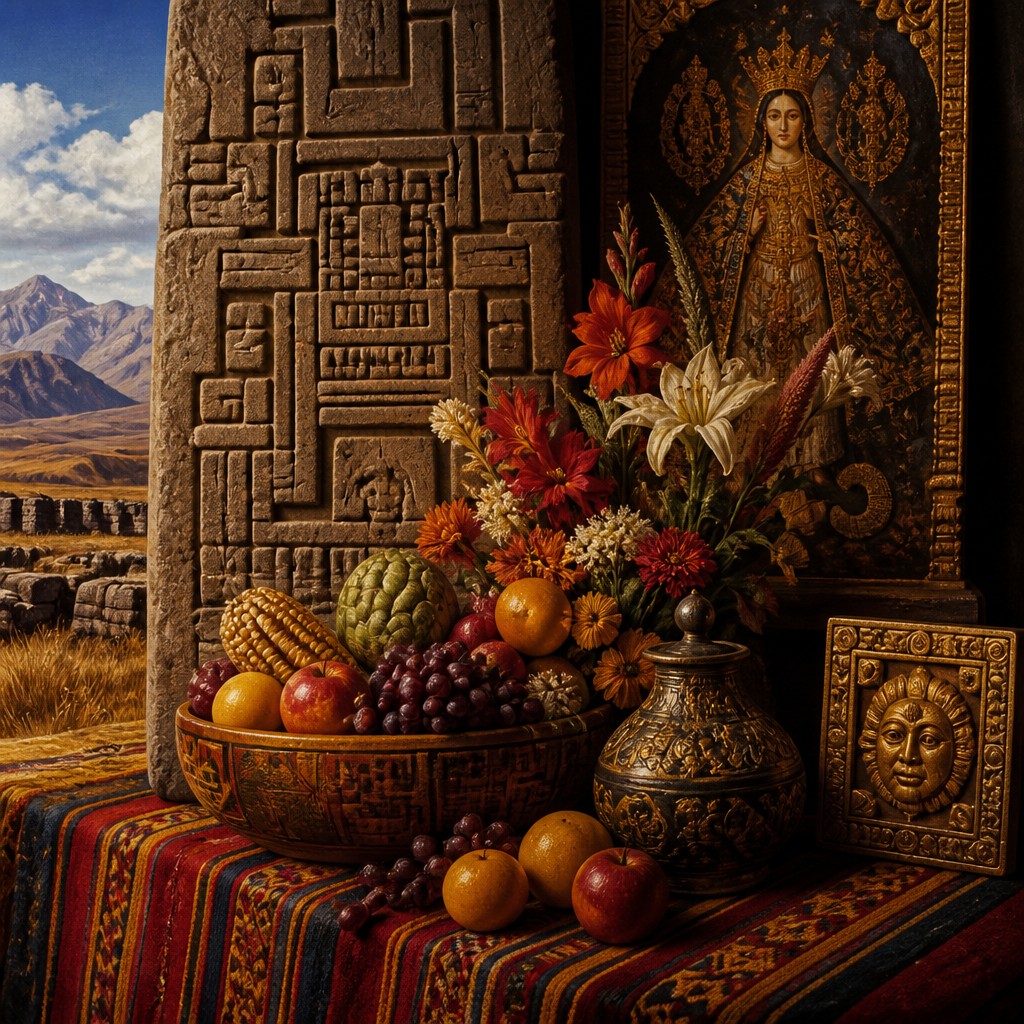
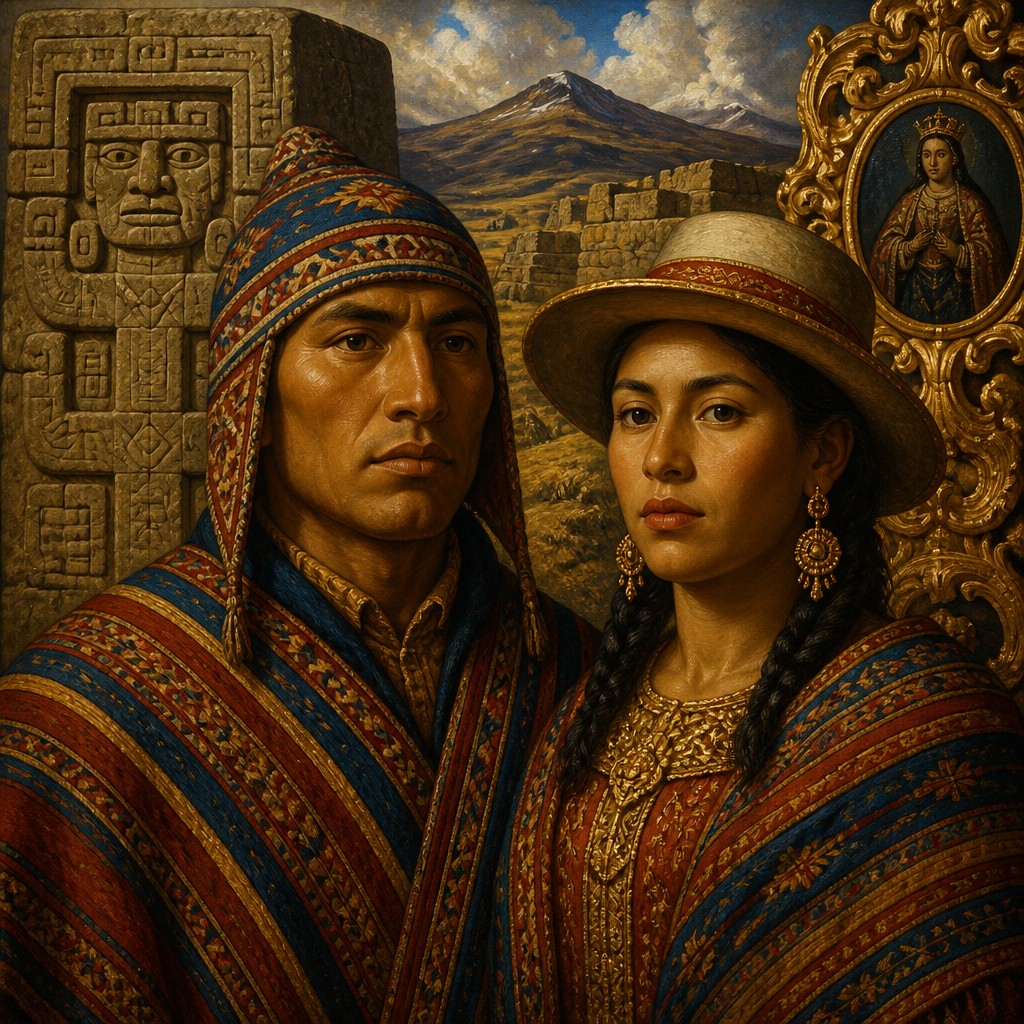
Bolivian art style is a contemporary synthesis of visual traditions associated with the Bolivian Andes. It combines the monumental geometry of Tiwanaku stone carving, the dark tonal depth and gilded ornament of colonial-era painting from Potosí, and the saturated stripes and rhythmic patterning of Andean aguayo textiles. The result is an image language that feels ceremonial, material-rich, and strongly connected to high-altitude landscapes.
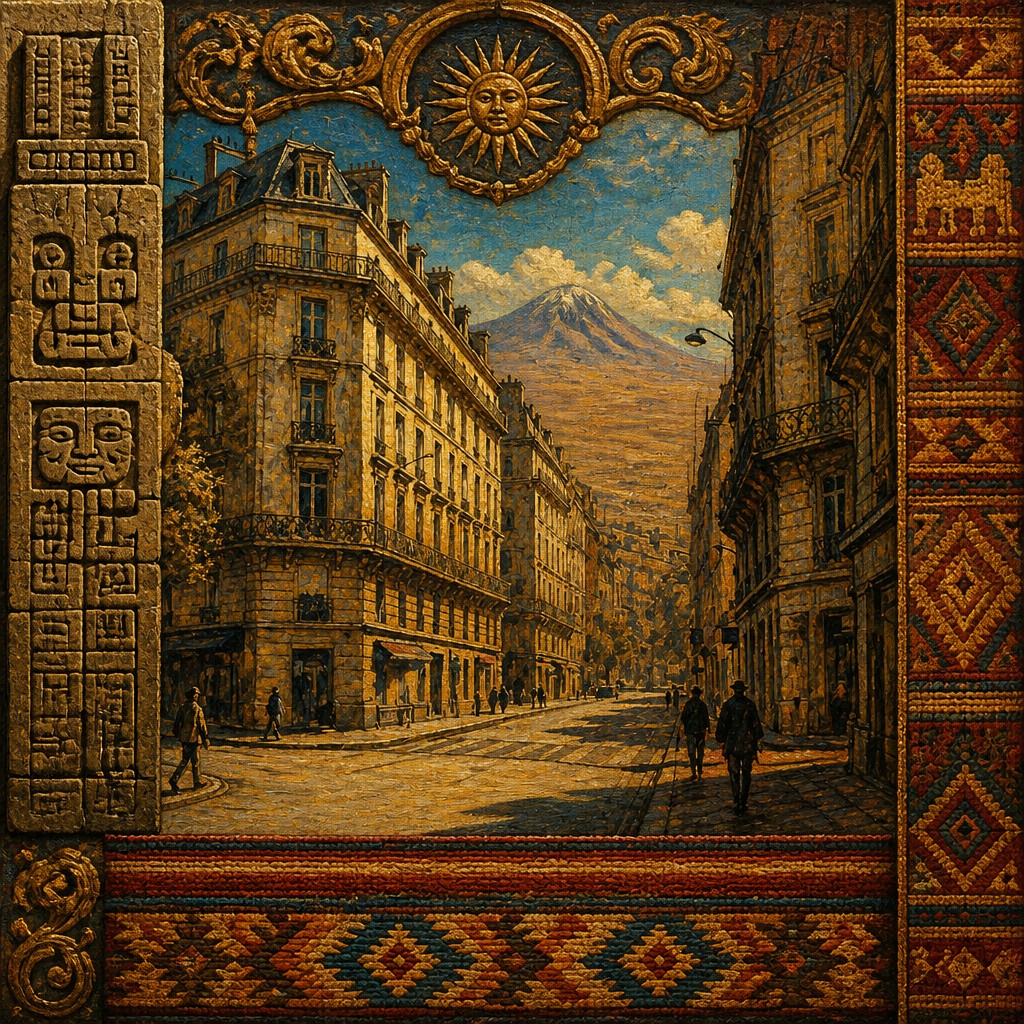
Its visual identity depends on contrast: weathered gray stone against crimson, ochre, and indigo; finely repeated textile motifs against broad plateau horizons; and warm metallic highlights emerging from deep, varnished shadows. High-altiplano light gives surfaces a crisp, almost mineral clarity, while terraces, monoliths, woven bands, and architectural forms create a sense of scale and endurance.
Try It On Your Photos
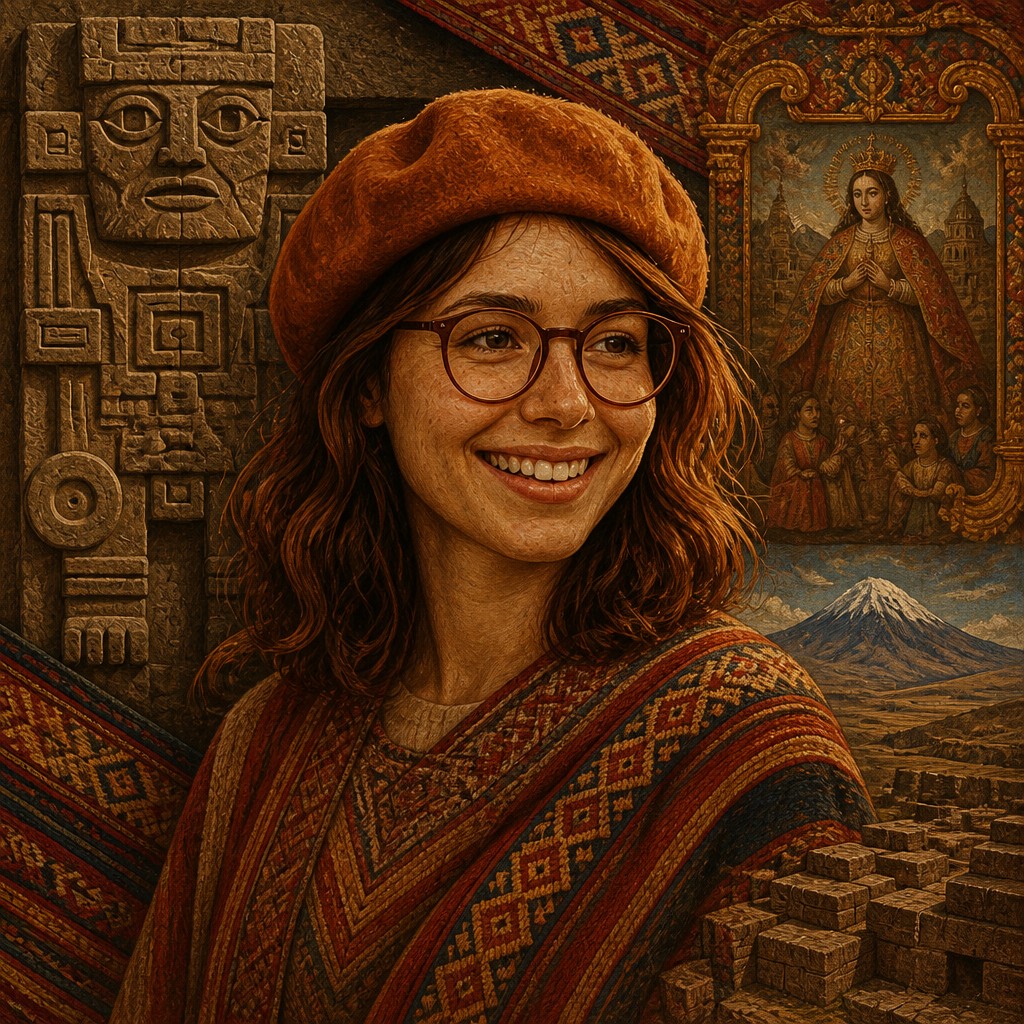
Upload any photo and convert it into Bolivian Art Style — drag the sliders to compare before and after.


What Defines Bolivian Art Style
The signature details, up close
Tiwanaku geometry
Blocky stone forms, stepped profiles, frontal figures, and compact geometric reliefs provide a monumental structural vocabulary. Edges often appear chiseled, weathered, and architecturally weighty.
Potosí tonal drama
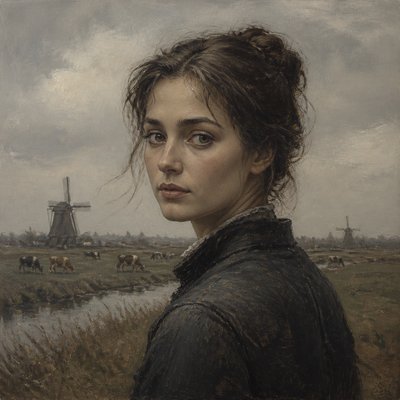
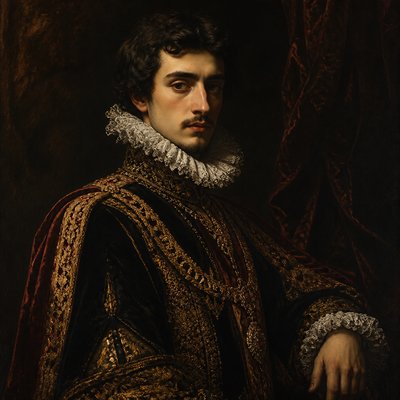
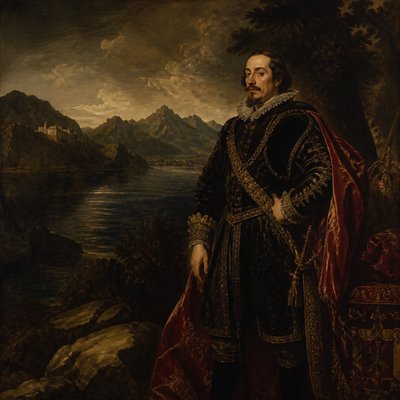
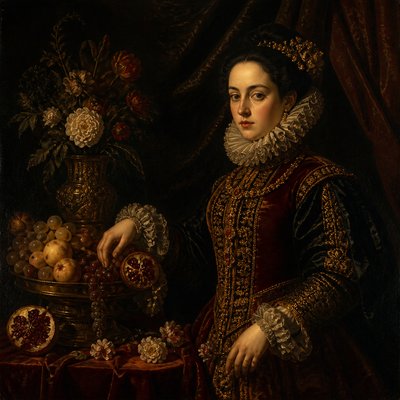
Dark brown, umber, and blackened backgrounds recall the deep varnished depth of colonial-era oil painting. Carefully placed highlights create a devotional, theatrical atmosphere without requiring literal religious subject matter.
Gilded ornament
Thin gold accents, radiant borders, halos, filigree-like details, and metallic architectural decoration introduce visual opulence. Gold works best as a selective highlight against restrained dark passages.
Aguayo stripes and weaving
Dense horizontal bands in crimson, ochre, indigo, rust, and cream establish rhythm and cultural specificity. Visible warp-and-weft texture can make garments, banners, walls, or landscape elements feel physically woven.
High-altiplano light
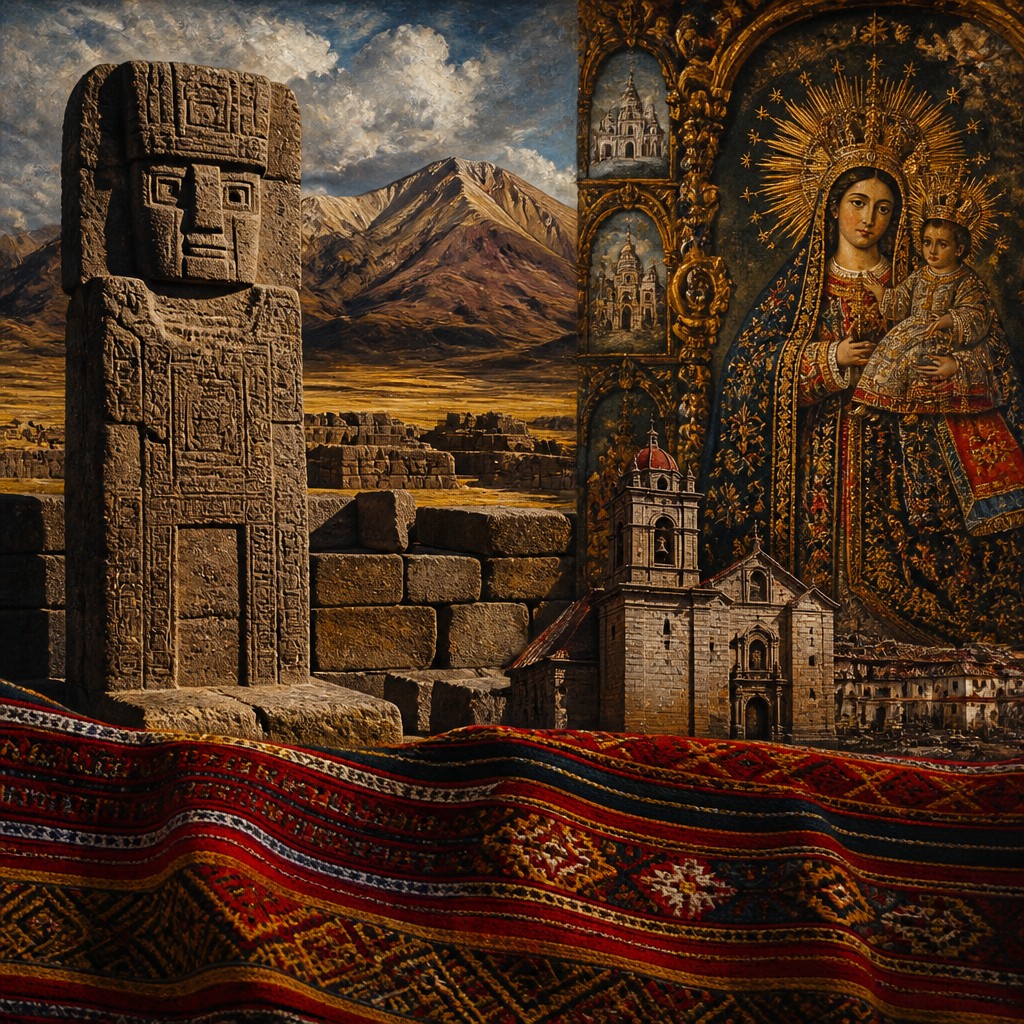
Clear, elevated sunlight produces sharp silhouettes, cool shadows, and unusually transparent atmospheric distance. Stone and dry earth tend to read as tactile, sun-baked, and mineral-rich.
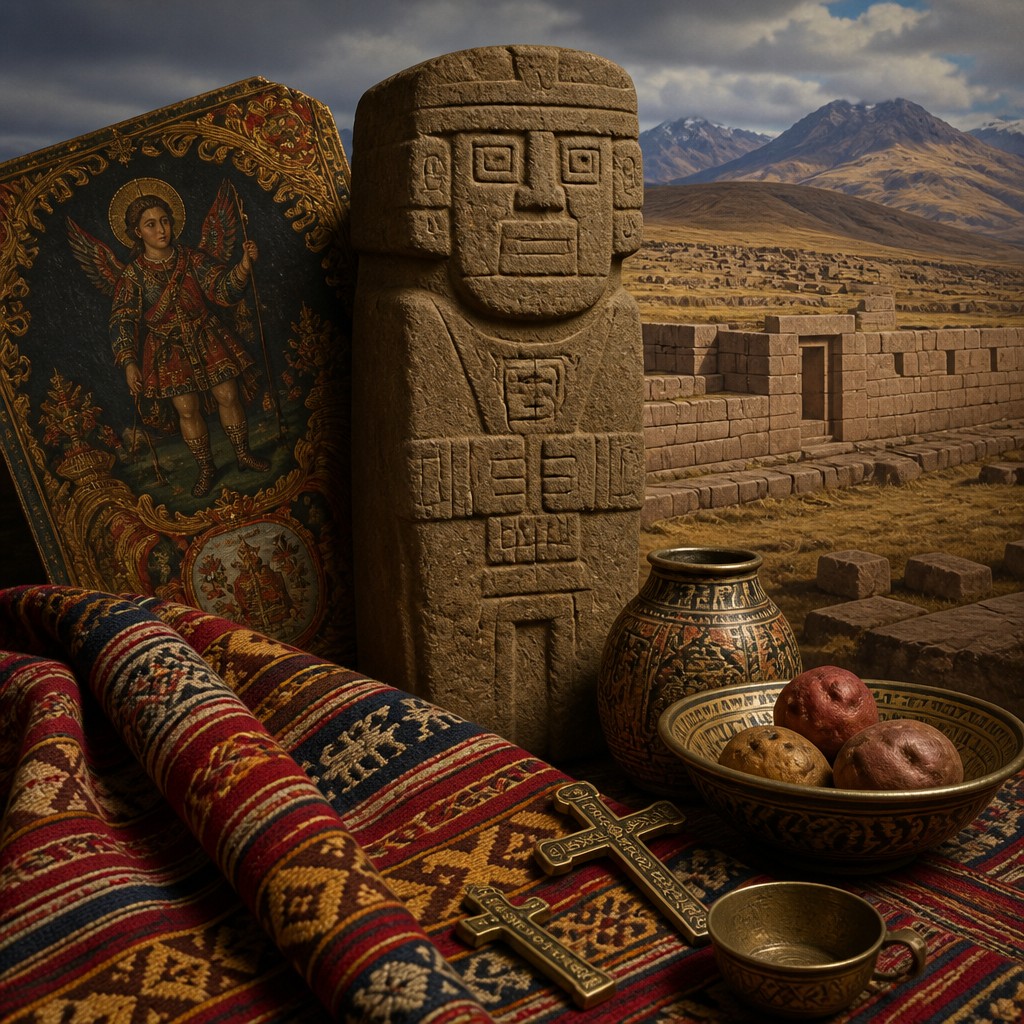
Monumental composition
Figures, animals, and buildings are often arranged frontally or in broad, stable groupings. Terraces, plateaus, and monumental ruins supply a sense of vertical scale and historical continuity.
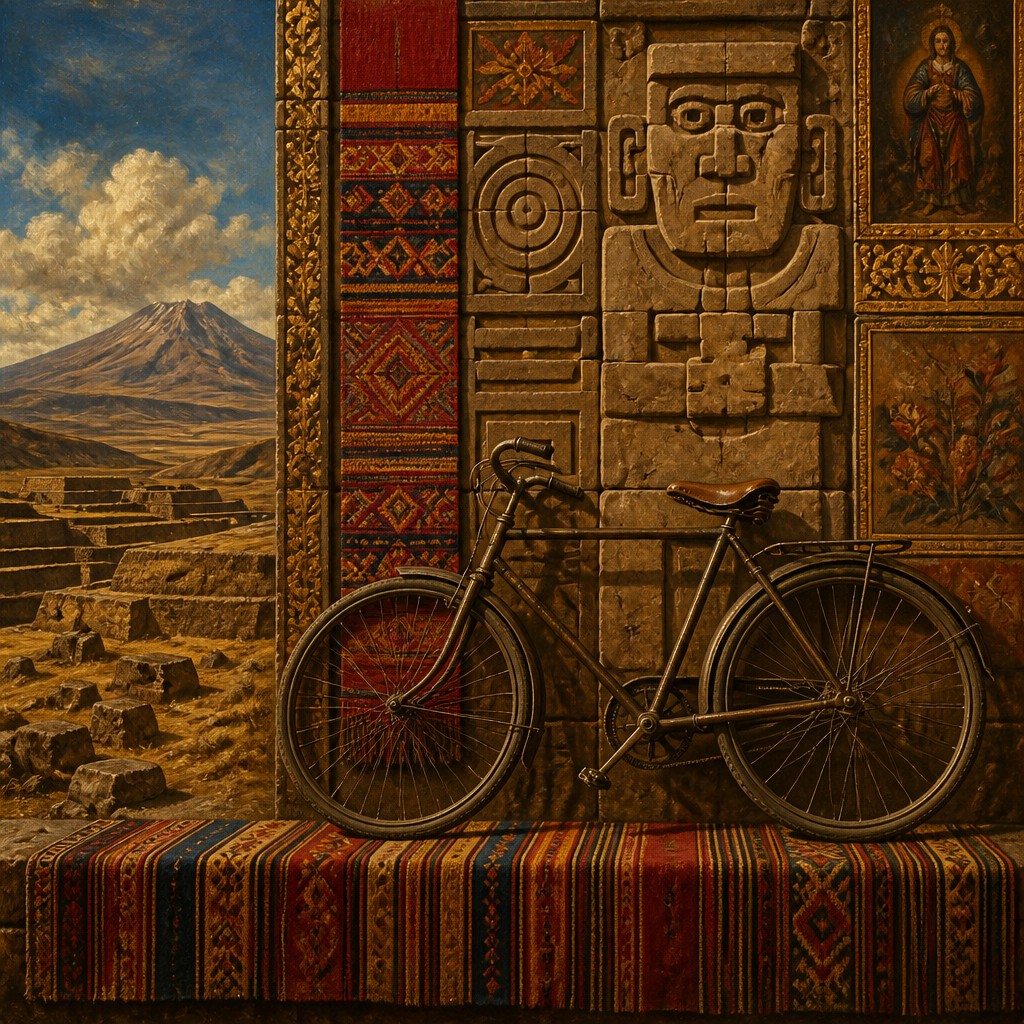
Material contrast
The style depends on the meeting of rough stone, polished metal, dark painted surfaces, and soft woven fiber. Combining these tactile cues prevents the image from becoming merely decorative or uniformly flat.
Bolivian Prompt Ideas
Start from an idea — each one opens the generator with the style ready to go. See all 40 Bolivian prompts →
How to Create Bolivian Art
Master the craft step by step — or skip straight to creating. Read the full guide →
- 1
Build a stone-based structure
Start with a strong silhouette made from terraces, monoliths, stepped platforms, or block-built architecture. Use shallow relief, repeated angles, and restrained perspective to suggest carved stone rather than smooth modern modeling.
- 2
Layer the palette
Establish a foundation of charcoal, umber, slate, and ochre, then add crimson, indigo, and gold in controlled areas. Reserve the brightest highlights for metal, sunlit stone, and selected textile threads.
- 3
Create convincing surface materials
For traditional work, combine dry-brush or scumbled paint for stone with glazing for dark depth and metallic leaf or imitation-gold paint for ornament. Digitally, use separate texture layers for chisel marks, varnish, woven fibers, and reflective gilding.
- 4
Use textile rhythm as composition
Treat aguayo-inspired stripes as structural bands rather than random decoration, aligning them with clothing, banners, terraces, or borders. Vary scale and spacing so the pattern supports the focal subject.
- 5
Shape the light
Use a high, clear light source with crisp edges and cool cast shadows, while keeping recesses noticeably darker. A subtle atmospheric haze can separate distant mountains without weakening the sharpness of nearby stone.
- 6
Write a layered image prompt
Specify the subject first, then describe the stone geometry, colonial tonal depth, gilded details, woven stripes, palette, lighting, and setting. For image-to-image work, preserve the original pose or composition while applying these material and color cues at moderate strength.
The Story
History & Origins of Bolivian
This is not a single historical movement or unified school, but a modern stylistic construction drawing on several periods of Bolivian and Andean visual culture. Tiwanaku art developed around Lake Titicaca roughly between the fifth and tenth centuries CE, and is recognized for carved stone architecture, frontal figures, stepped forms, and tightly organized geometric relief. Colonial painting in Potosí developed after the Spanish conquest, combining European religious formats, oil painting, gilding, dramatic shadow, and local Andean imagery within a complex colonial society shaped by silver mining.
Aguayo refers broadly to handwoven Andean textiles used for carrying, clothing, ceremonial purposes, and everyday life, particularly among Aymara and Quechua communities. Their striped layouts, strong color contrasts, and repeated motifs vary by region and community. The contemporary style described here brings these distinct legacies together for illustration, design, and image-making rather than claiming that they historically formed one consolidated aesthetic.
Influences: The style relates to Tiwanaku architecture and stone sculpture, Andean Aymara and Quechua textile traditions, colonial Andean painting, gilded devotional art, and the dramatic light of highland landscape painting. It also intersects with archaeological reconstruction, heritage-inspired illustration, mural composition, and contemporary digital collage. Its closest visual relatives are hybrid cultural styles that combine historical material references rather than reproduce one period or medium exactly.
Frequently Asked Questions
Is Bolivian art style a recognized historical art movement?
No. In this context, it is a contemporary synthetic style rather than a formally established historical movement. It draws together several real Bolivian and Andean traditions that developed in different periods and social contexts.
What defines the style most clearly?
The defining combination is monumental Tiwanaku-like geometry, dark Potosí-inspired pictorial depth, gilded ornament, and saturated aguayo-style stripes. High-altiplano light and stone-rich settings reinforce the sense of permanence and elevation.
How is it different from generic Andean art?
Generic Andean art is a broad label covering many regions, communities, periods, and media. This style is more specific in its deliberate pairing of Tiwanaku stone forms, Potosí colonial painting effects, and woven highland color bands, while still requiring care not to treat those traditions as interchangeable.
Can this style be used for subjects other than historical scenes?
Yes. Portraits, animals, architecture, fantasy settings, product concepts, and contemporary landscapes can all use its palette and material language. The strongest results retain the balance of stone, textile rhythm, metallic accents, and clear mountain light.
How can I make an image look more woven and tactile?
Specify visible warp-and-weft fibers, tightly repeated horizontal bands, uneven handmade edges, and matte textile surfaces. In editing software, use a fine directional texture layer and keep the pattern aligned with the form of garments, banners, or architectural coverings.
How should cultural references be handled respectfully?
Identify references accurately and avoid presenting a broad mixture as an authentic ceremonial object or community-specific design. Do not copy sacred symbols without context, and distinguish historical Tiwanaku forms, colonial imagery, and living Aymara or Quechua textile traditions when describing the work.
Create your first Bolivian artwork
Describe anything — or upload a photo — and see it in Bolivian Art Style in seconds.
Related Styles
Discover similar art styles