Beninese Art Style
Explore Beninese art traditions through Fon appliqué banners, Abomey palace reliefs, asen memorial staffs, and vivid royal symbolism.
Instantly rendered in Beninese — or transform a photo
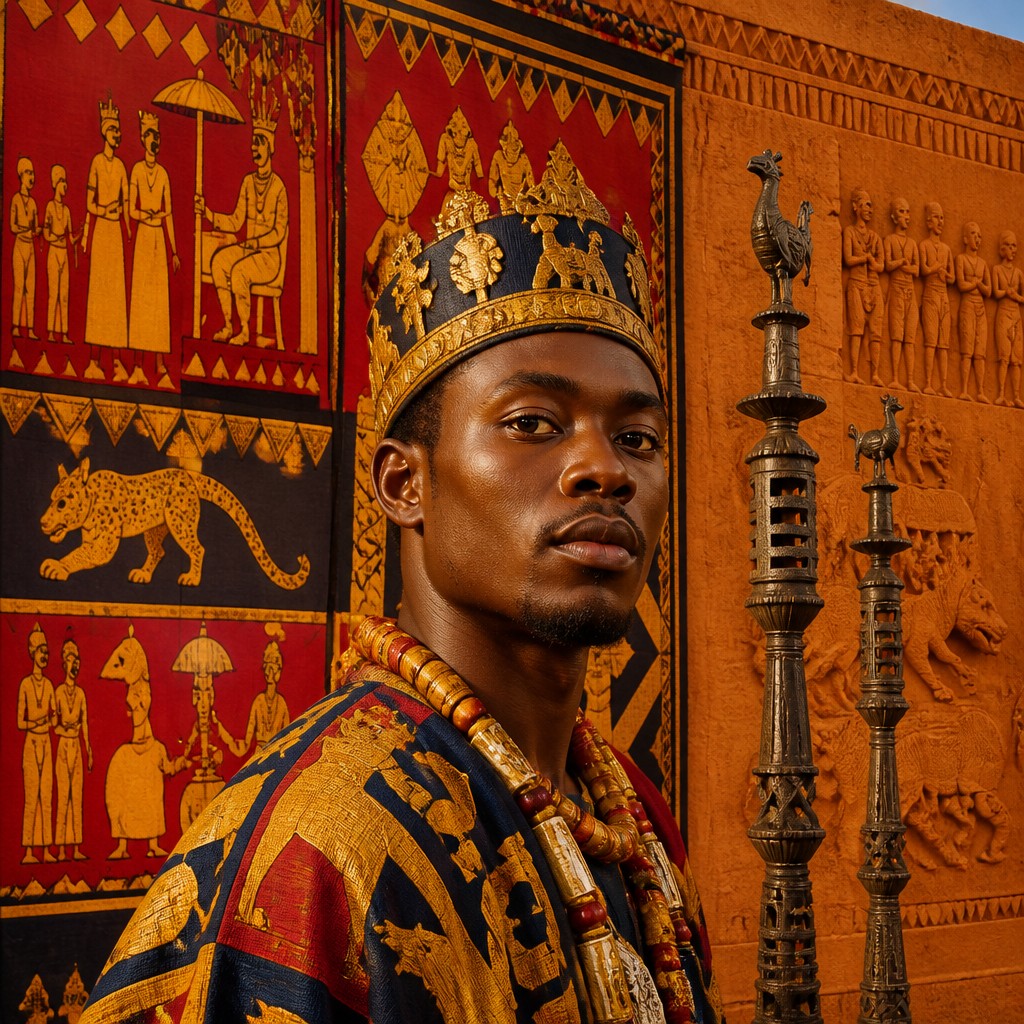
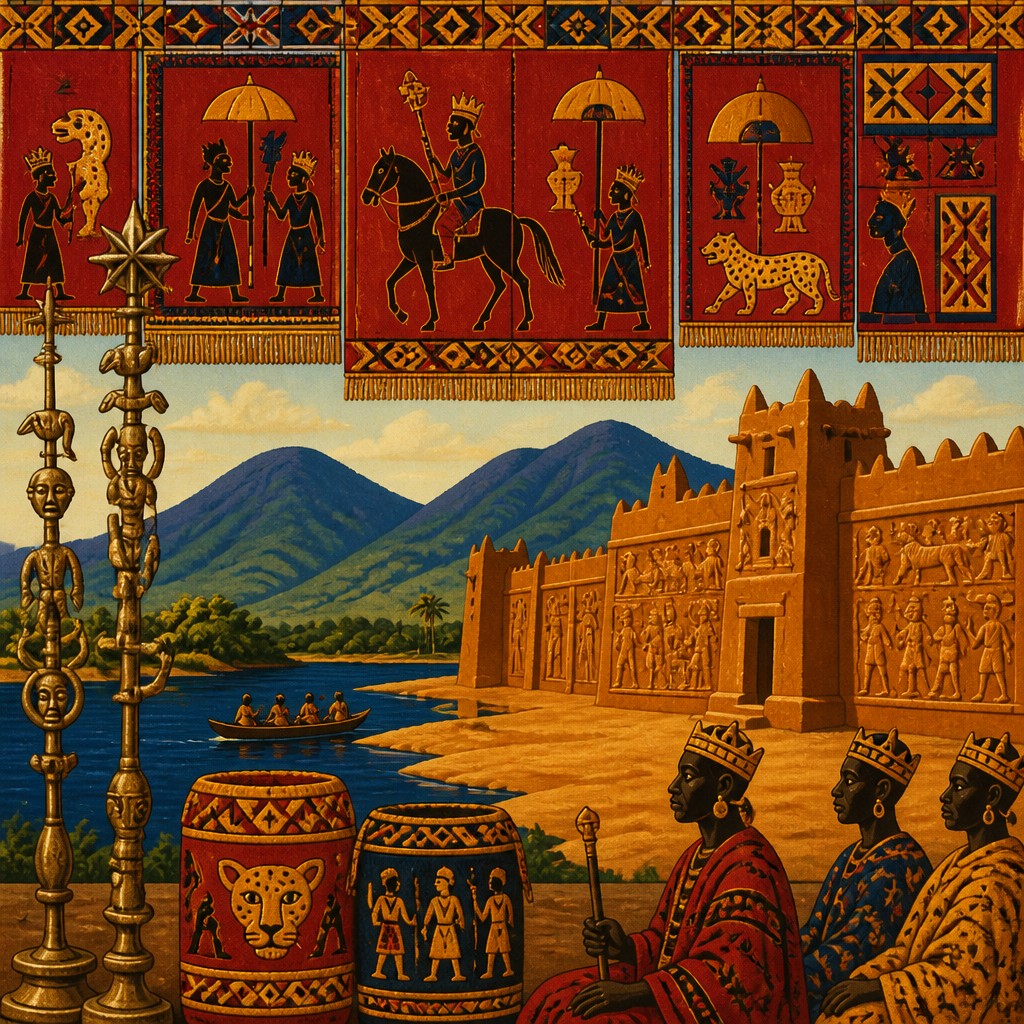
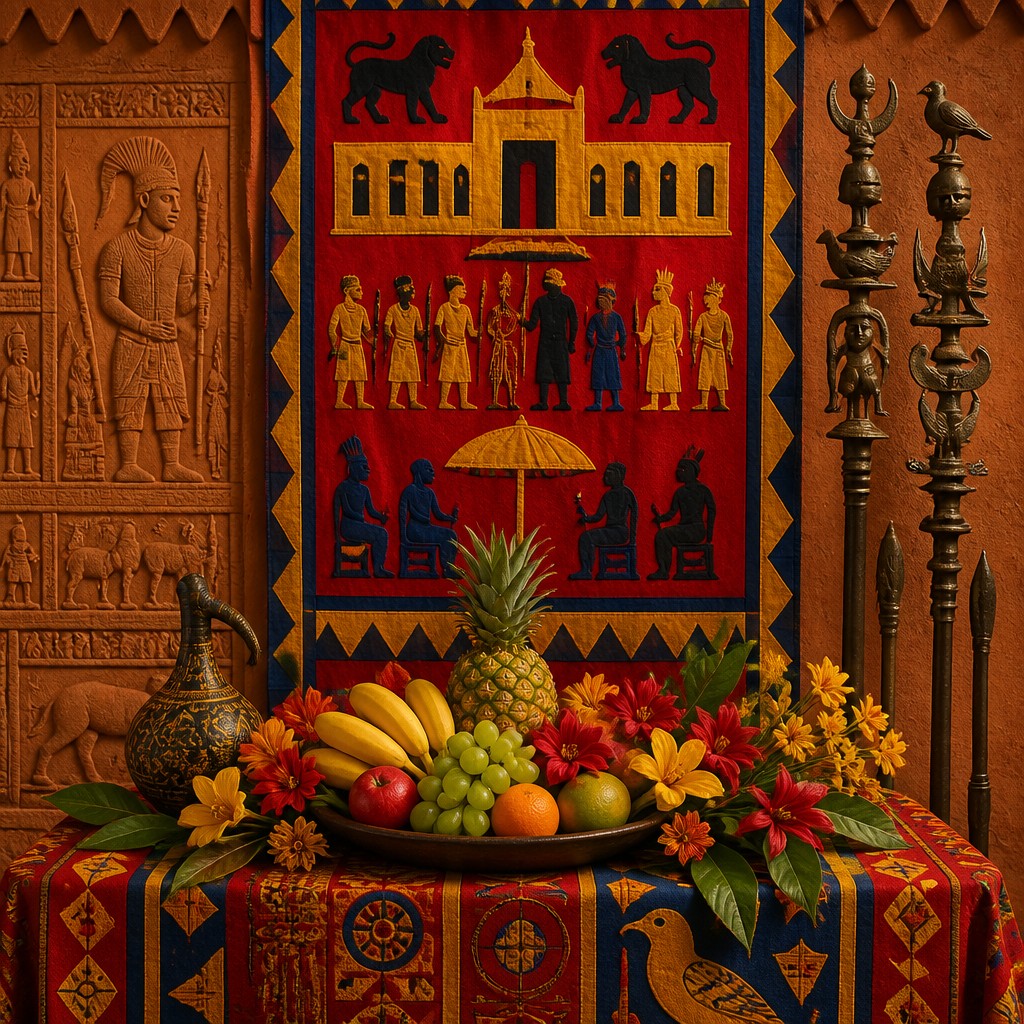
Beninese Gallery
Tap any artwork to explore it
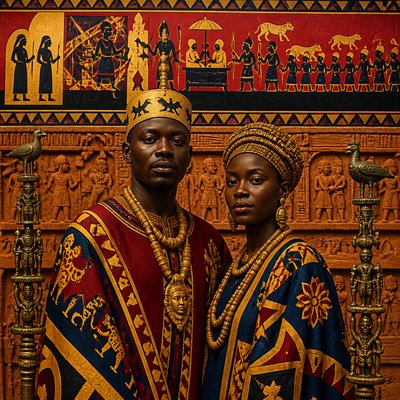
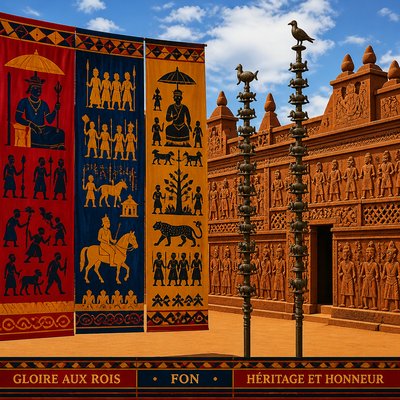
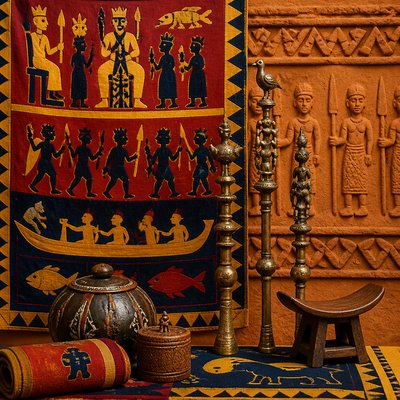
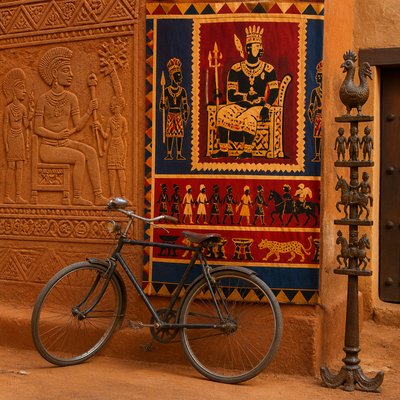
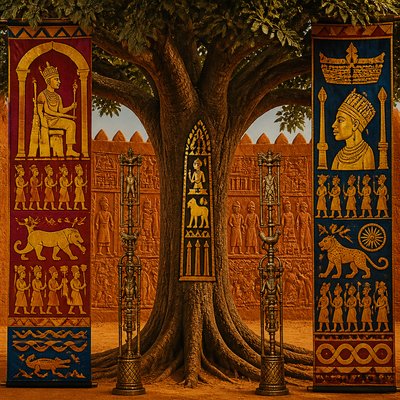
What is Beninese Art Style?
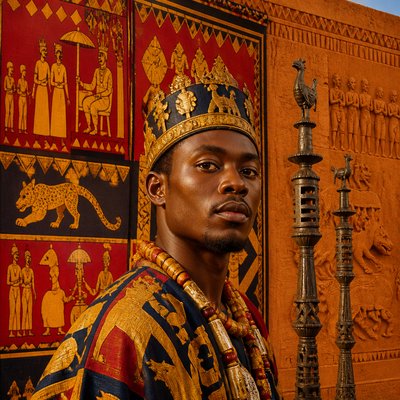
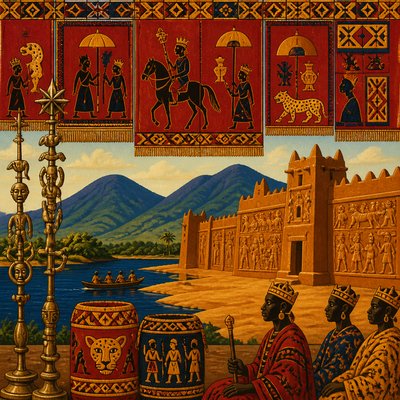
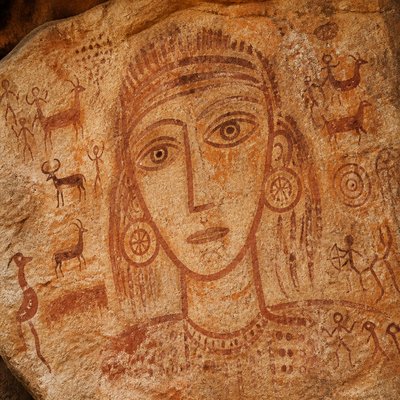
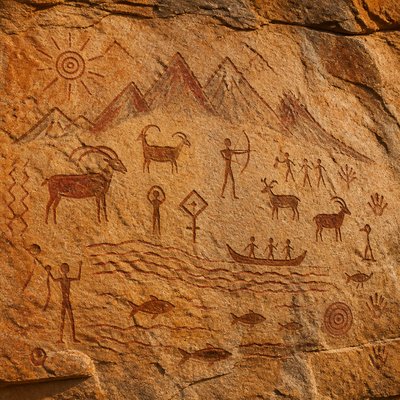
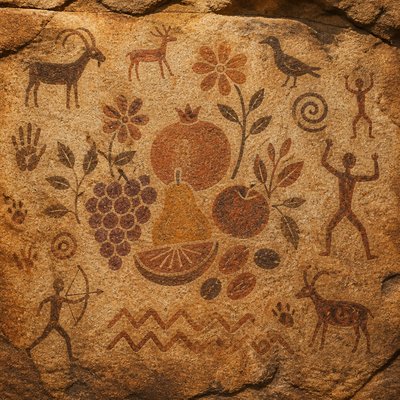
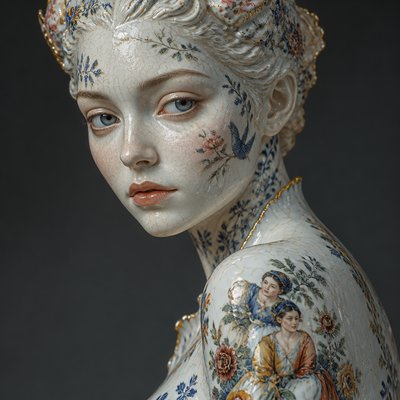
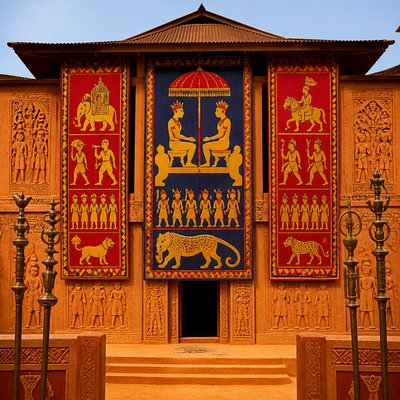
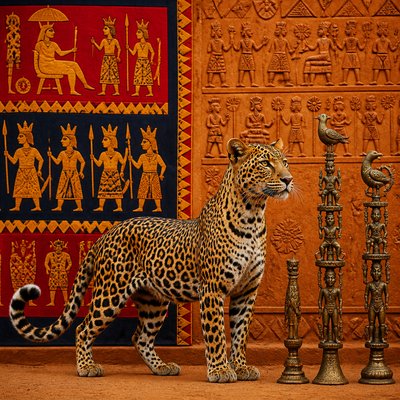
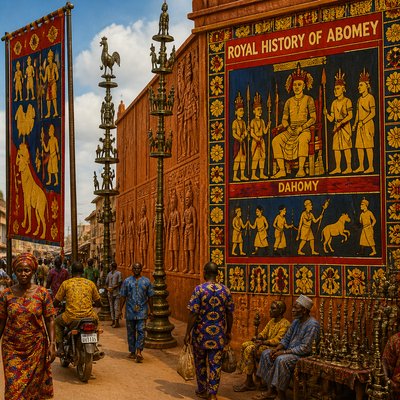
Beninese art style is a modern umbrella description for a vivid visual language rooted especially in the courtly traditions of the Fon people of the historic Kingdom of Dahomey, in present-day southern Benin. It combines bold appliqué textiles, symbolic metalwork, modeled relief sculpture, and strongly outlined figures to convey royal history, spiritual relationships, power, warfare, animals, and proverbs.
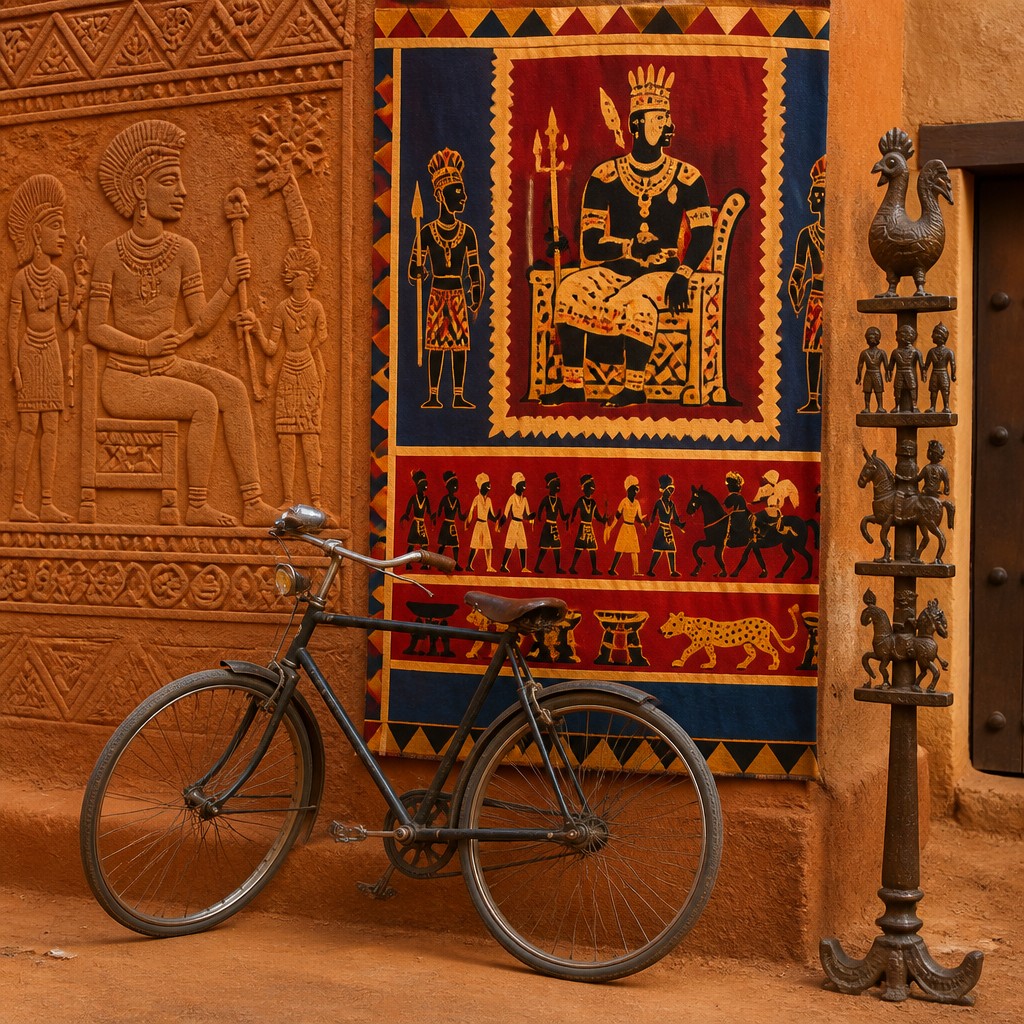
Its visual identity depends on legible silhouettes, compressed space, rhythmic pattern, and saturated color. Red, ochre, gold, indigo, black, and cream commonly create a ceremonial palette, while layered cloth, raised relief, and stacked metal elements give images a tactile, constructed character. Rather than treating decoration as separate from meaning, these traditions use material, emblem, color, and placement to communicate social and historical narratives.
Try It On Your Photos
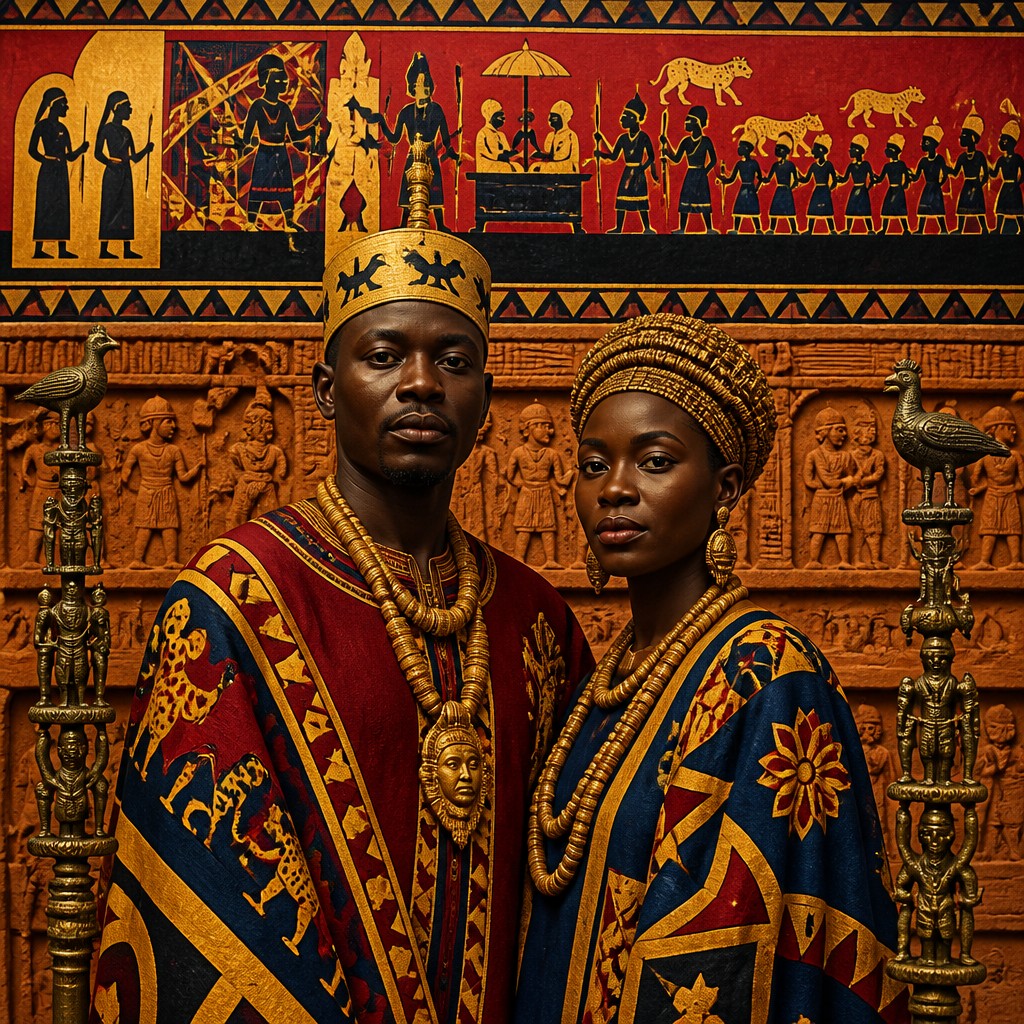
Upload any photo and convert it into Beninese Art Style — drag the sliders to compare before and after.
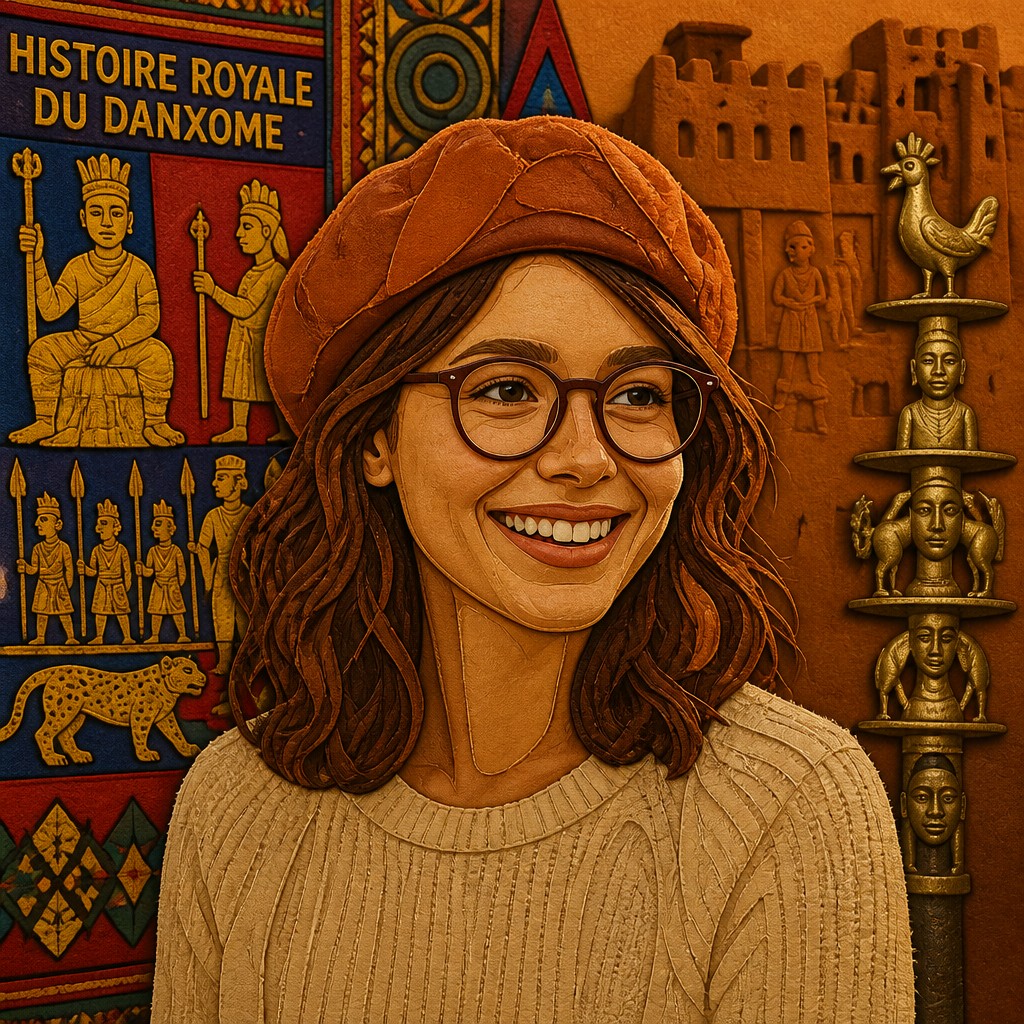

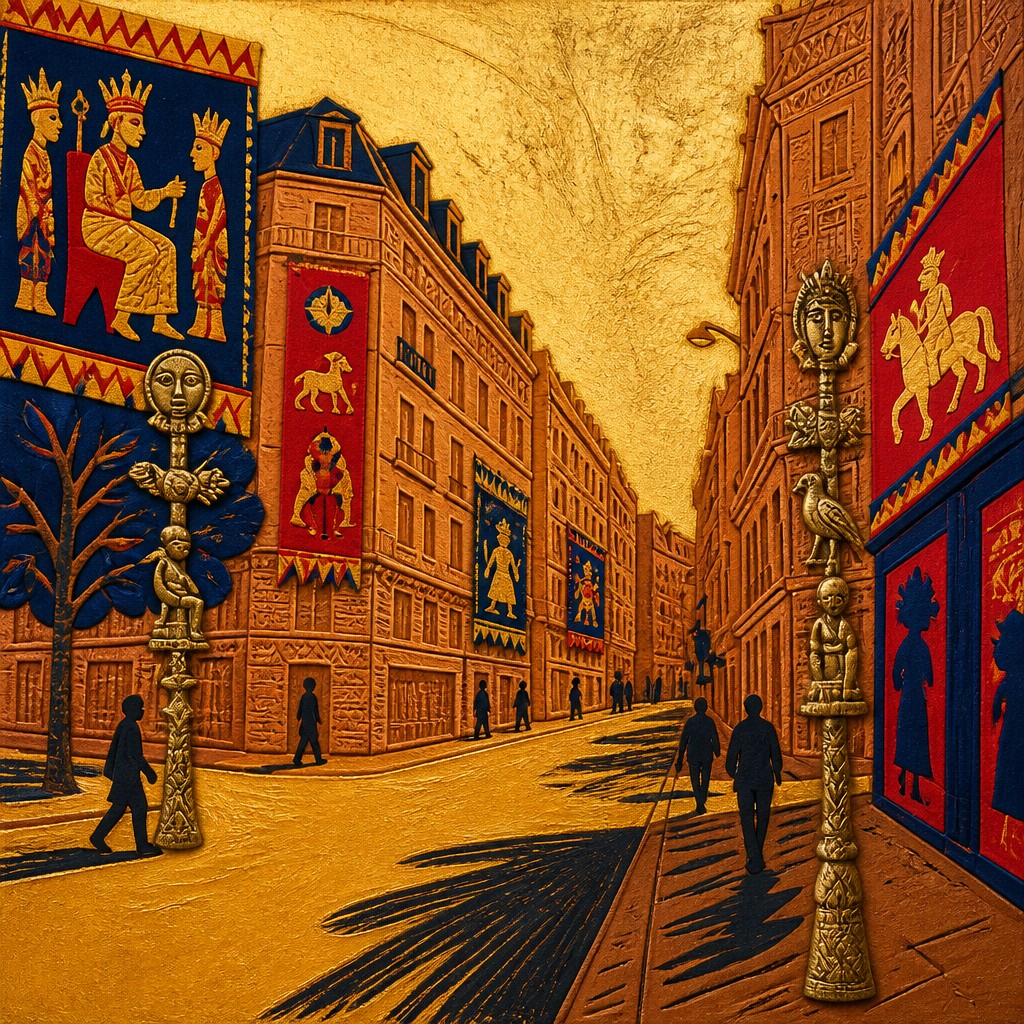

What Defines Beninese Art Style
The signature details, up close
Cut-cloth silhouettes
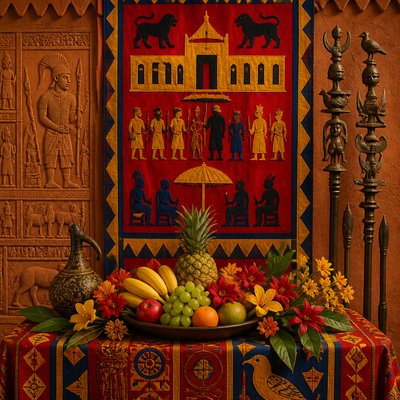
Appliqué imagery uses sharply cut fabric shapes stitched onto contrasting grounds. Figures, animals, weapons, plants, and emblems are reduced to readable profiles rather than modeled with naturalistic shading.
Royal narrative symbolism
Compositions communicate history through emblems, proverbs, dynastic references, and scenes of courtly or military significance. Objects often carry layered meanings connected to authority, memory, protection, or ancestry.
Abomey relief structure
Palace relief traditions favor flattened, frontal forms arranged across earthen or plaster surfaces. Ochre clay, terracotta, and weathered wall textures can suggest the architecture of royal compounds in Abomey.
Asen-like vertical forms
Memorial staffs are slender and upright, with a shaft supporting stacked platforms, figures, animals, tools, or other signs. Their tiered construction creates a compact visual hierarchy suited to ceremonial display.
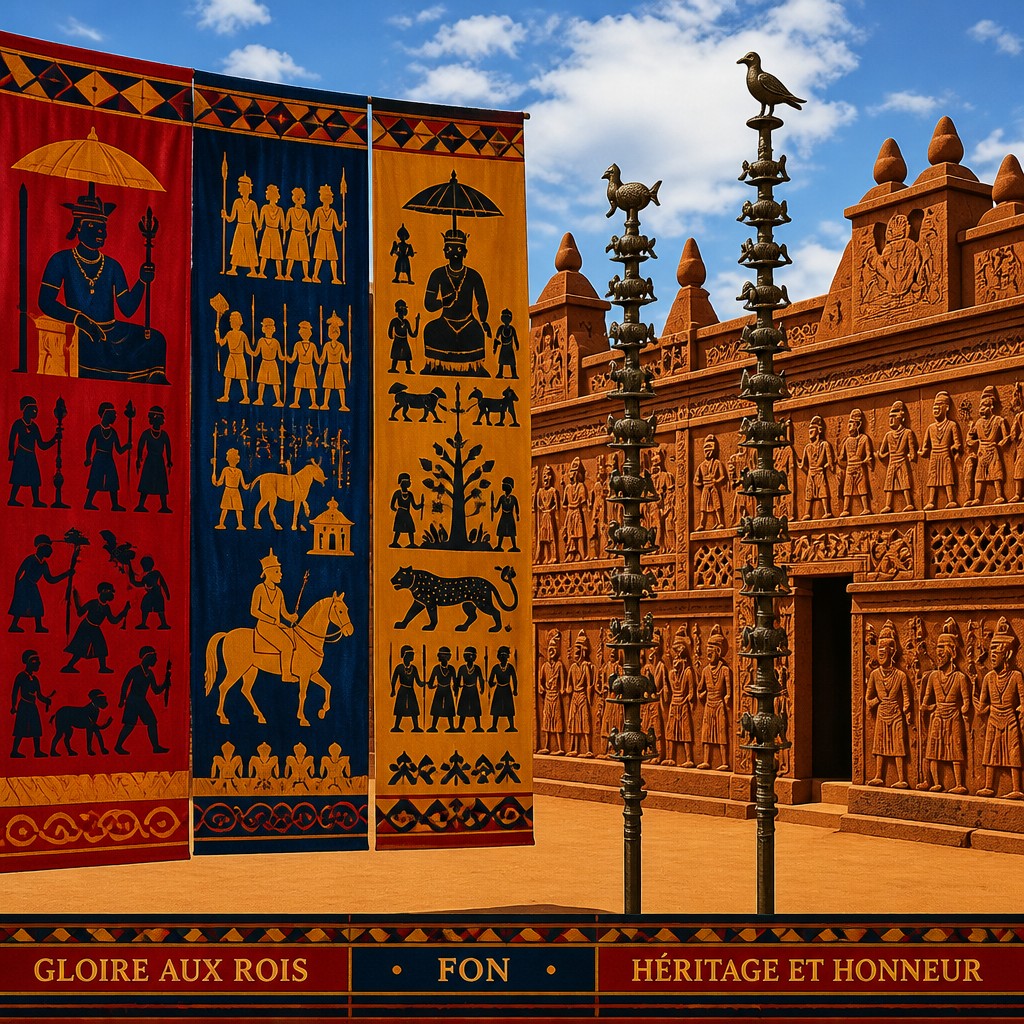
Saturated ceremonial palette
Deep reds, golden yellows, indigo blues, black, cream, and earthen ochres produce high contrast and a festive yet authoritative mood. Metallic gold or brass accents can emphasize sacred and royal associations.
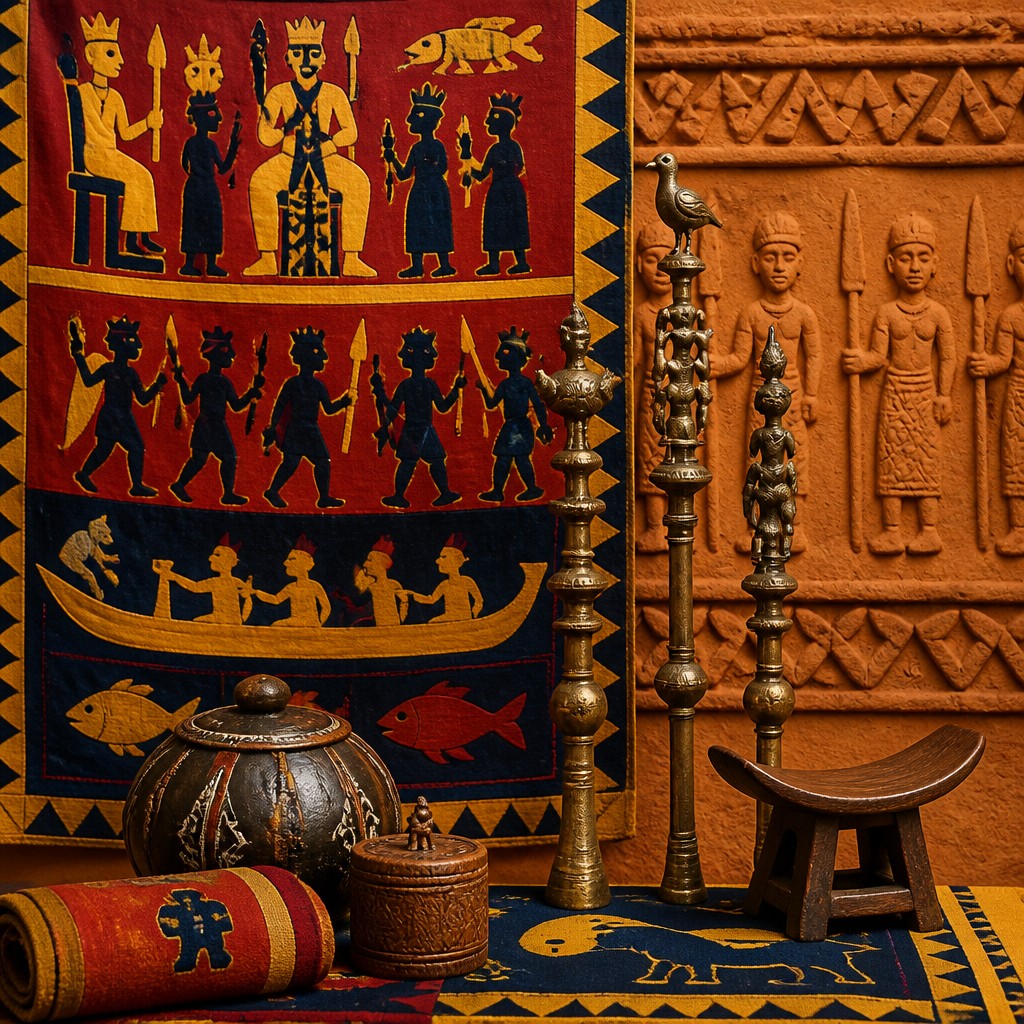
Frontal, compressed composition
Figures are commonly presented in profile or frontal view with limited depth and clearly separated planes. Repetition, symmetry, borders, and stacked motifs make the image easy to read from a distance.
Tactile layered surfaces
The style suggests sewn cloth, raised appliqué, hammered metal, modeled clay, carved or molded relief, and worn architectural surfaces. Visible seams, edges, patina, and irregular handmade contours are important parts of its character.
Beninese Prompt Ideas
Start from an idea — each one opens the generator with the style ready to go. See all 40 Beninese prompts →
How to Create Beninese Art
Master the craft step by step — or skip straight to creating. Read the full guide →
- 1
Build a symbolic silhouette
Begin with a single clear subject such as a royal animal, ceremonial object, or historical scene. Reduce it to bold geometric or organic shapes that remain recognizable without internal shading.
- 2
Layer the material structure
For a traditional approach, cut and stitch colored cloth onto a contrasting textile ground, or model shallow figures in clay or plaster. Digitally, imitate these processes with separate shape layers, visible seams, raised edges, and restrained surface texture.
- 3
Use a ceremonial palette
Favor saturated red, ochre, gold, indigo, black, and cream, balancing warm earth colors with strong blue accents. Reserve metallic highlights for emblems, staffs, jewelry, or other focal details.
- 4
Organize the narrative
Arrange motifs in a banner-like horizontal field, a palace-wall panel, or a vertically tiered memorial staff. Repeat borders and symbols to create rhythm, while keeping the central story legible.
- 5
Add credible surface detail
Specify woven fibers, stitched appliqué, hammered brass, oxidized iron, modeled clay, earthen plaster, or worn pigment instead of relying on generic decorative texture. Keep the material cues subordinate to the symbolism.
- 6
Write precise image prompts
Name the subject, composition, materials, palette, and historical setting in that order; for example, request a ceremonial animal emblem on layered cloth with an ochre palace-wall background and tiered metal symbolism. Avoid asking for random exotic motifs, and describe the cultural reference accurately.
The Story
History & Origins of Beninese
The style draws primarily from the artistic traditions of the Dahomey kingdom, which flourished from the seventeenth century until its incorporation into French colonial rule in the late nineteenth century. Royal workshops produced appliqué textiles and palace reliefs that recorded dynastic events, military achievements, royal emblems, animals, proverbs, and symbols associated with authority. Appliqué banners were made by cutting colored cloth and stitching or layering it onto a ground, creating simplified figures with strong contours.
Asen are memorial and devotional metal staffs used in Fon religious practice, particularly in connection with ancestors and royal memory. They often combine a slender shaft with a platform or tiered finial carrying symbolic figures and objects; materials may include iron, brass, copper, and other metals rather than bronze alone. The contemporary label “Beninese art style” therefore describes an aesthetic synthesis of several related traditions, not a single historical movement with one fixed period or technique.
Influences: The style is closely related to Fon court art, Dahomey royal appliqué, Abomey palace relief traditions, and West African metalworking and ancestral memorial practices. It also shares formal qualities with textile collage, heraldic design, relief sculpture, vernacular mural art, and modern graphic illustration: strong contour, emblematic imagery, frontal presentation, and storytelling through repeated symbols. These parallels should not obscure the specific cultural and ritual contexts of the source traditions.
Frequently Asked Questions
What defines the Beninese art style?
It is defined by a synthesis of Fon royal visual traditions: bold appliqué silhouettes, symbolic narrative panels, earthen palace reliefs, and tiered metal asen staffs. Strong contours, compressed space, saturated colors, and tactile layered surfaces are central features.
Is Beninese art style the same as the art of the Kingdom of Benin?
No. The Kingdom of Benin was a historic Edo kingdom centered in present-day southern Nigeria, while this label primarily refers to traditions associated with the Fon Kingdom of Dahomey in present-day Benin. Their histories and artistic systems are distinct, even though both include important royal metalwork.
What are asen?
Asen are metal staffs used in Fon memorial and devotional practices to maintain relationships with ancestors and honor the dead. A typical asen has a shaft and a raised platform or finial carrying symbolic forms; materials can include iron, brass, copper, and other metals.
How are the textile designs made?
Traditional appliqué banners are created by cutting pieces of colored cloth and stitching them onto a textile ground, often using contrasting outlines and repeated borders. The process produces flat but visibly layered images whose motifs can encode royal history, proverbs, animals, or political symbols.
How does this style differ from generic African art?
It is more specific than a broad continental category because it points to identifiable Fon and Dahomey traditions, including royal appliqué, Abomey relief, and asen symbolism. A responsible interpretation should name materials, structures, and cultural functions rather than use generalized tribal decoration.
Where is this visual language used today?
Its forms and motifs continue to inform museum displays, textile production, heritage interpretation, contemporary craft, public art, illustration, and design in Benin and beyond. Contemporary makers may adapt the materials and subjects, but historical symbols should be used with attention to their cultural context.
Create your first Beninese artwork
Describe anything — or upload a photo — and see it in Beninese Art Style in seconds.
Related Styles
Discover similar art styles