Belizean Art Style
Explore Belizean art style: Maya relief carving, jade mosaic, rainforest light, and Garifuna textile and drum motifs in a humid tropical palette.
Instantly rendered in Belizean — or transform a photo
Belizean Gallery
Tap any artwork to explore it
What is Belizean Art Style?
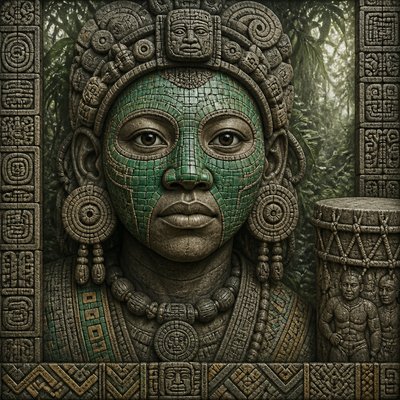
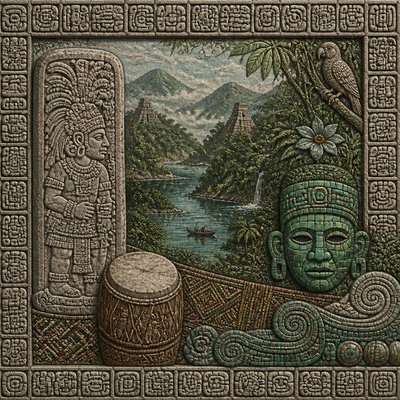
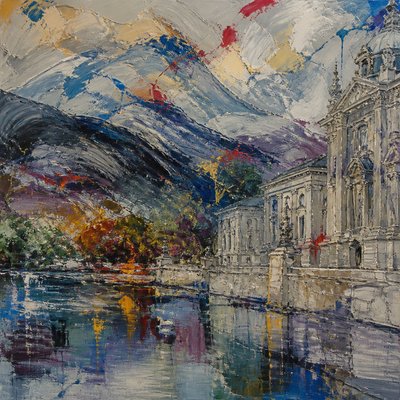
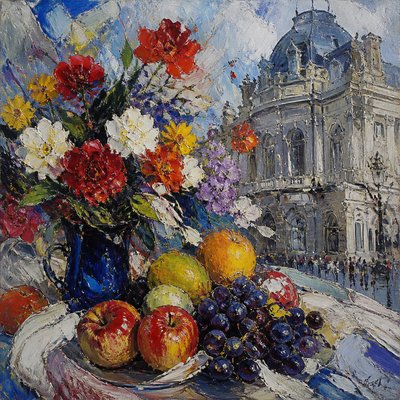
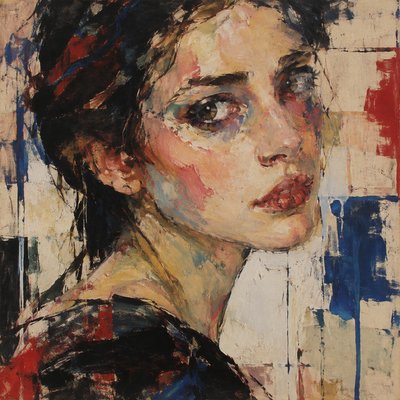
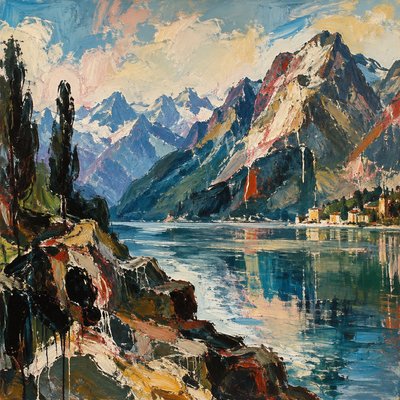
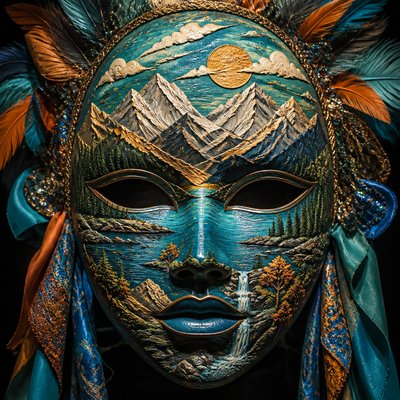
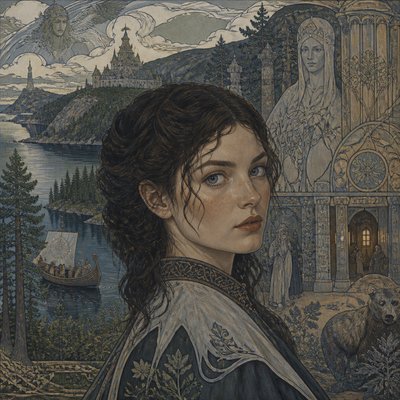
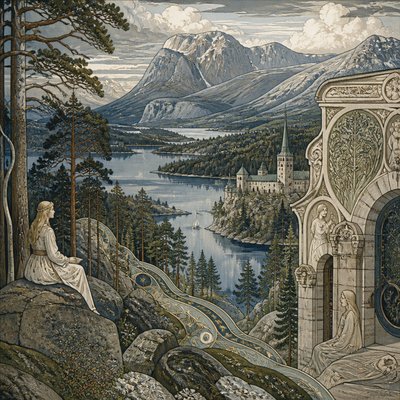
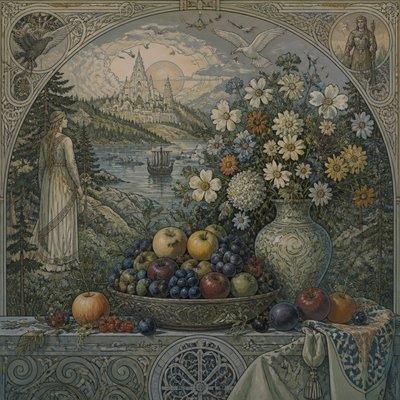
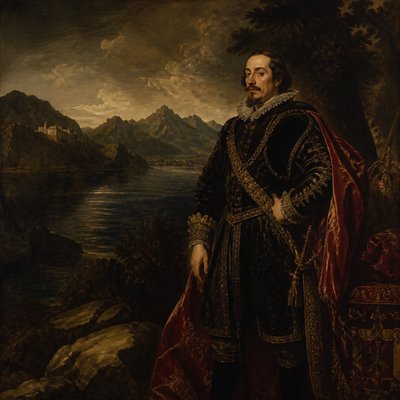
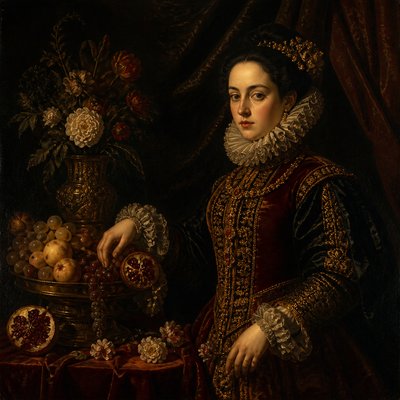
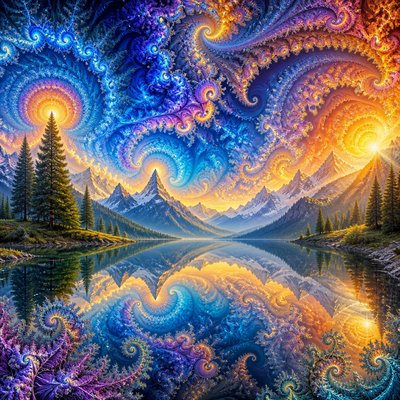
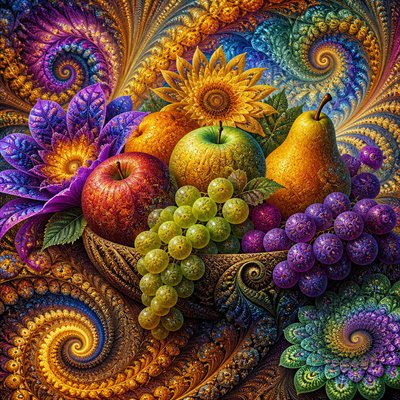
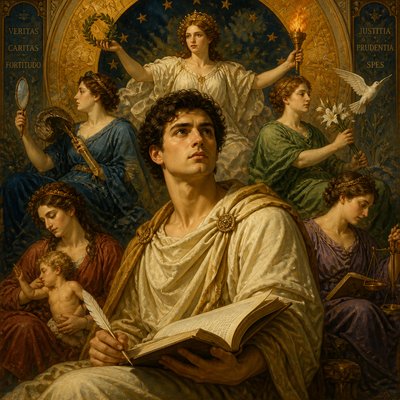
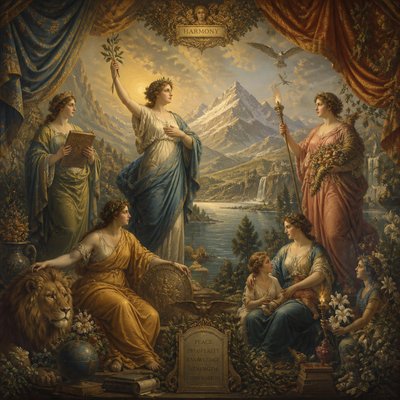
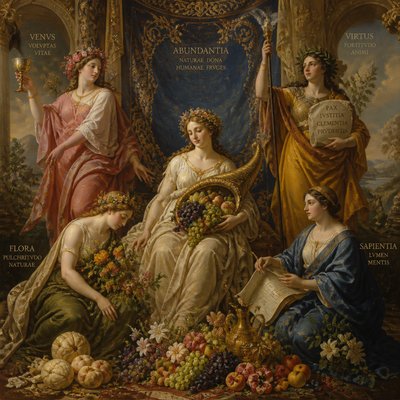
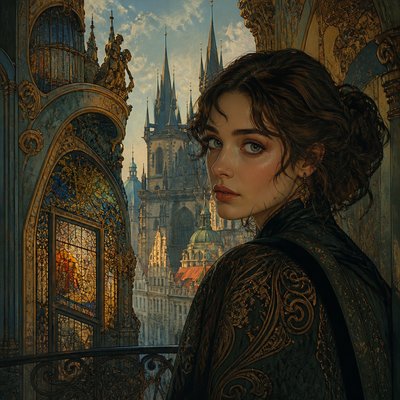
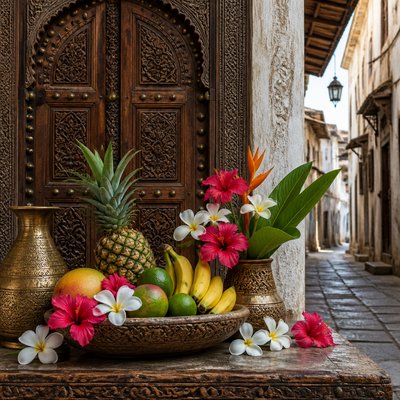
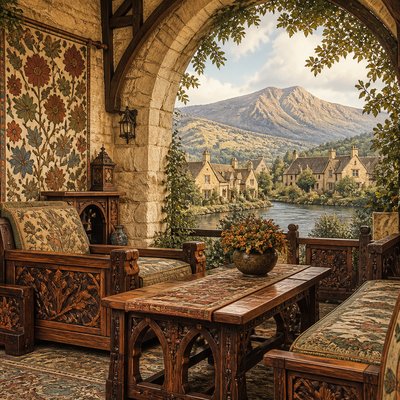
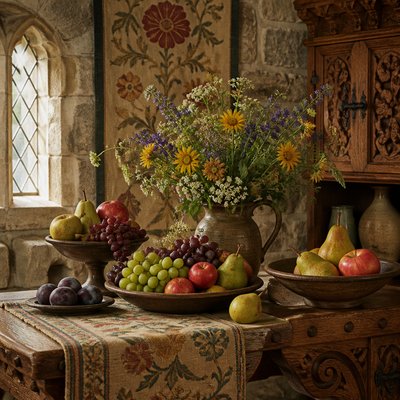
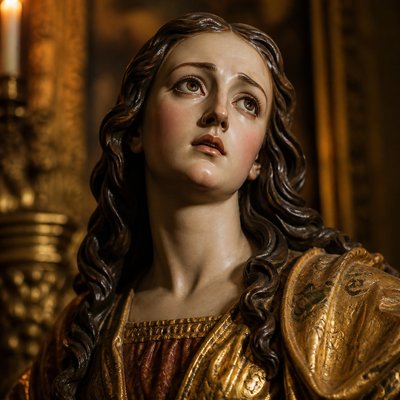
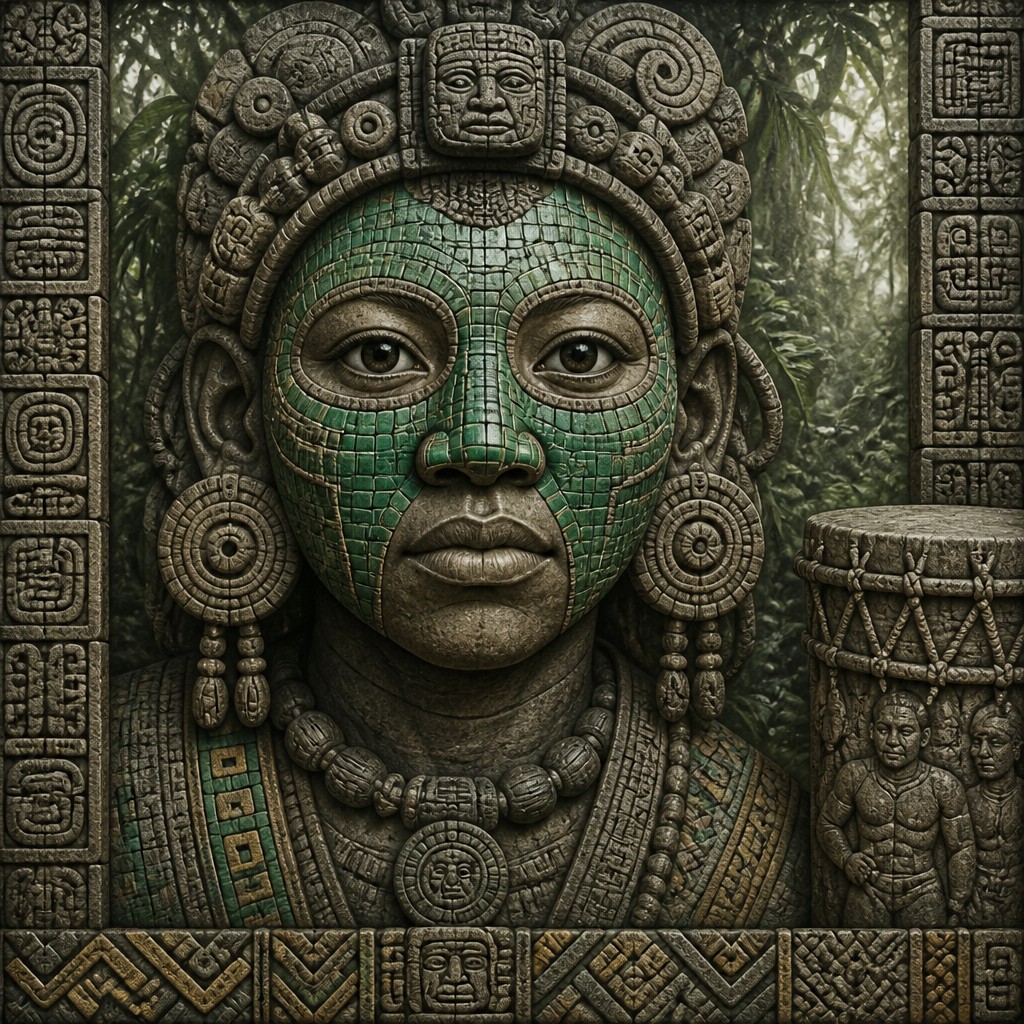
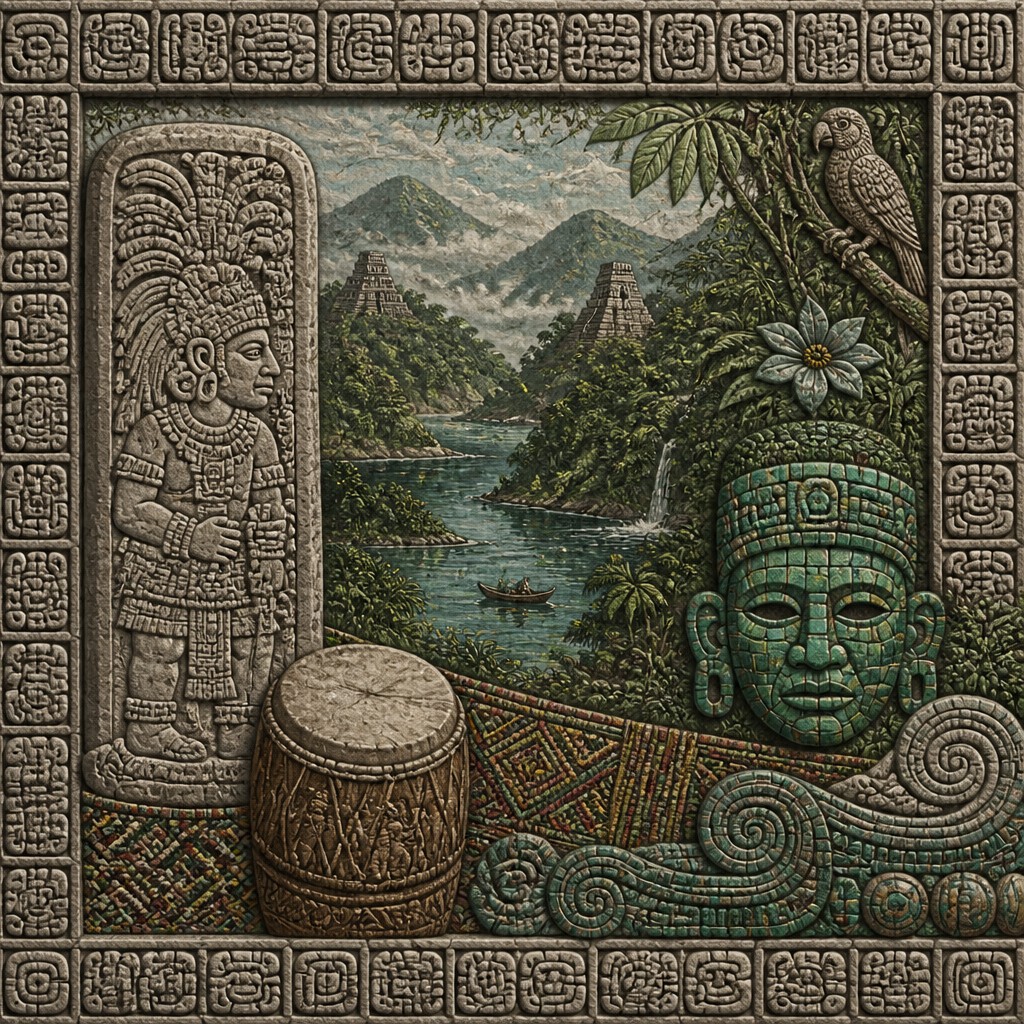
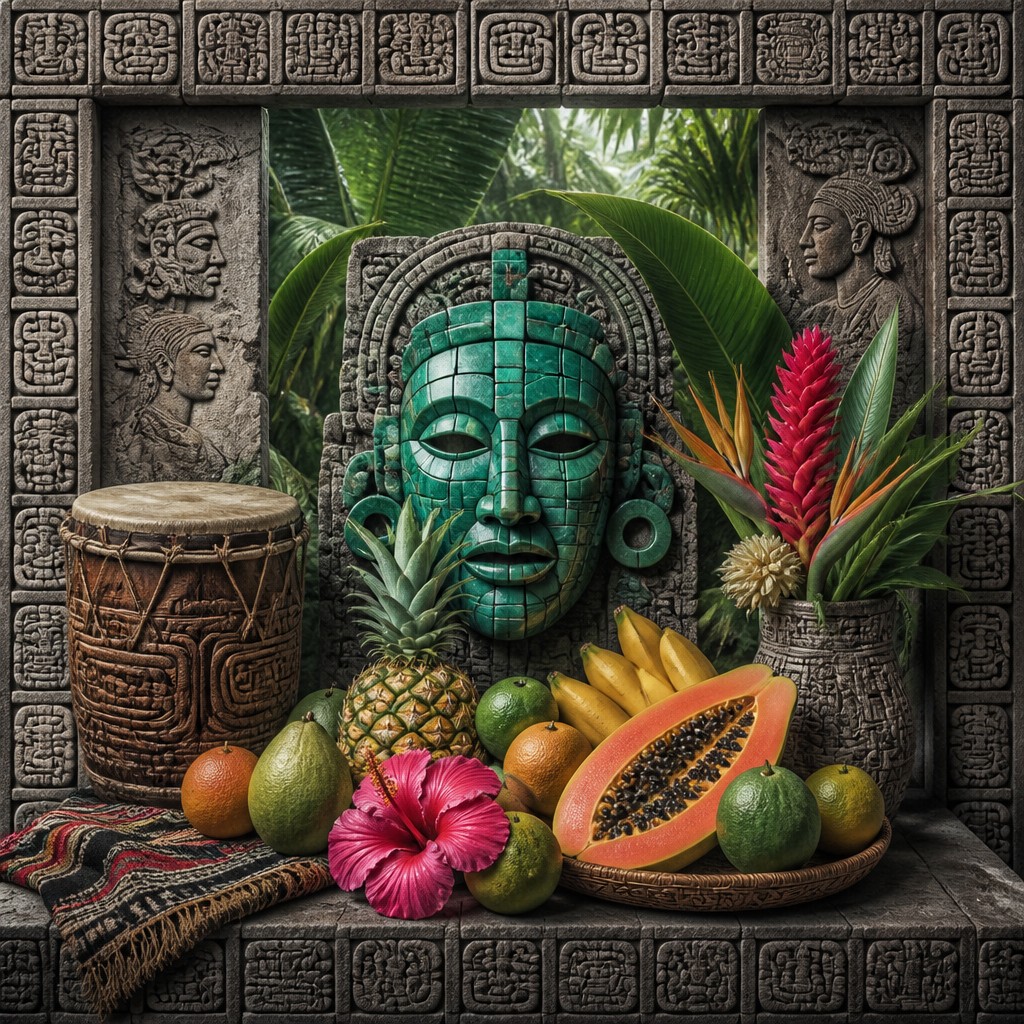
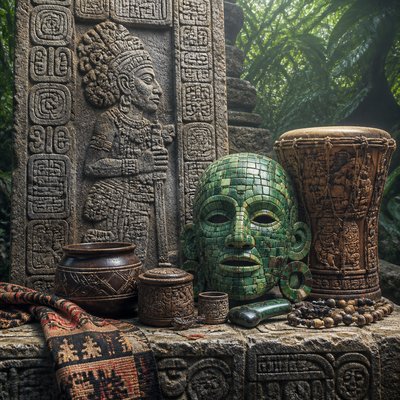
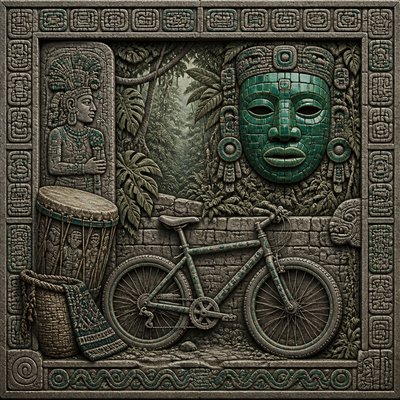
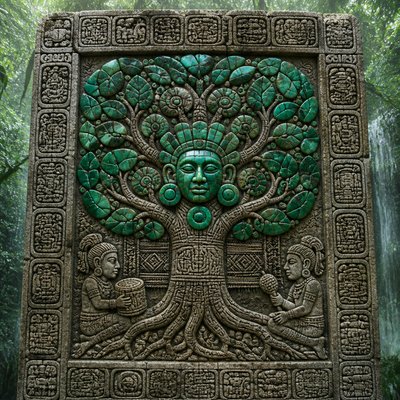
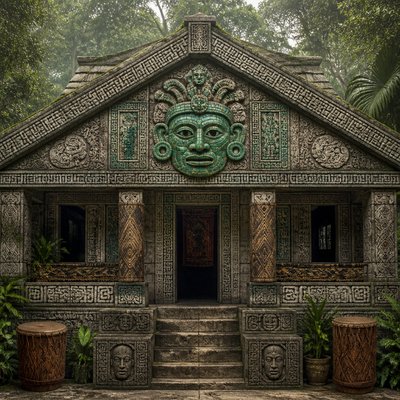
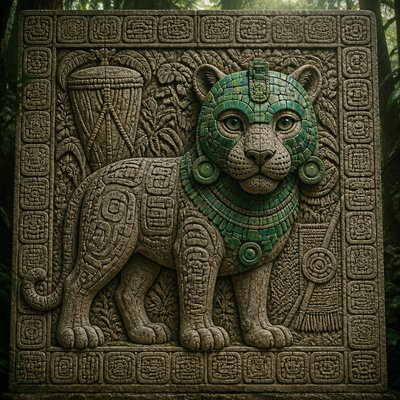
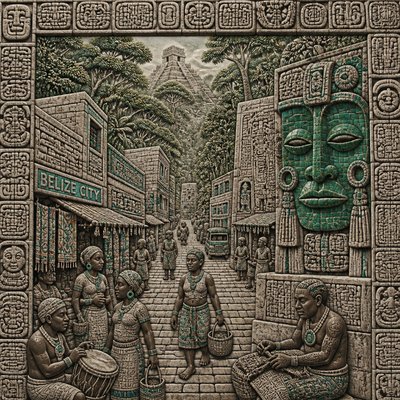
Belizean Art Style is an invented contemporary synthesis inspired by the carved limestone monuments, jade ornament, rainforest environments, and living cultural traditions associated with Belize. Its visual language combines the solemn geometry of Maya stelae relief with the saturated greens and blue-greens of jade, while woven patterns, carved drums, and rhythmic surface marks evoke Garifuna material culture. The result is a dense, tactile aesthetic that feels archaeological, ceremonial, and vividly tropical.
The style is defined by contrast: monumental stillness against humid atmospheric light, hard stone against polished mosaic, and disciplined glyphic pattern against the organic disorder of jungle foliage. It is best understood as an interpretive visual vocabulary rather than a single historical Belizean school. Responsible use should distinguish ancient Maya heritage from Garifuna and other contemporary Belizean traditions rather than treating them as interchangeable symbols.
Try It On Your Photos
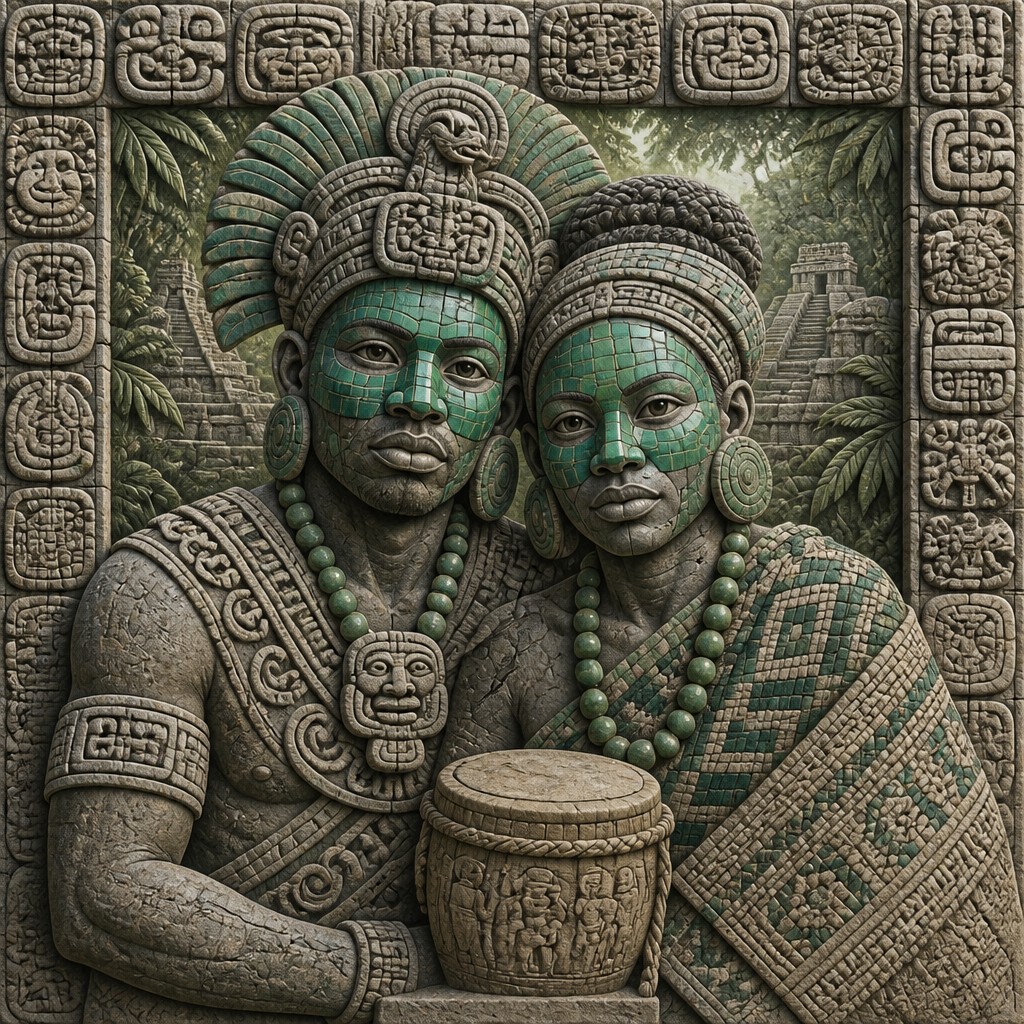
Upload any photo and convert it into Belizean Art Style — drag the sliders to compare before and after.

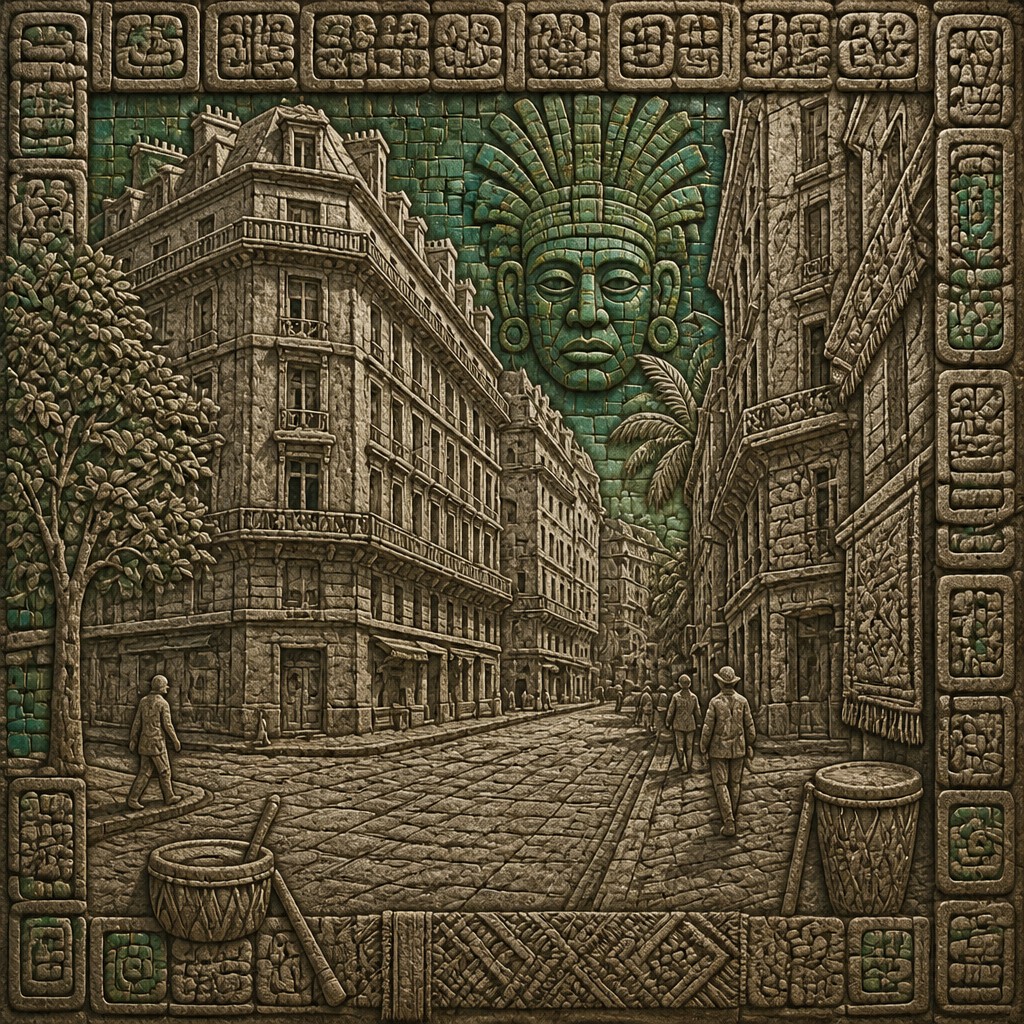

What Defines Belizean Art Style
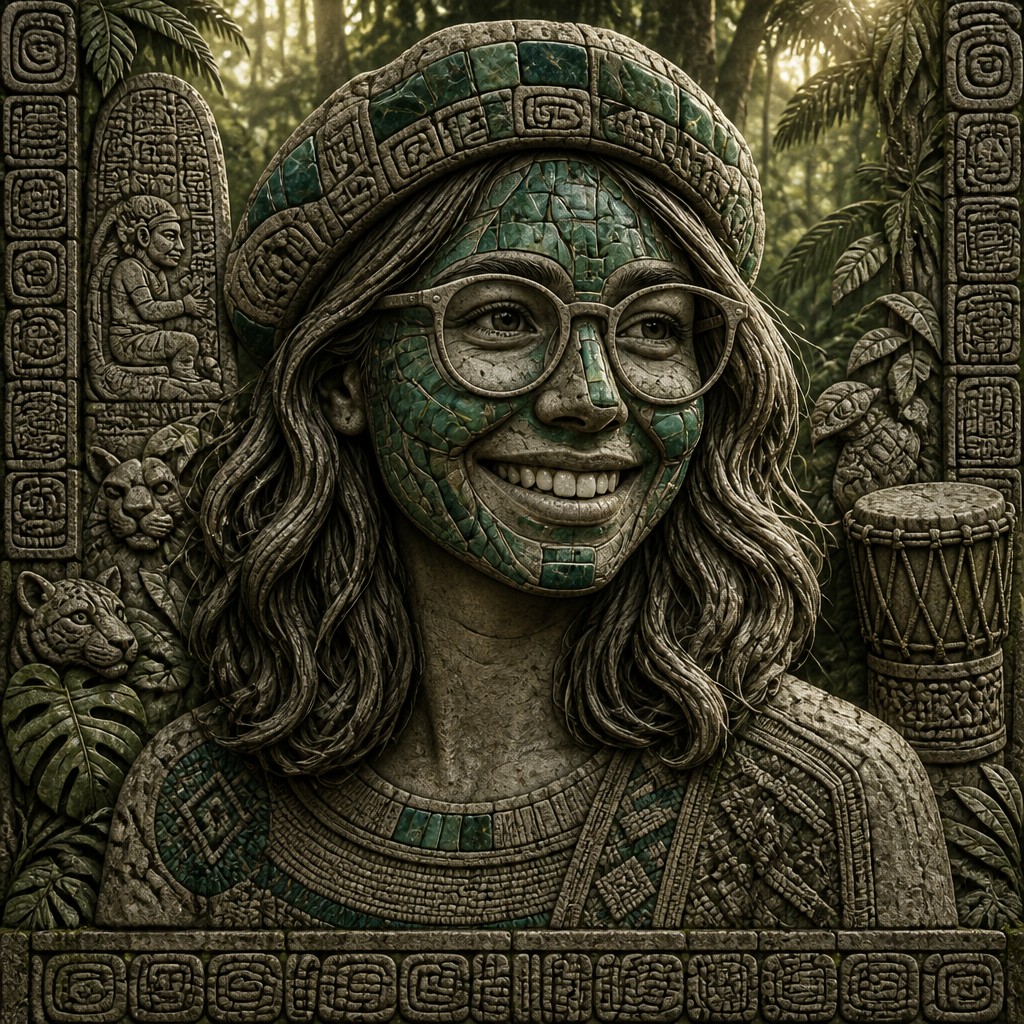
The signature details, up close
Maya relief geometry
Figures and symbols appear in shallow, high-contrast limestone relief, often arranged in formal registers or framed by repeating glyphic borders. The carving favors frontal poses, stepped contours, and compressed monumental space.
Limestone and jade palette
Stone grey, chalk white, deep mineral green, turquoise, and muted earth tones establish the core color system. Small areas of jade-like luminosity provide a polished counterpoint to weathered carved surfaces.
Jade mosaic ornament
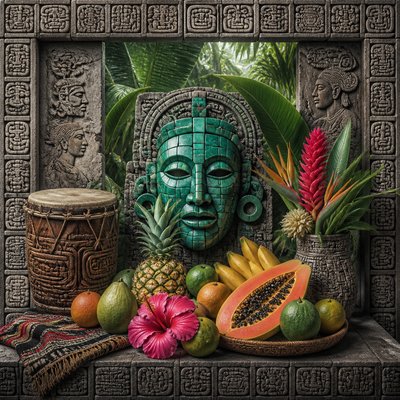
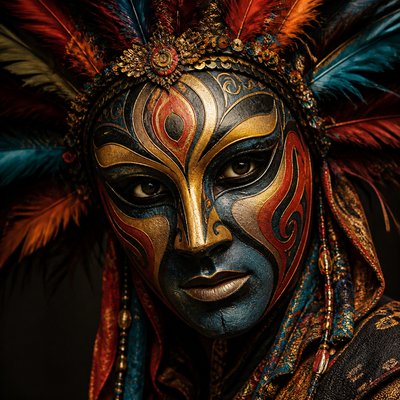
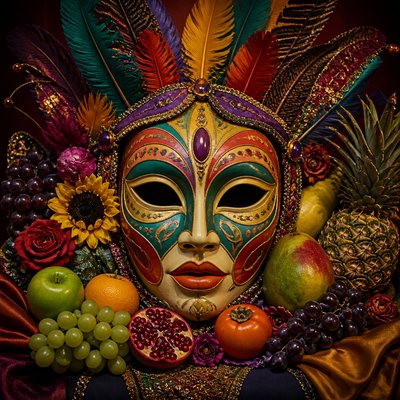
Mask-like faces, pendants, and ceremonial forms are rendered as carefully fitted green and turquoise segments. Hard-edged facets, reflective highlights, and visible join lines suggest lapidary craft rather than smooth plastic.
Rainforest atmosphere
Dense canopy, broad leaves, vines, mist, and filtered shafts of light surround the central subject. Humid haze softens distant forms while preserving crisp texture on stone, wood, and ornament.
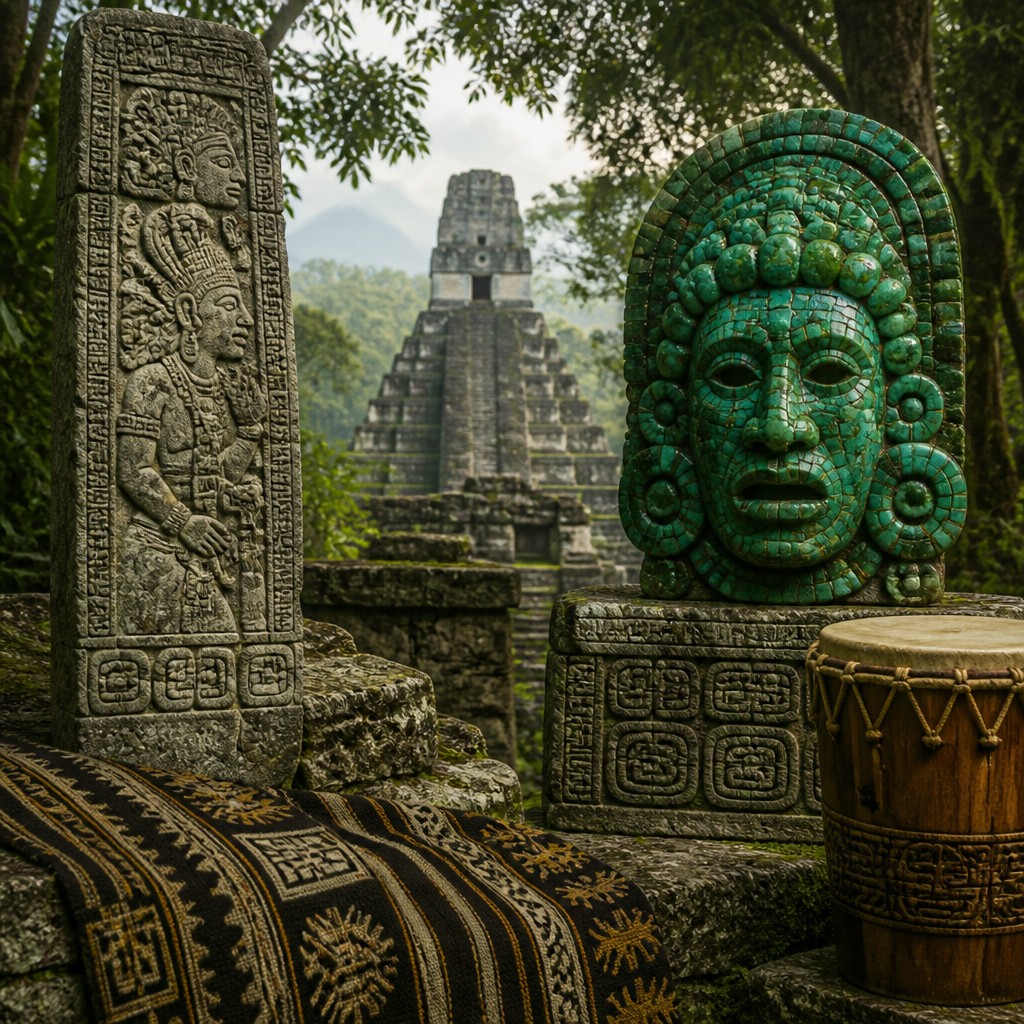
Glyphic and woven pattern
Borders, bands, and surface fields use repeated glyph-like marks or textile-inspired geometry. These patterns should support composition and rhythm without presenting invented symbols as translations of authentic Maya writing.
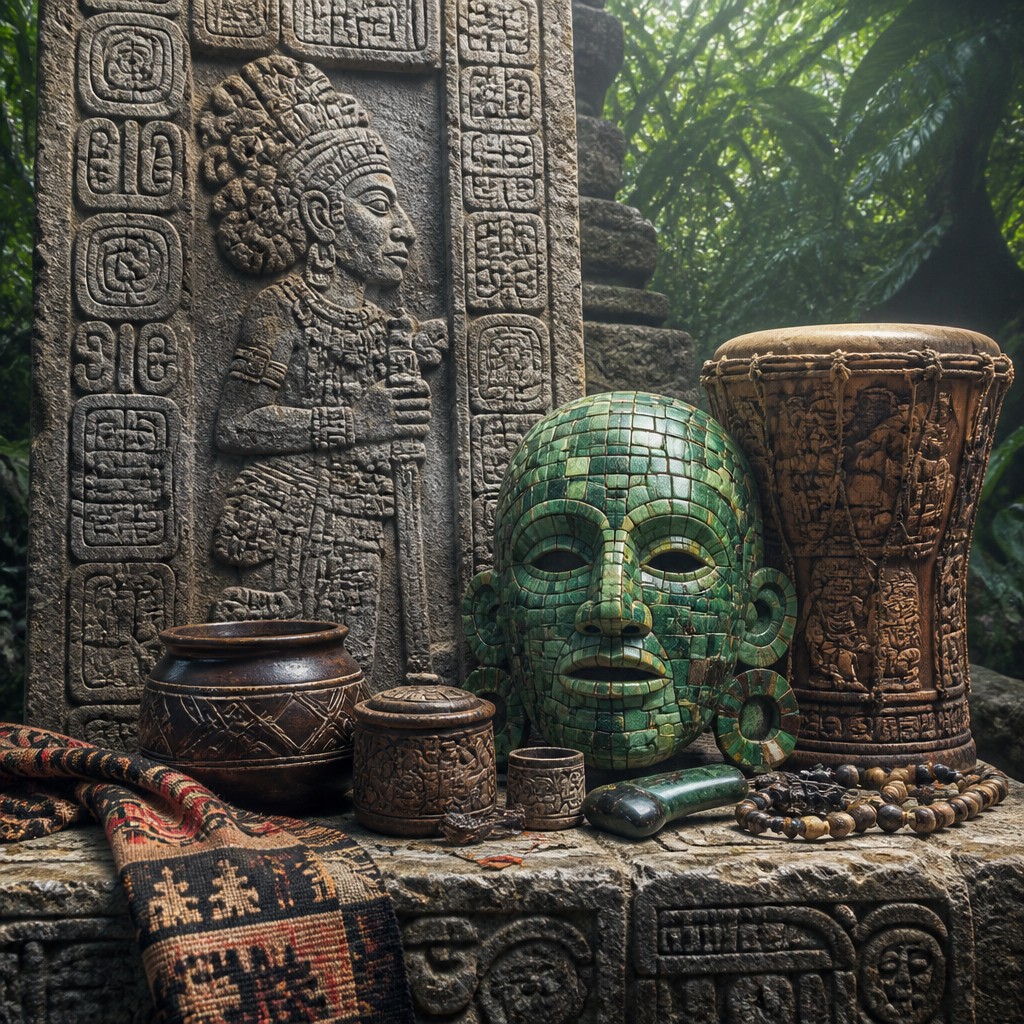
Carved drum and textile references
Wood grain, hand-drum construction, woven bands, and rhythmic linear motifs introduce a Garifuna-associated material register. They work best as distinct accents rather than as generic decoration merged indiscriminately with Maya imagery.
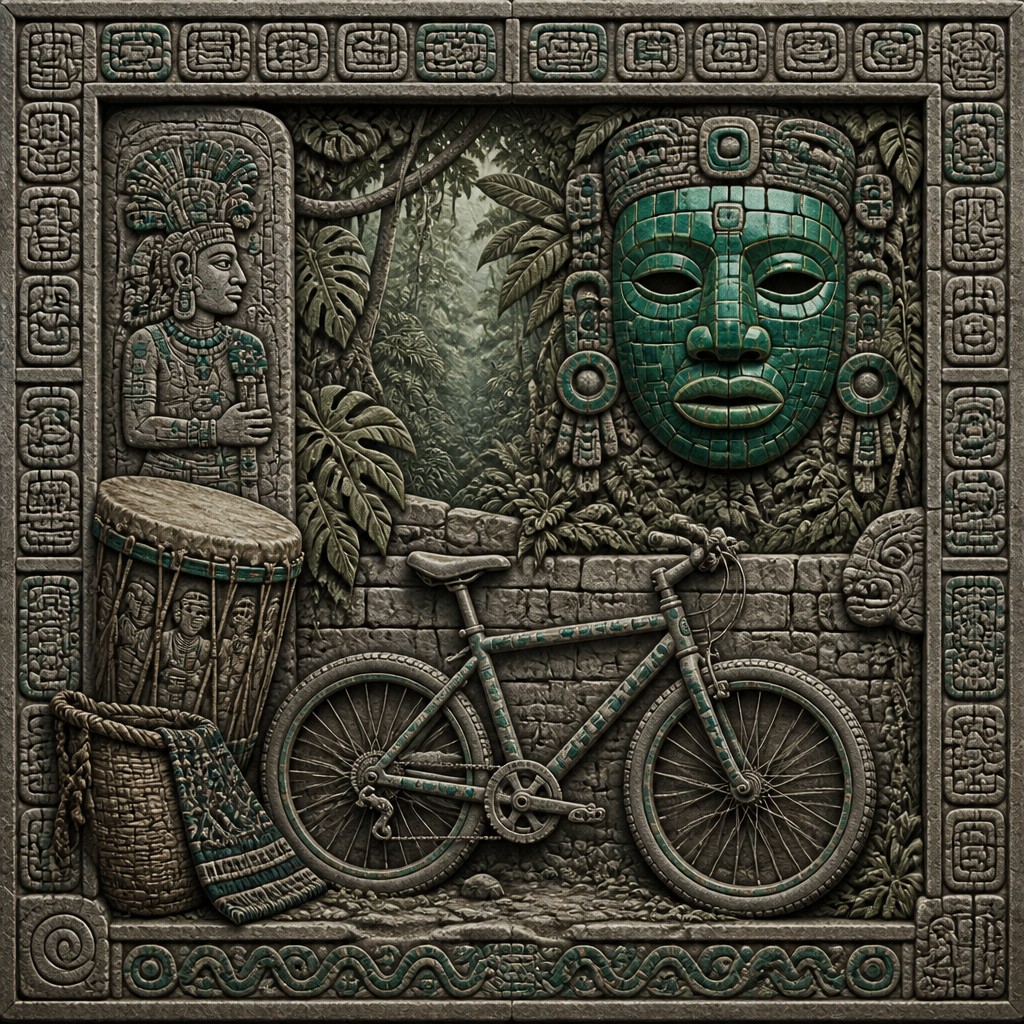
Ceremonial stillness
Compositions usually feel frontal, centered, and enduring, like an artifact or shrine viewed beneath the canopy. Controlled symmetry and quiet poses create a sense of historical depth rather than narrative action.
Belizean Prompt Ideas
Start from an idea — each one opens the generator with the style ready to go. See all 40 Belizean prompts →
How to Create Belizean Art
Master the craft step by step — or skip straight to creating. Read the full guide →
- 1
Build a stone-first structure
Begin with a strong frontal silhouette or stepped architectural frame, then model shallow relief planes before adding small details. In digital work, use sculpting, displacement, or normal maps to separate carved cuts from raised glyphic forms.
- 2
Separate materials clearly
Give limestone a porous, matte, weathered surface and jade a denser, translucent, polished finish. Use restrained edge highlights on jade and rough variation, chips, and stains on stone to avoid a uniform synthetic appearance.
- 3
Control the jungle light
Place a soft green canopy above the subject and add narrow warm or pale shafts of filtered sunlight. Preserve a darker, humid background so the relief and turquoise-green ornament remain legible.
- 4
Use pattern with cultural care
Treat Maya glyphs and Garifuna textile or drum references as distinct visual sources, and research their forms before adapting them. For fictional subjects, use clearly abstracted pattern bands rather than claiming that invented marks are authentic writing.
- 5
Compose through layered depth
Organize the image into foreground foliage, a central carved or crafted object, and misty architectural or jungle depth behind it. Repetition of borders, bands, and leaf shapes can unify the image without flattening every surface.
- 6
Write precise generation instructions
For prompt-based creation, specify the subject, limestone relief, jade mosaic, filtered rainforest light, material textures, frontal composition, and atmospheric haze separately. Add exclusions such as glossy plastic, generic fantasy ruins, illegible pseudo-text, or overly clean studio lighting when needed.
The Story
History & Origins of Belizean
Belizean Art Style has no documented historical movement or fixed period; it is a modern, AI-native and design-oriented synthesis. Its primary lineage comes from ancient Maya architecture, stelae, architectural sculpture, ceramic decoration, and jade adornment found across the Maya region, including sites in present-day Belize. These sources contribute frontal figures, stacked registers, carved glyphs, mineral surfaces, and ceremonial monumentality.
A second lineage draws from living Garifuna practices, especially hand drums, wood carving, weaving, textile pattern, and performance-related visual rhythm. Contemporary Belizean craft, tropical landscape imagery, archaeological interpretation, and digital matte painting further shape the style. Because these traditions have different histories and meanings, the most accurate treatment uses them as related but distinct references within one carefully labeled composition.
Influences: The style relates to ancient Maya monumental sculpture, architectural relief, jade lapidary work, ceramic pattern, and glyphic design, as well as broader Mesoamerican traditions of ceremonial ornament and stepped composition. It also draws from Garifuna woodcraft, hand-drum construction, weaving, and performance-related rhythm, alongside contemporary tropical landscape art, archaeological illustration, material-focused digital sculpture, and fantasy environment design. Its strongest results come from keeping these influences visually coordinated but historically distinguishable.
Frequently Asked Questions
Is Belizean Art Style a historical art movement?
No. The term describes an invented contemporary synthesis rather than a documented movement with a founding period or unified school. It combines visual references from Maya heritage, Belizean environments, Garifuna material culture, and digital craft.
What defines the Belizean Art Style?
Its defining traits are carved limestone relief, glyphic or geometric borders, luminous jade-green ornament, dense rainforest canopy, filtered tropical light, and a solemn ceremonial composition. Tactile materials and humid atmosphere are as important as the subject itself.
How is it different from generic Maya-inspired fantasy art?
It places Belizean rainforest atmosphere and local material references at the center rather than relying only on generalized temples or warrior imagery. It also acknowledges the distinction between ancient Maya visual heritage and living Garifuna traditions, avoiding the idea that all Indigenous cultures share one visual language.
Can I create this style with traditional media?
Yes. Relief printing, stone or wood carving, clay modeling, encaustic painting, mosaic, and layered mixed media can all support the aesthetic. Matte mineral grounds, incised borders, polished green inlays, and controlled canopy lighting are especially useful techniques.
How do I make the style work for a portrait or modern subject?
Keep the subject readable, then translate its framing, clothing, or surrounding forms into shallow relief, jade-like accents, and patterned borders. Use rainforest light and material contrast to establish the style without covering the face or object in excessive ornament.
Where is this style commonly used?
It is suited to concept art, editorial illustration, museum-oriented visualizations, cultural storytelling, game environments, posters, book covers, and decorative digital compositions. Projects involving Maya or Garifuna references should include contextual research and avoid presenting fictional symbols or costumes as historically authentic.
Create your first Belizean artwork
Describe anything — or upload a photo — and see it in Belizean Art Style in seconds.
Related Styles
Discover similar art styles