Beadwork Art Style
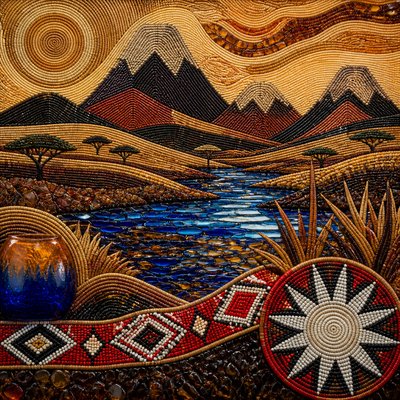
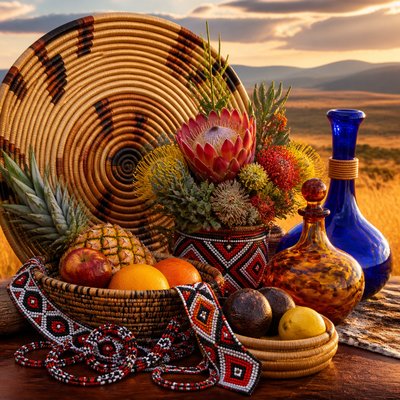
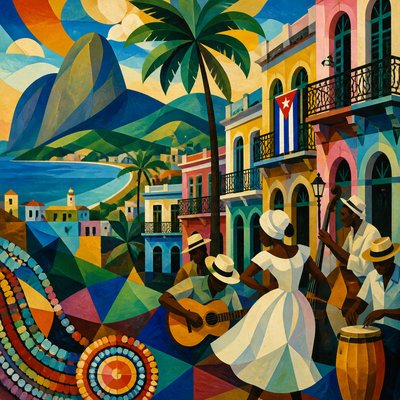
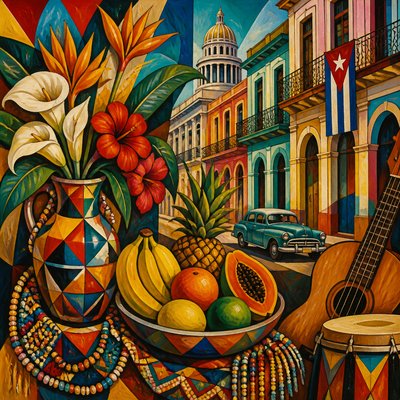
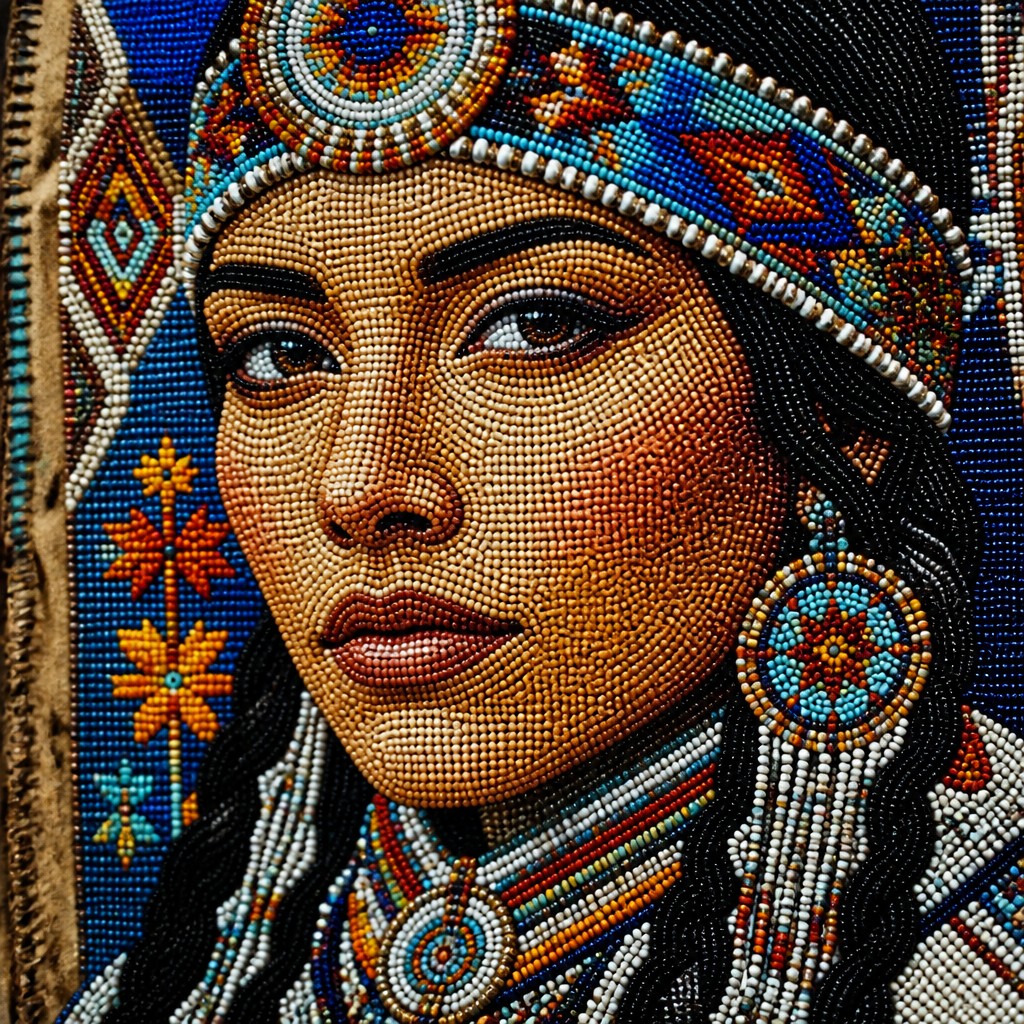
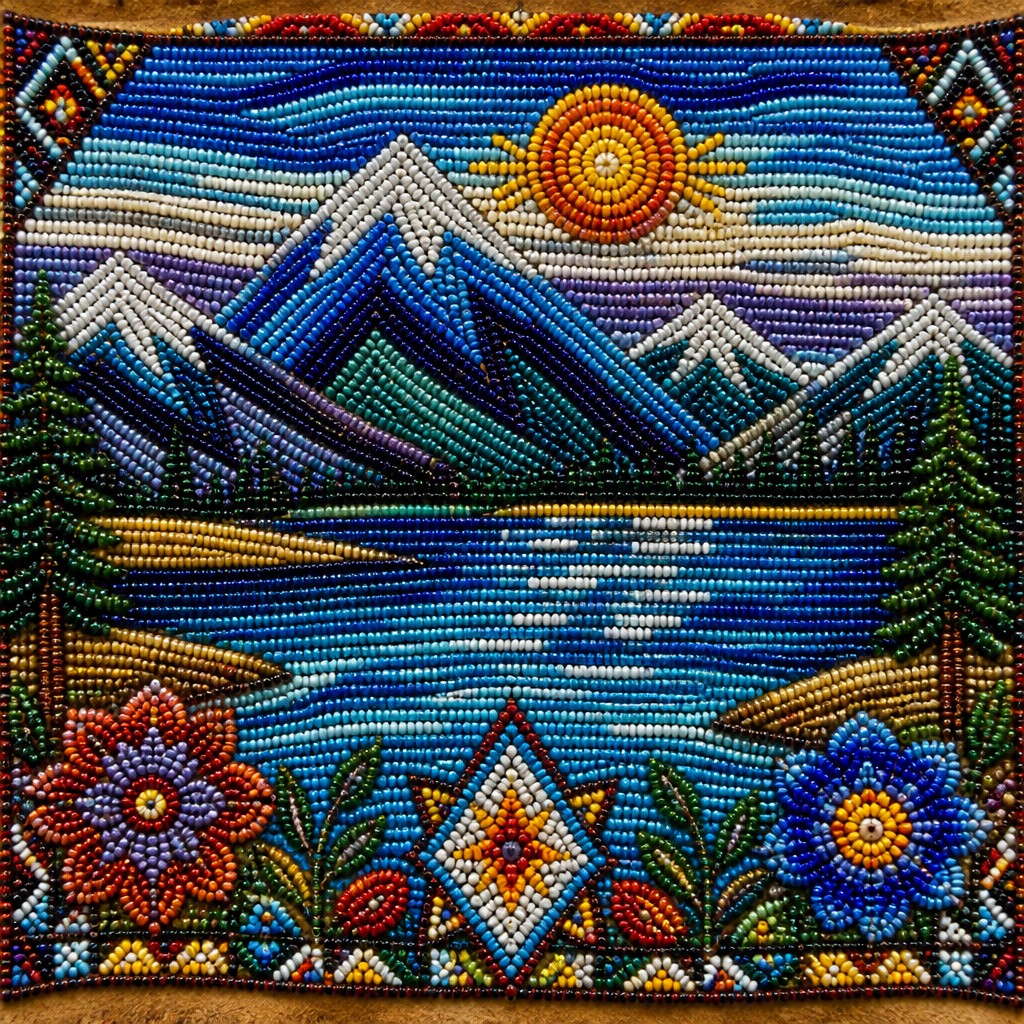
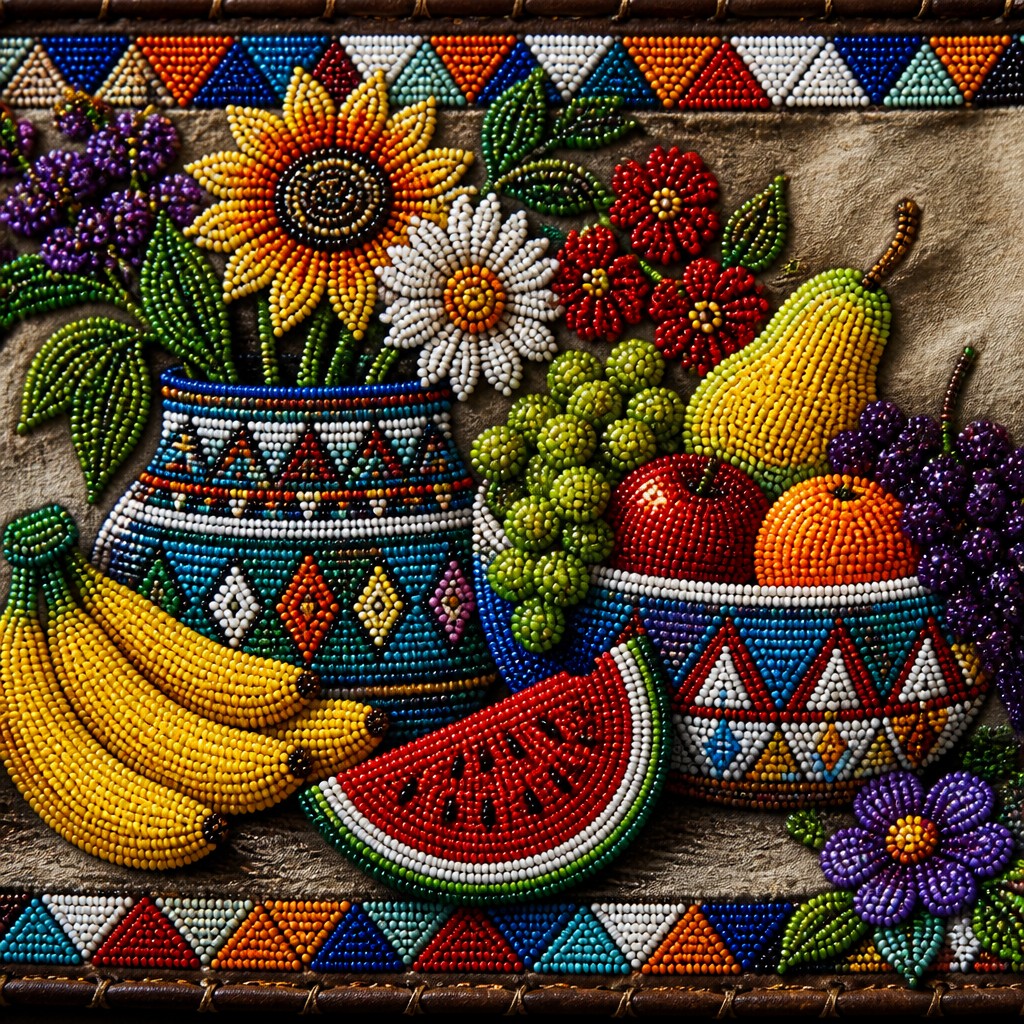
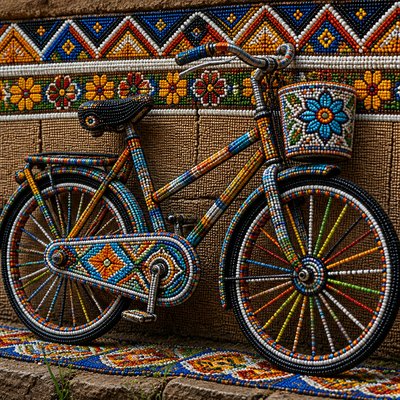
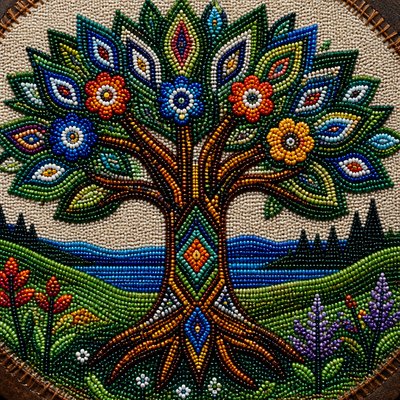
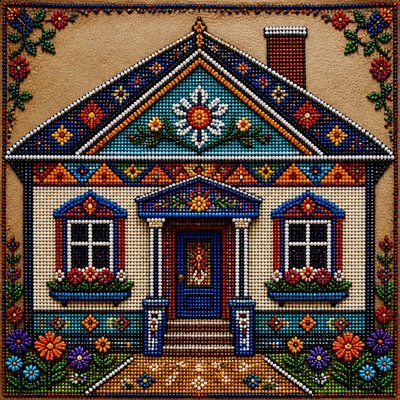
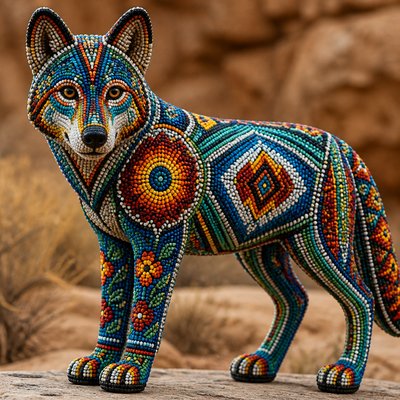
Explore Beadwork Art: densely stitched glass beads, vivid geometric and floral motifs, tactile texture, and richly saturated color.
Instantly rendered in Beadwork — or transform a photo
Beadwork Gallery
Tap any artwork to explore it
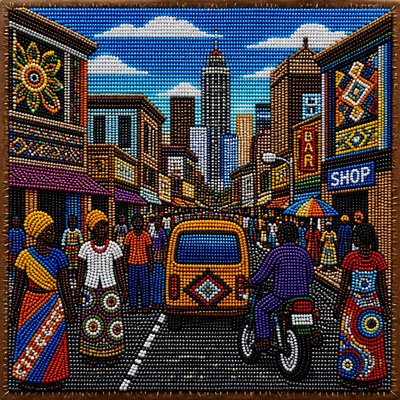
What is Beadwork Art Style?
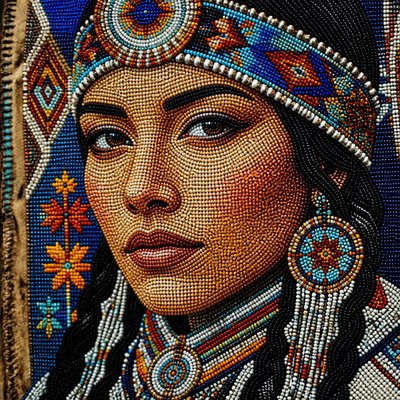
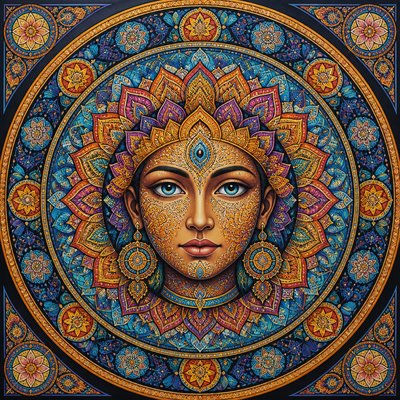
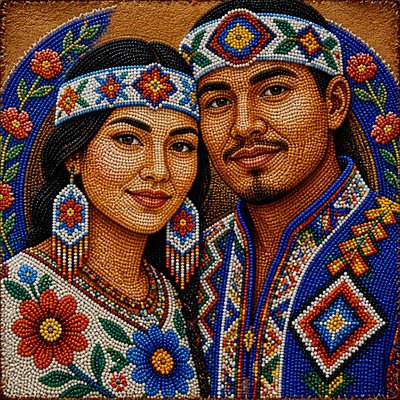
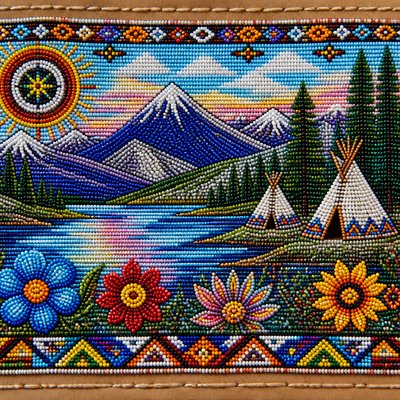
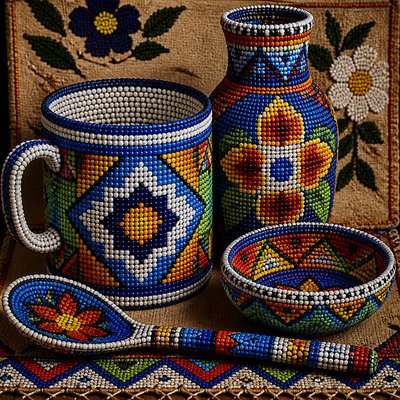
Beadwork Art Style is a decorative visual language built from the appearance of thousands of small beads arranged in tightly controlled rows, clusters, and motifs. Its signature imagery combines vivid geometric structures, floral forms, strong color contrasts, and a tactile surface that suggests glass, thread, fabric, leather, or hide beneath the pattern.
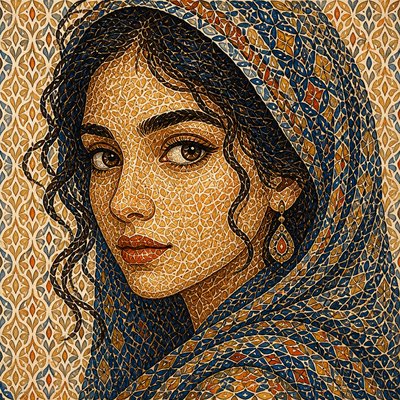
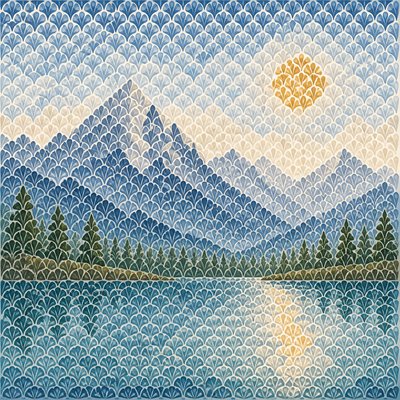
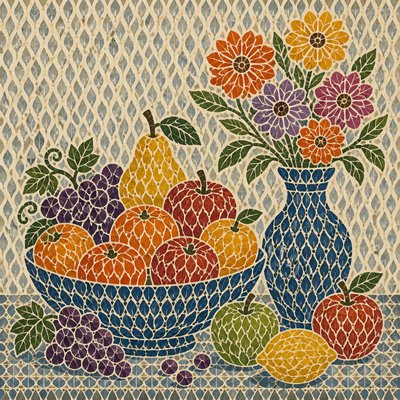
Rather than representing a single historical movement, the term describes a contemporary aesthetic category inspired by bead-embellished textiles, adornment, ceremonial objects, accessories, and decorative craft traditions. At close range, individual bead units, thread paths, seams, and irregularities remain visible; at a distance, they merge into crisp ornamental fields with a mosaic-like rhythm and reflective sparkle.
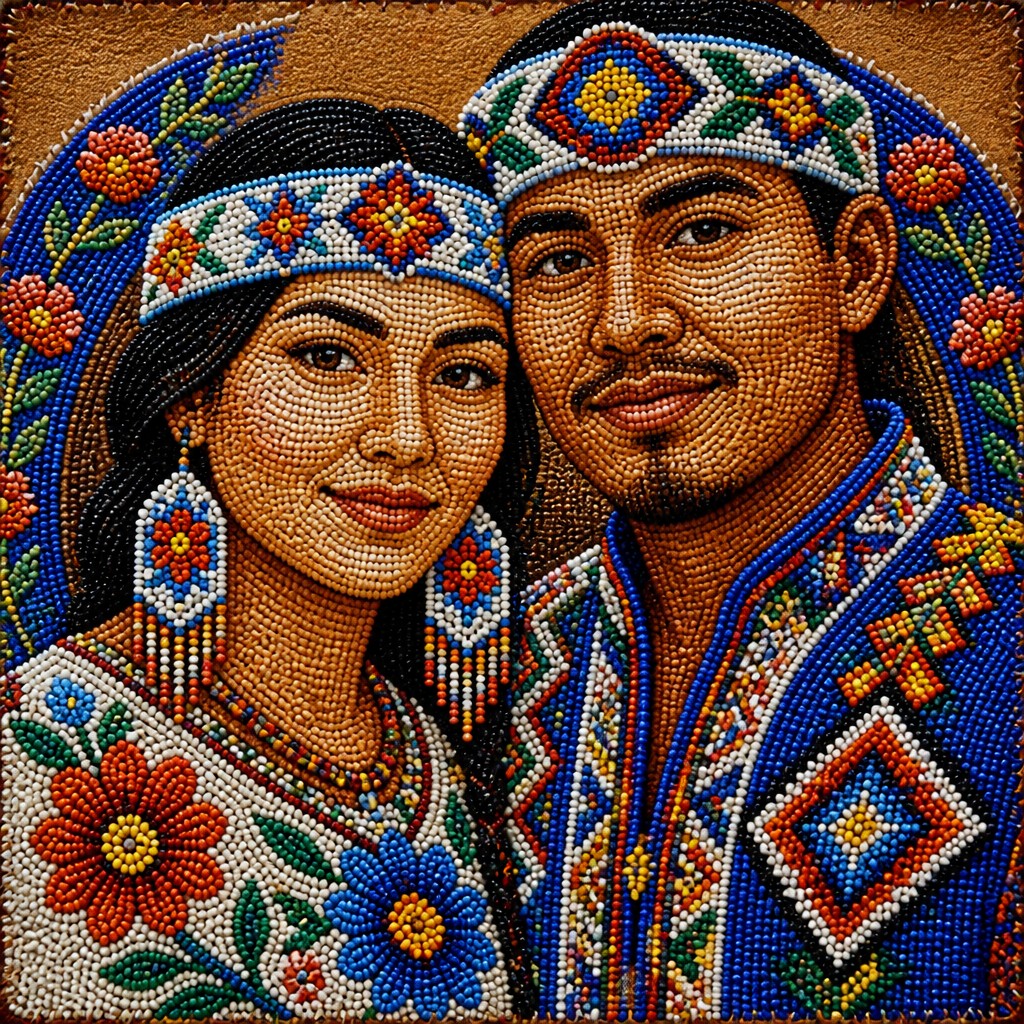
Try It On Your Photos
Upload any photo and convert it into Beadwork Art Style — drag the sliders to compare before and after.
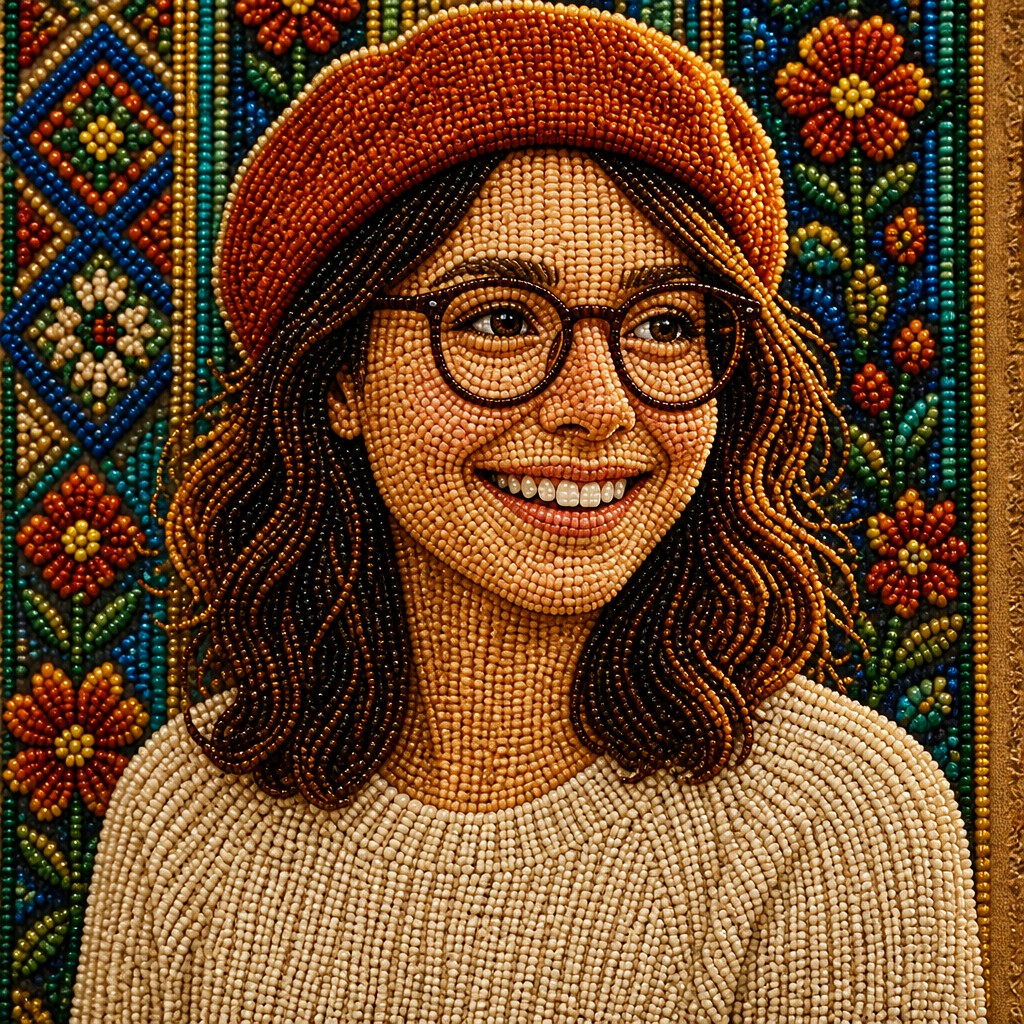

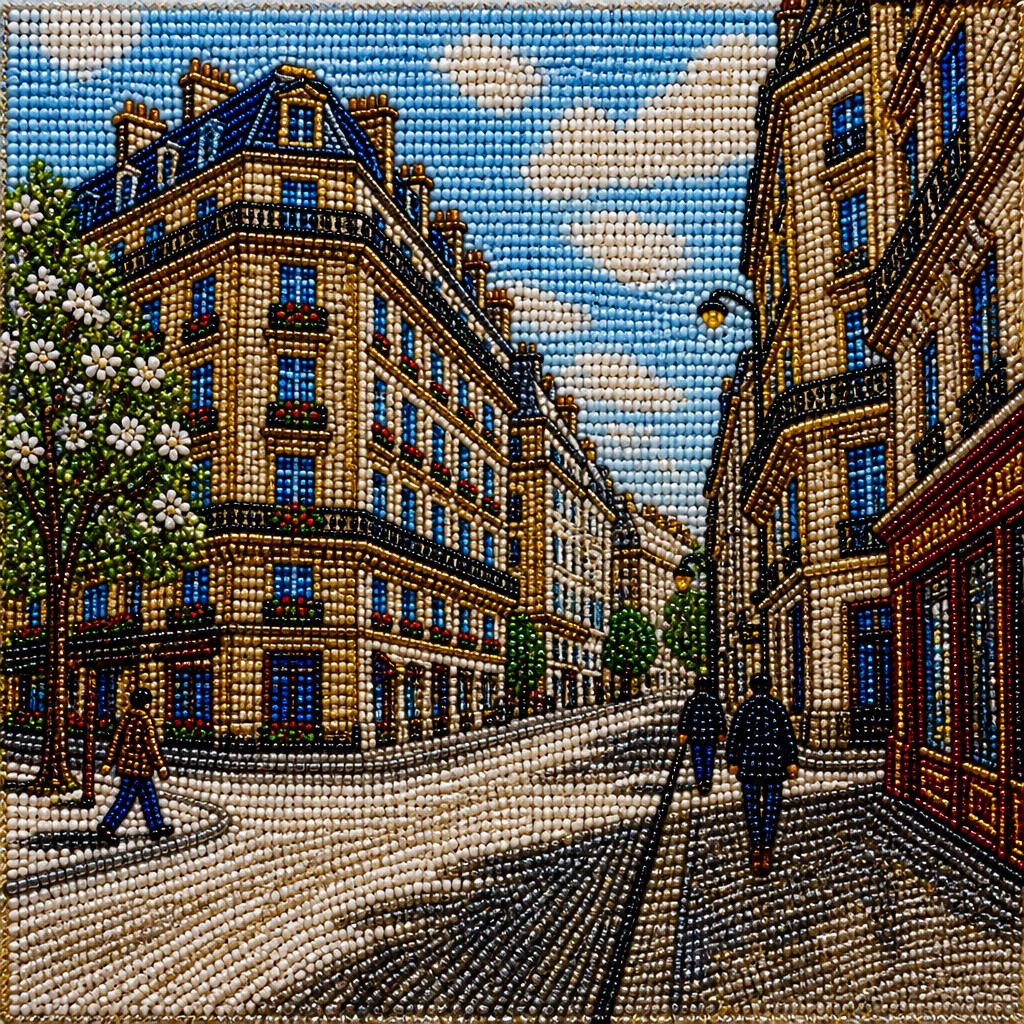

What Defines Beadwork Art Style
The signature details, up close
Dense modular construction
Forms are assembled from closely packed bead-like units rather than continuous painted strokes. Repeated modules create a woven, stitched, or tiled visual structure.
Geometric patterning
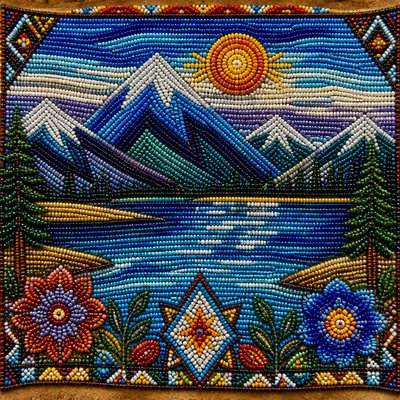
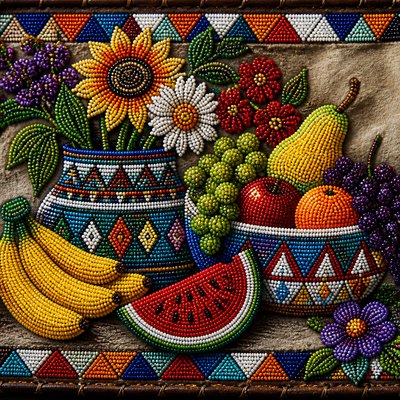
Diamonds, chevrons, stepped borders, stripes, grids, medallions, and symmetrical fields organize the composition. Repetition and measured spacing give the work a strong rhythmic order.
Floral and organic motifs
Leaves, blossoms, vines, birds, insects, and stylized animals often interrupt the geometry. These motifs are simplified into compact silhouettes or outlined bead clusters.
Reflective glass highlights
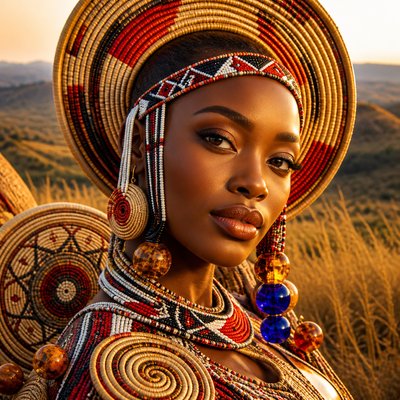
Tiny bead surfaces catch light as scattered points, short glints, and uneven highlights. Saturated reds, blues, greens, golds, and whites become more luminous through contrasting reflections.
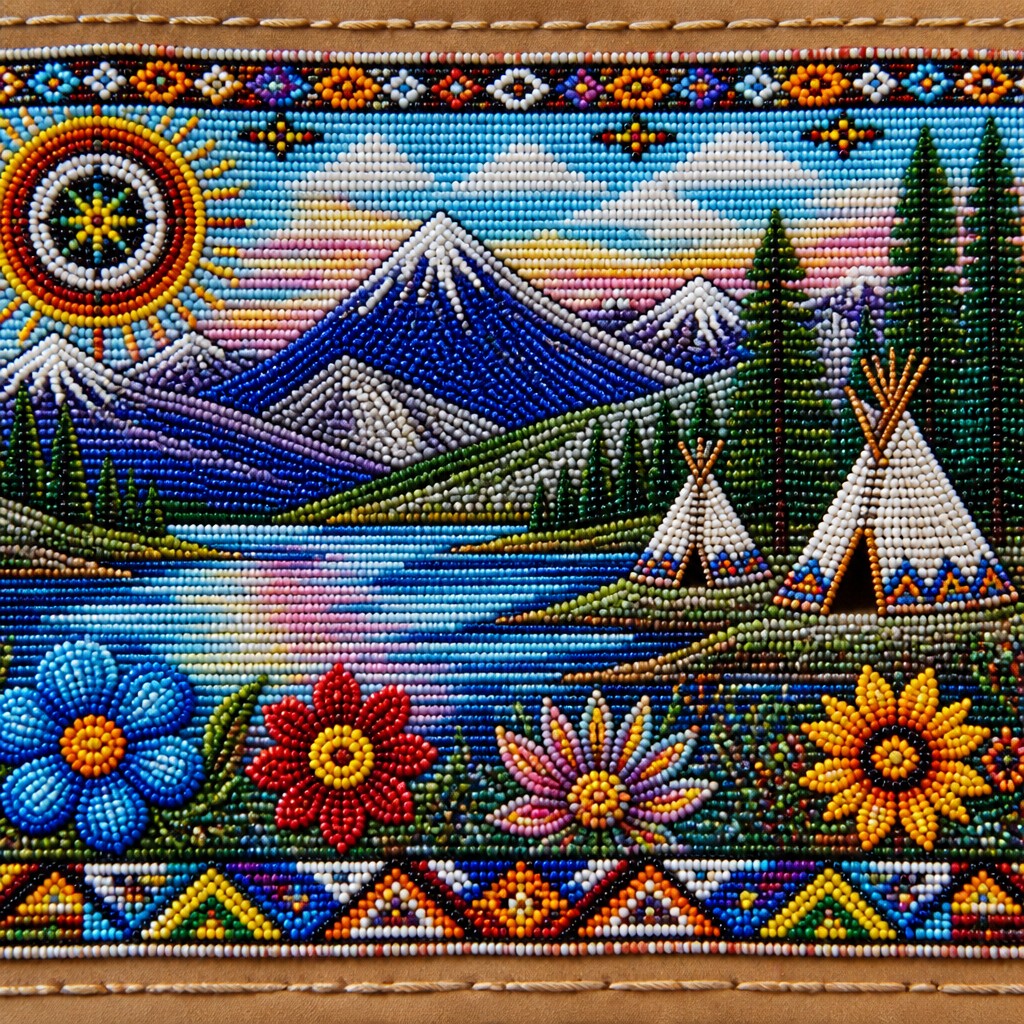
Visible stitching and edges
Fine thread lines, boundary seams, fringe-like transitions, and slight gaps between rows reinforce the handmade construction. Edges may look raised, irregular, or carefully outlined.
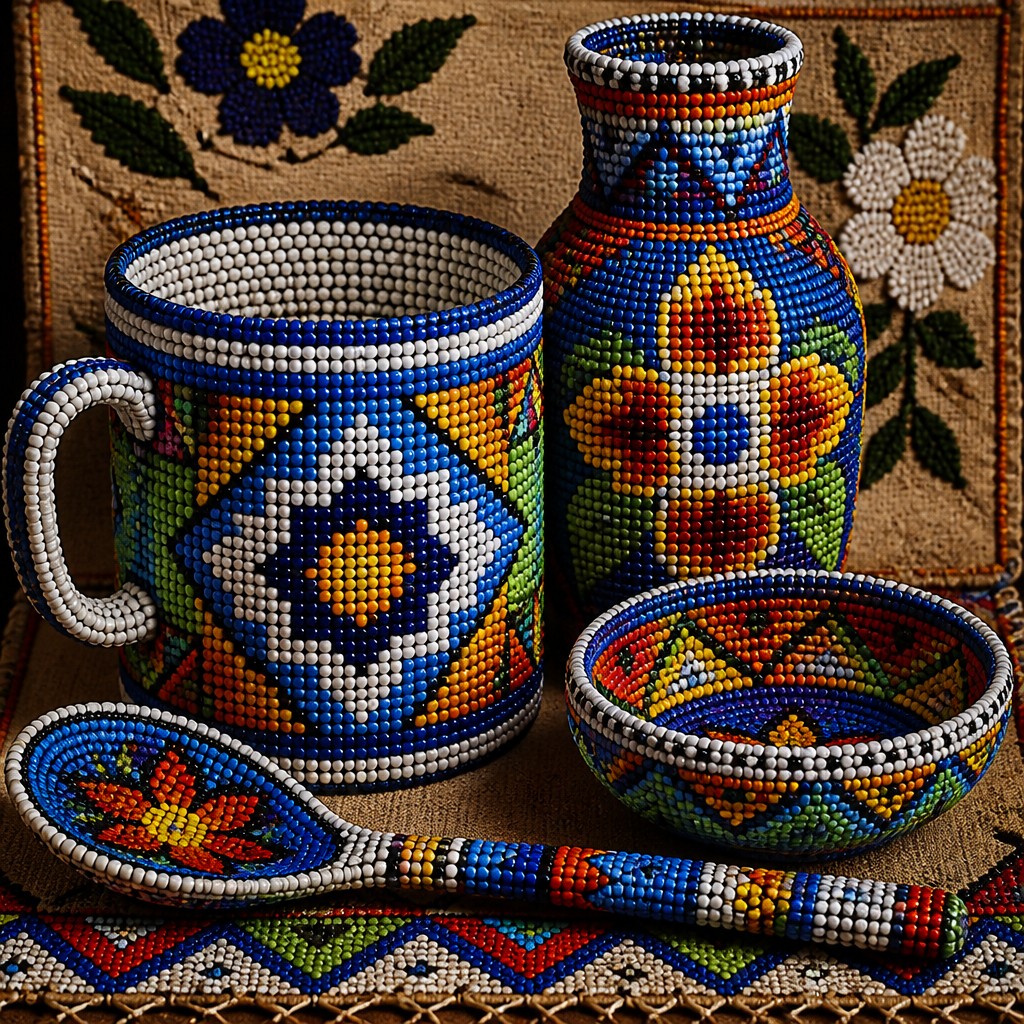
Tactile textile or hide base
The patterned surface is commonly imagined over cloth, leather, suede, felt, or hide. The underlying material adds softness, grain, pores, folds, and a grounded contrast to the hard beads.
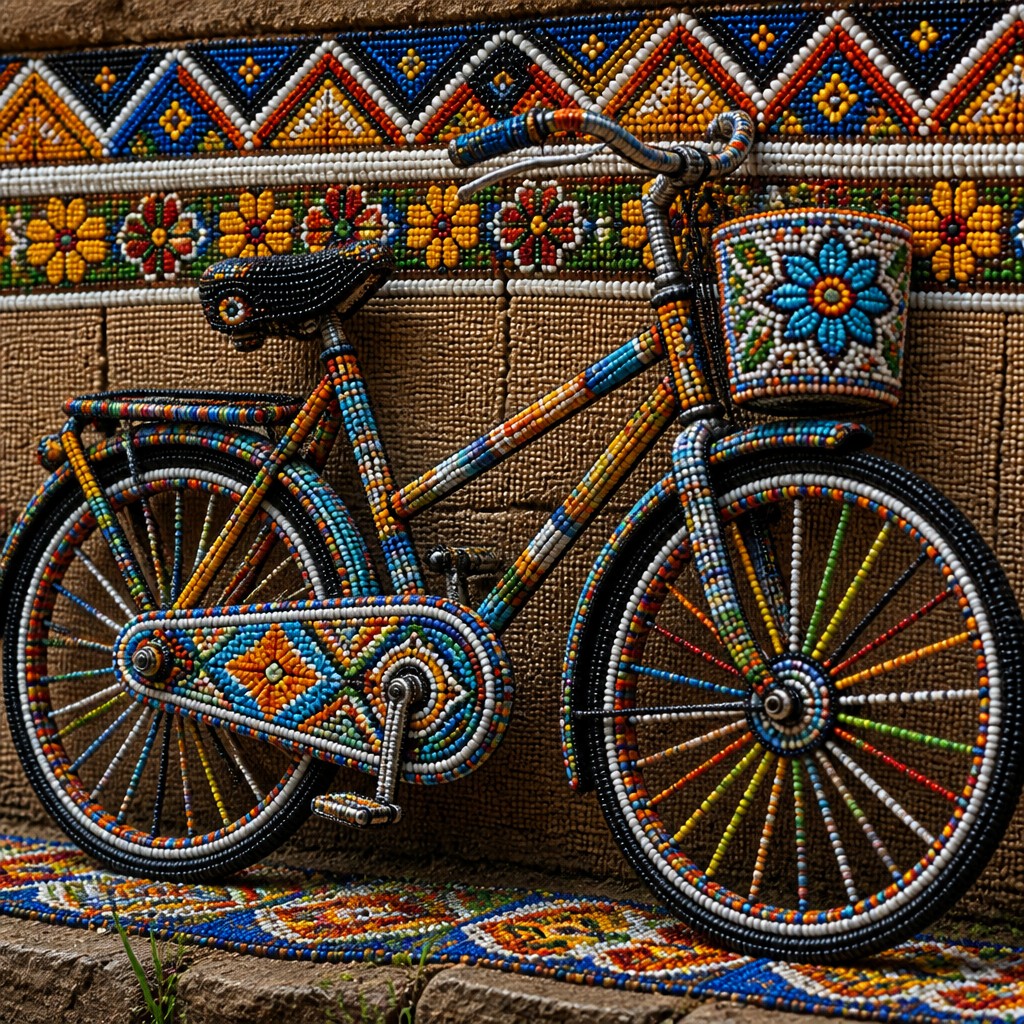
Flattened ornamental composition
Many designs favor frontal views, shallow depth, centered motifs, and border systems over conventional pictorial perspective. Even portraits and landscapes may read as decorative panels assembled from colored units.
Beadwork Prompt Ideas
Start from an idea — each one opens the generator with the style ready to go. See all 40 Beadwork prompts →
How to Create Beadwork Art
Master the craft step by step — or skip straight to creating. Read the full guide →
- 1
Plan a grid and motif hierarchy
Begin with a border, central medallion, or repeating tile, then define the main geometric and floral motifs on a regular grid. Limit the palette before adding highlights so the pattern remains legible.
- 2
Choose a bead arrangement
For traditional work, select an appropriate method such as loom weaving, off-loom stitching, bead embroidery, or appliqué, and test row tension on a small sample. Keep spacing consistent while allowing minor handmade variation.
- 3
Build color through contrast
Pair saturated hues with a dark, neutral, or earthy base, then reserve metallic or pale beads for outlines and glints. Repeated color intervals can make curves and floral forms read clearly.
- 4
Render material and construction
In digital artwork, use tiny rounded units, directional highlights, occlusion shadows, thread seams, and a subtly irregular fabric or hide texture. Avoid a flat vector finish if the goal is a convincing tactile surface.
- 5
Control the composition in a prompt
Describe the subject first, then specify a tightly packed bead surface, geometric or floral motifs, a fabric or hide backing, saturated color contrast, visible stitching, and glinting light. Add terms such as frontal composition, close-up texture, symmetrical border, or handcrafted irregularity when useful.
- 6
Refine with image editing
For a photo transformation, preserve the subject's silhouette while replacing smooth areas with organized bead clusters and keeping important contours readable. Mask faces, lettering, and fine details separately so they do not dissolve into random ornament.
The Story
History & Origins of Beadwork
Beadwork has deep and diverse roots across Africa, Asia, the Americas, Europe, and Oceania, where communities developed distinct methods for stitching, weaving, stringing, embroidering, and appliquéing beads onto textiles, leather, wood, and other supports. Glass beads became especially important in many regions after expanding trade networks made them available, while older traditions also used shell, bone, stone, seeds, clay, metal, and other local materials.
The specific phrase Beadwork Art Style is best understood as a modern descriptive label rather than the name of a unified historical movement. Its visual lineage includes ceremonial and utilitarian beadwork, heavily embellished clothing and accessories, geometric textile design, folk ornament, mosaic composition, and contemporary digital simulations of craft surfaces. Any use of culturally specific motifs should acknowledge their origins and avoid presenting a community tradition as anonymous decoration.
Influences: The style draws from global bead-embroidery and bead-weaving traditions, ceremonial and everyday adornment, appliquéd textiles, patterned leatherwork, folk costume, mosaic art, quilting, and geometric textile design. It also relates to decorative arts that privilege repetition, symmetry, borders, and surface richness, including Arts and Crafts ornament, folk art, fashion embellishment, and contemporary digital craft simulation. Its motifs should be interpreted with attention to the specific cultural traditions from which they originate.
Frequently Asked Questions
What defines the Beadwork Art Style?
It is defined by the visual illusion of densely stitched beads arranged into vivid geometric, floral, or symbolic patterns. Reflective highlights, visible thread or seams, saturated color, and a tactile textile or hide backing are central to the look.
Is Beadwork Art Style a historical art movement?
No. It is a contemporary descriptive category, not a single historical movement with one origin or manifesto. It draws on many established beadwork, textile, adornment, and decorative-art traditions from different regions.
How is it different from mosaic art?
Both styles use repeated units to build an image, but beadwork emphasizes small rounded or faceted pieces attached through stitching, weaving, or embroidery. Mosaic art more often uses hard tesserae set into a rigid surface with grout or adhesive.
Can beadwork imagery depict realistic subjects?
Yes, although subjects are usually simplified into color blocks, outlines, and clustered motifs. Portraits, animals, landscapes, and architecture can remain recognizable when their silhouettes and major value divisions are kept clear.
How can I make a convincing digital version?
Use a regular grid or motif plan, render individual bead units with small highlights and contact shadows, and add thread, seams, folds, and base-material grain. A limited palette and strong ornamental structure usually produce a more convincing result than random texture alone.
Where is this style commonly used?
Beadwork aesthetics appear in jewelry, clothing, handbags, footwear, ceremonial objects, wall panels, accessories, editorial illustration, surface design, and decorative digital artwork. Specific motifs and construction methods may carry cultural, spiritual, or community-specific meanings.
Create your first Beadwork artwork
Describe anything — or upload a photo — and see it in Beadwork Art Style in seconds.
Related Styles
Discover similar art styles