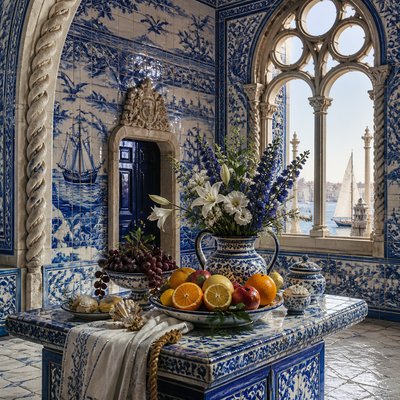
Batik Art Style
Explore batik art: wax-resist patterns, layered dyes, crackle veining, botanical motifs, and the cultural history of decorated cloth.
Instantly rendered in Batik — or transform a photo
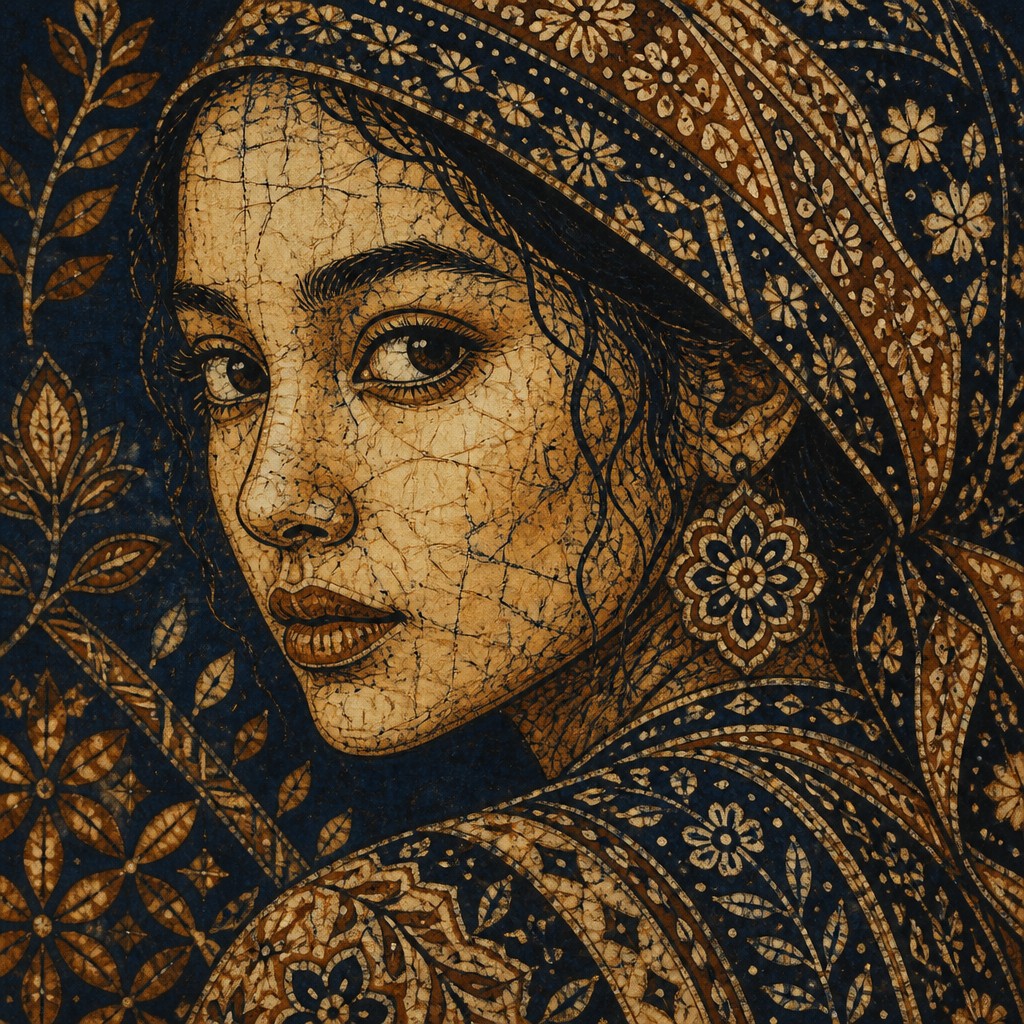
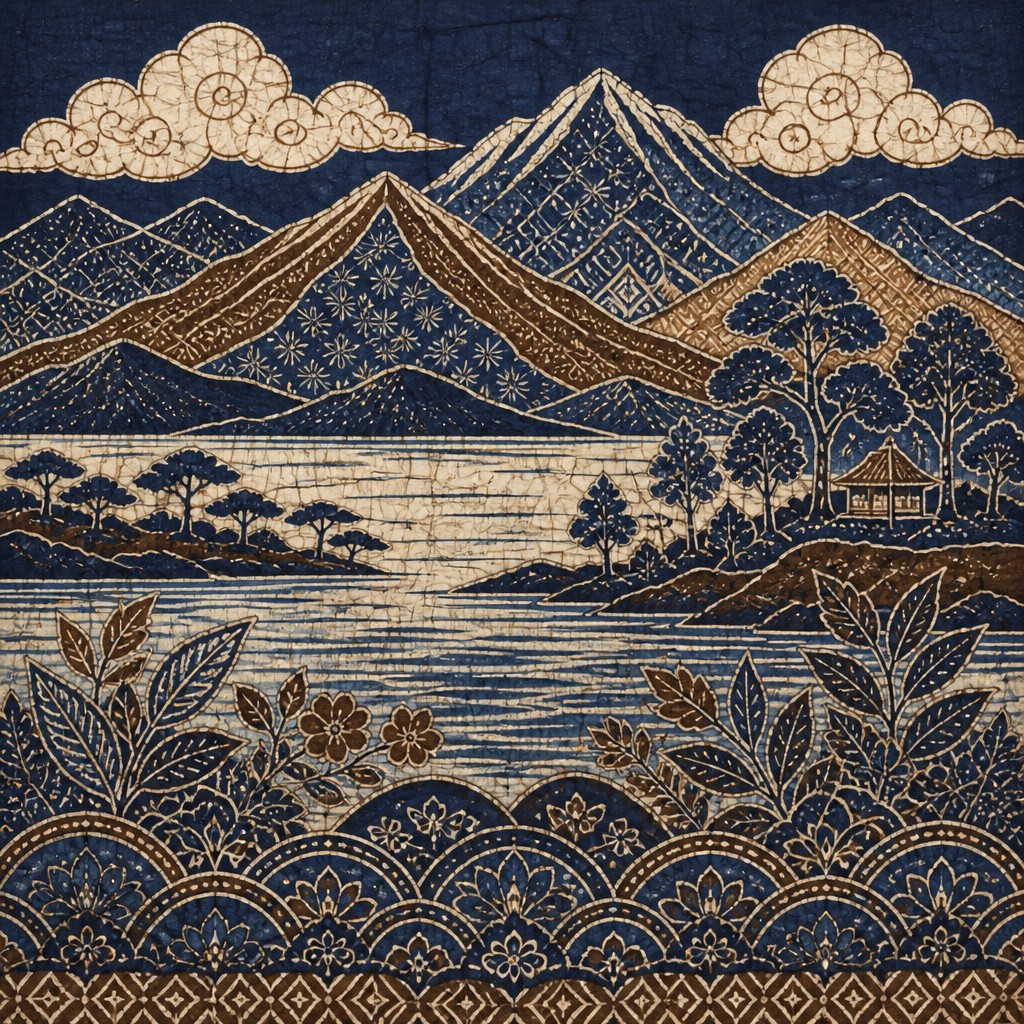
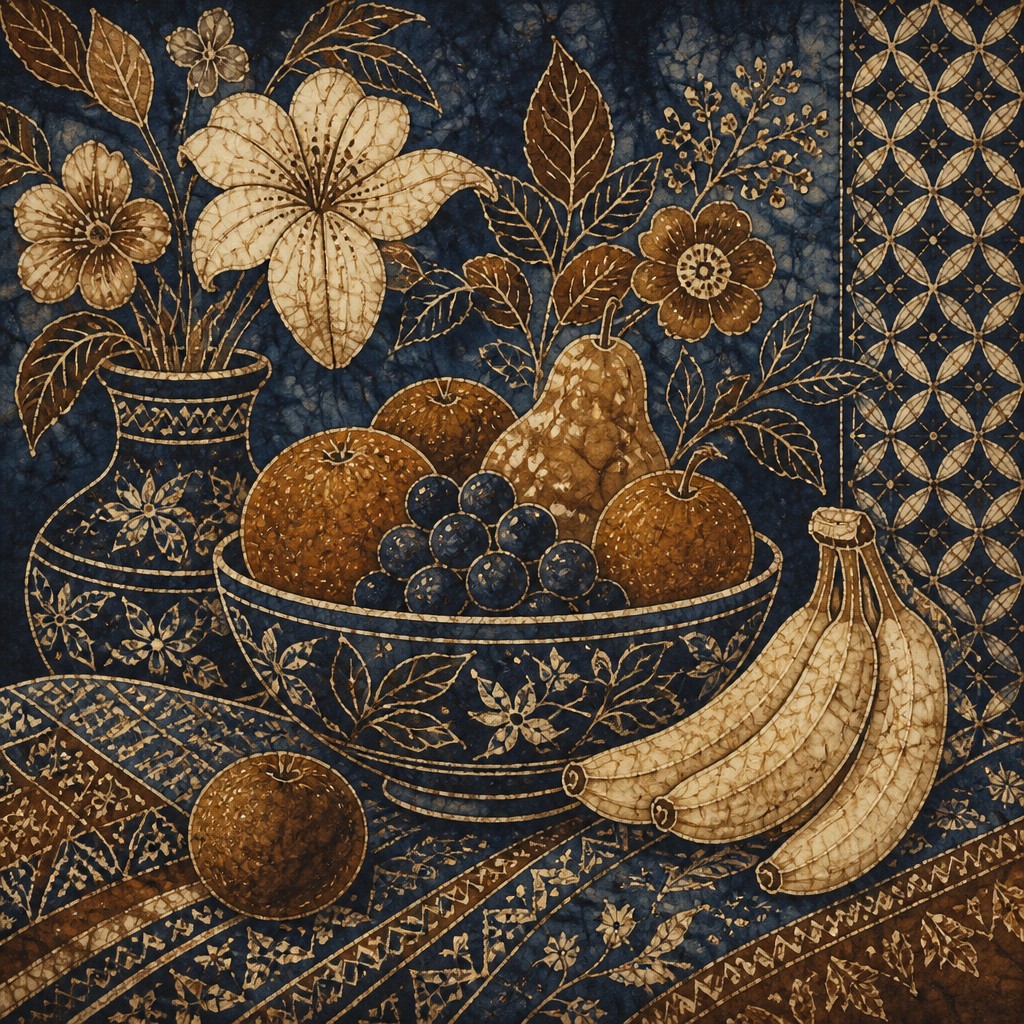
Batik Gallery
Tap any artwork to explore it
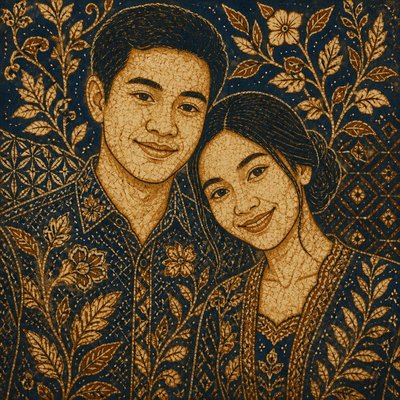
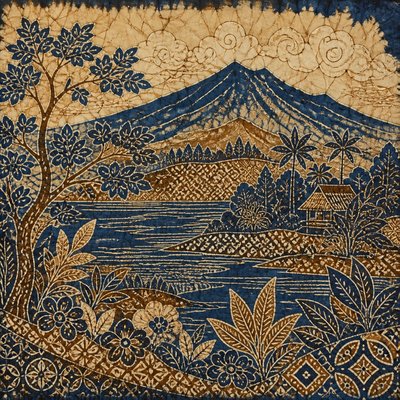
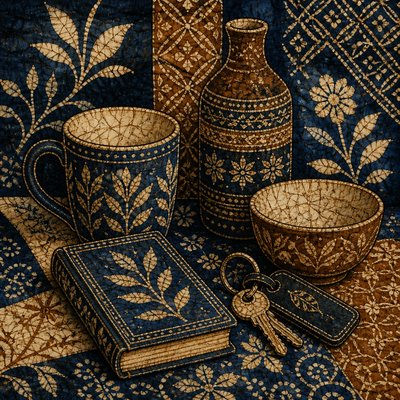
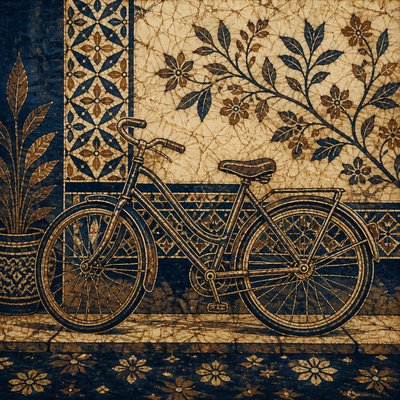
What is Batik Art Style?
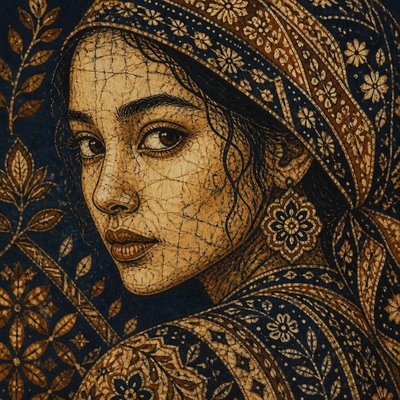
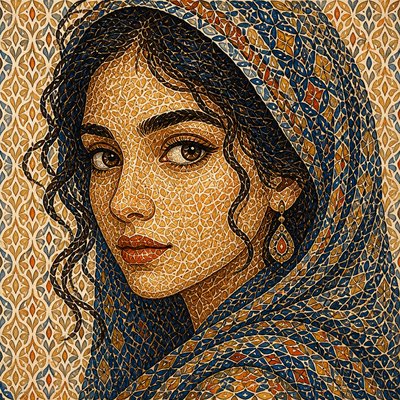
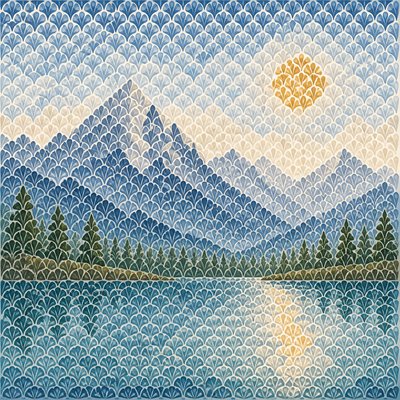
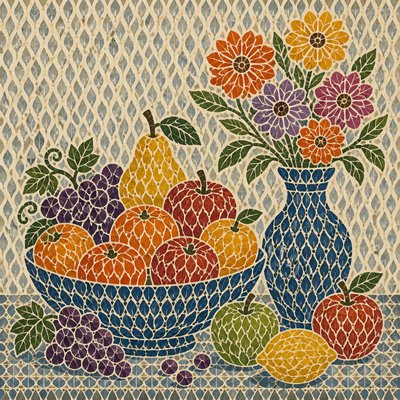
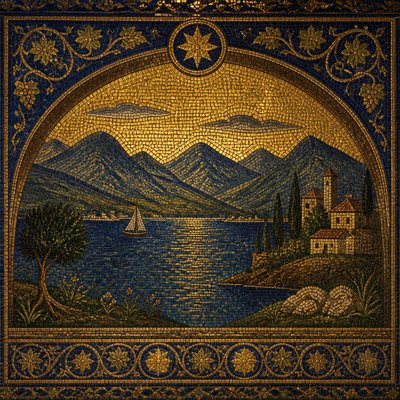
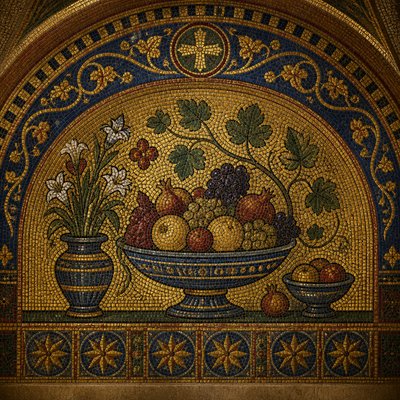
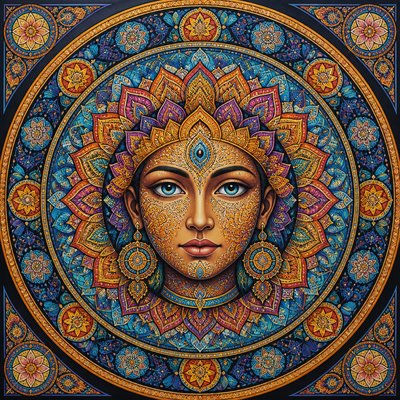
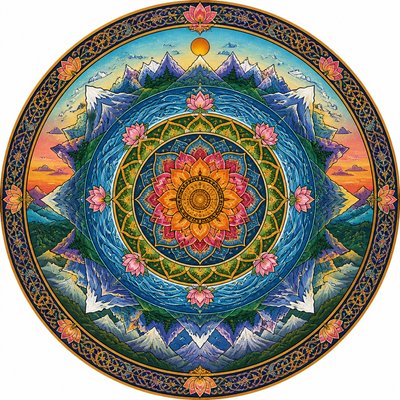
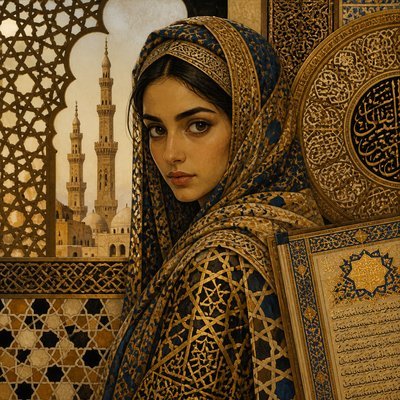
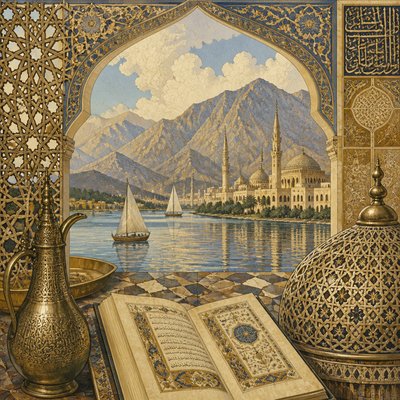
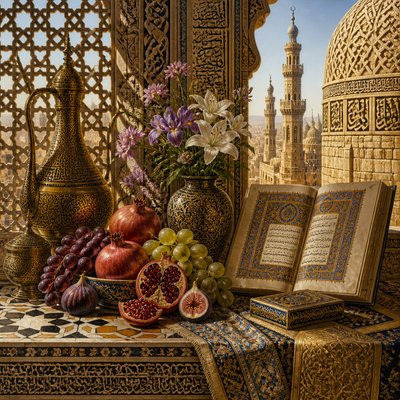
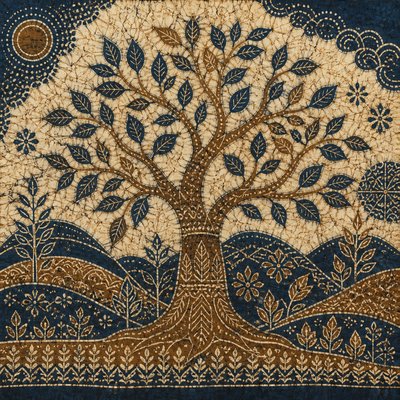
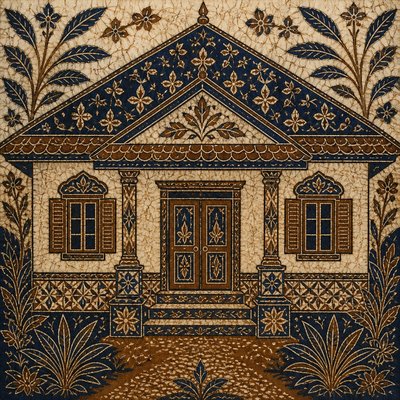
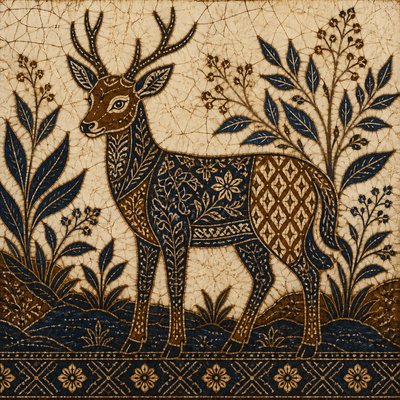
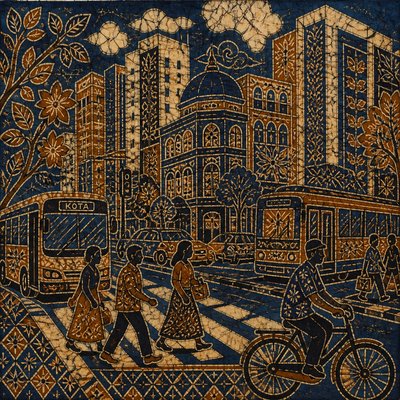
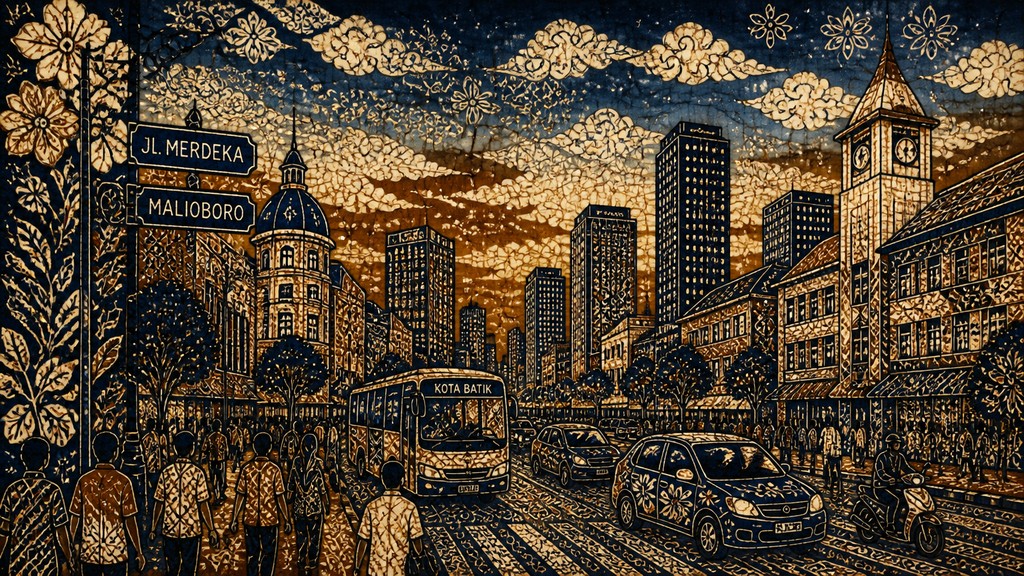
Batik is a decorated-textile tradition in which selected areas of cloth are protected with wax before dyeing. Repeated cycles of waxing, dyeing, drying, and removing the wax build a layered image from the fabric outward. The result combines crisp resist lines with organic irregularities: tiny breaks, dye seepage, uneven edges, and fine crackle veining where the wax has fractured.
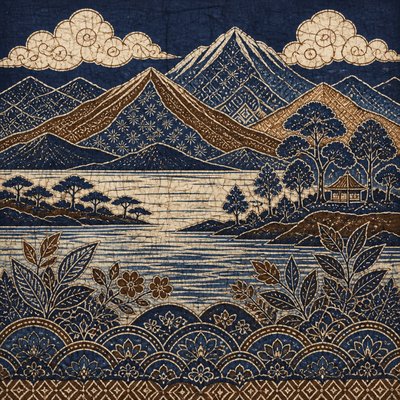
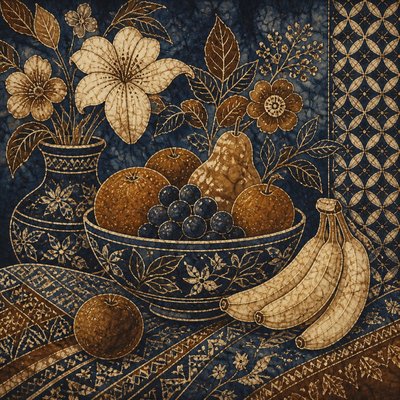
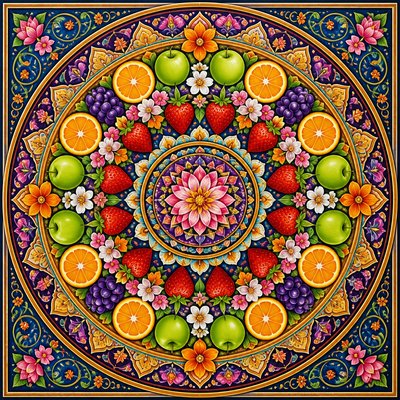
The style is recognized by repeating botanical, animal, figurative, and geometric ornament arranged across a textile surface. Javanese batik is often associated with deep indigo, soga brown, cream, and dark blue, but batik traditions use many regional palettes and motifs. In a digital or illustrative interpretation, soft cloth grain, hand-drawn wax lines, restrained color layering, and visible pattern repetition preserve the material logic of the original process.
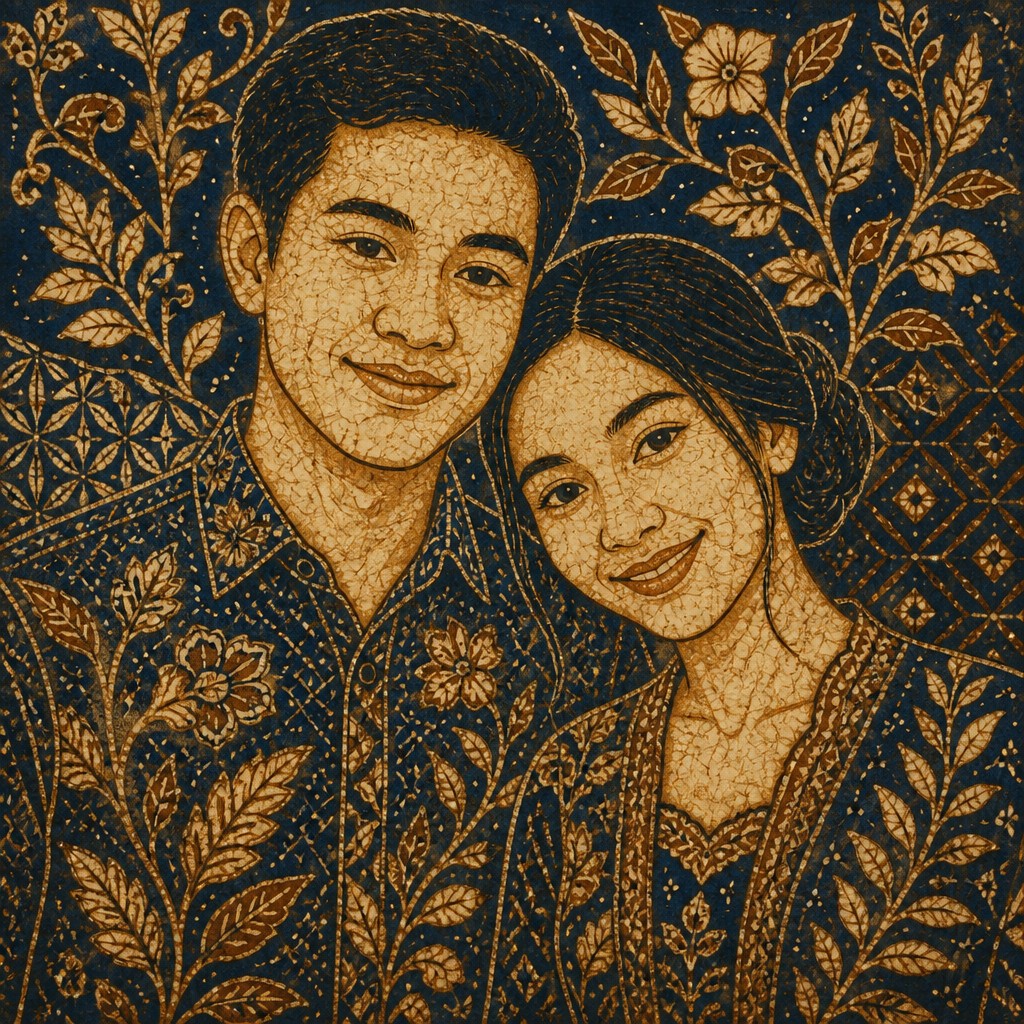
Try It On Your Photos
Upload any photo and convert it into Batik Art Style — drag the sliders to compare before and after.
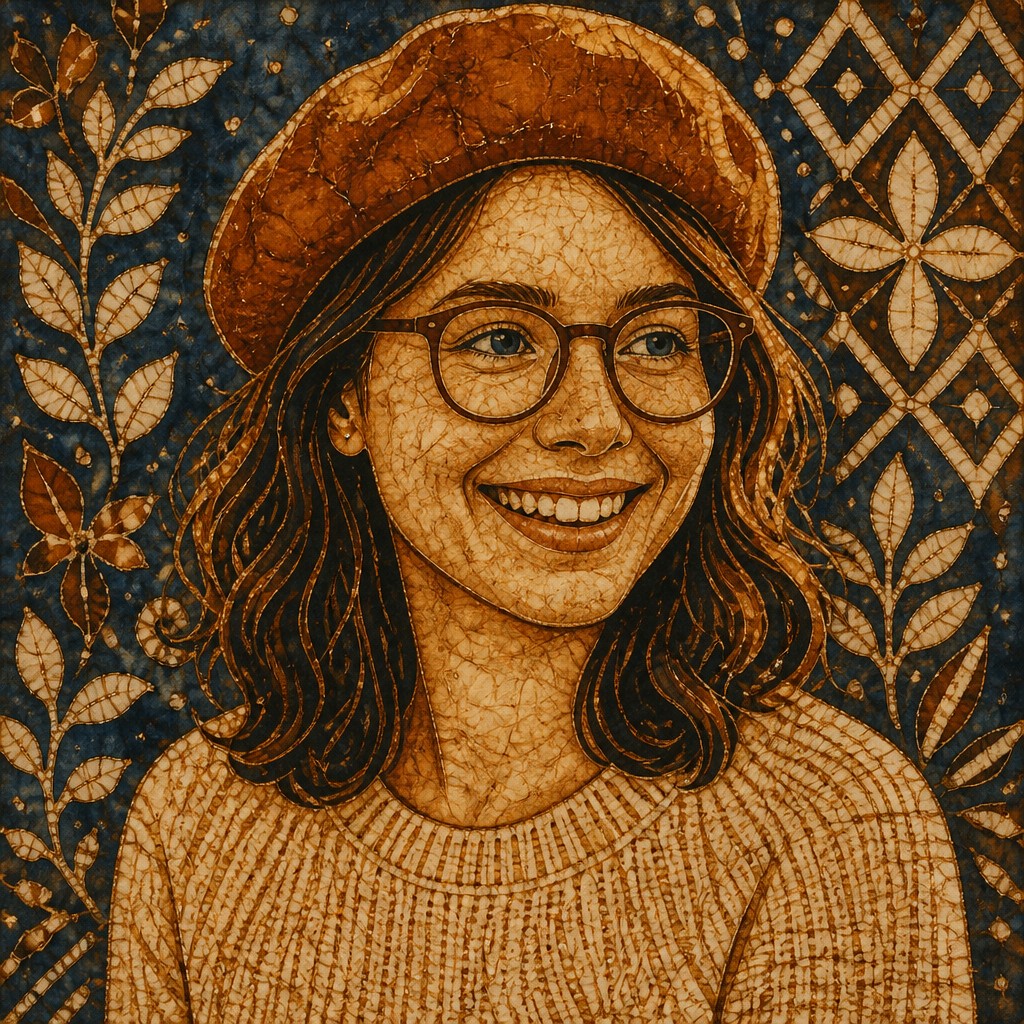

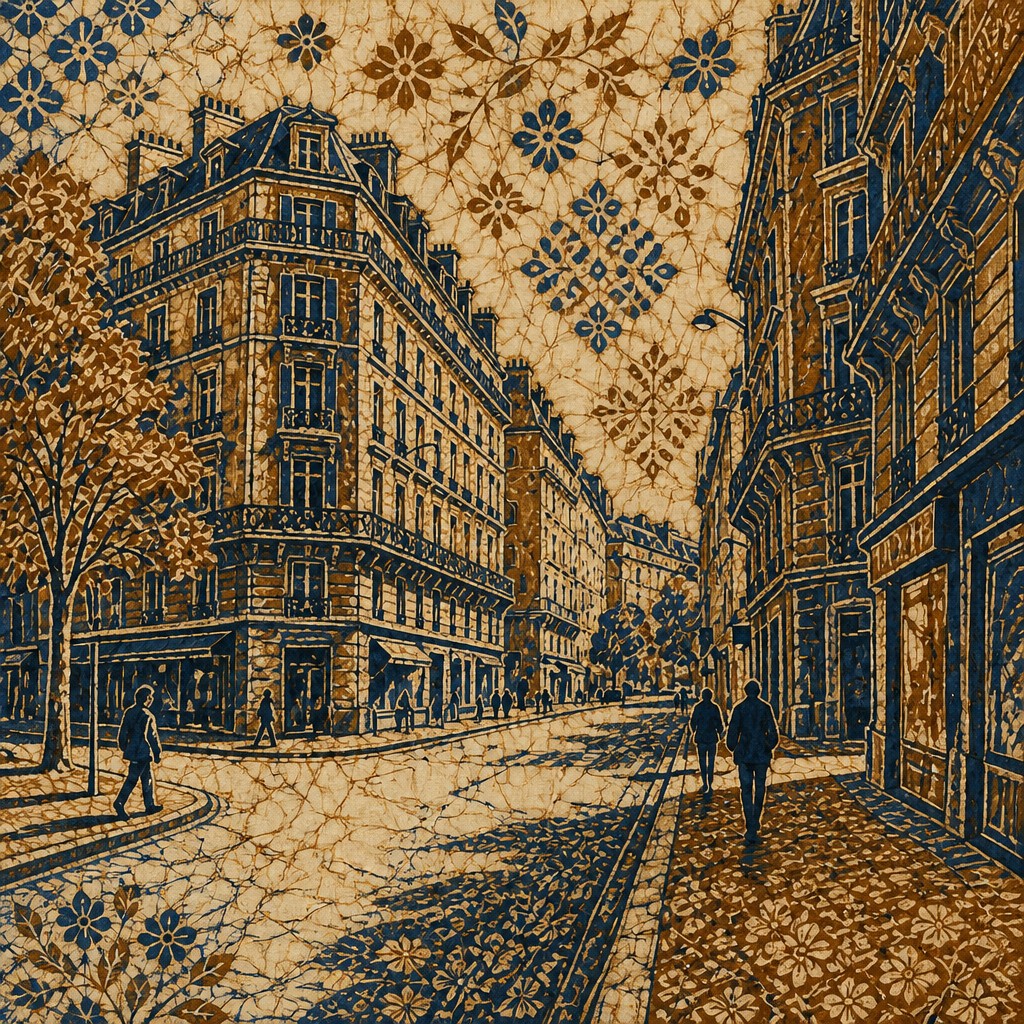

What Defines Batik Art Style
The signature details, up close
Wax-resist linework
Lines and enclosed areas appear as the boundaries created by applied wax, often with slight variations in thickness and pressure. Their irregularity gives the pattern a hand-worked character rather than the uniformity of mechanical printing.
Layered dye fields
Color is built through successive dye baths, with earlier protected areas remaining visible beneath later layers. Indigo, soga brown, cream, black, and earthy reds are strongly associated with many Javanese palettes, although batik color systems vary widely.
Crackle and dye seepage
Fractured wax can admit narrow traces of dye, producing delicate networks of lines known as crackle effects. These marks are central to many stylized depictions of batik, but their density depends on the wax, cloth, dye, and handling.
Repeating ornament
Batik designs commonly organize motifs into rhythmic repeats, borders, fields, medallions, or diagonal arrangements. Repetition creates a continuous surface in which individual flowers, leaves, birds, geometric forms, or symbolic patterns remain connected.
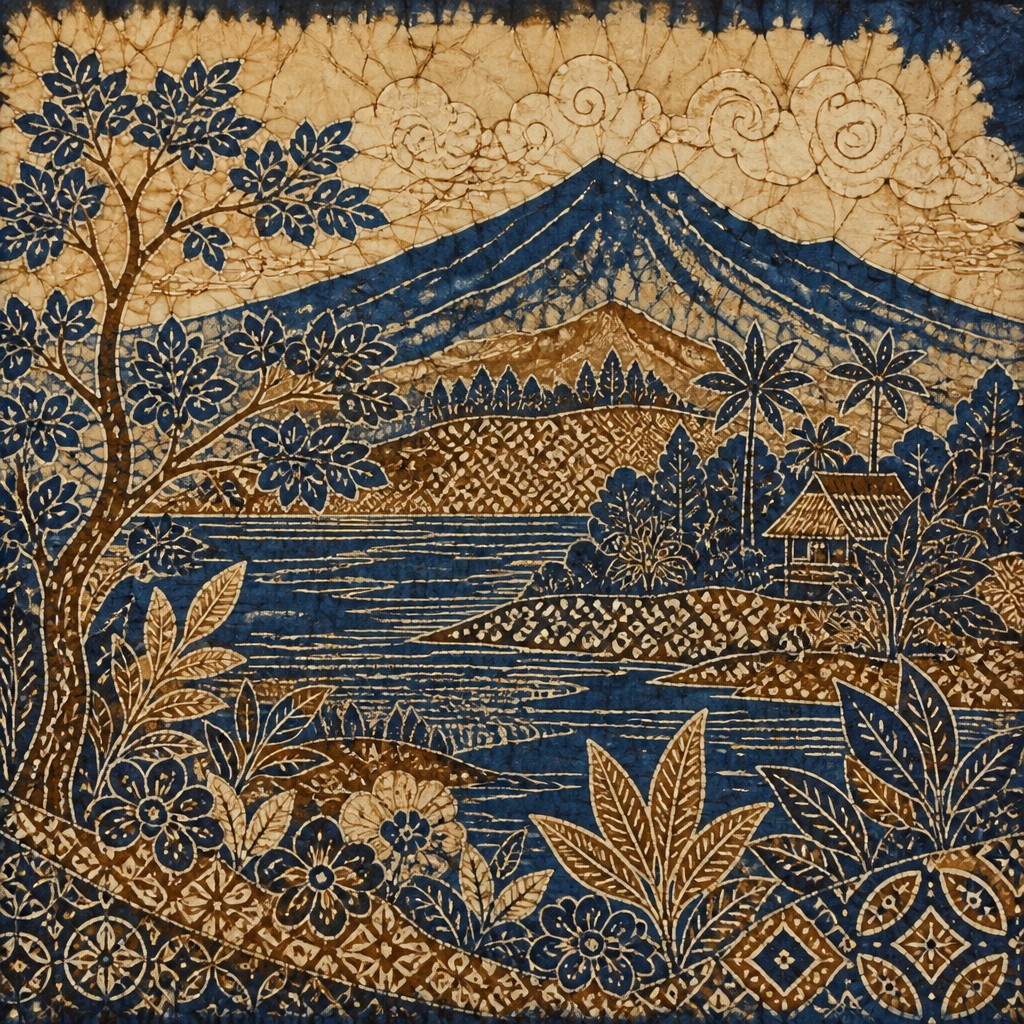
Botanical and geometric motifs
Leaves, vines, blossoms, seed forms, birds, and water-inspired shapes frequently coexist with dots, diagonals, grids, spirals, and patterned borders. The balance between organic and geometric elements gives the surface both movement and structure.
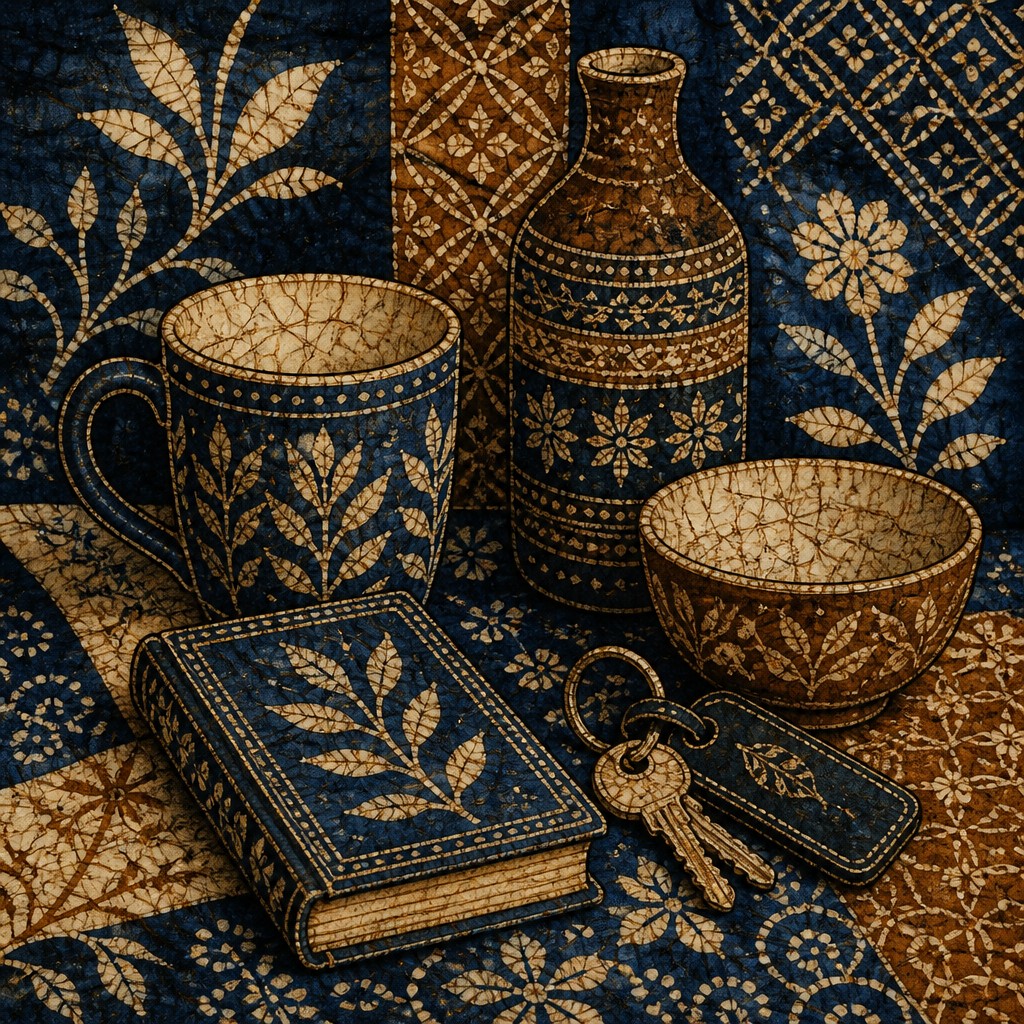
Soft textile surface
Visible weave, slight dye variation, matte fibers, and gentle folds distinguish batik from a flat vector pattern. Even highly detailed imagery benefits from retaining the tactile impression of cloth.
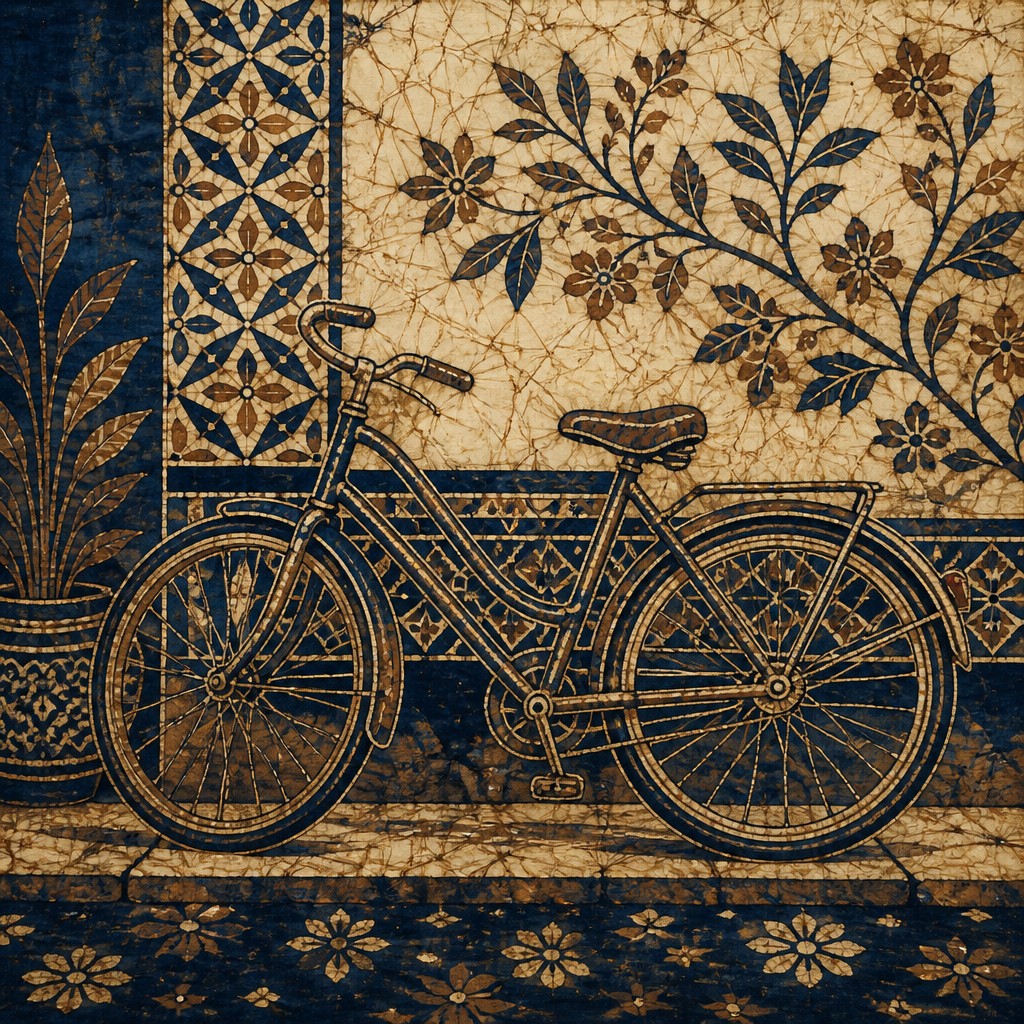
Contour-led composition
The image is often understood through enclosed shapes and dark or contrasting contours rather than through smooth painterly blending. Simplified forms, clear divisions, and controlled negative space help the resist process remain legible.
Try It
Create Videos in Batik Art Style
Styles aren't just for stills — describe a scene or animate an image and get a short video rendered in Batik. Press play to see this pond come to life.
Make a VideoBatik Prompt Ideas
Start from an idea — each one opens the generator with the style ready to go. See all 40 Batik prompts →
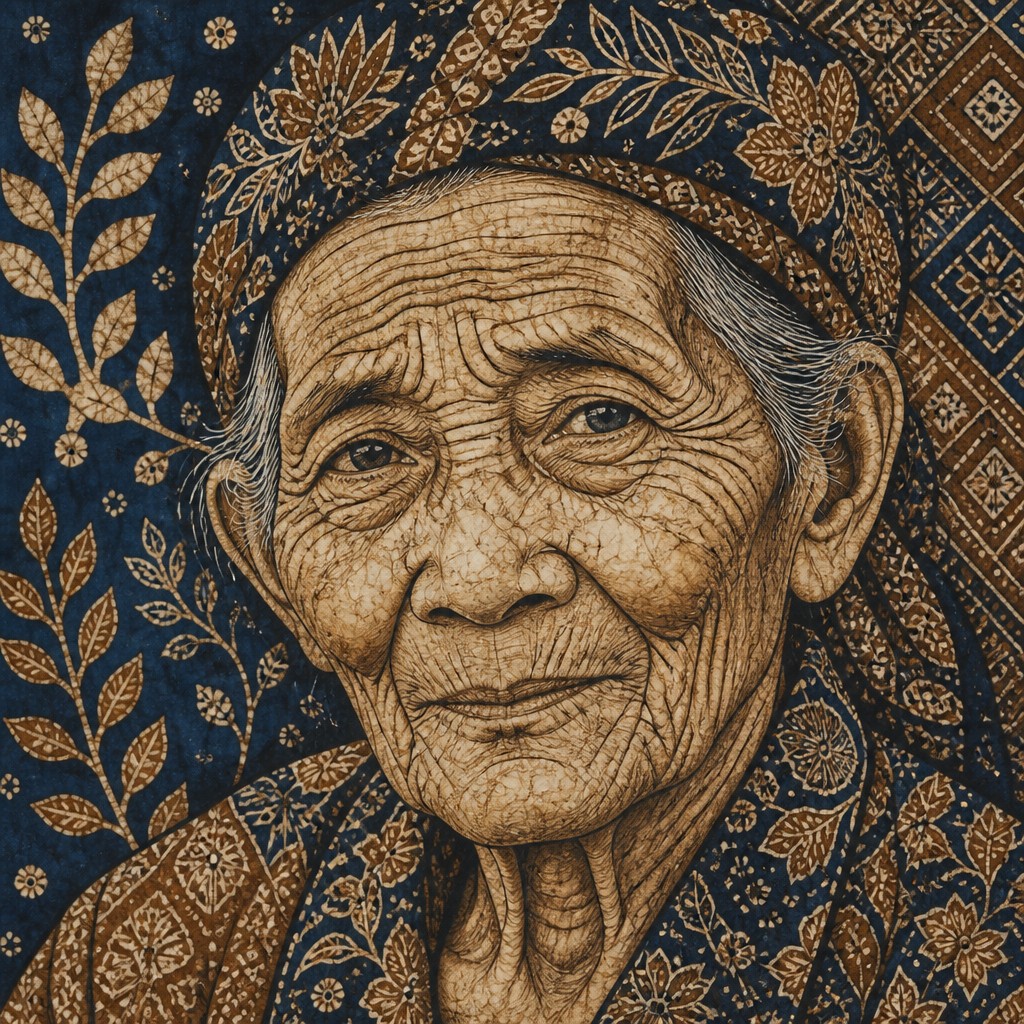
“close-up portrait of an elderly person with expressive weathered features”
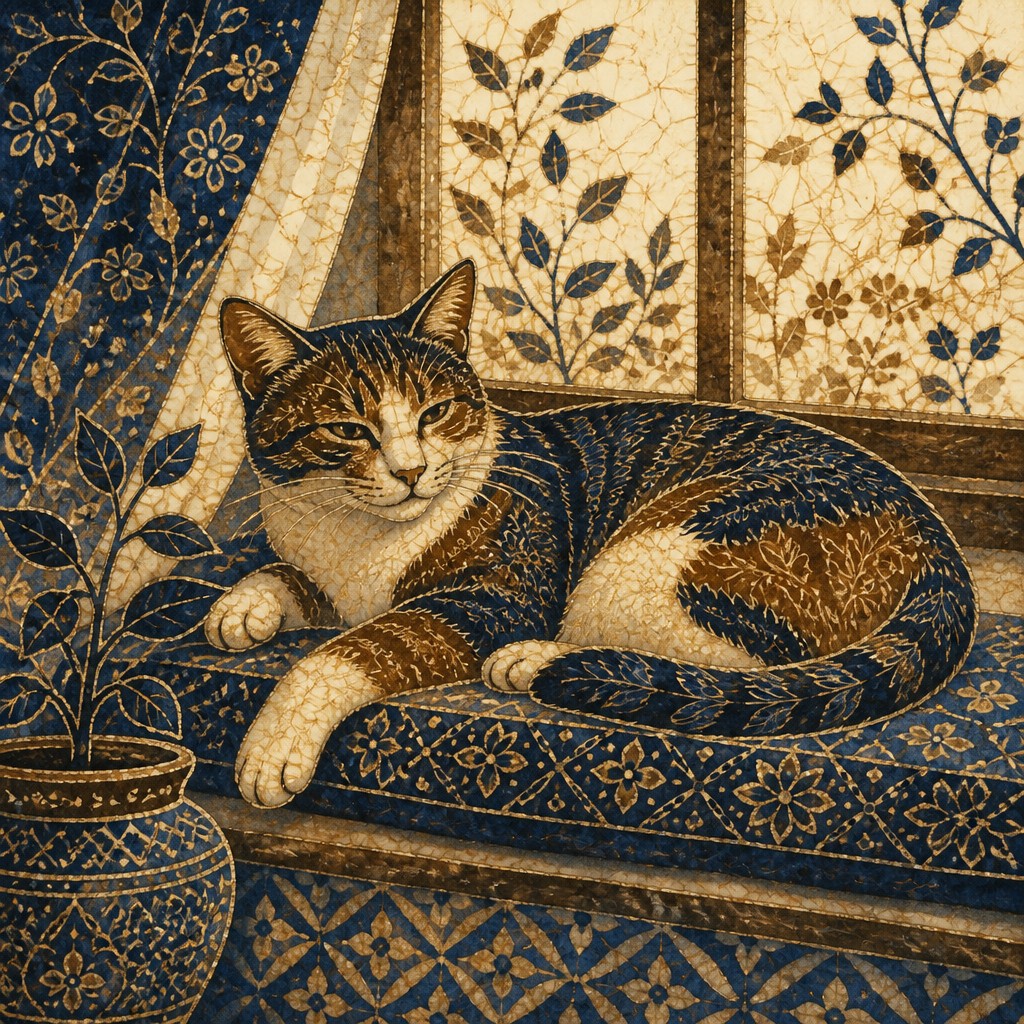
“a cat lounging in a sunlit window”
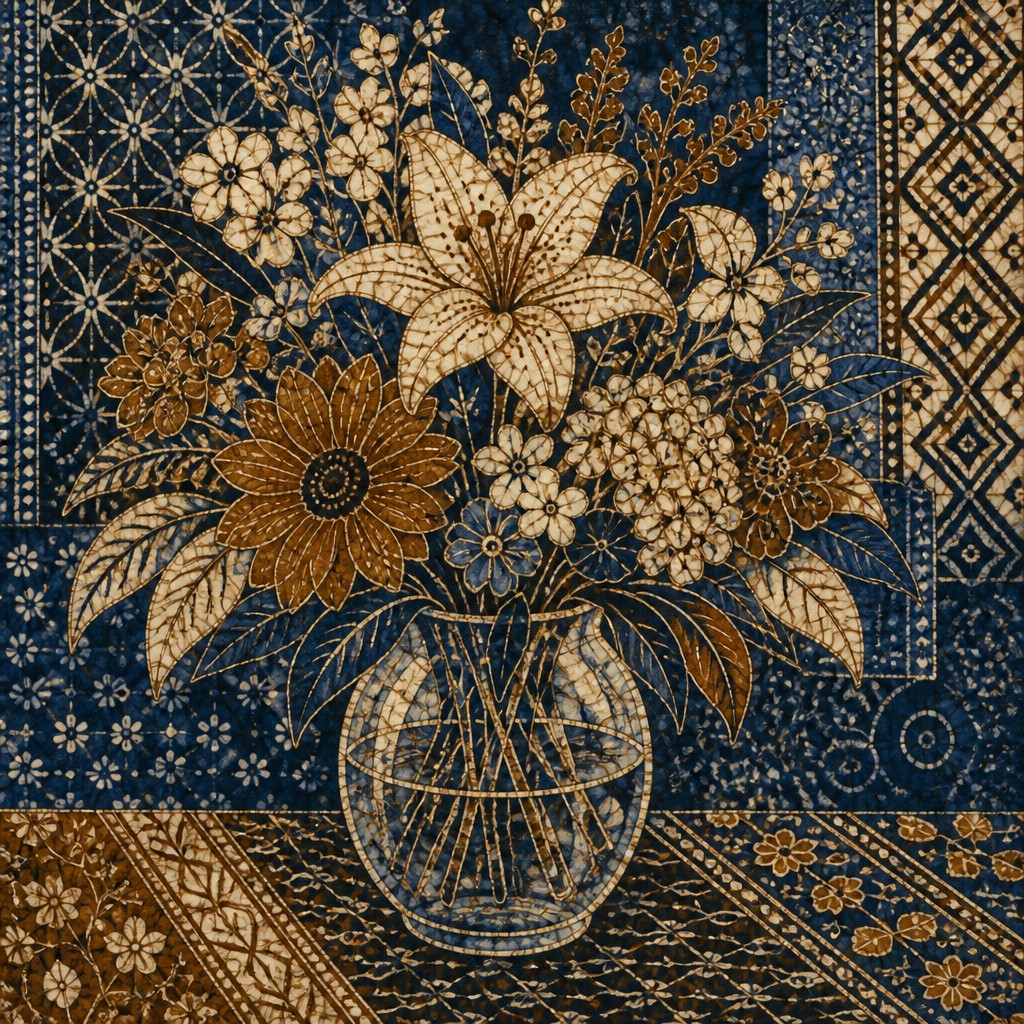
“bouquet of flowers in a glass vase”
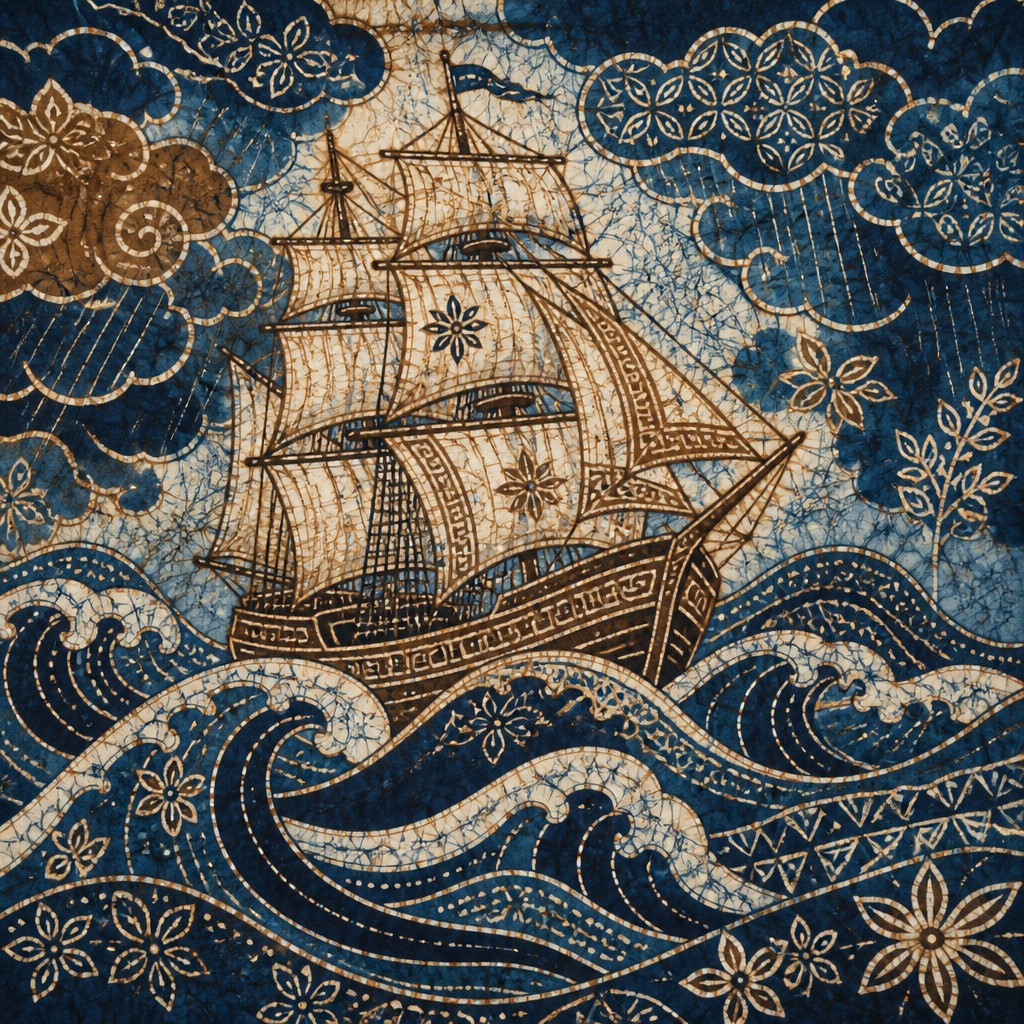
“sailing ship on a stormy sea”
How to Create Batik Art
Master the craft step by step — or skip straight to creating. Read the full guide →
- 1
Plan the resist layers
Sketch the final motif as a sequence of protected and dyed areas, deciding which colors will be applied first. Keep major shapes readable because every later layer depends on the boundaries established earlier.
- 2
Use traditional wax tools
For hand-made work, apply hot wax with a canting for fine lines or a cap for repeated stamped motifs, then dye, dry, and repeat the process. Remove the wax by ironing between absorbent papers or by using an appropriate controlled washing method.
- 3
Build a convincing crackle
Allowing wax to fracture before dyeing can create authentic seepage, but excessive cracking may obscure the design. In digital work, add fine branching lines selectively inside or alongside resist boundaries rather than covering every surface uniformly.
- 4
Preserve the cloth
Use a subdued palette, visible fiber grain, soft shadows, and slight irregularity to suggest dyed fabric. Avoid perfectly flat fills and mathematically flawless repeats unless the goal is a contemporary, machine-made interpretation.
- 5
Compose the repeat
Arrange a central field, border, diagonal repeat, or all-over pattern before adding detail. Alternate dense and quiet areas so botanical and geometric motifs retain hierarchy.
- 6
Write precise digital prompts
Specify the subject first, then request wax-resist contours, layered indigo and brown dyes, fine crackle veining, repeating ornament, hand-drawn lines, and soft textile texture. For image-to-image work, preserve the source silhouette while asking for the surface, palette, and edge treatment to change.
The Story
History & Origins of Batik
The word batik is closely associated with Indonesia, especially Java, where wax-resist dyeing developed into a highly sophisticated textile art with distinctive regional patterns, production methods, and social meanings. Javanese batik was made through hand-drawn wax application using a canting tool as well as stamped copper blocks known as caps. Multi-stage dyeing allowed complex designs to emerge, while particular motifs could indicate locality, ceremony, status, or historical court traditions. Indonesian batik was inscribed on UNESCO's Representative List of the Intangible Cultural Heritage of Humanity in 2009.
Wax-resist dyeing has also existed in other textile cultures, including parts of Africa, South Asia, East Asia, and the Middle East, with different materials, motifs, and processes. Contemporary batik includes both workshop production and experimental fine art, and its visual language has spread into fashion, surface design, illustration, printmaking, and digital image-making. A stylized digital version should therefore be understood as drawing from batik's material and ornamental principles rather than representing every regional tradition equally.
Influences: Batik is related to broader wax-resist and resist-dyeing traditions, including Indonesian textile arts, African wax-resist cloth practices, Indian and South Asian textile decoration, and East Asian resist-dye methods. Its visual language also connects with folk ornament, block printing, botanical illustration, geometric pattern design, and contemporary surface design. Digital interpretations often borrow the flat organization of printmaking while retaining the irregular edges, layered color logic, and tactile evidence of cloth.
Frequently Asked Questions
What defines batik art?
Batik is defined by resist-dyeing, traditionally using wax to protect selected areas of cloth from successive dye baths. Its characteristic appearance comes from layered color, enclosed linework, repeating motifs, uneven edges, and occasional crackle where fractured wax allows dye to seep through.
Is batik a painting style or a textile technique?
Batik is primarily a textile-dyeing technique and cultural art tradition rather than a single painting movement. It can be adapted to illustration, print, fashion, and digital imagery, but those adaptations work best when they preserve the logic of wax, dye, cloth, and layered resistance.
What colors are commonly used in batik?
Many Javanese batiks are associated with indigo, soga brown, cream, black, and muted natural reds. Other regional and contemporary traditions use brighter colors, so no single palette defines all batik. Color choice should reflect the particular cultural reference or visual mood intended.
How is batik different from block printing?
Block printing transfers ink or dye through a carved stamp, while batik protects areas with wax before dyeing. Batik may use stamped wax blocks, known as caps, but the wax-resist process creates characteristic layered colors and crackle effects that ordinary block printing does not necessarily have.
How can I make a digital image look like batik?
Start with a clear subject and organize it into enclosed, repeating shapes. Add uneven wax-like contours, layered dye fields, selective crackle lines, botanical or geometric ornament, and subtle woven-fiber texture. Avoid overly smooth gradients and perfectly uniform digital edges.
Where is batik used today?
Batik appears in clothing, ceremonial and domestic textiles, accessories, wall hangings, fashion collections, illustration, and surface-pattern design. In Indonesia it remains a living cultural practice with regional identities, while international artists use related resist processes and batik-inspired imagery in contemporary work.
Create your first Batik artwork
Describe anything — or upload a photo — and see it in Batik Art Style in seconds.
Related Styles
Discover similar art styles