Basketry Art Style
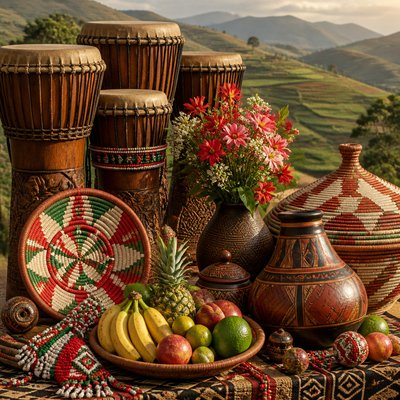
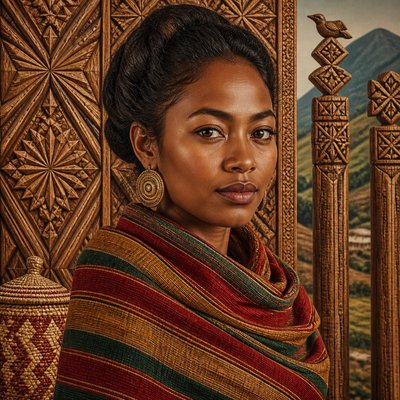
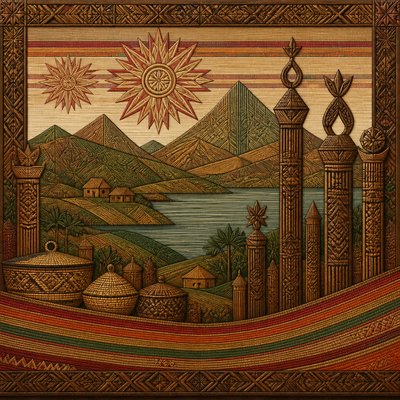
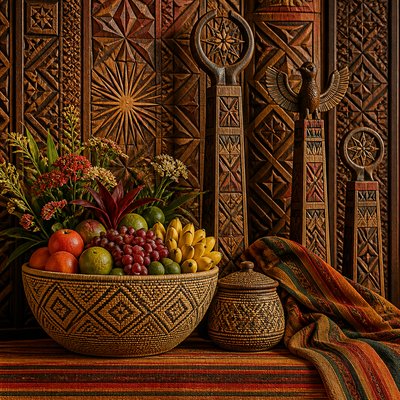
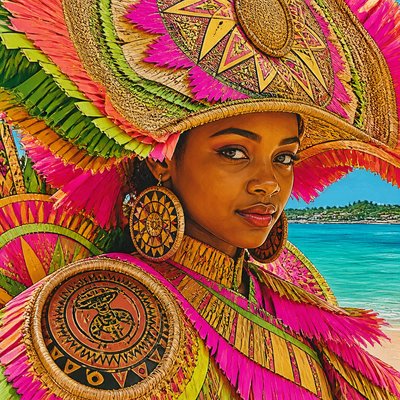
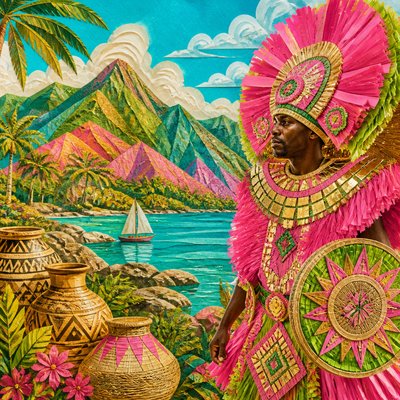
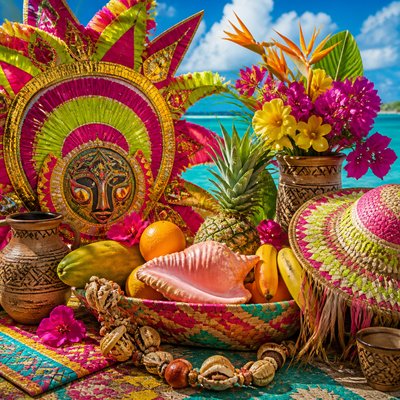
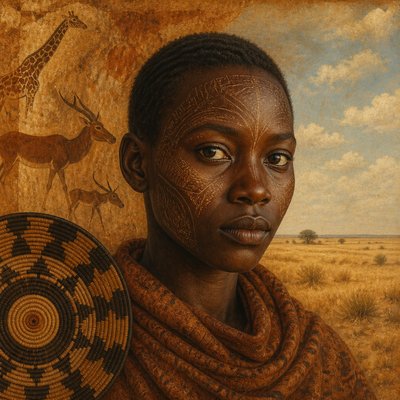
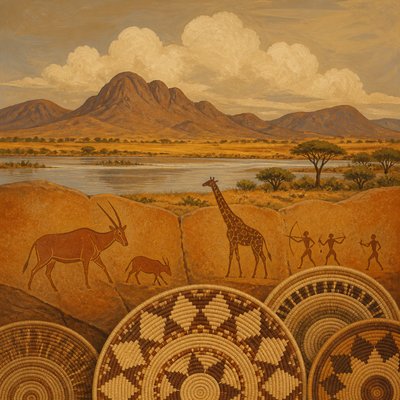
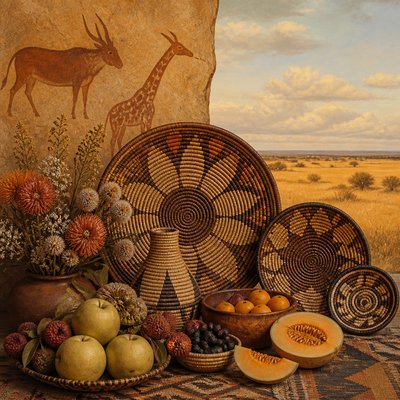
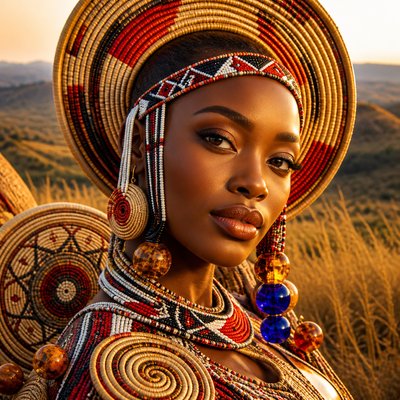
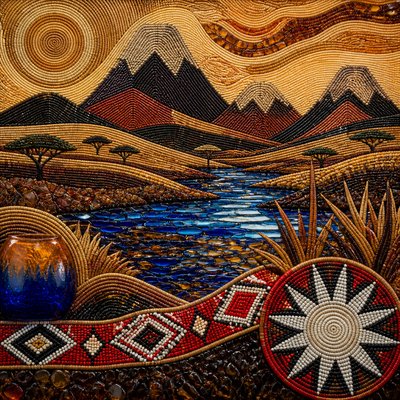
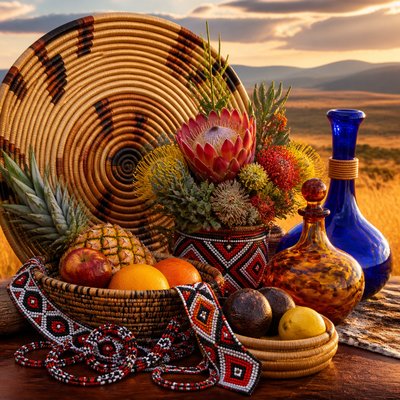
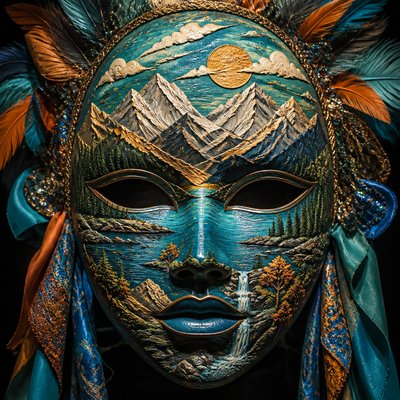
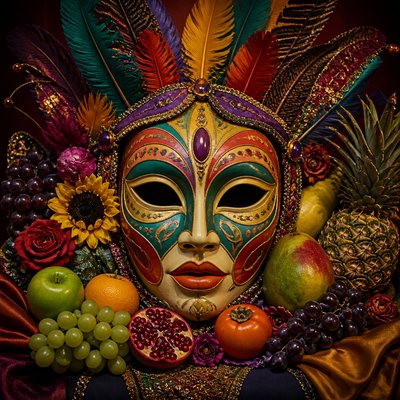
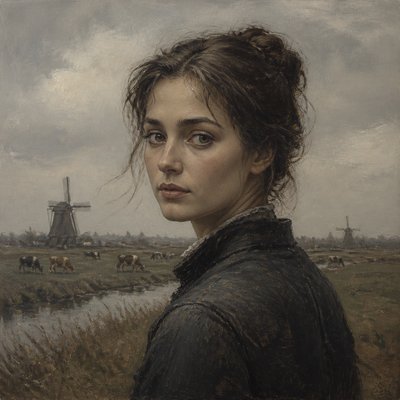
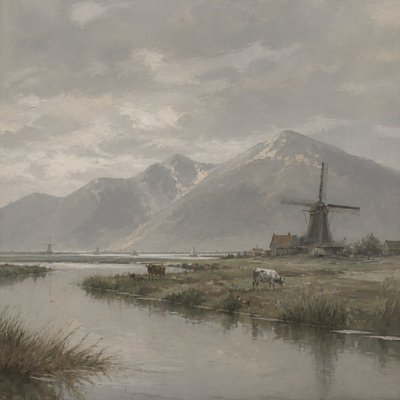
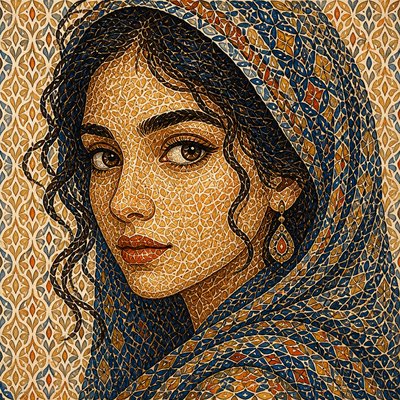
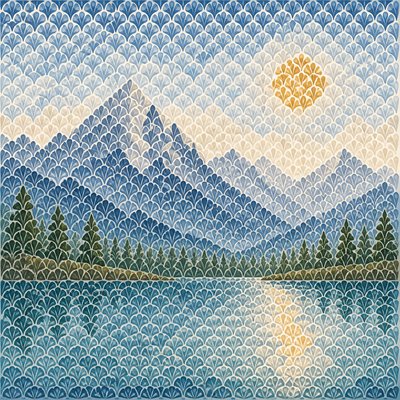
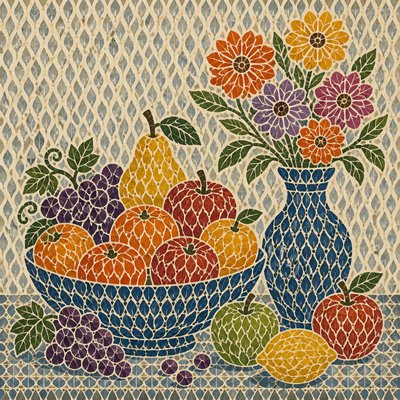
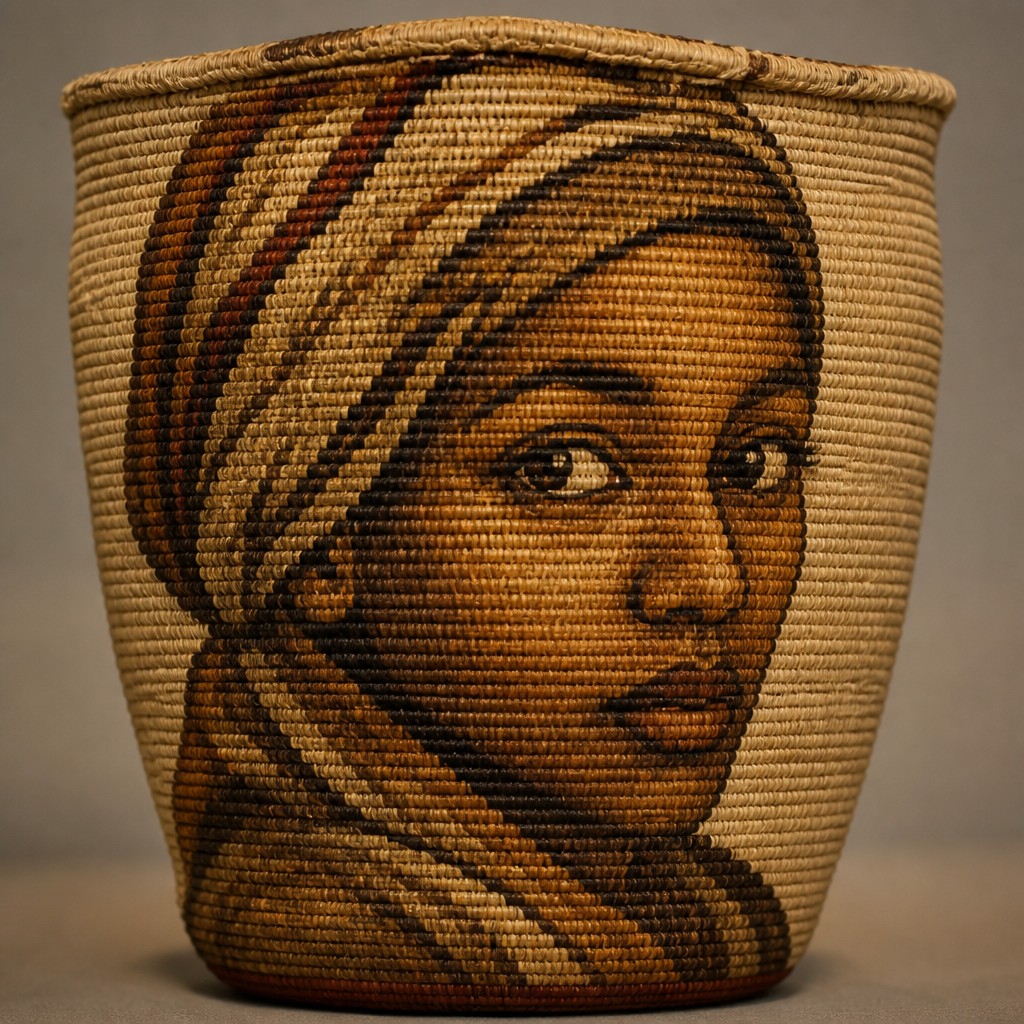
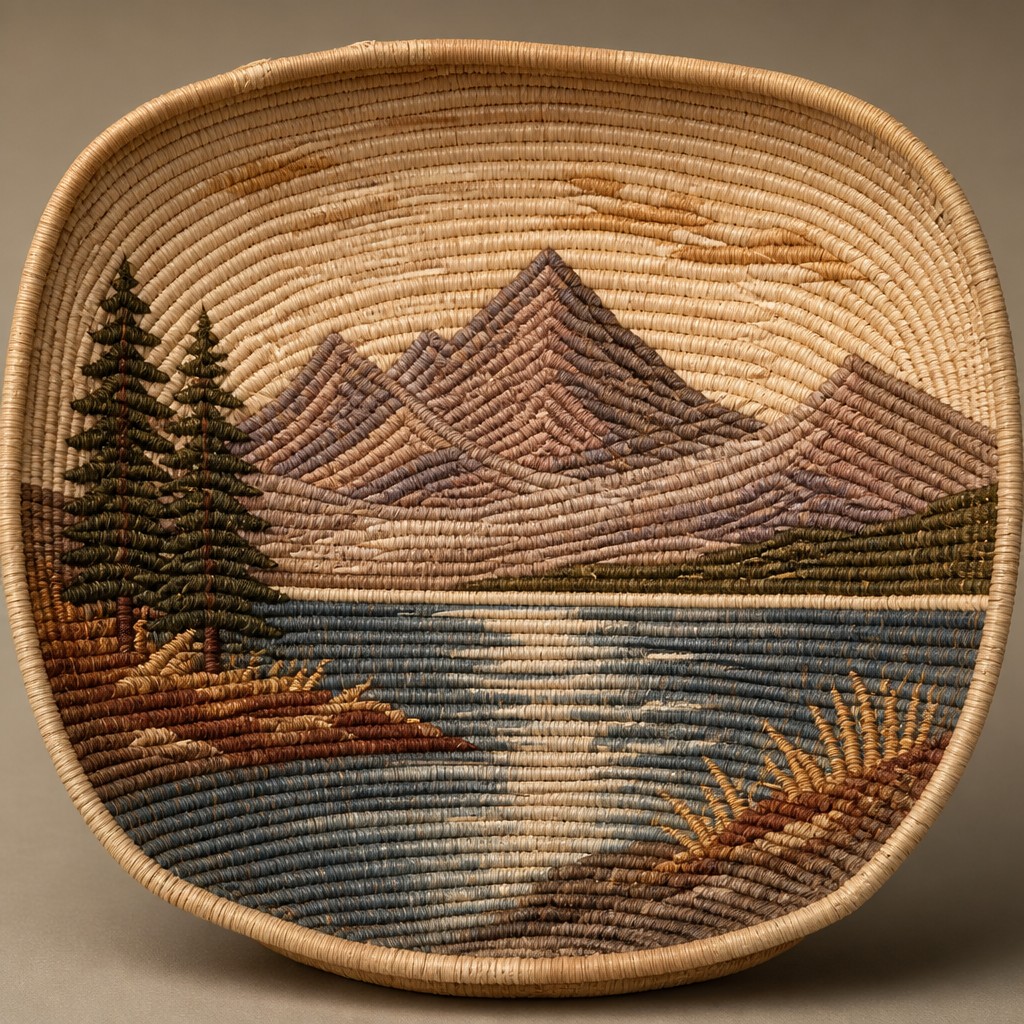
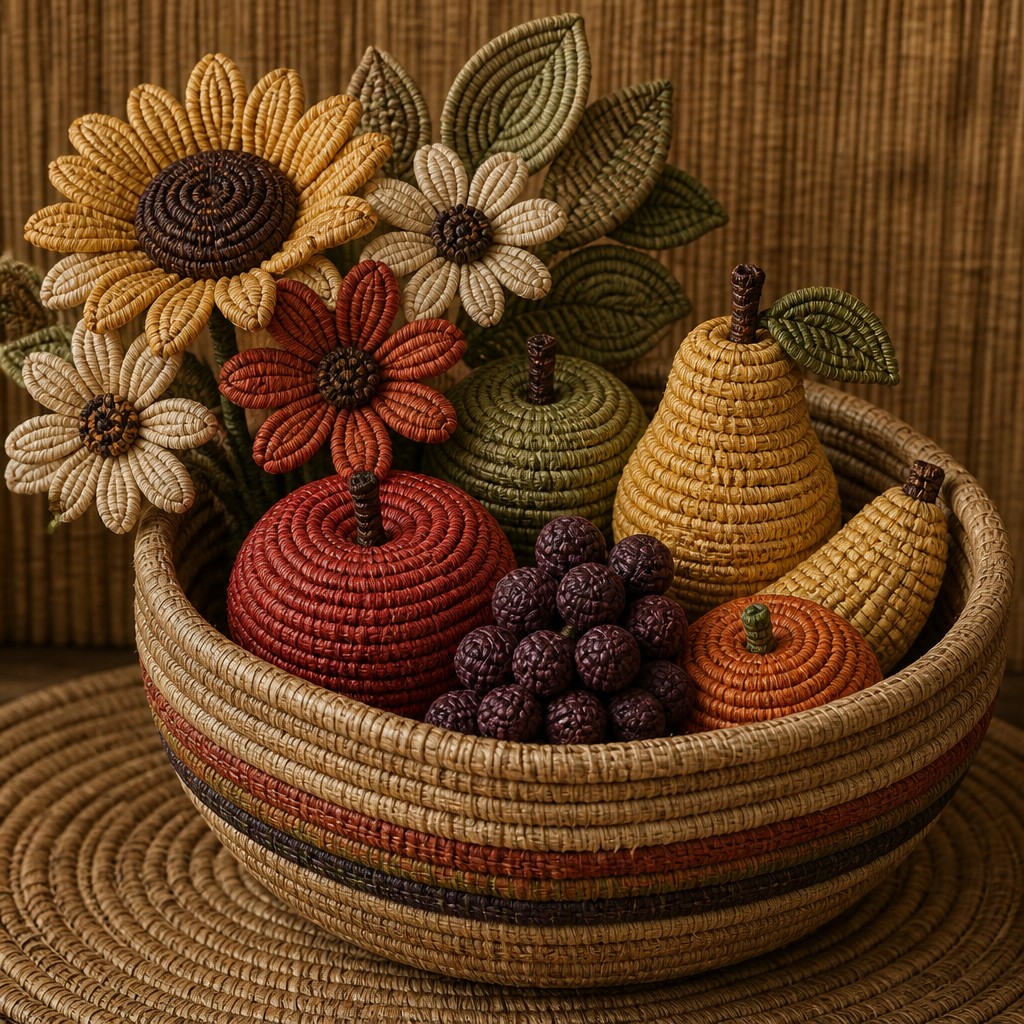
Explore basketry art: coiled natural fibers, woven textures, earthy color bands, visible spirals, and handmade vessel forms.
Instantly rendered in Basketry — or transform a photo
Basketry Gallery
Tap any artwork to explore it
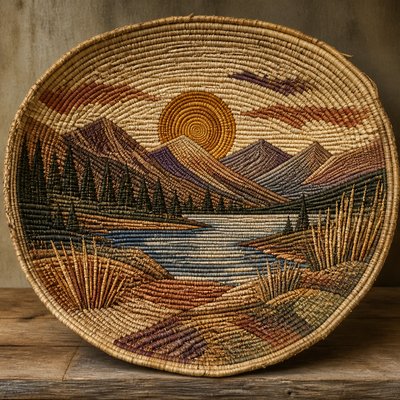
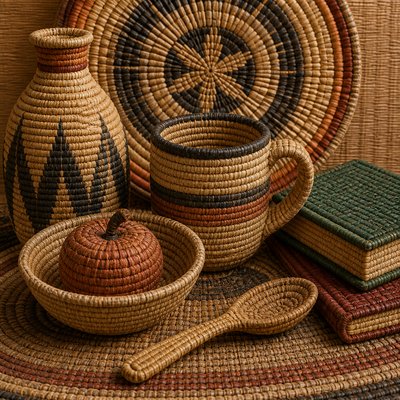
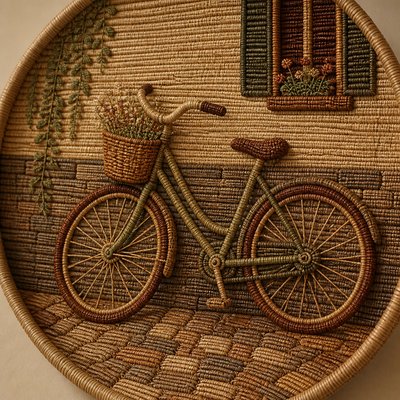
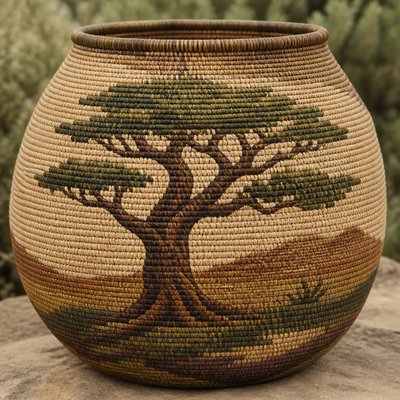
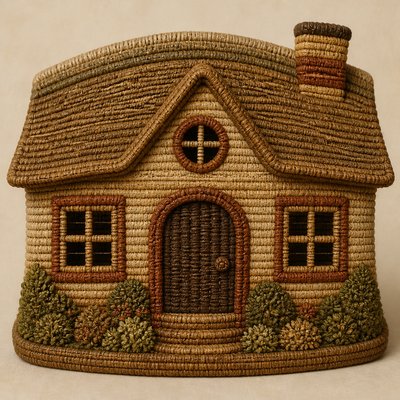
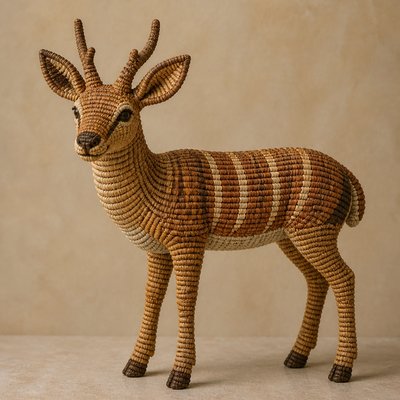
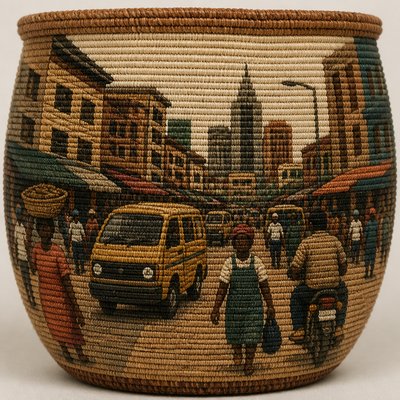
What is Basketry Art Style?
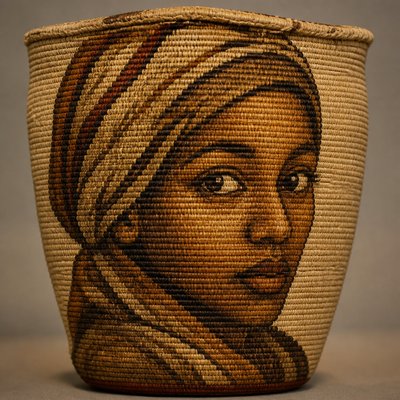
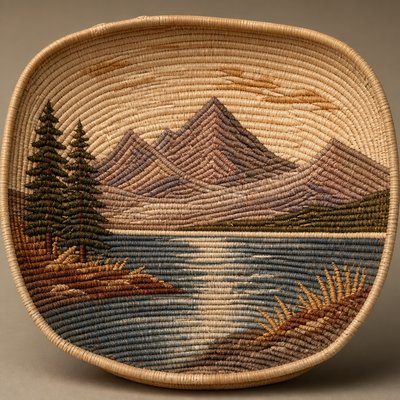
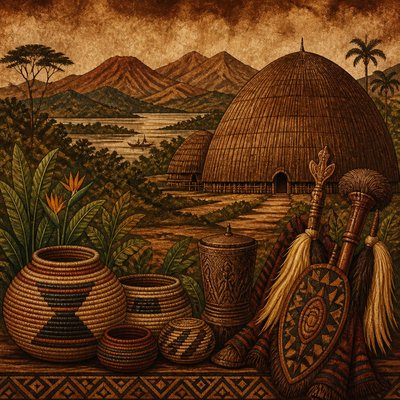
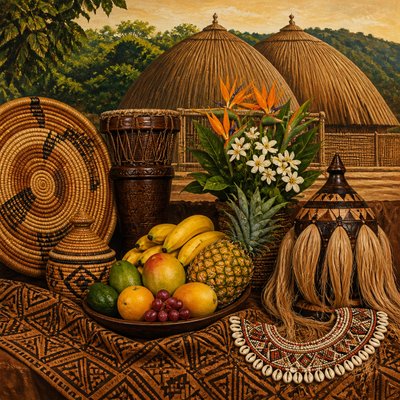
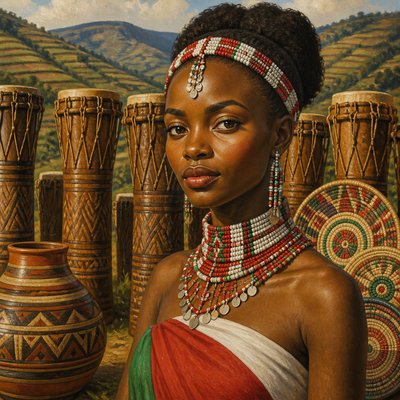
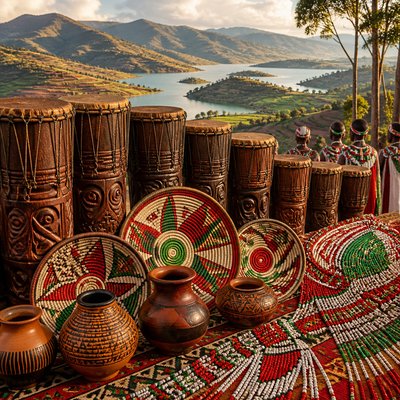
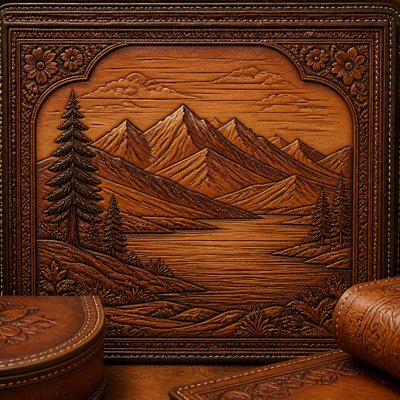
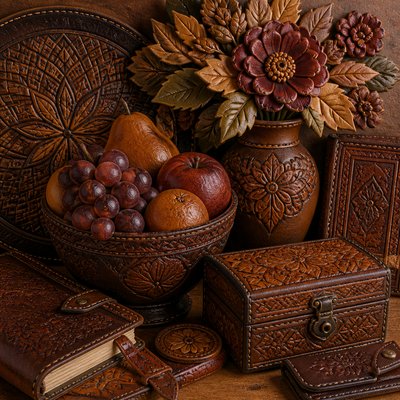
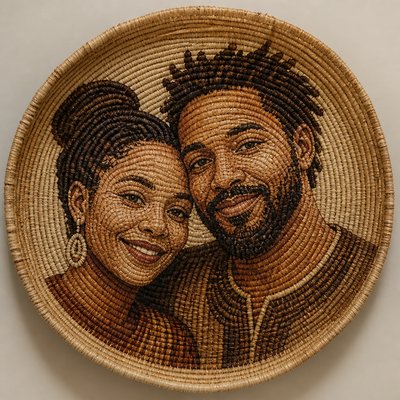
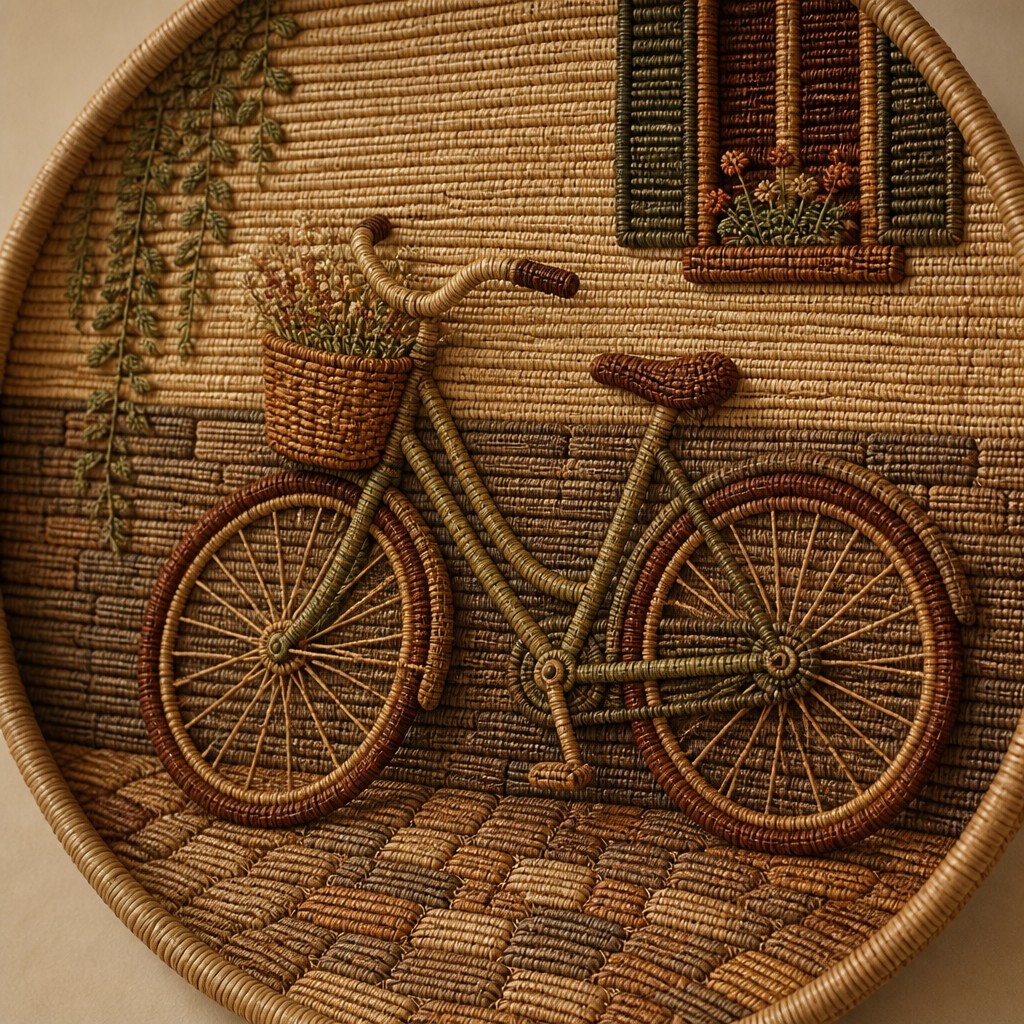
Basketry art style translates the visual language of handwoven vessels into a distinct textural aesthetic. Its surfaces are built from tightly coiled, braided, or interlaced strands of reed, grass, raffia, cane, rush, or other natural fibers, producing visible spirals, ribs, rows, and rhythmic geometric patterns. Warm browns, straw yellows, muted greens, terracotta, charcoal, and occasional dyed accents give the work an organic, tactile character.
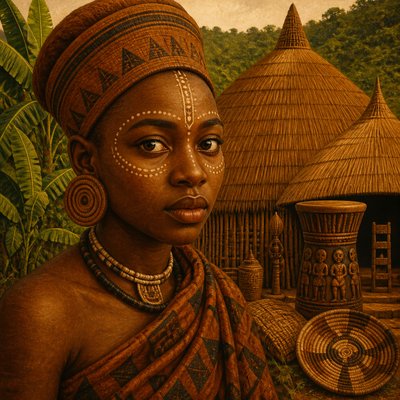
The style emphasizes construction as much as subject matter. Uneven fiber thickness, slight shifts in alignment, irregular rims, softened edges, and subtle variations in color suggest human handling rather than industrial uniformity. When applied to illustrations, photographs, objects, or imagined scenes, it makes form appear assembled from woven bands and encourages viewers to notice material, structure, repetition, and evidence of craft.
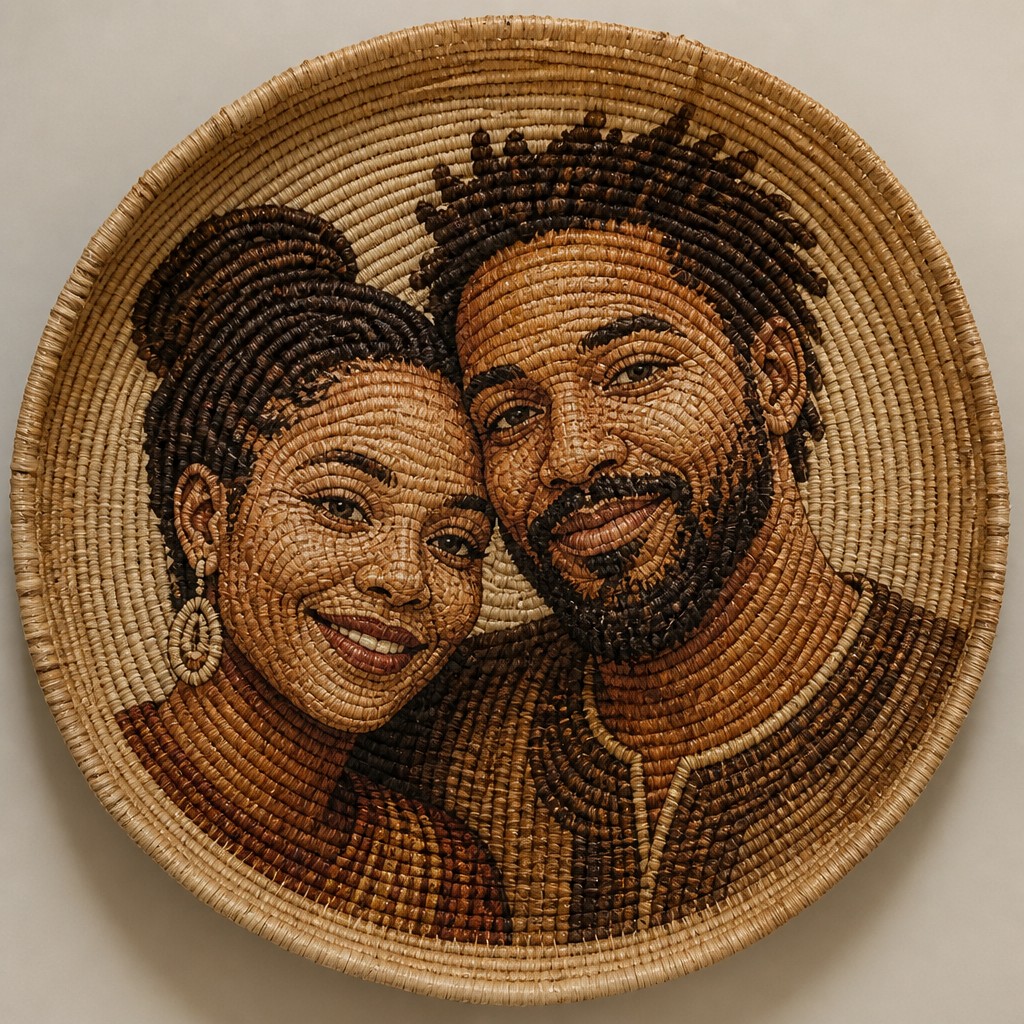
Try It On Your Photos
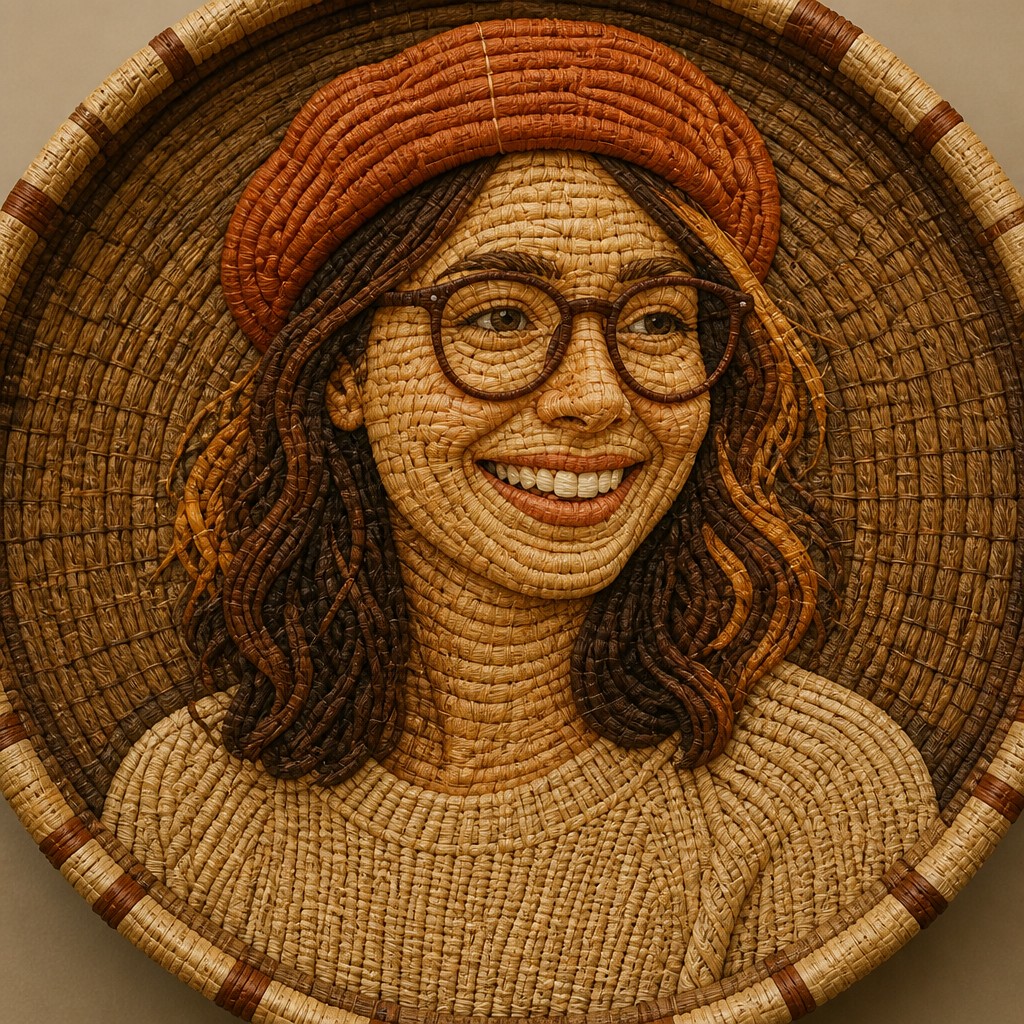
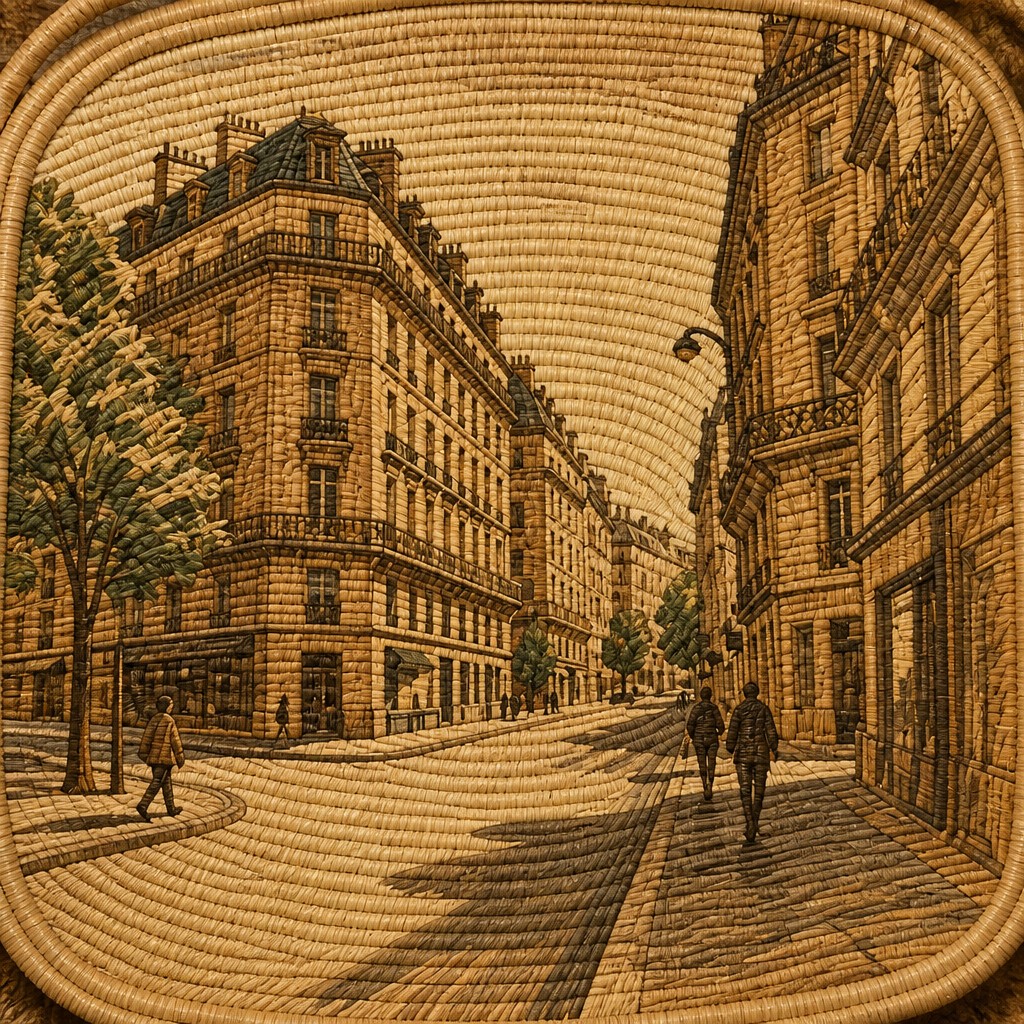
Upload any photo and convert it into Basketry Art Style — drag the sliders to compare before and after.


What Defines Basketry Art Style
The signature details, up close
Coiled and woven structure
Forms are defined by tightly wound coils, interlaced strips, braided bands, or layered rows of fiber. The construction remains visible instead of being smoothed into a seamless surface.
Natural fiber palette
Colors typically range from pale straw and dried grass to ochre, tan, walnut brown, umber, and charcoal. Limited dyed bands in rust, indigo, muted red, or green can provide controlled contrast.
Spirals and rhythmic ribs
Concentric coils, diagonal crossings, vertical ribs, and repeating geometric motifs create a strong sense of rhythm. These patterns often follow the direction of the vessel or object being depicted.
Tactile surface relief
Raised strands cast small shadows and produce a ridged, touchable surface. Close views should reveal fiber grain, fraying, overlaps, compression, and changes in thickness.
Handmade irregularity
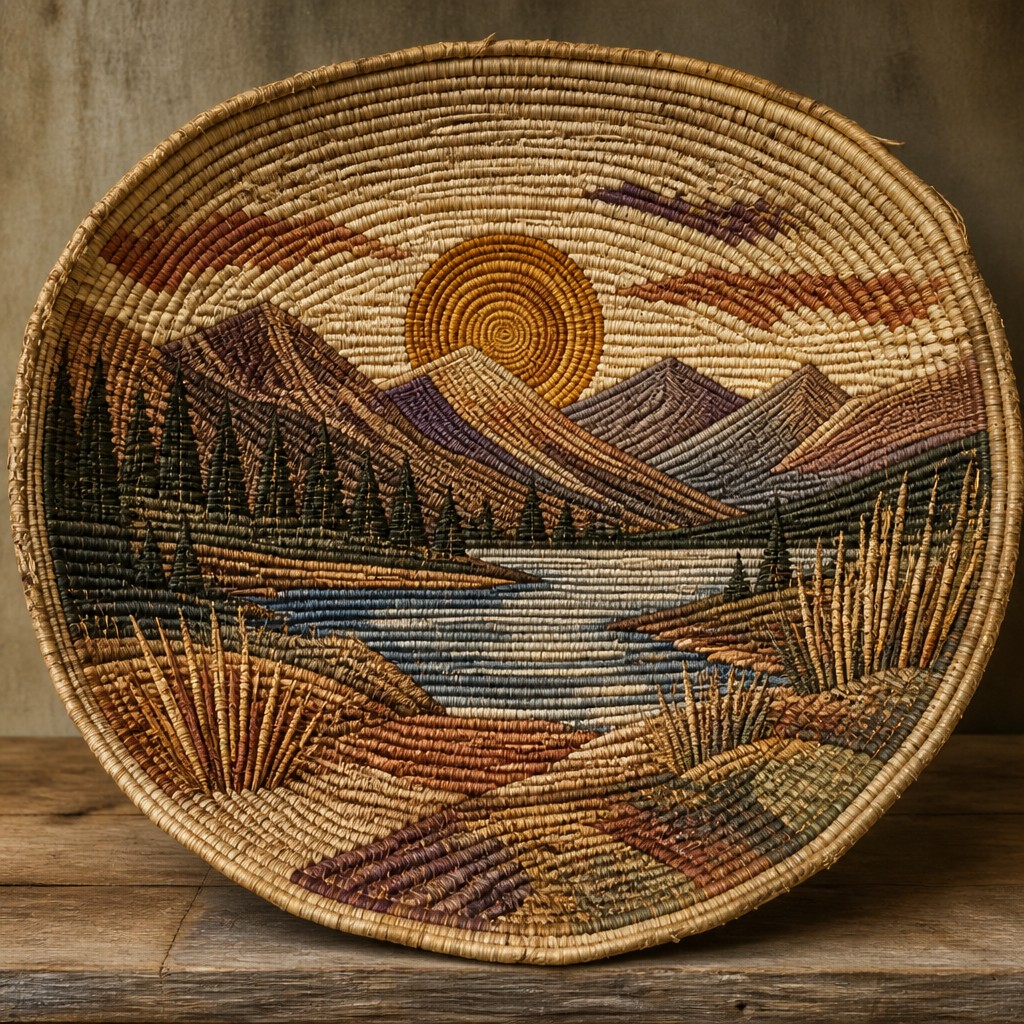
Slight asymmetry, uneven tension, softened corners, and imperfect shaping distinguish the style from synthetic 3D renders or mechanically repeated patterns. Irregularities should feel intentional and material rather than chaotic.
Vessel-centered silhouettes
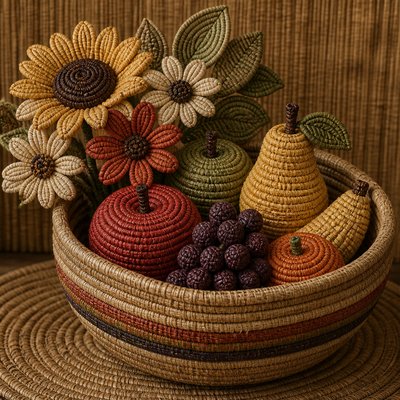
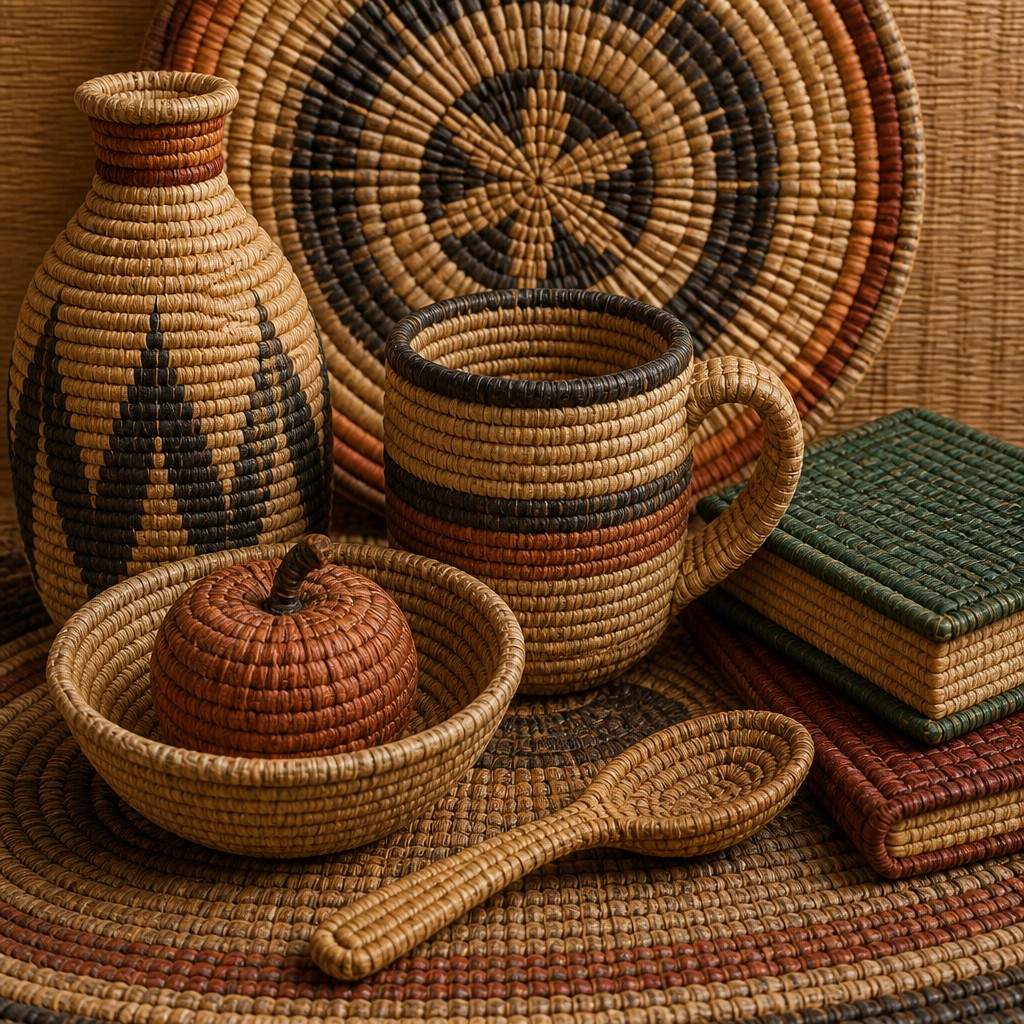
Baskets, bowls, jars, trays, mats, lampshades, and sculptural containers are common subjects. Broad bases, flared rims, openings, and stacked coils make the woven structure easy to read.
Material-led lighting
Warm directional light is useful for revealing the relief of the weave, while soft ambient shadows preserve the quiet, organic mood. Glossy highlights are generally restrained in favor of dry, fibrous surfaces.
Basketry Prompt Ideas
Start from an idea — each one opens the generator with the style ready to go. See all 40 Basketry prompts →
How to Create Basketry Art
Master the craft step by step — or skip straight to creating. Read the full guide →
- 1
Build a structural foundation
For traditional work, begin with a base and establish an even coil, warp, or framework before shaping the walls. In digital work, block the silhouette first, then wrap repeated fiber bands around its contours.
- 2
Use convincing fiber direction
Keep coils, ribs, and interlaced strips aligned with the form rather than applying a flat texture map. Follow the curve of bowls, the taper of containers, and the direction of handles.
- 3
Layer color naturally
Start with a restrained dried-fiber palette and add variation through alternating strands, dyed rows, stains, and age marks. Avoid perfectly uniform color unless depicting a deliberately manufactured object.
- 4
Model tactile relief
Use bump, displacement, sculpting, or carefully drawn highlights and shadows to separate individual strands. Small gaps and contact shadows between coils make the surface more believable.
- 5
Preserve handmade variation
Introduce minor changes in thickness, spacing, curvature, and tension while keeping the overall pattern coherent. A few frayed ends or irregular edges can communicate material authenticity.
- 6
Write material-specific prompts
For prompt-based generation, specify the subject, tightly coiled or interlaced natural fibers, visible spiral rows, earthy dried-reed colors, subtle dyed bands, tactile relief, and handmade irregularities. Add lighting and viewpoint terms such as close-up, side light, studio still life, or macro detail.
The Story
History & Origins of Basketry
Basketry art style is not a single historical movement or unified school. It draws on the ancient and globally widespread practice of basket making, which developed independently in many regions wherever flexible plant fibers, bark, reeds, grasses, or roots were available. Traditional basketry has served practical, ceremonial, architectural, and decorative purposes, with techniques and symbolic patterns varying across Indigenous, African, Asian, Oceanian, European, and American communities.
As a contemporary visual treatment, the style adapts those material traditions into a generalized image language rather than reproducing one specific cultural technique. Its aesthetic lineage includes coiling, plaiting, twining, wickerwork, and woven-fiber sculpture, as well as modern craft and fiber art that foreground texture, process, and sustainable materials.
Influences: The style is related to global basketry traditions, including coiling, twining, plaiting, wickerwork, and woven mats, while also connecting to contemporary fiber art, craft revival, sustainable design, and tactile sculpture. Its repeated geometry can recall geometric abstraction and pattern-based decorative arts, whereas its muted palette and irregular surfaces align with rustic, organic, and materially focused aesthetics. Because basketry carries specific cultural meanings in many communities, generalized imagery should not be presented as an authentic representation of a particular tradition without appropriate research.
Frequently Asked Questions
What defines the basketry art style?
It is defined by visible coils, woven strands, braided fibers, earthy natural colors, and tactile surface relief. Handmade irregularities such as uneven rims, shifting rows, and occasional fraying are important parts of its visual identity.
Is basketry art style a historical art movement?
No. The phrase describes a contemporary aesthetic treatment based on the much older and globally diverse practice of basket making. It should not be confused with a single regional school, period, or standardized cultural tradition.
How is it different from wickerwork or rattan design?
Wickerwork and rattan refer to particular materials or construction categories, while basketry art style is a broader visual language that may depict reed, grass, raffia, cane, bark, or other fibers. It can also be applied digitally to subjects that are not literally made from wicker or rattan.
Can photographs be transformed into this style?
Yes. The treatment can reinterpret a portrait, animal, building, or landscape as if its forms were assembled from coiled and woven fibers. Clear silhouettes, strong lighting, and a prompt specifying strand direction help preserve the original subject.
What materials are traditionally associated with basketry?
Common materials include grasses, reeds, rushes, cane, willow, raffia, palm leaves, bark, roots, and flexible twigs. Material choice depends on local ecology, available tools, intended use, and the techniques of a particular community.
How can I make basketry-inspired art without misrepresenting a culture?
Describe general materials and construction methods rather than assigning an invented design to a specific community. If referencing a named tradition, study its history, terminology, symbols, and ethical guidelines, and identify the source accurately.
Create your first Basketry artwork
Describe anything — or upload a photo — and see it in Basketry Art Style in seconds.
Related Styles
Discover similar art styles