Balloon Art Style
Explore Balloon Art Style: glossy twisted latex, saturated colors, knotted joints, and playful inflated figures for festive visual creations.
Instantly rendered in Balloon — or transform a photo
Balloon Gallery
Tap any artwork to explore it
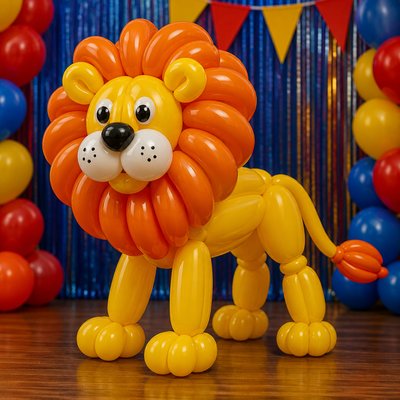
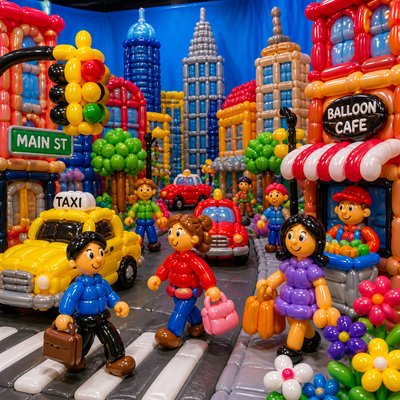
What is Balloon Art Style?
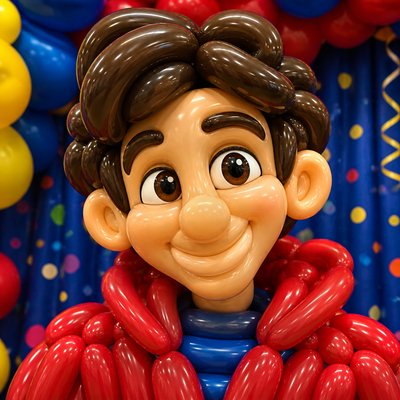
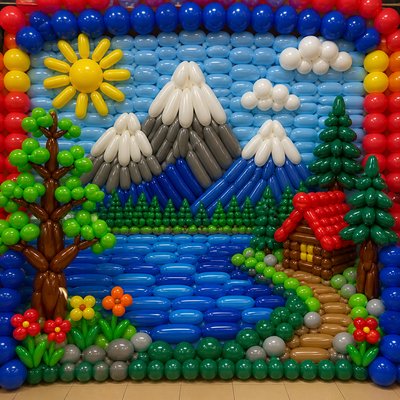
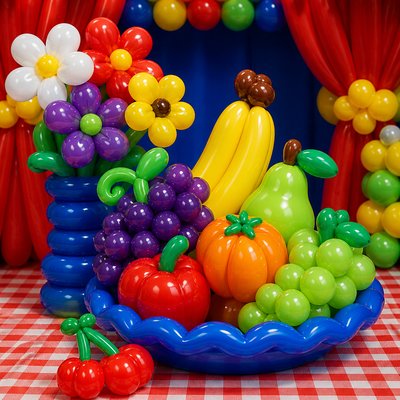
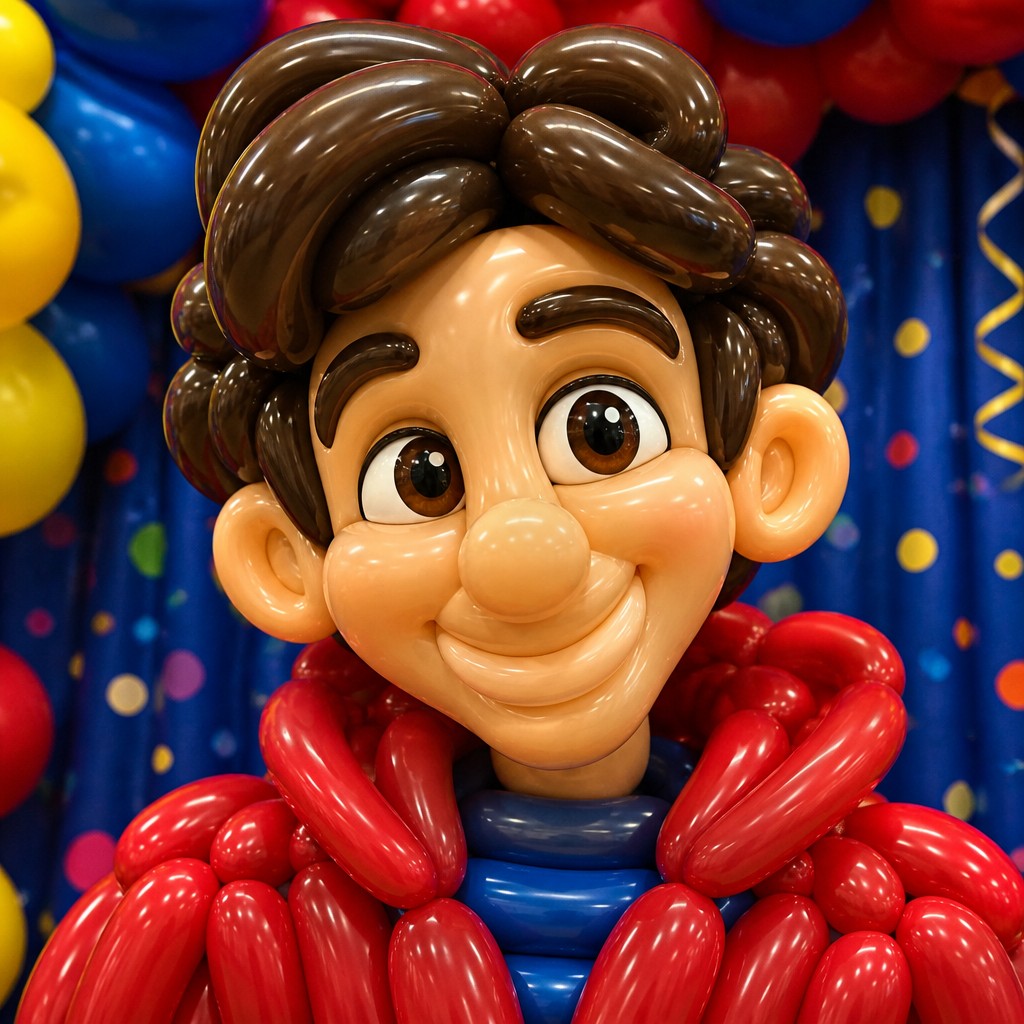
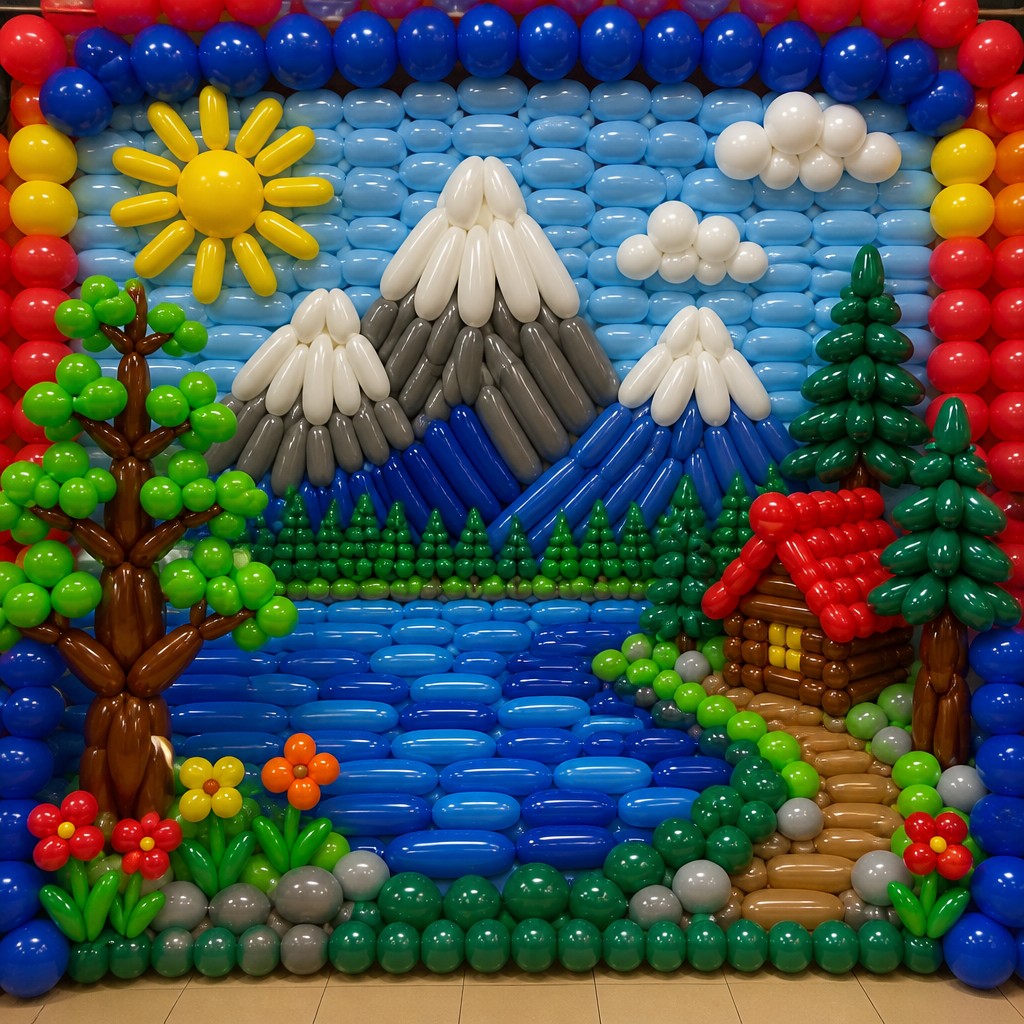
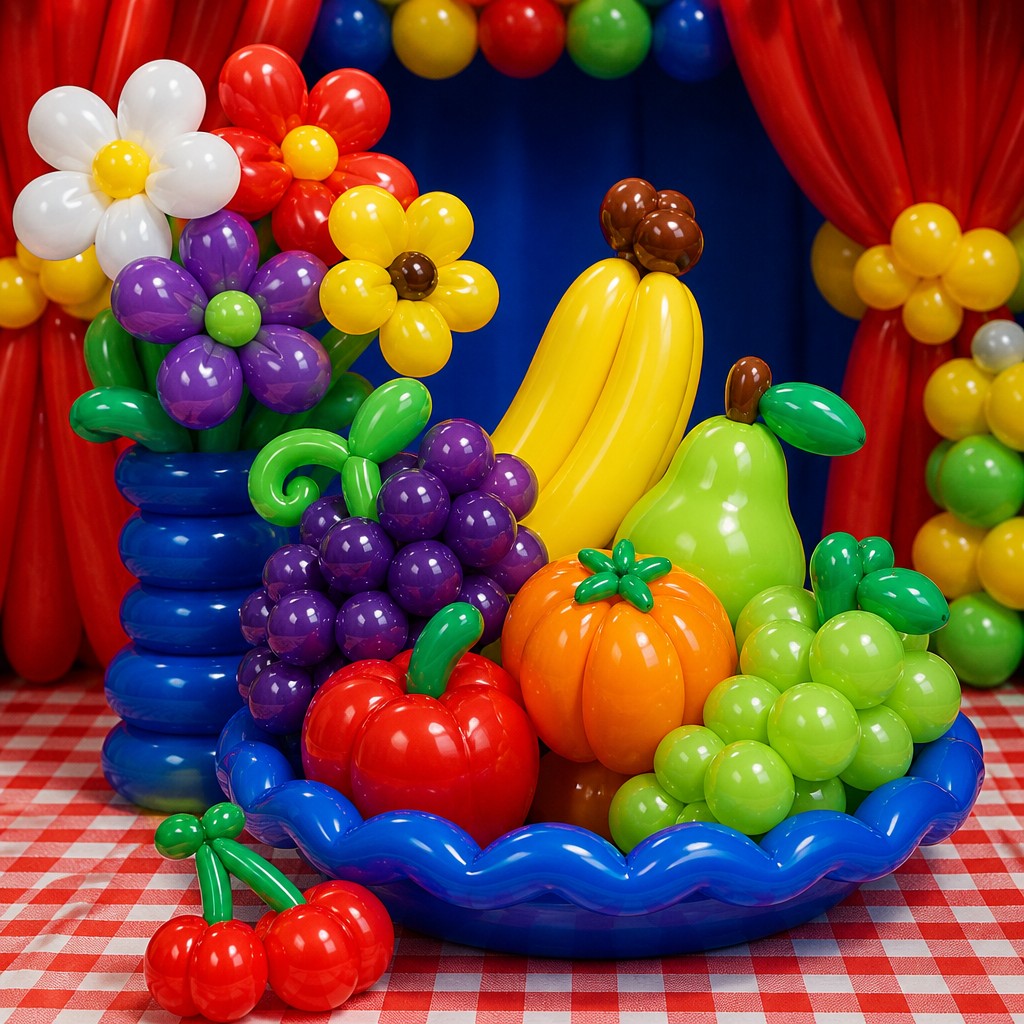
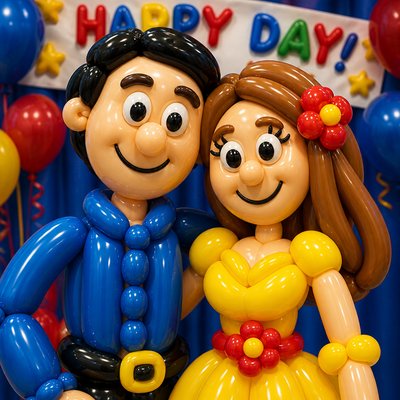
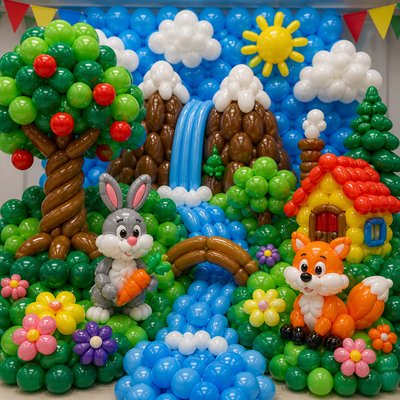
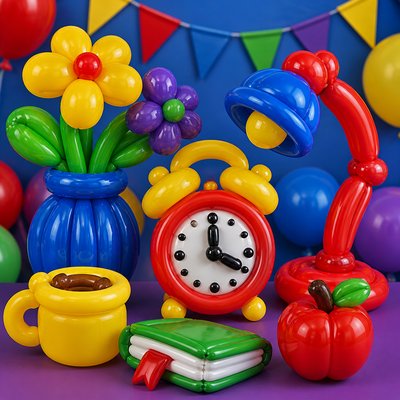
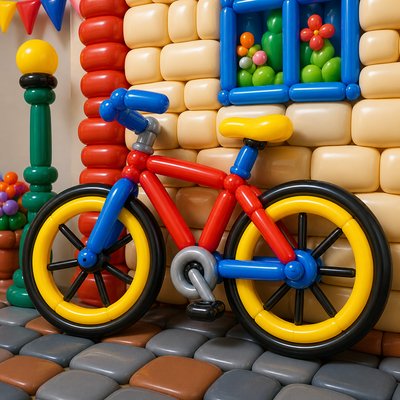
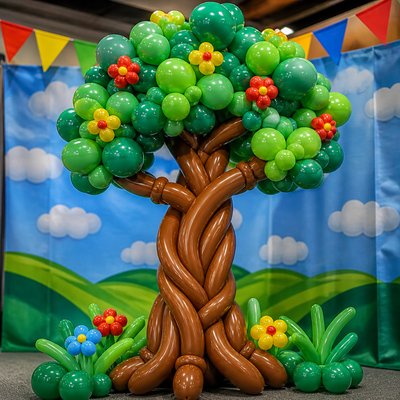
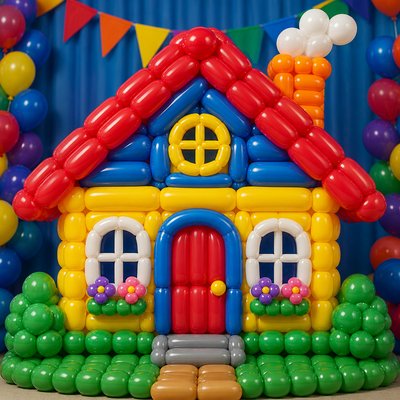
Balloon Art Style translates the physical language of balloon twisting into a highly legible visual aesthetic. Figures appear to be constructed from glossy, air-filled latex tubes, with rounded volumes, narrow twists, tied ends, and visible joints forming limbs, faces, animals, objects, or decorative scenes. Its saturated primary colors and reflective surfaces create an immediate sense of festivity and tactile artificiality.
The style looks playful because it combines cartoon simplification with the structural constraints of inflated material. Proportions may bulge, bend, or repeat in segmented forms, while taut highlights suggest pressure inside the rubber. Party backdrops, colorful lighting, and clean studio displays reinforce its associations with celebration, entertainment, children's illustration, novelty sculpture, and whimsical spectacle.
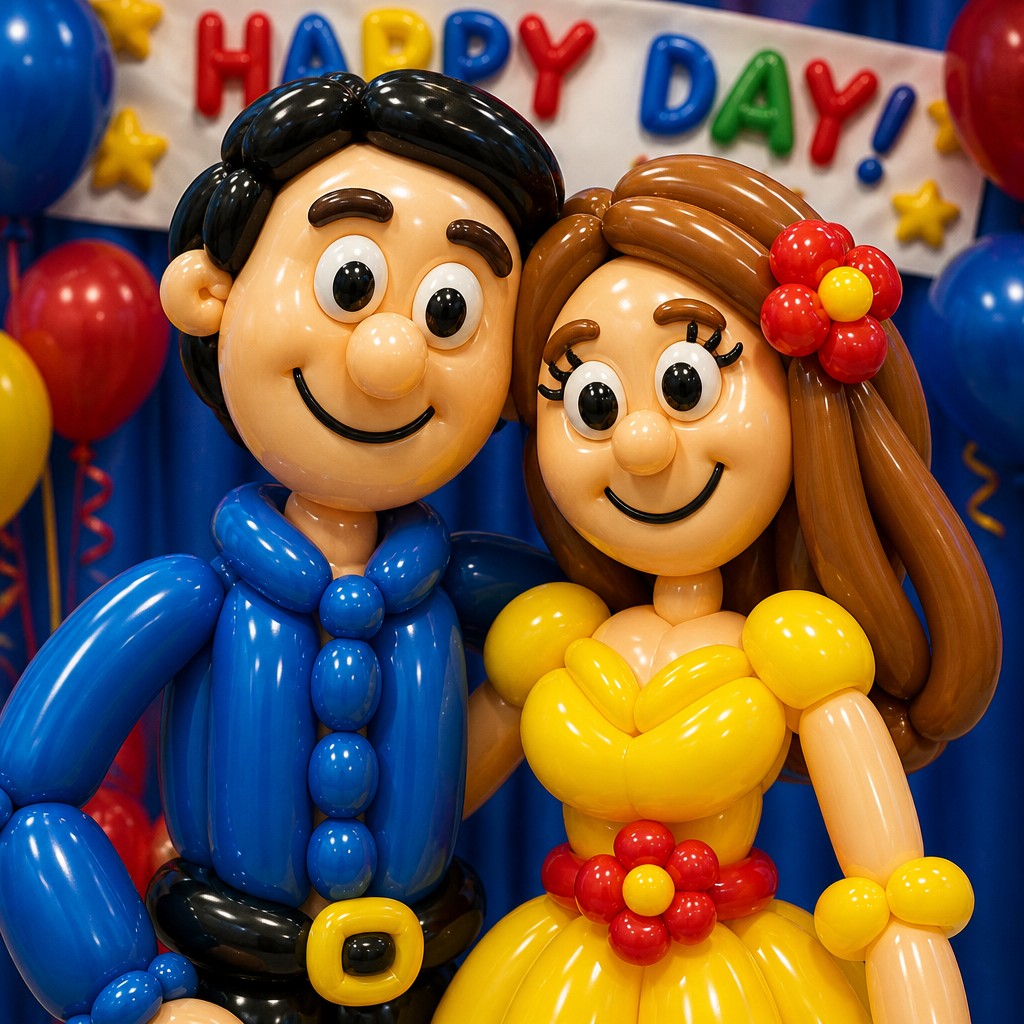
Try It On Your Photos
Upload any photo and convert it into Balloon Art Style — drag the sliders to compare before and after.
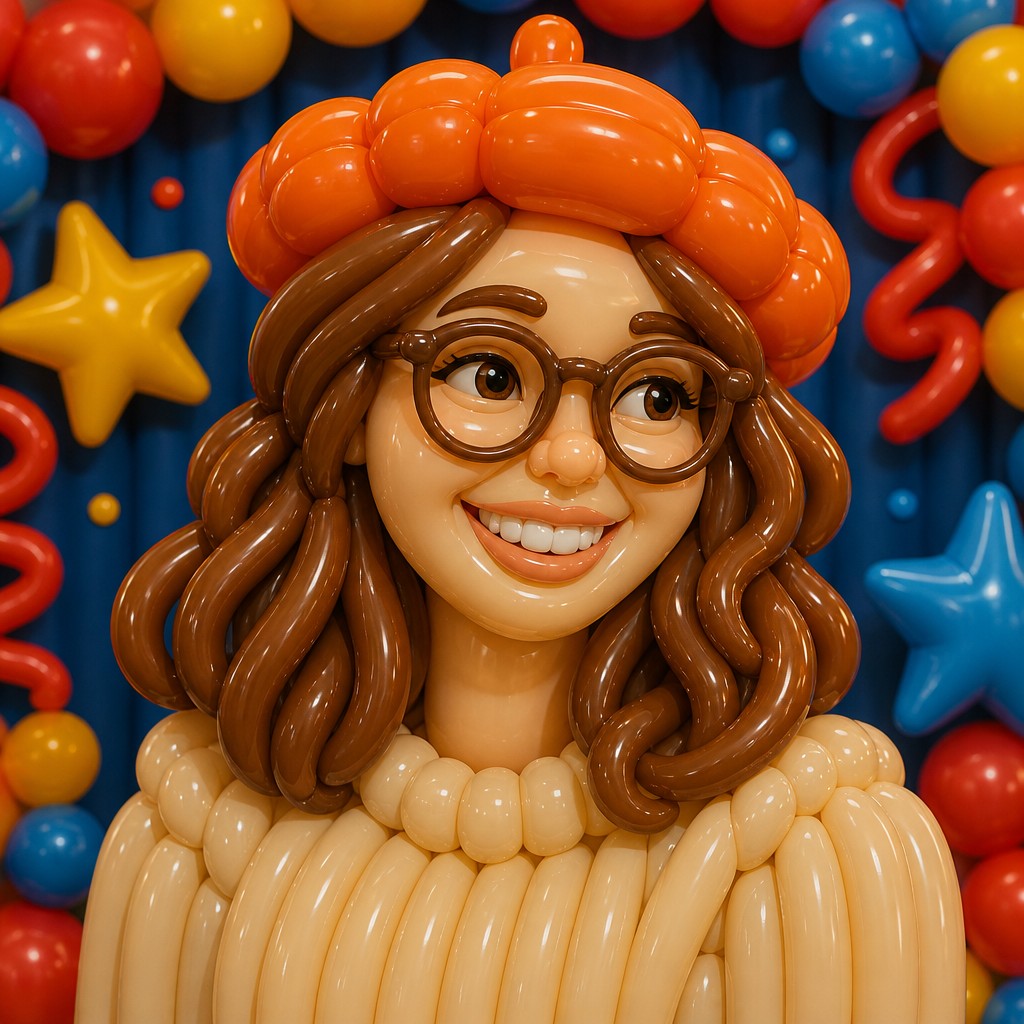


What Defines Balloon Art Style
The signature details, up close
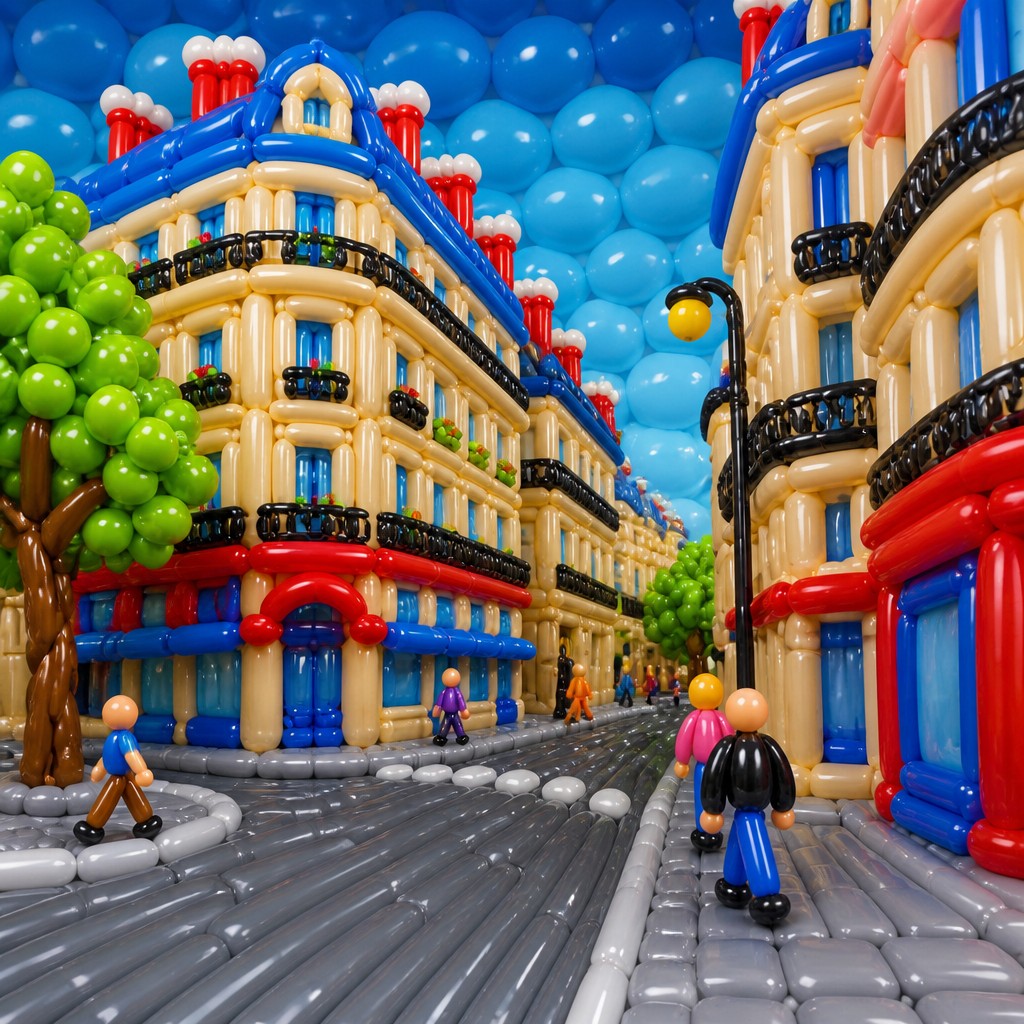
Glossy latex surfaces
Strong specular highlights and smooth reflections make the material read as polished, taut rubber. Slight color gradients suggest curved, inflated volumes rather than painted or solid forms.
Twisted segmented construction
Bodies are assembled from tubes divided by pinched joints, knots, loops, and constricted sections. These transitions provide the style with its recognizable balloon-built anatomy.
Saturated primary color
Red, yellow, blue, green, orange, and pink are commonly used at high intensity. Contrasting balloon segments clarify the construction and heighten the festive, toy-like mood.
Inflated cartoon proportions
Heads, hands, paws, eyes, and other features are enlarged or rounded for immediate readability. Bulging forms and simplified anatomy favor charm and visual impact over realism.
Visible air pressure
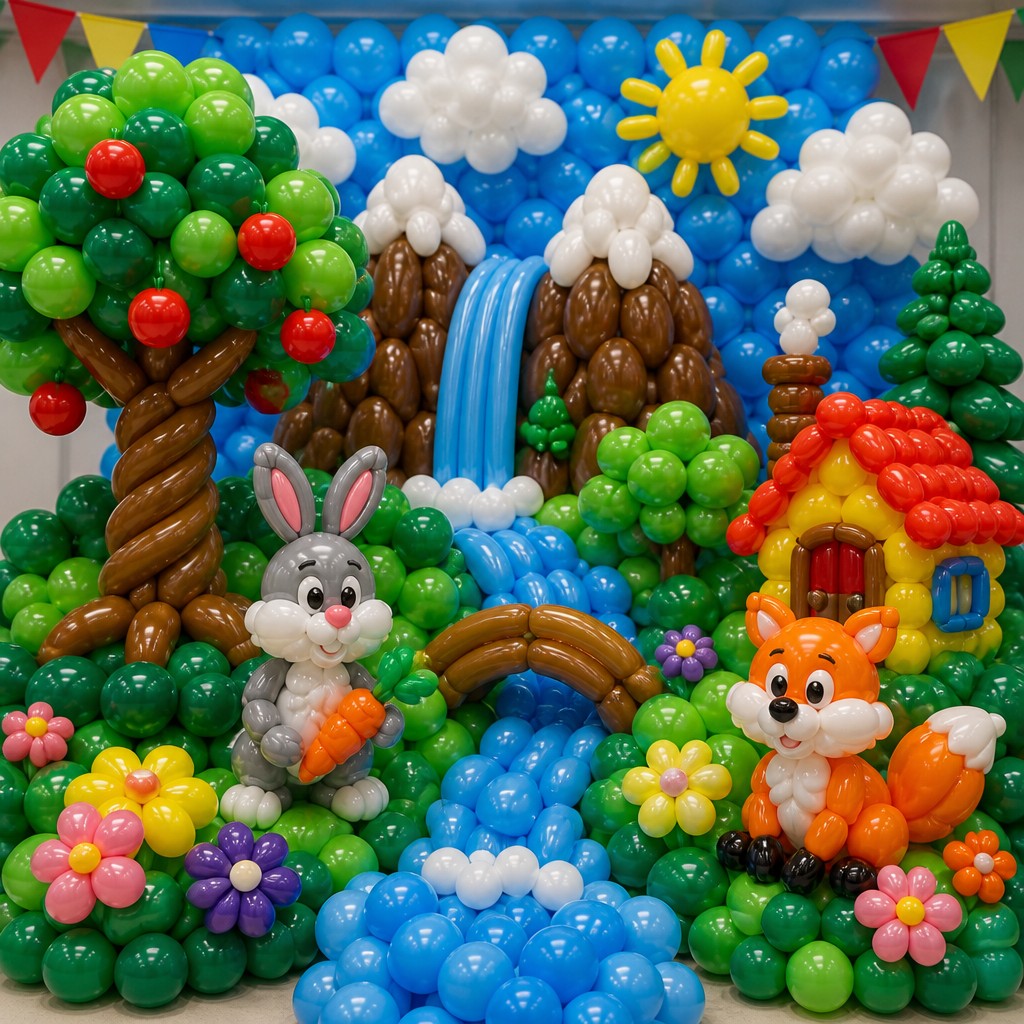
Taut skins, swollen chambers, narrow necks, and slightly uneven bends imply that the forms are filled with air. This physical tension distinguishes the style from ordinary plastic or molded sculpture.
Celebratory presentation
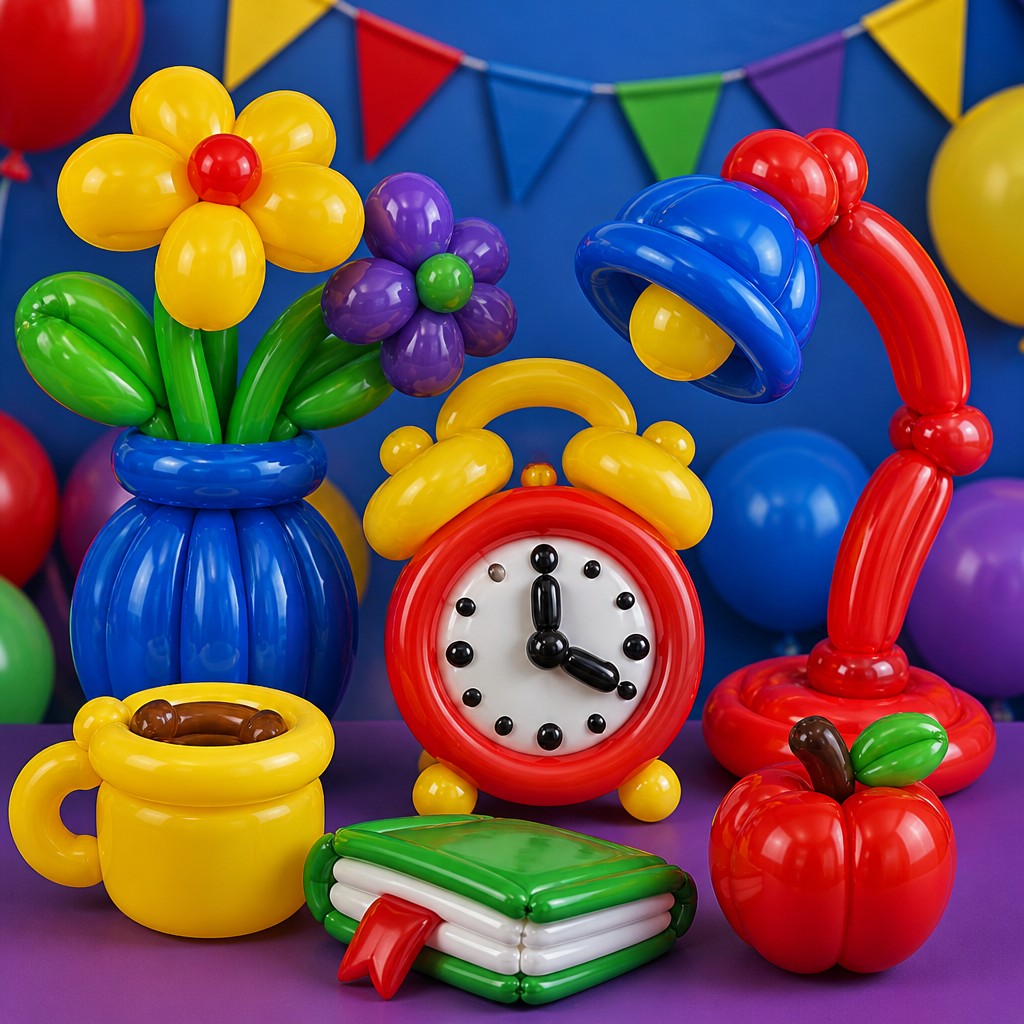
Party rooms, carnival colors, confetti, streamers, and clean display lighting frequently frame the subject. Backgrounds are usually supportive and uncluttered so the inflated forms remain prominent.
Balloon Prompt Ideas
Start from an idea — each one opens the generator with the style ready to go. See all 40 Balloon prompts →
How to Create Balloon Art
Master the craft step by step — or skip straight to creating. Read the full guide →
- 1
Build with real balloons
Use long modeling balloons for tubes, loops, ears, limbs, and torsos, then divide forms with controlled twists and pinches. Photograph the finished object under broad, soft light to capture highlights without losing its silhouette.
- 2
Emphasize material in digital work
Use rounded 3D forms with high specular reflectivity, smooth roughness, and subtle color variation. Add small knots, seams, constrictions, and irregular bends so the result does not resemble generic glossy plastic.
- 3
Design the silhouette first
Start with a simple, readable pose and identify the main balloon tubes before adding facial or decorative details. Exaggerated proportions and clear negative spaces make the construction legible at thumbnail size.
- 4
Control lighting and backdrop
Place a large soft key light for long highlights and a gentle fill light to preserve saturated colors. Use a restrained party or studio background, with confetti and streamers added only when they support the subject.
- 5
Write material-specific prompts
Describe inflated latex, twisted tubes, pinched joints, taut rubber, reflective highlights, saturated colors, and cartoon proportions rather than relying on a broad label alone. Specify the subject, pose, camera view, and setting to guide composition.
The Story
History & Origins of Balloon
Balloon Art Style is an invented contemporary aesthetic rather than a formally defined historical movement. Its lineage comes from balloon twisting and balloon modeling, practices associated with entertainers, fairs, parties, street performance, event decoration, and recreational craft. These practices use long latex balloons that are inflated, folded, pinched, and twisted into recognizable forms.
As a visual language, the style also draws on the broader history of inflatable design, novelty sculpture, toy-like object making, commercial illustration, and digital 3D rendering. Image-making technologies have expanded the vocabulary beyond physically workable constructions, allowing impossible balloon creatures, elaborate environments, and surfaces that exaggerate gloss, translucency, and air pressure.
Influences: The style draws on balloon twisting and event decoration, inflatable sculpture, toy design, carnival and circus display traditions, pop-oriented color, cartoon illustration, and contemporary 3D rendering. It shares the polished artificiality of product visualization and the simplified forms of comics and children's media, while retaining the knots, joints, pressure, and construction logic of hand-shaped latex objects.
Frequently Asked Questions
What defines Balloon Art Style?
It is defined by forms that look constructed from inflated, glossy latex tubes. Twisted joints, knots, segmented limbs, saturated colors, rounded proportions, and visible air pressure are more important than the specific subject.
Is Balloon Art Style a historical art movement?
No. It is a contemporary descriptive aesthetic rather than a recognized historical movement. Its visual lineage comes from balloon modeling, inflatable design, novelty sculpture, cartoon imagery, and digital 3D illustration.
How is it different from ordinary balloon sculpture?
Physical balloon sculpture must obey the limits of latex, inflation, balance, and available balloon shapes. The broader style can imitate those traits digitally while allowing impossible scale, complex environments, extra limbs, unusual materials, and highly controlled lighting.
What subjects work best in this style?
Animals, characters, flowers, vehicles, fantasy creatures, toys, and simple architectural forms are especially effective. Subjects with clear silhouettes and recognizable component parts translate well into tubes, loops, knots, and inflated chambers.
How can I make the result look more like latex?
Use strong but controlled highlights, smooth curved surfaces, deep saturated color, and narrow constrictions where forms twist together. Include small knots, uneven bends, and changing tube widths to suggest handmade construction instead of seamless molded plastic.
Where is this style commonly used?
It suits party graphics, children's publishing, event decoration concepts, advertising, packaging, editorial illustration, novelty posters, character design, and playful digital scenes. Its high-contrast surfaces also make it effective for icons, social images, and themed installations.
Create your first Balloon artwork
Describe anything — or upload a photo — and see it in Balloon Art Style in seconds.
Related Styles
Discover similar art styles