Armenian Art Style
Explore Armenian art: khachkar stone lace, medieval gospel illumination, volcanic tuff monasteries, gold ornament, and quiet sacred geometry.
Instantly rendered in Armenian — or transform a photo
Armenian Gallery
Tap any artwork to explore it
What is Armenian Art Style?
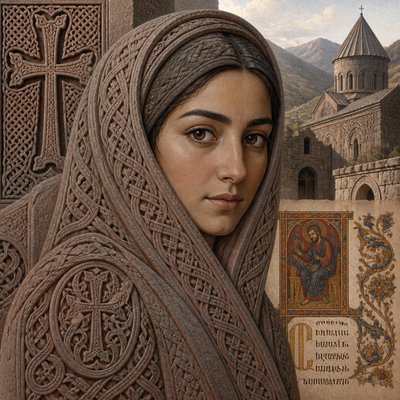
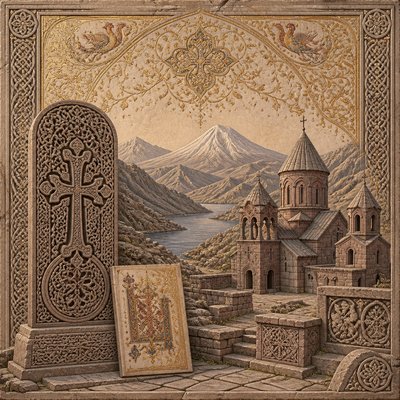
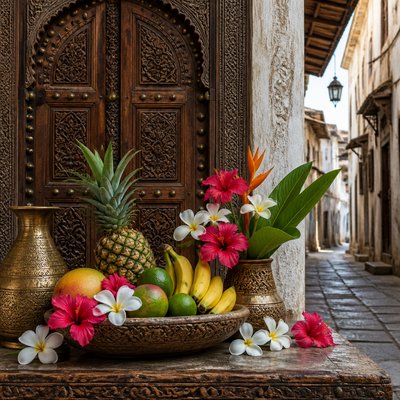
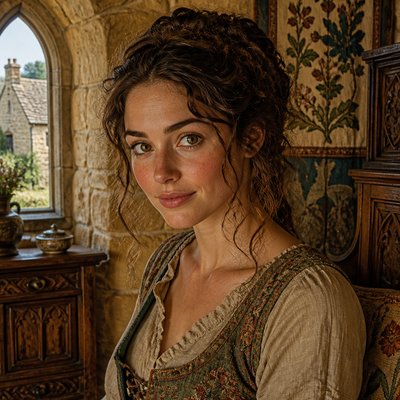
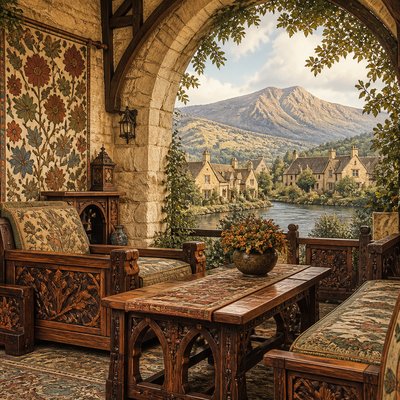
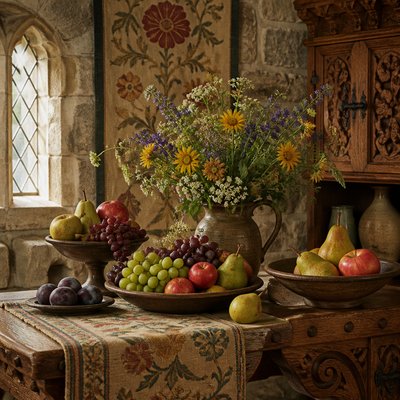
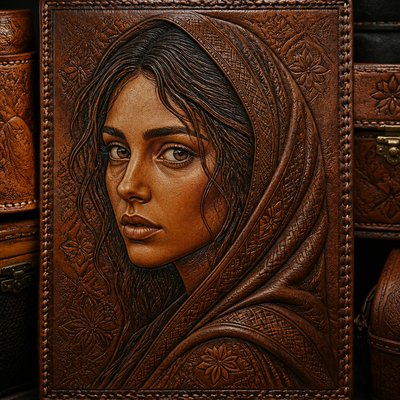
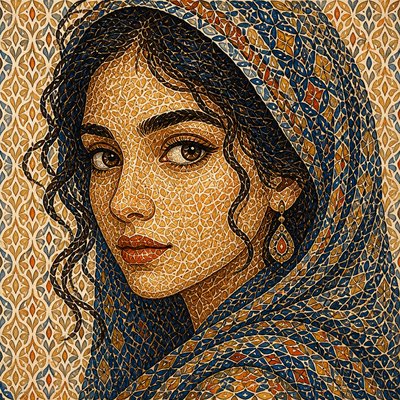
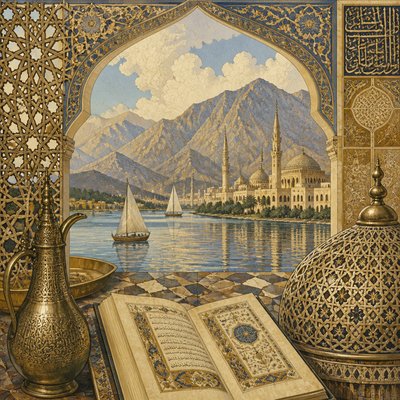
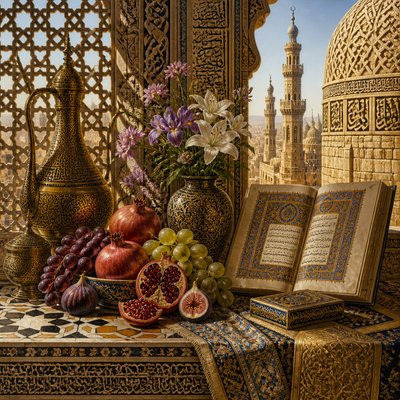
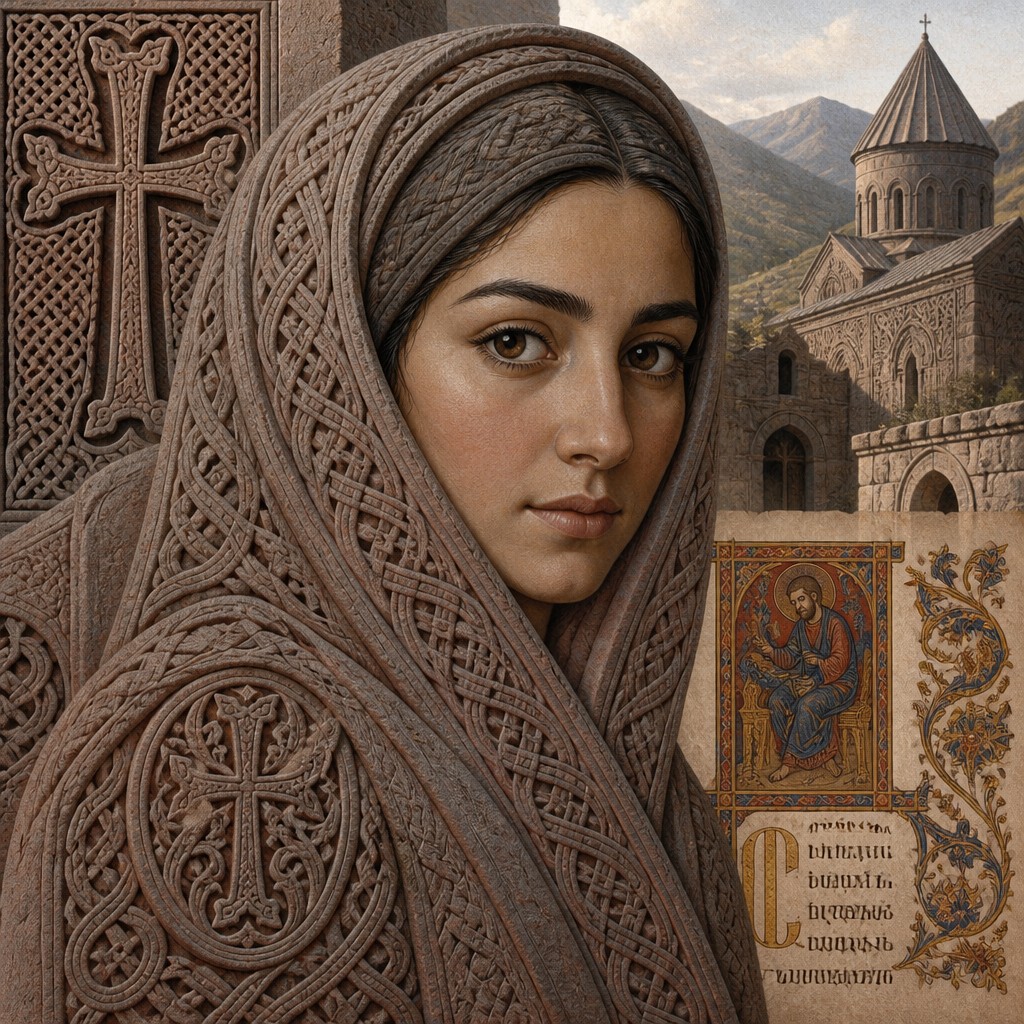
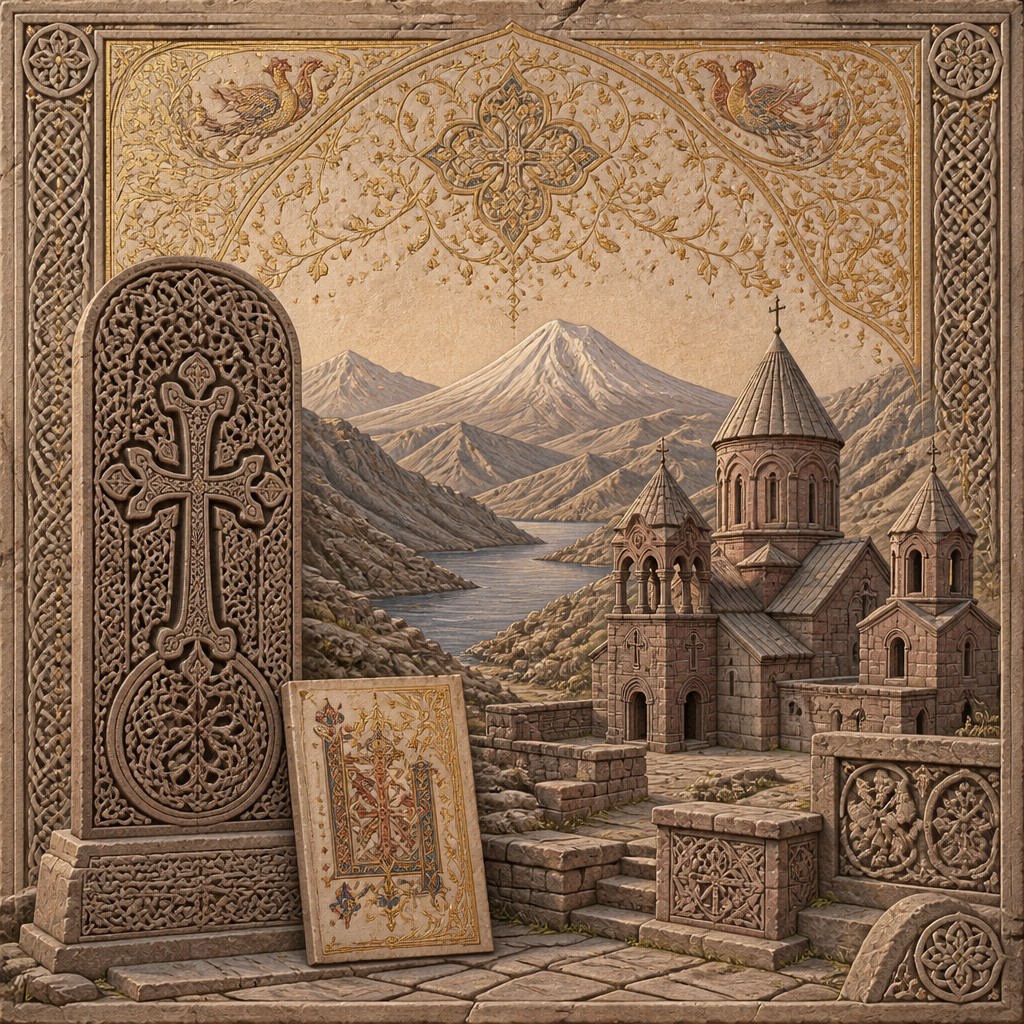
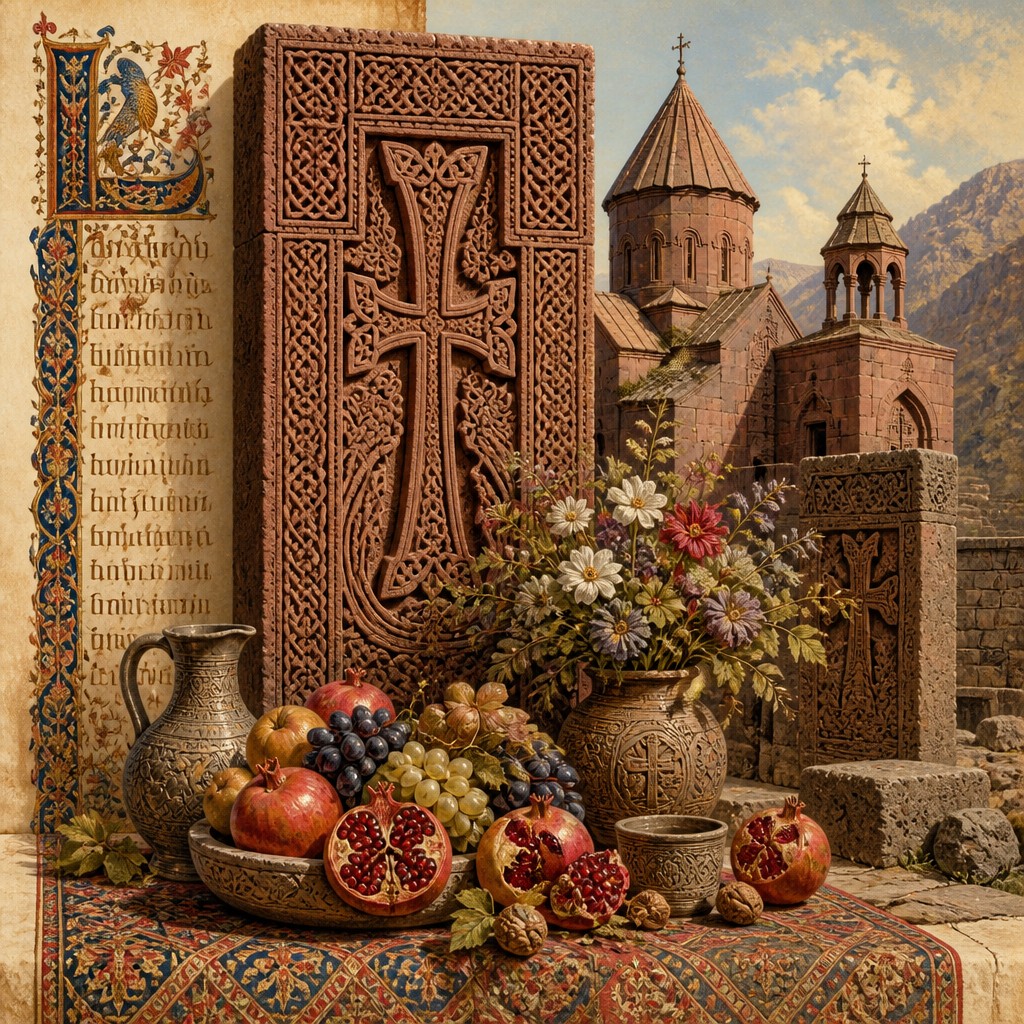
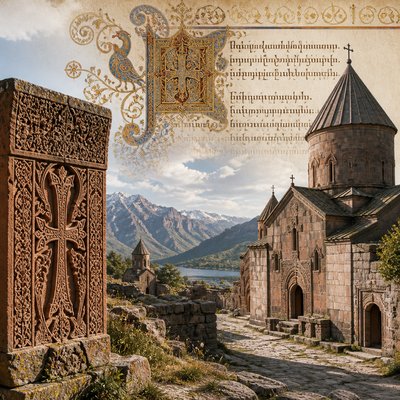
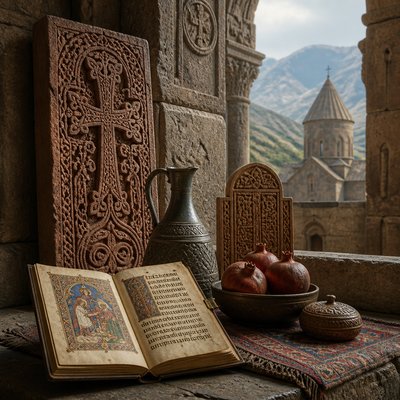
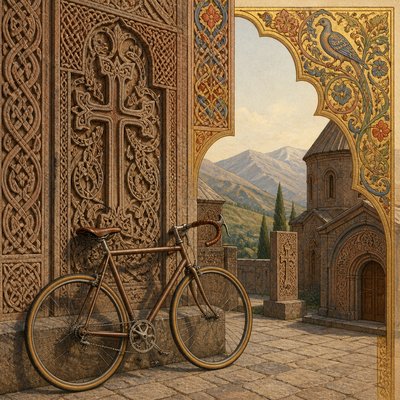
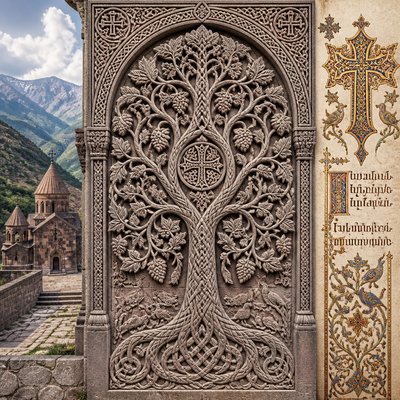
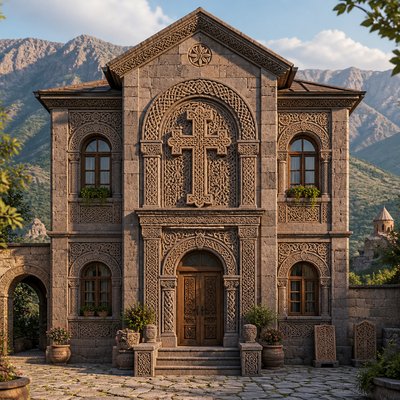
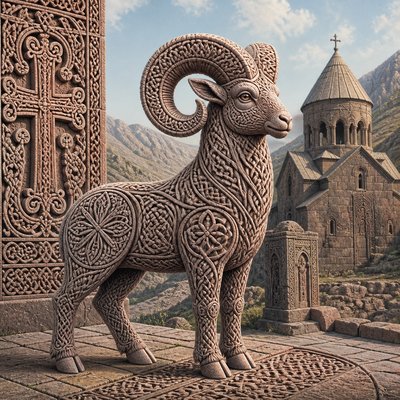
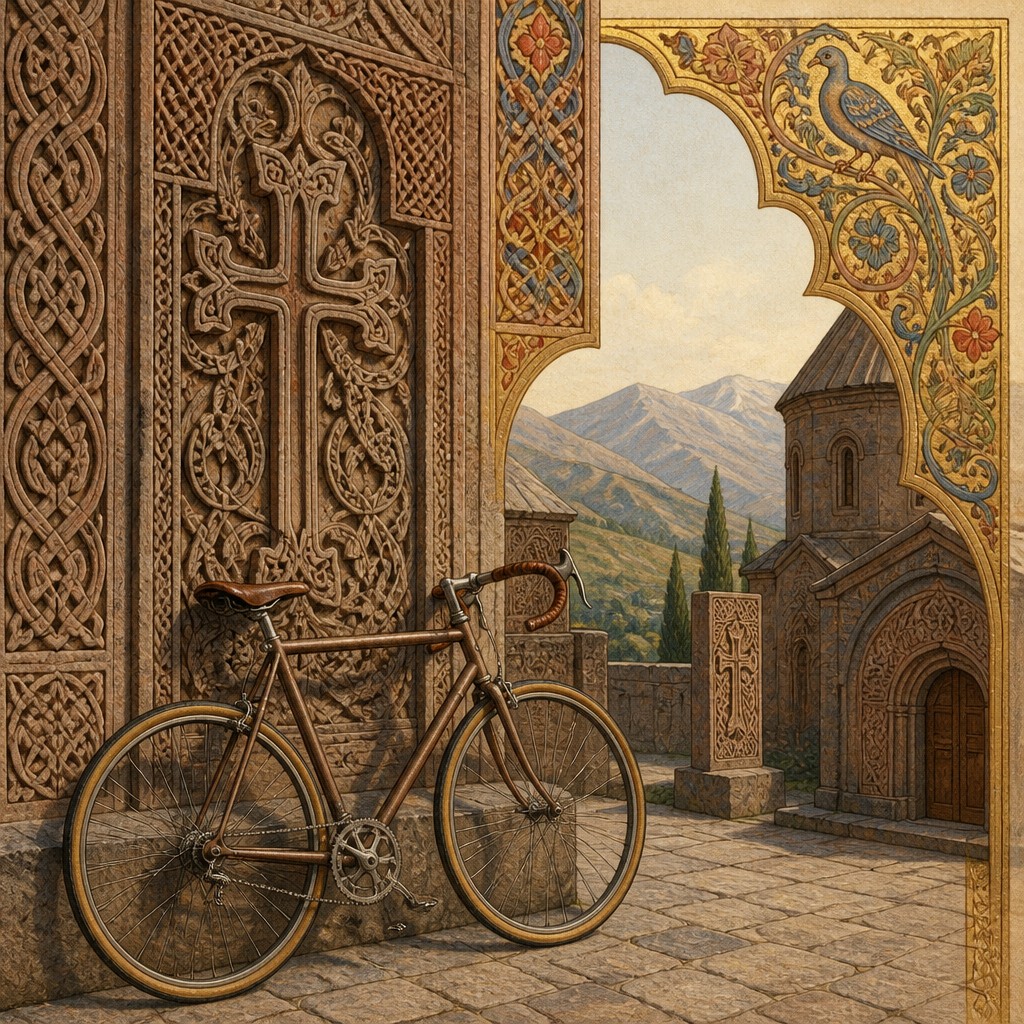
Armenian art style is a broad visual tradition rooted in the Christian art, architecture, manuscript illumination, metalwork, textiles, and stone carving of the Armenian highlands. Its most recognizable forms are the khachkar, or cross-stone, with its deeply carved cross surrounded by interlace, foliage, rosettes, and geometric ornament; medieval gospel manuscripts with luminous gold decoration; and monastery architecture built from locally quarried volcanic stone.
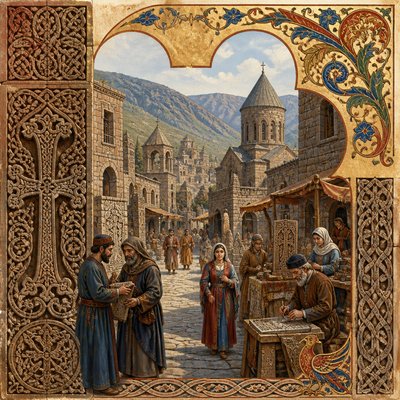
The style combines disciplined linear design with tactile material presence. Rose-grey, ochre, and charcoal stone tones are set against vellum cream, mineral pigments, and burnished gold, while repeated knots and vegetal motifs create a sense of continuous spiritual order. Mountain light, weathered masonry, compact courtyards, and restrained frontal compositions give the tradition a solemn, durable, and contemplative character rather than a theatrical one.
Try It On Your Photos
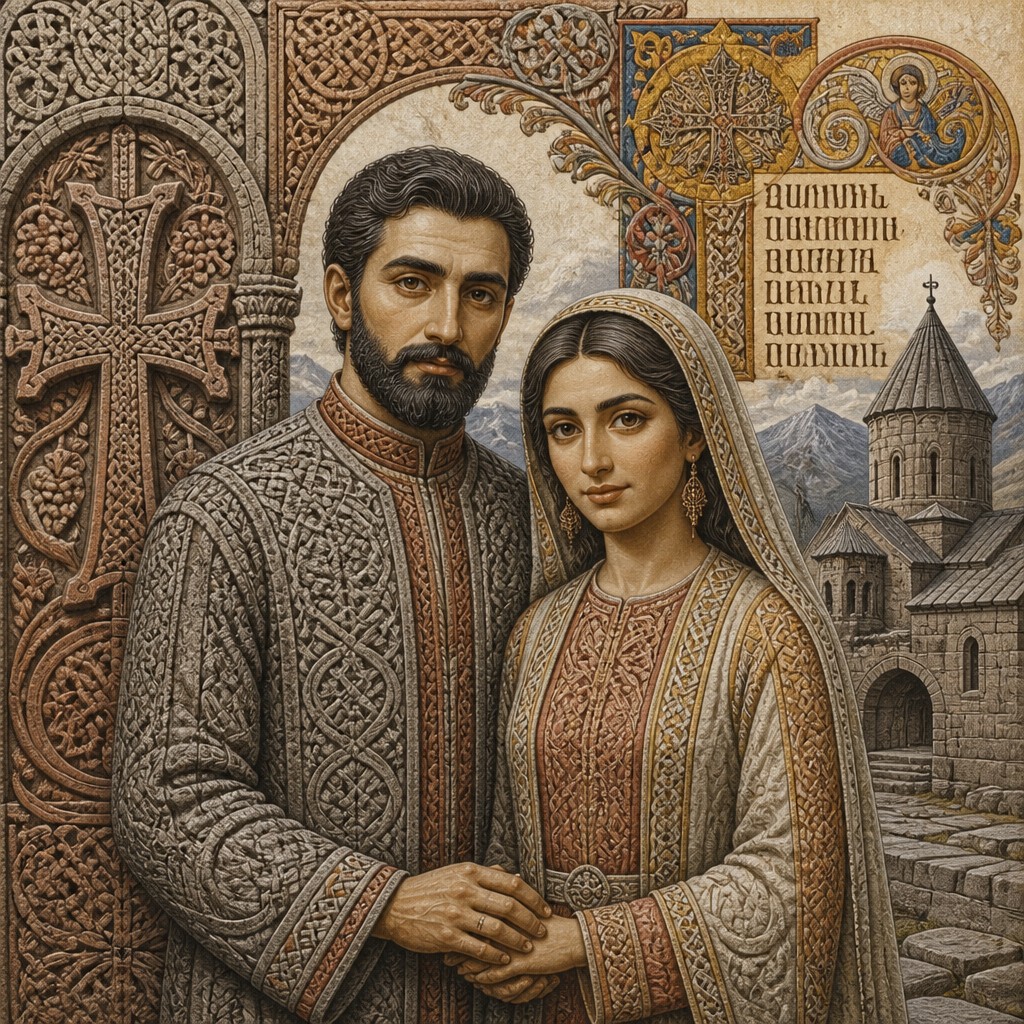
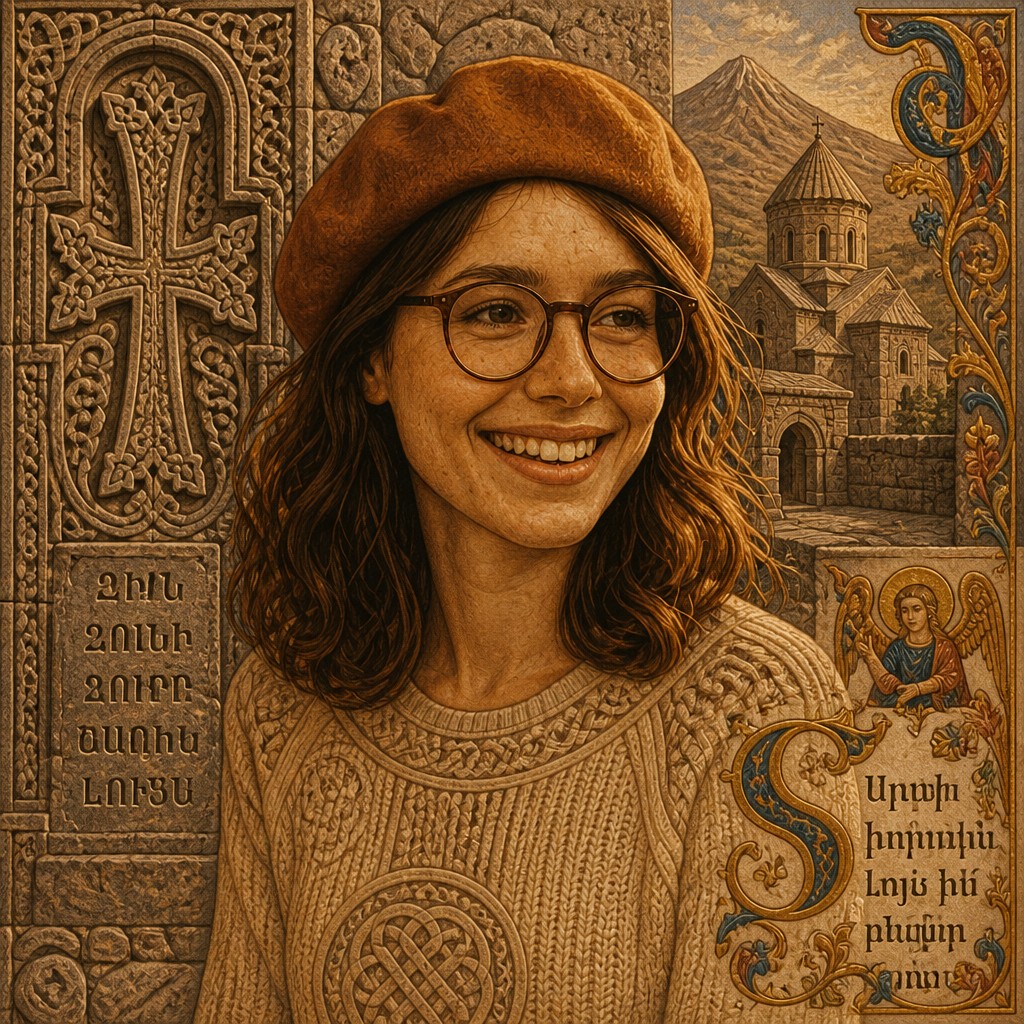
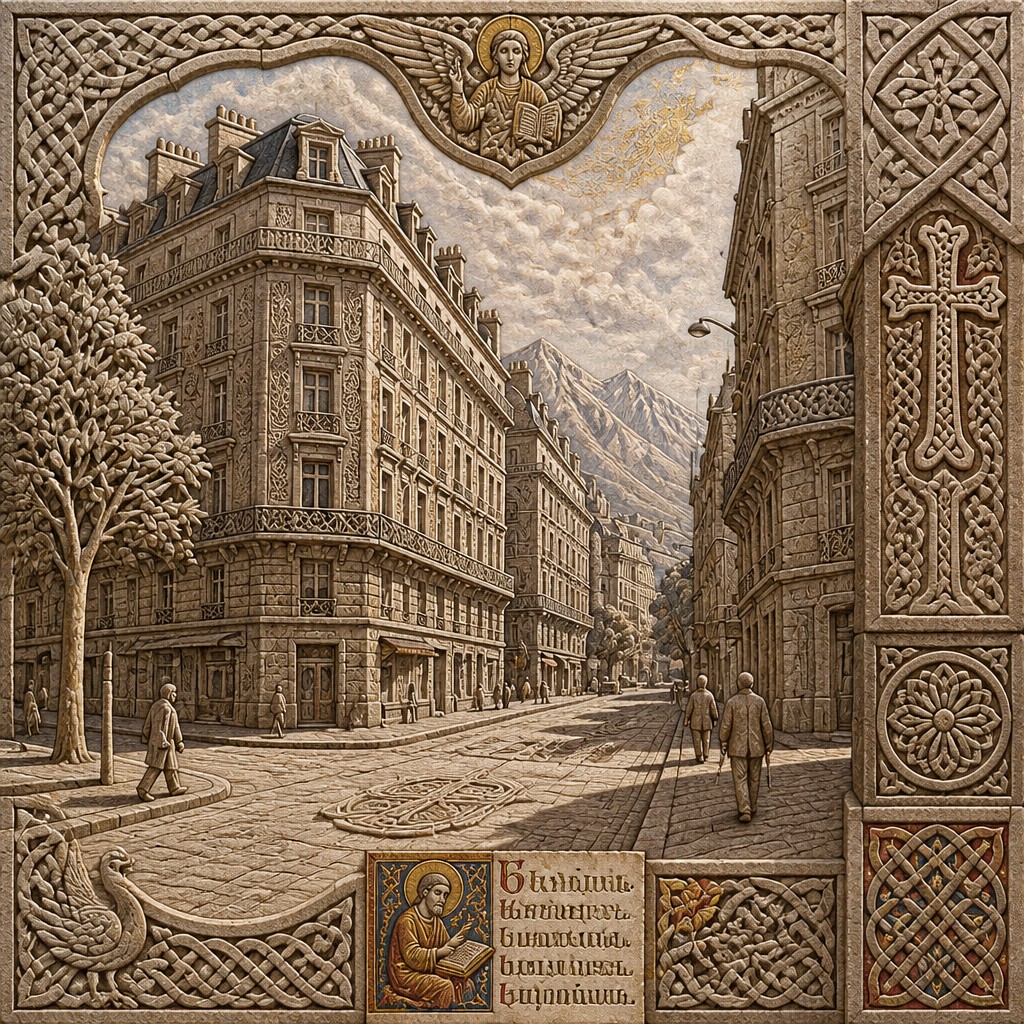
Upload any photo and convert it into Armenian Art Style — drag the sliders to compare before and after.


What Defines Armenian Art Style
The signature details, up close
Khachkar interlace
Crosses are embedded in intricate knotwork, braided bands, rosettes, and vegetal relief. The ornament is usually organized symmetrically, creating a dense surface without losing the central devotional symbol.
Volcanic tuff architecture
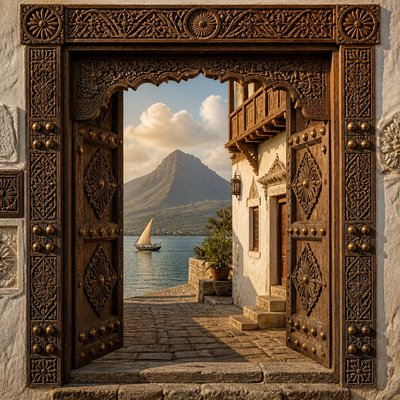
Monasteries, churches, gateways, and courtyard walls are evoked through rose-grey, rust, honey, and charcoal volcanic stone. Heavy masonry, conical or faceted roofs, narrow openings, and weathered carved portals provide a strong architectural framework.
Manuscript illumination
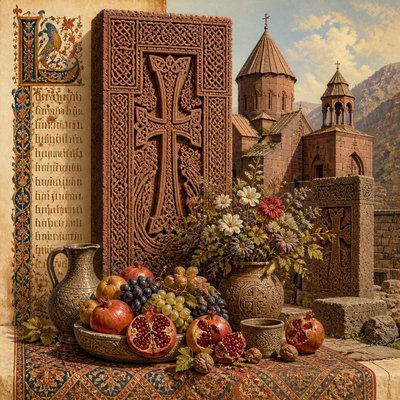
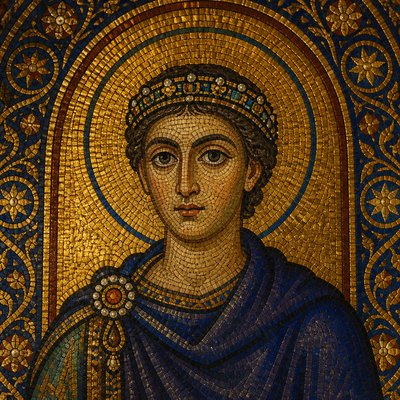
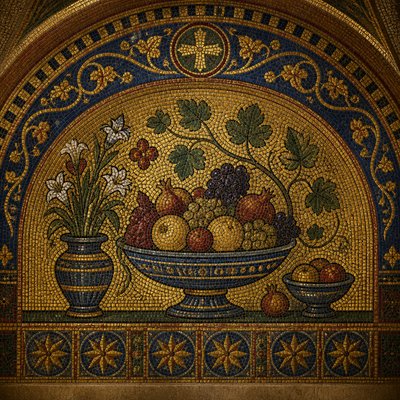
Vellum-like cream grounds, mineral color, fine ink contours, decorated initials, border foliage, and burnished gold recall medieval gospel books. Ornament often frames rather than overwhelms the sacred image or text.
Sacred geometry
Radial rosettes, balanced crosses, medallions, interlocking bands, and repeated geometric units produce visual rhythm. Symmetry and proportion suggest continuity, order, and permanence.
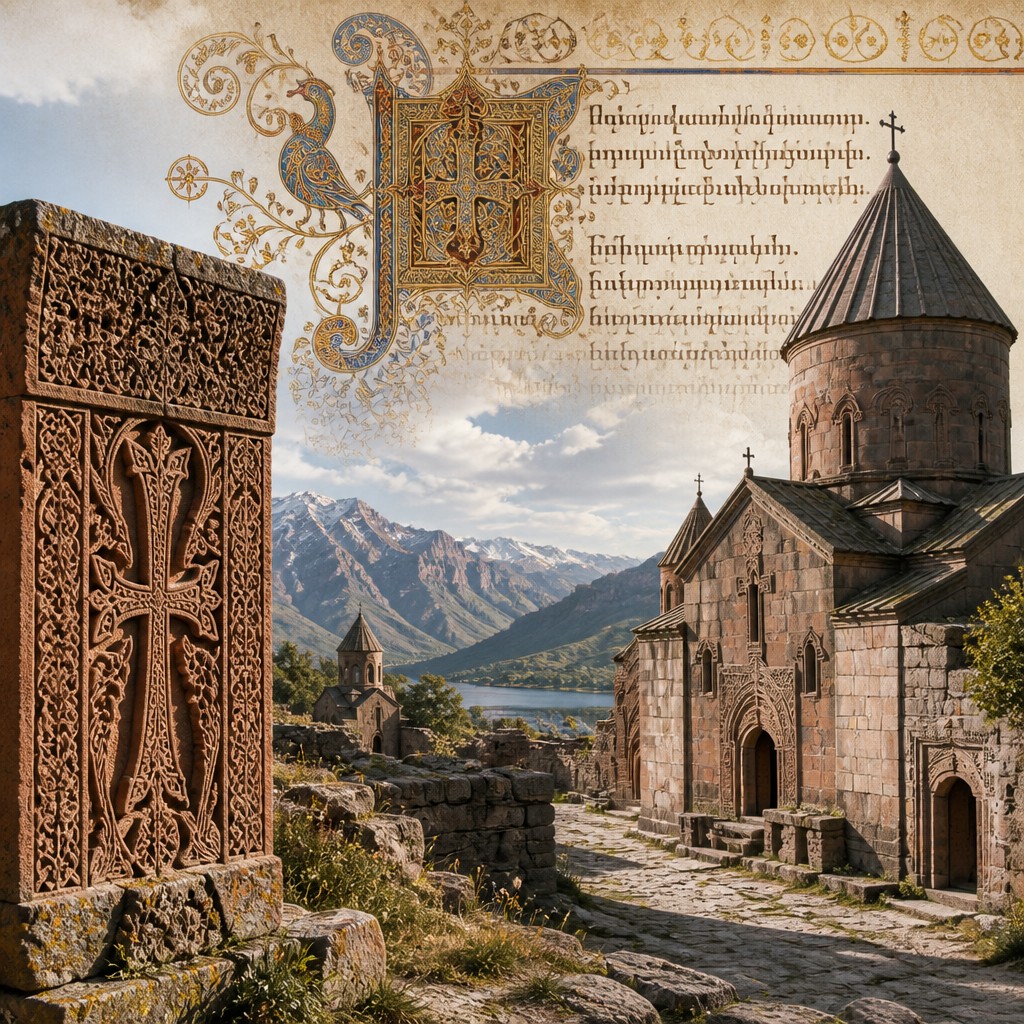
Carved relief texture
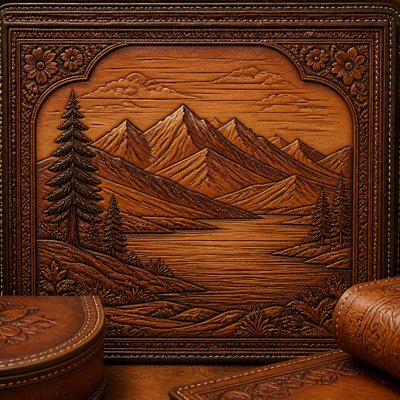
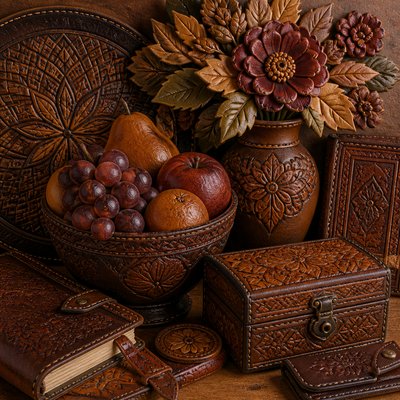
Surfaces appear incised, chiseled, and slightly uneven, with shallow and deep relief catching directional light. Fine tool marks and worn edges help the imagery feel archaeological and materially grounded.
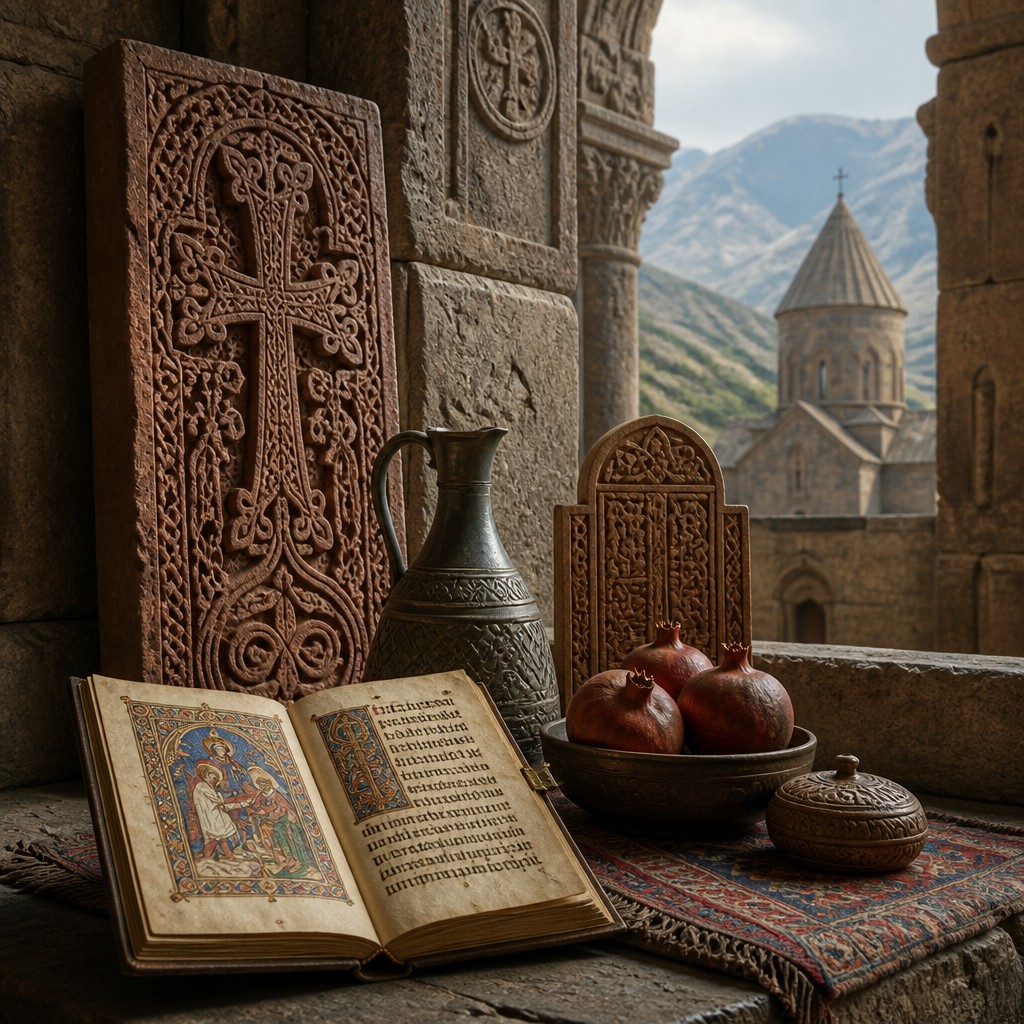
Mountain clarity
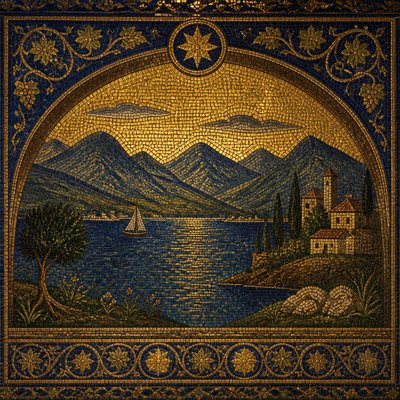
Clear highland light, distant ridges, dry stone courtyards, and cool atmospheric shadows establish a spacious, quiet setting. Color is generally restrained, with gold or red used as concentrated accents.
Contemplative symbolism
The visual language favors crosses, vines, pomegranates, birds, rosettes, halos, and protective geometric borders. These motifs are presented with dignity and legibility rather than sensational drama.
Armenian Prompt Ideas
Start from an idea — each one opens the generator with the style ready to go. See all 40 Armenian prompts →
How to Create Armenian Art
Master the craft step by step — or skip straight to creating. Read the full guide →
- 1
Build a stone-based structure
Begin with a centered cross, portal, façade, or memorial slab, then surround it with balanced interlace and vegetal relief. Use layered values to distinguish incised lines, shallow carving, and projecting stone.
- 2
Use a restrained material palette
Combine rose-grey tuff, dusty ochre, vellum cream, muted terracotta, deep umber, and small areas of burnished gold. Reserve saturated red or blue for manuscript-like accents instead of distributing them evenly.
- 3
Draw ornament as a continuous system
Construct knotwork from repeated loops and crossings, checking that bands pass consistently over and under one another. Add rosettes, leaves, and pomegranate forms only after the main geometry is stable.
- 4
Suggest illuminated manuscript technique
Work on a warm parchment ground with fine contour lines, flattened forms, decorated initials, and metallic highlights. Digital artists can use texture layers, multiply shadows, and a restrained foil or leaf effect rather than a glossy metallic gradient.
- 5
Light the architecture clearly
Use low-angled mountain sunlight to reveal relief and masonry joints, with cool shadows in recesses and warm highlights on exposed stone. Keep backgrounds spacious so the carved details remain readable.
- 6
Write a focused generation prompt
Specify the subject, carved cross-stone interlace, rose-grey volcanic tuff, vellum illumination, burnished gold, clear mountain light, and quiet devotional mood. For image transformation, describe the desired material and ornament while preserving the original subject's silhouette and important details.
The Story
History & Origins of Armenian
Armenian visual culture developed from ancient regional traditions and was reshaped by the adoption of Christianity in the early fourth century. Church architecture, carved ornament, reliquaries, textiles, and manuscript painting became major artistic forms. Khachkars emerged as a distinctive form of memorial and devotional monument by the ninth century and reached exceptional complexity during the medieval period, especially in the twelfth and thirteenth centuries. Armenian manuscript illumination developed over many centuries, combining local Christian iconography with Byzantine, Persian, Syriac, and broader Near Eastern influences.
The tradition continued through changing political conditions, migrations, and dispersed communities. Modern interpretations often isolate its most legible features—cross-stone interlace, manuscript borders, monastery silhouettes, volcanic tuff, and gold leaf—into a unified aesthetic. That synthesis is useful for contemporary visual work, but Armenian art itself is not a single historical movement or fixed style.
Influences: The style draws on early Christian and medieval Armenian architecture, khachkar carving, manuscript illumination, Byzantine and Syriac Christian visual traditions, Persian and Near Eastern ornamental systems, Caucasian textile patterning, and the broader language of Romanesque stone relief. It also relates to sacred geometry, archaeological illustration, heritage architecture, and contemporary material-focused digital art that reconstructs aged stone, parchment, and metal leaf.
Frequently Asked Questions
What defines Armenian art style?
Its clearest identifiers are khachkar cross-stones, dense interlace and knotwork, medieval gospel ornament, volcanic stone architecture, and a restrained palette enriched with gold. The overall mood is devotional, symmetrical, tactile, and connected to mountain landscapes.
Is Armenian art style a single historical movement?
No. Armenian art is a long and diverse cultural tradition spanning architecture, sculpture, manuscripts, metalwork, textiles, and painting. The modern label often combines several related historical forms into one recognizable visual vocabulary.
What is a khachkar?
A khachkar is a carved Armenian cross-stone, generally made as a freestanding memorial or devotional monument. Its central cross is surrounded by elaborate interlace, vegetal ornament, rosettes, and symbolic relief carving.
How does this style differ from Byzantine or Romanesque art?
It shares Christian iconography and architectural relief with both traditions, but Armenian art has a particularly distinctive relationship to khachkar monuments, compact stone churches, local volcanic tuff, and complex interlace. Its manuscript and ornamental vocabulary also reflects sustained contact with neighboring Caucasian and Near Eastern cultures.
How can I make an image in this style without losing the subject?
Keep the subject clearly specified first, then add material and structural cues such as carved tuff, cross-stone ornament, manuscript borders, vellum, and gold leaf. For a photo transformation, preserve the original composition while applying stone texture, restrained earth colors, linear ornament, and directional relief lighting.
Where is this visual language commonly used?
It is suited to heritage architecture, sacred or historical illustration, book covers, museum-inspired graphics, memorial imagery, jewelry and textile patterns, fantasy settings influenced by the Caucasus, and editorial work about medieval manuscripts or stone carving.
Create your first Armenian artwork
Describe anything — or upload a photo — and see it in Armenian Art Style in seconds.
Related Styles
Discover similar art styles