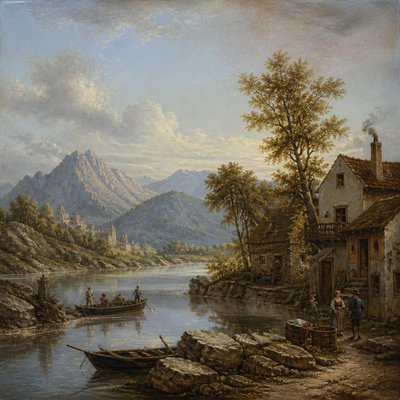
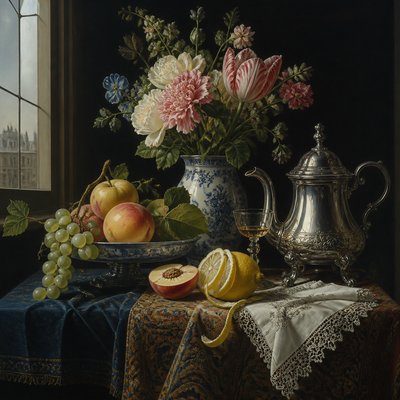
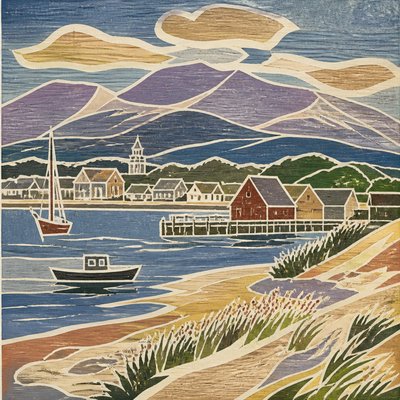
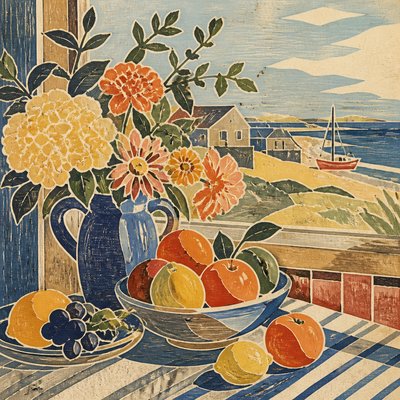
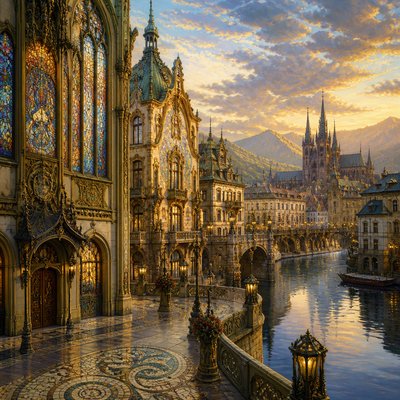
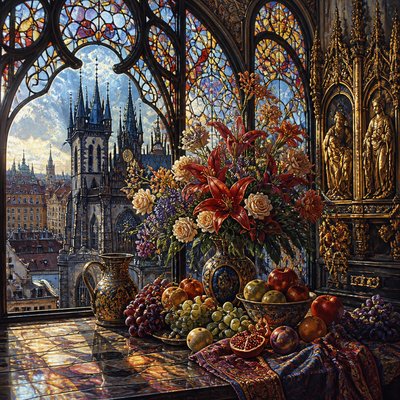
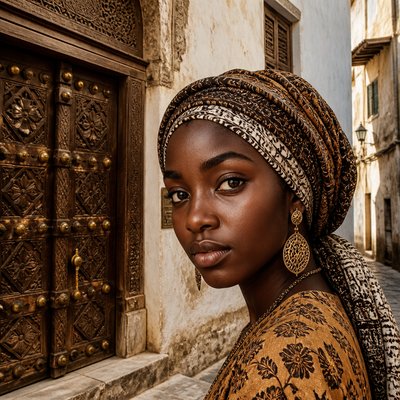
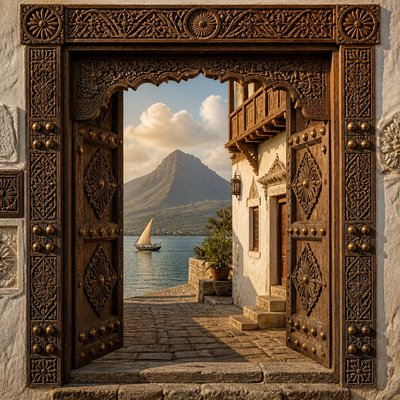
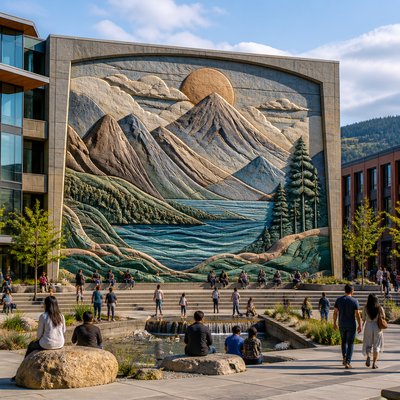
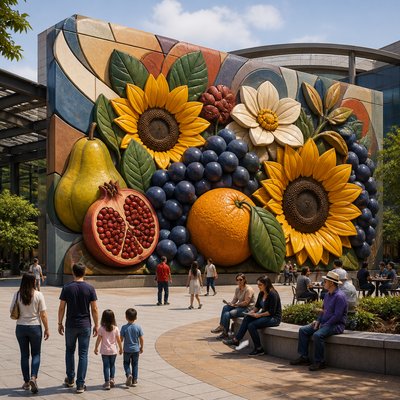
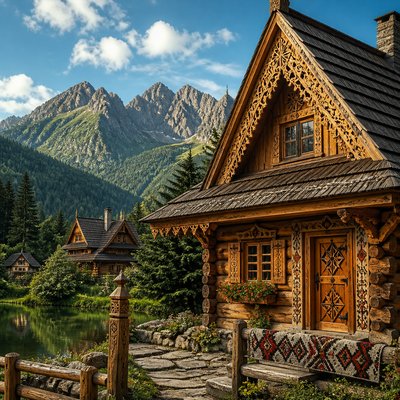
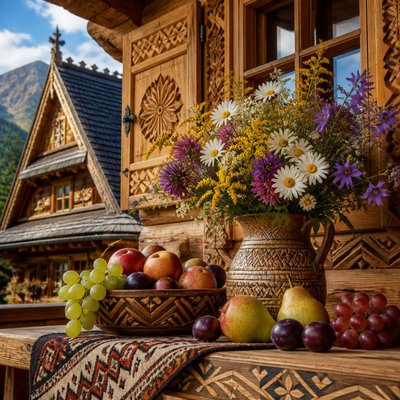
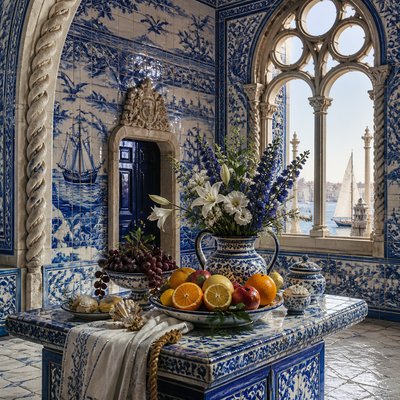
Arles Art Style
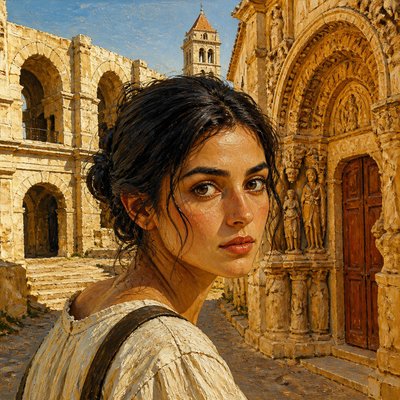
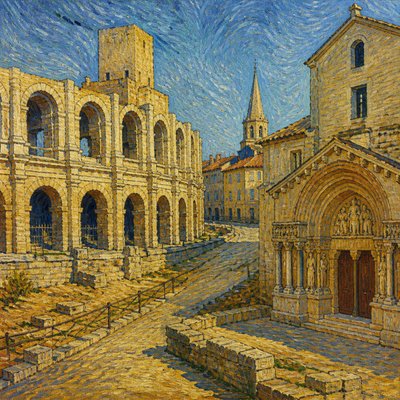
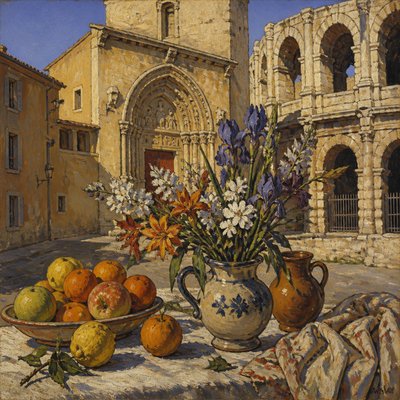
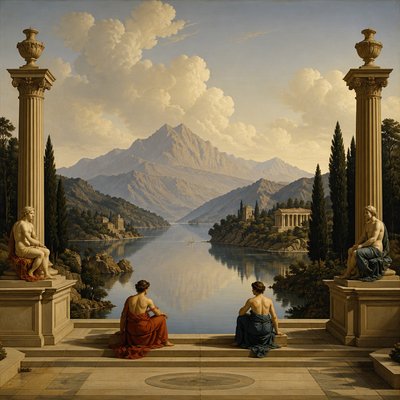
Explore Arles Art Style: sunbaked Roman ruins, Provençal light, and Romanesque relief carving in a weathered architectural aesthetic.
Instantly rendered in Arles — or transform a photo
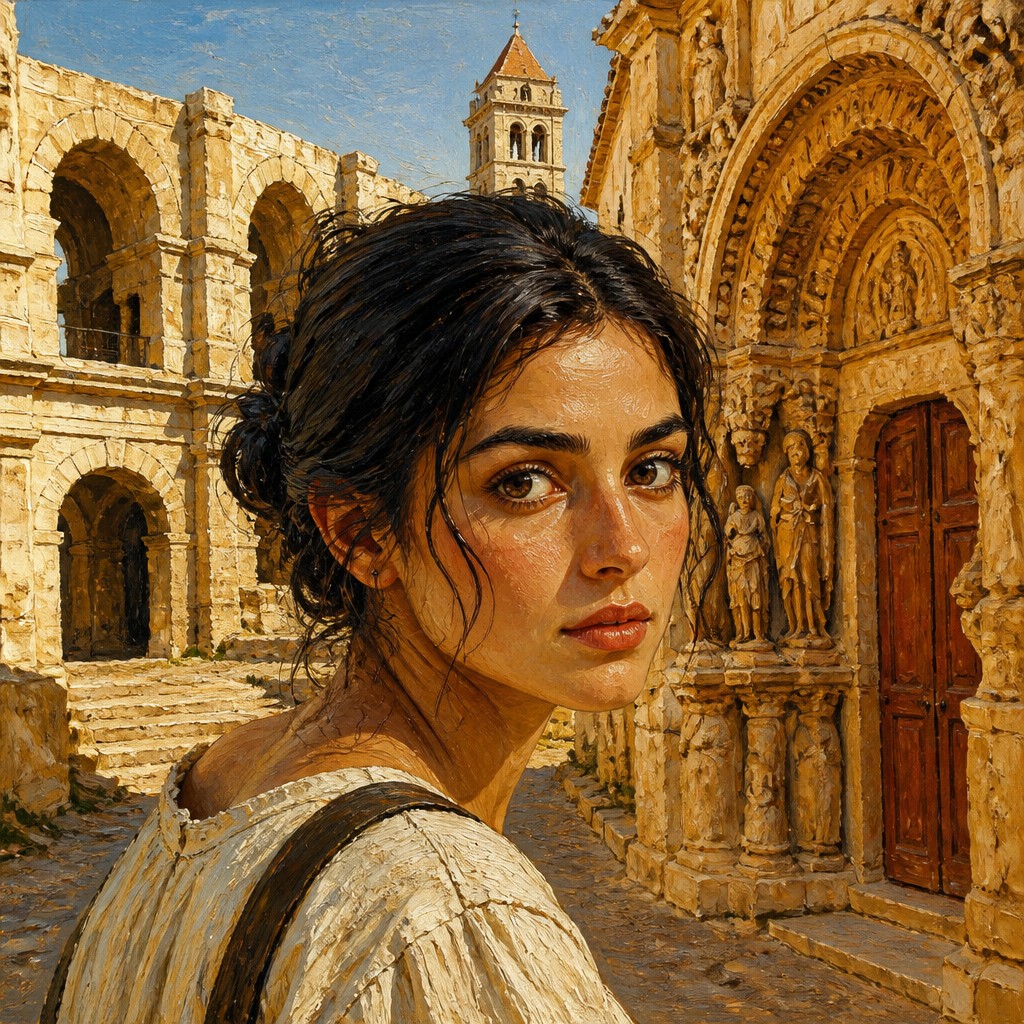
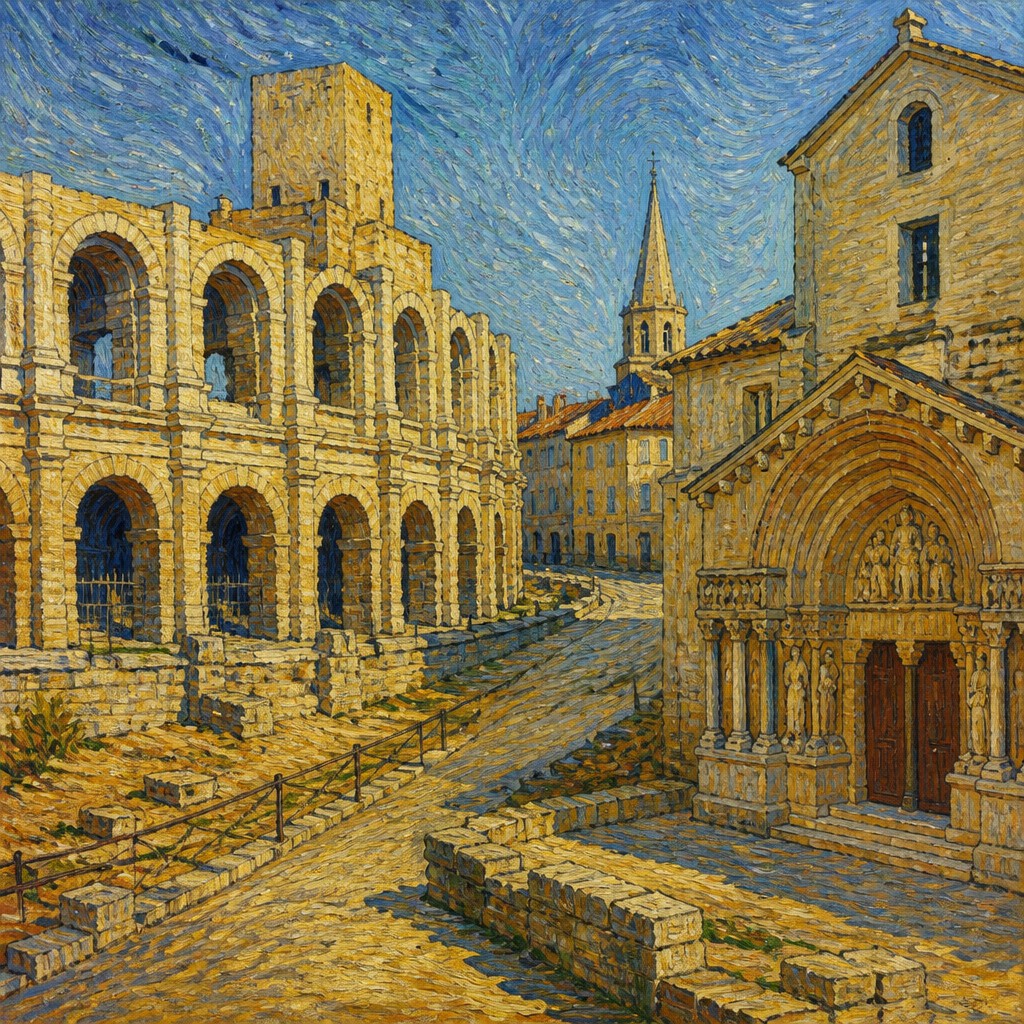
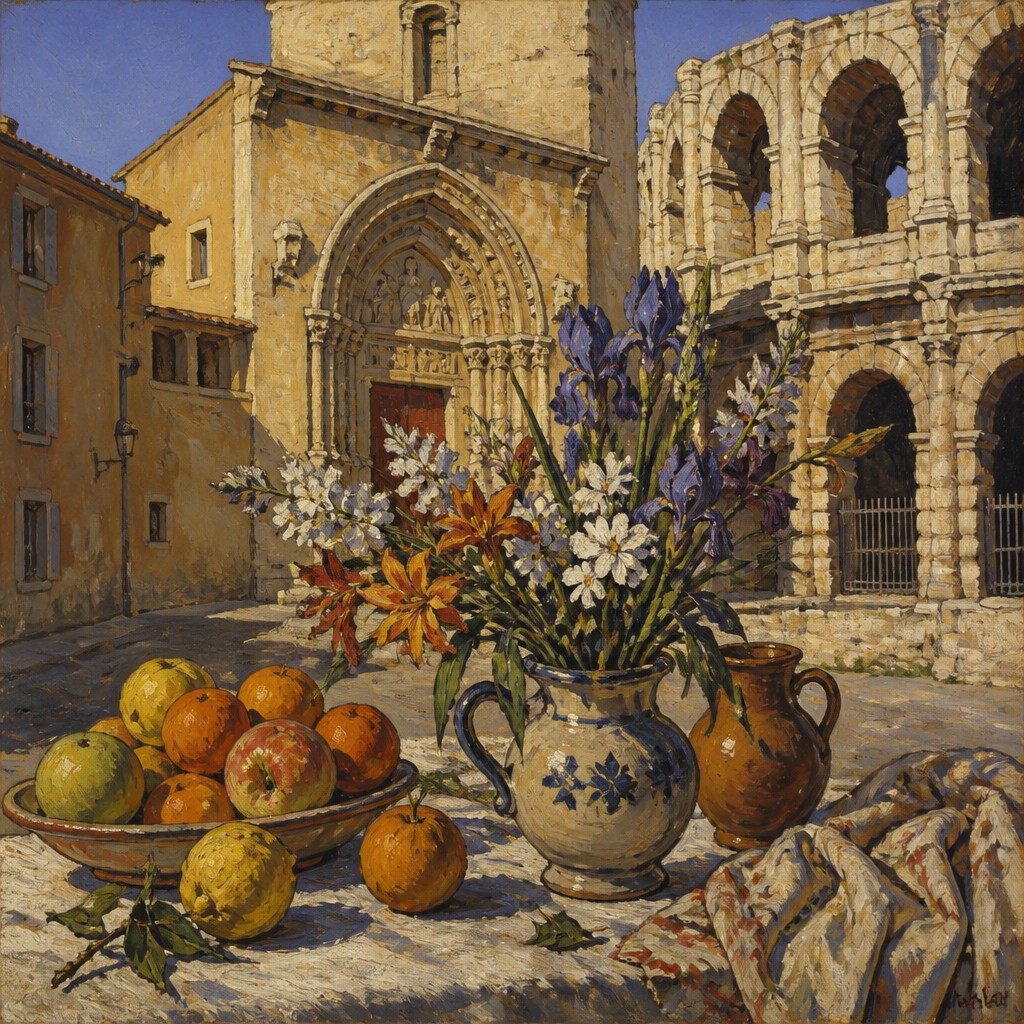
Arles Gallery
Tap any artwork to explore it
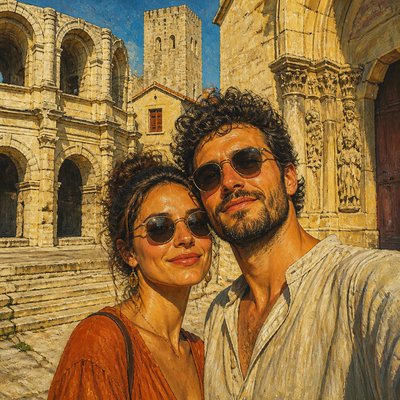
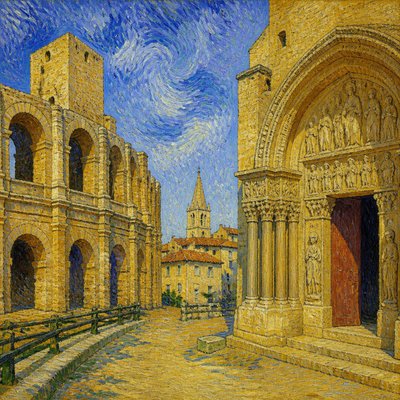
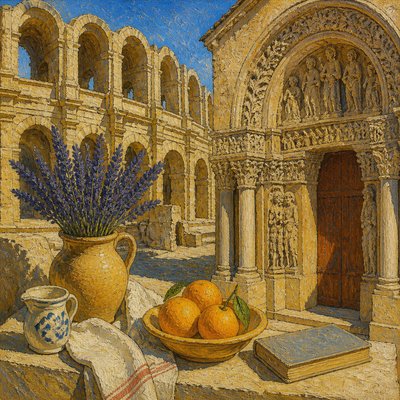
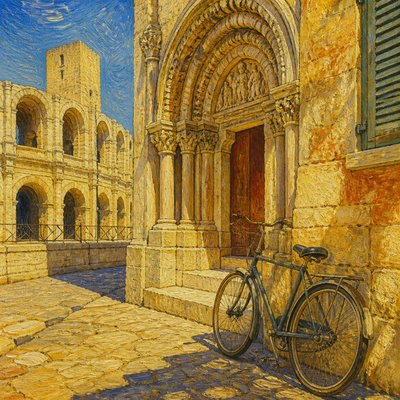
What is Arles Art Style?
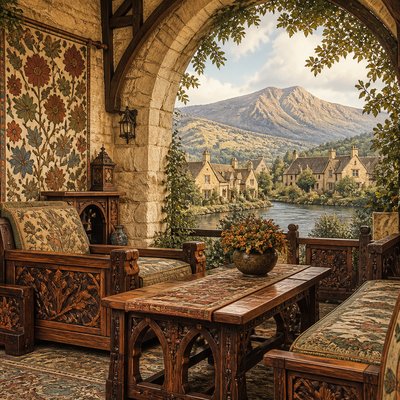
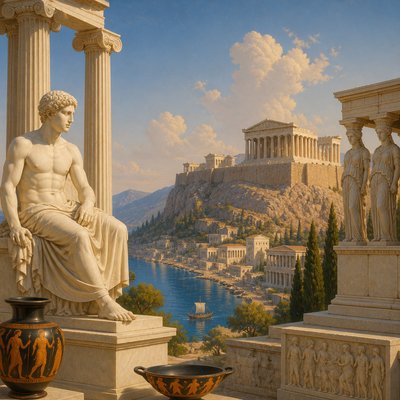
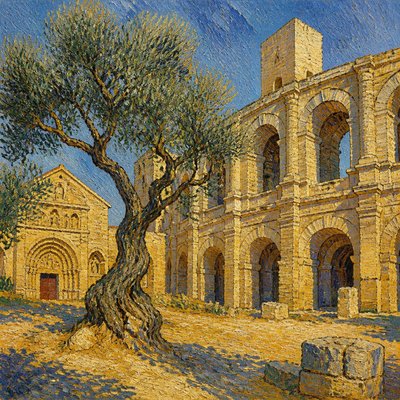
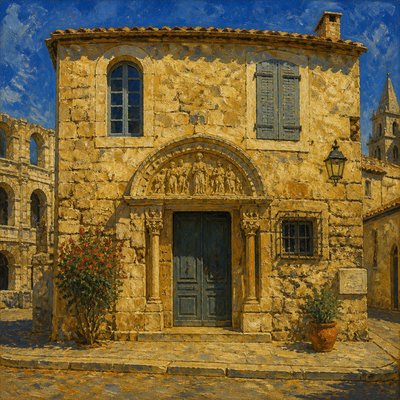
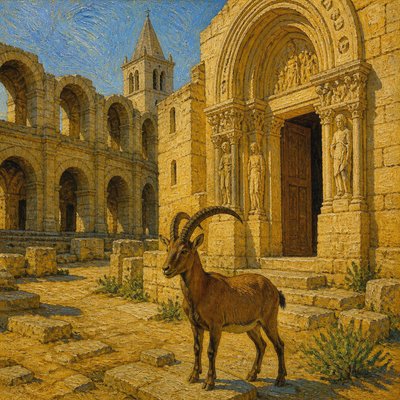
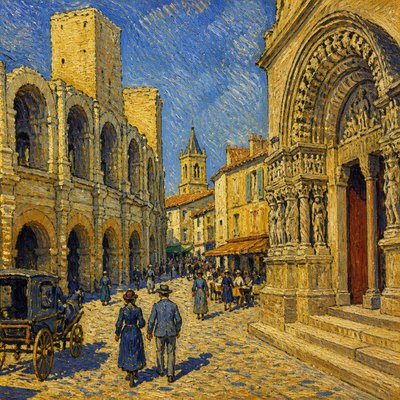
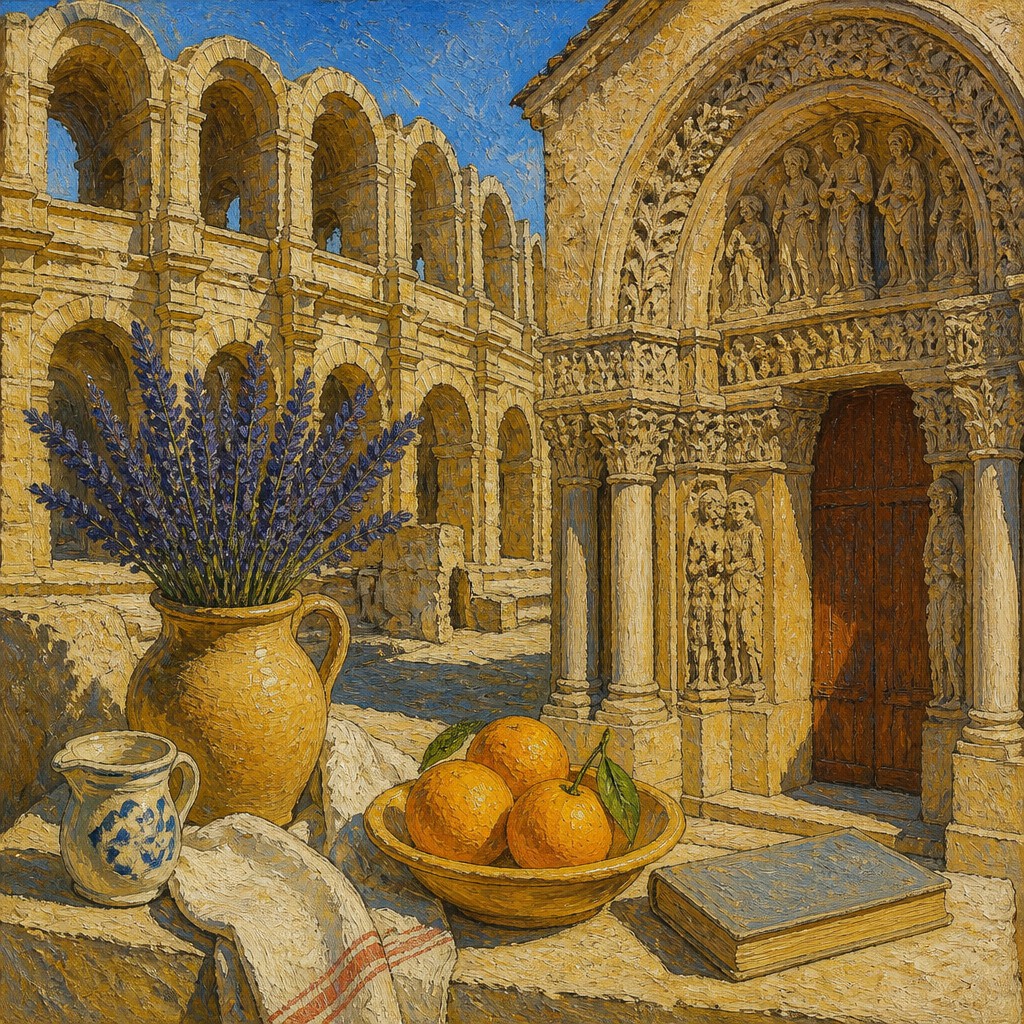
Arles Art Style is a contemporary hybrid aesthetic built from the meeting of two stone traditions: the monumental remains of Roman Arles and the narrative carving of southern French Romanesque architecture. It presents arenas, arches, colonnades, church portals, capitals, and weathered masonry beneath an intense Provençal sky, unifying classical ruin and medieval ornament through a shared language of carved stone.
Its visual identity depends on material atmosphere as much as architecture. Golden limestone, chalky dust, terracotta accents, deep incisions, eroded surfaces, and hard-edged shadows create an image that feels sunbaked, archaeological, and tactile. The style looks aged because it emphasizes patina, chipped relief, softened inscriptions, mineral variation, and the accumulation of historical layers rather than clean restoration or polished fantasy architecture.
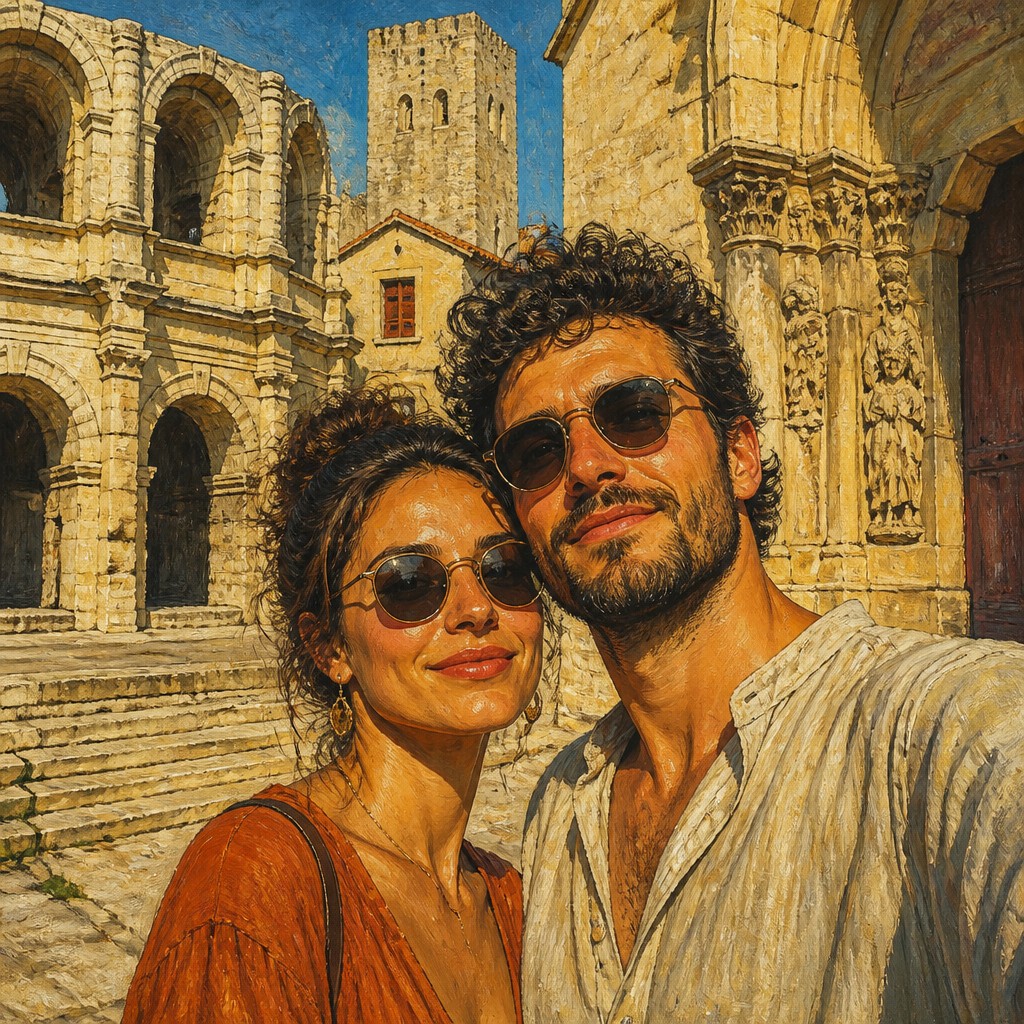
Try It On Your Photos
Upload any photo and convert it into Arles Art Style — drag the sliders to compare before and after.
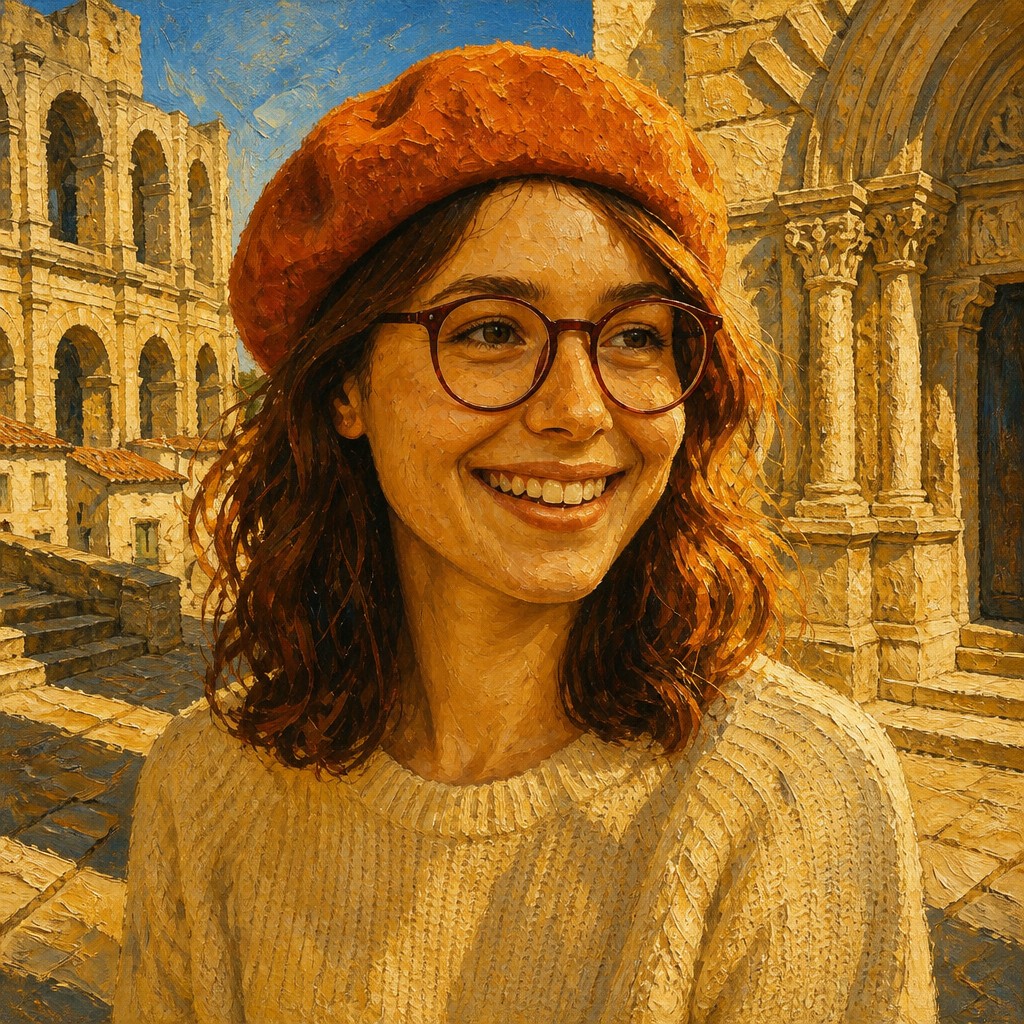

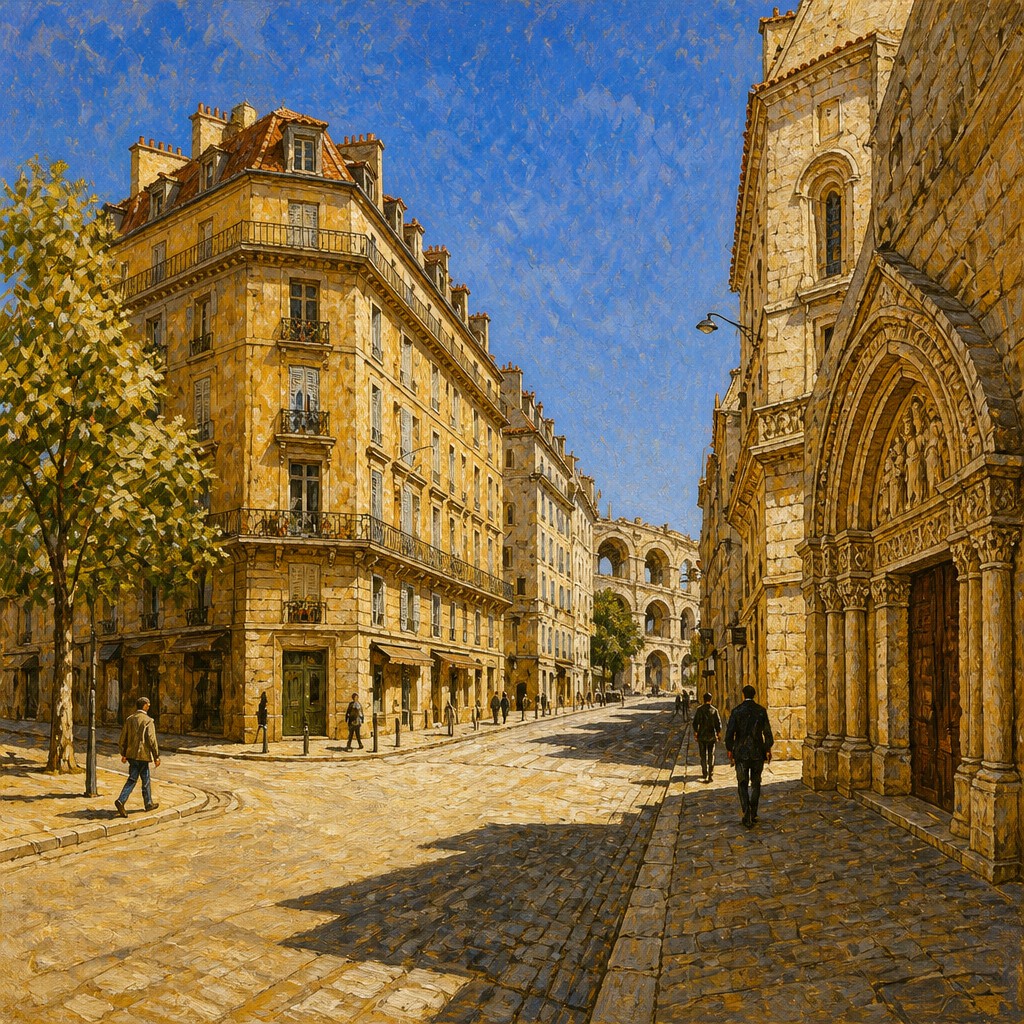

What Defines Arles Art Style
The signature details, up close
Weathered golden limestone
Surfaces are dominated by warm limestone in ochre, honey, sand, and muted cream. Cracks, chips, stains, granular pores, and uneven erosion give the architecture a palpable age.
Roman monumental structure
Amphitheater tiers, arcades, columns, arena walls, voussoirs, and fragmentary classical details provide a strong architectural framework. Repetition and weight are more important than delicate picturesque detail.
Romanesque narrative relief
Deeply cut figures, processions, foliage, beasts, saints, and symbolic scenes appear across portals, lintels, capitals, and friezes. The carving is frontal, compact, and legible, with simplified anatomy shaped by the limits of stone.
Harsh Provençal illumination
A high southern sun produces sharp, compact shadows and bright planes of exposed stone. Strong directional light makes every recess, carving, and architectural edge visually prominent.
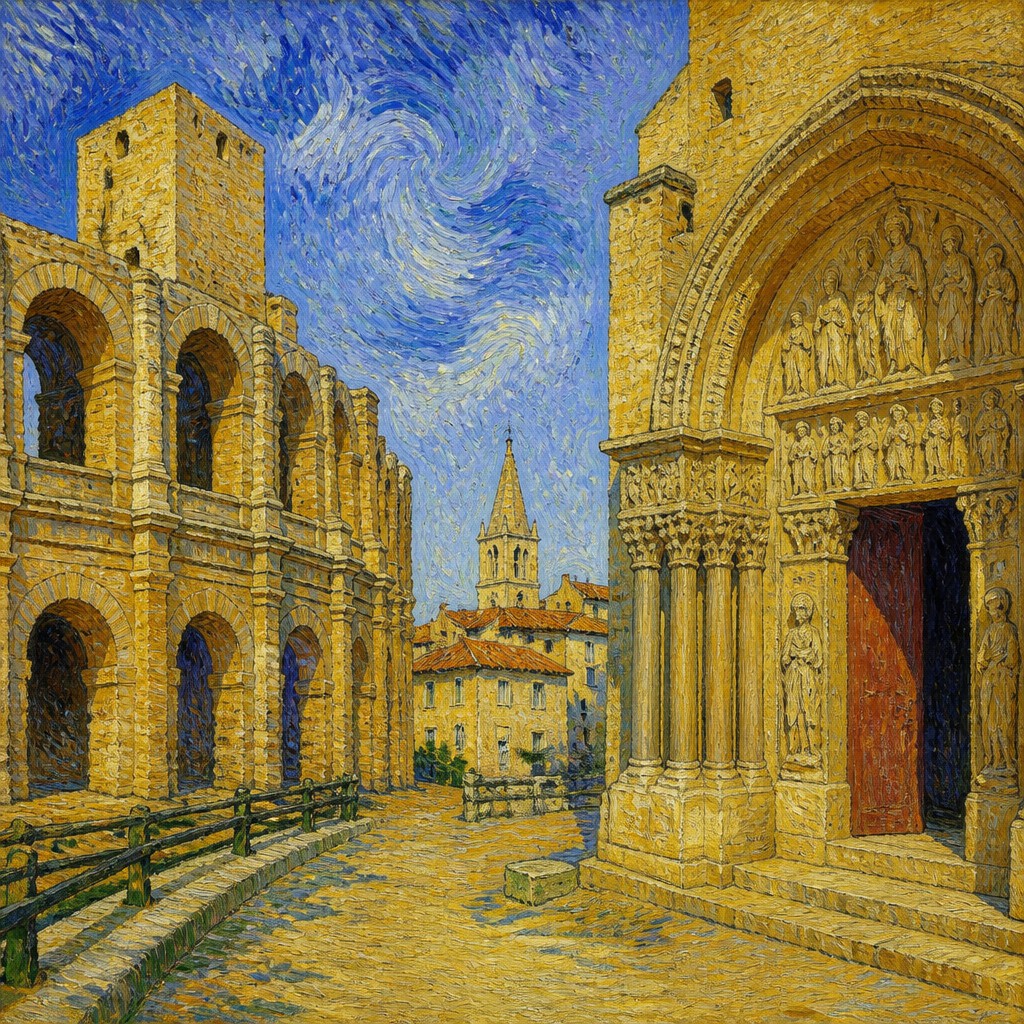
Ochre and terracotta palette
The dominant colors are sunlit ochre, burnt sienna, terracotta, dusty rose, pale limestone, and umber. Small areas of faded blue, olive, or mineral green may suggest painted remnants or Mediterranean vegetation.
Layered historical texture
Classical masonry, medieval carving, later repairs, dust, lichen, and weathering coexist in the same image. The result should feel excavated and accumulated rather than newly constructed.
Arles Prompt Ideas
Start from an idea — each one opens the generator with the style ready to go. See all 40 Arles prompts →
How to Create Arles Art
Master the craft step by step — or skip straight to creating. Read the full guide →
- 1
Build a stone-based value structure
Begin with large architectural masses and a limited range of warm neutrals before adding relief detail. Reserve the strongest darks for recessed arches, joints, and carved cavities so the stone remains sunlit.
- 2
Carve forms through depth
Use layered planes for Romanesque figures and foliage: shallow background cuts, raised bodies, and deeply incised contours. In digital work, combine normal or displacement textures with directional shading rather than relying on a flat decorative pattern.
- 3
Control the Mediterranean light
Choose one high, lateral sun source and design the composition around its shadows. Hard-edged cast shadows and bright limestone planes will communicate the dry Provençal climate more effectively than a general warm color filter.
- 4
Combine classical and medieval references carefully
Pair an ordered Roman arcade or amphitheater with a portal, capital, or frieze of Romanesque character. Keep the materials and lighting consistent so the historical contrast reads as intentional synthesis rather than architectural confusion.
- 5
Add erosion selectively
Place chips, cracks, dust, lichen, and softened edges where water, foot traffic, and exposure would plausibly affect stone. Excessive grunge can obscure the narrative carving, so preserve readable focal areas.
- 6
Write precise generation directions
Specify the subject, Roman or Romanesque structural elements, limestone color, southern sunlight, relief depth, camera angle, and degree of weathering. For image-to-image work, retain the source composition while directing the transformation toward carved stone, ochre materials, and sharp archaeological shadows.
The Story
History & Origins of Arles
Arles Art Style is not a documented historical movement or period school; it is an invented contemporary aesthetic lineage. Its primary source is the Roman architectural heritage of Arles, including amphitheater forms, monumental arcades, stone paving, and classical structural repetition.
A second source is Romanesque sculpture in Provence and southern France, especially the use of church façades and portals as surfaces for biblical narratives, symbolic figures, animals, foliage, and densely carved capitals. The style combines these traditions imaginatively, compressing centuries of architectural history into one sunlit visual environment rather than claiming that the hybrid itself existed historically.
Influences: The style draws on Roman provincial architecture, archaeological ruin imagery, Provençal Romanesque church sculpture, medieval portal relief, classical architectural photography, and plein-air representations of Mediterranean light. It also relates to historicist architectural illustration and contemporary textural environment design, but differs from pure classical reconstruction by deliberately preserving medieval additions, erosion, and visible historical layering.
Frequently Asked Questions
What defines the Arles Art Style?
It is defined by the combination of Roman monumental ruins and southern French Romanesque relief carving. Golden weathered limestone, harsh Provençal sunlight, ochre and terracotta colors, and deeply recessed narrative sculpture are its most recognizable features.
Is Arles Art Style a historical art movement?
No. It is a contemporary hybrid aesthetic rather than a documented movement with a fixed period or organized school. Its historical foundations are Roman architecture in Arles and Romanesque architectural sculpture in Provence.
How does it differ from classical Roman art?
Classical Roman references provide the structural scale, arches, columns, and amphitheater forms, but the style adds medieval Romanesque figurative relief and extensive weathering. It favors archaeological layering over the idealized finish associated with a newly built classical monument.
How does it differ from Romanesque art?
Romanesque influence is most visible in the carved portals, capitals, and simplified narrative figures. The hybrid expands that language into a landscape of Roman arenas, civic ruins, and open Mediterranean spaces rather than limiting it to a medieval church setting.
Can this style be used for subjects other than architecture?
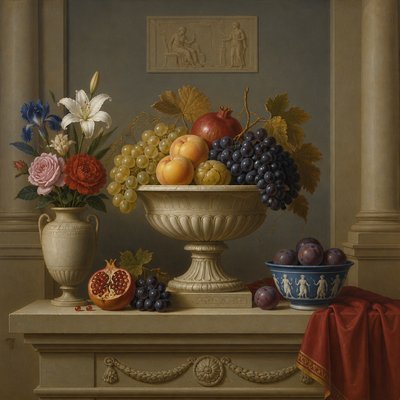
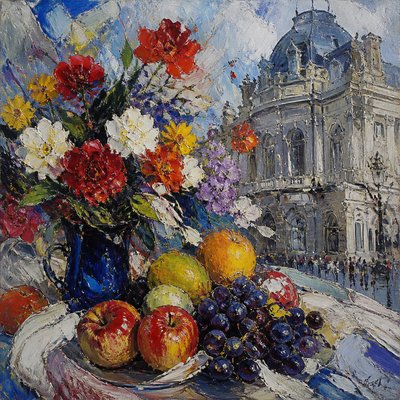
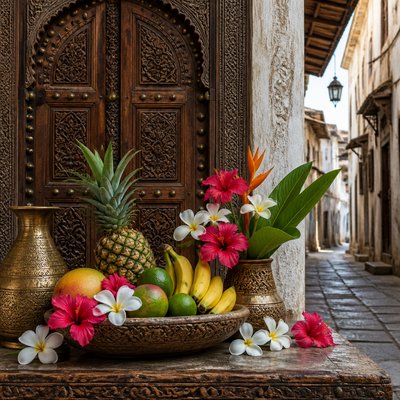
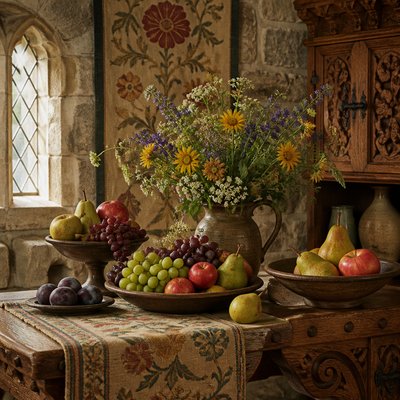
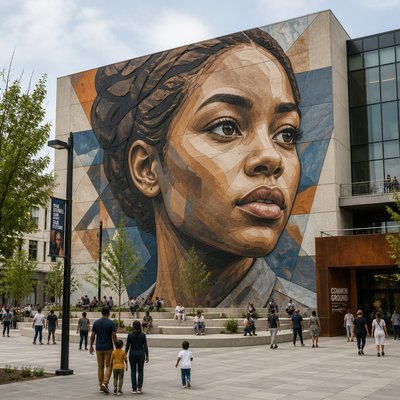
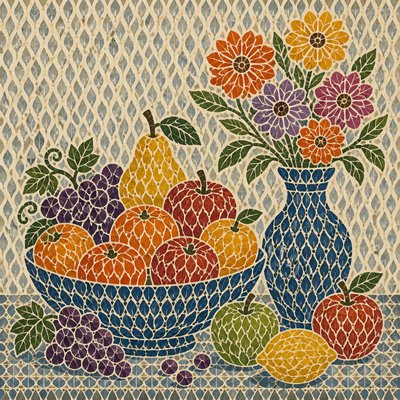
Yes. Portraits, animals, still lifes, and landscapes can be treated as carved or weathered stone studies. The strongest results preserve the style's tactile limestone surface, relief-like modeling, warm mineral palette, and sharp directional light.
What techniques work best for creating it?
Traditional artists can use textured underpainting, dry-brush abrasion, ochre and earth pigments, and strong chiaroscuro to suggest limestone and relief depth. Digital artists can combine sculptural forms, displacement or height maps, photographic stone textures, and carefully controlled sunlight; prompt-based systems respond well to explicit material, architectural, and lighting instructions.
Create your first Arles artwork
Describe anything — or upload a photo — and see it in Arles Art Style in seconds.
Related Styles
Discover similar art styles