Argentine Art Style
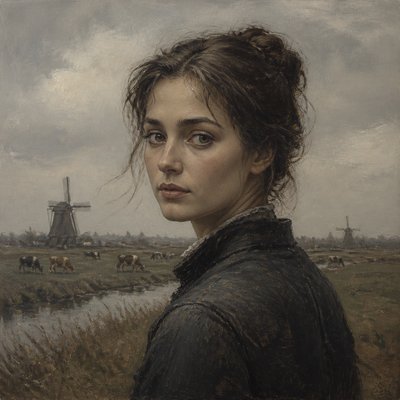
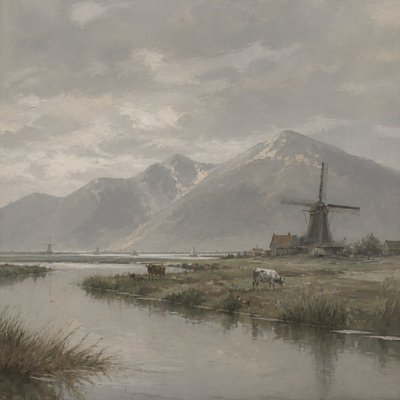
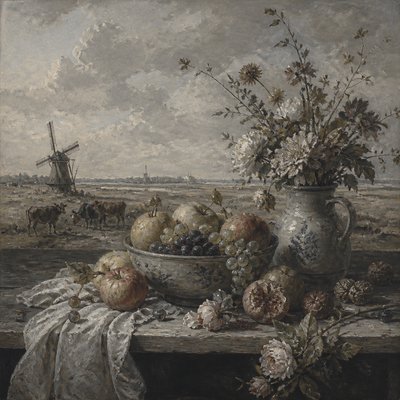
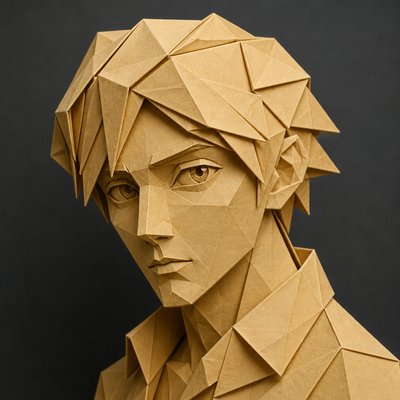
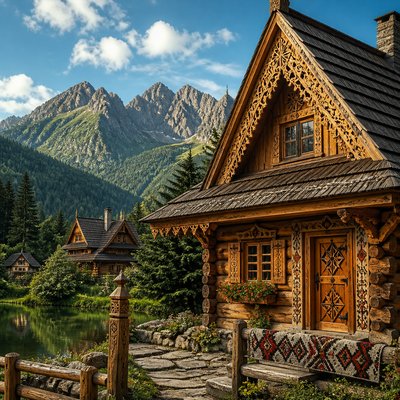
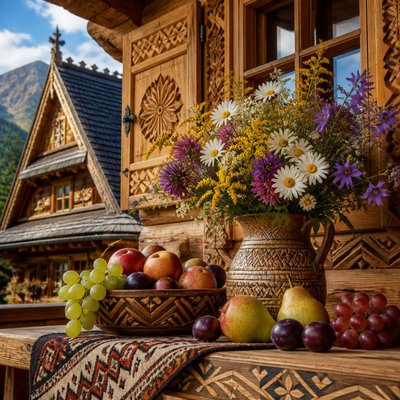
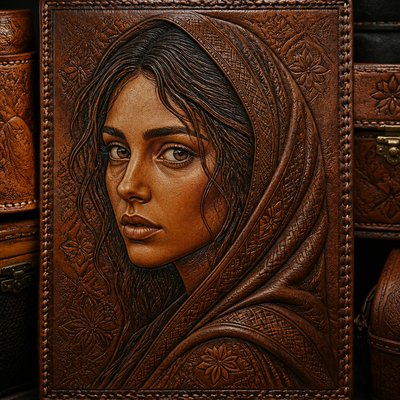
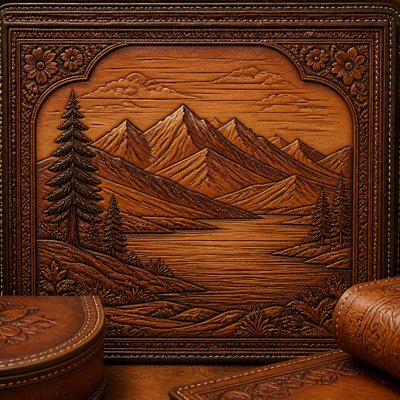
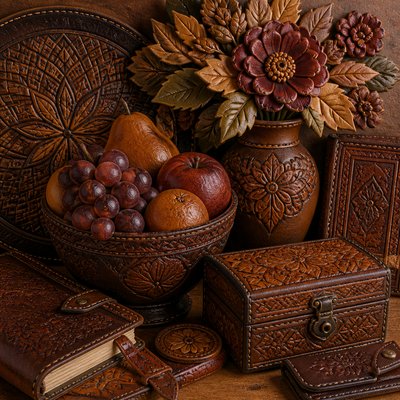
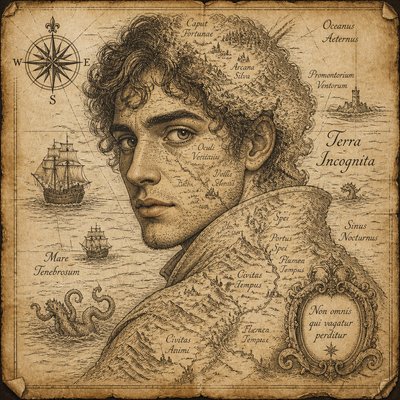
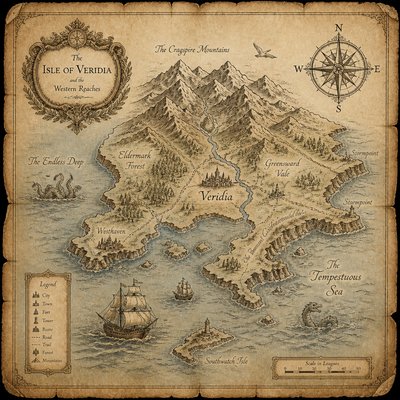
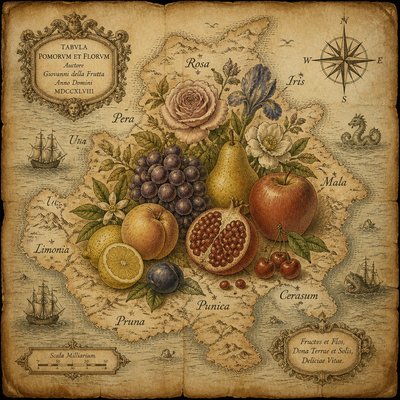
Explore Argentine art style through fileteado flourishes, tango-night color, café romance, pampas horizons, and ornate graphic design.
Instantly rendered in Argentine — or transform a photo
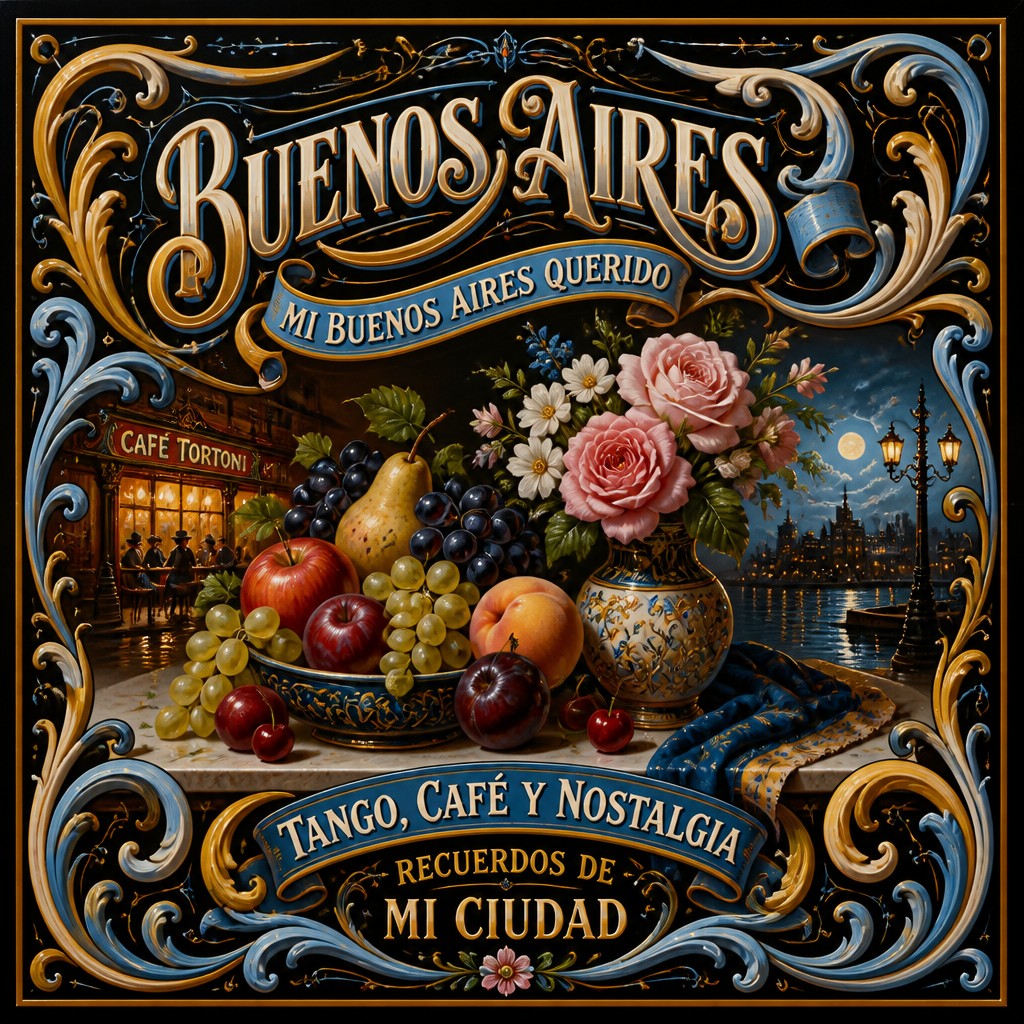
Argentine Gallery
Tap any artwork to explore it
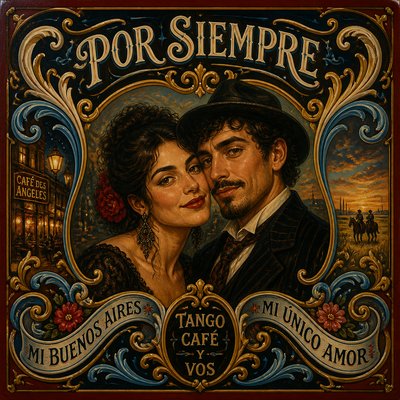
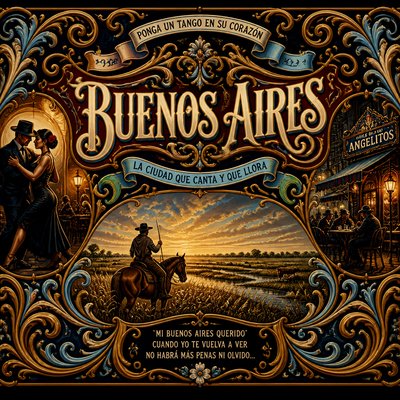
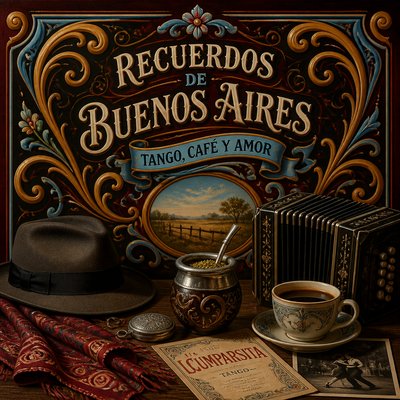
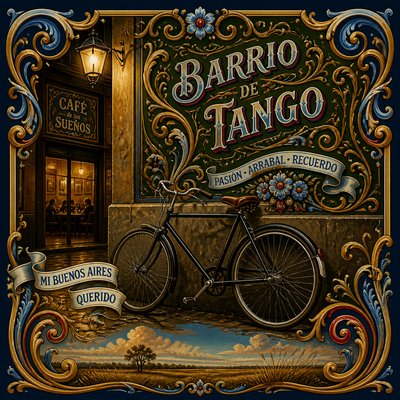
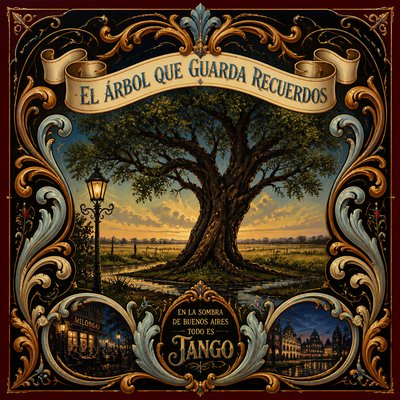
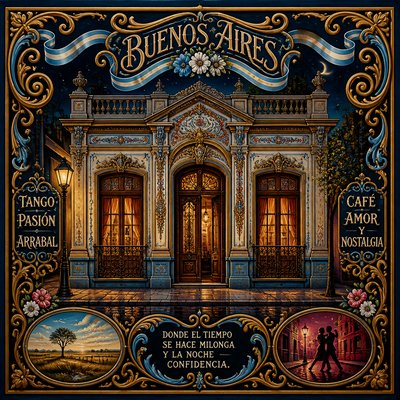
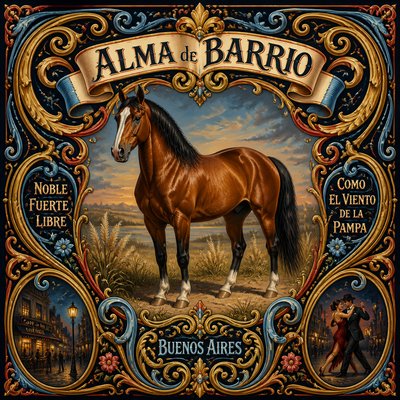
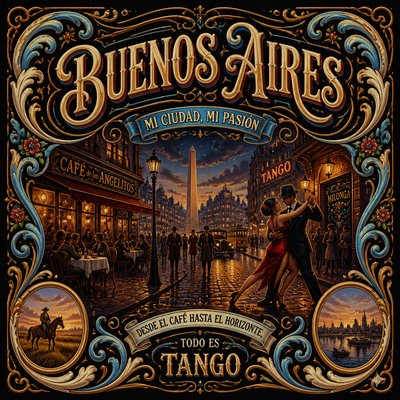
What is Argentine Art Style?
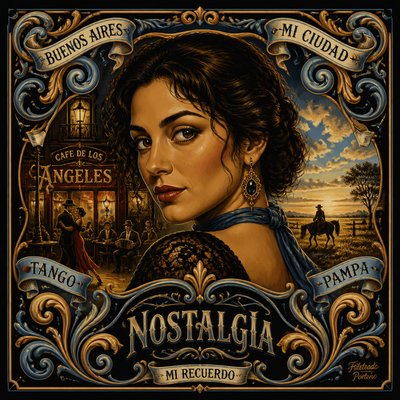
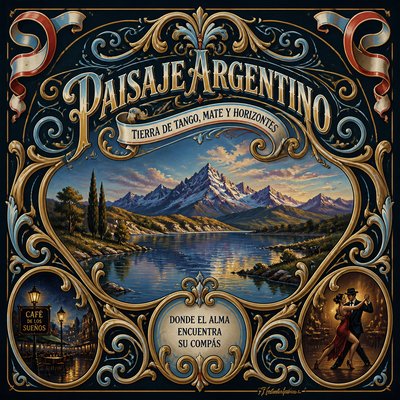
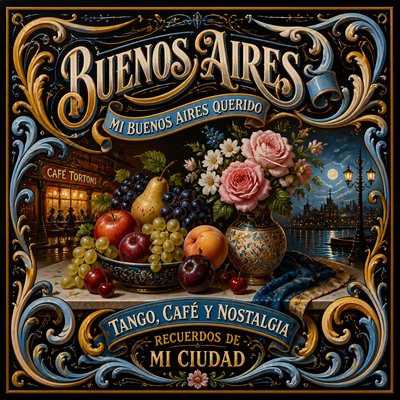
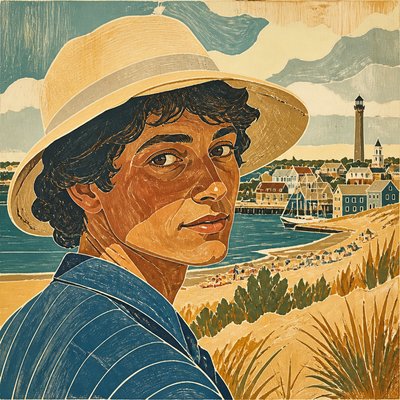
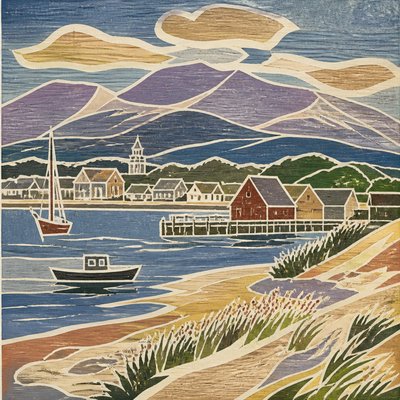
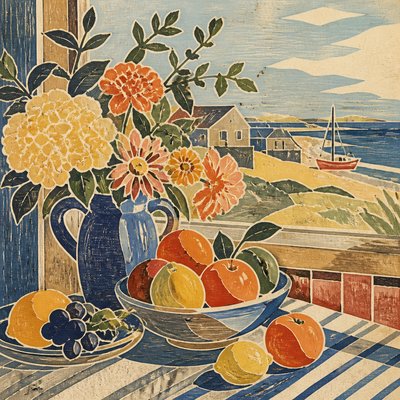
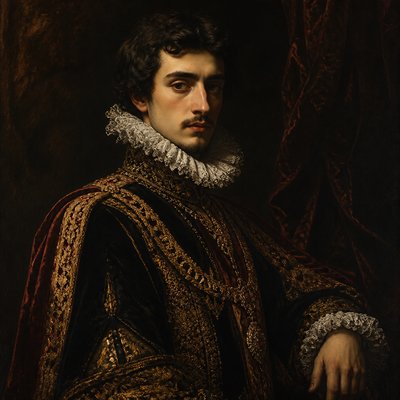
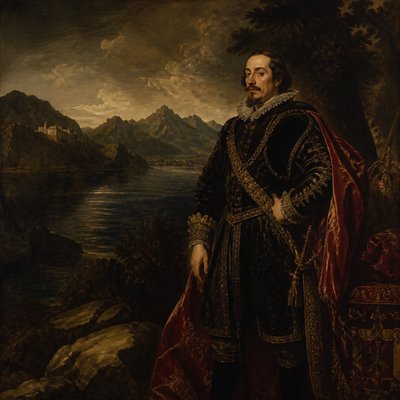
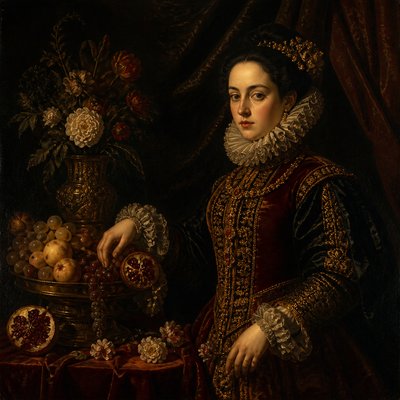
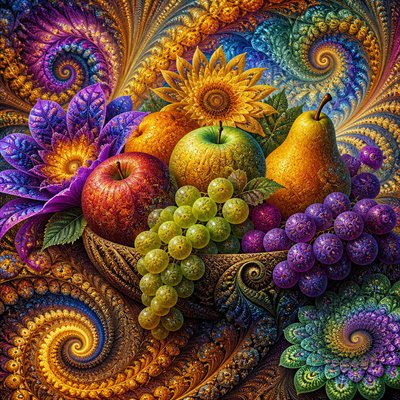
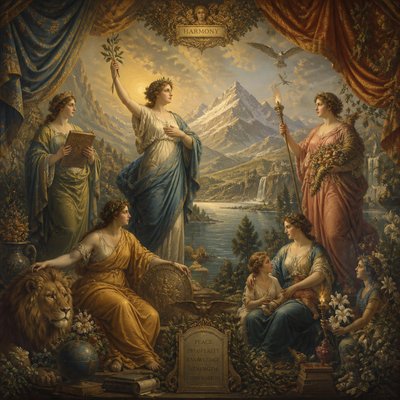
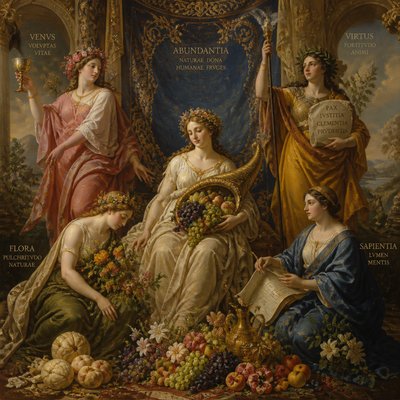
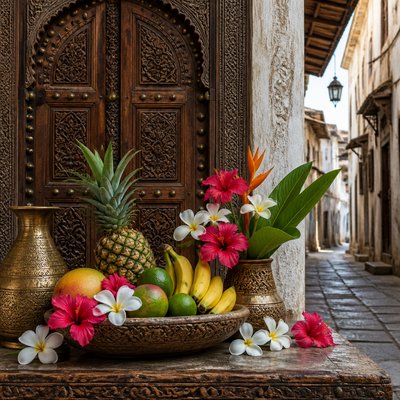
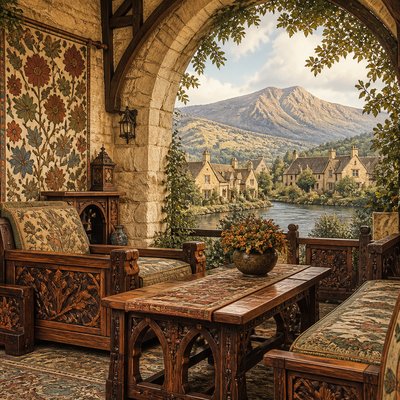
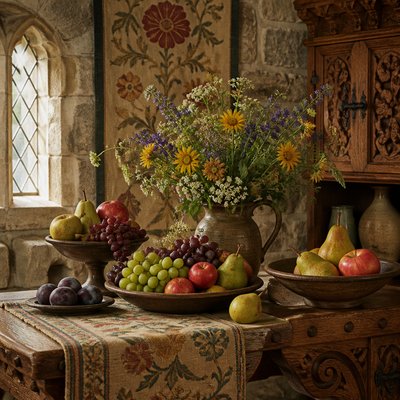
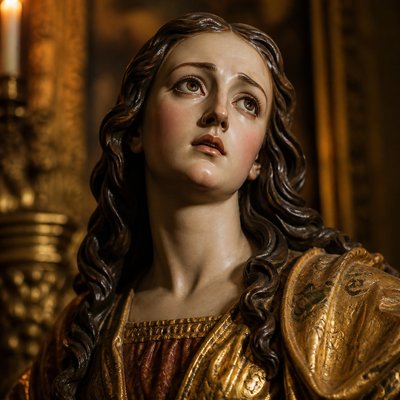
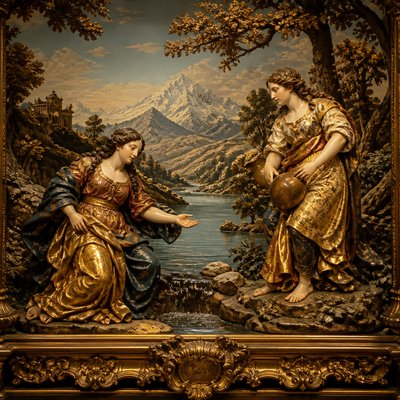
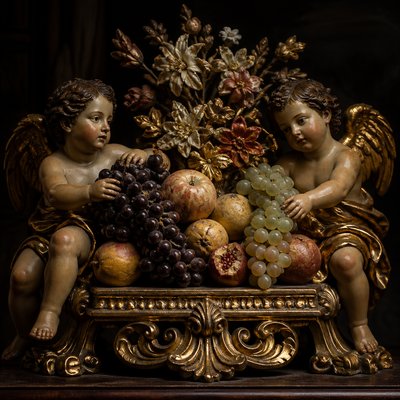
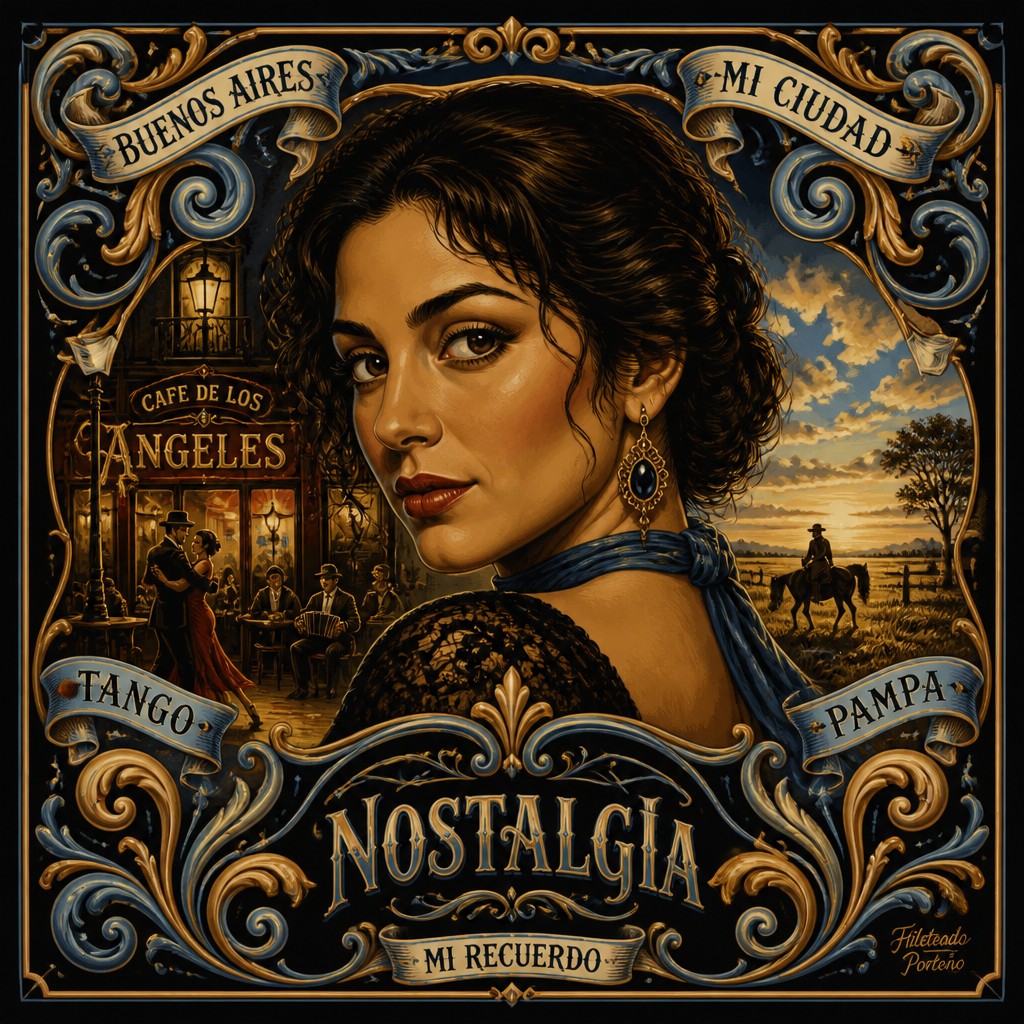
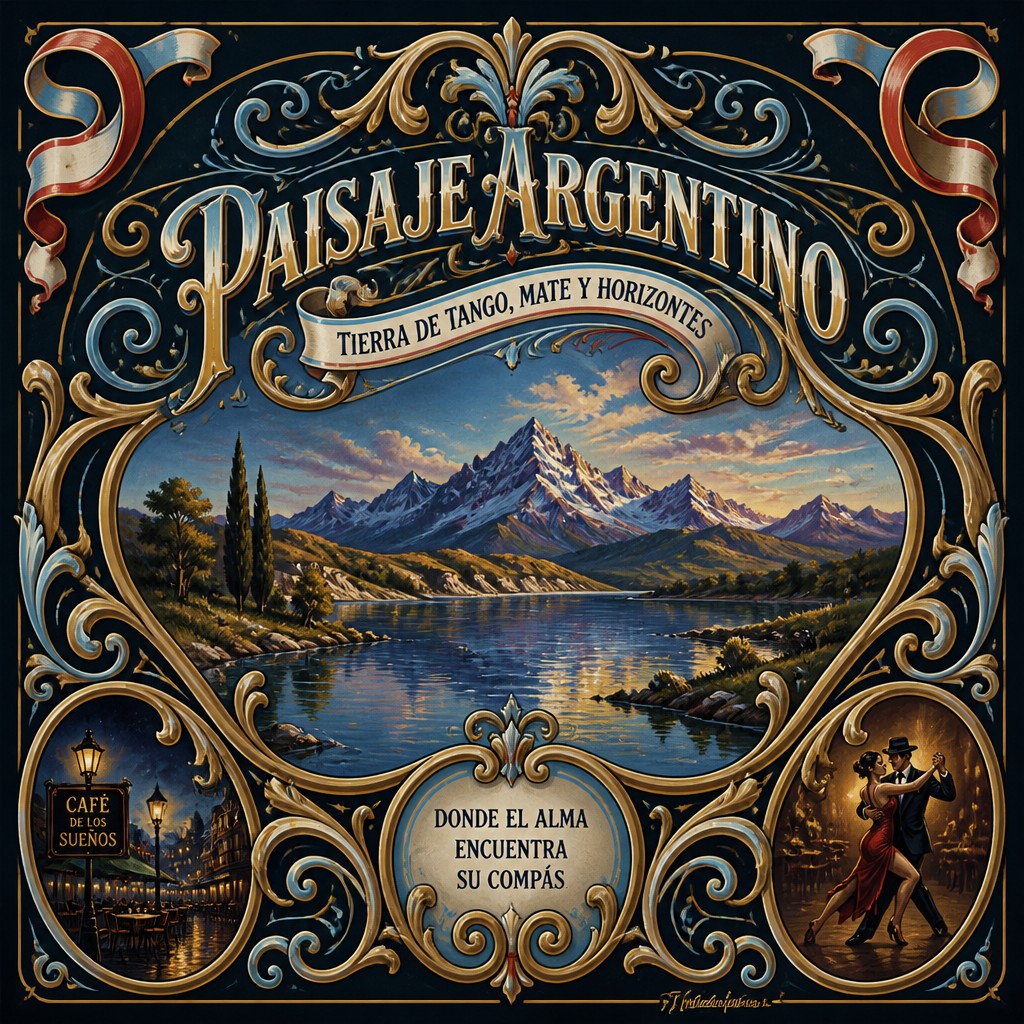
Argentine art style is a contemporary descriptive label for imagery shaped by Argentina’s visual culture rather than a single historical movement. Its clearest signature is fileteado porteño: ornate painted decoration built from curling acanthus leaves, symmetrical scrolls, ribbons, flowers, birds, lettering, and fine highlights. These motifs are commonly arranged against saturated deep blue, red, black, or ochre grounds, with cream, sky blue, and gold accents creating a theatrical, handcrafted appearance.
The style often combines this ornamental language with the atmosphere of Buenos Aires at night: tango halls, café interiors, wet pavements, lamplight, vintage signage, and intimate urban romance. Other recurring settings include open pampas, distant horizons, horse-drawn or railway imagery, and nostalgic roadside scenes. Its visual appeal comes from the contrast between disciplined decorative symmetry and emotionally charged subjects associated with music, travel, longing, and city life.
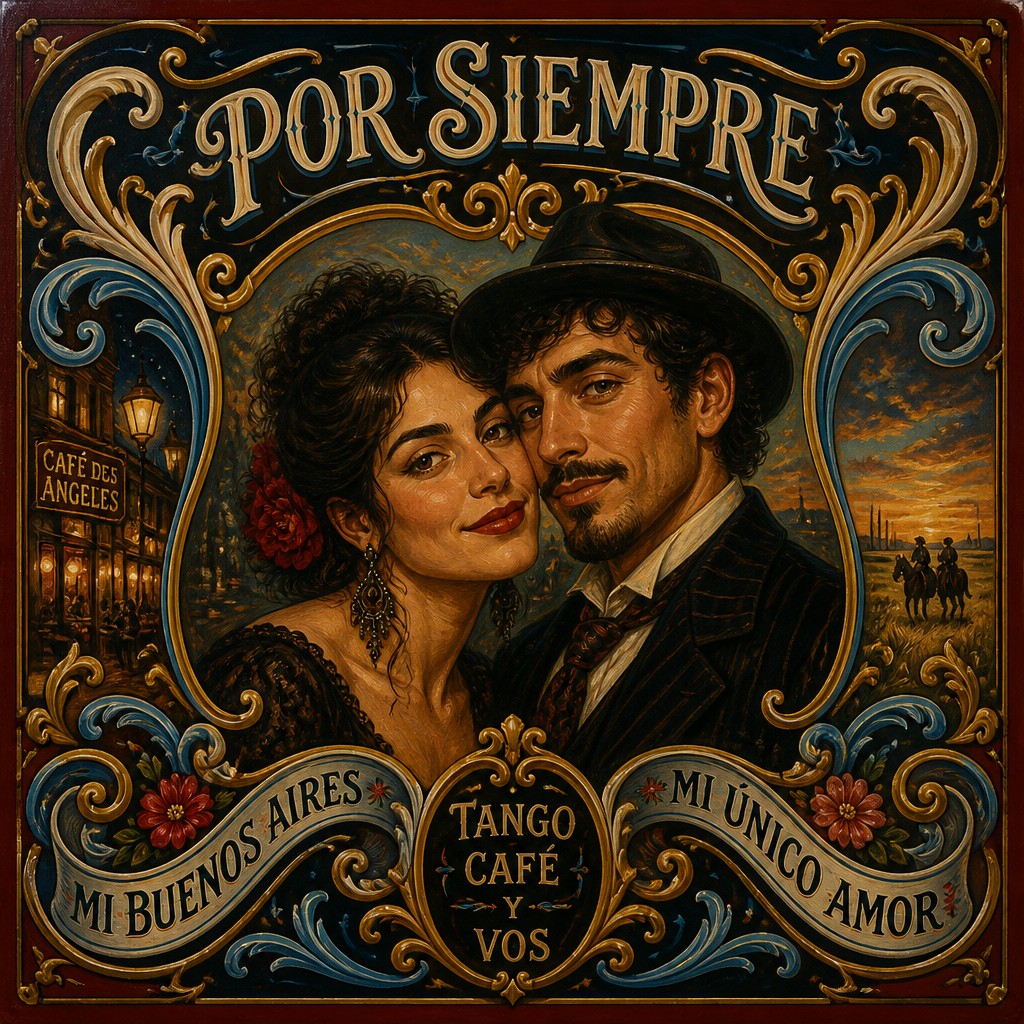
Try It On Your Photos
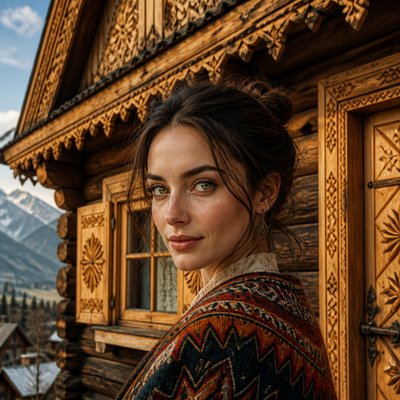
Upload any photo and convert it into Argentine Art Style — drag the sliders to compare before and after.
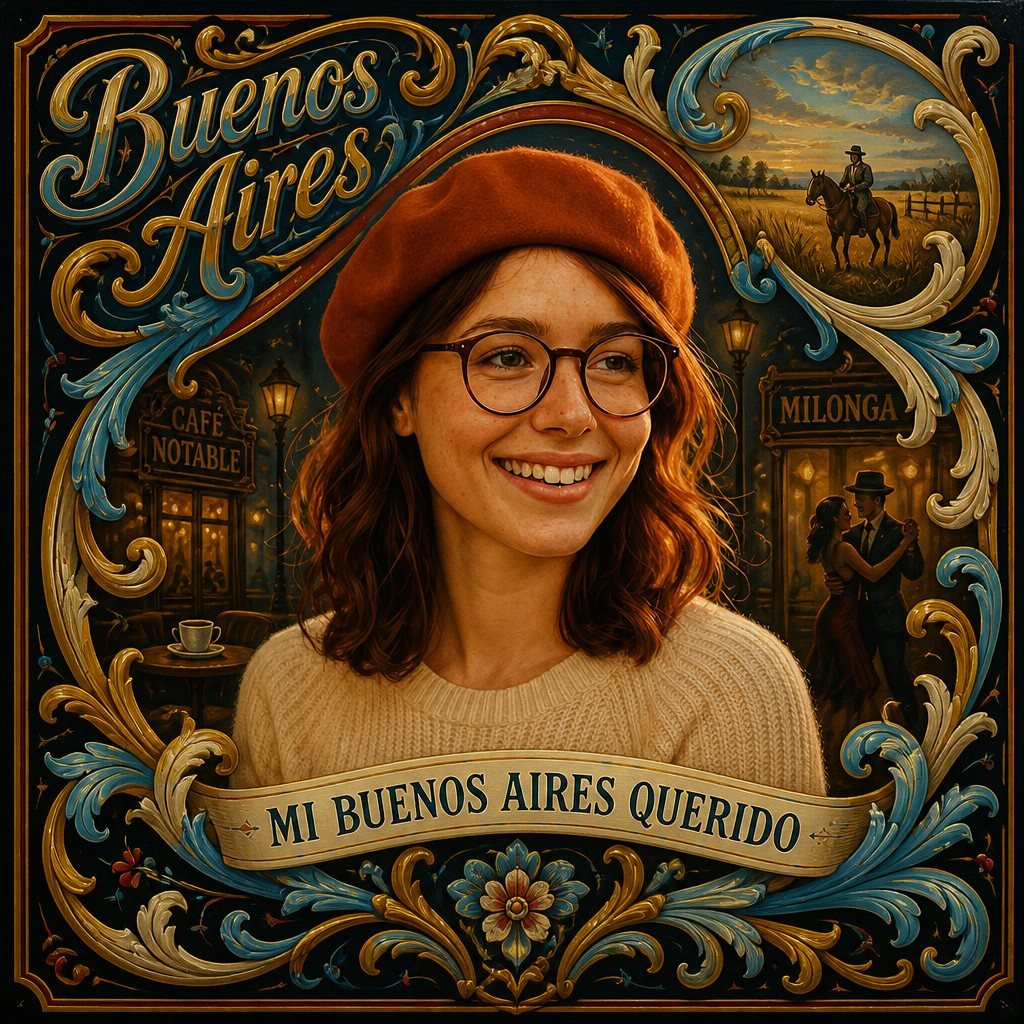

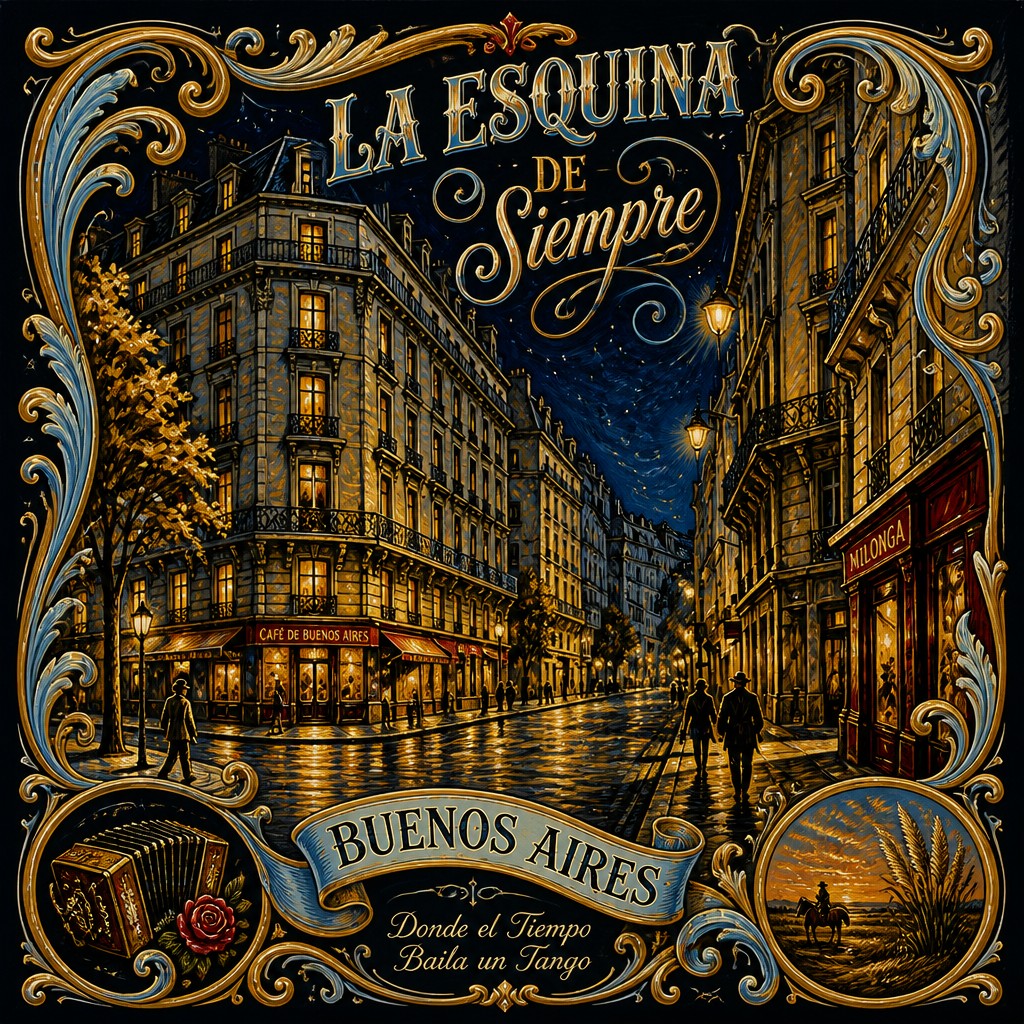

What Defines Argentine Art Style
The signature details, up close
Fileteado ornament
Curving acanthus leaves, mirrored scrolls, ribbons, flowers, and filigree form dense borders or framing devices. The ornament is usually highly controlled, with balanced repetition and curling terminals.
Decorative lettering
Bold hand-painted words may appear in dimensional script, arched banners, outlined capitals, or embellished sign lettering. Cream, gold, and pale blue highlights help lettering stand out from dark grounds.
Tango-night atmosphere
Low, warm illumination suggests dance halls, cafés, theaters, and narrow city streets after dark. Amber lamps, burgundy shadows, smoky air, and reflective pavement create intimacy and drama.
Deep, contrasting palette
Common colors include navy, black, oxblood, bottle green, ochre, cream, sky blue, and metallic gold. Strong outlines and small bright accents give the composition the finish of painted signage.
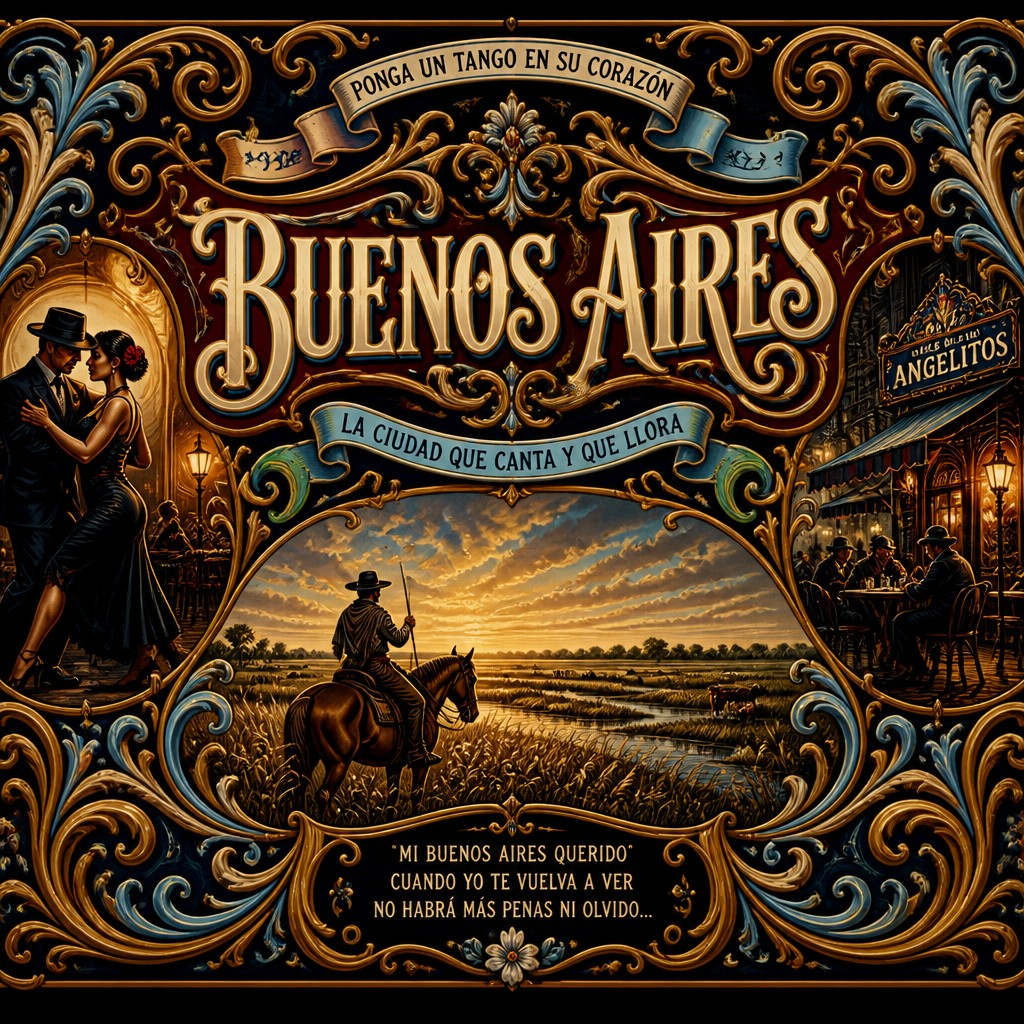
Urban nostalgia
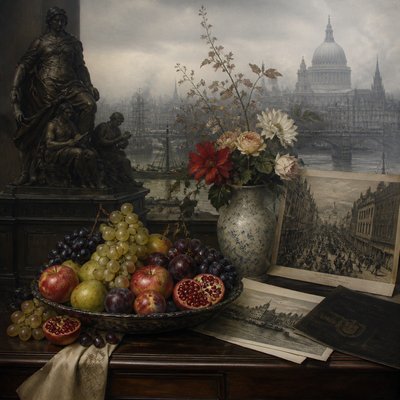
Vintage storefronts, balconies, tramways, tiled façades, café tables, and old automobiles evoke Buenos Aires without requiring strict historical reconstruction. The mood is romantic, theatrical, and slightly weathered.
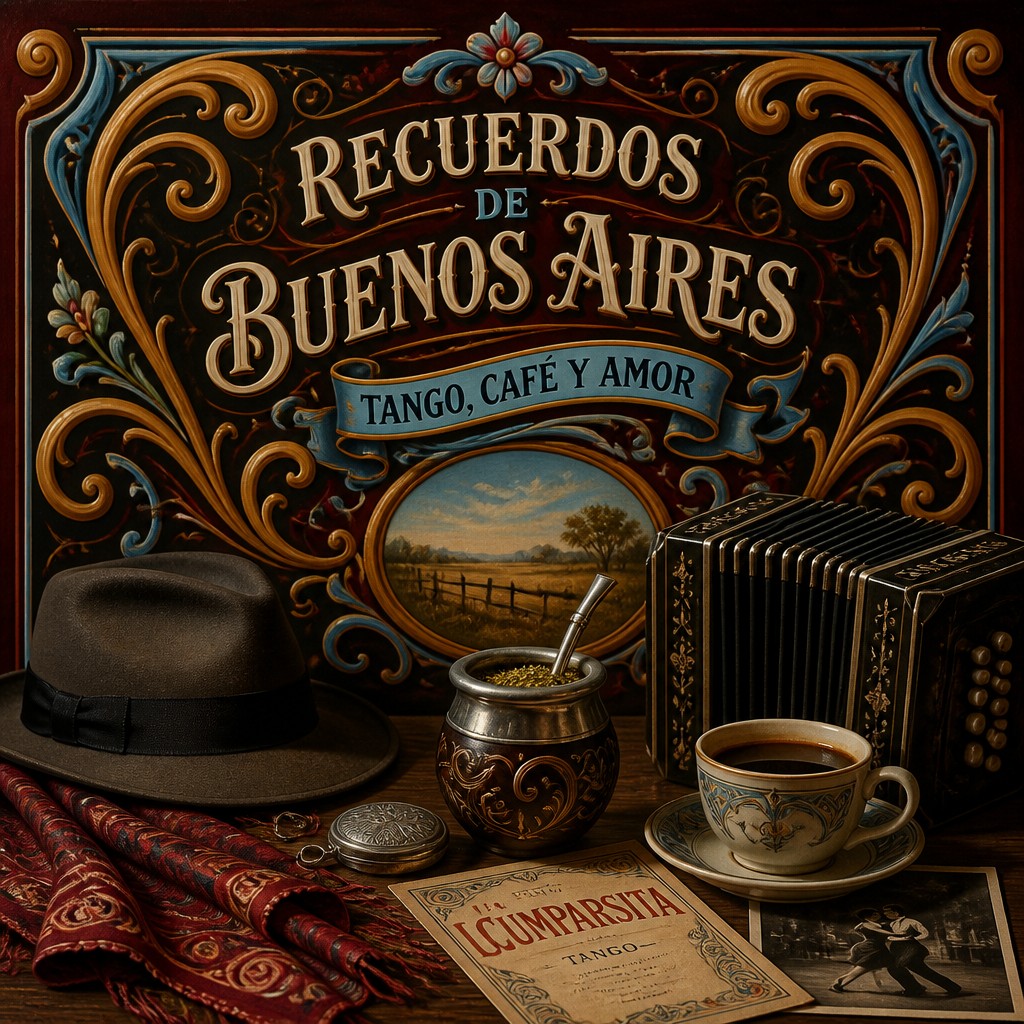
Pampas and national landscape
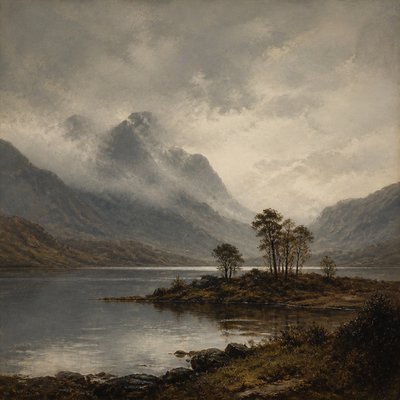
Flat horizons, long grass, open skies, horses, rural roads, and distant silhouettes provide a spacious counterpoint to the crowded city. These elements are often simplified into emblematic, poster-like shapes.
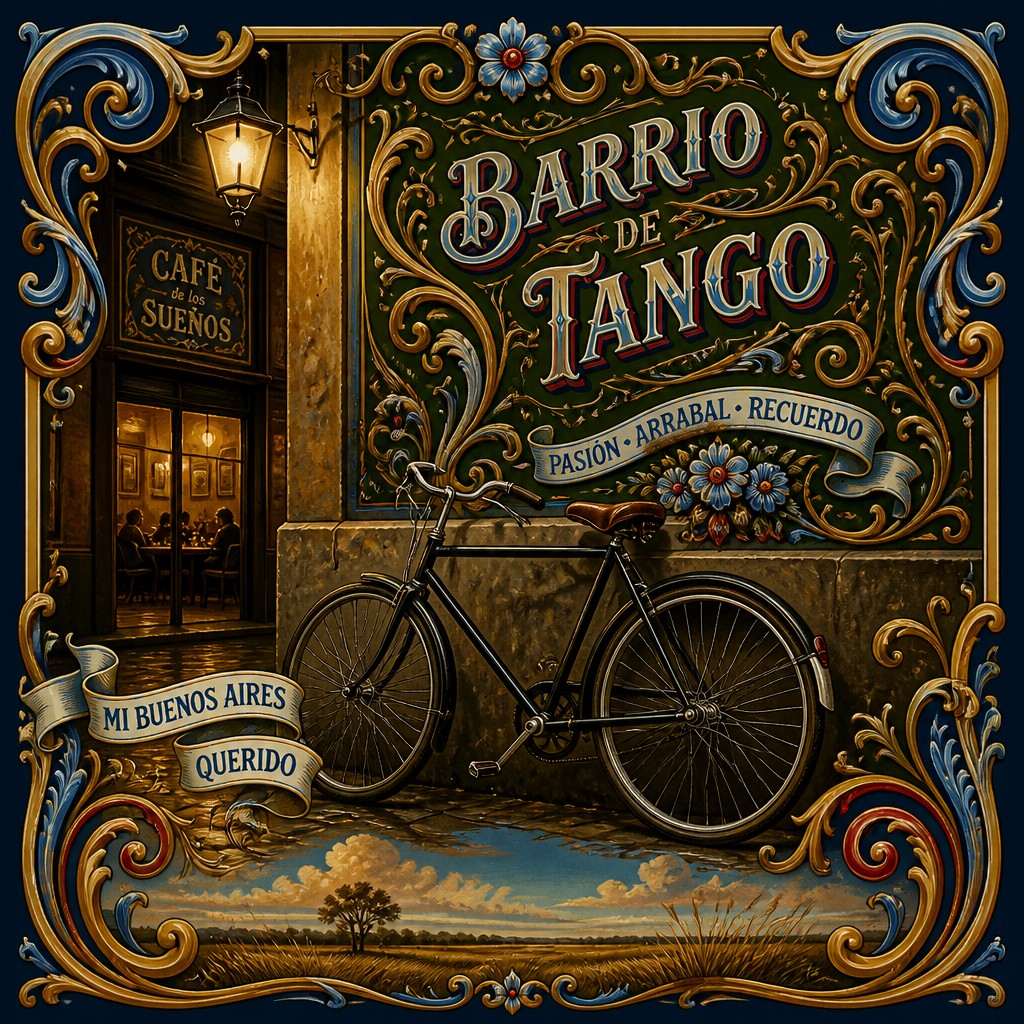
Handcrafted surface
Visible brush contours, pinstriped highlights, layered outlines, distressed paint, and uneven gold accents suggest a sign or panel made by hand. Even digital versions benefit from retaining small irregularities.
Try It
Create Videos in Argentine Art Style
Styles aren't just for stills — describe a scene or animate an image and get a short video rendered in Argentine. Press play to see this pond come to life.
Make a VideoArgentine Prompt Ideas
Start from an idea — each one opens the generator with the style ready to go. See all 40 Argentine prompts →
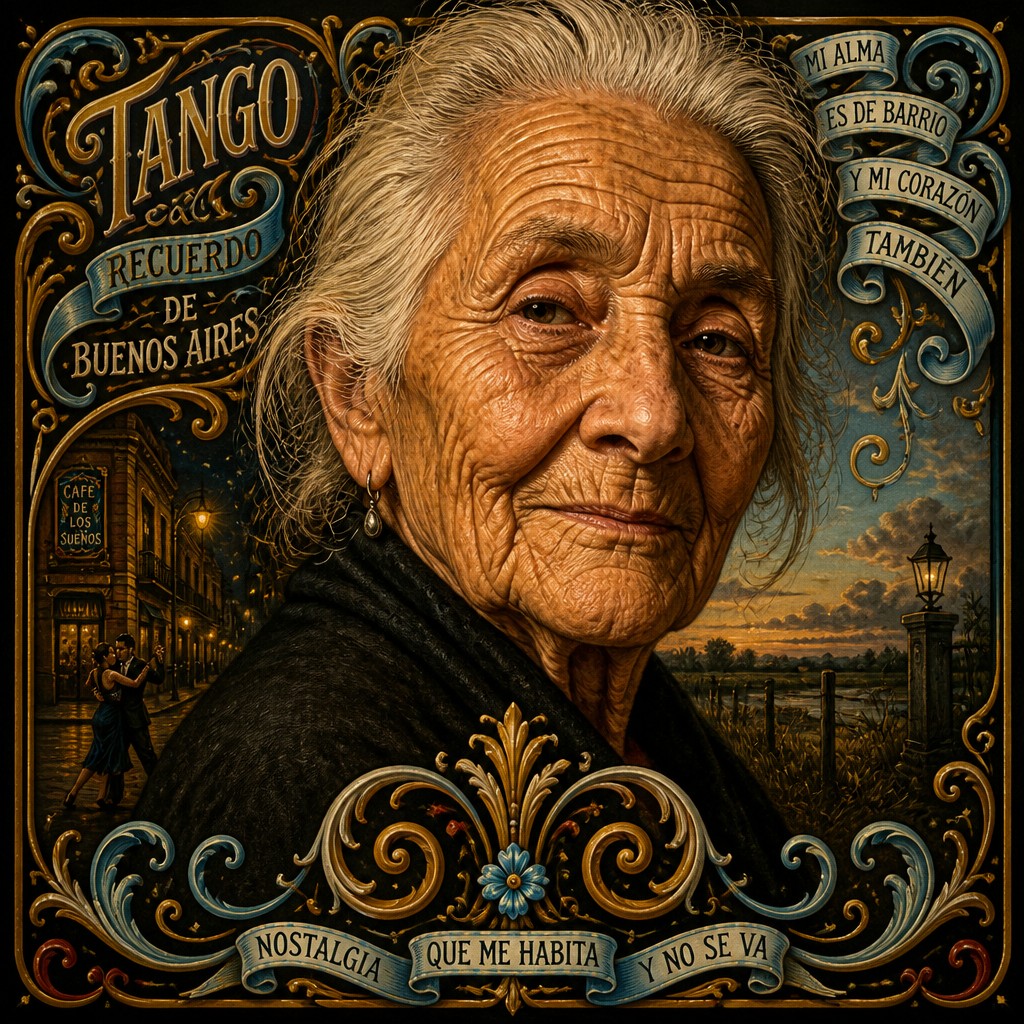
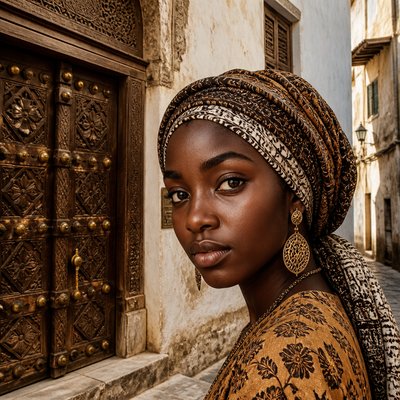
“close-up portrait of an elderly person with expressive weathered features”
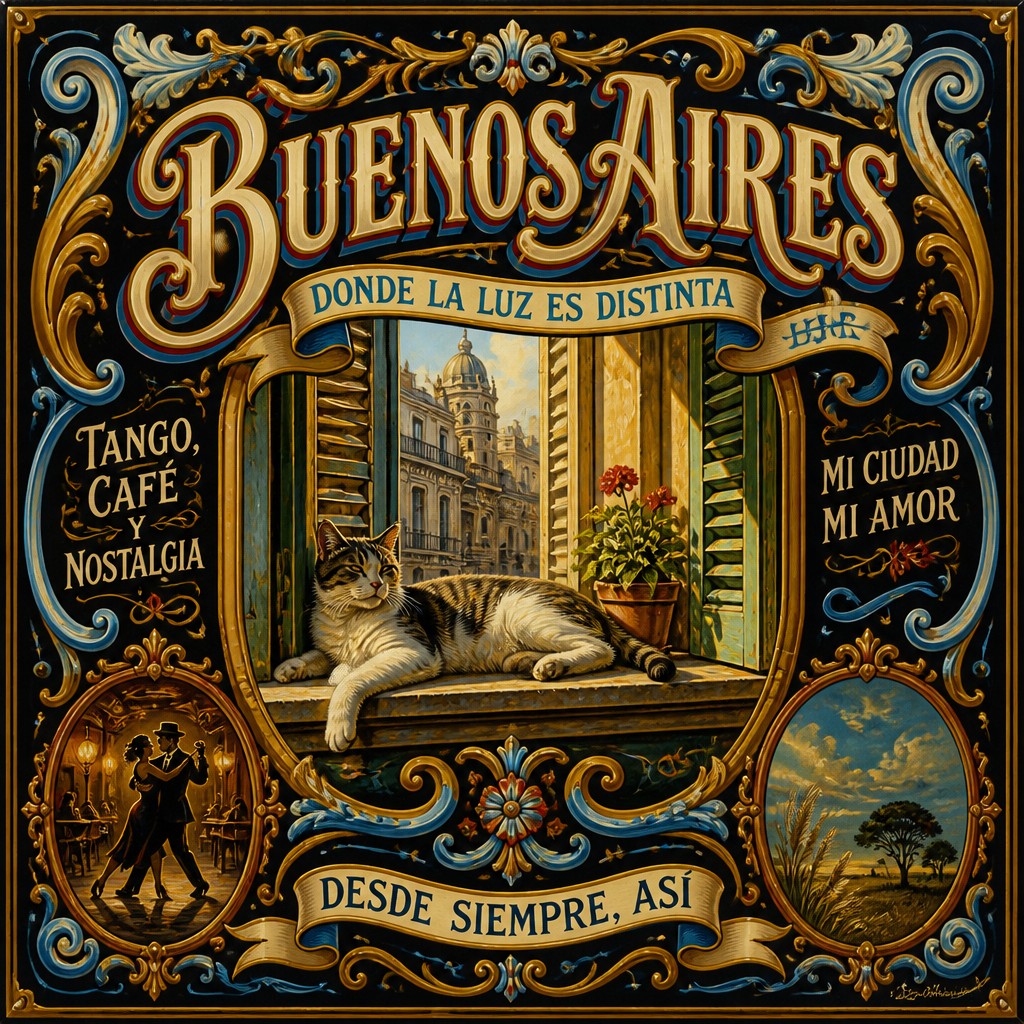
“a cat lounging in a sunlit window”
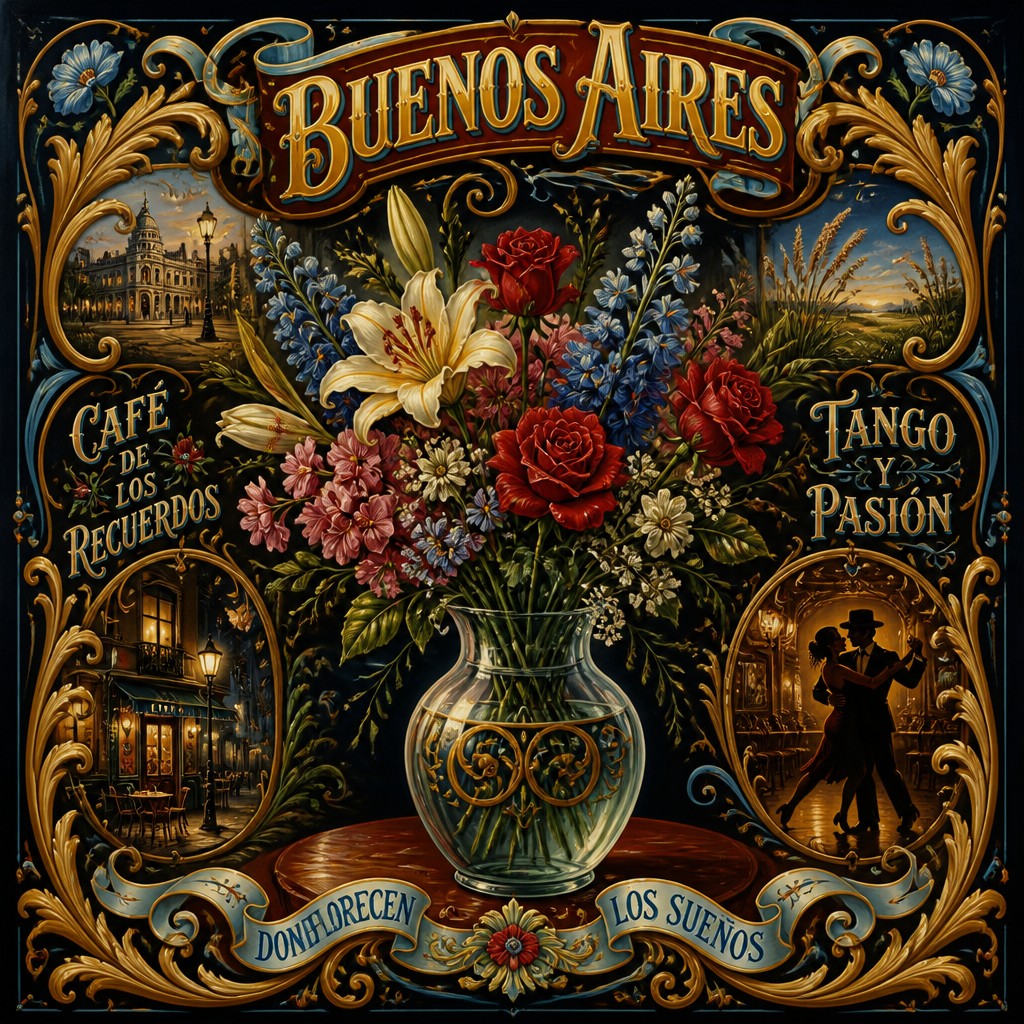
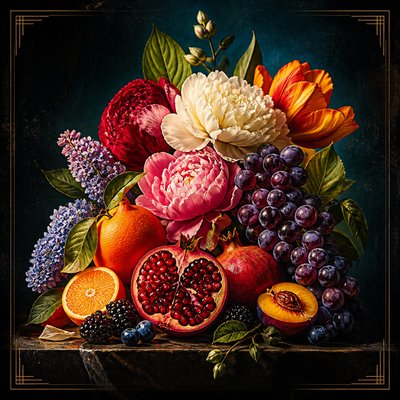
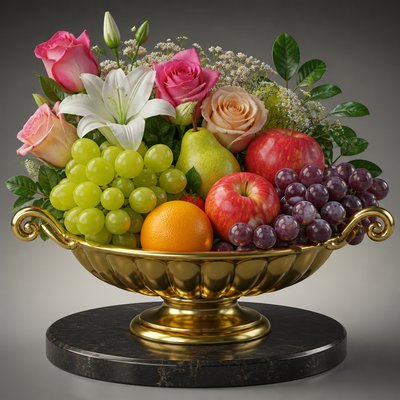
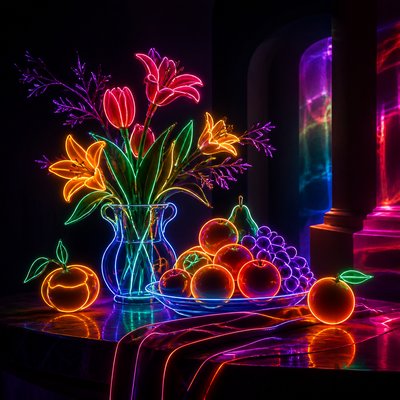
“bouquet of flowers in a glass vase”
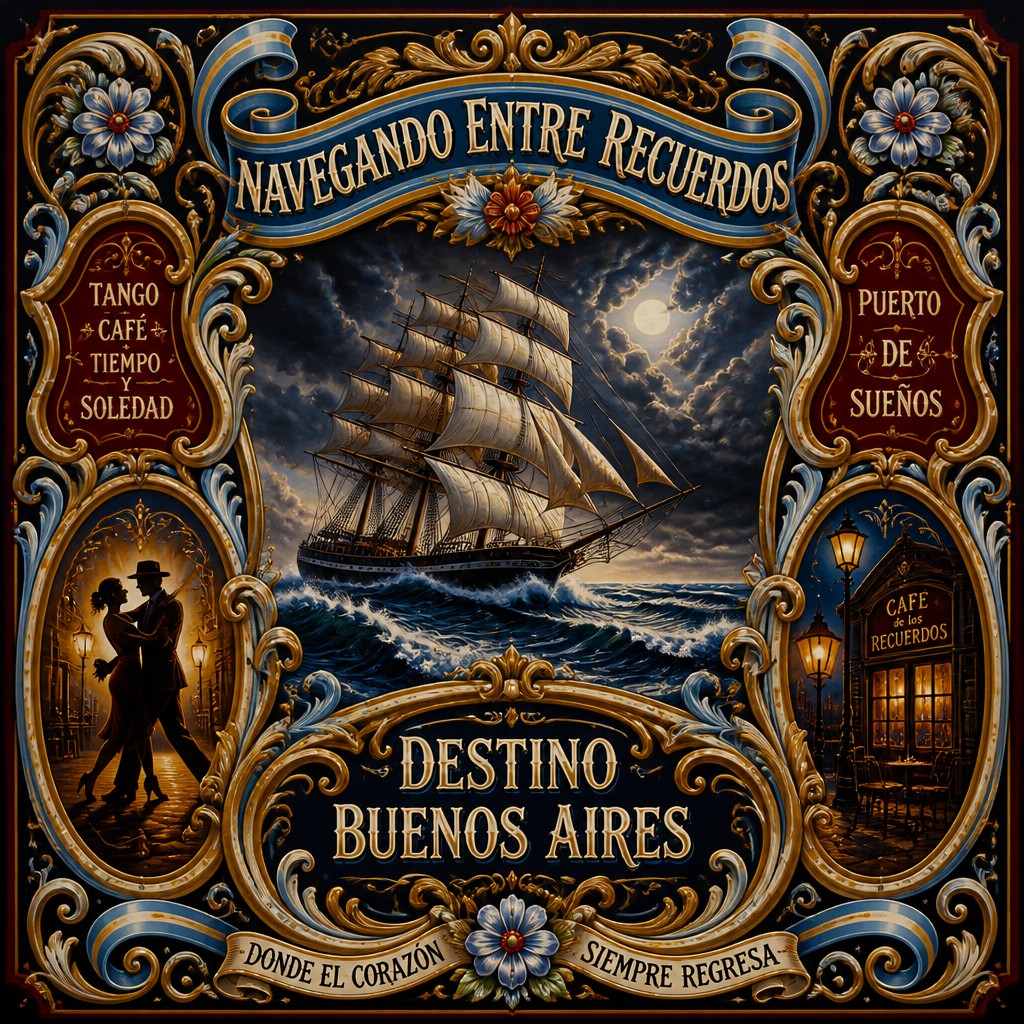
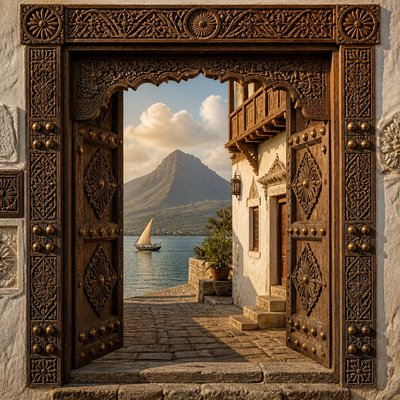
“sailing ship on a stormy sea”
How to Create Argentine Art
Master the craft step by step — or skip straight to creating. Read the full guide →
- 1
Build a symmetrical ornamental frame
Begin with a central axis and sketch mirrored scrolls, leaves, ribbons, and floral clusters around the subject. Keep the major curves confident and readable before adding fine filigree.
- 2
Use sign-painting color logic
Choose a deep ground, then add a limited palette of cream, sky blue, red or ochre, and gold. Apply dark outlines, interior highlights, and selective shadows to create dimensional painted lettering and ornament.
- 3
Establish the nocturnal setting
For tango or café scenes, place warm practical lights against cool blue-black shadows and include haze, reflections, or worn walls. For rural subjects, simplify the pampas into broad horizontal bands and a strong horizon.
- 4
Preserve handcrafted irregularity
In traditional media, use sign-painting brushes, enamel-like layers, and fine striping tools; in digital work, add textured edges, subtle paint wear, and slight asymmetry. Avoid making every curve mechanically perfect.
- 5
Compose like a poster or decorated panel
Use a clear central subject, strong silhouette, and ornamental border rather than an overly dispersed scene. Leave enough contrast between the focal image and decorative details for both to remain legible.
- 6
Prompt with concrete visual instructions
Describe the subject first, then specify fileteado porteño scrolls, ornamental lettering, deep grounds, cream and sky-blue accents, tango lighting, or pampas scenery. Add composition, period mood, surface texture, and lighting direction to control the result.
The Story
History & Origins of Argentine
This style is best understood as an aesthetic synthesis, not as a formally defined historical movement. Its principal lineage is fileteado porteño, a decorative craft that developed in Buenos Aires during the late nineteenth and early twentieth centuries on carts, vehicles, shopfronts, signs, and commercial surfaces. Fileteado drew on European ornamental painting, signwriting, floral decoration, and locally adapted popular imagery; it later became strongly associated with Buenos Aires identity and was recognized as intangible cultural heritage in the early twenty-first century.
The broader atmosphere also draws from tango’s urban culture, Argentine poster and sign-painting traditions, café nocturnes, national landscape imagery, and nostalgic popular illustration. Contemporary artists and image-makers frequently recombine these sources with vintage graphic design, cinematic lighting, and digital compositing, producing an evocative hybrid rather than reproducing any one historical artifact.
Influences: The style relates most closely to fileteado porteño, tango and Río de la Plata popular culture, Latin American sign painting, European ornamental design, Art Nouveau-derived botanical curves, vintage travel posters, circus and theatrical graphics, and vernacular café illustration. It also shares the bold outlines and emblematic composition of commercial lettering, while its nocturnal scenes connect to urban romanticism and cinematic noir. The pampas imagery introduces a separate lineage of landscape symbolism and rural popular art.

Frequently Asked Questions
What defines Argentine art style?
Its defining combination is fileteado porteño ornament, expressive hand-painted lettering, deep contrasting colors, and scenes associated with tango, Buenos Aires cafés, or the pampas. The style is atmospheric as well as decorative, balancing elaborate borders with nostalgia and urban romance.
Is Argentine art style a formal historical art movement?
No. The term is generally a broad contemporary label for a hybrid aesthetic. Its strongest historical foundation is fileteado porteño, while tango imagery, sign painting, vintage poster design, and Argentine landscape symbolism provide additional visual sources.
How is it different from Art Nouveau?
Both may use flowing botanical curves and ornamental symmetry, but Argentine art style is more closely tied to painted signs, popular vehicles, tango culture, café life, and local lettering traditions. Its palettes, slogans, borders, and emblematic imagery often feel more vernacular and theatrical than the refined architectural decoration associated with Art Nouveau.
What colors work best for this style?
A deep base of navy, black, burgundy, dark green, or brown provides a strong foundation. Use cream, sky blue, ochre, red, and gold as controlled accents, with bright highlights reserved for lettering, edges, and ornamental details.
Where is this visual style commonly used?
It suits posters, murals, album covers, editorial illustrations, café and restaurant graphics, packaging, signage, apparel, invitations, and decorative panels. It is especially effective when the subject involves music, nightlife, travel, heritage, or nostalgic urban scenes.
How can I create an image in this style without making it look cluttered?
Choose one clear focal subject and place ornament around it rather than across every surface. Limit the palette, establish a strong central axis, vary the scale of decorative elements, and keep lettering or filigree away from the most important facial or structural details.

Create your first Argentine artwork
Describe anything — or upload a photo — and see it in Argentine Art Style in seconds.
Related Styles
Discover similar art styles