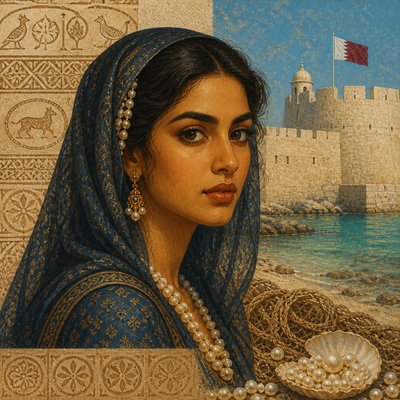
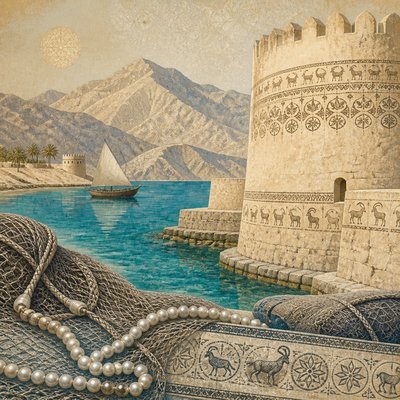
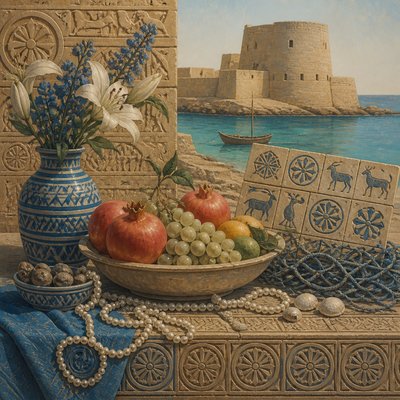
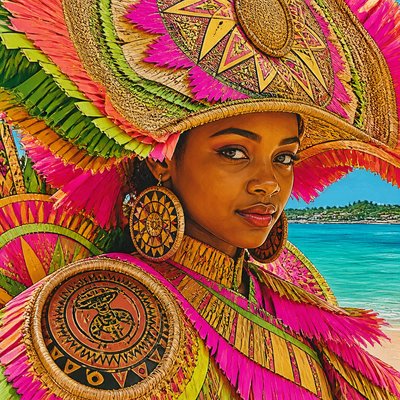
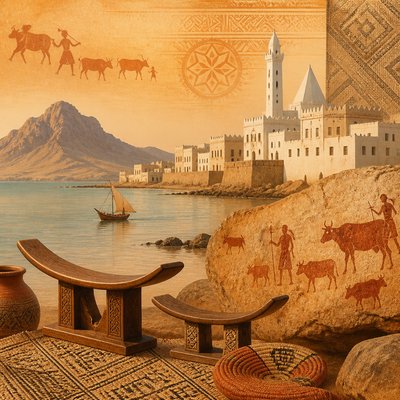
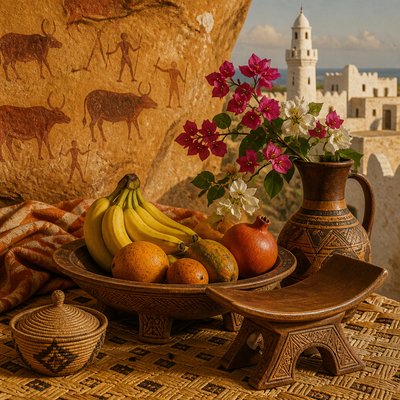
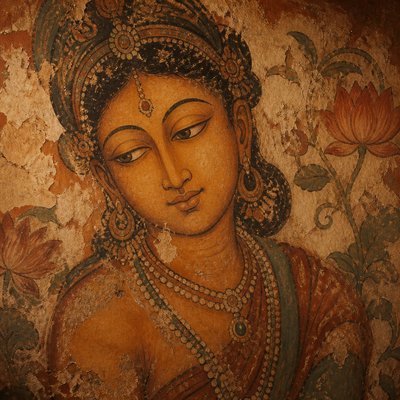
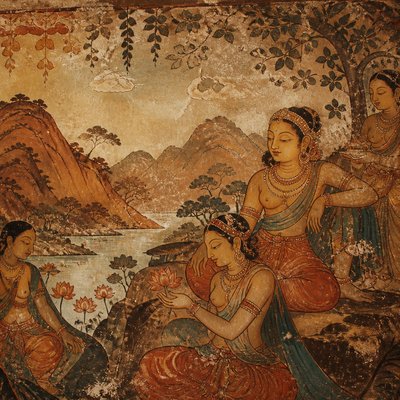
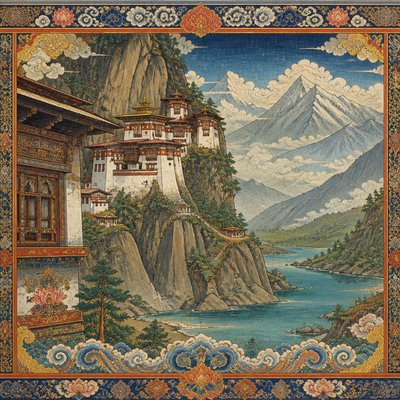
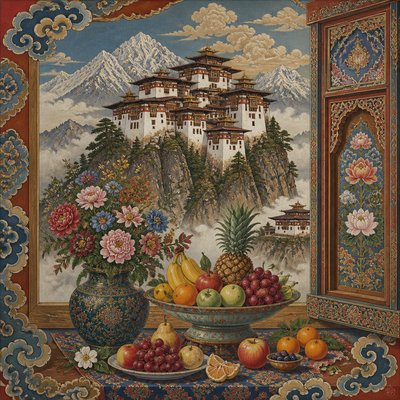
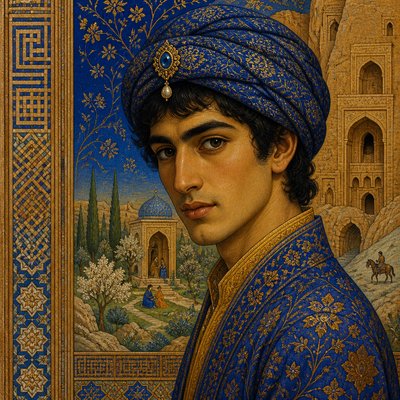
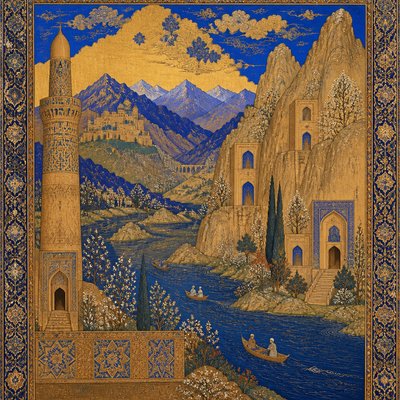
Ancient Egyptian Art Style
Explore Ancient Egyptian art: profile figures, hieroglyphic registers, symbolic proportions, and enduring mineral colors shaped by ritual and the afterlife.
Instantly rendered in Ancient Egyptian — or transform a photo
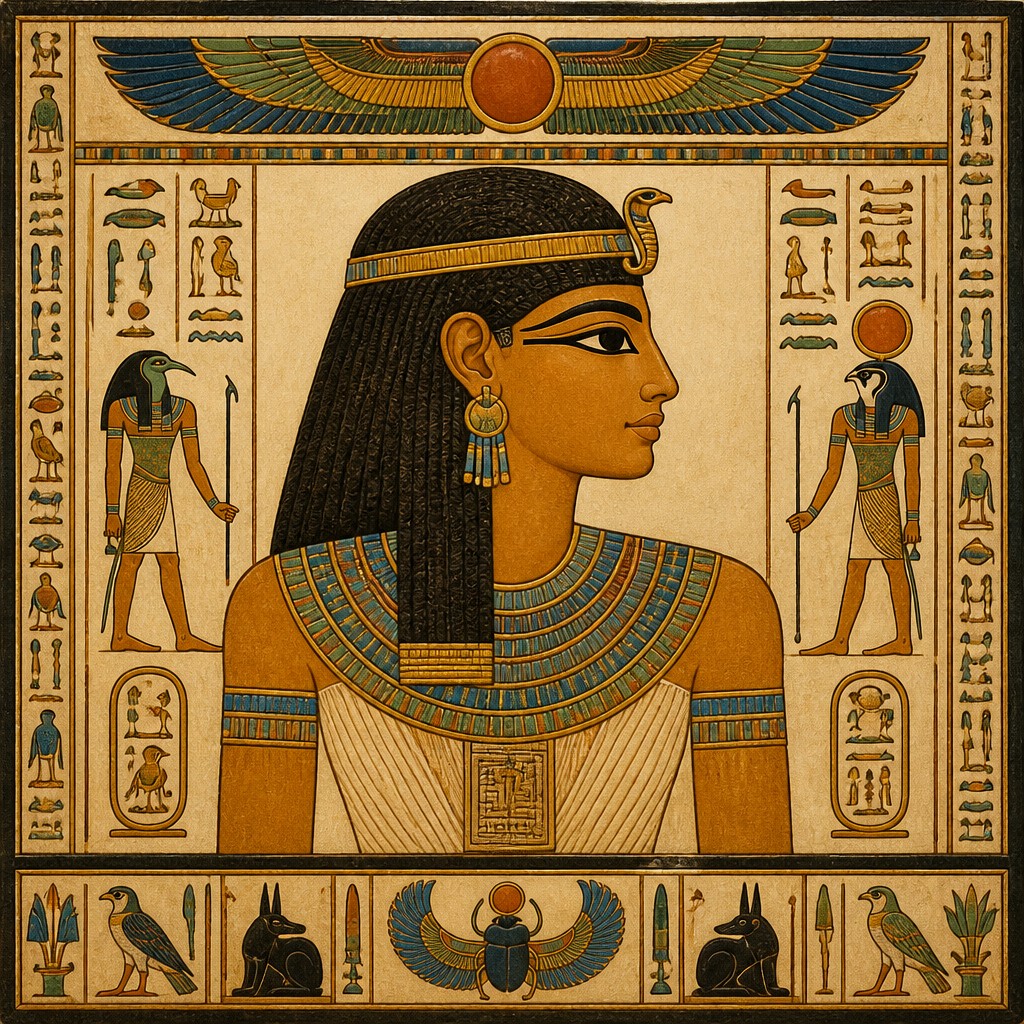
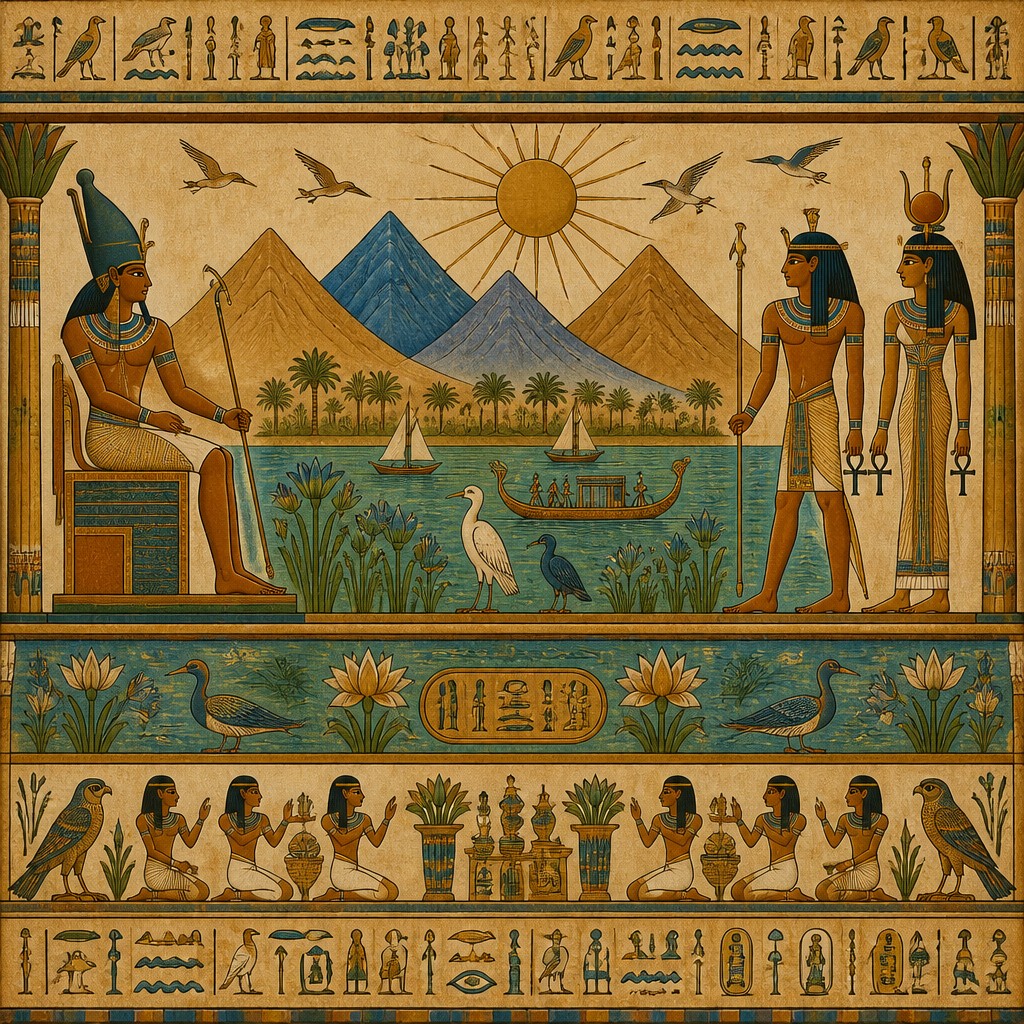
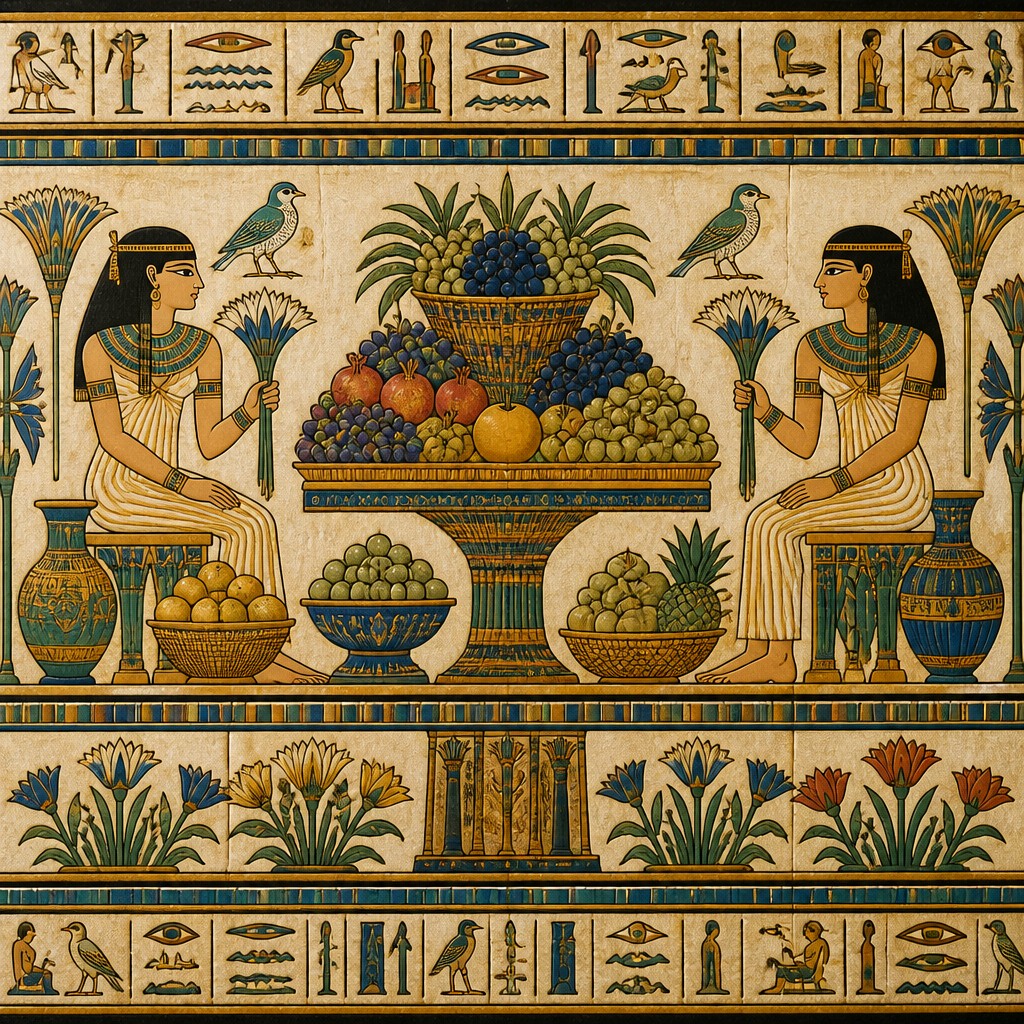
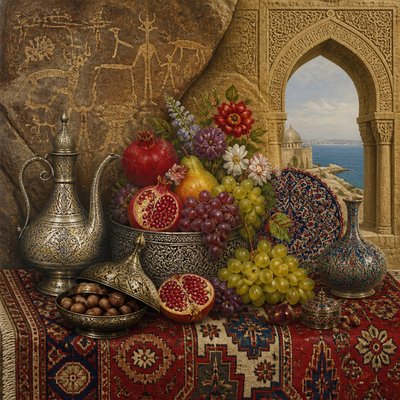
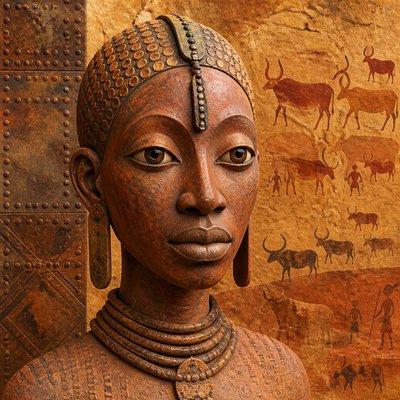
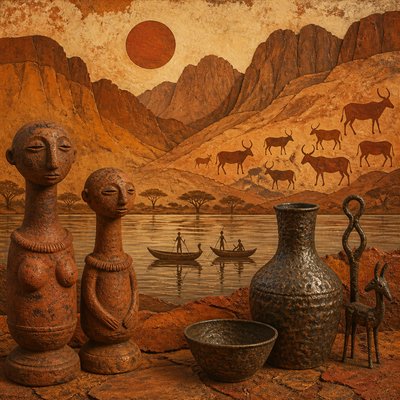
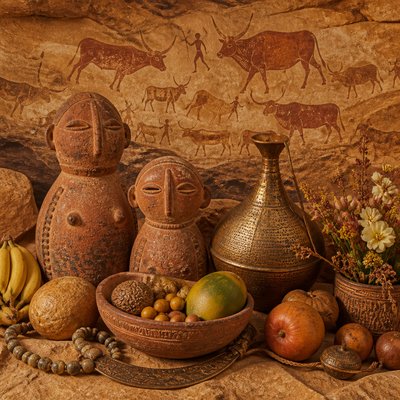
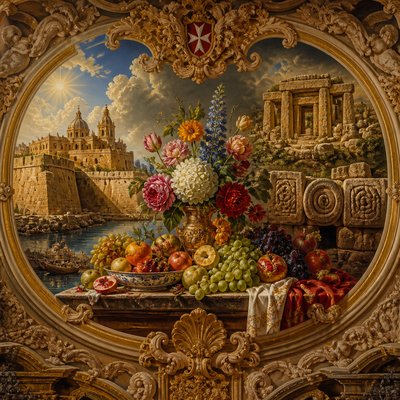
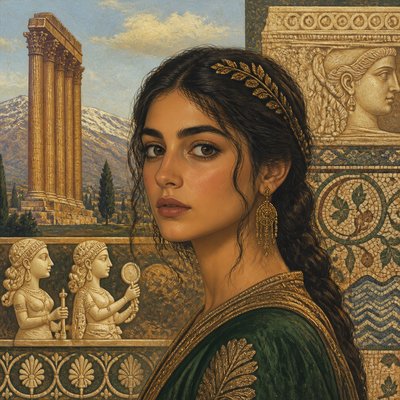
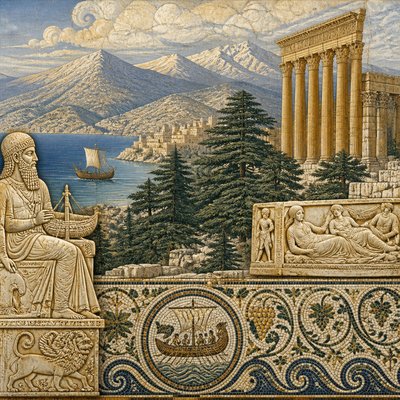
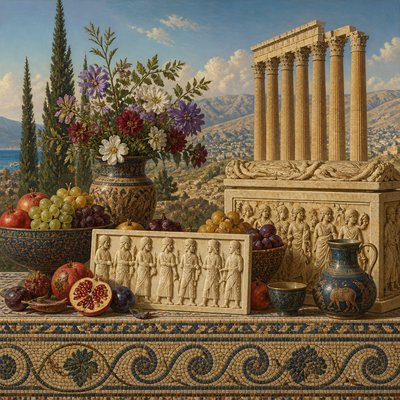
Ancient Egyptian Gallery
Tap any artwork to explore it
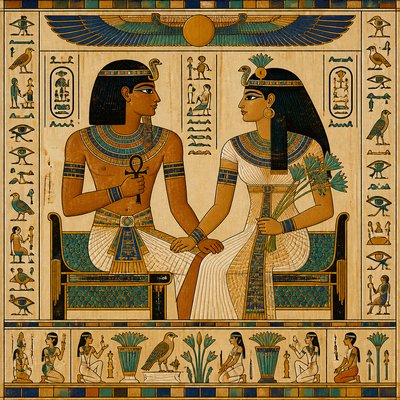
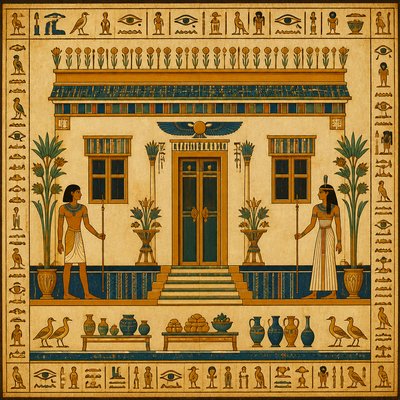
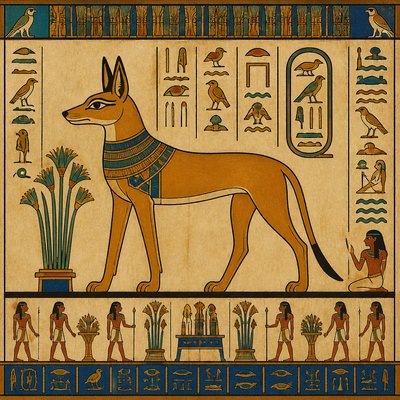
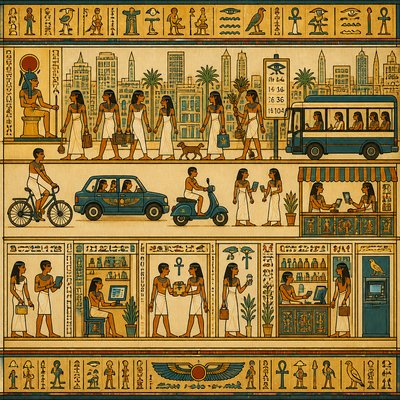
What is Ancient Egyptian Art Style?
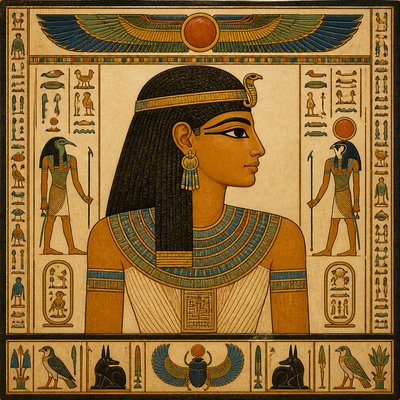
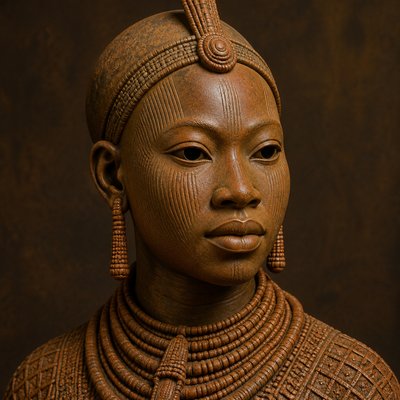
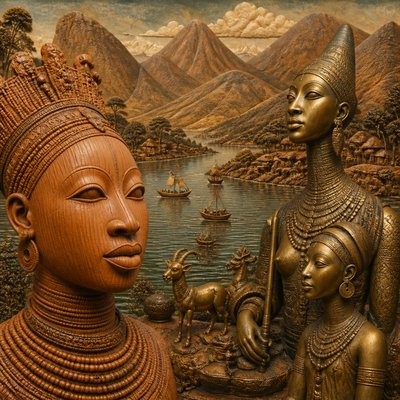
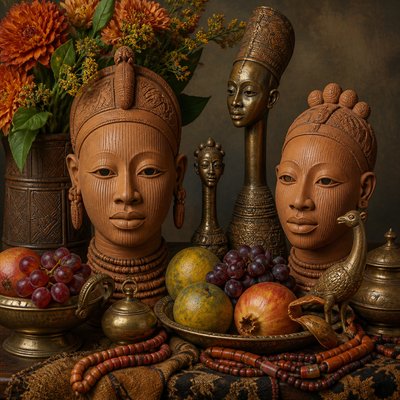
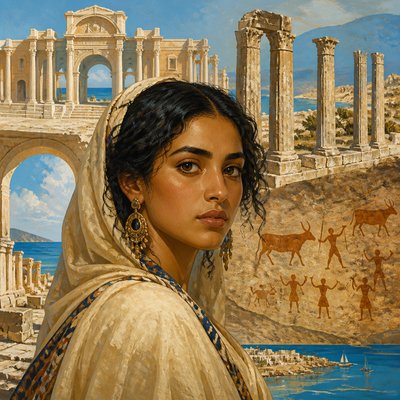
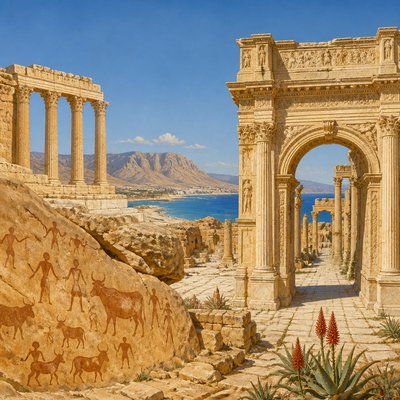
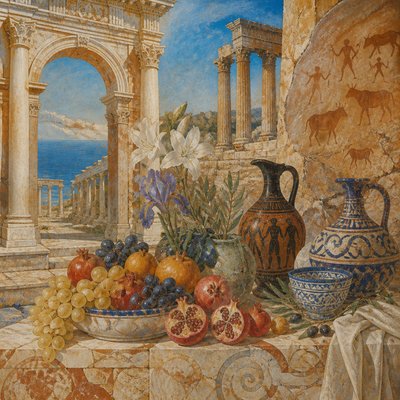
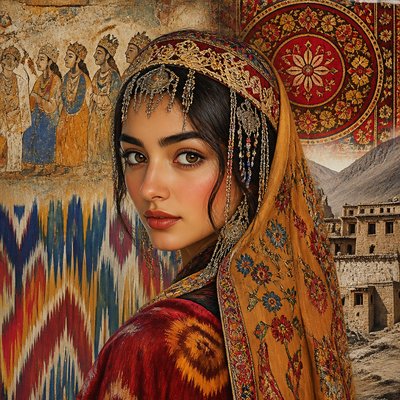
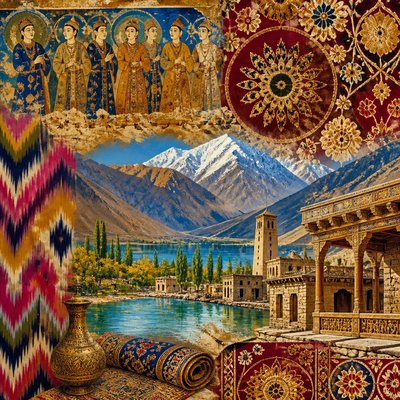
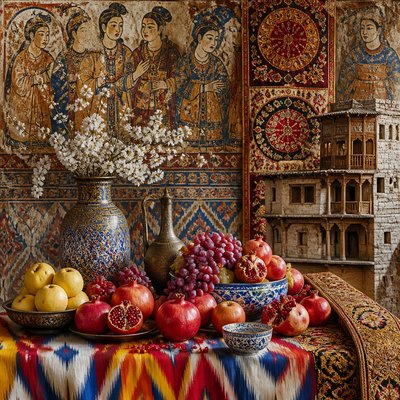
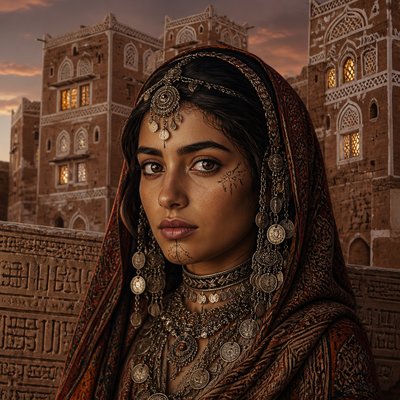
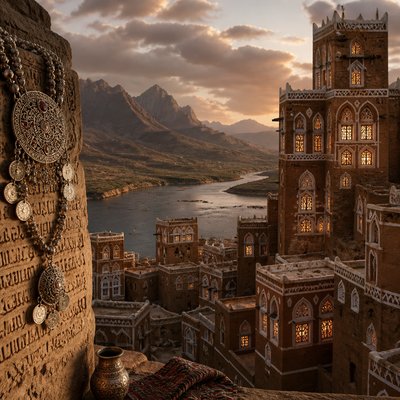
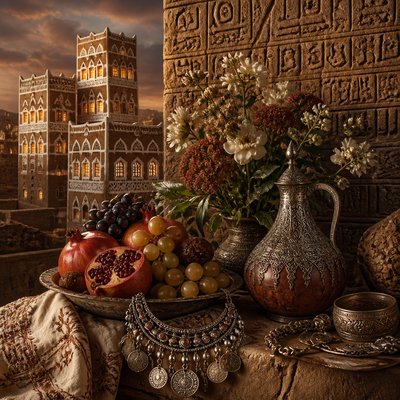
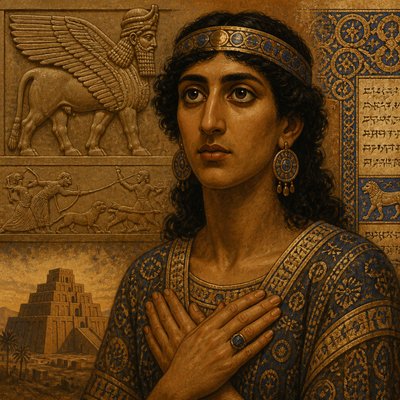
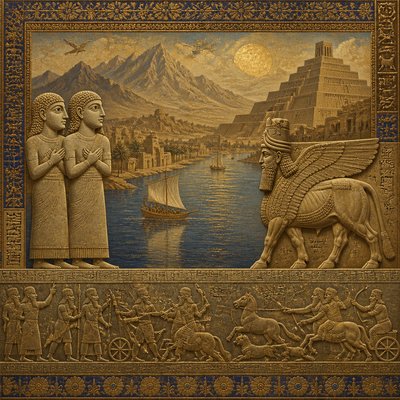
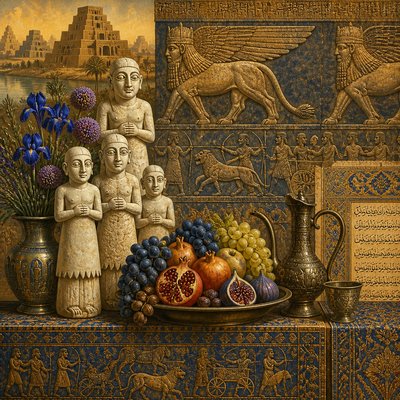
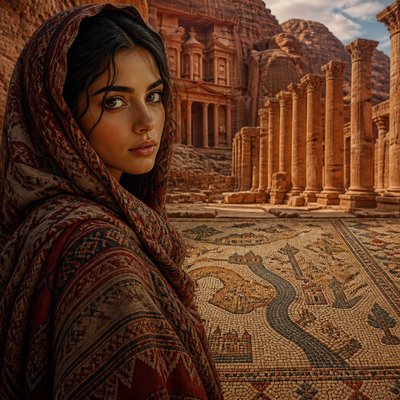
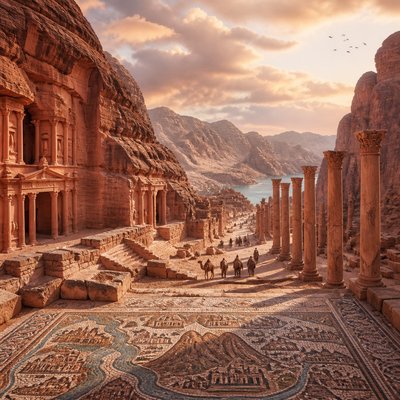
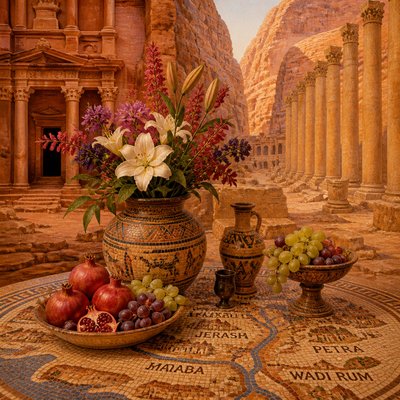
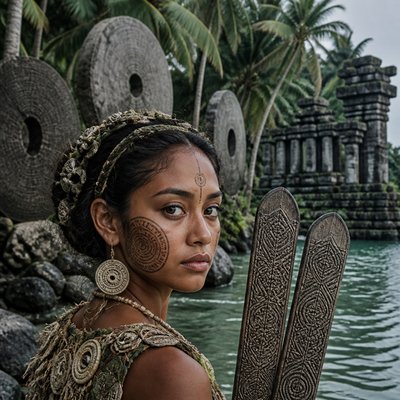
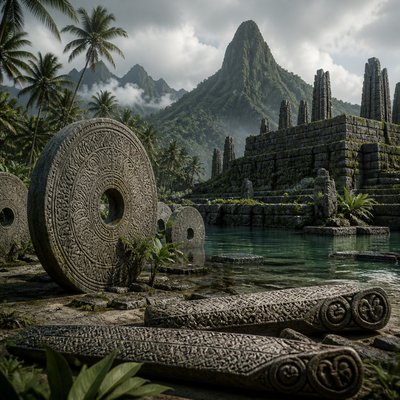
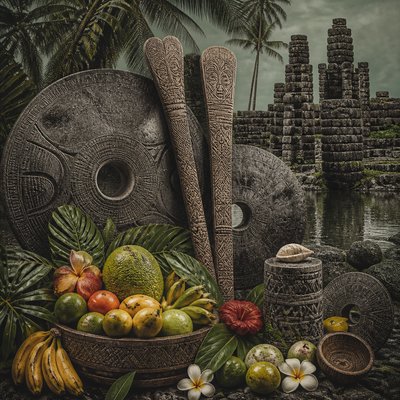
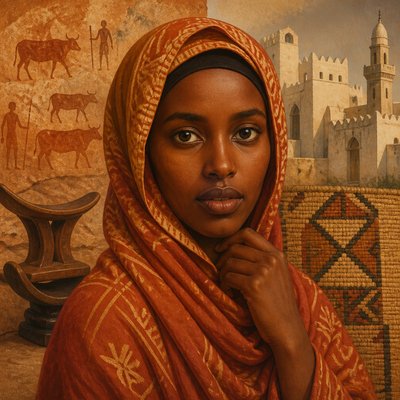
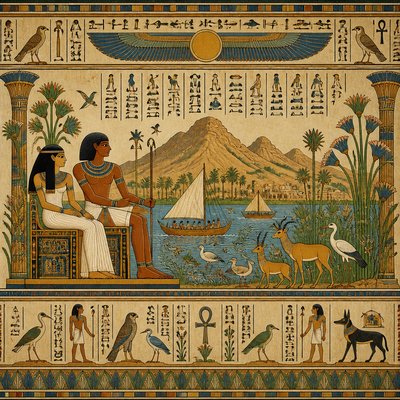
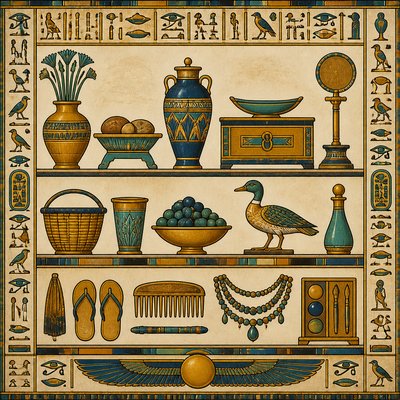
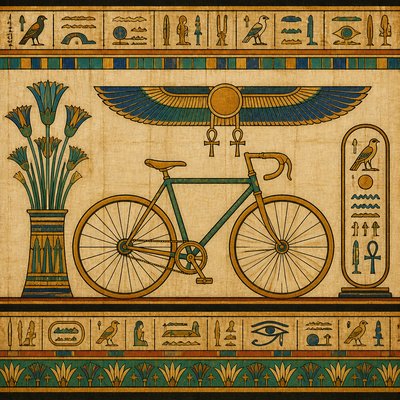
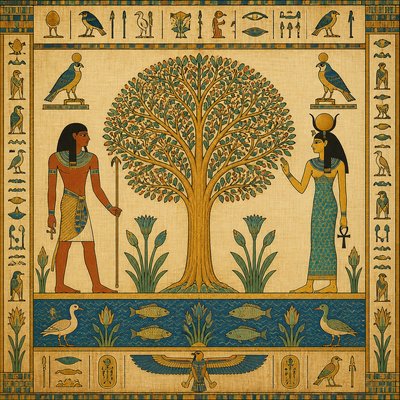
Ancient Egyptian art is a highly ordered visual tradition developed along the Nile over more than three millennia, from the Early Dynastic Period through the Roman incorporation of Egypt. Its recognizable language combines profile heads and legs with frontal shoulders and eyes, idealized bodies, symbolic gestures, horizontal registers, hieroglyphic inscriptions, and carefully controlled color. Images appear on temple walls, tombs, coffins, papyrus, sculpture, jewelry, and objects used in ritual or daily life.
This art was created to preserve identity, status, religious knowledge, and offerings beyond death, rather than to depict changing appearance or individual perception. Scale, placement, posture, color, and inscription communicated meaning. Durable mineral pigments, crisp contour lines, repeated formulas, and architectural order gave Egyptian images a sense of permanence and ceremonial clarity.
Try It On Your Photos
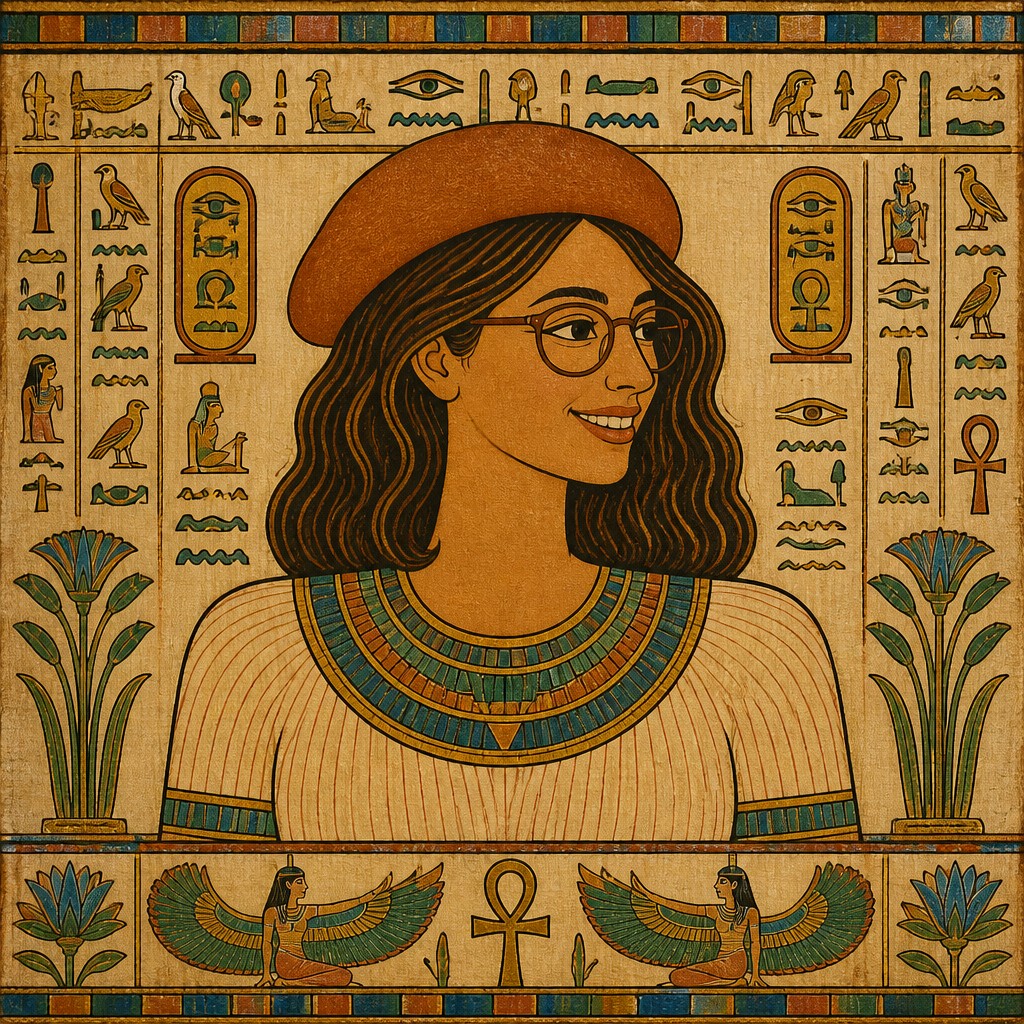
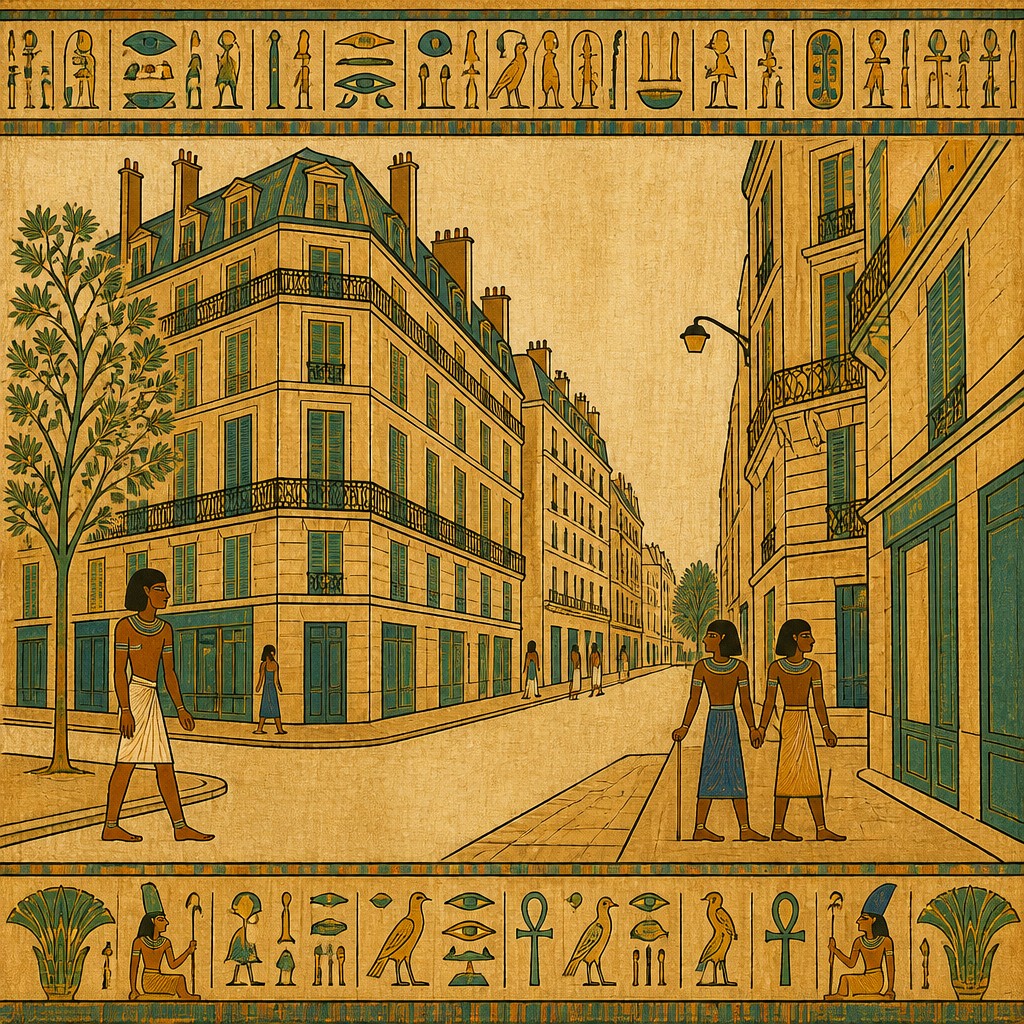
Upload any photo and convert it into Ancient Egyptian Art Style — drag the sliders to compare before and after.


What Defines Ancient Egyptian Art Style
The signature details, up close
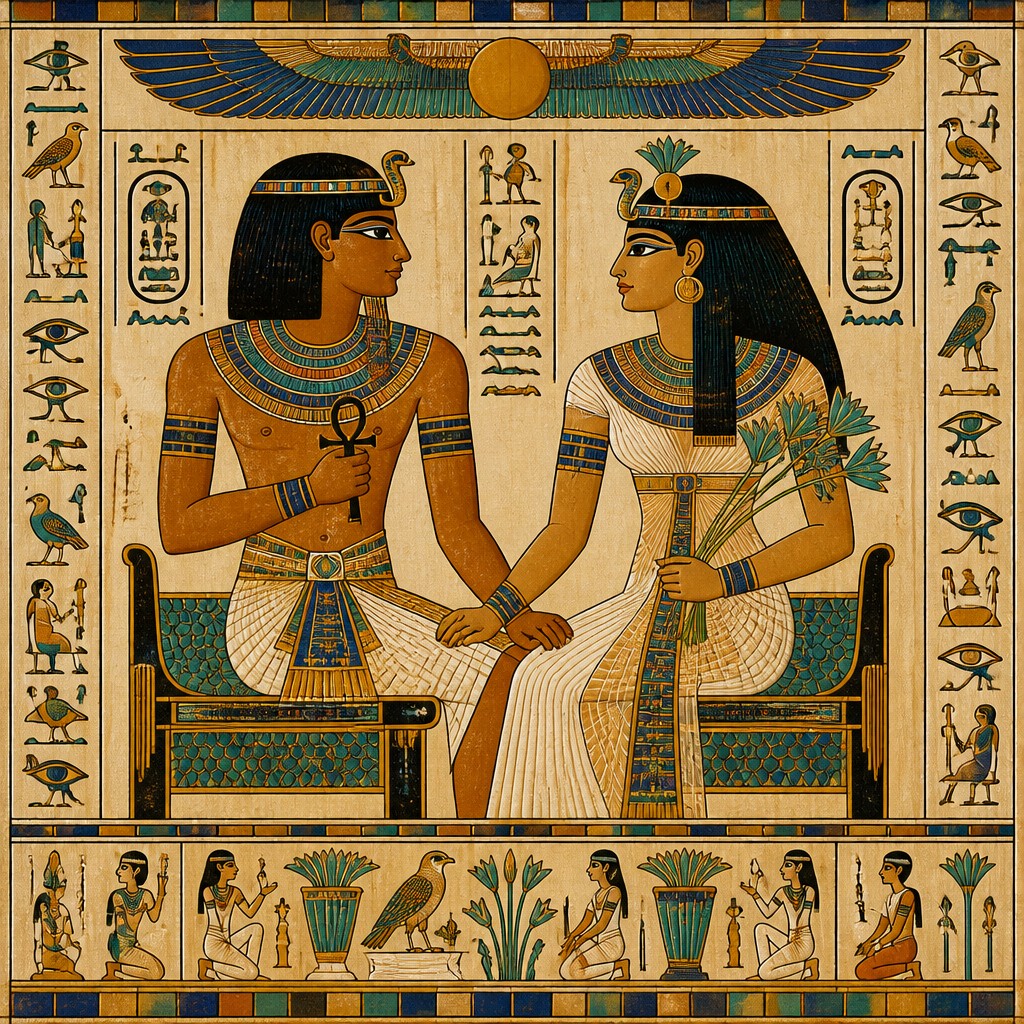
Composite profile view
Heads, arms, and legs are commonly shown in profile, while the eye, shoulders, and torso may be presented frontally. This composite view communicates the most identifiable aspects of each body part rather than a single optical viewpoint.
Ordered registers
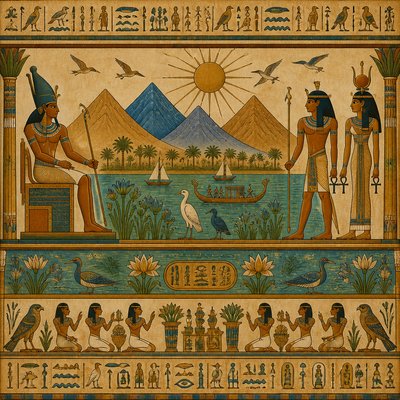
Scenes are arranged in horizontal bands or carefully structured zones, often separated by ground lines, architectural elements, or decorative borders. Registers organize narrative sequence, social hierarchy, and movement through pictorial space.
Hieroglyphic integration
Hieroglyphs function as writing, image, label, and sacred presence at once. Text may identify figures, record speech, invoke deities, or provide magical protection, and its placement is composed as part of the overall design.
Symbolic proportion and scale
Figures follow established grids and proportions, while relative size indicates rank or importance rather than physical distance. Royal and divine figures are often enlarged in relation to attendants, enemies, or laborers.
Mineral color palette
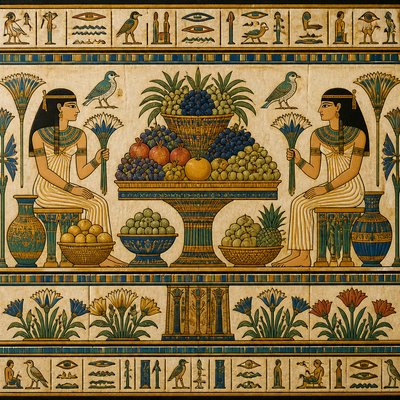
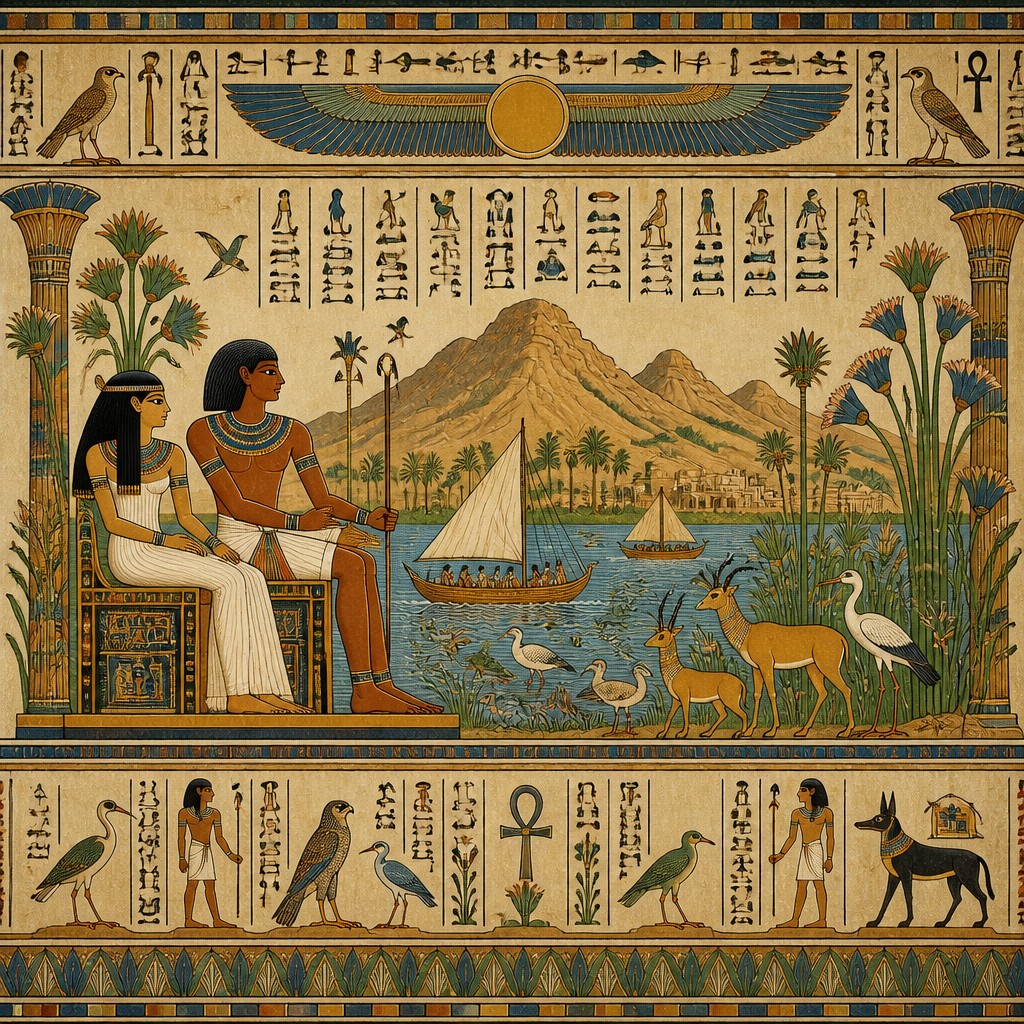
Common colors include limestone white, carbon black, red and yellow ochres, blue, green, and gold. Pigments derived from minerals and carbon were applied in flat, opaque areas, with color carrying symbolic associations such as vitality, fertility, solar power, or regeneration.
Crisp contour and flat planes
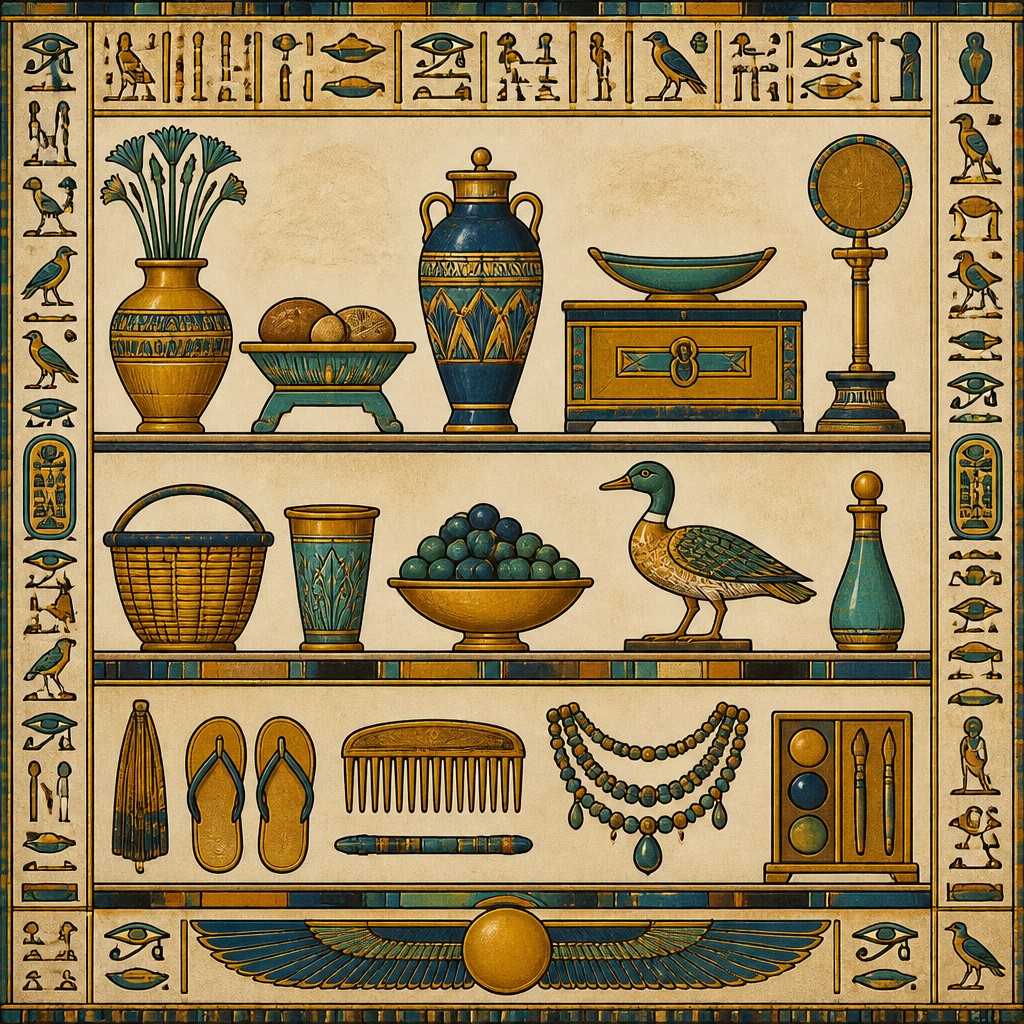
Strong outlines define figures, objects, and inscriptions, while shading is limited compared with later naturalistic traditions. Clarity, durability, and recognition take priority over atmospheric modeling.
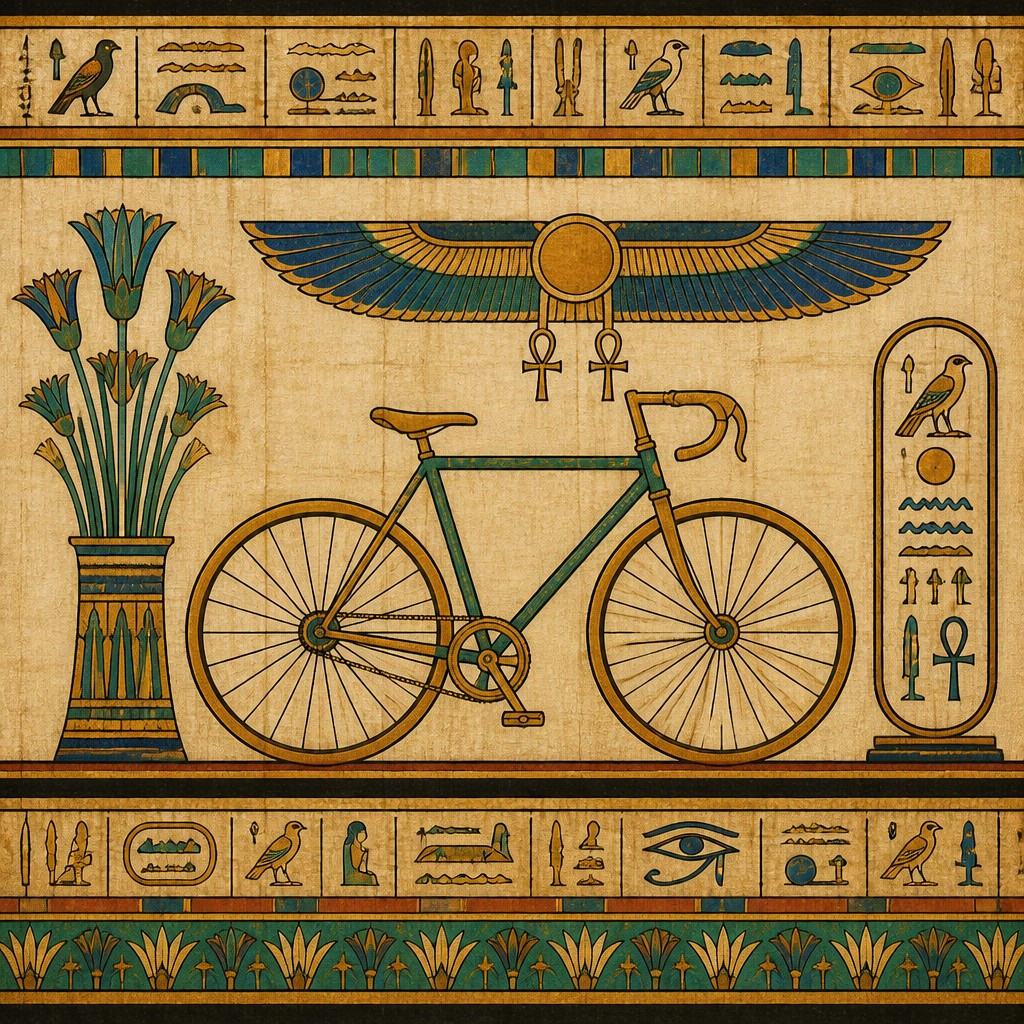
Ceremonial symmetry and repetition
Frontality, mirrored arrangements, repeated poses, and rhythmic motifs create visual stability. Symmetry is especially important in scenes involving deities, royal authority, temple architecture, and protective imagery.
Try It
Create Videos in Ancient Egyptian Art Style
Styles aren't just for stills — describe a scene or animate an image and get a short video rendered in Ancient Egyptian. Press play to see this pond come to life.
Make a VideoAncient Egyptian Prompt Ideas
Start from an idea — each one opens the generator with the style ready to go. See all 40 Ancient Egyptian prompts →
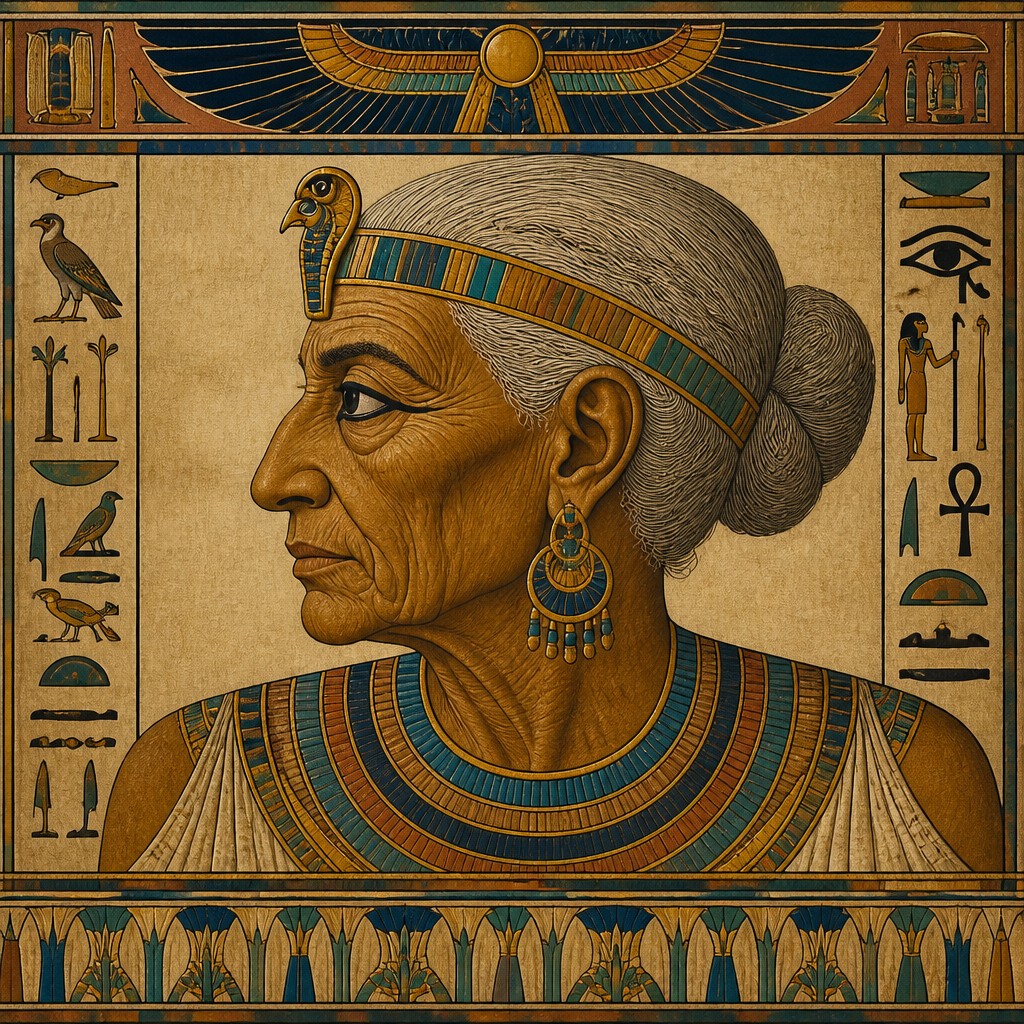
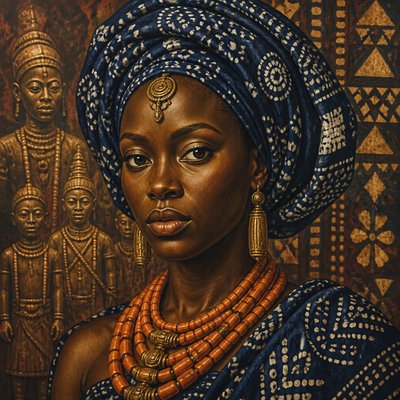
“close-up portrait of an elderly person with expressive weathered features”
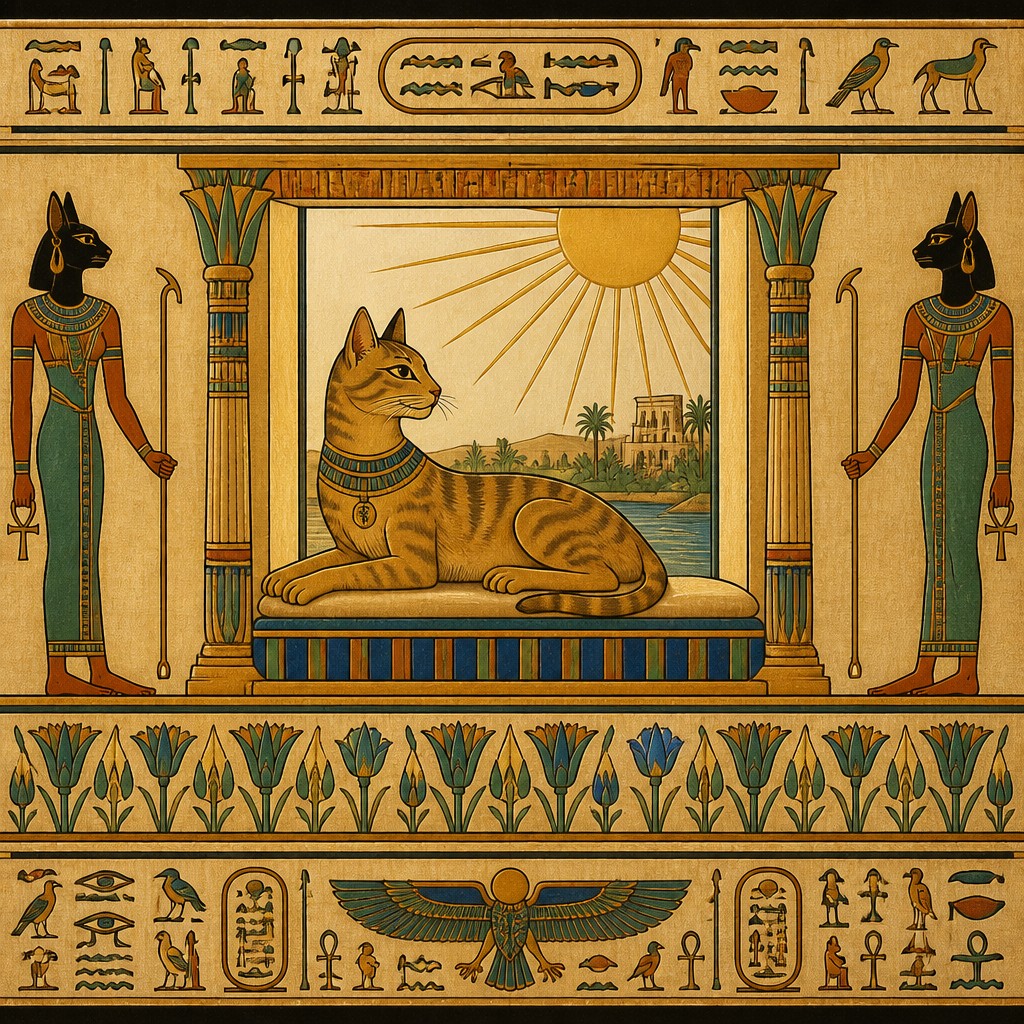
“a cat lounging in a sunlit window”
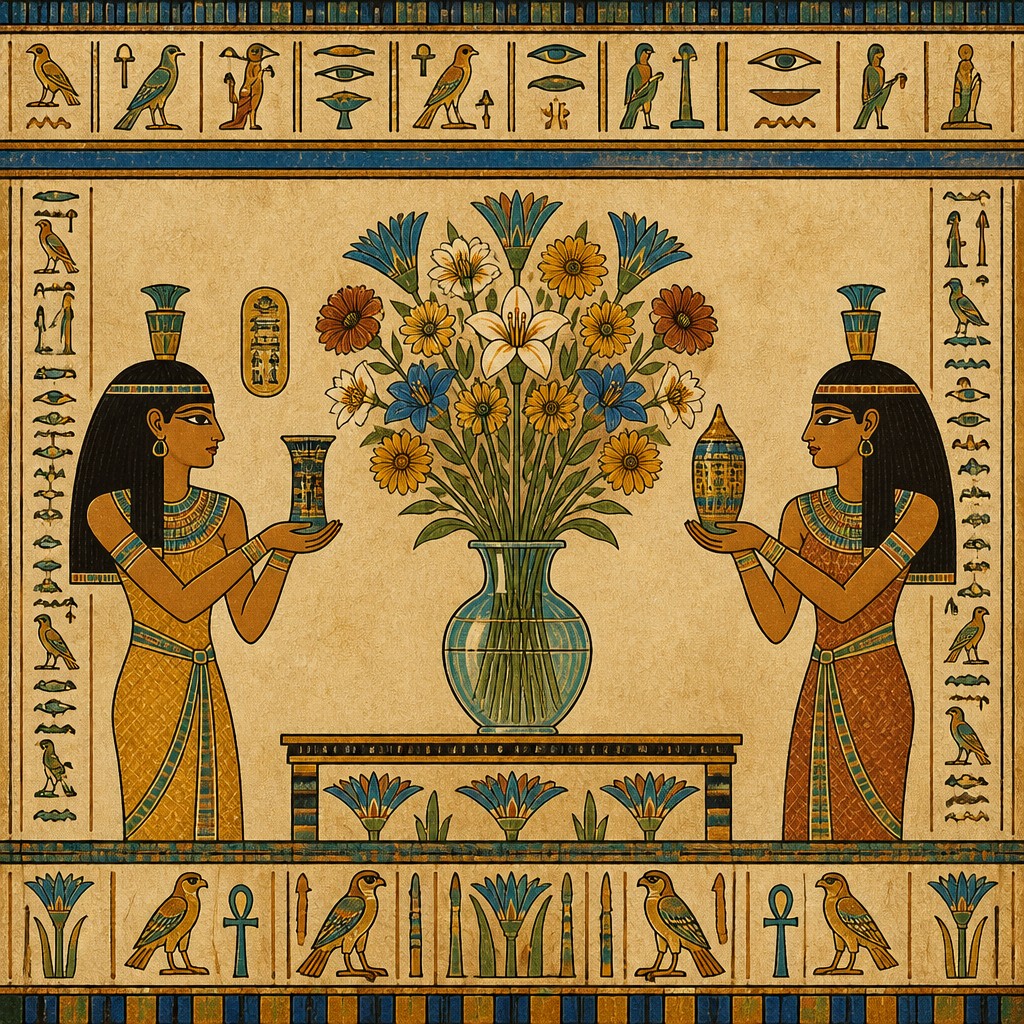
“bouquet of flowers in a glass vase”
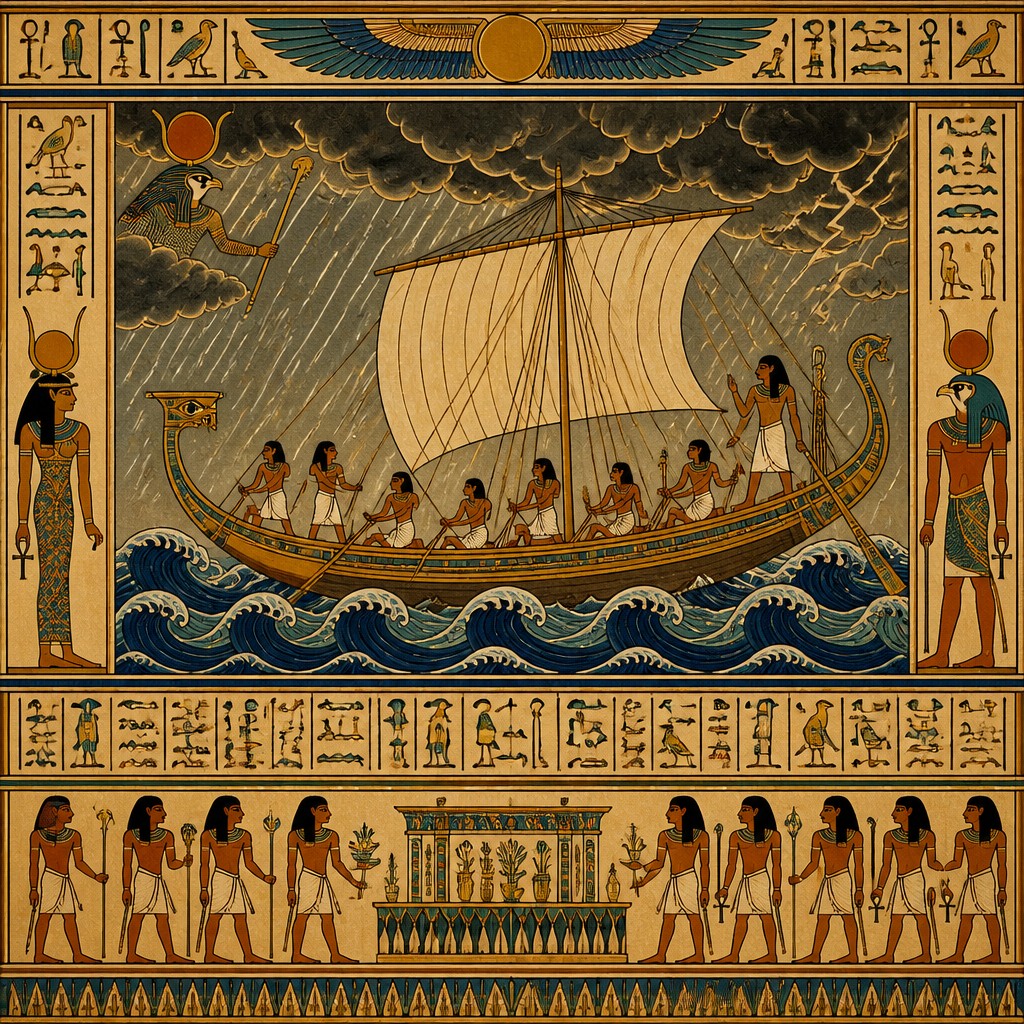
“sailing ship on a stormy sea”
How to Create Ancient Egyptian Art
Master the craft step by step — or skip straight to creating. Read the full guide →
- 1
Build a compositional grid
Divide the image into horizontal registers and establish a baseline for each scene before adding figures. Use a consistent proportional grid for bodies, while varying scale to indicate status or narrative importance.
- 2
Use the composite figure
Draw the head, arms, and legs in profile, then turn the shoulders and torso toward the viewer. Keep poses deliberate and readable, avoiding foreshortening and spontaneous perspective.
- 3
Limit and layer the palette
Work with ochre red, yellow, black, white, blue, green, and selective gold or turquoise. In traditional media, use opaque mineral-like pigments over papyrus, plaster, wood, or a warm limestone ground; digitally, preserve the same flat areas and restrained texture.
- 4
Integrate writing and borders
Treat hieroglyph-like signs, rosettes, lotus forms, winged motifs, and border bands as structural elements rather than random decoration. For historically responsible work, use verified translations or clearly invented non-linguistic marks instead of presenting meaningless symbols as authentic text.
- 5
Compose a focused prompt
Specify the subject, its pose, the number of registers, the material ground, mineral colors, black contours, and degree of symmetry. A prompt such as “royal procession beside a lotus pond, three horizontal registers, papyrus ground, ochre and lapis pigments, crisp contour lines” gives a text-to-image system concrete visual constraints.
- 6
Refine digitally or from a photograph
For image transformation, simplify complex lighting, flatten perspective, separate the subject into readable color planes, and add an organized border or register structure. Preserve recognizable anatomy and important details before applying texture, outlines, and symbolic ornament.
The Story
History & Origins of Ancient Egyptian
The tradition emerged during the formation of the Egyptian state in the late fourth and early third millennium BCE, when funerary objects, royal monuments, hieroglyphic writing, and formalized human representation developed together. Conventions became especially established during the Old Kingdom and continued through the Middle and New Kingdoms, although proportions, themes, materials, and degrees of naturalism changed across periods and regions.
Temple and tomb decoration expanded in complexity over time, incorporating scenes of ritual, agriculture, warfare, mythology, and the journey through the afterlife. Later Egyptian art absorbed influences from neighboring cultures and, under Greek and Roman rule, sometimes combined Egyptian conventions with foreign forms. Even as styles evolved, the emphasis on legibility, symbolic order, and religious function remained central.
Influences: Ancient Egyptian art is closely related to Nile Valley religious practices, hieroglyphic writing, funerary culture, temple architecture, and the broader traditions of ancient West Asian and North African visual communication. Its legacy can be seen in Egypt-inspired decorative arts, archaeological illustration, modern graphic design, fantasy imagery, ceremonial mural painting, and contemporary appropriations of papyrus textures, scarabs, lotus motifs, and profile conventions. These later uses should be distinguished from the historically specific meanings of the original works.
Frequently Asked Questions
What defines Ancient Egyptian art style?
Its defining features include composite-profile figures, frontal shoulders, idealized anatomy, horizontal registers, hieroglyphic inscriptions, symbolic scale, and flat mineral-based color. The style prioritizes religious efficacy, social order, and legibility over realistic perspective or momentary observation.
Why are figures shown with both profile and frontal views?
The composite convention was designed to show each body part in its clearest and most recognizable form. A profile communicates the direction of the head and legs, while frontal shoulders and a visible eye make the figure feel complete and legible.
How is this different from Greek or Roman classical art?
Ancient Egyptian art generally favors fixed proportions, symbolic scale, frontal or composite presentation, and ordered registers. Greek and Roman classical traditions more often emphasize volumetric anatomy, spatial depth, contrapposto, and the appearance of bodies in three-dimensional space, although cultural exchange produced overlapping forms in later Egypt.
What materials and pigments were used?
Artists worked on stone, plaster, wood, papyrus, pottery, metal, and other surfaces. Pigments included carbon black, white mineral pigments, red and yellow ochres, blue compounds, green pigments, and gold leaf or gilding for selected objects and surfaces; application methods varied by material and period.
Can modern artists use this style without copying an ancient artwork?
Yes. Begin with the formal principles—registers, composite anatomy, symbolic scale, limited colors, and integrated text—then create new subjects and compositions. Avoid presenting invented hieroglyphs, modern stereotypes, or decorative motifs as historically accurate Egyptian content without research.
Where was Ancient Egyptian art used?
It appeared in temples, tombs, palaces, houses, coffins, funerary papyri, statues, jewelry, tools, and everyday objects. Its purposes included worship, royal commemoration, funerary provision, protection, identity, historical record, and the maintenance of divine and social order.
Create your first Ancient Egyptian artwork
Describe anything — or upload a photo — and see it in Ancient Egyptian Art Style in seconds.
Related Styles
Discover similar art styles