AI Art Style
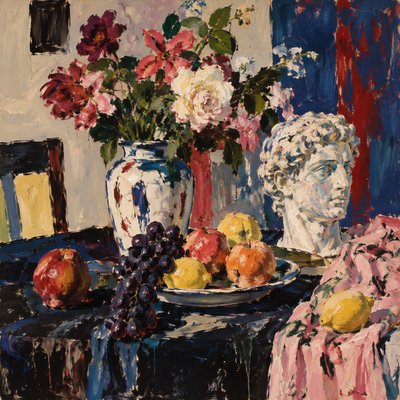
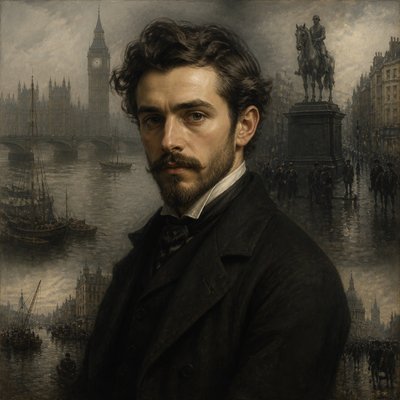
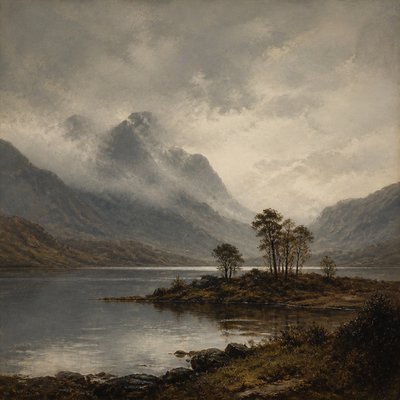
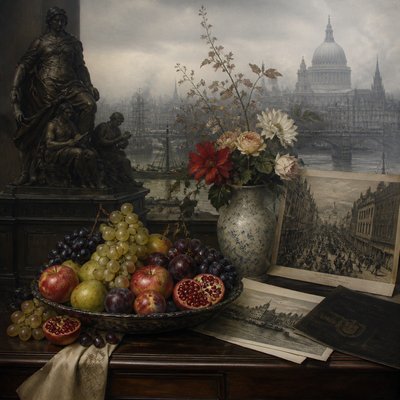
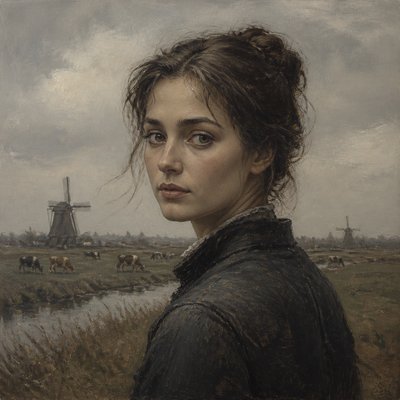
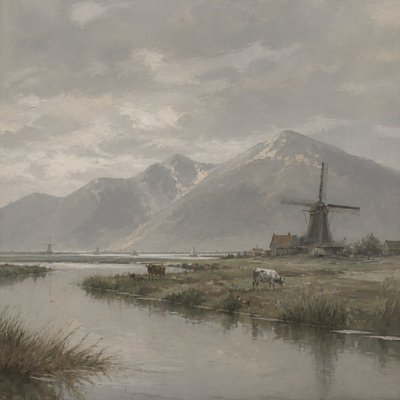
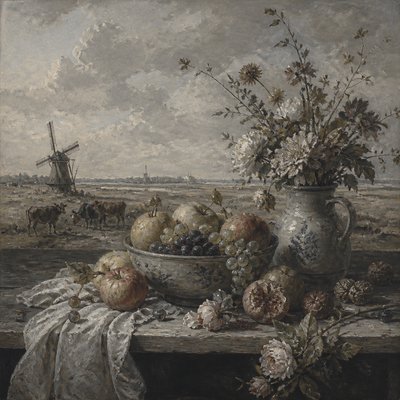
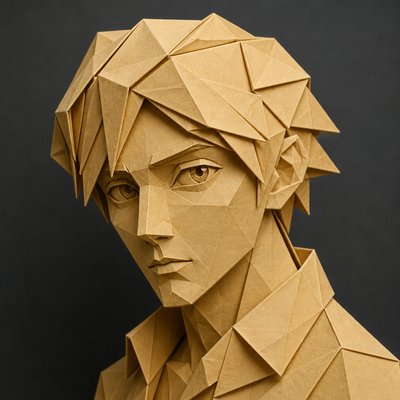
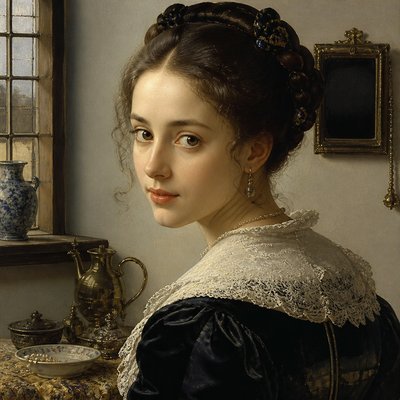
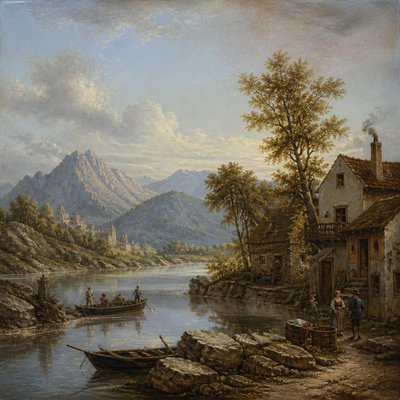
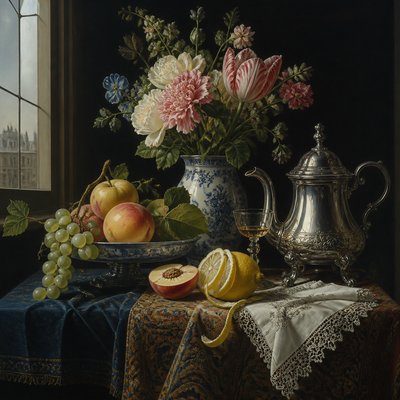
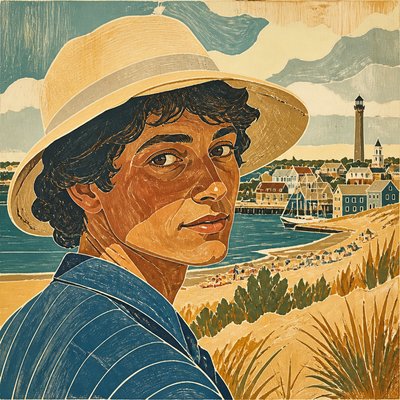
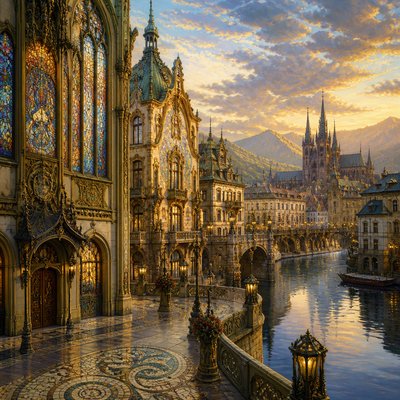
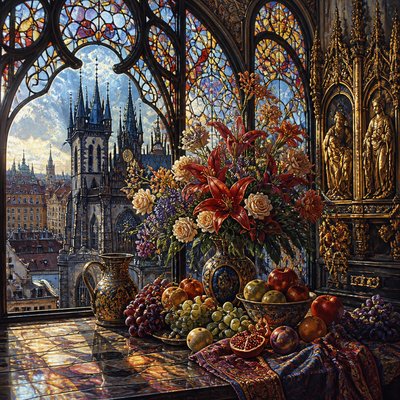
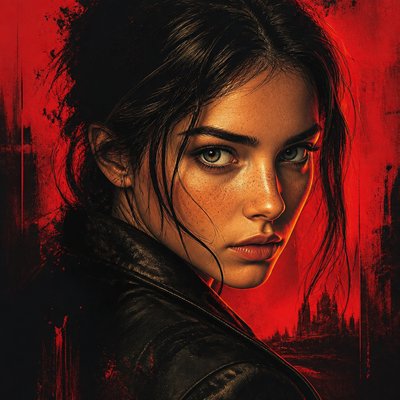
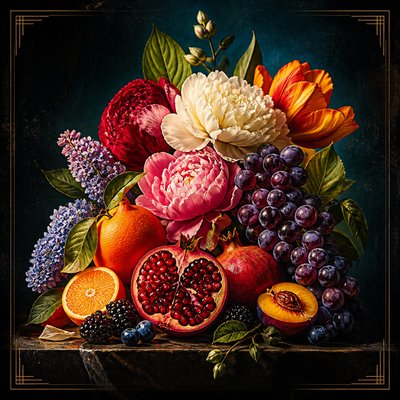
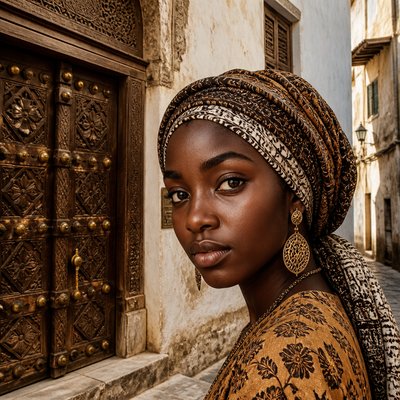
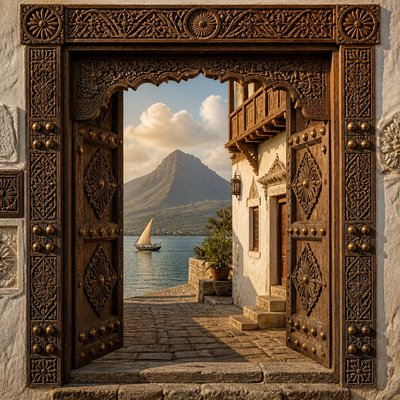
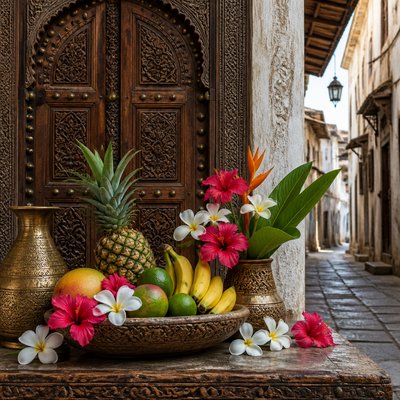
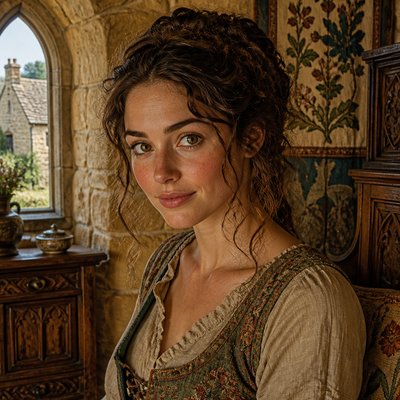
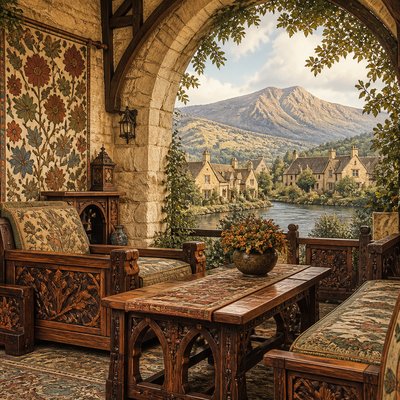
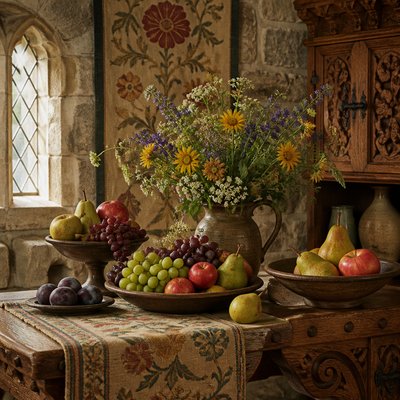
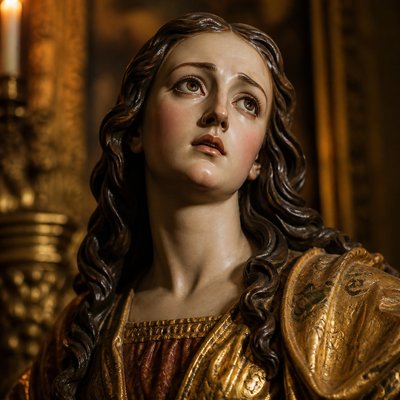
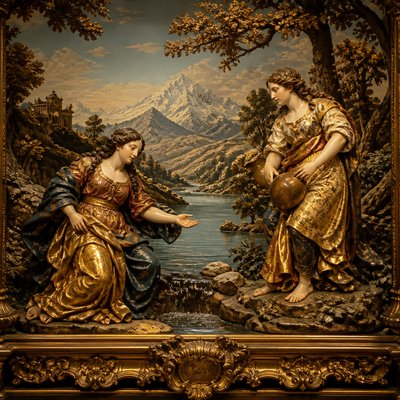
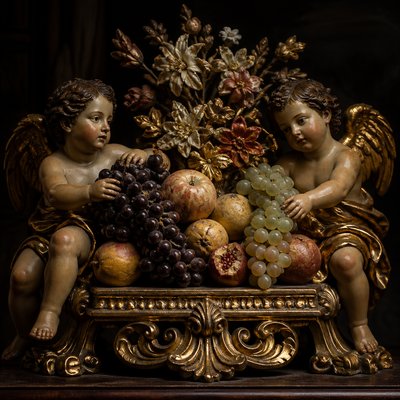
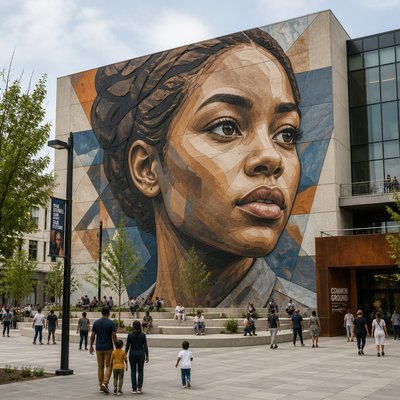
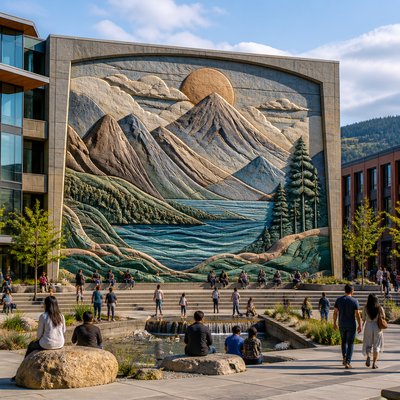
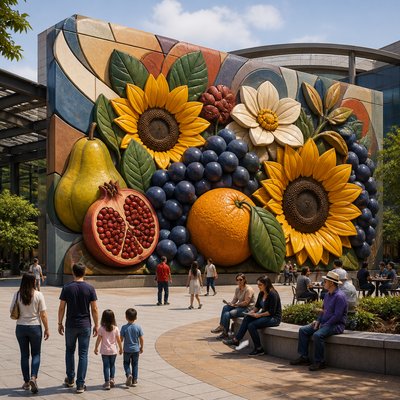
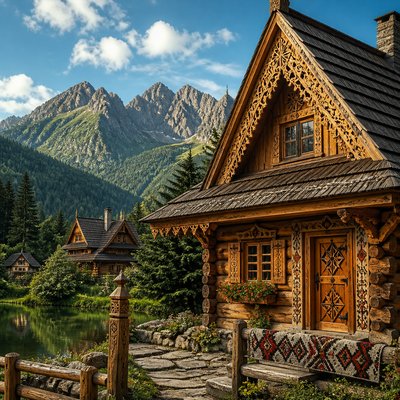
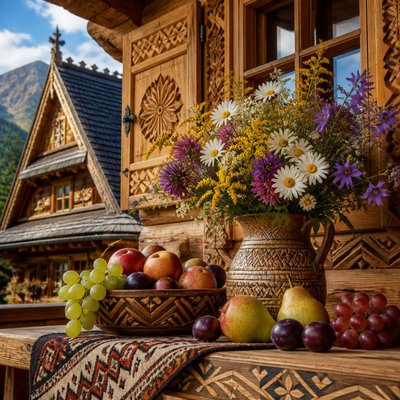
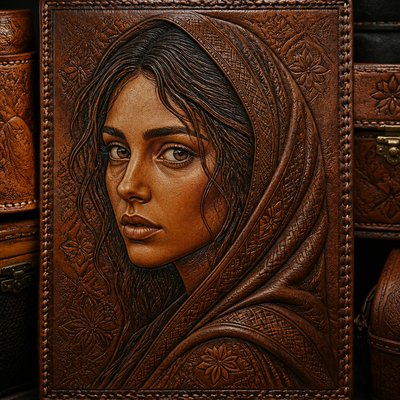
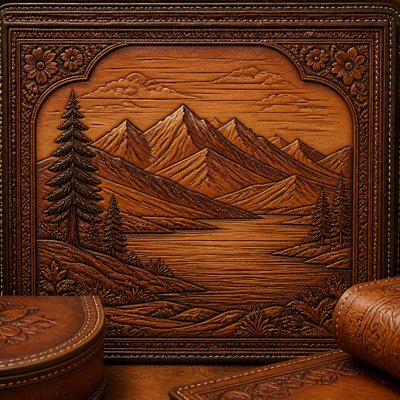
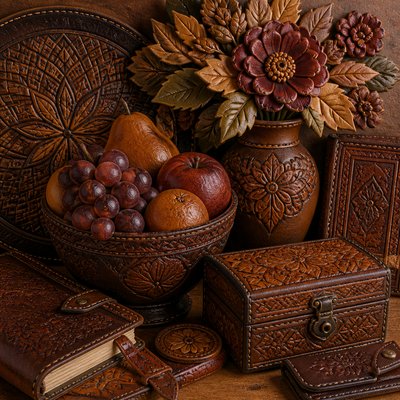
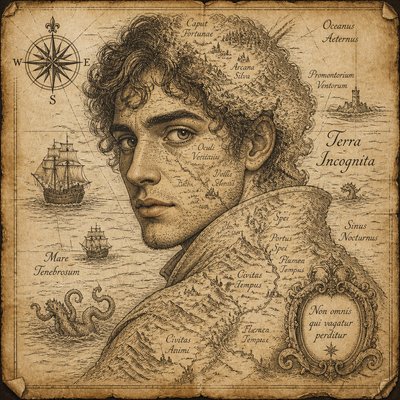
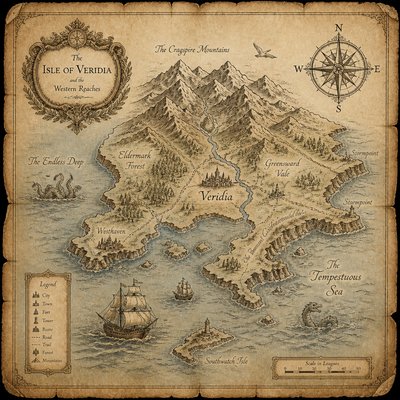
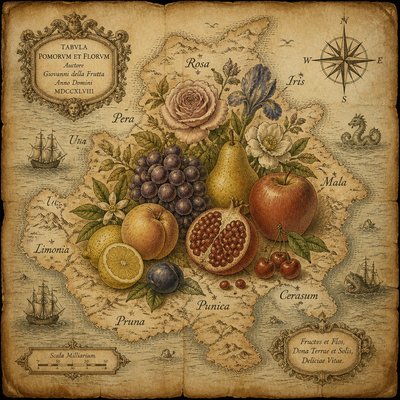
Explore AI Art Style: lush latent-space surrealism, flowing organic-machine forms, iridescent color, and uncanny hyperreal detail.
Instantly rendered in AI — or transform a photo
AI Gallery
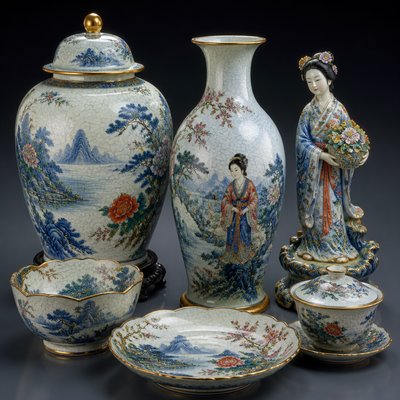
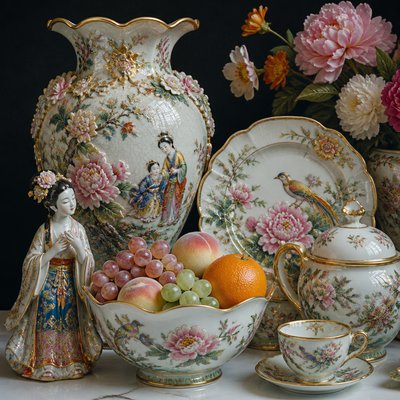
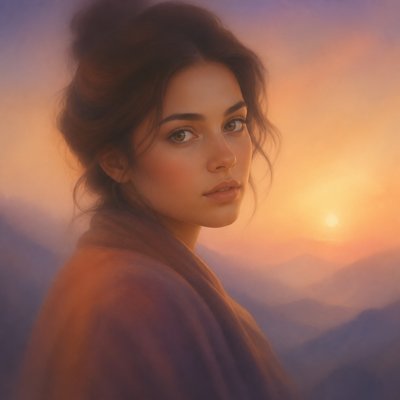
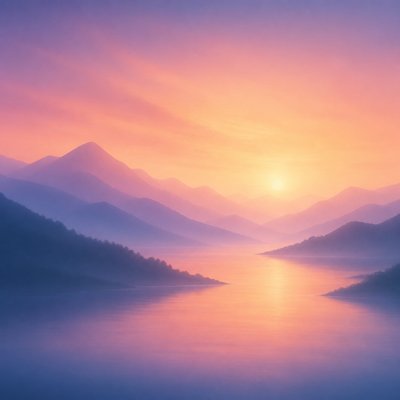
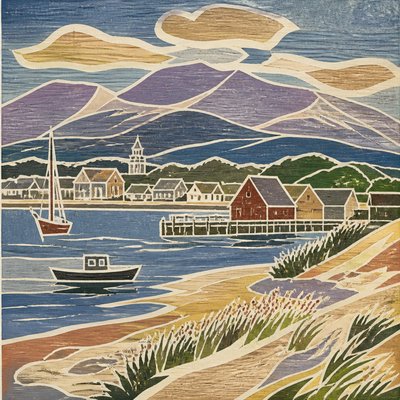
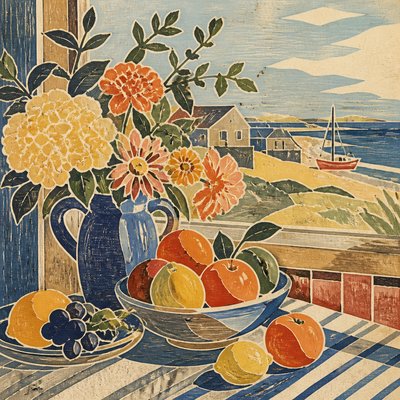
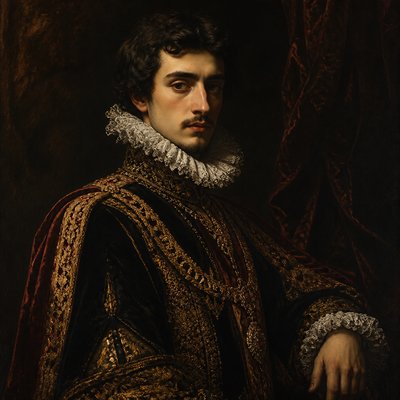
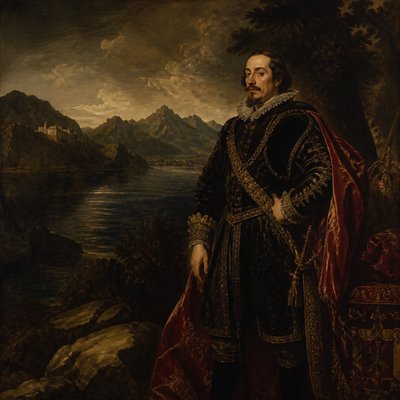
Tap any artwork to explore it
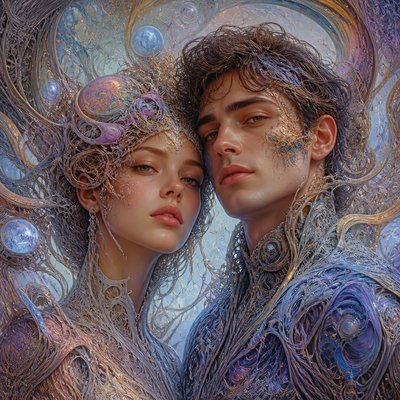
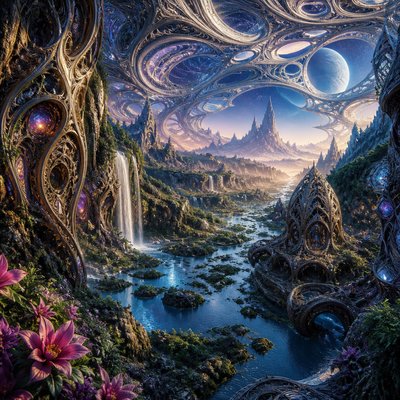
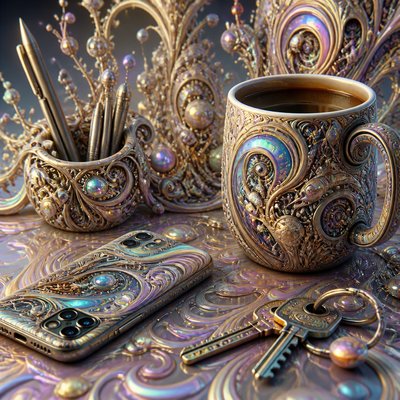
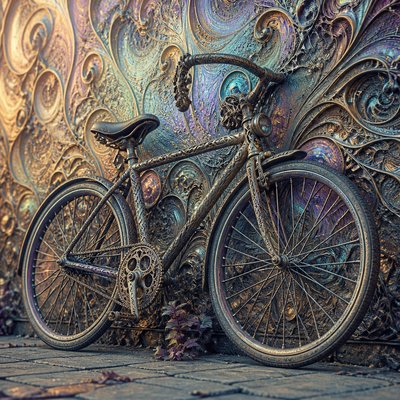
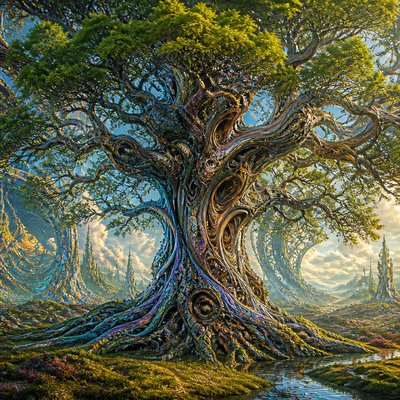
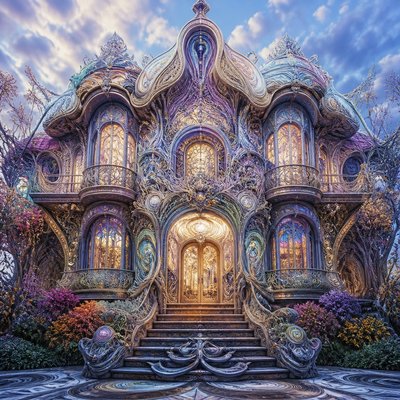
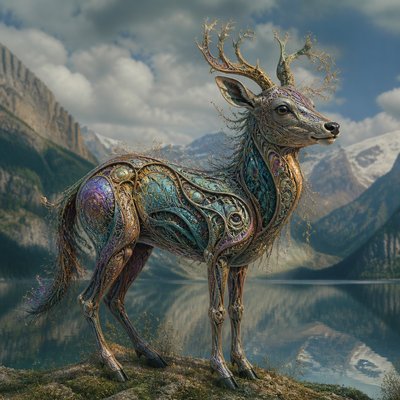
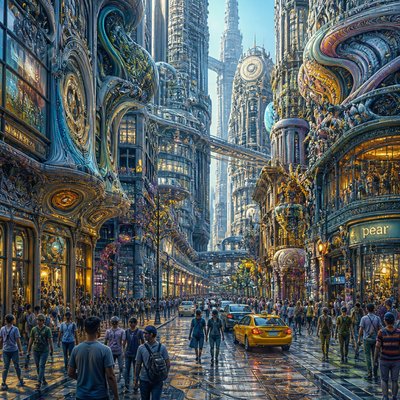
What is AI Art Style?
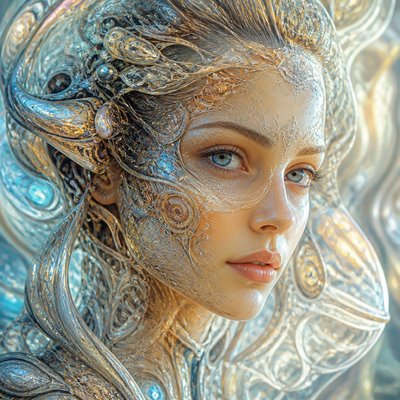
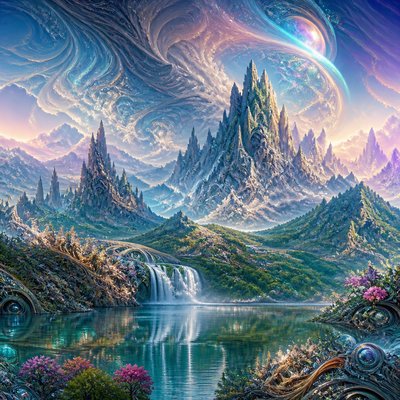
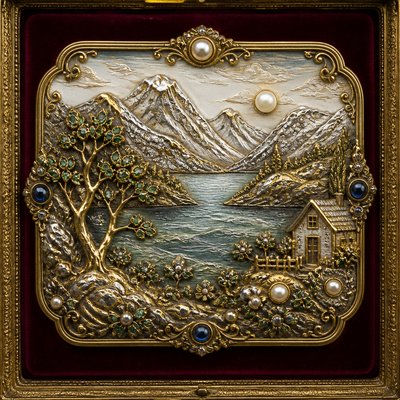
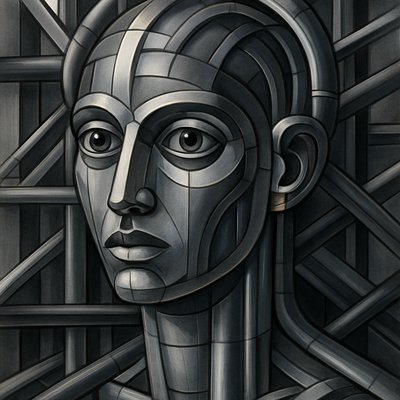
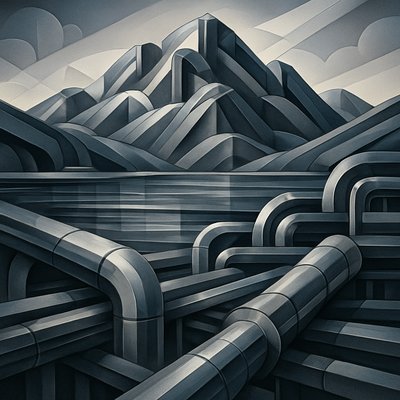
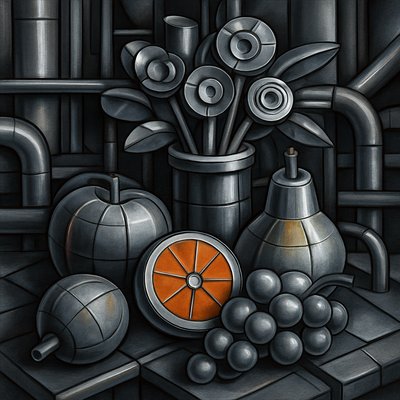
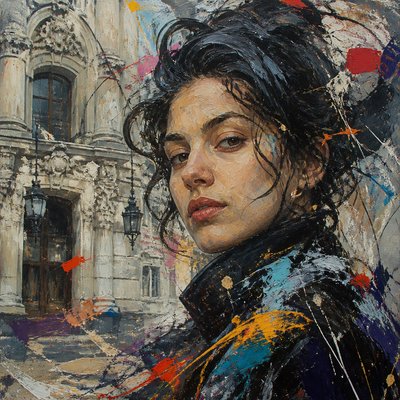
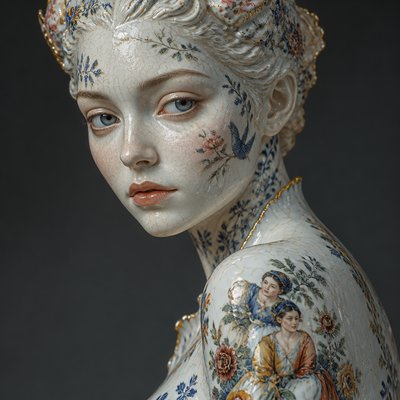
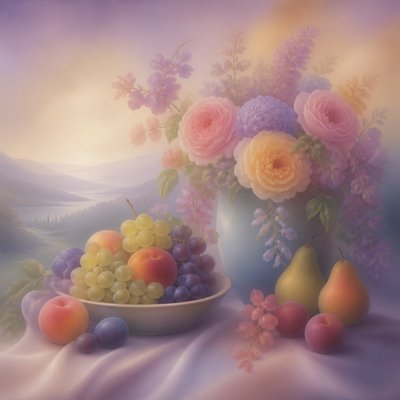
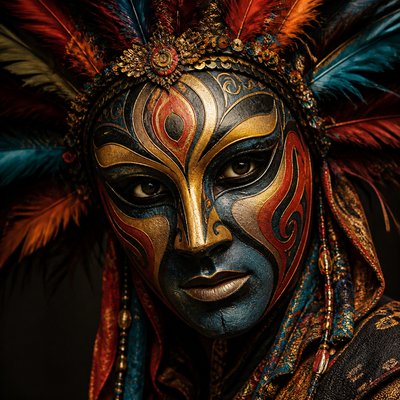
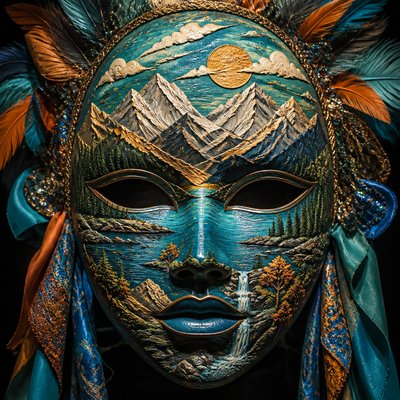
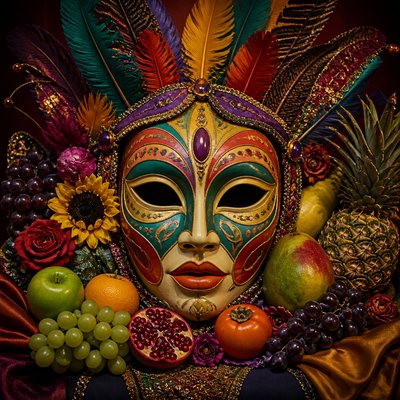
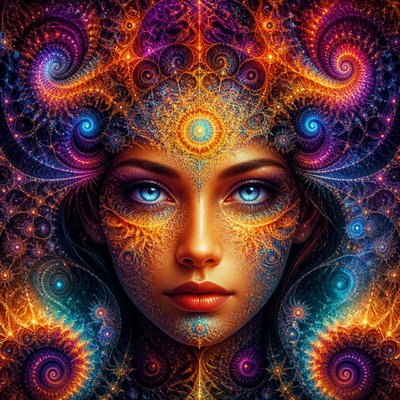
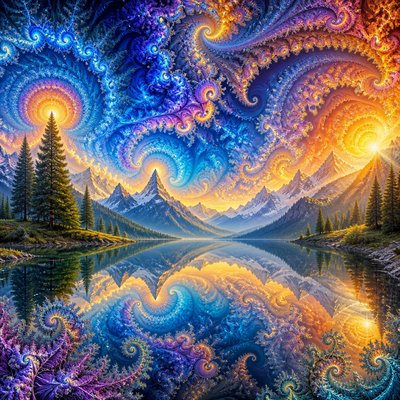
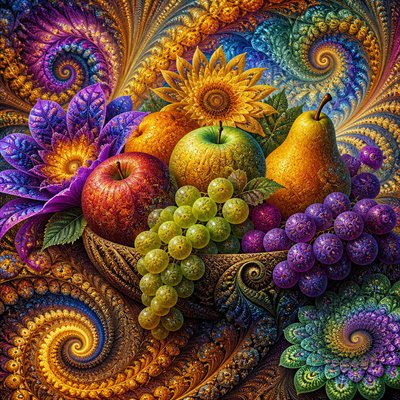
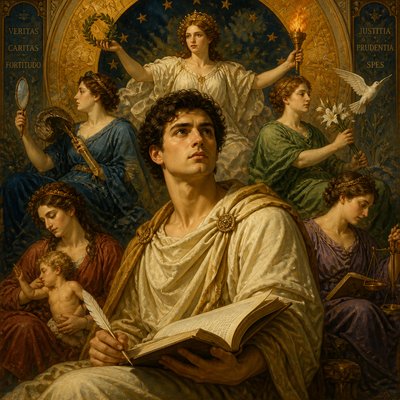
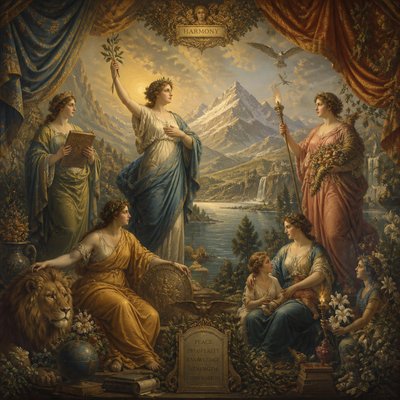
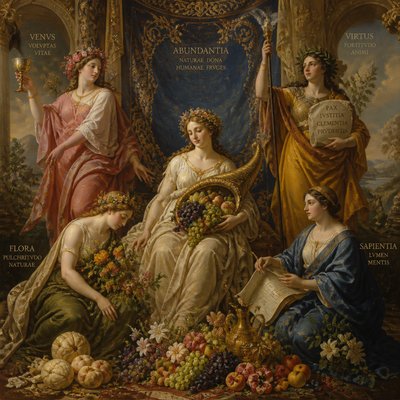
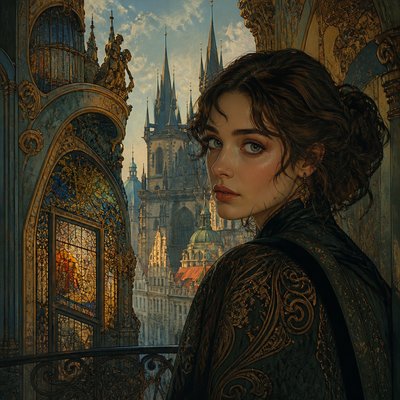
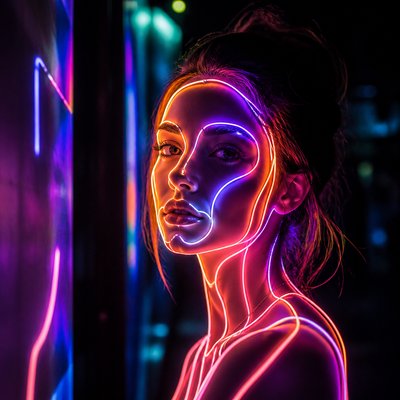
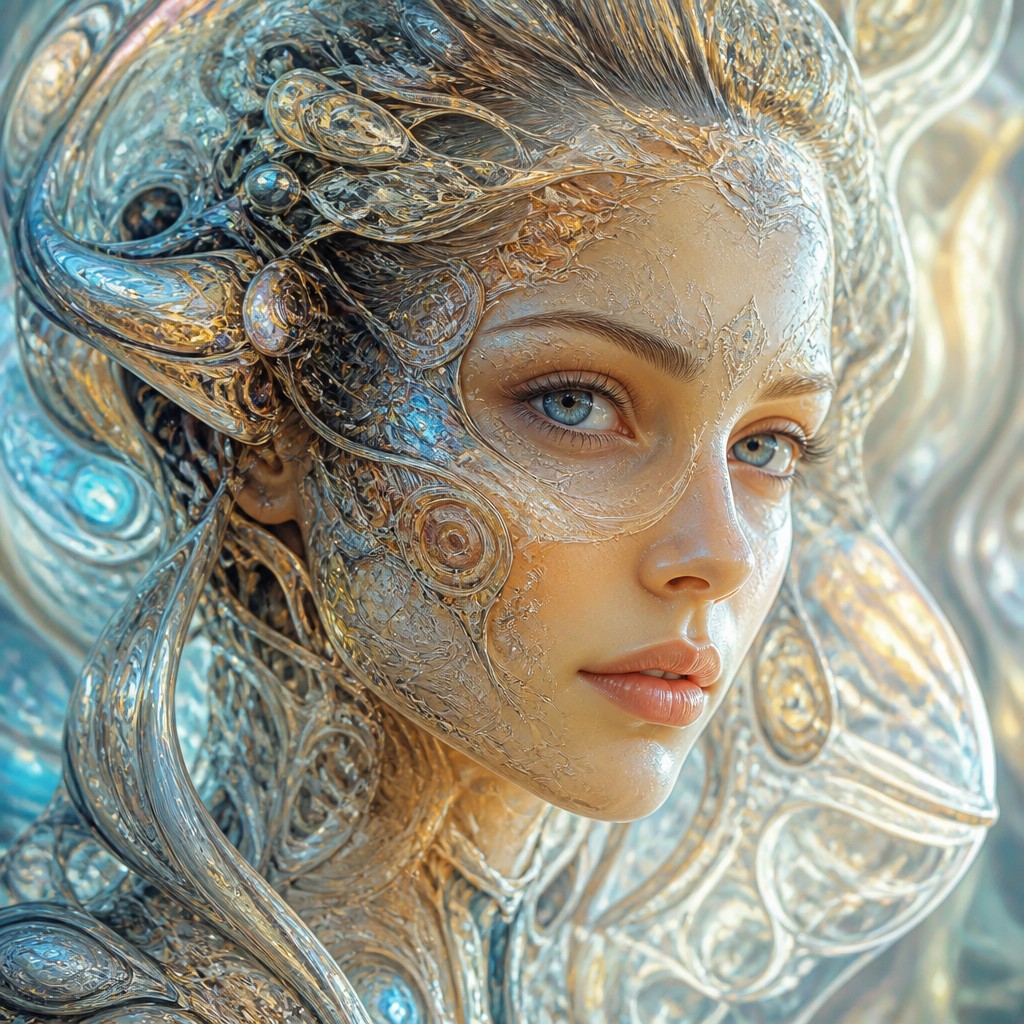
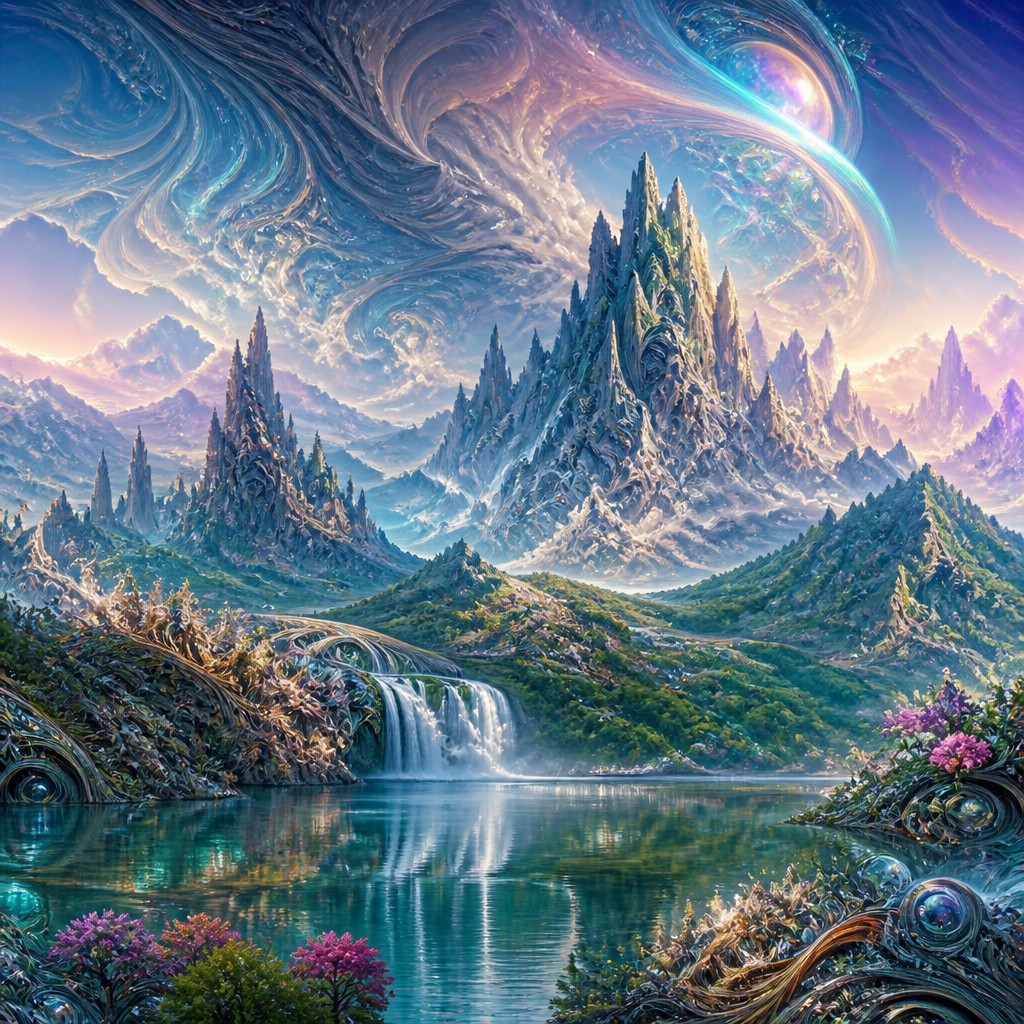
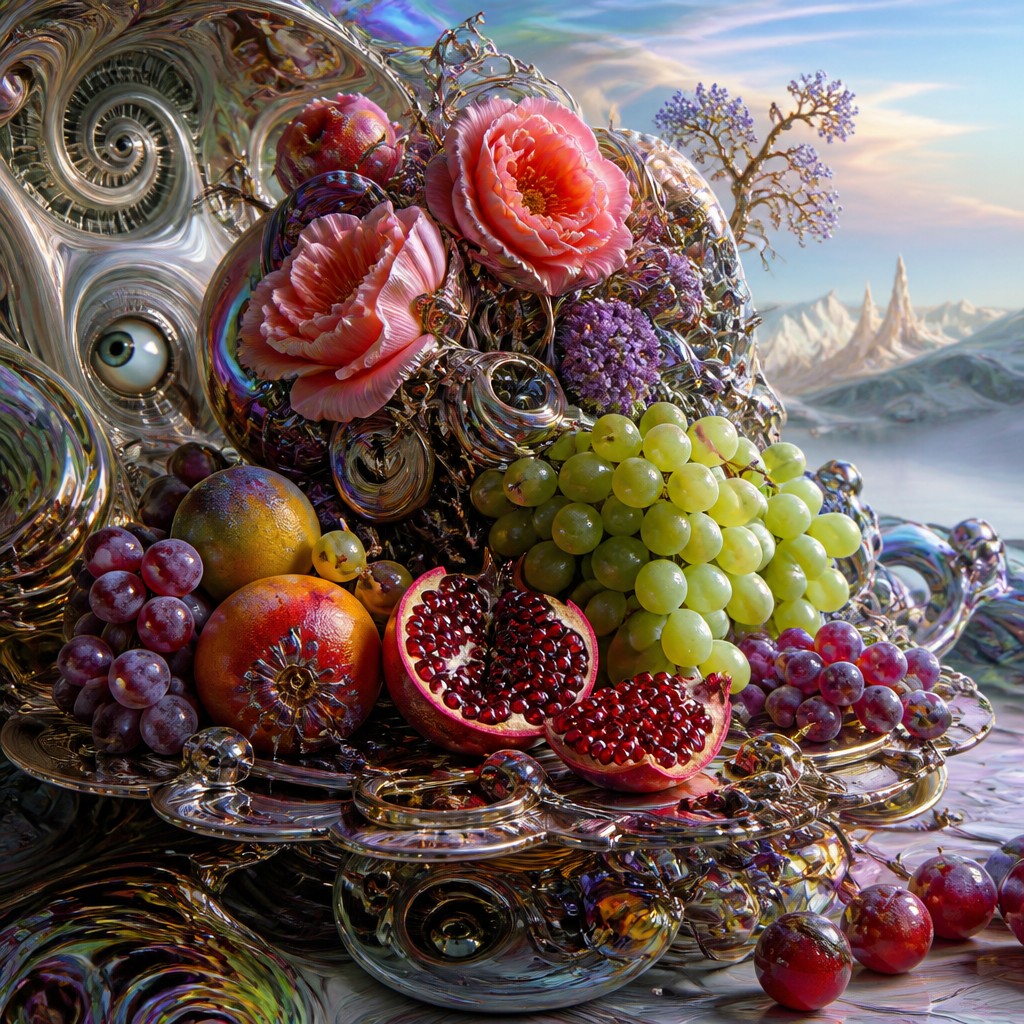
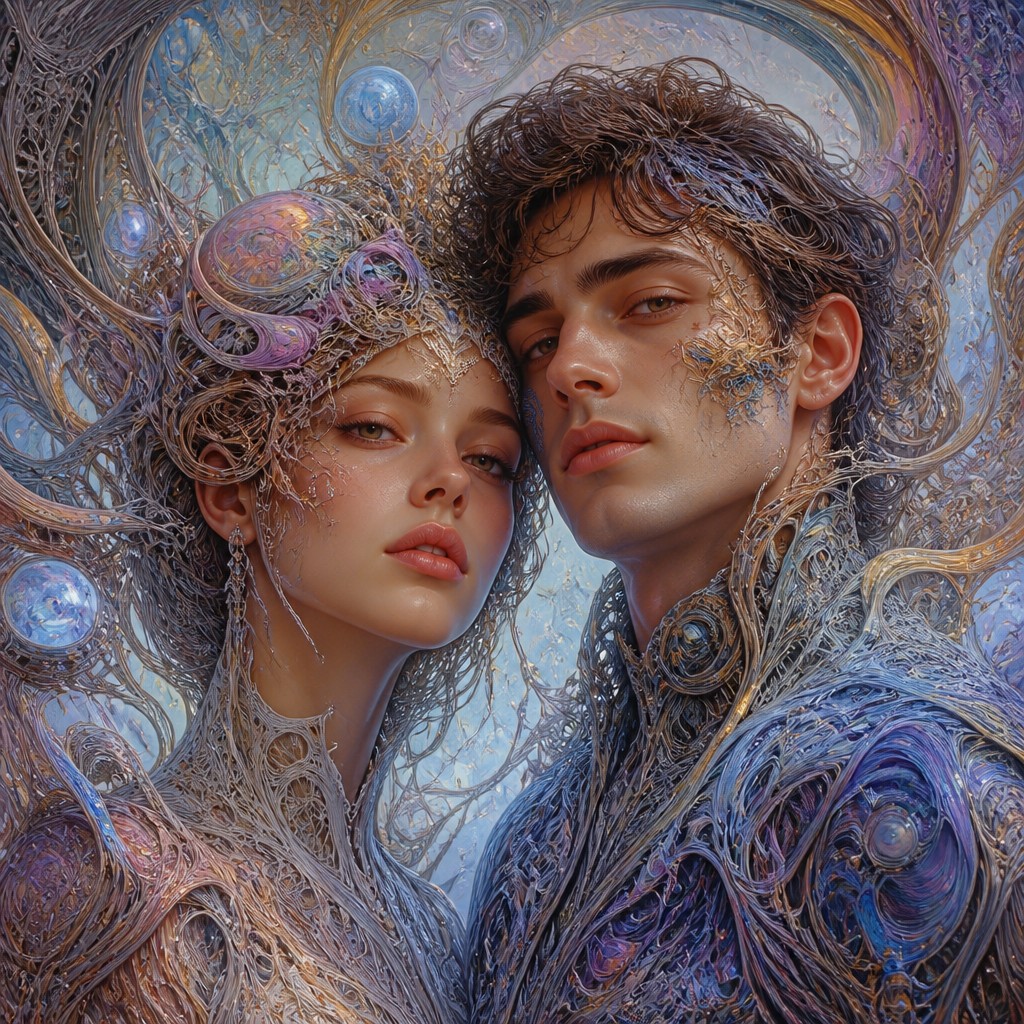
AI Art Style is an AI-native visual approach built around latent-space dreaming: images appear to grow, fold, and transform rather than being conventionally drawn. Its scenes combine lush algorithmic detail with surreal morphing forms, making organic structures, mechanical patterns, landscapes, architecture, and bodies seem to belong to one continuously evolving system.
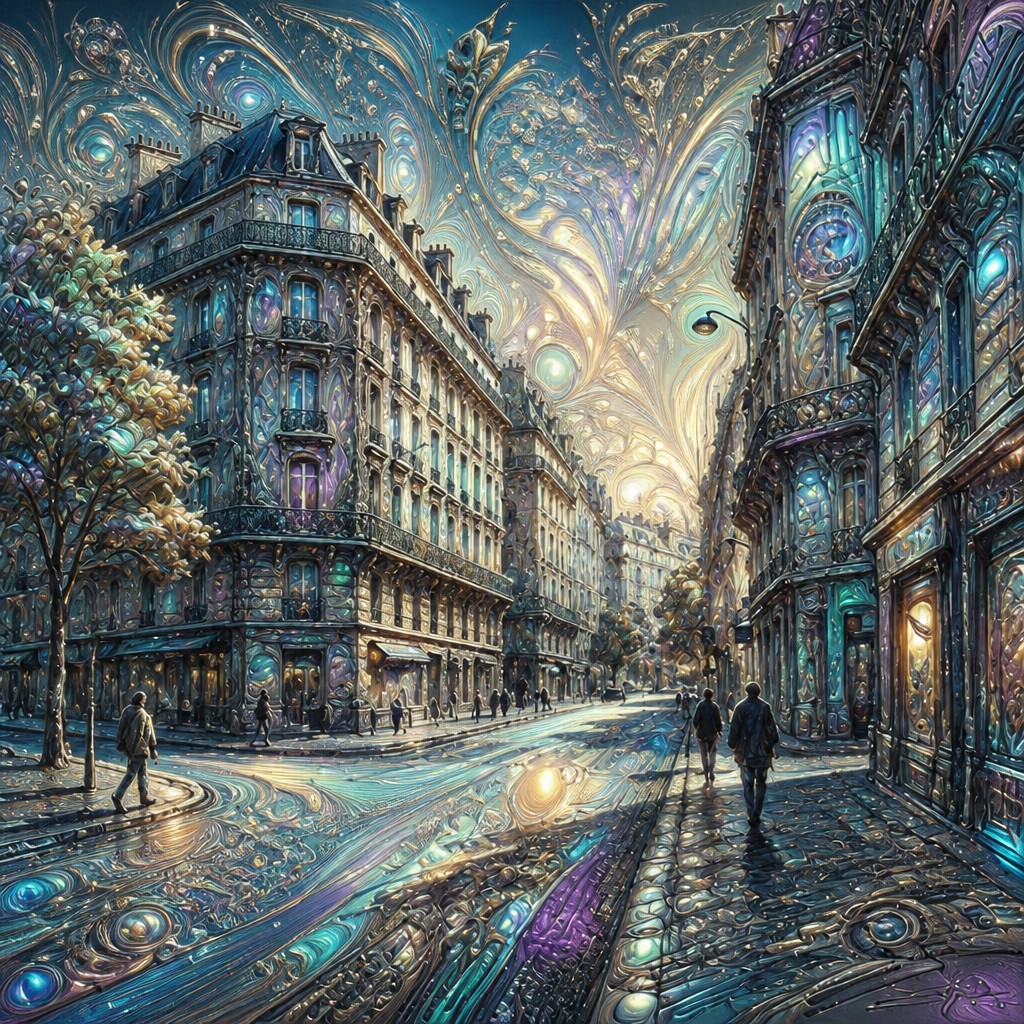
The style is recognized by iridescent gradients, seamless transitions, polished surfaces, and hyperreal illumination that produces an uncanny smoothness. It looks this way because it treats visual description as a field of relationships—shape, texture, color, and light can flow into one another—rather than as a fixed collection of separate objects.
Try It On Your Photos
Upload any photo and convert it into AI Art Style — drag the sliders to compare before and after.
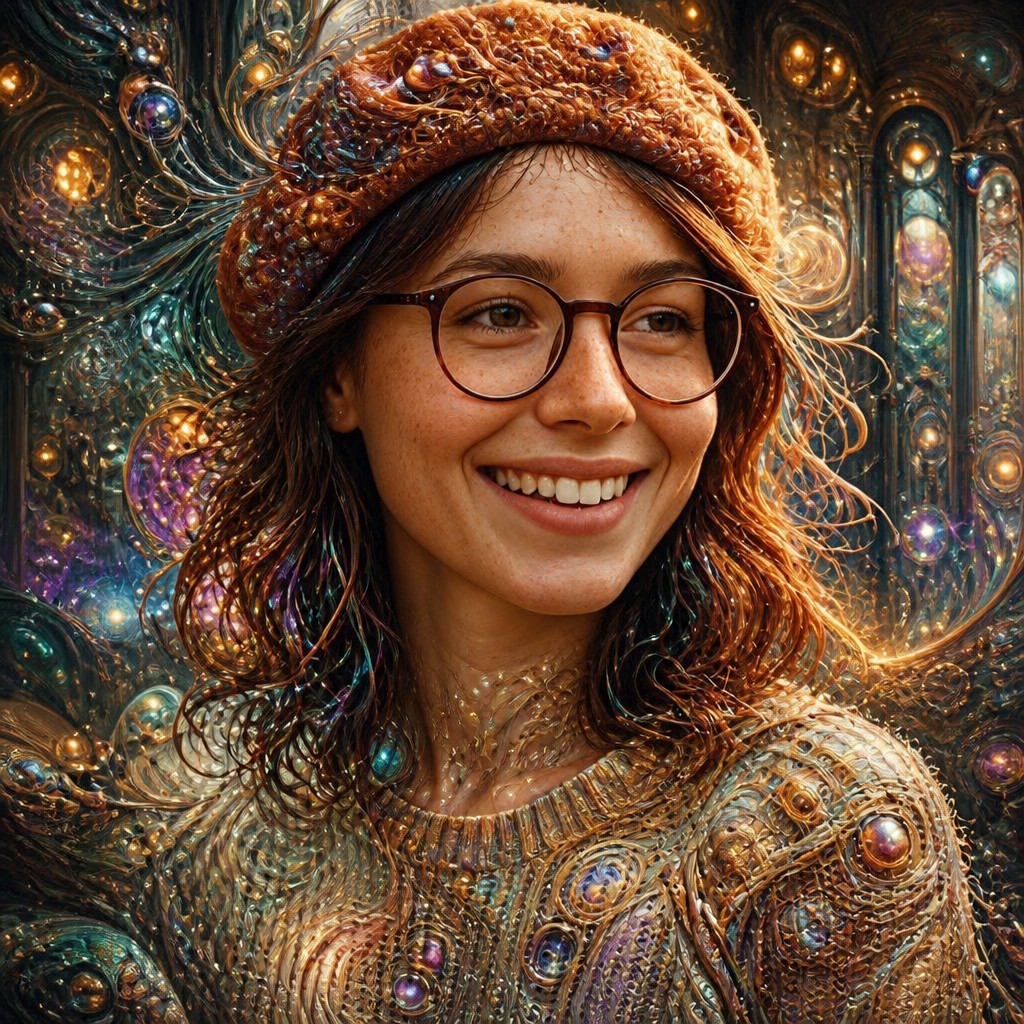


Or use the free AI photo filter
What Defines AI Art Style
The signature details, up close
Biomorphic transformation
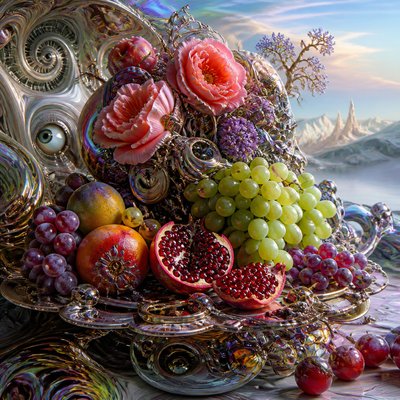
Leaves, tendrils, organs, shells, clouds, and other natural forms flow into one another or merge with constructed objects. Boundaries remain legible enough to suggest a subject while constantly appearing to mutate.
Organic-machine hybridity
Mechanical lattices, circuitry, tubes, gears, and engineered surfaces are interwoven with petals, roots, feathers, skin, and mineral growth. The contrast is softened so that technology appears cultivated rather than assembled.
Iridescent color fields
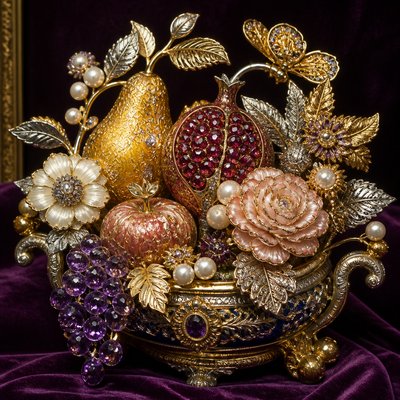
Oil-slick shifts, spectral highlights, jewel tones, and smooth gradients create color that changes across curved surfaces. Saturated cyan, magenta, violet, emerald, and amber often function as structural accents rather than flat decoration.
Impossibly intricate detail
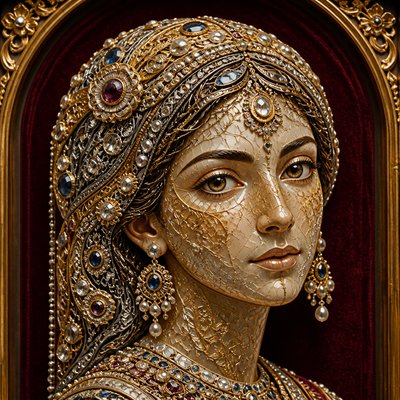
Surfaces are filled with fine veins, filaments, pores, filigree, particles, and nested patterns. Detail is distributed across the image to create a sense of abundance, while focal areas receive the sharpest visual complexity.
Uncanny hyperreal lighting
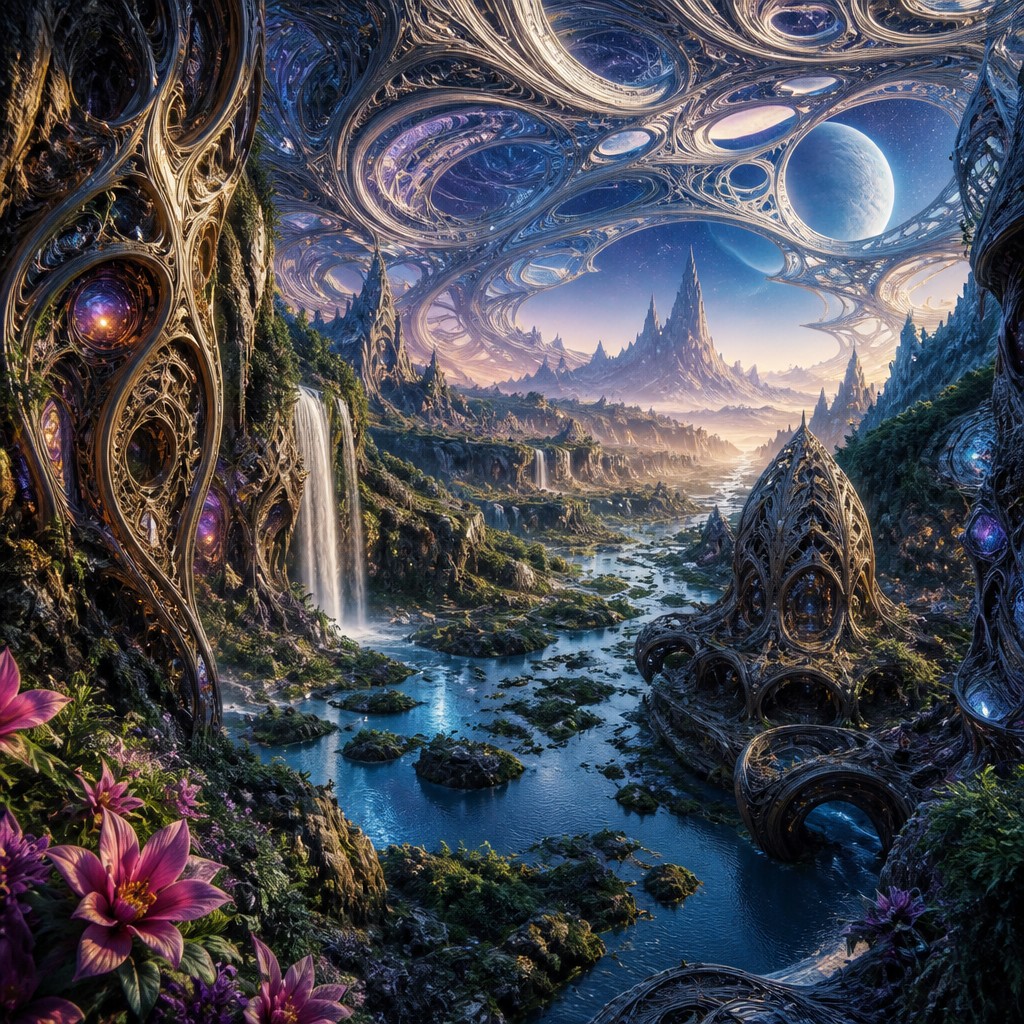
Glossy highlights, translucent edges, luminous interiors, and controlled reflections give impossible objects a physically convincing presence. The lighting is often more coherent and polished than the forms themselves.
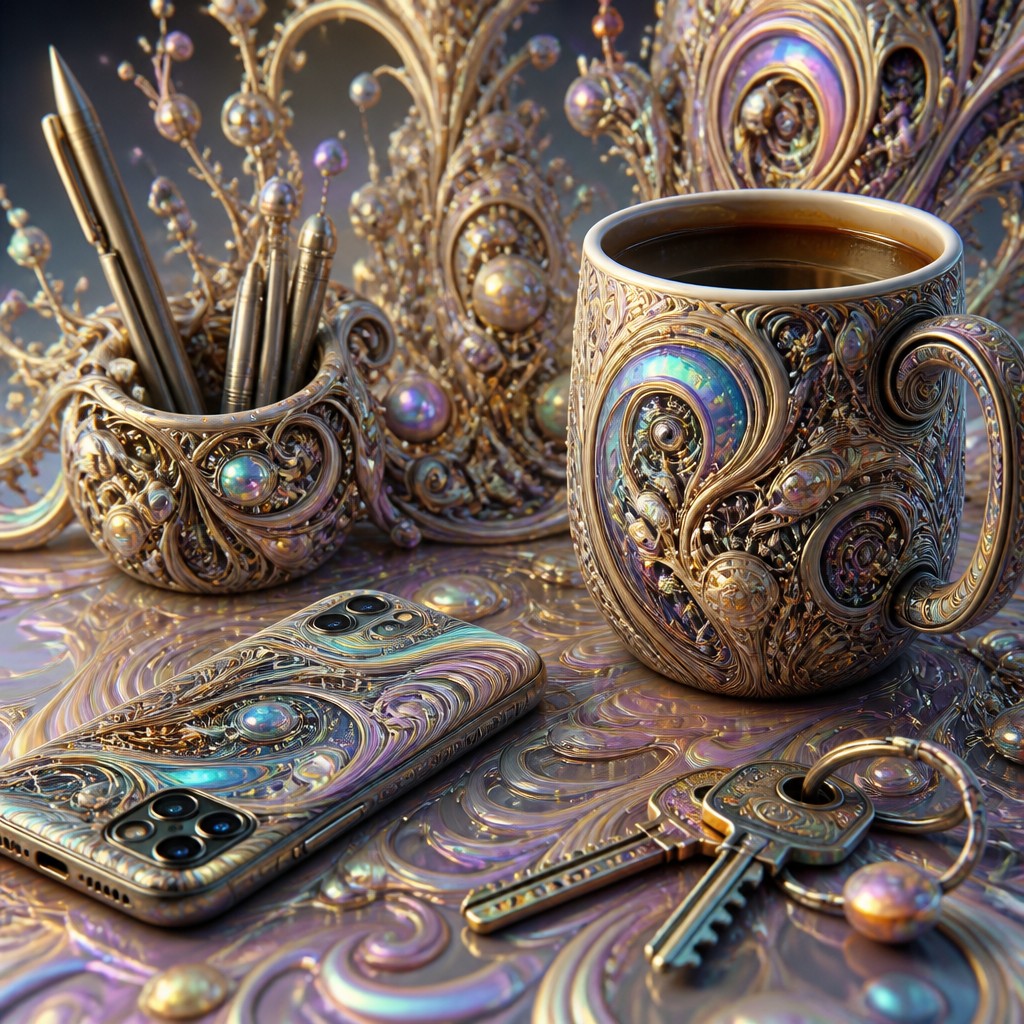
Continuous, seamless composition
Instead of relying on clearly separated foreground, middle ground, and background, the image may behave like one connected organism or visual ecosystem. Repeated curves and motifs guide the eye through the composition.
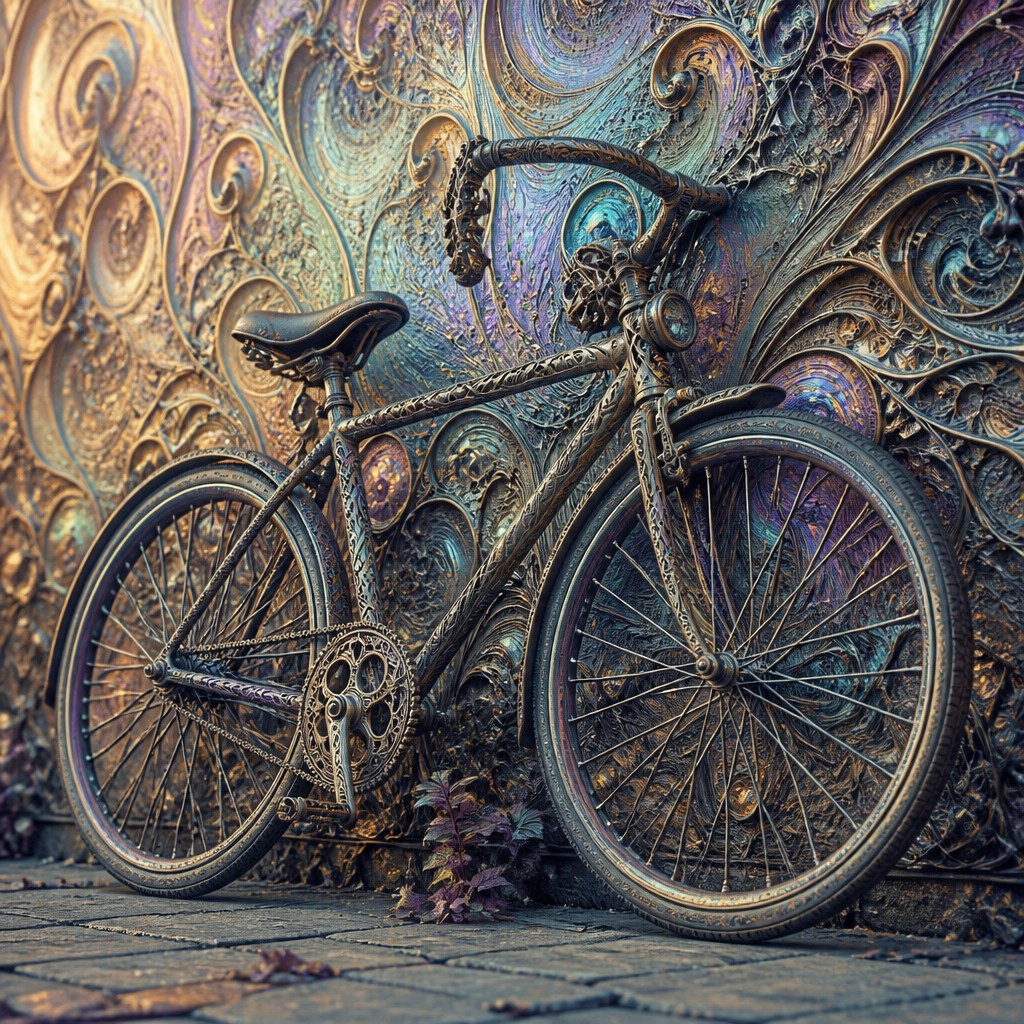
Dreamlike ambiguity
The subject is usually recognizable enough to invite interpretation but unstable enough to resist a single reading. Scale, anatomy, material, and spatial logic can shift within the same scene.
Try It
Create Videos in AI Art Style
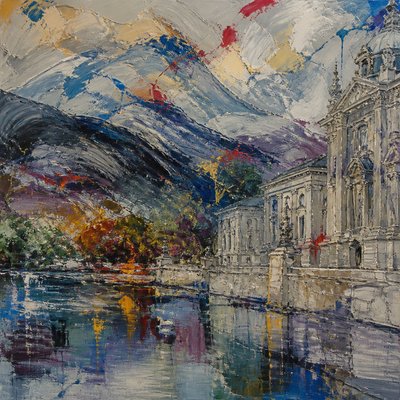
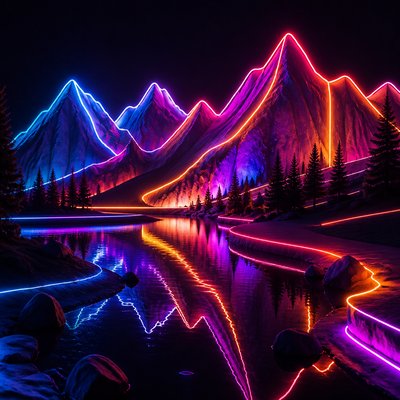
Styles aren't just for stills — describe a scene or animate an image and get a short video rendered in AI. Press play to see this pond come to life.
Make a VideoAI Prompt Ideas
Start from an idea — each one opens the generator with the style ready to go. See all 40 AI prompts →
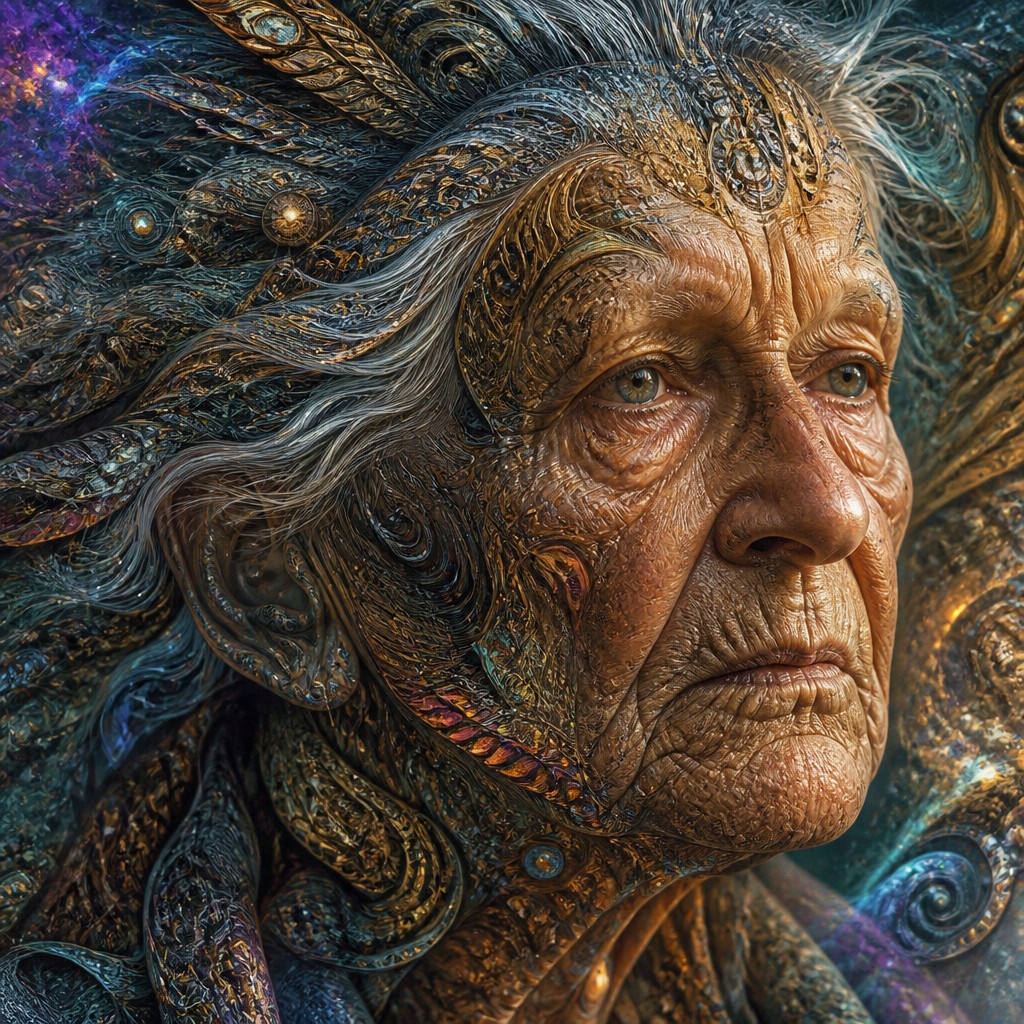
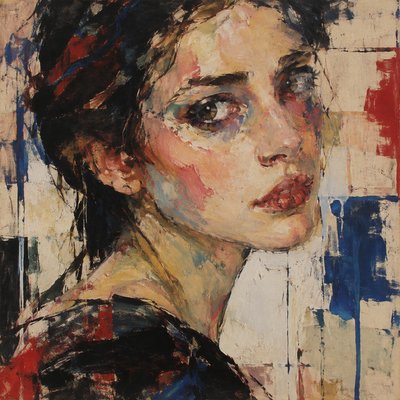
“close-up portrait of an elderly person with expressive weathered features”
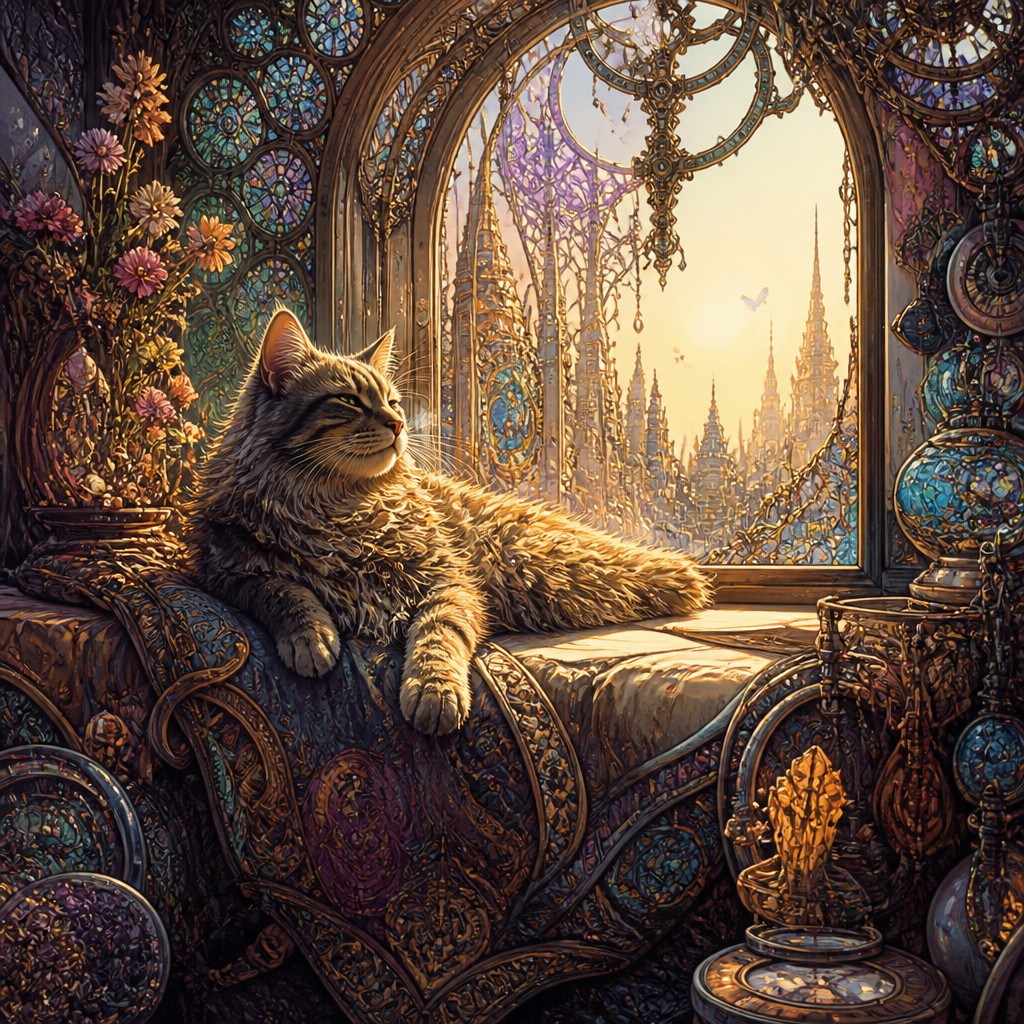
“a cat lounging in a sunlit window”
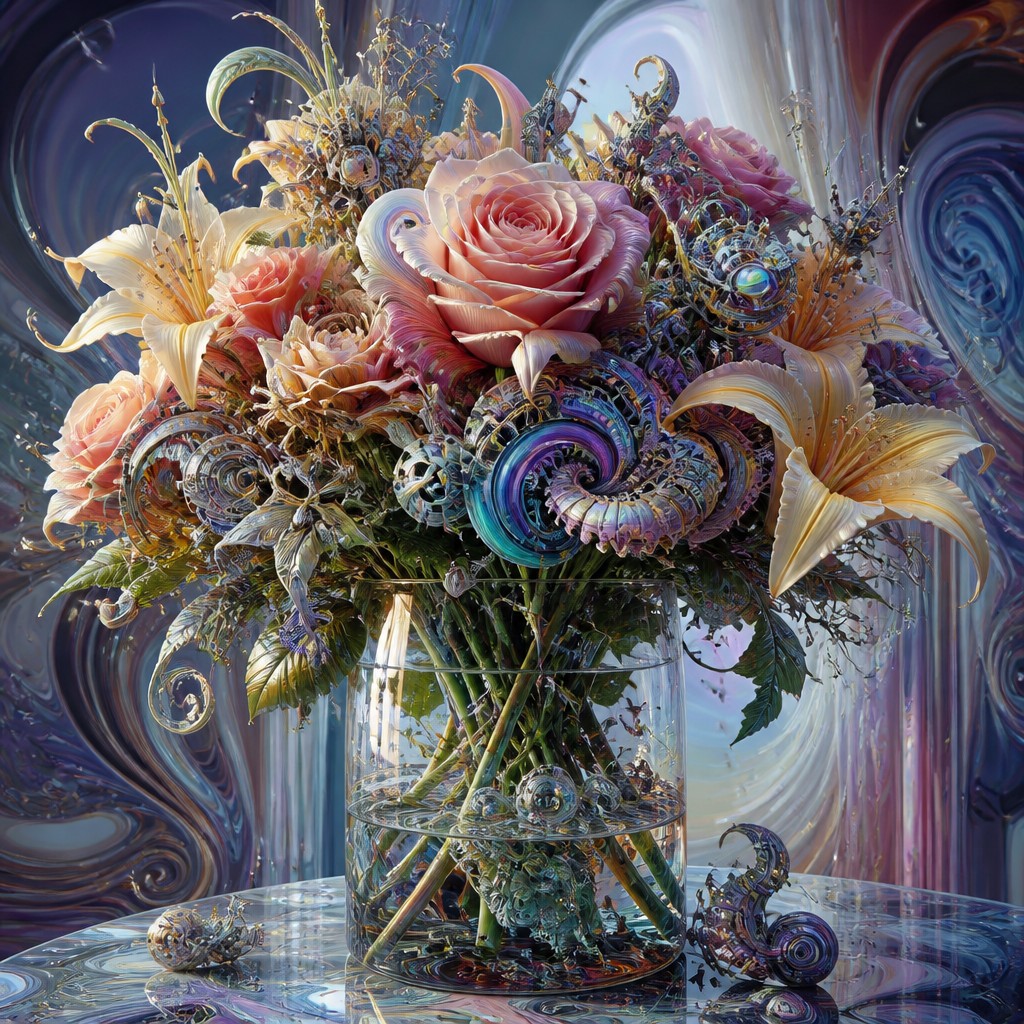
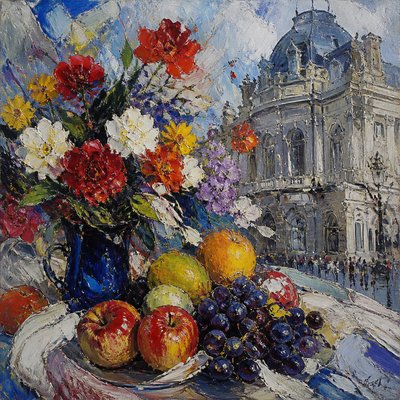
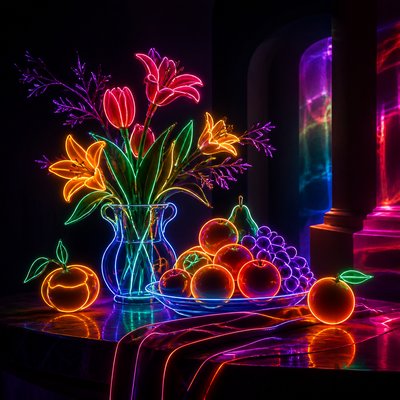
“bouquet of flowers in a glass vase”
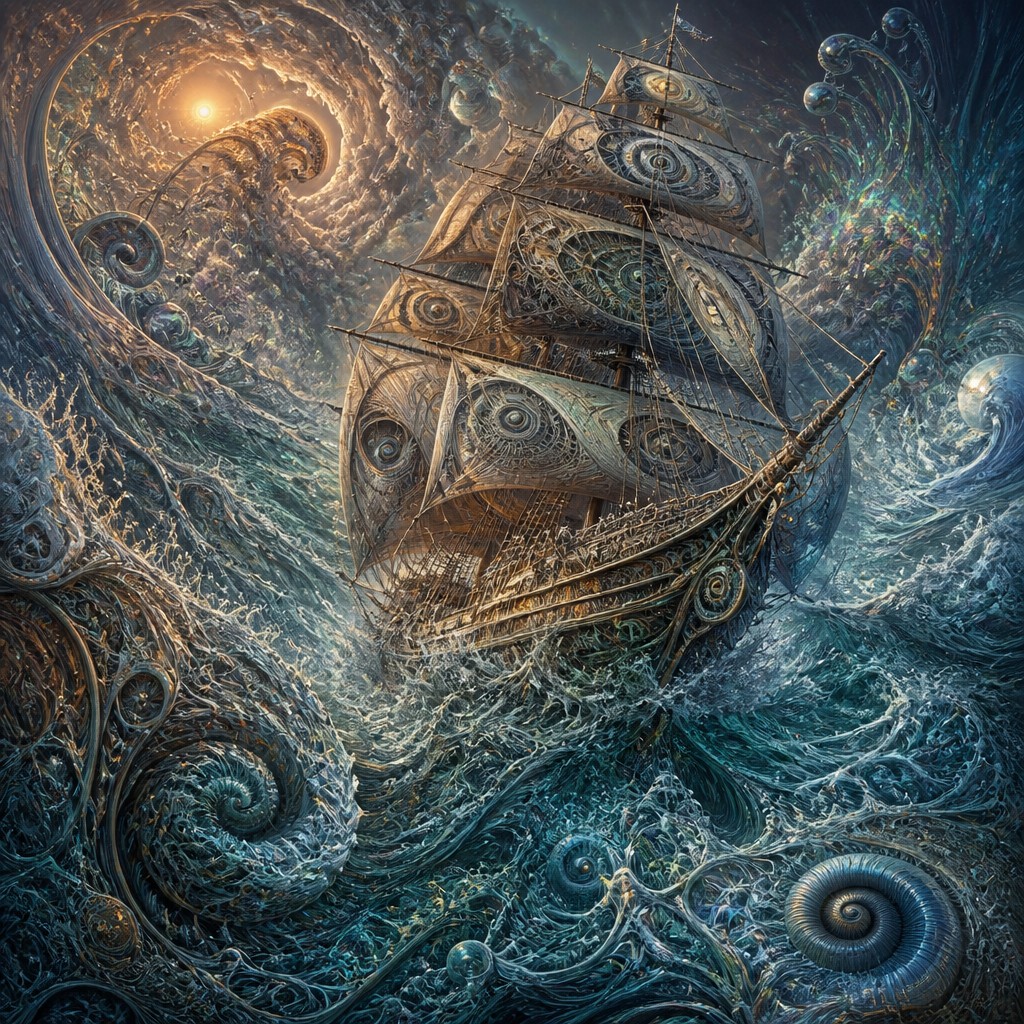
“sailing ship on a stormy sea”
How to Create AI Art
Master the craft step by step — or skip straight to creating. Read the full guide →
- 1
Build from a clear subject
Begin with a concrete subject such as a greenhouse, mask, submarine, coral reef, or animal rather than requesting abstraction alone. Add the desired transformation afterward so the image retains a readable anchor.
- 2
Specify material transitions
Describe what should merge with what: roots into circuitry, glass into skin, petals into metal, or architecture into coral. Naming the transition gives the composition a more coherent visual logic than listing unrelated objects.
- 3
Control light and surface
Use practical terms such as translucent, wet, polished, pearlescent, backlit, volumetric, reflective, or subsurface-lit. In traditional or digital work, layer soft gradients beneath sharper filaments and highlights to reproduce the style's depth.
- 4
Create detail hierarchies
Reserve the densest patterns for the focal subject and simplify distant areas with haze, blur, or broader color shapes. This prevents intricate textures from flattening the entire image.
- 5
Use digital and AI workflows
For digital creation, combine procedural textures, 3D forms, painted masks, and compositing. In prompt-based generation, combine a subject, a biological-machine transformation, iridescent materials, uncanny lighting, and a request for intricate flowing detail.
- 6
Refine selectively
Use image-to-image editing, inpainting, or manual retouching to repair anatomy, repeated motifs, and overly chaotic backgrounds. Preserve a few unexpected mutations, since controlled ambiguity is central to the aesthetic.
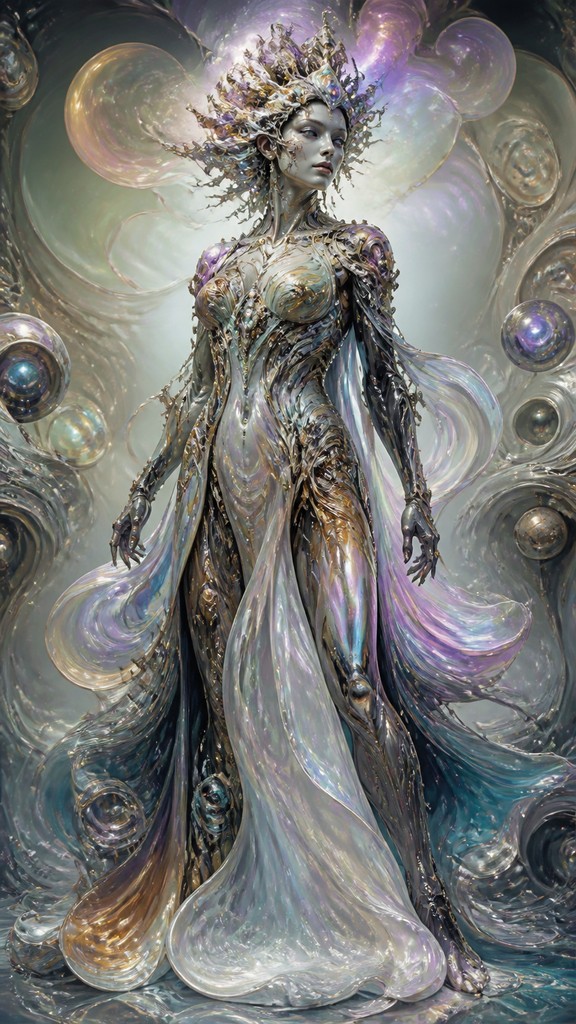
The Story
History & Origins of AI
AI Art Style has no established historical period or single origin; it is an invented, AI-native aesthetic associated with contemporary text-to-image and image-to-image image-making. Its development reflects the use of generative systems to explore visual combinations that would be difficult to design manually, especially continuous transformations between biological and technological forms.
Its aesthetic lineage includes surrealism, biomorphic abstraction, psychedelic art, science-fiction illustration, digital procedural graphics, 3D rendering, and the glossy visual language of contemporary concept art. Rather than reproducing one of these traditions, it recombines their methods into a fluid, high-density visual grammar.
Influences: The style relates to surrealism's interest in unconscious transformation, biomorphic abstraction's flowing non-geometric forms, psychedelic art's saturated color and perceptual instability, and science-fiction illustration's speculative bodies and environments. It also draws from procedural digital art, 3D modeling, glossy concept rendering, biological diagrams, microscopy, generative pattern systems, and the ornamental density of natural history illustration.

Frequently Asked Questions
What defines AI Art Style?
It is defined by lush, algorithmic-looking detail; seamless transformations between organic and mechanical forms; iridescent gradients; and unusually smooth, hyperreal lighting. The image should feel grown or continuously generated rather than assembled from rigid parts.
Is AI Art Style a historical art movement?
No. It is a contemporary, invented aesthetic rather than a documented historical movement with a fixed period or founding group. Its visual language draws from several established traditions, including surrealism, biomorphic abstraction, digital procedural art, and science-fiction imagery.
How does it differ from ordinary surrealism?
Surrealism can emphasize symbolic juxtaposition, dream logic, or deliberately disorienting scenes in many media. AI Art Style places more emphasis on continuous morphing, dense surface detail, organic-machine hybridity, iridescent materials, and polished digital illumination.
Can this style be made without generative software?
Yes. Artists can develop it through painting, airbrushing, collage, 3D modeling, procedural textures, digital compositing, or mixed media. The essential qualities are the visual relationships and treatment of form, not the particular tool used.
What subjects work well with this aesthetic?
Subjects with strong silhouettes and rich transformation potential work especially well, including animals, botanical structures, masks, underwater environments, spacecraft, temples, portraits, and imagined ecosystems. Combining one recognizable subject with one or two material mutations usually produces more coherent results than overcrowding the scene.
Where is AI Art Style used?
It can suit speculative concept art, album and editorial imagery, game-world development, title sequences, fashion visuals, science-fiction illustration, digital collectibles, and experimental portraiture. Its dense detail is most effective when the final presentation allows viewers to inspect the image closely.

Create your first AI artwork
Describe anything — or upload a photo — and see it in AI Art Style in seconds.
Related Styles
Discover similar art styles