Viewpoint Art Style
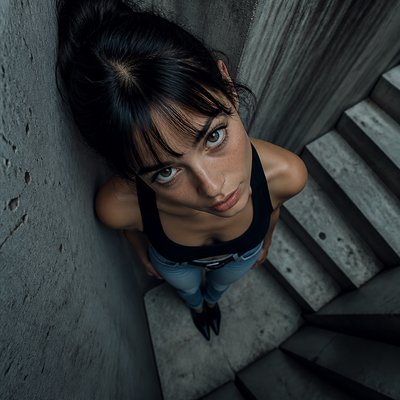
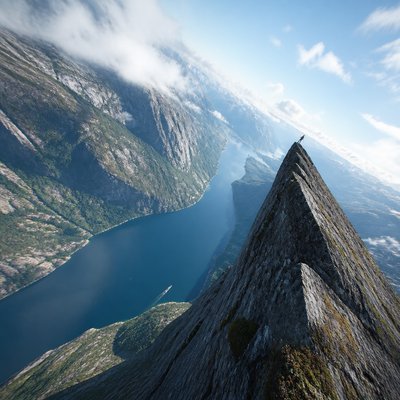
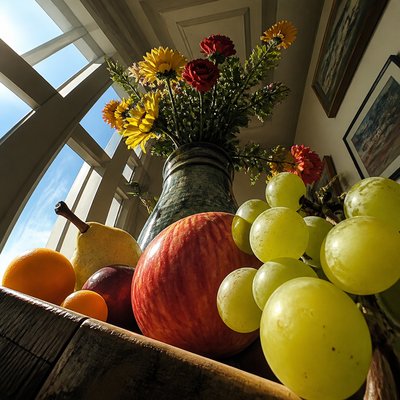
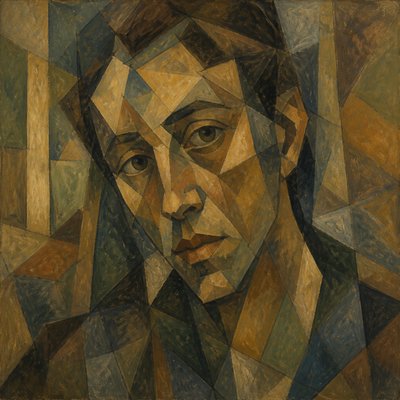
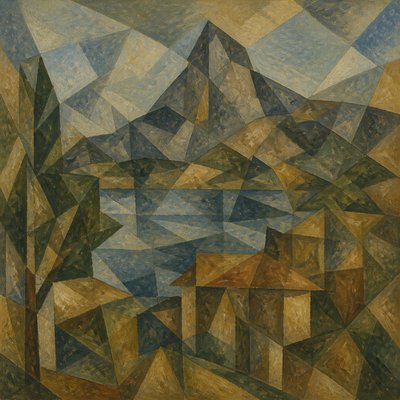
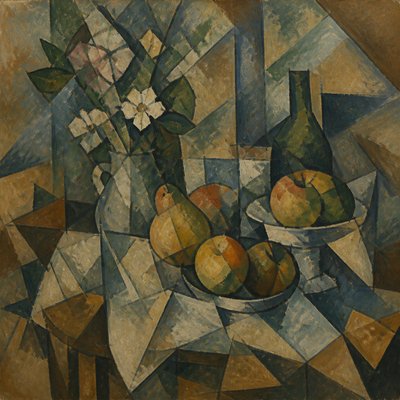
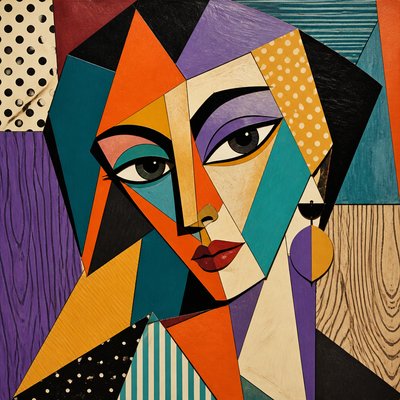
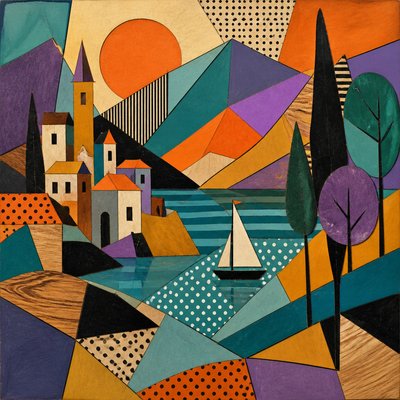
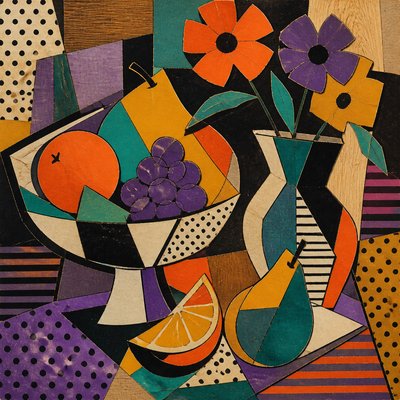
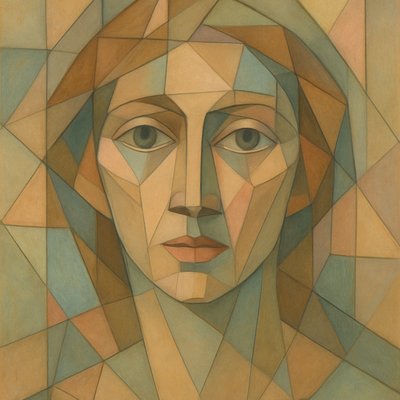
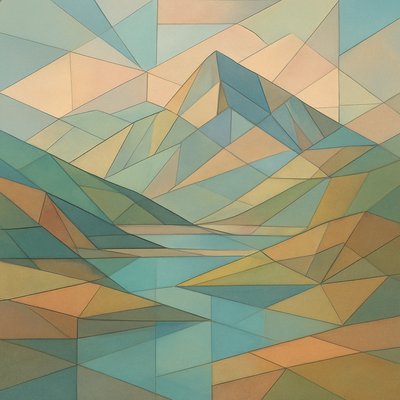
Explore Viewpoint Art Style: dramatic low and high angles, extreme perspective, foreshortening, and ordinary subjects transformed by daring composition.
Instantly rendered in Viewpoint — or transform a photo
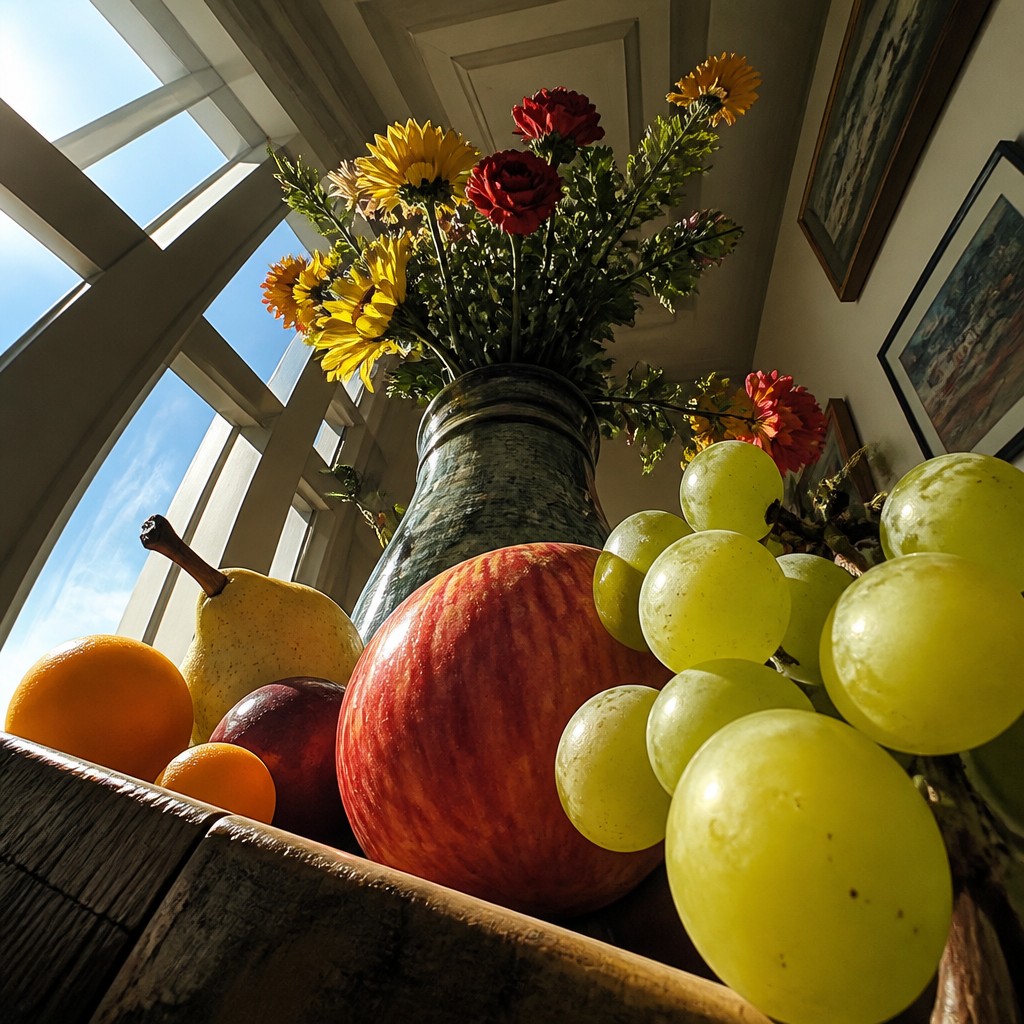
Viewpoint Gallery
Tap any artwork to explore it
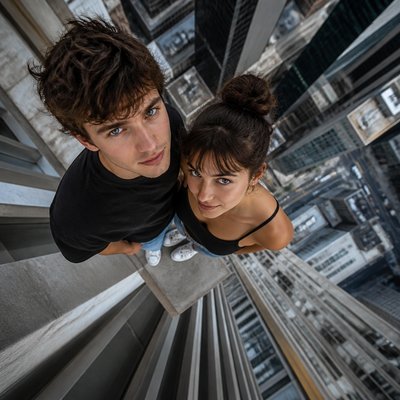
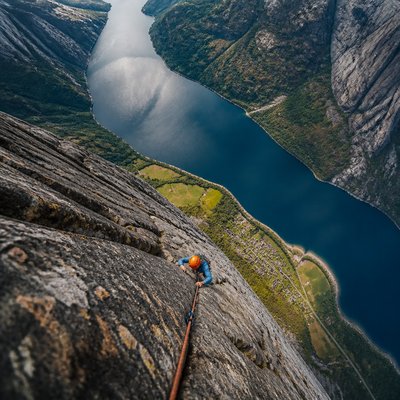
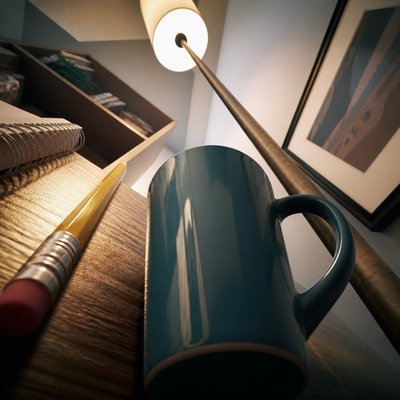
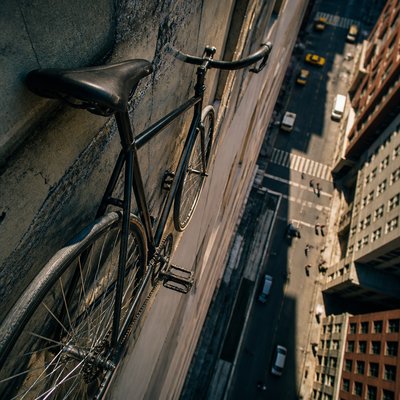
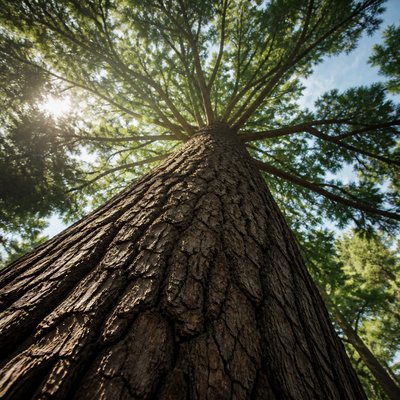
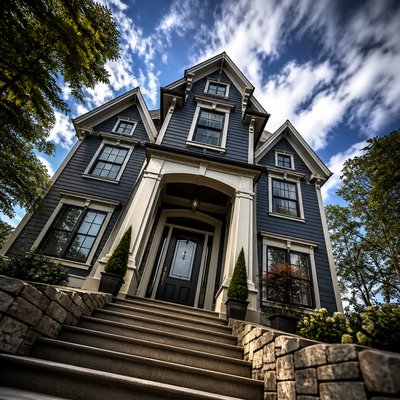
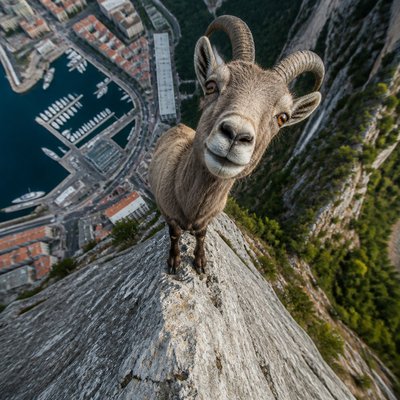
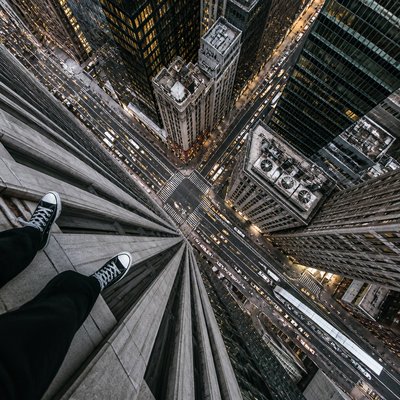
What is Viewpoint Art Style?
Its visual identity comes from intensified perspective: converging lines, bold foreshortening, compressed depth, and sharply altered proportions. The style can remain realistic or become deliberately uncanny, but it generally preserves a recognizable subject so that the unexpected viewpoint produces the visual surprise. Ordinary scenes become striking through spatial distortion rather than through elaborate decoration.
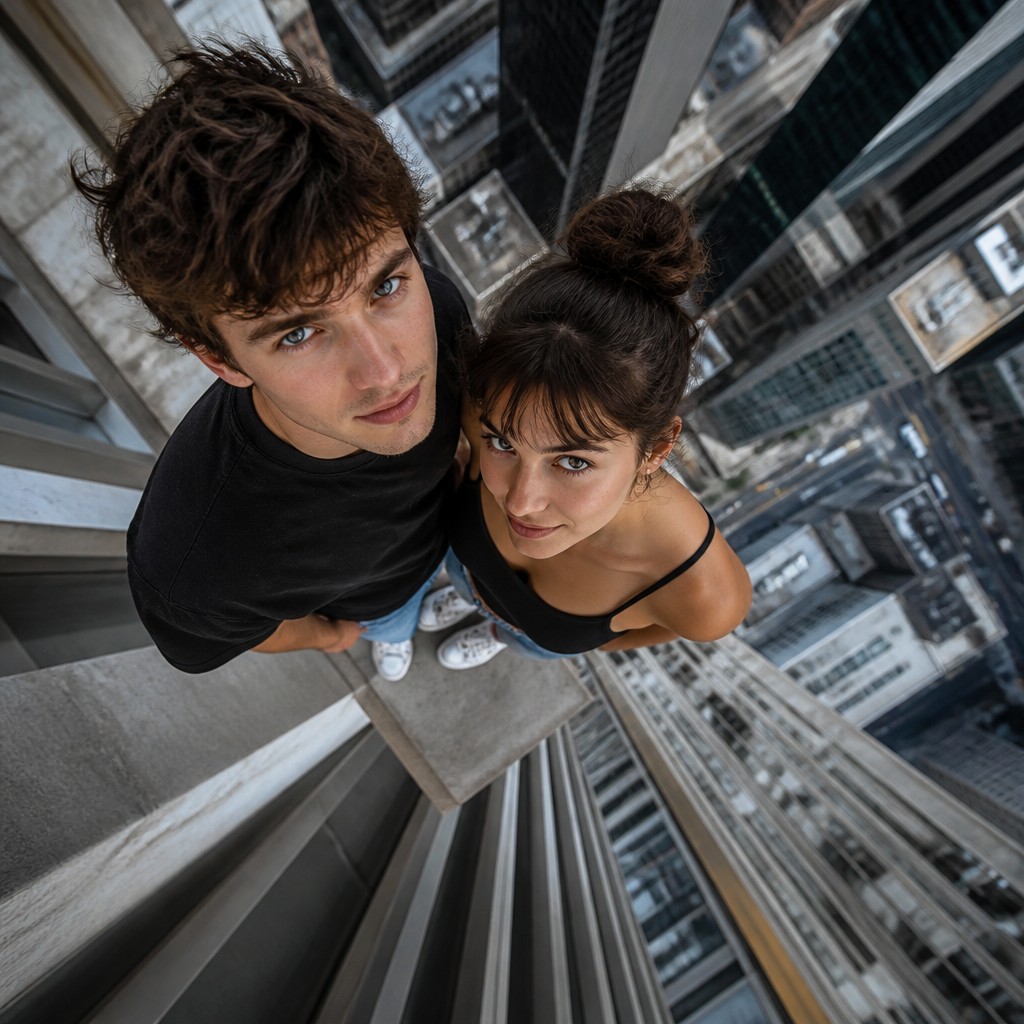
Try It On Your Photos
Upload any photo and convert it into Viewpoint Art Style — drag the sliders to compare before and after.


What Defines Viewpoint Art Style
The signature details, up close
Extreme vantage point
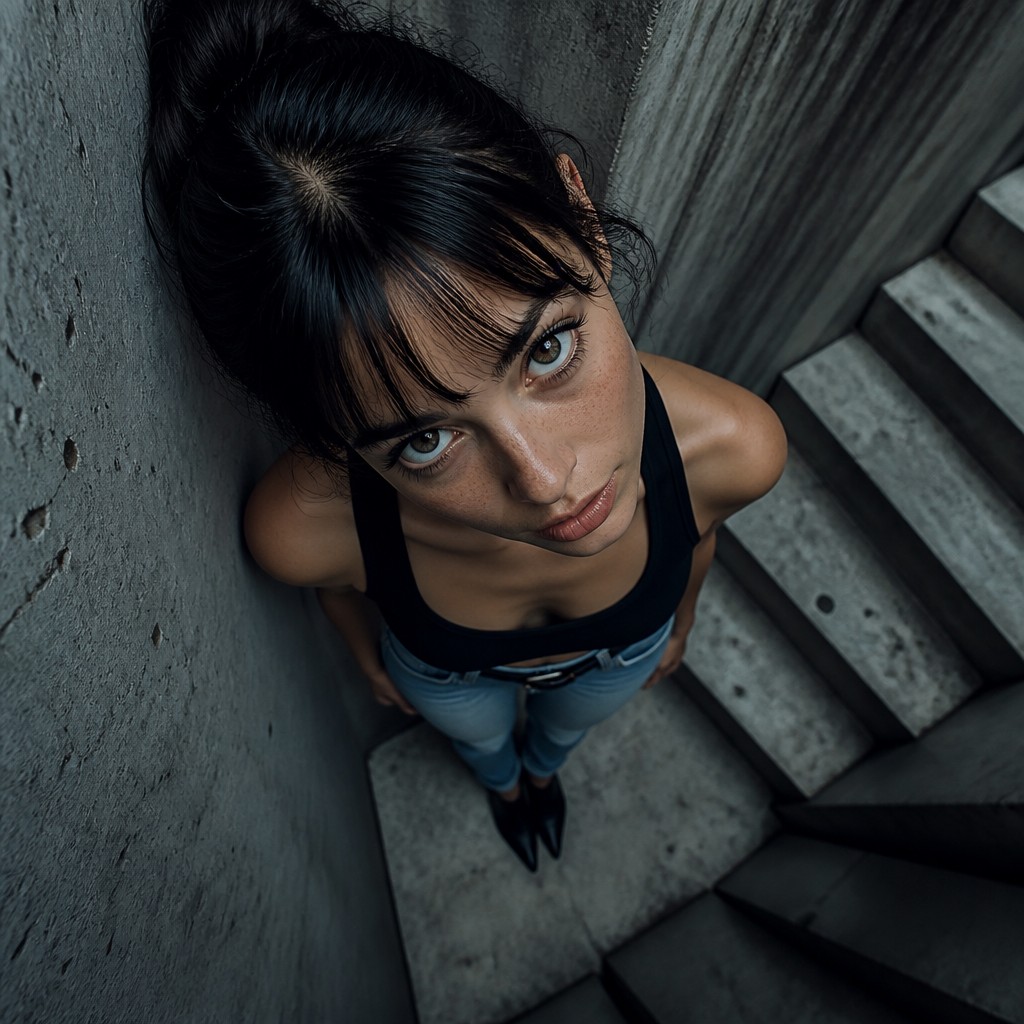
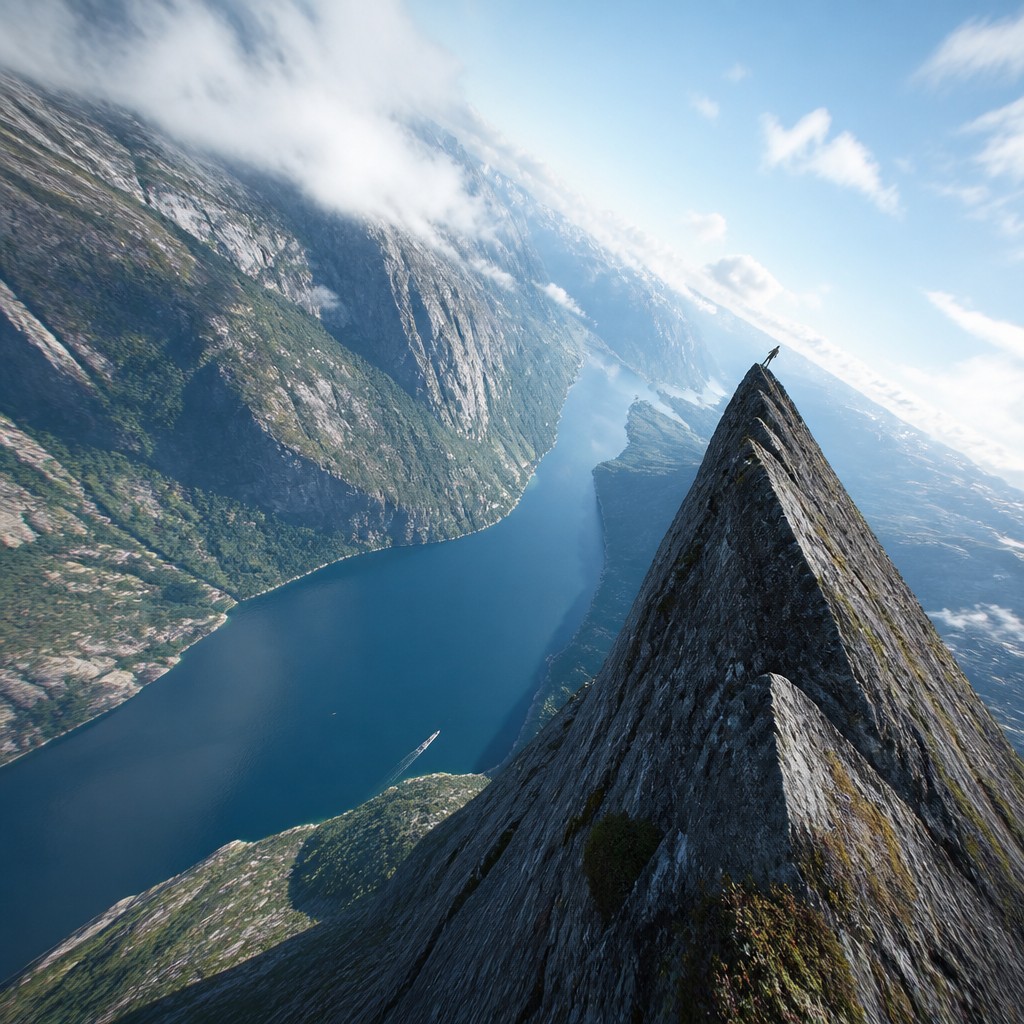
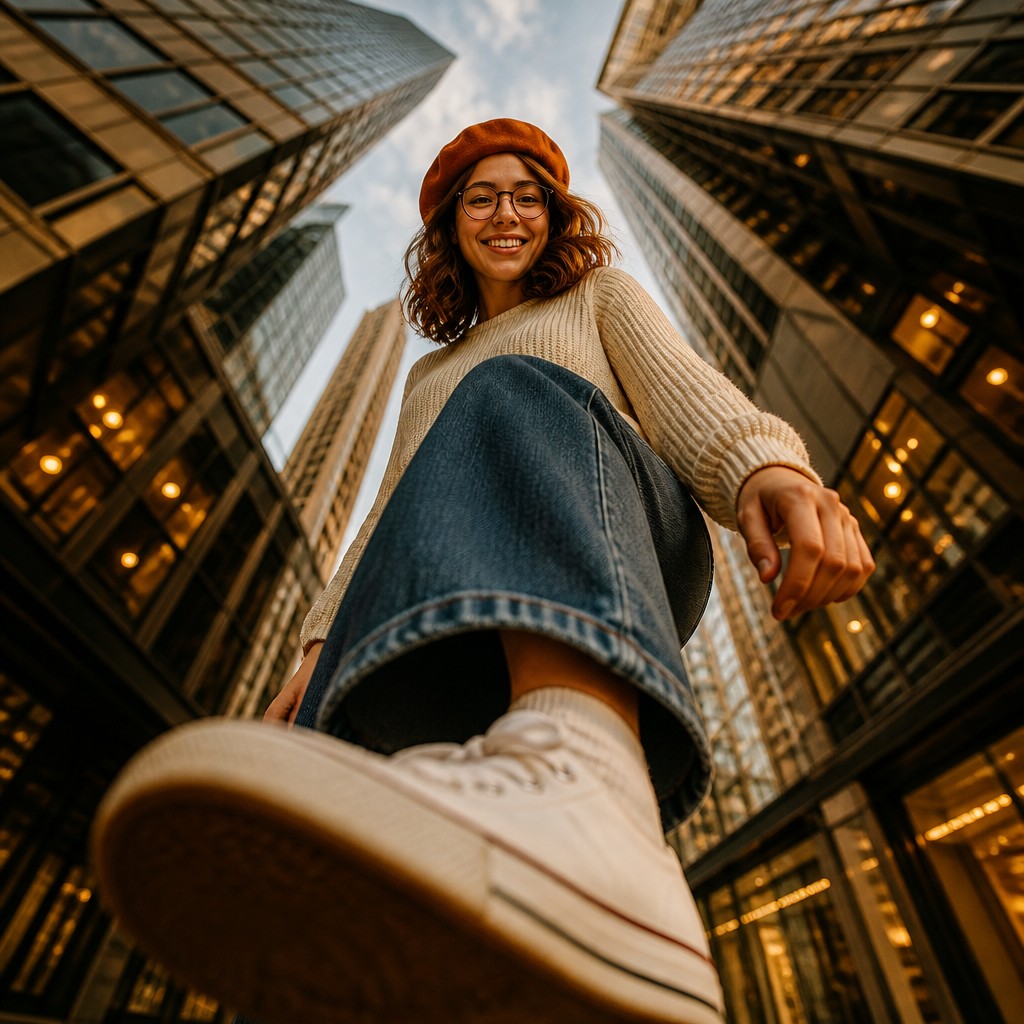
The viewpoint is placed unusually close to the ground, far above the subject, or sharply to one side. This position immediately changes the perceived importance and scale of familiar forms.
Dramatic foreshortening
Objects recede rapidly into depth, with near surfaces appearing oversized and distant parts compressed. Limbs, vehicles, stairways, streets, and architectural elements can become powerful graphic shapes.
Converging perspective lines
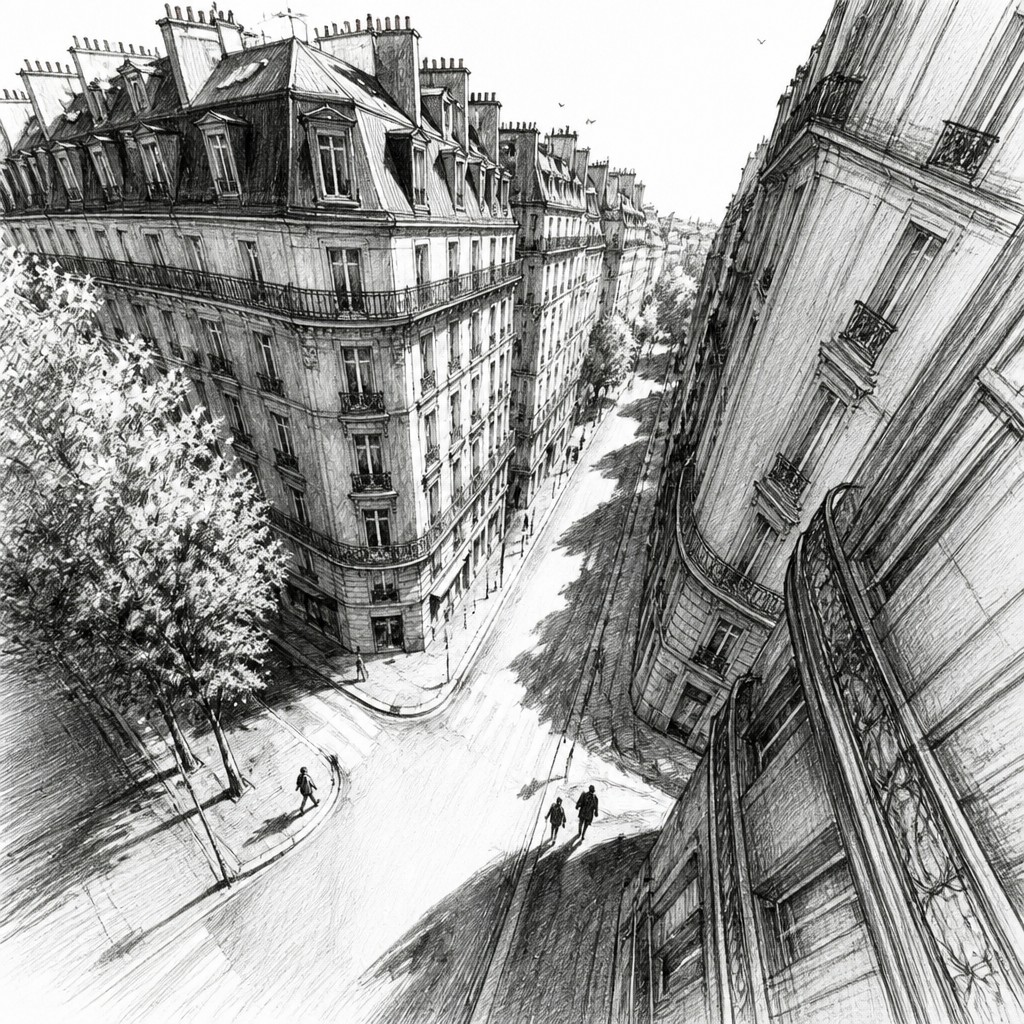
Roads, walls, beams, rails, and building edges direct the eye toward strong or unconventional vanishing points. These lines often create tension, speed, height, or vertigo.
Distorted scale
The composition makes ordinary subjects appear monumental, miniature, or spatially ambiguous. Scale shifts are usually anchored by recognizable details such as people, windows, furniture, or pavement.
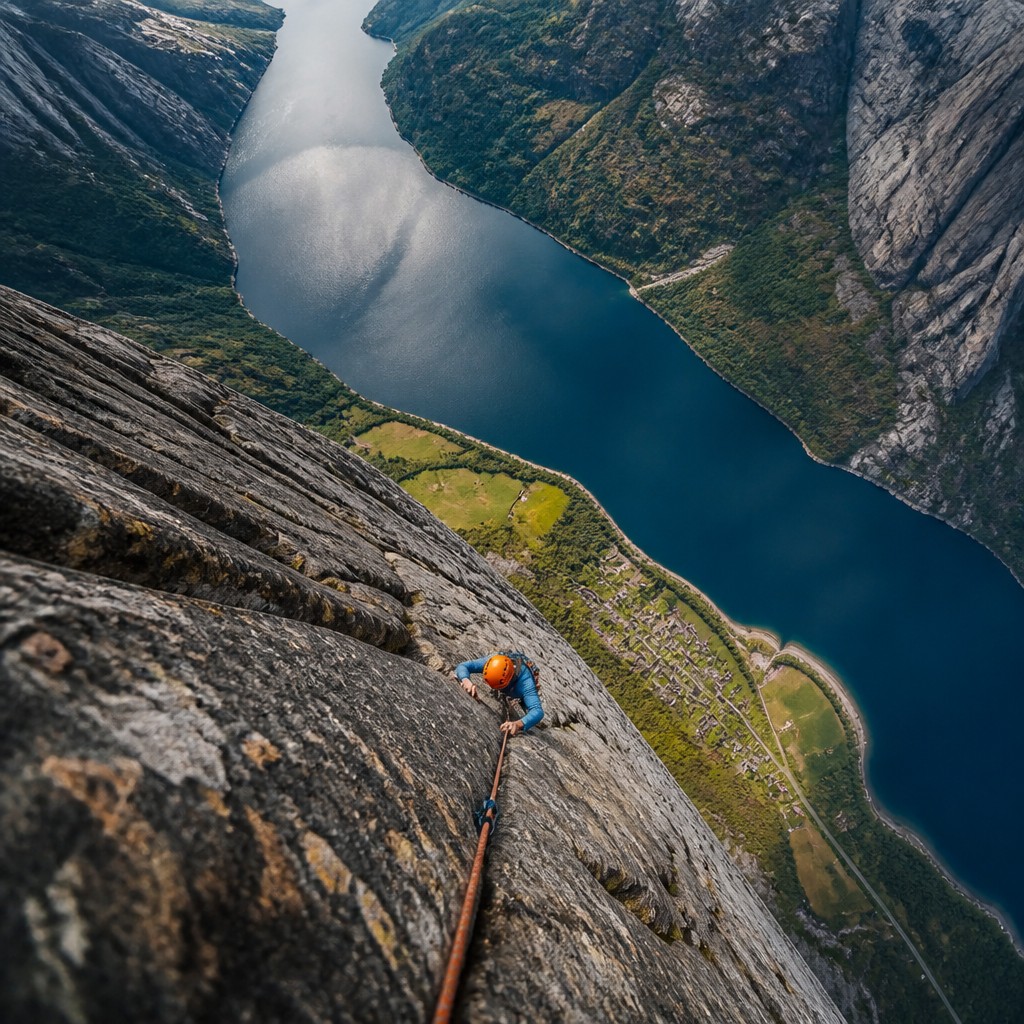
Bold spatial geometry
Overlapping planes, diagonals, wedges, and compressed shapes organize the image. Geometric structure remains legible even when the perspective approaches abstraction.
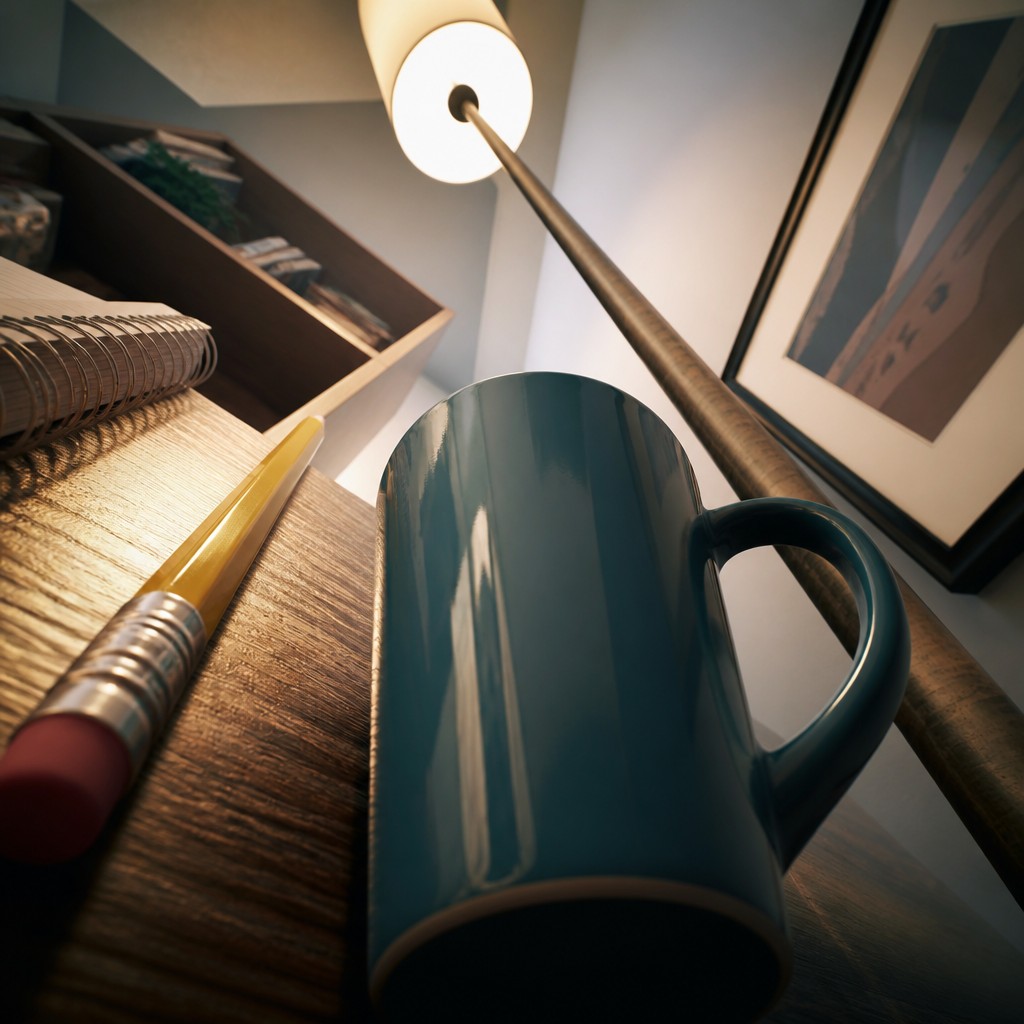
Unconventional framing
Subjects may be cropped by the frame, viewed through openings, or positioned at the extreme edge of the image. The framing emphasizes the daring location of the observer.
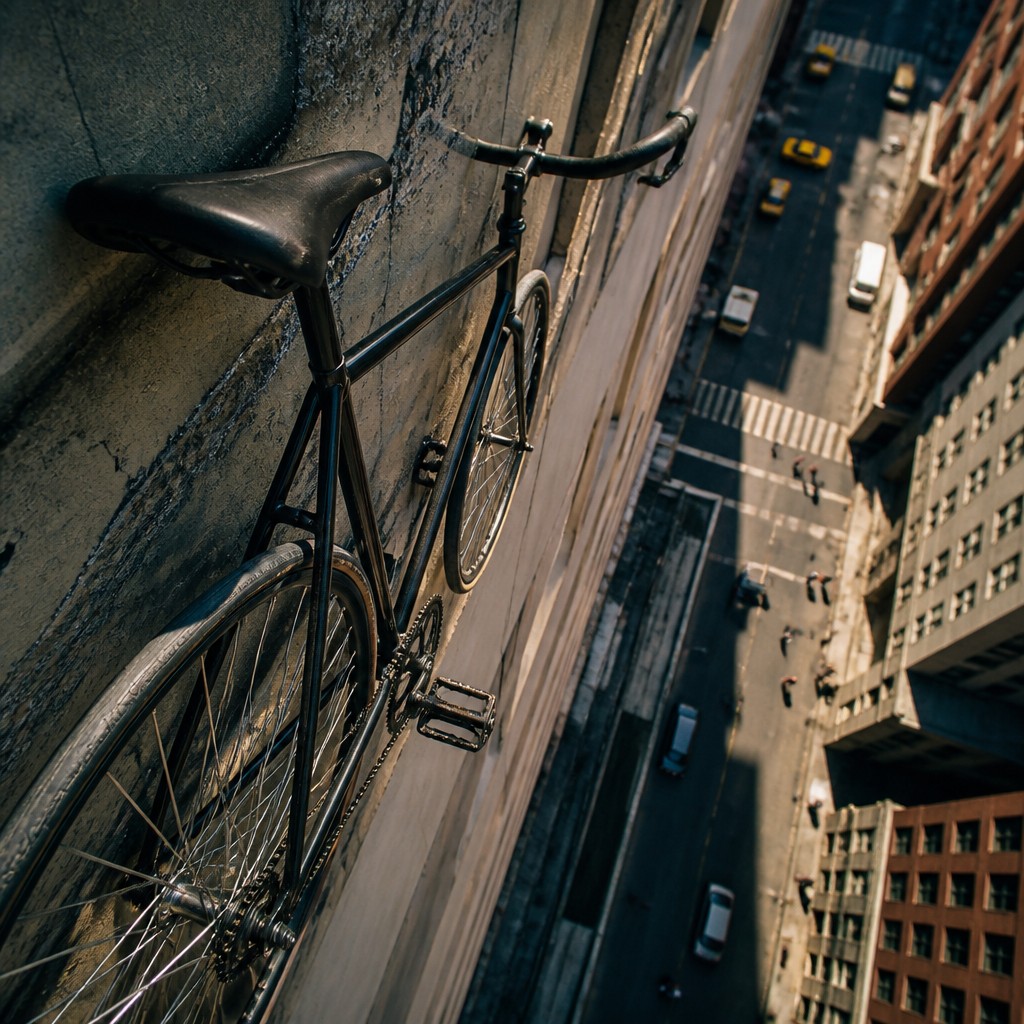
Controlled visual tension
The image balances recognizability with perceptual disruption. Naturalistic lighting and surface detail can make the unusual perspective feel plausible, while exaggerated proportions push it toward the surreal.
Viewpoint Prompt Ideas
Start from an idea — each one opens the generator with the style ready to go. See all 40 Viewpoint prompts →
How to Create Viewpoint Art
Master the craft step by step — or skip straight to creating. Read the full guide →
- 1
Choose the camera position first
Decide whether the scene is seen from pavement level, directly overhead, above a rooftop, or from a sharply tilted side angle. Build the composition around that position instead of adding perspective distortion afterward.
- 2
Construct a clear perspective system
Use one-, two-, or three-point perspective to place major edges and vanishing points. In traditional drawing, establish a horizon and guide lines; digitally, use perspective grids or 3D blocking to maintain spatial consistency.
- 3
Amplify near-far contrast
Place a large foreground form close to the viewer and let secondary elements diminish quickly into depth. Overlap, atmospheric softening, and scale references help the distortion read as intentional rather than accidental.
- 4
Use lighting to reinforce the angle
Long shadows, strong overhead illumination, or light entering from the side can clarify planes and heighten the sense of depth. Keep the light direction consistent across dramatically foreshortened forms.
- 5
Control the frame and lens effect
A wide-angle look supports exaggerated depth, while a high viewpoint benefits from a clear top-down layout. Crop aggressively, retain strong diagonals, and remove competing details that weaken the main spatial gesture.
- 6
Write precise generation instructions
Specify the subject, camera height, viewing direction, lens impression, vanishing-point behavior, scale distortion, and lighting. Useful terms include ground-level view, bird’s-eye view, extreme foreshortening, converging lines, dramatic crop, and architectural perspective; add constraints such as coherent anatomy or straight structural edges when needed.
The Story
History & Origins of Viewpoint
The approach also reflects the influence of cinema, action photography, surveillance imagery, drone views, and digital 3D rendering, all of which expanded the range of plausible camera positions. Contemporary image-making has made extreme viewpoints easier to construct, combine, and exaggerate, allowing perspective itself to become the subject of the composition.
Influences: The style is related to Renaissance linear perspective, Baroque quadratura and trompe-l’oeil, theatrical forced perspective, Cubist and Constructivist angularity, Surrealist spatial disruption, architectural photography, aerial and drone imagery, street photography, cinematic wide-angle framing, and digital 3D visualization. It borrows their interest in how viewpoint, geometry, and scale can reorganize perception without requiring an entirely abstract subject.
Frequently Asked Questions
What defines Viewpoint Art Style?
Its defining feature is an unconventional vantage point that dramatically alters scale, depth, or proportion. Extreme low and high angles, strong convergence, foreshortening, and deliberate cropping are more important than any particular subject, color palette, or medium.
Is Viewpoint Art Style a historical art movement?
No. The term is best used as a contemporary style description rather than the name of a documented historical movement. It gathers techniques from perspective drawing, photography, cinema, architecture, illusionism, and digital image-making into a recognizable approach.
How is it different from ordinary perspective drawing?
Ordinary perspective usually aims to represent a stable, believable view from a conventional position. Viewpoint Art Style makes the unusual position conspicuous, often exaggerating depth, scale, and convergence so that the perspective becomes the image’s main expressive device.
Can this style be realistic or abstract?
It can be either. Realistic textures, consistent lighting, and accurate structural details produce a photographic or architectural result, while extreme cropping, impossible scale, and simplified planes can move the image toward surreal or semi-abstract territory.
How can I create it without digital tools?
Use a perspective grid, establish an unusually high or low horizon, and sketch the largest foreground shapes before adding detail. A wide-angle photograph, a low camera placed near the ground, or a viewpoint from a staircase or balcony can provide direct reference.
Where is this style commonly used?
It is effective in architectural imagery, editorial illustration, posters, concept art, cinematic scenes, urban photography, sports imagery, and visual storytelling. It is especially useful when the goal is to make a familiar location feel monumental, unstable, energetic, or strange.
Create your first Viewpoint artwork
Describe anything — or upload a photo — and see it in Viewpoint Art Style in seconds.
Related Styles
Discover similar art styles